Venture Capital
Seed through Series C venture capital across MENA, India and global tech.
Image · Venture CapitalVenture capital is early-stage equity for high-growth, technology-led companies from seed through Series C. Matchpoint prepares founders for institutional diligence and introduces them to venture investors across MENA, India and global ecosystems.
As part of our Equity practice, Matchpoint Partners has originated and led $2+ billion of transactions across four continents, and every equity mandate is led by a partner, from first call to close.
Venture capital (VC) is early-stage equity for high-growth, typically technology-led companies, from seed through Series C. As part of fund raising, venture capital firms bring not only finance but the business skills to explore and capture market opportunities. To manage a high-risk environment, an equity syndicate often involves two or more VC firms taking a stake in the same round — or, more broadly, at different points in the company's life.
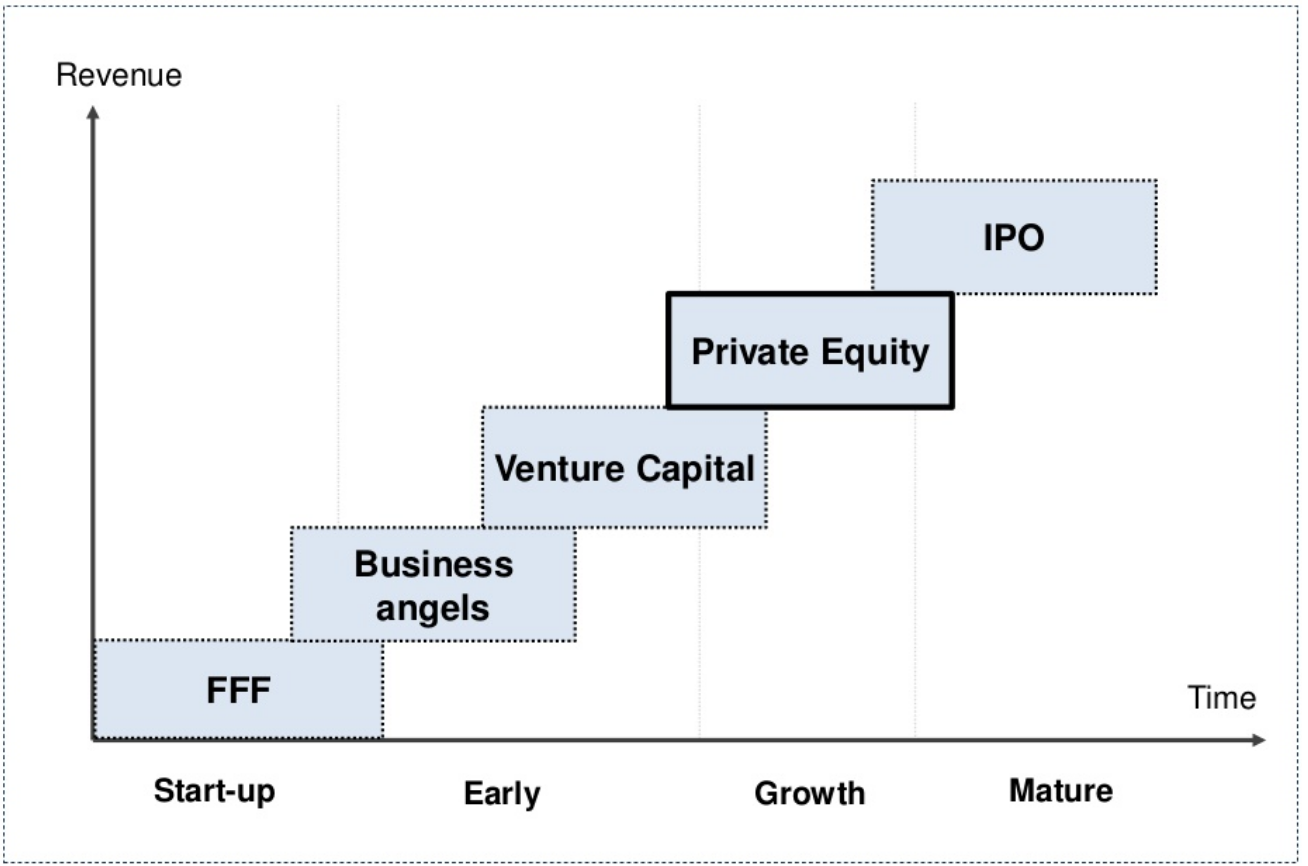
Matchpoint Partners prepares founders for institutional diligence — the equity story, financial model and data room — and introduces them to venture investors across MENA, India and global tech ecosystems. We help time each round to the company's traction so capital is raised on the strongest possible terms.
Our role on venture capital mandates
- Seed, Series A, B and C rounds
- Investor materials and data-room readiness
- Warm introductions to sector VCs
- Cross-border MENA–India–global reach
Select transactions
Representative equity mandates led by Matchpoint partners.
Strategy, financing and M&A for an InsurTech SaaS platform.
Financing for a Singapore CDP / marketing SaaS platform.
Growth financing for a battery-technology venture.
Series-D raise for a tertiary healthcare hospital group.
Research relevant to this area
Original analysis and decision frameworks from the Matchpoint team.
Venture Capital — frequently asked questions
When there is evidence of product-market fit and a clear use of funds to accelerate growth.
Yes, at seed stage where the team, market and thesis are compelling.
Venture capital investors look for a large addressable market, a differentiated product, early evidence of traction and a founding team capable of executing at speed. They also examine unit economics, the path to the next funding milestone and whether the round’s valuation leaves room for future investors.
Founders typically exchange a minority stake for venture capital at each round, with dilution accumulating as the company raises successive rounds. The exact share depends on valuation, round size and investor appetite; well-prepared founders model dilution across the full funding journey before agreeing terms.
Venture capital is the wrong choice for steady, profitable businesses without a credible path to a very large exit, because venture funds need outsized returns from each investment. Such companies are often better served by growth equity, family-office capital or debt, which do not demand aggressive, venture-scale expansion.
Matchpoint prepares your equity story and investor materials, maps your raise against a curated base of PE funds, family offices, SWFs, VCs and strategic investors, and runs the process to close. Typical equity tickets range from USD 5m to USD 300m.
Assess the adviser against the transaction size, sector and geography; the quality of its investor-screening method; senior involvement; preparation capability; conflicts; process reporting; fee transparency; and its ability to support diligence and term-sheet comparison. Ask to see the proposed deliverables and qualification fields before any outreach begins.
The target list should record each investor's sector, stage, geography, cheque size, preferred instrument, governance requirements, relevant portfolio or transaction evidence, conflicts, relationship route and the reason the investor fits the mandate. It should be prioritised and updated as feedback is received.
Venture capital funds early-stage, high-growth companies (seed to Series C) for minority equity, while private equity backs more established businesses via growth equity, buy-outs or minority stakes. We raise both, matching the investor to your stage and sector.
Yes. We support founders from MVP traction through growth rounds — building the pitch, model and go-to-market narrative, then introducing the company to seed and growth-stage investors across MENA and India.
Engagements ordinarily combine a retainer with a success fee. Terms are agreed in writing before work begins and calibrated to the mandate’s size, scope and complexity.
Most mandates reach a first term sheet within 30 days, depending on diligence readiness and structure; closing follows once terms are agreed.
A short, confidential scoping call and NDA; we structure the requirement and prepare materials, then run a competitive process across our 5,000+ investor and lender relationships, and negotiate to close — with a partner leading at every step.
Matchpoint Partners is based in the UAE and runs cross-border mandates across the UAE, KSA, India and the UK, with active deal activity in wider Europe, Singapore and the United States.
Matchpoint undertakes corporate finance, financing, M&A and fund-placement mandates from USD 5m upwards, subject to mandate fit, diligence, applicable regulation, capacity and a written engagement. The partner team has originated and led $2+ billion of transactions.
Use the enquiry form, email contact@matchpoint-partners.com, or call/WhatsApp +971 52 345 1119. Every mandate is led by a partner from the very first conversation.
Yes. Confidential information is handled under the engagement terms and any applicable non-disclosure agreement.
More in Equity
Interested in venture capital?
Tell us your requirement and a partner will respond personally.
Investment roles, structures and decision criteria
Explore the participants and transaction options relevant to this practice. Each entry sets out a discussion scope, decision checks, a paid engagement starting point and the specialist responsibilities to confirm.
Private Capital
Venture CapitalCME-146 · Private Capital · Asset Class
- Ecosystem role
- Asset Class
- Related asset class
- Private markets
- Instrument context
- Equity or debt
Mandate context: equity, credit and private-company investment strategies. The structure and rights are established by the specific transaction documents.
Decision focus: Economic exposure and downside assumptions.
- Underlying business or borrower evidence
- Cash-flow rights, leverage and valuation
- Liquidity, governance and exit or repayment routes
Scope to discuss: Private-markets portfolio strategy, manager selection, diligence and transaction access.
Paid engagement entry point: allocation and market-opportunity study; followed by manager or asset screening and diligence.
Illustrative GCC scenario: An illustrative GCC private-capital comparison can evaluate equity and credit exposures on a consistent set of cash-flow, governance and liquidity assumptions. This is a hypothetical decision example.
What should be agreed before a mandate involving Venture Capital?
Define the investment or transaction objective, the authorised decision-maker, the evidence available, the requested deliverables and the next approval. Use the decision checks above to identify gaps; agree the workplan, delivery responsibilities and fee terms in writing.
Delivery and specialist boundary: Confirm decision authority, evidence access, conflicts, scope and applicable jurisdiction-specific permissions before execution. Legal, tax, fund-marketing, securities and Shariah questions require the relevant appointed specialist. Capital availability, investment returns and execution dates remain subject to assessment.
Discuss a paid scopeEquity and Hybrid Capital
Musharakah Joint-Venture CapitalCME-216 · Equity and Hybrid Capital · Funding Instrument
- Ecosystem role
- Funding Instrument
- Related asset class
- Private equity
- Instrument context
- Equity or hybrid
Mandate context: equity raises, founder financing and growth investment. The structure and rights are established by the specific transaction documents.
Decision focus: Ownership economics across alternative structures.
- Cash-flow rights, conversion and dilution
- Governance, preferences and contingent payments
- Valuation, exit and specialist documentation
Scope to discuss: Capital-structure design, financing options analysis and execution support.
Paid engagement entry point: financing-options and term-sheet assessment; followed by lender or investor process execution.
Illustrative GCC scenario: An illustrative UAE investment can compare ordinary, preferred or convertible terms using the same ownership, cash-flow and exit scenarios; actual rights depend on the documents. This is a hypothetical decision example.
What should be agreed before a mandate involving Musharakah Joint-Venture Capital?
Define the investment or transaction objective, the authorised decision-maker, the evidence available, the requested deliverables and the next approval. Use the decision checks above to identify gaps; agree the workplan, delivery responsibilities and fee terms in writing.
Delivery and specialist boundary: Confirm decision authority, evidence access, conflicts, scope and applicable jurisdiction-specific permissions before execution. Legal, tax, fund-marketing, securities and Shariah questions require the relevant appointed specialist. Capital availability, investment returns and execution dates remain subject to assessment.
Discuss a paid scopeM&A and Restructuring
Joint-Venture Capital RaisesCME-289 · M&A and Restructuring · Transaction Route
- Ecosystem role
- Transaction Route
- Related asset class
- Private equity
- Instrument context
- Share sale, asset sale or refinancing
Mandate context: private sale, acquisition, restructuring and secondary transactions. The structure and rights are established by the specific transaction documents.
Decision focus: Transaction route, value and execution dependencies.
- Ownership, objectives and transaction perimeter
- Valuation, stakeholder incentives and alternative structures
- Approvals, diligence and completion or restructuring conditions
Scope to discuss: Transaction route assessment, process design and execution support.
Paid engagement entry point: transaction-route feasibility study; followed by process design and execution.
Illustrative GCC scenario: An illustrative cross-border GCC carve-out can compare the sale perimeter, standalone readiness, valuation and separation dependencies before selecting a transaction route. This is a hypothetical decision example.
What should be agreed before a mandate involving Joint-Venture Capital Raises?
Define the investment or transaction objective, the authorised decision-maker, the evidence available, the requested deliverables and the next approval. Use the decision checks above to identify gaps; agree the workplan, delivery responsibilities and fee terms in writing.
Delivery and specialist boundary: Confirm decision authority, evidence access, conflicts, scope and applicable jurisdiction-specific permissions before execution. Legal, tax, fund-marketing, securities and Shariah questions require the relevant appointed specialist. Capital availability, investment returns and execution dates remain subject to assessment.
Discuss a paid scopeFurther reading on diligence, market frameworks and applicable requirements. These resources do not verify an individual mandate or Matchpoint permission.
