
Factoring
Receivables factoring to convert invoices into immediate liquidity.

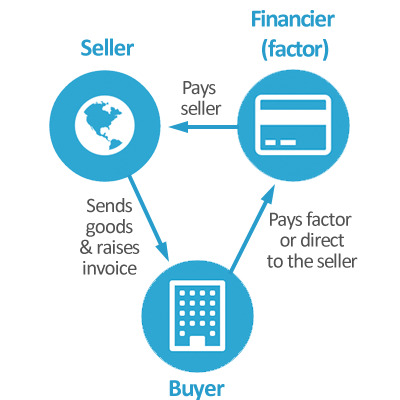
Factoring is the sale of accounts receivable to a financier at a discount for immediate cash. Its accounting treatment depends on the transaction terms and applicable accounting standards. Matchpoint arranges recourse and non-recourse factoring.
As part of our Debt practice, Matchpoint Partners has originated and led $2+ billion of transactions across four continents, and every debt mandate is led by a partner, from first call to close.
Factoring is the sale of a company's accounts receivable to a financier at a discount, in exchange for immediate cash. It can support working capital for receivables-heavy businesses. The accounting treatment of the receivables and any associated liabilities depends on the transaction terms and applicable accounting standards; the appointed accountant should assess the risks, rewards and control retained. Matchpoint Partners arranges recourse and non-recourse factoring facilities with regional and international providers.
Our role on factoring mandates
- Immediate cash against invoices
- Recourse and non-recourse options
- Working capital from eligible receivables; accounting treatment depends on the structure
- Suited to receivables-heavy businesses
Select transactions
Representative debt mandates led by Matchpoint partners.
Working capital via invoice discounting & supplier finance.
Research relevant to this area
Original analysis and decision frameworks from the Matchpoint team.
Factoring — frequently asked questions
You sell invoices to a factor for most of their value upfront; the factor collects and remits the balance, less fees.
Factoring can include collections and disclosure; invoice discounting is typically confidential.
Under recourse factoring, you must buy back or replace invoices your customer fails to pay, so the credit risk stays with you. Non-recourse factoring transfers that risk to the factor, usually for a higher fee and subject to credit limits on each debtor. The right choice depends on debtor quality and your risk appetite.
Factors assess the quality and spread of your customers, since they are effectively lending against those debtors. They look for creditworthy buyers, low concentration on any single customer, clean invoicing with few disputes or credit notes, and clear evidence of delivery. The strength of your own balance sheet matters less.
Yes. Cross-border factoring funds invoices owed by overseas buyers, often with credit protection on the foreign debtor through the factor’s international network or credit insurance. Credit protection and collection services depend on the contract, including exclusions, limits and any recourse. It can help exporters manage the timing of receipts and overseas-buyer collection risk.
Matchpoint originates senior, mezzanine, hybrid and structured debt from regional banks, international lenders and private credit funds, structured around your transaction. Tickets range from USD 5m to USD 500m+.
Private credit is non-bank lending from specialist funds, typically senior or unitranche, offering speed and flexibility. We maintain relationships with private credit funds active in the GCC and India.
Yes. We structure Sukuk and Shariah-compliant private credit, including blended structures pairing a Sukuk tranche with conventional debt.
Engagements ordinarily combine a retainer with a success fee. Terms are agreed in writing before work begins and calibrated to the mandate’s size, scope and complexity.
Most mandates reach a first term sheet within 30 days, depending on diligence readiness and structure; closing follows once terms are agreed.
A short, confidential scoping call and NDA; we structure the requirement and prepare materials, then run a competitive process across our 5,000+ investor and lender relationships, and negotiate to close — with a partner leading at every step.
Matchpoint Partners is based in the UAE and runs cross-border mandates across the UAE, KSA, India and the UK, with active deal activity in wider Europe, Singapore and the United States.
Matchpoint undertakes corporate finance, financing, M&A and fund-placement mandates from USD 5m upwards, subject to mandate fit, diligence, applicable regulation, capacity and a written engagement. The partner team has originated and led $2+ billion of transactions.
Use the enquiry form, email contact@matchpoint-partners.com, or call/WhatsApp +971 55 345 6487. Every mandate is led by a partner from the very first conversation.
Yes. Confidential information is handled under the engagement terms and any applicable non-disclosure agreement.
More in Debt
Interested in factoring?
Tell us your requirement and a partner will respond personally.
Investment roles, structures and decision criteria
Explore the participants and transaction options relevant to this practice. Each entry sets out a discussion scope, decision checks, a paid engagement starting point and the specialist responsibilities to confirm.
Asset and Trade Finance
Factoring CompaniesCME-064 · Asset and Trade Finance · Debt Lender
- Ecosystem role
- Debt Lender
- Related asset class
- Private credit
- Instrument context
- Asset-based lending
Mandate context: inventory, receivables, trade and equipment funding. The structure and rights are established by the specific transaction documents.
Decision focus: Financeable assets and traceable cash conversion.
- Asset ownership, eligibility and supporting records
- Receivable, inventory or equipment quality
- Concentration, collections, controls and recourse
Scope to discuss: Lender advisory, independent credit underwriting and financing execution.
Paid engagement entry point: independent credit-screening memorandum; followed by underwriting, structuring or portfolio monitoring.
Illustrative GCC scenario: An illustrative Saudi supplier financing can be reviewed using purchase orders, receivables evidence, obligor concentration and collection controls. This is a hypothetical decision example.
What should be agreed before a mandate involving Factoring Companies?
Define the investment or transaction objective, the authorised decision-maker, the evidence available, the requested deliverables and the next approval. Use the decision checks above to identify gaps; agree the workplan, delivery responsibilities and fee terms in writing.
Delivery and specialist boundary: Confirm decision authority, evidence access, conflicts, scope and applicable jurisdiction-specific permissions before execution. Legal, tax, fund-marketing, securities and Shariah questions require the relevant appointed specialist. Capital availability, investment returns and execution dates remain subject to assessment.
Discuss a paid scopeDebt and Asset Finance
FactoringCME-233 · Debt and Asset Finance · Funding Instrument
- Ecosystem role
- Funding Instrument
- Related asset class
- Private credit
- Instrument context
- Debt or asset finance
Mandate context: corporate, project, asset and acquisition financing. The structure and rights are established by the specific transaction documents.
Decision focus: Cash obligations and risk allocation.
- Pricing, tenor and repayment obligations
- Collateral, covenants and priority
- Sensitivity to delays, cash shortfalls and refinancing
Scope to discuss: Capital-structure design, financing options analysis and execution support.
Paid engagement entry point: financing-options and term-sheet assessment; followed by lender or investor process execution.
Illustrative GCC scenario: An illustrative Saudi funding proposal can compare repayment, security, covenant and refinancing terms on common cash-flow assumptions before specialist documentation review. This is a hypothetical decision example.
What should be agreed before a mandate involving Factoring?
Define the investment or transaction objective, the authorised decision-maker, the evidence available, the requested deliverables and the next approval. Use the decision checks above to identify gaps; agree the workplan, delivery responsibilities and fee terms in writing.
Delivery and specialist boundary: Confirm decision authority, evidence access, conflicts, scope and applicable jurisdiction-specific permissions before execution. Legal, tax, fund-marketing, securities and Shariah questions require the relevant appointed specialist. Capital availability, investment returns and execution dates remain subject to assessment.
Discuss a paid scopeFurther reading on diligence, market frameworks and applicable requirements. These resources do not verify an individual mandate or Matchpoint permission.
