
Leveraged Buy-Outs (LBOs)
Sponsor-led acquisitions financed via senior and mezzanine debt.

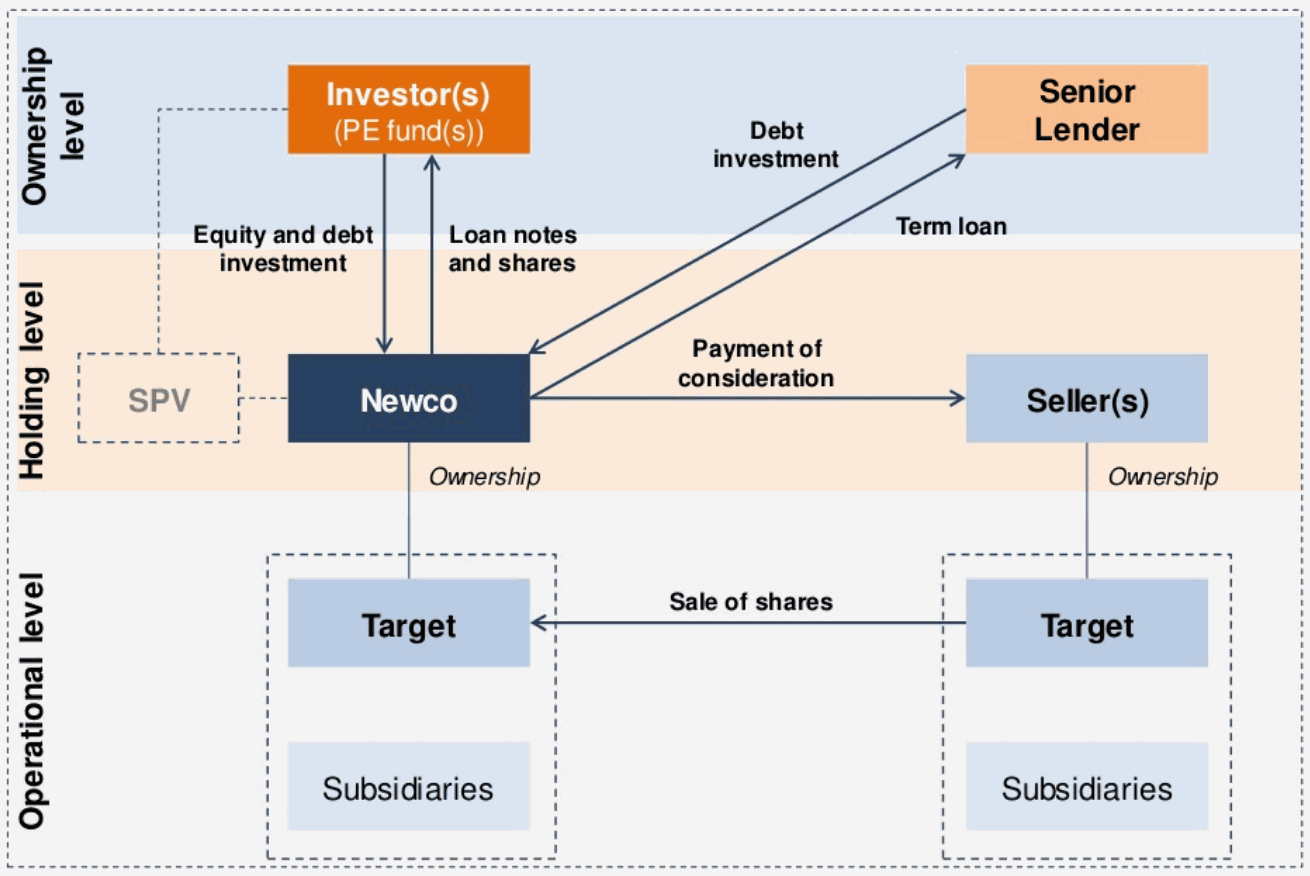
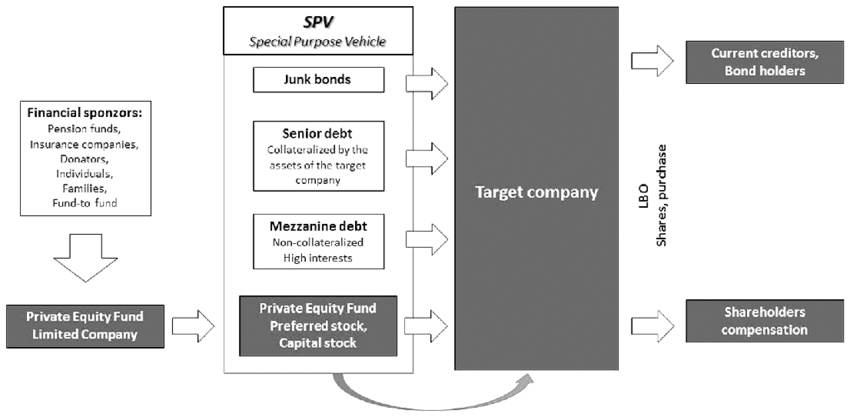
A leveraged buy-out (LBO) is the acquisition of a company using a significant amount of borrowed money, with the target's cash flows and assets supporting the debt. Matchpoint structures LBOs and arranges the senior and mezzanine financing.
As part of our Mergers & Acquisitions Advisory Services in the UAE practice, Matchpoint Partners has originated and led $2+ billion of transactions across four continents, and every mergers & acquisitions advisory services in the uae mandate is led by a partner, from first call to close.
A leveraged buy-out (LBO) is the acquisition of a company using a significant amount of borrowed money, repaid from the target's cash flows, with the assets supporting the debt. Sized correctly, leverage amplifies equity returns; sized wrongly, it adds fragility. Matchpoint Partners structures LBOs and arranges the senior and mezzanine financing, modelling debt to a sustainable level for the specific target.
Use leverage to support value creation
Decision
Size debt to sustainable free cash flow and downside headroom rather than the maximum headline leverage available at signing.
Evidence
The financing case should test quality of earnings, cash conversion, maintenance capex, cyclicality, customer concentration, security, covenant headroom, integration needs and the refinancing or exit route.
Execution
Coordinate the purchase agreement and debt documents, preserve liquidity at close and use a full debt schedule and return waterfall to test every change in price, structure or operating performance.
Our role on leveraged buy-outs (lbos) mandates
- Senior and mezzanine acquisition debt
- Sponsor-led transaction structuring
- Cash-flow-based debt sizing
- Returns and capital-structure modelling
Research relevant to this area
Original analysis and decision frameworks from the Matchpoint team.
Leveraged Buy-Outs (LBOs) — frequently asked questions
An acquisition funded largely by debt, repaid from the acquired company's cash flows, amplifying equity returns.
It depends on cash-flow stability and sector; we size debt to a sustainable level for the specific target.
A company suits a leveraged buy-out when it generates stable, predictable cash flows that can reliably service debt — typically with recurring revenue, defensible margins, modest capital expenditure and low cyclicality. Asset backing helps the security package, but cash-flow quality determines how much leverage the structure can sustain.
The main LBO risks are a downturn in cash flows that strains debt service, covenant breaches that hand leverage to lenders, refinancing risk when facilities mature and underinvestment in the business to prioritise repayments. Conservative debt sizing and genuine operational headroom are the principal protections.
An LBO structure typically layers senior debt at the base, mezzanine or subordinated debt above it, and sponsor and management equity at the top. Each layer carries different cost, security and rights; the mix is sized against the target’s cash flows to balance returns against resilience.
Mergers and acquisitions advisory is professional guidance and transaction execution for a company sale, acquisition, merger, divestment or strategic combination. The work can cover transaction strategy, valuation, buyer or target identification, materials, outreach, diligence, structure, negotiation, financing coordination and completion.
Mergers and acquisitions services can include sell-side advisory, buy-side advisory, company valuation, transaction strategy, target or buyer search, financial analysis, process materials, due-diligence coordination, bid comparison, term negotiation, acquisition financing coordination and post-merger-integration planning.
M&A advisory services connect the commercial objective to an executable transaction process. The adviser defines the route, prepares the evidence and valuation case, manages counterparties and information flow, coordinates diligence and specialist workstreams, compares terms, supports negotiation and maintains the path to signing and completion.
M&A transaction advisory is the analysis and execution support required to move an acquisition, sale or merger from initial decision to completion. It combines financial analysis, valuation, process management, counterparty coordination, diligence tracking, terms and decision materials.
A merger and acquisition consultant helps the client define the transaction objective, evaluate options, prepare the business or acquisition case, identify counterparties, manage the process and convert evidence into decisions on value, structure, terms, risks and timing.
A company should consider appointing an M&A adviser before approaching buyers or targets, sharing sensitive information, accepting exclusivity or anchoring a valuation. Early preparation provides time to reconcile financial information, test transaction routes, define approval criteria and control disclosure.
In the UAE, merger and acquisition consultants can support local and cross-border sales, acquisitions and combinations by defining the transaction perimeter, preparing the valuation and evidence base, mapping UAE, GCC and international counterparties, managing diligence and coordinating the commercial path to completion. Legal, tax, accounting and other specialist conclusions remain with qualified advisers.
The process begins with objectives, scope, readiness and decision criteria. It then moves through valuation, process design, buyer or target mapping, controlled outreach, information exchange, bids or offers, diligence, terms, approvals, signing and completion. The sequence varies with the transaction and evidence available.
Sell-side M&A advisory represents an owner or company seeking a buyer and manages positioning, marketing, bids and closing. Buy-side M&A advisory represents an acquirer and manages acquisition criteria, target search, approach, valuation, diligence, terms and completion.
The starting set normally includes the transaction objective, ownership and entity structure, historical financial statements, current management accounts, operating KPIs, forecast assumptions, debt and cash, material contracts, management responsibilities, known issues and the client's decision timetable. The exact list depends on the mandate.
M&A advisory fees depend on the scope, transaction size, complexity, readiness, geography and expected execution work. A proposed fee structure should be documented in an engagement letter and becomes effective only when the parties approve and sign it.
Matchpoint can support UAE clients on cross-border buyer and target mapping, valuation, transaction materials, outreach, diligence coordination, terms, financing interfaces and process control, subject to mandate fit, available evidence and an agreed engagement scope.
Engagements ordinarily combine a retainer with a success fee. Terms are agreed in writing before work begins and calibrated to the mandate’s size, scope and complexity.
Most sell-side and buy-side M&A processes run 4–9 months from mandate to completion, depending on diligence, regulatory approvals and negotiation.
A short, confidential scoping call and NDA; we structure the requirement and prepare materials, then run a competitive process across our 5,000+ investor and lender relationships, and negotiate to close — with a partner leading at every step.
Matchpoint Partners is based in the UAE and runs cross-border mandates across the UAE, KSA, India and the UK, with active deal activity in wider Europe, Singapore and the United States.
Matchpoint undertakes corporate finance, financing, M&A and fund-placement mandates from USD 5m upwards, subject to mandate fit, diligence, applicable regulation, capacity and a written engagement. The partner team has originated and led $2+ billion of transactions.
Use the enquiry form, email contact@matchpoint-partners.com, or call/WhatsApp +971 55 345 6487. Every mandate is led by a partner from the very first conversation.
Yes. Confidential information is handled under the engagement terms and any applicable non-disclosure agreement.
More in Mergers & Acquisitions Advisory Services in the UAE
Interested in leveraged buy-outs (lbos)?
Tell us your requirement and a partner will respond personally.
Investment roles, structures and decision criteria
Explore the participants and transaction options relevant to this practice. Each entry sets out a discussion scope, decision checks, a paid engagement starting point and the specialist responsibilities to confirm.
Debt and Asset Finance
Leveraged LoansCME-223 · Debt and Asset Finance · Funding Instrument
- Ecosystem role
- Funding Instrument
- Related asset class
- Private credit
- Instrument context
- Debt or asset finance
Mandate context: corporate, project, asset and acquisition financing. The structure and rights are established by the specific transaction documents.
Decision focus: Cash obligations and risk allocation.
- Pricing, tenor and repayment obligations
- Collateral, covenants and priority
- Sensitivity to delays, cash shortfalls and refinancing
Scope to discuss: Capital-structure design, financing options analysis and execution support.
Paid engagement entry point: financing-options and term-sheet assessment; followed by lender or investor process execution.
Illustrative GCC scenario: An illustrative Saudi funding proposal can compare repayment, security, covenant and refinancing terms on common cash-flow assumptions before specialist documentation review. This is a hypothetical decision example.
What should be agreed before a mandate involving Leveraged Loans?
Define the investment or transaction objective, the authorised decision-maker, the evidence available, the requested deliverables and the next approval. Use the decision checks above to identify gaps; agree the workplan, delivery responsibilities and fee terms in writing.
Delivery and specialist boundary: Confirm decision authority, evidence access, conflicts, scope and applicable jurisdiction-specific permissions before execution. Legal, tax, fund-marketing, securities and Shariah questions require the relevant appointed specialist. Capital availability, investment returns and execution dates remain subject to assessment.
Discuss a paid scopeFurther reading on diligence, market frameworks and applicable requirements. These resources do not verify an individual mandate or Matchpoint permission.
