Real Estate Finance Advisory for Large Developments
Structure the funding strategy by phase, evidence sponsor support and compare senior debt, structured debt, preferred equity and JV equity against the same downside case.

Senior, mezzanine and equity for residential, commercial and mixed-use development.
 Image · Real Estate Project Finance
Move from mandate definition and funding strategy through readiness, capital sources, evidence and adviser engagement.
Real estate project finance advisory covers capital-stack design, lender and investor targeting, the financing model, diligence coordination, term-sheet comparison and execution for development projects. Structures may combine senior debt, mezzanine, preferred or JV equity and bridge capital, with drawdowns linked to evidence and milestones.
As part of our Real Estate Financing practice, Matchpoint Partners has originated and led $2+ billion of transactions across four continents, and every real estate financing mandate is led by a partner, from first call to close.
Real estate project finance funds the construction and delivery of a development through a blend of senior debt, mezzanine and equity, drawn against construction milestones and repaid from sales or rental cash flows. Matchpoint Partners structures multi-tranche, milestone-linked project finance for UAE developers and coordinates the technical, legal and financial due diligence to lender requirements.
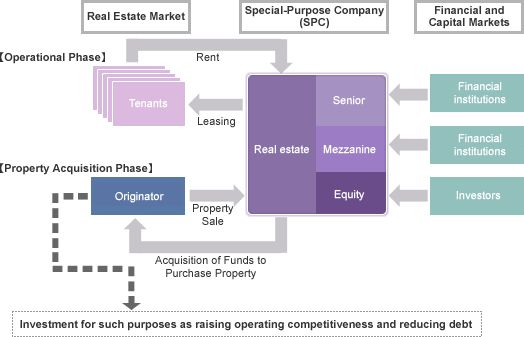
We work across residential, commercial and mixed-use schemes in Dubai, Abu Dhabi and the wider GCC, with capital from regional banks, private credit funds and equity partners.
Define the project phases and capital requirement, evidence sponsor equity and development rights, build a cost-to-complete and downside model, then compare senior debt, mezzanine, preferred equity, project JV equity and other feasible routes. Sequence each source against approvals, presales or leasing, construction milestones, security, drawdowns and refinancing. The output should include a preferred structure, fallback route, diligence plan and closing timetable.
Matchpoint Partners supports eligible developers and corporates with capital-stack design, financial modelling, lender and investor targeting, materials, diligence coordination, term comparison and transaction execution. Scope, jurisdiction, counterparty approach and fees are defined in a written engagement before outreach.
Review real-estate finance advisory for large developments · Use the finance data-room checklist
Choose an adviser by testing comparable project-finance execution, the named senior team, development-model and cost-to-complete capability, capital-stack judgement, relevant lender and investor access, conflicts, fees and the proposed execution controls. Require evidence for each claim and compare candidates against one written mandate brief.
Use the adviser-selection checklist · Review real estate finance capabilities
Project-finance work should connect development rights, approvals, construction, sales or operating cash flows, sponsor support, security, drawdowns and refinancing in one auditable case.
Structure the funding strategy by phase, evidence sponsor support and compare senior debt, structured debt, preferred equity and JV equity against the same downside case.
Build a reconciled sources-and-uses model, cost-to-complete analysis, drawdown schedule, security package, diligence plan and closing timetable.
Sequence capital sources against approvals, presales or leasing, construction milestones, completion support and the proposed takeout.
Prepare the model, information memorandum, lender or investor criteria, data room, management responses, term comparison and execution controls.
Define the investable perimeter, governance, currency, distribution waterfall, exit rights, jurisdictional advice and investor-fit criteria before cross-border outreach.
Reconcile the capital ask, sponsor contribution, instrument, valuation or return framework, use of funds, diligence evidence and approval path.
Matchpoint decision framework
Editorial update: 2026-09-07
A construction funding plan needs to address the timing of cash requirements as well as the total financing amount. Developers should explain the path from the current project stage to completion and the intended repayment or exit. The financing workstream depends on coordinated commercial, technical, legal and financial evidence.
Prepare a schedule of proposed drawdowns against construction milestones and available sponsor funds. Identify the evidence that may be needed to support each release, such as progress information, cost reporting and agreed approvals. Document who produces and checks each item. Exact lender conditions are transaction-specific and must be established from the proposed financing documents.
Test cost increases, completion delays, slower sales or leasing and a later refinancing. Show how the cash shortfall changes in each case, who could fund it and which assumptions remain uncommitted. Avoid relying on an asset value alone to explain repayment. Technical completion, cash availability and legal rights each need their own evidence and specialist review.
Use one controlled financial model, a document index, a debt schedule and a question log. Track changes to assumptions so lenders are not reviewing incompatible versions. Compare proposed terms for drawdown conditions, covenants, sponsor obligations, security, repayment and default consequences with professional advisers. Keep the accepted scope and decision authority visible throughout the process.
No. Explain the source and timing of repayment and the effect of delays, costs and refinancing assumptions.
The financing perimeter, repayment analysis, security and recourse can differ. Review the actual structure and documents rather than relying on the label.
Start with a non-confidential brief covering the objective, jurisdictions, current stage, timing and open decisions. Any engagement is subject to fit, jurisdictional review, written scope and agreed fees. Please do not submit confidential third-party information through a public form.
Request a mandate discussionFounder credentials: Chennakeshav (CK) Adya
This paper is part of a continuing series on the structure of private and alternative markets. The views expressed are the author's own. The paper is for information only, describes market structure in general terms, and does not constitute investment, legal, tax or regulatory advice or a recommendation in respect of any security, vehicle or counterparty.
Project finance advisory for developments and real estate infrastructure covers capital-stack design, sources and uses, lender and investor targeting, drawdown logic, security, diligence coordination, term-sheet comparison and execution. The structure should match land, approvals, construction, sales or operating cash flows and sponsor equity. Lender readiness depends on a reconciled model, evidence-backed assumptions, clear risk allocation and an executable diligence plan.
Explore the participants and transaction options relevant to this practice. Each entry sets out a discussion scope, decision checks, a paid engagement starting point and the specialist responsibilities to confirm.
Mandate context: corporate, project, asset and acquisition financing. The structure and rights are established by the specific transaction documents.
Decision focus: Cash obligations and risk allocation.
Scope to discuss: Capital-structure design, financing options analysis and execution support.
Paid engagement entry point: financing-options and term-sheet assessment; followed by lender or investor process execution.
Illustrative GCC scenario: An illustrative Saudi funding proposal can compare repayment, security, covenant and refinancing terms on common cash-flow assumptions before specialist documentation review. This is a hypothetical decision example.
Define the investment or transaction objective, the authorised decision-maker, the evidence available, the requested deliverables and the next approval. Use the decision checks above to identify gaps; agree the workplan, delivery responsibilities and fee terms in writing.
Delivery and specialist boundary: Confirm decision authority, evidence access, conflicts, scope and applicable jurisdiction-specific permissions before execution. Legal, tax, fund-marketing, securities and Shariah questions require the relevant appointed specialist. Capital availability, investment returns and execution dates remain subject to assessment.
Discuss a paid scopeMandate context: corporate, project, asset and acquisition financing. The structure and rights are established by the specific transaction documents.
Decision focus: Cash obligations and risk allocation.
Scope to discuss: Capital-structure design, financing options analysis and execution support.
Paid engagement entry point: financing-options and term-sheet assessment; followed by lender or investor process execution.
Illustrative GCC scenario: An illustrative Saudi funding proposal can compare repayment, security, covenant and refinancing terms on common cash-flow assumptions before specialist documentation review. This is a hypothetical decision example.
Define the investment or transaction objective, the authorised decision-maker, the evidence available, the requested deliverables and the next approval. Use the decision checks above to identify gaps; agree the workplan, delivery responsibilities and fee terms in writing.
Delivery and specialist boundary: Confirm decision authority, evidence access, conflicts, scope and applicable jurisdiction-specific permissions before execution. Legal, tax, fund-marketing, securities and Shariah questions require the relevant appointed specialist. Capital availability, investment returns and execution dates remain subject to assessment.
Discuss a paid scopeFurther reading on diligence, market frameworks and applicable requirements. These resources do not verify an individual mandate or Matchpoint permission.
Representative real estate financing mandates led by Matchpoint partners.
Project capital — equity & debt for a named UAE project.
Twenty selected papers covering capital stacks, land, construction, structured equity, private credit, refinancing, completion and sponsor decisions.

A decision framework for UAE developers weighing senior debt, mezzanine and JV equity across the AED 50m–1bn capital stack — when each is optimal, and at what cost.

Practical levers UAE developers can use to compress time-to-capital and reach a first term sheet in 90–120 days.

How developers fund the UAE land-acquisition cycle using bridge debt, Sukuk and private credit — from plot purchase through to launch.

Structuring landowner joint ventures that align developer, capital-partner and landowner returns.

Shows how mezzanine and preferred equity can bridge a development capital stack.

Converting off-plan developers' future sales cash flows into today's construction capital through receivables financing.

How sale-and-leaseback unlocks trapped capital in GCC real estate without ceding operational control.

Examines the acquisition stage where development capital is scarcest.

Examines how developers can release equity from completed and stabilised stock.

Examines capital structures for stalled, distressed and otherwise complex real estate.

A playbook for refinancing maturing GCC real-estate debt.

Turning completed and near-completion units into developer liquidity through structured bulk-inventory monetisation.

A cost-of-capital comparison of Sukuk versus conventional private credit for ultra-premium landbank financing.

A UAE and Saudi project-finance framework for bridging certified construction needs, escrow release conditions and completion-stage liquidity.

A sponsor's playbook for recapitalising stressed GCC development portfolios and preserving value.

How UK developers can access GCC family-office and sovereign liquidity for cross-border capital.

Explains how family offices can co-invest with developers on aligned terms.

A six-gate framework for land authority, funded completion, escrow cash, qualifying presales, value and downside execution.

A sourcing and governance framework for measuring how originator incentives, process stage and information quality affect the deals an investor sees.

A global investment, design and operating framework for pricing heat, water, insurance and physical climate risk into real-estate development feasibility.
The structure may combine senior debt, mezzanine, preferred or JV equity and bridge capital. The mix depends on land and approvals, sponsor equity, construction budget, presales or leasing, security, escrow mechanics and repayment visibility.
Assess capital-stack expertise, relevant lender and investor coverage, senior execution involvement, modelling capability, diligence coordination, conflicts, fee transparency and the ability to compare term sheets on economics, security, covenants, conditions and execution certainty.
The pre-market package should define sources and uses, funding gaps, sponsor contribution, drawdown logic, debt capacity, repayment and refinancing, downside cases, target capital-provider criteria, a prioritised target list, diligence gaps and an execution timetable.
Matchpoint coordinates the technical, legal and financial workstreams required for the financing process. Independent specialists remain responsible for their own advice and reports.
Off-plan sale proceeds are held in a project escrow account and released against construction progress, so they fund the build rather than the developer directly. Lenders size facilities around the gap between escrow-funded costs and the total requirement, taking security outside the escrow such as a LandCo pledge and surplus receivables.
A feasibility study, costed development budget, approvals status, evidence of sales or demand, the sponsor’s equity contribution and a clear security package. With a complete pack, first term sheets typically arrive within 30 days; gaps in cost or approvals data are the usual cause of delay.
It is harder but achievable. Lenders substitute for track record with stronger structure — more sponsor equity, an experienced contractor under a fixed-price contract, tighter milestone controls and sometimes a development manager. Partnering with an established developer or capital partner through a JV is often the faster route.
Matchpoint structures the full capital stack for UAE developers — senior secured debt, mezzanine with LandCo control, project finance, land acquisition finance, Sukuk and private credit, plus JV equity and bulk inventory sales. Tickets range from USD 5m to USD 500m+.
Land acquisition finance is bridge or term debt to fund the purchase of development land before construction. We arrange programmes — including Sukuk and private credit at ~8.5%–12% target yields — for developers in Yas Island, Reem Island, SZR and Dubai Islands.
A bulk inventory sale is the disposal of a block of completed or off-plan units to a single investor or institution at a negotiated discount. We run bulk SPA, OQOOD assignment and milestone-payment processes for developers seeking liquidity.
Engagements ordinarily combine a retainer with a success fee. Terms are agreed in writing before work begins and calibrated to the mandate’s size, scope and complexity.
Most mandates reach a first term sheet within 30 days, depending on diligence readiness and structure; closing follows once terms are agreed.
A short, confidential scoping call and NDA; we structure the requirement and prepare materials, then run a competitive process across our 5,000+ investor and lender relationships, and negotiate to close — with a partner leading at every step.
Matchpoint Partners is based in the UAE and runs cross-border mandates across the UAE, KSA, India and the UK, with active deal activity in wider Europe, Singapore and the United States.
Matchpoint undertakes corporate finance, financing, M&A and fund-placement mandates from USD 5m upwards, subject to mandate fit, diligence, applicable regulation, capacity and a written engagement. The partner team has originated and led $2+ billion of transactions.
Use the enquiry form, email contact@matchpoint-partners.com, or call/WhatsApp +971 55 345 6487. Every mandate is led by a partner from the very first conversation.
Yes. Confidential information is handled under the engagement terms and any applicable non-disclosure agreement.
Tell us your requirement and a partner will respond personally.
