Perimeter
Reconcile the entities, assets, contracts, employees, systems and cash flows included in the transaction.

100-day planning, synergy capture, operating-model integration and accountable execution for acquisitions in the UAE and across the GCC.

Post-merger integration (PMI) is the planning and execution used to bring two organisations together after a deal closes and to track the intended synergies. Matchpoint supports Day 1 readiness, the 100-day plan, integration governance, operating-model decisions and accountable delivery tracking.
As part of our Mergers & Acquisitions Advisory Services in the UAE practice, Matchpoint Partners has originated and led $2+ billion of transactions across four continents, and every mergers & acquisitions advisory services in the uae mandate is led by a partner, from first call to close.

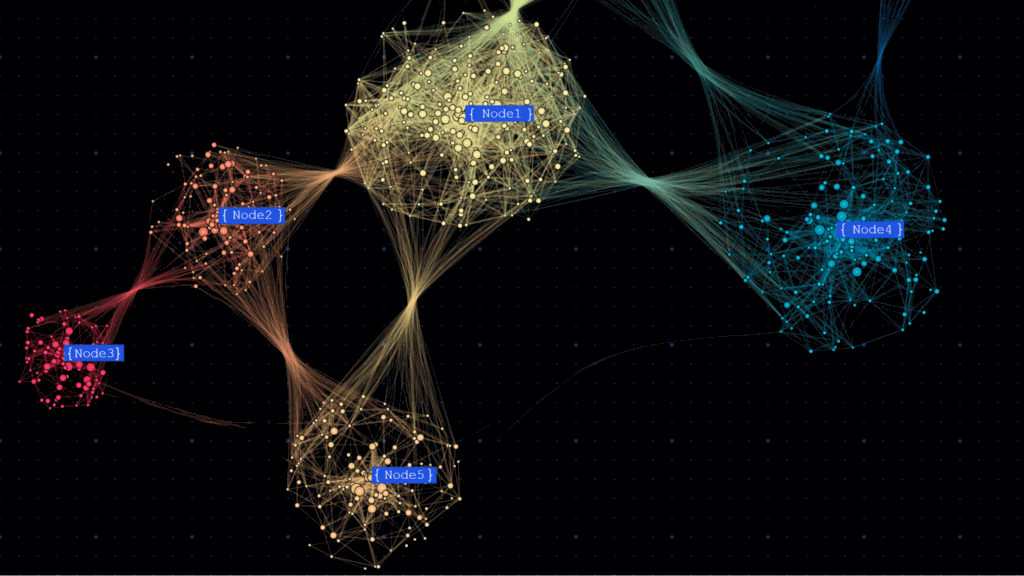
Set the target operating model, integration perimeter, leadership, decision rights and Day One requirements before completion wherever confidentiality and regulation allow.
The integration office should track customer continuity, employee retention, culture, systems, finance, controls, contracts, synergy baselines, one-time costs and dependencies between workstreams.
Establish governance and escalation routes, separate Day One from longer-term transformation and give each synergy and risk an owner, baseline, target date and quantified value impact.
Representative mergers & acquisitions advisory services in the uae mandates led by Matchpoint partners.
Post-merger integration of product, operations and delivery across three geographies — 100-day plan authored and executed.
Consolidated due-diligence and synergy reports for a $400m acquisition bid.
M&A and growth for a core-banking services firm.
Cross-border JV / merger for a consumer brand.
Original analysis and decision frameworks from the Matchpoint team.
Post-merger integration consultants convert the acquisition thesis into an executable integration programme. Their work can cover integration governance, Day 1 readiness, the 100-day plan, synergy control, operating-model and organisation decisions, people and change, technology and data, commercial continuity, finance and control, and the handover into business ownership.
The agreed scope should identify the integration perimeter, named decision-makers, workstream owners, deliverables, dependencies, timetable and specialist-adviser interfaces. The acquiring company retains its transaction, organisation and operating decisions.
| PMI service | Questions answered | Working deliverables |
|---|---|---|
| Integration thesis and perimeter | What must combine, remain separate or change for the deal case to hold? | Integration thesis, perimeter map, assumptions register and value-at-risk items. |
| Governance and integration management office | Who decides, who delivers and how are cross-workstream issues resolved? | Decision rights, integration office charter, cadence, RAID log and escalation route. |
| Day 1 readiness | What must work on the first day of combined ownership? | Day 1 checklist covering people, customers, suppliers, cash, access, controls, communications and continuity. |
| 100-day plan | Which actions create early control and preserve momentum? | Sequenced plan with milestones, dependencies, owners, resources and decision gates. |
| Synergy and cost-to-achieve control | Which benefits are incremental, measurable and owned? | Baseline, initiative sheets, timing, cost to achieve, recurring value and tracking dashboard. |
| Operating model and organisation | Which capabilities, roles, processes and decision rights belong in the target model? | Target operating model, organisation design, role map and transition plan. |
| People, culture and change | Which leaders and capabilities are critical, and where can uncertainty disrupt delivery? | Talent and retention priorities, change-impact map, communications and adoption measures. |
| Technology, data and controls | Which systems integrate, migrate or remain separate, and how are access and reporting controlled? | Application and data map, migration decisions, access controls, cutover plan and testing evidence. |
| Customer, supplier and commercial continuity | Which relationships, contracts and service levels require active protection? | Stakeholder plan, ownership, communication sequence, service-risk log and revenue-protection actions. |
The decision depends on integration complexity, internal capacity, committed synergies, timing and the need for independent programme control.
| Situation | Internal leadership may be sufficient | External PMI support may be useful |
|---|---|---|
| Management capacity | A named integration leader and staffed workstream owners are available. | Senior teams are carrying business-as-usual, closing and integration responsibilities at the same time. |
| Complexity | Limited overlap and few interdependent decisions. | Several entities, countries, systems, functions or customer propositions must change together. |
| Synergy commitments | No material quantified synergy case or external commitment. | The board, lenders or investors expect a controlled value-capture programme. |
| Timing | The combination can progress through normal management cycles. | Day 1, regulatory, customer or technology deadlines create a compressed critical path. |
| Independence | The executive team can challenge baselines and resolve trade-offs directly. | An independent integration office would improve issue visibility, evidence discipline and escalation. |
A practical mandate can range from a short pre-close readiness review to a staffed integration management office. The statement of work should state the workstreams, delivery period, client resources, exclusions and decision authority.
| Stage | Management objective | PMI outputs |
|---|---|---|
| Signing to close | Translate the deal thesis into executable decisions while respecting confidentiality and applicable restrictions. | Integration thesis, clean-team or information protocols where required, governance design, Day 1 plan and initial synergy baseline. |
| Day 1 | Maintain control, continuity and clear leadership. | Authority and access confirmation, employee and stakeholder communications, cash and control checks, issue command centre. |
| Days 2 to 30 | Validate assumptions and stabilise the combined organisation. | Confirmed baselines, workstream plans, talent actions, customer and supplier priorities, risk and dependency register. |
| Days 31 to 100 | Deliver priority integrations and evidence value capture. | Operating-model decisions, initiative delivery, systems milestones, synergy reporting and unresolved-decision escalation. |
| After day 100 | Move from integration governance to accountable business ownership. | Handover criteria, embedded KPIs, benefits validation, residual-risk ownership and lessons learned. |
Agree the baseline, target, reporting period, evidence source and owner for each measure before tracking results.
Use this proposed management scorecard to connect the deal thesis to financial value, operating continuity and delivery. Set transaction-specific targets with management; the table contains no claimed Matchpoint client results. Review actuals, forecast, exceptions and corrective actions at the agreed governance cadence.
| Proposed measure | Definition and evidence to agree | Accountable owner |
|---|---|---|
| Realised synergies | Finance-validated incremental benefits against the agreed baseline; report recurring run-rate and in-period value separately. | Finance and the initiative owner. |
| Cost to achieve | One-time integration spend against the approved budget, with commitments and forecast-to-complete shown separately. | Finance and the integration office. |
| Customer continuity | Retention, revenue and service performance for the agreed customer cohort; document changes in scope and underlying market conditions. | Commercial and operations leaders. |
| Critical talent | Retention and vacancy status for the agreed critical-role population, supported by HR records and named transition owners. | HR and business leaders. |
| Delivery and dependencies | Accepted milestones against the workplan; overdue decisions, critical dependencies and unresolved risks with owners and due dates. | Integration office and workstream owners. |
| Business handover | Evidence of operating-owner acceptance, embedded controls, residual-risk ownership and continuing benefits reporting. | Receiving business leader. |
Method references: McKinsey, How the best acquirers excel at integration; BCG, Six essentials for achieving postmerger synergies. Targets and specialist conclusions require transaction-specific review.
For a UAE or cross-border combination, the integration plan should map the legal entities, ownership and delegated authorities; employees and work-authorisation dependencies; licences, permits and sector requirements; customer and supplier contracts; finance, tax and reporting; systems, data and access; and any transaction approvals or conditions. Qualified legal, tax, accounting, employment, data and regulatory advisers should confirm matters within their respective scopes.
Reconcile the entities, assets, contracts, employees, systems and cash flows included in the transaction.
Record who can approve, sign, communicate, spend and change access at each stage.
Protect customer service, suppliers, collections, payroll, banking, reporting and critical technology.
Connect legal, people, finance, technology and commercial milestones on one critical path.
Maintain a source, owner, status, due date and decision consequence for each material issue.
Define when integration-office ownership transfers to the accountable business leader.
Compare the proposed people, decision method, delivery evidence and exclusions as carefully as the presentation.
| Selection question | Evidence to request |
|---|---|
| Who will lead the work each week? | Named senior lead, workstream roles, time commitment and escalation path. |
| How will the adviser convert the deal thesis into a plan? | Example integration logic, baseline method, decision gates and deliverable sequence. |
| How are synergies controlled? | Benefit definitions, finance validation, cost-to-achieve treatment, ownership and reporting method. |
| How are people and operating risks handled? | Talent, organisation, customer continuity, technology and change workplans. |
| How will specialist conclusions enter the plan? | Interfaces with legal, tax, accounting, technology, HR and other scoped advisers. |
| What is excluded? | Written scope, client responsibilities, assumptions, dependencies, fees and change-control process. |
Value can be impaired when governance, synergy baselines, decision rights, workstream ownership, customer continuity, talent and systems dependencies are not managed as one programme.
Planning can start before completion where permitted and within controlled information boundaries, so governance and Day 1 requirements are ready when ownership changes.
Post-merger integration advisers translate the deal thesis into governance, a 100-day plan, synergy baselines, operating-model decisions, systems and process integration, organisation and retention actions, risk controls and accountable delivery reporting.
Mergers and acquisitions advisory is professional guidance and transaction execution for a company sale, acquisition, merger, divestment or strategic combination. The work can cover transaction strategy, valuation, buyer or target identification, materials, outreach, diligence, structure, negotiation, financing coordination and completion.
Mergers and acquisitions services can include sell-side advisory, buy-side advisory, company valuation, transaction strategy, target or buyer search, financial analysis, process materials, due-diligence coordination, bid comparison, term negotiation, acquisition financing coordination and post-merger-integration planning.
M&A advisory services connect the commercial objective to an executable transaction process. The adviser defines the route, prepares the evidence and valuation case, manages counterparties and information flow, coordinates diligence and specialist workstreams, compares terms, supports negotiation and maintains the path to signing and completion.
M&A transaction advisory is the analysis and execution support required to move an acquisition, sale or merger from initial decision to completion. It combines financial analysis, valuation, process management, counterparty coordination, diligence tracking, terms and decision materials.
A merger and acquisition consultant helps the client define the transaction objective, evaluate options, prepare the business or acquisition case, identify counterparties, manage the process and convert evidence into decisions on value, structure, terms, risks and timing.
A company should consider appointing an M&A adviser before approaching buyers or targets, sharing sensitive information, accepting exclusivity or anchoring a valuation. Early preparation provides time to reconcile financial information, test transaction routes, define approval criteria and control disclosure.
In the UAE, merger and acquisition consultants can support local and cross-border sales, acquisitions and combinations by defining the transaction perimeter, preparing the valuation and evidence base, mapping UAE, GCC and international counterparties, managing diligence and coordinating the commercial path to completion. Legal, tax, accounting and other specialist conclusions remain with qualified advisers.
The process begins with objectives, scope, readiness and decision criteria. It then moves through valuation, process design, buyer or target mapping, controlled outreach, information exchange, bids or offers, diligence, terms, approvals, signing and completion. The sequence varies with the transaction and evidence available.
Sell-side M&A advisory represents an owner or company seeking a buyer and manages positioning, marketing, bids and closing. Buy-side M&A advisory represents an acquirer and manages acquisition criteria, target search, approach, valuation, diligence, terms and completion.
The starting set normally includes the transaction objective, ownership and entity structure, historical financial statements, current management accounts, operating KPIs, forecast assumptions, debt and cash, material contracts, management responsibilities, known issues and the client's decision timetable. The exact list depends on the mandate.
M&A advisory fees depend on the scope, transaction size, complexity, readiness, geography and expected execution work. A proposed fee structure should be documented in an engagement letter and becomes effective only when the parties approve and sign it.
Matchpoint can support UAE clients on cross-border buyer and target mapping, valuation, transaction materials, outreach, diligence coordination, terms, financing interfaces and process control, subject to mandate fit, available evidence and an agreed engagement scope.
Engagements ordinarily combine a retainer with a success fee. Terms are agreed in writing before work begins and calibrated to the mandate’s size, scope and complexity.
Most sell-side and buy-side M&A processes run 4–9 months from mandate to completion, depending on diligence, regulatory approvals and negotiation.
A short, confidential scoping call and NDA; we structure the requirement and prepare materials, then run a competitive process across our 5,000+ investor and lender relationships, and negotiate to close — with a partner leading at every step.
Matchpoint Partners is based in the UAE and runs cross-border mandates across the UAE, KSA, India and the UK, with active deal activity in wider Europe, Singapore and the United States.
Matchpoint undertakes corporate finance, financing, M&A and fund-placement mandates from USD 5m upwards, subject to mandate fit, diligence, applicable regulation, capacity and a written engagement. The partner team has originated and led $2+ billion of transactions.
Use the enquiry form, email contact@matchpoint-partners.com, or call/WhatsApp +971 55 345 6487. Every mandate is led by a partner from the very first conversation.
Yes. Confidential information is handled under the engagement terms and any applicable non-disclosure agreement.
Tell us your requirement and a partner will respond personally.
Post-merger integration advisers translate the deal thesis into governance, a 100-day plan, synergy baselines, operating-model decisions, systems and process integration, organisation and retention actions, risk controls and accountable delivery reporting.
External support is most useful where integration complexity, management capacity, regulatory dependencies, technology change, cross-border operations or committed synergies create execution risk. Appoint the adviser before completion where possible so governance and the first 100 days are ready at close.
| Decision factor | Lower external-support need | Higher external-support need |
|---|---|---|
| Operating overlap | Limited integration between businesses | Functions, customers, systems or entities must combine |
| Management capacity | Dedicated internal integration leadership | Business-as-usual demands consume senior capacity |
| Synergies | No committed synergy case | Board, lender or investor commitments require tracking |
| Jurisdictions | Single-country execution | Cross-border legal, people and operating dependencies |
| Technology | Systems remain independent | Data, ERP, controls or customer systems must migrate |
