
Computer Vision, Sensor & Edge AI
Applied AI for images, video and sensor streams across products, assets and physical operations.
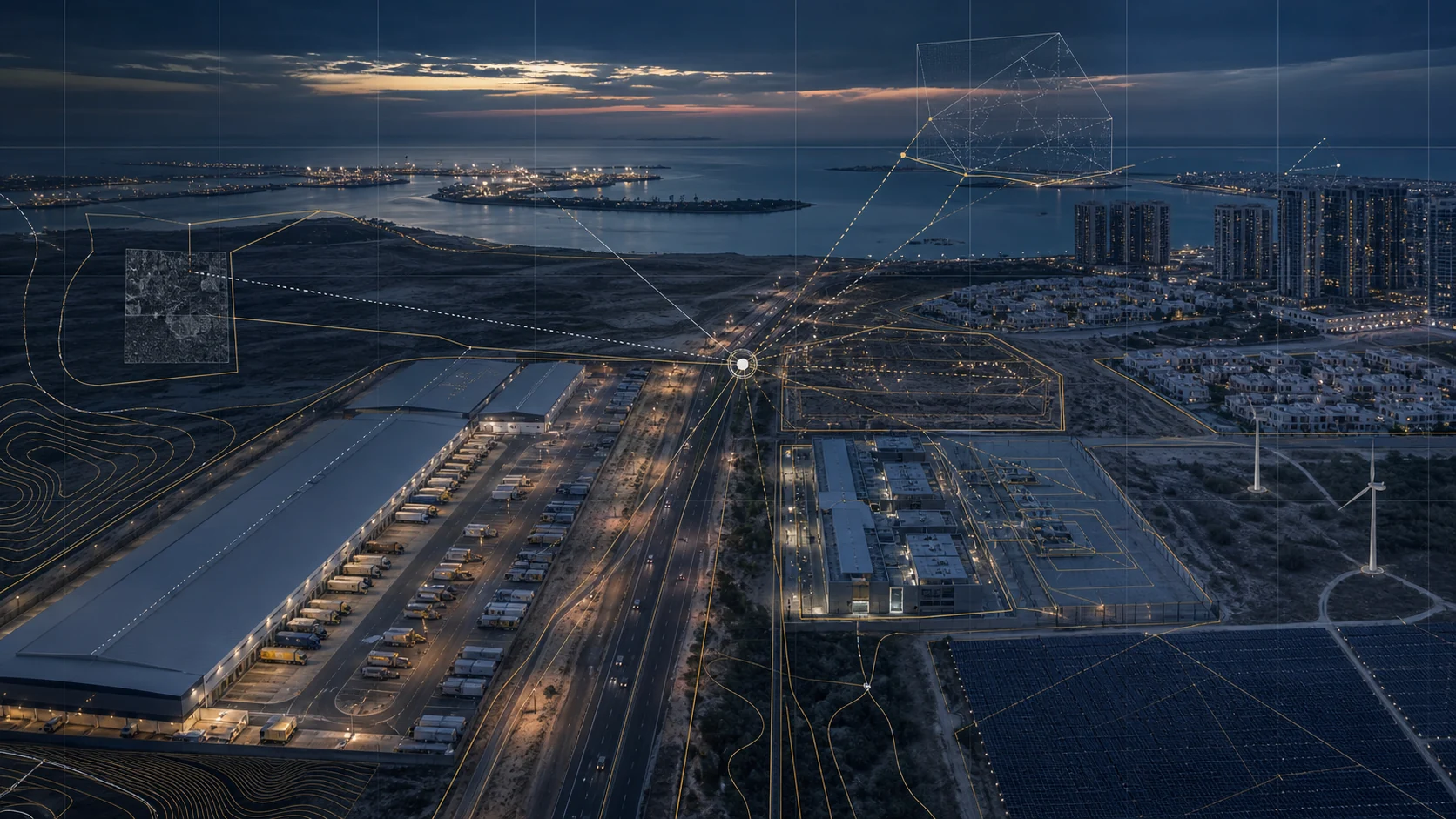 Image · Computer Vision, Sensor & Edge AI
Computer-vision and edge-AI systems interpret images, video and sensor signals close to the operating environment, where hardware diversity, latency, lighting, connectivity and user context affect performance.
Matchpoint approaches AI as an operating capability with accountable owners, explicit decision gates, measurable acceptance criteria, documented architecture and a practical path from discovery to production.
Computer-vision and sensor products operate inside physical variability. Camera position, lighting, motion, occlusion, environment, device hardware, connectivity, user characteristics and rare events can all change performance. We design the release criteria around this deployment matrix.
The work covers sensing and device architecture, data capture, annotation, model and feature strategy, edge versus cloud placement, product interaction, privacy, inference constraints and update design. A representative data plan prevents the prototype from being evaluated only under convenient conditions.
Evaluation measures task performance across the release matrix, including weak-signal and failure conditions. Edge deployment adds tests for latency, memory, compute, battery, connectivity loss, device variation, model update and local recovery, with monitoring designed around the limits of the operating environment.
How we deliver computer vision, sensor & edge ai
- Use-case and sensing architecture
- Data capture and annotation strategy
- Device, environment and user release matrix
- Edge deployment, monitoring and update design
Computer Vision, Sensor & Edge AI — frequently asked questions
Performance can change across lighting, camera position, device hardware, environments, user groups, motion, occlusion and rare events, so the test matrix must represent deployment conditions.
Edge inference is useful where latency, connectivity, privacy, bandwidth or resilience requires local processing and the device can support the model and update lifecycle.
More in AI Strategy & Execution
Interested in computer vision, sensor & edge AI?
Tell us your requirement and a partner will respond personally.
