
Original thinking. Decision-ready analysis.
Research and practical frameworks for founders, developers, funds, family offices and investment committees. Filter the library by sector, audience, decision requirement, content format or Matchpoint practice.
 Matchpoint Insights
Find the analysis relevant to your decision
Explore original research across capital structuring, private credit, real estate finance, AI infrastructure and private-market allocation.
1479 insights shown

A decision framework for UAE developers weighing senior debt, mezzanine and JV equity across the AED 50m–1bn capital stack — when each is optimal, and at what cost.

How developers fund the UAE land-acquisition cycle using bridge debt, Sukuk and private credit — from plot purchase through to launch.

Turning completed and near-completion units into developer liquidity through structured bulk-inventory monetisation.

How sale-and-leaseback unlocks trapped capital in GCC real estate without ceding operational control.

Converting off-plan developers' future sales cash flows into today's construction capital through receivables financing.

Practical levers UAE developers can use to compress time-to-capital and reach a first term sheet in 90–120 days.

How UK developers can access GCC family-office and sovereign liquidity for cross-border capital.

A cost-of-capital comparison of Sukuk versus conventional private credit for ultra-premium landbank financing.

Structuring landowner joint ventures that align developer, capital-partner and landowner returns.

A sponsor's playbook for recapitalising stressed GCC development portfolios and preserving value.

Why direct lending and private credit are reshaping mid-market financing across the Gulf.
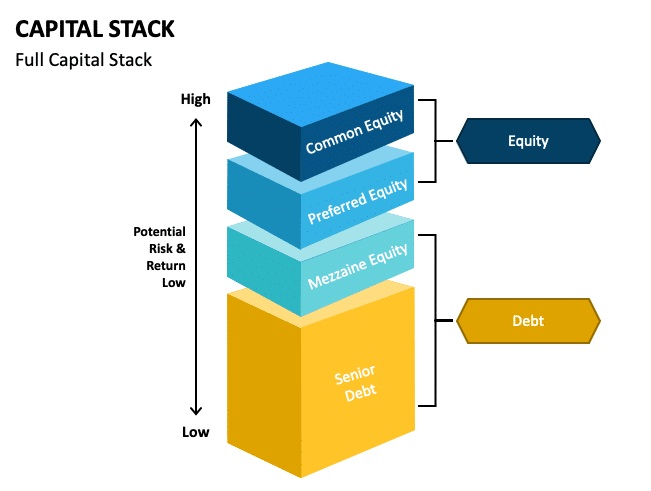
Filling the mezzanine gap between senior debt and equity in GCC real assets.

How special-situations credit in MENA prices distress, complexity and time pressure.

A working-capital optimisation framework using trade and supplier finance for GCC industrials.
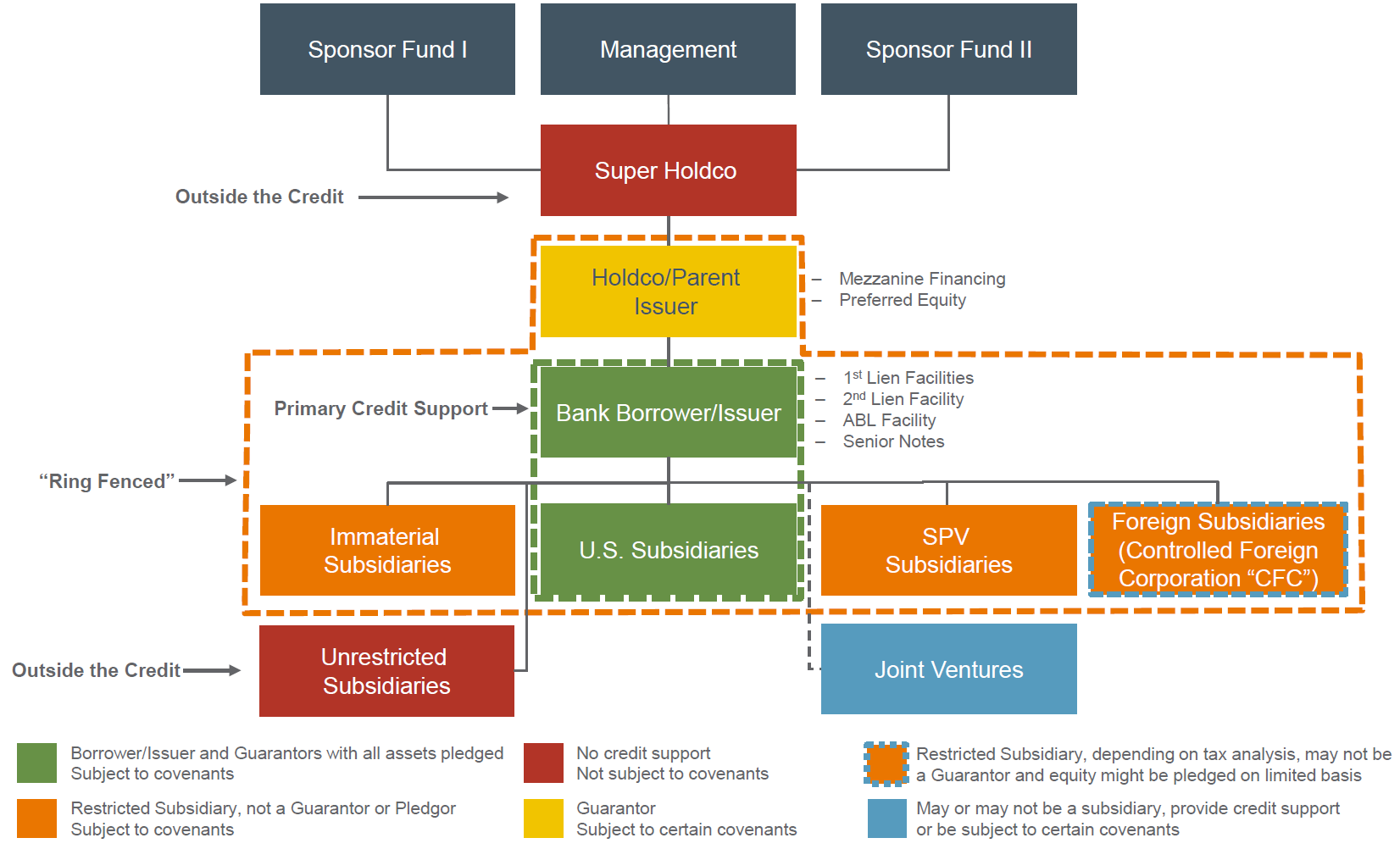
Releasing liquidity against listed and private stakes through promoter and holdco financing.

Financing the GCC's AI infrastructure buildout through datacenter debt.

The investment case for data centres as an emerging GCC asset class.

Structuring sustainability into the capital stack with ESG-linked Sukuk and green instruments.

Separating hype from reality on tokenisation of real estate and private assets — and the GCC opportunity.

Financing family-office private-equity portfolios with NAV-based facilities at around 30% LTV.

The structural shift in GCC family-office allocations from public markets to private alternatives.
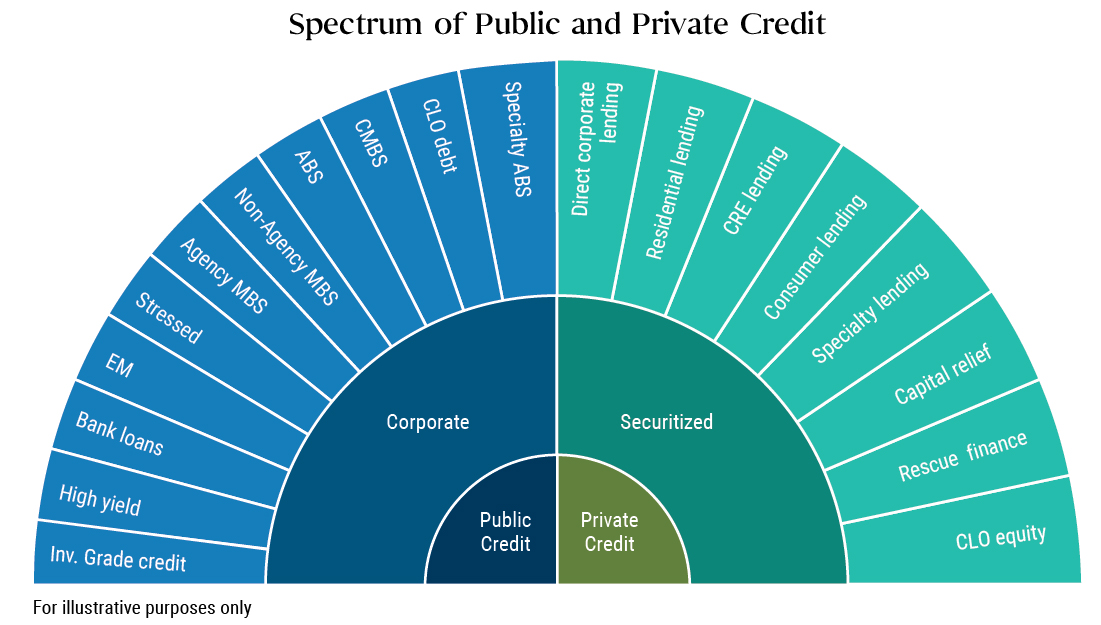
A family-office framework for building a private-credit allocation balancing risk, yield and liquidity.

How GCC family offices should choose between direct and fund investing in real estate and private markets.

How co-investment rights can improve net LP returns for private wealth.
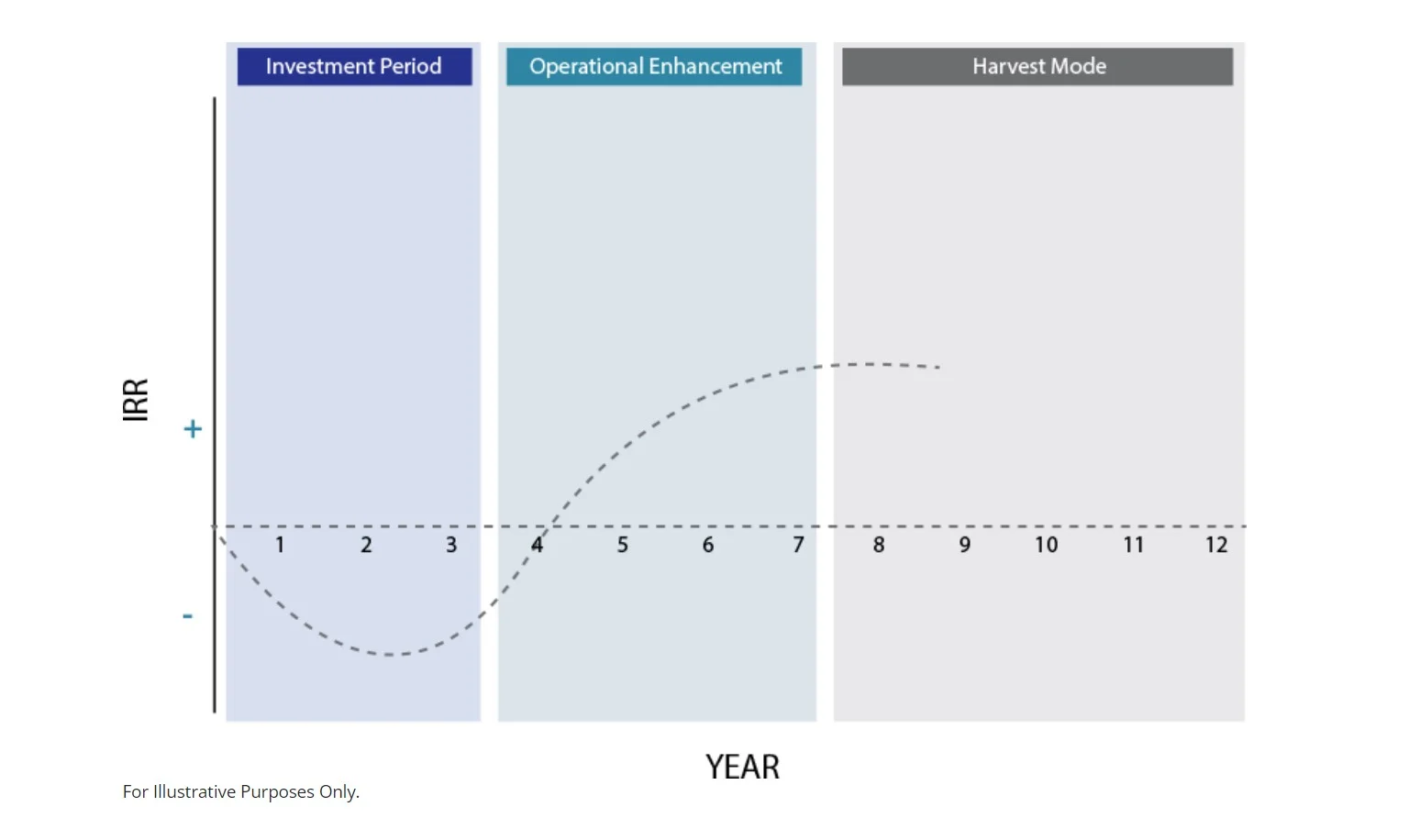
Managing liquidity and pacing through the J-curve in a family-office private-markets programme.
Decomposing fees, carry and the true net-to-LP cost of alternatives.
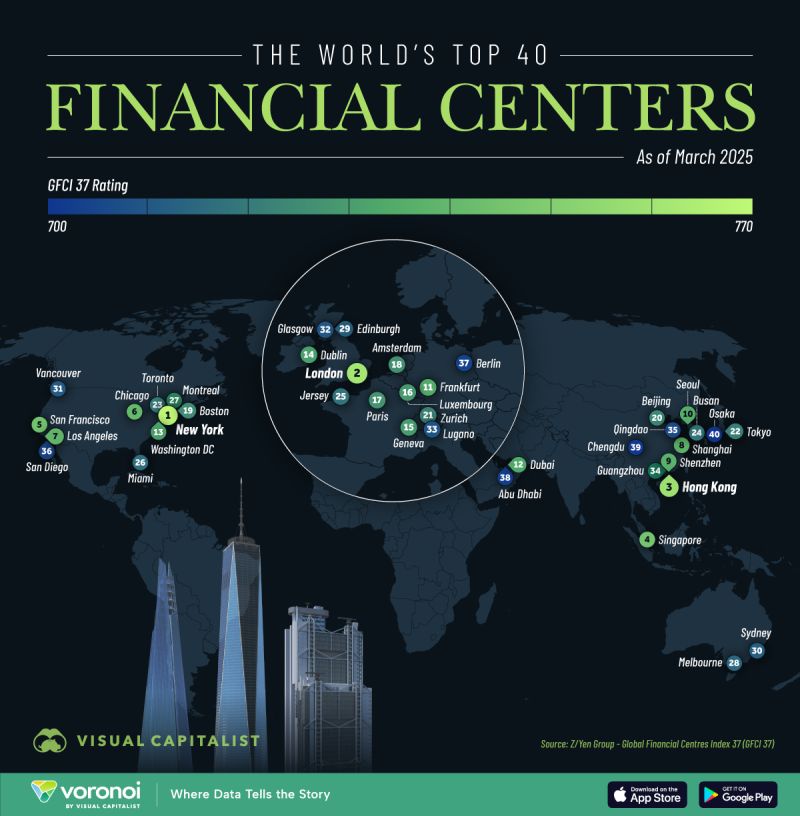
Cross-jurisdictional portfolio structuring for GCC HNWIs across the GCC, UK, Switzerland and Singapore.

Testing whether real estate is a genuine inflation hedge for Gulf family offices — myth, math and mandate.

A due-diligence scorecard for investment-committee members selecting private-markets managers.

An allocator's model for portfolio construction across private credit, real estate and venture capital.

Quantifies the structural under-allocation and the diversification case for institutions.

Shows how the peg removes an FX layer that deters emerging-market allocation.

Reframes the UAE as developed-market-like on risk-adjusted terms.

Gives institutions a structured diligence path for an initial Gulf programme.

Provides evidence on how Gulf returns compare net of fees and risk.

Helps CIOs see through gross marketing numbers to true net delivery.

Adapts a due-diligence scorecard to managers without long histories.

Shows how a Gulf allocation fits a global multi-asset portfolio.

Frameworks for managing capital calls and the J-curve in a Gulf book.

Shows how co-investment lifts net returns on Gulf allocations.

Explains the structural sources of high coupons in the Gulf.

A disciplined framework for pricing double-digit-coupon deals.

Addresses the enforcement question every foreign lender asks.

An evidence paper on default and loss to validate the coupon.

How a lender constructs a diversified high-yield Gulf portfolio.

A capital-deployment guide for international infrastructure investors assessing the GCC AI data-centre buildout.

The diligence and underwriting model for a Gulf data centre.

The constraints behind the buildout that investors must price.

Lays out the full capital stack for Gulf digital infrastructure.

Makes the case for transition and real-asset infrastructure capital.

An orientation map of the UAE technology ecosystem for international venture and growth capital.

Examines the combined case for Gulf deal flow, co-investment access and regional LP capital.

A capital map for the GCC fintech sector across equity and debt.

Examines the private-credit opportunity in funding fintech lending books.

Surveys the AI, climate and space themes attracting foreign venture capital.

Gives intermediaries a structured menu of Gulf exposures for private-client portfolios.

Explains how to package Gulf real assets for managed mandates.

Explains how conventional intermediaries can access Shariah-compliant Gulf product.

Examines the feeder and SPV structures used to distribute Gulf deals through intermediaries.

Helps intermediaries frame risk and suitability for private clients.

Examines tax, currency and succession leakage across Gulf family-wealth structures.

Explains how family offices can co-invest with developers on aligned terms.

Maps the structural shift into private markets and the capabilities it demands.

Addresses succession structuring for Gulf family wealth.

A decision framework for how families access private markets.

Explains how a family office can size and manage a pre-IPO secondary allocation.

A framework for accessing late-stage private technology companies.

Compares the three principal pre-IPO exposure structures.

Examines fee layering, ownership and control risks in multi-SPV transactions.

A diligence framework for verifying price, marks and the legitimacy of an offer.

Maps how the US pre-IPO secondary market works.

A deal-execution playbook for brokers and bankers handling pre-IPO blocks.

Maps the US regulatory framework for pre-IPO secondary trading.

Explains forward and synthetic exposure structures and their counterparty risks.

A cross-border model connecting Gulf capital with US pre-IPO deal flow.

Examines the acquisition stage where development capital is scarcest.

A playbook for refinancing maturing GCC real-estate debt.

Examines capital structures for stalled, distressed and otherwise complex real estate.

Shows how mezzanine and preferred equity can bridge a development capital stack.

Examines how developers can release equity from completed and stabilised stock.

An end-to-end fundraising playbook for GCC-focused managers.

Examines the fee, carry and alignment terms that support GCC fundraising.

Maps the regional LP universe for managers raising capital.

A practitioner guide to fund and SPV vehicles in the UAE financial centres.

Examines NAV facilities and fund finance as portfolio-level liquidity tools.

A capital playbook for data-centre sponsors raising debt and equity.

Shows sponsors how high-yield lenders assess data-centre projects.

Explains how data-centre sponsors can align land, operating capability, capital and lender rights in one bankable joint-venture structure.

A lender-ready framework for converting power requirements, grid interfaces and procurement into financeable evidence for Gulf data-centre projects.

A stage-gated financing framework for site control, construction, commissioning, lease-up, refinancing and capital recycling.

A transaction-control framework for selecting, drafting, operating and closing documentary credits, standby instruments, demand guarantees and commercial bonds.

A decision framework for matching the facility to the operating cash cycle, sizing real capacity and governing borrowing bases, covenants and renewal.

A decision framework for turning eligible receivables and approved payables into governed working capital through factoring and buyer-led supply-chain finance.

A governed framework for financing ownership transfer, family liquidity and next-generation control while protecting operating capacity.

A twelve-month programme for converting owner ambition into verified value, buyer confidence and executable sale terms.

A stage-gated capital map linking founder proof, financing instruments, investor types, dilution and runway from pre-seed through Series A.

A GCC-focused comparison of SAFEs, convertible instruments and priced equity rounds across dilution, rights, timing and conversion outcomes.

A buyer-grade data-room architecture for GCC founders covering corporate records, financial evidence, traction, technology, people and disclosure control.

A current programme-fit map for Hub71, Sandooq Al Watan and MBRIF, separating direct funding, guarantees, acceleration and ecosystem support.

A financing framework for GCC scale-ups navigating the Series B to pre-IPO gap across growth equity, structured equity and institutional readiness.

A UAE and Saudi project-finance framework for bridging certified construction needs, escrow release conditions and completion-stage liquidity.

A foreign-lender operating model for GCC private credit covering licensing, origination, security, underwriting, servicing and recovery.

An evidence-led framework for sizing and structuring UAE debt under the general and specific interest deduction limitation rules.

A family-office operating model for combining a two-person internal team with external specialists, governed data and repeatable investment decisions.

A decision framework for family offices comparing DIFC and ADGM across operating model, legal structures, substance, privacy, cost and ecosystem access.

A manager-readiness framework for institutional operational due diligence across governance, cash controls, valuation, service providers, compliance, cyber resilience and evidence.

A negotiation framework for measuring first-close acceleration against fee discounts, revenue participation, governance rights and manager equity.

A placement model for smaller private funds whose target size cannot support a traditional global-agent cost base.

A lender framework for separating accounting life, technical utility, commercial competitiveness and enforceable recovery value in accelerated-compute collateral.

A stage-gated capital framework for land control, interconnection, design, deposits and long-lead equipment before senior construction debt.

A founder-side framework for comparing a clean repricing with preferences, pay-to-play, recapitalisation and structured flat-round alternatives.

A clause-by-clause guide to control rights, covenant headroom, default pathways and the full economic cost of warrants.

A chain-of-title and issuer-consent framework for testing whether a private-share position can survive registration, corporate action and an eventual listing.

A rapid re-underwriting framework for roll, sell and mixed elections when information, conflicts and internal time are constrained.

A net-proceeds framework for comparing a discounted LP-interest sale with retained exposure, a NAV facility and staged liquidity.

A quantified decision framework for greenfield formation, acquisition and joint venture entry across control, time, capability, tax and execution risk.

A buyer-side framework for underwriting discount, delivery, escrow, concentration, leasing and exit at unit and portfolio level.

A sourcing and governance framework for measuring how originator incentives, process stage and information quality affect the deals an investor sees.

A financing framework for paying credible contractors through controlled receivables, approved invoices, guarantees and project cash flows.

An evidence-led GCC mid-market framework for normalised earnings, comparable and DCF ranges, enterprise-to-equity bridges, earnouts and post-closing dispute control.

An evidence-led GCC mid-market framework for blind teasers, buyer screening, NDA gates, tiered data rooms, clean teams and workforce continuity.

An evidence-led GCC buy-side framework for target sourcing, licence and ownership verification, workforce liabilities, government dues and transaction protection.

An evidence-led GCC M&A framework for merger-control routing, closing conditions, earnout baselines, EBITDA definitions and post-closing dispute control.

A GCC post-merger integration framework for workforce continuity, founder dependency, critical-role retention, employer changes and the first 100 days.

A governance and delegation framework for compressing decision time while preserving family control in competitive private transactions.

A cost-to-serve and product-governance framework for building a differentiated private-markets shelf with controlled suitability and subscription operations.

A two-front framework for UK-to-UAE wealth migration, integrating residence, tax and succession evidence with Gulf liquidity, custody and family-office continuity controls.

A five-clock sequencing framework for UK-to-UAE founder relocation, company sales, succession and company control after the 2026 tax reset.

An exact-date framework for temporary non-residence, return-triggered UK tax exposure and pre-return liquidity planning after a UK-to-UAE move.

A person-by-person framework for UK homes, children, spouses, work and UAE residence evidence across a two-country family.

A succession and liquidity framework for family-owned businesses after the 2026 Business Relief cap.

A mobility, workday and fund-economics framework for UK-to-UAE private-capital professionals after the 2026 carried-interest reform.

A cross-border operating-location, governance and substance framework for UK-origin GPs, UAE investment managers, offshore fund vehicles and international LPs.

A person-by-person ownership, residence, investment-control and governance framework for UK-to-UAE family-office transitions.

A family-ties, home, workday and travel-control framework for UAE-based principals with children in UK education.

A four-path transaction-sequencing framework for UK founders considering a UAE move before, during or after a business sale.

A family-office operational resilience framework for custody, cash, insurance, travel and investment operations during severe disruption to the Strait of Hormuz.

A three-clock framework for coordinating the UK tax year, UAE residence calendar and transaction timetable during a cross-border move.

A documentation bridge for founders moving between the UK and UAE while residence, banking, ownership and operating evidence develops.

A 72-hour crisis operating plan for authority, liquidity, staff safety, data continuity and alternative custody.

An evidence system for protecting banking and counterparty confidence during a UK-to-UAE relocation.

A governance framework for preserving a credible UK return while maintaining the integrity of a UAE relocation.

A retained acquisition-office model for moving from a governed target screen to an executable signed SPA across the GCC.

A board-grade synergy ledger that connects acquisition premium, integration delivery and realised cash through accountable evidence.

A retained integration-office framework for protecting continuity, governing the first 100 days and converting the acquisition thesis into accountable operating outcomes.

A board-grade carve-out framework for reconciling the deal perimeter, standalone cost, transition services and Day-One evidence before value leaks.

A retained corporate-development model for turning acquisition strategy into a governed target pipeline, qualified relationships and decision-ready M&A work.

A decision-led commercial diligence framework connecting market, customer, pricing and competitive evidence to quantified ownership priorities and the first 100 days.

A contract-led framework for setting a normalised working-capital peg, controlling completion adjustments and protecting post-close liquidity in GCC M&A.

A transferability framework for reducing founder concentration across customers, decisions, relationships, knowledge and reputation before a sale process.

A retained joint-venture office for selecting partners, governing contribution economics, allocating control and resolving deadlock through a tested route.

An evidence-led execution playbook for a UAE buyer navigating Saudi acquisition routes, approvals, diligence, governance, tax and integration.

A 30-day command structure for evidence, liquidity, stakeholder decisions and executable downside protection in a distressed acquisition.

A repeatable board system for choosing where to buy, build, partner, fix or exit and releasing capital through evidence gates.

A governed operating system that converts the investment case into funded initiatives, cash outcomes, accountable decisions and exit evidence.

A CEO-led operating system that converts strategic priorities into governed initiatives, weekly decisions, controlled benefits and durable evidence.

An integrated operating system for rolling forecasts, liquidity, margin variance, scenarios and decision-grade board control.

A board-ready operating system that converts fresh capital into controlled deployment, accepted milestones, sequenced hiring, visible runway and timely decisions.

A practical architecture for decision rights, organisation layers, management forums, accountable roles and controlled transition in fast-growing GCC businesses.

A practical system for transaction-level pocket margin, price architecture, segmentation, discount governance, controlled experimentation and reconciled benefits.

A retained commercial operating system for market focus, evidence-gated pipeline, pricing discipline, forecast accuracy and weekly sales execution.

A controlled thirteen-week system for cash visibility, liquidity action, lender evidence, covenant awareness and accountable turnaround execution.

A transparent architecture for measuring performance, evidence quality, liquidity, governance and implementation across GCC private markets.

A second classification layer for mapping Gulf allocations by economic transmission channel, return engine and loss pathway.

An institutional method for measuring the net compensation earned for locking up capital in Gulf private markets.

A 90-day institutional operating model for converting an approved Gulf mandate into governed, funded and monitored commitments.

A governance framework for international institutions co-investing with sovereign capital across mandate, diligence, rights, regulation, funding and exit.

An institutional framework for building governed exposure to GCC local-currency bonds and sukuk across six distinct markets.

An asset-level framework for underwriting Gulf transition opportunities through evidence, execution, cash-flow transmission and portfolio risk.

A transaction and portfolio framework for connecting UAE minimum-tax scope, calculation, cash flow, documentation, data readiness and exit.

An institutional framework for defined, reconciled and refreshable manager evidence across performance, economics, valuation, risk and operations.

An institutional framework for mapping trade, energy, route, technology and financial fragmentation through asset-level Gulf exposures.

A practical architecture connecting family purpose, ownership, decision rights, the consolidated balance sheet, liquidity, investment process, data, providers and succession.

A dated family-office framework for governing private-market calls, weak distributions, liquidity reserves, funding routes and escalation.

A governed decision framework for internal CIO, outsourced CIO and hybrid family-office investment-function models.

A controlled bridge from foundation objects and council duties to investment policy, committee authority, execution and evidence.

A private-wealth control architecture for AI use cases, personal data, model risk, third-party systems and accountable human decisions.

A treasury framework for creating liquidity from private-market secondaries while preserving strategic exposure, portfolio discipline and commitment capacity.

A governed decision architecture for consolidating cash, custody, private funds, SPVs and direct deals while preserving source authority, valuation provenance and actionable exceptions.

A practical continuity framework for critical family-office decisions, authority, knowledge, systems, providers, treasury and succession beyond any single trusted adviser.

A governed capital-spectrum framework joining philanthropy, catalytic instruments and market-rate impact investment through explicit purpose, finance, evidence and authority.

A controlled decision-rights architecture for family investment committees facing market volatility, liquidity pressure, valuation uncertainty, conflicts and compressed timelines.

A controlled consent-to-credit framework for turning UAE transaction data into governed mid-market underwriting, facility structure and monitoring decisions.

A governed framework for loan eligibility, re-underwriting, price discovery, transfer, settlement and portfolio rotation across GCC direct credit.

A governed operating model for detecting covenant deterioration through source-linked calculations, headroom, forecasts, early-warning signals, waiver discipline and portfolio action.

A controlled framework for turning structured UAE eInvoice evidence into SME receivables underwriting, facility design, servicing and portfolio monitoring.

A borrower-to-portfolio framework for translating carbon, electricity and water transition exposure into cash flow, collateral, facility terms, monitoring and portfolio limits.

A controlled architecture for aligning borrower capacity, lender funding, currency cash flows, hedge economics, collateral, liquidity and realised private-credit returns.

A controlled architecture for converting bilateral Shari'ah-compliant financings into eligible, funded, serviced and investor-ready portfolios.

A governed cash-realisation framework linking verified claims, security, value, priority, time, cost and route execution to dated net creditor recovery.

A controlled capital-allocation framework for comparing NAV facilities, asset sales, recycling and retention across direct-lending portfolios.

An evidence-led private-credit framework for financing equipment, power, cooling, networking, integration, services and contracted AI capacity.

A decision framework for valuing deliverable electrical capacity, energisation timing, connection maturity, resilience and expansion in AI infrastructure.

A global financing framework for production-slot evidence, gated equipment payments, project completion and delivery risk across power infrastructure.

A contract and financing framework for turning data-centre flexibility into measurable grid service while protecting customer obligations and operating resilience.

A financing framework for allocating storage across data-centre resilience, tariff, renewable and grid-service duties without compromising protected digital service.

A global investment and execution framework for building federated grid intelligence from trusted data, validated models, interoperable services and accountable decisions.

A global investment framework for pricing heat rejection, water availability, cooling architecture and delivered compute capacity into data-centre returns.

A global framework for underwriting national AI capacity through enforceable control, evidenced demand, integrated compute services and funded technology refresh.

A global framework for comparing data-centre power pathways through common service boundaries, transparent emissions lenses and reconciled project cash.

An evidence-led framework for financing distributed compute through workload placement, node readiness, common controls, staged capital and contracted service revenue.

An international framework for converting stranded industrial sites through verified power rights, environmental diligence, adaptive reuse and risk-matched capital.

A global investment framework for open-finance models that separates regulatory access from usable data, customer value, recurring revenue and controlled liability.

An evidence-led investment framework for converting an activity-specific fintech permission into a controlled, capitalised and economically scalable financial-services business.

An evidence-led M&A framework for identifying fintech verticals where strategic assets, regulated control, customer economics and integration can combine into defensible value.

A global underwriting framework that connects AI customer revenue to complete outcome-level compute, tool, control and direct-service cost.

An evidence-led decision framework for comparing shareholder liquidity, company capital, control, execution risk and continuing obligations across four Gulf exit routes.

A board-ready framework for sizing, pricing, documenting and governing venture debt against milestone value, downside capacity and cap-table outcomes.

A six-market framework that separates connected regional infrastructure from domestic authorisation and models the complete cost of controlled fintech expansion.

A system-level investment framework for testing AI rights, classification, governance, evaluation, security, monitoring, incidents and complete delivery economics.

A board-ready international growth framework that converts market ambition into verified customer proof, market access, repeatable delivery and collected contribution.

An evidence-led framework that traces public-sector opportunity from registration and tender through contract, accepted delivery, collected cash and portable customer proof.

A consultation-ready product-governance framework that connects client capacity, fund structure, liquidity, valuation, complete economics and operating evidence.

An international evidence standard for governing manager, fund, asset, valuation, liquidity, economics, operations, target market and client access.

An international service-led framework for mapping critical wealth-management operations, provider dependencies, impact tolerances and tested recovery paths.

An international governance model that makes AI-assisted wealth recommendations traceable through client evidence, product evidence, human judgement and accountable approval.

An international product-governance and portfolio framework that connects climate claims, disclosures, holdings, issuer transition evidence, complete economics and client outcomes.

An international decision framework for placing tokenised funds on a private-bank shelf through verified rights, operating rails, liquidity, custody, suitability, cost and recovery.

A global shelf-design framework connecting Shariah governance with asset diligence, liquidity, valuation, fees, suitability and cross-border distribution across private markets.

A global operating framework connecting consented financial data to evidence quality, portfolio normalisation, suitability, accountable advice and measurable client outcomes.

A global operating and economic framework separating client residence, advice, contract, custody, product, risk, data and profit attribution across cross-border wealth corridors.

A global operating framework connecting family purpose, legal client, role and authority, suitability, custody, credit, beneficial ownership, reporting and integrated service.

A global governance framework connecting family purpose, legal ownership, investment mandates, liquidity, pacing, direct deals, risk and succession to an executable annual deployment programme.

A global decision framework connecting family-business recognition with ownership, control, capital rights, governance, succession, financing, transactions and continuing evidence.

A global governance framework connecting lifestyle funding, private-market commitments, operating-company shocks, financing, legal ownership and succession to executable liquidity capacity.

A global operating framework for turning personal networks, sponsor relationships, professional channels, data and direct research into permissioned, evidence-led direct-deal origination.

A global framework for designing economic participation, voting power, board authority, management roles, liquidity and succession across family-enterprise share classes.

A global decision framework for converting fund interests, direct-company shares, tenders, continuation transactions and structured exits into governed, net and timely cash.

A global framework for tracing physical and transition risk across family property, operating companies and investment portfolios into valuation, insurance, financing, liquidity and capital decisions.

A global board-policy framework for governing AI across holding companies, operating businesses, investment entities and family offices before the first material incident.

A global framework for protecting lawful payment capacity across legal owners, currencies, custodians and settlement routes during regional disruption.

A globally informed framework for turning Gulf family giving into an accountable platform for mission, capital, delivery, evidence and public-benefit outcomes.

A global three-clock framework for timing private-share entry and exit through chain of title, price, allocation, funding, tax and settlement evidence.

A global possession-before-price framework for proving title, transferability, buyer authority, funds control and settlement capacity before detailed price negotiation.

A global event-ledger framework for reconciling share counts, conversions, dilution, preferences and class rights before private-company transactions.

A global evidence framework for controlled employee tender offers and secondaries across identity, employment, security state, information, motive, price and settlement.

A global dated-evidence framework for current private-share valuation using round calibration, operating and market bridges, method triangulation and rights-based allocation.

A global five-ledger framework for reconciling registered title, nominee holdings, beneficial ownership, cash and regulatory records before private-share transactions.

A global control framework for underwriting private-share collateral, borrowing-base headroom, maintenance calls, liquidity reserves and exit waterfalls.

A global diligence framework for testing contracted AI revenue, delivery capacity, compute economics, concentration and cash conversion.

A global portfolio-control framework for pacing pre-IPO secondary commitments across vintages, issuers, exit windows and liquidity reserves.

A global seven-gate framework for turning a public listing into legally eligible, operationally deliverable and settled shareholder liquidity.

A global transaction-control standard for private-share intermediaries across role, parties, title, claims, price, fees, AML and settlement.

A global transaction-readiness framework for converting ROFR, consent, buyer and registration conditions into measurable private-share inventory.

A global framework for making every private-share commission, spread, referral, indirect benefit and settlement cash flow visible and reconcilable.

A global communication, permission and transaction-control framework for cross-border pre-IPO solicitation.

A global private-share closing, safeguarding and reconciliation framework for direct transfers, SPVs, escrow and share delivery.

A global evidence, comparability and decision-control framework for building defensible private-share price discovery from fragmented quotes.

A global governance and transaction-control framework for allocation, warehousing, related-party inventory and complete syndication economics.

A global permission, evidence and outcome framework for scoring private-market intermediaries before sharing a live block.

A global evidence, alert and case-management framework for detecting duplicate inventory, impossible access and unreliable transaction signals in private markets.

A global ownership, transfer and settlement control framework for distinguishing what tokenisation changes from what remains legally off-chain.

A global capital, escrow and closeout framework for financing defects liability, releasing protection and closing real-estate projects without leaving an unfunded tail.

A global eligibility, affordability and sales-conversion framework for turning first-time-buyer policy into funded residential absorption.

A global contract, certification, tax and working-capital framework for e-invoicing the construction chain across developers, contractors and project systems.

A global investment, design and operating framework for pricing heat, water, insurance and physical climate risk into real-estate development feasibility.

A global development, sales and owner-governance framework for protecting branded-residence economics from licence signature through exit.

A global rights, feasibility and funding framework for controlling development land before committing full acquisition capital.

A global contract, collection and settlement framework for converting buyer behaviour into lender-grade development-finance evidence.

A global financial, commercial and delivery-control framework for detecting contractor capacity loss before it becomes project distress.

A global conversion, operating and capital framework for financing office-to-hospitality adaptive reuse with Gulf execution controls.

A global construction-evidence and draw-control framework for verifying progress, cost, escrow eligibility and loan release.

A current-law, consultation and first-close framework for alternative fund sponsors responding to CP173.

A 120-day evidence-gated operating system for emerging managers moving from fund thesis to subscribed and funded capital.

A fund-design framework for matching investor access to the cash-conversion characteristics of Gulf private assets.

A decision and execution framework for ownership, operating scale and investor continuity.

A controlled framework for reproducible performance, role and attribution evidence.

A proportionate architecture for controlled and reusable portfolio climate evidence.

A controlled operating model for source-grounded automation with accountable human release.

A common-core and allocator-overlay architecture for controlled institutional diligence.

A conflict-governed framework for value, liquidity and genuine investor choice.

A board framework for speed, control, full-life economics and fund-platform portability.

A contract and financing framework for measurable, bankable AI capacity revenue.

A development and financing framework for self-supply, hybrid power and grid transition.

A contract, measurement and financing framework for dispatchable digital load.

A capacity, water and lifecycle framework for bankable data-centre cooling under extreme heat.

A public-demand, service-contract and bankability framework for AI infrastructure.

A procurement, security-package and drawdown framework for critical power equipment.

A control, evidence and recovery framework for financing digital infrastructure.

A cash-flow, collateral and execution framework for data-centre securitisation.

An acquisition, integration and value-creation framework for carrier-neutral edge infrastructure.

A recoverable-value, retrofit and capital-allocation framework for stranded data-centre sites.

A board framework connecting GCC e-invoicing obligations to systems, master data, controls, working capital and cash conversion.

A board framework for close, book-to-tax adjustments, related-party controls, cash-tax forecasting and evidence after the Small Business Relief threshold.

A board framework for family councils, owner decisions, succession, liquidity, dispute protocols and accountable governance implementation.

A board framework for consented data, cash-flow underwriting, working-capital diagnostics, obligations and lender readiness.

A board framework for releasing cash through receivables, inventory, payables and liquidity controls while protecting viable growth.

A board framework for governing agent authority, evidence, approval, identity, safe failure and measurable back-office value.

A board framework for making export contracts financeable through cash-cycle design, risk transfer, documentary control and disciplined execution.

A board framework for protecting revenue through dependency diagnosis, valid authority, transferable relationships, tested deputies and continuity evidence.

A board framework for converting fragmented ownership, authority, financial, commercial and operating records into a controlled investor-ready evidence system.

A board framework for rebuilding durable margin through cost transparency, supplier terms, price architecture, working capital and controlled execution.

A founder playbook for aligning customer value, licensing, consent, trust architecture, distribution economics, funding and scalable market entry.

A board framework for building investor-ready AI governance across data rights, model evidence, security, claims, procurement, economics and accountable scale.

A board framework for converting a successful pilot into a financeable public-sector contract, controlled delivery, accepted invoices and collected cash.

A board framework for converting AI workloads, full unit economics, capacity choices and geographic constraints into a financeable capital plan.

A board framework for choosing, implementing and governing the parent architecture before institutional capital.

A board framework for converting senior-hiring priorities into governed equity awards, controlled dilution and investor-ready evidence.

A board framework for testing commercial access, financing terms, governance and cross-border execution before selecting an investor.

A board framework for sequencing six GCC markets through commercial evidence, regulatory gates, cash conversion and reversible capital commitments.

A board framework for building buyer-ready data rights, intellectual-property title, contract controls and transaction evidence from day one.

A board framework for converting uncertain forecasts into governed proof gates, capital tranches, runway decisions and financing evidence.

A board framework for translating UAE investment-policy access into sector choice, entry mode, commercial proof, operating substance and controlled capital commitment.

A board framework for joining GloBE scope, UAE DMTT, headquarters substance, incentive quality, effective tax and implementation control.

A board framework for preserving legal identity while protecting contracts, financing, tax, banking, governance and Day-One operating control in a UAE redomiciliation.

A board framework for comparing acquisition, greenfield build and joint venture through market evidence, route economics, control, regulatory readiness and reversibility.

A board framework for controlling the UAE merger-notification path through jurisdiction, relevant-market evidence, application completeness, standstill, transaction documents and financing.

A board framework for choosing and governing a free-zone, mainland or dual UAE footprint through operating rights, contracts, people, tax, customs, data and authority.

A board framework for landing UAE leadership and talent through role criticality, work authorisation, employment controls, total reward, local capability and a governed 120-day launch.

A board framework for resetting the UAE market-entry supply chain through procurement gates, local value, landed economics, working capital, supplier control and enterprise value.

A board framework for building a credible route to government and sovereign customers through buyer mapping, procurement access, bid discipline, delivery readiness and cash control.

A board framework for designing operational resilience into UAE market entry through critical services, provider governance, data control, cyber readiness, tested recovery and exit options.

A family balance-sheet framework for deciding whether, when and how to use the United Kingdom's final temporary repatriation facility window while protecting evidence, liquidity and residence optionality.

A family balance-sheet framework for managing the United Kingdom's inheritance-tax residence tail across global assets, trusts, gifts, liquidity and succession after a move to the UAE.

A decision framework that separates legal ownership, family governance, investment authority and family-office execution in DIFC structures.

A governed evidence architecture for banking a relocated family across institutions while reducing avoidable repetition, contradiction and disclosure risk.

A decision system for mapping principals, investment staff and household teams across work permission, employment, payroll, tax, regulation, data and welfare.

A board-level decision system for rewriting functional currencies, liquidity, home bias, asset allocation and governance after relocation.

A governed data, valuation and reconciliation system for one decision-useful family balance sheet across banks, custodians, entities and jurisdictions.

A governance-first framework for deciding, evidencing and continuously controlling the UAE corporate-tax treatment of family foundations.

A tested operating framework for preserving decision authority, institutional access, emergency liquidity and trusted data across borders.

A twelve-month transition-office framework for preserving strategy, liquidity, authority and evidence through a cross-border family-office move.

A board and deal-team operating model for filing readiness, standstill control and transaction certainty under the UAE's 2026 merger-control procedures.

A board and investment-committee operating model for fair process, defensible value and informed LP elections in sponsor-led continuation transactions.

An evidence-led operating model for attributable AI value, controlled portfolio replication and board accountability.

A commercial-diligence framework for translating physical and transition exposure into cash flow, valuation, deal terms and funded ownership action.

An evidence-led procurement operating model for realised savings, disciplined cash and supplier resilience across transactions and sponsor portfolios.

A repeatable integration operating model for stronger add-ons, verified synergies, controlled execution and exit-ready evidence across a buy-and-build platform.

A board and sponsor operating model for protecting critical services, governing material cyber exposure and building exit-ready resilience evidence.

A board and sponsor framework for returning capital while protecting liquidity, covenant resilience and credible exit routes.

A board and sponsor framework for linking management equity to measurable execution, governed decisions and exit value.

A board and sponsor framework for allocating portfolio attention, triggering intervention and building exit-ready evidence across the GCC.

A board and corporate-development framework for screening UAE competition risk before valuation, exclusivity and signing.

A board and financing framework for sizing sustainable leverage, protecting liquidity and closing acquisitions with control.

A board framework for testing fragmentation, target density, integration capacity and acquisition sequencing before the first deal.

A board framework for converting strategic investment into a governed acquisition path while preserving value, competition and execution choices.

A board framework for tracing AI target value through revenue quality, data rights, model provenance, compute obligations and transaction protection.

A board framework for translating cyber evidence into cash-flow consequences, valuation, transaction protection and ownership control.

A board framework for converting official data, validated signals and trusted relationships into qualified GCC acquisition opportunities.

A board framework for separating family authority, ownership consent and corporate deal decisions to accelerate accountable M&A.

A board framework for preserving earnout economics through integration, system migration, shared costs and operating-model change.

A board framework for connecting acquisition logic to domain-level integration choices, pre-close controls and measurable value.

A board framework for connecting weekly operating signals to cash flow, risk, enterprise value and equity value.

A board framework for converting addressable spend into durable EBITDA, cash and supply resilience.

A board framework for releasing cash through receivables, inventory and payables without weakening revenue, supply or control.

A board framework for protecting critical services, cash flow and enterprise value through disruption.

A board framework for forecasting covenant headroom, liquidity and financing actions before options narrow.

A board framework for translating equity-plan economics into controllable priorities, governed evidence and weekly management action.

A board framework for assigning AI ownership, controlling data and model lifecycles, and validating business benefits.

A board framework for testing platform stability, absorption capacity and repeatable integration before the next acquisition.

A board framework for linking climate transition to margin, capital allocation, financing capacity and customer retention.

A sponsor-board framework for converting operating signals into timely decisions, accountable actions and measurable outcomes.

A six-gate framework for revenue evidence, infrastructure obligations, debt capacity, covenant resilience and downside control.

A six-gate framework for contract quality, receivables eligibility, borrowing-base control and milestone-linked liquidity.

A seven-layer framework for order quality, retention receivables, guarantee capacity, cash control and covenant resilience.

A five-gate framework for backlog quality, capex economics, acquisition integration, debt-service resilience and timely refinancing.

A six-control framework for mobilisation, certified work, advance guarantees, equipment security and downside liquidity.

A six-gate framework for land authority, funded completion, escrow cash, qualifying presales, value and downside execution.

A six-test framework for planning, cost-to-complete, interest reserve, take-out capacity and exit execution.

A six-gate framework for site control, power, compute deployment, offtake, collateral and refinancing.

A bankability framework for payment mechanics, funded completion, reserve design, counterparty protection and lender step-in.

A bankability framework for capacity reservations, staged draws, load ramp and performance-linked amortisation.

A bankability framework for contracted generation, diversification, borrowing-base discipline and controlled cash.

A bankability framework for integrated feedstock, product sales, technology performance and funded completion.

A construction-credit framework for power rights, lease quality, customer exposure and stabilised take-out.

A staged-leverage framework for route density, customer retention, fleet renewal and executable synergies.

A milestone-based growth-debt framework for durable fee revenue, regulatory dependencies, cohort losses and unit economics.

A controlled borrowing-base framework for claim validity, denials, aging, payer concentration and collections.

A hotel underwriting framework for seasonal cash, renovation draws, operator performance, reserves and stabilisation.

A milestone-based blended-finance framework for production, storage, processing, logistics, climate risk and layered loss absorption.

A controlled fleet-finance framework for charter cash, vessel condition, maintenance reserves and residual value across the GCC-India corridor.

A transparent framework for critical suppliers, eligible inventory, receivables and complete leverage reconciliation.

An accountable signal-to-conversation operating model for evidence-ranked targets, human-approved outreach and mandate-quality measurement.

A 180-day control-tower framework for decision rights, service continuity, synergy evidence and accountable integration across GCC, UK and Indian operations.

An integrated commercial-control framework for bid selection, tender assumptions, project delivery, change orders, certification and collected cash.

A decision framework for building engineering-services platforms through regional density, technical-talent resilience and repeatable integration.

A governed evidence architecture linking plant condition, throughput, downtime, maintenance and AI-assisted analysis to valuation, transaction protections and the first 100 days.

A decision framework for quantifying stand-up costs, separating data and designing transitional services around verified standalone readiness.

A gated commercial system for converting power, land and design readiness into qualified tenant commitments, contracted capacity and lender-ready evidence.

A stage-gated portfolio system for ranking grid and water projects by service criticality, readiness, affordability, delivery risk and financeability.

A governed portfolio system for converting AI experiments into investment-grade business cases through economics, data readiness, controls, adoption evidence and stop-or-scale decisions.

A practical system for combining family-office decision speed with disciplined authority, sourcing, diligence, conflicts, execution and portfolio monitoring.

A practical system for converting segment choices, account coverage, pricing, pipeline discipline and retention into sustainable contribution and exit value.

A board framework for converting route overlap, fleet productivity and procurement scale into governed operating changes and verified cash value.

A board framework for sequencing clinical operations, workforce, claims, systems and procurement integration while protecting care continuity and verifiable value.

A board control system for raising hotel EBITDA, protecting the guest promise and preparing a property for refinance or sale through evidence-led revenue, operating and capital decisions.

A board framework for reducing spoilage and cash lock-up by governing the complete route from production commitment through intake, storage, fulfilment, customer acceptance and collection.

A board framework for protecting recurring software revenue while rebuilding the product roadmap through evidence-led substitution tests, customer choices, data controls and migration gates.

A platform framework for converting founder-led investment judgement and fundraising into repeatable decisions, controlled operations, institutional diligence and resilient LP delivery.

A transaction operating system for carrying diligence findings through valuation, SPA protection, closing, Day 1, the 100-day plan and board-verified value delivery.

An evidence-led deal framework for translating cyber exposure into price, financing, contractual protection, closing conditions, Day 1 resilience and post-close remediation.

A deal-team framework for retaining critical people through acquisition and integration while controlling mobility, employment, succession and value risk.

A UK lender and sponsor framework for rebuilding cost-to-complete, contingency, draw control, completion sensitivity and sponsor support before the next development-loan draw.

A GCC transaction framework for pricing project escrow, unsold inventory, completion obligations, purchase-price adjustments, holdbacks and post-closing controls.

A practical framework for using AI to screen real-estate opportunities while preserving parcel truth, valuation transparency, model control and investment accountability.

A decision framework for resolving UK real-estate refinancing gaps through Gulf private capital, currency policy, sponsor alignment, governance and an executable exit.

A four-layer financing framework for separating real estate, power, compute and model risk, matching capital to controllable exposures and testing circularity before debt is sized.

A contract-led framework for linking serial-level asset control, utilisation, refresh cycles, collateral value and debt amortisation in US GPU and server finance.

A GCC acquisition-diligence framework for converting power, lease and expansion claims into a capacity ledger, rights map, capex bridge and valuation waterfall.

A lender-oriented framework for converting volatile AI workloads into bankable contracted revenue through minimum commitments, capacity acceptance, price floors, credit support and DSCR scenarios.

A practical India private-credit fund-formation framework connecting Category II AIF architecture, origination capacity, portfolio limits, deployment, liquidity, valuation and correlated credit stress.

A practical UK private-credit liquidity framework connecting redemption design, asset convertibility, valuation confidence, liquidity tools, stress testing and investor fairness.

A controlled fund-due-diligence architecture connecting manager claims, source provenance, human review, exceptions, committee decisions and monitoring obligations.

A transaction framework for regulated financial-services platforms connecting licence scope, transferable revenue, client-asset controls, conduct exposure and purchase-price protection.

A lender framework connecting AI-resilient recurring revenue, module substitution, cohort stress, covenant design, liquidity and debt-service capacity.

A transaction framework for valuing AI companies through transferable data rights, model dependencies, compute commitments, durable customer cash flow and deal protection.

A growth-capital framework linking recurring-revenue quality, currency exposure, cohort economics, product efficiency, hiring capacity and durable free cash flow.

A controlled deal operating system linking approved data, traceable evidence, human authority, reproducible analysis and measurable value across origination, valuation, diligence and execution.

A transaction framework connecting contract-level backlog, retention recovery, customer concentration, recurring earnings, promoter transfer and purchase-price protection.

A mixed-revenue borrowing-base framework connecting inventory, receivables, contracted service revenue, equipment investment and covenant evidence.

A savings-based credit framework connecting auditable baselines, measurement and verification, net cash savings, payment waterfalls and performance support.

An evidence-control framework connecting project records, anomaly triage, schedule and cost testing, reliability analysis and transaction decisions.

A fuel-to-cash underwriting framework connecting fuel entitlement, plant availability, dispatch, offtaker payment, reserves and lender controls.

A contract-to-value framework connecting tariff recovery, collections, asset condition, capital backlog, service obligations and acquisition protection.

A probabilistic capital-planning framework connecting load forecasts, connection readiness, flexibility, reliability and staged grid investment.

A transaction framework connecting campus load, gas, storage, renewables, grid transition, emissions and project-finance controls.

A transaction framework connecting charter earnings, fleet obligations, route density, synergies, acquisition protection and integration.

A financing framework connecting warehouses, fleets, receivables, contract cash flow, borrowing bases, maturities and operating covenants.

A transaction framework connecting digital twins, route and node overlap, service sensitivity, synergy confidence and integration sequencing.

A growth-debt framework connecting claims conversion, clinician continuity, site ramp-up, equipment collateral and covenant headroom.

A transaction framework connecting clinical quality, payer economics, founder dependency, synergy validation and sequenced integration.

A growth-investor diligence framework connecting clinical workflow fit, data permissions, model performance, integration burden and customer economics.

A growth-capital framework connecting crop cycles, inventory control, dealer economics, credit exposure and evidence-gated rural expansion.

A private-credit framework combining warehouse control, receivables, insurance, production evidence and disciplined cash conversion.

A transaction framework connecting supplier concentration, recipe economics, food waste, inventory, channel margin, working capital and synergy realisation.

A financing framework connecting seasonal cash generation, phased refurbishment, controlled reserves, covenant recalibration and evidence-led stabilisation.

An investment framework connecting site selection, unit economics, opening cohorts, milestone-linked draws and disciplined capital recycling.

A transaction framework connecting membership obligations, cash-to-revenue conversion, retention cohorts, lifecycle investment and completion value.

A lender framework connecting vintage performance, collection transitions, household obligations, concentration, borrowing bases and capital buffers.

A transaction framework connecting revenue quality, safeguarded funds, merchant cohorts, regulatory perimeter and integration value.

A lender framework connecting data rights, calibration, drift, explainability, overrides, realised loss and capital eligibility.

A control framework for settlement cash, refunds, seasonality, existing obligations and borrowing-base discipline.

An evidence-gated framework for city selection, store cohorts, inventory turns, working capital and milestone equity.

A transaction framework for price waterfalls, causal testing, customer churn, competitive response and valuation.

A stage-gated framework for feedstock, technology, EPC, offtake, utilities, completion and capital release.

A transaction framework for environmental liabilities, plant reliability, yield, inventory, receivables and price protection.

A stage-gated framework for baselines, controlled trials, verified cash benefits and scalable industrial AI deployment.

An evidence-led framework for channel independence, implementation economics, recurring revenue and cross-market scale.

A segmented underwriting framework for recurring software, contract backlog, hardware, project exposure and covenant headroom.

An evidence-lineage framework for testing schedule, image, cost, certification and completion risk before transaction or funding decisions.

A transaction-diligence framework for contract durability, correlated client concentration, labour economics, realised AI value and sustainable EBITDA.

A transaction framework for capability, data, talent, revenue quality and sustainable AI economics in professional-services consolidation.

A finance-controlled operating model for AI investment, benefit attribution, portfolio gates and durable enterprise value.

A stage-gated framework for evidence, workflow fit, governance, pricing and repeatable contracted revenue.

A decision framework for platform dependency, structural negotiation, transition risk and full-lifecycle economics.

A finance-and-engineering framework for caching, routing, resilience and contribution-margin control.

A control-allocation framework for rules, models, human judgement, exceptions and safe-state design.

An evidence-led operating system connecting diligence, valuation, acquisition financing, contractual protections and walk-away authority.

A claim-level framework for testing capacity, cost and revenue synergies against evidence, investment, timing and cash.

A transaction framework for reproducing AI claims, testing leakage and bridging benchmark performance to production value.

A controlled 100-day plan for model operations, data rights, critical capability, customer continuity and integration value.

A transaction framework for converting model drift, upstream dependency, data rights and critical-person exposure into price, escrow, covenants and integration controls.

A controlled decision architecture linking operating drivers, forecasts and scenarios to liquidity, covenants, financing and capital action.

An event-led cash-control framework linking invoices, collections, inventory, suppliers and disputes to timely intervention.

A board framework for comparing unlike investments through common cash, evidence, risk, reversibility, capability and option-value measures.

A gated investment framework requiring baseline, counterfactual, adoption, control, cash-conversion and replication evidence before scale.

A controlled treasury framework connecting cash forecasts, covenant headroom, hedge exposures, settlement and counterparty limits with authorised human execution.

A controlled collateral framework connecting receivable and inventory eligibility, event signals, advance rates, reserves and lender authority.

A governed credit-monitoring framework connecting covenant evidence, forward signals, overrides, watch-list escalation and intervention rights.

A committee framework for deciding how model purpose, data, validation, explainability, drift, overrides and realised outcomes may influence lending judgement.

A credit framework connecting product displacement, customer cohorts and compute obligations with leverage, liquidity, covenants and downside protection.

A controlled execution framework for lender mapping, evidence provenance, confidential disclosure, term-sheet normalisation, negotiation and approval.

A valuation framework connecting product usage, task success, retention, inference and service cost with recurring contribution margin, scenarios and enterprise value.

An evidence-led fundraise readiness framework connecting product, customer, data, governance and unit-economics milestones with risk retirement, financing scenarios and security value.

An integrated growth-equity diligence framework connecting controlled product releases with customer outcomes, retained paid use, recurring economics, technical dependencies, valuation and security terms.

An evidence-led financing framework connecting technical, manufacturing, certification, customer and economic proof with tranche releases, runway, dilution and security value.

A source-controlled cap-table framework connecting SAFEs, convertible notes, option pools and priced equity with ownership, control, security waterfalls and future financing paths.

An evidence-led FinTech equity framework separating durable monetisation and automation from incentives, fraud, false positives, model drift, compliance cost and cash conversion.

An evidence-led lending-FinTech equity framework connecting data provenance, model lift, adverse selection, cohort losses, governance, funding and cash value.

An evidence-led payment-AI valuation framework connecting authorisation, legitimate completion, fraud, false declines, disputes, operating cost and retained cash value.

An evidence-led RegTech financing framework connecting compliance outcomes, procurement, governance, implementation, contract durability and cash value.

An evidence-led InsurTech valuation framework connecting claims automation, control quality, loss-ratio attribution, reserve risk, fairness and cash value.

An evidence-led gigafactory valuation framework connecting AI quality control, process yield, scrap, economic capacity, warranty and cash value.

An evidence-led battery-technology portfolio framework connecting AI-assisted R&D, application fit, scale-up, qualification, option value and financing.

An evidence-led battery-finance framework connecting remaining-life models, warranty exposure, residual value, stressed cash flow, collateral and lender protection.

An evidence-led battery-recycling framework connecting feedstock intelligence, safe processing, recovery yield, product qualification, circular cash flow and equity value.

An evidence-led battery-storage framework connecting AI forecasts, feasible revenue stacking, degradation, warranty, settlement, downside cash flow and debt capacity.

An evidence-led buyer framework separating observed cash, avoided cost, forecast benefit, adoption, full implementation cost, persistence and transferable AI-enabled value.

An evidence-led industrial-distribution framework connecting pricing, cross-sell, inventory, service, working capital and transferable value.

An evidence-led family-business framework connecting tacit knowledge, successor capability, relationship continuity, key-person risk and transferable value.

An evidence-led services-company framework connecting capacity, utilisation, automation, pricing, knowledge reuse, recurring cash and transferable value.

An evidence-led transaction framework connecting AI-enabled operating change to cash, risk, durable capability and defensible enterprise value.

An evidence-led autonomous-shipping investment framework connecting certification, remote operations, safety, cyber, liability, insurance, financing and residual value.

An evidence-led voyage-optimisation framework connecting safe route and speed decisions to fuel, carbon exposure, schedule reliability and verified cash flow.

An evidence-led fleet-maintenance framework connecting machinery signals and engineering decisions to off-hire, capex, reserves, covenants and debt-service protection.

An evidence-led port-digitalisation framework connecting interoperable data and accountable decisions to throughput, working-capital release and verified cash flow.

An evidence-led transaction framework for testing whether maritime AI rights, safety evidence, cyber resilience, operating performance and cash survive ownership change and fleet integration.

An evidence-led operating model connecting permitted sources, traceable claims, accountable analyst judgment, committee challenge and portfolio outcomes.

A governed monitoring framework connecting company reporting, bank data, covenants, external events, accountable exceptions and measurable portfolio outcomes.

An evidence-led allocation framework connecting objectives, assumptions, scenarios, model controls, committee judgment and funded portfolio outcomes.

An evidence-led operating model connecting fund records, exceptions, human authority, service performance and realised fee margin.

An evidence-led governance architecture connecting AI inventory, risk tiers, vendor controls, human authority, assurance and accountable private-market outcomes.

An evidence-led allocator-prioritisation framework connecting mandate fit, portfolio need, pacing, governance timing, relationship access and accountable fundraising outcomes.

An evidence-control framework connecting public allocator signals, legal eligibility, mandate fit, relationship permission, human verification and qualified fundraising outcomes.

An evidence-control operating model connecting approved fund materials, DDQ gaps, allocator objections, human approvals and qualified fundraising outcomes.

An evidence-control framework connecting allocator meetings, questions, objections, evidence requests, compliant follow-up and qualified fundraising outcomes.

A rights-aware operating model connecting allocator evidence, CRM provenance, relationship permissions, qualified progression and collected fundraising outcomes.

A controlled investor-readiness framework connecting product proof, model governance, customer economics, capital structure, use-of-funds milestones and UAE execution.

A controlled framework for comparing capital-provider fit, full economic cost, strategic dependencies, governance, runway and follow-on funding.

A controlled diligence architecture connecting corporate, financial, commercial, model, data, IP, contract, security and governance evidence.

A controlled operating model for evidence-led investor matching, communication, human relationships and capital-process decisions.

A controlled capital architecture connecting enterprise sales cycles, compute economics, de-risking milestones, runway, investor sequencing and institutional readiness.

A controlled acquisition architecture for screening, buying and integrating AI and technology-services businesses into a recurring, institutionally credible platform.

A controlled evidence architecture connecting bilingual records, entity resolution, authority, licences, related-party flows, expert review and transaction decisions.

A controlled portfolio-review architecture connecting legal entities, ownership, capital consumption, strategic fit, governance, succession, valuation and accountable action.

A transparent credit architecture connecting collections, bank flows, inventory, payroll, working capital, downside cash and accountable lending decisions.

An evidence-gated financing architecture separating AI hardware, software rights, services, ownership, payment capacity, risk and qualified approval.

A consequence-based architecture connecting applicable authority, claim-level lineage, retrieval, citations, abstention, professional review and audit-ready recommendations.

A verifiable architecture for tenant isolation, attested workloads, evidence-bound key release, content-free operations and accountable assurance.

An evidence-gated valuation framework connecting semantic assets, retrieval performance, workflow economics, switching costs and investment value.

A banking approval framework connecting lawful source data, task-specific utility, privacy attacks, model risk, controlled release and monitoring.

An evidence-gated framework connecting document complexity, structure-aware evaluation, KYC decisions, financial reconciliation, exception control and monitored deployment.

An evidence-gated framework connecting operating conditions, sensor fusion, hardware reliability, human response, safety-case evidence and certification readiness.

An evidence-gated M&A framework connecting performance dispersion across cohorts, capture conditions, devices and releases to remediation, transaction protections and valuation.

A deployment and investment framework comparing edge, cloud and hybrid inference through latency, privacy, power, fleet operations, total cost and hardware refresh.

An evidence-gated venture-diligence framework connecting system readiness, safety, certification, manufacturing yield, field service, milestone financing and valuation.

An evidence-controlled release framework connecting populations, devices, markets, fairness, privacy, human oversight, monitoring and rollback.

An evidence-controlled M&A framework connecting AI Act roles, obligations and evidence gaps to remediation cost, revenue, transaction protections and enterprise value.

An operating framework for model routing, failover, control equivalence, provider concentration, resilience economics and enterprise value.

An evidence-controlled transaction framework for training-data lineage, permission, transferability, synthetic-content controls and rights-adjusted value.

An evidence-controlled M&A framework connecting founder and specialist dependency to IP, retention, knowledge transfer, transaction structure and value.

An operating framework for agent call graphs, reliability propagation, human escalation, unit economics and evidence-gated production scale.

An evidence-controlled seller framework for quality of earnings, working-capital mechanics, diligence scope and price protection from exclusivity to proceeds.

A transaction framework for earnout metrics, post-close operating control, AI-driven change, evidence rights and contingent-value protection.

A 180-day sell-side readiness framework for transferring revenue, relationships, knowledge and authority into buyer-verifiable enterprise capability.

A sell-side framework for contract strength, relationship durability, retention evidence and concentration-adjusted value.

A sell-side framework for data rights, consent, provenance, reproducibility and underwritable customer economics.

A sell-side framework for incident evidence, remediation assurance, residual-risk disclosure and transaction confidence.

A sell-side framework for critical roles, succession, incentives, capability transfer and clean-exit readiness.

A sell-side framework for buyer sequencing, comparable bids, staged disclosure, price-chip defence and execution certainty.

A cross-border sell-side framework for translating headline value into tax-aware, hedged, settled and repatriated shareholder proceeds.

A credit-grade framework for underwriting, pricing, securing, monitoring and enforcing seller-funded deferred consideration.

An evidence-led framework for separating AI product economics from services-led delivery and translating revenue quality into transaction value.

A cohort- and workload-led framework for translating volatile consumption, unit economics and commitments into defensible transaction value.

An evidence-led framework for testing data rights, scarcity, utility, replacement economics and transferability before assigning transaction value.

An evidence-led bridge from executable private-credit terms, covenant capacity and refinancing risk to enterprise and equity value.

An evidence-led framework for translating power rights, energisation timing, curtailment and usable megawatts into defensible data-centre transaction value.

An evidence-led framework for pricing contingent consideration through executable terms, calibrated scenarios, controlled operations and dispute-ready evidence.

An evidence-led framework for translating contracts, renewals, margin, cash, relationships and correlated customer loss into transaction value.

An evidence-led bridge from purchase price and promised synergies to cash-generating units, impairment headroom and board action.

An evidence-led framework for valuing influence, information, dilution protection and exit optionality without legal control.

An evidence-led framework for translating cross-border policy, logistics and cash-access shocks into resilient transaction value.

A board decision system for comparing AI build, acquisition and partnership routes through speed, control, economics, safety and portability.

An evidence-led system for converting strategy into measurable target criteria, falsification tests, sourcing gates and resilient value discipline.

A customer-job framework for measuring adjacency, validating commercial pathways and containing portfolio complexity.

A regulatory-first framework for integrating approvals, remedies, timing, financing and risk allocation into transaction value.

An evidence-led framework linking bid price, leverage capacity, draw conditions, regulatory timing and closing control.

A 30-day board protocol for controlling disclosure, valuation, bidder access, alternatives, negotiation and transaction readiness.

An evidence-led framework for acquisition architecture, integration capacity, programme pacing and repeatable value delivery.

An evidence-led capacity model for deal workload, peak congestion, sequencing, resilience and board authorisation.

A decision architecture connecting legal, currency, political, tax and enforceability exposure to cash, control and exit.

An evidence and governance system for price, diligence, financing, approval and execution-risk gates.

An operability framework for carve-out scope, shared dependencies, transition services, standalone cost and Day-One certification.

An evidence-led framework for cost classification, removability, cash delivery and post-close control.

A control framework for service definition, capacity, pricing, migration and measurable separation.

A lawful and operational architecture for rights, migration, AI assets, security and Day-One control.

A decision architecture for rights, portability, continuity and independent capability.

A decision framework for consent, standalone cost, continuity and contract migration.

An evidence-led workforce architecture for lawful transfer, Day-One continuity and standalone capability.

An evidence-led framework for ownership, usability, structure leakage and cash-tax value.

An evidence-led architecture for carve-out financials, independence, buyer conviction and value.

A board decision architecture for value, control, certainty and strategic optionality.

A controlled architecture for maintainable earnings, cash conversion and buyer confidence.

An evidence architecture for customer, contract, delivery, billing and collection quality.

A board-controlled architecture for tax fact integrity, remediation and transaction certainty.

A transaction-control architecture for rights, consents, continuity and closing certainty.

A transaction-assurance architecture for security, privacy, model governance and operational resilience.

An evidence architecture for metrics, targets, transition plans and transaction value.

An evidence architecture for leadership continuity, decision rights and transaction value.

A decision-centred architecture for transaction evidence, control and buyer confidence.

An early-warning architecture for buyer conviction, value risk and negotiation control.

A board-governed programme for transaction value, proof and market timing.

An executable governance system for succession, financing and sale.

A governed capital structure for owner proceeds and enterprise resilience.

A rights-specific valuation framework for fair, executable ownership decisions.

A two-track framework for leadership continuity and family control.

An enforceable operating framework for merit, fairness and enterprise value.

A durable framework for liquidity, fairness and enterprise continuity.

An integrated framework for fair treatment, control and durable liquidity.

An integrated framework for residence, succession, tax, probate and control.

A first-seventy-two-hours framework for lawful control and enterprise continuity.

A decision framework for value, governance, liquidity and legacy.

A cash-conversion framework for pricing, leverage and lender protection.

An evidence-led framework for seasonality, closing mechanics and liquidity protection.

An evidence-led framework for retention, customer economics and transaction value.

A control-based framework for capability, dependencies, cost and acquisition risk.

An evidence-led framework for loss, value, deal protection and Day-One control.

An evidence-led framework for critical roles, retention horizons and deal protection.

An evidence-led framework for downside headroom, liquidity and refinancing.

An evidence-led framework for full cost, cash timing and net acquisition value.

An evidence-led framework for regulatory approval and Day-One operability.

An evidence-led framework for deferred price, seller credit and contingent value.

An evidence architecture separating baseline improvement, acquisition synergy and speculative AI upside.

An evidence-led framework for turning customer overlap into probability-weighted pipeline and realised cash.

A gross-to-net framework for baselines, timing, one-time cost, reinvestment and realised cash.

A liquidity and governance framework for funding restructuring, migration and capability investment before benefits arrive.

An operating framework for sustainable cash release across receivables, inventory and payables.

A supplier-economics framework for scale benefits, switching risk and continuity.

A capability-economics framework for retention, organisation design and realised deal value.

A domain-by-domain architecture and migration-economics framework for technology integration.

A source-backed framework separating structural tax value, implementation, cash timing and challenge risk.

A controlled value-ledger framework connecting acquisition targets, baselines, owners, evidence, actuals and disclosure.

A transparent ownership framework linking personal capital, incentive equity, dilution and investor returns.

A controlled framework for privileged information, procedural fairness and independent decisions in a management buyout.

A repayment-led framework balancing affordability, seller protection, security, governance and operating flexibility.

A decision framework comparing capital, economics, autonomy and transaction credibility across acquisition vehicles.

An evidence framework linking operating track record, leadership depth, value creation and downside control.

A cash-resilience framework for sizing debt while protecting reinvestment, liquidity and management capacity.

An integrated framework for employee economics, representative voice, liquidity and accountable decision rights.

A continuity framework for leadership capacity, decision authority, knowledge transfer and financing resilience.

A staged diligence and clean-team framework for credible management bids, fair process and controlled information use.

A transition-control framework for day-zero authority, institutional knowledge, stakeholder confidence and sequenced value creation.

A whole-life financing framework for comparing bank-led debt, private credit and hybrid LBO structures across cost, certainty, flexibility and downside resilience.

A scenario framework for measuring the asymmetric effects of benchmark floors and leverage ratchets on debt service, liquidity, covenant headroom and equity value.

An evidence framework for separating realised, contracted and judgemental EBITDA adjustments and testing their effects on debt capacity, cash conversion and covenant resilience.

A monthly control system for connecting integration milestones, synergy evidence, cash conversion, covenant headroom and refinancing capacity.

An asset-level framework for reconciling maintenance investment, sustainable free cash flow, debt capacity, purchase multiples and equity returns.

An evidence-led framework for durable recurring revenue, cohort retention, AI compute economics, continuing product investment and technology risk.

A controlled capital structure for matching repeat acquisitions with committed funding, liquidity, covenant headroom and integration capacity.

A cash-led framework for separating controllable operating value creation from market valuation movement and testing returns under compressed exit multiples.

A board and credit framework for balancing sponsor distributions with lawful capacity, solvency, debt service, investment needs and future strategic options.

A weekly cash-control framework for mapping available liquidity, payment priorities, revolver access, covenant triggers and stakeholder control under downside.

An authority-design framework that converts balanced merger economics into executable governance, leadership, decision rights, succession and deadlock resolution.

A scenario framework for designing fixed, floating and collared exchange ratios across price volatility, relative performance, delayed closing and fully diluted ownership.

A pre-announcement framework linking market evidence, theories of harm, remedy feasibility, regulatory sequencing and contractual allocation to closing certainty.

An evidence system linking decision latency, escalation, controls, workforce movement and customer outcomes to merger integration choices and value.

A role-first board framework linking future operating requirements, evidence confidence, team complementarity, succession and value-linked retention.

A pre-close control framework linking data rights, clean-team access, model validation, cybersecurity, migration and accountable integration.

A risk-adjusted integration framework linking procurement synergy to supplier independence, capacity, continuity and recoverable alternatives.

A confidence and compliance framework for protecting customers, employees and transaction value through an extended signing-to-close period.

A pre-close measurement framework connecting consideration, identifiable net assets and goodwill to reported earnings, EPS and impairment headroom.

A lawful pre-close design framework linking the future operating model, Day One controls, synergy ownership and implementation readiness.

A closing-control framework for securing authority, cash, customers, people, suppliers, licences, data, systems, cyber response and reliable reporting on Day One.

A benefits-realisation framework that sequences the first 100 days by value, urgency, dependency, risk, reversibility, funding and management capacity.

A domain-level framework for choosing centralisation, federation or preserved autonomy through evidence on scale, speed, accountability, capability, control and resilience.

A governance and behavioural-evidence framework that translates culture into observable decisions, incentives, consequences, employee voice and operating rules.

An evidence-led role-segmentation and targeted-retention framework that protects critical capabilities while controlling cost, precedent, fairness and workforce-data risk.

A continuity-first framework for sequencing ERP and data migration through process criticality, data quality, customer impact, controls, rehearsal and verified cutover evidence.

An immediate-control framework for securing identities, privilege, interconnections, telemetry, incident response and recovery across two newly combined estates.

An early-warning and intervention framework that detects integration-related churn risk through service, billing, usage, relationship, contract and customer-outcome evidence.

An auditable value-delivery framework that controls synergy definitions, baselines, ownership, evidence, costs, leakage, forecasts and realised benefits after an acquisition.

A controlled operating framework for permissioned AI-assisted integration work, evidence provenance, output validation, substantive human sign-off and auditable action.

A common measurement and balancing framework for unequal joint-venture contributions across cash, tangible assets, IP, customers, market access and organisational capability.

An operable architecture for classifying joint-venture impasse, preserving value, escalating decisions and executing financeable buy-sell or exit routes.

A rights architecture for contributed data, venture-generated assets, model training, controlled access, commercial use and exit portability.

An integrated framework for capital commitments, shareholder instruments, related-party fees, reserves, debt service, lawful distributions and downside support.

A calibrated decision architecture that protects fundamental joint-control rights while preserving ordinary operating speed.

An evidence-led framework for testing strategic partners across ownership, integrity, incentives, capability, reputation, resilience and continuing sanctions exposure.

An evidence-led Gulf market-entry framework that makes local-partner economics and control follow verified access, execution, localisation and alignment.

An economic-integrity framework that makes every material parent-to-venture charge traceable to authority, recipient benefit, arm's-length pricing, evidence, tax, cash and governance.

An executable joint-venture liquidity architecture connecting put, call, IPO, trade sale and wind-down rights to valuation, funding, approvals and operational separation.

A board decision framework for choosing the minimum sufficient collaboration structure across control, speed, capital, intellectual property, risk and reversibility.

A public-private partnership framework connecting service outputs, risk allocation, payment security and lender requirements to financeable contracted cash flow.

A control-based framework for allocating volume and revenue risk across transport, water and electricity PPPs while preserving affordability and financeability.

A lifecycle framework connecting physical climate evidence, adaptation economics, insurance and force-majeure provisions to resilient PPP cash flow and service continuity.

A lifecycle framework for keeping long-term concessions investible through outcome specifications, modular architecture, upgrade bands, benchmarking, funding and portable handback.

A service-performance and fiscal-risk framework for designing availability payments that remain transparent, affordable, enforceable and bankable under public-budget pressure.

A fiscal-risk framework for measuring, pricing, funding, disclosing and controlling PPP guarantees before uncertain claims reach the public budget.

A development-capital framework for financing decision-quality infrastructure evidence before procurement while preserving delivery choice, integrity and public value.

A procurement-integrity framework for qualifying, evaluating and contracting with complex infrastructure consortia while protecting competition, transparency, financeability and credible delivery.

A refinancing-gain framework for measuring and sharing mature PPP financing value while protecting sponsor incentive, public value, service resilience and residual risk transfer.

A contract and financing framework for sovereign AI and digital-infrastructure PPPs, integrating power, capacity, cybersecurity, technology refresh and service continuity.

A sector-specific framework for choosing acquisition, greenfield or alliance entry into the UAE by comparing speed, control, licensing, capability, capital and execution risk.

An activity-level framework for choosing and combining mainland, free-zone, DIFC and ADGM entities across customers, licensing, people, tax and supervision.

A transaction-control framework for testing UAE economic-concentration notification risk and aligning market evidence, filing completeness, standstill, financing and closing.

A verified evidence system for tracing beneficial ownership, control, source of wealth and transaction funds through bankable UAE closing procedures.

A transaction-control system for acquiring a UAE regulated platform while preserving permission scope, approvals, capital, controls and Day-One continuity.

An evidence-based framework for selecting a UAE joint-venture partner, pricing contributions, governing execution and protecting downside and exit.

A controlled Arabic-English evidence framework for reconciling corporate, contract, regulatory and financial records in UAE acquisitions.

A transaction framework for modelling Emiratisation compliance, talent supply, productivity, workforce cost and integration value in UAE acquisitions.

A funding-architecture framework for choosing local debt, parent capital, strategic equity, asset finance and staged combinations for UAE entry and acquisitions.

A governance, operating-model and capital-allocation framework for turning a UAE entry into an accountable GCC regional platform.

A board framework for governance, conflicts, valuation, creditor recoveries and defensible transaction decisions under financial distress.

A controlled liquidity framework connecting thirteen-week cash forecasting to rescue finance, sale execution, creditor outcomes and board decisions.

An evidence system connecting claims, security, control, operational dependencies, recoveries and blocking rights to distressed-transaction decisions.

A board decision framework comparing rescue, refinancing, sale and wind-down through liquidity, viability, net outcome value, stakeholder rights and delivery certainty.

An evidence framework for rescue capital, priority, loan-to-own pathways, control economics, recoveries and exit under financial stress.

A cross-border evidence framework for value, process integrity and completion under severe time pressure.

A cross-border evidence framework for perimeter, continuity, separation funding and completion when a viable business must be separated from a failing group.

A cross-border evidence framework for employee transfer, claims, benefits, pension exposure, funding and workforce continuity in a distressed transaction.

A critical-path framework for reconciling merger, investment and sector approvals with a distressed seller's shrinking liquidity runway.

A risk-ranked framework for value, title, liquidity, continuity and completion when transaction time and available evidence are constrained.

A liability-survival framework for finding debt-like, contingent and operational obligations that can still reach value, cash and continuity after a distressed acquisition.

A rapid evidence framework for proving ownership, identifying security and liens, quantifying title risk and controlling releases through completion.

A Day One readiness framework for protecting cash, people, suppliers, systems, licences, premises and customer service after a distressed acquisition.

A customer-level framework linking retention, concessions, delivery and collection to price and funding in a distressed acquisition.

A workforce diligence framework linking employment obligations, critical operating skills and transition spending to acquisition funding.

A financing framework connecting acquisition consideration, working capital and recovery cash through a hypothetical thirteen-week model.

A structure decision framework linking operating rights, transfer conditions and legacy obligations to a hypothetical acquisition cash comparison.

An evidence and funding framework connecting limited seller recourse, diligence findings, insurance terms and residual acquisition risk.

An operating, rights and liquidity framework for sustaining a distressed carve-out while replacing its dependencies.

A thirty-day stabilisation framework connecting cash control, operating authority, stakeholder continuity and a sequenced recovery plan.

A thirteen-week cash evidence framework connecting reconciled liquidity, lender decisions and a controlled distressed sale process.

A conditional standstill framework connecting verified cash, lender information, sale milestones and value-protection decisions.

A controlled disclosure framework connecting buyer reach, stakeholder sequencing, liquidity and executable transaction value.

A risk-ranked evidence framework for building a reviewed buyer decision pack within a distressed-sale timetable.

A board decision framework for separating immediate forced-sale proceeds from the value preserved by a controlled, funded sale process.

A controlled stakeholder-engagement framework linking customer and supplier continuity to cash, transaction evidence and sale execution.

An evidence-led framework for quantifying employee, retention and pension risks before an accelerated sale.

An evidence-led framework for comparing funding, approvals, conditions, liquidity and executable value across competing bids.

An evidence-led system for aligning regulatory approvals, filing readiness, liquidity and contingency transaction routes.

A source-linked governance system for comparing executable value and recording a rational distressed-sale decision.

A transaction framework connecting prudential capital, private-credit risk absorption and governed new lending.

A transaction framework for aligning debt currency, hedge liquidity and covenant headroom across INR, AED and GBP cash flows.

An evidence-gated framework for valuing connection position, staged development capital and delay risk before construction.

A borrowing-base framework linking title, utilisation, concentration, residual value and recovery controls for AI compute assets.

A structured-credit framework for contract eligibility, contribution margin, concentration, cash control and performance triggers.

A working-capital framework linking critical-input resilience to collateral eligibility, valuation, control and disruption stress response.

A cross-jurisdiction receivables-finance framework for certification, assignment, dilution, set-off, payment delay and controlled collection.

An entity-level acquisition-finance framework for distinguishing reported cash from cash legally and practically available for debt service.

A control-preserving framework for preferred equity, structured minority capital and asset-backed liquidity against mature subsidiaries.

A governed framework for bridge capital, asset transfer, conflicts and first-close economics when a time-sensitive deal precedes the fund.

A cash-flow framework connecting commitments, drawdowns, distributions, hedge collateral and NAV translation across emerging-market currencies.

A region-specific framework for search capital, acquisition finance, sponsor economics, seller participation and post-close resilience.

A decision framework for auditable payment bases, return caps, covenants, buyouts and sector-specific underwriting risk.

An asset-level framework for climate exposure, capital prioritisation, insurability and resilience-linked funding.

A financing framework for dynamic ratings, power-flow control, storage and flexible connections that release dependable interim grid capacity.

A contracting and capital framework for availability, output, maintenance, lifecycle control and equipment redeployment.

A benchmark, credit and investor framework for long-dated AED and SAR infrastructure finance.

A diligence, servicing and price architecture for transferring seasoned bank loans to private capital.

An evidence-gated capital architecture for technical validation, certification, production readiness and customer acceptance.

A decision framework for loan sales, LP tenders, continuation structures and fund-level liquidity.

A board framework for ranking AI exposure and reallocating capital through commercial evidence gates.

A board framework for testing which combinations of data, workflows, talent, technology, customer access and governance can support durable enterprise value.

An evidence framework connecting AI product rights, dependencies, performance, customers and fully loaded unit economics to valuation and transaction protection.

A board framework for allocating human-agent decision rights, controlling autonomy and converting operating gains into measurable productivity.

A commercial framework connecting client value, provider cost, auditable billing units, assurance, liability and gross margin.

A board framework for protecting professional-services revenue and rebuilding margin as AI changes delivery effort, client insourcing and the workforce pyramid.

A programme-level framework for acquisition history, competitive effects, integration choices and funding resilience before committing to a roll-up.

A worked acquisition-control framework connecting synergy claims to evidence, accounting profit, incremental cash and approved disclosure.

A corporate framework connecting location evidence, power contracts, workload flexibility, continuity and comparable cash commitments.

An acquisition framework connecting procurement authority, funded work, renewal evidence, debt capacity and contract-to-cash diligence.

An acquisition framework connecting training-data rights, model assets, customer permissions and tested independent operation.

Reconcile inherited AI deployments, assign operating authority and sequence integration through tested controls and continuity arrangements.

A board method for stopping low-value commitments, funding safe exits and directing reusable capital to measurable growth.

A decision system for rewiring suppliers and routes while funding inventory continuity, customer approvals and controlled transition.

A decision system for transferring founder-held technical authority through evidence, successor tests, customer recognition and staged governance.

A contract system that converts AI claims into measured outcomes through baselines, evidence, guardrails, gainshare, audit and dispute rules.

A diligence system for testing whether retained consumption converts into enforceable revenue, cash and attractive customer contribution.

A decision system for combining industrial operations through verified architecture, controlled connectivity, recovery evidence and site engineering authority.

A decision system for entering a market through minority ownership, verified milestones, calibrated rights and a funded route to control, hold or exit.

A decision system for protecting customer service, consent, recurring revenue and cash through the first 100 days of integration.

A pre-bid decision system connecting demand, payment security, fiscal exposure, risk allocation, support and lender readiness.

A close-control system connecting the procurement timetable, land, permits, technical work, financing, approvals and closing evidence.

A payment-mechanism system connecting service evidence, tariff and demand, performance deductions, public support, fiscal exposure and lender cash flow.

A stage-gated system connecting private origination, public-interest tests, intellectual-property controls, compensation and competitive procurement.

A controlled refinancing system connecting the original base case, economic gain, risk, public share, closing conditions and post-close monitoring.

A board-level separation system connecting standalone economics, valuation, capital structure, tax, governance, market appetite and execution readiness.

A board-level cost architecture connecting historical allocations, required capabilities, stranded resources, transition services, cash funding and operational readiness.

A board-level separation architecture connecting service scope, data ownership, systems migration, exit milestones, pricing, testing and operational resilience.

A board-level capital architecture connecting the standalone operating perimeter, cash conversion, downside resilience, debt instruments, pension covenant, guarantees and completion evidence.

A board-level equity-story architecture connecting controlled segment history, standalone economics, capital allocation, management incentives, investor segmentation and post-completion reporting.

A board-level distressed-sale architecture connecting unrestricted cash, buyer qualification, controlled diligence, stakeholder continuity, executable documents and a live restructuring alternative.

A board-level distressed-sale architecture connecting unrestricted cash, buyer qualification, controlled diligence, stakeholder continuity, executable documents and a live restructuring alternative.

A board-level creditor-alignment architecture connecting claims, waterfalls, authority, consent thresholds, releases, funds flow and a prepared transaction alternative.

A board-level perimeter framework connecting enterprise continuity, asset recoveries, working capital, transferability, execution risk and distributable value.

A board-level continuity-funding framework connecting usable cash, customer obligations, supplier credit, rescue finance, sale timing and liquidity triggers.

A board-level insured-bid framework connecting diligence, disclosure, seller proceeds, buyer recourse, policy wording, exclusions and execution certainty.

A board-level underwriting-readiness framework connecting data-room evidence, diligence, disclosure, management Q&A, exclusions and binding certainty.

An exclusion map that connects every known tax, cyber, environmental and contingent exposure to funded, enforceable transaction protection.

A claims-readiness system connecting policy wording, evidence preservation, notice, causation, loss quantification and recovery governance.

A GCC market-enablement system connecting licensed access, transaction insurability, diligence evidence, jurisdiction and claims readiness.

A remedy-design system connecting competition concerns, asset perimeter, purchaser viability, financing, timing and enforceable implementation.

A clean-team operating system connecting each decision to minimum data, approved recipients, controlled analysis, release and disposition.

A phase-gated operating framework connecting every pre-closing activity to its purpose, timing, decision owner, information route, legal trigger and evidence requirement.

A transaction framework connecting AI-stack control, market-power theories, evidence, valuation, remedies and board decisions.

A Remedy Divestiture Office framework connecting business preservation, carve-out accounts, buyer qualification, transitional services, monitoring and completion.

An Activist Value Gap Audit connecting portfolio logic, operating performance, capital allocation, governance, disclosure and board preparedness.

A controlled board response connecting governance, evidence, value alternatives, shareholder engagement, disclosure and a funded execution roadmap.

A controlled decision system connecting settlement terms, contest readiness, shareholder support, value evidence and a 100-day implementation roadmap.

A controlled board dashboard connecting portfolio logic, allocation cases, operating evidence, cash, risk, assurance and decision gates.

A controlled decision system connecting transaction value, process integrity, conflicts, financing, regulation and executable alternatives.

A controlled governance system connecting investor protection, founder authority, operating envelopes, information and escalation.

A controlled preference-stack model connecting legal rights, cap-table evidence, exit proceeds, conversion elections, anti-dilution and board approval.

A calibrated reserved-matters system connecting protected harms, materiality, consent routes, information standards, emergency authority and recurring review.

A coordinated financing system that fixes the company’s primary need before allocating bounded secondary liquidity and tests dilution, alignment, tax, transfer and next-round capacity.

An endgame architecture that connects drag, tag, first-refusal, put, call and IPO rights to objective triggers, valuation, funding, approvals and settlement evidence.

A controlled acquisition FX system that links purchase-price exposure, closing probability, break liquidity, funding, accounting, regulation and settlement.

A controlled rate-protection system that links benchmark exposure, debt amortisation, downside cash flow, covenant capacity, counterparty risk and refinancing.

A cross-currency financing system that connects dependable operating cash, borrowing currency, legal transfer routes, derivative liquidity, covenant headroom and refinancing.

A currency-allocation system for earn-outs, vendor notes and deferred consideration that links performance evidence, conversion rules, funding and dispute control.

A deal-to-ledger system that links transaction exposure, derivative execution, designation, valuation, journal entries and post-close reporting controls.

A solvency-to-return system that links control approval, regulatory balance sheets, capital quality, diversification, fungibility, funding and post-close regulatory returns.

A risk-transfer structure test linking underwriting objectives, genuine economic transfer, capital recognition, security, liquidity, duration and governance.

An eight-ledger capital plan linking purchase-price funding, reserve evidence, recapitalisation, integration cash, legal-entity liquidity, dividends, debt service and contingency funding.

A liability-led framework for deciding how much private credit an insurer can hold after expected loss, liquidity, concentration, valuation and capital constraints.

A board framework for choosing how to monetise insurer-owned technology after pricing control, distribution, data, resilience, separation and exit constraints.

A commitment-pacing framework linking policy allocation, unfunded commitments, vintage cash flows, liabilities, collateral and governed liquidity actions.

A liquidity-budget framework linking spending policy, unfunded commitments, restrictions, collateral, facilities and governed actions.

A co-investment operating system connecting mandate, delegation, rapid diligence, conflicts, concentration, funding and post-close accountability.

A manager-selection system connecting track-record attribution, organisational resilience, sourcing, valuation, terms and monitoring.

A fiduciary system for GCC access, co-investment, governance, knowledge transfer and disciplined portfolio control.

A four-gate framework for completion evidence, operating history, rating readiness, covenant reset and long-term refinancing execution.

A five-gate framework for real-asset eligibility, expenditure evidence, proceeds control, credit resilience and impact reporting.

A state-contingent framework for cash measurement, reserves, distribution control, cure and creditor action.

A risk-release framework for completion proof, operating evidence, financing-term reset and disciplined value allocation.

A project-bond framework for revenue-currency alignment, investor capacity, credit enhancement and controlled market execution.

An offtake-to-finance framework for product qualification, buyer credit, pricing, volume commitments and construction funding.

A common-case framework for comparing dilution, production-linked value transfer, liquidity, control and future financing flexibility.

A system-level framework for underwriting refining, logistics, power, water and geopolitical dependencies across the mineral value chain.

A reserve-to-protection framework for translating technical uncertainty into price, escrow, earn-outs, indemnities and closing conditions.

A feedstock-to-value framework for translating operational and commercial uncertainty into price, escrow, earn-outs, indemnities and closing conditions.

A rights-to-value framework for translating clinical, regulatory, territory and contractual uncertainty into scope, options, milestones, royalties, governance and reversion.

A board decision framework for converting a defined pharmaceutical cash-flow interest into current capital while protecting retained value and future financing capacity.

An investment committee framework for testing whether scientific and operating evidence supports value beyond a lead biotechnology asset.

An investment committee framework for testing capacity, compliance, switching costs, concentration, capital expenditure and integration in CDMO roll-ups.

An investment committee framework for linking product demand, rights, regulation, technology transfer, manufacturing and patient access.

An investment committee framework for linking acquisition criteria, channel economics, platform boundaries, integration capacity and value creation.

An investment committee framework for linking territory rights, renewal terms, unit cohorts, development obligations and deal protections.

An investment committee framework for linking store cohorts, four-wall economics, channel attribution, lease exposure and sustainable cash earnings.

An investment committee framework linking customer ownership, fulfilment dependencies, stand-alone cost, TSA exits, valuation and Day 1 control.

An investment committee framework linking inventory quality, supplier terms, cash conversion, purchase-price protection and acquisition financing.

An investment committee framework linking aircraft cash flow, technical status, maintenance reserves, residual value, debt amortisation and refinancing actions.

An investment committee framework linking executable sale proceeds, lease economics, technical condition, return exposure and fleet strategy.

An investment committee framework linking approval scope, effective capacity, labour competence, parts traceability, customer durability and cash conversion.

A board control framework linking 13-week cash, route contribution, forward bookings, fleet availability, fuel, working capital and creditor actions.

A bankability framework linking traffic, aeronautical and commercial revenue, service capacity, expansion capex, funding and concession risk allocation.

A transaction framework linking verified sites, ground rights, anchor lease terms, tenancy growth, operating leverage, capex and separation control.

A bankability framework linking mapped premises, wholesale products, anchor demand, take-up, pricing, build density, phased capital and liquidity.

A transaction framework linking customer workloads, suitable sites, fibre diversity, power, products, operating integration, capital and liquidity.

A transaction framework linking licence rights, renewal, coverage capital, transfer approvals, competition remedies, network integration and financing.

A transaction framework linking competitive effects, network synergies, customer outcomes, remedies, financing and controlled integration.

A decision framework linking strategic capability, Gulf demand, transferability, brands, regulation, integration, valuation and financing.

A succession-capital framework linking family objectives, management continuity, primary growth capital, governance, regulation, valuation and future liquidity.

A carve-out framework connecting perimeter, standalone economics, transition services, regulation, financing and operating ownership.

An acquisition-finance framework connecting currency, debt location, security, tax, liquidity and distributable cash.

An Integration Office framework protecting customer revenue, critical talent, technical capability, data and operating continuity.

A financeability framework combining trade instruments, receivables, political-risk cover, foreign-exchange controls and logistics evidence.

A corridor bankability framework combining anchor cargo, concessions, phased infrastructure, controlled interfaces and resilient project finance.

A platform-finance framework combining GCC equity, project debt, local partnerships, ring-fenced assets and risk mitigation.

A buyer-led corridor framework joining producer economics, fair contracts, cold chain, trade finance and seasonal working capital.

A GCC acquirer framework for testing ownership, local-partner control, cash mobility, acquisition debt and exit risk before commitment.

A staged GCC market-entry framework for Southeast Asian digital platforms covering licensing, localisation, partnerships, distribution and capital.

Underwrite capacity, customers, trade routes, input risk and expansion economics across the GCC-to-Southeast Asia manufacturing corridor.

Compare regulatory permissions, unit economics, funding models, data localisation and partnership routes.

Design contribution, control, intellectual property, funding, deadlock and exit terms around the operating plan.

Structure patient GCC capital around governance transition, regional expansion and owner liquidity.

Underwrite production, logistics, processing, offtake and climate resilience across the full corridor.

Compare project pipelines, grid access, offtake, currency and portfolio construction across markets.

Structure mining, processing, offtake and strategic equity around technology transfer and downstream value.

Test product portability, regulation, data, unit economics and local partnership options before market entry.

Value throughput, concessions, customer concentration, intermodal links and expansion capex in cross-border platforms.

Use leakage, pressure and consumption data to improve capex sequencing, performance obligations and availability-payment design.

Model plant dispatch, power intensity, membrane performance and tariff scenarios to reduce uncertainty in water-project financing.

Translate congestion, curtailment and load-growth forecasts into drawdowns, covenants and refinancing triggers.

Make the data, systems and model perimeter a formal separation workstream alongside assets, people and licences.

Test whether optimisation algorithms and dispatch assumptions create durable value across multiple revenue markets.

Use satellite, mobile and local-economy data to phase capacity and improve demand evidence for distributed energy.

Verify construction progress, land use, operating condition and climate exposure across dispersed portfolios.

Integrate wildfire, flood, heat and outage data into availability, insurance and debt-capacity scenarios.

Translate tender conversion, milestones, variations and collections into forward-looking borrowing-base and covenant decisions.

Test plant condition, deferred maintenance and separation capex before signing an Indian industrial carve-out.

Value predictive-maintenance data through transferable rights, evidence quality, integration cost and verified post-close cash improvement.

Structure digital-twin rights, localisation milestones, validation authority and continuity protections for Saudi industrial joint ventures.

Test customer overlap, formulation margins, process capability and regulatory continuity while protecting sensitive chemical transaction data.

Use equipment identity, usage, maintenance and secondary-market evidence to price collateral, amortisation and recovery risk.

Convert correspondence, variations, programmes and project records into an evidence-led view of claims, liabilities and integration risk.

Use operational simulation to test capacity, customer concentration, capex timing and expansion value before valuing a port platform.

Convert lease, occupancy, collection and tenant evidence into transparent warehouse pool selection, credit enhancement and surveillance.

Define the code, data, licences, contracts and transitional services required for an executable UK freight carve-out.

Structure shipping debt around validated vessel condition, voyage economics, emissions pathways and collateral evidence.

Test approvals, deliverable maintenance capacity, inspection quality and governed computer-vision value creation before acquiring a European aviation MRO platform.

Use cargo-flow evidence, route-risk analytics and cash controls to structure African corridor infrastructure debt and working-capital facilities.

Use governed denial-risk predictions to set healthcare-receivables eligibility, reserves, payer limits and borrowing-base availability.

Connect catchment demand, referral pathways and workforce constraints to phased hospital capacity and PPP payment design.

Use a governed knowledge graph to reconcile pharmaceutical patents, trials, licences, counterparties and probability-adjusted value.

Connect occupancy, staffing, quality and liquidity signals to strengthen care-home private-credit underwriting and monitoring.

Finance verified medical inventory and receivables using demand forecasts, temperature evidence and delivery performance.

Test store, SKU, channel, promotion and inventory synergies before integrating GCC retail brands.

Underwrite alternative-data consumer credit through provenance, vintage, fairness and covenant evidence.

Test customer-data portability, cohort value, system dependencies and standalone economics before separation.

Use catchment, mobility, competitor and store-cohort data to phase expansion and protect lender downside.

Connect population, catchment and outcomes data to capacity, affordability and service-performance payments.

Test retention, outcomes, unit economics, data governance and integration before accepting reported EdTech growth.

Test reserve adequacy, reinsurance, solvency and model governance before accepting reported insurance liability quality.

Test whether AI claims triage improves loss control and transferable cash sufficiently to support debt capacity and covenants.

Test whether cash-flow models, explanations and overrides produce receivable cash that can support debt capacity and covenants.

Price African bank NPL portfolios through auditable loan tapes, recovery curves, legal timing, servicing costs and controlled investment assumptions.

Use agentic deal screening to improve family-office investment throughput while preserving evidence lineage, conflicts control and accountable committee approval.

Connect independently verified construction progress to drawdowns, contingency use, sales evidence and lender early-warning controls.

Connect property-level climate and energy evidence to retrofit cost, valuation, leverage, debt service and refinancing decisions.

Connect verified grid rights and power performance to deliverable IT capacity, capital requirements, valuation and transaction protections.

Connect verified lease collections, network uptime and energy performance to pool eligibility, enhancement, reserves, triggers and investor reporting.

Connect verified asset operations, maintenance, cash flow and valuation to eligibility, concentration limits, advance rates, triggers and borrowing-base reviews.

Structure ownership, technology access, training, cybersecurity and exit around controlled defence capabilities and sovereign data.

Protect airworthiness, configuration control and customer delivery during a complex separation.

Separate defensible data assets from promotional growth and connect them to recurring commercial value.

Test subscriber, advertising and rights-renewal assumptions while controlling model drift and platform concentration.

Link crop condition, weather, storage and offtake data to seasonal limits, reserves and insurance.

Stress-test dependency, spoilage, routes and substitution options across an integrated food platform.

Structure data rights, reserve evidence, offtake pricing and downstream participation across the partnership.

Use satellite and field evidence to measure outcomes, release capital and govern performance-linked payments.

Assess corridor capacity, bottlenecks, customer demand and expansion value around mining-linked infrastructure.

Separate durable power, land and customer value from hardware and compute-price exposure.

Value connection priority, planning rights and energisation probability within the acquisition thesis.

Test whether sovereign demand and infrastructure synergies survive customer and technology concentration.

Build a standalone perimeter around energy, connectivity, software, people and customer obligations.

Use rack, power and customer cohorts to test platform quality and integration economics.

Test how lower compute costs transmit through contracts, utilisation, density, power and expansion capital.

Replace headline capacity multiples with contracted revenue, power cost, utilisation and renewal economics.

Separate option value, development probability and execution risk across the capacity lifecycle.

Compare value under different power-pricing, indexation and sovereign-support structures.

Link refresh capital and contract durability to the long-run cash-flow case.

Structure drawdowns and completion tests around uncertain grid delivery and bridge-power evidence.

Define collateral, milestones and downside recovery for pre-energisation infrastructure.

Match debt draws to power, buildings, equipment and tenant ramp-up.

Set amortisation and advance rates using secondary-market and performance evidence.

Aggregate small facilities through standard contracts, telemetry and portfolio covenants.

Separate strategic option value from bankable contracted cash flows.

Design capital, technology and data rights around measurable localisation outcomes.

Test whether sovereignty credentials produce defensible revenue and switching costs.

Combine public support, user commitments and private capital around transparent utilisation economics.

Assess pooled demand, interoperability and capital allocation across multiple markets.

Test whether latency, contracted demand, power and fibre evidence justify a US inference data-centre location premium.

Test whether controlled sites, usable power, resilient fibre and contracted workloads justify a European edge-compute acquisition premium.

Structure edge-AI finance around accepted workloads, enforceable anchor demand and independently verified operating value.

Phase regional edge capacity from workload, latency, customer, power, fibre and cash evidence.

Stage satellite-backed edge nodes through workload, service, licensing, power, network and collected-cash evidence.

Reconcile backlog quality, utilisation, financing obligations and hardware residual value before assigning neocloud equity value.

Reconcile customer concentration, power recovery, grid delivery, GPU cohorts and financing before pricing a UK GPU-cloud acquisition.

Separate sovereign sponsorship from repeatable third-party GPU revenue through contract, capacity, usage, margin and cash evidence.

Connect local demand, imported hardware cost, rupee exposure, capacity delivery, utilisation and financing in one valuation model.

Connect customer consent, lawful data movement, portable revenue, regional capacity, integration and financing in one roll-up valuation model.

Connect customer consent, lawful data movement, portable revenue, regional capacity, integration and financing in one roll-up valuation model.

Value European data-centre heat reuse through metered delivery, network dispatch, offtake terms, heat-pump economics, capex ownership and downside protection.

Value GCC data-centre cooling through water rights, thermal efficiency, power use, customer qualification, retrofit capital and downside protection.

Finance Indian high-density AI cooling through evidence-gated capex, equipment facilities, customer acceptance, cash-flow coverage and lender controls.

Translate tropical climate, cooling performance, water use and retrofit exposure into sustainable earnings, valuation and acquisition protections.

Value orbital data centres through evidence-gated launch, power, thermal, radiation, demand and replacement-cycle scenarios.

Test launch access, service-available power and accepted downlink economics before releasing each orbital-compute capital tranche.

Define the contracts, completion tests, insurance, redundancy and lifecycle reserves required for a financeable orbital-compute project.

Compare lunar archival resilience with low-Earth-orbit processing across latency, sovereignty, lifecycle risk and evidence-weighted value.

Value onboard Earth-observation inference through bandwidth reduction, accepted decision speed, customer evidence and lifecycle economics.

Value launch-company acquisitions through repeatable cadence, mission reliability, funded backlog, unit economics and controlled technology options.

Value UK small-launch businesses through achievable cadence, contracted spaceport access, range economics, sovereign demand and completion capital.

Balance launcher scale economics with competition, independent recovery paths, institutional demand and sovereign access.

Test flight heritage, cadence, backlog quality, completion capital and reusable-launch economics before assigning transaction value.

Separate enterprise value from assured-access and industrial-participation value before investing in a global launch platform.

Value LEO broadband networks through satellite cohorts, recurring replenishment, subscriber contribution and spectrum-linked operating rights.

Value direct-to-device networks through spectrum rights, national authority, MNO partnerships, eligible devices and coverage obligations.

Value constellation congestion through conjunction operations, manoeuvres, service effects, insurance, replacement liquidity and terminal access.

Separate contracted cash, funded resilience, strategic access and unfunded policy aspiration in sovereign constellation valuation.

Compare asset, licence, customer and going-concern acquisition perimeters through consents, replacement capital and retained cash.

Separate historical archive value, sensor refresh, algorithms, customer workflows and replacement capital in Earth-observation M&A.

Value SAR operators through achieved revisit, tasking fulfilment, priority rights, delivery latency, customer cash and funded fleet replacement.

Value geospatial AI roll-ups through data rights, model transfer, workflow adoption, distribution conversion, integration cost and customer cash.

Value concentrated government space-data revenue through funded orders, renewal evidence, procurement timing, transfer controls and collected contribution.

Value climate-analytics acquisitions through lawful data rights, model validation, insurance workflow adoption, customer cohorts and verified outcomes.

Value space-tug companies through mission evidence, propulsion performance, funded contracts, residual capacity and downside liquidity.

Separate robotics, rendezvous autonomy and customer access; then price capability transfer, integration probability and mission evidence.

Structure GEO life-extension finance around verified payload life, customer cash, mission gates, reserves and disposal.

Price public benefit and performance risk through mission gates, independent verification, outcome payments and liability controls.

Test interface adoption, addressable fleets, customer conversion, depot utilisation and staged capital before valuing orbital refuelling network effects.

Test accepted yield, return economics, customer qualification, production cadence and staged capital before valuing an in-space manufacturing platform.

Separate microgravity science from sponsor-qualified pharmaceutical output, repeat production economics and valuation milestones.

Test batch genealogy, cross-mission reproducibility, accepted yield, customer qualification and completion capital before acquiring an orbital-materials company.

Structure milestones, customer funding, completion support, reserves and delayed-draw debt around evidence of accepted orbital-manufacturing capacity.

Structure GCC orbital-manufacturing investment around accepted evidence, customer demand, usable rights, capability transfer and downside control.

Value direct-to-device satellite partnerships through spectrum rights, delivered capacity, compatible devices, paying usage and durable MNO economics.

Value optical-link companies through accepted terminals, interoperability, manufacturing yield, contracted deployment and network use.

Value ground-station roll-ups through licensed coverage, usable capacity, software integration, customer retention and accepted service.

Value early lunar networks through anchor missions, executable coverage, interoperability, phased capital and accepted service.

Structure sovereign communications JVs around enforceable control, key custody, data residency, tested continuity and evidence-gated value.

Separate configuration-specific flight evidence from broad heritage claims and value enforced zero-trust capability through cash, capital and transaction protection.

Connect cryptographic upgradeability, migration timing and fleet capex to customer eligibility, contract life and residual value.

Test source completeness, buildability, transferable rights, supply-chain exposure and operational continuity before acquiring mission-control software.

Define measurable controls, incidents and aggregation risk by translating governed operational telemetry into underwriting and transaction evidence.

Structure technology access and operational accountability while preserving one integrated mission architecture for regional scale.

Separate modality value from customer access and price technical uncertainty through falsifiable diligence and milestone-based consideration.

Preserve scientific talent, university relationships and tacit knowledge through capability-led diligence, valuation, retention and integration.

Build cross-border diligence around controlled technology, IP mobility, government customers, deal structure and post-close access.

Test whether quantum consolidation lowers capital intensity while preserving independent technical paths and option value.

Compare joint-venture and acquisition structures for access, control, talent, industrial customers and regulatory continuity in Japanese-US quantum partnerships.

Value superconducting quantum firms through reproducible performance, logical progress, control ownership, customer evidence and runway.

Value trapped-ion quantum firms through reproducible fidelity, scalable transport, parallel execution, commercial proof and funded milestones.

Value neutral-atom quantum firms through reproducible array control, logical progress, commercial proof and funded milestones.

Value photonic quantum firms through foundry control, optical loss, packaging yield, commercial proof and funded milestones.

Value topological quantum firms through staged evidence, independent verification, real options, runway and conditional value.

Value quantum algorithms through portability, controlled benchmarks, dependency mapping, customer evidence and integration economics.

Value quantum optimisation firms through matched classical baselines, held-out tests, customer economics and conditional quantum premiums.

Value quantum chemistry platforms through scientific credibility, workflow integration, data control and accepted customer decisions.

Value middleware roll-ups through customer workflow control, portable orchestration, supplier resilience and durable gross profit.

Value quantum research teams through capability networks, critical-cohort retention, successor readiness and reproducible evidence.

Value quantum-navigation targets through field performance, ruggedisation, integration, qualification, production economics and procurement access.

Evaluate commercial quantum gravimetry through target detectability, field productivity, system availability, unit economics and repeat adoption.

Value quantum magnetometry across healthcare and industry through workflow evidence, regulatory readiness, manufacturing, unit economics and repeat adoption.

Structure resilient timing infrastructure around measurable continuity, anchor contracts, network deployment, recurring assurance and staged capital.

Design GCC quantum-sensing joint ventures around scoped rights, controlled transfer, local capability, customer evidence and staged capital.

Test post-quantum cybersecurity targets through cryptographic inventory, funded migration demand, contracted revenue, delivery capacity and integration evidence.

Value crypto-agility platforms through qualified recurring revenue, integration depth, migration economics, switching costs and customer evidence.

Assess HSM firmware readiness, certification perimeters, installed-base migration and upgrade economics after post-quantum standards.

Assess protocol evidence, interoperability, performance, installed-base deployment and margin risk in quantum-safe network acquisitions.

Separate sovereign sponsorship from funded procurement, controlled product delivery and repeatable GCC platform economics.

Connect customer utility, model pricing, compute economics, research capital and competition scenarios to enterprise value.

Test how open-model adoption can affect US AI pricing, operating costs, customer retention, research capital and funding needs.

Assess how procurement access, multilingual evidence, regulation-ready deployment and sovereign control affect European foundation-model value.

Assess how Arabic corpus rights, workflow adoption, sovereign deployment and funding affect GCC foundation-model value.

Assess how multilingual utility, data rights, workflow adoption, distribution and compute affect Indian foundation-model value.

Value agentic AI targets through accepted completed work, controlled autonomy, exception economics and evidence-gated synergies.

Diligence AI-agent liability through delegated authority, effective permissions, consequential actions and meaningful human override.

Test whether AI-enabled professional-services roll-ups create sustainable margin or shift cost into senior review, rework and client control.

Test whether multi agent platform interoperability creates durable acquisition value or hides proprietary dependencies and continuing control cost.

Test whether Arabic workflow capability and regulated-sector access create transferable acquisition value after rights, controls and continuing costs.

Test whether legal AI products own defensible workflows and preserve privilege, authority, customer adoption and recurring cash through consolidation.

Test whether accounting AI products preserve audit evidence, professional accountability, customer adoption and recurring cash through consolidation.

Assess whether a GCC construction AI roll-up can turn connected progress, claims and cost data into defensible decisions and recurring cash.

Assess India healthcare AI consolidation through clinical validation, workflow adoption, distribution economics and recurring cash.

Assess European industrial AI platforms through data rights, semantic interoperability, cross-plant model transfer, customer isolation and recurring cash.

Value proprietary AI training data through rights, uniqueness, usable quality, refresh economics, model contribution and recurring cash.

Value synthetic-data companies through utility, privacy evidence, reproducibility, regulatory acceptance and sustainable cash flow.

Value AI data-licensing businesses through volume, exclusivity, refresh economics, audit rights and sustainable cash flow.

Value early AI patent portfolios through claim scope, freedom to operate, product linkage and staged commercial evidence.

Value customer-generated data through contractual rights, permitted use, product dependence and separation readiness.

Underwrite AI compute capacity through take-or-pay commitments, delivery obligations, customer credit and debt-service controls.

Structure a dual-collateral GPU pool through contract eligibility, hardware cohorts, concentration controls and rapid amortisation.

Allocate construction, dispatch, customer and interface risk across power, grid, campus and compute assets.

Link module delivery and debt draws to dependable power, eligible cost, contracted utilisation and customer acceptance.

Separate power, facility and equipment debt, then control shared customer, delivery and liquidity risk across the integrated stack.

Price chiplet targets from demonstrated interoperability, production design wins, transferable IP and qualified manufacturing routes.

Value HBM suppliers through qualified capacity, yield conversion, customer acceptance, packaging access and cycle-adjusted cash flow.

Price AI accelerator platforms through customer workloads, performance per watt, compiler maturity, migration cost and accepted use.

Value semiconductor-equipment carve-outs through the installed base, service contracts, field capability, parts, software and customer continuity.

Value Indian semiconductor partnerships through incentive cash, technology transfer, manufacturing readiness, qualified yield and customer evidence.

Value AI applications by separating provider cost, workload intensity, customer price and retained contribution as inference prices fall.

Connect test-time compute, task value, quality, pricing, retention and complete delivery cost to durable SaaS contribution.

Assess on-device AI M&A through supported hardware reach, privacy, latency, hybrid routing and retained contribution.

Compare building, buying and partnering for AI capability through workload fit, control, economics and switching.

Test routing-platform defensibility through workload evidence, quality, complete cost, switching and retained margin.

Price humanoid robotics M&A through fleet cohorts, intervention, safety, manufacturing learning and task contribution.

Value warehouse-robot roll-ups through fleet interoperability, shared learning, service economics and customer continuity.

Value autonomous-trucking platforms through defined routes, safety evidence, insurance economics and network density.

Value drone-delivery platforms through operating approvals, controlled airspace access, network utilisation and failure economics.

Structure GCC industrial-robotics JVs around controlled technology rights, qualified local capability, verified productivity and milestone-linked capital.

Price AI SOC acquisitions through verified detection quality, controlled analyst productivity, customer outcomes and complete delivery cost.

Value deepfake-defence firms through verified standards, customer workflows, adversarial decay and durable evidence.

Value machine-identity firms through policy depth, federation, enterprise distribution and durable evidence.

Value AI-provenance firms through verified lineage, attestations, customer enforcement and remediation economics.

Value GCC sovereign cyber-AI providers through customer acceptance, control evidence, complete delivery economics and collected cash.

Value AI-native lenders through seasoned vintages, model governance, complete unit economics and durable funding.

Value agentic-payment platforms through verifiable authority, fraud control, bounded liability and collected contribution.

Value AI wealthtech through suitability evidence, retained assets and contribution after supervision, compliance and redress.

Value treasury AI through cash evidence, forecast performance, controlled payment rights and durable contribution.

Value GCC fintech AI through Arabic data rights, regional permissions, distribution and durable contribution.

Price clinical AI through prospective utility, workflow adoption, reimbursement and durable contribution.

Separate repeatable discovery capability from molecule optionality, partnership economics and buyer-specific synergy.

Test whether ambient documentation has become durable clinical infrastructure and allocate retention, workflow, revenue and liability risk in a medical-scribe roll-up.

Separate regulatory availability, contracted distribution, technical deployment and productive use while pricing model drift and installed-base durability.

Structure value around lawful health-data rights, clinical accountability, technology transfer, operating evidence and collected outcomes.

An evidence-led M&A framework for valuing industrial digital twins through asset coverage, model fidelity, workflow adoption, validated savings and buyer-specific synergy.

An evidence-led M&A framework for valuing predictive-maintenance firms through detection quality, actionable lead time, workflow adoption, verified customer savings and recurring-revenue durability.

An evidence-led M&A framework for valuing AI quality-control roll-ups through domain transferability, retraining cost, false accepts, false rejects and portfolio-wide integration economics.

An evidence-led M&A framework for valuing chemicals and energy AI businesses through control authority, process safety, savings persistence, customer rights and integration economics.

A governance, intellectual-property and economics framework for allocating plant-data rights and value in India-GCC industrial AI joint ventures.

An evidence-led framework for valuing physical-risk AI platforms through asset-level accuracy, model validation, customer decisions, adaptation outcomes and recurring revenue quality.

A transaction framework for valuing carbon-accounting platforms through emissions lineage, assurance readiness, customer switching, policy exposure and recurring revenue quality.

A transaction framework for valuing wildfire-analytics businesses through hazard-model fitness, insurance workflow, regulatory acceptance, distribution and recurring revenue quality.

A transaction framework for valuing industrial water-risk AI through basin context, facility measurement, validated models, verified operational savings and durable recurring revenue.

A transaction framework for valuing GCC heat, water and infrastructure AI through regional data, local validation, engineering workflow, implementation and durable revenue.

A transaction framework for valuing autonomous-defence businesses through mission evidence, funded programme backlog, responsible autonomy, production readiness and transferable market access.

A procurement and transaction framework for pricing counter-drone detection, identification, response, mission capacity and lifecycle support as one evidence-led system.

An acquisition and integration framework for testing modularity, vendor lock-in, technical rights, programme access and value creation in mission-software roll-ups.

A transaction framework for separating customer, security, access, regulatory and capital value in dual-use space businesses.

A transaction framework for allocating control, localisation, technology rights, data governance, capital and exit in GCC defence-AI joint ventures.

An acquisition framework for converting laboratory speed into reproducible evidence, protected learning, programme decisions and durable value.

A valuation framework for separating repeatable platform economics, contracted discovery cash flows and risk-adjusted protein-design pipeline value.

A transaction framework for allocating process data, model improvements, manufacturing know-how and product rights across AI biomanufacturing joint ventures.

An evidence-linked capital framework for financing autonomous laboratories across robotics, scientific data, workflow integration and reproducible output.

A transaction framework for turning governed GCC health data and scientific capability into defensible global intellectual property and commercial rights.

An acquisition framework for separating current network-automation economics from interoperability risk and future 6G optionality.

An acquisition framework for measuring whether network digital twins convert planning accuracy, resilience and automation into durable capital efficiency.

A transaction framework for pricing spectrum rights, reusable network intelligence and standards-dependent 6G deployment optionality.

An acquisition framework for testing whether standardised network APIs convert developer activity into durable enterprise revenue and contribution margin.

A transaction framework for preserving national control, multi-vendor interoperability and measurable capability transfer in GCC telecom-AI joint ventures.

A transaction and operating framework for acquiring, scaling and governing reusable digital-credential platforms.

An M&A framework for separating accepted trust, option value and standards risk in three-sided credential networks.

An M&A framework for valuing control infrastructure for autonomous systems through enforceable delegation, runtime policy, revocation and audit evidence.

An M&A framework for linking biometric performance, data and model provenance, privacy authority and transferable deployment rights to durable value.

A transaction framework for governing trust, liability, data sovereignty and commercial scale across interoperable GCC digital-identity systems.

A milestone and deployment-economics framework for valuing quantum-network companies before repeatable commercial maturity.

A transaction framework for assessing real customer workflows, complete integration cost and defensible value in QKD acquisitions.

A capital-allocation framework for funding post-quantum migration across operator networks before policy and asset deadlines compress choice.

A milestone-based valuation framework for satellites, optical ground stations and integrated quantum-secure services.

An evidence-gated commercialisation framework for turning GCC quantum-network demonstrations into accepted, supported and financeable services.

A diligence and valuation framework for pricing control depth, workflow integration and auditability in AI-governance platform acquisitions.

A control-portability, diligence and integration framework for RegTech roll-ups spanning banking, insurance and securities.

A diligence and valuation framework for professional liability, human sign-off and software leverage in AI-audit and assurance firms.

A diligence, valuation and integration framework for provenance infrastructure, evidence continuity and switching-cost claims in regulated-AI acquisitions.

A diligence, valuation and integration framework for separating repeatable GCC AI-RegTech software from jurisdiction-specific regulatory access and delivery.

A portfolio-construction and reserve framework for quantum technologies with correlated technical risk and unequal liquidity clocks.

A look-through portfolio framework for identifying hidden concentration across launch, spectrum, suppliers, customers, policy and financing in SpaceTech funds.

A portfolio-construction framework for correlated bottlenecks across electricity, semiconductors and AI compute capacity.

A conflict-controlled valuation and transaction framework for pricing long-duration frontier-technology assets before market proof.

An evidence-led framework for linking GCC frontier-technology investment returns to skills, technology, suppliers and strategic autonomy.

A project-finance framework for separating electricity and water economics as reverse-osmosis plants replace thermal desalination.

A project-finance framework for allocating renewable curtailment between GCC offtakers, generators, system operators and lenders.

A project-finance framework for integrating photovoltaic generation, battery storage and reverse-osmosis water production.

A project-finance framework for converting rigid generation obligations into flexible, financeable capacity and energy services.

A methodology for protecting legitimate project debt in power and water PPP exits without creating unlimited sovereign exposure.

A project-finance framework for preserving bankability, affordability and cost discipline across 25-year power and water concessions.

A project-finance framework for sharing value when construction risk falls and operating performance becomes visible.

A project-finance framework for allocating carbon, water, environmental and localisation policy risk across long-term transition assets.

A practical bankability framework for cure, temporary control and substitution before termination of a power or water PPP.

A valuation and transition framework for power and water plants approaching contract expiry, life extension, repowering or transfer.

A capital-allocation framework for pricing grid-connection uncertainty across renewable, industrial and data-centre developments.

A comparative financing and risk-allocation framework for building strategic transmission capacity before demand fully materialises.

A cross-market framework for allocating wider-grid costs through documented benefits, regional agreement, consumer protection and financeable payment obligations.

A technical, operational and investment framework for using sensors, weather data and grid software to unlock safe capacity from existing transmission lines.

A portfolio framework for utilities and regulators choosing between grid-enhancing technologies, asset upgrades and new transmission capacity.

A capital framework for expanding transformer and switchgear production under long lead times, qualification risk and working-capital pressure.

A commercial framework for GCC electricity trading, reserve sharing, transparent settlement and financeable interconnector expansion.

A valuation and procurement framework for inertia, system strength, fault performance and grid-forming investment after synchronous generation retires.

A diligence and valuation framework for queue reform, load growth, capital recovery and execution risk in regulated-grid acquisitions.

A whole-life valuation framework for overhead, underground, subsea, HVDC, reconductoring and grid-enhancement alternatives.

A commercial-readiness and valuation framework for perovskite-silicon tandem manufacturers and investors.

A decision framework for retaining, revamping or repowering operating GCC photovoltaic assets.

An evidence-led valuation framework for pricing environmental stress in GCC photovoltaic assets.

A build-buy-partner operating model for utility-scale robotic photovoltaic cleaning.

An integrated water-and-power valuation framework for floating photovoltaic assets.

A cash-flow and governance framework for integrated crop and solar assets across India, Europe and MENA.

A procurement and lifecycle value framework for managing EPC, warranty and supplier risk in utility-scale solar projects.

A revenue architecture and capital framework for market-exposed photovoltaic assets and solar-plus-storage projects.

An acquisition and integration framework for solar-module collection, processing and recovered-material value.

A stage-by-stage investment framework for solar supply-chain localisation across the GCC, India, the United Kingdom and the United States.

A contract-reset framework for offshore wind projects facing inflation, higher financing costs, supply-chain pressure and delivery shocks.

A bankability framework for moving floating offshore wind from demonstration funding to limited-recourse project finance.

A decision and financing framework for choosing among radial links, shared offshore hubs and meshed networks.

A continuity, contracting and valuation framework for turbine manufacturer distress, platform withdrawal and service discontinuity.

A financing, insurance and operating framework for cable outages, network redundancy and replacement capacity.

A board decision framework for mature wind assets, reinvestment, repowering and exit timing.

An acquisition framework for pricing wake-model uncertainty and allocating residual risk through diligence and transaction documents.

A bankability framework for allocating wind-generation and corporate-offtaker risks across the PPA, financing model and operating controls.

A decision framework for determining when offshore wind electrolysis creates financeable project value and when missing offtake or infrastructure destroys it.

A financing framework for the manufacturing, marshaling, integration and service ports that enable offshore-wind deployment.

A bankability framework for combining capacity, ancillary-service, arbitrage and congestion revenues without counting the same flexibility twice.

A contractual and financing framework for BESS tolls that align dispatch rights, lifecycle cost, payment durability and lender protection.

A finance-oriented framework for translating battery dispatch into degradation, warranty, augmentation, debt-service and residual-value assumptions.

A financing framework for deciding when BESS augmentation belongs in capex, opex, service obligations or restricted lifecycle reserves.

A contract-and-finance framework for allocating battery fire, explosion, pollution, outage, warranty and credit exposure across owners, contractors, insurers and lenders.
A valuation framework for deciding when a shared site creates genuine battery-storage value and when independent connection and dispatch rights deserve a premium.

A technology-selection and valuation framework for comparing LFP, NMC and sodium-ion in stationary storage assets under real site, duty, contract and financing constraints.

A contract and valuation framework for monetising battery capacity and grid services where liquid wholesale arbitrage remains limited.

A diligence and financing framework for warranties, traceability, state of health and bankable second-life stationary storage.

A transaction framework for feedstock access, recovery yields, commodity exposure, regulation, valuation and post-closing control in battery-recycling M&A.

A project-finance framework for translating system adequacy, resilience and regulated support into bankable long-duration storage cash flows.

A lifecycle and resilience framework for selecting, procuring and contracting flow batteries for industrial microgrids.
An evidence and investment framework for utilities and investors assessing 100-hour iron-air storage.

A commercial and financing framework comparing molten salt, refractory brick, particle and phase-change systems for industrial heat.

A development, valuation and financing framework for brownfield pumped-storage projects using mines, quarries and underground workings.

A siting, valuation and financing framework for salt caverns, hard-rock caverns and porous formations in long-duration compressed-air storage.

A valuation, contracting and financing framework for liquid-air energy storage, from cryogenic integration and completion testing to tolling and regulated revenue.

An evidence, valuation and financing framework for mechanical gravity storage, from physical scaling and civil works to completion, revenue and leverage.

An investment, contracting and financing framework for seasonal hydrogen storage and hydrogen-to-power, from geology and energy losses to capacity value and cross-chain completion.

A procurement, contracting and financing framework for technology-neutral long-duration storage auctions, from service definition and derating to completion, availability and portfolio selection.

A contracting and financing framework for hydrogen demand commitments, from buyer credit and minimum volume to pricing, termination and debt-service resilience.

A delivered-cost and bankability framework comparing GCC, Indian, Australian and North African green-ammonia corridors for direct use, maritime fuel and hydrogen cracking.

A capital-allocation and risk-allocation framework for financing ammonia-to-hydrogen conversion at import terminals through contracted capacity, performance guarantees and integrated completion.

A financing framework connecting renewable power procurement, hourly matching, electrolyser utilisation, storage, offtake and compliant debt capacity.

A whole-system investment test for natural-gas-based hydrogen with carbon capture and renewable-electrolytic hydrogen.

An evidence-gated investment and valuation framework for natural and stimulated subsurface hydrogen exploration and development.

An M&A framework for separating durable technology and service value from excess electrolyser capacity and delayed-project risk.

A decision framework for selecting, financing and sequencing pipeline, terminal, carrier, storage and conversion infrastructure for hydrogen trade.

A decision framework for securing, treating, pricing and financing water for large-scale electrolytic hydrogen projects.

A transaction framework for converting public hydrogen support into financeable project revenues and financial close.

A financing and access framework for shared carbon transport and storage networks, covering tariffs, utilisation risk, third-party access and lender protection.

A financing and governance framework for post-injection monitoring, remediation, reserves, data custody and transfer of carbon-storage responsibility.

A bankability framework for outsourced carbon capture, performance contracting, project finance and shared transport-and-storage infrastructure.

A bankability framework for cross-border carbon aggregation, marine transport, storage interfaces and staged infrastructure investment.

A bankability framework for cross-border carbon aggregation, marine transport, storage interfaces and staged infrastructure investment.

A staged financing framework that links technology proof, construction, commissioning, verified removals and contracted revenue to the right capital at each gate.

An investment and commercialisation framework for separating durable carbon value from temporary carbon use across mineralisation, materials, chemicals and fuels.

A transaction framework for acquiring geological storage capacity, regulatory permissions and contracted carbon dioxide flows.

A commercial and financing framework for aligning emissions performance, network availability, permanent storage and hydrogen offtake.

A debt-sizing framework for determining when carbon-credit proceeds can support senior debt, borrowing-base finance and contingent liquidity.

A bankability framework for financing first-of-a-kind small modular reactors and converting first-unit evidence into a repeatable fleet capital structure.

A decision framework for matching nuclear power contracts, grid rights, backup and timing to the economics of an AI data-centre campus.

A financing and control framework for assessing allowed revenue, capital structure, cost thresholds, government support and consumer protection under a nuclear regulated asset base.

A capital-allocation framework for testing reactor life extension against new-build and portfolio replacement, including ageing, outage execution, retained infrastructure and system value.

A commercial and financing framework for remote microreactor projects, covering host credit, hybrid-system design, fuel, licensing, availability and funded end-of-life obligations.

A commercial and financing framework for nuclear projects that sell electricity, industrial steam and desalinated water through coordinated operating and contract structures.

A staged financing and insurance framework for converting uncertain geothermal resources into bankable wells, contracted output and infrastructure debt.

An acquisition, diligence, valuation and integration framework for energy-service companies diversifying from oilfield capability into geothermal markets.

A power-to-compute, connection-timeline and capacity-economics framework for data-centre sites facing constrained grid access.

A real-options, milestone-financing and commercialisation framework for investors allocating capital against uncertain fusion timelines.

A contract, storage and risk-allocation framework for financing renewable-powered desalination under firm water-delivery obligations.

A measurement, valuation and contracting framework for investing in reverse-osmosis efficiency and capacity retrofits.

A commercial, technical and financing framework for converting desalination brine into qualified water, salts, chemicals and mineral products.

A reliability, pricing and financing framework for reclaimed-water supply to semiconductor fabs, hydrogen plants and compute infrastructure.

A governance, monitoring, demand and credit framework for indirect and direct potable-reuse programmes.

A contract, payment-security and debt framework for municipal, utility and industrial reclaimed-water offtake.

An investment and dispatch framework for integrating reverse-osmosis production, strategic reserves and time-varying water demand.

A portfolio decision framework comparing four drought-response pathways by dependable yield, timing, lifecycle cost, risk and financeability.

A transaction framework for valuing membrane intellectual property, installed references, replacement demand and the operating system that connects them.

A bankability framework for tariffs, availability payments, performance deductions, risk allocation and debt sizing in privately financed water networks.

A performance-contract and credit framework for converting verified leakage reduction, accurate billing and collection gains into durable utility cash flow.

A decision framework for sensor placement, false-positive economics, field verification, model governance and staged investment in water-network leak detection.

A financing framework for baselines, cash eligibility, payment mechanics, debt sizing, consumer safeguards and risk allocation in smart-water metering programmes.

A governance and investment framework connecting hydraulic evidence, model credibility, uncertainty, option economics and accountable network capital allocation.

A diligence, valuation and capital-allocation framework connecting water-sector OT architecture, control evidence, recovery, contracts and financing protections.

A decision framework connecting failure modes, condition monitoring, work closure, energy measurement and whole-life capital allocation for water utilities.

A procurement, governance and investment framework for turning continuous water-sensor streams into decision-grade operating and reporting evidence.

An adaptive investment framework for resilient water supply, demand management and financing when historic demand relationships no longer provide a sufficient planning rule.

A transaction, valuation and integration framework for consolidating fragmented municipal and industrial water operators while protecting customers and operational continuity.

A contracting and financing framework for paying for verified improvements in quality, continuity, leakage, affordability and asset stewardship.

An investment and capital-allocation framework for converting grid-driven copper scarcity into disciplined asset-specific decisions.

A through-cycle valuation framework for hard-rock, brine, conversion, direct-extraction and recycling assets.

A mine-to-magnet investment framework for mining, separation, metallisation, alloy, magnet manufacturing and recycling.

A bankability framework for natural and synthetic graphite purification, shaping, coating and customer qualification.

A commercial-control framework for battery identity, data assurance, manufacturing, recycling and asset finance.

A financing, custody, release and replenishment framework for strategic raw-material reserves.

A buyer-side framework for funding mineral supply, controlling performance and recovering value after delivery shortfall.

A bankability framework for renewable power, storage, desalination and process-water recycling serving mines and mineral processing.

A route-level valuation and financing framework for e-waste recovery platforms, from contracted feedstock and secure IT disposition to reuse and critical-material recovery.

A real-options and transaction framework for pricing exploration rights, sponsorship, environmental evidence, technology and approval risk.

A grid-first transaction framework connecting site control, connection evidence, residual land value, deferred consideration and walk-away conditions.

A reproducible framework for valuing secured electrical capacity and protecting delivery risk through evidence-linked transaction terms.

A financing framework for hybrid onsite generation, storage, grid support and the contracts that make an AI-campus power system bankable.

A portfolio-finance framework for converting workload mobility and congestion relief into verified, non-duplicated and financeable cash flow.

A reserve-first retrofit, contracting and valuation framework for combining data-centre continuity with carefully governed grid-service value.

A global site-selection and portfolio-capital framework for valuing cooling technology, water security, electricity headroom and alternative locations.

A staged contracting and finance framework for data-centre sponsors supporting small and advanced nuclear capacity before commercial operation.

A commercial-origination and financing framework for district-energy and industrial reuse of data-centre heat.

A transaction framework for acquiring generation, interconnection rights and development pipelines that can deliver dependable power to AI infrastructure.

A location-selection framework for comparing the full cost, risk and strategic value of electricity across AI infrastructure markets.

A valuation and execution framework for industrial process-heat conversion across food, chemicals, textiles and manufacturing.

A financing, contracting and valuation framework for hydrogen-based direct-reduced-iron and electric-arc-furnace projects.

A staged financing and risk-allocation framework for alternative fuels, clinker substitution and carbon capture.

A financing, operating and implementation framework for replacing gas-fired process heat with stored renewable electricity.

A contract and financing framework for turning controllable industrial heat demand into bankable flexibility.

An investment and governance framework for financing the common backbone behind industrial decarbonisation.

A contract and financing framework for turning customer commitments into debt-supporting industrial revenue.

A contract and financing framework for provider-funded industrial efficiency, electrification and process heat.

A valuation and strategy framework for industrial plants exposed to carbon costs, power-price divergence and border adjustment.

A transaction and capital-allocation framework for acquiring, licensing, partnering with or developing industrial decarbonisation technology.

A debt-structuring framework for commercial electric fleets, depot charging, utilisation volatility and uncertain residual values.

An investment and implementation framework for heavy electric-truck corridors, linking route demand, sites, charging hubs, grid build-out and phased capital.

A commercial framework for deciding when bidirectional fleet flexibility creates dependable grid-service revenue without compromising transport operations.

An investment framework for allocating battery, network and residual-value risk while testing whether swap-platform utilisation can support financing and valuation.

An M&A framework for valuing, diligencing and integrating electric-vehicle charging platforms after subsidy-led network expansion.

A project-finance framework for securing SAF feedstock, contracted revenues, policy value and resilient debt capacity.

A corridor-level framework for choosing the marine molecule and staging vessel, fuel and port investment.

An integrated financing framework for port grids, shore-power berths and vessel conversion.

A residual-value framework for EV lenders, lessors and fleet investors facing rapid repricing and uneven market liquidity.

A whole-system strategy and execution framework for electrifying rail and intermodal logistics hubs.

An investment and execution framework for building institutional-scale biomethane portfolios from distributed agricultural assets.

An investment framework for converting landfill methane into controlled power, gas and environmental cash flows.

An investment framework for feedstock security, diversion risk and resilient waste-energy cash flow under circular-economy rules.

A commercial framework for separating and contracting treatment fees, biogas value and digestate markets in food-waste anaerobic digestion.

A financing framework for testing feedstock integrity, biochar permanence, credit quality, removal contracts and debt capacity.

A transaction framework for coordinating power, removal, biomass, capture, transport, storage and verification cash flows.

A transaction framework for aligning service payments, recycling obligations, energy revenues and long-term public value.

A transaction framework for allocating electricity, conversion, carbon, certification and delivery risk across the e-methane chain.

A lender-focused framework for resource mapping, quality-adjusted supply contracts, storage, replacement rights, reserves and covenant protection.

A transaction framework for testing waste-service, recovered-commodity and policy-linked revenues through diligence, valuation, risk allocation and Day One control.

A transaction framework for defining the eligible cash-flow perimeter, proving asset performance, structuring credit enhancement and recycling sponsor capital through renewable portfolio securitisation.

A board and transaction framework for selecting green, climate transition, sustainability-linked or conventional debt for a mixed-generation utility while controlling eligibility, lock-in, KPI and refinancing risk.

A transaction framework for selling a minority interest in a national utility while protecting public control, service resilience, minority-investor rights, valuation discipline and reinvestment governance.

A board framework for governing yield-company distributions across cash definitions, reserves, leverage, sponsor conflicts, growth investment, downside testing and reset decisions.

A transaction framework for allocating early grid risks across governments, utilities, sponsors, development-finance institutions, lenders and investors.

A transaction framework for converting infrastructure financing needs into insurer-investable debt across asset-liability matching, project stage, capital treatment, liquidity, covenants and credit enhancement.

A transaction framework for combining sovereign capital with industrial sponsorship while controlling mandate drift, related-party value transfer, fiscal exposure, board rights, deadlock and exit.

A transaction framework for acquiring renewable developers across project rights, grid, permits, probability-weighted value, platform capability, contingent consideration and post-close capital allocation.

A transaction framework for acquiring renewable projects after cost inflation, offtake failure, grid delay or sponsor distress, covering rights, cost to complete, creditor settlement, valuation, rescue capital and first-100-day governance.

A portfolio framework for attributing value creation from emissions-intensive asset conversion across baselines, transition capital, operating cash flow, valuation, financed emissions, fund returns and exit evidence.

A decision framework for generators, storage operators, offtakers and lenders covering capture-price erosion, negative-price clauses, basis and curtailment, storage revenue stacking, interval modelling, debt sizing, reserves and covenants.

A decision framework for developers, investors, lenders and flexible-load operators linking locational electricity prices to site selection, contract basis, network access, storage, debt sizing and asset valuation.

A decision framework for regulators, utilities, investors and lenders designing technology-neutral reliability markets that can finance clean firm capacity while protecting delivery and consumer value.

A decision framework for investors, lenders and operators measuring ancillary-service saturation, dispatch opportunity, degradation and replacement revenue across battery markets.

A financing framework for capacity and variable tariffs, flexible desalination and industrial load, power and water agreement alignment, risk allocation and debt-service resilience.

A regulatory and financing framework for baseline service, deliverables, output incentives, anticipatory investment, innovation funding, efficiency sharing and credit resilience.

A financing and risk-allocation framework for fixed-price, collar, floor and proxy-generation PPAs under volatile prices and variable generation.

A dispatch, financing and valuation framework for utilities, generators, investors and lenders facing carbon-price and policy change.

A fiscal, social-protection and utility-finance framework for restoring credible prices while preserving essential energy access.

A market-design, contracting and investment framework for distributed flexibility, community energy and local grid services.

A valuation, financing and transaction framework for critical infrastructure under disruption and dependency risk.

A contract, capital and risk-allocation framework for financing black-start and wider system-restoration services.

A financing, insurance and recovery framework for cyber interruption across essential power and water services.

A capital-allocation framework for flood, heat, wildfire and severe-storm adaptation across high-value substations.

A commercial and financing framework for reservoirs, transfer pipelines and emergency supply.

A financing and contract framework for islandable microgrids serving hospitals, airports and defence assets.

A financing and delivery framework for shared offshore generation, storage and interconnection infrastructure.

A financing and operating framework for transformers, cables, pumps and control equipment.

A capital, contract and recovery framework for political violence and conflict exposure.

A national capital-allocation framework for interdependent essential systems.

A forecast-to-cash framework for renewable dispatch, balancing and finance.

A governance, liability and financing framework for agentic power dispatch.

A defect-to-cash framework for computer vision in infrastructure inspections.

A Model-to-Value Chain for turning operating evidence into defensible valuation, deal protection and post-close action.

A Dispatch-Desk Readiness Framework for unit commitment, planning, restoration and other high-value grid decisions.

A Federated Utility Model Gate for collaborative forecasting, asset analytics and anomaly detection without centralising raw infrastructure data.

A Synthetic Operational Data Assurance Gate for widening safe access to grid and utility test environments without overstating realism, privacy or operational authority.

A Space-to-Decision Assurance Gate for turning Earth observation into validated, accountable evidence for energy and water assets.

An Evidence-to-Decision Control Stack for turning AI-assisted diligence into cited, reviewed and accountable transaction evidence.

A Utility AI Assurance Case for safety-critical decisions across electricity and water operations.

A Power-to-Compute SPV Framework for financing generation, grid connection, facility and computing assets.

A Megawatt-to-Debt Capacity Framework for testing power rights, customer contracts, technology risk and leverage.

A Connection-First Site Valuation Framework for pricing grid rights, energisation probability, delay, cost-to-complete and downside recovery.

An Industrial-to-Compute Conversion Framework for acquiring and financing former factories with potentially reusable grid infrastructure.

A Contracted Campus Securitisation Framework connecting property, power, leases and operating controls to eligible collateral, debt sizing and downside protection.
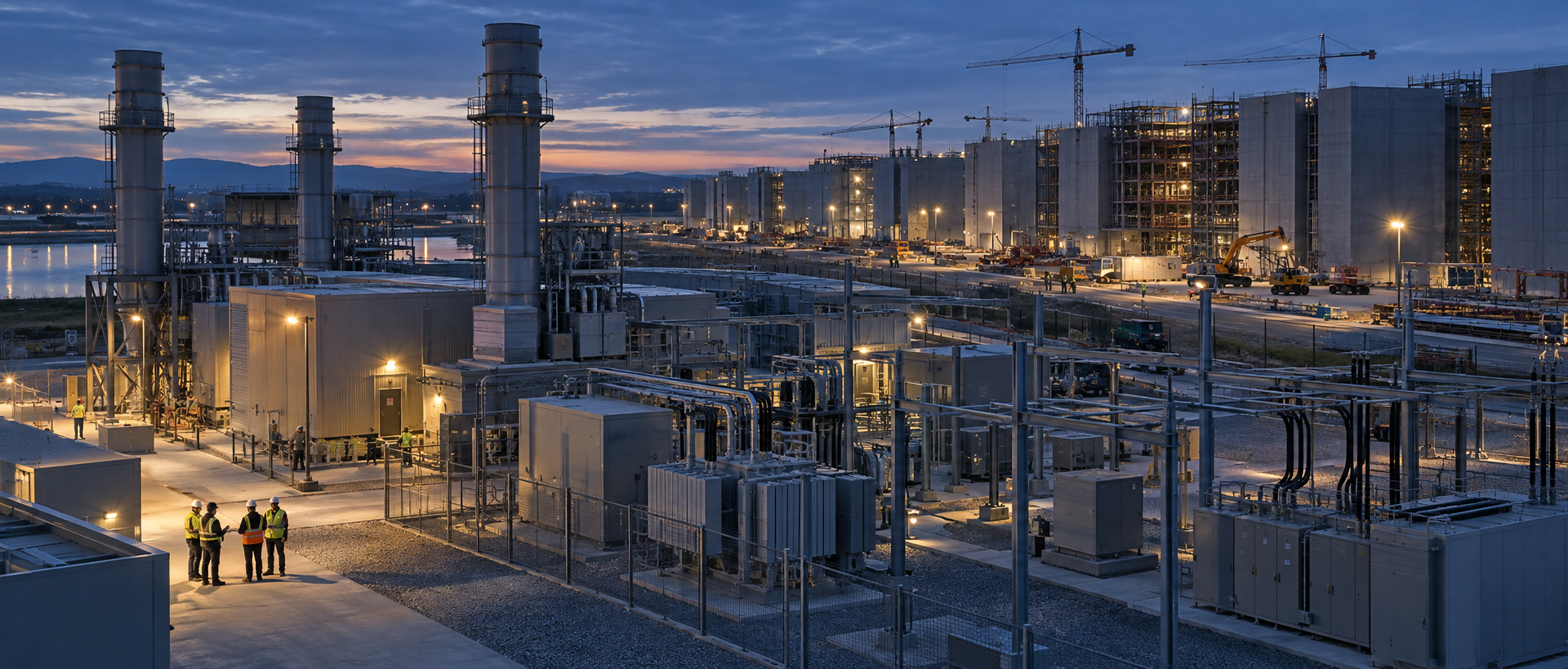
A Behind-the-Meter Credit Framework connecting construction milestones, sponsor support, customer and power contracts, security, step-in and recovery.

A Cooling Acquisition Valuation Framework for liquid, immersion and water-efficient thermal-management businesses.

A Flexible Compute Bankability Framework for converting verified workload control into lender-recognised electricity value.

A Four-Partner Campus Bankability Framework for aligning ownership, control, milestones, cash flow and downside protection.

A component valuation and financing framework linking computing efficiency to paid utilisation, power commitments, renewal expenditure and recoverable asset value.

An acquisition framework for water and electricity utilities linking leakage, outages, maintenance and AI-assisted review to executable capex and a reconciled valuation bridge.

A responsibility and capital framework for energy-bidding platforms, linking authorised orders, contractual recovery, retained losses and investment value.

A forecast-to-finance framework for renewable portfolios, connecting decision-time benchmarks, contractual cash allocation and debt-sizing sensitivities.

An acquisition framework connecting recurring revenue, data permissions, customer concentration and conditional cash valuation.

A contract framework for measured water savings, counterfactual adjustments, fair vendor payments and utility cash value.

An SPV financing framework for equipment monitoring, availability payments, verified maintenance savings and cash continuity.

A commercial rights and investment framework for grid and water information, AI outputs, customer licences and service continuity.

An acquisition framework connecting operational permissions, accepted installations, AI governance, service economics and investment sensitivities.

A financing framework linking operating evidence, verified cash savings, supplier recovery costs and service contract duration.

An investment and contracting framework for human authorisation, review workload, audit evidence and responsibility in bounded utility agent services.

An investment framework for dispatch, utility crew routing and capacity planning, linking comparable tests to accepted outcomes and bounded procurement.

An investment framework for quantum gravity and magnetic sensing, connecting field comparisons and independent appraisal to survey cost and information value.

A capital allocation framework for utility cryptographic migration, linking acceptance evidence, equipment refresh, operating cash and acquisition diligence.

An evidence-based framework linking quantum energy development milestones to scenario value, funding needs, ownership dilution and security preferences.

A transaction framework linking cryogenic equipment and control rights to diligence, fictional valuation sensitivity and an evidence-gated integration plan.

An evidence-gated framework for pre-scale battery-materials licences, with fictional finite-life valuation cases and a practical commercialisation roadmap.

A commercial acceptance framework for superconducting systems, with complete cost boundaries, fictional utility sensitivities and a staged delivery roadmap.

An acquisition framework for magnets, materials, robotics, vacuum systems and power conversion, with transaction-perimeter diligence and a hypothetical valuation bridge.

A stage-gated finance framework for space-based solar power, including launch economics, delivered-energy modelling, permissions and bankable offtake.

A decision framework for space-based computing that connects solar power, thermal control, customer workloads, servicing and capital requirements.

An exploration-finance framework for natural hydrogen, connecting rights, drilling evidence, farm-in terms, offtake and debt capacity.

A pre-drill valuation framework for geothermal prospects, linking rights, resource evidence, decision trees and transaction structure.

A three-vehicle investment framework separating geological discovery from processing and shared-infrastructure decisions.

A transaction framework for pricing geological data, model performance and exploration rights without treating a ranked target as a mineral resource.

A commercial framework for gravity-based subsurface sensing across water, minerals, geothermal resources and geological storage.

An evidence-led framework for valuing critical-mineral recovery from historic tailings after process losses, product deductions and environmental obligations.

A decision framework for lithium recovery and water reuse in oilfield operations, joining flow rights, product quality, disposal economics and capital gates.

A decision framework for converting hydrocarbon wells into geothermal, thermal-storage or monitoring assets, joining integrity, customer value and closure economics.

A decision framework for valuing salt caverns and depleted fields as contracted hydrogen-storage services, with physical and financial gates.

A framework for pricing geologic CO₂ storage through injectivity, pressure limits, monitoring, contracts and liability.

An evidence-led framework for environmental liabilities in energy acquisitions, linking diligence, value, sale terms and financing.

A financing framework for emissions, resilience and debt-service protection with verifiable climate covenants.

A fund due-diligence framework connecting labels, taxonomy tests, use of proceeds and verified asset outcomes.

A transaction framework connecting site-level climate risk, resilience capex, debt capacity and exit value.

A transaction framework connecting biodiversity survey, permit conditions, mitigation capex, output and exit value.

A transaction framework for workforce, community and closure duties in power-plant M&A, with a transparent valuation bridge.

A transaction framework for ownership review in energy and connected infrastructure M&A, linking rights, remedies, financing and bid value.

A project-finance framework for local-content duties, qualified procurement, completion evidence and funded lender cures.

An investment and financing framework for end-of-life cost, early closure, ring-fenced cash and enforceable security across energy assets.

A two-ledger framework for outcome-linked preferred equity, connecting material targets and independent evidence to a bounded return change.

A seller decision framework for adviser scope, fee incentives, competitive bids, closing conditions and net proceeds.

A founder decision framework for adviser appointment, readiness, bidder access, diligence rework and sale timing.

An owner decision framework for verifying sell-side adviser experience, team capacity, buyer reach and mandate terms.

A claim-level protocol for checking M&A adviser pitches, valuation assumptions, buyer access and completion records.

An owner cash model for retainers, success fees, minimums, ratchets and tail obligations in a private-company sale.

A seller-controlled auction protocol for preparation, buyer outreach, bid normalization and price-revision evidence.

An evidence-led protocol for choosing strategic acquirers, controlling outreach and qualifying written bids.

A verifiable mandate-selection framework for private sellers assessing adviser credentials, execution capacity and cross-border dependencies.

A conditional mandate-selection framework for private sellers comparing specialist attention, global reach and net sale proceeds.

A pre-appointment control framework for private sellers assessing adviser conflicts, buyer coverage and process design.

A downside-adjusted capital framework for GCC founders comparing debt service, dilution and financing flexibility.

An event-ledger and critical-path method for understanding readiness, diligence and approval delays in UAE funding.

A source-to-claim framework for the initial screen of a UAE debt or equity raise, with a decision matrix and checklist.

A conditional cost framework for audited accounts, customer contracts and ownership records in a GCC mid-market equity raise.

A usable-cash framework for private credit, asset-based lending and receivables structures in the UAE and GCC.

A rights-adjusted growth-funding framework for cash proceeds, ownership dilution, exit priority and decision vetoes.

An evidence-weighted framework for cash conversion, customer concentration, debt sizing and funding choice.

A decision-gate framework for missing evidence, lender and investor diligence, financing terms and withdrawal.

A mandate-to-term framework for choosing family, fund, lender and institutional capital in GCC raises.

A stage-based diagnosis of stalled UAE funding, connecting price, cash runway, readiness and closing conditions.

A land-control and financing framework comparing immediate purchase with staged acquisition under permit, delay and liquidity stress.

A cash-waterfall and completion-funding framework for UAE developers comparing senior debt, mezzanine and JV equity.

A completion-evidence framework linking remaining costs, escrow permissions, loan availability and sponsor support across GCC development.

A dated cash-support framework comparing prefunded equity, staged contributions and standby debt under presale-release and completion-cost stress.

A payment-first financing framework for UAE early construction, connecting escrow routes, first-draw conditions and executable sponsor cash.

A covenant-definition and cash-timing framework for UAE development debt under cost, delay and sales stress.

A contingent-capital framework for GCC property development, with a reproducible stress grid and support-expiry model.

A UAE developer sale-and-leaseback framework connecting usable proceeds, rent-adjusted economics and construction funding stress.

A GCC property refinancing framework connecting evidenced rent, loan capacity, usable proceeds and separately dated operating and maturity stress.

An evidence-led framework linking development title, permit, contractor and cash-control gaps to conditional price ceilings and dated funding needs.

An evidence-led investor-targeting framework with a candidate scoring matrix, fictional conversion funnel and prospective validation design.

A framework for false investor fits, incomplete verification, fictional screening costs and auditable sequencing decisions.

A lender framework for claims collection, reagent commitments, borrowing capacity and downside cash flow in UAE diagnostic laboratories.

A lender framework connecting reporting permissions, specialist capacity, contract rights, collections and collateral repayment in cross-border teleradiology.

A lender framework connecting custody, temperature records, insurance response, borrowing-base reserves and funded loss scenarios.

A lender framework connecting border-cycle time, paid return loads, customer collections and borrowing-base availability.

A lender framework connecting machinery readiness, customer acceptance, collected cash and recoverable collateral before loan approval.

A lender framework for separating certified dues, retentions and performance deductions before setting availability.

A capital-provider method for connecting permitted use, fire-safety completion, drawdowns and rent cash before approval.

A lender-led framework for host credit, concentration, contract rights, cash control and downside analysis in Saudi rooftop-solar portfolios.

An investor-led framework for testing loan identities, cash allocation, servicing controls and bid capacity in GCC SME loan pools.

A decision-oriented research hub on the use of AI in M&A, corporate finance, debt, equity, fund placement, valuation and sector transactions.

A controlled AI layer can widen a target universe, reconcile fragmented market evidence and rank candidates against an approved acquisition thesis before senior judgement begins.
AI can organise market, customer, product and competitor evidence into a question-led diligence system while reviewers retain responsibility for judgement and source validation.

AI can connect diligence findings, synergy assumptions, integration workstreams and operating data into one controlled value-capture system.

AI can help finance teams organise drivers, detect anomalies, compare scenarios and explain changes while the approved financial model remains the calculation authority.

AI can accelerate the assembly and testing of debt cases by linking cash-flow drivers, debt terms, collateral evidence and covenant calculations to one source-controlled model.
AI can combine finance, covenant, receivables and operating signals into a triage system for liquidity actions and restructuring decisions.

AI can help organise a consistent equity narrative across the model, pitch, data room and management answers when every claim remains linked to approved evidence.

FinTech fundraising benefits from an AI-assisted evidence layer that separates corporate growth, regulated activity, credit performance and any balance-sheet funding requirement.

AI can help BatteryTech companies and investors connect chemistry, performance, manufacturing, warranty, supply-chain and customer evidence to a commercial financing case.

Startups can strengthen their financing case when AI creates measurable customer value, durable data advantages, repeatable economics and controlled product delivery.
A conventional business can build a stronger valuation case when AI improves measurable operating drivers and the improvement is embedded in repeatable processes, data and governance.
Shipping companies can use AI-assisted analysis to connect voyage, fuel, maintenance, port, cargo and cash-cycle data to financing and value-creation decisions.
Fund managers can build an AI-assisted operating model around research, investment evidence, portfolio monitoring and LP reporting while preserving investment-committee authority.

AI can help a fund manager turn a broad allocator universe into an evidence-based coverage plan organised by mandate, cheque, geography, strategy, relationship and timing.
AI can support a controlled fund-placement process by connecting the pitch, private-placement materials, DDQ, track record, data room and LP Q&A to approved source evidence.
UAE fundraising can use AI to connect company evidence, investor criteria, relationship routes and process feedback without turning outreach into an undifferentiated volume exercise.
A GCC M&A workflow can use AI to organise fragmented company evidence, multilingual materials, ownership structures, relationship routes and post-deal priorities into one governed process.
UAE debt structuring can use AI-assisted analysis to compare cash-flow, asset, receivable and project evidence across bank, private-credit and structured-finance routes.
AI can help a company and lender reconcile invoices, purchase orders, inventory, shipping, collections and customer evidence into a more current working-capital view.

AI can help developers, lenders and investors connect feasibility, cost, sales, escrow, construction and exit evidence to an integrated capital-stack decision.
AI technical due diligence should connect product claims, architecture, data rights, model performance, security, economics and team dependency to the investment or acquisition thesis.
An AI company becomes more financeable when technical capability is translated into a repeatable product, contracted customer value, controlled delivery and credible unit economics.

Boards need an AI economics view that connects model and vendor choices, compute, data, human review, reliability and customer value to cash flow and strategic dependency.
A corporate finance team can use bounded AI agents for defined research, reconciliation, drafting and monitoring tasks when authority, tools, evidence and stop conditions are explicit.

An evidence-grounded language-model layer can make a transaction data room searchable and question-led while citations, permissions and the original documents remain authoritative.

A private-markets knowledge graph can connect companies, owners, investors, funds, advisers, contracts and transactions so that relationship and evidence questions become traceable.
AI product economics improve when each task is routed to the lowest-cost architecture that meets approved quality, latency, privacy and reliability thresholds.
Boards can compare proprietary build, vendor purchase and strategic partnership routes using the same value, cost, control, speed, data and dependency criteria.
An AI roadmap should concentrate capital and talent on products with verified customer value, defensible workflow position and credible economics.

Synthetic data can support controlled testing of rare, sensitive and future stress conditions when its generation, fidelity, privacy and validation limits are explicit.
A confidential deal workflow needs an architecture that limits data use, access, retention, tools and external actions according to the engagement and source permissions.

AI evaluation in finance should test the actual task, evidence, error costs, users and escalation paths rather than rely on general model benchmarks.
Multimodal document AI can combine text, layout, tables, images and handwriting to support KYC and reconciliation workflows with source-linked exceptions and human review.

AI can help organise large dispute records, chronology, claims, evidence and scenario economics while counsel retains responsibility for legal analysis and strategy.

AI can help lenders and advisers assemble a more current SME credit picture from financial, banking, receivable, tax, contract and operating evidence.

A family office can use AI to structure opportunity screening, evidence review, portfolio context and decision records across direct, co-investment and fund opportunities.
Insurance transactions can use AI-assisted analysis to connect product, distribution, claims, reserving, capital, data and technology evidence to the deal thesis.
Healthcare transactions can use AI to reconcile clinical, operational, payer, revenue, capacity and technology evidence while qualified professionals retain responsibility for clinical and regulated conclusions.
Industrial companies can connect AI initiatives to throughput, quality, energy, reliability, labour, inventory and cash so that value creation becomes financeable and measurable.
AI can help sponsors and capital providers connect demand, resource, design, construction, operations, maintenance and cash-flow evidence across an infrastructure financing case.

Logistics transactions can use AI-assisted analysis to connect lanes, customers, assets, service levels, capacity, cost and working capital to the investment thesis.
Consumer and hospitality businesses can use AI to connect customer, channel, location, pricing, inventory, labour and service evidence to growth and valuation.
Telecom and connectivity transactions can use AI-assisted analysis to connect customer cohorts, usage, network, product, channel and churn evidence to the deal case.

Cybersecurity diligence should test product efficacy, data, model, threat, customer, incident, compliance and delivery evidence against the investment thesis.

AI-assisted underwriting can connect demand, customer, power, site, design, procurement, construction and operating evidence across the data-centre capital stack.

DeepTech financing readiness requires a clear bridge from scientific or engineering performance to qualification, manufacturing, customer adoption and milestone capital.
DefenceTech and dual-use financing needs an evidence-led view of technology, customer, end use, procurement, export, security, production and working-capital risk.
Genomics and BioTech companies can use AI to support discovery, data analysis and product workflows while financing remains tied to scientific, clinical, regulatory and commercial milestones.
Climate and new-energy companies can use AI to improve design, materials, forecasting and operations while investors need a clear separation between technology-company and project risk.
A PE portfolio company can use a 100-day AI agenda to select a small number of measurable revenue, margin, cash and risk priorities with accountable owners.

AI can help management prepare an evidence-led exit by reconciling the equity story, model, quality of earnings, commercial proof, contracts, data room and buyer questions.
AI partnerships and joint ventures need a commercial design that addresses assets, data, models, IP, customers, economics, control, exclusivity and exit from the outset.
AI can help a deal team extract, normalise and compare financing or transaction terms while executed documents, advisers and authorised negotiators remain decisive.

A controlled operating model for source-grounded origination, diligence and pitch production with accountable human approval.

An evidence-led framework for hybrid quantum experimentation, portfolio validation and quantum-safe readiness.

A governed architecture for family-office reporting, document intelligence and accountable portfolio decision support.

An evidence-led operating model for faster commercial, financial and technology due diligence with traceable analysis and accountable sign-off.

A controlled operating model for applying LLM agents across the corporate-finance workflow with explicit authority, evidence, validation and human approval.
An evidence-led architecture for applying AI to private-credit underwriting with traceable facts, controlled calculations, independent challenge and explicit decision rights.
A governed decision, evidence, workflow and resilience architecture for AI-enabled family offices, fund managers and modern advisory firms.

A governed retrieval-augmented generation architecture for traceable financial research, deterministic calculations, claim-level evidence and named human authority.
A governed AI architecture for real-estate underwriting, valuation, AVM validation and asset-management decisions across the ownership cycle.
A governed quantum-readiness system for long-lived financial data, cryptographic inventory, supplier assurance, tested post-quantum migration and rollback.
A governed framework for measuring quality-adjusted deal-team productivity, realised capacity and economic attribution from AI copilots.
A three-gate framework for using synthetic data, simulation and stress testing in family-office and private-credit risk management.
A controlled evidence, recipient and release architecture for AI-assisted fund marketing and personalised LP relations at scale.
A decision-grade evidence architecture for applying computer vision and geospatial AI to Gulf real-estate and infrastructure diligence.
A controlled AI document-intelligence architecture for family-office diligence, GCC fundraising, evidence lineage, validation and human review.
A benchmark-first framework for testing quantum optimisation across GCC logistics, supply-chain finance and working-capital decisions.
An evidence-led framework for underwriting AI-native application companies across product quality, model dependence, data rights, revenue, retention and unit economics.
An evidence-led operating and control framework for agentic reconciliation, management reporting and compliance workflows in GCC family businesses and family offices.
A confidence-weighted framework for measuring, funding and governing AI adoption in family offices, financial services and GCC family businesses.
An evidence-gated framework for governing models, generative AI and agentic systems across family offices and institutional allocators.
An evidence-gated framework for using large language models in transaction contract review across family offices and GCC fund managers.

A controlled framework for AI-assisted wealth advice and portfolio construction across private banks, EAMs, multi-family offices and GCC family offices.

An evidence-gated framework for testing quantum machine learning claims against classical baselines, investability, model risk and accountable decision rights.
A governed decision-memory architecture for family-office investment teams and GCC fund managers, covering evidence, permissions, retrieval, provenance, evaluation and value attribution.
A governed signal-to-intervention architecture for private-credit funds and GCC SME borrowers, covering credit signals, models, calibration, alert operations and human authority.
A governed asset-to-cash architecture for Gulf infrastructure investors and family-office portfolios, covering rights, token records, settlement, AI and human authority.

A governed AI valuation framework for family offices and GCC developers, covering comparable analysis, scenario modelling, uncertainty and human approval.
A governed CFO AI playbook for GCC SMEs and family businesses, covering finance productivity, margin, working capital, controls and a ninety-day rollout.

An evidence-gated AI operating model for ESG and impact data, verification and reporting across infrastructure investments and family-office portfolios.

An evidence-gated playbook for established SME owners and growth-company founders to convert practical AI and frontier technology into accepted work, guarded outcomes and attributable value.
A controlled, evidence-linked operating model for fund managers to draft DDQs, maintain institutional data rooms and answer LP questions with citations and human approval.
An evidence-linked architecture for pre-IPO secondary buyers and intermediaries to trace share provenance, stacked SPVs, transfer restrictions and settlement exceptions.

A controlled copilot architecture for GCC private-credit underwriting, jurisdiction evidence, escrow waterfalls, covenants and reviewable credit decisions.
An AI-native model for family-office teams to screen deals, extract diligence evidence and prepare accountable investment-committee packs.

A controlled architecture for reconciling project progress, escrow balances, release conditions and lender exceptions across Dubai and Saudi off-plan projects.
A benchmark-led framework for capital tranches, draw schedules and power portfolios, with classical baselines and evidence-gated quantum challengers.
An evidence-gated agentic workflow for data-room assembly, financial reconciliation, ownership controls and authorised vendor due-diligence reporting.

A governed AI valuation workflow for Gulf mid-market transactions, from comparable-company research and normalisation to scenarios and approval.

A controlled agentic operating model for confidential sell-side processes across buyer screening, NDAs, staged disclosure, Q&A and transaction materials.

A governed AI workflow for private-market distribution across subscriptions, investor evidence, suitability support and relationship-manager enablement.
A methodology-led shortlist matching ten financing routes to use of proceeds, evidence requirements and commercial trade-offs.
No insights match those filters. Clear the filters to view the full research library.
Have a transaction in mind?
Apply a Matchpoint Insights framework to your capital decision with a Matchpoint partner.
