

1. Define the administration mandate
Set the funds, vehicles, jurisdictions, services, records, decisions and exclusions covered by each operating mandate and documented service contract scope, with named owners, review dates and approved evidence boundaries.
Controlled evidence includes fund; vehicle; jurisdiction; service; obligation; owner; exclusion; approval. The immediate decision is to freeze scope and authority before introducing agents. Definitions should remain stable across investment, risk, committee, operational and financial records.
Administration evidence should remain fund-, vehicle-, investor-, transaction-, obligation-, jurisdiction- and period-specific. The review should preserve missing records, failed cases, conflicting sources, overrides, exceptions, adverse outcomes and remediation evidence.
The analytical unit should remain stable from source record to valuation conclusion. Reviewers should see the population, exclusions, period, owner and reconciliation to finance. Where evidence is incomplete, the model should retain a range and identify the action needed to narrow it. Comparisons should preserve product, customer, site, complexity and market conditions; aggregation should not conceal adverse cohorts or delayed consequences.
2. Map the operating model
Managers, administrators, depositaries, custodians, banks, accountants, counsel and technology providers need explicit roles and hand-offs.
Controlled evidence includes party; role; activity; input; output; decision right; escalation; contract. The immediate decision is to locate accountability across the service chain. Definitions should remain stable across investment, risk, committee, operational and financial records.
Finance should distinguish expected activity, authorised instructions, confirmed cash and approved books. Every projected benefit needs full cost, accountable ownership and a route to collected fees, cash protection and sustained value.
Evidence should distinguish observation, estimate, management plan and transaction judgement. A supported claim includes timing, full cost, dependency, transferability and a cash consequence. Sensitivity should show how the conclusion changes when adoption, demand, quality or persistence underperforms. Material assumptions need validation dates, accountable owners and explicit expiry conditions so that stale expectations do not survive into pricing or financing decisions.
3. Create the legal-entity master
Funds, feeders, blockers, SPVs, investors, counterparties and bank accounts require stable identifiers and relationships.
Controlled evidence includes entity; identifier; domicile; ownership; account; status; effective date; source. The immediate decision is to prevent entity and account confusion. Definitions should remain stable across investment, risk, committee, operational and financial records.
Operations, finance, legal, compliance, tax, technology, risk and client teams should use stable identifiers and cut-offs. Material outputs should be traced from governing evidence through transformation, review, approval, record and outcome with retained evidence.
The operating team and finance team should use the same definitions. Native records should support aggregate dashboards, and sample testing should follow representative cases from input through outcome and cash. Exceptions, failed cases and client concessions remain part of the population. Reconciliation should cover opening and closing balances, acquisitions, disposals, foreign exchange, allocation changes and manual adjustments that could otherwise mimic operating improvement.
4. Digitise governing documents
Partnership agreements, offering documents, side letters, subscription terms and policies define the permissible treatment.
Controlled evidence includes document; version; clause; vehicle; party; right; obligation; reviewer. The immediate decision is to bind each workflow rule to controlling text. Definitions should remain stable across investment, risk, committee, operational and financial records.
Material risks cover stale files, wrong parties, bad rules, missed cases, access abuse, payment fraud, data leaks, vendor failure and service outages.
Decision makers need both upside and downside. The analysis should state which party controls conversion, what investment remains, when cash appears, which risks survive and whether the result continues after a change of ownership. Unsupported precision should be replaced with bounded scenarios. The committee should record the decision consequence of each range, including price, structure, funding, covenant, integration and monitoring implications.
5. Control investor onboarding
Eligibility, identity, authority, sanctions, tax status, bank evidence and approvals should be complete before acceptance.
Controlled evidence includes investor; beneficial owner; document; check; result; reviewer; expiry; approval. The immediate decision is to stop incomplete or unauthorised admission. Definitions should remain stable across investment, risk, committee, operational and financial records.
Administration evidence should remain fund-, vehicle-, investor-, transaction-, obligation-, jurisdiction- and period-specific. The review should preserve missing records, failed cases, conflicting sources, overrides, exceptions, adverse outcomes and remediation evidence.
The analytical unit should remain stable from source record to valuation conclusion. Reviewers should see the population, exclusions, period, owner and reconciliation to finance. Where evidence is incomplete, the model should retain a range and identify the action needed to narrow it. Comparisons should preserve product, customer, site, complexity and market conditions; aggregation should not conceal adverse cohorts or delayed consequences.
Table 1. Administration control contract
| Element | Required evidence | Decision |
|---|---|---|
| scope | fund, service and obligation | what work is permitted |
| source | document, system and cut-off | what evidence governs |
| authority | role, segregation and approval | who may act |
| outcome | record, cash and client consequence | how completion is proved |
Replace illustrative classifications with company-specific evidence and approved transaction treatment.
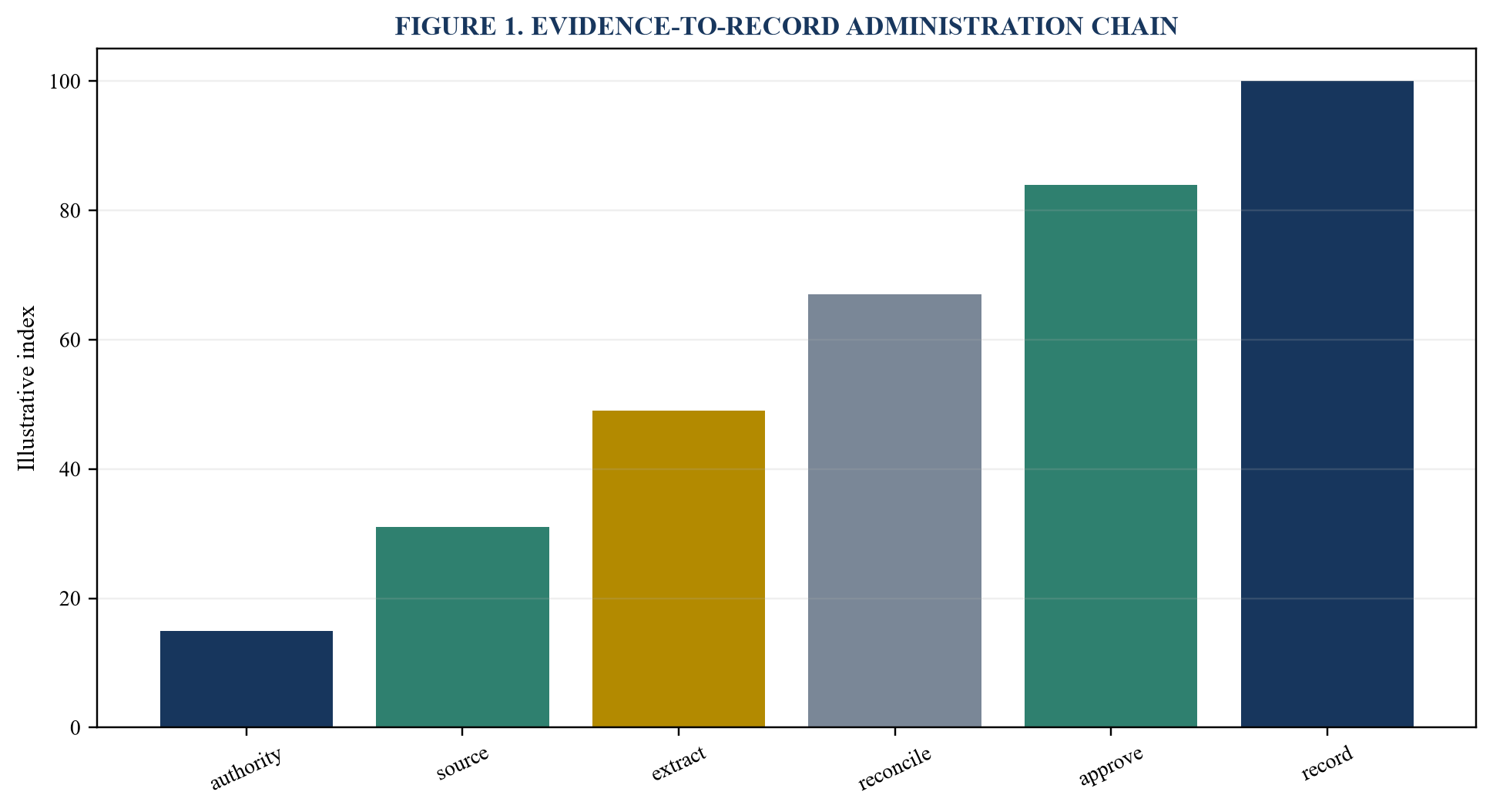
Every record and instruction should remain connected to authority, source, transformation, review and outcome.
6. Orchestrate subscriptions
Commitments, closings, equalisation, currency, settlement and conditions precedent need a single traceable case.
Controlled evidence includes investor; vehicle; commitment; close; currency; condition; cash; status. The immediate decision is to convert an approved subscription into complete records. Definitions should remain stable across investment, risk, committee, operational and financial records.
Finance should distinguish expected activity, authorised instructions, confirmed cash and approved books. Every projected benefit needs full cost, accountable ownership and a route to collected fees, cash protection and sustained value.
Evidence should distinguish observation, estimate, management plan and transaction judgement. A supported claim includes timing, full cost, dependency, transferability and a cash consequence. Sensitivity should show how the conclusion changes when adoption, demand, quality or persistence underperforms. Material assumptions need validation dates, accountable owners and explicit expiry conditions so that stale expectations do not survive into pricing or financing decisions.
7. Reconcile cash and bank evidence
Receipts, payments, value dates, references, currencies and bank statements should reconcile to authorised instructions.
Controlled evidence includes account; transaction; amount; currency; value date; reference; source; match. The immediate decision is to separate confirmed cash from expected movement. Definitions should remain stable across investment, risk, committee, operational and financial records.
Operations, finance, legal, compliance, tax, technology, risk and client teams should use stable identifiers and cut-offs. Material outputs should be traced from governing evidence through transformation, review, approval, record and outcome with retained evidence.
The operating team and finance team should use the same definitions. Native records should support aggregate dashboards, and sample testing should follow representative cases from input through outcome and cash. Exceptions, failed cases and client concessions remain part of the population. Reconciliation should cover opening and closing balances, acquisitions, disposals, foreign exchange, allocation changes and manual adjustments that could otherwise mimic operating improvement.
8. Administer capital calls
Call basis, allocation, notice, due date, bank instruction, receipt and default treatment require governing-document support.
Controlled evidence includes vehicle; call; investor; allocation; notice; due date; receipt; exception. The immediate decision is to issue and close each call from authorised evidence. Definitions should remain stable across investment, risk, committee, operational and financial records.
Material risks cover stale files, wrong parties, bad rules, missed cases, access abuse, payment fraud, data leaks, vendor failure and service outages.
Decision makers need both upside and downside. The analysis should state which party controls conversion, what investment remains, when cash appears, which risks survive and whether the result continues after a change of ownership. Unsupported precision should be replaced with bounded scenarios. The committee should record the decision consequence of each range, including price, structure, funding, covenant, integration and monitoring implications.
9. Administer distributions
Waterfalls, entitlements, withholding, currency, bank verification and approvals determine distributable cash.
Controlled evidence includes vehicle; event; proceeds; entitlement; tax; account; approval; payment. The immediate decision is to prevent wrong-party, wrong-amount and wrong-account payments. Definitions should remain stable across investment, risk, committee, operational and financial records.
Administration evidence should remain fund-, vehicle-, investor-, transaction-, obligation-, jurisdiction- and period-specific. The review should preserve missing records, failed cases, conflicting sources, overrides, exceptions, adverse outcomes and remediation evidence.
The analytical unit should remain stable from source record to valuation conclusion. Reviewers should see the population, exclusions, period, owner and reconciliation to finance. Where evidence is incomplete, the model should retain a range and identify the action needed to narrow it. Comparisons should preserve product, customer, site, complexity and market conditions; aggregation should not conceal adverse cohorts or delayed consequences.
10. Calculate management fees
Bases, rates, step-downs, offsets, waivers, side letters, taxes and periods need versioned calculation logic.
Controlled evidence includes vehicle; investor; base; rate; period; offset; waiver; approval. The immediate decision is to produce reproducible fee calculations. Definitions should remain stable across investment, risk, committee, operational and financial records.
Finance should distinguish expected activity, authorised instructions, confirmed cash and approved books. Every projected benefit needs full cost, accountable ownership and a route to collected fees, cash protection and sustained value.
Evidence should distinguish observation, estimate, management plan and transaction judgement. A supported claim includes timing, full cost, dependency, transferability and a cash consequence. Sensitivity should show how the conclusion changes when adoption, demand, quality or persistence underperforms. Material assumptions need validation dates, accountable owners and explicit expiry conditions so that stale expectations do not survive into pricing or financing decisions.
11. Allocate income and expenses
Fund-level and deal-level income, expenses, broken-deal costs and special allocations require policy and contractual evidence.
Controlled evidence includes ledger item; vehicle; investment; investor class; rule; amount; period; reviewer. The immediate decision is to apply the authorised allocation treatment. Definitions should remain stable across investment, risk, committee, operational and financial records.
Operations, finance, legal, compliance, tax, technology, risk and client teams should use stable identifiers and cut-offs. Material outputs should be traced from governing evidence through transformation, review, approval, record and outcome with retained evidence.
The operating team and finance team should use the same definitions. Native records should support aggregate dashboards, and sample testing should follow representative cases from input through outcome and cash. Exceptions, failed cases and client concessions remain part of the population. Reconciliation should cover opening and closing balances, acquisitions, disposals, foreign exchange, allocation changes and manual adjustments that could otherwise mimic operating improvement.
12. Support NAV production
Positions, cash, accruals, debt, expenses, FX, valuations and ownership should reconcile before NAV approval.
Controlled evidence includes vehicle; period; account; position; valuation; accrual; source; sign-off. The immediate decision is to assemble a reviewable NAV evidence pack. Definitions should remain stable across investment, risk, committee, operational and financial records.
Material risks cover stale files, wrong parties, bad rules, missed cases, access abuse, payment fraud, data leaks, vendor failure and service outages.
Decision makers need both upside and downside. The analysis should state which party controls conversion, what investment remains, when cash appears, which risks survive and whether the result continues after a change of ownership. Unsupported precision should be replaced with bounded scenarios. The committee should record the decision consequence of each range, including price, structure, funding, covenant, integration and monitoring implications.
Table 2. NAV evidence architecture
| Layer | Evidence | Failure risk |
|---|---|---|
| position | asset, quantity and ownership | wrong population |
| cash | bank evidence and reconciliation | unconfirmed balance |
| valuation | method, inputs and approval | unsupported mark |
| ledger | period, accrual and sign-off | unreconciled NAV |
Replace illustrative classifications with company-specific evidence and approved transaction treatment.
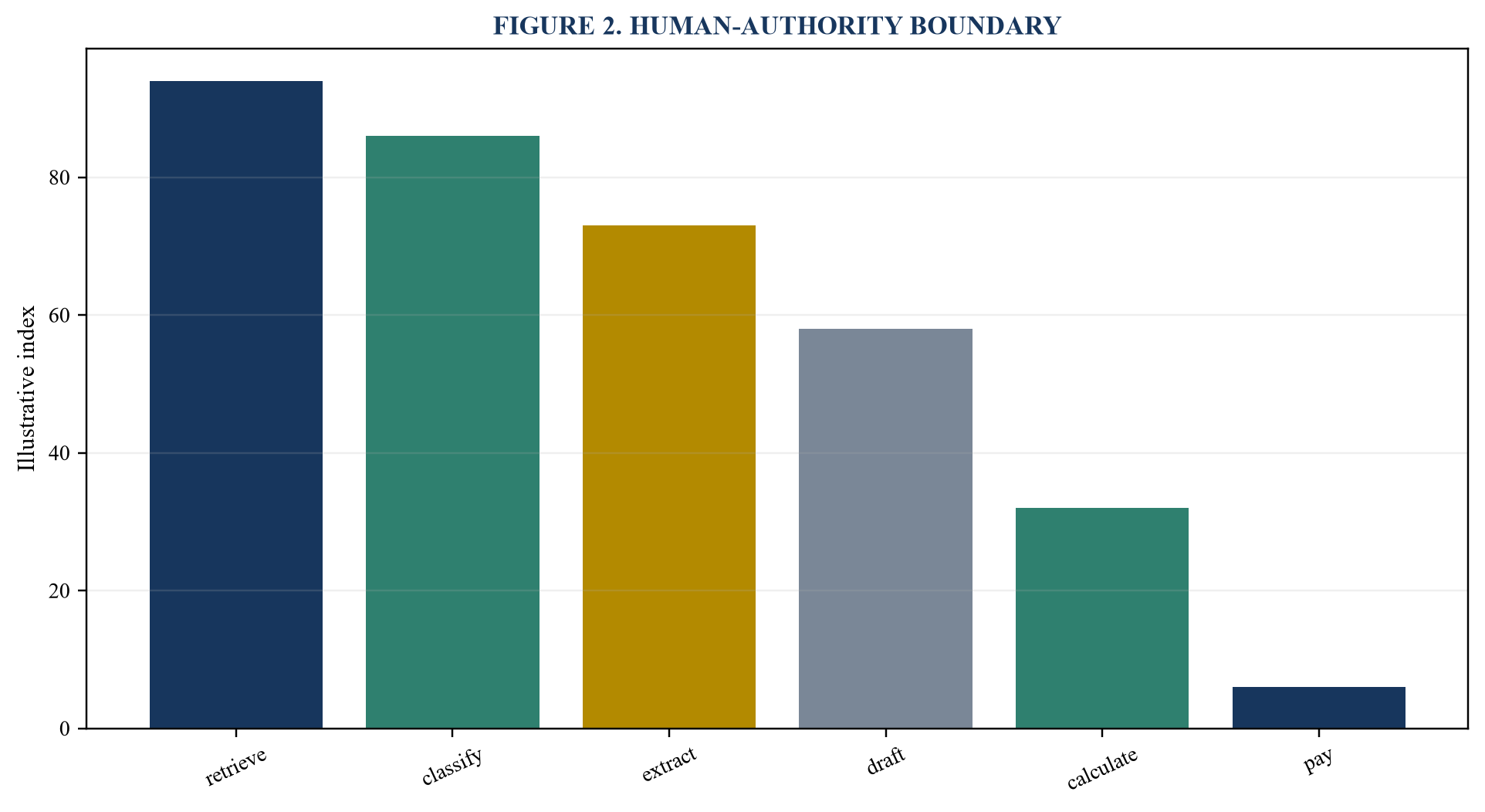
Human authority should increase with financial, legal and client consequence.
13. Govern valuation inputs
Manager marks, third-party valuations, market data, models, overrides and committees should remain distinguishable.
Controlled evidence includes asset; method; input; source; date; reviewer; override; approval. The immediate decision is to keep valuation judgment visible and accountable. Definitions should remain stable across investment, risk, committee, operational and financial records.
Administration evidence should remain fund-, vehicle-, investor-, transaction-, obligation-, jurisdiction- and period-specific. The review should preserve missing records, failed cases, conflicting sources, overrides, exceptions, adverse outcomes and remediation evidence.
Keep each case tied from source to final record. Show the full set, gaps, date, owner, ledger tie and next check. Test the right fund, person, deal, site and period. Keep failed cases, late effects, weak data, faults, manual edits, client loss and control breaks in view. Name the cause, next act, owner, due date, review and final proof.
14. Produce investor statements
Capital accounts, commitments, calls, distributions, fees, NAV and performance need consistent cut-offs and definitions.
Controlled evidence includes investor; vehicle; period; metric; opening; movement; closing; source. The immediate decision is to publish statements reconciled to approved books. Definitions should remain stable across investment, risk, committee, operational and financial records.
Finance should distinguish expected activity, authorised instructions, confirmed cash and approved books. Every projected benefit needs full cost, accountable ownership and a route to collected fees, cash protection and sustained value.
Evidence should distinguish observation, estimate, management plan and transaction judgement. A supported claim includes timing, full cost, dependency, transferability and a cash consequence. Sensitivity should show how the conclusion changes when adoption, demand, quality or persistence underperforms. Material assumptions need validation dates, accountable owners and explicit expiry conditions so that stale expectations do not survive into pricing or financing decisions.
15. Control regulatory reporting
Forms and returns should map each reported field to source, definition, period, transformation and accountable sign-off.
Controlled evidence includes jurisdiction; return; field; definition; source; transformation; reviewer; filing. The immediate decision is to make each submission independently reproducible. Definitions should remain stable across investment, risk, committee, operational and financial records.
Operations, finance, legal, compliance, tax, technology, risk and client teams should use stable identifiers and cut-offs. Material outputs should be traced from governing evidence through transformation, review, approval, record and outcome with retained evidence.
The operating team and finance team should use the same definitions. Native records should support aggregate dashboards, and sample testing should follow representative cases from input through outcome and cash. Exceptions, failed cases and client concessions remain part of the population. Reconciliation should cover opening and closing balances, acquisitions, disposals, foreign exchange, allocation changes and manual adjustments that could otherwise mimic operating improvement.
16. Respond to DDQs and data requests
Recurring investor, lender, auditor and regulator questions should use approved facts, versions and owners.
Controlled evidence includes requestor; question; source; answer; period; reviewer; approval; delivery. The immediate decision is to accelerate responses without inventing disclosure. Definitions should remain stable across investment, risk, committee, operational and financial records.
Material risks cover stale files, wrong parties, bad rules, missed cases, access abuse, payment fraud, data leaks, vendor failure and service outages.
Decision makers need both upside and downside. The analysis should state which party controls conversion, what investment remains, when cash appears, which risks survive and whether the result continues after a change of ownership. Unsupported precision should be replaced with bounded scenarios. The committee should record the decision consequence of each range, including price, structure, funding, covenant, integration and monitoring implications.
17. Operationalise side letters
Investor-specific rights need structured obligations, triggers, evidence, owners, deadlines and conflict review.
Controlled evidence includes investor; clause; right; trigger; action; owner; deadline; evidence. The immediate decision is to prevent negotiated rights from disappearing into documents. Definitions should remain stable across investment, risk, committee, operational and financial records.
Administration evidence should remain fund-, vehicle-, investor-, transaction-, obligation-, jurisdiction- and period-specific. The review should preserve missing records, failed cases, conflicting sources, overrides, exceptions, adverse outcomes and remediation evidence.
The analytical unit should remain stable from source record to valuation conclusion. Reviewers should see the population, exclusions, period, owner and reconciliation to finance. Where evidence is incomplete, the model should retain a range and identify the action needed to narrow it. Comparisons should preserve product, customer, site, complexity and market conditions; aggregation should not conceal adverse cohorts or delayed consequences.
18. Control tax evidence
Residency, withholding, classifications, elections, certificates and investor reporting require jurisdiction-specific advice and records.
Controlled evidence includes party; jurisdiction; status; document; period; treatment; adviser; expiry. The immediate decision is to route tax-sensitive actions through approved evidence. Definitions should remain stable across investment, risk, committee, operational and financial records.
Finance should distinguish expected activity, authorised instructions, confirmed cash and approved books. Every projected benefit needs full cost, accountable ownership and a route to collected fees, cash protection and sustained value.
Evidence should separate facts, calculations, judgment and planned action. Each output needs a source, owner, period, cost, control and consequence. Tests should show how results change when volume, quality, timing or system performance weakens. Rules need review dates, owners and expiry conditions; stale logic should not govern records or payments.
19. Administer transfers and ownership changes
Assignments, consents, eligibility, consideration, effective dates and register updates need controlled completion.
Controlled evidence includes interest; transferor; transferee; consent; condition; date; register; approval. The immediate decision is to change ownership only after documented conditions pass. Definitions should remain stable across investment, risk, committee, operational and financial records.
Operations, finance, legal, compliance, tax, technology, risk and client teams should use stable identifiers and cut-offs. Material outputs should be traced from governing evidence through transformation, review, approval, record and outcome with retained evidence.
The operating team and finance team should use the same definitions. Native records should support aggregate dashboards, and sample testing should follow representative cases from input through outcome and cash. Exceptions, failed cases and client concessions remain part of the population. Reconciliation should cover opening and closing balances, acquisitions, disposals, foreign exchange, allocation changes and manual adjustments that could otherwise mimic operating improvement.
20. Protect payment instructions
Creation or amendment of beneficiary details requires independent verification, segregation and controlled release.
Controlled evidence includes beneficiary; account; evidence; verification; initiator; approver; release; outcome. The immediate decision is to resist fraud and unauthorised payment change. Definitions should remain stable across investment, risk, committee, operational and financial records.
Material risks cover stale files, wrong parties, bad rules, missed cases, access abuse, payment fraud, data leaks, vendor failure and service outages.
Decision makers need both upside and downside. The analysis should state which party controls conversion, what investment remains, when cash appears, which risks survive and whether the result continues after a change of ownership. Unsupported precision should be replaced with bounded scenarios. The committee should record the decision consequence of each range, including price, structure, funding, covenant, integration and monitoring implications.
Table 3. Payment-control matrix
| Stage | Evidence | Control |
|---|---|---|
| instruction | authorised source and purpose | maker validation |
| beneficiary | independent account evidence | out-of-band check |
| release | amount, currency and entitlement | segregated approval |
| outcome | bank confirmation and ledger | post-payment reconciliation |
Replace illustrative classifications with company-specific evidence and approved transaction treatment.
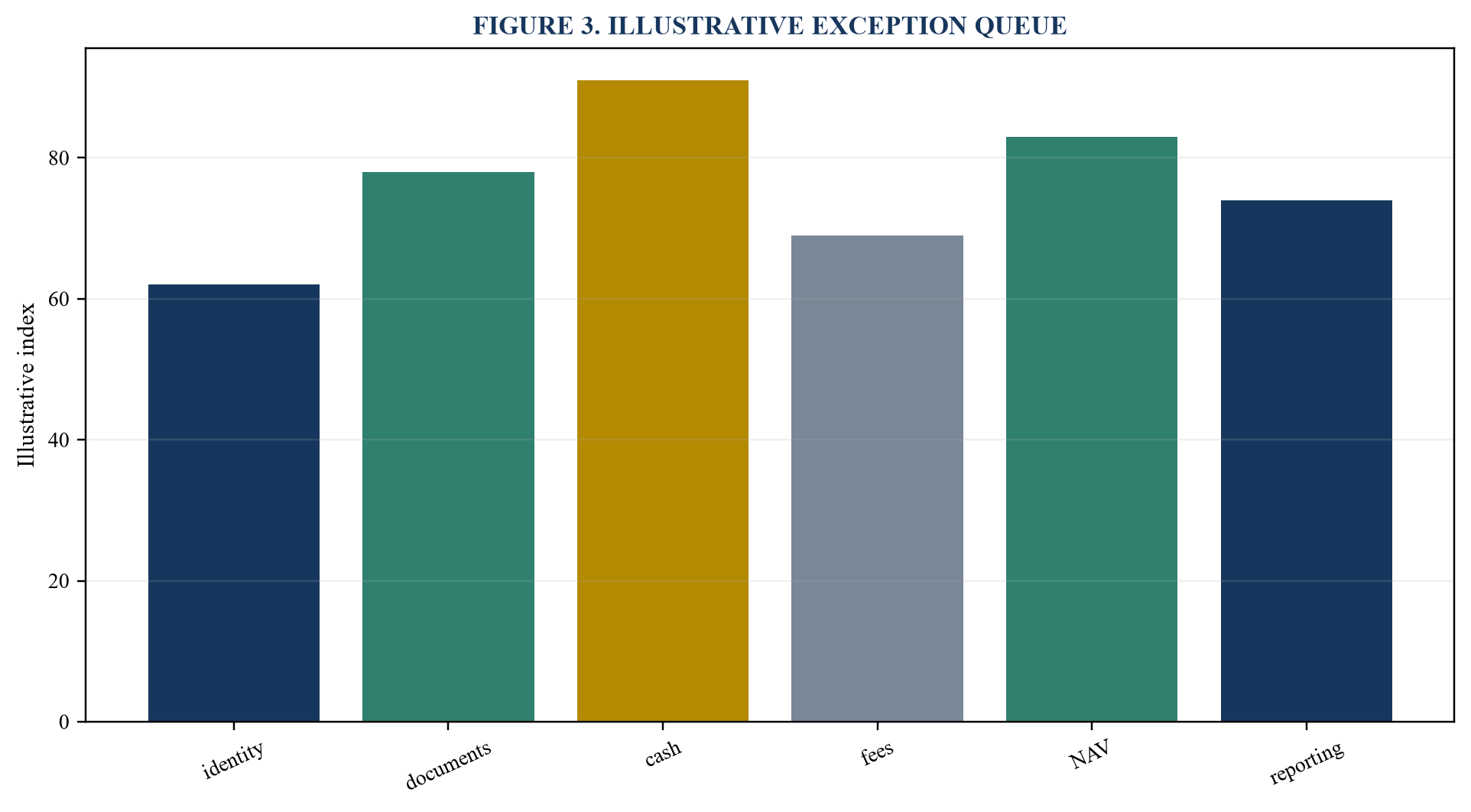
Replace indices with measured mandate-specific volumes and consequences.
21. Build the exception operating model
Unmatched cash, missing documents, broken rules, overdue approvals and inconsistent data should enter one accountable queue.
Controlled evidence includes case; severity; source; discrepancy; owner; deadline; decision; closure. The immediate decision is to turn silent failure into visible resolution work. Definitions should remain stable across investment, risk, committee, operational and financial records.
Administration evidence should remain fund-, vehicle-, investor-, transaction-, obligation-, jurisdiction- and period-specific. The review should preserve missing records, failed cases, conflicting sources, overrides, exceptions, adverse outcomes and remediation evidence.
The analytical unit should remain stable from source record to valuation conclusion. Reviewers should see the population, exclusions, period, owner and reconciliation to finance. Where evidence is incomplete, the model should retain a range and identify the action needed to narrow it. Comparisons should preserve product, customer, site, complexity and market conditions; aggregation should not conceal adverse cohorts or delayed consequences.
22. Define service levels and materiality
Cycle time, cut-offs, tolerances, severity and escalation should reflect contracts, obligations and economic consequence.
Controlled evidence includes service; trigger; deadline; tolerance; severity; escalation; remedy; owner. The immediate decision is to prioritise work by consequence. Definitions should remain stable across investment, risk, committee, operational and financial records.
Finance should distinguish expected activity, authorised instructions, confirmed cash and approved books. Every projected benefit needs full cost, accountable ownership and a route to collected fees, cash protection and sustained value.
Evidence should distinguish observation, estimate, management plan and transaction judgement. A supported claim includes timing, full cost, dependency, transferability and a cash consequence. Sensitivity should show how the conclusion changes when adoption, demand, quality or persistence underperforms. Material assumptions need validation dates, accountable owners and explicit expiry conditions so that stale expectations do not survive into pricing or financing decisions.
23. Set human authority and segregation
Retrieval, extraction, calculation, drafting, approval and payment should have explicit permissions and separation.
Controlled evidence includes task; agent role; human role; permission; reviewer; approver; prohibition; log. The immediate decision is to retain accountable control over consequential actions. Definitions should remain stable across investment, risk, committee, operational and financial records.
Operations, finance, legal, compliance, tax, technology, risk and client teams should use stable identifiers and cut-offs. Material outputs should be traced from governing evidence through transformation, review, approval, record and outcome with retained evidence.
The operating team and finance team should use the same definitions. Native records should support aggregate dashboards, and sample testing should follow representative cases from input through outcome and cash. Exceptions, failed cases and client concessions remain part of the population. Reconciliation should cover opening and closing balances, acquisitions, disposals, foreign exchange, allocation changes and manual adjustments that could otherwise mimic operating improvement.
24. Govern models, prompts and tools
Each agent, model, prompt, connector and rule needs purpose, version, owner, validation and approved use.
Controlled evidence includes component; purpose; version; input; output; dependency; validation; status. The immediate decision is to make the automation estate governable. Definitions should remain stable across investment, risk, committee, operational and financial records.
Material risks cover stale files, wrong parties, bad rules, missed cases, access abuse, payment fraud, data leaks, vendor failure and service outages.
Decision makers need both upside and downside. The analysis should state which party controls conversion, what investment remains, when cash appears, which risks survive and whether the result continues after a change of ownership. Unsupported precision should be replaced with bounded scenarios. The committee should record the decision consequence of each range, including price, structure, funding, covenant, integration and monitoring implications.
25. Preserve data rights and confidentiality
Investor, fund, bank, portfolio and vendor data should remain within contractual, privacy and secrecy authority.
Controlled evidence includes dataset; party; licence; purpose; location; access; retention; deletion. The immediate decision is to keep processing within evidenced rights. Definitions should remain stable across investment, risk, committee, operational and financial records.
Administration evidence should remain fund-, vehicle-, investor-, transaction-, obligation-, jurisdiction- and period-specific. The review should preserve missing records, failed cases, conflicting sources, overrides, exceptions, adverse outcomes and remediation evidence.
The analytical unit should remain stable from source record to valuation conclusion. Reviewers should see the population, exclusions, period, owner and reconciliation to finance. Where evidence is incomplete, the model should retain a range and identify the action needed to narrow it. Comparisons should preserve product, customer, site, complexity and market conditions; aggregation should not conceal adverse cohorts or delayed consequences.
26. Secure identities and privileged access
Human and machine identities need least privilege, credential protection, monitoring and rapid revocation.
Controlled evidence includes identity; role; system; privilege; credential; approval; event; revocation. The immediate decision is to reduce unauthorised access and action. Definitions should remain stable across investment, risk, committee, operational and financial records.
Finance should distinguish expected activity, authorised instructions, confirmed cash and approved books. Every projected benefit needs full cost, accountable ownership and a route to collected fees, cash protection and sustained value.
Evidence should distinguish observation, estimate, management plan and transaction judgement. A supported claim includes timing, full cost, dependency, transferability and a cash consequence. Sensitivity should show how the conclusion changes when adoption, demand, quality or persistence underperforms. Material assumptions need validation dates, accountable owners and explicit expiry conditions so that stale expectations do not survive into pricing or financing decisions.
27. Design operational resilience
Important services require mapped dependencies, impact tolerances, continuity arrangements and recovery evidence.
Controlled evidence includes service; dependency; tolerance; scenario; continuity; recovery; test; owner. The immediate decision is to maintain client service through disruption. Definitions should remain stable across investment, risk, committee, operational and financial records.
Operations, finance, legal, compliance, tax, technology, risk and client teams should use stable identifiers and cut-offs. Material outputs should be traced from governing evidence through transformation, review, approval, record and outcome with retained evidence.
The operating team and finance team should use the same definitions. Native records should support aggregate dashboards, and sample testing should follow representative cases from input through outcome and cash. Exceptions, failed cases and client concessions remain part of the population. Reconciliation should cover opening and closing balances, acquisitions, disposals, foreign exchange, allocation changes and manual adjustments that could otherwise mimic operating improvement.
28. Oversee third parties and concentration
Administrators, cloud platforms, model providers, data vendors and banks require diligence, contracts, monitoring and exits.
Controlled evidence includes provider; service; subcontractor; concentration; SLA; incident; substitute; exit. The immediate decision is to bound outsourced and common-provider risk. Definitions should remain stable across investment, risk, committee, operational and financial records.
Material risks cover stale files, wrong parties, bad rules, missed cases, access abuse, payment fraud, data leaks, vendor failure and service outages.
Decision makers need both upside and downside. The analysis should state which party controls conversion, what investment remains, when cash appears, which risks survive and whether the result continues after a change of ownership. Unsupported precision should be replaced with bounded scenarios. The committee should record the decision consequence of each range, including price, structure, funding, covenant, integration and monitoring implications.
29. Validate representative workflows
Tests should cover funds, investors, documents, currencies, periods, amendments, adverse cases and error consequences.
Controlled evidence includes use case; population; test; expected result; observed result; error; reviewer; approval. The immediate decision is to approve automation only for evidenced populations. Definitions should remain stable across investment, risk, committee, operational and financial records.
Administration evidence should remain fund-, vehicle-, investor-, transaction-, obligation-, jurisdiction- and period-specific. The review should preserve missing records, failed cases, conflicting sources, overrides, exceptions, adverse outcomes and remediation evidence.
Representative tests should retain the expected result, observed result, error consequence, reviewer decision and approved use boundary.
30. Measure quality and control performance
Accuracy alone can conceal missed cases, wrong materiality and downstream rework.
Controlled evidence includes metric; denominator; false positive; false negative; rework; consequence; period; owner. The immediate decision is to measure errors by operating consequence. Definitions should remain stable across investment, risk, committee, operational and financial records.
Finance should distinguish expected activity, authorised instructions, confirmed cash and approved books. Every projected benefit needs full cost, accountable ownership and a route to collected fees, cash protection and sustained value.
Evidence should distinguish observation, estimate, management plan and transaction judgement. A supported claim includes timing, full cost, dependency, transferability and a cash consequence. Sensitivity should show how the conclusion changes when adoption, demand, quality or persistence underperforms. Material assumptions need validation dates, accountable owners and explicit expiry conditions so that stale expectations do not survive into pricing or financing decisions.
Table 4. Agent validation evidence
| Test | Metric | Escalation |
|---|---|---|
| population | coverage and exclusions | restrict scope |
| extraction | field and clause accuracy | human review |
| calculation | reperformance and tolerance | stop action |
| workflow | exception and outcome evidence | revalidate use case |
Replace illustrative classifications with company-specific evidence and approved transaction treatment.
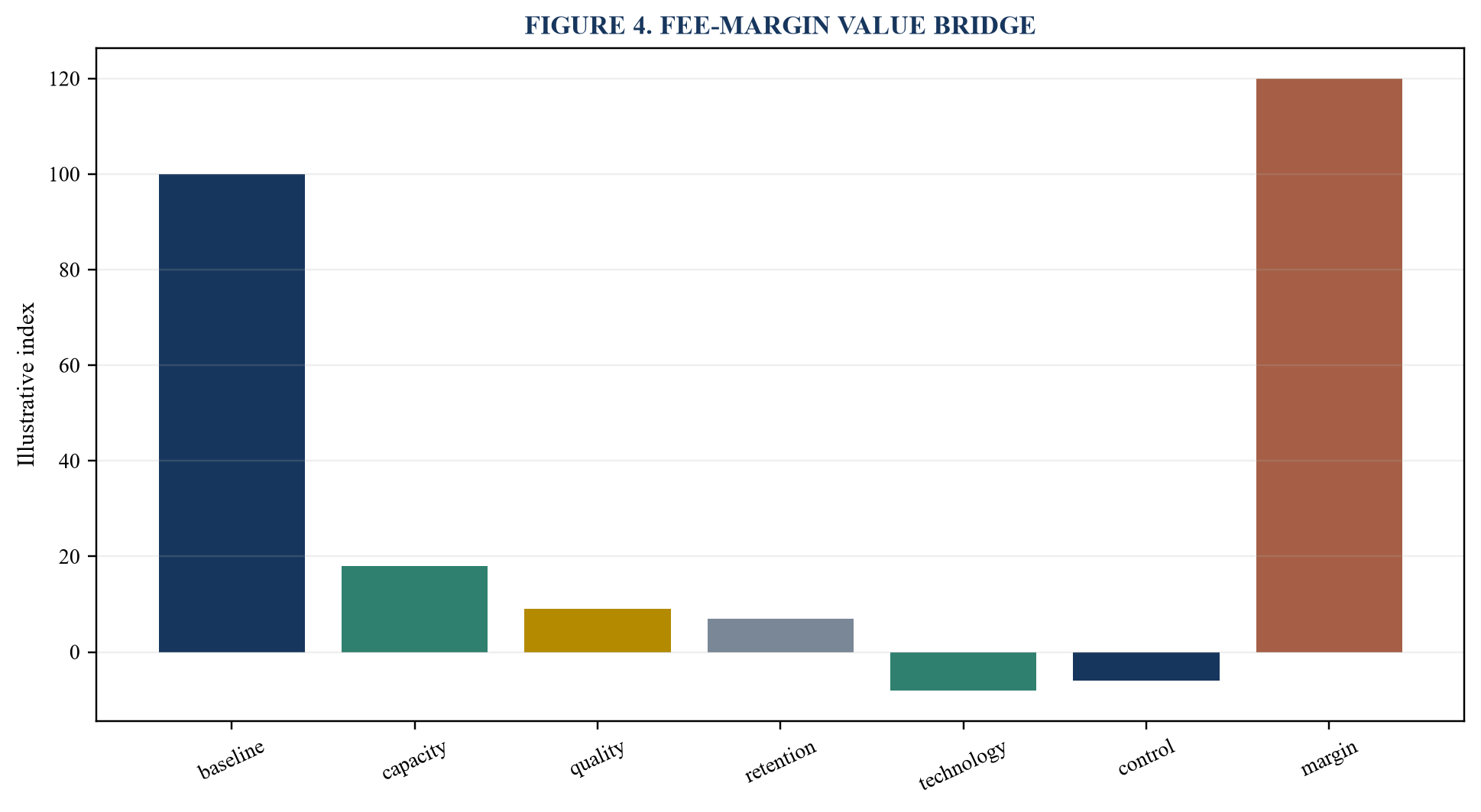
Operational value survives only after technology, control, resilience and transition costs.
31. Redesign roles and capacity
Automation changes work content, skills, spans, hand-offs and control ownership across delivery teams.
Controlled evidence includes role; activity; volume; time; skill; capacity; control; transition. The immediate decision is to move human capacity towards judgment and exceptions. Definitions should remain stable across investment, risk, committee, operational and financial records.
Operations, finance, legal, compliance, tax, technology, risk and client teams should use stable identifiers and cut-offs. Material outputs should be traced from governing evidence through transformation, review, approval, record and outcome with retained evidence.
The operating team and finance team should use the same definitions. Native records should support aggregate dashboards, and sample testing should follow representative cases from input through outcome and cash. Exceptions, failed cases and client concessions remain part of the population. Reconciliation should cover opening and closing balances, acquisitions, disposals, foreign exchange, allocation changes and manual adjustments that could otherwise mimic operating improvement.
32. Build the full-cost economics
Licences, integration, data, testing, oversight, remediation and resilience affect realised operating value.
Controlled evidence includes cost; timing; owner; volume; saving; avoidance; revenue; cash. The immediate decision is to evaluate economics after all recurring costs. Definitions should remain stable across investment, risk, committee, operational and financial records.
Material risks cover stale files, wrong parties, bad rules, missed cases, access abuse, payment fraud, data leaks, vendor failure and service outages.
Decision makers need both upside and downside. The analysis should state which party controls conversion, what investment remains, when cash appears, which risks survive and whether the result continues after a change of ownership. Unsupported precision should be replaced with bounded scenarios. The committee should record the decision consequence of each range, including price, structure, funding, covenant, integration and monitoring implications.
33. Connect economics to fee margin
Cycle time and headcount changes create value only when they improve capacity, service, retention, price or collected cash.
Controlled evidence includes client; service; volume; fee; cost-to-serve; capacity; retention; margin. The immediate decision is to translate operational change into realised margin. Definitions should remain stable across investment, risk, committee, operational and financial records.
Administration evidence should remain fund-, vehicle-, investor-, transaction-, obligation-, jurisdiction- and period-specific. The review should preserve missing records, failed cases, conflicting sources, overrides, exceptions, adverse outcomes and remediation evidence.
The analytical unit should remain stable from source record to valuation conclusion. Reviewers should see the population, exclusions, period, owner and reconciliation to finance. Where evidence is incomplete, the model should retain a range and identify the action needed to narrow it. Comparisons should preserve product, customer, site, complexity and market conditions; aggregation should not conceal adverse cohorts or delayed consequences.
34. Design pricing and commercial terms
Unit, tiered, fixed, minimum and outcome-linked pricing should reflect scope, variability, controls and exceptions.
Controlled evidence includes service; unit; volume band; price; minimum; exception; indexation; approval. The immediate decision is to align price with controllable service economics. Definitions should remain stable across investment, risk, committee, operational and financial records.
Finance should distinguish expected activity, authorised instructions, confirmed cash and approved books. Every projected benefit needs full cost, accountable ownership and a route to collected fees, cash protection and sustained value.
Evidence should distinguish observation, estimate, management plan and transaction judgement. A supported claim includes timing, full cost, dependency, transferability and a cash consequence. Sensitivity should show how the conclusion changes when adoption, demand, quality or persistence underperforms. Material assumptions need validation dates, accountable owners and explicit expiry conditions so that stale expectations do not survive into pricing or financing decisions.
35. Migrate clients without losing evidence
Parallel runs, opening balances, documents, exceptions and sign-offs should protect continuity during conversion.
Controlled evidence includes client; fund; dataset; cut-over; reconciliation; exception; acceptance; rollback. The immediate decision is to move each mandate through controlled acceptance. Definitions should remain stable across investment, risk, committee, operational and financial records.
Operations, finance, legal, compliance, tax, technology, risk and client teams should use stable identifiers and cut-offs. Material outputs should be traced from governing evidence through transformation, review, approval, record and outcome with retained evidence.
The operating team and finance team should use the same definitions. Native records should support aggregate dashboards, and sample testing should follow representative cases from input through outcome and cash. Exceptions, failed cases and client concessions remain part of the population. Reconciliation should cover opening and closing balances, acquisitions, disposals, foreign exchange, allocation changes and manual adjustments that could otherwise mimic operating improvement.
36. Build manager oversight
The manager remains responsible for delegated activities and needs information, expertise, challenge and documented decisions.
Controlled evidence includes service; provider report; metric; issue; challenge; decision; action; closure. The immediate decision is to make oversight effective rather than ceremonial. Definitions should remain stable across investment, risk, committee, operational and financial records.
Material risks cover stale files, wrong parties, bad rules, missed cases, access abuse, payment fraud, data leaks, vendor failure and service outages.
Decision makers need both upside and downside. The analysis should state which party controls conversion, what investment remains, when cash appears, which risks survive and whether the result continues after a change of ownership. Unsupported precision should be replaced with bounded scenarios. The committee should record the decision consequence of each range, including price, structure, funding, covenant, integration and monitoring implications.
37. Assemble audit and examination evidence
Source records, calculations, changes, approvals, exceptions and retention should be retrievable by obligation and period.
Controlled evidence includes obligation; record; source; version; actor; timestamp; approval; retention. The immediate decision is to reconstruct each material action. Definitions should remain stable across investment, risk, committee, operational and financial records.
Administration evidence should remain fund-, vehicle-, investor-, transaction-, obligation-, jurisdiction- and period-specific. The review should preserve missing records, failed cases, conflicting sources, overrides, exceptions, adverse outcomes and remediation evidence.
Reviewers should be able to retrieve each material source, transformation, exception, approval and retained record by fund, obligation and period.
38. Respond to incidents and near misses
Data leakage, system error, missed filing, wrong statement or payment event needs containment, assessment and learning.
Controlled evidence includes incident; detection; scope; consequence; containment; notification; cause; remediation. The immediate decision is to limit harm and prevent recurrence. Definitions should remain stable across investment, risk, committee, operational and financial records.
Finance should distinguish expected activity, authorised instructions, confirmed cash and approved books. Every projected benefit needs full cost, accountable ownership and a route to collected fees, cash protection and sustained value.
Evidence should separate facts, calculations, judgment and planned action. Each output needs a source, owner, period, cost, control and consequence. Tests should show how results change when volume, quality, timing or system performance weakens. Rules need review dates, owners and expiry conditions; stale logic should not govern records or payments.
39. Govern change and model drift
Document versions, regulations, systems, providers and model behaviour change the validity of prior controls.
Controlled evidence includes baseline; change; trigger; impact; test; approval; deployment; monitoring. The immediate decision is to stop stale logic from governing current work. Definitions should remain stable across investment, risk, committee, operational and financial records.
Operations, finance, legal, compliance, tax, technology, risk and client teams should use stable identifiers and cut-offs. Material outputs should be traced from governing evidence through transformation, review, approval, record and outcome with retained evidence.
The operating team and finance team should use the same definitions. Native records should support aggregate dashboards, and sample testing should follow representative cases from input through outcome and cash. Exceptions, failed cases and client concessions remain part of the population. Reconciliation should cover opening and closing balances, acquisitions, disposals, foreign exchange, allocation changes and manual adjustments that could otherwise mimic operating improvement.
Table 5. Evidence-gated implementation
| Period | Primary work | Gate |
|---|---|---|
| days 1-30 | mandate, sources and control register | approve baseline |
| days 31-60 | retrieval, extraction and exception pilot | approve bounded use |
| days 61-100 | reconciliations, client workflow and monitoring | approve scaled service |
Replace illustrative classifications with company-specific evidence and approved transaction treatment.
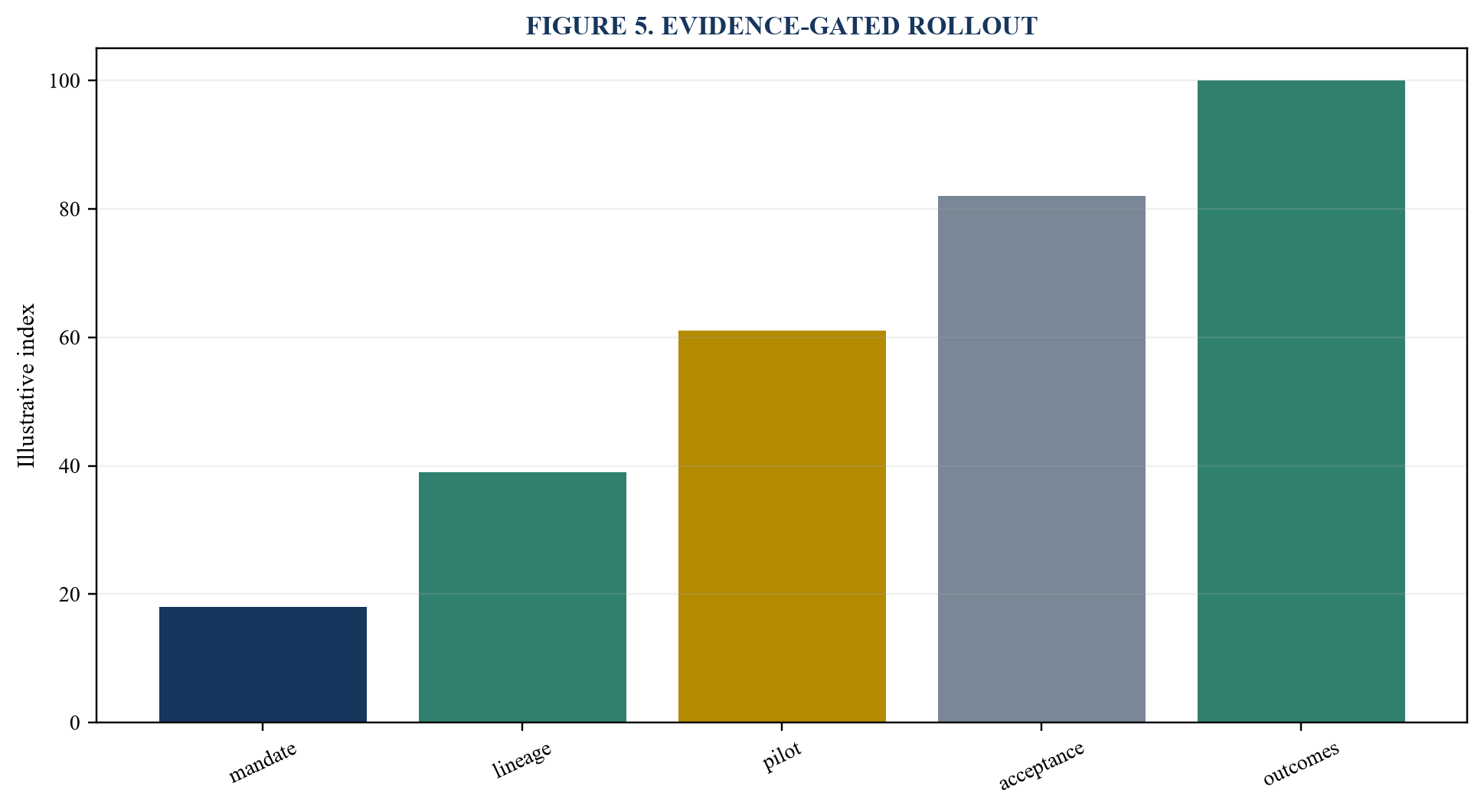
Scale should follow mandate, source quality, validation, client acceptance and outcome evidence.
40. Implement through evidence-gated cohorts
Sequence low-consequence retrieval and drafting before calculations, records, instructions or payments.
Controlled evidence includes cohort; use case; owner; test; threshold; incident; benefit; gate. The immediate decision is to scale only after evidence, control and outcome gates pass. Definitions should remain stable across investment, risk, committee, operational and financial records.
Material risks cover stale files, wrong parties, bad rules, missed cases, access abuse, payment fraud, data leaks, vendor failure and service outages.
Decision makers need both upside and downside. The analysis should state which party controls conversion, what investment remains, when cash appears, which risks survive and whether the result continues after a change of ownership. Unsupported precision should be replaced with bounded scenarios. The committee should record the decision consequence of each range, including price, structure, funding, covenant, integration and monitoring implications.
References
- International Organization of Securities Commissions, Artificial Intelligence in Capital Markets: Use Cases, Risks, and Challenges, https://www.iosco.org/library/pubdocs/pdf/IOSCOPD788.pdf
- International Organization of Securities Commissions, Principles on Outsourcing, https://www.iosco.org/library/pubdocs/pdf/IOSCOPD687.pdf
- International Organization of Securities Commissions, Principles for Outsourcing in Financial Services, https://www.iosco.org/library/pubdocs/pdf/IOSCOPD443.pdf
- Financial Stability Board, The Financial Stability Implications of Artificial Intelligence, https://www.fsb.org/uploads/P14112024.pdf
- U.S. Securities and Exchange Commission, Artificial Intelligence and Investment Management, https://www.sec.gov/newsroom/speeches-statements/daly-020326-artificial-intelligence-future-investment-management
- U.S. Securities and Exchange Commission, Investment Adviser Recordkeeping Rule, https://www.ecfr.gov/current/title-17/chapter-II/part-275/section-275.204-2
- U.S. Securities and Exchange Commission, Form PF Reporting Requirements for All Filers and Large Hedge Fund Advisers, https://www.sec.gov/rules-regulations/2024/02/s7-22-22
- U.S. Securities and Exchange Commission, Private Fund Adviser Overview, https://www.sec.gov/about/divisions-offices/division-investment-management/private-fund-adviser-overview
- Financial Conduct Authority, Building Operational Resilience: Final Rules, https://www.fca.org.uk/publication/policy/ps21-3-operational-resilience.pdf
- Financial Conduct Authority, Senior Management Arrangements Systems and Controls Sourcebook, https://www.handbook.fca.org.uk/handbook/SYSC/
- Financial Conduct Authority, Artificial Intelligence and the FCA: Our Approach, https://www.fca.org.uk/firms/innovation/ai-approach
- Financial Conduct Authority, Enhancing Fund Liquidity Risk Management, https://www.fca.org.uk/publication/consultation/cp25-38.pdf
- European Securities and Markets Authority, Public Statement on Artificial Intelligence in Investment Services, https://www.esma.europa.eu/press-news/esma-news/esma-provides-guidance-firms-using-artificial-intelligence-investment-services
- European Securities and Markets Authority, Artificial Intelligence in EU Investment Funds, https://www.esma.europa.eu/sites/default/files/2025-02/ESMA50-43599798-9923_TRV_Article_Artificial_intelligence_in_EU_investment_funds.pdf
- European Union, Digital Operational Resilience Act, https://eur-lex.europa.eu/eli/reg/2022/2554/oj
- European Union, Alternative Investment Fund Managers Directive, https://eur-lex.europa.eu/eli/dir/2011/61/oj
- European Union, Regulation EU 2024/1689 Artificial Intelligence Act, https://eur-lex.europa.eu/eli/reg/2024/1689/oj
- European Union, Regulation EU 2016/679 General Data Protection Regulation, https://eur-lex.europa.eu/eli/reg/2016/679/oj
- National Institute of Standards and Technology, Artificial Intelligence Risk Management Framework, https://www.nist.gov/itl/ai-risk-management-framework
- National Institute of Standards and Technology, Generative Artificial Intelligence Profile, https://doi.org/10.6028/NIST.AI.600-1
- International Organization for Standardization, ISO IEC 42001 Artificial Intelligence Management System, https://www.iso.org/standard/81230.html
- International Organization for Standardization, ISO IEC 27001 Information Security Management Systems, https://www.iso.org/standard/27001
- Organisation for Economic Co-operation and Development, OECD AI Principles, https://oecd.ai/en/ai-principles
- Financial Action Task Force, Guidance on Digital Identity, https://www.fatf-gafi.org/en/publications/Financialinclusionandnpoissues/Digital-identity-guidance.html
- IFRS Foundation, IFRS 13 Fair Value Measurement, https://www.ifrs.org/issued-standards/list-of-standards/ifrs-13-fair-value-measurement/
- Institutional Limited Partners Association, Reporting Template, https://ilpa.org/industry-guidance/templates-standards-model-documents/reporting-template/
