

1. Define the investment decision
State whether research supports sourcing, screening, initial underwriting, confirmatory diligence, valuation, structuring, investment-committee approval, add-on, financing, monitoring or exit.
Controlled evidence includes mandate; strategy; asset; stage; jurisdiction; decision date; accountable body. The immediate decision is to freeze the decision and required evidence before using AI. Definitions should remain stable across research, compliance, investment, operational and financial records.
Evidence should remain fund-, strategy-, asset-, jurisdiction-, decision- and period-specific. The review should preserve failed extractions, contradictory sources, overrides, dissent and adverse outcomes.
Decision makers need both upside and downside. The analysis should state which party controls conversion, what investment remains, when cash appears, which risks survive and whether the result continues after a change of ownership. Unsupported precision should be replaced with bounded scenarios. The committee should record the decision consequence of each range, including price, structure, funding, covenant, integration and monitoring implications.
2. Set the research universe and exclusions
Define sectors, geographies, instruments, stages, return objectives, constraints and explicit exclusions so automated discovery does not silently change strategy.
Controlled evidence includes investment policy; mandate; universe; exclusion; benchmark; concentration; exception. The immediate decision is to bind research coverage to approved strategy. Definitions should remain stable across research, compliance, investment, operational and financial records.
Finance should distinguish current productivity, remediation, funded implementation, forecast improvement and manager-specific advantage. Every benefit needs timing, full cost, responsibility and a route to cash.
The analytical unit should remain stable from source record to valuation conclusion. Reviewers should see the population, exclusions, period, owner and reconciliation to finance. Where evidence is incomplete, the model should retain a range and identify the action needed to narrow it. Comparisons should preserve product, customer, site, complexity and market conditions; aggregation should not conceal adverse cohorts or delayed consequences.
3. Create the source register
Catalogue company, legal, regulatory, market, technical, expert, portfolio and public sources with ownership, date, authority and permitted use.
Controlled evidence includes source identifier; provider; date; right; confidentiality; jurisdiction; owner. The immediate decision is to make the evidence population visible and reviewable. Definitions should remain stable across research, compliance, investment, operational and financial records.
Investment, legal, compliance, risk, technology and operations teams should use stable identifiers and cut-offs. Material conclusions should be traced from native source through decision and outcome.
Evidence should distinguish observation, estimate, management plan and transaction judgement. A supported claim includes timing, full cost, dependency, transferability and a cash consequence. Sensitivity should show how the conclusion changes when adoption, demand, quality or persistence underperforms. Material assumptions need validation dates, accountable owners and explicit expiry conditions so that stale expectations do not survive into pricing or financing decisions.
4. Govern source rights and confidentiality
Access does not establish permission to upload, train, retain, combine or disclose information. Rights should be tested before processing.
Controlled evidence includes contract; consent; purpose; licence; retention; transfer; deletion; audit. The immediate decision is to keep each research use within its legal and contractual authority. Definitions should remain stable across research, compliance, investment, operational and financial records.
Decision makers need bounded downside for missing rights, stale data, extraction error, unsupported claims, confidentiality breach, model drift, provider failure and weak adoption.
The operating team and finance team should use the same definitions. Native records should support aggregate dashboards, and sample testing should follow representative cases from input through outcome and cash. Exceptions, failed cases and client concessions remain part of the population. Reconciliation should cover opening and closing balances, acquisitions, disposals, foreign exchange, allocation changes and manual adjustments that could otherwise mimic operating improvement.
5. Preserve provenance through ingestion
Every extracted fact should retain document, version, page or cell, timestamp, method, reviewer and transformation history.
Controlled evidence includes file hash; source location; version; parser; extraction; reviewer; lineage. The immediate decision is to connect each material claim to reproducible native evidence. Definitions should remain stable across research, compliance, investment, operational and financial records.
Evidence should remain fund-, strategy-, asset-, jurisdiction-, decision- and period-specific. The review should preserve failed extractions, contradictory sources, overrides, dissent and adverse outcomes.
Decision makers need both upside and downside. The analysis should state which party controls conversion, what investment remains, when cash appears, which risks survive and whether the result continues after a change of ownership. Unsupported precision should be replaced with bounded scenarios. The committee should record the decision consequence of each range, including price, structure, funding, covenant, integration and monitoring implications.
Table 1. Evidence-lineage minimum
| Layer | Required evidence | Failure risk |
|---|---|---|
| source | native file, version and right | unverifiable or unlawful input |
| extraction | location, method and reviewer | wrong fact or unit |
| analysis | formula, assumption and sensitivity | hidden transformation |
| decision | challenge, condition and approval | unaccountable action |
Replace illustrative classifications with company-specific evidence and approved transaction treatment.
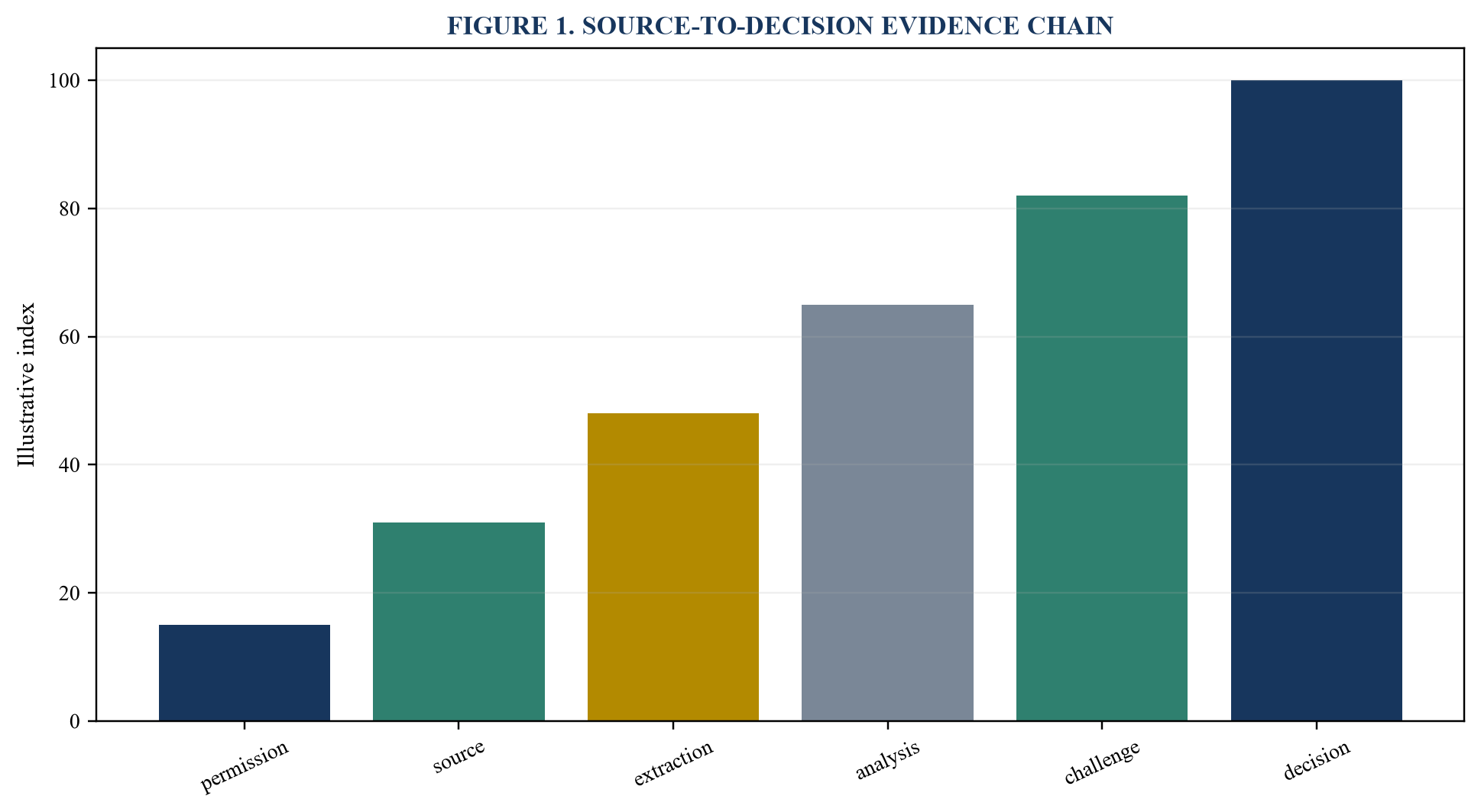
Each material conclusion should remain connected to permission, source, transformation, judgment and approval.
6. Design the ingestion control plane
Email, data rooms, spreadsheets, PDFs, databases and APIs need controlled intake, malware checks, access, classification, deduplication and retention.
Controlled evidence includes channel; identity; access; classification; duplicate; quarantine; retention. The immediate decision is to prevent convenience ingestion from bypassing information controls. Definitions should remain stable across research, compliance, investment, operational and financial records.
Finance should distinguish current productivity, remediation, funded implementation, forecast improvement and manager-specific advantage. Every benefit needs timing, full cost, responsibility and a route to cash.
The analytical unit should remain stable from source record to valuation conclusion. Reviewers should see the population, exclusions, period, owner and reconciliation to finance. Where evidence is incomplete, the model should retain a range and identify the action needed to narrow it. Comparisons should preserve product, customer, site, complexity and market conditions; aggregation should not conceal adverse cohorts or delayed consequences.
7. Validate document extraction
OCR, tables, footnotes, units, dates, currencies and formulas require field-level tests and exception handling.
Controlled evidence includes document; field; location; value; unit; confidence; exception; reviewer. The immediate decision is to measure extraction accuracy at the point of analytical consequence. Definitions should remain stable across research, compliance, investment, operational and financial records.
Investment, legal, compliance, risk, technology and operations teams should use stable identifiers and cut-offs. Material conclusions should be traced from native source through decision and outcome.
Evidence should distinguish observation, estimate, management plan and transaction judgement. A supported claim includes timing, full cost, dependency, transferability and a cash consequence. Sensitivity should show how the conclusion changes when adoption, demand, quality or persistence underperforms. Material assumptions need validation dates, accountable owners and explicit expiry conditions so that stale expectations do not survive into pricing or financing decisions.
8. Resolve entities and capital structures
Names, subsidiaries, funds, borrowers, instruments, guarantees and ownership can change across documents and periods.
Controlled evidence includes entity; identifier; relationship; effective date; instrument; seniority; control. The immediate decision is to avoid combining facts that belong to different legal or economic units. Definitions should remain stable across research, compliance, investment, operational and financial records.
Decision makers need bounded downside for missing rights, stale data, extraction error, unsupported claims, confidentiality breach, model drift, provider failure and weak adoption.
The operating team and finance team should use the same definitions. Native records should support aggregate dashboards, and sample testing should follow representative cases from input through outcome and cash. Exceptions, failed cases and client concessions remain part of the population. Reconciliation should cover opening and closing balances, acquisitions, disposals, foreign exchange, allocation changes and manual adjustments that could otherwise mimic operating improvement.
9. Adopt an investment taxonomy
A controlled vocabulary should define sectors, risks, value drivers, diligence workstreams, instruments and outcomes while preserving local extensions.
Controlled evidence includes term; definition; code; hierarchy; owner; version; mapping. The immediate decision is to make comparisons consistent across deals and portfolios. Definitions should remain stable across research, compliance, investment, operational and financial records.
Evidence should remain fund-, strategy-, asset-, jurisdiction-, decision- and period-specific. The review should preserve failed extractions, contradictory sources, overrides, dissent and adverse outcomes.
Decision makers need both upside and downside. The analysis should state which party controls conversion, what investment remains, when cash appears, which risks survive and whether the result continues after a change of ownership. Unsupported precision should be replaced with bounded scenarios. The committee should record the decision consequence of each range, including price, structure, funding, covenant, integration and monitoring implications.
10. Build the evidence graph
Link claims to sources, calculations, assumptions, counter-evidence, reviewers, decisions and subsequent outcomes.
Controlled evidence includes claim; source; transformation; assumption; challenge; decision; outcome. The immediate decision is to make analytical reasoning independently traceable. Definitions should remain stable across research, compliance, investment, operational and financial records.
Finance should distinguish current productivity, remediation, funded implementation, forecast improvement and manager-specific advantage. Every benefit needs timing, full cost, responsibility and a route to cash.
The analytical unit should remain stable from source record to valuation conclusion. Reviewers should see the population, exclusions, period, owner and reconciliation to finance. Where evidence is incomplete, the model should retain a range and identify the action needed to narrow it. Comparisons should preserve product, customer, site, complexity and market conditions; aggregation should not conceal adverse cohorts or delayed consequences.
11. Separate facts, estimates and judgments
Observed facts, management estimates, external forecasts, analyst assumptions and committee judgments should remain distinct.
Controlled evidence includes statement; category; source; period; owner; confidence; expiry. The immediate decision is to stop model-generated prose from flattening evidential status. Definitions should remain stable across research, compliance, investment, operational and financial records.
Investment, legal, compliance, risk, technology and operations teams should use stable identifiers and cut-offs. Material conclusions should be traced from native source through decision and outcome.
Evidence should distinguish observation, estimate, management plan and transaction judgement. A supported claim includes timing, full cost, dependency, transferability and a cash consequence. Sensitivity should show how the conclusion changes when adoption, demand, quality or persistence underperforms. Material assumptions need validation dates, accountable owners and explicit expiry conditions so that stale expectations do not survive into pricing or financing decisions.
12. Redesign the analyst workflow
AI tasks should fit a controlled sequence from source intake through extraction, synthesis, modelling, challenge, recommendation and approval.
Controlled evidence includes task; input; output; reviewer; SLA; exception; evidence gate. The immediate decision is to assign AI where it improves throughput without removing accountability. Definitions should remain stable across research, compliance, investment, operational and financial records.
Decision makers need bounded downside for missing rights, stale data, extraction error, unsupported claims, confidentiality breach, model drift, provider failure and weak adoption.
The operating team and finance team should use the same definitions. Native records should support aggregate dashboards, and sample testing should follow representative cases from input through outcome and cash. Exceptions, failed cases and client concessions remain part of the population. Reconciliation should cover opening and closing balances, acquisitions, disposals, foreign exchange, allocation changes and manual adjustments that could otherwise mimic operating improvement.
Table 2. Research workflow controls
| Stage | AI role | Human gate |
|---|---|---|
| ingestion | classify and extract | approve source and exceptions |
| synthesis | retrieve and compare | verify material claims |
| modelling | populate and calculate | approve assumptions |
| recommendation | draft alternatives | exercise investment judgment |
Replace illustrative classifications with company-specific evidence and approved transaction treatment.
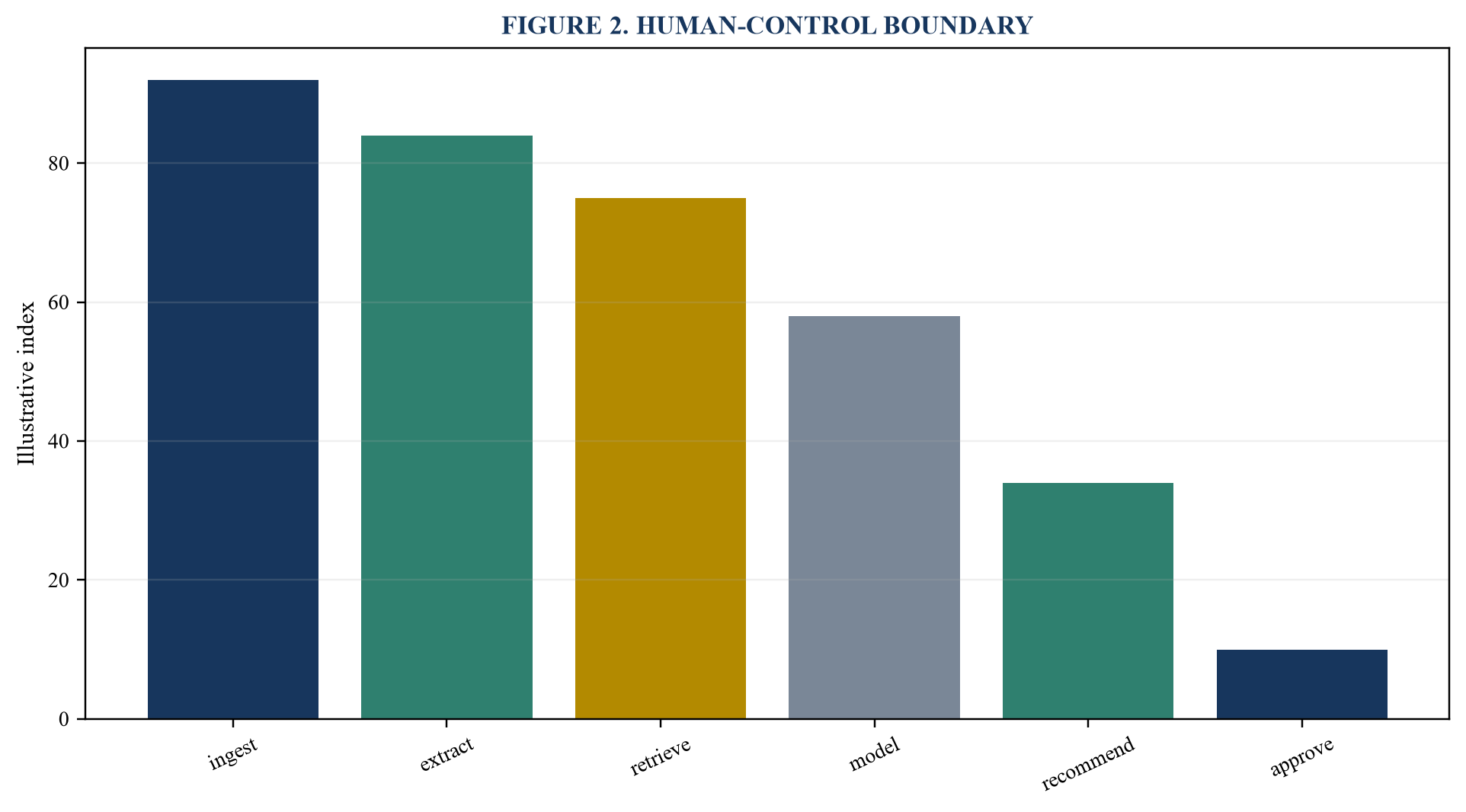
Automation should narrow as consequence and fiduciary judgment increase.
13. Define AI roles and prohibited actions
Specify whether a system retrieves, extracts, summarises, calculates, drafts, recommends or acts, and prohibit unapproved external communication or portfolio action.
Controlled evidence includes use case; permission; decision right; user; data class; prohibited action; override. The immediate decision is to bound automation to an approved role. Definitions should remain stable across research, compliance, investment, operational and financial records.
Evidence should remain fund-, strategy-, asset-, jurisdiction-, decision- and period-specific. The review should preserve failed extractions, contradictory sources, overrides, dissent and adverse outcomes.
Decision makers need both upside and downside. The analysis should state which party controls conversion, what investment remains, when cash appears, which risks survive and whether the result continues after a change of ownership. Unsupported precision should be replaced with bounded scenarios. The committee should record the decision consequence of each range, including price, structure, funding, covenant, integration and monitoring implications.
14. Engineer retrieval for source fidelity
Retrieval should preserve access controls, versions, relevance, citation location, stale-data rules and conflicting evidence.
Controlled evidence includes query; corpus; permission; result; citation; version; conflict; expiry. The immediate decision is to return evidence that an analyst can verify in context. Definitions should remain stable across research, compliance, investment, operational and financial records.
Finance should distinguish current productivity, remediation, funded implementation, forecast improvement and manager-specific advantage. Every benefit needs timing, full cost, responsibility and a route to cash.
The analytical unit should remain stable from source record to valuation conclusion. Reviewers should see the population, exclusions, period, owner and reconciliation to finance. Where evidence is incomplete, the model should retain a range and identify the action needed to narrow it. Comparisons should preserve product, customer, site, complexity and market conditions; aggregation should not conceal adverse cohorts or delayed consequences.
15. Control prompts, agents and tools
System instructions, templates, tool permissions, memory, external connections and output schemas should be versioned and tested.
Controlled evidence includes configuration; prompt; tool; permission; model; version; test; approver. The immediate decision is to make system behaviour reproducible enough for controlled use. Definitions should remain stable across research, compliance, investment, operational and financial records.
Investment, legal, compliance, risk, technology and operations teams should use stable identifiers and cut-offs. Material conclusions should be traced from native source through decision and outcome.
Evidence should distinguish observation, estimate, management plan and transaction judgement. A supported claim includes timing, full cost, dependency, transferability and a cash consequence. Sensitivity should show how the conclusion changes when adoption, demand, quality or persistence underperforms. Material assumptions need validation dates, accountable owners and explicit expiry conditions so that stale expectations do not survive into pricing or financing decisions.
16. Govern models and external providers
Record foundation models, specialist models, embeddings, data services and hosting arrangements with contracts, locations, changes and exit plans.
Controlled evidence includes provider; model; service; data flow; location; SLA; change; portability. The immediate decision is to manage concentration, confidentiality and operational dependency. Definitions should remain stable across research, compliance, investment, operational and financial records.
Decision makers need bounded downside for missing rights, stale data, extraction error, unsupported claims, confidentiality breach, model drift, provider failure and weak adoption.
The operating team and finance team should use the same definitions. Native records should support aggregate dashboards, and sample testing should follow representative cases from input through outcome and cash. Exceptions, failed cases and client concessions remain part of the population. Reconciliation should cover opening and closing balances, acquisitions, disposals, foreign exchange, allocation changes and manual adjustments that could otherwise mimic operating improvement.
17. Validate by use case and consequence
Validation should reflect the decision, source population, error cost, jurisdiction and human-control design.
Controlled evidence includes use case; test set; metric; threshold; adverse case; reviewer; limitation. The immediate decision is to approve each configuration only for an evidenced research task. Definitions should remain stable across research, compliance, investment, operational and financial records.
Evidence should remain fund-, strategy-, asset-, jurisdiction-, decision- and period-specific. The review should preserve failed extractions, contradictory sources, overrides, dissent and adverse outcomes.
Decision makers need both upside and downside. The analysis should state which party controls conversion, what investment remains, when cash appears, which risks survive and whether the result continues after a change of ownership. Unsupported precision should be replaced with bounded scenarios. The committee should record the decision consequence of each range, including price, structure, funding, covenant, integration and monitoring implications.
18. Measure citation and claim fidelity
A citation should support the specific proposition, preserve context and point to the correct source version and location.
Controlled evidence includes claim; citation; entailment; context; contradiction; source quality; review. The immediate decision is to treat unsupported persuasiveness as a research failure. Definitions should remain stable across research, compliance, investment, operational and financial records.
Finance should distinguish current productivity, remediation, funded implementation, forecast improvement and manager-specific advantage. Every benefit needs timing, full cost, responsibility and a route to cash.
The analytical unit should remain stable from source record to valuation conclusion. Reviewers should see the population, exclusions, period, owner and reconciliation to finance. Where evidence is incomplete, the model should retain a range and identify the action needed to narrow it. Comparisons should preserve product, customer, site, complexity and market conditions; aggregation should not conceal adverse cohorts or delayed consequences.
19. Design materiality and escalation
Errors affecting valuation, downside, rights, compliance, financing, conflicts or approval should trigger defined review and correction.
Controlled evidence includes finding; materiality; consequence; owner; escalation; resolution; closure. The immediate decision is to focus scarce human attention on decision-critical exceptions. Definitions should remain stable across research, compliance, investment, operational and financial records.
Investment, legal, compliance, risk, technology and operations teams should use stable identifiers and cut-offs. Material conclusions should be traced from native source through decision and outcome.
Evidence should distinguish observation, estimate, management plan and transaction judgement. A supported claim includes timing, full cost, dependency, transferability and a cash consequence. Sensitivity should show how the conclusion changes when adoption, demand, quality or persistence underperforms. Material assumptions need validation dates, accountable owners and explicit expiry conditions so that stale expectations do not survive into pricing or financing decisions.
20. Control conflicts and incentives
Fund, manager, affiliate, co-investor, lender, adviser, expert and management interests may affect evidence and recommendations.
Controlled evidence includes party; interest; benefit; duty; disclosure; mitigation; approval. The immediate decision is to surface conflicts before they influence research or allocation. Definitions should remain stable across research, compliance, investment, operational and financial records.
Decision makers need bounded downside for missing rights, stale data, extraction error, unsupported claims, confidentiality breach, model drift, provider failure and weak adoption.
The operating team and finance team should use the same definitions. Native records should support aggregate dashboards, and sample testing should follow representative cases from input through outcome and cash. Exceptions, failed cases and client concessions remain part of the population. Reconciliation should cover opening and closing balances, acquisitions, disposals, foreign exchange, allocation changes and manual adjustments that could otherwise mimic operating improvement.
Table 3. Information-risk register
| Risk | Evidence | Control |
|---|---|---|
| conflict | party and economic interest | disclose and approve |
| MNPI | status, access and restriction | wall and trading control |
| privacy | purpose and data category | minimise and retain lawfully |
| confidentiality | contract and recipient | restrict processing and export |
Replace illustrative classifications with company-specific evidence and approved transaction treatment.
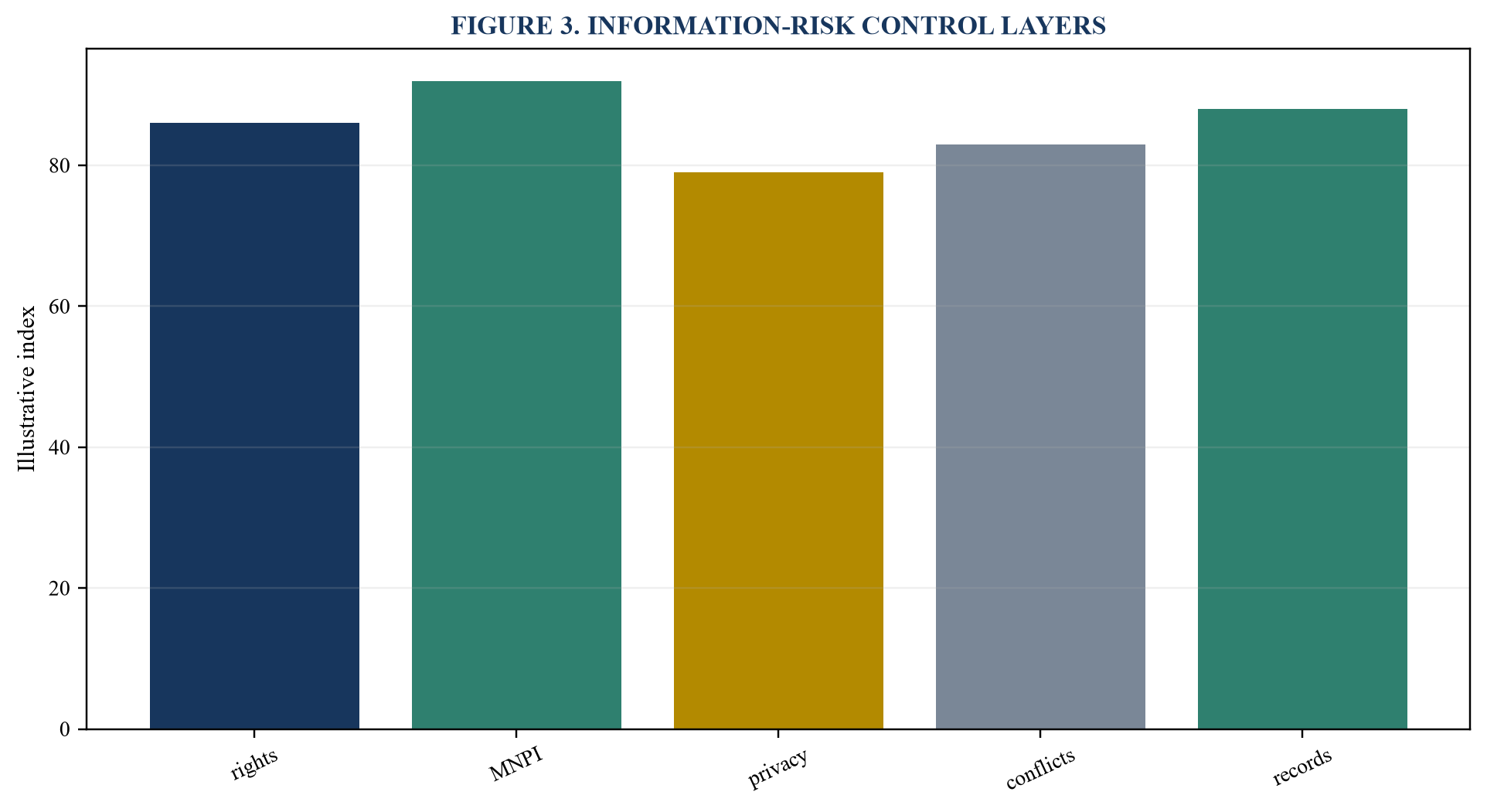
Replace illustrative indices with fund- and jurisdiction-specific evidence.
21. Protect material non-public information
Deal information should be classified, access-controlled, logged and separated from prohibited trading or disclosure.
Controlled evidence includes issuer; information; materiality; public status; access; restriction; wall-crossing. The immediate decision is to preserve market-abuse and confidentiality controls. Definitions should remain stable across research, compliance, investment, operational and financial records.
Evidence should remain fund-, strategy-, asset-, jurisdiction-, decision- and period-specific. The review should preserve failed extractions, contradictory sources, overrides, dissent and adverse outcomes.
Decision makers need both upside and downside. The analysis should state which party controls conversion, what investment remains, when cash appears, which risks survive and whether the result continues after a change of ownership. Unsupported precision should be replaced with bounded scenarios. The committee should record the decision consequence of each range, including price, structure, funding, covenant, integration and monitoring implications.
22. Apply privacy and data minimisation
Personal, employee, customer and expert information should be processed for defined purposes with proportionate access and retention.
Controlled evidence includes data category; lawful basis; purpose; location; access; retention; deletion. The immediate decision is to limit personal-data use while retaining required evidence. Definitions should remain stable across research, compliance, investment, operational and financial records.
Finance should distinguish current productivity, remediation, funded implementation, forecast improvement and manager-specific advantage. Every benefit needs timing, full cost, responsibility and a route to cash.
The analytical unit should remain stable from source record to valuation conclusion. Reviewers should see the population, exclusions, period, owner and reconciliation to finance. Where evidence is incomplete, the model should retain a range and identify the action needed to narrow it. Comparisons should preserve product, customer, site, complexity and market conditions; aggregation should not conceal adverse cohorts or delayed consequences.
23. Secure the research environment
Identity, endpoints, data rooms, repositories, models, plugins and exports require defence, monitoring and incident response.
Controlled evidence includes asset; threat; access; encryption; logging; backup; incident; recovery. The immediate decision is to protect confidential research and decision integrity. Definitions should remain stable across research, compliance, investment, operational and financial records.
Investment, legal, compliance, risk, technology and operations teams should use stable identifiers and cut-offs. Material conclusions should be traced from native source through decision and outcome.
Evidence should distinguish observation, estimate, management plan and transaction judgement. A supported claim includes timing, full cost, dependency, transferability and a cash consequence. Sensitivity should show how the conclusion changes when adoption, demand, quality or persistence underperforms. Material assumptions need validation dates, accountable owners and explicit expiry conditions so that stale expectations do not survive into pricing or financing decisions.
24. Preserve books, records and reproducibility
Retain source snapshots, prompts, outputs, calculations, reviews, overrides and approvals according to applicable obligations.
Controlled evidence includes record; source; version; user; timestamp; decision; retention; retrieval. The immediate decision is to reconstruct what the firm knew and decided at the time. Definitions should remain stable across research, compliance, investment, operational and financial records.
Decision makers need bounded downside for missing rights, stale data, extraction error, unsupported claims, confidentiality breach, model drift, provider failure and weak adoption.
The operating team and finance team should use the same definitions. Native records should support aggregate dashboards, and sample testing should follow representative cases from input through outcome and cash. Exceptions, failed cases and client concessions remain part of the population. Reconciliation should cover opening and closing balances, acquisitions, disposals, foreign exchange, allocation changes and manual adjustments that could otherwise mimic operating improvement.
25. Use expert evidence responsibly
Expert calls require diligence on identity, conflicts, confidentiality, restrictions and the boundary between experience and prohibited information.
Controlled evidence includes expert; employer; conflict; consent; topic; restriction; transcript; reviewer. The immediate decision is to capture useful expertise within approved information boundaries. Definitions should remain stable across research, compliance, investment, operational and financial records.
Evidence should remain fund-, strategy-, asset-, jurisdiction-, decision- and period-specific. The review should preserve failed extractions, contradictory sources, overrides, dissent and adverse outcomes.
Decision makers need both upside and downside. The analysis should state which party controls conversion, what investment remains, when cash appears, which risks survive and whether the result continues after a change of ownership. Unsupported precision should be replaced with bounded scenarios. The committee should record the decision consequence of each range, including price, structure, funding, covenant, integration and monitoring implications.
26. Structure management evidence
Management materials, interviews, demonstrations and forecasts should be logged, reconciled and challenged against independent records.
Controlled evidence includes claim; speaker; date; source; corroboration; inconsistency; follow-up. The immediate decision is to retain management insight without treating representation as proof. Definitions should remain stable across research, compliance, investment, operational and financial records.
Finance should distinguish current productivity, remediation, funded implementation, forecast improvement and manager-specific advantage. Every benefit needs timing, full cost, responsibility and a route to cash.
The analytical unit should remain stable from source record to valuation conclusion. Reviewers should see the population, exclusions, period, owner and reconciliation to finance. Where evidence is incomplete, the model should retain a range and identify the action needed to narrow it. Comparisons should preserve product, customer, site, complexity and market conditions; aggregation should not conceal adverse cohorts or delayed consequences.
27. Integrate financial models with source data
Historical, forecast, debt, cap-table and operating models should preserve source links, units, currencies, formulas and scenario ownership.
Controlled evidence includes model cell; source; formula; unit; currency; period; assumption; reviewer. The immediate decision is to prevent automated model population from hiding analytical errors. Definitions should remain stable across research, compliance, investment, operational and financial records.
Investment, legal, compliance, risk, technology and operations teams should use stable identifiers and cut-offs. Material conclusions should be traced from native source through decision and outcome.
Evidence should distinguish observation, estimate, management plan and transaction judgement. A supported claim includes timing, full cost, dependency, transferability and a cash consequence. Sensitivity should show how the conclusion changes when adoption, demand, quality or persistence underperforms. Material assumptions need validation dates, accountable owners and explicit expiry conditions so that stale expectations do not survive into pricing or financing decisions.
28. Build scenarios and downside cases
Scenarios should connect operating drivers, financing, liquidity, covenants, exits and management actions without false precision.
Controlled evidence includes driver; range; dependency; timing; action; probability treatment; consequence. The immediate decision is to show how conclusions change under decision-relevant uncertainty. Definitions should remain stable across research, compliance, investment, operational and financial records.
Decision makers need bounded downside for missing rights, stale data, extraction error, unsupported claims, confidentiality breach, model drift, provider failure and weak adoption.
The operating team and finance team should use the same definitions. Native records should support aggregate dashboards, and sample testing should follow representative cases from input through outcome and cash. Exceptions, failed cases and client concessions remain part of the population. Reconciliation should cover opening and closing balances, acquisitions, disposals, foreign exchange, allocation changes and manual adjustments that could otherwise mimic operating improvement.
29. Govern private-asset valuation
Valuation should distinguish observed transactions, calibrated inputs, market evidence, forecasts, adjustments and committee judgment.
Controlled evidence includes valuation date; method; input; calibration; comparable; adjustment; reviewer. The immediate decision is to make fair-value and transaction-value conclusions reproducible. Definitions should remain stable across research, compliance, investment, operational and financial records.
Evidence should remain fund-, strategy-, asset-, jurisdiction-, decision- and period-specific. The review should preserve failed extractions, contradictory sources, overrides, dissent and adverse outcomes.
Decision makers need both upside and downside. The analysis should state which party controls conversion, what investment remains, when cash appears, which risks survive and whether the result continues after a change of ownership. Unsupported precision should be replaced with bounded scenarios. The committee should record the decision consequence of each range, including price, structure, funding, covenant, integration and monitoring implications.
30. Connect underwriting to structure
Research findings should affect price, instrument, seniority, covenants, conditions, reserves, governance, earn-outs or abandonment.
Controlled evidence includes finding; risk; control; term; owner; trigger; remedy; monitoring. The immediate decision is to convert research into enforceable investment protection. Definitions should remain stable across research, compliance, investment, operational and financial records.
Finance should distinguish current productivity, remediation, funded implementation, forecast improvement and manager-specific advantage. Every benefit needs timing, full cost, responsibility and a route to cash.
The analytical unit should remain stable from source record to valuation conclusion. Reviewers should see the population, exclusions, period, owner and reconciliation to finance. Where evidence is incomplete, the model should retain a range and identify the action needed to narrow it. Comparisons should preserve product, customer, site, complexity and market conditions; aggregation should not conceal adverse cohorts or delayed consequences.
Table 4. Underwriting-to-terms bridge
| Finding | Potential response | Verification |
|---|---|---|
| cash volatility | reserve or covenant | reconciled downside case |
| key-person dependency | retention and governance | signed arrangement |
| data weakness | condition and remediation | approved evidence plan |
| exit uncertainty | price and structure | bounded scenarios |
Replace illustrative classifications with company-specific evidence and approved transaction treatment.
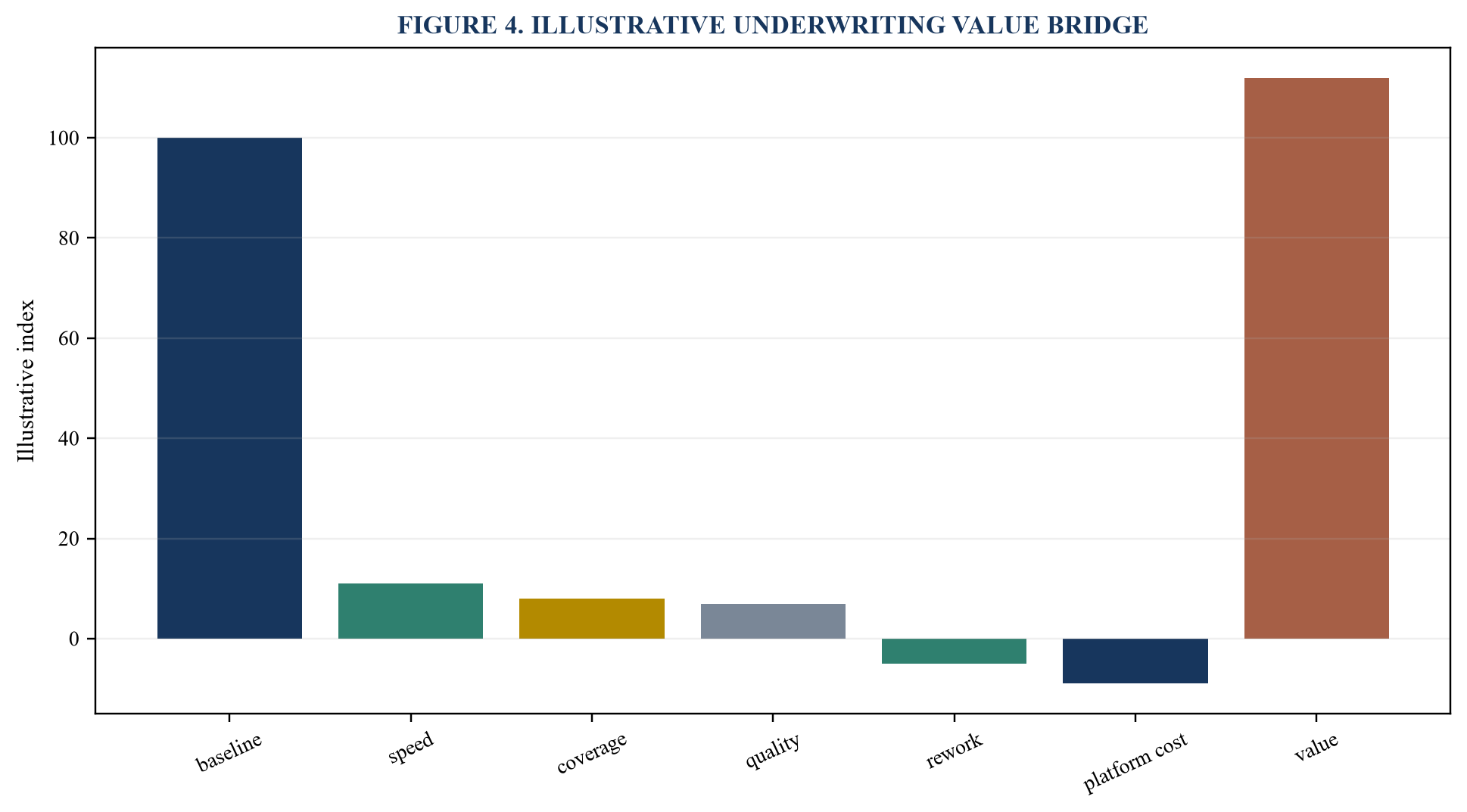
Research speed has value after quality, remediation and full operating cost.
31. Design investment-committee challenge
Committee materials should show evidence, counter-evidence, assumptions, sensitivities, unresolved issues and the requested decision.
Controlled evidence includes paper; claim; source; dissent; question; response; condition; minute. The immediate decision is to make challenge visible rather than ceremonial. Definitions should remain stable across research, compliance, investment, operational and financial records.
Investment, legal, compliance, risk, technology and operations teams should use stable identifiers and cut-offs. Material conclusions should be traced from native source through decision and outcome.
Evidence should distinguish observation, estimate, management plan and transaction judgement. A supported claim includes timing, full cost, dependency, transferability and a cash consequence. Sensitivity should show how the conclusion changes when adoption, demand, quality or persistence underperforms. Material assumptions need validation dates, accountable owners and explicit expiry conditions so that stale expectations do not survive into pricing or financing decisions.
32. Preserve minority views and overrides
Analyst disagreement, model exceptions and overridden recommendations should retain reasons, authority and later outcomes.
Controlled evidence includes view; evidence; recommendation; override; approver; reason; outcome. The immediate decision is to learn from disagreement without suppressing accountability. Definitions should remain stable across research, compliance, investment, operational and financial records.
Decision makers need bounded downside for missing rights, stale data, extraction error, unsupported claims, confidentiality breach, model drift, provider failure and weak adoption.
The operating team and finance team should use the same definitions. Native records should support aggregate dashboards, and sample testing should follow representative cases from input through outcome and cash. Exceptions, failed cases and client concessions remain part of the population. Reconciliation should cover opening and closing balances, acquisitions, disposals, foreign exchange, allocation changes and manual adjustments that could otherwise mimic operating improvement.
33. Control approval and portfolio action
Only authorised people and systems should approve investments, change terms, release funds or alter portfolio instructions.
Controlled evidence includes decision right; quorum; approval; condition; instruction; execution; confirmation. The immediate decision is to separate research assistance from fiduciary action. Definitions should remain stable across research, compliance, investment, operational and financial records.
Evidence should remain fund-, strategy-, asset-, jurisdiction-, decision- and period-specific. The review should preserve failed extractions, contradictory sources, overrides, dissent and adverse outcomes.
Decision makers need both upside and downside. The analysis should state which party controls conversion, what investment remains, when cash appears, which risks survive and whether the result continues after a change of ownership. Unsupported precision should be replaced with bounded scenarios. The committee should record the decision consequence of each range, including price, structure, funding, covenant, integration and monitoring implications.
34. Monitor portfolio evidence continuously
Update operating, financial, covenant, ESG, market and management evidence with stable definitions and event triggers.
Controlled evidence includes asset; metric; source; frequency; threshold; exception; owner; action. The immediate decision is to carry the underwriting evidence chain into ownership. Definitions should remain stable across research, compliance, investment, operational and financial records.
Finance should distinguish current productivity, remediation, funded implementation, forecast improvement and manager-specific advantage. Every benefit needs timing, full cost, responsibility and a route to cash.
The analytical unit should remain stable from source record to valuation conclusion. Reviewers should see the population, exclusions, period, owner and reconciliation to finance. Where evidence is incomplete, the model should retain a range and identify the action needed to narrow it. Comparisons should preserve product, customer, site, complexity and market conditions; aggregation should not conceal adverse cohorts or delayed consequences.
35. Detect data and model drift
Monitor source populations, extraction quality, retrieval behaviour, model versions, output errors and changing use cases.
Controlled evidence includes baseline; metric; version; change; threshold; alert; investigation; disposition. The immediate decision is to stop stale validation from governing a changed system. Definitions should remain stable across research, compliance, investment, operational and financial records.
Investment, legal, compliance, risk, technology and operations teams should use stable identifiers and cut-offs. Material conclusions should be traced from native source through decision and outcome.
Evidence should distinguish observation, estimate, management plan and transaction judgement. A supported claim includes timing, full cost, dependency, transferability and a cash consequence. Sensitivity should show how the conclusion changes when adoption, demand, quality or persistence underperforms. Material assumptions need validation dates, accountable owners and explicit expiry conditions so that stale expectations do not survive into pricing or financing decisions.
36. Oversee third parties and concentration
Critical providers should be assessed for security, resilience, subcontractors, financial health, model change and exit feasibility.
Controlled evidence includes provider; dependency; concentration; SLA; incident; audit; substitute; exit. The immediate decision is to bound operational and systemic dependency. Definitions should remain stable across research, compliance, investment, operational and financial records.
Decision makers need bounded downside for missing rights, stale data, extraction error, unsupported claims, confidentiality breach, model drift, provider failure and weak adoption.
The operating team and finance team should use the same definitions. Native records should support aggregate dashboards, and sample testing should follow representative cases from input through outcome and cash. Exceptions, failed cases and client concessions remain part of the population. Reconciliation should cover opening and closing balances, acquisitions, disposals, foreign exchange, allocation changes and manual adjustments that could otherwise mimic operating improvement.
37. Test continuity and manual fallback
Research teams should preserve source access, critical models, approvals and portfolio monitoring during provider or system disruption.
Controlled evidence includes service; recovery objective; backup; alternative; exercise; result; owner. The immediate decision is to maintain decision control through outages. Definitions should remain stable across research, compliance, investment, operational and financial records.
Evidence should remain fund-, strategy-, asset-, jurisdiction-, decision- and period-specific. The review should preserve failed extractions, contradictory sources, overrides, dissent and adverse outcomes.
Decision makers need both upside and downside. The analysis should state which party controls conversion, what investment remains, when cash appears, which risks survive and whether the result continues after a change of ownership. Unsupported precision should be replaced with bounded scenarios. The committee should record the decision consequence of each range, including price, structure, funding, covenant, integration and monitoring implications.
38. Measure productivity and economic value
Track cycle time, analyst hours, coverage, error, rework, challenge quality, decision latency and full operating cost.
Controlled evidence includes baseline; intervention; cohort; quality; time; cost; reviewer; cash. The immediate decision is to recognise productivity only when quality and economics remain intact. Definitions should remain stable across research, compliance, investment, operational and financial records.
Finance should distinguish current productivity, remediation, funded implementation, forecast improvement and manager-specific advantage. Every benefit needs timing, full cost, responsibility and a route to cash.
The analytical unit should remain stable from source record to valuation conclusion. Reviewers should see the population, exclusions, period, owner and reconciliation to finance. Where evidence is incomplete, the model should retain a range and identify the action needed to narrow it. Comparisons should preserve product, customer, site, complexity and market conditions; aggregation should not conceal adverse cohorts or delayed consequences.
39. Implement through evidence-gated cohorts
Sequence low-consequence retrieval and extraction before decision-critical modelling, recommendations and scaled deployment.
Controlled evidence includes use-case cohort; owner; test; threshold; incident; benefit; gate; stop criterion. The immediate decision is to release scale only after evidence, control and value gates pass. Definitions should remain stable across research, compliance, investment, operational and financial records.
Investment, legal, compliance, risk, technology and operations teams should use stable identifiers and cut-offs. Material conclusions should be traced from native source through decision and outcome.
Evidence should distinguish observation, estimate, management plan and transaction judgement. A supported claim includes timing, full cost, dependency, transferability and a cash consequence. Sensitivity should show how the conclusion changes when adoption, demand, quality or persistence underperforms. Material assumptions need validation dates, accountable owners and explicit expiry conditions so that stale expectations do not survive into pricing or financing decisions.
Table 5. Evidence-gated rollout
| Period | Primary work | Gate |
|---|---|---|
| days 1-30 | source rights, lineage and baseline | approve controlled corpus |
| days 31-60 | retrieval, extraction and validation | approve analyst pilot |
| days 61-100 | committee workflow and monitoring | approve scaled use |
Replace illustrative classifications with company-specific evidence and approved transaction treatment.
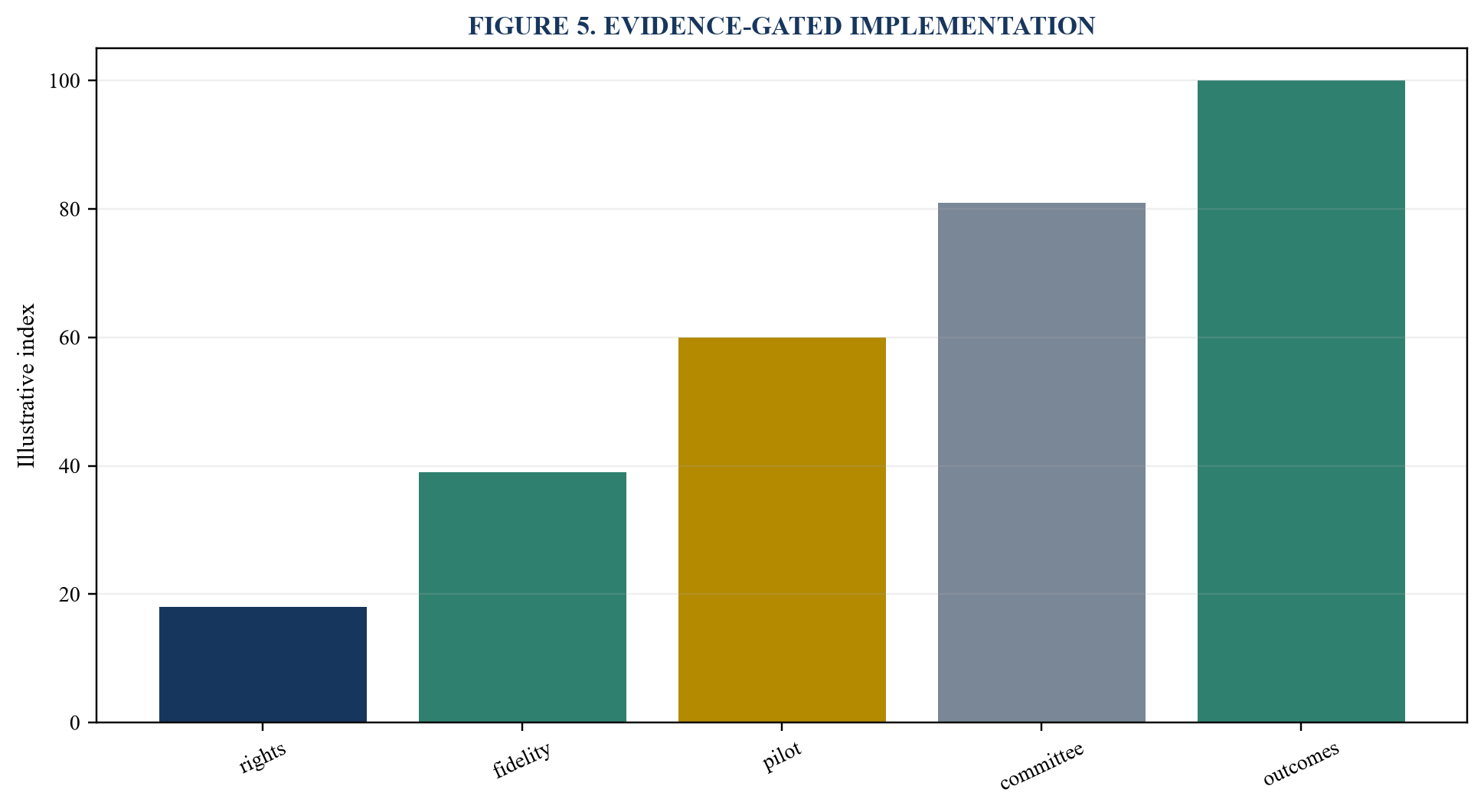
Scale should follow permission, fidelity, analyst, committee and outcome proof.
40. Conclusion
AI-supported private-market research creates durable value when permitted sources, traceable claims, accountable judgment, committee challenge and portfolio outcomes remain connected.
Controlled evidence includes source; claim; calculation; judgment; decision; outcome; cost; owner. The immediate decision is to use one evidence chain from document to realised investment result. Definitions should remain stable across research, compliance, investment, operational and financial records.
Decision makers need bounded downside for missing rights, stale data, extraction error, unsupported claims, confidentiality breach, model drift, provider failure and weak adoption.
The operating team and finance team should use the same definitions. Native records should support aggregate dashboards, and sample testing should follow representative cases from input through outcome and cash. Exceptions, failed cases and client concessions remain part of the population. Reconciliation should cover opening and closing balances, acquisitions, disposals, foreign exchange, allocation changes and manual adjustments that could otherwise mimic operating improvement.
References
- International Organization of Securities Commissions, Artificial Intelligence in Capital Markets: Use Cases, Risks, and Challenges, https://www.iosco.org/library/pubdocs/pdf/IOSCOPD788.pdf
- Financial Stability Board, The Financial Stability Implications of Artificial Intelligence, https://www.fsb.org/uploads/P14112024.pdf
- Financial Stability Board, Monitoring Adoption of Artificial Intelligence and Related Vulnerabilities in the Financial Sector, https://www.fsb.org/2025/10/monitoring-adoption-of-artificial-intelligence-and-related-vulnerabilities-in-the-financial-sector/
- U.S. Securities and Exchange Commission, Roundtable on Artificial Intelligence in the Financial Industry, https://www.sec.gov/newsroom/press-releases/2025-48
- U.S. Securities and Exchange Commission, 2025 Examination Priorities, https://www.sec.gov/files/2025-exam-priorities.pdf
- U.S. Securities and Exchange Commission, Observations from Examinations of Investment Advisers Managing Private Funds, https://www.sec.gov/files/ocie-risk-alert-private-funds
- Financial Conduct Authority, AI and the FCA: Our Approach, https://www.fca.org.uk/firms/innovation/ai-approach
- Financial Conduct Authority, Asset Management and Alternatives Supervisory Strategy, https://www.fca.org.uk/publication/correspondence/asset-management-alternatives-portfolio-letter-2025.pdf
- Financial Conduct Authority, Regulatory Priorities: Wholesale Buy Side, https://www.fca.org.uk/publication/regulatory-priorities/wholesale-buy-side-report.pdf
- European Securities and Markets Authority, Public Statement on the Use of Artificial Intelligence in Investment Services, https://www.esma.europa.eu/press-news/esma-news/esma-provides-guidance-firms-using-artificial-intelligence-investment-services
- European Union, Regulation EU 2024/1689 Artificial Intelligence Act, https://eur-lex.europa.eu/eli/reg/2024/1689/oj
- European Union, Regulation EU 2016/679 General Data Protection Regulation, https://eur-lex.europa.eu/eli/reg/2016/679/oj
- Organisation for Economic Co-operation and Development, OECD AI Principles, https://oecd.ai/en/ai-principles
- National Institute of Standards and Technology, Artificial Intelligence Risk Management Framework, https://www.nist.gov/itl/ai-risk-management-framework
- International Organization for Standardization, ISO IEC 42001 Artificial Intelligence Management System, https://www.iso.org/standard/81230.html
- CFA Institute, Global Investment Performance Standards, https://www.cfainstitute.org/ethics-standards/codes/gips-standards
- CFA Institute, Code of Ethics and Standards of Professional Conduct, https://www.cfainstitute.org/ethics-standards/ethics/code-of-ethics-standards-of-conduct-guidance
- Institutional Limited Partners Association, Reporting Template and Performance Template, https://ilpa.org/reporting-template/
- IFRS Foundation, IFRS 13 Fair Value Measurement, https://www.ifrs.org/issued-standards/list-of-standards/ifrs-13-fair-value-measurement/
- International Valuation Standards Council, International Valuation Standards, https://ivsc.org/standards/
- U.S. Securities and Exchange Commission, Investment Advisers Act of 1940, https://www.sec.gov/files/rules/final/ia-1092.pdf
- U.S. Securities and Exchange Commission, Investment Adviser Marketing Rule, https://www.sec.gov/investment/marketing-faq
- International Organization of Securities Commissions, Principles on Outsourcing, https://www.iosco.org/library/pubdocs/pdf/IOSCOPD687.pdf
- U.S. National Archives, Electronic Code of Federal Regulations Title 17, https://www.ecfr.gov/current/title-17
- UK Government, Data Protection Act 2018, https://www.legislation.gov.uk/ukpga/2018/12/contents
- UK Government, Financial Services and Markets Act 2000, https://www.legislation.gov.uk/ukpga/2000/8/contents
