

1. Define the transaction and parties
The transaction sponsor, compliance lead and advisers should list the buyer, seller, target, investors, lenders, guarantors, payors, recipients, advisers and connected legal arrangements. The controlled deliverable is a transaction-party inventory. Record the governing requirement, evidence source, verification method, accountable owner, reviewer, risk conclusion, approval date and refresh trigger [1][2].
Apply proportional, risk-based measures while preserving a complete chain from legal form to natural-person ownership and from economic origin to transaction payment. Show the base conclusion, unresolved gaps, contradictory records and the evidence that would change the decision.
The principal execution risk is that a person that controls value or funds can sit outside the headline corporate chart. Measure the effect on onboarding, regulatory compliance, sanctions exposure, bank acceptance, financing, escrow, contractual rights, closing timing, reputation and value.
Convert the result into diligence requests, data-room indexing, ownership charts, screening records, funds-flow instructions, transaction warranties, conditions precedent, bank submissions, escrow controls and post-close monitoring. Retain a dated audit trail without treating sensitive personal data as general deal-room material.
2. Map the governing frameworks
The transaction sponsor, compliance lead and advisers should identify federal AML law, executive regulations, registrar rules, financial-centre rules, sector supervision and sanctions obligations. The controlled deliverable is a legal-and-regulatory perimeter. Record the governing requirement, evidence source, verification method, accountable owner, reviewer, risk conclusion, approval date and refresh trigger [1][3].
Apply proportional, risk-based measures while preserving a complete chain from legal form to natural-person ownership and from economic origin to transaction payment. Show the base conclusion, unresolved gaps, contradictory records and the evidence that would change the decision.
The principal execution risk is that teams can use a superseded AML instrument or assume one registrar's rules apply everywhere. Measure the effect on onboarding, regulatory compliance, sanctions exposure, bank acceptance, financing, escrow, contractual rights, closing timing, reputation and value.
Convert the result into diligence requests, data-room indexing, ownership charts, screening records, funds-flow instructions, transaction warranties, conditions precedent, bank submissions, escrow controls and post-close monitoring. Retain a dated audit trail without treating sensitive personal data as general deal-room material.
3. Identify legal persons and arrangements
The transaction sponsor, compliance lead and advisers should catalogue companies, partnerships, foundations, trusts, nominees, branches, funds and special-purpose vehicles. The controlled deliverable is an entity-and-arrangement register. Record the governing requirement, evidence source, verification method, accountable owner, reviewer, risk conclusion, approval date and refresh trigger [4][5].
Apply proportional, risk-based measures while preserving a complete chain from legal form to natural-person ownership and from economic origin to transaction payment. Show the base conclusion, unresolved gaps, contradictory records and the evidence that would change the decision.
The principal execution risk is that ownership evidence can omit arrangements that hold rights or exercise control. Measure the effect on onboarding, regulatory compliance, sanctions exposure, bank acceptance, financing, escrow, contractual rights, closing timing, reputation and value.
Convert the result into diligence requests, data-room indexing, ownership charts, screening records, funds-flow instructions, transaction warranties, conditions precedent, bank submissions, escrow controls and post-close monitoring. Retain a dated audit trail without treating sensitive personal data as general deal-room material.
4. Build the registered ownership chain
The transaction sponsor, compliance lead and advisers should trace every direct shareholder or partner through each intermediate entity to natural persons. The controlled deliverable is a documentary ownership chart. Record the governing requirement, evidence source, verification method, accountable owner, reviewer, risk conclusion, approval date and refresh trigger [4][6].
Apply proportional, risk-based measures while preserving a complete chain from legal form to natural-person ownership and from economic origin to transaction payment. Show the base conclusion, unresolved gaps, contradictory records and the evidence that would change the decision.
The principal execution risk is that presentation diagrams can diverge from constitutional and registry records. Measure the effect on onboarding, regulatory compliance, sanctions exposure, bank acceptance, financing, escrow, contractual rights, closing timing, reputation and value.
Convert the result into diligence requests, data-room indexing, ownership charts, screening records, funds-flow instructions, transaction warranties, conditions precedent, bank submissions, escrow controls and post-close monitoring. Retain a dated audit trail without treating sensitive personal data as general deal-room material.
5. Apply the beneficial-owner cascade
The transaction sponsor, compliance lead and advisers should test ownership, voting rights, other means of control and the senior-management fallback using reasonable measures. The controlled deliverable is a beneficial-owner determination. Record the governing requirement, evidence source, verification method, accountable owner, reviewer, risk conclusion, approval date and refresh trigger [4][7].
Apply proportional, risk-based measures while preserving a complete chain from legal form to natural-person ownership and from economic origin to transaction payment. Show the base conclusion, unresolved gaps, contradictory records and the evidence that would change the decision.
The principal execution risk is that a percentage-only test can miss contractual or practical control. Measure the effect on onboarding, regulatory compliance, sanctions exposure, bank acceptance, financing, escrow, contractual rights, closing timing, reputation and value.
Convert the result into diligence requests, data-room indexing, ownership charts, screening records, funds-flow instructions, transaction warranties, conditions precedent, bank submissions, escrow controls and post-close monitoring. Retain a dated audit trail without treating sensitive personal data as general deal-room material.
6. Measure direct and indirect interests
The transaction sponsor, compliance lead and advisers should calculate economic, voting and control interests through chains, joint holdings and variable rights. The controlled deliverable is an ownership-calculation workbook. Record the governing requirement, evidence source, verification method, accountable owner, reviewer, risk conclusion, approval date and refresh trigger [4][8].
Apply proportional, risk-based measures while preserving a complete chain from legal form to natural-person ownership and from economic origin to transaction payment. Show the base conclusion, unresolved gaps, contradictory records and the evidence that would change the decision.
The principal execution risk is that simple multiplication can ignore vetoes, classes, dilution or coordinated control. Measure the effect on onboarding, regulatory compliance, sanctions exposure, bank acceptance, financing, escrow, contractual rights, closing timing, reputation and value.
Convert the result into diligence requests, data-room indexing, ownership charts, screening records, funds-flow instructions, transaction warranties, conditions precedent, bank submissions, escrow controls and post-close monitoring. Retain a dated audit trail without treating sensitive personal data as general deal-room material.
7. Identify controllers by other means
The transaction sponsor, compliance lead and advisers should map appointment rights, reserved matters, financing leverage, family influence, powers of attorney and contractual direction. The controlled deliverable is a control-rights matrix. Record the governing requirement, evidence source, verification method, accountable owner, reviewer, risk conclusion, approval date and refresh trigger [4][9].
Apply proportional, risk-based measures while preserving a complete chain from legal form to natural-person ownership and from economic origin to transaction payment. Show the base conclusion, unresolved gaps, contradictory records and the evidence that would change the decision.
The principal execution risk is that a nominal minority owner can exercise ultimate effective control. Measure the effect on onboarding, regulatory compliance, sanctions exposure, bank acceptance, financing, escrow, contractual rights, closing timing, reputation and value.
Convert the result into diligence requests, data-room indexing, ownership charts, screening records, funds-flow instructions, transaction warranties, conditions precedent, bank submissions, escrow controls and post-close monitoring. Retain a dated audit trail without treating sensitive personal data as general deal-room material.
8. Resolve joint ownership and control
The transaction sponsor, compliance lead and advisers should identify every natural person who jointly owns or controls the relevant interest. The controlled deliverable is a joint-controller schedule. Record the governing requirement, evidence source, verification method, accountable owner, reviewer, risk conclusion, approval date and refresh trigger [4][10].
Apply proportional, risk-based measures while preserving a complete chain from legal form to natural-person ownership and from economic origin to transaction payment. Show the base conclusion, unresolved gaps, contradictory records and the evidence that would change the decision.
The principal execution risk is that one representative can be recorded while other joint controllers remain undisclosed. Measure the effect on onboarding, regulatory compliance, sanctions exposure, bank acceptance, financing, escrow, contractual rights, closing timing, reputation and value.
Convert the result into diligence requests, data-room indexing, ownership charts, screening records, funds-flow instructions, transaction warranties, conditions precedent, bank submissions, escrow controls and post-close monitoring. Retain a dated audit trail without treating sensitive personal data as general deal-room material.
Table 1. Beneficial-owner cascade
| Test | Evidence | Escalation |
|---|---|---|
| ownership | shares and economic rights | trace every layer |
| control | votes, appointments and vetoes | test other means |
| arrangements | trust and nominee documents | identify natural persons |
| fallback | reasonable-measures record | senior management |
Statutory periods are stated where labelled; other entries are analytical controls.
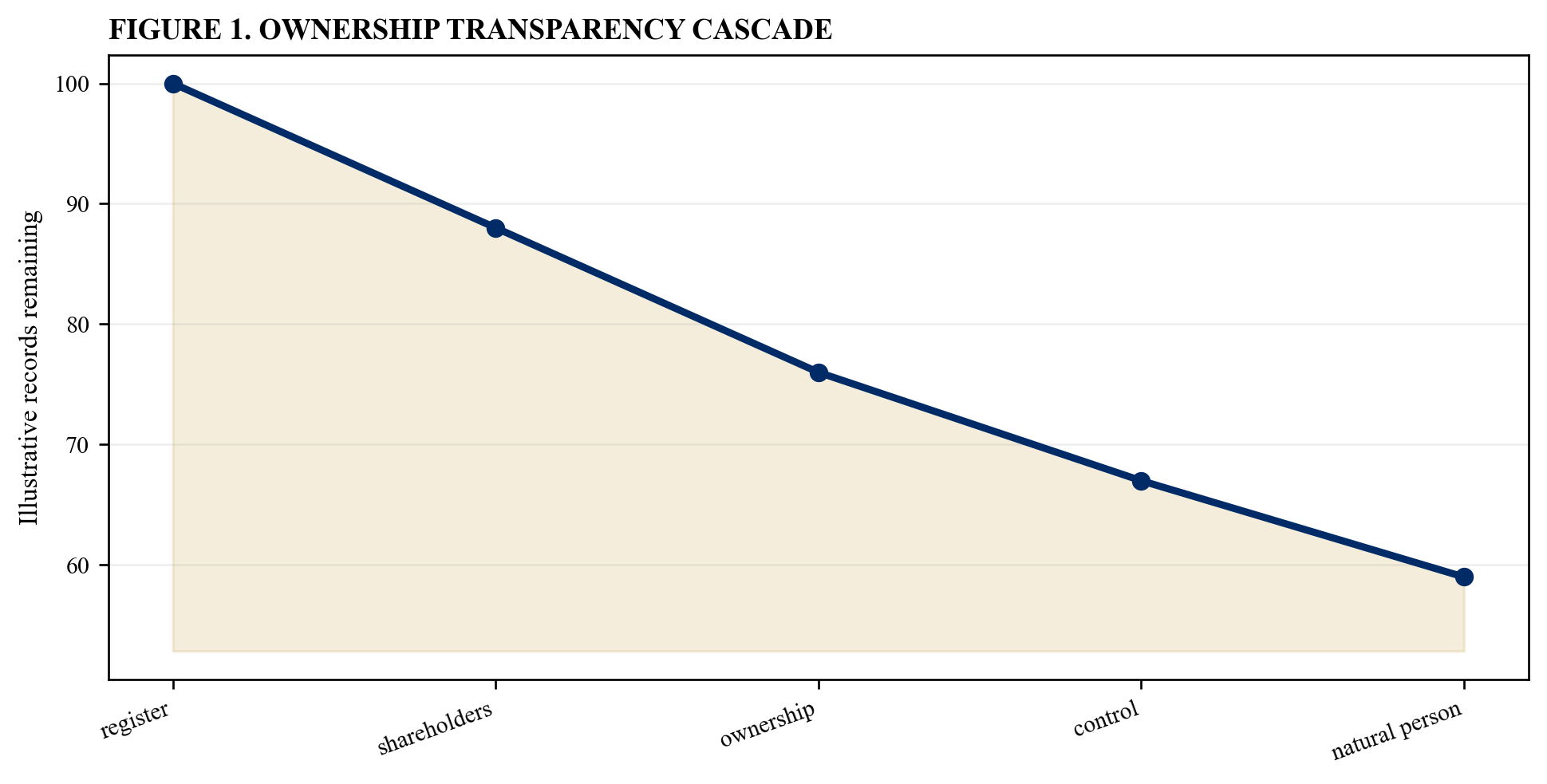
Illustrative analytical scenario; transaction evidence should replace model values.
9. Analyse nominees and board representatives
The transaction sponsor, compliance lead and advisers should record nominee status, nominator, instructions, represented interests and supporting agreements. The controlled deliverable is a nominee transparency file. Record the governing requirement, evidence source, verification method, accountable owner, reviewer, risk conclusion, approval date and refresh trigger [4][11].
Apply proportional, risk-based measures while preserving a complete chain from legal form to natural-person ownership and from economic origin to transaction payment. Show the base conclusion, unresolved gaps, contradictory records and the evidence that would change the decision.
The principal execution risk is that formal officeholders can obscure the person on whose behalf they act. Measure the effect on onboarding, regulatory compliance, sanctions exposure, bank acceptance, financing, escrow, contractual rights, closing timing, reputation and value.
Convert the result into diligence requests, data-room indexing, ownership charts, screening records, funds-flow instructions, transaction warranties, conditions precedent, bank submissions, escrow controls and post-close monitoring. Retain a dated audit trail without treating sensitive personal data as general deal-room material.
10. Analyse trusts and foundations
The transaction sponsor, compliance lead and advisers should identify settlors, trustees, protectors, beneficiaries, classes, council members, founders and control powers. The controlled deliverable is an arrangement-beneficiary map. Record the governing requirement, evidence source, verification method, accountable owner, reviewer, risk conclusion, approval date and refresh trigger [5][12].
Apply proportional, risk-based measures while preserving a complete chain from legal form to natural-person ownership and from economic origin to transaction payment. Show the base conclusion, unresolved gaps, contradictory records and the evidence that would change the decision.
The principal execution risk is that discretionary or layered arrangements can prevent a complete natural-person view. Measure the effect on onboarding, regulatory compliance, sanctions exposure, bank acceptance, financing, escrow, contractual rights, closing timing, reputation and value.
Convert the result into diligence requests, data-room indexing, ownership charts, screening records, funds-flow instructions, transaction warranties, conditions precedent, bank submissions, escrow controls and post-close monitoring. Retain a dated audit trail without treating sensitive personal data as general deal-room material.
11. Confirm exemptions and alternate regimes
The transaction sponsor, compliance lead and advisers should verify government ownership, financial-free-zone treatment, listed-company treatment and registrar-specific requirements. The controlled deliverable is an exemption memorandum. Record the governing requirement, evidence source, verification method, accountable owner, reviewer, risk conclusion, approval date and refresh trigger [4][13].
Apply proportional, risk-based measures while preserving a complete chain from legal form to natural-person ownership and from economic origin to transaction payment. Show the base conclusion, unresolved gaps, contradictory records and the evidence that would change the decision.
The principal execution risk is that an assumed exemption can leave a legal person without the required register. Measure the effect on onboarding, regulatory compliance, sanctions exposure, bank acceptance, financing, escrow, contractual rights, closing timing, reputation and value.
Convert the result into diligence requests, data-room indexing, ownership charts, screening records, funds-flow instructions, transaction warranties, conditions precedent, bank submissions, escrow controls and post-close monitoring. Retain a dated audit trail without treating sensitive personal data as general deal-room material.
12. Verify identity evidence
The transaction sponsor, compliance lead and advisers should authenticate names, dates, nationality, residence, identifiers, addresses and document validity from reliable independent sources. The controlled deliverable is an identity verification pack. Record the governing requirement, evidence source, verification method, accountable owner, reviewer, risk conclusion, approval date and refresh trigger [3][14].
Apply proportional, risk-based measures while preserving a complete chain from legal form to natural-person ownership and from economic origin to transaction payment. Show the base conclusion, unresolved gaps, contradictory records and the evidence that would change the decision.
The principal execution risk is that expired, inconsistent or transliterated records can break screening and bank onboarding. Measure the effect on onboarding, regulatory compliance, sanctions exposure, bank acceptance, financing, escrow, contractual rights, closing timing, reputation and value.
Convert the result into diligence requests, data-room indexing, ownership charts, screening records, funds-flow instructions, transaction warranties, conditions precedent, bank submissions, escrow controls and post-close monitoring. Retain a dated audit trail without treating sensitive personal data as general deal-room material.
13. Reconcile registry information
The transaction sponsor, compliance lead and advisers should compare commercial registers, beneficial-owner registers, shareholder registers, nominee records and group submissions. The controlled deliverable is a registry reconciliation. Record the governing requirement, evidence source, verification method, accountable owner, reviewer, risk conclusion, approval date and refresh trigger [4][15].
Apply proportional, risk-based measures while preserving a complete chain from legal form to natural-person ownership and from economic origin to transaction payment. Show the base conclusion, unresolved gaps, contradictory records and the evidence that would change the decision.
The principal execution risk is that different registrars can hold inconsistent ownership and contact data. Measure the effect on onboarding, regulatory compliance, sanctions exposure, bank acceptance, financing, escrow, contractual rights, closing timing, reputation and value.
Convert the result into diligence requests, data-room indexing, ownership charts, screening records, funds-flow instructions, transaction warranties, conditions precedent, bank submissions, escrow controls and post-close monitoring. Retain a dated audit trail without treating sensitive personal data as general deal-room material.
14. Control changes and deadlines
The transaction sponsor, compliance lead and advisers should capture incorporation, ownership, nominee, management and liquidation changes within applicable submission periods. The controlled deliverable is a change-control calendar. Record the governing requirement, evidence source, verification method, accountable owner, reviewer, risk conclusion, approval date and refresh trigger [4][16].
Apply proportional, risk-based measures while preserving a complete chain from legal form to natural-person ownership and from economic origin to transaction payment. Show the base conclusion, unresolved gaps, contradictory records and the evidence that would change the decision.
The principal execution risk is that a transaction can close while statutory registers remain stale. Measure the effect on onboarding, regulatory compliance, sanctions exposure, bank acceptance, financing, escrow, contractual rights, closing timing, reputation and value.
Convert the result into diligence requests, data-room indexing, ownership charts, screening records, funds-flow instructions, transaction warranties, conditions precedent, bank submissions, escrow controls and post-close monitoring. Retain a dated audit trail without treating sensitive personal data as general deal-room material.
15. Separate source of funds and wealth
The transaction sponsor, compliance lead and advisers should define the direct money used for the transaction and the economic sources that generated overall net worth. The controlled deliverable is a two-part provenance assessment. Record the governing requirement, evidence source, verification method, accountable owner, reviewer, risk conclusion, approval date and refresh trigger [17][18].
Apply proportional, risk-based measures while preserving a complete chain from legal form to natural-person ownership and from economic origin to transaction payment. Show the base conclusion, unresolved gaps, contradictory records and the evidence that would change the decision.
The principal execution risk is that generic labels such as savings, investments or self-funding can lack corroboration. Measure the effect on onboarding, regulatory compliance, sanctions exposure, bank acceptance, financing, escrow, contractual rights, closing timing, reputation and value.
Convert the result into diligence requests, data-room indexing, ownership charts, screening records, funds-flow instructions, transaction warranties, conditions precedent, bank submissions, escrow controls and post-close monitoring. Retain a dated audit trail without treating sensitive personal data as general deal-room material.
16. Write the economic narrative
The transaction sponsor, compliance lead and advisers should connect career, business ownership, investments, inheritance, gifts, borrowing and asset sales into a dated explanation. The controlled deliverable is a source-of-wealth narrative. Record the governing requirement, evidence source, verification method, accountable owner, reviewer, risk conclusion, approval date and refresh trigger [17][19].
Apply proportional, risk-based measures while preserving a complete chain from legal form to natural-person ownership and from economic origin to transaction payment. Show the base conclusion, unresolved gaps, contradictory records and the evidence that would change the decision.
The principal execution risk is that documents can be collected without explaining how wealth accumulated coherently. Measure the effect on onboarding, regulatory compliance, sanctions exposure, bank acceptance, financing, escrow, contractual rights, closing timing, reputation and value.
Convert the result into diligence requests, data-room indexing, ownership charts, screening records, funds-flow instructions, transaction warranties, conditions precedent, bank submissions, escrow controls and post-close monitoring. Retain a dated audit trail without treating sensitive personal data as general deal-room material.
Table 2. Provenance evidence architecture
| Claim | Primary evidence | Corroboration |
|---|---|---|
| business wealth | accounts and ownership | dividends and bank credits |
| asset sale | title and sale contract | completion and receipt |
| borrowing | facility and drawdown | lender identity and repayment |
| inheritance | probate and estate accounts | asset and transfer trail |
Statutory periods are stated where labelled; other entries are analytical controls.
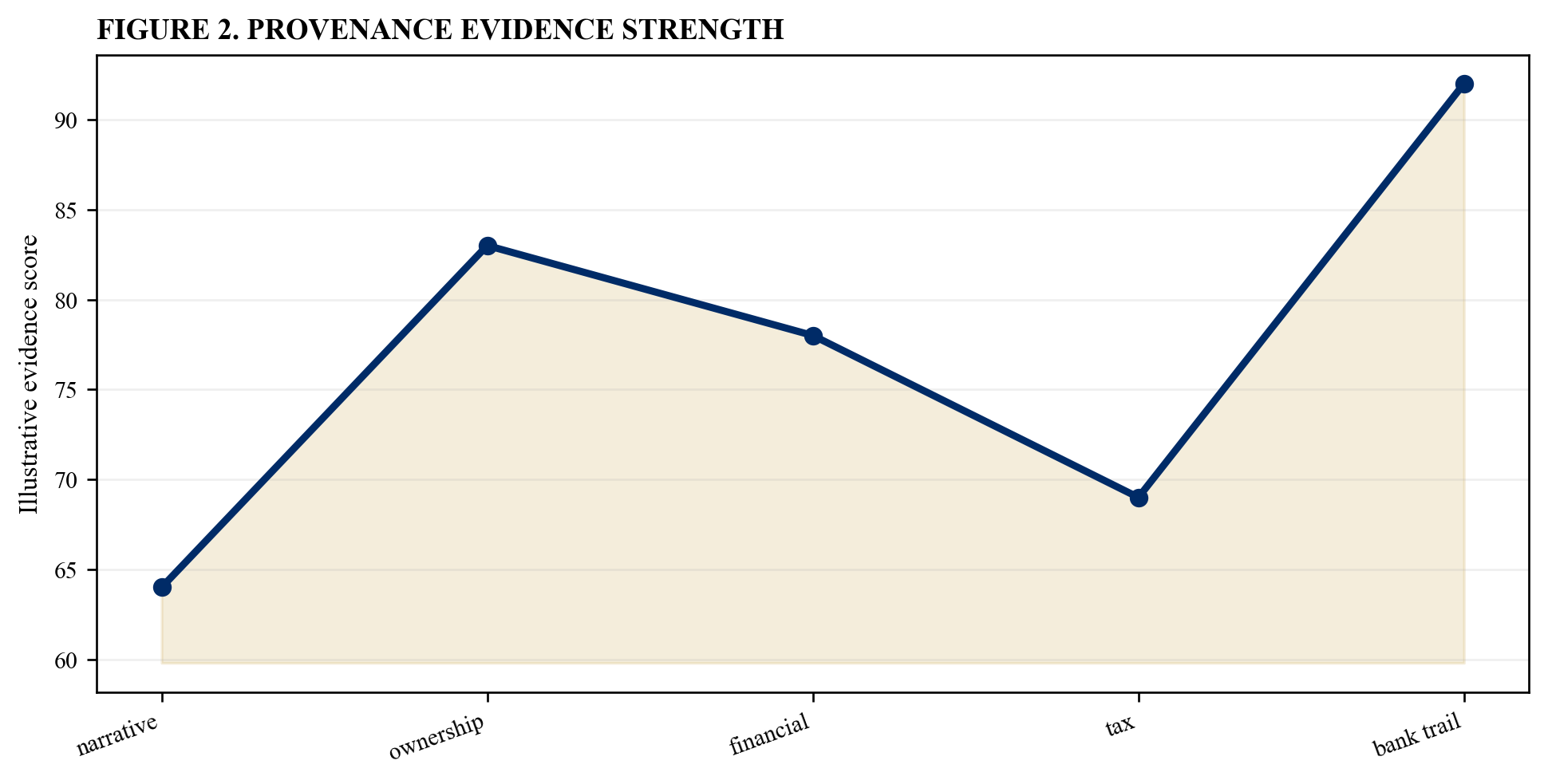
Illustrative analytical scenario; transaction evidence should replace model values.
17. Trace the transaction funds
The transaction sponsor, compliance lead and advisers should follow money from originating asset or income through accounts, conversions and intermediaries to escrow or completion. The controlled deliverable is a funds-flow map. Record the governing requirement, evidence source, verification method, accountable owner, reviewer, risk conclusion, approval date and refresh trigger [17][20].
Apply proportional, risk-based measures while preserving a complete chain from legal form to natural-person ownership and from economic origin to transaction payment. Show the base conclusion, unresolved gaps, contradictory records and the evidence that would change the decision.
The principal execution risk is that clean endpoints can conceal an unexplained intermediary or third-party payment. Measure the effect on onboarding, regulatory compliance, sanctions exposure, bank acceptance, financing, escrow, contractual rights, closing timing, reputation and value.
Convert the result into diligence requests, data-room indexing, ownership charts, screening records, funds-flow instructions, transaction warranties, conditions precedent, bank submissions, escrow controls and post-close monitoring. Retain a dated audit trail without treating sensitive personal data as general deal-room material.
18. Verify operating-business wealth
The transaction sponsor, compliance lead and advisers should reconcile ownership, audited accounts, dividends, remuneration, tax records and bank receipts. The controlled deliverable is a business-wealth evidence file. Record the governing requirement, evidence source, verification method, accountable owner, reviewer, risk conclusion, approval date and refresh trigger [17][21].
Apply proportional, risk-based measures while preserving a complete chain from legal form to natural-person ownership and from economic origin to transaction payment. Show the base conclusion, unresolved gaps, contradictory records and the evidence that would change the decision.
The principal execution risk is that company value can be asserted without distributable proceeds reaching the individual. Measure the effect on onboarding, regulatory compliance, sanctions exposure, bank acceptance, financing, escrow, contractual rights, closing timing, reputation and value.
Convert the result into diligence requests, data-room indexing, ownership charts, screening records, funds-flow instructions, transaction warranties, conditions precedent, bank submissions, escrow controls and post-close monitoring. Retain a dated audit trail without treating sensitive personal data as general deal-room material.
19. Verify investment and dividend proceeds
The transaction sponsor, compliance lead and advisers should match portfolio statements, corporate approvals, sale confirmations, distributions, tax and bank credits. The controlled deliverable is an investment-proceeds bridge. Record the governing requirement, evidence source, verification method, accountable owner, reviewer, risk conclusion, approval date and refresh trigger [17][22].
Apply proportional, risk-based measures while preserving a complete chain from legal form to natural-person ownership and from economic origin to transaction payment. Show the base conclusion, unresolved gaps, contradictory records and the evidence that would change the decision.
The principal execution risk is that paper gains can be presented as liquid funds available for closing. Measure the effect on onboarding, regulatory compliance, sanctions exposure, bank acceptance, financing, escrow, contractual rights, closing timing, reputation and value.
Convert the result into diligence requests, data-room indexing, ownership charts, screening records, funds-flow instructions, transaction warranties, conditions precedent, bank submissions, escrow controls and post-close monitoring. Retain a dated audit trail without treating sensitive personal data as general deal-room material.
20. Verify real-estate sale proceeds
The transaction sponsor, compliance lead and advisers should link title, purchase history, sale agreement, completion statement, taxes, mortgage discharge and bank receipt. The controlled deliverable is a property-proceeds file. Record the governing requirement, evidence source, verification method, accountable owner, reviewer, risk conclusion, approval date and refresh trigger [17][23].
Apply proportional, risk-based measures while preserving a complete chain from legal form to natural-person ownership and from economic origin to transaction payment. Show the base conclusion, unresolved gaps, contradictory records and the evidence that would change the decision.
The principal execution risk is that gross sale price can be confused with net lawful funds after debt and costs. Measure the effect on onboarding, regulatory compliance, sanctions exposure, bank acceptance, financing, escrow, contractual rights, closing timing, reputation and value.
Convert the result into diligence requests, data-room indexing, ownership charts, screening records, funds-flow instructions, transaction warranties, conditions precedent, bank submissions, escrow controls and post-close monitoring. Retain a dated audit trail without treating sensitive personal data as general deal-room material.
21. Verify borrowing and leverage
The transaction sponsor, compliance lead and advisers should document lender, facility, purpose, security, drawdown, repayment capacity and beneficial ownership of the lender. The controlled deliverable is a debt-proceeds memorandum. Record the governing requirement, evidence source, verification method, accountable owner, reviewer, risk conclusion, approval date and refresh trigger [3][24].
Apply proportional, risk-based measures while preserving a complete chain from legal form to natural-person ownership and from economic origin to transaction payment. Show the base conclusion, unresolved gaps, contradictory records and the evidence that would change the decision.
The principal execution risk is that related-party or circular borrowing can disguise the true provider of funds. Measure the effect on onboarding, regulatory compliance, sanctions exposure, bank acceptance, financing, escrow, contractual rights, closing timing, reputation and value.
Convert the result into diligence requests, data-room indexing, ownership charts, screening records, funds-flow instructions, transaction warranties, conditions precedent, bank submissions, escrow controls and post-close monitoring. Retain a dated audit trail without treating sensitive personal data as general deal-room material.
22. Verify gifts and family transfers
The transaction sponsor, compliance lead and advisers should establish donor identity, relationship, wealth, gift instrument, tax treatment, transfer path and absence of repayment. The controlled deliverable is a gift provenance file. Record the governing requirement, evidence source, verification method, accountable owner, reviewer, risk conclusion, approval date and refresh trigger [17][25].
Apply proportional, risk-based measures while preserving a complete chain from legal form to natural-person ownership and from economic origin to transaction payment. Show the base conclusion, unresolved gaps, contradictory records and the evidence that would change the decision.
The principal execution risk is that a gift can shift the unexplained-source problem to an unverified donor. Measure the effect on onboarding, regulatory compliance, sanctions exposure, bank acceptance, financing, escrow, contractual rights, closing timing, reputation and value.
Convert the result into diligence requests, data-room indexing, ownership charts, screening records, funds-flow instructions, transaction warranties, conditions precedent, bank submissions, escrow controls and post-close monitoring. Retain a dated audit trail without treating sensitive personal data as general deal-room material.
23. Verify inheritance
The transaction sponsor, compliance lead and advisers should obtain probate or succession evidence, estate accounts, asset realisation, tax and payment records. The controlled deliverable is an inheritance evidence chain. Record the governing requirement, evidence source, verification method, accountable owner, reviewer, risk conclusion, approval date and refresh trigger [17][26].
Apply proportional, risk-based measures while preserving a complete chain from legal form to natural-person ownership and from economic origin to transaction payment. Show the base conclusion, unresolved gaps, contradictory records and the evidence that would change the decision.
The principal execution risk is that an inheritance label can omit the asset, entitlement, value and transfer history. Measure the effect on onboarding, regulatory compliance, sanctions exposure, bank acceptance, financing, escrow, contractual rights, closing timing, reputation and value.
Convert the result into diligence requests, data-room indexing, ownership charts, screening records, funds-flow instructions, transaction warranties, conditions precedent, bank submissions, escrow controls and post-close monitoring. Retain a dated audit trail without treating sensitive personal data as general deal-room material.
24. Verify cryptoasset proceeds
The transaction sponsor, compliance lead and advisers should identify wallets, exchanges, acquisition history, trading, conversions, counterparties, taxes and fiat off-ramp. The controlled deliverable is a cryptoasset provenance analysis. Record the governing requirement, evidence source, verification method, accountable owner, reviewer, risk conclusion, approval date and refresh trigger [27][28].
Apply proportional, risk-based measures while preserving a complete chain from legal form to natural-person ownership and from economic origin to transaction payment. Show the base conclusion, unresolved gaps, contradictory records and the evidence that would change the decision.
The principal execution risk is that blockchain visibility can coexist with unknown wallet ownership or illicit counterparties. Measure the effect on onboarding, regulatory compliance, sanctions exposure, bank acceptance, financing, escrow, contractual rights, closing timing, reputation and value.
Convert the result into diligence requests, data-room indexing, ownership charts, screening records, funds-flow instructions, transaction warranties, conditions precedent, bank submissions, escrow controls and post-close monitoring. Retain a dated audit trail without treating sensitive personal data as general deal-room material.
Table 3. Funds-trail controls
| Stage | Control | Failure response |
|---|---|---|
| origin | identify asset or income | seek primary proof |
| intermediary | explain each account and conversion | stop unexplained transfer |
| escrow | approve payor and account | return or quarantine |
| release | match conditions and beneficiary | dual authorisation |
Statutory periods are stated where labelled; other entries are analytical controls.
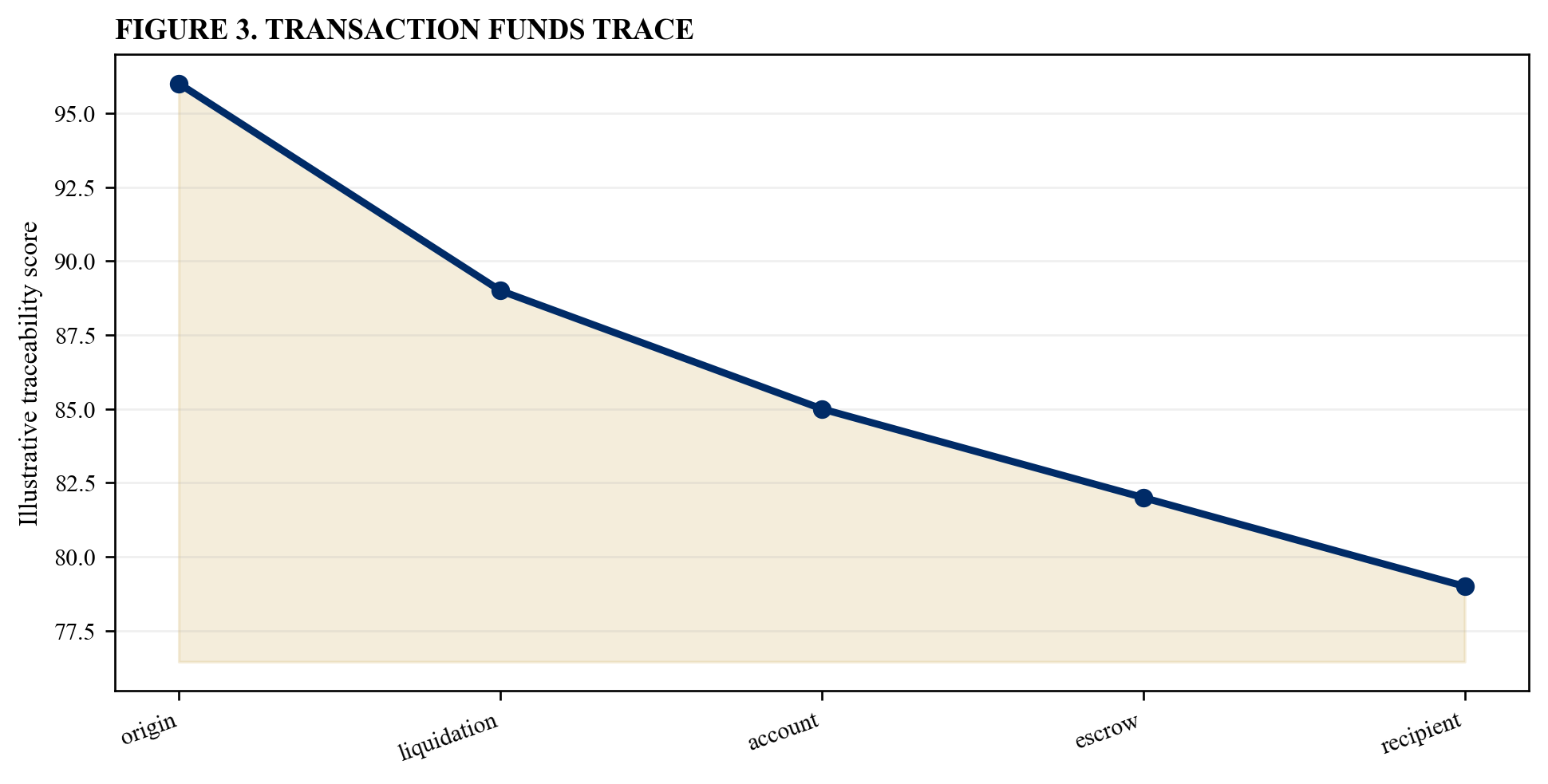
Illustrative analytical scenario; transaction evidence should replace model values.
25. Screen sanctions and proliferation risk
The transaction sponsor, compliance lead and advisers should screen persons, entities, vessels, jurisdictions, controllers and transaction routes against current lists. The controlled deliverable is a sanctions-screening record. Record the governing requirement, evidence source, verification method, accountable owner, reviewer, risk conclusion, approval date and refresh trigger [1][29].
Apply proportional, risk-based measures while preserving a complete chain from legal form to natural-person ownership and from economic origin to transaction payment. Show the base conclusion, unresolved gaps, contradictory records and the evidence that would change the decision.
The principal execution risk is that ownership aggregation or indirect control can create exposure despite no exact name match. Measure the effect on onboarding, regulatory compliance, sanctions exposure, bank acceptance, financing, escrow, contractual rights, closing timing, reputation and value.
Convert the result into diligence requests, data-room indexing, ownership charts, screening records, funds-flow instructions, transaction warranties, conditions precedent, bank submissions, escrow controls and post-close monitoring. Retain a dated audit trail without treating sensitive personal data as general deal-room material.
26. Identify politically exposed persons
The transaction sponsor, compliance lead and advisers should classify current and former PEPs, family members and close associates and apply required enhanced measures. The controlled deliverable is a PEP and relationship assessment. Record the governing requirement, evidence source, verification method, accountable owner, reviewer, risk conclusion, approval date and refresh trigger [3][30].
Apply proportional, risk-based measures while preserving a complete chain from legal form to natural-person ownership and from economic origin to transaction payment. Show the base conclusion, unresolved gaps, contradictory records and the evidence that would change the decision.
The principal execution risk is that senior roles or close associations can be missed by narrow database results. Measure the effect on onboarding, regulatory compliance, sanctions exposure, bank acceptance, financing, escrow, contractual rights, closing timing, reputation and value.
Convert the result into diligence requests, data-room indexing, ownership charts, screening records, funds-flow instructions, transaction warranties, conditions precedent, bank submissions, escrow controls and post-close monitoring. Retain a dated audit trail without treating sensitive personal data as general deal-room material.
27. Investigate adverse information
The transaction sponsor, compliance lead and advisers should search reliable multilingual sources for crime, corruption, fraud, sanctions, litigation and regulatory findings. The controlled deliverable is an adverse-information assessment. Record the governing requirement, evidence source, verification method, accountable owner, reviewer, risk conclusion, approval date and refresh trigger [3][31].
Apply proportional, risk-based measures while preserving a complete chain from legal form to natural-person ownership and from economic origin to transaction payment. Show the base conclusion, unresolved gaps, contradictory records and the evidence that would change the decision.
The principal execution risk is that unverified allegations can be ignored or treated as established fact without evaluation. Measure the effect on onboarding, regulatory compliance, sanctions exposure, bank acceptance, financing, escrow, contractual rights, closing timing, reputation and value.
Convert the result into diligence requests, data-room indexing, ownership charts, screening records, funds-flow instructions, transaction warranties, conditions precedent, bank submissions, escrow controls and post-close monitoring. Retain a dated audit trail without treating sensitive personal data as general deal-room material.
28. Assess geography and delivery channels
The transaction sponsor, compliance lead and advisers should evaluate residence, nationality, business countries, payment corridors, remote onboarding and intermediaries. The controlled deliverable is a geographic-risk map. Record the governing requirement, evidence source, verification method, accountable owner, reviewer, risk conclusion, approval date and refresh trigger [3][32].
Apply proportional, risk-based measures while preserving a complete chain from legal form to natural-person ownership and from economic origin to transaction payment. Show the base conclusion, unresolved gaps, contradictory records and the evidence that would change the decision.
The principal execution risk is that risk can arise from the funds path even when the parties are UAE resident. Measure the effect on onboarding, regulatory compliance, sanctions exposure, bank acceptance, financing, escrow, contractual rights, closing timing, reputation and value.
Convert the result into diligence requests, data-room indexing, ownership charts, screening records, funds-flow instructions, transaction warranties, conditions precedent, bank submissions, escrow controls and post-close monitoring. Retain a dated audit trail without treating sensitive personal data as general deal-room material.
29. Score customer and transaction risk
The transaction sponsor, compliance lead and advisers should combine ownership complexity, products, geography, delivery, PEP, sanctions, adverse information and unusual activity. The controlled deliverable is a reasoned risk classification. Record the governing requirement, evidence source, verification method, accountable owner, reviewer, risk conclusion, approval date and refresh trigger [3][33].
Apply proportional, risk-based measures while preserving a complete chain from legal form to natural-person ownership and from economic origin to transaction payment. Show the base conclusion, unresolved gaps, contradictory records and the evidence that would change the decision.
The principal execution risk is that mechanical scoring can conceal high-impact facts or unexplained overrides. Measure the effect on onboarding, regulatory compliance, sanctions exposure, bank acceptance, financing, escrow, contractual rights, closing timing, reputation and value.
Convert the result into diligence requests, data-room indexing, ownership charts, screening records, funds-flow instructions, transaction warranties, conditions precedent, bank submissions, escrow controls and post-close monitoring. Retain a dated audit trail without treating sensitive personal data as general deal-room material.
30. Set enhanced due-diligence measures
The transaction sponsor, compliance lead and advisers should define additional evidence, senior approval, first-payment rules, monitoring and escalation for higher risk. The controlled deliverable is an EDD control plan. Record the governing requirement, evidence source, verification method, accountable owner, reviewer, risk conclusion, approval date and refresh trigger [3][34].
Apply proportional, risk-based measures while preserving a complete chain from legal form to natural-person ownership and from economic origin to transaction payment. Show the base conclusion, unresolved gaps, contradictory records and the evidence that would change the decision.
The principal execution risk is that more documents can be requested without resolving the specific risk hypothesis. Measure the effect on onboarding, regulatory compliance, sanctions exposure, bank acceptance, financing, escrow, contractual rights, closing timing, reputation and value.
Convert the result into diligence requests, data-room indexing, ownership charts, screening records, funds-flow instructions, transaction warranties, conditions precedent, bank submissions, escrow controls and post-close monitoring. Retain a dated audit trail without treating sensitive personal data as general deal-room material.
31. Reconcile bank and counterparty standards
The transaction sponsor, compliance lead and advisers should map each institution's risk appetite, certified-document rules, account constraints and approval process. The controlled deliverable is a requirements crosswalk. Record the governing requirement, evidence source, verification method, accountable owner, reviewer, risk conclusion, approval date and refresh trigger [17][35].
Apply proportional, risk-based measures while preserving a complete chain from legal form to natural-person ownership and from economic origin to transaction payment. Show the base conclusion, unresolved gaps, contradictory records and the evidence that would change the decision.
The principal execution risk is that a pack accepted by one participant can fail another participant's controls. Measure the effect on onboarding, regulatory compliance, sanctions exposure, bank acceptance, financing, escrow, contractual rights, closing timing, reputation and value.
Convert the result into diligence requests, data-room indexing, ownership charts, screening records, funds-flow instructions, transaction warranties, conditions precedent, bank submissions, escrow controls and post-close monitoring. Retain a dated audit trail without treating sensitive personal data as general deal-room material.
32. Govern reliance on third parties
The transaction sponsor, compliance lead and advisers should define permitted reliance, responsibility, evidence access, quality checks and retrieval timing. The controlled deliverable is a reliance protocol. Record the governing requirement, evidence source, verification method, accountable owner, reviewer, risk conclusion, approval date and refresh trigger [3][36].
Apply proportional, risk-based measures while preserving a complete chain from legal form to natural-person ownership and from economic origin to transaction payment. Show the base conclusion, unresolved gaps, contradictory records and the evidence that would change the decision.
The principal execution risk is that outsourcing collection can be mistaken for transferring regulatory responsibility. Measure the effect on onboarding, regulatory compliance, sanctions exposure, bank acceptance, financing, escrow, contractual rights, closing timing, reputation and value.
Convert the result into diligence requests, data-room indexing, ownership charts, screening records, funds-flow instructions, transaction warranties, conditions precedent, bank submissions, escrow controls and post-close monitoring. Retain a dated audit trail without treating sensitive personal data as general deal-room material.
Table 4. Illustrative readiness economics
| Scenario | Delay days | Cost index | Closing confidence |
|---|---|---|---|
| verified direct funds | 3 | 18 | 96 |
| layered ownership | 18 | 47 | 78 |
| third-party funding | 27 | 63 | 61 |
| unresolved provenance | 45 | 88 | 24 |
Statutory periods are stated where labelled; other entries are analytical controls.
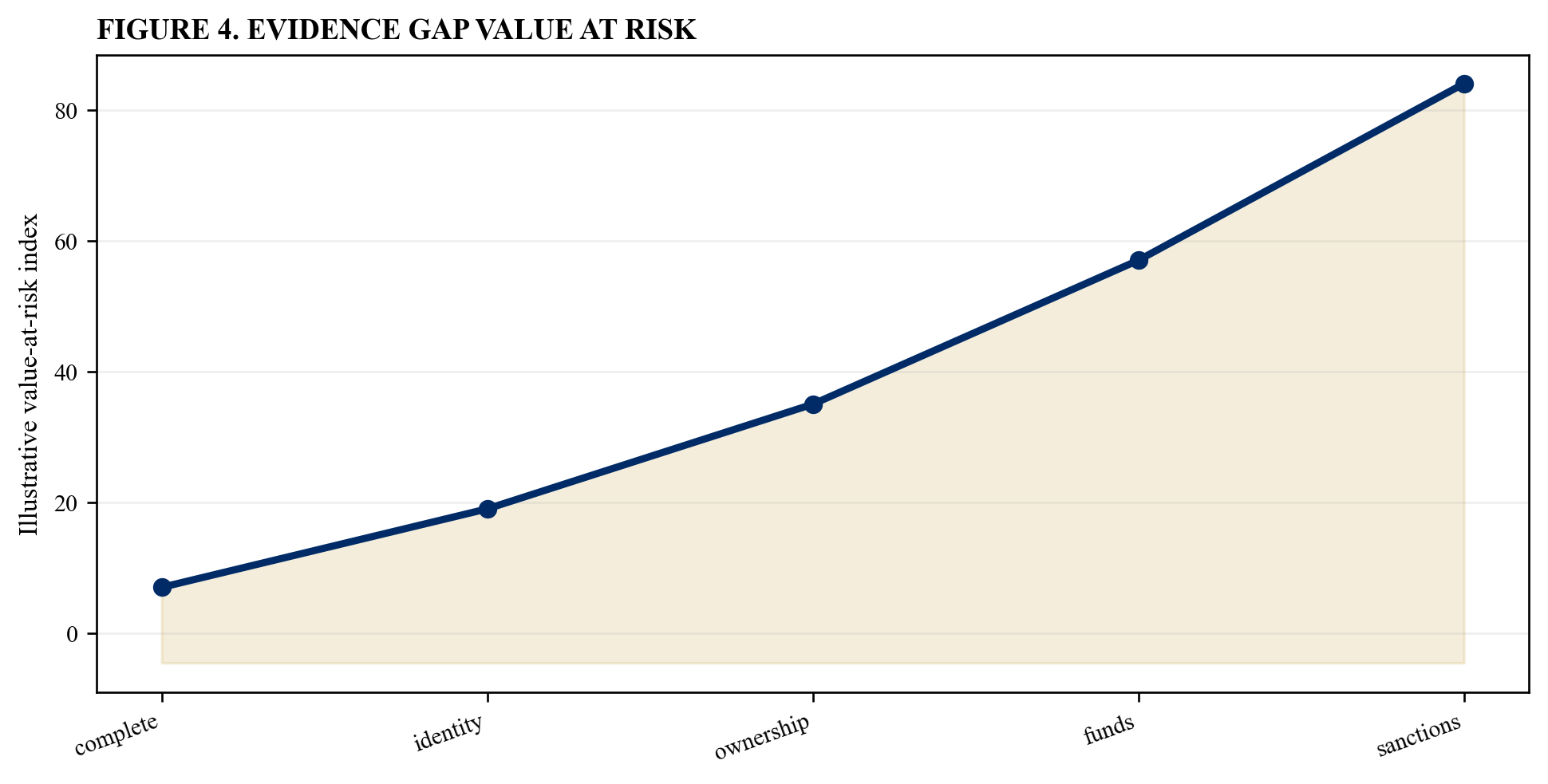
Illustrative analytical scenario; transaction evidence should replace model values.
33. Protect personal and confidential data
The transaction sponsor, compliance lead and advisers should limit collection, access, transfer, retention and disclosure while preserving legal evidence. The controlled deliverable is a diligence data-governance plan. Record the governing requirement, evidence source, verification method, accountable owner, reviewer, risk conclusion, approval date and refresh trigger [37][38].
Apply proportional, risk-based measures while preserving a complete chain from legal form to natural-person ownership and from economic origin to transaction payment. Show the base conclusion, unresolved gaps, contradictory records and the evidence that would change the decision.
The principal execution risk is that sensitive identity and wealth records can be over-shared or retained without purpose. Measure the effect on onboarding, regulatory compliance, sanctions exposure, bank acceptance, financing, escrow, contractual rights, closing timing, reputation and value.
Convert the result into diligence requests, data-room indexing, ownership charts, screening records, funds-flow instructions, transaction warranties, conditions precedent, bank submissions, escrow controls and post-close monitoring. Retain a dated audit trail without treating sensitive personal data as general deal-room material.
34. Align representations and warranties
The transaction sponsor, compliance lead and advisers should draft ownership, sanctions, funds, authority, accuracy, no-nominee and update undertakings. The controlled deliverable is an evidence-backed warranty schedule. Record the governing requirement, evidence source, verification method, accountable owner, reviewer, risk conclusion, approval date and refresh trigger [39][40].
Apply proportional, risk-based measures while preserving a complete chain from legal form to natural-person ownership and from economic origin to transaction payment. Show the base conclusion, unresolved gaps, contradictory records and the evidence that would change the decision.
The principal execution risk is that broad warranties can lack a disclosure process or verifiable factual foundation. Measure the effect on onboarding, regulatory compliance, sanctions exposure, bank acceptance, financing, escrow, contractual rights, closing timing, reputation and value.
Convert the result into diligence requests, data-room indexing, ownership charts, screening records, funds-flow instructions, transaction warranties, conditions precedent, bank submissions, escrow controls and post-close monitoring. Retain a dated audit trail without treating sensitive personal data as general deal-room material.
35. Control third-party payments
The transaction sponsor, compliance lead and advisers should pre-approve permitted payors and accounts, verify relationships and reject unexplained substitutions. The controlled deliverable is a payment instruction protocol. Record the governing requirement, evidence source, verification method, accountable owner, reviewer, risk conclusion, approval date and refresh trigger [3][41].
Apply proportional, risk-based measures while preserving a complete chain from legal form to natural-person ownership and from economic origin to transaction payment. Show the base conclusion, unresolved gaps, contradictory records and the evidence that would change the decision.
The principal execution risk is that last-minute account changes can introduce fraud, sanctions or provenance risk. Measure the effect on onboarding, regulatory compliance, sanctions exposure, bank acceptance, financing, escrow, contractual rights, closing timing, reputation and value.
Convert the result into diligence requests, data-room indexing, ownership charts, screening records, funds-flow instructions, transaction warranties, conditions precedent, bank submissions, escrow controls and post-close monitoring. Retain a dated audit trail without treating sensitive personal data as general deal-room material.
36. Integrate escrow and closing
The transaction sponsor, compliance lead and advisers should tie verified funding accounts, conditions, notices, bank confirmations, release mechanics and fallback timing together. The controlled deliverable is a closing funds checklist. Record the governing requirement, evidence source, verification method, accountable owner, reviewer, risk conclusion, approval date and refresh trigger [41][42].
Apply proportional, risk-based measures while preserving a complete chain from legal form to natural-person ownership and from economic origin to transaction payment. Show the base conclusion, unresolved gaps, contradictory records and the evidence that would change the decision.
The principal execution risk is that funds can arrive from an unapproved source after legal conditions appear satisfied. Measure the effect on onboarding, regulatory compliance, sanctions exposure, bank acceptance, financing, escrow, contractual rights, closing timing, reputation and value.
Convert the result into diligence requests, data-room indexing, ownership charts, screening records, funds-flow instructions, transaction warranties, conditions precedent, bank submissions, escrow controls and post-close monitoring. Retain a dated audit trail without treating sensitive personal data as general deal-room material.
37. Model evidence-readiness economics
The transaction sponsor, compliance lead and advisers should quantify delay, adviser effort, financing carry, escrow friction, failure probability and remediation cost. The controlled deliverable is a probability-weighted readiness model. Record the governing requirement, evidence source, verification method, accountable owner, reviewer, risk conclusion, approval date and refresh trigger [43][44].
Apply proportional, risk-based measures while preserving a complete chain from legal form to natural-person ownership and from economic origin to transaction payment. Show the base conclusion, unresolved gaps, contradictory records and the evidence that would change the decision.
The principal execution risk is that ownership and funding gaps can be treated as paperwork despite material deal value at risk. Measure the effect on onboarding, regulatory compliance, sanctions exposure, bank acceptance, financing, escrow, contractual rights, closing timing, reputation and value.
Convert the result into diligence requests, data-room indexing, ownership charts, screening records, funds-flow instructions, transaction warranties, conditions precedent, bank submissions, escrow controls and post-close monitoring. Retain a dated audit trail without treating sensitive personal data as general deal-room material.
38. Create the exception and escalation log
The transaction sponsor, compliance lead and advisers should record missing evidence, reason, compensating controls, authority, expiry and reopening trigger. The controlled deliverable is an approved exception register. Record the governing requirement, evidence source, verification method, accountable owner, reviewer, risk conclusion, approval date and refresh trigger [3][33].
Apply proportional, risk-based measures while preserving a complete chain from legal form to natural-person ownership and from economic origin to transaction payment. Show the base conclusion, unresolved gaps, contradictory records and the evidence that would change the decision.
The principal execution risk is that informal waivers can become permanent without accountable risk acceptance. Measure the effect on onboarding, regulatory compliance, sanctions exposure, bank acceptance, financing, escrow, contractual rights, closing timing, reputation and value.
Convert the result into diligence requests, data-room indexing, ownership charts, screening records, funds-flow instructions, transaction warranties, conditions precedent, bank submissions, escrow controls and post-close monitoring. Retain a dated audit trail without treating sensitive personal data as general deal-room material.
39. Monitor post-close changes
The transaction sponsor, compliance lead and advisers should refresh owners, controllers, sanctions, source information, unusual transactions and registrar records after completion. The controlled deliverable is an ongoing monitoring plan. Record the governing requirement, evidence source, verification method, accountable owner, reviewer, risk conclusion, approval date and refresh trigger [3][16].
Apply proportional, risk-based measures while preserving a complete chain from legal form to natural-person ownership and from economic origin to transaction payment. Show the base conclusion, unresolved gaps, contradictory records and the evidence that would change the decision.
The principal execution risk is that a clean closing file can become obsolete after ownership or payment behaviour changes. Measure the effect on onboarding, regulatory compliance, sanctions exposure, bank acceptance, financing, escrow, contractual rights, closing timing, reputation and value.
Convert the result into diligence requests, data-room indexing, ownership charts, screening records, funds-flow instructions, transaction warranties, conditions precedent, bank submissions, escrow controls and post-close monitoring. Retain a dated audit trail without treating sensitive personal data as general deal-room material.
40. Issue the ownership-and-funds certificate
The transaction sponsor, compliance lead and advisers should reconcile parties, beneficial owners, control, wealth, funds path, screening, approvals, accounts and open exceptions. The controlled deliverable is an auditable readiness certificate. Record the governing requirement, evidence source, verification method, accountable owner, reviewer, risk conclusion, approval date and refresh trigger [1][45].
Apply proportional, risk-based measures while preserving a complete chain from legal form to natural-person ownership and from economic origin to transaction payment. Show the base conclusion, unresolved gaps, contradictory records and the evidence that would change the decision.
The principal execution risk is that boards and banks can receive fragmented legal, KYC and payment conclusions without one decision record. Measure the effect on onboarding, regulatory compliance, sanctions exposure, bank acceptance, financing, escrow, contractual rights, closing timing, reputation and value.
Convert the result into diligence requests, data-room indexing, ownership charts, screening records, funds-flow instructions, transaction warranties, conditions precedent, bank submissions, escrow controls and post-close monitoring. Retain a dated audit trail without treating sensitive personal data as general deal-room material.
Table 5. Ownership-and-funds certificate
| Domain | Evidence | Approval |
|---|---|---|
| ownership and control | verified natural-person chain | legal and compliance |
| wealth and funds | narrative and transaction trail | compliance and finance |
| screening | sanctions, PEP and adverse information | MLRO or delegate |
| closing | approved accounts and exceptions | deal committee |
Statutory periods are stated where labelled; other entries are analytical controls.
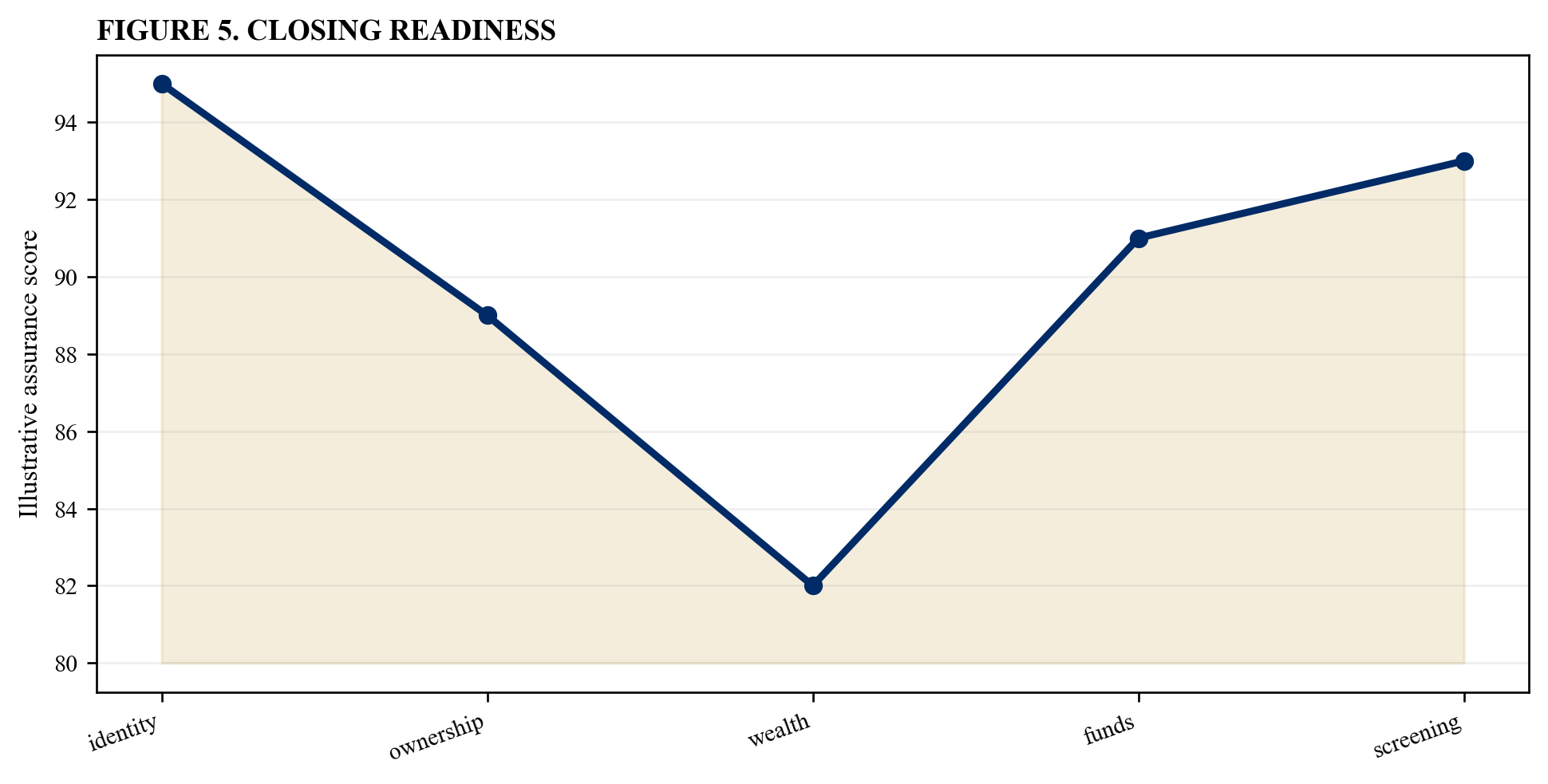
Illustrative analytical scenario; transaction evidence should replace model values.
References
- UAE Legislation, Federal Decree-Law No. 10 of 2025 Regarding AML, CFT and Proliferation Financing, https://www.moet.gov.ae/en/financial-crimes-legislations
- FATF, Guidance on Beneficial Ownership of Legal Persons, https://www.fatf-gafi.org/en/publications/Fatfrecommendations/Guidance-Beneficial-Ownership-Legal-Persons.html
- UAE Legislation, Cabinet Resolution No. 134 of 2025 Executive Regulations, https://uaelegislation.gov.ae/en/legislations/3857/download
- UAE Legislation, Cabinet Resolution No. 109 of 2023 Regulating Real Beneficiary Procedures, https://uaelegislation.gov.ae/en/legislations/2176/download
- FATF, Guidance on Beneficial Ownership and Transparency of Legal Arrangements, https://www.fatf-gafi.org/en/publications/Fatfrecommendations/Guidance-Beneficial-Ownership-Transparency-Legal-Arrangements.html
- OECD, Beneficial Ownership and Tax Transparency, https://www.oecd.org/tax/transparency/
- UAE Ministry of Economy and Tourism, Review of Cabinet Resolution No. 109 of 2023, https://www.moet.gov.ae/en/-/ministry-of-economy-reviews-cabinet-resolution-on-the-organization-of-real-beneficiary-procedures-and-its-role-in-supporting-the-competitiveness-of-the-business-environment
- FATF, Recommendation 24 Interpretive Note, https://www.fatf-gafi.org/en/publications/Fatfrecommendations/Fatf-recommendations.html
- World Bank, The Puppet Masters: How the Corrupt Use Legal Structures, https://star.worldbank.org/publications/puppet-masters
- UAE Ministry of Economy and Tourism, Real Beneficiary Guidance, https://www.moet.gov.ae/documents/20121/0/Revised%2BGuidelines%2B-%2BV2%2B%281%29.pdf/24f33fd8-ce65-ed98-1c7d-62d4bef2997f
- ADGM, Beneficial Ownership Compliance Expectations Circular 01 of 2026, https://www.adgm.com/registration-authority/circulars
- ADGM, Beneficial Ownership and Control, https://www.adgm.com/operating-in-adgm/obligations-of-adgm-registered-entities/beneficial-ownership-and-control
- DIFC, Ultimate Beneficial Ownership Regulations, https://www.difc.com/business/operating/registrar-companies
- CBUAE Rulebook, Documentary and Non-Documentary Identification and Verification, https://rulebook.centralbank.ae/en/rulebook/324-documentary-and-non-documentary-means-customer-identification-and-verification
- UAE Ministry of Economy and Tourism, Ultimate Beneficial Owner Procedures, https://www.moet.gov.ae/en/ultimate-beneficial-owner-procedures
- UAE Ministry of Economy and Tourism, Cabinet Resolution No. 132 of 2023 Administrative Penalties, https://www.moet.gov.ae/documents/20121/0/CabinetDecision_132_2023_pdf.pdf/da6a2a6d-9927-6fa5-8597-7239626d57c6
- CBUAE Rulebook, Source of Funds and Source of Wealth, https://rulebook.centralbank.ae/en/rulebook/332-source-funds-and-source-wealth
- Wolfsberg Group, Source of Wealth and Source of Funds Guidance, https://wolfsberg-group.org/resources/
- CBUAE Rulebook, Customer Due Diligence Measures, https://rulebook.centralbank.ae/en/rulebook/amlcft
- FATF, Risk-Based Approach for the Banking Sector, https://www.fatf-gafi.org/en/publications/Fatfrecommendations/Risk-based-approach-banking-sector.html
- IFRS Foundation, IFRS Accounting Standards, https://www.ifrs.org/issued-standards/list-of-standards/
- OECD, Common Reporting Standard and Tax Transparency, https://www.oecd.org/tax/automatic-exchange/common-reporting-standard/
- World Bank, Land and Property Registration, https://www.worldbank.org/en/topic/urbandevelopment
- CBUAE, Principles for the Effective Management of Financial Crime Risks, https://www.centralbank.ae/en/our-operations/anti-money-laundering-aml/
- FATF, Concealment of Beneficial Ownership, https://www.fatf-gafi.org/en/publications/Methodsandtrends/Concealment-beneficial-ownership.html
- Hague Conference on Private International Law, Apostille Section, https://www.hcch.net/en/instruments/conventions/specialised-sections/apostille
- FATF, Virtual Assets Red Flag Indicators, https://www.fatf-gafi.org/en/publications/Methodsandtrends/Virtual-assets-red-flag-indicators.html
- VARA, Regulations and Rulebooks, https://www.vara.ae/en/regulations/regulations/
- UAE Executive Office for Control and Non-Proliferation, Targeted Financial Sanctions, https://www.uaeiec.gov.ae/en-us/our-work/targeted-financial-sanctions/
- CBUAE Rulebook, Legal Requirements for Politically Exposed Persons, https://rulebook.centralbank.ae/en/rulebook/31-legal-requirements
- FATF, Risk-Based Approach and Adverse Information, https://www.fatf-gafi.org/en/publications/Fatfrecommendations/
- CBUAE, AML/CFT Supervision, https://www.centralbank.ae/en/our-operations/anti-money-laundering-aml/
- CBUAE Rulebook, AML/CFT Guidelines for Financial Institutions, https://rulebook.centralbank.ae/en/rulebook/anti-money-laundering-and-combating-financing-terrorism-and-illegal-organisations
- ADGM FSRA, Anti-Money Laundering and Sanctions Rules and Guidance, https://www.adgm.com/operating-in-adgm/financial-and-cyber-crime-prevention/aml
- DFSA, AML Module of the Rulebook, https://dfsaen.thomsonreuters.com/rulebook/anti-money-laundering-counter-terrorist-financing-and-sanctions-module-aml
- Basel Committee, Customer Due Diligence for Banks, https://www.bis.org/publ/bcbs85.htm
- UAE Legislation, Federal Decree-Law No. 45 of 2021 Regarding Personal Data Protection, https://uaelegislation.gov.ae/en/legislations/1972
- DIFC, Data Protection Law and Regulations, https://www.difc.com/business/operating/data-protection
- International Bar Association, Model Share Purchase Agreement, https://www.ibanet.org/
- OECD, Guidelines for Multinational Enterprises on Responsible Business Conduct, https://mneguidelines.oecd.org/
- SWIFT, Customer Security and Payment Controls, https://www.swift.com/myswift/customer-security-programme-csp
- UNCITRAL, Model Law on International Credit Transfers, https://uncitral.un.org/en/texts/payments/modellaw/credit_transfers
- World Bank, Financial Integrity and AML/CFT, https://www.worldbank.org/en/topic/financialmarketintegrity
- IMF, Anti-Money Laundering and Combating the Financing of Terrorism, https://www.imf.org/en/Topics/Financial-Integrity/amlcft
- ISO, ISO 37301 Compliance Management Systems, https://www.iso.org/standard/75080.html
