

1. Define the question-log risk objective
Use buyer questions as observable evidence of changing conviction, unresolved uncertainty and possible transaction repricing.
The controlled review should reconcile buyer thesis, value model, diligence plan, timetable, negotiation authority and baseline expectations. Each question records requester, time, channel, workstream, transaction stage, assertion, decision link, evidence requested, answer owner, approval, follow-up lineage and issue status. The immediate output is an approved question-log risk charter.
Interpretation should separate routine diligence from a change in buyer conviction. Reviewers test the wording, sequence, seniority, evidence depth, repeated requests, model consequences and actions taken by the buyer. A single question rarely proves intent; the strongest signal comes from a coherent pattern supported by contemporaneous evidence and transaction behaviour.
Material patterns should be quantified and assigned an accountable owner, response strategy, required proof and decision date. Consequences flow into evidence remediation, the valuation and financing cases, disclosure, negotiation, transaction protections and closing plans. The team records alternative explanations and retains the issue until evidence resolves it or authorised decision-makers explicitly accept and allocate the residual risk.
2. Reconcile the transaction and bidder perimeter
Identify which entities, assets, workstreams, bidders, advisers, lenders and regulators sit within the monitored process.
The controlled review should reconcile transaction structure, bidder list, adviser roles, financing plan, regulatory path and process rules. Each question records requester, time, channel, workstream, transaction stage, assertion, decision link, evidence requested, answer owner, approval, follow-up lineage and issue status. The immediate output is a controlled question-source perimeter.
Interpretation should separate routine diligence from a change in buyer conviction. Reviewers test the wording, sequence, seniority, evidence depth, repeated requests, model consequences and actions taken by the buyer. A single question rarely proves intent; the strongest signal comes from a coherent pattern supported by contemporaneous evidence and transaction behaviour.
Material patterns should be quantified and assigned an accountable owner, response strategy, required proof and decision date. Consequences flow into evidence remediation, the valuation and financing cases, disclosure, negotiation, transaction protections and closing plans. The team records alternative explanations and retains the issue until evidence resolves it or authorised decision-makers explicitly accept and allocate the residual risk.
3. Establish the question intake protocol
Capture every formal and informal request, follow-up, meeting question and document challenge in one governed record.
The controlled review should reconcile data-room Q&A, email, calls, management sessions, site visits and adviser workstreams. Each question records requester, time, channel, workstream, transaction stage, assertion, decision link, evidence requested, answer owner, approval, follow-up lineage and issue status. The immediate output is a complete buyer-question ledger.
Interpretation should separate routine diligence from a change in buyer conviction. Reviewers test the wording, sequence, seniority, evidence depth, repeated requests, model consequences and actions taken by the buyer. A single question rarely proves intent; the strongest signal comes from a coherent pattern supported by contemporaneous evidence and transaction behaviour.
Material patterns should be quantified and assigned an accountable owner, response strategy, required proof and decision date. Consequences flow into evidence remediation, the valuation and financing cases, disclosure, negotiation, transaction protections and closing plans. The team records alternative explanations and retains the issue until evidence resolves it or authorised decision-makers explicitly accept and allocate the residual risk.
4. Classify decision intent
Map each question to valuation, financing, risk, regulatory, integration, governance or negotiating decisions.
The controlled review should reconcile question wording, requester role, timing, evidence requested, prior answers and buyer workplan. Each question records requester, time, channel, workstream, transaction stage, assertion, decision link, evidence requested, answer owner, approval, follow-up lineage and issue status. The immediate output is a question-to-decision classification.
Interpretation should separate routine diligence from a change in buyer conviction. Reviewers test the wording, sequence, seniority, evidence depth, repeated requests, model consequences and actions taken by the buyer. A single question rarely proves intent; the strongest signal comes from a coherent pattern supported by contemporaneous evidence and transaction behaviour.
Material patterns should be quantified and assigned an accountable owner, response strategy, required proof and decision date. Consequences flow into evidence remediation, the valuation and financing cases, disclosure, negotiation, transaction protections and closing plans. The team records alternative explanations and retains the issue until evidence resolves it or authorised decision-makers explicitly accept and allocate the residual risk.
5. Link questions to buyer theses
Connect requests to the buyer's growth, margin, synergy, resilience, downside and strategic-control hypotheses.
The controlled review should reconcile bid materials, investment cases, diligence scopes, models, management feedback and process history. Each question records requester, time, channel, workstream, transaction stage, assertion, decision link, evidence requested, answer owner, approval, follow-up lineage and issue status. The immediate output is a thesis-linked question map.
Interpretation should separate routine diligence from a change in buyer conviction. Reviewers test the wording, sequence, seniority, evidence depth, repeated requests, model consequences and actions taken by the buyer. A single question rarely proves intent; the strongest signal comes from a coherent pattern supported by contemporaneous evidence and transaction behaviour.
Material patterns should be quantified and assigned an accountable owner, response strategy, required proof and decision date. Consequences flow into evidence remediation, the valuation and financing cases, disclosure, negotiation, transaction protections and closing plans. The team records alternative explanations and retains the issue until evidence resolves it or authorised decision-makers explicitly accept and allocate the residual risk.
6. Set the baseline pattern
Define expected question volume, depth, sequence, turnaround and escalation by workstream and transaction stage.
The controlled review should reconcile process plan, precedent activity, adviser judgement, buyer scope and agreed timetable. Each question records requester, time, channel, workstream, transaction stage, assertion, decision link, evidence requested, answer owner, approval, follow-up lineage and issue status. The immediate output is a monitored diligence baseline.
Interpretation should separate routine diligence from a change in buyer conviction. Reviewers test the wording, sequence, seniority, evidence depth, repeated requests, model consequences and actions taken by the buyer. A single question rarely proves intent; the strongest signal comes from a coherent pattern supported by contemporaneous evidence and transaction behaviour.
Material patterns should be quantified and assigned an accountable owner, response strategy, required proof and decision date. Consequences flow into evidence remediation, the valuation and financing cases, disclosure, negotiation, transaction protections and closing plans. The team records alternative explanations and retains the issue until evidence resolves it or authorised decision-makers explicitly accept and allocate the residual risk.
7. Measure volume and velocity
Track new questions, follow-ups, reopenings, response times and workstream concentration over time.
The controlled review should reconcile timestamped logs, meeting records, room activity and owner queues. Each question records requester, time, channel, workstream, transaction stage, assertion, decision link, evidence requested, answer owner, approval, follow-up lineage and issue status. The immediate output is a question-flow dashboard.
Interpretation should separate routine diligence from a change in buyer conviction. Reviewers test the wording, sequence, seniority, evidence depth, repeated requests, model consequences and actions taken by the buyer. A single question rarely proves intent; the strongest signal comes from a coherent pattern supported by contemporaneous evidence and transaction behaviour.
Material patterns should be quantified and assigned an accountable owner, response strategy, required proof and decision date. Consequences flow into evidence remediation, the valuation and financing cases, disclosure, negotiation, transaction protections and closing plans. The team records alternative explanations and retains the issue until evidence resolves it or authorised decision-makers explicitly accept and allocate the residual risk.
8. Detect repetition and escalation
Identify issues that recur with narrower wording, senior involvement, new specialists or requests for source-level proof.
The controlled review should reconcile question lineage, requester changes, meeting agendas, specialist access and follow-up history. Each question records requester, time, channel, workstream, transaction stage, assertion, decision link, evidence requested, answer owner, approval, follow-up lineage and issue status. The immediate output is an escalation-pattern register.
Interpretation should separate routine diligence from a change in buyer conviction. Reviewers test the wording, sequence, seniority, evidence depth, repeated requests, model consequences and actions taken by the buyer. A single question rarely proves intent; the strongest signal comes from a coherent pattern supported by contemporaneous evidence and transaction behaviour.
Material patterns should be quantified and assigned an accountable owner, response strategy, required proof and decision date. Consequences flow into evidence remediation, the valuation and financing cases, disclosure, negotiation, transaction protections and closing plans. The team records alternative explanations and retains the issue until evidence resolves it or authorised decision-makers explicitly accept and allocate the residual risk.
Table 1. Question escalation pattern
| Signal | Interpretation | Control response |
|---|---|---|
| repeat request | answer or proof incomplete | trace root cause |
| senior requester | decision materiality rising | escalate internally |
| new specialist | deeper underwriting | prepare source evidence |
| model change | value case moving | quantify exposure |
Illustrative analytical design; transaction-specific facts and authorised advice govern.
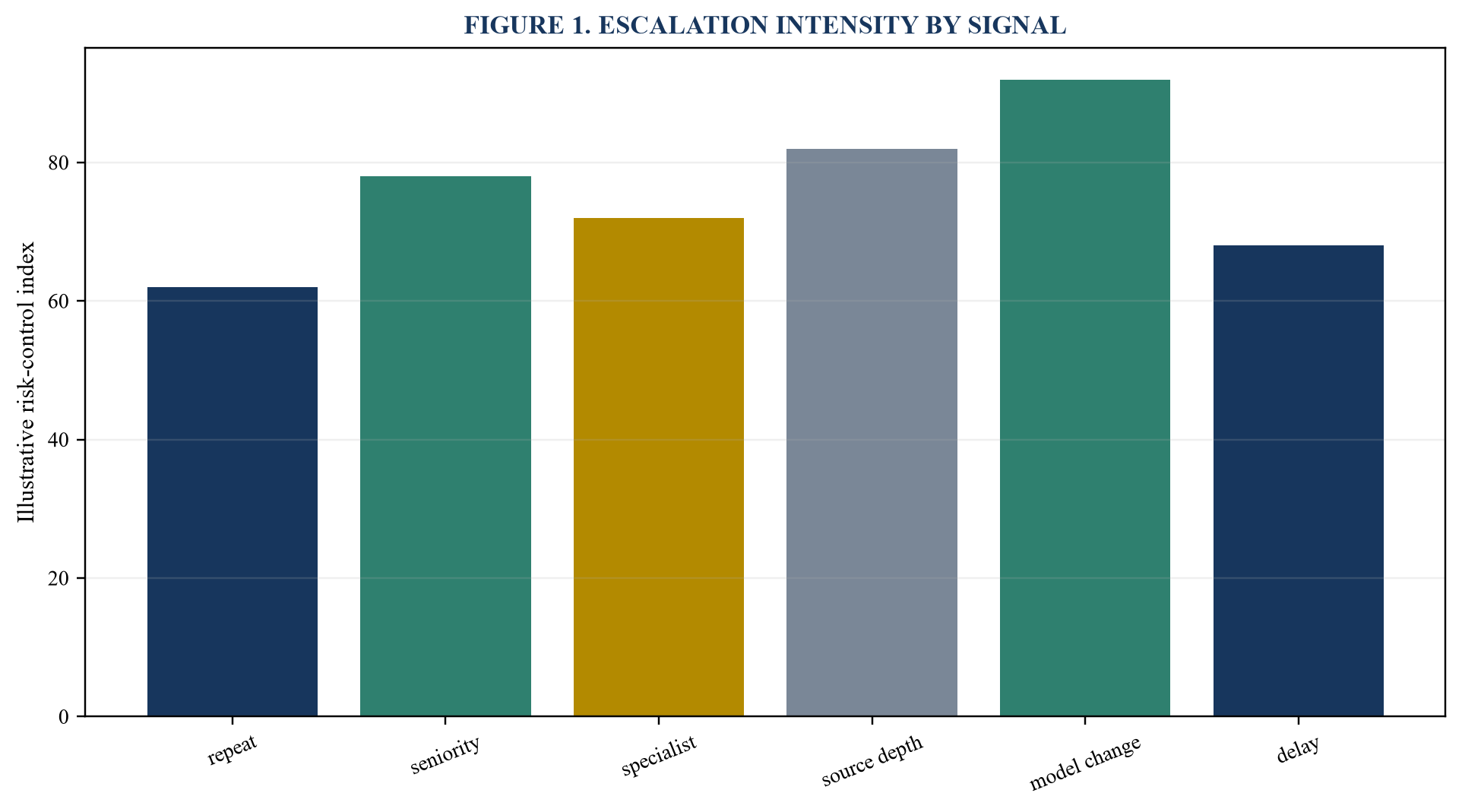
Values are illustrative indices and require transaction-specific evidence.
9. Detect evidence gaps
Identify when requests persist because documents, data, reconciliations, explanations or approvals are missing.
The controlled review should reconcile room index, response links, outstanding lists, completeness checks and owner attestations. Each question records requester, time, channel, workstream, transaction stage, assertion, decision link, evidence requested, answer owner, approval, follow-up lineage and issue status. The immediate output is an evidence-gap heat map.
Interpretation should separate routine diligence from a change in buyer conviction. Reviewers test the wording, sequence, seniority, evidence depth, repeated requests, model consequences and actions taken by the buyer. A single question rarely proves intent; the strongest signal comes from a coherent pattern supported by contemporaneous evidence and transaction behaviour.
Material patterns should be quantified and assigned an accountable owner, response strategy, required proof and decision date. Consequences flow into evidence remediation, the valuation and financing cases, disclosure, negotiation, transaction protections and closing plans. The team records alternative explanations and retains the issue until evidence resolves it or authorised decision-makers explicitly accept and allocate the residual risk.
10. Detect inconsistency and narrative drift
Find conflicting numbers, definitions, periods, boundaries, answers and management statements across the process.
The controlled review should reconcile Q&A versions, presentations, models, source records, transcripts and change logs. Each question records requester, time, channel, workstream, transaction stage, assertion, decision link, evidence requested, answer owner, approval, follow-up lineage and issue status. The immediate output is a narrative-consistency register.
Interpretation should separate routine diligence from a change in buyer conviction. Reviewers test the wording, sequence, seniority, evidence depth, repeated requests, model consequences and actions taken by the buyer. A single question rarely proves intent; the strongest signal comes from a coherent pattern supported by contemporaneous evidence and transaction behaviour.
Material patterns should be quantified and assigned an accountable owner, response strategy, required proof and decision date. Consequences flow into evidence remediation, the valuation and financing cases, disclosure, negotiation, transaction protections and closing plans. The team records alternative explanations and retains the issue until evidence resolves it or authorised decision-makers explicitly accept and allocate the residual risk.
11. Read quality-of-earnings signals
Classify questions about recurring earnings, one-offs, cut-off, classification, estimates and adjustments as possible value concerns.
The controlled review should reconcile QoE analyses, ledgers, monthly accounts, policies, contracts and buyer follow-ups. Each question records requester, time, channel, workstream, transaction stage, assertion, decision link, evidence requested, answer owner, approval, follow-up lineage and issue status. The immediate output is an earnings-retrade signal map.
Interpretation should separate routine diligence from a change in buyer conviction. Reviewers test the wording, sequence, seniority, evidence depth, repeated requests, model consequences and actions taken by the buyer. A single question rarely proves intent; the strongest signal comes from a coherent pattern supported by contemporaneous evidence and transaction behaviour.
Material patterns should be quantified and assigned an accountable owner, response strategy, required proof and decision date. Consequences flow into evidence remediation, the valuation and financing cases, disclosure, negotiation, transaction protections and closing plans. The team records alternative explanations and retains the issue until evidence resolves it or authorised decision-makers explicitly accept and allocate the residual risk.
12. Read net debt and working-capital signals
Track challenges to cash, debt-like items, leakage, seasonality, normalisation and completion mechanics.
The controlled review should reconcile facility records, cash data, aging, accruals, completion accounts and draft definitions. Each question records requester, time, channel, workstream, transaction stage, assertion, decision link, evidence requested, answer owner, approval, follow-up lineage and issue status. The immediate output is a purchase-price adjustment signal file.
Interpretation should separate routine diligence from a change in buyer conviction. Reviewers test the wording, sequence, seniority, evidence depth, repeated requests, model consequences and actions taken by the buyer. A single question rarely proves intent; the strongest signal comes from a coherent pattern supported by contemporaneous evidence and transaction behaviour.
Material patterns should be quantified and assigned an accountable owner, response strategy, required proof and decision date. Consequences flow into evidence remediation, the valuation and financing cases, disclosure, negotiation, transaction protections and closing plans. The team records alternative explanations and retains the issue until evidence resolves it or authorised decision-makers explicitly accept and allocate the residual risk.
13. Read forecast-confidence signals
Identify questions that challenge assumptions, conversion, capacity, resources, timing, ownership and downside cases.
The controlled review should reconcile integrated model, historical variances, pipeline, initiative plans, sensitivities and buyer models. Each question records requester, time, channel, workstream, transaction stage, assertion, decision link, evidence requested, answer owner, approval, follow-up lineage and issue status. The immediate output is a forecast-conviction indicator.
Interpretation should separate routine diligence from a change in buyer conviction. Reviewers test the wording, sequence, seniority, evidence depth, repeated requests, model consequences and actions taken by the buyer. A single question rarely proves intent; the strongest signal comes from a coherent pattern supported by contemporaneous evidence and transaction behaviour.
Material patterns should be quantified and assigned an accountable owner, response strategy, required proof and decision date. Consequences flow into evidence remediation, the valuation and financing cases, disclosure, negotiation, transaction protections and closing plans. The team records alternative explanations and retains the issue until evidence resolves it or authorised decision-makers explicitly accept and allocate the residual risk.
14. Read revenue-quality signals
Detect concerns about recognition, concentration, churn, pricing, backlog, collectability and sustainable unit economics.
The controlled review should reconcile billing, CRM, contracts, cohorts, pricing records, collections and margin analysis. Each question records requester, time, channel, workstream, transaction stage, assertion, decision link, evidence requested, answer owner, approval, follow-up lineage and issue status. The immediate output is a revenue-risk question cluster.
Interpretation should separate routine diligence from a change in buyer conviction. Reviewers test the wording, sequence, seniority, evidence depth, repeated requests, model consequences and actions taken by the buyer. A single question rarely proves intent; the strongest signal comes from a coherent pattern supported by contemporaneous evidence and transaction behaviour.
Material patterns should be quantified and assigned an accountable owner, response strategy, required proof and decision date. Consequences flow into evidence remediation, the valuation and financing cases, disclosure, negotiation, transaction protections and closing plans. The team records alternative explanations and retains the issue until evidence resolves it or authorised decision-makers explicitly accept and allocate the residual risk.
15. Read customer and market signals
Track requests for customer reference, switching, competition, demand durability and market evidence.
The controlled review should reconcile customer lists, interviews, market studies, churn, win-loss data and internal strategy records. Each question records requester, time, channel, workstream, transaction stage, assertion, decision link, evidence requested, answer owner, approval, follow-up lineage and issue status. The immediate output is a commercial-conviction map.
Interpretation should separate routine diligence from a change in buyer conviction. Reviewers test the wording, sequence, seniority, evidence depth, repeated requests, model consequences and actions taken by the buyer. A single question rarely proves intent; the strongest signal comes from a coherent pattern supported by contemporaneous evidence and transaction behaviour.
Material patterns should be quantified and assigned an accountable owner, response strategy, required proof and decision date. Consequences flow into evidence remediation, the valuation and financing cases, disclosure, negotiation, transaction protections and closing plans. The team records alternative explanations and retains the issue until evidence resolves it or authorised decision-makers explicitly accept and allocate the residual risk.
16. Read contract-risk signals
Identify repeated focus on termination, change of control, assignment, renewal, liability, service levels and consent.
The controlled review should reconcile material contracts, amendments, side letters, disputes, notices and obligation registers. Each question records requester, time, channel, workstream, transaction stage, assertion, decision link, evidence requested, answer owner, approval, follow-up lineage and issue status. The immediate output is a contract-risk escalation file.
Interpretation should separate routine diligence from a change in buyer conviction. Reviewers test the wording, sequence, seniority, evidence depth, repeated requests, model consequences and actions taken by the buyer. A single question rarely proves intent; the strongest signal comes from a coherent pattern supported by contemporaneous evidence and transaction behaviour.
Material patterns should be quantified and assigned an accountable owner, response strategy, required proof and decision date. Consequences flow into evidence remediation, the valuation and financing cases, disclosure, negotiation, transaction protections and closing plans. The team records alternative explanations and retains the issue until evidence resolves it or authorised decision-makers explicitly accept and allocate the residual risk.
Table 2. Retrade theme map
| Theme | Question cluster | Value pathway |
|---|---|---|
| earnings | adjustments and cut-off | multiple and base |
| cash | debt-like and working capital | equity proceeds |
| growth | pipeline and capacity | forecast confidence |
| risk | contracts and liabilities | protection and price |
Illustrative analytical design; transaction-specific facts and authorised advice govern.
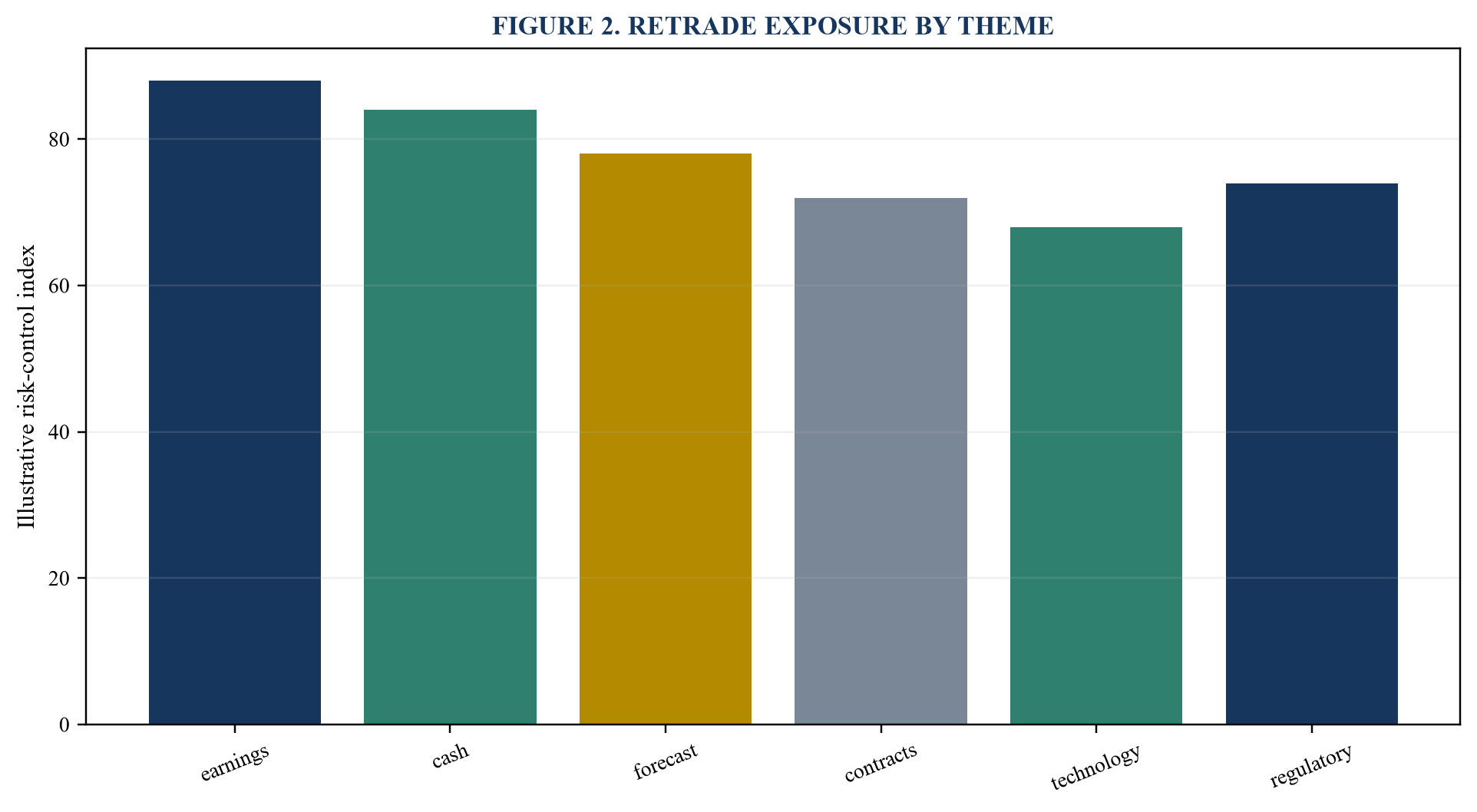
Values are illustrative indices and require transaction-specific evidence.
17. Read tax signals
Detect questions that may precede demands around exposures, losses, transfer pricing, indirect tax or structuring leakage.
The controlled review should reconcile returns, computations, correspondence, rulings, tax ledgers and transaction models. Each question records requester, time, channel, workstream, transaction stage, assertion, decision link, evidence requested, answer owner, approval, follow-up lineage and issue status. The immediate output is a tax-retrade signal map.
Interpretation should separate routine diligence from a change in buyer conviction. Reviewers test the wording, sequence, seniority, evidence depth, repeated requests, model consequences and actions taken by the buyer. A single question rarely proves intent; the strongest signal comes from a coherent pattern supported by contemporaneous evidence and transaction behaviour.
Material patterns should be quantified and assigned an accountable owner, response strategy, required proof and decision date. Consequences flow into evidence remediation, the valuation and financing cases, disclosure, negotiation, transaction protections and closing plans. The team records alternative explanations and retains the issue until evidence resolves it or authorised decision-makers explicitly accept and allocate the residual risk.
18. Read legal and regulatory signals
Classify requests concerning licences, investigations, litigation, merger control, sanctions and closing permissions.
The controlled review should reconcile licences, filings, legal registers, regulator correspondence, legal advice and transaction timetable. Each question records requester, time, channel, workstream, transaction stage, assertion, decision link, evidence requested, answer owner, approval, follow-up lineage and issue status. The immediate output is a legal-closing risk indicator.
Interpretation should separate routine diligence from a change in buyer conviction. Reviewers test the wording, sequence, seniority, evidence depth, repeated requests, model consequences and actions taken by the buyer. A single question rarely proves intent; the strongest signal comes from a coherent pattern supported by contemporaneous evidence and transaction behaviour.
Material patterns should be quantified and assigned an accountable owner, response strategy, required proof and decision date. Consequences flow into evidence remediation, the valuation and financing cases, disclosure, negotiation, transaction protections and closing plans. The team records alternative explanations and retains the issue until evidence resolves it or authorised decision-makers explicitly accept and allocate the residual risk.
19. Read cyber and data signals
Track questions about incidents, resilience, privacy, access, data rights, AI governance and remediation.
The controlled review should reconcile security records, incident logs, assessments, privacy registers, system architecture and technical tests. Each question records requester, time, channel, workstream, transaction stage, assertion, decision link, evidence requested, answer owner, approval, follow-up lineage and issue status. The immediate output is a cyber-and-data concern map.
Interpretation should separate routine diligence from a change in buyer conviction. Reviewers test the wording, sequence, seniority, evidence depth, repeated requests, model consequences and actions taken by the buyer. A single question rarely proves intent; the strongest signal comes from a coherent pattern supported by contemporaneous evidence and transaction behaviour.
Material patterns should be quantified and assigned an accountable owner, response strategy, required proof and decision date. Consequences flow into evidence remediation, the valuation and financing cases, disclosure, negotiation, transaction protections and closing plans. The team records alternative explanations and retains the issue until evidence resolves it or authorised decision-makers explicitly accept and allocate the residual risk.
20. Read technology and IP signals
Identify challenges to ownership, scalability, technical debt, roadmap feasibility, open source and key dependencies.
The controlled review should reconcile IP records, repositories, architecture, licences, performance tests and product plans. Each question records requester, time, channel, workstream, transaction stage, assertion, decision link, evidence requested, answer owner, approval, follow-up lineage and issue status. The immediate output is a technology-value risk cluster.
Interpretation should separate routine diligence from a change in buyer conviction. Reviewers test the wording, sequence, seniority, evidence depth, repeated requests, model consequences and actions taken by the buyer. A single question rarely proves intent; the strongest signal comes from a coherent pattern supported by contemporaneous evidence and transaction behaviour.
Material patterns should be quantified and assigned an accountable owner, response strategy, required proof and decision date. Consequences flow into evidence remediation, the valuation and financing cases, disclosure, negotiation, transaction protections and closing plans. The team records alternative explanations and retains the issue until evidence resolves it or authorised decision-makers explicitly accept and allocate the residual risk.
21. Read people and continuity signals
Detect concern about founders, key people, succession, incentives, retention, culture and execution capacity.
The controlled review should reconcile organisation data, contracts, succession, performance, attrition and management interviews. Each question records requester, time, channel, workstream, transaction stage, assertion, decision link, evidence requested, answer owner, approval, follow-up lineage and issue status. The immediate output is a management-continuity signal map.
Interpretation should separate routine diligence from a change in buyer conviction. Reviewers test the wording, sequence, seniority, evidence depth, repeated requests, model consequences and actions taken by the buyer. A single question rarely proves intent; the strongest signal comes from a coherent pattern supported by contemporaneous evidence and transaction behaviour.
Material patterns should be quantified and assigned an accountable owner, response strategy, required proof and decision date. Consequences flow into evidence remediation, the valuation and financing cases, disclosure, negotiation, transaction protections and closing plans. The team records alternative explanations and retains the issue until evidence resolves it or authorised decision-makers explicitly accept and allocate the residual risk.
22. Read sustainability and conduct signals
Track challenges to material claims, targets, incidents, governance and funded transition actions.
The controlled review should reconcile metrics, methodologies, source evidence, audits, board records and remediation plans. Each question records requester, time, channel, workstream, transaction stage, assertion, decision link, evidence requested, answer owner, approval, follow-up lineage and issue status. The immediate output is a sustainability-credibility cluster.
Interpretation should separate routine diligence from a change in buyer conviction. Reviewers test the wording, sequence, seniority, evidence depth, repeated requests, model consequences and actions taken by the buyer. A single question rarely proves intent; the strongest signal comes from a coherent pattern supported by contemporaneous evidence and transaction behaviour.
Material patterns should be quantified and assigned an accountable owner, response strategy, required proof and decision date. Consequences flow into evidence remediation, the valuation and financing cases, disclosure, negotiation, transaction protections and closing plans. The team records alternative explanations and retains the issue until evidence resolves it or authorised decision-makers explicitly accept and allocate the residual risk.
23. Read operating-resilience signals
Identify concern about capacity, quality, safety, downtime, delivery, maintenance and business continuity.
The controlled review should reconcile operating data, service records, incidents, maintenance, audits and simulation results. Each question records requester, time, channel, workstream, transaction stage, assertion, decision link, evidence requested, answer owner, approval, follow-up lineage and issue status. The immediate output is an operating-risk question map.
Interpretation should separate routine diligence from a change in buyer conviction. Reviewers test the wording, sequence, seniority, evidence depth, repeated requests, model consequences and actions taken by the buyer. A single question rarely proves intent; the strongest signal comes from a coherent pattern supported by contemporaneous evidence and transaction behaviour.
Material patterns should be quantified and assigned an accountable owner, response strategy, required proof and decision date. Consequences flow into evidence remediation, the valuation and financing cases, disclosure, negotiation, transaction protections and closing plans. The team records alternative explanations and retains the issue until evidence resolves it or authorised decision-makers explicitly accept and allocate the residual risk.
24. Read supplier and third-party signals
Track concentration, substitution, sanctions, continuity, cyber and contractual questions across key dependencies.
The controlled review should reconcile supplier data, contracts, spend, performance, incidents, assessments and alternatives. Each question records requester, time, channel, workstream, transaction stage, assertion, decision link, evidence requested, answer owner, approval, follow-up lineage and issue status. The immediate output is a dependency-risk escalation file.
Interpretation should separate routine diligence from a change in buyer conviction. Reviewers test the wording, sequence, seniority, evidence depth, repeated requests, model consequences and actions taken by the buyer. A single question rarely proves intent; the strongest signal comes from a coherent pattern supported by contemporaneous evidence and transaction behaviour.
Material patterns should be quantified and assigned an accountable owner, response strategy, required proof and decision date. Consequences flow into evidence remediation, the valuation and financing cases, disclosure, negotiation, transaction protections and closing plans. The team records alternative explanations and retains the issue until evidence resolves it or authorised decision-makers explicitly accept and allocate the residual risk.
Table 3. Early-warning thresholds
| Metric | Trigger | Action |
|---|---|---|
| reopened questions | three on one assertion | root-cause review |
| response latency | critical answer overdue | deal-lead escalation |
| senior escalation | buyer principal engaged | value-at-risk paper |
| bidder divergence | one buyer outlier | test intent and alternatives |
Illustrative analytical design; transaction-specific facts and authorised advice govern.
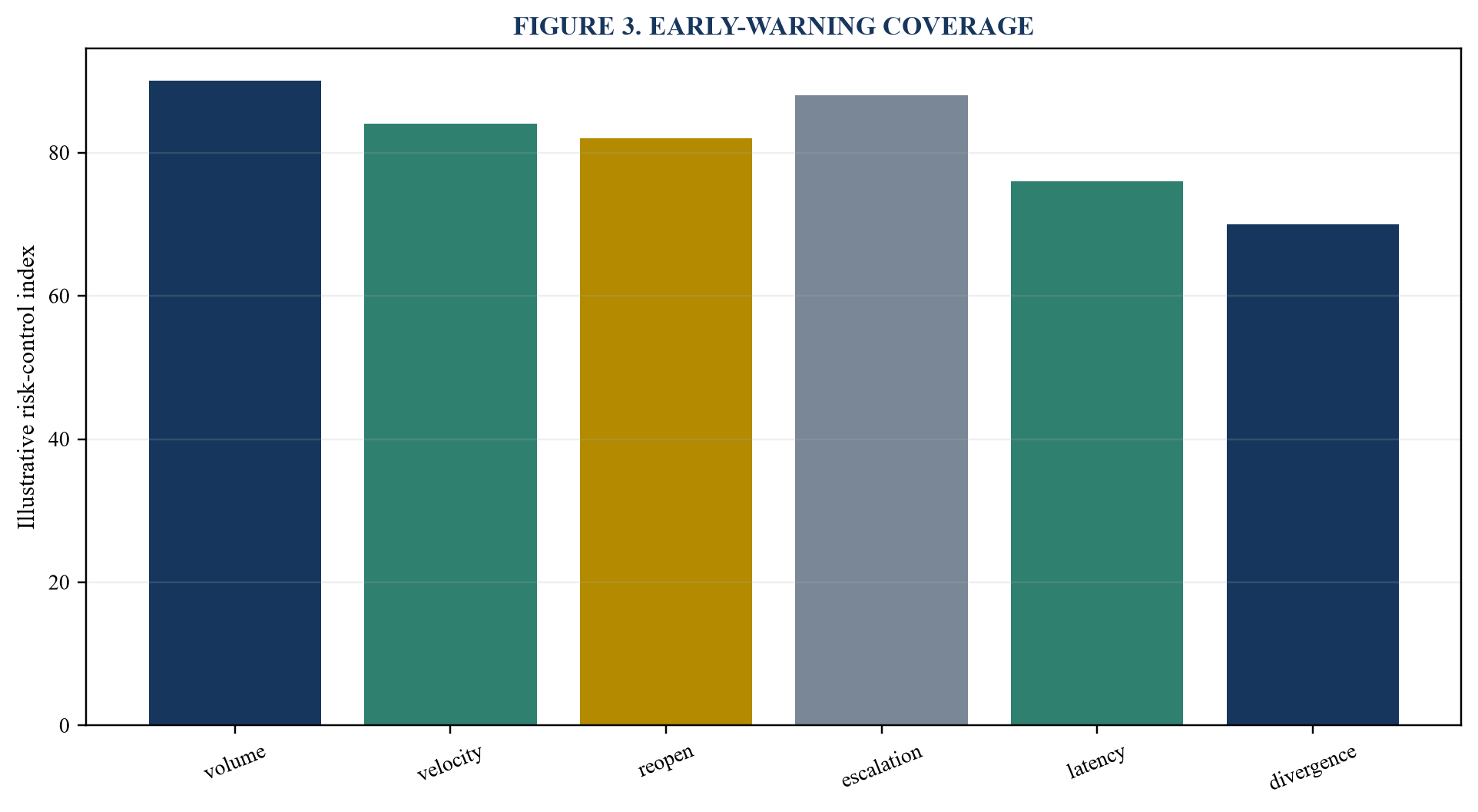
Values are illustrative indices and require transaction-specific evidence.
25. Read insurance and liability signals
Detect concern about exclusions, limits, claims, notifications, coverage gaps and uninsurable exposures.
The controlled review should reconcile policies, schedules, claims, broker analyses, notices and risk registers. Each question records requester, time, channel, workstream, transaction stage, assertion, decision link, evidence requested, answer owner, approval, follow-up lineage and issue status. The immediate output is an insurance-protection signal map.
Interpretation should separate routine diligence from a change in buyer conviction. Reviewers test the wording, sequence, seniority, evidence depth, repeated requests, model consequences and actions taken by the buyer. A single question rarely proves intent; the strongest signal comes from a coherent pattern supported by contemporaneous evidence and transaction behaviour.
Material patterns should be quantified and assigned an accountable owner, response strategy, required proof and decision date. Consequences flow into evidence remediation, the valuation and financing cases, disclosure, negotiation, transaction protections and closing plans. The team records alternative explanations and retains the issue until evidence resolves it or authorised decision-makers explicitly accept and allocate the residual risk.
26. Assess management response behaviour
Measure ownership, speed, precision, candour, consistency, evidence use and escalation under diligence pressure.
The controlled review should reconcile response logs, meetings, rehearsals, approvals, corrections and buyer feedback. Each question records requester, time, channel, workstream, transaction stage, assertion, decision link, evidence requested, answer owner, approval, follow-up lineage and issue status. The immediate output is a management-response scorecard.
Interpretation should separate routine diligence from a change in buyer conviction. Reviewers test the wording, sequence, seniority, evidence depth, repeated requests, model consequences and actions taken by the buyer. A single question rarely proves intent; the strongest signal comes from a coherent pattern supported by contemporaneous evidence and transaction behaviour.
Material patterns should be quantified and assigned an accountable owner, response strategy, required proof and decision date. Consequences flow into evidence remediation, the valuation and financing cases, disclosure, negotiation, transaction protections and closing plans. The team records alternative explanations and retains the issue until evidence resolves it or authorised decision-makers explicitly accept and allocate the residual risk.
27. Distinguish buyer and adviser patterns
Separate routine specialist depth from buyer-directed escalation, financing conditions and strategic concerns.
The controlled review should reconcile requester identity, seniority, workstream, sequence, meeting attendance and model changes. Each question records requester, time, channel, workstream, transaction stage, assertion, decision link, evidence requested, answer owner, approval, follow-up lineage and issue status. The immediate output is a buyer-intent attribution map.
Interpretation should separate routine diligence from a change in buyer conviction. Reviewers test the wording, sequence, seniority, evidence depth, repeated requests, model consequences and actions taken by the buyer. A single question rarely proves intent; the strongest signal comes from a coherent pattern supported by contemporaneous evidence and transaction behaviour.
Material patterns should be quantified and assigned an accountable owner, response strategy, required proof and decision date. Consequences flow into evidence remediation, the valuation and financing cases, disclosure, negotiation, transaction protections and closing plans. The team records alternative explanations and retains the issue until evidence resolves it or authorised decision-makers explicitly accept and allocate the residual risk.
28. Read lender and financing questions
Identify requirements that may affect leverage, covenant capacity, conditions, pricing or funding certainty.
The controlled review should reconcile lender requests, credit papers, models, security analysis, syndication feedback and commitment terms. Each question records requester, time, channel, workstream, transaction stage, assertion, decision link, evidence requested, answer owner, approval, follow-up lineage and issue status. The immediate output is a financing-risk signal file.
Interpretation should separate routine diligence from a change in buyer conviction. Reviewers test the wording, sequence, seniority, evidence depth, repeated requests, model consequences and actions taken by the buyer. A single question rarely proves intent; the strongest signal comes from a coherent pattern supported by contemporaneous evidence and transaction behaviour.
Material patterns should be quantified and assigned an accountable owner, response strategy, required proof and decision date. Consequences flow into evidence remediation, the valuation and financing cases, disclosure, negotiation, transaction protections and closing plans. The team records alternative explanations and retains the issue until evidence resolves it or authorised decision-makers explicitly accept and allocate the residual risk.
29. Read regulatory information requests
Track emerging clearance issues through theories of harm, internal-document requests, data questions and remedy themes.
The controlled review should reconcile filings, regulator questions, counsel analysis, internal documents and response history. Each question records requester, time, channel, workstream, transaction stage, assertion, decision link, evidence requested, answer owner, approval, follow-up lineage and issue status. The immediate output is a regulatory-escalation dashboard.
Interpretation should separate routine diligence from a change in buyer conviction. Reviewers test the wording, sequence, seniority, evidence depth, repeated requests, model consequences and actions taken by the buyer. A single question rarely proves intent; the strongest signal comes from a coherent pattern supported by contemporaneous evidence and transaction behaviour.
Material patterns should be quantified and assigned an accountable owner, response strategy, required proof and decision date. Consequences flow into evidence remediation, the valuation and financing cases, disclosure, negotiation, transaction protections and closing plans. The team records alternative explanations and retains the issue until evidence resolves it or authorised decision-makers explicitly accept and allocate the residual risk.
30. Quantify value at risk
Translate question clusters into revenue, margin, cash, capex, tax, liability, financing and timing consequences.
The controlled review should reconcile issue hypotheses, source evidence, model sensitivities, comparable outcomes and legal analysis. Each question records requester, time, channel, workstream, transaction stage, assertion, decision link, evidence requested, answer owner, approval, follow-up lineage and issue status. The immediate output is a question-linked value-at-risk model.
Interpretation should separate routine diligence from a change in buyer conviction. Reviewers test the wording, sequence, seniority, evidence depth, repeated requests, model consequences and actions taken by the buyer. A single question rarely proves intent; the strongest signal comes from a coherent pattern supported by contemporaneous evidence and transaction behaviour.
Material patterns should be quantified and assigned an accountable owner, response strategy, required proof and decision date. Consequences flow into evidence remediation, the valuation and financing cases, disclosure, negotiation, transaction protections and closing plans. The team records alternative explanations and retains the issue until evidence resolves it or authorised decision-makers explicitly accept and allocate the residual risk.
31. Build scenario probabilities
Estimate credible base, remediation, delay, protection and retrade outcomes without false precision.
The controlled review should reconcile question trajectory, evidence strength, buyer actions, process alternatives and transaction constraints. Each question records requester, time, channel, workstream, transaction stage, assertion, decision link, evidence requested, answer owner, approval, follow-up lineage and issue status. The immediate output is a governed outcome-scenario matrix.
Interpretation should separate routine diligence from a change in buyer conviction. Reviewers test the wording, sequence, seniority, evidence depth, repeated requests, model consequences and actions taken by the buyer. A single question rarely proves intent; the strongest signal comes from a coherent pattern supported by contemporaneous evidence and transaction behaviour.
Material patterns should be quantified and assigned an accountable owner, response strategy, required proof and decision date. Consequences flow into evidence remediation, the valuation and financing cases, disclosure, negotiation, transaction protections and closing plans. The team records alternative explanations and retains the issue until evidence resolves it or authorised decision-makers explicitly accept and allocate the residual risk.
32. Set alert thresholds
Define objective triggers for repeated questions, senior escalation, evidence failure, model changes and timetable slippage.
The controlled review should reconcile baseline metrics, risk appetite, decision rights, workstream criticality and process milestones. Each question records requester, time, channel, workstream, transaction stage, assertion, decision link, evidence requested, answer owner, approval, follow-up lineage and issue status. The immediate output is an early-warning trigger register.
Interpretation should separate routine diligence from a change in buyer conviction. Reviewers test the wording, sequence, seniority, evidence depth, repeated requests, model consequences and actions taken by the buyer. A single question rarely proves intent; the strongest signal comes from a coherent pattern supported by contemporaneous evidence and transaction behaviour.
Material patterns should be quantified and assigned an accountable owner, response strategy, required proof and decision date. Consequences flow into evidence remediation, the valuation and financing cases, disclosure, negotiation, transaction protections and closing plans. The team records alternative explanations and retains the issue until evidence resolves it or authorised decision-makers explicitly accept and allocate the residual risk.
Table 4. Response decision matrix
| Evidence | Issue state | Response |
|---|---|---|
| strong | misunderstood | prove and explain |
| improvable | open gap | remediate and retest |
| uncertain | material exposure | disclose and protect |
| unsupported | buyer overreach | challenge with evidence |
Illustrative analytical design; transaction-specific facts and authorised advice govern.
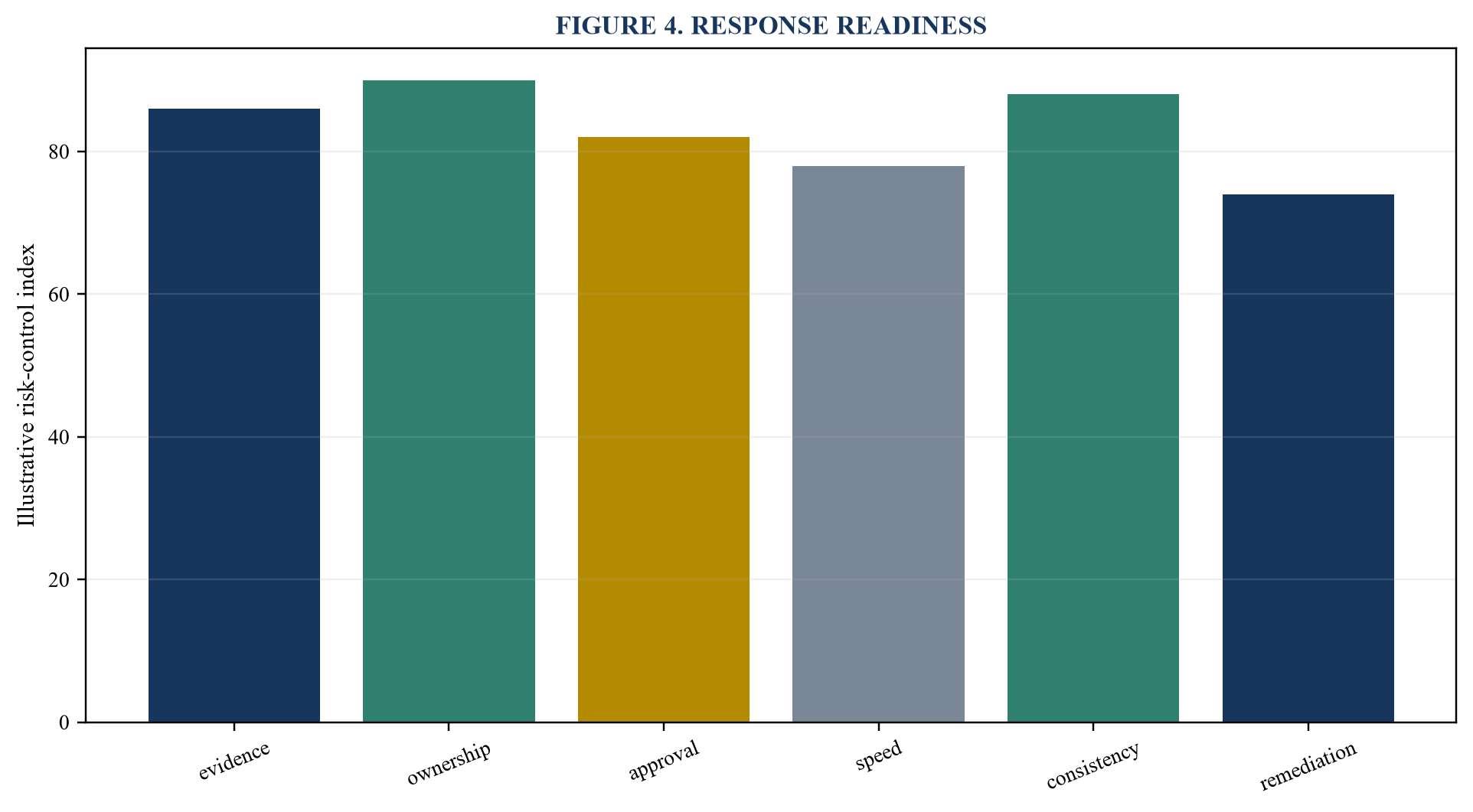
Values are illustrative indices and require transaction-specific evidence.
33. Establish governance and escalation
Route material patterns to the deal lead, management, board, counsel and specialist advisers with clear authority.
The controlled review should reconcile committee mandates, meeting cadence, dashboards, issue papers, approvals and escalation rules. Each question records requester, time, channel, workstream, transaction stage, assertion, decision link, evidence requested, answer owner, approval, follow-up lineage and issue status. The immediate output is a buyer-question risk committee process.
Interpretation should separate routine diligence from a change in buyer conviction. Reviewers test the wording, sequence, seniority, evidence depth, repeated requests, model consequences and actions taken by the buyer. A single question rarely proves intent; the strongest signal comes from a coherent pattern supported by contemporaneous evidence and transaction behaviour.
Material patterns should be quantified and assigned an accountable owner, response strategy, required proof and decision date. Consequences flow into evidence remediation, the valuation and financing cases, disclosure, negotiation, transaction protections and closing plans. The team records alternative explanations and retains the issue until evidence resolves it or authorised decision-makers explicitly accept and allocate the residual risk.
34. Control response discipline
Provide source-linked, approved, consistent and appropriately scoped answers without speculation or uncontrolled commitments.
The controlled review should reconcile response standards, evidence links, owner reviews, legal checks, version control and training. Each question records requester, time, channel, workstream, transaction stage, assertion, decision link, evidence requested, answer owner, approval, follow-up lineage and issue status. The immediate output is a controlled response protocol.
Interpretation should separate routine diligence from a change in buyer conviction. Reviewers test the wording, sequence, seniority, evidence depth, repeated requests, model consequences and actions taken by the buyer. A single question rarely proves intent; the strongest signal comes from a coherent pattern supported by contemporaneous evidence and transaction behaviour.
Material patterns should be quantified and assigned an accountable owner, response strategy, required proof and decision date. Consequences flow into evidence remediation, the valuation and financing cases, disclosure, negotiation, transaction protections and closing plans. The team records alternative explanations and retains the issue until evidence resolves it or authorised decision-makers explicitly accept and allocate the residual risk.
35. Remediate root causes
Resolve missing proof, weak controls, inconsistent data, contractual gaps and operating issues driving buyer concern.
The controlled review should reconcile remediation plans, owners, budgets, milestones, retests and closure evidence. Each question records requester, time, channel, workstream, transaction stage, assertion, decision link, evidence requested, answer owner, approval, follow-up lineage and issue status. The immediate output is a question-driven remediation roadmap.
Interpretation should separate routine diligence from a change in buyer conviction. Reviewers test the wording, sequence, seniority, evidence depth, repeated requests, model consequences and actions taken by the buyer. A single question rarely proves intent; the strongest signal comes from a coherent pattern supported by contemporaneous evidence and transaction behaviour.
Material patterns should be quantified and assigned an accountable owner, response strategy, required proof and decision date. Consequences flow into evidence remediation, the valuation and financing cases, disclosure, negotiation, transaction protections and closing plans. The team records alternative explanations and retains the issue until evidence resolves it or authorised decision-makers explicitly accept and allocate the residual risk.
36. Prepare disclosure and protections
Translate unresolved facts into disclosure, conditions, covenants, indemnities, escrow, earn-outs and integration actions.
The controlled review should reconcile issue register, quantification, legal analysis, draft documents and negotiation positions. Each question records requester, time, channel, workstream, transaction stage, assertion, decision link, evidence requested, answer owner, approval, follow-up lineage and issue status. The immediate output is a risk-allocation options paper.
Interpretation should separate routine diligence from a change in buyer conviction. Reviewers test the wording, sequence, seniority, evidence depth, repeated requests, model consequences and actions taken by the buyer. A single question rarely proves intent; the strongest signal comes from a coherent pattern supported by contemporaneous evidence and transaction behaviour.
Material patterns should be quantified and assigned an accountable owner, response strategy, required proof and decision date. Consequences flow into evidence remediation, the valuation and financing cases, disclosure, negotiation, transaction protections and closing plans. The team records alternative explanations and retains the issue until evidence resolves it or authorised decision-makers explicitly accept and allocate the residual risk.
37. Design negotiation responses
Choose whether to prove, remediate, disclose, price, protect, sequence, narrow or reject each emerging retrade theme.
The controlled review should reconcile evidence confidence, alternatives, materiality, buyer intent, competitive tension and authority. Each question records requester, time, channel, workstream, transaction stage, assertion, decision link, evidence requested, answer owner, approval, follow-up lineage and issue status. The immediate output is a retrade-response decision matrix.
Interpretation should separate routine diligence from a change in buyer conviction. Reviewers test the wording, sequence, seniority, evidence depth, repeated requests, model consequences and actions taken by the buyer. A single question rarely proves intent; the strongest signal comes from a coherent pattern supported by contemporaneous evidence and transaction behaviour.
Material patterns should be quantified and assigned an accountable owner, response strategy, required proof and decision date. Consequences flow into evidence remediation, the valuation and financing cases, disclosure, negotiation, transaction protections and closing plans. The team records alternative explanations and retains the issue until evidence resolves it or authorised decision-makers explicitly accept and allocate the residual risk.
38. Communicate with the buyer
Address legitimate uncertainty promptly while protecting credibility, consistency, confidentiality and negotiating position.
The controlled review should reconcile meeting strategy, evidence pack, response scripts, approvals and follow-up commitments. Each question records requester, time, channel, workstream, transaction stage, assertion, decision link, evidence requested, answer owner, approval, follow-up lineage and issue status. The immediate output is a buyer-concern resolution pack.
Interpretation should separate routine diligence from a change in buyer conviction. Reviewers test the wording, sequence, seniority, evidence depth, repeated requests, model consequences and actions taken by the buyer. A single question rarely proves intent; the strongest signal comes from a coherent pattern supported by contemporaneous evidence and transaction behaviour.
Material patterns should be quantified and assigned an accountable owner, response strategy, required proof and decision date. Consequences flow into evidence remediation, the valuation and financing cases, disclosure, negotiation, transaction protections and closing plans. The team records alternative explanations and retains the issue until evidence resolves it or authorised decision-makers explicitly accept and allocate the residual risk.
39. Monitor signing-to-close questions
Track conditions, confirmations, covenant compliance, leakage, regulatory issues and material changes after agreement.
The controlled review should reconcile closing checklist, bring-down requests, regulator activity, operating updates and disclosure refreshes. Each question records requester, time, channel, workstream, transaction stage, assertion, decision link, evidence requested, answer owner, approval, follow-up lineage and issue status. The immediate output is a signing-to-close risk dashboard.
Interpretation should separate routine diligence from a change in buyer conviction. Reviewers test the wording, sequence, seniority, evidence depth, repeated requests, model consequences and actions taken by the buyer. A single question rarely proves intent; the strongest signal comes from a coherent pattern supported by contemporaneous evidence and transaction behaviour.
Material patterns should be quantified and assigned an accountable owner, response strategy, required proof and decision date. Consequences flow into evidence remediation, the valuation and financing cases, disclosure, negotiation, transaction protections and closing plans. The team records alternative explanations and retains the issue until evidence resolves it or authorised decision-makers explicitly accept and allocate the residual risk.
40. Issue the buyer-question conclusion
Present question patterns, tested causes, value exposure, remediation, negotiation actions and remaining uncertainty.
The controlled review should reconcile complete log, analytics, evidence links, scenarios, decisions, approvals and limitations. Each question records requester, time, channel, workstream, transaction stage, assertion, decision link, evidence requested, answer owner, approval, follow-up lineage and issue status. The immediate output is a board-ready buyer-question risk report.
Interpretation should separate routine diligence from a change in buyer conviction. Reviewers test the wording, sequence, seniority, evidence depth, repeated requests, model consequences and actions taken by the buyer. A single question rarely proves intent; the strongest signal comes from a coherent pattern supported by contemporaneous evidence and transaction behaviour.
Material patterns should be quantified and assigned an accountable owner, response strategy, required proof and decision date. Consequences flow into evidence remediation, the valuation and financing cases, disclosure, negotiation, transaction protections and closing plans. The team records alternative explanations and retains the issue until evidence resolves it or authorised decision-makers explicitly accept and allocate the residual risk.
Table 5. Buyer-question risk certificate
| Gate | Required proof | Decision use |
|---|---|---|
| complete | all channels captured | coverage |
| interpreted | patterns linked to decisions | early warning |
| quantified | value and timing exposure | negotiation |
| governed | actions approved and tracked | control |
Illustrative analytical design; transaction-specific facts and authorised advice govern.
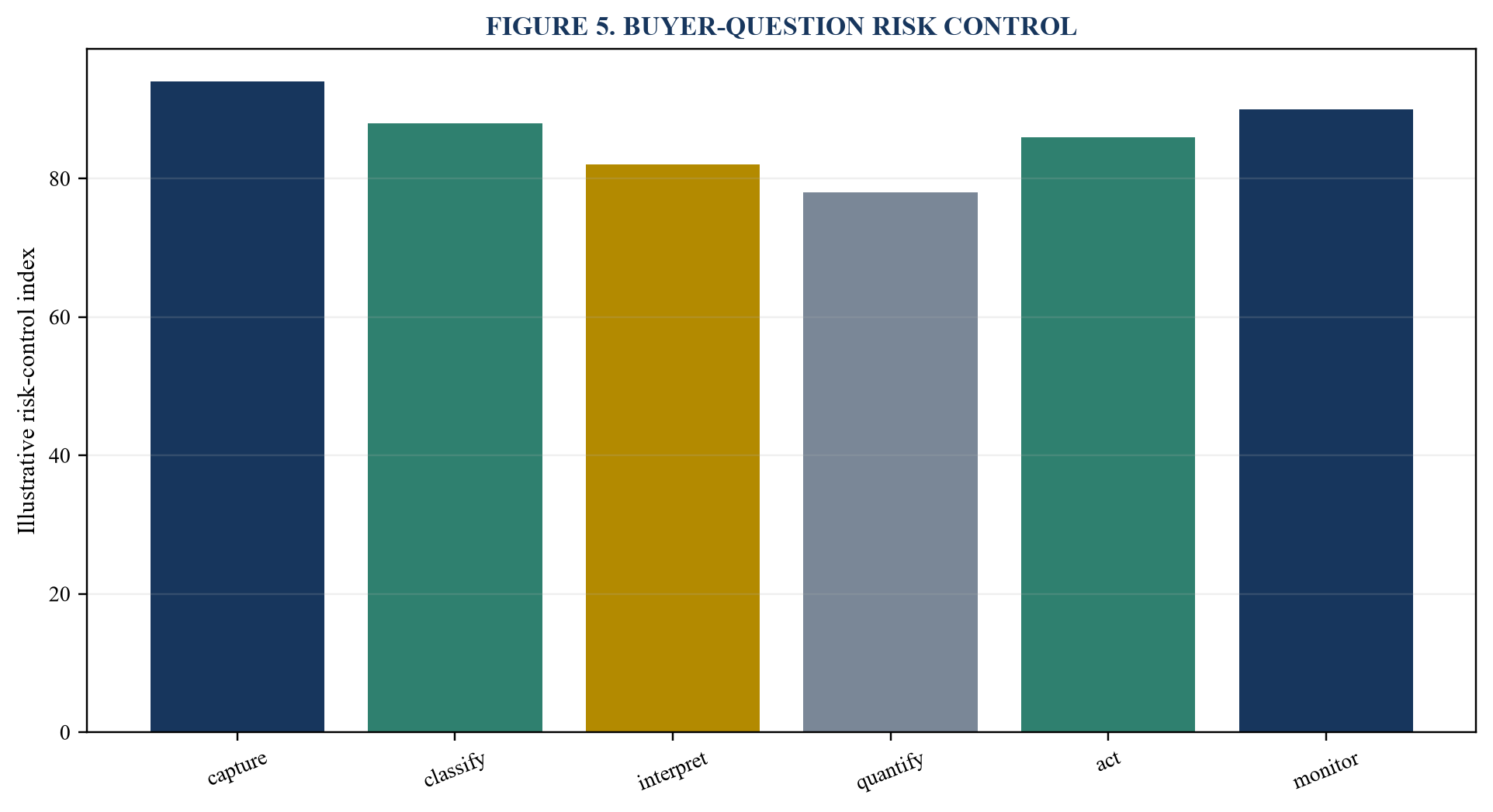
Values are illustrative indices and require transaction-specific evidence.
References
- Financial Reporting Council, ISA UK 500 Audit Evidence, updated September 2025, https://www.frc.org.uk/library/standards-codes-policy/audit-assurance-and-ethics/auditing-standards/isa-uk-500/
- Information Commissioner's Office, Due diligence when sharing data following mergers and acquisitions, https://ico.org.uk/for-organisations/uk-gdpr-guidance-and-resources/data-sharing/data-sharing-a-code-of-practice/due-diligence/
- US Department of Justice, Evaluation of Corporate Compliance Programs, September 2024, https://www.justice.gov/criminal/criminal-fraud/page/file/937501
- IFRS Foundation, IFRS 3 Business Combinations, https://www.ifrs.org/issued-standards/list-of-standards/ifrs-3-business-combinations/
- IFRS Foundation, IFRS 15 Revenue from Contracts with Customers, https://www.ifrs.org/issued-standards/list-of-standards/ifrs-15-revenue-from-contracts-with-customers/
- IFRS Foundation, IAS 7 Statement of Cash Flows, https://www.ifrs.org/issued-standards/list-of-standards/ias-7-statement-of-cash-flows/
- IFRS Foundation, IAS 24 Related Party Disclosures, https://www.ifrs.org/issued-standards/list-of-standards/ias-24-related-party-disclosures/
- IFRS Foundation, IAS 36 Impairment of Assets, https://www.ifrs.org/issued-standards/list-of-standards/ias-36-impairment-of-assets/
- IFRS Foundation, IAS 37 Provisions Contingent Liabilities and Contingent Assets, https://www.ifrs.org/issued-standards/list-of-standards/ias-37-provisions-contingent-liabilities-and-contingent-assets/
- US Securities and Exchange Commission, Regulation S-K, https://www.sec.gov/rules-regulations/staff-guidance/corporation-finance-interpretations/regulation-s-k
- US Securities and Exchange Commission, Cybersecurity Risk Management Strategy Governance and Incident Disclosure, https://www.sec.gov/rules-regulations/2023/07/s7-09-22
- Public Company Accounting Oversight Board, AS 1105 Audit Evidence, https://pcaobus.org/oversight/standards/auditing-standards/details/AS1105
- National Institute of Standards and Technology, Cybersecurity Framework 2.0, https://doi.org/10.6028/NIST.CSWP.29
- National Institute of Standards and Technology, AI Risk Management Framework, https://www.nist.gov/itl/ai-risk-management-framework
- International Organization for Standardization, ISO IEC 27001 Information Security Management Systems, https://www.iso.org/isoiec-27001-information-security.html
- International Organization for Standardization, ISO 31000 Risk Management Guidelines, https://www.iso.org/iso-31000-risk-management.html
- COSO, Internal Control Integrated Framework, https://www.coso.org/guidance-on-ic
- UK Government, Data Protection Act 2018, https://www.legislation.gov.uk/ukpga/2018/12/contents
- European Union, General Data Protection Regulation, https://eur-lex.europa.eu/eli/reg/2016/679/oj
- UK Government, Companies Act 2006, https://www.legislation.gov.uk/ukpga/2006/46/contents
- UK Government, Bribery Act 2010, https://www.legislation.gov.uk/ukpga/2010/23/contents
- US Department of Justice and US Securities and Exchange Commission, A Resource Guide to the US Foreign Corrupt Practices Act, https://www.justice.gov/criminal/criminal-fraud/file/1292051/dl
- UK Competition and Markets Authority, Merger Assessment Guidelines, updated June 2026, https://www.gov.uk/government/publications/merger-assessment-guidelines/merger-assessment-guidelines-html-version
- US Department of Justice Antitrust Division, 2023 Merger Guidelines Sources of Evidence, https://www.justice.gov/atr/merger-guidelines/tools/sources-of-evidence
- UK Takeover Panel, Rule 20.1 Equality of Information, https://code.thetakeoverpanel.org.uk/tp/rules/rule-20/rule-20-1.html
- UK Competition and Markets Authority, Mergers Charter One Year On, April 2026, https://competitionandmarkets.blog.gov.uk/2026/04/29/mergers-charter-one-year-on/
