

1. Frame the investment question
Define the target product, decision consequence, markets, customers and valuation claim.
The controlled record includes scope; version; population; condition; device; metric; source; reviewer; decision. The immediate deliverable is an approved robustness diligence charter. Preserve jurisdiction, effective date, model and software version, test population, capture conditions, device configuration, reviewer, approval and unresolved exceptions.
The principal failure occurs when a generic accuracy score is accepted as evidence of commercial scalability. Reviewers should reproduce the relevant tests, segment the result, examine tail outcomes and identify who may approve, remediate or withhold the transaction recommendation.
Computer-vision diligence should test the complete deployed system across the people, environments, hardware and release channels that support the investment thesis.
The decision pack for frame the investment question should show the prior claim, tested evidence, correction, commercial consequence, alternative response, owner, due date, next evidence gate and observed outcome. Material exceptions flow into the remediation budget, transaction protections and valuation case.
2. Map the vision asset perimeter
Inventory models, datasets, labels, cameras, optics, firmware, preprocessing, postprocessing and human controls.
The controlled record includes scope; version; population; condition; device; metric; source; reviewer; decision. The immediate deliverable is a controlled asset register. Preserve jurisdiction, effective date, model and software version, test population, capture conditions, device configuration, reviewer, approval and unresolved exceptions.
The principal failure occurs when material dependencies remain outside the diligence perimeter. Reviewers should reproduce the relevant tests, segment the result, examine tail outcomes and identify who may approve, remediate or withhold the transaction recommendation.
Averages are weak transaction evidence when failures concentrate in specific cohorts, devices, capture conditions or market deployments.
The decision pack for map the vision asset perimeter should show the prior claim, tested evidence, correction, commercial consequence, alternative response, owner, due date, next evidence gate and observed outcome. Material exceptions flow into the remediation budget, transaction protections and valuation case.
3. Freeze versions and release channels
Identify production, pilot, mobile, edge, cloud and customer-specific builds with hashes and dates.
The controlled record includes scope; version; population; condition; device; metric; source; reviewer; decision. The immediate deliverable is a version and release map. Preserve jurisdiction, effective date, model and software version, test population, capture conditions, device configuration, reviewer, approval and unresolved exceptions.
The principal failure occurs when tests cover a development build that customers never use. Reviewers should reproduce the relevant tests, segment the result, examine tail outcomes and identify who may approve, remediate or withhold the transaction recommendation.
The diligence record should preserve reproducible inputs, versioned outputs, uncertainty, exceptions, reviewer authority and the financial consequence of each gap.
The decision pack for freeze versions and release channels should show the prior claim, tested evidence, correction, commercial consequence, alternative response, owner, due date, next evidence gate and observed outcome. Material exceptions flow into the remediation budget, transaction protections and valuation case.
4. Define use cases and consequences
Separate identification, verification, detection, classification, tracking and measurement by decision consequence.
The controlled record includes scope; version; population; condition; device; metric; source; reviewer; decision. The immediate deliverable is a use-case consequence matrix. Preserve jurisdiction, effective date, model and software version, test population, capture conditions, device configuration, reviewer, approval and unresolved exceptions.
The principal failure occurs when results from one task are used to support another. Reviewers should reproduce the relevant tests, segment the result, examine tail outcomes and identify who may approve, remediate or withhold the transaction recommendation.
A buyer can connect robustness evidence to market access, customer retention, remediation cost, contractual protection and valuation scenarios.
The decision pack for define use cases and consequences should show the prior claim, tested evidence, correction, commercial consequence, alternative response, owner, due date, next evidence gate and observed outcome. Material exceptions flow into the remediation budget, transaction protections and valuation case.
5. Establish evaluation populations
Define intended users, affected people, excluded cohorts and jurisdictional coverage.
The controlled record includes scope; version; population; condition; device; metric; source; reviewer; decision. The immediate deliverable is a population coverage statement. Preserve jurisdiction, effective date, model and software version, test population, capture conditions, device configuration, reviewer, approval and unresolved exceptions.
The principal failure occurs when a convenient test population is treated as the addressable market. Reviewers should reproduce the relevant tests, segment the result, examine tail outcomes and identify who may approve, remediate or withhold the transaction recommendation.
Computer-vision diligence should test the complete deployed system across the people, environments, hardware and release channels that support the investment thesis.
The decision pack for establish evaluation populations should show the prior claim, tested evidence, correction, commercial consequence, alternative response, owner, due date, next evidence gate and observed outcome. Material exceptions flow into the remediation budget, transaction protections and valuation case.
6. Audit data provenance and rights
Trace collection, consent, licence, transfer, annotation and retention for evaluation data.
The controlled record includes scope; version; population; condition; device; metric; source; reviewer; decision. The immediate deliverable is a data-rights dossier. Preserve jurisdiction, effective date, model and software version, test population, capture conditions, device configuration, reviewer, approval and unresolved exceptions.
The principal failure occurs when the buyer inherits unusable or unlawfully sourced evidence. Reviewers should reproduce the relevant tests, segment the result, examine tail outcomes and identify who may approve, remediate or withhold the transaction recommendation.
Averages are weak transaction evidence when failures concentrate in specific cohorts, devices, capture conditions or market deployments.
The decision pack for audit data provenance and rights should show the prior claim, tested evidence, correction, commercial consequence, alternative response, owner, due date, next evidence gate and observed outcome. Material exceptions flow into the remediation budget, transaction protections and valuation case.
7. Design the cohort taxonomy
Specify age, sex, skin tone and other relevant attributes with lawful collection and review.
The controlled record includes scope; version; population; condition; device; metric; source; reviewer; decision. The immediate deliverable is an approved cohort schema. Preserve jurisdiction, effective date, model and software version, test population, capture conditions, device configuration, reviewer, approval and unresolved exceptions.
The principal failure occurs when broad categories conceal performance dispersion. Reviewers should reproduce the relevant tests, segment the result, examine tail outcomes and identify who may approve, remediate or withhold the transaction recommendation.
The diligence record should preserve reproducible inputs, versioned outputs, uncertainty, exceptions, reviewer authority and the financial consequence of each gap.
The decision pack for design the cohort taxonomy should show the prior claim, tested evidence, correction, commercial consequence, alternative response, owner, due date, next evidence gate and observed outcome. Material exceptions flow into the remediation budget, transaction protections and valuation case.
8. Test intersectional cohorts
Measure combinations of attributes where sample size and lawful use permit.
The controlled record includes scope; version; population; condition; device; metric; source; reviewer; decision. The immediate deliverable is an intersectional evidence table. Preserve jurisdiction, effective date, model and software version, test population, capture conditions, device configuration, reviewer, approval and unresolved exceptions.
The principal failure occurs when single-variable analysis misses concentrated failure. Reviewers should reproduce the relevant tests, segment the result, examine tail outcomes and identify who may approve, remediate or withhold the transaction recommendation.
A buyer can connect robustness evidence to market access, customer retention, remediation cost, contractual protection and valuation scenarios.
The decision pack for test intersectional cohorts should show the prior claim, tested evidence, correction, commercial consequence, alternative response, owner, due date, next evidence gate and observed outcome. Material exceptions flow into the remediation budget, transaction protections and valuation case.
Table 1. Robustness evidence cube
| Dimension | Test question | Required evidence |
|---|---|---|
| people | who experiences error | cohort results |
| environment | where performance changes | condition curves |
| hardware | which device constrains output | device matrix |
| release | which build was tested | version record |
Illustrative controls require use-, population-, condition-, device-, jurisdiction- and period-specific approval.
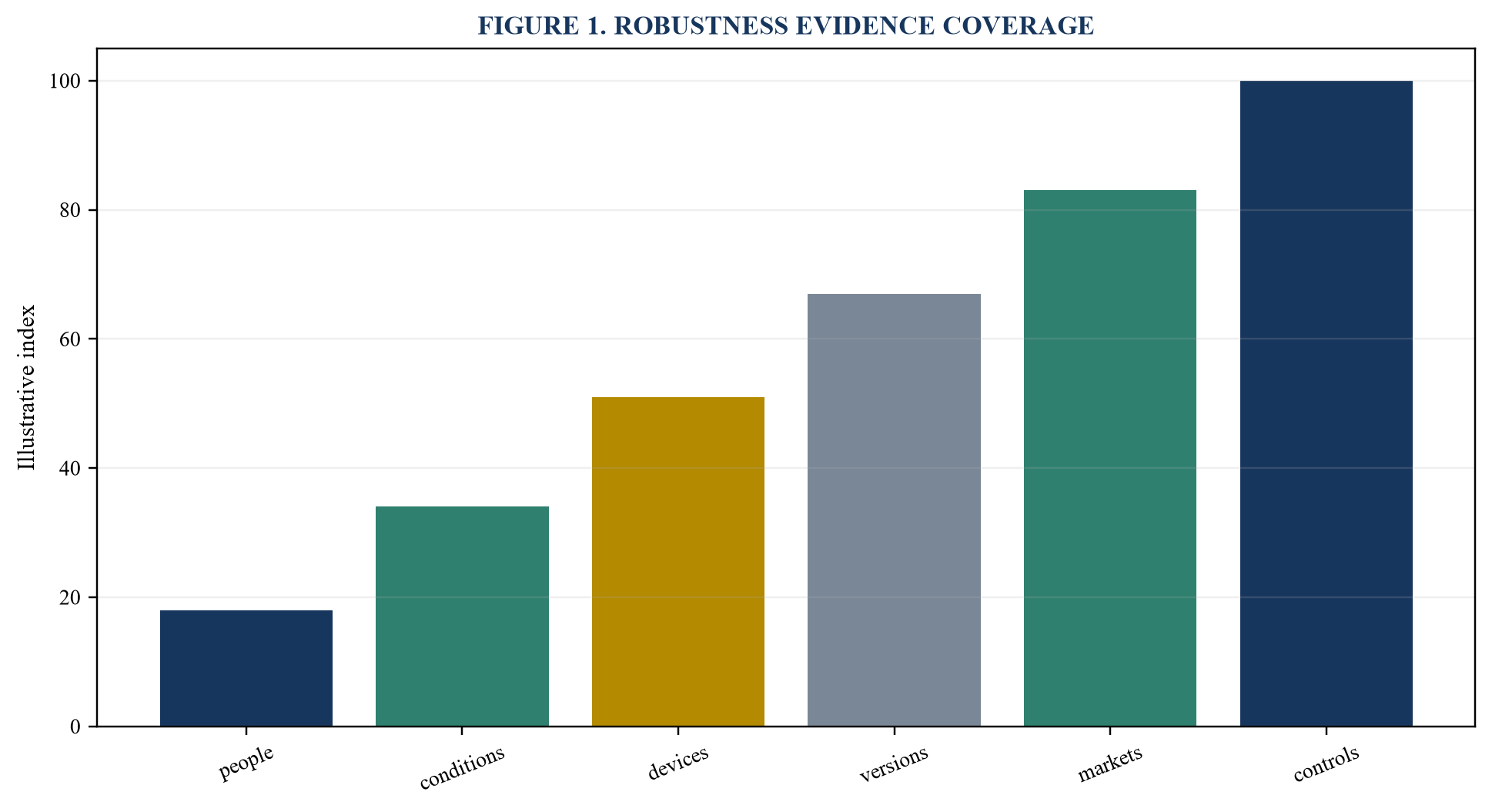
Values are illustrative indices and require replacement with approved diligence evidence.
9. Control the capture pipeline
Document sensor, lens, distance, pose, exposure, focus, compression and preprocessing.
The controlled record includes scope; version; population; condition; device; metric; source; reviewer; decision. The immediate deliverable is a capture-control specification. Preserve jurisdiction, effective date, model and software version, test population, capture conditions, device configuration, reviewer, approval and unresolved exceptions.
The principal failure occurs when uncontrolled capture changes are attributed to the model. Reviewers should reproduce the relevant tests, segment the result, examine tail outcomes and identify who may approve, remediate or withhold the transaction recommendation.
Computer-vision diligence should test the complete deployed system across the people, environments, hardware and release channels that support the investment thesis.
The decision pack for control the capture pipeline should show the prior claim, tested evidence, correction, commercial consequence, alternative response, owner, due date, next evidence gate and observed outcome. Material exceptions flow into the remediation budget, transaction protections and valuation case.
10. Stress lighting conditions
Test low light, backlight, glare, shadows, colour temperature and mixed illumination.
The controlled record includes scope; version; population; condition; device; metric; source; reviewer; decision. The immediate deliverable is a lighting robustness curve. Preserve jurisdiction, effective date, model and software version, test population, capture conditions, device configuration, reviewer, approval and unresolved exceptions.
The principal failure occurs when laboratory lighting supports an overstated result. Reviewers should reproduce the relevant tests, segment the result, examine tail outcomes and identify who may approve, remediate or withhold the transaction recommendation.
Averages are weak transaction evidence when failures concentrate in specific cohorts, devices, capture conditions or market deployments.
The decision pack for stress lighting conditions should show the prior claim, tested evidence, correction, commercial consequence, alternative response, owner, due date, next evidence gate and observed outcome. Material exceptions flow into the remediation budget, transaction protections and valuation case.
11. Stress exposure and colour
Vary dynamic range, white balance, saturation and sensor response.
The controlled record includes scope; version; population; condition; device; metric; source; reviewer; decision. The immediate deliverable is an exposure and colour analysis. Preserve jurisdiction, effective date, model and software version, test population, capture conditions, device configuration, reviewer, approval and unresolved exceptions.
The principal failure occurs when image rendering shifts cohort performance without detection. Reviewers should reproduce the relevant tests, segment the result, examine tail outcomes and identify who may approve, remediate or withhold the transaction recommendation.
The diligence record should preserve reproducible inputs, versioned outputs, uncertainty, exceptions, reviewer authority and the financial consequence of each gap.
The decision pack for stress exposure and colour should show the prior claim, tested evidence, correction, commercial consequence, alternative response, owner, due date, next evidence gate and observed outcome. Material exceptions flow into the remediation budget, transaction protections and valuation case.
12. Stress pose and range
Measure off-axis views, elevation, distance, scale and partial visibility.
The controlled record includes scope; version; population; condition; device; metric; source; reviewer; decision. The immediate deliverable is a pose and range envelope. Preserve jurisdiction, effective date, model and software version, test population, capture conditions, device configuration, reviewer, approval and unresolved exceptions.
The principal failure occurs when performance collapses outside a narrow acquisition geometry. Reviewers should reproduce the relevant tests, segment the result, examine tail outcomes and identify who may approve, remediate or withhold the transaction recommendation.
A buyer can connect robustness evidence to market access, customer retention, remediation cost, contractual protection and valuation scenarios.
The decision pack for stress pose and range should show the prior claim, tested evidence, correction, commercial consequence, alternative response, owner, due date, next evidence gate and observed outcome. Material exceptions flow into the remediation budget, transaction protections and valuation case.
13. Test occlusion
Measure masks, eyewear, headwear, hair, equipment and partial obstruction relevant to use.
The controlled record includes scope; version; population; condition; device; metric; source; reviewer; decision. The immediate deliverable is an occlusion benchmark. Preserve jurisdiction, effective date, model and software version, test population, capture conditions, device configuration, reviewer, approval and unresolved exceptions.
The principal failure occurs when routine occlusion creates systematic failure. Reviewers should reproduce the relevant tests, segment the result, examine tail outcomes and identify who may approve, remediate or withhold the transaction recommendation.
Computer-vision diligence should test the complete deployed system across the people, environments, hardware and release channels that support the investment thesis.
The decision pack for test occlusion should show the prior claim, tested evidence, correction, commercial consequence, alternative response, owner, due date, next evidence gate and observed outcome. Material exceptions flow into the remediation budget, transaction protections and valuation case.
14. Test motion and blur
Vary subject motion, camera motion, shutter and stabilization.
The controlled record includes scope; version; population; condition; device; metric; source; reviewer; decision. The immediate deliverable is a motion robustness report. Preserve jurisdiction, effective date, model and software version, test population, capture conditions, device configuration, reviewer, approval and unresolved exceptions.
The principal failure occurs when static-image success fails in operational video. Reviewers should reproduce the relevant tests, segment the result, examine tail outcomes and identify who may approve, remediate or withhold the transaction recommendation.
Averages are weak transaction evidence when failures concentrate in specific cohorts, devices, capture conditions or market deployments.
The decision pack for test motion and blur should show the prior claim, tested evidence, correction, commercial consequence, alternative response, owner, due date, next evidence gate and observed outcome. Material exceptions flow into the remediation budget, transaction protections and valuation case.
15. Test resolution and compression
Vary pixel density, cropping, codecs, bitrate and transmission artefacts.
The controlled record includes scope; version; population; condition; device; metric; source; reviewer; decision. The immediate deliverable is a resolution and codec matrix. Preserve jurisdiction, effective date, model and software version, test population, capture conditions, device configuration, reviewer, approval and unresolved exceptions.
The principal failure occurs when channel compression invalidates the benchmark. Reviewers should reproduce the relevant tests, segment the result, examine tail outcomes and identify who may approve, remediate or withhold the transaction recommendation.
The diligence record should preserve reproducible inputs, versioned outputs, uncertainty, exceptions, reviewer authority and the financial consequence of each gap.
The decision pack for test resolution and compression should show the prior claim, tested evidence, correction, commercial consequence, alternative response, owner, due date, next evidence gate and observed outcome. Material exceptions flow into the remediation budget, transaction protections and valuation case.
16. Build the device matrix
Test representative cameras, mobile devices, edge hardware, optics and firmware.
The controlled record includes scope; version; population; condition; device; metric; source; reviewer; decision. The immediate deliverable is a device performance matrix. Preserve jurisdiction, effective date, model and software version, test population, capture conditions, device configuration, reviewer, approval and unresolved exceptions.
The principal failure occurs when one reference device is presented as hardware independence. Reviewers should reproduce the relevant tests, segment the result, examine tail outcomes and identify who may approve, remediate or withhold the transaction recommendation.
A buyer can connect robustness evidence to market access, customer retention, remediation cost, contractual protection and valuation scenarios.
The decision pack for build the device matrix should show the prior claim, tested evidence, correction, commercial consequence, alternative response, owner, due date, next evidence gate and observed outcome. Material exceptions flow into the remediation budget, transaction protections and valuation case.
Table 2. Device and capture matrix
| Variable | Stress condition | Transaction evidence |
|---|---|---|
| camera | sensor, lens and firmware | comparative benchmark |
| capture | range, pose and motion | operating envelope |
| image | light, resolution and codec | sensitivity curve |
| system | edge, cloud and network | service-level result |
Illustrative controls require use-, population-, condition-, device-, jurisdiction- and period-specific approval.
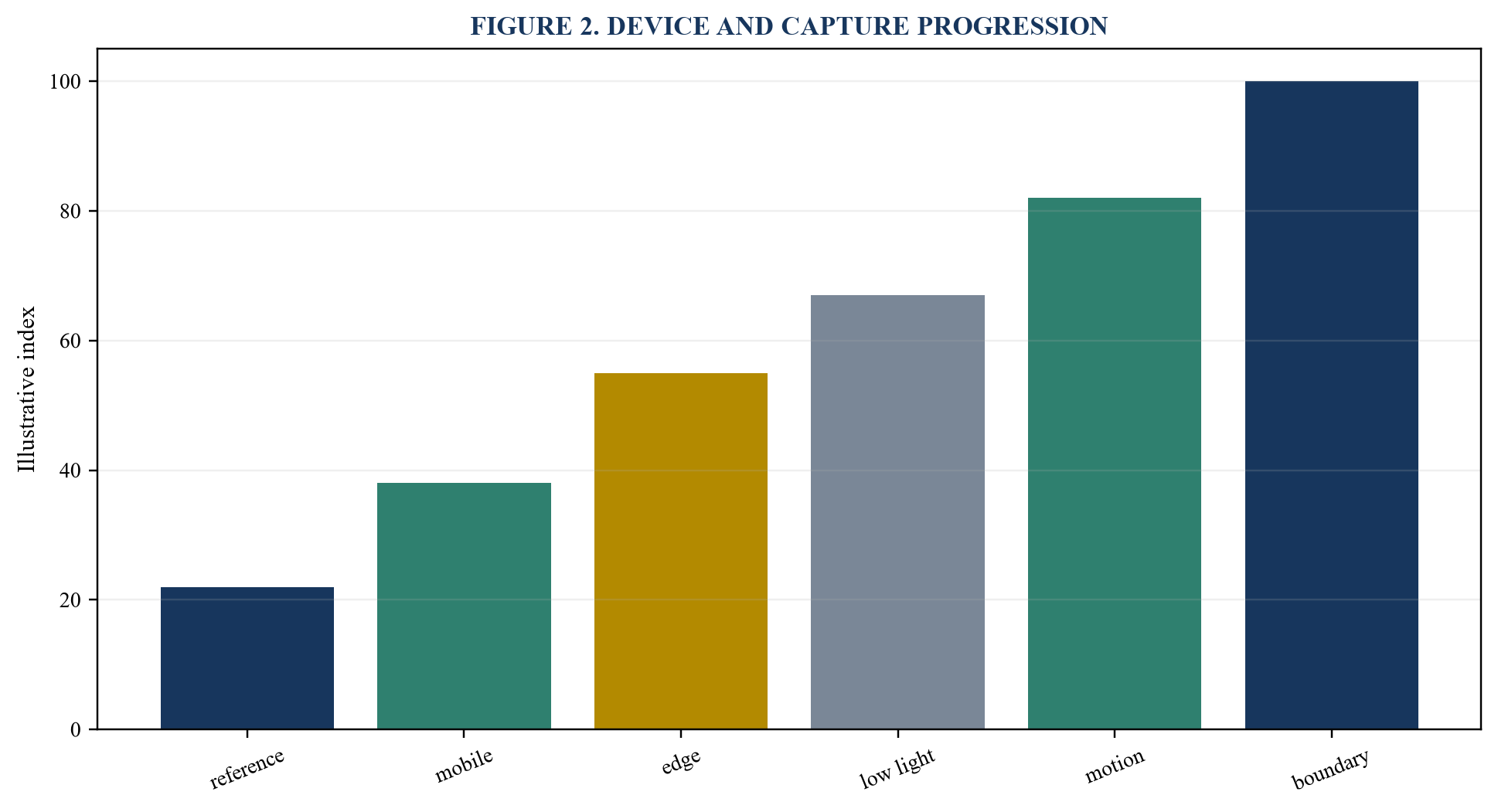
Values are illustrative indices and require replacement with approved diligence evidence.
17. Test environmental conditions
Cover heat, cold, humidity, dust, rain, vibration and electromagnetic effects where relevant.
The controlled record includes scope; version; population; condition; device; metric; source; reviewer; decision. The immediate deliverable is an environmental evidence pack. Preserve jurisdiction, effective date, model and software version, test population, capture conditions, device configuration, reviewer, approval and unresolved exceptions.
The principal failure occurs when physical conditions degrade the complete system. Reviewers should reproduce the relevant tests, segment the result, examine tail outcomes and identify who may approve, remediate or withhold the transaction recommendation.
Computer-vision diligence should test the complete deployed system across the people, environments, hardware and release channels that support the investment thesis.
The decision pack for test environmental conditions should show the prior claim, tested evidence, correction, commercial consequence, alternative response, owner, due date, next evidence gate and observed outcome. Material exceptions flow into the remediation budget, transaction protections and valuation case.
18. Test geography and locale
Cover regional appearance, clothing, signage, backgrounds and operating practices.
The controlled record includes scope; version; population; condition; device; metric; source; reviewer; decision. The immediate deliverable is a geography coverage assessment. Preserve jurisdiction, effective date, model and software version, test population, capture conditions, device configuration, reviewer, approval and unresolved exceptions.
The principal failure occurs when deployment geography differs materially from training evidence. Reviewers should reproduce the relevant tests, segment the result, examine tail outcomes and identify who may approve, remediate or withhold the transaction recommendation.
Averages are weak transaction evidence when failures concentrate in specific cohorts, devices, capture conditions or market deployments.
The decision pack for test geography and locale should show the prior claim, tested evidence, correction, commercial consequence, alternative response, owner, due date, next evidence gate and observed outcome. Material exceptions flow into the remediation budget, transaction protections and valuation case.
19. Validate ground truth
Use independent labeling, adjudication, provenance and uncertainty controls.
The controlled record includes scope; version; population; condition; device; metric; source; reviewer; decision. The immediate deliverable is a governed reference corpus. Preserve jurisdiction, effective date, model and software version, test population, capture conditions, device configuration, reviewer, approval and unresolved exceptions.
The principal failure occurs when developer judgments become unquestioned truth. Reviewers should reproduce the relevant tests, segment the result, examine tail outcomes and identify who may approve, remediate or withhold the transaction recommendation.
The diligence record should preserve reproducible inputs, versioned outputs, uncertainty, exceptions, reviewer authority and the financial consequence of each gap.
The decision pack for validate ground truth should show the prior claim, tested evidence, correction, commercial consequence, alternative response, owner, due date, next evidence gate and observed outcome. Material exceptions flow into the remediation budget, transaction protections and valuation case.
20. Sample boundary and long-tail cases
Stratify normal, adverse, rare, novelty and foreseeable misuse conditions.
The controlled record includes scope; version; population; condition; device; metric; source; reviewer; decision. The immediate deliverable is a risk-weighted sample plan. Preserve jurisdiction, effective date, model and software version, test population, capture conditions, device configuration, reviewer, approval and unresolved exceptions.
The principal failure occurs when average-case sampling excludes value-destructive failures. Reviewers should reproduce the relevant tests, segment the result, examine tail outcomes and identify who may approve, remediate or withhold the transaction recommendation.
A buyer can connect robustness evidence to market access, customer retention, remediation cost, contractual protection and valuation scenarios.
The decision pack for sample boundary and long-tail cases should show the prior claim, tested evidence, correction, commercial consequence, alternative response, owner, due date, next evidence gate and observed outcome. Material exceptions flow into the remediation budget, transaction protections and valuation case.
21. Select task-specific metrics
Use false match, false non-match, precision, recall, detection and tracking metrics appropriate to the decision.
The controlled record includes scope; version; population; condition; device; metric; source; reviewer; decision. The immediate deliverable is a metric specification. Preserve jurisdiction, effective date, model and software version, test population, capture conditions, device configuration, reviewer, approval and unresolved exceptions.
The principal failure occurs when one headline metric obscures operational error. Reviewers should reproduce the relevant tests, segment the result, examine tail outcomes and identify who may approve, remediate or withhold the transaction recommendation.
Computer-vision diligence should test the complete deployed system across the people, environments, hardware and release channels that support the investment thesis.
The decision pack for select task-specific metrics should show the prior claim, tested evidence, correction, commercial consequence, alternative response, owner, due date, next evidence gate and observed outcome. Material exceptions flow into the remediation budget, transaction protections and valuation case.
22. Measure failure to acquire
Record images and subjects for which the system produces no usable result.
The controlled record includes scope; version; population; condition; device; metric; source; reviewer; decision. The immediate deliverable is a failure-to-acquire analysis. Preserve jurisdiction, effective date, model and software version, test population, capture conditions, device configuration, reviewer, approval and unresolved exceptions.
The principal failure occurs when excluded acquisitions make reported accuracy look stronger. Reviewers should reproduce the relevant tests, segment the result, examine tail outcomes and identify who may approve, remediate or withhold the transaction recommendation.
Averages are weak transaction evidence when failures concentrate in specific cohorts, devices, capture conditions or market deployments.
The decision pack for measure failure to acquire should show the prior claim, tested evidence, correction, commercial consequence, alternative response, owner, due date, next evidence gate and observed outcome. Material exceptions flow into the remediation budget, transaction protections and valuation case.
23. Control false negatives
Measure missed people, objects, defects and events by cohort and condition.
The controlled record includes scope; version; population; condition; device; metric; source; reviewer; decision. The immediate deliverable is a segmented miss-risk report. Preserve jurisdiction, effective date, model and software version, test population, capture conditions, device configuration, reviewer, approval and unresolved exceptions.
The principal failure occurs when commercial harm concentrates in omissions. Reviewers should reproduce the relevant tests, segment the result, examine tail outcomes and identify who may approve, remediate or withhold the transaction recommendation.
The diligence record should preserve reproducible inputs, versioned outputs, uncertainty, exceptions, reviewer authority and the financial consequence of each gap.
The decision pack for control false negatives should show the prior claim, tested evidence, correction, commercial consequence, alternative response, owner, due date, next evidence gate and observed outcome. Material exceptions flow into the remediation budget, transaction protections and valuation case.
24. Control false positives
Measure incorrect matches, detections and escalations by cohort and condition.
The controlled record includes scope; version; population; condition; device; metric; source; reviewer; decision. The immediate deliverable is a false-action assessment. Preserve jurisdiction, effective date, model and software version, test population, capture conditions, device configuration, reviewer, approval and unresolved exceptions.
The principal failure occurs when operational burden and customer harm are ignored. Reviewers should reproduce the relevant tests, segment the result, examine tail outcomes and identify who may approve, remediate or withhold the transaction recommendation.
A buyer can connect robustness evidence to market access, customer retention, remediation cost, contractual protection and valuation scenarios.
The decision pack for control false positives should show the prior claim, tested evidence, correction, commercial consequence, alternative response, owner, due date, next evidence gate and observed outcome. Material exceptions flow into the remediation budget, transaction protections and valuation case.
Table 3. Cohort error controls
| Control | Primary measure | Decision use |
|---|---|---|
| coverage | sample and confidence | evidence sufficiency |
| dispersion | error by cohort | market exposure |
| threshold | trade-off curve | operating policy |
| review | override and appeal | residual risk |
Illustrative controls require use-, population-, condition-, device-, jurisdiction- and period-specific approval.
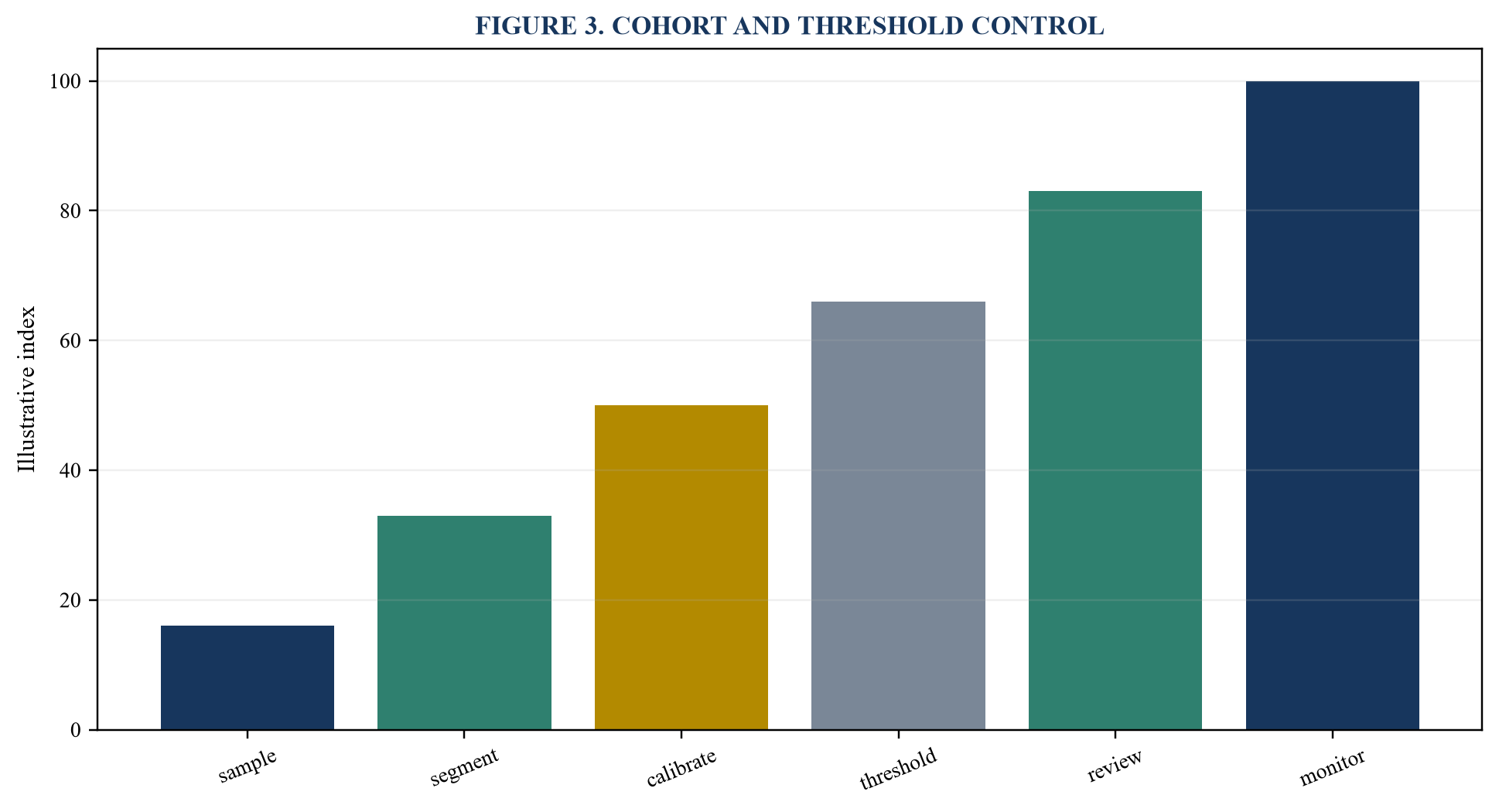
Values are illustrative indices and require replacement with approved diligence evidence.
25. Calibrate confidence
Relate model scores to observed error by cohort, condition, device and version.
The controlled record includes scope; version; population; condition; device; metric; source; reviewer; decision. The immediate deliverable is a calibration dossier. Preserve jurisdiction, effective date, model and software version, test population, capture conditions, device configuration, reviewer, approval and unresolved exceptions.
The principal failure occurs when confidence is mistaken for probability of correctness. Reviewers should reproduce the relevant tests, segment the result, examine tail outcomes and identify who may approve, remediate or withhold the transaction recommendation.
Computer-vision diligence should test the complete deployed system across the people, environments, hardware and release channels that support the investment thesis.
The decision pack for calibrate confidence should show the prior claim, tested evidence, correction, commercial consequence, alternative response, owner, due date, next evidence gate and observed outcome. Material exceptions flow into the remediation budget, transaction protections and valuation case.
26. Set threshold policy
Tie thresholds to use case, consequence, cohort evidence and human review.
The controlled record includes scope; version; population; condition; device; metric; source; reviewer; decision. The immediate deliverable is a controlled threshold matrix. Preserve jurisdiction, effective date, model and software version, test population, capture conditions, device configuration, reviewer, approval and unresolved exceptions.
The principal failure occurs when one threshold creates hidden cross-market trade-offs. Reviewers should reproduce the relevant tests, segment the result, examine tail outcomes and identify who may approve, remediate or withhold the transaction recommendation.
Averages are weak transaction evidence when failures concentrate in specific cohorts, devices, capture conditions or market deployments.
The decision pack for set threshold policy should show the prior claim, tested evidence, correction, commercial consequence, alternative response, owner, due date, next evidence gate and observed outcome. Material exceptions flow into the remediation budget, transaction protections and valuation case.
27. Test robustness perturbations
Apply realistic noise, blur, illumination, crop, compression and sensor perturbations.
The controlled record includes scope; version; population; condition; device; metric; source; reviewer; decision. The immediate deliverable is a perturbation sensitivity report. Preserve jurisdiction, effective date, model and software version, test population, capture conditions, device configuration, reviewer, approval and unresolved exceptions.
The principal failure occurs when small input changes produce unstable decisions. Reviewers should reproduce the relevant tests, segment the result, examine tail outcomes and identify who may approve, remediate or withhold the transaction recommendation.
The diligence record should preserve reproducible inputs, versioned outputs, uncertainty, exceptions, reviewer authority and the financial consequence of each gap.
The decision pack for test robustness perturbations should show the prior claim, tested evidence, correction, commercial consequence, alternative response, owner, due date, next evidence gate and observed outcome. Material exceptions flow into the remediation budget, transaction protections and valuation case.
28. Measure domain shift
Compare training, validation, pilot and production distributions over time.
The controlled record includes scope; version; population; condition; device; metric; source; reviewer; decision. The immediate deliverable is a domain-shift register. Preserve jurisdiction, effective date, model and software version, test population, capture conditions, device configuration, reviewer, approval and unresolved exceptions.
The principal failure occurs when historical validation is treated as permanent evidence. Reviewers should reproduce the relevant tests, segment the result, examine tail outcomes and identify who may approve, remediate or withhold the transaction recommendation.
A buyer can connect robustness evidence to market access, customer retention, remediation cost, contractual protection and valuation scenarios.
The decision pack for measure domain shift should show the prior claim, tested evidence, correction, commercial consequence, alternative response, owner, due date, next evidence gate and observed outcome. Material exceptions flow into the remediation budget, transaction protections and valuation case.
29. Test presentation attacks
Evaluate spoofing, replay, masks, screens, printouts and relevant adversarial conditions.
The controlled record includes scope; version; population; condition; device; metric; source; reviewer; decision. The immediate deliverable is an attack-resistance assessment. Preserve jurisdiction, effective date, model and software version, test population, capture conditions, device configuration, reviewer, approval and unresolved exceptions.
The principal failure occurs when commercial controls fail under motivated misuse. Reviewers should reproduce the relevant tests, segment the result, examine tail outcomes and identify who may approve, remediate or withhold the transaction recommendation.
Computer-vision diligence should test the complete deployed system across the people, environments, hardware and release channels that support the investment thesis.
The decision pack for test presentation attacks should show the prior claim, tested evidence, correction, commercial consequence, alternative response, owner, due date, next evidence gate and observed outcome. Material exceptions flow into the remediation budget, transaction protections and valuation case.
30. Quantify performance dispersion
Report central tendency, tails, confidence intervals and minimum viable cohort evidence.
The controlled record includes scope; version; population; condition; device; metric; source; reviewer; decision. The immediate deliverable is a dispersion scorecard. Preserve jurisdiction, effective date, model and software version, test population, capture conditions, device configuration, reviewer, approval and unresolved exceptions.
The principal failure occurs when aggregate scores conceal unequal and uncertain outcomes. Reviewers should reproduce the relevant tests, segment the result, examine tail outcomes and identify who may approve, remediate or withhold the transaction recommendation.
Averages are weak transaction evidence when failures concentrate in specific cohorts, devices, capture conditions or market deployments.
The decision pack for quantify performance dispersion should show the prior claim, tested evidence, correction, commercial consequence, alternative response, owner, due date, next evidence gate and observed outcome. Material exceptions flow into the remediation budget, transaction protections and valuation case.
31. Review the human workflow
Test operator attention, escalation, override, appeal and recovery under realistic workload.
The controlled record includes scope; version; population; condition; device; metric; source; reviewer; decision. The immediate deliverable is a human-control assessment. Preserve jurisdiction, effective date, model and software version, test population, capture conditions, device configuration, reviewer, approval and unresolved exceptions.
The principal failure occurs when human review is assumed to repair model failure. Reviewers should reproduce the relevant tests, segment the result, examine tail outcomes and identify who may approve, remediate or withhold the transaction recommendation.
The diligence record should preserve reproducible inputs, versioned outputs, uncertainty, exceptions, reviewer authority and the financial consequence of each gap.
The decision pack for review the human workflow should show the prior claim, tested evidence, correction, commercial consequence, alternative response, owner, due date, next evidence gate and observed outcome. Material exceptions flow into the remediation budget, transaction protections and valuation case.
32. Review system integration
Trace APIs, queues, databases, identity resolution, logging and downstream decisions.
The controlled record includes scope; version; population; condition; device; metric; source; reviewer; decision. The immediate deliverable is an end-to-end control map. Preserve jurisdiction, effective date, model and software version, test population, capture conditions, device configuration, reviewer, approval and unresolved exceptions.
The principal failure occurs when the model passes while the integrated product fails. Reviewers should reproduce the relevant tests, segment the result, examine tail outcomes and identify who may approve, remediate or withhold the transaction recommendation.
A buyer can connect robustness evidence to market access, customer retention, remediation cost, contractual protection and valuation scenarios.
The decision pack for review system integration should show the prior claim, tested evidence, correction, commercial consequence, alternative response, owner, due date, next evidence gate and observed outcome. Material exceptions flow into the remediation budget, transaction protections and valuation case.
Table 4. Failure heat map
| Failure area | Potential consequence | Required response |
|---|---|---|
| demographic | exclusion and claims | data and threshold remedy |
| lighting | operational misses | capture control |
| device | channel inconsistency | hardware qualification |
| release | silent regression | version gate |
Illustrative controls require use-, population-, condition-, device-, jurisdiction- and period-specific approval.
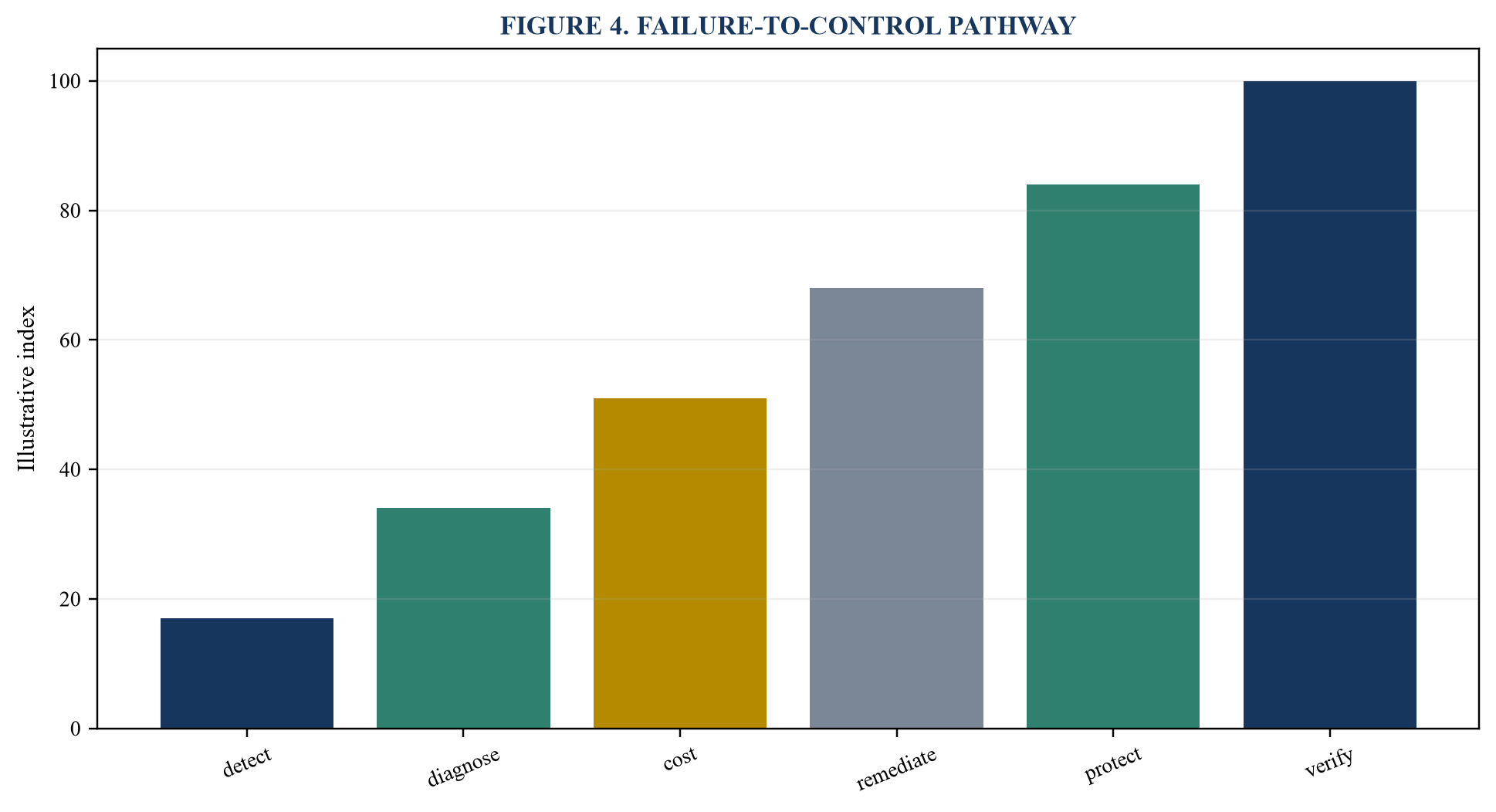
Values are illustrative indices and require replacement with approved diligence evidence.
33. Measure compute and latency
Test throughput, memory, energy, network dependence and response time by device.
The controlled record includes scope; version; population; condition; device; metric; source; reviewer; decision. The immediate deliverable is a performance-cost frontier. Preserve jurisdiction, effective date, model and software version, test population, capture conditions, device configuration, reviewer, approval and unresolved exceptions.
The principal failure occurs when robustness improvements destroy unit economics or service levels. Reviewers should reproduce the relevant tests, segment the result, examine tail outcomes and identify who may approve, remediate or withhold the transaction recommendation.
Computer-vision diligence should test the complete deployed system across the people, environments, hardware and release channels that support the investment thesis.
The decision pack for measure compute and latency should show the prior claim, tested evidence, correction, commercial consequence, alternative response, owner, due date, next evidence gate and observed outcome. Material exceptions flow into the remediation budget, transaction protections and valuation case.
34. Design production monitoring
Track cohort, condition, device, drift, exceptions, overrides and complaints.
The controlled record includes scope; version; population; condition; device; metric; source; reviewer; decision. The immediate deliverable is a monitoring and alert design. Preserve jurisdiction, effective date, model and software version, test population, capture conditions, device configuration, reviewer, approval and unresolved exceptions.
The principal failure occurs when post-close deterioration remains invisible. Reviewers should reproduce the relevant tests, segment the result, examine tail outcomes and identify who may approve, remediate or withhold the transaction recommendation.
Averages are weak transaction evidence when failures concentrate in specific cohorts, devices, capture conditions or market deployments.
The decision pack for design production monitoring should show the prior claim, tested evidence, correction, commercial consequence, alternative response, owner, due date, next evidence gate and observed outcome. Material exceptions flow into the remediation budget, transaction protections and valuation case.
35. Control suppliers and versions
Assess third-party models, datasets, camera vendors, licences, changes and exit rights.
The controlled record includes scope; version; population; condition; device; metric; source; reviewer; decision. The immediate deliverable is a supplier and change-control file. Preserve jurisdiction, effective date, model and software version, test population, capture conditions, device configuration, reviewer, approval and unresolved exceptions.
The principal failure occurs when an upstream change invalidates the investment thesis. Reviewers should reproduce the relevant tests, segment the result, examine tail outcomes and identify who may approve, remediate or withhold the transaction recommendation.
The diligence record should preserve reproducible inputs, versioned outputs, uncertainty, exceptions, reviewer authority and the financial consequence of each gap.
The decision pack for control suppliers and versions should show the prior claim, tested evidence, correction, commercial consequence, alternative response, owner, due date, next evidence gate and observed outcome. Material exceptions flow into the remediation budget, transaction protections and valuation case.
36. Map regulatory and contractual exposure
Connect intended use to AI, privacy, biometric, product, equality and customer obligations.
The controlled record includes scope; version; population; condition; device; metric; source; reviewer; decision. The immediate deliverable is a jurisdictional exposure map. Preserve jurisdiction, effective date, model and software version, test population, capture conditions, device configuration, reviewer, approval and unresolved exceptions.
The principal failure occurs when compliance cost and deployment restrictions are omitted from valuation. Reviewers should reproduce the relevant tests, segment the result, examine tail outcomes and identify who may approve, remediate or withhold the transaction recommendation.
A buyer can connect robustness evidence to market access, customer retention, remediation cost, contractual protection and valuation scenarios.
The decision pack for map regulatory and contractual exposure should show the prior claim, tested evidence, correction, commercial consequence, alternative response, owner, due date, next evidence gate and observed outcome. Material exceptions flow into the remediation budget, transaction protections and valuation case.
37. Cost the remediation plan
Estimate data, engineering, hardware, governance, validation and customer migration work.
The controlled record includes scope; version; population; condition; device; metric; source; reviewer; decision. The immediate deliverable is a costed correction roadmap. Preserve jurisdiction, effective date, model and software version, test population, capture conditions, device configuration, reviewer, approval and unresolved exceptions.
The principal failure occurs when management promises replace funded remediation. Reviewers should reproduce the relevant tests, segment the result, examine tail outcomes and identify who may approve, remediate or withhold the transaction recommendation.
Computer-vision diligence should test the complete deployed system across the people, environments, hardware and release channels that support the investment thesis.
The decision pack for cost the remediation plan should show the prior claim, tested evidence, correction, commercial consequence, alternative response, owner, due date, next evidence gate and observed outcome. Material exceptions flow into the remediation budget, transaction protections and valuation case.
38. Test commercial scalability
Connect robustness to win rates, churn, claims, support burden, pricing and market access.
The controlled record includes scope; version; population; condition; device; metric; source; reviewer; decision. The immediate deliverable is a robustness-adjusted commercial model. Preserve jurisdiction, effective date, model and software version, test population, capture conditions, device configuration, reviewer, approval and unresolved exceptions.
The principal failure occurs when technical weakness is disconnected from revenue quality. Reviewers should reproduce the relevant tests, segment the result, examine tail outcomes and identify who may approve, remediate or withhold the transaction recommendation.
Averages are weak transaction evidence when failures concentrate in specific cohorts, devices, capture conditions or market deployments.
The decision pack for test commercial scalability should show the prior claim, tested evidence, correction, commercial consequence, alternative response, owner, due date, next evidence gate and observed outcome. Material exceptions flow into the remediation budget, transaction protections and valuation case.
39. Adjust valuation and protections
Translate evidence gaps into scenarios, holdbacks, warranties, indemnities, covenants and price.
The controlled record includes scope; version; population; condition; device; metric; source; reviewer; decision. The immediate deliverable is a valuation and protection schedule. Preserve jurisdiction, effective date, model and software version, test population, capture conditions, device configuration, reviewer, approval and unresolved exceptions.
The principal failure occurs when identified risk has no transaction consequence. Reviewers should reproduce the relevant tests, segment the result, examine tail outcomes and identify who may approve, remediate or withhold the transaction recommendation.
The diligence record should preserve reproducible inputs, versioned outputs, uncertainty, exceptions, reviewer authority and the financial consequence of each gap.
The decision pack for adjust valuation and protections should show the prior claim, tested evidence, correction, commercial consequence, alternative response, owner, due date, next evidence gate and observed outcome. Material exceptions flow into the remediation budget, transaction protections and valuation case.
40. Close through deal gates
Require evidence, owners, remediation funding, contractual protection and post-close monitoring.
The controlled record includes scope; version; population; condition; device; metric; source; reviewer; decision. The immediate deliverable is an accountable investment decision. Preserve jurisdiction, effective date, model and software version, test population, capture conditions, device configuration, reviewer, approval and unresolved exceptions.
The principal failure occurs when deal momentum overrides unresolved robustness risk. Reviewers should reproduce the relevant tests, segment the result, examine tail outcomes and identify who may approve, remediate or withhold the transaction recommendation.
A buyer can connect robustness evidence to market access, customer retention, remediation cost, contractual protection and valuation scenarios.
The decision pack for close through deal gates should show the prior claim, tested evidence, correction, commercial consequence, alternative response, owner, due date, next evidence gate and observed outcome. Material exceptions flow into the remediation budget, transaction protections and valuation case.
Table 5. Valuation and deal gates
| Gate | Primary work | Completion evidence |
|---|---|---|
| evidence | reproducible segmented tests | approved benchmark |
| economics | remediation and unit cost | funded plan |
| protection | warranties and holdbacks | executed terms |
| monitoring | post-close thresholds | accountable owner |
Illustrative controls require use-, population-, condition-, device-, jurisdiction- and period-specific approval.
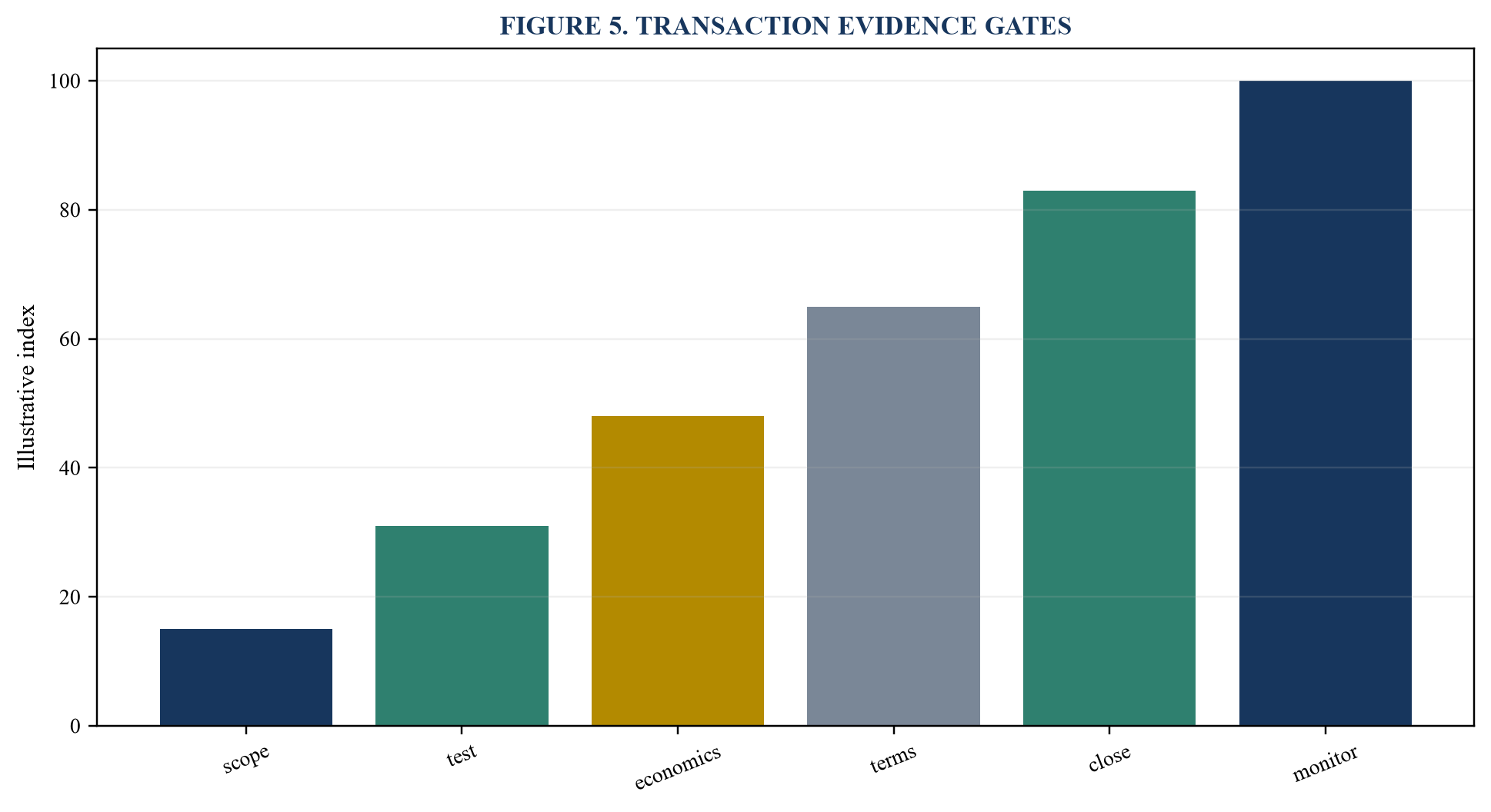
Values are illustrative indices and require replacement with approved diligence evidence.
References
- National Institute of Standards and Technology, Face Recognition Vendor Test Part 3 Demographic Effects, https://pages.nist.gov/frvt/html/frvt_demographics.html
- National Institute of Standards and Technology, NISTIR 8280 Face Recognition Vendor Test Part 3 Demographic Effects, https://www.nist.gov/publications/face-recognition-vendor-test-part-3-demographic-effects
- National Institute of Standards and Technology, NISTIR 8429 Face Recognition Technology Evaluation Demographic Effects, https://www.nist.gov/publications/face-recognition-technology-evaluation-frte-part-3-demographic-effects-face
- National Institute of Standards and Technology, Face Recognition Technology Evaluation, https://pages.nist.gov/frvt/html/frvt1N.html
- National Institute of Standards and Technology, Face Image Quality, https://pages.nist.gov/frvt/html/frvt_quality.html
- National Institute of Standards and Technology, Face Mask Effects, https://pages.nist.gov/frvt/html/frvt_facemask.html
- National Institute of Standards and Technology, Face in Video Evaluation, https://pages.nist.gov/frvt/html/frvt_five.html
- National Institute of Standards and Technology, AI Risk Management Framework 1.0, https://www.nist.gov/publications/artificial-intelligence-risk-management-framework-ai-rmf-10
- National Institute of Standards and Technology, AI Resource Center, https://airc.nist.gov/
- European Union, Regulation 2024/1689 Artificial Intelligence Act, https://eur-lex.europa.eu/eli/reg/2024/1689/oj
- European Commission, AI Act, https://digital-strategy.ec.europa.eu/en/policies/regulatory-framework-ai
- European Union, General Data Protection Regulation, https://eur-lex.europa.eu/eli/reg/2016/679/oj
- UK Information Commissioner's Office, Guidance on AI and Data Protection, https://ico.org.uk/for-organisations/uk-gdpr-guidance-and-resources/artificial-intelligence/
- UK Information Commissioner's Office, Biometric Data Guidance, https://ico.org.uk/for-organisations/uk-gdpr-guidance-and-resources/guidance-on-biometric-data/
- United States Food and Drug Administration, Good Machine Learning Practice, https://www.fda.gov/medical-devices/software-medical-device-samd/good-machine-learning-practice-medical-device-development-guiding-principles
- United States Food and Drug Administration, Transparency for Machine Learning Enabled Medical Devices, https://www.fda.gov/medical-devices/software-medical-device-samd/transparency-machine-learning-enabled-medical-devices-guiding-principles
- International Medical Device Regulators Forum, Good Machine Learning Practice, https://www.imdrf.org/documents/good-machine-learning-practice-medical-device-development-guiding-principles
- International Organization for Standardization, ISO IEC 42001 AI Management Systems, https://www.iso.org/standard/81230.html
- International Organization for Standardization, ISO IEC 23894 AI Risk Management, https://www.iso.org/standard/77304.html
- International Organization for Standardization, ISO IEC TR 24027 Bias in AI Systems and AI Aided Decision Making, https://www.iso.org/standard/77607.html
- International Organization for Standardization, ISO IEC 24029-1 Robustness of Neural Networks, https://www.iso.org/standard/77609.html
- International Organization for Standardization, ISO IEC 25059 Quality Model for AI Systems, https://www.iso.org/standard/80655.html
- International Organization for Standardization, ISO IEC 22989 Artificial Intelligence Concepts and Terminology, https://www.iso.org/standard/74296.html
- Organisation for Economic Co-operation and Development, OECD AI Principles, https://oecd.ai/en/ai-principles
- Central Bank of the UAE, Guidance Note on Responsible Adoption and Use of Artificial Intelligence, https://rulebook.centralbank.ae/en/rulebook/guidance-note-consumer-protection-and-responsible-adoption-and-use-artificial-intelligence
- National Institute of Standards and Technology, Cybersecurity Framework 2.0, https://www.nist.gov/cyberframework
