

1. Start with value at risk
The integration leadership should link workforce continuity to the deal thesis, customer service, licences, controls and integration milestones. The required output is a talent-value map. Record the business purpose, role evidence, dependency, timing, accountable owner, workforce impact, legal boundary, decision rationale and review date [1][2].
Assess role criticality before individual departure risk. Test value at risk, customer and control exposure, knowledge concentration, replacement time, succession coverage and the critical window. Apply documented human judgement to verified evidence.
The principal risk is that retention can become a generic people activity. Compare targeted financial and non-financial interventions, including role clarity, leadership access, autonomy, career path, workload, recognition, team support, succession and knowledge transfer.
Retain source data, calculations, consultation, approvals, offer terms, privacy controls, fairness review, coverage tests, exceptions and outcomes. Reforecast when roles, transaction timing, market conditions, individual evidence or continuity needs change.
2. Define criticality by role
The integration leadership should score decisions, expertise, relationships, authority, capacity and failure impact. The required output is a role-criticality inventory. Record the business purpose, role evidence, dependency, timing, accountable owner, workforce impact, legal boundary, decision rationale and review date [3][4].
Assess role criticality before individual departure risk. Test value at risk, customer and control exposure, knowledge concentration, replacement time, succession coverage and the critical window. Apply documented human judgement to verified evidence.
The principal risk is that hierarchy can be mistaken for criticality. Compare targeted financial and non-financial interventions, including role clarity, leadership access, autonomy, career path, workload, recognition, team support, succession and knowledge transfer.
Retain source data, calculations, consultation, approvals, offer terms, privacy controls, fairness review, coverage tests, exceptions and outcomes. Reforecast when roles, transaction timing, market conditions, individual evidence or continuity needs change.
Table 1. Role-criticality score
| Dimension | Evidence | Decision use |
|---|---|---|
| value | deal-thesis dependency | priority |
| continuity | failure impact | coverage |
| scarcity | replacement time | intervention |
| timing | critical window | duration |
Illustrative structure; verified transaction evidence and specialist review govern.
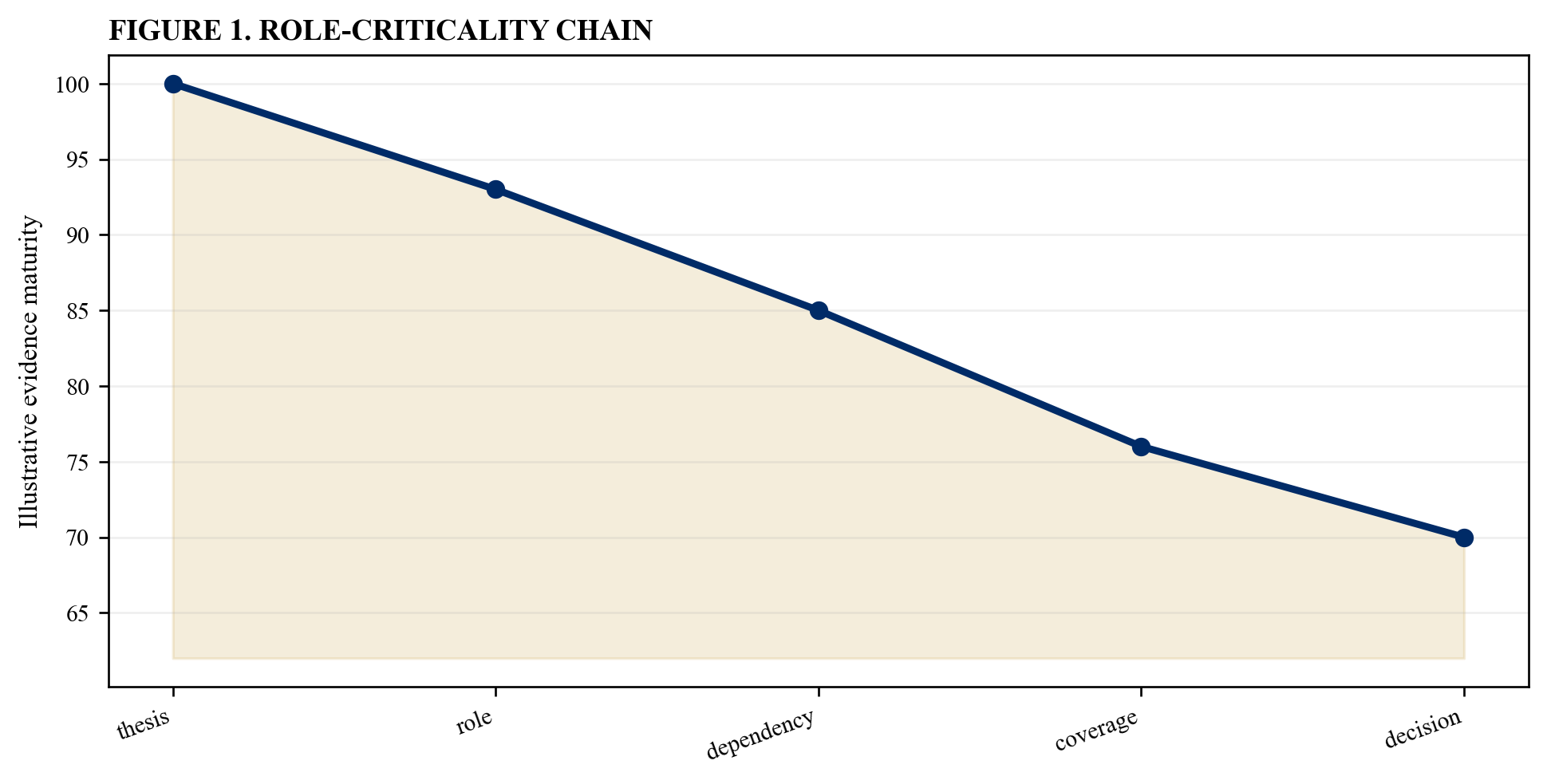
Illustrative analytical scenario; verified transaction evidence should replace index values.
3. Map enterprise dependencies
The integration leadership should identify processes, customers, systems, suppliers and approvals dependent on each role. The required output is a dependency map. Record the business purpose, role evidence, dependency, timing, accountable owner, workforce impact, legal boundary, decision rationale and review date [5][6].
Assess role criticality before individual departure risk. Test value at risk, customer and control exposure, knowledge concentration, replacement time, succession coverage and the critical window. Apply documented human judgement to verified evidence.
The principal risk is that hidden operational dependencies can be missed. Compare targeted financial and non-financial interventions, including role clarity, leadership access, autonomy, career path, workload, recognition, team support, succession and knowledge transfer.
Retain source data, calculations, consultation, approvals, offer terms, privacy controls, fairness review, coverage tests, exceptions and outcomes. Reforecast when roles, transaction timing, market conditions, individual evidence or continuity needs change.
4. Identify concentration risk
The integration leadership should measure single-person knowledge, authority, access and relationship exposure. The required output is a concentration register. Record the business purpose, role evidence, dependency, timing, accountable owner, workforce impact, legal boundary, decision rationale and review date [5][7].
Assess role criticality before individual departure risk. Test value at risk, customer and control exposure, knowledge concentration, replacement time, succession coverage and the critical window. Apply documented human judgement to verified evidence.
The principal risk is that apparent team depth can conceal one-person dependency. Compare targeted financial and non-financial interventions, including role clarity, leadership access, autonomy, career path, workload, recognition, team support, succession and knowledge transfer.
Retain source data, calculations, consultation, approvals, offer terms, privacy controls, fairness review, coverage tests, exceptions and outcomes. Reforecast when roles, transaction timing, market conditions, individual evidence or continuity needs change.
5. Set the critical window
The integration leadership should align retention need with signing, clearance, closing, migration, renewal and stabilisation dates. The required output is a time-criticality curve. Record the business purpose, role evidence, dependency, timing, accountable owner, workforce impact, legal boundary, decision rationale and review date [1][8].
Assess role criticality before individual departure risk. Test value at risk, customer and control exposure, knowledge concentration, replacement time, succession coverage and the critical window. Apply documented human judgement to verified evidence.
The principal risk is that awards can outlast the actual risk window. Compare targeted financial and non-financial interventions, including role clarity, leadership access, autonomy, career path, workload, recognition, team support, succession and knowledge transfer.
Retain source data, calculations, consultation, approvals, offer terms, privacy controls, fairness review, coverage tests, exceptions and outcomes. Reforecast when roles, transaction timing, market conditions, individual evidence or continuity needs change.
6. Establish lawful workforce boundaries
The integration leadership should record transfer, consultation, discrimination, privacy, contract and regulatory duties. The required output is a legal-boundary register. Record the business purpose, role evidence, dependency, timing, accountable owner, workforce impact, legal boundary, decision rationale and review date [9][10].
Assess role criticality before individual departure risk. Test value at risk, customer and control exposure, knowledge concentration, replacement time, succession coverage and the critical window. Apply documented human judgement to verified evidence.
The principal risk is that retention action can prejudice lawful process. Compare targeted financial and non-financial interventions, including role clarity, leadership access, autonomy, career path, workload, recognition, team support, succession and knowledge transfer.
Retain source data, calculations, consultation, approvals, offer terms, privacy controls, fairness review, coverage tests, exceptions and outcomes. Reforecast when roles, transaction timing, market conditions, individual evidence or continuity needs change.
7. Protect merger-control compliance
The integration leadership should limit coordination, influence and information exchange before lawful integration. The required output is a clean-team protocol. Record the business purpose, role evidence, dependency, timing, accountable owner, workforce impact, legal boundary, decision rationale and review date [11][12].
Assess role criticality before individual departure risk. Test value at risk, customer and control exposure, knowledge concentration, replacement time, succession coverage and the critical window. Apply documented human judgement to verified evidence.
The principal risk is that talent planning can become premature integration. Compare targeted financial and non-financial interventions, including role clarity, leadership access, autonomy, career path, workload, recognition, team support, succession and knowledge transfer.
Retain source data, calculations, consultation, approvals, offer terms, privacy controls, fairness review, coverage tests, exceptions and outcomes. Reforecast when roles, transaction timing, market conditions, individual evidence or continuity needs change.
8. Build the role segmentation
The integration leadership should combine criticality, scarcity, replacement time, transferability and dependency. The required output is a role-tier model. Record the business purpose, role evidence, dependency, timing, accountable owner, workforce impact, legal boundary, decision rationale and review date [3][13].
Assess role criticality before individual departure risk. Test value at risk, customer and control exposure, knowledge concentration, replacement time, succession coverage and the critical window. Apply documented human judgement to verified evidence.
The principal risk is that one label can group materially different risks. Compare targeted financial and non-financial interventions, including role clarity, leadership access, autonomy, career path, workload, recognition, team support, succession and knowledge transfer.
Retain source data, calculations, consultation, approvals, offer terms, privacy controls, fairness review, coverage tests, exceptions and outcomes. Reforecast when roles, transaction timing, market conditions, individual evidence or continuity needs change.
9. Assess person coverage
The integration leadership should map incumbents, deputies, successors, contractors, vendors and documented alternatives. The required output is a coverage matrix. Record the business purpose, role evidence, dependency, timing, accountable owner, workforce impact, legal boundary, decision rationale and review date [4][14].
Assess role criticality before individual departure risk. Test value at risk, customer and control exposure, knowledge concentration, replacement time, succession coverage and the critical window. Apply documented human judgement to verified evidence.
The principal risk is that a critical role can have no credible backup. Compare targeted financial and non-financial interventions, including role clarity, leadership access, autonomy, career path, workload, recognition, team support, succession and knowledge transfer.
Retain source data, calculations, consultation, approvals, offer terms, privacy controls, fairness review, coverage tests, exceptions and outcomes. Reforecast when roles, transaction timing, market conditions, individual evidence or continuity needs change.
10. Assess departure risk
The integration leadership should use verified signals from role change, leadership, market demand, engagement and individual circumstances. The required output is a reviewed risk assessment. Record the business purpose, role evidence, dependency, timing, accountable owner, workforce impact, legal boundary, decision rationale and review date [15][16].
Assess role criticality before individual departure risk. Test value at risk, customer and control exposure, knowledge concentration, replacement time, succession coverage and the critical window. Apply documented human judgement to verified evidence.
The principal risk is that rumour or manager bias can drive decisions. Compare targeted financial and non-financial interventions, including role clarity, leadership access, autonomy, career path, workload, recognition, team support, succession and knowledge transfer.
Retain source data, calculations, consultation, approvals, offer terms, privacy controls, fairness review, coverage tests, exceptions and outcomes. Reforecast when roles, transaction timing, market conditions, individual evidence or continuity needs change.
11. Control workforce analytics
The integration leadership should define purpose, necessity, proportionality, access, retention and accuracy. The required output is a people-data control plan. Record the business purpose, role evidence, dependency, timing, accountable owner, workforce impact, legal boundary, decision rationale and review date [16][17].
Assess role criticality before individual departure risk. Test value at risk, customer and control exposure, knowledge concentration, replacement time, succession coverage and the critical window. Apply documented human judgement to verified evidence.
The principal risk is that intrusive monitoring can create legal and trust harm. Compare targeted financial and non-financial interventions, including role clarity, leadership access, autonomy, career path, workload, recognition, team support, succession and knowledge transfer.
Retain source data, calculations, consultation, approvals, offer terms, privacy controls, fairness review, coverage tests, exceptions and outcomes. Reforecast when roles, transaction timing, market conditions, individual evidence or continuity needs change.
12. Require meaningful human review
The integration leadership should ensure competent decision makers test, challenge and override analytical outputs. The required output is a human-review record. Record the business purpose, role evidence, dependency, timing, accountable owner, workforce impact, legal boundary, decision rationale and review date [17][18].
Assess role criticality before individual departure risk. Test value at risk, customer and control exposure, knowledge concentration, replacement time, succession coverage and the critical window. Apply documented human judgement to verified evidence.
The principal risk is that automated scores can become de facto employment decisions. Compare targeted financial and non-financial interventions, including role clarity, leadership access, autonomy, career path, workload, recognition, team support, succession and knowledge transfer.
Retain source data, calculations, consultation, approvals, offer terms, privacy controls, fairness review, coverage tests, exceptions and outcomes. Reforecast when roles, transaction timing, market conditions, individual evidence or continuity needs change.
13. Test bias and consistency
The integration leadership should compare factors and outcomes across protected groups, units, levels and geographies. The required output is a fairness review. Record the business purpose, role evidence, dependency, timing, accountable owner, workforce impact, legal boundary, decision rationale and review date [16][19].
Assess role criticality before individual departure risk. Test value at risk, customer and control exposure, knowledge concentration, replacement time, succession coverage and the critical window. Apply documented human judgement to verified evidence.
The principal risk is that historical data can reproduce unequal treatment. Compare targeted financial and non-financial interventions, including role clarity, leadership access, autonomy, career path, workload, recognition, team support, succession and knowledge transfer.
Retain source data, calculations, consultation, approvals, offer terms, privacy controls, fairness review, coverage tests, exceptions and outcomes. Reforecast when roles, transaction timing, market conditions, individual evidence or continuity needs change.
14. Estimate replacement difficulty
The integration leadership should model search time, notice, clearance, learning, customer transfer and productivity ramp. The required output is a replacement-cost case. Record the business purpose, role evidence, dependency, timing, accountable owner, workforce impact, legal boundary, decision rationale and review date [13][20].
Assess role criticality before individual departure risk. Test value at risk, customer and control exposure, knowledge concentration, replacement time, succession coverage and the critical window. Apply documented human judgement to verified evidence.
The principal risk is that salary benchmarks can understate continuity loss. Compare targeted financial and non-financial interventions, including role clarity, leadership access, autonomy, career path, workload, recognition, team support, succession and knowledge transfer.
Retain source data, calculations, consultation, approvals, offer terms, privacy controls, fairness review, coverage tests, exceptions and outcomes. Reforecast when roles, transaction timing, market conditions, individual evidence or continuity needs change.
15. Quantify knowledge-transfer needs
The integration leadership should identify tacit knowledge, records, access, routines, relationships and teaching capacity. The required output is a transfer plan. Record the business purpose, role evidence, dependency, timing, accountable owner, workforce impact, legal boundary, decision rationale and review date [5][21].
Assess role criticality before individual departure risk. Test value at risk, customer and control exposure, knowledge concentration, replacement time, succession coverage and the critical window. Apply documented human judgement to verified evidence.
The principal risk is that documentation can capture facts without judgement. Compare targeted financial and non-financial interventions, including role clarity, leadership access, autonomy, career path, workload, recognition, team support, succession and knowledge transfer.
Retain source data, calculations, consultation, approvals, offer terms, privacy controls, fairness review, coverage tests, exceptions and outcomes. Reforecast when roles, transaction timing, market conditions, individual evidence or continuity needs change.
16. Prioritise the portfolio
The integration leadership should combine criticality, departure risk, coverage, timing and value at risk. The required output is a retention-priority matrix. Record the business purpose, role evidence, dependency, timing, accountable owner, workforce impact, legal boundary, decision rationale and review date [4][22].
Assess role criticality before individual departure risk. Test value at risk, customer and control exposure, knowledge concentration, replacement time, succession coverage and the critical window. Apply documented human judgement to verified evidence.
The principal risk is that high flight risk can outweigh low enterprise importance. Compare targeted financial and non-financial interventions, including role clarity, leadership access, autonomy, career path, workload, recognition, team support, succession and knowledge transfer.
Retain source data, calculations, consultation, approvals, offer terms, privacy controls, fairness review, coverage tests, exceptions and outcomes. Reforecast when roles, transaction timing, market conditions, individual evidence or continuity needs change.
Table 2. Talent-risk matrix
| Criticality | Departure risk | Response |
|---|---|---|
| high | high | target now |
| high | low | protect and monitor |
| low | high | planned transition |
| low | low | standard process |
Illustrative structure; verified transaction evidence and specialist review govern.
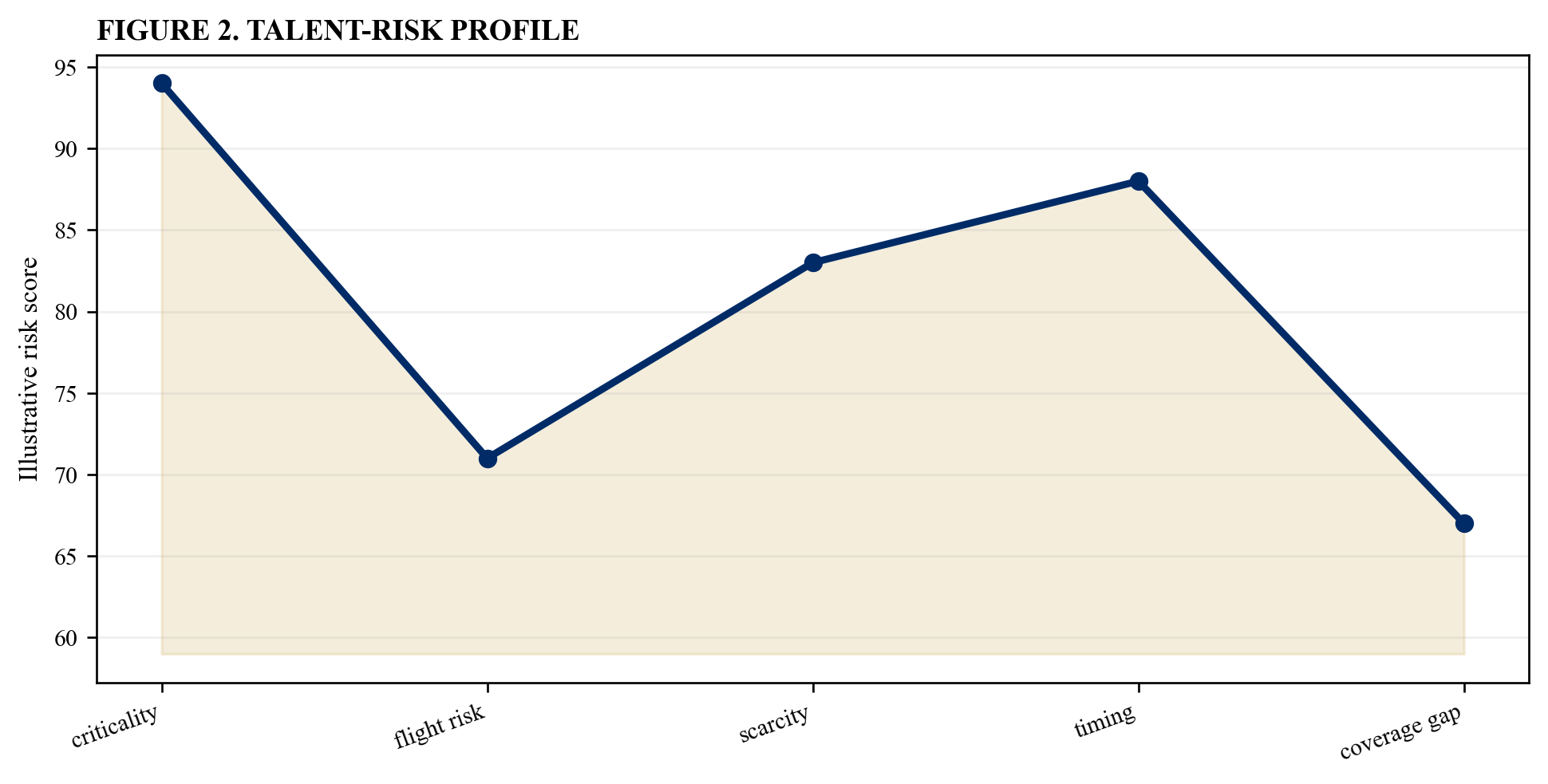
Illustrative analytical scenario; verified transaction evidence should replace index values.
17. Define non-financial interventions
The integration leadership should use role clarity, leadership access, purpose, autonomy, recognition and flexibility. The required output is an intervention menu. Record the business purpose, role evidence, dependency, timing, accountable owner, workforce impact, legal boundary, decision rationale and review date [23][24].
Assess role criticality before individual departure risk. Test value at risk, customer and control exposure, knowledge concentration, replacement time, succession coverage and the critical window. Apply documented human judgement to verified evidence.
The principal risk is that cash can be used where uncertainty is the true cause. Compare targeted financial and non-financial interventions, including role clarity, leadership access, autonomy, career path, workload, recognition, team support, succession and knowledge transfer.
Retain source data, calculations, consultation, approvals, offer terms, privacy controls, fairness review, coverage tests, exceptions and outcomes. Reforecast when roles, transaction timing, market conditions, individual evidence or continuity needs change.
18. Clarify future roles
The integration leadership should state mandate, authority, reporting, location, team, measures and decision timeline. The required output is a role-clarity letter. Record the business purpose, role evidence, dependency, timing, accountable owner, workforce impact, legal boundary, decision rationale and review date [9][25].
Assess role criticality before individual departure risk. Test value at risk, customer and control exposure, knowledge concentration, replacement time, succession coverage and the critical window. Apply documented human judgement to verified evidence.
The principal risk is that prolonged ambiguity can accelerate departures. Compare targeted financial and non-financial interventions, including role clarity, leadership access, autonomy, career path, workload, recognition, team support, succession and knowledge transfer.
Retain source data, calculations, consultation, approvals, offer terms, privacy controls, fairness review, coverage tests, exceptions and outcomes. Reforecast when roles, transaction timing, market conditions, individual evidence or continuity needs change.
19. Protect career pathways
The integration leadership should show credible scope, learning, progression and sponsorship in the combined business. The required output is a career proposition. Record the business purpose, role evidence, dependency, timing, accountable owner, workforce impact, legal boundary, decision rationale and review date [23][26].
Assess role criticality before individual departure risk. Test value at risk, customer and control exposure, knowledge concentration, replacement time, succession coverage and the critical window. Apply documented human judgement to verified evidence.
The principal risk is that retention can delay departure without creating commitment. Compare targeted financial and non-financial interventions, including role clarity, leadership access, autonomy, career path, workload, recognition, team support, succession and knowledge transfer.
Retain source data, calculations, consultation, approvals, offer terms, privacy controls, fairness review, coverage tests, exceptions and outcomes. Reforecast when roles, transaction timing, market conditions, individual evidence or continuity needs change.
20. Manage workload and burnout
The integration leadership should rebalance business-as-usual, diligence, integration and transition demands. The required output is a capacity plan. Record the business purpose, role evidence, dependency, timing, accountable owner, workforce impact, legal boundary, decision rationale and review date [6][27].
Assess role criticality before individual departure risk. Test value at risk, customer and control exposure, knowledge concentration, replacement time, succession coverage and the critical window. Apply documented human judgement to verified evidence.
The principal risk is that critical people can be overloaded precisely when needed most. Compare targeted financial and non-financial interventions, including role clarity, leadership access, autonomy, career path, workload, recognition, team support, succession and knowledge transfer.
Retain source data, calculations, consultation, approvals, offer terms, privacy controls, fairness review, coverage tests, exceptions and outcomes. Reforecast when roles, transaction timing, market conditions, individual evidence or continuity needs change.
21. Use targeted financial instruments
The integration leadership should select award, vesting, milestone, deferral and repayment mechanics for evidenced needs. The required output is a retention instrument design. Record the business purpose, role evidence, dependency, timing, accountable owner, workforce impact, legal boundary, decision rationale and review date [28][29].
Assess role criticality before individual departure risk. Test value at risk, customer and control exposure, knowledge concentration, replacement time, succession coverage and the critical window. Apply documented human judgement to verified evidence.
The principal risk is that blanket awards can spend without changing behaviour. Compare targeted financial and non-financial interventions, including role clarity, leadership access, autonomy, career path, workload, recognition, team support, succession and knowledge transfer.
Retain source data, calculations, consultation, approvals, offer terms, privacy controls, fairness review, coverage tests, exceptions and outcomes. Reforecast when roles, transaction timing, market conditions, individual evidence or continuity needs change.
22. Align incentives with conduct
The integration leadership should protect customer, control, safety and ethical outcomes within reward terms. The required output is an incentive-control schedule. Record the business purpose, role evidence, dependency, timing, accountable owner, workforce impact, legal boundary, decision rationale and review date [29][30].
Assess role criticality before individual departure risk. Test value at risk, customer and control exposure, knowledge concentration, replacement time, succession coverage and the critical window. Apply documented human judgement to verified evidence.
The principal risk is that retention pressure can reward unacceptable conduct. Compare targeted financial and non-financial interventions, including role clarity, leadership access, autonomy, career path, workload, recognition, team support, succession and knowledge transfer.
Retain source data, calculations, consultation, approvals, offer terms, privacy controls, fairness review, coverage tests, exceptions and outcomes. Reforecast when roles, transaction timing, market conditions, individual evidence or continuity needs change.
23. Model retention economics
The integration leadership should compare probability-weighted value protected with cost, tax, precedent and behavioural effects. The required output is a net-value model. Record the business purpose, role evidence, dependency, timing, accountable owner, workforce impact, legal boundary, decision rationale and review date [22][28].
Assess role criticality before individual departure risk. Test value at risk, customer and control exposure, knowledge concentration, replacement time, succession coverage and the critical window. Apply documented human judgement to verified evidence.
The principal risk is that gross value claims can ignore deadweight cost. Compare targeted financial and non-financial interventions, including role clarity, leadership access, autonomy, career path, workload, recognition, team support, succession and knowledge transfer.
Retain source data, calculations, consultation, approvals, offer terms, privacy controls, fairness review, coverage tests, exceptions and outcomes. Reforecast when roles, transaction timing, market conditions, individual evidence or continuity needs change.
Table 3. Retention economics
| Component | Treatment | Evidence |
|---|---|---|
| value protected | probability weighted | dependency case |
| award cost | cash and tax | approved terms |
| deadweight | deduct | counterfactual |
| residual risk | scenario weight | coverage plan |
Illustrative structure; verified transaction evidence and specialist review govern.
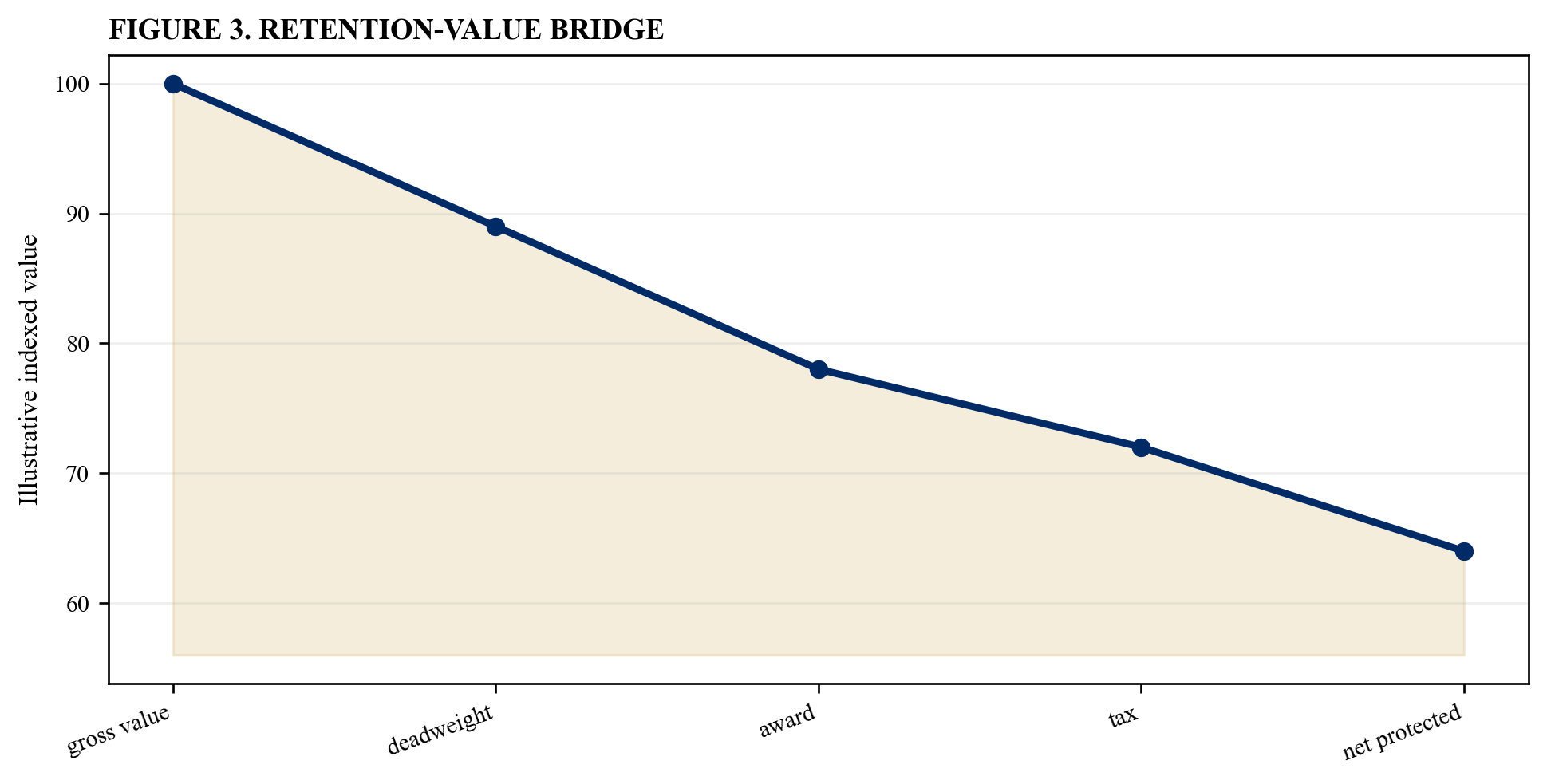
Illustrative analytical scenario; verified transaction evidence should replace index values.
24. Test internal equity
The integration leadership should compare treatment across equivalent contribution, risk and employment contexts. The required output is an equity calibration. Record the business purpose, role evidence, dependency, timing, accountable owner, workforce impact, legal boundary, decision rationale and review date [19][31].
Assess role criticality before individual departure risk. Test value at risk, customer and control exposure, knowledge concentration, replacement time, succession coverage and the critical window. Apply documented human judgement to verified evidence.
The principal risk is that opaque differences can trigger wider attrition. Compare targeted financial and non-financial interventions, including role clarity, leadership access, autonomy, career path, workload, recognition, team support, succession and knowledge transfer.
Retain source data, calculations, consultation, approvals, offer terms, privacy controls, fairness review, coverage tests, exceptions and outcomes. Reforecast when roles, transaction timing, market conditions, individual evidence or continuity needs change.
25. Negotiate with evidence
The integration leadership should tailor the proposition to verified motivators, constraints and alternatives. The required output is a documented individual case. Record the business purpose, role evidence, dependency, timing, accountable owner, workforce impact, legal boundary, decision rationale and review date [23][24].
Assess role criticality before individual departure risk. Test value at risk, customer and control exposure, knowledge concentration, replacement time, succession coverage and the critical window. Apply documented human judgement to verified evidence.
The principal risk is that assumptions about motivation can waste scarce resources. Compare targeted financial and non-financial interventions, including role clarity, leadership access, autonomy, career path, workload, recognition, team support, succession and knowledge transfer.
Retain source data, calculations, consultation, approvals, offer terms, privacy controls, fairness review, coverage tests, exceptions and outcomes. Reforecast when roles, transaction timing, market conditions, individual evidence or continuity needs change.
26. Protect employee choice
The integration leadership should provide clear terms, time, advice routes and freedom from retaliation or coercion. The required output is a fair-offer process. Record the business purpose, role evidence, dependency, timing, accountable owner, workforce impact, legal boundary, decision rationale and review date [9][32].
Assess role criticality before individual departure risk. Test value at risk, customer and control exposure, knowledge concentration, replacement time, succession coverage and the critical window. Apply documented human judgement to verified evidence.
The principal risk is that urgency can undermine informed agreement. Compare targeted financial and non-financial interventions, including role clarity, leadership access, autonomy, career path, workload, recognition, team support, succession and knowledge transfer.
Retain source data, calculations, consultation, approvals, offer terms, privacy controls, fairness review, coverage tests, exceptions and outcomes. Reforecast when roles, transaction timing, market conditions, individual evidence or continuity needs change.
27. Address teams as systems
The integration leadership should identify network cohesion, manager credibility, workload and collective departure dynamics. The required output is a team-risk plan. Record the business purpose, role evidence, dependency, timing, accountable owner, workforce impact, legal boundary, decision rationale and review date [14][27].
Assess role criticality before individual departure risk. Test value at risk, customer and control exposure, knowledge concentration, replacement time, succession coverage and the critical window. Apply documented human judgement to verified evidence.
The principal risk is that individual awards can destabilise the surrounding team. Compare targeted financial and non-financial interventions, including role clarity, leadership access, autonomy, career path, workload, recognition, team support, succession and knowledge transfer.
Retain source data, calculations, consultation, approvals, offer terms, privacy controls, fairness review, coverage tests, exceptions and outcomes. Reforecast when roles, transaction timing, market conditions, individual evidence or continuity needs change.
28. Retain culture carriers selectively
The integration leadership should identify people who sustain valuable routines, challenge and trust. The required output is a culture-carrier map. Record the business purpose, role evidence, dependency, timing, accountable owner, workforce impact, legal boundary, decision rationale and review date [2][33].
Assess role criticality before individual departure risk. Test value at risk, customer and control exposure, knowledge concentration, replacement time, succession coverage and the critical window. Apply documented human judgement to verified evidence.
The principal risk is that visibility can be confused with positive influence. Compare targeted financial and non-financial interventions, including role clarity, leadership access, autonomy, career path, workload, recognition, team support, succession and knowledge transfer.
Retain source data, calculations, consultation, approvals, offer terms, privacy controls, fairness review, coverage tests, exceptions and outcomes. Reforecast when roles, transaction timing, market conditions, individual evidence or continuity needs change.
29. Secure customer continuity
The integration leadership should pair relationship owners with deputies, contact permissions and handover evidence. The required output is a customer-coverage plan. Record the business purpose, role evidence, dependency, timing, accountable owner, workforce impact, legal boundary, decision rationale and review date [6][34].
Assess role criticality before individual departure risk. Test value at risk, customer and control exposure, knowledge concentration, replacement time, succession coverage and the critical window. Apply documented human judgement to verified evidence.
The principal risk is that client dependence can remain undocumented. Compare targeted financial and non-financial interventions, including role clarity, leadership access, autonomy, career path, workload, recognition, team support, succession and knowledge transfer.
Retain source data, calculations, consultation, approvals, offer terms, privacy controls, fairness review, coverage tests, exceptions and outcomes. Reforecast when roles, transaction timing, market conditions, individual evidence or continuity needs change.
30. Secure technical continuity
The integration leadership should protect architecture, code, models, data, safety and operational knowledge. The required output is a technical-continuity plan. Record the business purpose, role evidence, dependency, timing, accountable owner, workforce impact, legal boundary, decision rationale and review date [5][35].
Assess role criticality before individual departure risk. Test value at risk, customer and control exposure, knowledge concentration, replacement time, succession coverage and the critical window. Apply documented human judgement to verified evidence.
The principal risk is that access retention can be mistaken for knowledge retention. Compare targeted financial and non-financial interventions, including role clarity, leadership access, autonomy, career path, workload, recognition, team support, succession and knowledge transfer.
Retain source data, calculations, consultation, approvals, offer terms, privacy controls, fairness review, coverage tests, exceptions and outcomes. Reforecast when roles, transaction timing, market conditions, individual evidence or continuity needs change.
31. Secure control continuity
The integration leadership should protect finance, risk, compliance, cyber, quality and regulated responsibilities. The required output is a control-role plan. Record the business purpose, role evidence, dependency, timing, accountable owner, workforce impact, legal boundary, decision rationale and review date [7][30].
Assess role criticality before individual departure risk. Test value at risk, customer and control exposure, knowledge concentration, replacement time, succession coverage and the critical window. Apply documented human judgement to verified evidence.
The principal risk is that cost programmes can remove essential control capacity. Compare targeted financial and non-financial interventions, including role clarity, leadership access, autonomy, career path, workload, recognition, team support, succession and knowledge transfer.
Retain source data, calculations, consultation, approvals, offer terms, privacy controls, fairness review, coverage tests, exceptions and outcomes. Reforecast when roles, transaction timing, market conditions, individual evidence or continuity needs change.
32. Create succession coverage
The integration leadership should name ready-now, interim and build candidates with gaps and development actions. The required output is a succession portfolio. Record the business purpose, role evidence, dependency, timing, accountable owner, workforce impact, legal boundary, decision rationale and review date [4][20].
Assess role criticality before individual departure risk. Test value at risk, customer and control exposure, knowledge concentration, replacement time, succession coverage and the critical window. Apply documented human judgement to verified evidence.
The principal risk is that retention can postpone an unresolved dependency. Compare targeted financial and non-financial interventions, including role clarity, leadership access, autonomy, career path, workload, recognition, team support, succession and knowledge transfer.
Retain source data, calculations, consultation, approvals, offer terms, privacy controls, fairness review, coverage tests, exceptions and outcomes. Reforecast when roles, transaction timing, market conditions, individual evidence or continuity needs change.
Table 4. Continuity coverage
| Asset | Primary | Backup | Proof |
|---|---|---|---|
| customer | relationship owner | deputy | joint contact |
| technical | expert | trained peer | rehearsal |
| control | accountable owner | interim authority | test |
| knowledge | incumbent | recipient | verified transfer |
Illustrative structure; verified transaction evidence and specialist review govern.
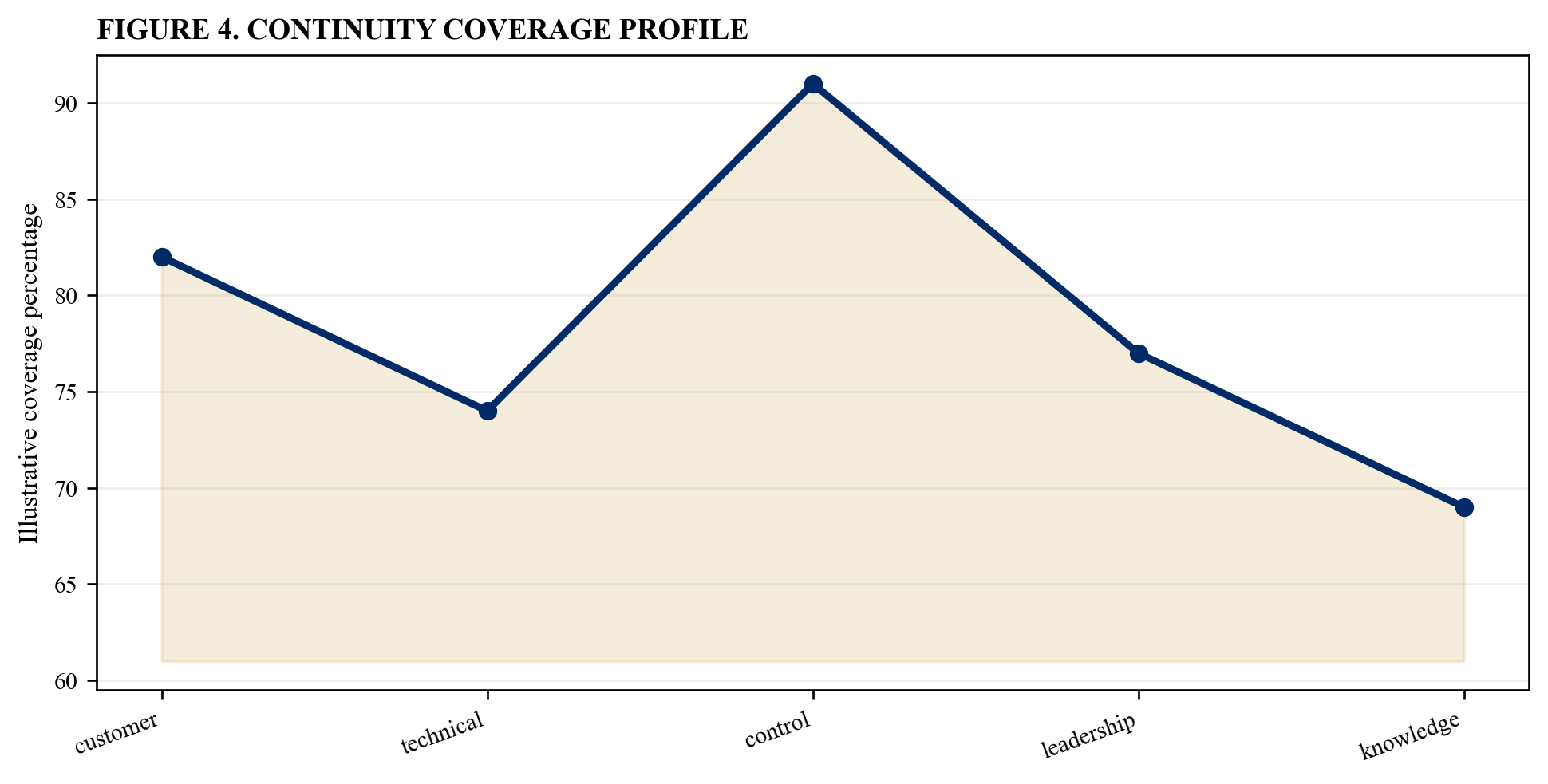
Illustrative analytical scenario; verified transaction evidence should replace index values.
33. Stage knowledge transfer
The integration leadership should set outputs, recipients, rehearsal, verification and completion evidence. The required output is a knowledge-transfer schedule. Record the business purpose, role evidence, dependency, timing, accountable owner, workforce impact, legal boundary, decision rationale and review date [21][35].
Assess role criticality before individual departure risk. Test value at risk, customer and control exposure, knowledge concentration, replacement time, succession coverage and the critical window. Apply documented human judgement to verified evidence.
The principal risk is that handover completion can be asserted without testing. Compare targeted financial and non-financial interventions, including role clarity, leadership access, autonomy, career path, workload, recognition, team support, succession and knowledge transfer.
Retain source data, calculations, consultation, approvals, offer terms, privacy controls, fairness review, coverage tests, exceptions and outcomes. Reforecast when roles, transaction timing, market conditions, individual evidence or continuity needs change.
34. Monitor leading indicators
The integration leadership should track role decisions, offer acceptance, workload, manager changes, access and coverage. The required output is an early-warning dashboard. Record the business purpose, role evidence, dependency, timing, accountable owner, workforce impact, legal boundary, decision rationale and review date [16][17].
Assess role criticality before individual departure risk. Test value at risk, customer and control exposure, knowledge concentration, replacement time, succession coverage and the critical window. Apply documented human judgement to verified evidence.
The principal risk is that surveillance can replace legitimate dialogue. Compare targeted financial and non-financial interventions, including role clarity, leadership access, autonomy, career path, workload, recognition, team support, succession and knowledge transfer.
Retain source data, calculations, consultation, approvals, offer terms, privacy controls, fairness review, coverage tests, exceptions and outcomes. Reforecast when roles, transaction timing, market conditions, individual evidence or continuity needs change.
35. Monitor outcomes
The integration leadership should track regretted loss, continuity, customer, control, productivity, succession and cost. The required output is a retention outcome scorecard. Record the business purpose, role evidence, dependency, timing, accountable owner, workforce impact, legal boundary, decision rationale and review date [22][36].
Assess role criticality before individual departure risk. Test value at risk, customer and control exposure, knowledge concentration, replacement time, succession coverage and the critical window. Apply documented human judgement to verified evidence.
The principal risk is that retention rate alone can conceal value loss. Compare targeted financial and non-financial interventions, including role clarity, leadership access, autonomy, career path, workload, recognition, team support, succession and knowledge transfer.
Retain source data, calculations, consultation, approvals, offer terms, privacy controls, fairness review, coverage tests, exceptions and outcomes. Reforecast when roles, transaction timing, market conditions, individual evidence or continuity needs change.
36. Govern exceptions
The integration leadership should require rationale, owner, duration, approvals and review for departures from policy. The required output is an exception register. Record the business purpose, role evidence, dependency, timing, accountable owner, workforce impact, legal boundary, decision rationale and review date [19][30].
Assess role criticality before individual departure risk. Test value at risk, customer and control exposure, knowledge concentration, replacement time, succession coverage and the critical window. Apply documented human judgement to verified evidence.
The principal risk is that executive pressure can bypass consistency controls. Compare targeted financial and non-financial interventions, including role clarity, leadership access, autonomy, career path, workload, recognition, team support, succession and knowledge transfer.
Retain source data, calculations, consultation, approvals, offer terms, privacy controls, fairness review, coverage tests, exceptions and outcomes. Reforecast when roles, transaction timing, market conditions, individual evidence or continuity needs change.
37. Prepare loss contingencies
The integration leadership should define interim authority, customer cover, access, communication and recovery for likely exits. The required output is a departure playbook. Record the business purpose, role evidence, dependency, timing, accountable owner, workforce impact, legal boundary, decision rationale and review date [5][14].
Assess role criticality before individual departure risk. Test value at risk, customer and control exposure, knowledge concentration, replacement time, succession coverage and the critical window. Apply documented human judgement to verified evidence.
The principal risk is that plans can assume every targeted person stays. Compare targeted financial and non-financial interventions, including role clarity, leadership access, autonomy, career path, workload, recognition, team support, succession and knowledge transfer.
Retain source data, calculations, consultation, approvals, offer terms, privacy controls, fairness review, coverage tests, exceptions and outcomes. Reforecast when roles, transaction timing, market conditions, individual evidence or continuity needs change.
38. Review the portfolio at gates
The integration leadership should refresh evidence at signing, clearance, closing and stabilisation. The required output is a gated reforecast. Record the business purpose, role evidence, dependency, timing, accountable owner, workforce impact, legal boundary, decision rationale and review date [8][22].
Assess role criticality before individual departure risk. Test value at risk, customer and control exposure, knowledge concentration, replacement time, succession coverage and the critical window. Apply documented human judgement to verified evidence.
The principal risk is that stale risk scores can drive current spending. Compare targeted financial and non-financial interventions, including role clarity, leadership access, autonomy, career path, workload, recognition, team support, succession and knowledge transfer.
Retain source data, calculations, consultation, approvals, offer terms, privacy controls, fairness review, coverage tests, exceptions and outcomes. Reforecast when roles, transaction timing, market conditions, individual evidence or continuity needs change.
39. Issue the talent-continuity certificate
The integration leadership should reconcile roles, people, interventions, coverage, transfer, outcomes and risk. The required output is an auditable certificate. Record the business purpose, role evidence, dependency, timing, accountable owner, workforce impact, legal boundary, decision rationale and review date [1][4].
Assess role criticality before individual departure risk. Test value at risk, customer and control exposure, knowledge concentration, replacement time, succession coverage and the critical window. Apply documented human judgement to verified evidence.
The principal risk is that leaders can declare retention success without continuity evidence. Compare targeted financial and non-financial interventions, including role clarity, leadership access, autonomy, career path, workload, recognition, team support, succession and knowledge transfer.
Retain source data, calculations, consultation, approvals, offer terms, privacy controls, fairness review, coverage tests, exceptions and outcomes. Reforecast when roles, transaction timing, market conditions, individual evidence or continuity needs change.
Table 5. Talent-continuity certificate
| Conclusion | Evidence | Acceptance |
|---|---|---|
| critical roles | role inventory | approved |
| retention | intervention cases | controlled |
| coverage | succession and transfer | verified |
| risk | contingencies | accepted |
Illustrative structure; verified transaction evidence and specialist review govern.
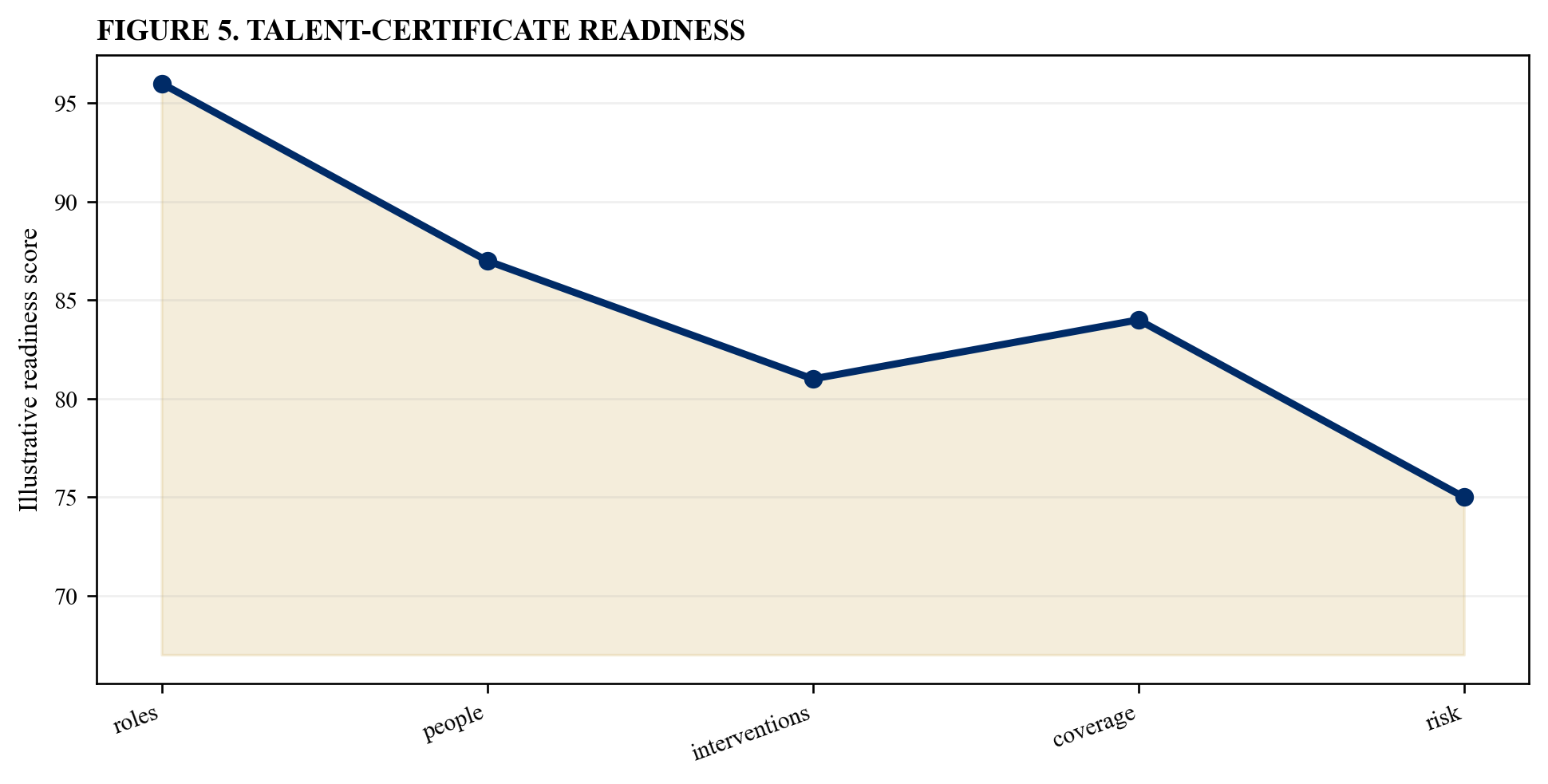
Illustrative analytical scenario; verified transaction evidence should replace index values.
40. Institutionalise capability resilience
The integration leadership should embed succession, documentation, cross-training, workload and workforce-data governance. The required output is an enduring resilience cycle. Record the business purpose, role evidence, dependency, timing, accountable owner, workforce impact, legal boundary, decision rationale and review date [5][37].
Assess role criticality before individual departure risk. Test value at risk, customer and control exposure, knowledge concentration, replacement time, succession coverage and the critical window. Apply documented human judgement to verified evidence.
The principal risk is that new single-person dependencies can reappear. Compare targeted financial and non-financial interventions, including role clarity, leadership access, autonomy, career path, workload, recognition, team support, succession and knowledge transfer.
Retain source data, calculations, consultation, approvals, offer terms, privacy controls, fairness review, coverage tests, exceptions and outcomes. Reforecast when roles, transaction timing, market conditions, individual evidence or continuity needs change.
References
- IFRS Foundation, IFRS 3 Business Combinations, https://www.ifrs.org/issued-standards/list-of-standards/ifrs-3-business-combinations/
- UK Financial Reporting Council, Corporate Culture, https://www.frc.org.uk/library/standards-codes-policy/corporate-governance/corporate-culture/
- US Office of Personnel Management, Workforce Planning Guide, https://www.opm.gov/policy-data-oversight/human-capital-framework/
- US Government Accountability Office, Human Capital, https://www.gao.gov/human-capital
- UK Government, UK Government Resilience Framework, https://www.gov.uk/government/publications/the-uk-government-resilience-framework
- UK Financial Conduct Authority, Operational Resilience, https://www.fca.org.uk/firms/operational-resilience
- UK Financial Reporting Council, UK Corporate Governance Code 2024, https://www.frc.org.uk/library/standards-codes-policy/corporate-governance/uk-corporate-governance-code/
- UK Competition and Markets Authority, Interim Measures in Merger Investigations, https://www.gov.uk/government/publications/interim-measures-and-derogations-guidance-and-templates
- UK Government, Business Transfers Takeovers and TUPE, https://www.gov.uk/transfers-takeovers
- European Union, Directive 2002/14/EC on Informing and Consulting Employees, https://eur-lex.europa.eu/eli/dir/2002/14/oj
- European Commission, EU Merger Control Procedures, https://competition-policy.ec.europa.eu/mergers/procedures_en
- US Federal Trade Commission, Premerger Notification Program, https://www.ftc.gov/enforcement/premerger-notification-program
- US Bureau of Labor Statistics, Occupational Employment and Wage Statistics, https://www.bls.gov/oes/
- International Organization for Standardization, ISO 22301 Business Continuity Management Systems, https://www.iso.org/standard/75106.html
- UK Advisory Conciliation and Arbitration Service, Managing People, https://www.acas.org.uk/managing-staff
- UK Information Commissioner's Office, Employment Information, https://ico.org.uk/for-organisations/uk-gdpr-guidance-and-resources/employment/
- UK Information Commissioner's Office, Monitoring Workers and Automated Processes, https://ico.org.uk/for-organisations/uk-gdpr-guidance-and-resources/employment/monitoring-workers/what-do-we-need-to-do-if-we-use-monitoring-tools-that-use-solely-automated-processes/
- European Union, General Data Protection Regulation Article 22, https://eur-lex.europa.eu/eli/reg/2016/679/oj
- UK Equality and Human Rights Commission, Employment Statutory Code of Practice, https://www.equalityhumanrights.com/equality/equality-act-2010/codes-practice/employment-statutory-code-practice
- US Government Accountability Office, Succession Planning, https://www.gao.gov/products/gao-04-127t
- National Archives, Knowledge Management, https://www.archives.gov/records-mgmt/knowledge-area
- UK Government, The Green Book, https://www.gov.uk/government/publications/the-green-book-appraisal-and-evaluation-in-central-government
- UK Financial Conduct Authority, Recognition and Incentives, https://www.fca.org.uk/firms/culture-and-governance/recognition-and-incentives
- UK Advisory Conciliation and Arbitration Service, Keeping Employees and Staff Retention, https://www.acas.org.uk/improving-staff-retention
- UK Advisory Conciliation and Arbitration Service, Changing an Employment Contract, https://www.acas.org.uk/changing-an-employment-contract
- UK Government, Apprenticeships and Training, https://www.gov.uk/employing-an-apprentice
- UK Health and Safety Executive, Work-Related Stress, https://www.hse.gov.uk/stress/
- IFRS Foundation, IAS 19 Employee Benefits, https://www.ifrs.org/issued-standards/list-of-standards/ias-19-employee-benefits/
- US Department of Justice, Compensation Incentives and Clawback Pilot, https://www.justice.gov/criminal/corporate-enforcement-note-compensation-incentives-and-clawback-pilot
- US Department of Justice, Evaluation of Corporate Compliance Programs, https://www.justice.gov/criminal/criminal-fraud/page/file/937501/dl
- UK Government, Equal Pay, https://www.gov.uk/equal-pay-employment-law
- UK Advisory Conciliation and Arbitration Service, Employment Contracts, https://www.acas.org.uk/employment-contracts
- UK Financial Reporting Council, Corporate Culture and the Role of Boards, https://media.frc.org.uk/documents/Corporate_Culture_and_the_Role_of_Boards_Report_of_Observations_interactive_PDF.pdf
- UK Financial Conduct Authority, Consumer Duty, https://www.fca.org.uk/firms/consumer-duty
- National Institute of Standards and Technology, Cybersecurity Framework 2.0, https://www.nist.gov/publications/nist-cybersecurity-framework-csf-20
- IFRS Foundation, IFRS 18 Presentation and Disclosure in Financial Statements, https://www.ifrs.org/issued-standards/list-of-standards/ifrs-18-presentation-and-disclosure-in-financial-statements/
- International Organization for Standardization, ISO 30401 Knowledge Management Systems, https://www.iso.org/standard/68683.html
- OECD, Guidelines for Multinational Enterprises on Responsible Business Conduct, https://mneguidelines.oecd.org/mneguidelines/
