

1. Define the venture use cases
The partners should state the decisions, products, users, markets and benefits that require data or AI. The required output is a purpose-and-value memorandum. Record the asset, rights holder, legal basis, permitted purpose, users, territory, term, restrictions, technical control, accountable owner and approval [1][2].
Test each permission against source provenance, privacy, intellectual property, confidentiality, competition, security, sector regulation, vendor terms and the venture's operating model. Separate access, use, training, modification, disclosure, commercialisation, portability and deletion rather than relying on a single ownership label.
The principal risk is that rights can be granted more broadly than the venture thesis requires. Compare the proposed right with the narrowest permission needed for the approved use case and define evidence, monitoring, revocation and remedy.
Retain contracts, notices, consents, licences, lineage, model cards, evaluations, access logs, approvals, incidents, changes and exceptions. Refresh the analysis when sources, laws, models, vendors, purposes, jurisdictions or ownership change.
2. Map every legal and operating role
The partners should identify contributors, controllers, processors, providers, deployers, vendors, licensors and users. The required output is a role-allocation map. Record the asset, rights holder, legal basis, permitted purpose, users, territory, term, restrictions, technical control, accountable owner and approval [3][4].
Test each permission against source provenance, privacy, intellectual property, confidentiality, competition, security, sector regulation, vendor terms and the venture's operating model. Separate access, use, training, modification, disclosure, commercialisation, portability and deletion rather than relying on a single ownership label.
The principal risk is that one entity can assume duties that the contract assigns elsewhere. Compare the proposed right with the narrowest permission needed for the approved use case and define evidence, monitoring, revocation and remedy.
Retain contracts, notices, consents, licences, lineage, model cards, evaluations, access logs, approvals, incidents, changes and exceptions. Refresh the analysis when sources, laws, models, vendors, purposes, jurisdictions or ownership change.
3. Build the asset taxonomy
The partners should separate raw data, databases, metadata, features, labels, code, models, weights, adapters, prompts, retrieval stores and outputs. The required output is an asset register. Record the asset, rights holder, legal basis, permitted purpose, users, territory, term, restrictions, technical control, accountable owner and approval [5][6].
Test each permission against source provenance, privacy, intellectual property, confidentiality, competition, security, sector regulation, vendor terms and the venture's operating model. Separate access, use, training, modification, disclosure, commercialisation, portability and deletion rather than relying on a single ownership label.
The principal risk is that the word data can conceal materially different assets and rights. Compare the proposed right with the narrowest permission needed for the approved use case and define evidence, monitoring, revocation and remedy.
Retain contracts, notices, consents, licences, lineage, model cards, evaluations, access logs, approvals, incidents, changes and exceptions. Refresh the analysis when sources, laws, models, vendors, purposes, jurisdictions or ownership change.
Table 1. Data and AI asset taxonomy
| Asset | Primary right question | Control |
|---|---|---|
| source data | lawful collection and use | provenance |
| model | copy and deploy | custody |
| workflow | modify and operate | knowledge transfer |
| output | use and commercialise | human review |
Illustrative analytical structure; verified transaction evidence and specialist review govern.
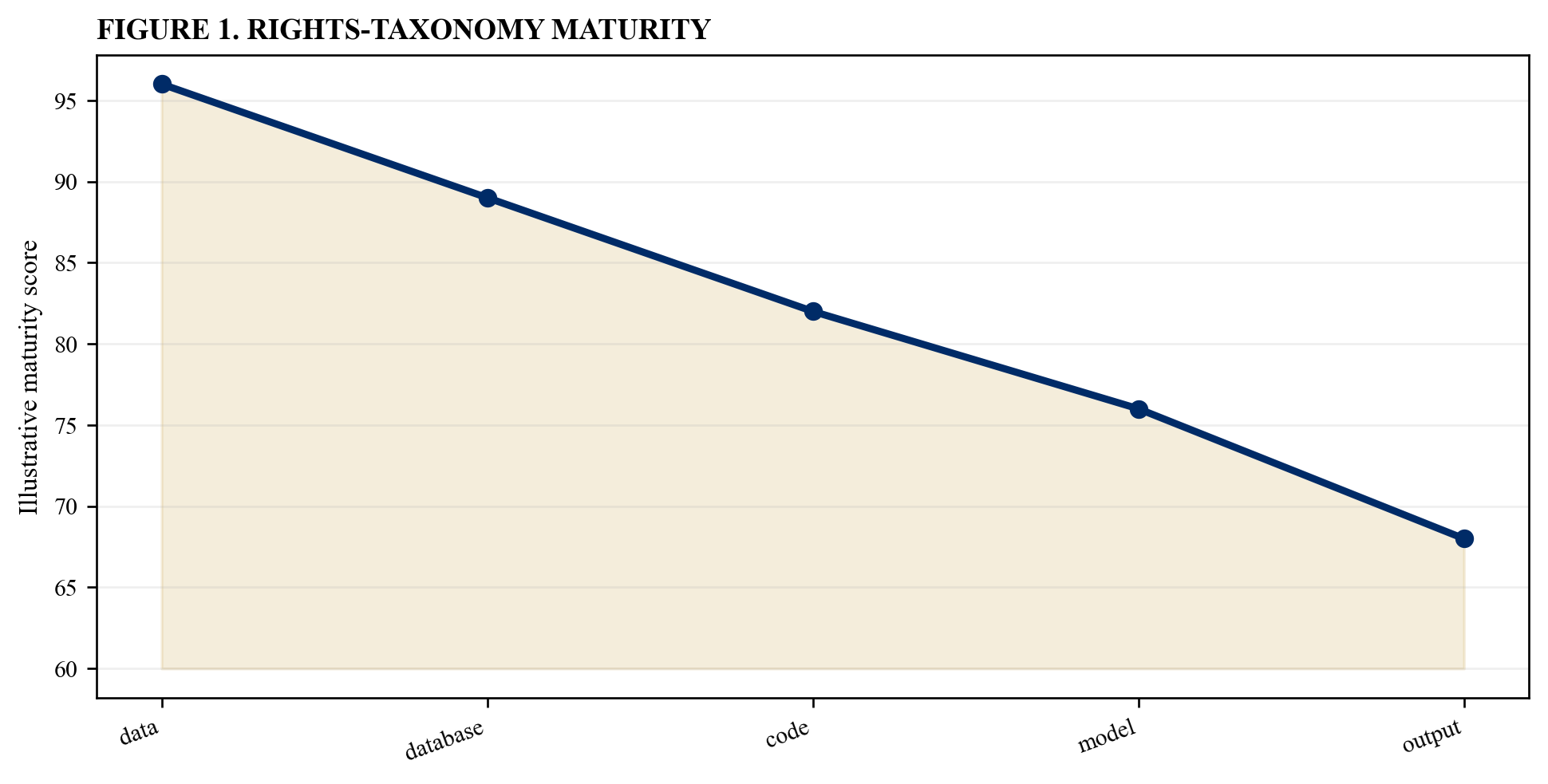
Illustrative analytical scenario; verified transaction evidence should replace index values.
4. Separate background and foreground assets
The partners should record what existed before the venture, what is created jointly and what is derived from each input. The required output is a background-foreground schedule. Record the asset, rights holder, legal basis, permitted purpose, users, territory, term, restrictions, technical control, accountable owner and approval [7][8].
Test each permission against source provenance, privacy, intellectual property, confidentiality, competition, security, sector regulation, vendor terms and the venture's operating model. Separate access, use, training, modification, disclosure, commercialisation, portability and deletion rather than relying on a single ownership label.
The principal risk is that venture-created value can be claimed as pre-existing property. Compare the proposed right with the narrowest permission needed for the approved use case and define evidence, monitoring, revocation and remedy.
Retain contracts, notices, consents, licences, lineage, model cards, evaluations, access logs, approvals, incidents, changes and exceptions. Refresh the analysis when sources, laws, models, vendors, purposes, jurisdictions or ownership change.
5. Verify provenance and lawful control
The partners should trace source, collector, licence, consent, notice, restriction, transformation and custodian. The required output is a provenance ledger. Record the asset, rights holder, legal basis, permitted purpose, users, territory, term, restrictions, technical control, accountable owner and approval [9][10].
Test each permission against source provenance, privacy, intellectual property, confidentiality, competition, security, sector regulation, vendor terms and the venture's operating model. Separate access, use, training, modification, disclosure, commercialisation, portability and deletion rather than relying on a single ownership label.
The principal risk is that possession can be mistaken for lawful authority to use. Compare the proposed right with the narrowest permission needed for the approved use case and define evidence, monitoring, revocation and remedy.
Retain contracts, notices, consents, licences, lineage, model cards, evaluations, access logs, approvals, incidents, changes and exceptions. Refresh the analysis when sources, laws, models, vendors, purposes, jurisdictions or ownership change.
6. Map personal-data lawful bases
The partners should document purpose, lawful basis, fairness, transparency, minimisation and retention for each processing activity. The required output is a processing record. Record the asset, rights holder, legal basis, permitted purpose, users, territory, term, restrictions, technical control, accountable owner and approval [11][12].
Test each permission against source provenance, privacy, intellectual property, confidentiality, competition, security, sector regulation, vendor terms and the venture's operating model. Separate access, use, training, modification, disclosure, commercialisation, portability and deletion rather than relying on a single ownership label.
The principal risk is that commercial permission can be mistaken for a privacy-law basis. Compare the proposed right with the narrowest permission needed for the approved use case and define evidence, monitoring, revocation and remedy.
Retain contracts, notices, consents, licences, lineage, model cards, evaluations, access logs, approvals, incidents, changes and exceptions. Refresh the analysis when sources, laws, models, vendors, purposes, jurisdictions or ownership change.
7. Allocate controller and processor duties
The partners should decide purposes and means, instructions, assistance, subprocessors, security, rights requests and breach handling. The required output is a privacy responsibility matrix. Record the asset, rights holder, legal basis, permitted purpose, users, territory, term, restrictions, technical control, accountable owner and approval [11][13].
Test each permission against source provenance, privacy, intellectual property, confidentiality, competition, security, sector regulation, vendor terms and the venture's operating model. Separate access, use, training, modification, disclosure, commercialisation, portability and deletion rather than relying on a single ownership label.
The principal risk is that joint influence can create shared responsibility absent from the contract. Compare the proposed right with the narrowest permission needed for the approved use case and define evidence, monitoring, revocation and remedy.
Retain contracts, notices, consents, licences, lineage, model cards, evaluations, access logs, approvals, incidents, changes and exceptions. Refresh the analysis when sources, laws, models, vendors, purposes, jurisdictions or ownership change.
8. Protect sensitive and regulated data
The partners should identify special-category, biometric, financial, health, children, employee and sector-regulated information. The required output is a sensitivity-control matrix. Record the asset, rights holder, legal basis, permitted purpose, users, territory, term, restrictions, technical control, accountable owner and approval [12][14].
Test each permission against source provenance, privacy, intellectual property, confidentiality, competition, security, sector regulation, vendor terms and the venture's operating model. Separate access, use, training, modification, disclosure, commercialisation, portability and deletion rather than relying on a single ownership label.
The principal risk is that high-impact information can enter general training pipelines. Compare the proposed right with the narrowest permission needed for the approved use case and define evidence, monitoring, revocation and remedy.
Retain contracts, notices, consents, licences, lineage, model cards, evaluations, access logs, approvals, incidents, changes and exceptions. Refresh the analysis when sources, laws, models, vendors, purposes, jurisdictions or ownership change.
9. Test third-party licences
The partners should review vendor, open-source, data-provider, cloud, platform and customer terms for access and model-training rights. The required output is a licence compatibility register. Record the asset, rights holder, legal basis, permitted purpose, users, territory, term, restrictions, technical control, accountable owner and approval [15][16].
Test each permission against source provenance, privacy, intellectual property, confidentiality, competition, security, sector regulation, vendor terms and the venture's operating model. Separate access, use, training, modification, disclosure, commercialisation, portability and deletion rather than relying on a single ownership label.
The principal risk is that a contributor can promise rights it received only for internal use. Compare the proposed right with the narrowest permission needed for the approved use case and define evidence, monitoring, revocation and remedy.
Retain contracts, notices, consents, licences, lineage, model cards, evaluations, access logs, approvals, incidents, changes and exceptions. Refresh the analysis when sources, laws, models, vendors, purposes, jurisdictions or ownership change.
10. Identify database and compilation rights
The partners should separate rights in individual records from selection, arrangement and substantial database investment. The required output is a database-rights analysis. Record the asset, rights holder, legal basis, permitted purpose, users, territory, term, restrictions, technical control, accountable owner and approval [17][18].
Test each permission against source provenance, privacy, intellectual property, confidentiality, competition, security, sector regulation, vendor terms and the venture's operating model. Separate access, use, training, modification, disclosure, commercialisation, portability and deletion rather than relying on a single ownership label.
The principal risk is that ownership of a database can be confused with rights in its contents. Compare the proposed right with the narrowest permission needed for the approved use case and define evidence, monitoring, revocation and remedy.
Retain contracts, notices, consents, licences, lineage, model cards, evaluations, access logs, approvals, incidents, changes and exceptions. Refresh the analysis when sources, laws, models, vendors, purposes, jurisdictions or ownership change.
11. Protect trade secrets and confidentiality
The partners should define secrecy, reasonable measures, authorised recipients, permitted analysis and residual knowledge. The required output is a trade-secret control plan. Record the asset, rights holder, legal basis, permitted purpose, users, territory, term, restrictions, technical control, accountable owner and approval [19][20].
Test each permission against source provenance, privacy, intellectual property, confidentiality, competition, security, sector regulation, vendor terms and the venture's operating model. Separate access, use, training, modification, disclosure, commercialisation, portability and deletion rather than relying on a single ownership label.
The principal risk is that sharing can destroy protection or expand permitted use. Compare the proposed right with the narrowest permission needed for the approved use case and define evidence, monitoring, revocation and remedy.
Retain contracts, notices, consents, licences, lineage, model cards, evaluations, access logs, approvals, incidents, changes and exceptions. Refresh the analysis when sources, laws, models, vendors, purposes, jurisdictions or ownership change.
12. Allocate software and model IP
The partners should map source code, object code, architecture, documentation, models and modifications. The required output is a software-and-model rights schedule. Record the asset, rights holder, legal basis, permitted purpose, users, territory, term, restrictions, technical control, accountable owner and approval [7][21].
Test each permission against source provenance, privacy, intellectual property, confidentiality, competition, security, sector regulation, vendor terms and the venture's operating model. Separate access, use, training, modification, disclosure, commercialisation, portability and deletion rather than relying on a single ownership label.
The principal risk is that model access can be granted without deployable code or dependencies. Compare the proposed right with the narrowest permission needed for the approved use case and define evidence, monitoring, revocation and remedy.
Retain contracts, notices, consents, licences, lineage, model cards, evaluations, access logs, approvals, incidents, changes and exceptions. Refresh the analysis when sources, laws, models, vendors, purposes, jurisdictions or ownership change.
13. Define training permissions precisely
The partners should specify datasets, models, purposes, territories, compute, retention, re-training and prohibited uses. The required output is a training-rights licence. Record the asset, rights holder, legal basis, permitted purpose, users, territory, term, restrictions, technical control, accountable owner and approval [22][23].
Test each permission against source provenance, privacy, intellectual property, confidentiality, competition, security, sector regulation, vendor terms and the venture's operating model. Separate access, use, training, modification, disclosure, commercialisation, portability and deletion rather than relying on a single ownership label.
The principal risk is that general access can be interpreted as permission to train any model. Compare the proposed right with the narrowest permission needed for the approved use case and define evidence, monitoring, revocation and remedy.
Retain contracts, notices, consents, licences, lineage, model cards, evaluations, access logs, approvals, incidents, changes and exceptions. Refresh the analysis when sources, laws, models, vendors, purposes, jurisdictions or ownership change.
Table 2. Training-rights specification
| Dimension | Example boundary | Evidence |
|---|---|---|
| dataset | named sources | lineage |
| purpose | approved use case | decision memo |
| model | named family/version | registry |
| term | training and retention window | logs |
Illustrative analytical structure; verified transaction evidence and specialist review govern.
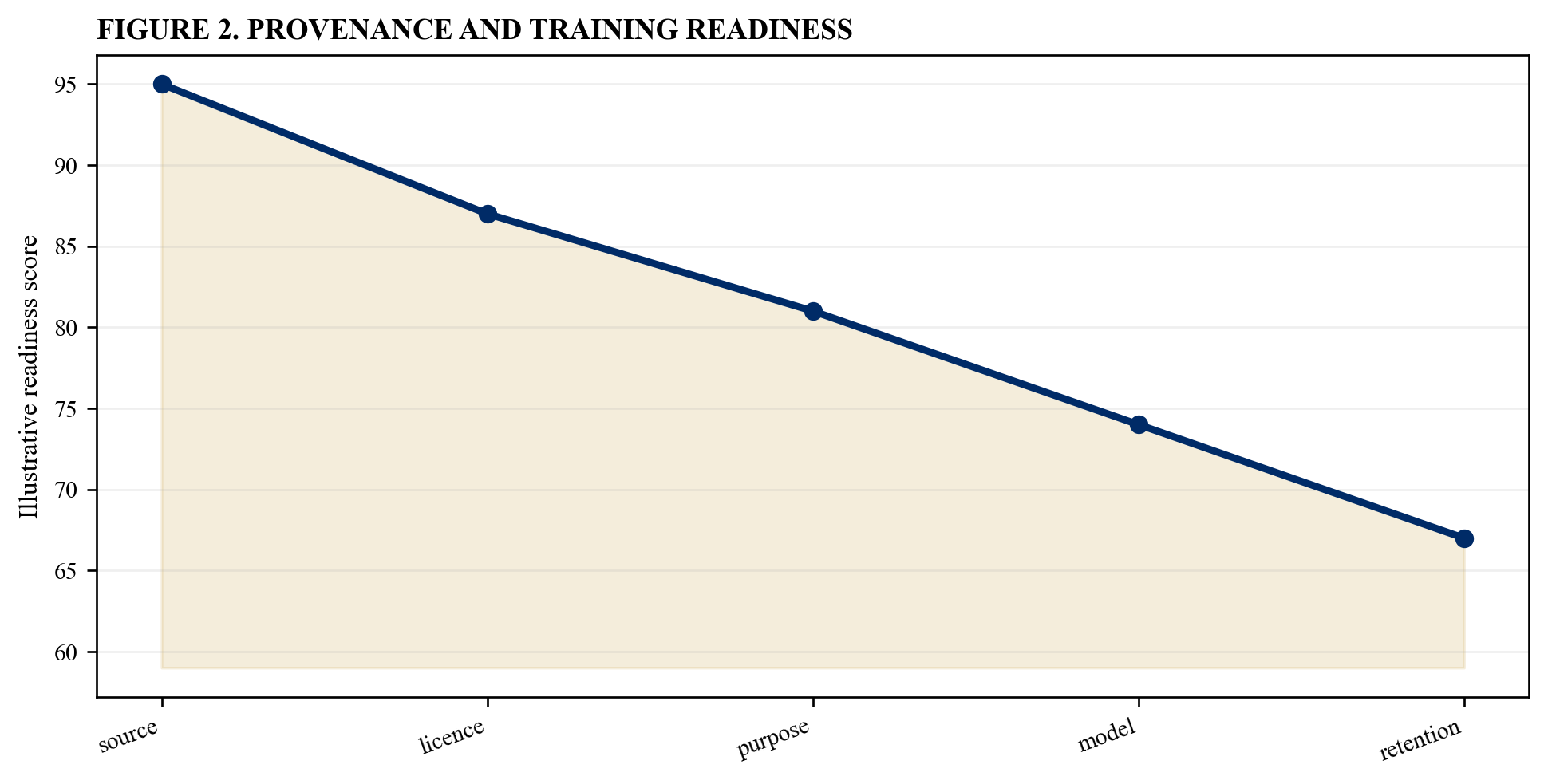
Illustrative analytical scenario; verified transaction evidence should replace index values.
14. Control fine-tuning artefacts
The partners should allocate adapters, checkpoints, embeddings, synthetic data, evaluation sets and learned parameters. The required output is a derivative-artefact schedule. Record the asset, rights holder, legal basis, permitted purpose, users, territory, term, restrictions, technical control, accountable owner and approval [5][24].
Test each permission against source provenance, privacy, intellectual property, confidentiality, competition, security, sector regulation, vendor terms and the venture's operating model. Separate access, use, training, modification, disclosure, commercialisation, portability and deletion rather than relying on a single ownership label.
The principal risk is that valuable adaptation can fall between data and model definitions. Compare the proposed right with the narrowest permission needed for the approved use case and define evidence, monitoring, revocation and remedy.
Retain contracts, notices, consents, licences, lineage, model cards, evaluations, access logs, approvals, incidents, changes and exceptions. Refresh the analysis when sources, laws, models, vendors, purposes, jurisdictions or ownership change.
15. Treat model weights separately
The partners should define possession, hosting, copying, export, security, modification and post-termination use. The required output is a model-weight custody plan. Record the asset, rights holder, legal basis, permitted purpose, users, territory, term, restrictions, technical control, accountable owner and approval [3][25].
Test each permission against source provenance, privacy, intellectual property, confidentiality, competition, security, sector regulation, vendor terms and the venture's operating model. Separate access, use, training, modification, disclosure, commercialisation, portability and deletion rather than relying on a single ownership label.
The principal risk is that API access can be confused with ownership of the underlying model. Compare the proposed right with the narrowest permission needed for the approved use case and define evidence, monitoring, revocation and remedy.
Retain contracts, notices, consents, licences, lineage, model cards, evaluations, access logs, approvals, incidents, changes and exceptions. Refresh the analysis when sources, laws, models, vendors, purposes, jurisdictions or ownership change.
16. Define prompt and workflow rights
The partners should allocate system prompts, templates, tools, agents, orchestration, policies and process know-how. The required output is a workflow asset register. Record the asset, rights holder, legal basis, permitted purpose, users, territory, term, restrictions, technical control, accountable owner and approval [19][24].
Test each permission against source provenance, privacy, intellectual property, confidentiality, competition, security, sector regulation, vendor terms and the venture's operating model. Separate access, use, training, modification, disclosure, commercialisation, portability and deletion rather than relying on a single ownership label.
The principal risk is that operating know-how can leave with one partner. Compare the proposed right with the narrowest permission needed for the approved use case and define evidence, monitoring, revocation and remedy.
Retain contracts, notices, consents, licences, lineage, model cards, evaluations, access logs, approvals, incidents, changes and exceptions. Refresh the analysis when sources, laws, models, vendors, purposes, jurisdictions or ownership change.
17. Govern retrieval and vector stores
The partners should trace source chunks, embeddings, refresh, access, deletion and output attribution. The required output is a retrieval-governance map. Record the asset, rights holder, legal basis, permitted purpose, users, territory, term, restrictions, technical control, accountable owner and approval [11][26].
Test each permission against source provenance, privacy, intellectual property, confidentiality, competition, security, sector regulation, vendor terms and the venture's operating model. Separate access, use, training, modification, disclosure, commercialisation, portability and deletion rather than relying on a single ownership label.
The principal risk is that deleted source material can persist in derived stores. Compare the proposed right with the narrowest permission needed for the approved use case and define evidence, monitoring, revocation and remedy.
Retain contracts, notices, consents, licences, lineage, model cards, evaluations, access logs, approvals, incidents, changes and exceptions. Refresh the analysis when sources, laws, models, vendors, purposes, jurisdictions or ownership change.
18. Allocate output rights cautiously
The partners should define permitted use, review, attribution, confidentiality, infringement response and reuse. The required output is an output-use policy. Record the asset, rights holder, legal basis, permitted purpose, users, territory, term, restrictions, technical control, accountable owner and approval [27][28].
Test each permission against source provenance, privacy, intellectual property, confidentiality, competition, security, sector regulation, vendor terms and the venture's operating model. Separate access, use, training, modification, disclosure, commercialisation, portability and deletion rather than relying on a single ownership label.
The principal risk is that the agreement can promise exclusive copyright that law does not recognise. Compare the proposed right with the narrowest permission needed for the approved use case and define evidence, monitoring, revocation and remedy.
Retain contracts, notices, consents, licences, lineage, model cards, evaluations, access logs, approvals, incidents, changes and exceptions. Refresh the analysis when sources, laws, models, vendors, purposes, jurisdictions or ownership change.
19. Require human contribution records
The partners should retain instructions, selection, arrangement, editing and accountable approval where copyright or authorship matters. The required output is a human-contribution record. Record the asset, rights holder, legal basis, permitted purpose, users, territory, term, restrictions, technical control, accountable owner and approval [27][29].
Test each permission against source provenance, privacy, intellectual property, confidentiality, competition, security, sector regulation, vendor terms and the venture's operating model. Separate access, use, training, modification, disclosure, commercialisation, portability and deletion rather than relying on a single ownership label.
The principal risk is that machine generation can be presented as protected human authorship. Compare the proposed right with the narrowest permission needed for the approved use case and define evidence, monitoring, revocation and remedy.
Retain contracts, notices, consents, licences, lineage, model cards, evaluations, access logs, approvals, incidents, changes and exceptions. Refresh the analysis when sources, laws, models, vendors, purposes, jurisdictions or ownership change.
20. Set access by purpose and role
The partners should grant least-privilege access by user, asset, task, duration, environment and export right. The required output is a purpose-bound entitlement model. Record the asset, rights holder, legal basis, permitted purpose, users, territory, term, restrictions, technical control, accountable owner and approval [30][31].
Test each permission against source provenance, privacy, intellectual property, confidentiality, competition, security, sector regulation, vendor terms and the venture's operating model. Separate access, use, training, modification, disclosure, commercialisation, portability and deletion rather than relying on a single ownership label.
The principal risk is that broad technical access can defeat narrow contractual permissions. Compare the proposed right with the narrowest permission needed for the approved use case and define evidence, monitoring, revocation and remedy.
Retain contracts, notices, consents, licences, lineage, model cards, evaluations, access logs, approvals, incidents, changes and exceptions. Refresh the analysis when sources, laws, models, vendors, purposes, jurisdictions or ownership change.
Table 3. Access-control architecture
| Layer | Decision | Control |
|---|---|---|
| identity | who | role access |
| purpose | why | policy binding |
| environment | where | clean room |
| export | what leaves | approval and logging |
Illustrative analytical structure; verified transaction evidence and specialist review govern.
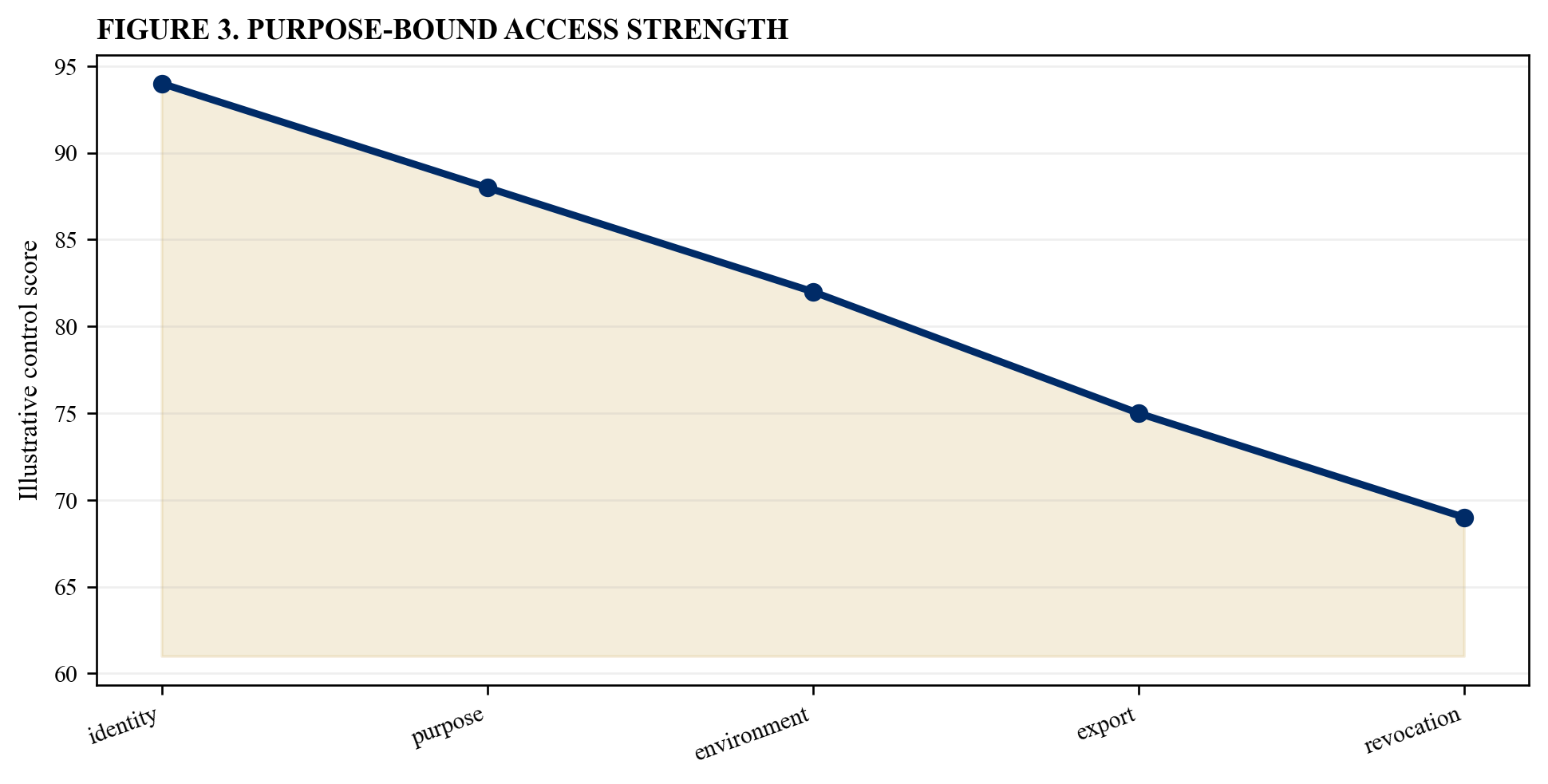
Illustrative analytical scenario; verified transaction evidence should replace index values.
21. Use secure collaboration environments
The partners should apply clean rooms, federated learning, confidential computing, aggregation or controlled APIs where appropriate. The required output is a protected-compute design. Record the asset, rights holder, legal basis, permitted purpose, users, territory, term, restrictions, technical control, accountable owner and approval [30][32].
Test each permission against source provenance, privacy, intellectual property, confidentiality, competition, security, sector regulation, vendor terms and the venture's operating model. Separate access, use, training, modification, disclosure, commercialisation, portability and deletion rather than relying on a single ownership label.
The principal risk is that partners can copy raw information when only joint insight is needed. Compare the proposed right with the narrowest permission needed for the approved use case and define evidence, monitoring, revocation and remedy.
Retain contracts, notices, consents, licences, lineage, model cards, evaluations, access logs, approvals, incidents, changes and exceptions. Refresh the analysis when sources, laws, models, vendors, purposes, jurisdictions or ownership change.
22. Control competition-sensitive information
The partners should restrict prices, customers, wages, capacity, pipelines and strategy between competing parents. The required output is a competition clean-team protocol. Record the asset, rights holder, legal basis, permitted purpose, users, territory, term, restrictions, technical control, accountable owner and approval [33][34].
Test each permission against source provenance, privacy, intellectual property, confidentiality, competition, security, sector regulation, vendor terms and the venture's operating model. Separate access, use, training, modification, disclosure, commercialisation, portability and deletion rather than relying on a single ownership label.
The principal risk is that the venture can become a conduit for coordination. Compare the proposed right with the narrowest permission needed for the approved use case and define evidence, monitoring, revocation and remedy.
Retain contracts, notices, consents, licences, lineage, model cards, evaluations, access logs, approvals, incidents, changes and exceptions. Refresh the analysis when sources, laws, models, vendors, purposes, jurisdictions or ownership change.
23. Design interoperability and access rights
The partners should map connected-product data, user rights, switching, export formats and third-party access. The required output is a Data Act compliance map. Record the asset, rights holder, legal basis, permitted purpose, users, territory, term, restrictions, technical control, accountable owner and approval [35][36].
Test each permission against source provenance, privacy, intellectual property, confidentiality, competition, security, sector regulation, vendor terms and the venture's operating model. Separate access, use, training, modification, disclosure, commercialisation, portability and deletion rather than relying on a single ownership label.
The principal risk is that technical lock-in can conflict with statutory access or portability. Compare the proposed right with the narrowest permission needed for the approved use case and define evidence, monitoring, revocation and remedy.
Retain contracts, notices, consents, licences, lineage, model cards, evaluations, access logs, approvals, incidents, changes and exceptions. Refresh the analysis when sources, laws, models, vendors, purposes, jurisdictions or ownership change.
24. Govern cross-border transfers
The partners should identify origin, destination, recipient, safeguards, localisation, government-access risk and onward transfer. The required output is a transfer-impact register. Record the asset, rights holder, legal basis, permitted purpose, users, territory, term, restrictions, technical control, accountable owner and approval [11][37].
Test each permission against source provenance, privacy, intellectual property, confidentiality, competition, security, sector regulation, vendor terms and the venture's operating model. Separate access, use, training, modification, disclosure, commercialisation, portability and deletion rather than relying on a single ownership label.
The principal risk is that cloud architecture can move data beyond approved jurisdictions. Compare the proposed right with the narrowest permission needed for the approved use case and define evidence, monitoring, revocation and remedy.
Retain contracts, notices, consents, licences, lineage, model cards, evaluations, access logs, approvals, incidents, changes and exceptions. Refresh the analysis when sources, laws, models, vendors, purposes, jurisdictions or ownership change.
25. Set retention and deletion rules
The partners should define operational need, legal hold, model effects, backups, embeddings, logs and certified deletion. The required output is a lifecycle schedule. Record the asset, rights holder, legal basis, permitted purpose, users, territory, term, restrictions, technical control, accountable owner and approval [11][30].
Test each permission against source provenance, privacy, intellectual property, confidentiality, competition, security, sector regulation, vendor terms and the venture's operating model. Separate access, use, training, modification, disclosure, commercialisation, portability and deletion rather than relying on a single ownership label.
The principal risk is that source deletion can leave recoverable or influential derivatives. Compare the proposed right with the narrowest permission needed for the approved use case and define evidence, monitoring, revocation and remedy.
Retain contracts, notices, consents, licences, lineage, model cards, evaluations, access logs, approvals, incidents, changes and exceptions. Refresh the analysis when sources, laws, models, vendors, purposes, jurisdictions or ownership change.
26. Create security ownership
The partners should allocate identity, encryption, keys, vulnerability, supply chain, monitoring, recovery and assurance. The required output is a shared-security model. Record the asset, rights holder, legal basis, permitted purpose, users, territory, term, restrictions, technical control, accountable owner and approval [31][38].
Test each permission against source provenance, privacy, intellectual property, confidentiality, competition, security, sector regulation, vendor terms and the venture's operating model. Separate access, use, training, modification, disclosure, commercialisation, portability and deletion rather than relying on a single ownership label.
The principal risk is that split responsibility can leave critical controls ownerless. Compare the proposed right with the narrowest permission needed for the approved use case and define evidence, monitoring, revocation and remedy.
Retain contracts, notices, consents, licences, lineage, model cards, evaluations, access logs, approvals, incidents, changes and exceptions. Refresh the analysis when sources, laws, models, vendors, purposes, jurisdictions or ownership change.
27. Classify AI Act roles and systems
The partners should determine provider, deployer, importer, distributor, GPAI and high-risk status for each product and market. The required output is an AI regulatory map. Record the asset, rights holder, legal basis, permitted purpose, users, territory, term, restrictions, technical control, accountable owner and approval [3][4].
Test each permission against source provenance, privacy, intellectual property, confidentiality, competition, security, sector regulation, vendor terms and the venture's operating model. Separate access, use, training, modification, disclosure, commercialisation, portability and deletion rather than relying on a single ownership label.
The principal risk is that branding or modification can shift provider obligations. Compare the proposed right with the narrowest permission needed for the approved use case and define evidence, monitoring, revocation and remedy.
Retain contracts, notices, consents, licences, lineage, model cards, evaluations, access logs, approvals, incidents, changes and exceptions. Refresh the analysis when sources, laws, models, vendors, purposes, jurisdictions or ownership change.
28. Document models for downstream users
The partners should provide capabilities, limitations, inputs, outputs, evaluation, integration, energy and risk information. The required output is a model information pack. Record the asset, rights holder, legal basis, permitted purpose, users, territory, term, restrictions, technical control, accountable owner and approval [3][25].
Test each permission against source provenance, privacy, intellectual property, confidentiality, competition, security, sector regulation, vendor terms and the venture's operating model. Separate access, use, training, modification, disclosure, commercialisation, portability and deletion rather than relying on a single ownership label.
The principal risk is that a downstream venture can lack information needed for compliant deployment. Compare the proposed right with the narrowest permission needed for the approved use case and define evidence, monitoring, revocation and remedy.
Retain contracts, notices, consents, licences, lineage, model cards, evaluations, access logs, approvals, incidents, changes and exceptions. Refresh the analysis when sources, laws, models, vendors, purposes, jurisdictions or ownership change.
29. Evaluate performance and risk
The partners should test accuracy, robustness, bias, privacy, security, misuse, drift and human oversight by use case. The required output is an evaluation and acceptance record. Record the asset, rights holder, legal basis, permitted purpose, users, territory, term, restrictions, technical control, accountable owner and approval [2][39].
Test each permission against source provenance, privacy, intellectual property, confidentiality, competition, security, sector regulation, vendor terms and the venture's operating model. Separate access, use, training, modification, disclosure, commercialisation, portability and deletion rather than relying on a single ownership label.
The principal risk is that a model can be approved on generic benchmarks unrelated to venture decisions. Compare the proposed right with the narrowest permission needed for the approved use case and define evidence, monitoring, revocation and remedy.
Retain contracts, notices, consents, licences, lineage, model cards, evaluations, access logs, approvals, incidents, changes and exceptions. Refresh the analysis when sources, laws, models, vendors, purposes, jurisdictions or ownership change.
30. Govern model and data changes
The partners should approve new sources, versions, prompts, tools, vendors, thresholds and deployment contexts. The required output is a change-control ledger. Record the asset, rights holder, legal basis, permitted purpose, users, territory, term, restrictions, technical control, accountable owner and approval [2][31].
Test each permission against source provenance, privacy, intellectual property, confidentiality, competition, security, sector regulation, vendor terms and the venture's operating model. Separate access, use, training, modification, disclosure, commercialisation, portability and deletion rather than relying on a single ownership label.
The principal risk is that a compliant initial design can drift through routine updates. Compare the proposed right with the narrowest permission needed for the approved use case and define evidence, monitoring, revocation and remedy.
Retain contracts, notices, consents, licences, lineage, model cards, evaluations, access logs, approvals, incidents, changes and exceptions. Refresh the analysis when sources, laws, models, vendors, purposes, jurisdictions or ownership change.
31. Manage vendor concentration
The partners should map cloud, model, data, tooling, licence, continuity, audit, export and replacement dependencies. The required output is a third-party dependency register. Record the asset, rights holder, legal basis, permitted purpose, users, territory, term, restrictions, technical control, accountable owner and approval [16][38].
Test each permission against source provenance, privacy, intellectual property, confidentiality, competition, security, sector regulation, vendor terms and the venture's operating model. Separate access, use, training, modification, disclosure, commercialisation, portability and deletion rather than relying on a single ownership label.
The principal risk is that the venture can lack rights to continue after vendor or partner exit. Compare the proposed right with the narrowest permission needed for the approved use case and define evidence, monitoring, revocation and remedy.
Retain contracts, notices, consents, licences, lineage, model cards, evaluations, access logs, approvals, incidents, changes and exceptions. Refresh the analysis when sources, laws, models, vendors, purposes, jurisdictions or ownership change.
32. Value contributed rights
The partners should measure scope, exclusivity, quality, lawful usability, scarcity, useful life, substitution and supporting cost. The required output is a rights valuation. Record the asset, rights holder, legal basis, permitted purpose, users, territory, term, restrictions, technical control, accountable owner and approval [40][8].
Test each permission against source provenance, privacy, intellectual property, confidentiality, competition, security, sector regulation, vendor terms and the venture's operating model. Separate access, use, training, modification, disclosure, commercialisation, portability and deletion rather than relying on a single ownership label.
The principal risk is that data volume can be mistaken for economic value. Compare the proposed right with the narrowest permission needed for the approved use case and define evidence, monitoring, revocation and remedy.
Retain contracts, notices, consents, licences, lineage, model cards, evaluations, access logs, approvals, incidents, changes and exceptions. Refresh the analysis when sources, laws, models, vendors, purposes, jurisdictions or ownership change.
33. Separate ownership from economics
The partners should allocate fees, royalties, revenue shares, compute costs, improvement rights and commercial channels. The required output is a commercial-rights waterfall. Record the asset, rights holder, legal basis, permitted purpose, users, territory, term, restrictions, technical control, accountable owner and approval [8][40].
Test each permission against source provenance, privacy, intellectual property, confidentiality, competition, security, sector regulation, vendor terms and the venture's operating model. Separate access, use, training, modification, disclosure, commercialisation, portability and deletion rather than relying on a single ownership label.
The principal risk is that legal title can receive value twice through ownership and revenue rights. Compare the proposed right with the narrowest permission needed for the approved use case and define evidence, monitoring, revocation and remedy.
Retain contracts, notices, consents, licences, lineage, model cards, evaluations, access logs, approvals, incidents, changes and exceptions. Refresh the analysis when sources, laws, models, vendors, purposes, jurisdictions or ownership change.
Table 4. Commercial-rights bridge
| Right | Economic route | Double-count control |
|---|---|---|
| ownership | residual asset value | title schedule |
| licence | royalty | scope |
| service | cost-plus or fee | deliverable |
| improvement | revenue share | foreground map |
Illustrative analytical structure; verified transaction evidence and specialist review govern.
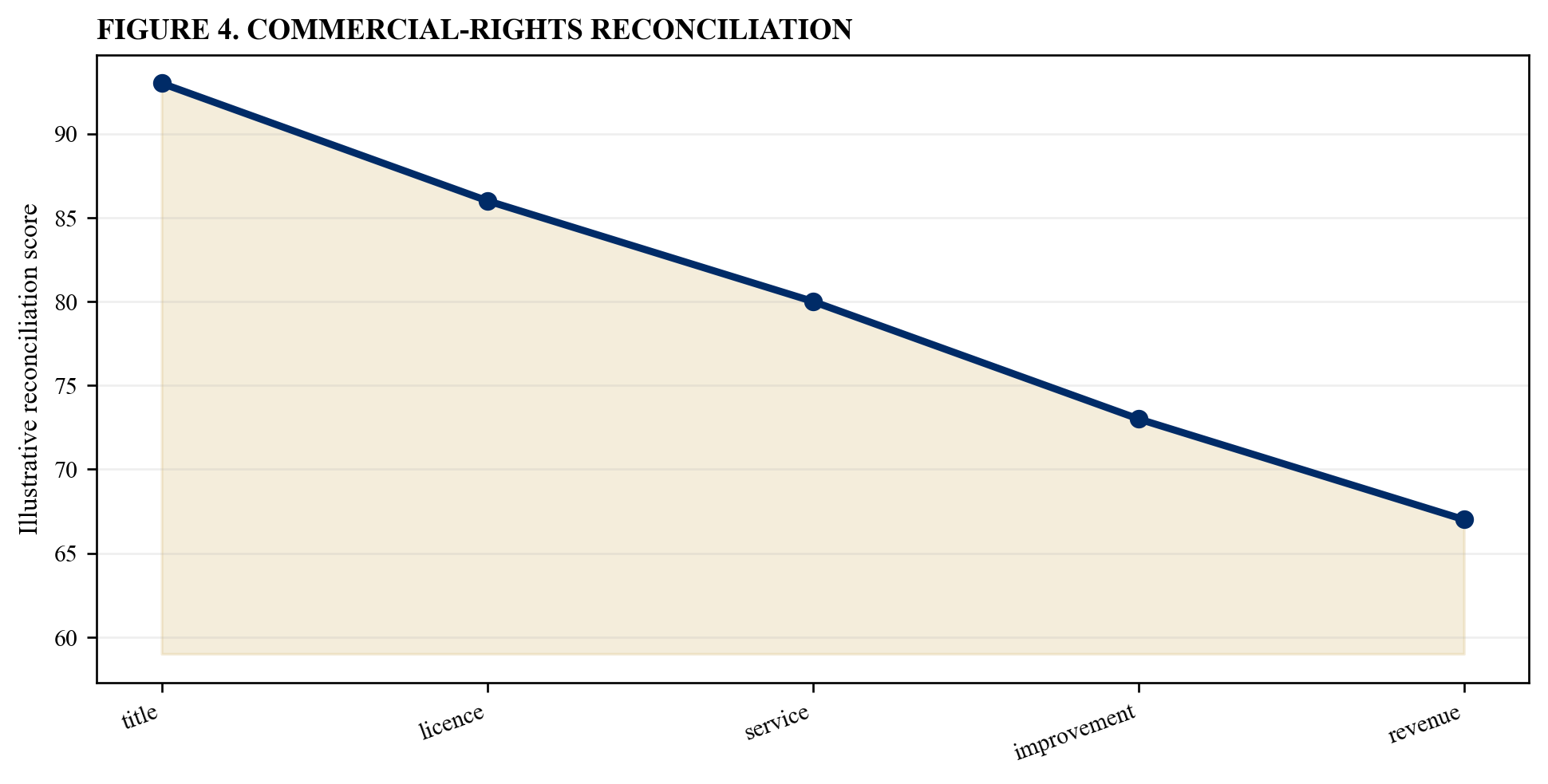
Illustrative analytical scenario; verified transaction evidence should replace index values.
34. Define customer and market use
The partners should specify products, segments, territories, channels, sublicensing, white labelling and parent-company use. The required output is a commercial-use matrix. Record the asset, rights holder, legal basis, permitted purpose, users, territory, term, restrictions, technical control, accountable owner and approval [15][35].
Test each permission against source provenance, privacy, intellectual property, confidentiality, competition, security, sector regulation, vendor terms and the venture's operating model. Separate access, use, training, modification, disclosure, commercialisation, portability and deletion rather than relying on a single ownership label.
The principal risk is that one partner can commercialise joint assets outside the venture perimeter. Compare the proposed right with the narrowest permission needed for the approved use case and define evidence, monitoring, revocation and remedy.
Retain contracts, notices, consents, licences, lineage, model cards, evaluations, access logs, approvals, incidents, changes and exceptions. Refresh the analysis when sources, laws, models, vendors, purposes, jurisdictions or ownership change.
35. Set transfer-pricing discipline
The partners should align legal ownership with functions, assets, risks, development, enhancement, maintenance, protection and exploitation. The required output is a tax-and-rights bridge. Record the asset, rights holder, legal basis, permitted purpose, users, territory, term, restrictions, technical control, accountable owner and approval [6][40].
Test each permission against source provenance, privacy, intellectual property, confidentiality, competition, security, sector regulation, vendor terms and the venture's operating model. Separate access, use, training, modification, disclosure, commercialisation, portability and deletion rather than relying on a single ownership label.
The principal risk is that contractual title can diverge from value-creating activity. Compare the proposed right with the narrowest permission needed for the approved use case and define evidence, monitoring, revocation and remedy.
Retain contracts, notices, consents, licences, lineage, model cards, evaluations, access logs, approvals, incidents, changes and exceptions. Refresh the analysis when sources, laws, models, vendors, purposes, jurisdictions or ownership change.
36. Create auditable telemetry
The partners should log source, user, purpose, model, version, prompt, output, export, approval and incident without over-collecting. The required output is a rights-use audit trail. Record the asset, rights holder, legal basis, permitted purpose, users, territory, term, restrictions, technical control, accountable owner and approval [2][31].
Test each permission against source provenance, privacy, intellectual property, confidentiality, competition, security, sector regulation, vendor terms and the venture's operating model. Separate access, use, training, modification, disclosure, commercialisation, portability and deletion rather than relying on a single ownership label.
The principal risk is that the venture can lack evidence of compliance or exceed retention needs. Compare the proposed right with the narrowest permission needed for the approved use case and define evidence, monitoring, revocation and remedy.
Retain contracts, notices, consents, licences, lineage, model cards, evaluations, access logs, approvals, incidents, changes and exceptions. Refresh the analysis when sources, laws, models, vendors, purposes, jurisdictions or ownership change.
37. Prepare incident and claim routes
The partners should coordinate privacy breach, cyber incident, IP claim, harmful output, regulator notice and customer remedy. The required output is an incident-responsibility playbook. Record the asset, rights holder, legal basis, permitted purpose, users, territory, term, restrictions, technical control, accountable owner and approval [12][38].
Test each permission against source provenance, privacy, intellectual property, confidentiality, competition, security, sector regulation, vendor terms and the venture's operating model. Separate access, use, training, modification, disclosure, commercialisation, portability and deletion rather than relying on a single ownership label.
The principal risk is that partners can issue inconsistent responses while harm expands. Compare the proposed right with the narrowest permission needed for the approved use case and define evidence, monitoring, revocation and remedy.
Retain contracts, notices, consents, licences, lineage, model cards, evaluations, access logs, approvals, incidents, changes and exceptions. Refresh the analysis when sources, laws, models, vendors, purposes, jurisdictions or ownership change.
38. Resolve rights deadlock
The partners should route disputes over source, access, training, release, valuation and deletion to defined experts and escalation. The required output is a data-and-AI dispute matrix. Record the asset, rights holder, legal basis, permitted purpose, users, territory, term, restrictions, technical control, accountable owner and approval [1][20].
Test each permission against source provenance, privacy, intellectual property, confidentiality, competition, security, sector regulation, vendor terms and the venture's operating model. Separate access, use, training, modification, disclosure, commercialisation, portability and deletion rather than relying on a single ownership label.
The principal risk is that a technical service can stop while the forum is contested. Compare the proposed right with the narrowest permission needed for the approved use case and define evidence, monitoring, revocation and remedy.
Retain contracts, notices, consents, licences, lineage, model cards, evaluations, access logs, approvals, incidents, changes and exceptions. Refresh the analysis when sources, laws, models, vendors, purposes, jurisdictions or ownership change.
39. Engineer exit and portability
The partners should define export, formats, licences, model continuity, transition services, deletion, audit and residual rights. The required output is an exit-rights plan. Record the asset, rights holder, legal basis, permitted purpose, users, territory, term, restrictions, technical control, accountable owner and approval [35][36].
Test each permission against source provenance, privacy, intellectual property, confidentiality, competition, security, sector regulation, vendor terms and the venture's operating model. Separate access, use, training, modification, disclosure, commercialisation, portability and deletion rather than relying on a single ownership label.
The principal risk is that a partner can leave with the only usable copy or operating capability. Compare the proposed right with the narrowest permission needed for the approved use case and define evidence, monitoring, revocation and remedy.
Retain contracts, notices, consents, licences, lineage, model cards, evaluations, access logs, approvals, incidents, changes and exceptions. Refresh the analysis when sources, laws, models, vendors, purposes, jurisdictions or ownership change.
40. Issue the rights certificate
The partners should reconcile assets, provenance, roles, permissions, controls, economics, incidents, exceptions and exit treatment. The required output is an auditable data-and-AI rights certificate. Record the asset, rights holder, legal basis, permitted purpose, users, territory, term, restrictions, technical control, accountable owner and approval [1][2].
Test each permission against source provenance, privacy, intellectual property, confidentiality, competition, security, sector regulation, vendor terms and the venture's operating model. Separate access, use, training, modification, disclosure, commercialisation, portability and deletion rather than relying on a single ownership label.
The principal risk is that the commercial bargain can outlive its evidence and technical enforcement. Compare the proposed right with the narrowest permission needed for the approved use case and define evidence, monitoring, revocation and remedy.
Retain contracts, notices, consents, licences, lineage, model cards, evaluations, access logs, approvals, incidents, changes and exceptions. Refresh the analysis when sources, laws, models, vendors, purposes, jurisdictions or ownership change.
Table 5. Exit rights certificate
| Conclusion | Evidence | Acceptance |
|---|---|---|
| export | files and formats | technology |
| licence | continuing permissions | legal |
| deletion | source and derivatives | privacy |
| continuity | models and services | operations |
Illustrative analytical structure; verified transaction evidence and specialist review govern.
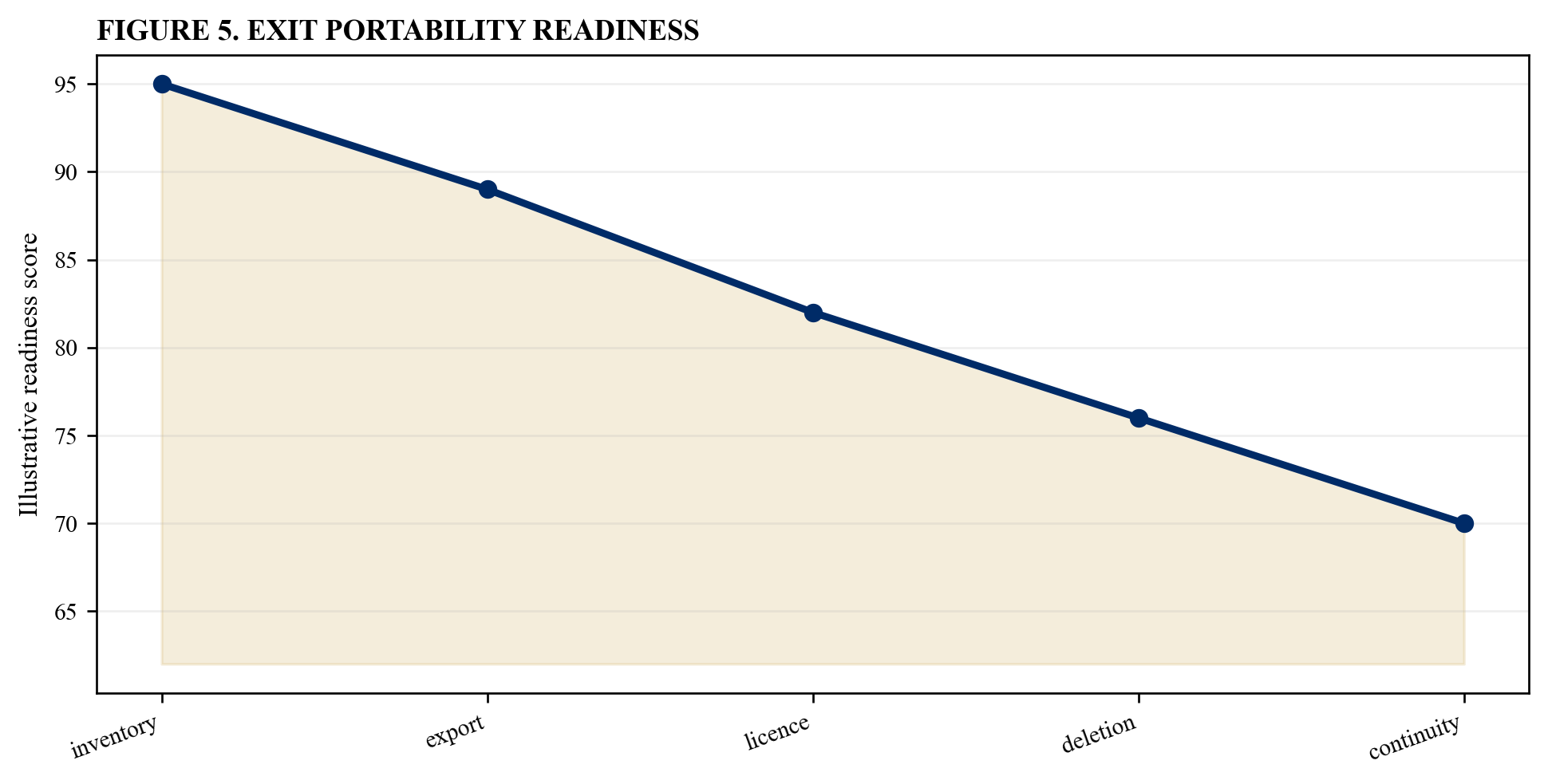
Illustrative analytical scenario; verified transaction evidence should replace index values.
References
- OECD, G20/OECD Principles of Corporate Governance 2023, https://www.oecd.org/en/publications/g20-oecd-principles-of-corporate-governance-2023_ed750b30-en.html
- NIST, Artificial Intelligence Risk Management Framework, https://www.nist.gov/itl/ai-risk-management-framework
- European Commission, AI Act Regulatory Framework, https://digital-strategy.ec.europa.eu/en/policies/regulatory-framework-ai
- European Commission, Guidelines on Obligations for General-Purpose AI Providers, https://digital-strategy.ec.europa.eu/en/faqs/guidelines-obligations-general-purpose-ai-providers
- ISO/IEC, ISO IEC 22989 Artificial Intelligence Concepts and Terminology, https://www.iso.org/standard/74296.html
- OECD, Transfer Pricing Guidelines 2022, https://www.oecd.org/en/publications/oecd-transfer-pricing-guidelines-for-multinational-enterprises-and-tax-administrations-2022_0e655865-en.html
- World Intellectual Property Organization, Intellectual Property for Business, https://www.wipo.int/en/web/business/
- International Valuation Standards Council, IVS Standards, https://ivsc.org/standards/
- OECD, Recommendation on Enhancing Access to and Sharing of Data, https://legalinstruments.oecd.org/en/instruments/OECD-LEGAL-0463
- World Intellectual Property Organization, IP Due Diligence, https://www.wipo.int/en/web/business/ip-due-diligence
- European Union, General Data Protection Regulation, https://eur-lex.europa.eu/eli/reg/2016/679/oj
- UK Information Commissioner's Office, Guide to Data Protection, https://ico.org.uk/for-organisations/uk-gdpr-guidance-and-resources/
- European Data Protection Board, Guidelines on Controllers and Processors, https://www.edpb.europa.eu/our-work-tools/our-documents/guidelines/guidelines-072020-concepts-controller-and-processor-gdpr_en
- UK Information Commissioner's Office, Special Category Data, https://ico.org.uk/for-organisations/uk-gdpr-guidance-and-resources/lawful-basis/special-category-data/
- World Intellectual Property Organization, IP Licensing, https://www.wipo.int/en/web/business/licensing
- NIST, Cybersecurity Supply Chain Risk Management Practices, https://csrc.nist.gov/pubs/sp/800/161/r1/final
- European Union, Directive 96/9/EC on Legal Protection of Databases, https://eur-lex.europa.eu/legal-content/EN/TXT/?uri=CELEX:31996L0009
- UK Government, Database Right Guidance, https://www.gov.uk/guidance/sui-generis-database-rights-after-the-transition-period
- World Intellectual Property Organization, Trade Secrets, https://www.wipo.int/tradesecrets/en/
- European Union, Trade Secrets Directive, https://eur-lex.europa.eu/eli/dir/2016/943/oj
- World Intellectual Property Organization, Copyright and Computer Programs, https://www.wipo.int/copyright/en/
- U.S. Copyright Office, Copyright and Artificial Intelligence, https://www.copyright.gov/ai/
- European Commission, General-Purpose AI Models Questions and Answers, https://digital-strategy.ec.europa.eu/en/faqs/general-purpose-ai-models-ai-act-questions-answers
- NIST, Secure Software Development Framework, https://csrc.nist.gov/Projects/ssdf
- European Commission, General-Purpose AI Code of Practice, https://digital-strategy.ec.europa.eu/en/policies/contents-code-gpai
- NIST, Generative AI Profile, https://www.nist.gov/publications/artificial-intelligence-risk-management-framework-generative-artificial-intelligence
- U.S. Copyright Office, Copyright and AI Part 2 Copyrightability, https://www.copyright.gov/ai/Copyright-and-Artificial-Intelligence-Part-2-Copyrightability-Report.pdf
- UK Intellectual Property Office, Artificial Intelligence and Intellectual Property, https://www.gov.uk/government/consultations/copyright-and-artificial-intelligence
- U.S. Copyright Office, Registration Guidance for Works Containing AI-Generated Material, https://www.copyright.gov/ai/ai_policy_guidance.pdf
- NIST, Privacy Framework, https://www.nist.gov/privacy-framework
- ISO/IEC, ISO IEC 42001 Artificial Intelligence Management System, https://www.iso.org/standard/81230.html
- UK Information Commissioner's Office, Privacy-Enhancing Technologies Guidance, https://ico.org.uk/for-organisations/uk-gdpr-guidance-and-resources/data-sharing/privacy-enhancing-technologies/
- UK Competition and Markets Authority, Guidance on Horizontal Agreements, https://www.gov.uk/government/publications/guidance-on-horizontal-agreements
- UK Competition and Markets Authority, Collaborating with Other Businesses, https://www.gov.uk/government/publications/collaborating-with-other-businesses/collaborating-with-other-businesses
- European Commission, Data Act, https://digital-strategy.ec.europa.eu/en/policies/data-act
- European Union, Regulation EU 2023/2854 Data Act, https://eur-lex.europa.eu/eli/reg/2023/2854/oj
- UK Government, Data Use and Access Act 2025, https://www.gov.uk/government/collections/data-use-and-access-act-2025
- NIST, Cybersecurity Framework 2.0, https://www.nist.gov/cyberframework
- NIST, AI 600-1 Generative AI Profile, https://nvlpubs.nist.gov/nistpubs/ai/NIST.AI.600-1.pdf
- World Intellectual Property Organization, Valuing Intellectual Property Assets, https://www.wipo.int/en/web/business/ip-valuation
