

1. Define the deferred-value thesis
State which uncertainty prevents full value from being paid at closing and how later evidence resolves it.
The controlled record should show the measurement period, perimeter, metric definition, baseline, source system, accounting policy, operating control, buyer decision, seller influence, external dependency, evidence, adjustment, payout effect, owner, deadline and approval. The immediate deliverable is a contingent-value thesis.
The principal failure occurs when an earnout substitutes complexity for an unexplained valuation gap. Reviewers should reproduce the calculation, separate operating performance from buyer-controlled change, test attribution and consistency, identify incentives and manipulation paths, quantify the payment effect and confirm the contractual protection, information right and dispute route.
The decision pack for define the deferred-value thesis should state the commercial purpose, original forecast, current evidence, control allocation, scenario range, accounting and tax questions, conduct obligation, reporting requirement, remedy, authority and next gate. Material exceptions should flow into the payout model, integration plan, governance ledger, board reporting, dispute file and settlement process.
2. Separate price from retention
Distinguish consideration for the business from compensation for continued employment, service or non-compete obligations.
The controlled record should show the measurement period, perimeter, metric definition, baseline, source system, accounting policy, operating control, buyer decision, seller influence, external dependency, evidence, adjustment, payout effect, owner, deadline and approval. The immediate deliverable is a consideration taxonomy.
The principal failure occurs when employment-linked conditions blur economics, tax and accounting treatment. Reviewers should reproduce the calculation, separate operating performance from buyer-controlled change, test attribution and consistency, identify incentives and manipulation paths, quantify the payment effect and confirm the contractual protection, information right and dispute route.
The decision pack for separate price from retention should state the commercial purpose, original forecast, current evidence, control allocation, scenario range, accounting and tax questions, conduct obligation, reporting requirement, remedy, authority and next gate. Material exceptions should flow into the payout model, integration plan, governance ledger, board reporting, dispute file and settlement process.
3. Map post-close control
Allocate authority over product, pricing, customers, people, technology, budgets, channels, contracts and accounting.
The controlled record should show the measurement period, perimeter, metric definition, baseline, source system, accounting policy, operating control, buyer decision, seller influence, external dependency, evidence, adjustment, payout effect, owner, deadline and approval. The immediate deliverable is a control-rights matrix.
The principal failure occurs when the seller bears outcome risk while the buyer controls every operating lever. Reviewers should reproduce the calculation, separate operating performance from buyer-controlled change, test attribution and consistency, identify incentives and manipulation paths, quantify the payment effect and confirm the contractual protection, information right and dispute route.
The decision pack for map post-close control should state the commercial purpose, original forecast, current evidence, control allocation, scenario range, accounting and tax questions, conduct obligation, reporting requirement, remedy, authority and next gate. Material exceptions should flow into the payout model, integration plan, governance ledger, board reporting, dispute file and settlement process.
4. Define the measurement perimeter
Specify entities, products, customers, channels, geographies, systems and intercompany activity included in the metric.
The controlled record should show the measurement period, perimeter, metric definition, baseline, source system, accounting policy, operating control, buyer decision, seller influence, external dependency, evidence, adjustment, payout effect, owner, deadline and approval. The immediate deliverable is a measurement-perimeter schedule.
The principal failure occurs when integration changes the boundary used to calculate performance. Reviewers should reproduce the calculation, separate operating performance from buyer-controlled change, test attribution and consistency, identify incentives and manipulation paths, quantify the payment effect and confirm the contractual protection, information right and dispute route.
The decision pack for define the measurement perimeter should state the commercial purpose, original forecast, current evidence, control allocation, scenario range, accounting and tax questions, conduct obligation, reporting requirement, remedy, authority and next gate. Material exceptions should flow into the payout model, integration plan, governance ledger, board reporting, dispute file and settlement process.
5. Choose the value driver
Select revenue, gross profit, EBITDA, cash, customers, product, regulatory or technical milestones that match the unresolved value question.
The controlled record should show the measurement period, perimeter, metric definition, baseline, source system, accounting policy, operating control, buyer decision, seller influence, external dependency, evidence, adjustment, payout effect, owner, deadline and approval. The immediate deliverable is a metric decision paper.
The principal failure occurs when the metric is easy to report but weakly connected to value. Reviewers should reproduce the calculation, separate operating performance from buyer-controlled change, test attribution and consistency, identify incentives and manipulation paths, quantify the payment effect and confirm the contractual protection, information right and dispute route.
The decision pack for choose the value driver should state the commercial purpose, original forecast, current evidence, control allocation, scenario range, accounting and tax questions, conduct obligation, reporting requirement, remedy, authority and next gate. Material exceptions should flow into the payout model, integration plan, governance ledger, board reporting, dispute file and settlement process.
6. Test controllability
Score each candidate measure for seller influence, buyer influence, external dependence, auditability and manipulation risk.
The controlled record should show the measurement period, perimeter, metric definition, baseline, source system, accounting policy, operating control, buyer decision, seller influence, external dependency, evidence, adjustment, payout effect, owner, deadline and approval. The immediate deliverable is a controllability assessment.
The principal failure occurs when payment depends on variables the continuing team cannot influence. Reviewers should reproduce the calculation, separate operating performance from buyer-controlled change, test attribution and consistency, identify incentives and manipulation paths, quantify the payment effect and confirm the contractual protection, information right and dispute route.
The decision pack for test controllability should state the commercial purpose, original forecast, current evidence, control allocation, scenario range, accounting and tax questions, conduct obligation, reporting requirement, remedy, authority and next gate. Material exceptions should flow into the payout model, integration plan, governance ledger, board reporting, dispute file and settlement process.
7. Design a metric hierarchy
Combine a primary value metric with gates, floors, caps or corroborating measures where one number is insufficient.
The controlled record should show the measurement period, perimeter, metric definition, baseline, source system, accounting policy, operating control, buyer decision, seller influence, external dependency, evidence, adjustment, payout effect, owner, deadline and approval. The immediate deliverable is a metric architecture.
The principal failure occurs when a single metric rewards growth that destroys margin or cash. Reviewers should reproduce the calculation, separate operating performance from buyer-controlled change, test attribution and consistency, identify incentives and manipulation paths, quantify the payment effect and confirm the contractual protection, information right and dispute route.
The decision pack for design a metric hierarchy should state the commercial purpose, original forecast, current evidence, control allocation, scenario range, accounting and tax questions, conduct obligation, reporting requirement, remedy, authority and next gate. Material exceptions should flow into the payout model, integration plan, governance ledger, board reporting, dispute file and settlement process.
8. Define revenue under change
Specify contracts, recognition, credits, churn, cross-sell, bundles, channel sales, acquisitions and transferred customers.
The controlled record should show the measurement period, perimeter, metric definition, baseline, source system, accounting policy, operating control, buyer decision, seller influence, external dependency, evidence, adjustment, payout effect, owner, deadline and approval. The immediate deliverable is a revenue rulebook.
The principal failure occurs when new packaging or routes to market make reported revenue incomparable. Reviewers should reproduce the calculation, separate operating performance from buyer-controlled change, test attribution and consistency, identify incentives and manipulation paths, quantify the payment effect and confirm the contractual protection, information right and dispute route.
The decision pack for define revenue under change should state the commercial purpose, original forecast, current evidence, control allocation, scenario range, accounting and tax questions, conduct obligation, reporting requirement, remedy, authority and next gate. Material exceptions should flow into the payout model, integration plan, governance ledger, board reporting, dispute file and settlement process.
Table 1. Earnout metric screen
| Metric | Strength | Exposure |
|---|---|---|
| revenue | observable scale | pricing and attribution |
| gross profit | unit economics | cost classification |
| EBITDA | cash proxy | allocations and investment |
| milestone | event evidence | acceptance and timing |
Illustrative design; transaction-specific definitions, law, tax and accounting advice govern.
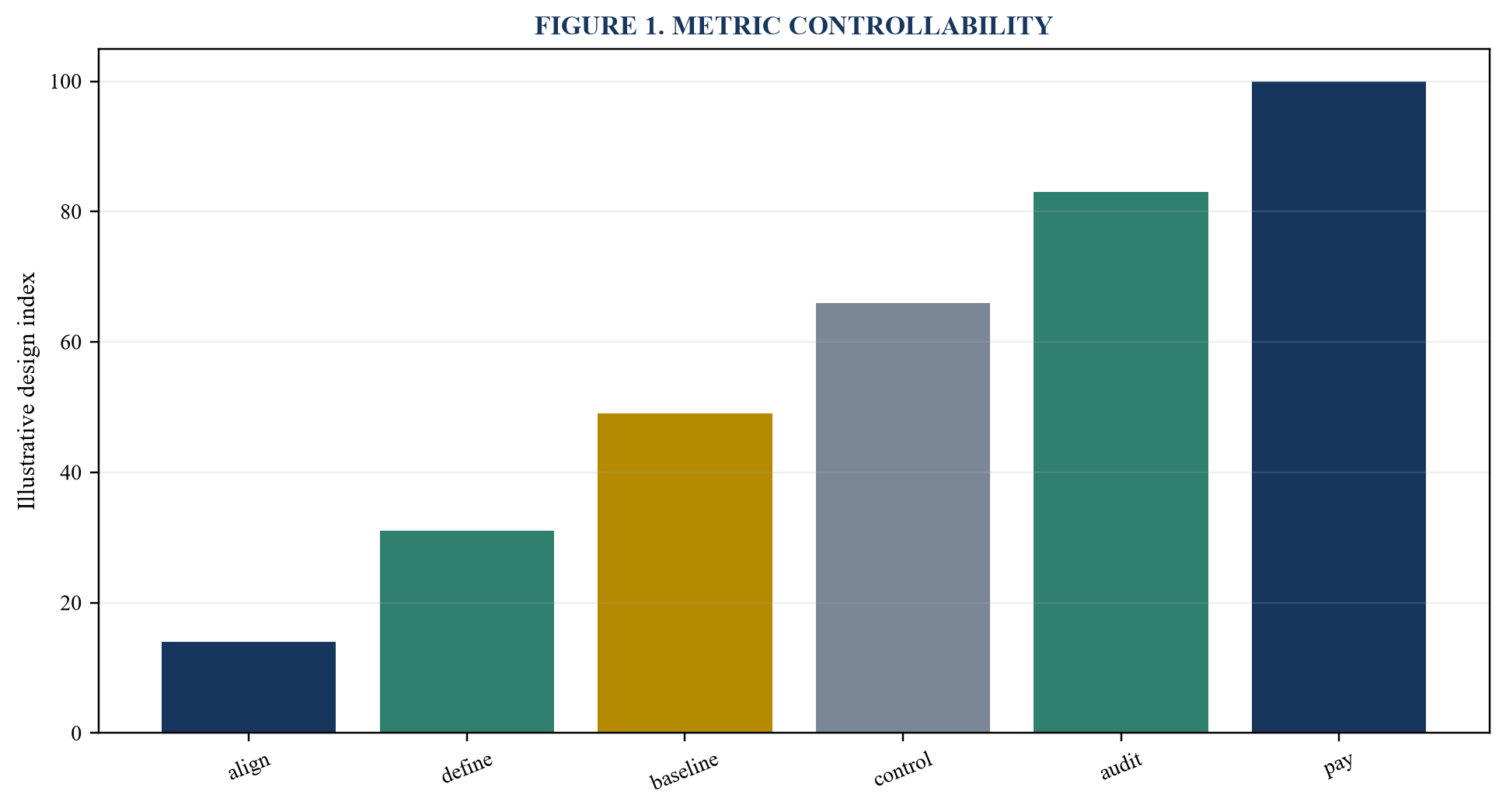
Values are illustrative design indices and require transaction-specific evidence.
9. Define gross profit
Fix direct-cost categories, hosting, model inference, data, support, implementation, commissions and allocation methods.
The controlled record should show the measurement period, perimeter, metric definition, baseline, source system, accounting policy, operating control, buyer decision, seller influence, external dependency, evidence, adjustment, payout effect, owner, deadline and approval. The immediate deliverable is a gross-profit bridge.
The principal failure occurs when AI-driven unit-cost changes shift value between revenue and contribution. Reviewers should reproduce the calculation, separate operating performance from buyer-controlled change, test attribution and consistency, identify incentives and manipulation paths, quantify the payment effect and confirm the contractual protection, information right and dispute route.
The decision pack for define gross profit should state the commercial purpose, original forecast, current evidence, control allocation, scenario range, accounting and tax questions, conduct obligation, reporting requirement, remedy, authority and next gate. Material exceptions should flow into the payout model, integration plan, governance ledger, board reporting, dispute file and settlement process.
10. Define EBITDA
Specify accounting policies, add-backs, shared costs, integration charges, stock compensation, purchase accounting and buyer allocations.
The controlled record should show the measurement period, perimeter, metric definition, baseline, source system, accounting policy, operating control, buyer decision, seller influence, external dependency, evidence, adjustment, payout effect, owner, deadline and approval. The immediate deliverable is an earnout EBITDA schedule.
The principal failure occurs when post-close charges reduce the measure without reducing underlying performance. Reviewers should reproduce the calculation, separate operating performance from buyer-controlled change, test attribution and consistency, identify incentives and manipulation paths, quantify the payment effect and confirm the contractual protection, information right and dispute route.
The decision pack for define ebitda should state the commercial purpose, original forecast, current evidence, control allocation, scenario range, accounting and tax questions, conduct obligation, reporting requirement, remedy, authority and next gate. Material exceptions should flow into the payout model, integration plan, governance ledger, board reporting, dispute file and settlement process.
11. Measure AI automation effects
Track labour substitution, service capacity, quality, latency, compute cost, implementation expense and realised savings.
The controlled record should show the measurement period, perimeter, metric definition, baseline, source system, accounting policy, operating control, buyer decision, seller influence, external dependency, evidence, adjustment, payout effect, owner, deadline and approval. The immediate deliverable is an automation value ledger.
The principal failure occurs when automation changes both cost classification and operating capacity during the period. Reviewers should reproduce the calculation, separate operating performance from buyer-controlled change, test attribution and consistency, identify incentives and manipulation paths, quantify the payment effect and confirm the contractual protection, information right and dispute route.
The decision pack for measure ai automation effects should state the commercial purpose, original forecast, current evidence, control allocation, scenario range, accounting and tax questions, conduct obligation, reporting requirement, remedy, authority and next gate. Material exceptions should flow into the payout model, integration plan, governance ledger, board reporting, dispute file and settlement process.
12. Control model-cost changes
Define treatment of token prices, model routing, reserved capacity, vendor rebates, retries and internal infrastructure.
The controlled record should show the measurement period, perimeter, metric definition, baseline, source system, accounting policy, operating control, buyer decision, seller influence, external dependency, evidence, adjustment, payout effect, owner, deadline and approval. The immediate deliverable is a model-cost adjustment protocol.
The principal failure occurs when provider price movement changes margin independently of management performance. Reviewers should reproduce the calculation, separate operating performance from buyer-controlled change, test attribution and consistency, identify incentives and manipulation paths, quantify the payment effect and confirm the contractual protection, information right and dispute route.
The decision pack for control model-cost changes should state the commercial purpose, original forecast, current evidence, control allocation, scenario range, accounting and tax questions, conduct obligation, reporting requirement, remedy, authority and next gate. Material exceptions should flow into the payout model, integration plan, governance ledger, board reporting, dispute file and settlement process.
13. Control product integration
Define attribution for bundled products, migrated customers, shared roadmaps, discontinued offers and platform dependencies.
The controlled record should show the measurement period, perimeter, metric definition, baseline, source system, accounting policy, operating control, buyer decision, seller influence, external dependency, evidence, adjustment, payout effect, owner, deadline and approval. The immediate deliverable is a product-attribution schedule.
The principal failure occurs when buyer integration makes standalone performance unobservable. Reviewers should reproduce the calculation, separate operating performance from buyer-controlled change, test attribution and consistency, identify incentives and manipulation paths, quantify the payment effect and confirm the contractual protection, information right and dispute route.
The decision pack for control product integration should state the commercial purpose, original forecast, current evidence, control allocation, scenario range, accounting and tax questions, conduct obligation, reporting requirement, remedy, authority and next gate. Material exceptions should flow into the payout model, integration plan, governance ledger, board reporting, dispute file and settlement process.
14. Control pricing decisions
Set rules for discounts, bundles, free tiers, transfer pricing, renewal terms and strategic customer concessions.
The controlled record should show the measurement period, perimeter, metric definition, baseline, source system, accounting policy, operating control, buyer decision, seller influence, external dependency, evidence, adjustment, payout effect, owner, deadline and approval. The immediate deliverable is a pricing protection covenant.
The principal failure occurs when buyer pricing choices defer revenue or move economics elsewhere. Reviewers should reproduce the calculation, separate operating performance from buyer-controlled change, test attribution and consistency, identify incentives and manipulation paths, quantify the payment effect and confirm the contractual protection, information right and dispute route.
The decision pack for control pricing decisions should state the commercial purpose, original forecast, current evidence, control allocation, scenario range, accounting and tax questions, conduct obligation, reporting requirement, remedy, authority and next gate. Material exceptions should flow into the payout model, integration plan, governance ledger, board reporting, dispute file and settlement process.
15. Control sales allocation
Define lead ownership, territories, channels, quotas, account transfers, cross-sell credit and conflict resolution.
The controlled record should show the measurement period, perimeter, metric definition, baseline, source system, accounting policy, operating control, buyer decision, seller influence, external dependency, evidence, adjustment, payout effect, owner, deadline and approval. The immediate deliverable is a sales-credit policy.
The principal failure occurs when revenue is diverted through the buyer's existing organisation. Reviewers should reproduce the calculation, separate operating performance from buyer-controlled change, test attribution and consistency, identify incentives and manipulation paths, quantify the payment effect and confirm the contractual protection, information right and dispute route.
The decision pack for control sales allocation should state the commercial purpose, original forecast, current evidence, control allocation, scenario range, accounting and tax questions, conduct obligation, reporting requirement, remedy, authority and next gate. Material exceptions should flow into the payout model, integration plan, governance ledger, board reporting, dispute file and settlement process.
16. Control cost allocation
Identify permitted shared services, allocation bases, mark-ups, caps, exclusions and evidence.
The controlled record should show the measurement period, perimeter, metric definition, baseline, source system, accounting policy, operating control, buyer decision, seller influence, external dependency, evidence, adjustment, payout effect, owner, deadline and approval. The immediate deliverable is a shared-cost schedule.
The principal failure occurs when corporate overhead absorbs the earnout through discretionary allocations. Reviewers should reproduce the calculation, separate operating performance from buyer-controlled change, test attribution and consistency, identify incentives and manipulation paths, quantify the payment effect and confirm the contractual protection, information right and dispute route.
The decision pack for control cost allocation should state the commercial purpose, original forecast, current evidence, control allocation, scenario range, accounting and tax questions, conduct obligation, reporting requirement, remedy, authority and next gate. Material exceptions should flow into the payout model, integration plan, governance ledger, board reporting, dispute file and settlement process.
Table 2. Control protections
| Lever | Buyer action | Protection |
|---|---|---|
| pricing | discount or bundle | pricing rule |
| customers | transfer account | credit policy |
| costs | allocate overhead | allocation schedule |
| people | reassign talent | continuity covenant |
Illustrative design; transaction-specific definitions, law, tax and accounting advice govern.
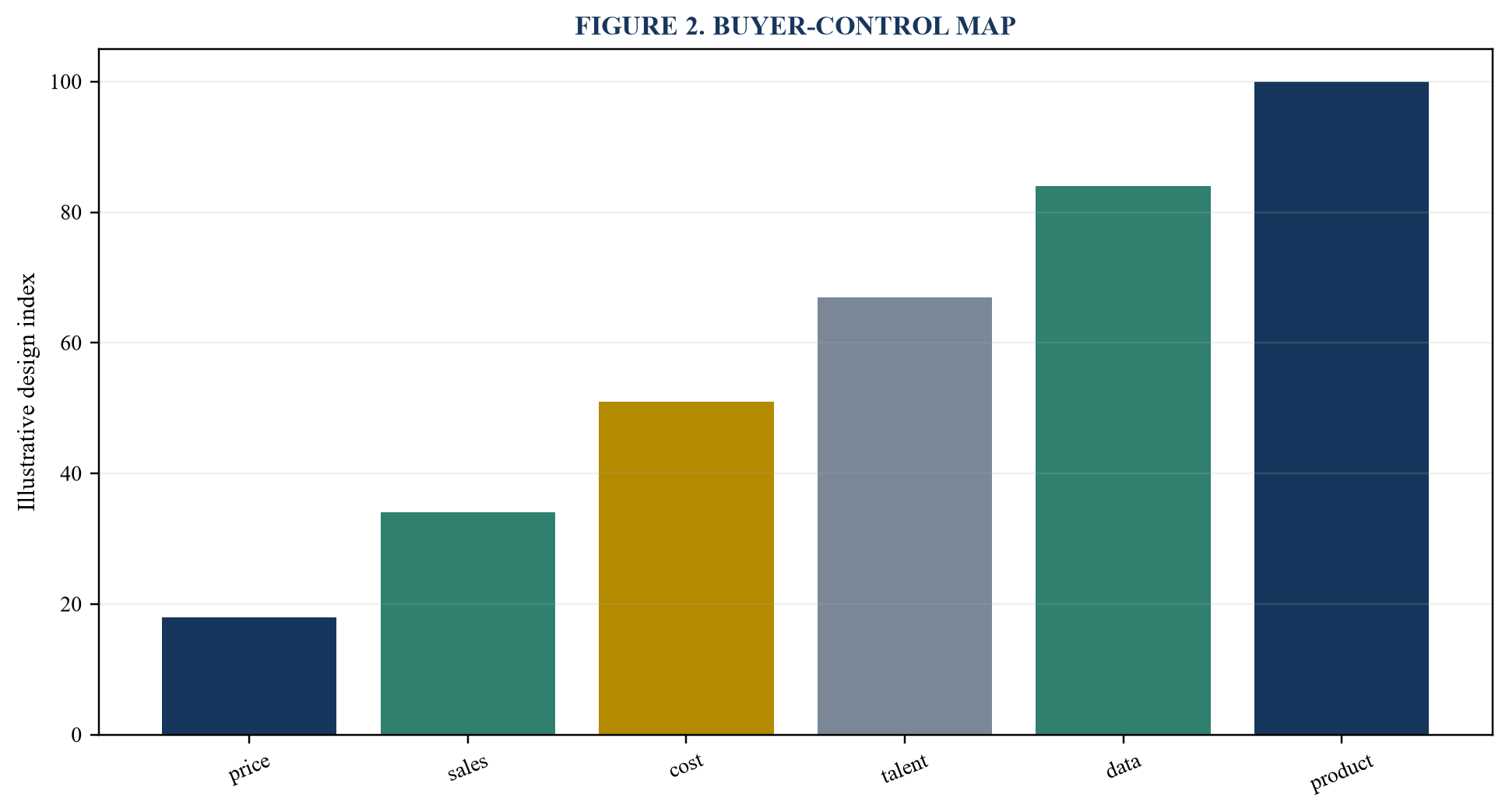
Values are illustrative design indices and require transaction-specific evidence.
17. Control investment levels
Set agreed product, sales, compliance, compute and staffing commitments or decision processes.
The controlled record should show the measurement period, perimeter, metric definition, baseline, source system, accounting policy, operating control, buyer decision, seller influence, external dependency, evidence, adjustment, payout effect, owner, deadline and approval. The immediate deliverable is an investment covenant.
The principal failure occurs when the buyer withholds the resources required to achieve the milestone. Reviewers should reproduce the calculation, separate operating performance from buyer-controlled change, test attribution and consistency, identify incentives and manipulation paths, quantify the payment effect and confirm the contractual protection, information right and dispute route.
The decision pack for control investment levels should state the commercial purpose, original forecast, current evidence, control allocation, scenario range, accounting and tax questions, conduct obligation, reporting requirement, remedy, authority and next gate. Material exceptions should flow into the payout model, integration plan, governance ledger, board reporting, dispute file and settlement process.
18. Control talent decisions
Specify critical roles, hiring authority, retention, replacement, incentives and organisational changes.
The controlled record should show the measurement period, perimeter, metric definition, baseline, source system, accounting policy, operating control, buyer decision, seller influence, external dependency, evidence, adjustment, payout effect, owner, deadline and approval. The immediate deliverable is a talent-continuity plan.
The principal failure occurs when key people are reassigned or lost while the seller retains performance risk. Reviewers should reproduce the calculation, separate operating performance from buyer-controlled change, test attribution and consistency, identify incentives and manipulation paths, quantify the payment effect and confirm the contractual protection, information right and dispute route.
The decision pack for control talent decisions should state the commercial purpose, original forecast, current evidence, control allocation, scenario range, accounting and tax questions, conduct obligation, reporting requirement, remedy, authority and next gate. Material exceptions should flow into the payout model, integration plan, governance ledger, board reporting, dispute file and settlement process.
19. Control data and IP access
Define access to datasets, models, code, tools, licences, security environments and improvement rights.
The controlled record should show the measurement period, perimeter, metric definition, baseline, source system, accounting policy, operating control, buyer decision, seller influence, external dependency, evidence, adjustment, payout effect, owner, deadline and approval. The immediate deliverable is a post-close enablement schedule.
The principal failure occurs when the acquired business cannot use assets required for its plan. Reviewers should reproduce the calculation, separate operating performance from buyer-controlled change, test attribution and consistency, identify incentives and manipulation paths, quantify the payment effect and confirm the contractual protection, information right and dispute route.
The decision pack for control data and ip access should state the commercial purpose, original forecast, current evidence, control allocation, scenario range, accounting and tax questions, conduct obligation, reporting requirement, remedy, authority and next gate. Material exceptions should flow into the payout model, integration plan, governance ledger, board reporting, dispute file and settlement process.
20. Control accounting changes
Establish hierarchy among the agreement, examples, historical policies, consistency and applicable standards.
The controlled record should show the measurement period, perimeter, metric definition, baseline, source system, accounting policy, operating control, buyer decision, seller influence, external dependency, evidence, adjustment, payout effect, owner, deadline and approval. The immediate deliverable is an accounting-principles hierarchy.
The principal failure occurs when a new accounting policy changes the metric after closing. Reviewers should reproduce the calculation, separate operating performance from buyer-controlled change, test attribution and consistency, identify incentives and manipulation paths, quantify the payment effect and confirm the contractual protection, information right and dispute route.
The decision pack for control accounting changes should state the commercial purpose, original forecast, current evidence, control allocation, scenario range, accounting and tax questions, conduct obligation, reporting requirement, remedy, authority and next gate. Material exceptions should flow into the payout model, integration plan, governance ledger, board reporting, dispute file and settlement process.
21. Design milestone evidence
Define observable completion, acceptance criteria, test environment, reviewer, cure and timestamp for non-financial milestones.
The controlled record should show the measurement period, perimeter, metric definition, baseline, source system, accounting policy, operating control, buyer decision, seller influence, external dependency, evidence, adjustment, payout effect, owner, deadline and approval. The immediate deliverable is a milestone acceptance protocol.
The principal failure occurs when a milestone depends on subjective satisfaction. Reviewers should reproduce the calculation, separate operating performance from buyer-controlled change, test attribution and consistency, identify incentives and manipulation paths, quantify the payment effect and confirm the contractual protection, information right and dispute route.
The decision pack for design milestone evidence should state the commercial purpose, original forecast, current evidence, control allocation, scenario range, accounting and tax questions, conduct obligation, reporting requirement, remedy, authority and next gate. Material exceptions should flow into the payout model, integration plan, governance ledger, board reporting, dispute file and settlement process.
22. Design regulatory milestones
Separate submission, acceptance, clearance, reimbursement and commercialisation with jurisdiction-specific evidence.
The controlled record should show the measurement period, perimeter, metric definition, baseline, source system, accounting policy, operating control, buyer decision, seller influence, external dependency, evidence, adjustment, payout effect, owner, deadline and approval. The immediate deliverable is a regulatory milestone ladder.
The principal failure occurs when approval risk is compressed into an ambiguous binary event. Reviewers should reproduce the calculation, separate operating performance from buyer-controlled change, test attribution and consistency, identify incentives and manipulation paths, quantify the payment effect and confirm the contractual protection, information right and dispute route.
The decision pack for design regulatory milestones should state the commercial purpose, original forecast, current evidence, control allocation, scenario range, accounting and tax questions, conduct obligation, reporting requirement, remedy, authority and next gate. Material exceptions should flow into the payout model, integration plan, governance ledger, board reporting, dispute file and settlement process.
23. Set the baseline
Reconcile historical and forecast periods, normalisations, perimeter, policies and source systems before signing.
The controlled record should show the measurement period, perimeter, metric definition, baseline, source system, accounting policy, operating control, buyer decision, seller influence, external dependency, evidence, adjustment, payout effect, owner, deadline and approval. The immediate deliverable is a signed baseline pack.
The principal failure occurs when the earnout starts from a disputed or moving reference point. Reviewers should reproduce the calculation, separate operating performance from buyer-controlled change, test attribution and consistency, identify incentives and manipulation paths, quantify the payment effect and confirm the contractual protection, information right and dispute route.
The decision pack for set the baseline should state the commercial purpose, original forecast, current evidence, control allocation, scenario range, accounting and tax questions, conduct obligation, reporting requirement, remedy, authority and next gate. Material exceptions should flow into the payout model, integration plan, governance ledger, board reporting, dispute file and settlement process.
24. Set thresholds and slopes
Model floors, targets, interpolation, accelerators, caps, carry-forward and catch-up across realistic distributions.
The controlled record should show the measurement period, perimeter, metric definition, baseline, source system, accounting policy, operating control, buyer decision, seller influence, external dependency, evidence, adjustment, payout effect, owner, deadline and approval. The immediate deliverable is a payout curve.
The principal failure occurs when cliff structures create extreme value transfer around small measurement differences. Reviewers should reproduce the calculation, separate operating performance from buyer-controlled change, test attribution and consistency, identify incentives and manipulation paths, quantify the payment effect and confirm the contractual protection, information right and dispute route.
The decision pack for set thresholds and slopes should state the commercial purpose, original forecast, current evidence, control allocation, scenario range, accounting and tax questions, conduct obligation, reporting requirement, remedy, authority and next gate. Material exceptions should flow into the payout model, integration plan, governance ledger, board reporting, dispute file and settlement process.
Table 3. Payout design
| Element | Question | Output |
|---|---|---|
| floor | minimum performance | eligibility |
| slope | incremental reward | interpolation |
| cap | maximum payment | exposure |
| carry | timing variance | catch-up |
Illustrative design; transaction-specific definitions, law, tax and accounting advice govern.
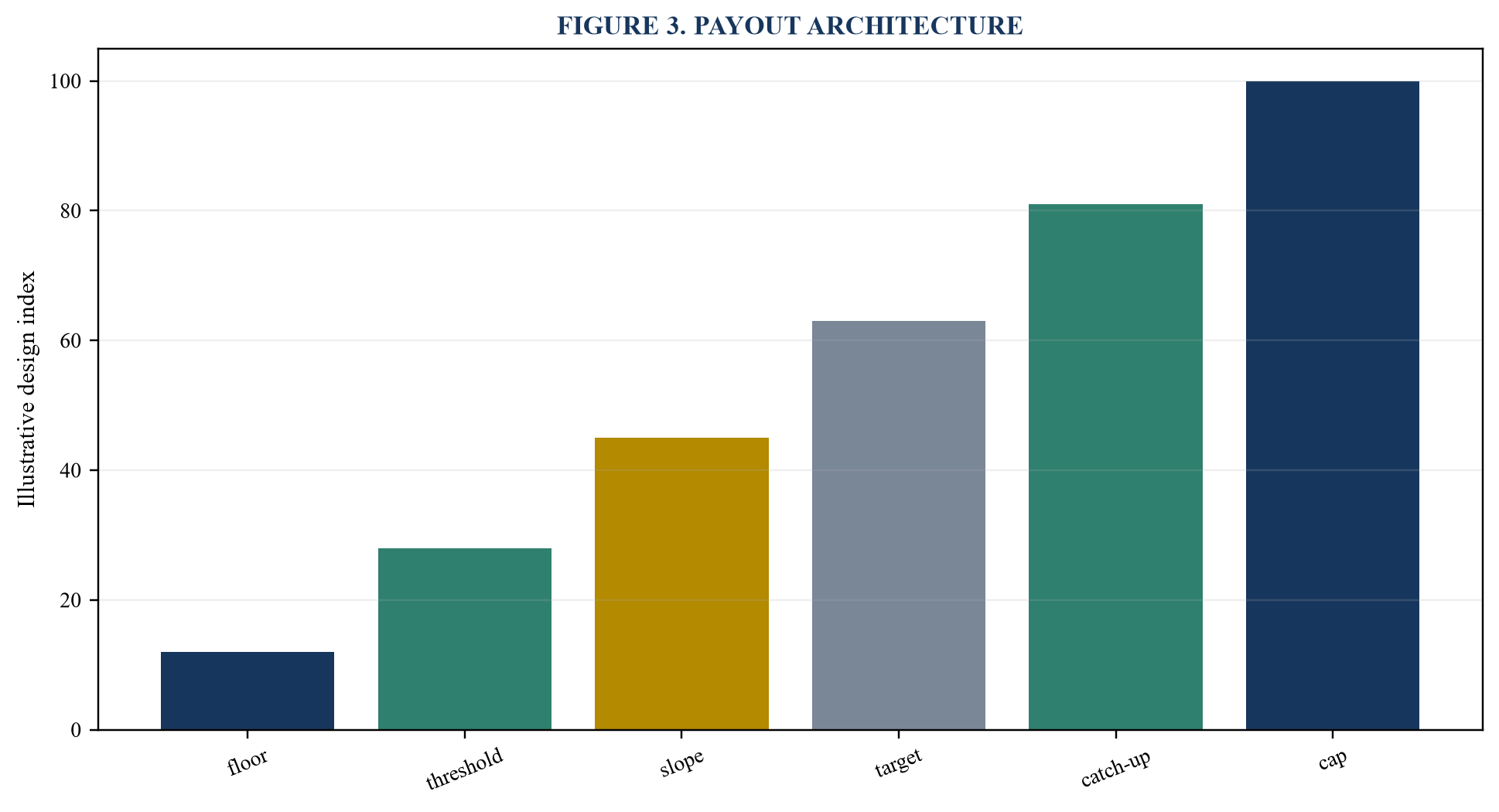
Values are illustrative design indices and require transaction-specific evidence.
25. Model scenarios
Run operating, AI adoption, pricing, integration, allocation, delay and downside cases with probability ranges.
The controlled record should show the measurement period, perimeter, metric definition, baseline, source system, accounting policy, operating control, buyer decision, seller influence, external dependency, evidence, adjustment, payout effect, owner, deadline and approval. The immediate deliverable is a contingent-proceeds model.
The principal failure occurs when the headline maximum is mistaken for expected value. Reviewers should reproduce the calculation, separate operating performance from buyer-controlled change, test attribution and consistency, identify incentives and manipulation paths, quantify the payment effect and confirm the contractual protection, information right and dispute route.
The decision pack for model scenarios should state the commercial purpose, original forecast, current evidence, control allocation, scenario range, accounting and tax questions, conduct obligation, reporting requirement, remedy, authority and next gate. Material exceptions should flow into the payout model, integration plan, governance ledger, board reporting, dispute file and settlement process.
26. Value the earnout
Use probability-weighted cash flows, timing, discounting, volatility, correlation and counterparty risk.
The controlled record should show the measurement period, perimeter, metric definition, baseline, source system, accounting policy, operating control, buyer decision, seller influence, external dependency, evidence, adjustment, payout effect, owner, deadline and approval. The immediate deliverable is a fair-value range.
The principal failure occurs when seller and buyer negotiate nominal maximum without understanding economic value. Reviewers should reproduce the calculation, separate operating performance from buyer-controlled change, test attribution and consistency, identify incentives and manipulation paths, quantify the payment effect and confirm the contractual protection, information right and dispute route.
The decision pack for value the earnout should state the commercial purpose, original forecast, current evidence, control allocation, scenario range, accounting and tax questions, conduct obligation, reporting requirement, remedy, authority and next gate. Material exceptions should flow into the payout model, integration plan, governance ledger, board reporting, dispute file and settlement process.
27. Test funding and credit
Assess obligor, guarantees, security, escrow, set-off, subordination, change of control and payment mechanics.
The controlled record should show the measurement period, perimeter, metric definition, baseline, source system, accounting policy, operating control, buyer decision, seller influence, external dependency, evidence, adjustment, payout effect, owner, deadline and approval. The immediate deliverable is a payment-security package.
The principal failure occurs when a valid earnout becomes an unsecured claim on a weakened obligor. Reviewers should reproduce the calculation, separate operating performance from buyer-controlled change, test attribution and consistency, identify incentives and manipulation paths, quantify the payment effect and confirm the contractual protection, information right and dispute route.
The decision pack for test funding and credit should state the commercial purpose, original forecast, current evidence, control allocation, scenario range, accounting and tax questions, conduct obligation, reporting requirement, remedy, authority and next gate. Material exceptions should flow into the payout model, integration plan, governance ledger, board reporting, dispute file and settlement process.
28. Control information rights
Define reports, source data, system access, certifications, audit rights, retention and delivery timing.
The controlled record should show the measurement period, perimeter, metric definition, baseline, source system, accounting policy, operating control, buyer decision, seller influence, external dependency, evidence, adjustment, payout effect, owner, deadline and approval. The immediate deliverable is an earnout evidence pack.
The principal failure occurs when the seller cannot reproduce the buyer's calculation. Reviewers should reproduce the calculation, separate operating performance from buyer-controlled change, test attribution and consistency, identify incentives and manipulation paths, quantify the payment effect and confirm the contractual protection, information right and dispute route.
The decision pack for control information rights should state the commercial purpose, original forecast, current evidence, control allocation, scenario range, accounting and tax questions, conduct obligation, reporting requirement, remedy, authority and next gate. Material exceptions should flow into the payout model, integration plan, governance ledger, board reporting, dispute file and settlement process.
29. Create the operating ledger
Record decisions affecting metrics, resources, allocations, customers, products, data and milestones throughout the period.
The controlled record should show the measurement period, perimeter, metric definition, baseline, source system, accounting policy, operating control, buyer decision, seller influence, external dependency, evidence, adjustment, payout effect, owner, deadline and approval. The immediate deliverable is a decision and impact ledger.
The principal failure occurs when post-close operational choices leave no contemporaneous evidence. Reviewers should reproduce the calculation, separate operating performance from buyer-controlled change, test attribution and consistency, identify incentives and manipulation paths, quantify the payment effect and confirm the contractual protection, information right and dispute route.
The decision pack for create the operating ledger should state the commercial purpose, original forecast, current evidence, control allocation, scenario range, accounting and tax questions, conduct obligation, reporting requirement, remedy, authority and next gate. Material exceptions should flow into the payout model, integration plan, governance ledger, board reporting, dispute file and settlement process.
30. Set governance cadence
Establish monthly reporting, quarterly review, named representatives, reserved matters and escalation.
The controlled record should show the measurement period, perimeter, metric definition, baseline, source system, accounting policy, operating control, buyer decision, seller influence, external dependency, evidence, adjustment, payout effect, owner, deadline and approval. The immediate deliverable is an earnout governance calendar.
The principal failure occurs when issues accumulate until the calculation date. Reviewers should reproduce the calculation, separate operating performance from buyer-controlled change, test attribution and consistency, identify incentives and manipulation paths, quantify the payment effect and confirm the contractual protection, information right and dispute route.
The decision pack for set governance cadence should state the commercial purpose, original forecast, current evidence, control allocation, scenario range, accounting and tax questions, conduct obligation, reporting requirement, remedy, authority and next gate. Material exceptions should flow into the payout model, integration plan, governance ledger, board reporting, dispute file and settlement process.
31. Define conduct covenants
Translate agreed operating protections into specific affirmative, negative and efforts obligations.
The controlled record should show the measurement period, perimeter, metric definition, baseline, source system, accounting policy, operating control, buyer decision, seller influence, external dependency, evidence, adjustment, payout effect, owner, deadline and approval. The immediate deliverable is a conduct covenant schedule.
The principal failure occurs when general good-faith language carries expectations that were never drafted. Reviewers should reproduce the calculation, separate operating performance from buyer-controlled change, test attribution and consistency, identify incentives and manipulation paths, quantify the payment effect and confirm the contractual protection, information right and dispute route.
The decision pack for define conduct covenants should state the commercial purpose, original forecast, current evidence, control allocation, scenario range, accounting and tax questions, conduct obligation, reporting requirement, remedy, authority and next gate. Material exceptions should flow into the payout model, integration plan, governance ledger, board reporting, dispute file and settlement process.
32. Define permitted integration
List actions that may proceed, actions requiring consultation and actions requiring consent.
The controlled record should show the measurement period, perimeter, metric definition, baseline, source system, accounting policy, operating control, buyer decision, seller influence, external dependency, evidence, adjustment, payout effect, owner, deadline and approval. The immediate deliverable is an integration decision matrix.
The principal failure occurs when ordinary integration silently destroys metric comparability. Reviewers should reproduce the calculation, separate operating performance from buyer-controlled change, test attribution and consistency, identify incentives and manipulation paths, quantify the payment effect and confirm the contractual protection, information right and dispute route.
The decision pack for define permitted integration should state the commercial purpose, original forecast, current evidence, control allocation, scenario range, accounting and tax questions, conduct obligation, reporting requirement, remedy, authority and next gate. Material exceptions should flow into the payout model, integration plan, governance ledger, board reporting, dispute file and settlement process.
Table 4. Integration decisions
| Action | Metric effect | Governance |
|---|---|---|
| bundle product | revenue attribution | rule |
| merge team | cost and capacity | approval |
| migrate customer | perimeter | credit |
| change model | margin and quality | adjustment |
Illustrative design; transaction-specific definitions, law, tax and accounting advice govern.
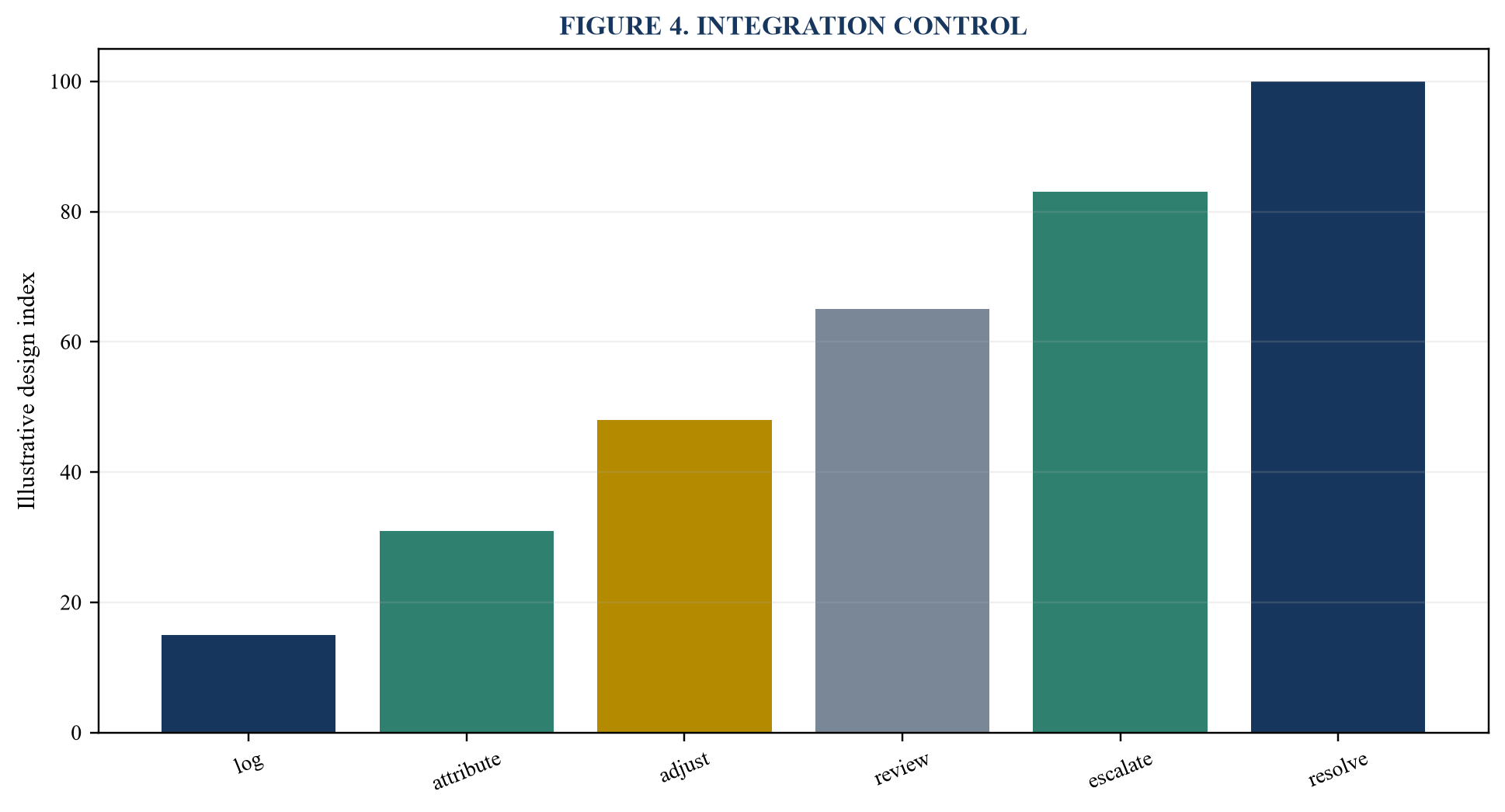
Values are illustrative design indices and require transaction-specific evidence.
33. Design expert determination
Define accountant or expert scope, submissions, access, timetable, standards, costs, finality and exclusions.
The controlled record should show the measurement period, perimeter, metric definition, baseline, source system, accounting policy, operating control, buyer decision, seller influence, external dependency, evidence, adjustment, payout effect, owner, deadline and approval. The immediate deliverable is an expert-determination protocol.
The principal failure occurs when accounting and contractual disputes enter the wrong forum. Reviewers should reproduce the calculation, separate operating performance from buyer-controlled change, test attribution and consistency, identify incentives and manipulation paths, quantify the payment effect and confirm the contractual protection, information right and dispute route.
The decision pack for design expert determination should state the commercial purpose, original forecast, current evidence, control allocation, scenario range, accounting and tax questions, conduct obligation, reporting requirement, remedy, authority and next gate. Material exceptions should flow into the payout model, integration plan, governance ledger, board reporting, dispute file and settlement process.
34. Design broader dispute resolution
Allocate interpretation, conduct, fraud, covenant, employment and payment disputes to the correct process.
The controlled record should show the measurement period, perimeter, metric definition, baseline, source system, accounting policy, operating control, buyer decision, seller influence, external dependency, evidence, adjustment, payout effect, owner, deadline and approval. The immediate deliverable is a dispute forum map.
The principal failure occurs when the specialist expert is asked to decide legal or behavioural questions. Reviewers should reproduce the calculation, separate operating performance from buyer-controlled change, test attribution and consistency, identify incentives and manipulation paths, quantify the payment effect and confirm the contractual protection, information right and dispute route.
The decision pack for design broader dispute resolution should state the commercial purpose, original forecast, current evidence, control allocation, scenario range, accounting and tax questions, conduct obligation, reporting requirement, remedy, authority and next gate. Material exceptions should flow into the payout model, integration plan, governance ledger, board reporting, dispute file and settlement process.
35. Protect against set-off
Define whether and how indemnity or other claims may reduce earnout payments, with notice and security rules.
The controlled record should show the measurement period, perimeter, metric definition, baseline, source system, accounting policy, operating control, buyer decision, seller influence, external dependency, evidence, adjustment, payout effect, owner, deadline and approval. The immediate deliverable is a set-off control.
The principal failure occurs when unresolved claims become unilateral payment deductions. Reviewers should reproduce the calculation, separate operating performance from buyer-controlled change, test attribution and consistency, identify incentives and manipulation paths, quantify the payment effect and confirm the contractual protection, information right and dispute route.
The decision pack for protect against set-off should state the commercial purpose, original forecast, current evidence, control allocation, scenario range, accounting and tax questions, conduct obligation, reporting requirement, remedy, authority and next gate. Material exceptions should flow into the payout model, integration plan, governance ledger, board reporting, dispute file and settlement process.
36. Plan exit and change of control
Address resale, carve-out, discontinuation, insolvency, management change and acceleration.
The controlled record should show the measurement period, perimeter, metric definition, baseline, source system, accounting policy, operating control, buyer decision, seller influence, external dependency, evidence, adjustment, payout effect, owner, deadline and approval. The immediate deliverable is a successor-obligation schedule.
The principal failure occurs when the buyer transfers the business before the earnout can mature. Reviewers should reproduce the calculation, separate operating performance from buyer-controlled change, test attribution and consistency, identify incentives and manipulation paths, quantify the payment effect and confirm the contractual protection, information right and dispute route.
The decision pack for plan exit and change of control should state the commercial purpose, original forecast, current evidence, control allocation, scenario range, accounting and tax questions, conduct obligation, reporting requirement, remedy, authority and next gate. Material exceptions should flow into the payout model, integration plan, governance ledger, board reporting, dispute file and settlement process.
37. Prepare the board decision
Present upfront proceeds, expected contingent value, control asymmetry, downside, tax, accounting and enforcement considerations.
The controlled record should show the measurement period, perimeter, metric definition, baseline, source system, accounting policy, operating control, buyer decision, seller influence, external dependency, evidence, adjustment, payout effect, owner, deadline and approval. The immediate deliverable is a risk-adjusted consideration paper.
The principal failure occurs when the board compares maximum earnout with cash at closing. Reviewers should reproduce the calculation, separate operating performance from buyer-controlled change, test attribution and consistency, identify incentives and manipulation paths, quantify the payment effect and confirm the contractual protection, information right and dispute route.
The decision pack for prepare the board decision should state the commercial purpose, original forecast, current evidence, control allocation, scenario range, accounting and tax questions, conduct obligation, reporting requirement, remedy, authority and next gate. Material exceptions should flow into the payout model, integration plan, governance ledger, board reporting, dispute file and settlement process.
38. Execute the first hundred days
Mobilise baselines, systems, people, metric policies, governance, investment and evidence before integration changes the business.
The controlled record should show the measurement period, perimeter, metric definition, baseline, source system, accounting policy, operating control, buyer decision, seller influence, external dependency, evidence, adjustment, payout effect, owner, deadline and approval. The immediate deliverable is a 100-day earnout plan.
The principal failure occurs when control begins after comparability has already been lost. Reviewers should reproduce the calculation, separate operating performance from buyer-controlled change, test attribution and consistency, identify incentives and manipulation paths, quantify the payment effect and confirm the contractual protection, information right and dispute route.
The decision pack for execute the first hundred days should state the commercial purpose, original forecast, current evidence, control allocation, scenario range, accounting and tax questions, conduct obligation, reporting requirement, remedy, authority and next gate. Material exceptions should flow into the payout model, integration plan, governance ledger, board reporting, dispute file and settlement process.
39. Run the measurement close
Reconcile source data, policies, adjustments, certifications, objections, expert issues and funds flow.
The controlled record should show the measurement period, perimeter, metric definition, baseline, source system, accounting policy, operating control, buyer decision, seller influence, external dependency, evidence, adjustment, payout effect, owner, deadline and approval. The immediate deliverable is a controlled measurement close.
The principal failure occurs when the calculation becomes a new diligence exercise after period end. Reviewers should reproduce the calculation, separate operating performance from buyer-controlled change, test attribution and consistency, identify incentives and manipulation paths, quantify the payment effect and confirm the contractual protection, information right and dispute route.
The decision pack for run the measurement close should state the commercial purpose, original forecast, current evidence, control allocation, scenario range, accounting and tax questions, conduct obligation, reporting requirement, remedy, authority and next gate. Material exceptions should flow into the payout model, integration plan, governance ledger, board reporting, dispute file and settlement process.
40. Close through evidence gates
Require agreed perimeter, controllable metrics, operating protections, auditable data, funded payment and accountable residual risk.
The controlled record should show the measurement period, perimeter, metric definition, baseline, source system, accounting policy, operating control, buyer decision, seller influence, external dependency, evidence, adjustment, payout effect, owner, deadline and approval. The immediate deliverable is an earnout close certificate.
The principal failure occurs when the earnout is signed as a headline compromise rather than an executable contract. Reviewers should reproduce the calculation, separate operating performance from buyer-controlled change, test attribution and consistency, identify incentives and manipulation paths, quantify the payment effect and confirm the contractual protection, information right and dispute route.
The decision pack for close through evidence gates should state the commercial purpose, original forecast, current evidence, control allocation, scenario range, accounting and tax questions, conduct obligation, reporting requirement, remedy, authority and next gate. Material exceptions should flow into the payout model, integration plan, governance ledger, board reporting, dispute file and settlement process.
Table 5. Earnout close gates
| Gate | Required proof | Decision |
|---|---|---|
| metric | controllable and aligned | accept |
| operations | protections funded | approve |
| evidence | data reproducible | verify |
| payment | obligor and process | sign |
Illustrative design; transaction-specific definitions, law, tax and accounting advice govern.
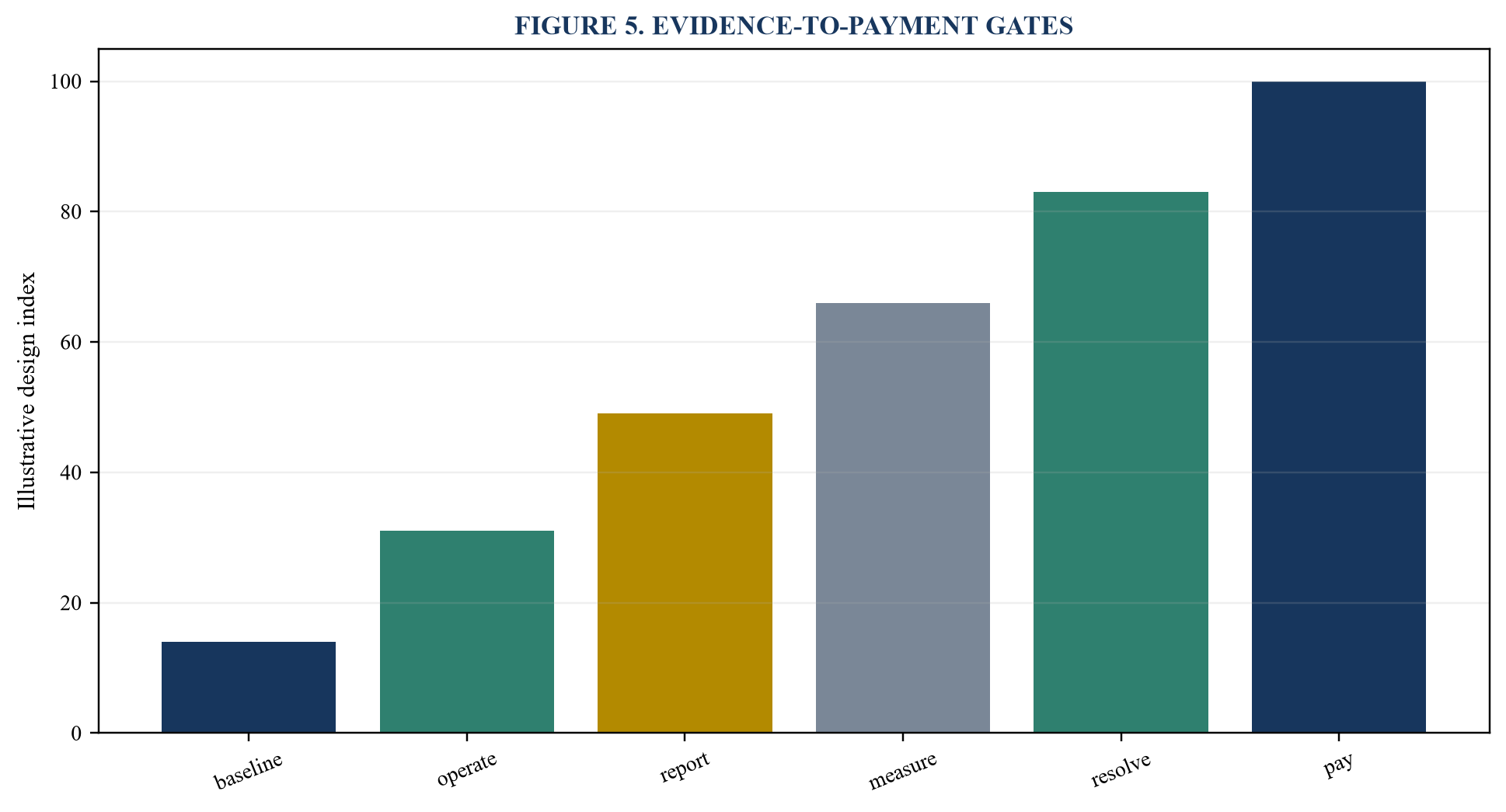
Values are illustrative design indices and require transaction-specific evidence.
References
- IFRS Foundation, IFRS 3 Business Combinations, https://www.ifrs.org/issued-standards/list-of-standards/ifrs-3-business-combinations/
- IFRS Foundation, IFRS 13 Fair Value Measurement, https://www.ifrs.org/issued-standards/list-of-standards/ifrs-13-fair-value-measurement/
- IFRS Foundation, IFRS 15 Revenue from Contracts with Customers, https://www.ifrs.org/issued-standards/list-of-standards/ifrs-15-revenue-from-contracts-with-customers/
- IFRS Foundation, IFRS 9 Financial Instruments, https://www.ifrs.org/issued-standards/list-of-standards/ifrs-9-financial-instruments/
- IFRS Foundation, Accounting for Contingent Consideration in a Business Combination, https://www.ifrs.org/projects/completed-projects/2013/accounting-for-contingent-consideration-in-a-business-combination/
- IFRS Foundation, Post-implementation Review of IFRS 3, https://www.ifrs.org/news-and-events/news/2015/06/iasb-completes-post-implementation-review-of-business-combinations-standard/
- Financial Accounting Standards Board, Business Combinations, https://www.fasb.org/page/PageContent?pageId=/projects/active/business-combinations.html
- Financial Accounting Standards Board, Revenue Recognition Implementation, https://fasb.org/page/pccAccordion?bcpath=tff&pageId=%2Fstandards%2Fimplementing%2Frevrec.html
- US Securities and Exchange Commission, 2026 Earn-Out Agreement Exhibit, https://www.sec.gov/Archives/edgar/data/1370450/000110465926057350/wldn-20260403xex2d2.htm
- US Securities and Exchange Commission, Contingent Consideration Assumptions, https://www.sec.gov/Archives/edgar/data/1895249/000155837025010044/R108.htm
- US Securities and Exchange Commission, Revenue and EBITDA Earnout Terms, https://www.sec.gov/Archives/edgar/data/1828016/000119312524221408/d865610dex992.htm
- US Securities and Exchange Commission, Contingent Consideration Remeasurement, https://www.sec.gov/Archives/edgar/data/1819848/000181984826000160/R29.htm
- Delaware Supreme Court, Lazard Technology Partners v Qinetiq North America, https://courts.delaware.gov/opinions/%281nwswx45eocieo45fxqykg55%29/download.aspx?ID=222690
- Delaware Court of Chancery, Shareholder Representative Services v Albertsons, https://courts.delaware.gov/Opinions/Download.aspx?id=320970
- Delaware Court of Chancery, Fortis Advisors v Medtronic, https://courts.delaware.gov/Opinions/Download.aspx?id=364150
- Delaware Court of Chancery, Fortis Advisors v Johnson and Johnson, https://courts.delaware.gov/Opinions/Download.aspx?id=369060
- UK Takeover Panel, The Takeover Code, https://www.thetakeoverpanel.org.uk/the-code
- International Valuation Standards Council, International Valuation Standards, https://www.ivsc.org/standards/
- IFRS Foundation, IAS 12 Income Taxes, https://www.ifrs.org/issued-standards/list-of-standards/ias-12-income-taxes/
- IFRS Foundation, IAS 19 Employee Benefits, https://www.ifrs.org/issued-standards/list-of-standards/ias-19-employee-benefits/
- IFRS Foundation, IFRS 2 Share-based Payment, https://www.ifrs.org/issued-standards/list-of-standards/ifrs-2-share-based-payment/
- US Securities and Exchange Commission, Financial Reporting Manual Topic 3, https://www.sec.gov/about/divisions-offices/division-corporation-finance/financial-reporting-manual/frm-topic-3
- Organisation for Economic Co-operation and Development, Corporate Governance Factbook, https://www.oecd.org/corporate/corporate-governance-factbook/
- International Auditing and Assurance Standards Board, International Standards on Auditing, https://www.iaasb.org/publications-resources
- Institute of Chartered Accountants in England and Wales, Completion Mechanisms, https://www.icaew.com/-/media/corporate/files/technical/corporate-finance/guidelines/icaew-completion-mechanisms-v2.ashx?la=en
- World Bank Group, Corporate Governance, https://www.ifc.org/en/what-we-do/sector-expertise/corporate-governance
