

1. Define the day 100 outcome
The incoming team should set measurable conditions for authority, continuity, control, knowledge retention and value-plan readiness. The required output is a signed transition charter, baseline metrics and board-approved success tests. This converts transition intent into a decision and evidence standard that the board can supervise [1][2].
The work should identify the owner, source records, effective date, dependencies, approval route and open exceptions. Test each conclusion against executed transaction documents, current operating evidence and successor responsibilities. Retain assumptions until evidence closes them.
The principal risk is that activity can displace the outcomes that lenders, owners, employees and customers need. Connect formal authority with operational capacity, knowledge, systems access, cash and stakeholder acceptance. A control is complete when the successor can use it under realistic conditions and reproduce the result from retained evidence.
Evidence should be reviewed through dated measures and exception logs. Material deviations should reach the board with their consequence, owner and decision deadline.
2. Classify the transaction perimeter
The incoming team should confirm the acquired entities, share or asset perimeter, jurisdictions, regulated activities, employee transfer route and completion mechanics. The required output is a legal structure chart, closing memorandum and conditions register. This converts transition intent into a decision and evidence standard that the board can supervise [3][9].
The work should identify the owner, source records, effective date, dependencies, approval route and open exceptions. Test each conclusion against executed transaction documents, current operating evidence and successor responsibilities. Retain assumptions until evidence closes them.
The principal risk is that the team can assume control over assets, people or permissions that did not transfer. Connect formal authority with operational capacity, knowledge, systems access, cash and stakeholder acceptance. A control is complete when the successor can use it under realistic conditions and reproduce the result from retained evidence.
Evidence should be reviewed through dated measures and exception logs. Material deviations should reach the board with their consequence, owner and decision deadline.
3. Establish day zero authority
The incoming team should make board, shareholder, executive, contractual and operational authority effective at completion. The required output is a executed appointments, resolutions, authorities and effective-time checklist. This converts transition intent into a decision and evidence standard that the board can supervise [3][4].
The work should identify the owner, source records, effective date, dependencies, approval route and open exceptions. Test each conclusion against executed transaction documents, current operating evidence and successor responsibilities. Retain assumptions until evidence closes them.
The principal risk is that formal control can lag the economic transfer and create an avoidable decision vacuum. Connect formal authority with operational capacity, knowledge, systems access, cash and stakeholder acceptance. A control is complete when the successor can use it under realistic conditions and reproduce the result from retained evidence.
Evidence should be reviewed through dated measures and exception logs. Material deviations should reach the board with their consequence, owner and decision deadline.
4. Appoint the governing body
The incoming team should verify appointments, resignations, identity requirements, quorum, conflicts, committees and Companies House filings. The required output is a board constitution certificate and filing calendar. This converts transition intent into a decision and evidence standard that the board can supervise [3][4][5].
The work should identify the owner, source records, effective date, dependencies, approval route and open exceptions. Test each conclusion against executed transaction documents, current operating evidence and successor responsibilities. Retain assumptions until evidence closes them.
The principal risk is that an improperly constituted board can delay decisions and weaken accountability. Connect formal authority with operational capacity, knowledge, systems access, cash and stakeholder acceptance. A control is complete when the successor can use it under realistic conditions and reproduce the result from retained evidence.
Evidence should be reviewed through dated measures and exception logs. Material deviations should reach the board with their consequence, owner and decision deadline.
5. Set reserved and delegated decisions
The incoming team should translate constitutional and financing documents into practical approval thresholds for cash, contracts, hiring, pricing, capex and risk. The required output is a reserved-matters schedule and delegated-authority matrix. This converts transition intent into a decision and evidence standard that the board can supervise [1][6].
The work should identify the owner, source records, effective date, dependencies, approval route and open exceptions. Test each conclusion against executed transaction documents, current operating evidence and successor responsibilities. Retain assumptions until evidence closes them.
The principal risk is that unclear thresholds can stop ordinary business or permit commitments outside the investment case. Connect formal authority with operational capacity, knowledge, systems access, cash and stakeholder acceptance. A control is complete when the successor can use it under realistic conditions and reproduce the result from retained evidence.
Evidence should be reviewed through dated measures and exception logs. Material deviations should reach the board with their consequence, owner and decision deadline.
6. Secure banking and signing access
The incoming team should activate bank mandates, payment approvals, treasury credentials, electronic signatures and fallback signatories. The required output is a bank-access register and tested payment route. This converts transition intent into a decision and evidence standard that the board can supervise [7][8].
The work should identify the owner, source records, effective date, dependencies, approval route and open exceptions. Test each conclusion against executed transaction documents, current operating evidence and successor responsibilities. Retain assumptions until evidence closes them.
The principal risk is that the business can miss payroll, debt service or critical supplier payments despite having sufficient cash. Connect formal authority with operational capacity, knowledge, systems access, cash and stakeholder acceptance. A control is complete when the successor can use it under realistic conditions and reproduce the result from retained evidence.
Evidence should be reviewed through dated measures and exception logs. Material deviations should reach the board with their consequence, owner and decision deadline.
Table 1. Day zero authority matrix
| Decision domain | Effective authority | Evidence required |
|---|---|---|
| board and reserved matters | constituted board and shareholders | resolutions and constitutional documents |
| banking and treasury | approved signatories and limits | bank confirmation and tested payment |
| contracts and commitments | delegated executive roles | signed authority schedule |
| emergency action | named incident authority | approved escalation protocol |
Illustrative structure; executed corporate, financing and regulatory documents govern.
7. Map regulated responsibilities
The incoming team should identify approvals, controlled functions, statements of responsibilities, notifications and temporary-cover rules. The required output is a regulatory responsibility map and filing plan. This converts transition intent into a decision and evidence standard that the board can supervise [10][11][12].
The work should identify the owner, source records, effective date, dependencies, approval route and open exceptions. Test each conclusion against executed transaction documents, current operating evidence and successor responsibilities. Retain assumptions until evidence closes them.
The principal risk is that commercial urgency can create an unauthorised role change or an accountability gap. Connect formal authority with operational capacity, knowledge, systems access, cash and stakeholder acceptance. A control is complete when the successor can use it under realistic conditions and reproduce the result from retained evidence.
Evidence should be reviewed through dated measures and exception logs. Material deviations should reach the board with their consequence, owner and decision deadline.
8. Create emergency escalation
The incoming team should define triggers, convening rights, interim powers, decision clocks and records for operational, financial, conduct and safety events. The required output is a emergency governance protocol and contact tree. This converts transition intent into a decision and evidence standard that the board can supervise [1][13].
The work should identify the owner, source records, effective date, dependencies, approval route and open exceptions. Test each conclusion against executed transaction documents, current operating evidence and successor responsibilities. Retain assumptions until evidence closes them.
The principal risk is that the new team can discover that the previous informal escalation route depended on one unavailable person. Connect formal authority with operational capacity, knowledge, systems access, cash and stakeholder acceptance. A control is complete when the successor can use it under realistic conditions and reproduce the result from retained evidence.
Evidence should be reviewed through dated measures and exception logs. Material deviations should reach the board with their consequence, owner and decision deadline.
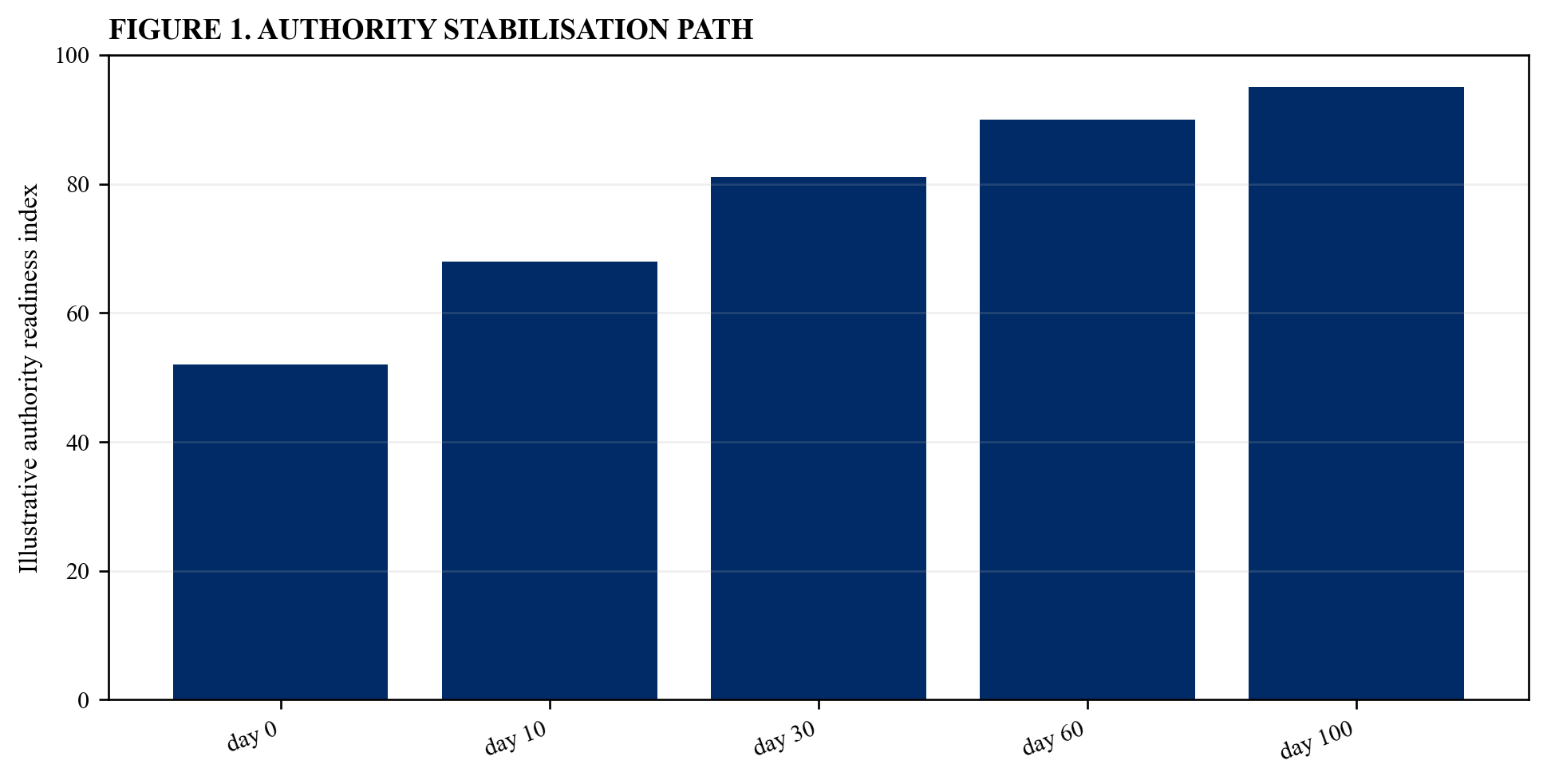
Illustrative analytical scenario; transaction evidence should replace the index values.
9. Run a transition management office
The incoming team should coordinate workstreams, dependencies, decisions, evidence, risks and stakeholder communications through one controlled cadence. The required output is a 100-day integrated plan and decision log. This converts transition intent into a decision and evidence standard that the board can supervise [1][2].
The work should identify the owner, source records, effective date, dependencies, approval route and open exceptions. Test each conclusion against executed transaction documents, current operating evidence and successor responsibilities. Retain assumptions until evidence closes them.
The principal risk is that parallel initiatives can compete for the same people and create inconsistent instructions. Connect formal authority with operational capacity, knowledge, systems access, cash and stakeholder acceptance. A control is complete when the successor can use it under realistic conditions and reproduce the result from retained evidence.
Evidence should be reviewed through dated measures and exception logs. Material deviations should reach the board with their consequence, owner and decision deadline.
10. Build the decision calendar
The incoming team should schedule board, lender, regulatory, reporting, payroll, tax, customer, supplier and operational decisions by deadline. The required output is a critical-decision calendar with named preparers and approvers. This converts transition intent into a decision and evidence standard that the board can supervise [1][7].
The work should identify the owner, source records, effective date, dependencies, approval route and open exceptions. Test each conclusion against executed transaction documents, current operating evidence and successor responsibilities. Retain assumptions until evidence closes them.
The principal risk is that a missed recurring obligation can consume management credibility early in the transition. Connect formal authority with operational capacity, knowledge, systems access, cash and stakeholder acceptance. A control is complete when the successor can use it under realistic conditions and reproduce the result from retained evidence.
Evidence should be reviewed through dated measures and exception logs. Material deviations should reach the board with their consequence, owner and decision deadline.
11. Create the knowledge at risk register
The incoming team should link critical outcomes to tacit knowledge, source records, decision history, relationships, credentials and experienced deputies. The required output is a ranked knowledge-risk register. This converts transition intent into a decision and evidence standard that the board can supervise [14][15].
The work should identify the owner, source records, effective date, dependencies, approval route and open exceptions. Test each conclusion against executed transaction documents, current operating evidence and successor responsibilities. Retain assumptions until evidence closes them.
The principal risk is that a large data room can conceal the absence of context needed to interpret the records. Connect formal authority with operational capacity, knowledge, systems access, cash and stakeholder acceptance. A control is complete when the successor can use it under realistic conditions and reproduce the result from retained evidence.
Evidence should be reviewed through dated measures and exception logs. Material deviations should reach the board with their consequence, owner and decision deadline.
12. Structure outgoing management handover
The incoming team should convert each handover into questions, demonstrations, exception histories, open commitments and verified successor understanding. The required output is a role-specific handover record signed by giver and receiver. This converts transition intent into a decision and evidence standard that the board can supervise [14][16].
The work should identify the owner, source records, effective date, dependencies, approval route and open exceptions. Test each conclusion against executed transaction documents, current operating evidence and successor responsibilities. Retain assumptions until evidence closes them.
The principal risk is that ceremonial meetings can create apparent completion without usable knowledge. Connect formal authority with operational capacity, knowledge, systems access, cash and stakeholder acceptance. A control is complete when the successor can use it under realistic conditions and reproduce the result from retained evidence.
Evidence should be reviewed through dated measures and exception logs. Material deviations should reach the board with their consequence, owner and decision deadline.
13. Transfer operational knowledge
The incoming team should capture normal procedures, workarounds, failure modes, seasonal patterns, capacity limits and safety-critical judgement. The required output is a operating playbooks with evidence owners and rehearsal results. This converts transition intent into a decision and evidence standard that the board can supervise [13][15].
The work should identify the owner, source records, effective date, dependencies, approval route and open exceptions. Test each conclusion against executed transaction documents, current operating evidence and successor responsibilities. Retain assumptions until evidence closes them.
The principal risk is that documented standard processes can omit the exceptions that determine real service continuity. Connect formal authority with operational capacity, knowledge, systems access, cash and stakeholder acceptance. A control is complete when the successor can use it under realistic conditions and reproduce the result from retained evidence.
Evidence should be reviewed through dated measures and exception logs. Material deviations should reach the board with their consequence, owner and decision deadline.
Table 2. Institutional knowledge transfer inventory
| Knowledge type | Transfer method | Completion evidence |
|---|---|---|
| decisions and exceptions | case walkthrough | successor explains rationale |
| customer and supplier context | joint meetings | relationship map confirmed |
| operational failure modes | simulation | response performed |
| systems and credentials | controlled access test | access and recovery verified |
Completion requires demonstrated successor understanding.
14. Transfer customer knowledge
The incoming team should record decision makers, service expectations, pricing history, unresolved commitments, renewal logic and relationship sensitivities. The required output is a customer continuity map and joint-contact plan. This converts transition intent into a decision and evidence standard that the board can supervise [17][18].
The work should identify the owner, source records, effective date, dependencies, approval route and open exceptions. Test each conclusion against executed transaction documents, current operating evidence and successor responsibilities. Retain assumptions until evidence closes them.
The principal risk is that an abrupt relationship transfer can turn leadership change into a revenue event. Connect formal authority with operational capacity, knowledge, systems access, cash and stakeholder acceptance. A control is complete when the successor can use it under realistic conditions and reproduce the result from retained evidence.
Evidence should be reviewed through dated measures and exception logs. Material deviations should reach the board with their consequence, owner and decision deadline.
15. Transfer supplier and partner knowledge
The incoming team should map critical counterparties, informal dependencies, disputed obligations, lead times, alternatives and consent requirements. The required output is a supplier continuity map and exception register. This converts transition intent into a decision and evidence standard that the board can supervise [13][17].
The work should identify the owner, source records, effective date, dependencies, approval route and open exceptions. Test each conclusion against executed transaction documents, current operating evidence and successor responsibilities. Retain assumptions until evidence closes them.
The principal risk is that a supplier viewed as replaceable in the model may hold unique operational knowledge or scarce capacity. Connect formal authority with operational capacity, knowledge, systems access, cash and stakeholder acceptance. A control is complete when the successor can use it under realistic conditions and reproduce the result from retained evidence.
Evidence should be reviewed through dated measures and exception logs. Material deviations should reach the board with their consequence, owner and decision deadline.
16. Stabilise lender and investor confidence
The incoming team should provide verified reporting, governance changes, covenant forecasts, funding needs and a disciplined communication calendar. The required output is a financing stakeholder pack and questions log. This converts transition intent into a decision and evidence standard that the board can supervise [19][20].
The work should identify the owner, source records, effective date, dependencies, approval route and open exceptions. Test each conclusion against executed transaction documents, current operating evidence and successor responsibilities. Retain assumptions until evidence closes them.
The principal risk is that optimistic early claims can damage confidence when the first reporting cycle exposes weak information. Connect formal authority with operational capacity, knowledge, systems access, cash and stakeholder acceptance. A control is complete when the successor can use it under realistic conditions and reproduce the result from retained evidence.
Evidence should be reviewed through dated measures and exception logs. Material deviations should reach the board with their consequence, owner and decision deadline.
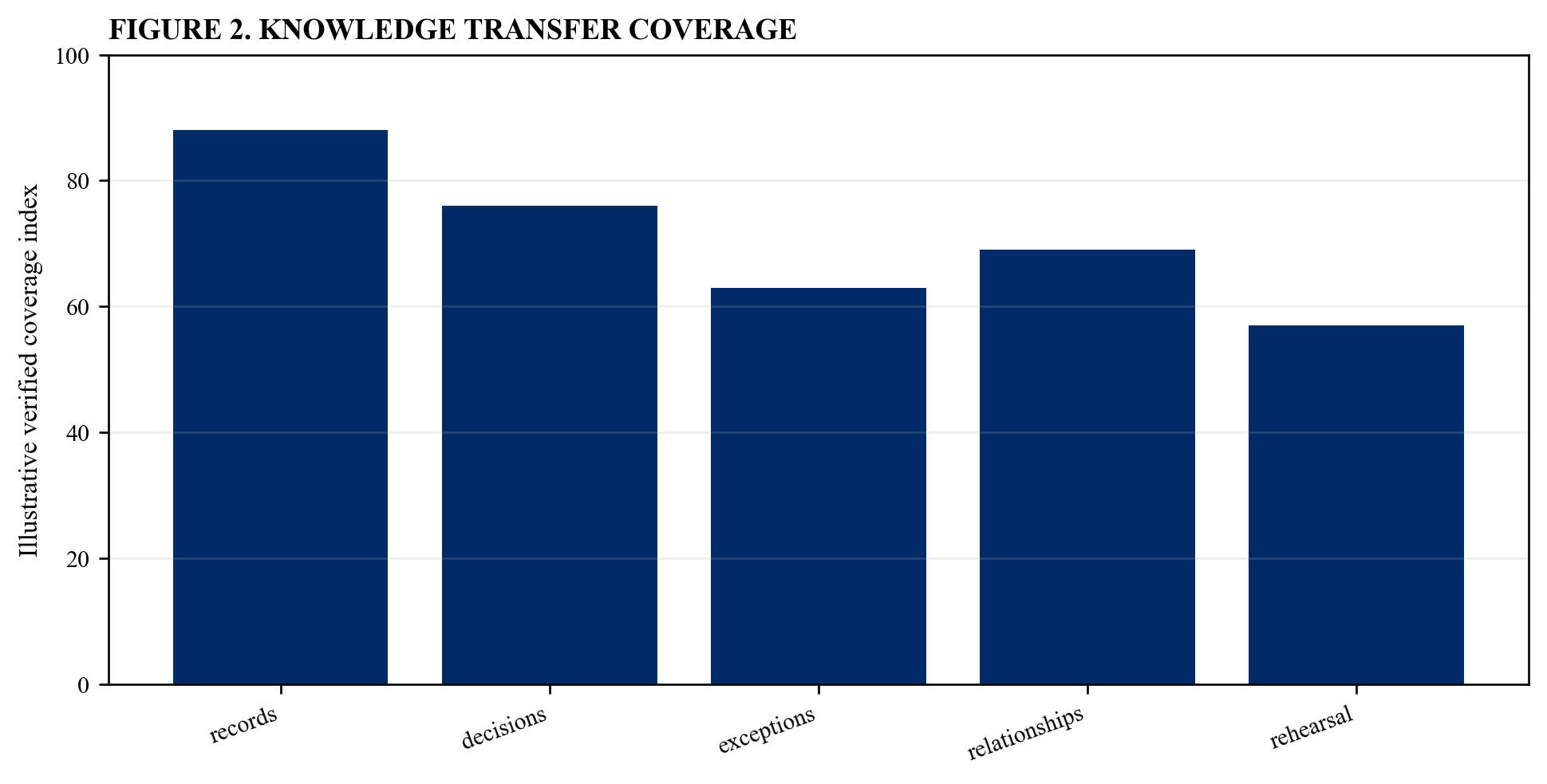
Illustrative analytical scenario; transaction evidence should replace the index values.
17. Listen to the workforce systematically
The incoming team should collect role, process, risk and improvement evidence across functions while protecting confidentiality and psychological safety. The required output is a structured listening record and validated issue map. This converts transition intent into a decision and evidence standard that the board can supervise [21][22].
The work should identify the owner, source records, effective date, dependencies, approval route and open exceptions. Test each conclusion against executed transaction documents, current operating evidence and successor responsibilities. Retain assumptions until evidence closes them.
The principal risk is that open forums can favour confident voices and miss operational knowledge held lower in the organisation. Connect formal authority with operational capacity, knowledge, systems access, cash and stakeholder acceptance. A control is complete when the successor can use it under realistic conditions and reproduce the result from retained evidence.
Evidence should be reviewed through dated measures and exception logs. Material deviations should reach the board with their consequence, owner and decision deadline.
18. Clarify roles and accountability
The incoming team should publish reporting lines, decision rights, interim responsibilities, escalation routes and role interfaces. The required output is a organisation responsibility map and individual objectives. This converts transition intent into a decision and evidence standard that the board can supervise [1][11].
The work should identify the owner, source records, effective date, dependencies, approval route and open exceptions. Test each conclusion against executed transaction documents, current operating evidence and successor responsibilities. Retain assumptions until evidence closes them.
The principal risk is that overlapping authority can slow work, while silent gaps can leave essential controls unowned. Connect formal authority with operational capacity, knowledge, systems access, cash and stakeholder acceptance. A control is complete when the successor can use it under realistic conditions and reproduce the result from retained evidence.
Evidence should be reviewed through dated measures and exception logs. Material deviations should reach the board with their consequence, owner and decision deadline.
19. Manage retention risk
The incoming team should identify roles whose departure would impair revenue, operations, compliance or the transition and agree proportionate retention measures. The required output is a critical-role retention plan with cost and succession evidence. This converts transition intent into a decision and evidence standard that the board can supervise [21][22].
The work should identify the owner, source records, effective date, dependencies, approval route and open exceptions. Test each conclusion against executed transaction documents, current operating evidence and successor responsibilities. Retain assumptions until evidence closes them.
The principal risk is that blanket retention awards can spend cash without protecting the capabilities the investment case requires. Connect formal authority with operational capacity, knowledge, systems access, cash and stakeholder acceptance. A control is complete when the successor can use it under realistic conditions and reproduce the result from retained evidence.
Evidence should be reviewed through dated measures and exception logs. Material deviations should reach the board with their consequence, owner and decision deadline.
20. Consult before changing employment terms
The incoming team should separate communication, consultation, contractual agreement, collective obligations and any TUPE-specific restrictions. The required output is a employment-change decision record and consultation plan. This converts transition intent into a decision and evidence standard that the board can supervise [21][22][23].
The work should identify the owner, source records, effective date, dependencies, approval route and open exceptions. Test each conclusion against executed transaction documents, current operating evidence and successor responsibilities. Retain assumptions until evidence closes them.
The principal risk is that rushed harmonisation can create legal claims, employee exits and loss of trust. Connect formal authority with operational capacity, knowledge, systems access, cash and stakeholder acceptance. A control is complete when the successor can use it under realistic conditions and reproduce the result from retained evidence.
Evidence should be reviewed through dated measures and exception logs. Material deviations should reach the board with their consequence, owner and decision deadline.
Table 3. Stakeholder confidence programme
| Stakeholder | Immediate concern | Evidence-led response |
|---|---|---|
| employees | role and employment security | clear authority and consultation route |
| customers | service and relationship continuity | named coverage and delivery evidence |
| lenders | liquidity, reporting and covenants | controlled forecast and governance pack |
| suppliers | payment and commitment continuity | approved contact and payment calendar |
Messages should use verified information and authorised owners.
21. Diagnose culture through behaviour
The incoming team should observe how decisions, challenge, escalation, incentives and information flow operate in real work. The required output is a behavioural operating assessment linked to control and performance evidence. This converts transition intent into a decision and evidence standard that the board can supervise [1][2].
The work should identify the owner, source records, effective date, dependencies, approval route and open exceptions. Test each conclusion against executed transaction documents, current operating evidence and successor responsibilities. Retain assumptions until evidence closes them.
The principal risk is that labels about culture can misdiagnose incentives, workload or poorly designed processes. Connect formal authority with operational capacity, knowledge, systems access, cash and stakeholder acceptance. A control is complete when the successor can use it under realistic conditions and reproduce the result from retained evidence.
Evidence should be reviewed through dated measures and exception logs. Material deviations should reach the board with their consequence, owner and decision deadline.
22. Establish a reporting baseline
The incoming team should reconcile management accounts, operational measures, definitions, cut-offs, source systems, manual adjustments and ownership. The required output is a baseline performance pack and data dictionary. This converts transition intent into a decision and evidence standard that the board can supervise [1][24].
The work should identify the owner, source records, effective date, dependencies, approval route and open exceptions. Test each conclusion against executed transaction documents, current operating evidence and successor responsibilities. Retain assumptions until evidence closes them.
The principal risk is that the incoming team can act on measures that changed definition or lack a controlled source. Connect formal authority with operational capacity, knowledge, systems access, cash and stakeholder acceptance. A control is complete when the successor can use it under realistic conditions and reproduce the result from retained evidence.
Evidence should be reviewed through dated measures and exception logs. Material deviations should reach the board with their consequence, owner and decision deadline.
23. Take control of cash
The incoming team should verify accounts, balances, restrictions, payment authorities, receipts, payroll, taxes and near-term obligations. The required output is a daily cash position and controlled payment calendar. This converts transition intent into a decision and evidence standard that the board can supervise [7][19].
The work should identify the owner, source records, effective date, dependencies, approval route and open exceptions. Test each conclusion against executed transaction documents, current operating evidence and successor responsibilities. Retain assumptions until evidence closes them.
The principal risk is that reported liquidity can include unavailable cash or omit imminent commitments. Connect formal authority with operational capacity, knowledge, systems access, cash and stakeholder acceptance. A control is complete when the successor can use it under realistic conditions and reproduce the result from retained evidence.
Evidence should be reviewed through dated measures and exception logs. Material deviations should reach the board with their consequence, owner and decision deadline.
24. Build a 13 week cash forecast
The incoming team should link receipts, payments, sensitivities, working-capital drivers and financing headroom to accountable operational inputs. The required output is a weekly rolling cash forecast with variance analysis. This converts transition intent into a decision and evidence standard that the board can supervise [19][20].
The work should identify the owner, source records, effective date, dependencies, approval route and open exceptions. Test each conclusion against executed transaction documents, current operating evidence and successor responsibilities. Retain assumptions until evidence closes them.
The principal risk is that a spreadsheet can provide false precision when sales, procurement and delivery assumptions lack owners. Connect formal authority with operational capacity, knowledge, systems access, cash and stakeholder acceptance. A control is complete when the successor can use it under realistic conditions and reproduce the result from retained evidence.
Evidence should be reviewed through dated measures and exception logs. Material deviations should reach the board with their consequence, owner and decision deadline.
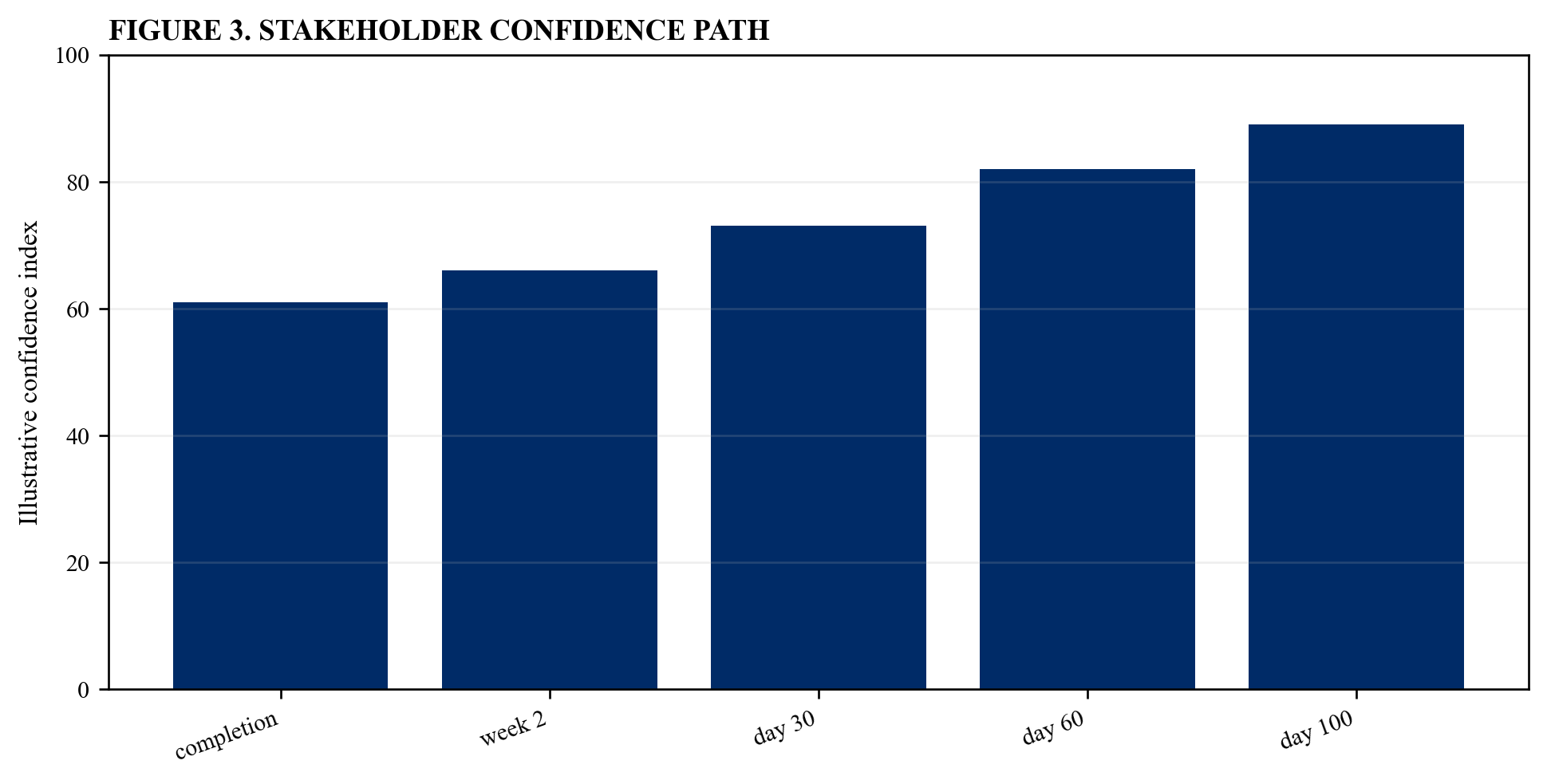
Illustrative analytical scenario; transaction evidence should replace the index values.
25. Validate the revenue pipeline
The incoming team should test customer intent, contract status, pricing, delivery capacity, churn, concentration and probability-weighted timing. The required output is a reconciled pipeline bridge to cash and capacity. This converts transition intent into a decision and evidence standard that the board can supervise [17][24].
The work should identify the owner, source records, effective date, dependencies, approval route and open exceptions. Test each conclusion against executed transaction documents, current operating evidence and successor responsibilities. Retain assumptions until evidence closes them.
The principal risk is that legacy forecasts can reflect advocacy by outgoing management or inconsistent qualification standards. Connect formal authority with operational capacity, knowledge, systems access, cash and stakeholder acceptance. A control is complete when the successor can use it under realistic conditions and reproduce the result from retained evidence.
Evidence should be reviewed through dated measures and exception logs. Material deviations should reach the board with their consequence, owner and decision deadline.
26. Protect service continuity
The incoming team should identify critical services, minimum resources, dependencies, recovery times and manual workarounds. The required output is a business-impact assessment and tested continuity priorities. This converts transition intent into a decision and evidence standard that the board can supervise [13][15].
The work should identify the owner, source records, effective date, dependencies, approval route and open exceptions. Test each conclusion against executed transaction documents, current operating evidence and successor responsibilities. Retain assumptions until evidence closes them.
The principal risk is that change initiatives can consume the people and systems needed to keep customers served. Connect formal authority with operational capacity, knowledge, systems access, cash and stakeholder acceptance. A control is complete when the successor can use it under realistic conditions and reproduce the result from retained evidence.
Evidence should be reviewed through dated measures and exception logs. Material deviations should reach the board with their consequence, owner and decision deadline.
27. Secure systems and privileged access
The incoming team should inventory administrators, shared accounts, remote access, backups, code, cloud services and leaver controls. The required output is a privileged-access baseline and remediation record. This converts transition intent into a decision and evidence standard that the board can supervise [25][26].
The work should identify the owner, source records, effective date, dependencies, approval route and open exceptions. Test each conclusion against executed transaction documents, current operating evidence and successor responsibilities. Retain assumptions until evidence closes them.
The principal risk is that former personnel or unmanaged credentials can retain control over critical systems after completion. Connect formal authority with operational capacity, knowledge, systems access, cash and stakeholder acceptance. A control is complete when the successor can use it under realistic conditions and reproduce the result from retained evidence.
Evidence should be reviewed through dated measures and exception logs. Material deviations should reach the board with their consequence, owner and decision deadline.
Table 4. First 100 days operating cadence
| Period | Primary objective | Board evidence |
|---|---|---|
| days 1 to 30 | establish control and continuity | authority and cash certificate |
| days 31 to 60 | validate knowledge and performance | handover and baseline pack |
| days 61 to 100 | embed cadence and gated initiatives | operating model and forward plan |
| day 100 review | decide transition readiness | conditions and accountable owners |
Timing is illustrative and should follow transaction conditions.
28. Verify data and reporting integrity
The incoming team should trace material reports to source systems, access rights, transformations, manual journals and approval evidence. The required output is a data-lineage map and control exceptions log. This converts transition intent into a decision and evidence standard that the board can supervise [1][24].
The work should identify the owner, source records, effective date, dependencies, approval route and open exceptions. Test each conclusion against executed transaction documents, current operating evidence and successor responsibilities. Retain assumptions until evidence closes them.
The principal risk is that faster reporting can amplify errors when the underlying data chain remains untested. Connect formal authority with operational capacity, knowledge, systems access, cash and stakeholder acceptance. A control is complete when the successor can use it under realistic conditions and reproduce the result from retained evidence.
Evidence should be reviewed through dated measures and exception logs. Material deviations should reach the board with their consequence, owner and decision deadline.
29. Control procurement and capital spending
The incoming team should review commitments, authority, vendor concentration, project status, change orders and expected returns. The required output is a commitment register and capex approval gate. This converts transition intent into a decision and evidence standard that the board can supervise [7][19].
The work should identify the owner, source records, effective date, dependencies, approval route and open exceptions. Test each conclusion against executed transaction documents, current operating evidence and successor responsibilities. Retain assumptions until evidence closes them.
The principal risk is that new approvals can ignore embedded commitments or disruption costs inherited at completion. Connect formal authority with operational capacity, knowledge, systems access, cash and stakeholder acceptance. A control is complete when the successor can use it under realistic conditions and reproduce the result from retained evidence.
Evidence should be reviewed through dated measures and exception logs. Material deviations should reach the board with their consequence, owner and decision deadline.
30. Sequence the value creation programme
The incoming team should rank initiatives by evidence, cash need, control dependency, people capacity, reversibility and time to benefit. The required output is a sequenced value plan with dependencies and decision gates. This converts transition intent into a decision and evidence standard that the board can supervise [1][2].
The work should identify the owner, source records, effective date, dependencies, approval route and open exceptions. Test each conclusion against executed transaction documents, current operating evidence and successor responsibilities. Retain assumptions until evidence closes them.
The principal risk is that simultaneous programmes can exceed organisational capacity and destroy the knowledge needed to execute them. Connect formal authority with operational capacity, knowledge, systems access, cash and stakeholder acceptance. A control is complete when the successor can use it under realistic conditions and reproduce the result from retained evidence.
Evidence should be reviewed through dated measures and exception logs. Material deviations should reach the board with their consequence, owner and decision deadline.
31. Protect institutional knowledge during change
The incoming team should require each initiative to identify process owners, knowledge holders, records, exceptions and successor capability before redesign. The required output is a knowledge-preservation requirement inside every change case. This converts transition intent into a decision and evidence standard that the board can supervise [14][15].
The work should identify the owner, source records, effective date, dependencies, approval route and open exceptions. Test each conclusion against executed transaction documents, current operating evidence and successor responsibilities. Retain assumptions until evidence closes them.
The principal risk is that removing roles before transferring judgement can make savings difficult to reverse. Connect formal authority with operational capacity, knowledge, systems access, cash and stakeholder acceptance. A control is complete when the successor can use it under realistic conditions and reproduce the result from retained evidence.
Evidence should be reviewed through dated measures and exception logs. Material deviations should reach the board with their consequence, owner and decision deadline.
32. Apply a quick win gate
The incoming team should approve early changes only when evidence, customer impact, cash effect, control effect, capacity and reversibility are understood. The required output is a quick-win approval sheet and post-implementation measure. This converts transition intent into a decision and evidence standard that the board can supervise [1][2].
The work should identify the owner, source records, effective date, dependencies, approval route and open exceptions. Test each conclusion against executed transaction documents, current operating evidence and successor responsibilities. Retain assumptions until evidence closes them.
The principal risk is that visible activity can be rewarded before the business understands whether the change created durable value. Connect formal authority with operational capacity, knowledge, systems access, cash and stakeholder acceptance. A control is complete when the successor can use it under realistic conditions and reproduce the result from retained evidence.
Evidence should be reviewed through dated measures and exception logs. Material deviations should reach the board with their consequence, owner and decision deadline.
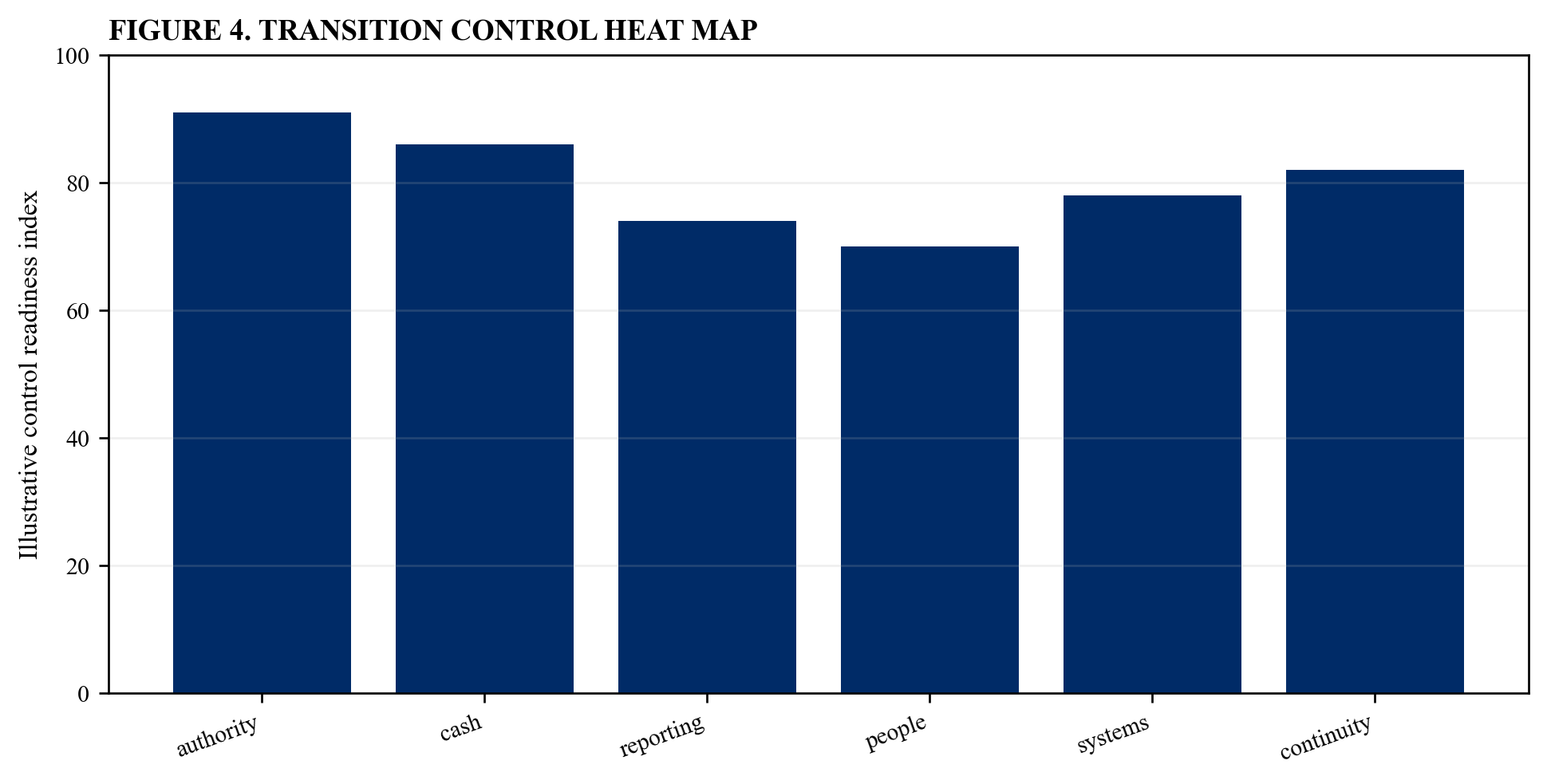
Illustrative analytical scenario; transaction evidence should replace the index values.
33. Execute days 1 to 30
The incoming team should stabilise authority, cash, reporting, access, stakeholder contact and the knowledge-risk register. The required output is a 30-day control certificate and unresolved-critical-items list. This converts transition intent into a decision and evidence standard that the board can supervise [1][13].
The work should identify the owner, source records, effective date, dependencies, approval route and open exceptions. Test each conclusion against executed transaction documents, current operating evidence and successor responsibilities. Retain assumptions until evidence closes them.
The principal risk is that a strategy launch can distract from defects that threaten immediate continuity. Connect formal authority with operational capacity, knowledge, systems access, cash and stakeholder acceptance. A control is complete when the successor can use it under realistic conditions and reproduce the result from retained evidence.
Evidence should be reviewed through dated measures and exception logs. Material deviations should reach the board with their consequence, owner and decision deadline.
34. Execute days 31 to 60
The incoming team should validate performance drivers, complete priority handovers, close control gaps and test the value-plan assumptions. The required output is a 60-day evidence pack and revised initiative sequence. This converts transition intent into a decision and evidence standard that the board can supervise [1][24].
The work should identify the owner, source records, effective date, dependencies, approval route and open exceptions. Test each conclusion against executed transaction documents, current operating evidence and successor responsibilities. Retain assumptions until evidence closes them.
The principal risk is that the team can institutionalise inherited assumptions before they have been tested against actual trading. Connect formal authority with operational capacity, knowledge, systems access, cash and stakeholder acceptance. A control is complete when the successor can use it under realistic conditions and reproduce the result from retained evidence.
Evidence should be reviewed through dated measures and exception logs. Material deviations should reach the board with their consequence, owner and decision deadline.
Table 5. Day 100 readiness certificate
| Readiness dimension | Required evidence | Decision |
|---|---|---|
| authority and accountability | effective roles and tested limits | ready or conditioned |
| knowledge and people | verified handovers and deputies | ready or conditioned |
| cash, reporting and controls | reconciled baseline and tests | ready or conditioned |
| value plan and capacity | sequenced funded initiatives | ready or conditioned |
Illustrative gate; the board should record evidence and unresolved conditions.
35. Execute days 61 to 100
The incoming team should embed operating cadence, confirm accountable leaders, launch gated initiatives and prepare the board's next-stage decision. The required output is a 100-day operating model and forward plan. This converts transition intent into a decision and evidence standard that the board can supervise [1][2].
The work should identify the owner, source records, effective date, dependencies, approval route and open exceptions. Test each conclusion against executed transaction documents, current operating evidence and successor responsibilities. Retain assumptions until evidence closes them.
The principal risk is that transition activity can continue indefinitely without a clear move into normal accountable management. Connect formal authority with operational capacity, knowledge, systems access, cash and stakeholder acceptance. A control is complete when the successor can use it under realistic conditions and reproduce the result from retained evidence.
Evidence should be reviewed through dated measures and exception logs. Material deviations should reach the board with their consequence, owner and decision deadline.
36. Stress customer loss
The incoming team should model a major customer defection across liquidity, capacity, covenants, workforce and stakeholder communications. The required output is a customer-loss response case and trigger levels. This converts transition intent into a decision and evidence standard that the board can supervise [17][19].
The work should identify the owner, source records, effective date, dependencies, approval route and open exceptions. Test each conclusion against executed transaction documents, current operating evidence and successor responsibilities. Retain assumptions until evidence closes them.
The principal risk is that the first 100 days can coincide with renewal decisions influenced by uncertainty about new ownership. Connect formal authority with operational capacity, knowledge, systems access, cash and stakeholder acceptance. A control is complete when the successor can use it under realistic conditions and reproduce the result from retained evidence.
Evidence should be reviewed through dated measures and exception logs. Material deviations should reach the board with their consequence, owner and decision deadline.
37. Stress key employee departures
The incoming team should remove several connected knowledge holders from the operating plan and test deputies, access, workload and recovery. The required output is a correlated-departure scenario and retention response. This converts transition intent into a decision and evidence standard that the board can supervise [14][21].
The work should identify the owner, source records, effective date, dependencies, approval route and open exceptions. Test each conclusion against executed transaction documents, current operating evidence and successor responsibilities. Retain assumptions until evidence closes them.
The principal risk is that individual succession plans can fail when experienced colleagues leave together. Connect formal authority with operational capacity, knowledge, systems access, cash and stakeholder acceptance. A control is complete when the successor can use it under realistic conditions and reproduce the result from retained evidence.
Evidence should be reviewed through dated measures and exception logs. Material deviations should reach the board with their consequence, owner and decision deadline.
38. Stress a material control failure
The incoming team should simulate inaccurate reporting, payment error, cyber incident or compliance breach through detection, escalation and remediation. The required output is a control-failure exercise and lessons record. This converts transition intent into a decision and evidence standard that the board can supervise [1][25][26].
The work should identify the owner, source records, effective date, dependencies, approval route and open exceptions. Test each conclusion against executed transaction documents, current operating evidence and successor responsibilities. Retain assumptions until evidence closes them.
The principal risk is that new leaders can overestimate control maturity when evidence comes from policy documents alone. Connect formal authority with operational capacity, knowledge, systems access, cash and stakeholder acceptance. A control is complete when the successor can use it under realistic conditions and reproduce the result from retained evidence.
Evidence should be reviewed through dated measures and exception logs. Material deviations should reach the board with their consequence, owner and decision deadline.
39. Conduct the day 100 board review
The incoming team should compare outcomes with the transition charter, examine exceptions and approve the next-stage value plan, resources and risk appetite. The required output is a board review pack, challenge record and decisions. This converts transition intent into a decision and evidence standard that the board can supervise [1][2].
The work should identify the owner, source records, effective date, dependencies, approval route and open exceptions. Test each conclusion against executed transaction documents, current operating evidence and successor responsibilities. Retain assumptions until evidence closes them.
The principal risk is that a celebratory review can conceal unresolved control and knowledge gaps. Connect formal authority with operational capacity, knowledge, systems access, cash and stakeholder acceptance. A control is complete when the successor can use it under realistic conditions and reproduce the result from retained evidence.
Evidence should be reviewed through dated measures and exception logs. Material deviations should reach the board with their consequence, owner and decision deadline.
40. Issue the transition conclusion
The incoming team should integrate authority, cash, reporting, stakeholders, knowledge, controls, people and initiative evidence into a single readiness decision. The required output is a day-100 readiness certificate with conditions and accountable owners. This converts transition intent into a decision and evidence standard that the board can supervise [1][13][15].
The work should identify the owner, source records, effective date, dependencies, approval route and open exceptions. Test each conclusion against executed transaction documents, current operating evidence and successor responsibilities. Retain assumptions until evidence closes them.
The principal risk is that the organisation can declare transition complete while material dependencies remain informal. Connect formal authority with operational capacity, knowledge, systems access, cash and stakeholder acceptance. A control is complete when the successor can use it under realistic conditions and reproduce the result from retained evidence.
Evidence should be reviewed through dated measures and exception logs. Material deviations should reach the board with their consequence, owner and decision deadline.
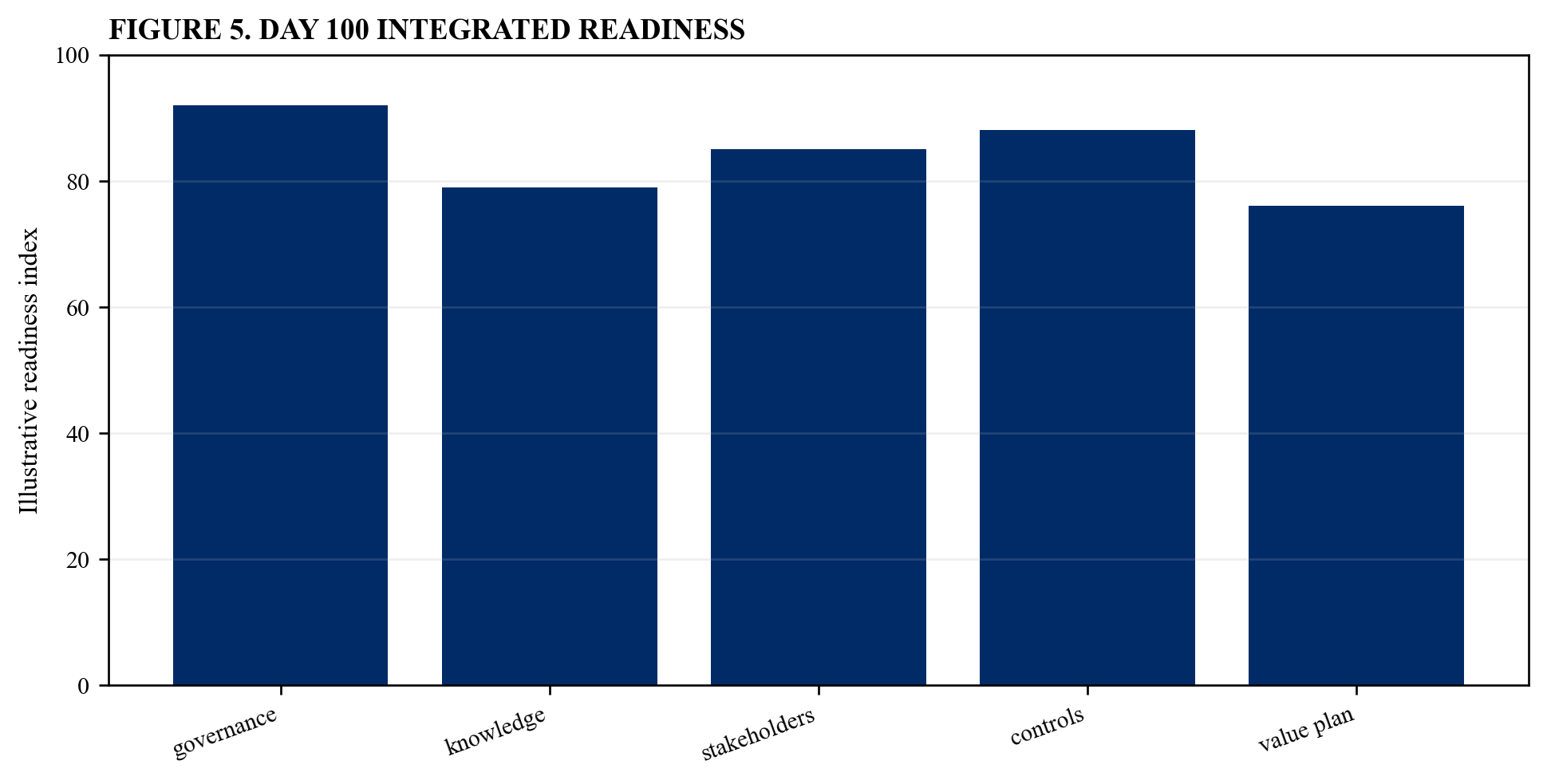
Illustrative analytical scenario; transaction evidence should replace the index values.
References
- Financial Reporting Council, UK Corporate Governance Code 2024, https://www.frc.org.uk/library/standards-codes-policy/corporate-governance/uk-corporate-governance-code/
- Financial Reporting Council, Corporate Governance Code Guidance, https://www.frc.org.uk/library/standards-codes-policy/corporate-governance/corporate-governance-code-guidance/
- UK Government, Make changes to your private limited company, https://www.gov.uk/make-changes-to-your-limited-company
- UK Government, Appoint a director AP01, https://www.gov.uk/government/publications/appoint-a-director-ap01
- UK Government, Companies House identity verification, https://www.gov.uk/guidance/verifying-your-identity-for-companies-house
- UK Government, Model articles for private companies limited by shares, https://www.gov.uk/government/publications/model-articles-for-private-companies-limited-by-shares
- UK Legislation, Companies Act 2006 section 171, https://www.legislation.gov.uk/ukpga/2006/46/section/171
- UK Legislation, Companies Act 2006 section 172, https://www.legislation.gov.uk/ukpga/2006/46/section/172
- UK Legislation, Companies Act 2006 section 174, https://www.legislation.gov.uk/ukpga/2006/46/section/174
- Financial Conduct Authority, Change in control, https://www.fca.org.uk/firms/change-control
- Financial Conduct Authority, Senior management functions, https://www.fca.org.uk/firms/approved-persons/senior-management-functions
- Financial Conduct Authority, Apply for a senior management function, https://www.fca.org.uk/firms/senior-management-functions/how-apply
- UK Government, Business continuity management toolkit, https://www.gov.uk/government/publications/business-continuity-management-toolkit
- National Institute of Standards and Technology, Contingency Planning Guide SP 800-34 Rev. 1, https://csrc.nist.gov/publications/detail/sp/800-34/rev-1/final
- International Organization for Standardization, ISO 22301 Business continuity management systems, https://www.iso.org/standard/75106.html
- OECD, G20 OECD Principles of Corporate Governance 2023, https://www.oecd.org/corporate/principles-corporate-governance/
- Competition and Markets Authority, Interim measures in merger investigations, https://www.gov.uk/government/publications/interim-measures-in-merger-investigations
- Competition and Markets Authority, Merger assessment guidelines, https://www.gov.uk/government/publications/merger-assessment-guidelines
- Financial Reporting Council, Guidance on the Going Concern Basis of Accounting and Related Reporting, https://www.frc.org.uk/library/standards-codes-policy/accounting-and-reporting/guidance-on-the-going-concern-basis-of-accounting-and-related-reporting/
- IFRS Foundation, IFRS 7 Financial Instruments Disclosures, https://www.ifrs.org/issued-standards/list-of-standards/ifrs-7-financial-instruments-disclosures/
- Acas, Changing an employment contract, https://www.acas.org.uk/changing-an-employment-contract
- Acas, Informing and consulting employees during TUPE, https://www.acas.org.uk/tupe/advice-for-employers-and-employees/how-your-employer-should-inform-and-consult-you-during-tupe
- UK Legislation, Transfer of Undertakings Protection of Employment Regulations 2006, https://www.legislation.gov.uk/uksi/2006/246/contents
- IFRS Foundation, IAS 1 Presentation of Financial Statements, https://www.ifrs.org/issued-standards/list-of-standards/ias-1-presentation-of-financial-statements/
- National Cyber Security Centre, 10 Steps to Cyber Security, https://www.ncsc.gov.uk/collection/10-steps
- Information Commissioner's Office, Employment practices and data protection, https://ico.org.uk/for-organisations/uk-gdpr-guidance-and-resources/employment/
