
1. Define the acquisition decision
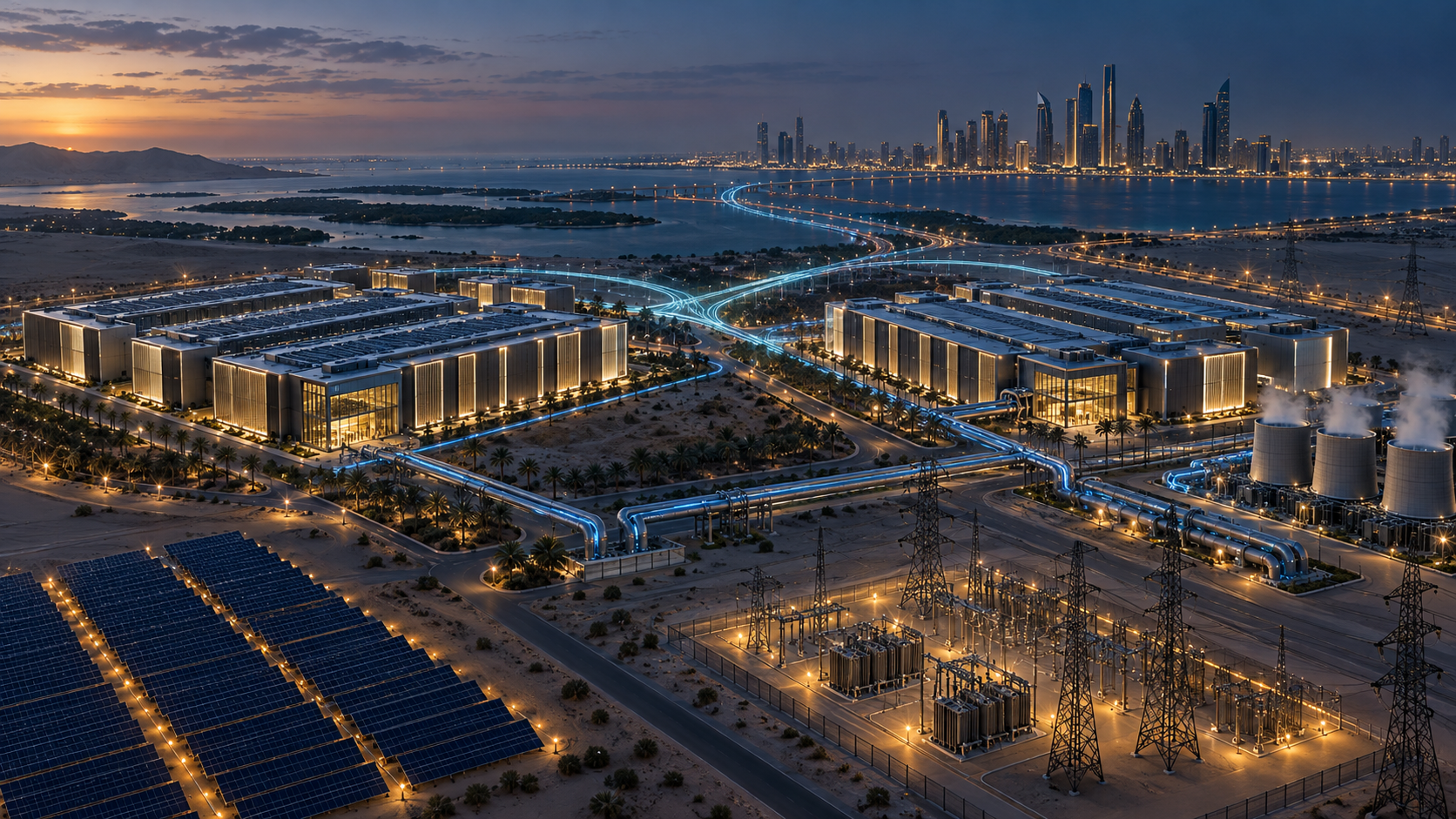
The investment committee must decide whether combining GCC data-centre assets creates a stronger, more financeable operating platform. The thesis should identify the specific value sources: contracted customer cash, deliverable power, energy economics, cooling competence, land, construction capability, cloud and connectivity relationships, government accreditation, operating resilience and regional expansion. Each claimed advantage should have evidence, an owner, a conversion timetable and a downside case. [1][2]
The central error is to convert national digital ambition directly into target revenue. A government strategy can stimulate demand and infrastructure without creating a contract for the target. A headline campus capacity can include future phases without committed power, permits, equipment or customers. A sovereign relationship can be commercially valuable while remaining subject to procurement, renewal, security and budget rules.
The board should therefore approve an evidenced acquisition case. Operating cash should receive operating value. Contracted expansion should receive conversion value after remaining capital, conditions and timing. Earlier-stage land, utility capacity and customer discussions should receive contingent value. Synergies should be recognised only where the combined group can lawfully control, fund and deliver them.
| Value layer | Required evidence | Principal failure | Deal treatment |
|---|---|---|---|
| operating facility | acceptance records, invoices, collections and service performance | reported capacity is not billable capacity | operating valuation |
| sovereign demand | executed contract, procurement authority, budget and renewal terms | strategic programme lacks target-specific obligation | contract-specific value |
| power | utility agreement, connection, tariff and delivery programme | reserved capacity is delayed or conditional | milestone consideration |
| cooling | design, measured efficiency, water source and maintenance history | hot-climate performance requires retrofit | capex adjustment |
| land and permits | title, lease, zoning, environmental and construction approvals | expansion cannot proceed lawfully | closing condition |
| technology ecosystem | vendor rights, export compliance, cloud and connectivity agreements | design or supply becomes unavailable | architecture and supply scenario |
| operating platform | people, licences, cyber controls and local relationships | integration disrupts service or accreditation | protected integration plan |
Proposed diligence map; governing contracts, licences and approvals determine actual rights.
2. Establish the regional demand baseline
The GCC is not one demand pool. The United Arab Emirates, Saudi Arabia, Qatar, Oman, Bahrain and Kuwait have different procurement systems, data rules, utility structures, cloud policies and customer bases. The acquisition model should use country and customer evidence rather than a single regional growth rate.
Abu Dhabi's government digital strategy targets full sovereign-cloud adoption and full process digitisation, supported by AED 13 billion of spending between 2025 and 2027. A 2025 partnership with Microsoft and Core42 described a sovereign-cloud environment supporting more than 11 million daily digital interactions. These are public-programme indicators. They do not establish revenue for an unidentified facility. [1][2]
Saudi official sources reported operational data-centre capacity rising from 68 MW in 2021 to more than 440 MW in 2025, with more than 60 centres developed by over 20 companies and investment exceeding SAR 16 billion. A later government report stated more than 467 MW in the first quarter of 2026 and broader data-centre and digital-infrastructure investment exceeding SAR 56.2 billion. Definitions and reporting scopes should be reconciled before comparison. [3][4]
Qatar announced an additional dedicated government cloud region in 2026. Oman updated its cloud-first policy in 2026. Bahrain's government reported substantial migration under its cloud-first policy. These programmes indicate institutional demand for secure digital infrastructure. A buyer still needs target-level contracts, budget authority, renewal evidence and delivery economics. [5][6][7]
3. Separate sovereign demand from sovereign sponsorship
Sovereign demand means an enforceable obligation by a government entity, state-owned enterprise or approved counterparty to consume and pay for services. Sovereign sponsorship can include policy support, land, infrastructure, financing, partnerships or public statements. The two categories should not be merged in valuation.
The buyer should identify the contracting entity, legal capacity, procurement route, appropriation or budget mechanism, service specification, data location, security accreditation, pricing, indexation, minimum commitment, acceptance, credit support, renewal and termination. Government-linked counterparties can differ materially in legal form and payment mechanics. The word sovereign does not replace contract review.
Sponsorship can reduce execution friction and improve the strategic case. It can also impose local-content, security, employment, data, vendor or governance obligations. The model should capture the economic value and cost of those obligations. Any relationship that depends on a particular shareholder, executive or public programme should be tested for change-of-control and continuity.
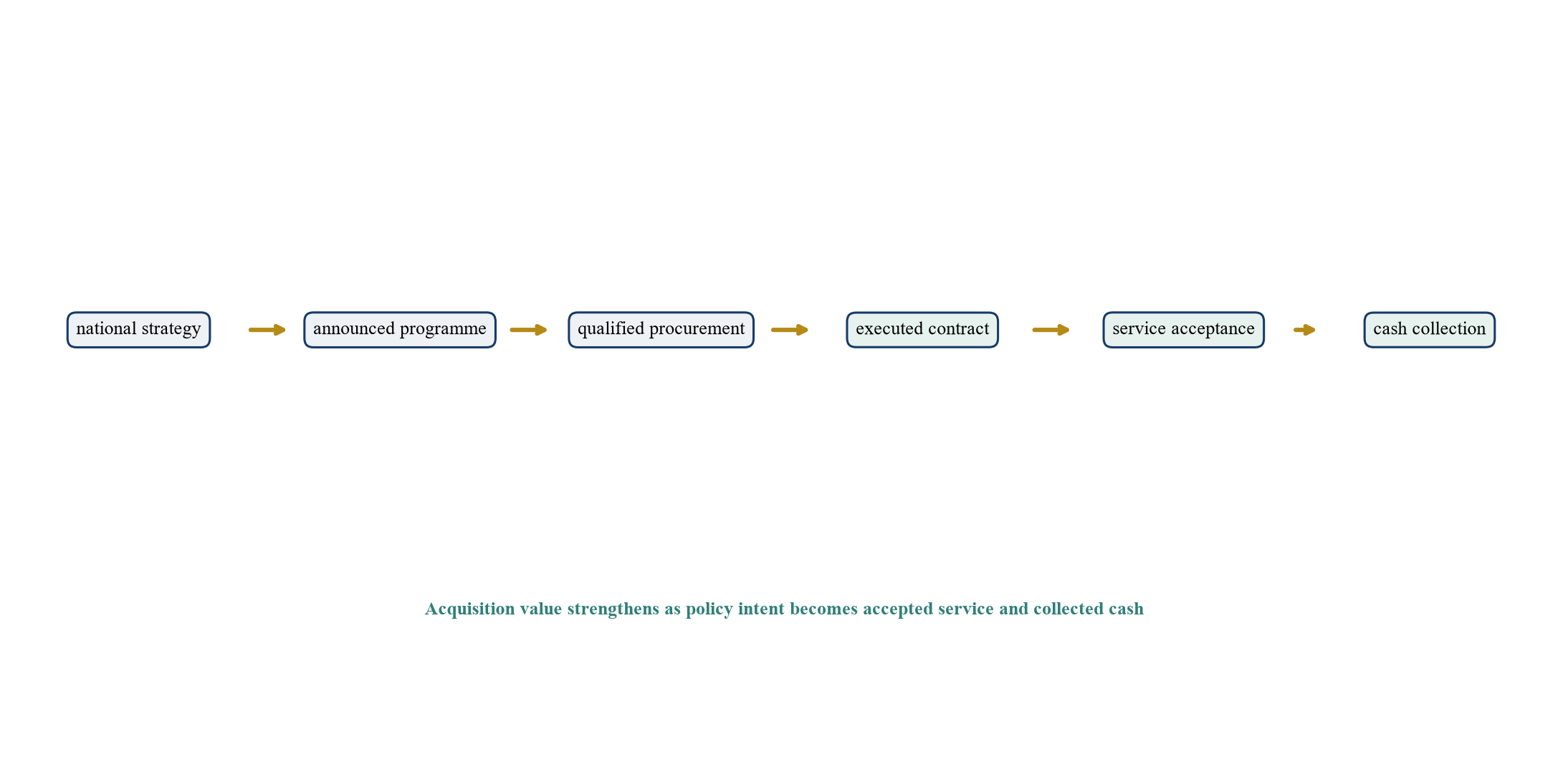
Analytical framework; contract rights and public procurement rules determine actual cash entitlement.
4. Reconstruct the customer book
The customer register should reconcile every customer to the legal entity, campus, hall, power allocation, rack density, service, contract, start date, acceptance status, billing and collections. The model should distinguish colocation, powered shell, managed hosting, cloud, connectivity and ancillary services because margins, capital intensity and technology risk differ.
The buyer should classify active services, signed future commitments, conditional reservations, qualified opportunities and broad market pipeline. Multiple sites may compete for the same cloud or government workload. A regional platform can also present one customer through several resellers, government entities or affiliates. Economic exposure should be aggregated where payment, renewal or strategic decisions are linked.
Customer concentration should be measured through revenue, contracted load, expected load, receivables, remaining contract value and renewal dates. The downside case should include delayed deployment, partial ramp, non-renewal and repricing by the largest customers. Concentration can be acceptable when the contract, credit, margins and recovery rights compensate for it. It should remain visible in leverage and purchase-price decisions.
| Class | Evidence | Model treatment | Control |
|---|---|---|---|
| operating and accepted | acceptance, invoice and collection | operating cash | contract-to-cash reconciliation |
| executed future load | signed contract, conditions and deployment schedule | probability-weighted conversion | condition and credit review |
| conditional reservation | reservation and deposit with exit rights | option value | expiry and refund analysis |
| qualified procurement | identified authority, scope and procurement stage | pipeline scenario | no debt sizing |
| strategic announcement | public programme without target obligation | market context | excluded from base cash |
| duplicate demand | common end user across sites or intermediaries | excluded or allocated once | group exposure register |
Proposed classification; actual contract terms govern revenue recognition and cash rights.
5. Test whether government demand is transferable
An acquisition can trigger consent, re-tender, security review, data-location review or termination. The diligence team should map change-of-control provisions across customer agreements, licences, accreditations, land, utility supply, connectivity and financing. It should identify the authority that can approve each change and the evidence required.
Government and regulated workloads may require national ownership, approved personnel, security-cleared operations, particular cloud configurations, data segregation or local incident response. The combined group should demonstrate that it can preserve these controls from signing through integration. An integration plan that centralises systems prematurely can jeopardise the asset it is intended to improve.
Consideration attributable to a consent-dependent contract should be conditional on consent and continuing economics. The purchase agreement can use closing conditions, holdbacks, earn-outs or customer-specific price adjustments. The buyer should avoid relying on relationship assurances where formal approval remains required.
6. Verify power rather than price electricity in the abstract
Data-centre power value begins with deliverability. The buyer should inspect the utility connection, contracted capacity, connection voltage, firm and interruptible rights, commissioning status, upstream reinforcement, tariff structure, demand charges, fuel adjustments, security, curtailment, outage history and expansion route.
Regional power systems can offer competitive generation economics and investment in clean energy. A facility-level thesis still depends on the actual utility, location, voltage, contract and load profile. A national generation statistic does not prove that a specific campus can receive the required power on the required date. The UAE established a national team in 2025 to examine the energy impact of data centres, market returns, geographic distribution and possible federal policy. That initiative confirms the importance of system-level planning. [8]
The acquisition model should reconcile stated facility MW, utility-contracted MW, energised MW, tested critical load, IT load and customer-billable load. Redundancy and cooling loads reduce the conversion. A platform synergy that reallocates customers between campuses may require new utility, planning and engineering approvals.
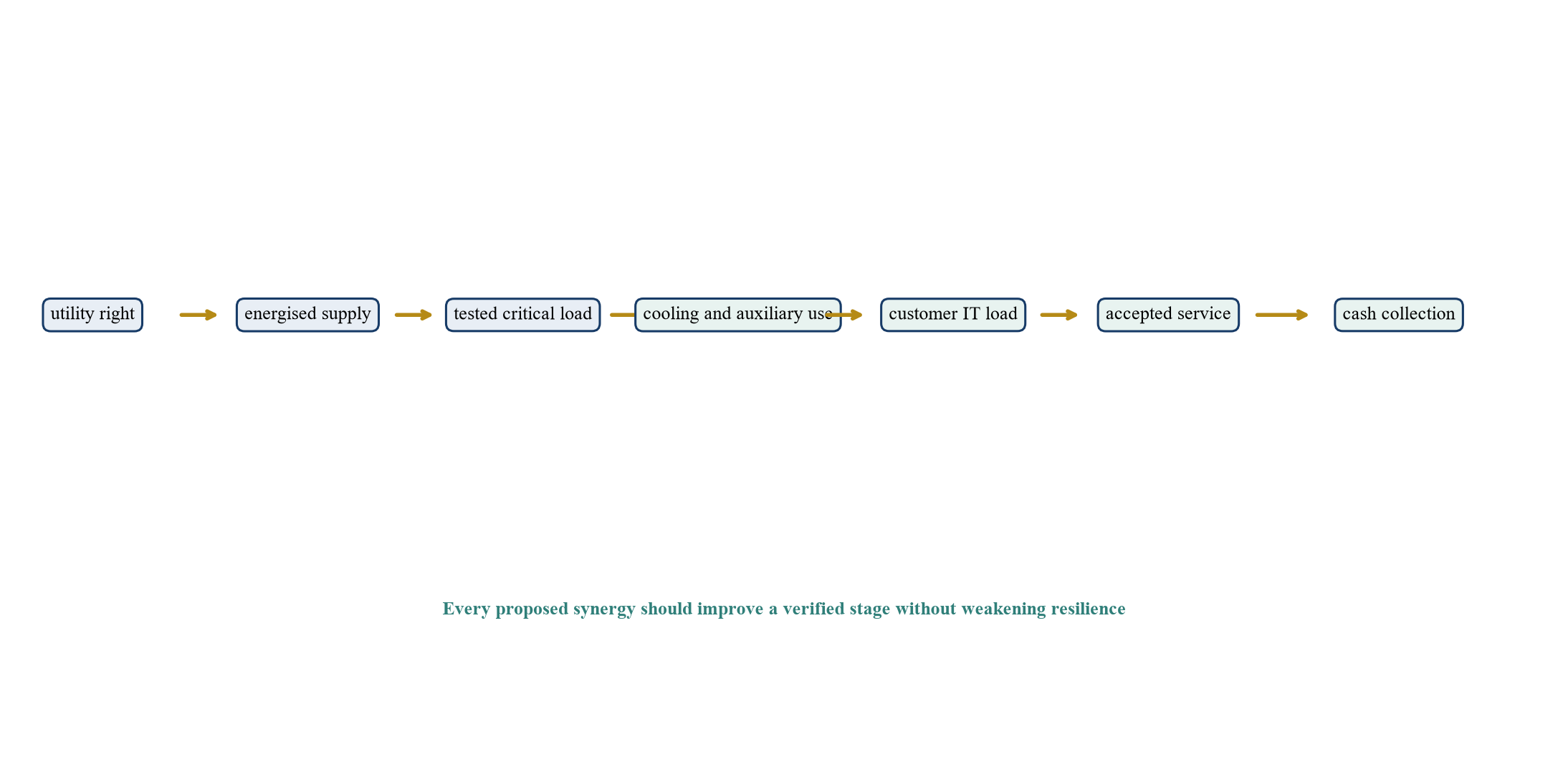
Analytical framework; site-specific engineering and contracts determine actual conversion.
7. Price energy contracts and decarbonisation separately
The energy case should distinguish grid tariff, bilateral power arrangements, renewable certificates, behind-the-meter generation, storage, backup fuel and carbon claims. Each instrument has different credit, duration, location, additionality and accounting characteristics. The model should not treat a renewable-energy objective as a fixed long-term power price.
Energy synergies can arise from combined procurement, load diversity, shared balancing expertise, renewable contracting and better monitoring. They require compatible utility regimes and contract rights. Cross-country purchasing power may improve negotiation while physical delivery remains local. One campus cannot use another campus's grid capacity without the necessary network and regulatory arrangements.
The buyer should model tariff escalation, pass-through rights, customer caps, renewable premiums, imbalance, storage and backup generation. Where customer contracts pass energy costs through, the platform still carries working-capital, competitiveness and collection risk. Where pricing is fixed, power volatility can impair margin.
8. Treat cooling as an operating capability
Hot-climate performance is central to the GCC data-centre thesis. Cooling value should be demonstrated through design conditions, rack density, measured power usage effectiveness, water usage, availability, maintenance, corrosion controls, heat rejection, chilled-water reliability and performance during extreme temperatures.
The UAE Ministry of Energy and Infrastructure announced a 2026 pilot with Khazna and Agility to test AI-enabled optimisation across data centres and district cooling. The pilot is designed to assess cooling-energy reduction, additional IT capacity and resilience. It is evidence of active innovation, while project benefits remain to be measured. [9]
Liquid cooling and higher-density AI racks can change plant, water, piping, leak detection, maintenance and customer acceptance. A campus designed for conventional enterprise loads may require material retrofit. The buyer should inspect the technology roadmap and avoid capitalising a density uplift before engineering, supply, warranty and customer requirements are verified.
| Dimension | Evidence | Failure risk | Acquisition response |
|---|---|---|---|
| design climate | design basis and extreme-temperature envelope | system derates during peak heat | capacity and capex adjustment |
| efficiency | interval energy data and normalised PUE | annual average masks peak inefficiency | hourly performance model |
| water | source, quality, rights, treatment and WUE | water constraint or cost limits growth | water scenario and covenant |
| AI density | validated rack density and heat-removal design | stated AI readiness lacks supporting plant | retrofit schedule |
| maintenance | failure history, spares and service contracts | cooling outage interrupts customer load | resilience remediation |
| controls | building-management data and tested optimisation | claimed software benefit is unmeasured | pilot before synergy recognition |
Proposed control; measured site evidence should supersede design claims.
9. Verify water availability and externalities
Water can enter cooling, humidification, treatment, cleaning and emergency operations. Its financial relevance depends on system design, climate, source, tariffs, discharge and customer sustainability commitments. The buyer should quantify withdrawal and consumption under normal and extreme conditions.
Air cooling can reduce direct water use while increasing energy use in some operating conditions. Evaporative systems can improve energy efficiency while consuming water. Liquid cooling can improve heat removal for high-density computing but requires compatible equipment and operating competence. The correct design is site and workload specific.
Water and power scenarios should be integrated. A reduction in one resource may increase the other. The investment paper should show annual and peak demand, supply interruption, quality, treatment, storage and recovery. Any expansion that depends on new water infrastructure should remain conditional until rights and delivery are verified.
10. Map the technology stack and restrictions
The asset value depends on the workloads it can support. The buyer should identify facility design, rack density, network fabric, cooling, electrical topology, cloud environment, chips, servers, software, cybersecurity and customer certification. Facility ownership does not automatically include rights to technology, data or workloads.
AI infrastructure can require advanced accelerators, high-speed networking and specialised cooling. Supply, export, cybersecurity and vendor rules can change the configuration that a site may deploy. The acquisition model should include approved alternatives, procurement lead times, warranty, maintenance and obsolescence.
G42 and Microsoft announced a 200 MW UAE data-centre expansion through Khazna, expected to begin coming online before the end of 2026. PIF-owned HUMAIN describes an integrated AI stack spanning data centres, cloud, models and applications. These examples show how facility economics can become linked to broader technology ecosystems. The buyer should determine which ecosystem rights are contractually available to the target. [10][11]
11. Identify platform synergies that survive diligence
Platform synergies should be organised by source and evidence. Revenue synergies can include customer cross-sell, multi-site resilience, regional contracting, new density products and faster deployment. Cost synergies can include procurement, network, maintenance, insurance, energy management, software and central functions. Capital synergies can include standard design, spares, equipment frameworks and improved financing.
Each synergy should identify affected contracts, implementation cost, timing, tax, approval, service risk and accountable owner. A regional sales opportunity should not enter the base case without customer evidence. Procurement savings should account for termination costs, country-specific specifications and local-content obligations. Financing savings should reflect lender security and ring-fencing.
Dis-synergies should be equally visible. They can include duplicated systems, loss of supplier rebates, retention costs, consent delays, cyber remediation, tax leakage, refinancing fees and higher governance costs. The board should see gross synergy, implementation cost, time to delivery, risk adjustment and net present value.
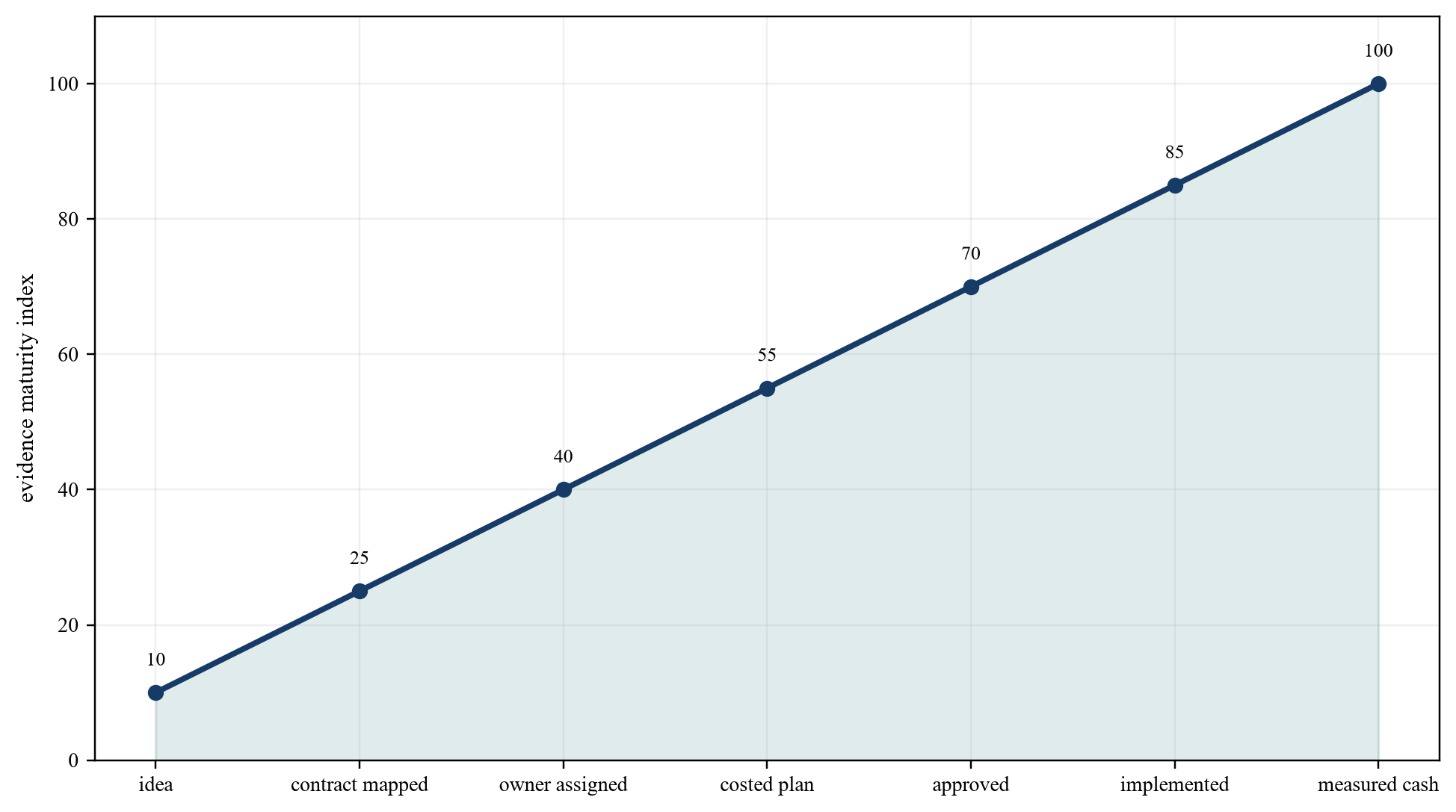
Analytical framework; values should remain contingent until supporting evidence and approvals exist.
12. Build a country-by-country regulatory map
The transaction should map foreign ownership, merger control, sector licences, data protection, cloud accreditation, cybersecurity, critical infrastructure, tax, employment, land, utility and government procurement requirements in each country. The map should identify filing thresholds, review periods, information requirements and consequences of closing without approval.
Saudi Arabia's General Authority for Competition states that economic concentrations may be approved, prohibited or conditionally approved based on their effect on competition in a relevant market. The 2025 review guidelines explain that notification and substantive assessment depend on the applicable law and market effects. A data-centre transaction may require analysis of colocation, cloud, connectivity or narrower customer segments. [12]
The team should confirm current UAE and other national requirements with local counsel and regulators. Market definition should consider customer location, latency, security, data residency, facility type, power availability and substitution. A transaction that looks small against global cloud spending can be material in a local secure-capacity segment.
13. Protect data sovereignty and cyber boundaries
Sovereign-cloud customers purchase control, jurisdiction, security and continuity as well as compute. The buyer should map data ownership, processing location, encryption, key management, privileged access, logging, subcontractors, incident notification, government access and exit. It should identify which controls depend on the current owner's systems or personnel.
Oman's 2026 cloud-first policy requires government entities to prioritise cloud solutions while applying data classification, cybersecurity, data protection and risk-management controls. Qatar's dedicated government cloud programme emphasises backup, geographic resilience and secure scaling. Bahrain's policy framework also links cloud adoption to classification and security. These differences should appear in the integration design. [5][6][7]
The buyer should use clean teams and least-privilege access during diligence. Customer data should not be moved to a combined platform before consent, architecture and controls are approved. Cyber testing should include physical access, network segmentation, remote vendors, operational technology, backup, ransomware, incident command and recovery.
| Control | Evidence | Transaction risk | Day-one protection |
|---|---|---|---|
| data location | architecture, inventories and flow maps | prohibited transfer or processing | preserve country boundary |
| encryption and keys | key ownership, HSM design and access logs | buyer cannot maintain sovereign control | ring-fenced key management |
| privileged access | identities, approvals and monitoring | integration expands unauthorised access | separate access domains |
| subcontractors | approved list and flow-down terms | vendor change breaches contract | consent register |
| incident response | playbooks, tests and notification history | event response fails after close | joint command protocol |
| exit and portability | export, deletion and transition terms | concentration creates lock-in | tested exit plan |
Proposed diligence control; applicable law, regulation and contract determine requirements.
14. Examine local-content and capability obligations
National programmes can seek jobs, training, local equipment, research and domestic intellectual property alongside infrastructure. The buyer should identify contractual and policy obligations concerning local employment, procurement, manufacturing, training and technology transfer.
PIF describes HUMAIN investment opportunities that include local manufacture of server racks, power equipment and cooling equipment. These opportunities may support supply resilience and industrial development. They can also change cost, qualification, warranty and timetable. A buyer should distinguish committed obligations from strategic possibilities. [11]
The integration plan should preserve local management depth and customer relationships. Centralisation should be tested against licence, security, procurement and service requirements. Retention arrangements should cover facility operations, engineering, cyber, government contracting and customer delivery roles whose departure would weaken the thesis.
15. Reconstruct capital expenditure and construction capacity
The capex review should reconcile approved budgets, committed contracts, incurred cost, completion estimates, contingencies and financing by campus and phase. It should separate base building, electrical plant, cooling, fit-out, network, security, customer-specific equipment, land and utility works.
Rapid regional expansion can compete for transformers, switchgear, generators, cooling equipment, contractors, commissioning teams and specialist labour. Purchase orders should be inspected for specification, manufacturer, delivery, price escalation, cancellation, assignment, warranty and liquidated damages. A target's framework agreement can be valuable when it is transferable and aligned with the combined design.
The buyer should run an independent cost-to-complete review and link every future revenue line to the required capex. Construction savings should not be double counted with standardisation or procurement synergies. Contingency should reflect design maturity, logistics, extreme heat, testing, local-content obligations and customer changes.
16. Model a hypothetical GCC platform
Consider a wholly hypothetical platform with five campuses. Management presents 410 MW of facility capacity. Technical diligence estimates 255 MW of customer-usable IT load after redundancy, cooling and auxiliary demand. Executed customer commitments total 170 MW, and 115 MW is in active accepted service. The remainder includes future phases, conditional utility capacity and customer pipeline.
The buyer proposes to pay AED 9.2 billion enterprise value, fund AED 3.0 billion of completion and retrofit capex, and use AED 4.2 billion of acquisition debt. The base case assumes stronger procurement, regional customer contracting, shared operations and improved cooling controls. These values are illustrative and do not express a valuation opinion.
The model should trace each capacity stage, contract, remaining capital and probability. It should avoid valuing stated facility MW as though all capacity is energised, customer-usable and contracted. The decision should be based on operating cash, evidenced conversion and contingent option value.
| Uses | AED m | Sources | AED m |
|---|---|---|---|
| equity purchase price | 5,000 | acquisition debt | 4,200 |
| refinance existing debt | 3,650 | buyer equity | 8,150 |
| fees and taxes | 550 | ||
| completion and retrofit capex | 3,000 | ||
| liquidity reserve | 150 | ||
| total uses | 12,350 | total sources | 12,350 |
Wholly hypothetical AED millions; this table does not constitute a financing recommendation.
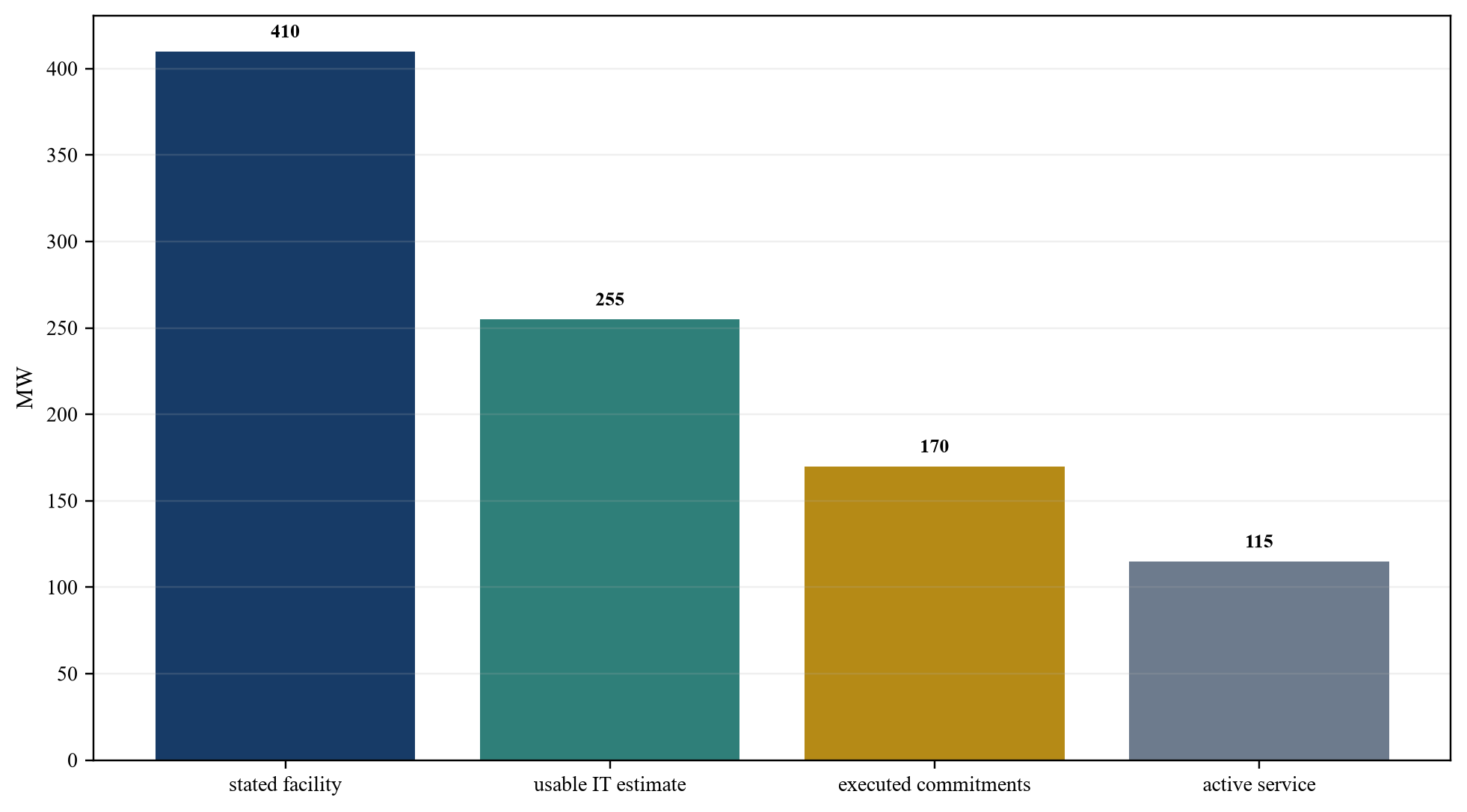
Wholly hypothetical MW; values do not describe an identified company.
17. Build the valuation bridge
The valuation should separate operating enterprise value, contracted conversion value, development option value, verified synergies, implementation cost, dis-synergies, debt-like items and contingent consideration. Each component should use a cash-flow definition consistent with the associated capital and risk.
Operating value can use discounted cash flow and market evidence, subject to accounting normalisation and asset condition. Contracted expansion should deduct cost to complete, delay, commissioning and customer conditions. Development options should reflect land, utility, approvals, carrying cost, expiry and the probability of obtaining customers and finance.
The board should see value under several technology and customer cases. An AI-density upside case may need new cooling and power architecture. A sovereign-demand downside can include delayed procurement or non-renewal. A utility downside can include delayed energisation or tariff change. The acquisition premium should remain supported after these scenarios.
| Component | AED m | Evidence standard |
|---|---|---|
| operating facilities | 7,050 | accepted services and collections |
| contracted expansion net of completion cost | 1,550 | executed contracts and funded delivery |
| development options | 650 | controlled land, utility path and approvals |
| risk-adjusted procurement and operating synergies | 700 | costed plan and accountable owner |
| implementation cost and dis-synergies | -500 | approved integration budget |
| concentration and technology adjustment | -250 | downside scenarios |
| illustrative enterprise value | 9,200 | sum of evidenced components |
Wholly hypothetical AED millions; this is not a valuation opinion.
18. Stress customer and technology concentration
The buyer should test the combined exposure to the largest customer, largest government programme, largest cloud partner, accelerator architecture, network vendor, cooling technology and utility. Concentration can appear across contracts that use different legal entities but depend on one decision maker or technology ecosystem.
The downside case should include slower AI deployment, lower compute prices, customer migration, vendor restriction, supply delay, technology refresh, retrofit, cyber incident and loss of accreditation. It should model revenue, margin, capex, working capital, covenant headroom and liquidity together.
The recovery plan should identify alternative customers and workloads, conversion cost, time and residual value. A specialised facility can command a premium while its re-leasing options are narrow. The acquisition model should avoid assuming immediate substitution after the loss of a concentrated workload.
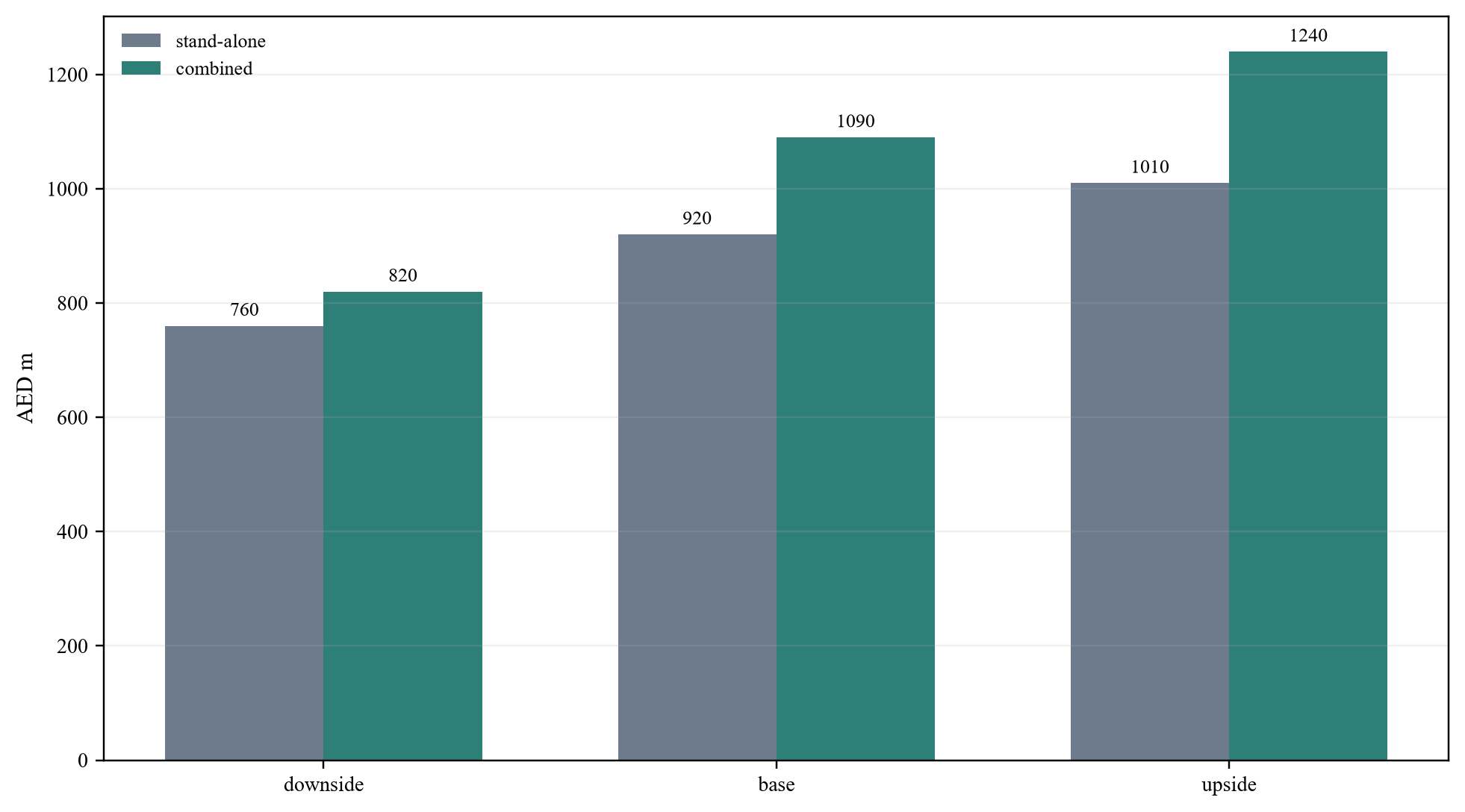
Wholly hypothetical AED millions; scenarios combine customer ramp, energy cost and cooling capex effects.
19. Size debt from resilient cash
Acquisition debt should be sized from contracted, accepted and collected cash after operating cost, maintenance, taxes and required capex. Pipeline, unapproved expansion and unmeasured synergies should not support base debt. Lenders should see country, customer, utility, technology and construction exposures.
The financing package should address security, account control, intercompany flows, dividend restrictions, insurance, major contracts, hedging, reserve accounts, construction draw conditions and information. Country assets may need separate financing or security due to local law and regulated contracts.
A 2026 framework between Saudi Arabia's National Infrastructure Fund and HUMAIN announced non-binding financing terms of up to USD 1.2 billion for up to 250 MW of AI data-centre capacity and exploration of an investment platform. The announcement illustrates institutional financing interest. It does not establish terms available to another borrower. [13]
20. Structure consideration around conversion risk
The purchase agreement should allocate customer consent, power delivery, construction, technology availability, licences, tax and cyber risk. Fixed consideration should reflect operating assets and verified rights. Contingent consideration can follow energisation, customer acceptance, collections, cost-to-complete or regulatory milestones.
Representations should cover customer contracts, utility rights, capacity definitions, permits, licences, cybersecurity, data, intellectual property, equipment, sanctions and export compliance, tax, environmental matters and financial reporting. Specific indemnities can address identified exposures. Warranty and indemnity insurance does not replace diligence on matters outside coverage.
Locked-box or completion-account mechanics should reflect capex, deposits, utility securities, deferred revenue, customer credits and working capital. The buyer should prevent leakage through related-party services, equipment transfers or unapproved capital commitments. Deferred consideration should use objective measures that remain observable after integration.
21. Design a protected integration
The integration principle is continuity first. Customer service, security boundaries, licences, utility operations, commissioning and procurement should have named day-one owners. Systems should remain ring-fenced where customer or regulatory requirements demand separation.
The first 100 days should stabilise governance, cash controls, customer communication, cyber monitoring, major projects, people and supplier commitments. Synergy programmes should proceed through approved change control. A standard design should be adopted after engineering and customer requirements are reconciled, rather than imposed at closing.
Integration measures should include uptime, incidents, customer tickets, capacity delivery, capex, energy, water, PUE, collections, staff retention, consent completion and synergy cash. The board should receive a single evidence-backed dashboard with country and campus drill-down.
| Period | Priority | Evidence | Stop condition |
|---|---|---|---|
| signing to close | consents, cyber separation and retention | approved readiness register | unresolved critical consent |
| day 1 to 10 | service continuity and cash control | command centre and account map | customer or facility instability |
| day 11 to 30 | validate projects and obligations | site-level baseline | capacity or capex mismatch |
| day 31 to 60 | launch low-risk synergies | approved business cases | service or compliance degradation |
| day 61 to 100 | standardise selected controls | measured pilot results | unverified benefit or control gap |
| ongoing | board oversight and audit trail | KPI evidence and issue closure | covenant, security or safety breach |
Proposed integration control; contractual and regulatory obligations take priority.
22. Establish board decision gates
The board should approve the transaction through explicit gates. Gate one confirms strategic fit and target perimeter. Gate two confirms contracts, power, cooling, land, licences and technology. Gate three confirms valuation, financing, competition and national approvals. Gate four confirms closing readiness and protected integration.
Each gate should list unresolved matters, downside effects and accountable executives. A red issue should carry a remedy, price adjustment, closing condition or exclusion. Material changes between signing and closing should trigger revalidation.
The board paper should distinguish observed facts, contractual rights, management estimates and hypothetical scenarios. It should record the source and date of each material input. External market forecasts can inform context while target evidence governs the decision.
23. Apply the framework to the hypothetical case
In the hypothetical case, 115 MW of active accepted service supports operating value. The 55 MW gap between active service and executed commitments can support conversion value after customer conditions, capex and timing are tested. The 85 MW difference between executed commitments and management-estimated usable IT load remains development exposure. The remaining stated facility capacity should not be valued as current customer capacity.
The base case includes measured procurement and operating synergies. It excludes broad regional pipeline and government strategies from debt sizing. The cooling programme begins with pilots at two campuses. Contingent consideration follows utility energisation and customer acceptance at the expansion sites.
The downside case delays two customer deployments, raises retrofit capex and removes one development phase. Debt is sized to remain compliant under that case. The integration plan preserves national data boundaries and customer access controls. The board can therefore evaluate the price against verified cash and identified conversion rather than a headline regional-capacity multiple.
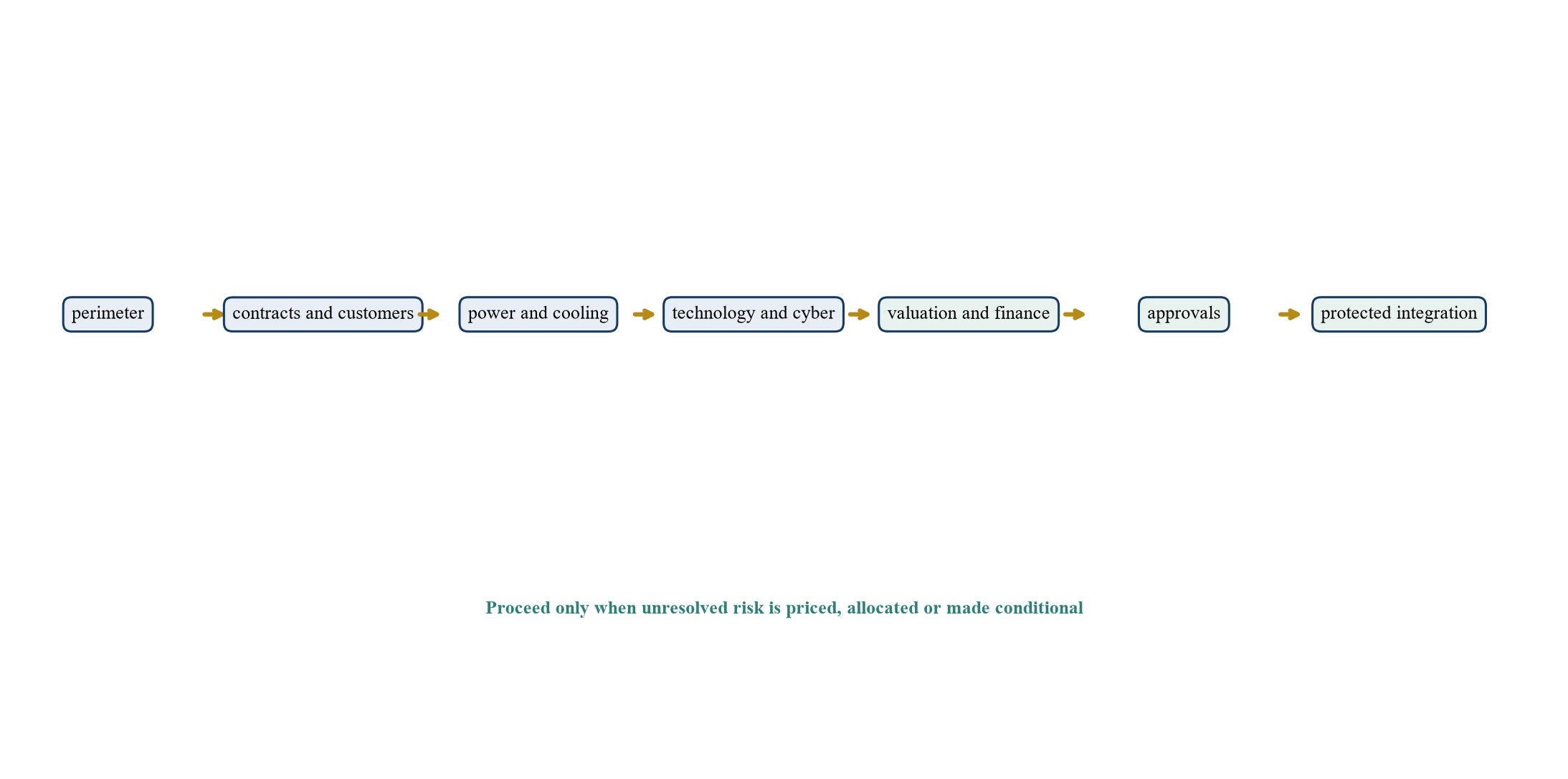
Analytical framework; each gate requires current legal, technical, commercial and financial evidence.
24. Implementation checklist
The transaction lead should maintain one data model linking customer, campus, power, cooling, technology, contract, capex, financing and cash. Capacity definitions should be fixed and reconciled. Country advisers should confirm the current legal and regulatory position. Engineers should validate operating performance and cost to complete. Commercial diligence should de-duplicate demand and test re-leasing.
The financial model should use transparent assumptions and scenarios. Sources and uses should include committed capex, utility securities, deposits, fees, taxes, reserves and integration. Valuation should separate operating, conversion and option value. Debt should use resilient cash and preserve liquidity.
The purchase agreement, financing and integration plan should use the same risk register. Customer and regulatory consents should be tracked through close. Day-one controls should preserve service, cyber, data and cash. Synergy recognition should follow measured delivery.
25. Normalise revenue, earnings and capital
The financial review should reconcile statutory accounts, management reporting, customer contracts, facility operations and bank records. Data-centre revenue can include recurring colocation, power pass-through, installation, remote hands, managed services, connectivity, cloud and construction recoveries. Each stream should be mapped to performance obligations, invoicing, collections, direct cost and required capital. Reported growth can reflect customer ramp, pass-through energy inflation, acquisitions or changes in classification.
The buyer should separate recurring facility margin from power pass-through, one-off installation, customer-funded capex and related-party activity. It should reconcile contracted recurring revenue to monthly recurring revenue, recognised revenue, invoices and cash. Deferred revenue, deposits, service credits, free periods, ramp discounts and minimum commitments should be reflected in the quality-of-earnings bridge. Revenue recognised before customer acceptance requires specific review.
Operating costs should be normalised for utility charges, maintenance, staff, security, network, insurance, land, property, software, licences, corporate overhead and related-party services. A seller may centralise engineering, procurement, cybersecurity, finance or government relations outside the target. The stand-alone model should include the resources required to preserve service after close. Any planned centralisation should appear as an integration action with cost and timing.
Maintenance and growth capital should be distinguished. Maintenance includes replacement, resilience, compliance and capacity preservation. Growth capital creates new customer-usable capacity. Technology refresh can contain both elements. The model should avoid classifying required cooling, electrical or cyber remediation as discretionary growth. Cash available for debt service and valuation should deduct recurring maintenance and committed remedial capital.
The accounting review should test asset lives, componentisation, impairment, provisions, leases, capitalised interest, development costs and decommissioning. IFRS 15 contract analysis, IFRS 16 lease treatment, IAS 36 impairment testing and IAS 37 provisions may affect comparability. The transaction model should retain economic cash as its primary decision measure while reconciling to audited reporting. [26]
26. Design the ownership and financing architecture
A regional platform can use a holding company with country subsidiaries, joint ventures, project companies and ring-fenced financing. The structure should follow licences, customer contracts, utility arrangements, land ownership, tax, foreign-investment rules, security requirements and funding. A legal diagram should show ownership, governance, cash flows, guarantees, debt, hedging and restricted entities.
Joint ventures can provide local capability, customer access, capital and governance alignment. They can also restrict control, information, dividends, financing and exit. The buyer should inspect reserved matters, funding obligations, transfer rights, deadlock, change of control, non-compete, related-party contracts and termination. A platform valuation should apply the economic rights and restrictions of each interest rather than treat all capacity as wholly controlled.
Intercompany service and licensing arrangements should be priced, documented and operationally deliverable. Cloud, software, brand, connectivity, procurement and staff can sit in affiliates. The buyer should decide which services transfer, continue under a transitional arrangement or need replacement. A transitional service should have scope, service levels, price, security, data, change control, exit assistance and an executable end date.
Financing should match the legal location of cash and assets. A holding-company loan may depend on dividends from regulated or contractually restricted subsidiaries. An asset-level facility can improve security while reducing group flexibility. The model should test withholding tax, transfer restrictions, minority rights, reserve requirements and the timing of distributions. Debt service should use cash that can lawfully and practically reach the borrower.
The governance model should define board composition, investment approval, customer contracting, cyber authority, major incidents, capex, financing, technology standards and related-party transactions. Country boards should retain the authority required by law and customer commitments. Group standards should set minimum controls without overriding sovereign or contractual boundaries.
27. Plan refinancing, exit and continuing assurance
The acquisition thesis should include refinancing and exit from the beginning. A future lender or buyer will examine the same customer concentration, power, cooling, technology, cyber, data and capex evidence. The integration programme should therefore improve the audit trail as well as operating performance. Contracts, capacity definitions and project reporting should become easier to verify over time.
Refinancing readiness should track accepted service, contracted load, customer tenor, collections, maintenance capital, utility rights, insurance, licences, cyber controls and covenant headroom. Development capacity should enter the borrowing base only after agreed evidence gates. The platform should maintain a data room with current contracts, consents, engineering, financial reporting and project records.
Potential exits can include sale to an infrastructure fund, strategic operator, sovereign investor, pension investor, listed vehicle or continuation fund. Each buyer type may value control, growth, contracted cash and technology differently. The board should avoid an exit case that depends on a higher market multiple without operating improvement. Exit value should follow cash growth, contract quality, resilience and credible expansion.
Continuing assurance should include independent facility testing, cyber assessment, financial audit, energy and water verification, customer-contract reconciliation and capex review. Metrics should use consistent definitions across countries and campuses. Exceptions should have owners, due dates and escalation. A measured benefit should be supported by invoices, utility data, operating records or collections rather than management narrative alone.
The platform should review technology and concentration annually. New accelerator generations, cooling designs, energy constraints, customer procurement and regulation can change the use and value of facilities. The capital plan should preserve optionality through adaptable halls, modular systems, diverse vendors and phased commitments where economically justified.
28. Conclusion
GCC sovereign digital programmes, power systems and hot-climate operating expertise can support valuable data-centre platforms. Acquisition value arises when these advantages are captured in transferable contracts, deliverable infrastructure, efficient operations, secure technology and collected customer cash.
The buyer should avoid a blanket regional premium. National strategy, announced capacity and strategic partnerships provide context. Target value should follow site-level rights, customer obligations, cost to complete, technology resilience and execution. Concentration in one customer, programme, vendor or architecture should be priced and governed.
A disciplined acquisition can combine operating assets, credible expansion and measured synergies. The decision framework in this paper connects strategy to contracts, engineering, financing and integration. It provides a way to pursue regional scale while protecting service continuity, sovereign controls and investment returns.
Sources
- Abu Dhabi Department of Government Enablement, Abu Dhabi Government Digital Strategy 2025-2027, 2025. Read the primary source
- Abu Dhabi Department of Government Enablement, Microsoft and G42 sovereign cloud partnership, 18 March 2025. Read the primary source
- Saudi Press Agency, Saudi Arabia Strengthens Its Global Position in Artificial Intelligence Through Data Center Growth, 27 April 2026. Read the primary source
- Saudi National Platform, Saudi Arabia Reshapes the Future of the Digital Economy Through Advanced Digital Infrastructure, 17 August 2026. Read the primary source
- Qatar Ministry of Communications and Information Technology, MCIT and Oracle Sign Agreement to Expand Dedicated Cloud Regions, 4 February 2026. Read the primary source
- Oman Ministry of Transport, Communications and Information Technology, Cloud Computing First Policy, 1 July 2026. Read the primary source
- Bahrain Information and eGovernment Authority, Bahrain Government Has Successfully Adopted Cloud First Policy, 17 January 2022. Read the primary source
- UAE Ministry of Energy and Infrastructure, National Team for Reviewing the Impact of Data Centers on Energy Sector Holds First Meeting, 3 February 2025. Read the primary source
- UAE Ministry of Energy and Infrastructure, Khazna and Agility announce pilot to implement Phaidra AI, 4 February 2026. Read the primary source
- G42, Microsoft and G42 Accelerate UAE's Digital Future with Major Data Centre Expansion, 2026. Read the primary source
- Public Investment Fund, HUMAIN portfolio profile, accessed 21 September 2026. Read the primary source
- Saudi General Authority for Competition, Economic Concentration Review Guidelines, 2025. Read the primary source
- Saudi National Infrastructure Fund, HUMAIN and Infra Announce AI and Digital Financing Framework Agreement, 21 January 2026. Read the primary source
- International Energy Agency, Energy and AI, 10 April 2025. Read the primary source
- Saudi Data and Artificial Intelligence Authority, National Strategy for Data and AI, accessed 21 September 2026. Read the primary source
- Public Investment Fund, HRH Crown Prince launches HUMAIN as global AI powerhouse, 12 May 2025. Read the primary source
- Mubadala, Mubadala Takes Stake in Group 42, 2 November 2020. Read the primary source
- G42, Khazna Data Centers and NVIDIA Collaborate to Accelerate AI Infrastructure Development Across the MEA Region, 2025. Read the primary source
- Abu Dhabi Department of Government Enablement, Abu Dhabi Unified Government Data Centre, 17 October 2025. Read the primary source
- UAE Ministry of Energy and Infrastructure, Energy and Water Efficiency and Management Initiatives at World Utilities Congress 2025, 26 May 2025. Read the primary source
- UAE Ministry of Energy and Infrastructure, Emirates Monitoring Center to Strengthen National Power Grid Resilience, 9 July 2026. Read the primary source
- Oman Ministry of Transport, Communications and Information Technology, Cloud Computing First Circular, 28 June 2026. Read the primary source
- Bahrain Information and eGovernment Authority, Cloud First Policy. Read the primary source
- Bahrain Information and eGovernment Authority, Malaysia granted sovereignty over its subscriber data at Bahrain cloud computing centers, 26 May 2025. Read the primary source
- Abu Dhabi Investment Authority, Infrastructure review 2025, 2026. Read the primary source
- IFRS Foundation, IAS 36 Impairment of Assets. Read the primary source
