

1. Define the fragility question
The MBO team should state the transaction objective, operating obligations, management role and conditions that would make ownership unsustainable. The immediate output is a fragility-risk memorandum with named owners, dates, source evidence, approval status and open exceptions.
The analytical objective is to determine whether leverage supports durable ownership and operating control. Reviewers should reconcile contracts, historical accounts, customer and supplier records, monthly cash data, diligence findings, financing terms, management plans and independent advice. Base, downside and recovery cases should use consistent definitions and retain clear calculation lineage.
The framework should assign responsibility across management, sellers, equity investors, lenders, boards and advisers. Definitions, calculations, evidence rules, thresholds, controls, information rights and time limits should be explicit.
At each gate, decision makers should test cash generation, liquidity, reinvestment, debt service, operating flexibility, management capacity and recovery together. Material gaps remain visible until evidence is complete, advice is current, conditions are satisfied, and the structure remains financeable under credible downside scenarios.
2. Set the debt-capacity perimeter
The MBO team should identify borrowers, guarantors, facilities, shareholder instruments, leases, contingencies and restricted cash. The immediate output is a obligation perimeter with named owners, dates, source evidence, approval status and open exceptions.
The analytical objective is to determine which claims compete for cash and affect control. Reviewers should reconcile contracts, historical accounts, customer and supplier records, monthly cash data, diligence findings, financing terms, management plans and independent advice. Base, downside and recovery cases should use consistent definitions and retain clear calculation lineage.
The framework should assign responsibility across management, sellers, equity investors, lenders, boards and advisers. Definitions, calculations, evidence rules, thresholds, controls, information rights and time limits should be explicit.
At each gate, decision makers should test cash generation, liquidity, reinvestment, debt service, operating flexibility, management capacity and recovery together. Material gaps remain visible until evidence is complete, advice is current, conditions are satisfied, and the structure remains financeable under credible downside scenarios.
3. Verify earnings quality
The MBO team should reconcile reported EBITDA to recurring customer, cost, accounting and cash evidence. The immediate output is a earnings-quality bridge with named owners, dates, source evidence, approval status and open exceptions.
The analytical objective is to determine which earnings can prudently support recurring debt service. Reviewers should reconcile contracts, historical accounts, customer and supplier records, monthly cash data, diligence findings, financing terms, management plans and independent advice. Base, downside and recovery cases should use consistent definitions and retain clear calculation lineage.
The framework should assign responsibility across management, sellers, equity investors, lenders, boards and advisers. Definitions, calculations, evidence rules, thresholds, controls, information rights and time limits should be explicit.
At each gate, decision makers should test cash generation, liquidity, reinvestment, debt service, operating flexibility, management capacity and recovery together. Material gaps remain visible until evidence is complete, advice is current, conditions are satisfied, and the structure remains financeable under credible downside scenarios.
4. Control EBITDA adjustments
The MBO team should test run-rate, synergies, add-backs, pro forma items, owner costs and exceptional expenses. The immediate output is a adjustment evidence schedule with named owners, dates, source evidence, approval status and open exceptions.
The analytical objective is to determine whether leverage depends on benefits that remain unearned or reversible. Reviewers should reconcile contracts, historical accounts, customer and supplier records, monthly cash data, diligence findings, financing terms, management plans and independent advice. Base, downside and recovery cases should use consistent definitions and retain clear calculation lineage.
The framework should assign responsibility across management, sellers, equity investors, lenders, boards and advisers. Definitions, calculations, evidence rules, thresholds, controls, information rights and time limits should be explicit.
At each gate, decision makers should test cash generation, liquidity, reinvestment, debt service, operating flexibility, management capacity and recovery together. Material gaps remain visible until evidence is complete, advice is current, conditions are satisfied, and the structure remains financeable under credible downside scenarios.
5. Measure cash conversion
The MBO team should reconcile EBITDA to operating cash after working capital, tax, capex, provisions and other claims. The immediate output is a cash-conversion bridge with named owners, dates, source evidence, approval status and open exceptions.
The analytical objective is to determine how much recurring cash is available before financing. Reviewers should reconcile contracts, historical accounts, customer and supplier records, monthly cash data, diligence findings, financing terms, management plans and independent advice. Base, downside and recovery cases should use consistent definitions and retain clear calculation lineage.
The framework should assign responsibility across management, sellers, equity investors, lenders, boards and advisers. Definitions, calculations, evidence rules, thresholds, controls, information rights and time limits should be explicit.
At each gate, decision makers should test cash generation, liquidity, reinvestment, debt service, operating flexibility, management capacity and recovery together. Material gaps remain visible until evidence is complete, advice is current, conditions are satisfied, and the structure remains financeable under credible downside scenarios.
6. Model seasonality
The MBO team should map monthly receipts, inventory, supplier payments, payroll, tax and peak funding needs. The immediate output is a monthly liquidity curve with named owners, dates, source evidence, approval status and open exceptions.
The analytical objective is to determine whether annual averages conceal a financing shortfall. Reviewers should reconcile contracts, historical accounts, customer and supplier records, monthly cash data, diligence findings, financing terms, management plans and independent advice. Base, downside and recovery cases should use consistent definitions and retain clear calculation lineage.
The framework should assign responsibility across management, sellers, equity investors, lenders, boards and advisers. Definitions, calculations, evidence rules, thresholds, controls, information rights and time limits should be explicit.
At each gate, decision makers should test cash generation, liquidity, reinvestment, debt service, operating flexibility, management capacity and recovery together. Material gaps remain visible until evidence is complete, advice is current, conditions are satisfied, and the structure remains financeable under credible downside scenarios.
7. Test customer concentration
The MBO team should stress renewals, churn, pricing, volume, contract rights and collection behaviour. The immediate output is a customer downside matrix with named owners, dates, source evidence, approval status and open exceptions.
The analytical objective is to determine how the largest revenue exposures affect debt service. Reviewers should reconcile contracts, historical accounts, customer and supplier records, monthly cash data, diligence findings, financing terms, management plans and independent advice. Base, downside and recovery cases should use consistent definitions and retain clear calculation lineage.
The framework should assign responsibility across management, sellers, equity investors, lenders, boards and advisers. Definitions, calculations, evidence rules, thresholds, controls, information rights and time limits should be explicit.
At each gate, decision makers should test cash generation, liquidity, reinvestment, debt service, operating flexibility, management capacity and recovery together. Material gaps remain visible until evidence is complete, advice is current, conditions are satisfied, and the structure remains financeable under credible downside scenarios.
8. Test supplier and input exposure
The MBO team should stress commodity, labour, energy, logistics, single-source and payment-term risk. The immediate output is a input-cost sensitivity with named owners, dates, source evidence, approval status and open exceptions.
The analytical objective is to determine whether margin and liquidity remain resilient when inputs tighten. Reviewers should reconcile contracts, historical accounts, customer and supplier records, monthly cash data, diligence findings, financing terms, management plans and independent advice. Base, downside and recovery cases should use consistent definitions and retain clear calculation lineage.
The framework should assign responsibility across management, sellers, equity investors, lenders, boards and advisers. Definitions, calculations, evidence rules, thresholds, controls, information rights and time limits should be explicit.
At each gate, decision makers should test cash generation, liquidity, reinvestment, debt service, operating flexibility, management capacity and recovery together. Material gaps remain visible until evidence is complete, advice is current, conditions are satisfied, and the structure remains financeable under credible downside scenarios.
Table 1. Cash-resilience architecture
| Cash layer | Primary evidence | Protection |
|---|---|---|
| recurring EBITDA | customer and cost records | adjustment control |
| cash conversion | monthly cash bridge | working-capital stress |
| reinvestment | asset and compliance plan | capex floor |
| debt service | facility model | liquidity reserve |
Illustrative bridge; verified company data and financing definitions govern.
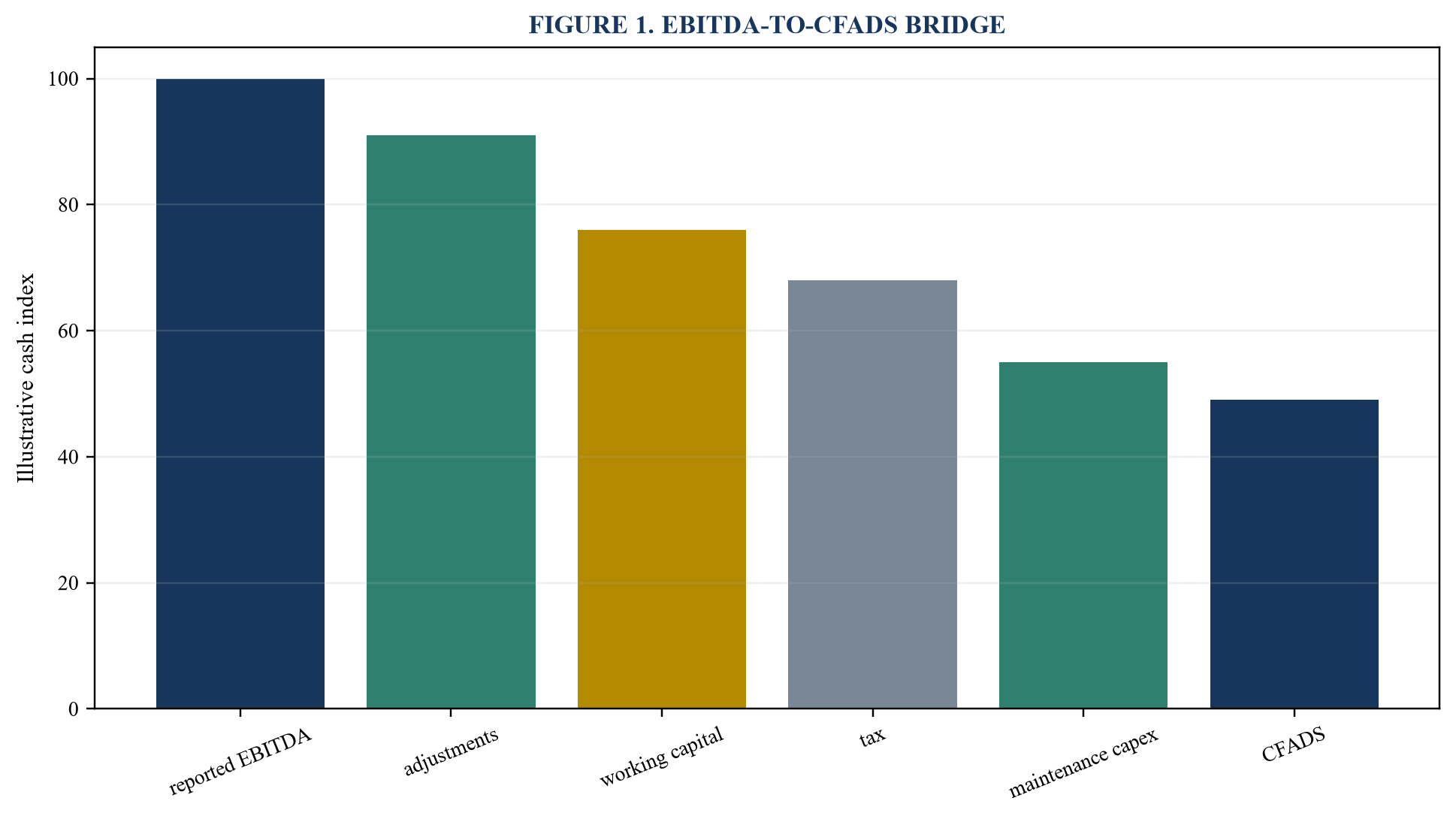
Values are illustrative readiness indices and require company-specific evidence.
9. Set maintenance investment
The MBO team should separate maintenance, compliance, safety, technology and growth capital expenditure. The immediate output is a reinvestment floor with named owners, dates, source evidence, approval status and open exceptions.
The analytical objective is to determine how much cash must remain in the business before debt distributions. Reviewers should reconcile contracts, historical accounts, customer and supplier records, monthly cash data, diligence findings, financing terms, management plans and independent advice. Base, downside and recovery cases should use consistent definitions and retain clear calculation lineage.
The framework should assign responsibility across management, sellers, equity investors, lenders, boards and advisers. Definitions, calculations, evidence rules, thresholds, controls, information rights and time limits should be explicit.
At each gate, decision makers should test cash generation, liquidity, reinvestment, debt service, operating flexibility, management capacity and recovery together. Material gaps remain visible until evidence is complete, advice is current, conditions are satisfied, and the structure remains financeable under credible downside scenarios.
10. Set minimum liquidity
The MBO team should define operating cash, revolving availability, contingency reserves and trapped balances. The immediate output is a minimum-liquidity policy with named owners, dates, source evidence, approval status and open exceptions.
The analytical objective is to determine what buffer protects the company from timing and forecast error. Reviewers should reconcile contracts, historical accounts, customer and supplier records, monthly cash data, diligence findings, financing terms, management plans and independent advice. Base, downside and recovery cases should use consistent definitions and retain clear calculation lineage.
The framework should assign responsibility across management, sellers, equity investors, lenders, boards and advisers. Definitions, calculations, evidence rules, thresholds, controls, information rights and time limits should be explicit.
At each gate, decision makers should test cash generation, liquidity, reinvestment, debt service, operating flexibility, management capacity and recovery together. Material gaps remain visible until evidence is complete, advice is current, conditions are satisfied, and the structure remains financeable under credible downside scenarios.
11. Build sources and uses
The MBO team should reconcile purchase price, fees, refinancing, cash retained, debt, equity, rollover and vendor finance. The immediate output is a sources-and-uses schedule with named owners, dates, source evidence, approval status and open exceptions.
The analytical objective is to determine whether every completion use has committed funding. Reviewers should reconcile contracts, historical accounts, customer and supplier records, monthly cash data, diligence findings, financing terms, management plans and independent advice. Base, downside and recovery cases should use consistent definitions and retain clear calculation lineage.
The framework should assign responsibility across management, sellers, equity investors, lenders, boards and advisers. Definitions, calculations, evidence rules, thresholds, controls, information rights and time limits should be explicit.
At each gate, decision makers should test cash generation, liquidity, reinvestment, debt service, operating flexibility, management capacity and recovery together. Material gaps remain visible until evidence is complete, advice is current, conditions are satisfied, and the structure remains financeable under credible downside scenarios.
12. Map the debt stack
The MBO team should record quantum, borrower, ranking, security, pricing, tenor, amortisation, covenants and purpose. The immediate output is a debt architecture with named owners, dates, source evidence, approval status and open exceptions.
The analytical objective is to determine how each instrument changes cash claims and control. Reviewers should reconcile contracts, historical accounts, customer and supplier records, monthly cash data, diligence findings, financing terms, management plans and independent advice. Base, downside and recovery cases should use consistent definitions and retain clear calculation lineage.
The framework should assign responsibility across management, sellers, equity investors, lenders, boards and advisers. Definitions, calculations, evidence rules, thresholds, controls, information rights and time limits should be explicit.
At each gate, decision makers should test cash generation, liquidity, reinvestment, debt service, operating flexibility, management capacity and recovery together. Material gaps remain visible until evidence is complete, advice is current, conditions are satisfied, and the structure remains financeable under credible downside scenarios.
13. Size senior debt
The MBO team should test recurring cash flow, leverage, coverage, amortisation, collateral and lender standards. The immediate output is a senior capacity case with named owners, dates, source evidence, approval status and open exceptions.
The analytical objective is to determine how much priority debt the business can service through downside. Reviewers should reconcile contracts, historical accounts, customer and supplier records, monthly cash data, diligence findings, financing terms, management plans and independent advice. Base, downside and recovery cases should use consistent definitions and retain clear calculation lineage.
The framework should assign responsibility across management, sellers, equity investors, lenders, boards and advisers. Definitions, calculations, evidence rules, thresholds, controls, information rights and time limits should be explicit.
At each gate, decision makers should test cash generation, liquidity, reinvestment, debt service, operating flexibility, management capacity and recovery together. Material gaps remain visible until evidence is complete, advice is current, conditions are satisfied, and the structure remains financeable under credible downside scenarios.
14. Size junior and vendor debt
The MBO team should test PIK, cash interest, maturity, payment blockage, subordination and recovery. The immediate output is a junior capacity case with named owners, dates, source evidence, approval status and open exceptions.
The analytical objective is to determine whether gap funding defers risk or creates a maturity problem. Reviewers should reconcile contracts, historical accounts, customer and supplier records, monthly cash data, diligence findings, financing terms, management plans and independent advice. Base, downside and recovery cases should use consistent definitions and retain clear calculation lineage.
The framework should assign responsibility across management, sellers, equity investors, lenders, boards and advisers. Definitions, calculations, evidence rules, thresholds, controls, information rights and time limits should be explicit.
At each gate, decision makers should test cash generation, liquidity, reinvestment, debt service, operating flexibility, management capacity and recovery together. Material gaps remain visible until evidence is complete, advice is current, conditions are satisfied, and the structure remains financeable under credible downside scenarios.
15. Model interest and fees
The MBO team should apply base rates, margins, floors, commitment fees, hedging, arrangement costs and default pricing. The immediate output is a all-in cost schedule with named owners, dates, source evidence, approval status and open exceptions.
The analytical objective is to determine the recurring and contingent cash cost of financing. Reviewers should reconcile contracts, historical accounts, customer and supplier records, monthly cash data, diligence findings, financing terms, management plans and independent advice. Base, downside and recovery cases should use consistent definitions and retain clear calculation lineage.
The framework should assign responsibility across management, sellers, equity investors, lenders, boards and advisers. Definitions, calculations, evidence rules, thresholds, controls, information rights and time limits should be explicit.
At each gate, decision makers should test cash generation, liquidity, reinvestment, debt service, operating flexibility, management capacity and recovery together. Material gaps remain visible until evidence is complete, advice is current, conditions are satisfied, and the structure remains financeable under credible downside scenarios.
16. Sculpt amortisation
The MBO team should align scheduled payments with cash generation, seasonality, capex and realistic deleveraging. The immediate output is a amortisation profile with named owners, dates, source evidence, approval status and open exceptions.
The analytical objective is to determine whether principal reduction is achievable without starving operations. Reviewers should reconcile contracts, historical accounts, customer and supplier records, monthly cash data, diligence findings, financing terms, management plans and independent advice. Base, downside and recovery cases should use consistent definitions and retain clear calculation lineage.
The framework should assign responsibility across management, sellers, equity investors, lenders, boards and advisers. Definitions, calculations, evidence rules, thresholds, controls, information rights and time limits should be explicit.
At each gate, decision makers should test cash generation, liquidity, reinvestment, debt service, operating flexibility, management capacity and recovery together. Material gaps remain visible until evidence is complete, advice is current, conditions are satisfied, and the structure remains financeable under credible downside scenarios.
Table 2. Debt-stack architecture
| Layer | Core claim | Main risk |
|---|---|---|
| senior term | cash interest and amortisation | covenant pressure |
| revolving line | seasonal liquidity | availability |
| junior debt | cash or PIK return | maturity wall |
| vendor note | deferred seller claim | subordination |
Illustrative instruments; executed documents govern.
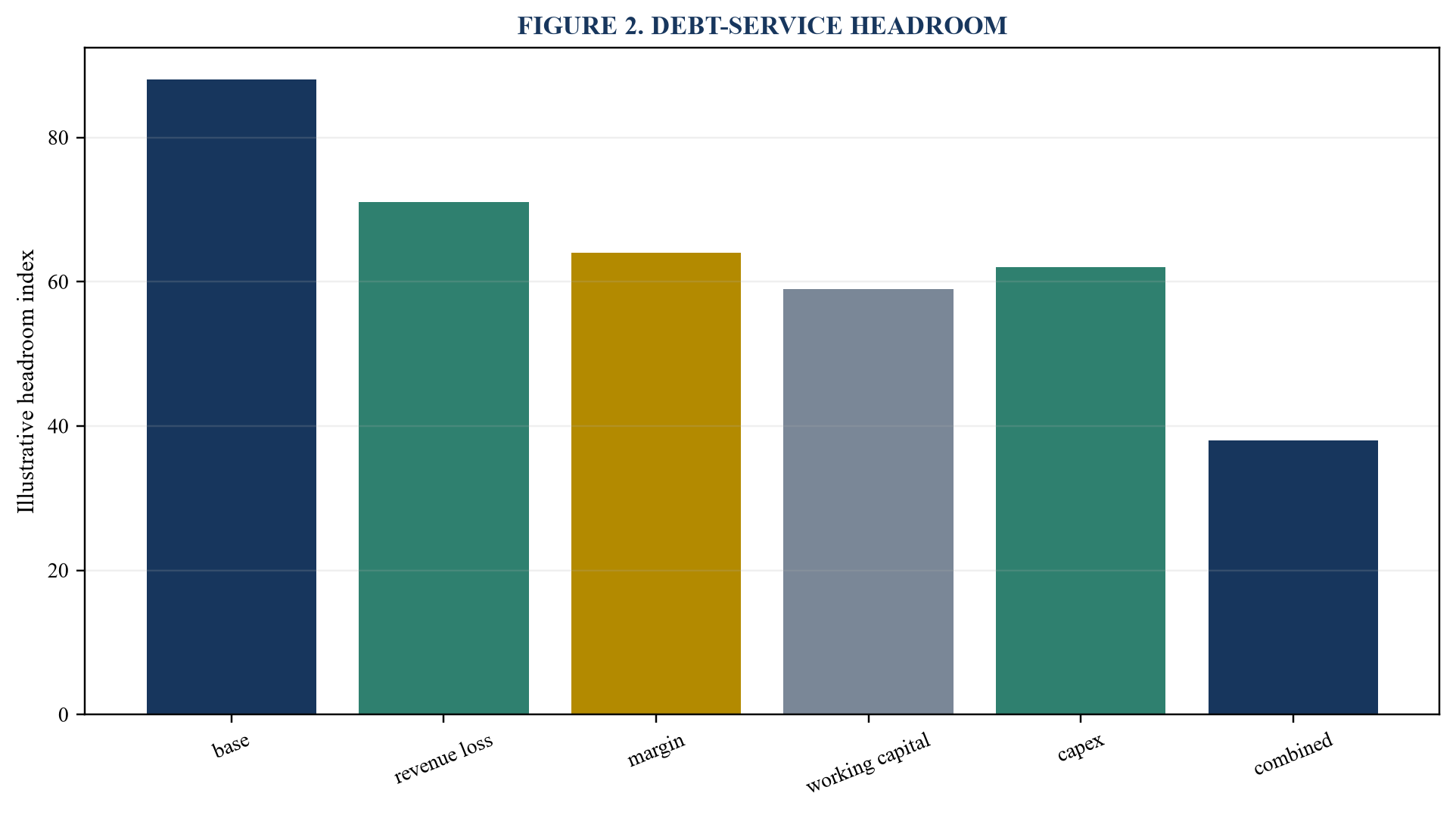
Values are illustrative readiness indices and require company-specific evidence.
17. Define cash available for debt service
The MBO team should set deductions, reserves, permitted investments, tax, capex and exceptional items. The immediate output is a CFADS definition with named owners, dates, source evidence, approval status and open exceptions.
The analytical objective is to determine which cash can legitimately service lenders. Reviewers should reconcile contracts, historical accounts, customer and supplier records, monthly cash data, diligence findings, financing terms, management plans and independent advice. Base, downside and recovery cases should use consistent definitions and retain clear calculation lineage.
The framework should assign responsibility across management, sellers, equity investors, lenders, boards and advisers. Definitions, calculations, evidence rules, thresholds, controls, information rights and time limits should be explicit.
At each gate, decision makers should test cash generation, liquidity, reinvestment, debt service, operating flexibility, management capacity and recovery together. Material gaps remain visible until evidence is complete, advice is current, conditions are satisfied, and the structure remains financeable under credible downside scenarios.
18. Calculate coverage and leverage
The MBO team should apply consistent numerator, denominator, net-debt and pro forma definitions. The immediate output is a credit-ratio model with named owners, dates, source evidence, approval status and open exceptions.
The analytical objective is to determine whether headline ratios reconcile to contracts and cash. Reviewers should reconcile contracts, historical accounts, customer and supplier records, monthly cash data, diligence findings, financing terms, management plans and independent advice. Base, downside and recovery cases should use consistent definitions and retain clear calculation lineage.
The framework should assign responsibility across management, sellers, equity investors, lenders, boards and advisers. Definitions, calculations, evidence rules, thresholds, controls, information rights and time limits should be explicit.
At each gate, decision makers should test cash generation, liquidity, reinvestment, debt service, operating flexibility, management capacity and recovery together. Material gaps remain visible until evidence is complete, advice is current, conditions are satisfied, and the structure remains financeable under credible downside scenarios.
19. Test sustainable deleveraging
The MBO team should model debt paydown from recurring cash rather than refinancing or exit alone. The immediate output is a deleveraging trajectory with named owners, dates, source evidence, approval status and open exceptions.
The analytical objective is to determine whether leverage falls to a sustainable level within a reasonable period. Reviewers should reconcile contracts, historical accounts, customer and supplier records, monthly cash data, diligence findings, financing terms, management plans and independent advice. Base, downside and recovery cases should use consistent definitions and retain clear calculation lineage.
The framework should assign responsibility across management, sellers, equity investors, lenders, boards and advisers. Definitions, calculations, evidence rules, thresholds, controls, information rights and time limits should be explicit.
At each gate, decision makers should test cash generation, liquidity, reinvestment, debt service, operating flexibility, management capacity and recovery together. Material gaps remain visible until evidence is complete, advice is current, conditions are satisfied, and the structure remains financeable under credible downside scenarios.
20. Stress revenue loss
The MBO team should vary volume, price, churn, project delay, backlog and concentration. The immediate output is a revenue stress case with named owners, dates, source evidence, approval status and open exceptions.
The analytical objective is to determine how quickly coverage, liquidity and covenant headroom deteriorate. Reviewers should reconcile contracts, historical accounts, customer and supplier records, monthly cash data, diligence findings, financing terms, management plans and independent advice. Base, downside and recovery cases should use consistent definitions and retain clear calculation lineage.
The framework should assign responsibility across management, sellers, equity investors, lenders, boards and advisers. Definitions, calculations, evidence rules, thresholds, controls, information rights and time limits should be explicit.
At each gate, decision makers should test cash generation, liquidity, reinvestment, debt service, operating flexibility, management capacity and recovery together. Material gaps remain visible until evidence is complete, advice is current, conditions are satisfied, and the structure remains financeable under credible downside scenarios.
21. Stress margin compression
The MBO team should vary wage, input, productivity, overhead, mix and pass-through timing. The immediate output is a margin stress case with named owners, dates, source evidence, approval status and open exceptions.
The analytical objective is to determine whether the company can absorb cost pressure while preserving service. Reviewers should reconcile contracts, historical accounts, customer and supplier records, monthly cash data, diligence findings, financing terms, management plans and independent advice. Base, downside and recovery cases should use consistent definitions and retain clear calculation lineage.
The framework should assign responsibility across management, sellers, equity investors, lenders, boards and advisers. Definitions, calculations, evidence rules, thresholds, controls, information rights and time limits should be explicit.
At each gate, decision makers should test cash generation, liquidity, reinvestment, debt service, operating flexibility, management capacity and recovery together. Material gaps remain visible until evidence is complete, advice is current, conditions are satisfied, and the structure remains financeable under credible downside scenarios.
22. Stress working capital
The MBO team should vary collections, inventory, supplier terms, disputes and seasonality. The immediate output is a working-capital stress with named owners, dates, source evidence, approval status and open exceptions.
The analytical objective is to determine whether profitable trading still creates a cash deficit. Reviewers should reconcile contracts, historical accounts, customer and supplier records, monthly cash data, diligence findings, financing terms, management plans and independent advice. Base, downside and recovery cases should use consistent definitions and retain clear calculation lineage.
The framework should assign responsibility across management, sellers, equity investors, lenders, boards and advisers. Definitions, calculations, evidence rules, thresholds, controls, information rights and time limits should be explicit.
At each gate, decision makers should test cash generation, liquidity, reinvestment, debt service, operating flexibility, management capacity and recovery together. Material gaps remain visible until evidence is complete, advice is current, conditions are satisfied, and the structure remains financeable under credible downside scenarios.
23. Stress capital expenditure
The MBO team should test compliance, maintenance failure, replacement, technology and capacity requirements. The immediate output is a capex stress case with named owners, dates, source evidence, approval status and open exceptions.
The analytical objective is to determine whether necessary investment breaches debt assumptions. Reviewers should reconcile contracts, historical accounts, customer and supplier records, monthly cash data, diligence findings, financing terms, management plans and independent advice. Base, downside and recovery cases should use consistent definitions and retain clear calculation lineage.
The framework should assign responsibility across management, sellers, equity investors, lenders, boards and advisers. Definitions, calculations, evidence rules, thresholds, controls, information rights and time limits should be explicit.
At each gate, decision makers should test cash generation, liquidity, reinvestment, debt service, operating flexibility, management capacity and recovery together. Material gaps remain visible until evidence is complete, advice is current, conditions are satisfied, and the structure remains financeable under credible downside scenarios.
24. Stress interest rates
The MBO team should vary base rates, floors, hedging coverage, refinancing spreads and fees. The immediate output is a rate sensitivity with named owners, dates, source evidence, approval status and open exceptions.
The analytical objective is to determine how financing cost affects cash and covenant capacity. Reviewers should reconcile contracts, historical accounts, customer and supplier records, monthly cash data, diligence findings, financing terms, management plans and independent advice. Base, downside and recovery cases should use consistent definitions and retain clear calculation lineage.
The framework should assign responsibility across management, sellers, equity investors, lenders, boards and advisers. Definitions, calculations, evidence rules, thresholds, controls, information rights and time limits should be explicit.
At each gate, decision makers should test cash generation, liquidity, reinvestment, debt service, operating flexibility, management capacity and recovery together. Material gaps remain visible until evidence is complete, advice is current, conditions are satisfied, and the structure remains financeable under credible downside scenarios.
Table 3. Integrated downside model
| Stress | Cash transmission | Control response |
|---|---|---|
| revenue loss | lower collections | cost and liquidity action |
| margin pressure | lower EBITDA | price and productivity |
| working capital | cash absorption | collections and inventory |
| capex shock | competing use | reserve and reprioritisation |
Illustrative stress design; company-specific calibration required.
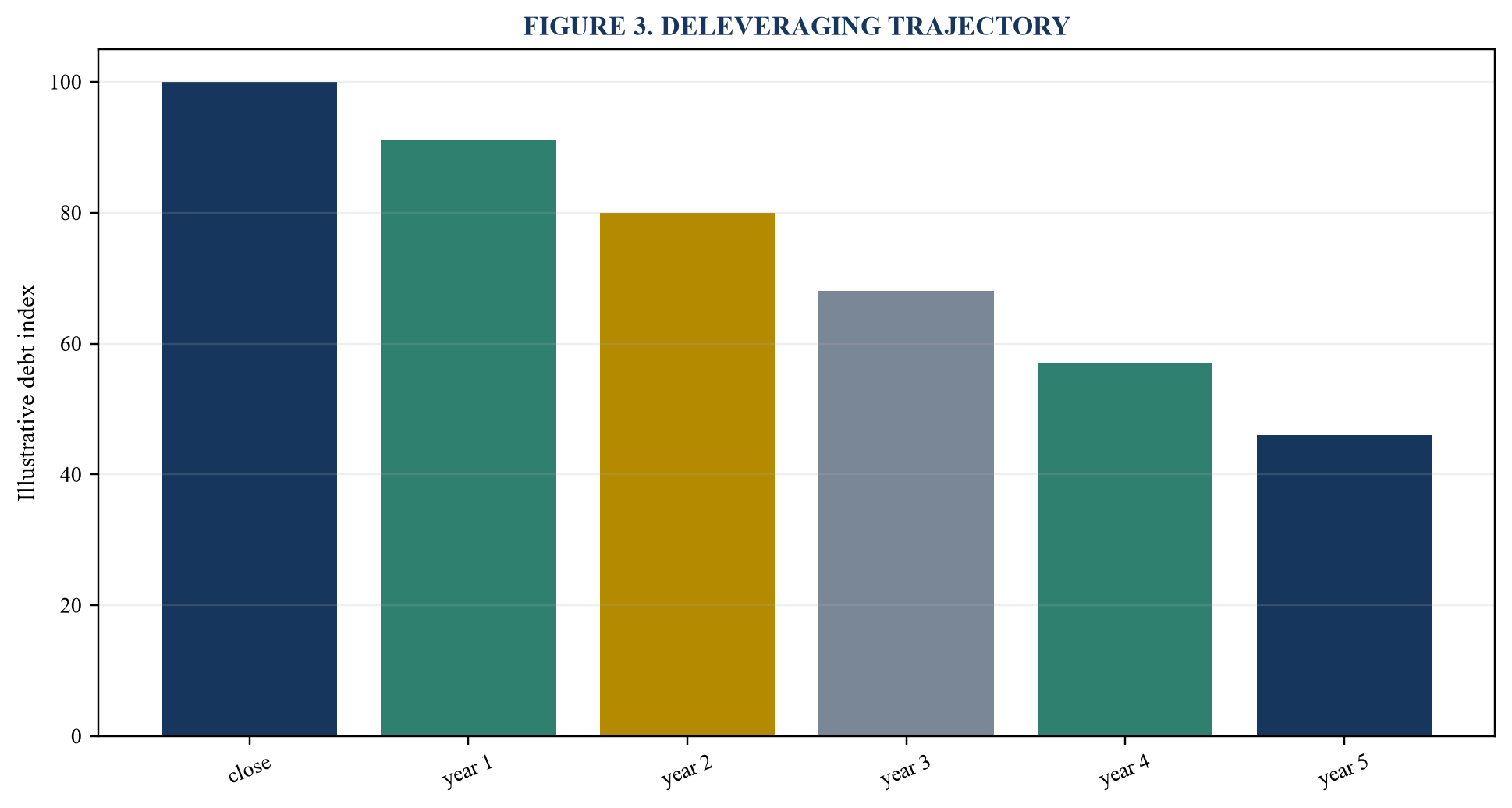
Values are illustrative readiness indices and require company-specific evidence.
25. Stress management transition
The MBO team should model delayed appointments, vacancies, distraction, reporting burden and execution slippage. The immediate output is a management-capacity case with named owners, dates, source evidence, approval status and open exceptions.
The analytical objective is to determine whether leadership can stabilise operations and meet lender obligations. Reviewers should reconcile contracts, historical accounts, customer and supplier records, monthly cash data, diligence findings, financing terms, management plans and independent advice. Base, downside and recovery cases should use consistent definitions and retain clear calculation lineage.
The framework should assign responsibility across management, sellers, equity investors, lenders, boards and advisers. Definitions, calculations, evidence rules, thresholds, controls, information rights and time limits should be explicit.
At each gate, decision makers should test cash generation, liquidity, reinvestment, debt service, operating flexibility, management capacity and recovery together. Material gaps remain visible until evidence is complete, advice is current, conditions are satisfied, and the structure remains financeable under credible downside scenarios.
26. Stress the combined downside
The MBO team should combine revenue, margin, working-capital, capex, rate and leadership shocks. The immediate output is a integrated downside case with named owners, dates, source evidence, approval status and open exceptions.
The analytical objective is to determine where liquidity, covenants and recovery fail together. Reviewers should reconcile contracts, historical accounts, customer and supplier records, monthly cash data, diligence findings, financing terms, management plans and independent advice. Base, downside and recovery cases should use consistent definitions and retain clear calculation lineage.
The framework should assign responsibility across management, sellers, equity investors, lenders, boards and advisers. Definitions, calculations, evidence rules, thresholds, controls, information rights and time limits should be explicit.
At each gate, decision makers should test cash generation, liquidity, reinvestment, debt service, operating flexibility, management capacity and recovery together. Material gaps remain visible until evidence is complete, advice is current, conditions are satisfied, and the structure remains financeable under credible downside scenarios.
27. Value enterprise value conservatively
The MBO team should use independent income, market and asset methods with documented assumptions. The immediate output is a enterprise-value support with named owners, dates, source evidence, approval status and open exceptions.
The analytical objective is to determine what secondary repayment value may remain under stress. Reviewers should reconcile contracts, historical accounts, customer and supplier records, monthly cash data, diligence findings, financing terms, management plans and independent advice. Base, downside and recovery cases should use consistent definitions and retain clear calculation lineage.
The framework should assign responsibility across management, sellers, equity investors, lenders, boards and advisers. Definitions, calculations, evidence rules, thresholds, controls, information rights and time limits should be explicit.
At each gate, decision makers should test cash generation, liquidity, reinvestment, debt service, operating flexibility, management capacity and recovery together. Material gaps remain visible until evidence is complete, advice is current, conditions are satisfied, and the structure remains financeable under credible downside scenarios.
28. Test refinancing dependence
The MBO team should assess maturity, market access, leverage, pricing, information and lender appetite. The immediate output is a refinancing dependency map with named owners, dates, source evidence, approval status and open exceptions.
The analytical objective is to determine whether repayment relies on future markets outside management control. Reviewers should reconcile contracts, historical accounts, customer and supplier records, monthly cash data, diligence findings, financing terms, management plans and independent advice. Base, downside and recovery cases should use consistent definitions and retain clear calculation lineage.
The framework should assign responsibility across management, sellers, equity investors, lenders, boards and advisers. Definitions, calculations, evidence rules, thresholds, controls, information rights and time limits should be explicit.
At each gate, decision makers should test cash generation, liquidity, reinvestment, debt service, operating flexibility, management capacity and recovery together. Material gaps remain visible until evidence is complete, advice is current, conditions are satisfied, and the structure remains financeable under credible downside scenarios.
29. Design covenants
The MBO team should calibrate leverage, coverage, liquidity, capex, reporting and incurrence tests. The immediate output is a covenant suite with named owners, dates, source evidence, approval status and open exceptions.
The analytical objective is to determine whether triggers provide timely warning without blocking ordinary operations. Reviewers should reconcile contracts, historical accounts, customer and supplier records, monthly cash data, diligence findings, financing terms, management plans and independent advice. Base, downside and recovery cases should use consistent definitions and retain clear calculation lineage.
The framework should assign responsibility across management, sellers, equity investors, lenders, boards and advisers. Definitions, calculations, evidence rules, thresholds, controls, information rights and time limits should be explicit.
At each gate, decision makers should test cash generation, liquidity, reinvestment, debt service, operating flexibility, management capacity and recovery together. Material gaps remain visible until evidence is complete, advice is current, conditions are satisfied, and the structure remains financeable under credible downside scenarios.
30. Set baskets and permissions
The MBO team should define debt, liens, acquisitions, disposals, capex, distributions and related-party thresholds. The immediate output is a operating-flexibility matrix with named owners, dates, source evidence, approval status and open exceptions.
The analytical objective is to determine whether management can run the company within controlled risk limits. Reviewers should reconcile contracts, historical accounts, customer and supplier records, monthly cash data, diligence findings, financing terms, management plans and independent advice. Base, downside and recovery cases should use consistent definitions and retain clear calculation lineage.
The framework should assign responsibility across management, sellers, equity investors, lenders, boards and advisers. Definitions, calculations, evidence rules, thresholds, controls, information rights and time limits should be explicit.
At each gate, decision makers should test cash generation, liquidity, reinvestment, debt service, operating flexibility, management capacity and recovery together. Material gaps remain visible until evidence is complete, advice is current, conditions are satisfied, and the structure remains financeable under credible downside scenarios.
31. Design cures and contingency actions
The MBO team should set equity cures, cash preservation, capex deferral, pricing, cost and asset-sale actions. The immediate output is a cure and contingency ladder with named owners, dates, source evidence, approval status and open exceptions.
The analytical objective is to determine which responses are timely, lawful and operationally tolerable. Reviewers should reconcile contracts, historical accounts, customer and supplier records, monthly cash data, diligence findings, financing terms, management plans and independent advice. Base, downside and recovery cases should use consistent definitions and retain clear calculation lineage.
The framework should assign responsibility across management, sellers, equity investors, lenders, boards and advisers. Definitions, calculations, evidence rules, thresholds, controls, information rights and time limits should be explicit.
At each gate, decision makers should test cash generation, liquidity, reinvestment, debt service, operating flexibility, management capacity and recovery together. Material gaps remain visible until evidence is complete, advice is current, conditions are satisfied, and the structure remains financeable under credible downside scenarios.
32. Design security and guarantees
The MBO team should map shares, accounts, receivables, assets, insurance, guarantees and perfection. The immediate output is a security package with named owners, dates, source evidence, approval status and open exceptions.
The analytical objective is to determine whether collateral support is available, enforceable and appropriately bounded. Reviewers should reconcile contracts, historical accounts, customer and supplier records, monthly cash data, diligence findings, financing terms, management plans and independent advice. Base, downside and recovery cases should use consistent definitions and retain clear calculation lineage.
The framework should assign responsibility across management, sellers, equity investors, lenders, boards and advisers. Definitions, calculations, evidence rules, thresholds, controls, information rights and time limits should be explicit.
At each gate, decision makers should test cash generation, liquidity, reinvestment, debt service, operating flexibility, management capacity and recovery together. Material gaps remain visible until evidence is complete, advice is current, conditions are satisfied, and the structure remains financeable under credible downside scenarios.
Table 4. Covenant and flexibility matrix
| Decision | Management flexibility | Lender protection |
|---|---|---|
| ordinary operations | delegated | reporting |
| capex | agreed basket | limit and approval |
| new debt | permitted basket | incurrence test |
| distributions | residual cash | payment test |
Illustrative controls; facility agreements govern.
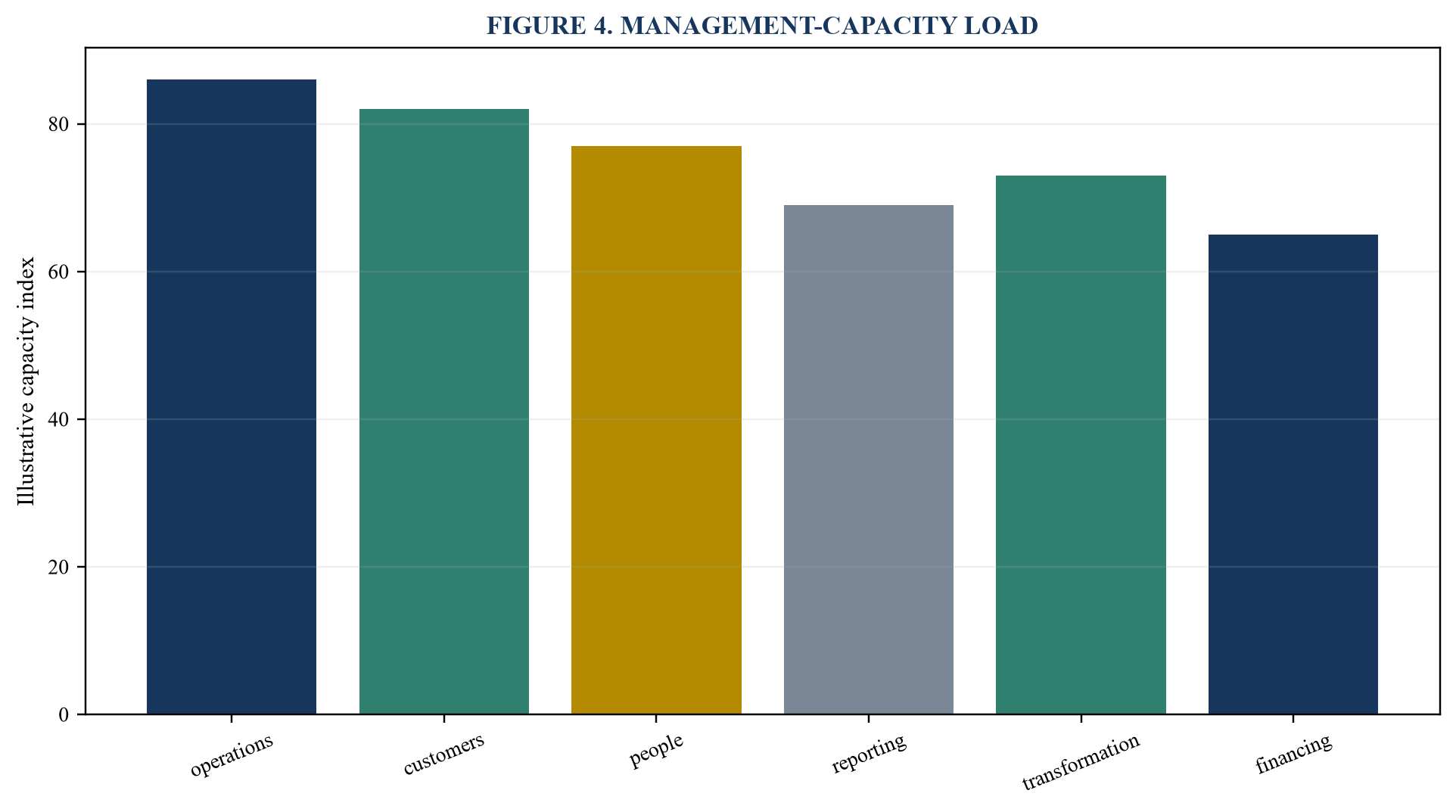
Values are illustrative readiness indices and require company-specific evidence.
33. Set intercreditor rules
The MBO team should govern ranking, turnover, payment blockage, standstill, voting, enforcement and releases. The immediate output is a intercreditor map with named owners, dates, source evidence, approval status and open exceptions.
The analytical objective is to determine how creditor classes behave during stress. Reviewers should reconcile contracts, historical accounts, customer and supplier records, monthly cash data, diligence findings, financing terms, management plans and independent advice. Base, downside and recovery cases should use consistent definitions and retain clear calculation lineage.
The framework should assign responsibility across management, sellers, equity investors, lenders, boards and advisers. Definitions, calculations, evidence rules, thresholds, controls, information rights and time limits should be explicit.
At each gate, decision makers should test cash generation, liquidity, reinvestment, debt service, operating flexibility, management capacity and recovery together. Material gaps remain visible until evidence is complete, advice is current, conditions are satisfied, and the structure remains financeable under credible downside scenarios.
34. Assess sponsor and seller support
The MBO team should verify capacity, incentive, history, commitment conditions and documentation. The immediate output is a support evidence file with named owners, dates, source evidence, approval status and open exceptions.
The analytical objective is to determine whether secondary support can be relied on in credit decisions. Reviewers should reconcile contracts, historical accounts, customer and supplier records, monthly cash data, diligence findings, financing terms, management plans and independent advice. Base, downside and recovery cases should use consistent definitions and retain clear calculation lineage.
The framework should assign responsibility across management, sellers, equity investors, lenders, boards and advisers. Definitions, calculations, evidence rules, thresholds, controls, information rights and time limits should be explicit.
At each gate, decision makers should test cash generation, liquidity, reinvestment, debt service, operating flexibility, management capacity and recovery together. Material gaps remain visible until evidence is complete, advice is current, conditions are satisfied, and the structure remains financeable under credible downside scenarios.
35. Protect management incentives
The MBO team should reconcile personal investment, vesting, leaver terms, dilution and performance hurdles with debt risk. The immediate output is a management economics model with named owners, dates, source evidence, approval status and open exceptions.
The analytical objective is to determine whether leaders remain aligned without taking destructive short-term actions. Reviewers should reconcile contracts, historical accounts, customer and supplier records, monthly cash data, diligence findings, financing terms, management plans and independent advice. Base, downside and recovery cases should use consistent definitions and retain clear calculation lineage.
The framework should assign responsibility across management, sellers, equity investors, lenders, boards and advisers. Definitions, calculations, evidence rules, thresholds, controls, information rights and time limits should be explicit.
At each gate, decision makers should test cash generation, liquidity, reinvestment, debt service, operating flexibility, management capacity and recovery together. Material gaps remain visible until evidence is complete, advice is current, conditions are satisfied, and the structure remains financeable under credible downside scenarios.
36. Govern information and reporting
The MBO team should set monthly accounts, budgets, forecasts, compliance certificates, events and board reporting. The immediate output is a credit reporting calendar with named owners, dates, source evidence, approval status and open exceptions.
The analytical objective is to determine whether decision makers see deterioration early enough to act. Reviewers should reconcile contracts, historical accounts, customer and supplier records, monthly cash data, diligence findings, financing terms, management plans and independent advice. Base, downside and recovery cases should use consistent definitions and retain clear calculation lineage.
The framework should assign responsibility across management, sellers, equity investors, lenders, boards and advisers. Definitions, calculations, evidence rules, thresholds, controls, information rights and time limits should be explicit.
At each gate, decision makers should test cash generation, liquidity, reinvestment, debt service, operating flexibility, management capacity and recovery together. Material gaps remain visible until evidence is complete, advice is current, conditions are satisfied, and the structure remains financeable under credible downside scenarios.
37. Prepare the closing evidence pack
The MBO team should assemble commitments, funds flow, security, intercreditor, hedging, opinions and conditions. The immediate output is a financing completion certificate with named owners, dates, source evidence, approval status and open exceptions.
The analytical objective is to determine whether the debt stack exists exactly as modelled. Reviewers should reconcile contracts, historical accounts, customer and supplier records, monthly cash data, diligence findings, financing terms, management plans and independent advice. Base, downside and recovery cases should use consistent definitions and retain clear calculation lineage.
The framework should assign responsibility across management, sellers, equity investors, lenders, boards and advisers. Definitions, calculations, evidence rules, thresholds, controls, information rights and time limits should be explicit.
At each gate, decision makers should test cash generation, liquidity, reinvestment, debt service, operating flexibility, management capacity and recovery together. Material gaps remain visible until evidence is complete, advice is current, conditions are satisfied, and the structure remains financeable under credible downside scenarios.
38. Monitor the first year
The MBO team should track cash, working capital, capex, covenants, customers, people, initiatives and exceptions. The immediate output is a first-year resilience dashboard with named owners, dates, source evidence, approval status and open exceptions.
The analytical objective is to determine whether actual performance supports the leverage case. Reviewers should reconcile contracts, historical accounts, customer and supplier records, monthly cash data, diligence findings, financing terms, management plans and independent advice. Base, downside and recovery cases should use consistent definitions and retain clear calculation lineage.
The framework should assign responsibility across management, sellers, equity investors, lenders, boards and advisers. Definitions, calculations, evidence rules, thresholds, controls, information rights and time limits should be explicit.
At each gate, decision makers should test cash generation, liquidity, reinvestment, debt service, operating flexibility, management capacity and recovery together. Material gaps remain visible until evidence is complete, advice is current, conditions are satisfied, and the structure remains financeable under credible downside scenarios.
39. Prepare waiver and restructuring routes
The MBO team should define escalation, information, standstill, amendments, new money, enforcement and stakeholder decisions. The immediate output is a restructuring protocol with named owners, dates, source evidence, approval status and open exceptions.
The analytical objective is to determine whether stress can be addressed before value and control collapse. Reviewers should reconcile contracts, historical accounts, customer and supplier records, monthly cash data, diligence findings, financing terms, management plans and independent advice. Base, downside and recovery cases should use consistent definitions and retain clear calculation lineage.
The framework should assign responsibility across management, sellers, equity investors, lenders, boards and advisers. Definitions, calculations, evidence rules, thresholds, controls, information rights and time limits should be explicit.
At each gate, decision makers should test cash generation, liquidity, reinvestment, debt service, operating flexibility, management capacity and recovery together. Material gaps remain visible until evidence is complete, advice is current, conditions are satisfied, and the structure remains financeable under credible downside scenarios.
40. Issue the leverage conclusion
The MBO team should integrate cash resilience, reinvestment, debt service, management capacity, controls and recovery. The immediate output is a board-ready leverage certificate with named owners, dates, source evidence, approval status and open exceptions.
The analytical objective is to determine whether the MBO buys a resilient business rather than a fragile job. Reviewers should reconcile contracts, historical accounts, customer and supplier records, monthly cash data, diligence findings, financing terms, management plans and independent advice. Base, downside and recovery cases should use consistent definitions and retain clear calculation lineage.
The framework should assign responsibility across management, sellers, equity investors, lenders, boards and advisers. Definitions, calculations, evidence rules, thresholds, controls, information rights and time limits should be explicit.
At each gate, decision makers should test cash generation, liquidity, reinvestment, debt service, operating flexibility, management capacity and recovery together. Material gaps remain visible until evidence is complete, advice is current, conditions are satisfied, and the structure remains financeable under credible downside scenarios.
Table 5. MBO leverage certificate
| Certification | Evidence owner | Status |
|---|---|---|
| recurring cash and liquidity | finance lead | tested |
| reinvestment and management capacity | operating lead | tested |
| debt, covenant and downside model | financing adviser | tested |
| security, recovery and closing | board sponsor | tested |
Illustrative board gate; authorised advisers determine sufficiency.
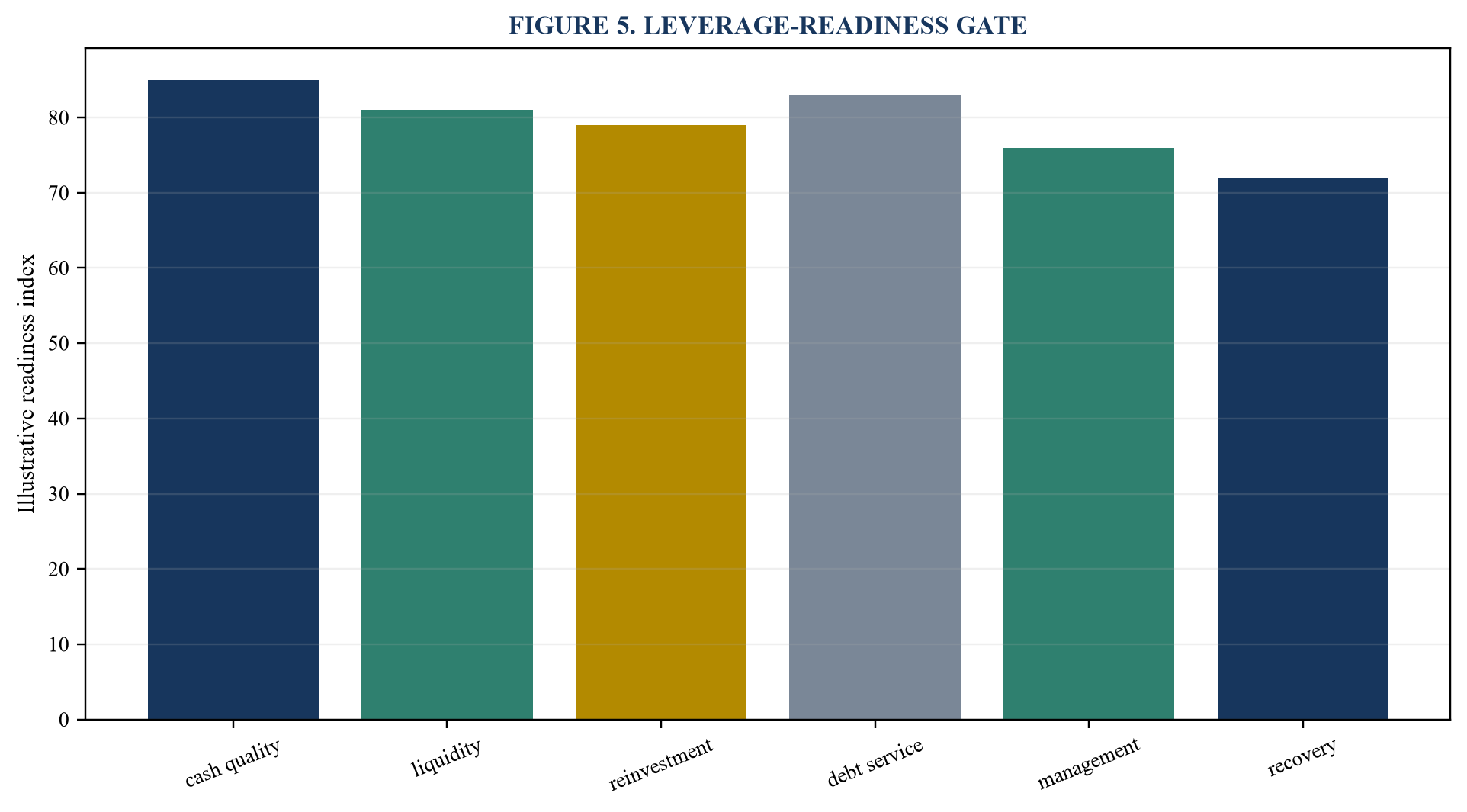
Values are illustrative readiness indices and require company-specific evidence.
References
- European Banking Authority, Risk Assessment Report June 2026, https://www.eba.europa.eu/publications-and-media/publications/risk-assessment-report-june-2026
- European Banking Authority, Guidelines on loan origination and monitoring, https://www.eba.europa.eu/regulation-and-policy/credit-risk/guidelines-on-loan-origination-and-monitoring
- European Banking Authority, Treatment of loans for LBO financing, https://www.eba.europa.eu/single-rule-book-qa/qna/view/publicId/2019_4952
- European Central Bank, Guidance on leveraged transactions, https://www.bankingsupervision.europa.eu/ecb/pub/pdf/ssm.leveraged_transactions_guidance_201705.en.pdf
- Board of Governors of the Federal Reserve System, Interagency Guidance on Leveraged Lending, https://www.federalreserve.gov/frrs/guidance/interagency-guidance-on-leveraged-lending.htm
- Board of Governors of the Federal Reserve System, Supervisory Letter SR 13-3, https://www.federalreserve.gov/supervisionreg/srletters/sr1303.htm
- Office of the Comptroller of the Currency, Leveraged Lending booklet, https://www.occ.treas.gov/publications-and-resources/publications/comptrollers-handbook/files/leveraged-lending/index-leveraged-lending.html
- Bank for International Settlements, Private credit and financial stability, https://www.bis.org/publ/qtrpdf/r_qt2403b.htm
- International Monetary Fund, Global Financial Stability Report April 2024, https://www.imf.org/en/Publications/GFSR/Issues/2024/04/16/global-financial-stability-report-april-2024
- Stanford Graduate School of Business, 2026 Search Fund Study: Selected Observations, https://www.gsb.stanford.edu/faculty-research/case-studies/2026-search-fund-study-selected-observations
- Stanford Graduate School of Business, A Primer on Search Funds, https://www.gsb.stanford.edu/faculty-research/case-studies/primer-search-funds-practical-guide-entrepreneurs-embarking-search
- UK Government, HMRC Corporate Finance Manual CFM11190, https://www.gov.uk/hmrc-internal-manuals/corporate-finance-manual/cfm11190
- UK Legislation, Companies Act 2006 section 172, https://www.legislation.gov.uk/ukpga/2006/46/section/172
- UK Legislation, Companies Act 2006 section 174, https://www.legislation.gov.uk/ukpga/2006/46/section/174
- UK Legislation, Companies Act 2006 section 175, https://www.legislation.gov.uk/ukpga/2006/46/section/175
- UK Legislation, Companies Act 2006 section 678, https://www.legislation.gov.uk/ukpga/2006/46/section/678
- Financial Reporting Council, UK Corporate Governance Code 2024, https://www.frc.org.uk/library/standards-codes-policy/corporate-governance/uk-corporate-governance-code/
- Financial Reporting Council, Corporate Governance Code Guidance, https://www.frc.org.uk/library/standards-codes-policy/corporate-governance/corporate-governance-code-guidance/
- IFRS Foundation, IFRS 9 Financial Instruments, https://www.ifrs.org/issued-standards/list-of-standards/ifrs-9-financial-instruments/
- IFRS Foundation, IFRS 7 Financial Instruments: Disclosures, https://www.ifrs.org/issued-standards/list-of-standards/ifrs-7-financial-instruments-disclosures/
- IFRS Foundation, IAS 7 Statement of Cash Flows, https://www.ifrs.org/issued-standards/list-of-standards/ias-7-statement-of-cash-flows/
- IFRS Foundation, IAS 36 Impairment of Assets, https://www.ifrs.org/issued-standards/list-of-standards/ias-36-impairment-of-assets/
- IFRS Foundation, IFRS 13 Fair Value Measurement, https://www.ifrs.org/issued-standards/list-of-standards/ifrs-13-fair-value-measurement/
- IFRS Foundation, IFRS 3 Business Combinations, https://www.ifrs.org/issued-standards/list-of-standards/ifrs-3-business-combinations/
- OECD, G20/OECD Principles of Corporate Governance 2023, https://www.oecd.org/corporate/principles-corporate-governance/
- US Small Business Administration, SBA lenders and SOP 50 10, https://www.sba.gov/sba-lenders/
