

1. Define the operating-authority question
Determine whether every material activity can lawfully continue before and after control transfers.
The acquisition permissions team should reconcile transaction perimeter, business plan, legal advice, regulator records and approvals. Each conclusion records the accountable owner, authority, instrument, source, verification date, trigger, timing, dependency, control and unresolved exception. The immediate output is an operating-authority mandate.
Legal operability must be proved for every material activity before value and completion are approved. Reviewers test the holder, scope, territory, conditions, status, expiry, control trigger and transaction effect against primary instruments and current authority records. Governing law, regulator decisions, transaction documents and authorised advice control every conclusion.
Material gaps require an owner, filing or remediation route, evidence requirement, advice and decision date. Consequences flow through legal operability, revenue, customers, cash, financing, value, completion and transaction timing. Residual risk remains visible until required permissions are effective, conditions are executable and authorised governing bodies approve the next gate.
2. Map entities activities and jurisdictions
Connect each legal entity, branch, asset, product, location and regulated activity to its governing territory.
The acquisition permissions team should reconcile corporate chart, licences, revenue, sites, products and jurisdictional analysis. Each conclusion records the accountable owner, authority, instrument, source, verification date, trigger, timing, dependency, control and unresolved exception. The immediate output is an entity-activity-jurisdiction map.
Legal operability must be proved for every material activity before value and completion are approved. Reviewers test the holder, scope, territory, conditions, status, expiry, control trigger and transaction effect against primary instruments and current authority records. Governing law, regulator decisions, transaction documents and authorised advice control every conclusion.
Material gaps require an owner, filing or remediation route, evidence requirement, advice and decision date. Consequences flow through legal operability, revenue, customers, cash, financing, value, completion and transaction timing. Residual risk remains visible until required permissions are effective, conditions are executable and authorised governing bodies approve the next gate.
3. Establish evidence integrity
Preserve issuer, holder, identifier, scope, conditions, status, expiry, source and verification date.
The acquisition permissions team should reconcile original instruments, regulator portals, correspondence, registers and legal opinions. Each conclusion records the accountable owner, authority, instrument, source, verification date, trigger, timing, dependency, control and unresolved exception. The immediate output is an authority-evidence register.
Legal operability must be proved for every material activity before value and completion are approved. Reviewers test the holder, scope, territory, conditions, status, expiry, control trigger and transaction effect against primary instruments and current authority records. Governing law, regulator decisions, transaction documents and authorised advice control every conclusion.
Material gaps require an owner, filing or remediation route, evidence requirement, advice and decision date. Consequences flow through legal operability, revenue, customers, cash, financing, value, completion and transaction timing. Residual risk remains visible until required permissions are effective, conditions are executable and authorised governing bodies approve the next gate.
4. Inventory licences
Identify permissions that legally authorise the target to conduct each regulated activity.
The acquisition permissions team should reconcile licence certificates, schedules, conditions, public registers and operating records. Each conclusion records the accountable owner, authority, instrument, source, verification date, trigger, timing, dependency, control and unresolved exception. The immediate output is a verified licence inventory.
Legal operability must be proved for every material activity before value and completion are approved. Reviewers test the holder, scope, territory, conditions, status, expiry, control trigger and transaction effect against primary instruments and current authority records. Governing law, regulator decisions, transaction documents and authorised advice control every conclusion.
Material gaps require an owner, filing or remediation route, evidence requirement, advice and decision date. Consequences flow through legal operability, revenue, customers, cash, financing, value, completion and transaction timing. Residual risk remains visible until required permissions are effective, conditions are executable and authorised governing bodies approve the next gate.
5. Inventory permits
Map site, construction, environmental, safety, import, operating and activity-specific permits.
The acquisition permissions team should reconcile permit files, inspections, conditions, renewals, notices and site records. Each conclusion records the accountable owner, authority, instrument, source, verification date, trigger, timing, dependency, control and unresolved exception. The immediate output is a verified permit inventory.
Legal operability must be proved for every material activity before value and completion are approved. Reviewers test the holder, scope, territory, conditions, status, expiry, control trigger and transaction effect against primary instruments and current authority records. Governing law, regulator decisions, transaction documents and authorised advice control every conclusion.
Material gaps require an owner, filing or remediation route, evidence requirement, advice and decision date. Consequences flow through legal operability, revenue, customers, cash, financing, value, completion and transaction timing. Residual risk remains visible until required permissions are effective, conditions are executable and authorised governing bodies approve the next gate.
6. Inventory registrations
Capture corporate, professional, tax, customs, product and beneficial-ownership registrations.
The acquisition permissions team should reconcile official registers, certificates, filings, identifiers and status evidence. Each conclusion records the accountable owner, authority, instrument, source, verification date, trigger, timing, dependency, control and unresolved exception. The immediate output is a registration control register.
Legal operability must be proved for every material activity before value and completion are approved. Reviewers test the holder, scope, territory, conditions, status, expiry, control trigger and transaction effect against primary instruments and current authority records. Governing law, regulator decisions, transaction documents and authorised advice control every conclusion.
Material gaps require an owner, filing or remediation route, evidence requirement, advice and decision date. Consequences flow through legal operability, revenue, customers, cash, financing, value, completion and transaction timing. Residual risk remains visible until required permissions are effective, conditions are executable and authorised governing bodies approve the next gate.
7. Identify change-of-control triggers
Read statutes, rules, instruments and contracts for notification, consent, reissue or termination events.
The acquisition permissions team should reconcile governing law, licence terms, regulator guidance, contracts and legal advice. Each conclusion records the accountable owner, authority, instrument, source, verification date, trigger, timing, dependency, control and unresolved exception. The immediate output is a change-of-control trigger matrix.
Legal operability must be proved for every material activity before value and completion are approved. Reviewers test the holder, scope, territory, conditions, status, expiry, control trigger and transaction effect against primary instruments and current authority records. Governing law, regulator decisions, transaction documents and authorised advice control every conclusion.
Material gaps require an owner, filing or remediation route, evidence requirement, advice and decision date. Consequences flow through legal operability, revenue, customers, cash, financing, value, completion and transaction timing. Residual risk remains visible until required permissions are effective, conditions are executable and authorised governing bodies approve the next gate.
8. Test direct and indirect control
Analyse shares, votes, influence, board rights, economic interests and control through intermediate entities.
The acquisition permissions team should reconcile transaction documents, cap tables, governance rights, ownership chains and precedents. Each conclusion records the accountable owner, authority, instrument, source, verification date, trigger, timing, dependency, control and unresolved exception. The immediate output is a control-analysis memorandum.
Legal operability must be proved for every material activity before value and completion are approved. Reviewers test the holder, scope, territory, conditions, status, expiry, control trigger and transaction effect against primary instruments and current authority records. Governing law, regulator decisions, transaction documents and authorised advice control every conclusion.
Material gaps require an owner, filing or remediation route, evidence requirement, advice and decision date. Consequences flow through legal operability, revenue, customers, cash, financing, value, completion and transaction timing. Residual risk remains visible until required permissions are effective, conditions are executable and authorised governing bodies approve the next gate.
Table 1. Authority evidence hierarchy
| Evidence | Question | Control |
|---|---|---|
| instrument | what is authorised | verify scope |
| register | is it current | date-stamp |
| law | what triggers apply | legal analysis |
| correspondence | what regulator expects | preserve record |
Illustrative programme design; company-specific facts and authorised advice govern.
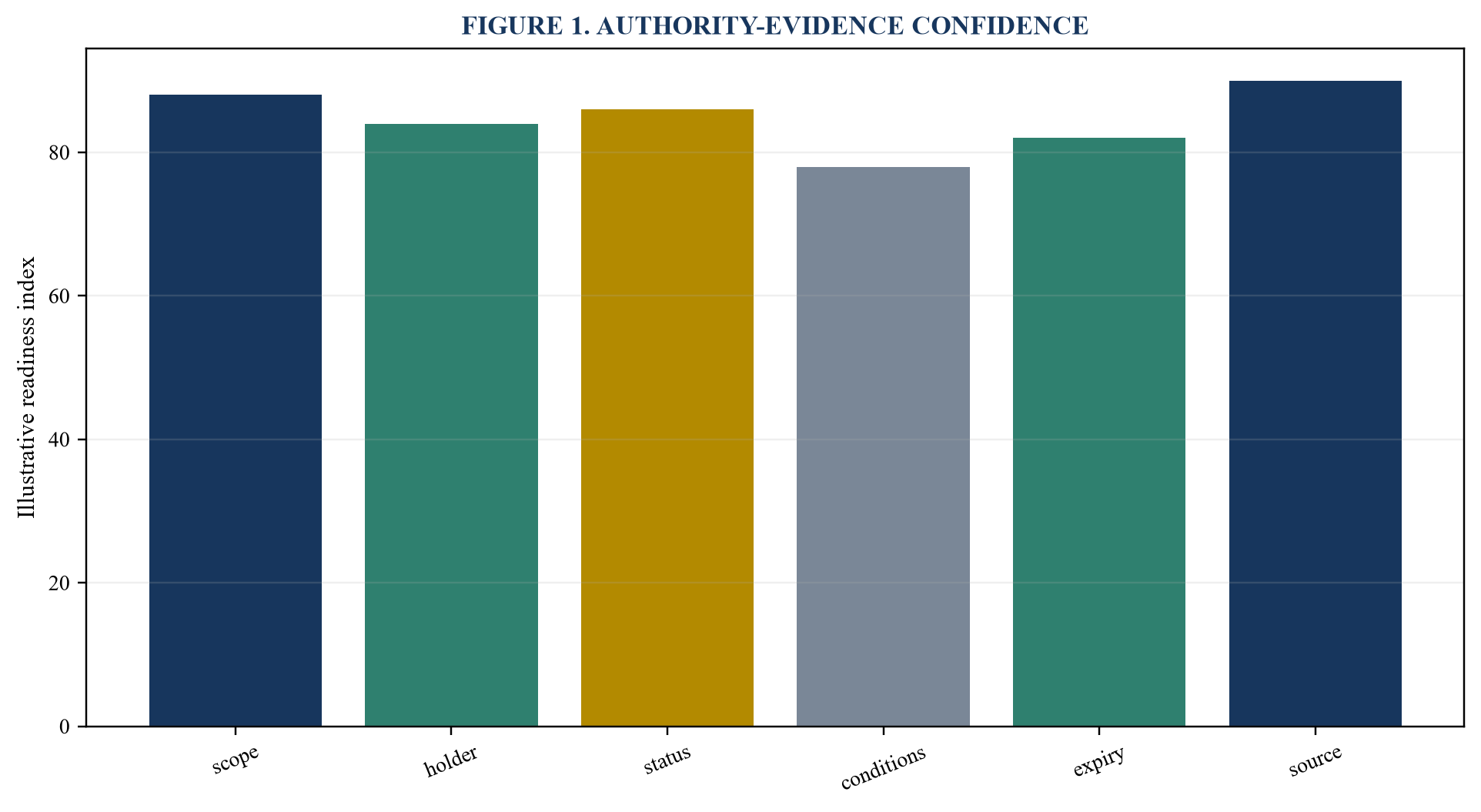
Values are illustrative readiness indices and require company-specific evidence.
9. Map merger-control approvals
Determine filing, standstill, information, remedy and clearance requirements in every relevant market.
The acquisition permissions team should reconcile turnover, market shares, transaction value, competition rules and authority guidance. Each conclusion records the accountable owner, authority, instrument, source, verification date, trigger, timing, dependency, control and unresolved exception. The immediate output is a merger-control filing map.
Legal operability must be proved for every material activity before value and completion are approved. Reviewers test the holder, scope, territory, conditions, status, expiry, control trigger and transaction effect against primary instruments and current authority records. Governing law, regulator decisions, transaction documents and authorised advice control every conclusion.
Material gaps require an owner, filing or remediation route, evidence requirement, advice and decision date. Consequences flow through legal operability, revenue, customers, cash, financing, value, completion and transaction timing. Residual risk remains visible until required permissions are effective, conditions are executable and authorised governing bodies approve the next gate.
10. Map investment-screening approvals
Test national-security, foreign-investment, critical-infrastructure and strategic-sector regimes.
The acquisition permissions team should reconcile ownership, investor profile, activities, assets, technology, contracts and screening rules. Each conclusion records the accountable owner, authority, instrument, source, verification date, trigger, timing, dependency, control and unresolved exception. The immediate output is an investment-screening map.
Legal operability must be proved for every material activity before value and completion are approved. Reviewers test the holder, scope, territory, conditions, status, expiry, control trigger and transaction effect against primary instruments and current authority records. Governing law, regulator decisions, transaction documents and authorised advice control every conclusion.
Material gaps require an owner, filing or remediation route, evidence requirement, advice and decision date. Consequences flow through legal operability, revenue, customers, cash, financing, value, completion and transaction timing. Residual risk remains visible until required permissions are effective, conditions are executable and authorised governing bodies approve the next gate.
11. Map sector approvals
Identify sector regulators whose prior approval or non-objection controls completion or continued operation.
The acquisition permissions team should reconcile regulated activities, permissions, ownership rules, guidance and regulator correspondence. Each conclusion records the accountable owner, authority, instrument, source, verification date, trigger, timing, dependency, control and unresolved exception. The immediate output is a sector-approval matrix.
Legal operability must be proved for every material activity before value and completion are approved. Reviewers test the holder, scope, territory, conditions, status, expiry, control trigger and transaction effect against primary instruments and current authority records. Governing law, regulator decisions, transaction documents and authorised advice control every conclusion.
Material gaps require an owner, filing or remediation route, evidence requirement, advice and decision date. Consequences flow through legal operability, revenue, customers, cash, financing, value, completion and transaction timing. Residual risk remains visible until required permissions are effective, conditions are executable and authorised governing bodies approve the next gate.
12. Test financial-services continuity
Assess qualifying holdings, controller fitness, capital, governance, outsourcing and licence variation.
The acquisition permissions team should reconcile regulatory permissions, controller forms, prudential data, governance and supervisory records. Each conclusion records the accountable owner, authority, instrument, source, verification date, trigger, timing, dependency, control and unresolved exception. The immediate output is a financial-services continuity plan.
Legal operability must be proved for every material activity before value and completion are approved. Reviewers test the holder, scope, territory, conditions, status, expiry, control trigger and transaction effect against primary instruments and current authority records. Governing law, regulator decisions, transaction documents and authorised advice control every conclusion.
Material gaps require an owner, filing or remediation route, evidence requirement, advice and decision date. Consequences flow through legal operability, revenue, customers, cash, financing, value, completion and transaction timing. Residual risk remains visible until required permissions are effective, conditions are executable and authorised governing bodies approve the next gate.
13. Test telecommunications continuity
Assess spectrum, network, numbering, infrastructure, security and service-authorisation transfers.
The acquisition permissions team should reconcile licences, frequency assignments, network approvals, service terms and regulator guidance. Each conclusion records the accountable owner, authority, instrument, source, verification date, trigger, timing, dependency, control and unresolved exception. The immediate output is a telecommunications approval plan.
Legal operability must be proved for every material activity before value and completion are approved. Reviewers test the holder, scope, territory, conditions, status, expiry, control trigger and transaction effect against primary instruments and current authority records. Governing law, regulator decisions, transaction documents and authorised advice control every conclusion.
Material gaps require an owner, filing or remediation route, evidence requirement, advice and decision date. Consequences flow through legal operability, revenue, customers, cash, financing, value, completion and transaction timing. Residual risk remains visible until required permissions are effective, conditions are executable and authorised governing bodies approve the next gate.
14. Test energy and utility continuity
Assess generation, transmission, distribution, trading, water and public-utility approvals.
The acquisition permissions team should reconcile authorisations, tariffs, grid agreements, concessions, safety records and regulator rules. Each conclusion records the accountable owner, authority, instrument, source, verification date, trigger, timing, dependency, control and unresolved exception. The immediate output is an energy-and-utilities continuity plan.
Legal operability must be proved for every material activity before value and completion are approved. Reviewers test the holder, scope, territory, conditions, status, expiry, control trigger and transaction effect against primary instruments and current authority records. Governing law, regulator decisions, transaction documents and authorised advice control every conclusion.
Material gaps require an owner, filing or remediation route, evidence requirement, advice and decision date. Consequences flow through legal operability, revenue, customers, cash, financing, value, completion and transaction timing. Residual risk remains visible until required permissions are effective, conditions are executable and authorised governing bodies approve the next gate.
15. Test transport continuity
Assess aviation, maritime, road, rail, operator, route, safety and asset-registration requirements.
The acquisition permissions team should reconcile operating certificates, registrations, concessions, safety systems and authority records. Each conclusion records the accountable owner, authority, instrument, source, verification date, trigger, timing, dependency, control and unresolved exception. The immediate output is a transport approval plan.
Legal operability must be proved for every material activity before value and completion are approved. Reviewers test the holder, scope, territory, conditions, status, expiry, control trigger and transaction effect against primary instruments and current authority records. Governing law, regulator decisions, transaction documents and authorised advice control every conclusion.
Material gaps require an owner, filing or remediation route, evidence requirement, advice and decision date. Consequences flow through legal operability, revenue, customers, cash, financing, value, completion and transaction timing. Residual risk remains visible until required permissions are effective, conditions are executable and authorised governing bodies approve the next gate.
16. Test healthcare continuity
Assess facility, professional, product, trial, manufacturing and distribution permissions.
The acquisition permissions team should reconcile health licences, product approvals, quality records, registrations and regulator guidance. Each conclusion records the accountable owner, authority, instrument, source, verification date, trigger, timing, dependency, control and unresolved exception. The immediate output is a healthcare continuity plan.
Legal operability must be proved for every material activity before value and completion are approved. Reviewers test the holder, scope, territory, conditions, status, expiry, control trigger and transaction effect against primary instruments and current authority records. Governing law, regulator decisions, transaction documents and authorised advice control every conclusion.
Material gaps require an owner, filing or remediation route, evidence requirement, advice and decision date. Consequences flow through legal operability, revenue, customers, cash, financing, value, completion and transaction timing. Residual risk remains visible until required permissions are effective, conditions are executable and authorised governing bodies approve the next gate.
Table 2. Sector continuity matrix
| Sector | Principal risk | Decision output |
|---|---|---|
| finance | controller approval | fit-and-proper plan |
| telecom | spectrum or service consent | transfer route |
| energy | public-interest authorisation | approval case |
| health | facility or product permission | continuity plan |
Illustrative programme design; company-specific facts and authorised advice govern.
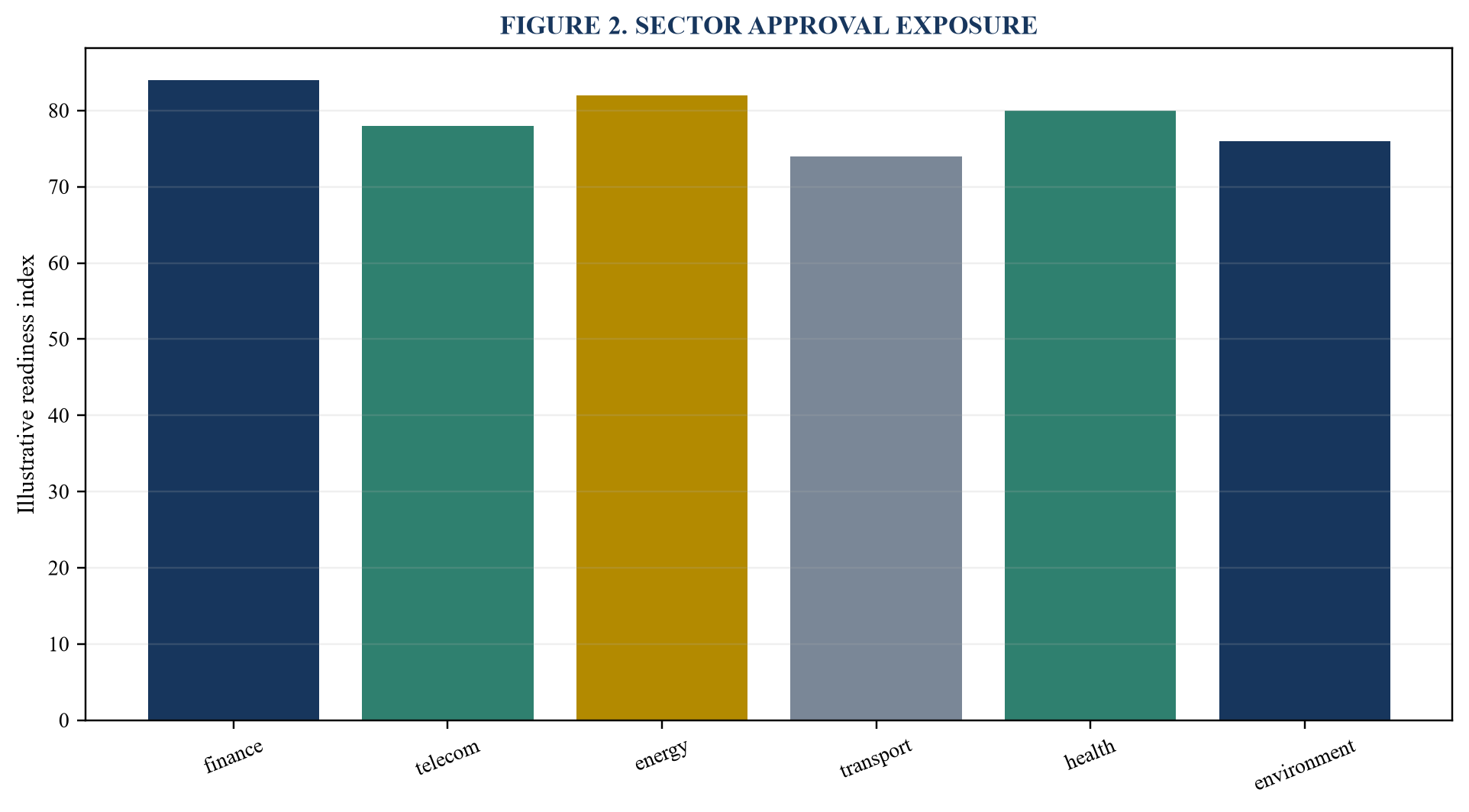
Values are illustrative readiness indices and require company-specific evidence.
17. Test environmental continuity
Map emissions, waste, water, hazardous-material, impact-assessment and remediation permissions.
The acquisition permissions team should reconcile permits, monitoring, notices, audits, liabilities and environmental law. Each conclusion records the accountable owner, authority, instrument, source, verification date, trigger, timing, dependency, control and unresolved exception. The immediate output is an environmental-permit plan.
Legal operability must be proved for every material activity before value and completion are approved. Reviewers test the holder, scope, territory, conditions, status, expiry, control trigger and transaction effect against primary instruments and current authority records. Governing law, regulator decisions, transaction documents and authorised advice control every conclusion.
Material gaps require an owner, filing or remediation route, evidence requirement, advice and decision date. Consequences flow through legal operability, revenue, customers, cash, financing, value, completion and transaction timing. Residual risk remains visible until required permissions are effective, conditions are executable and authorised governing bodies approve the next gate.
18. Test data and cybersecurity continuity
Map data-controller registrations, localisation, critical-system, incident and security obligations.
The acquisition permissions team should reconcile data maps, registrations, security certifications, notices, incidents and cyber rules. Each conclusion records the accountable owner, authority, instrument, source, verification date, trigger, timing, dependency, control and unresolved exception. The immediate output is a data-and-cyber continuity plan.
Legal operability must be proved for every material activity before value and completion are approved. Reviewers test the holder, scope, territory, conditions, status, expiry, control trigger and transaction effect against primary instruments and current authority records. Governing law, regulator decisions, transaction documents and authorised advice control every conclusion.
Material gaps require an owner, filing or remediation route, evidence requirement, advice and decision date. Consequences flow through legal operability, revenue, customers, cash, financing, value, completion and transaction timing. Residual risk remains visible until required permissions are effective, conditions are executable and authorised governing bodies approve the next gate.
19. Test export-control and sanctions continuity
Assess controlled items, technology, destinations, persons, end uses and ownership-related restrictions.
The acquisition permissions team should reconcile classification records, licences, counterparties, screening, sanctions lists and advice. Each conclusion records the accountable owner, authority, instrument, source, verification date, trigger, timing, dependency, control and unresolved exception. The immediate output is an export-control and sanctions plan.
Legal operability must be proved for every material activity before value and completion are approved. Reviewers test the holder, scope, territory, conditions, status, expiry, control trigger and transaction effect against primary instruments and current authority records. Governing law, regulator decisions, transaction documents and authorised advice control every conclusion.
Material gaps require an owner, filing or remediation route, evidence requirement, advice and decision date. Consequences flow through legal operability, revenue, customers, cash, financing, value, completion and transaction timing. Residual risk remains visible until required permissions are effective, conditions are executable and authorised governing bodies approve the next gate.
20. Test concessions and government contracts
Identify assignment, ownership, nationality, performance and consent conditions in public rights.
The acquisition permissions team should reconcile concessions, procurement contracts, licences, guarantees, correspondence and law. Each conclusion records the accountable owner, authority, instrument, source, verification date, trigger, timing, dependency, control and unresolved exception. The immediate output is a public-contract continuity plan.
Legal operability must be proved for every material activity before value and completion are approved. Reviewers test the holder, scope, territory, conditions, status, expiry, control trigger and transaction effect against primary instruments and current authority records. Governing law, regulator decisions, transaction documents and authorised advice control every conclusion.
Material gaps require an owner, filing or remediation route, evidence requirement, advice and decision date. Consequences flow through legal operability, revenue, customers, cash, financing, value, completion and transaction timing. Residual risk remains visible until required permissions are effective, conditions are executable and authorised governing bodies approve the next gate.
21. Test land planning and occupancy rights
Assess title, zoning, use, lease, foreign-ownership, development and occupancy permissions.
The acquisition permissions team should reconcile title records, leases, planning approvals, zoning, consents and site inspections. Each conclusion records the accountable owner, authority, instrument, source, verification date, trigger, timing, dependency, control and unresolved exception. The immediate output is a land-and-site authority plan.
Legal operability must be proved for every material activity before value and completion are approved. Reviewers test the holder, scope, territory, conditions, status, expiry, control trigger and transaction effect against primary instruments and current authority records. Governing law, regulator decisions, transaction documents and authorised advice control every conclusion.
Material gaps require an owner, filing or remediation route, evidence requirement, advice and decision date. Consequences flow through legal operability, revenue, customers, cash, financing, value, completion and transaction timing. Residual risk remains visible until required permissions are effective, conditions are executable and authorised governing bodies approve the next gate.
22. Test intellectual-property continuity
Confirm ownership, recordal, licences, domains, source code, security interests and change triggers.
The acquisition permissions team should reconcile registries, assignments, licences, code records, renewals and disputes. Each conclusion records the accountable owner, authority, instrument, source, verification date, trigger, timing, dependency, control and unresolved exception. The immediate output is an intellectual-property continuity plan.
Legal operability must be proved for every material activity before value and completion are approved. Reviewers test the holder, scope, territory, conditions, status, expiry, control trigger and transaction effect against primary instruments and current authority records. Governing law, regulator decisions, transaction documents and authorised advice control every conclusion.
Material gaps require an owner, filing or remediation route, evidence requirement, advice and decision date. Consequences flow through legal operability, revenue, customers, cash, financing, value, completion and transaction timing. Residual risk remains visible until required permissions are effective, conditions are executable and authorised governing bodies approve the next gate.
23. Test workforce and immigration continuity
Assess sponsor, visa, professional, consultation, works-council and transfer requirements.
The acquisition permissions team should reconcile employee data, visas, professional licences, consultation records and employment law. Each conclusion records the accountable owner, authority, instrument, source, verification date, trigger, timing, dependency, control and unresolved exception. The immediate output is a workforce-authority plan.
Legal operability must be proved for every material activity before value and completion are approved. Reviewers test the holder, scope, territory, conditions, status, expiry, control trigger and transaction effect against primary instruments and current authority records. Governing law, regulator decisions, transaction documents and authorised advice control every conclusion.
Material gaps require an owner, filing or remediation route, evidence requirement, advice and decision date. Consequences flow through legal operability, revenue, customers, cash, financing, value, completion and transaction timing. Residual risk remains visible until required permissions are effective, conditions are executable and authorised governing bodies approve the next gate.
24. Test tax and customs continuity
Map registrations, groups, rulings, bonded facilities, importer status and post-control notifications.
The acquisition permissions team should reconcile tax accounts, customs authorisations, rulings, filings, guarantees and adviser analysis. Each conclusion records the accountable owner, authority, instrument, source, verification date, trigger, timing, dependency, control and unresolved exception. The immediate output is a tax-and-customs continuity plan.
Legal operability must be proved for every material activity before value and completion are approved. Reviewers test the holder, scope, territory, conditions, status, expiry, control trigger and transaction effect against primary instruments and current authority records. Governing law, regulator decisions, transaction documents and authorised advice control every conclusion.
Material gaps require an owner, filing or remediation route, evidence requirement, advice and decision date. Consequences flow through legal operability, revenue, customers, cash, financing, value, completion and transaction timing. Residual risk remains visible until required permissions are effective, conditions are executable and authorised governing bodies approve the next gate.
Table 3. Consent criticality
| Class | Closing effect | Response |
|---|---|---|
| mandatory | completion prohibited | condition precedent |
| essential | material operation impaired | consent or carve-out |
| remediable | correctable deficiency | dated action plan |
| informational | post-event duty | closing checklist |
Illustrative programme design; company-specific facts and authorised advice govern.
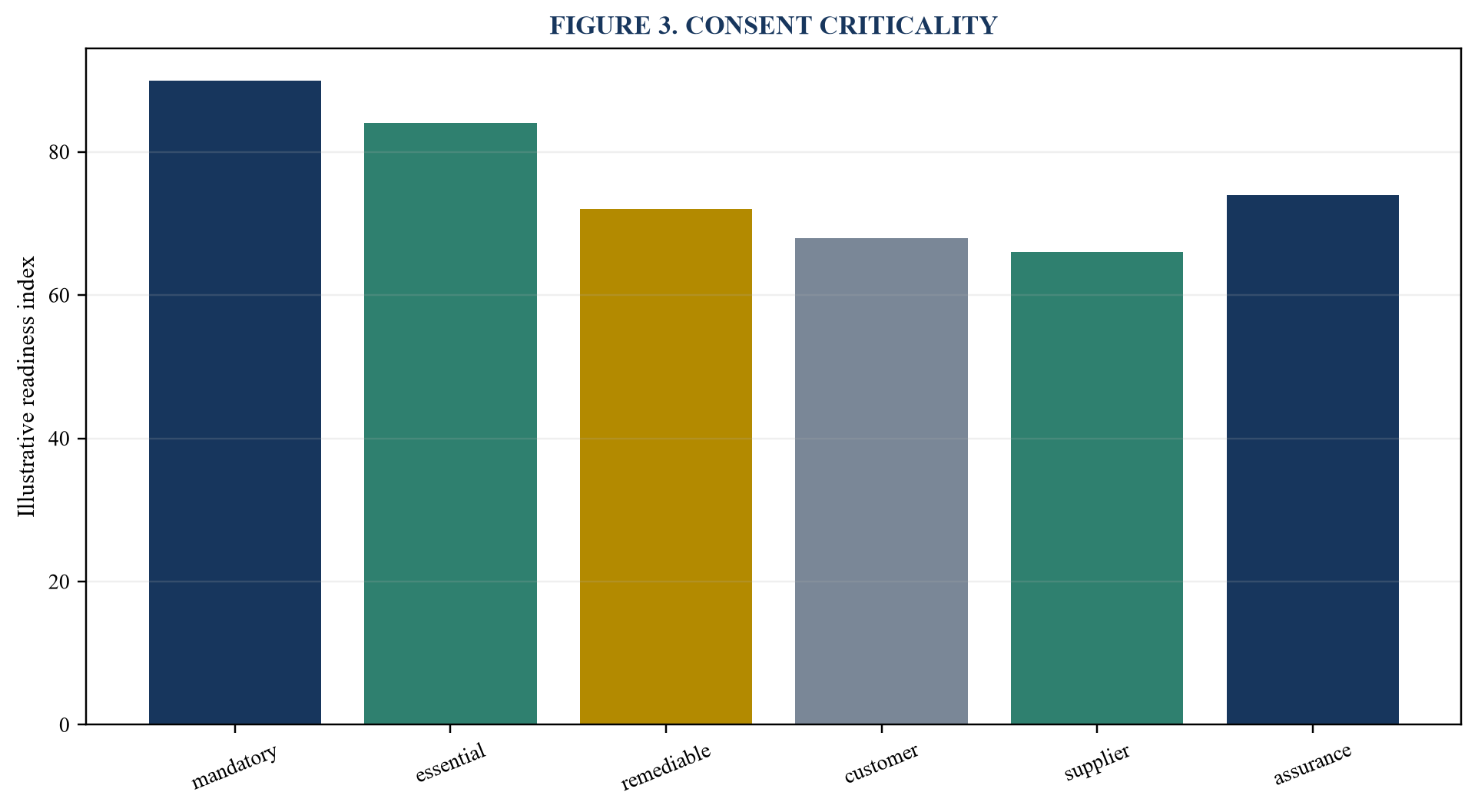
Values are illustrative readiness indices and require company-specific evidence.
25. Test product certification continuity
Assess type approvals, conformity marks, labels, responsible-person roles and certification ownership.
The acquisition permissions team should reconcile certificates, technical files, test reports, labels, quality records and product rules. Each conclusion records the accountable owner, authority, instrument, source, verification date, trigger, timing, dependency, control and unresolved exception. The immediate output is a product-authority plan.
Legal operability must be proved for every material activity before value and completion are approved. Reviewers test the holder, scope, territory, conditions, status, expiry, control trigger and transaction effect against primary instruments and current authority records. Governing law, regulator decisions, transaction documents and authorised advice control every conclusion.
Material gaps require an owner, filing or remediation route, evidence requirement, advice and decision date. Consequences flow through legal operability, revenue, customers, cash, financing, value, completion and transaction timing. Residual risk remains visible until required permissions are effective, conditions are executable and authorised governing bodies approve the next gate.
26. Map customer consents
Identify regulated, public-sector and material customer approvals, termination rights and notification duties.
The acquisition permissions team should reconcile customer contracts, amendments, correspondence, revenue and relationship evidence. Each conclusion records the accountable owner, authority, instrument, source, verification date, trigger, timing, dependency, control and unresolved exception. The immediate output is a customer-consent plan.
Legal operability must be proved for every material activity before value and completion are approved. Reviewers test the holder, scope, territory, conditions, status, expiry, control trigger and transaction effect against primary instruments and current authority records. Governing law, regulator decisions, transaction documents and authorised advice control every conclusion.
Material gaps require an owner, filing or remediation route, evidence requirement, advice and decision date. Consequences flow through legal operability, revenue, customers, cash, financing, value, completion and transaction timing. Residual risk remains visible until required permissions are effective, conditions are executable and authorised governing bodies approve the next gate.
27. Map supplier and channel consents
Identify vendor, franchise, distribution, platform and critical-input change-of-control restrictions.
The acquisition permissions team should reconcile supplier contracts, channel agreements, dependencies, spend and correspondence. Each conclusion records the accountable owner, authority, instrument, source, verification date, trigger, timing, dependency, control and unresolved exception. The immediate output is a supplier-and-channel consent plan.
Legal operability must be proved for every material activity before value and completion are approved. Reviewers test the holder, scope, territory, conditions, status, expiry, control trigger and transaction effect against primary instruments and current authority records. Governing law, regulator decisions, transaction documents and authorised advice control every conclusion.
Material gaps require an owner, filing or remediation route, evidence requirement, advice and decision date. Consequences flow through legal operability, revenue, customers, cash, financing, value, completion and transaction timing. Residual risk remains visible until required permissions are effective, conditions are executable and authorised governing bodies approve the next gate.
28. Test financial assurance
Confirm bonds, guarantees, insurance, capital, security deposits and solvency support remain valid.
The acquisition permissions team should reconcile policy terms, bond instruments, guarantees, capital tests, ratings and provider confirmations. Each conclusion records the accountable owner, authority, instrument, source, verification date, trigger, timing, dependency, control and unresolved exception. The immediate output is an assurance-continuity schedule.
Legal operability must be proved for every material activity before value and completion are approved. Reviewers test the holder, scope, territory, conditions, status, expiry, control trigger and transaction effect against primary instruments and current authority records. Governing law, regulator decisions, transaction documents and authorised advice control every conclusion.
Material gaps require an owner, filing or remediation route, evidence requirement, advice and decision date. Consequences flow through legal operability, revenue, customers, cash, financing, value, completion and transaction timing. Residual risk remains visible until required permissions are effective, conditions are executable and authorised governing bodies approve the next gate.
29. Build the filing calendar
Sequence mandatory notifications, applications, reviews, consultations, remedies and long-stop dates.
The acquisition permissions team should reconcile regulatory map, statutory clocks, information needs, dependencies and authority availability. Each conclusion records the accountable owner, authority, instrument, source, verification date, trigger, timing, dependency, control and unresolved exception. The immediate output is an integrated approval timetable.
Legal operability must be proved for every material activity before value and completion are approved. Reviewers test the holder, scope, territory, conditions, status, expiry, control trigger and transaction effect against primary instruments and current authority records. Governing law, regulator decisions, transaction documents and authorised advice control every conclusion.
Material gaps require an owner, filing or remediation route, evidence requirement, advice and decision date. Consequences flow through legal operability, revenue, customers, cash, financing, value, completion and transaction timing. Residual risk remains visible until required permissions are effective, conditions are executable and authorised governing bodies approve the next gate.
30. Draft conditions precedent
Convert mandatory approvals and essential consents into objective completion conditions.
The acquisition permissions team should reconcile risk ranking, draft agreement, regulator strategy, legal advice and financing terms. Each conclusion records the accountable owner, authority, instrument, source, verification date, trigger, timing, dependency, control and unresolved exception. The immediate output is an approval conditions schedule.
Legal operability must be proved for every material activity before value and completion are approved. Reviewers test the holder, scope, territory, conditions, status, expiry, control trigger and transaction effect against primary instruments and current authority records. Governing law, regulator decisions, transaction documents and authorised advice control every conclusion.
Material gaps require an owner, filing or remediation route, evidence requirement, advice and decision date. Consequences flow through legal operability, revenue, customers, cash, financing, value, completion and transaction timing. Residual risk remains visible until required permissions are effective, conditions are executable and authorised governing bodies approve the next gate.
31. Control the interim period
Preserve licences, compliance, ordinary-course conduct, renewals, information and cooperation before close.
The acquisition permissions team should reconcile interim covenants, renewal calendar, regulator commitments, access and governance. Each conclusion records the accountable owner, authority, instrument, source, verification date, trigger, timing, dependency, control and unresolved exception. The immediate output is an interim authority-control plan.
Legal operability must be proved for every material activity before value and completion are approved. Reviewers test the holder, scope, territory, conditions, status, expiry, control trigger and transaction effect against primary instruments and current authority records. Governing law, regulator decisions, transaction documents and authorised advice control every conclusion.
Material gaps require an owner, filing or remediation route, evidence requirement, advice and decision date. Consequences flow through legal operability, revenue, customers, cash, financing, value, completion and transaction timing. Residual risk remains visible until required permissions are effective, conditions are executable and authorised governing bodies approve the next gate.
32. Prevent gun jumping
Separate control, competitively sensitive information, integration activity and operational decisions until lawful.
The acquisition permissions team should reconcile clean-team protocol, standstill rules, governance, communications and legal advice. Each conclusion records the accountable owner, authority, instrument, source, verification date, trigger, timing, dependency, control and unresolved exception. The immediate output is a pre-close conduct protocol.
Legal operability must be proved for every material activity before value and completion are approved. Reviewers test the holder, scope, territory, conditions, status, expiry, control trigger and transaction effect against primary instruments and current authority records. Governing law, regulator decisions, transaction documents and authorised advice control every conclusion.
Material gaps require an owner, filing or remediation route, evidence requirement, advice and decision date. Consequences flow through legal operability, revenue, customers, cash, financing, value, completion and transaction timing. Residual risk remains visible until required permissions are effective, conditions are executable and authorised governing bodies approve the next gate.
Table 4. Approval timetable controls
| Control | Evidence | Decision use |
|---|---|---|
| trigger | law and facts | filing scope |
| clock | statute and guidance | long-stop date |
| dependency | information and sequence | critical path |
| remedy | downside and value | risk allocation |
Illustrative programme design; company-specific facts and authorised advice govern.
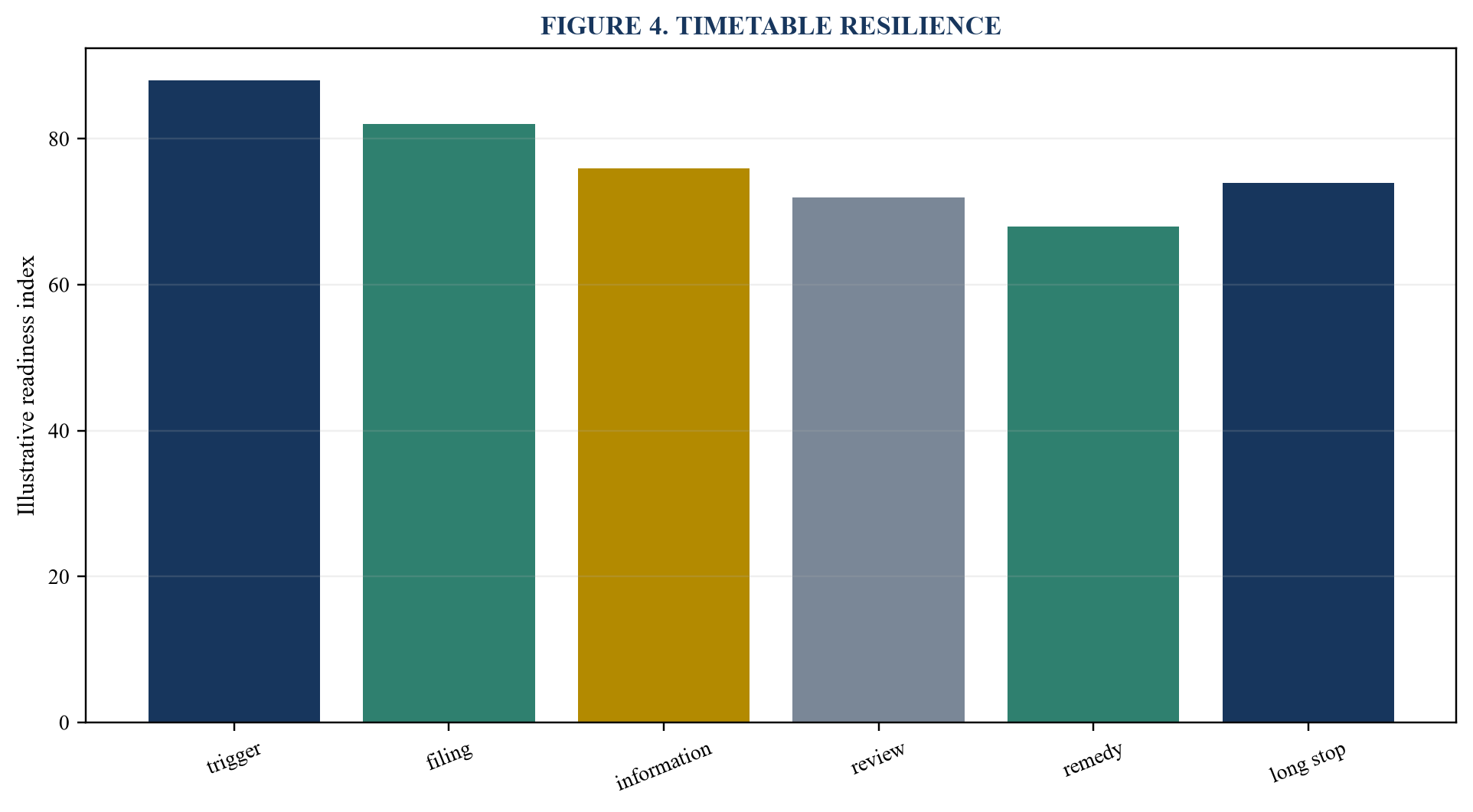
Values are illustrative readiness indices and require company-specific evidence.
33. Design Day-One operating authority
Confirm named accountable owners, delegated powers, access, certificates, notifications and escalation at completion.
The acquisition permissions team should reconcile closing agenda, authority matrix, licences, filings, systems and readiness tests. Each conclusion records the accountable owner, authority, instrument, source, verification date, trigger, timing, dependency, control and unresolved exception. The immediate output is a Day-One legal-operability plan.
Legal operability must be proved for every material activity before value and completion are approved. Reviewers test the holder, scope, territory, conditions, status, expiry, control trigger and transaction effect against primary instruments and current authority records. Governing law, regulator decisions, transaction documents and authorised advice control every conclusion.
Material gaps require an owner, filing or remediation route, evidence requirement, advice and decision date. Consequences flow through legal operability, revenue, customers, cash, financing, value, completion and transaction timing. Residual risk remains visible until required permissions are effective, conditions are executable and authorised governing bodies approve the next gate.
34. Design transitional authority support
Use lawful transition services, secondments, licences, agency and operational support where approvals lag.
The acquisition permissions team should reconcile TSA terms, regulatory permissions, service scope, controls, exit criteria and advice. Each conclusion records the accountable owner, authority, instrument, source, verification date, trigger, timing, dependency, control and unresolved exception. The immediate output is a transitional-authority plan.
Legal operability must be proved for every material activity before value and completion are approved. Reviewers test the holder, scope, territory, conditions, status, expiry, control trigger and transaction effect against primary instruments and current authority records. Governing law, regulator decisions, transaction documents and authorised advice control every conclusion.
Material gaps require an owner, filing or remediation route, evidence requirement, advice and decision date. Consequences flow through legal operability, revenue, customers, cash, financing, value, completion and transaction timing. Residual risk remains visible until required permissions are effective, conditions are executable and authorised governing bodies approve the next gate.
35. Remediate gaps before close
Renew, vary, transfer, reissue, regularise or ring-fence deficient permissions and compliance records.
The acquisition permissions team should reconcile gap register, applications, remediation evidence, regulator engagement and owners. Each conclusion records the accountable owner, authority, instrument, source, verification date, trigger, timing, dependency, control and unresolved exception. The immediate output is an authority-remediation roadmap.
Legal operability must be proved for every material activity before value and completion are approved. Reviewers test the holder, scope, territory, conditions, status, expiry, control trigger and transaction effect against primary instruments and current authority records. Governing law, regulator decisions, transaction documents and authorised advice control every conclusion.
Material gaps require an owner, filing or remediation route, evidence requirement, advice and decision date. Consequences flow through legal operability, revenue, customers, cash, financing, value, completion and transaction timing. Residual risk remains visible until required permissions are effective, conditions are executable and authorised governing bodies approve the next gate.
36. Price approval and continuity cost
Estimate filing fees, advisers, remediation, capital, guarantees, separation, delay and operating constraints.
The acquisition permissions team should reconcile fee schedules, workplans, estimates, prudential models, contracts and contingencies. Each conclusion records the accountable owner, authority, instrument, source, verification date, trigger, timing, dependency, control and unresolved exception. The immediate output is an approval-cost and cash model.
Legal operability must be proved for every material activity before value and completion are approved. Reviewers test the holder, scope, territory, conditions, status, expiry, control trigger and transaction effect against primary instruments and current authority records. Governing law, regulator decisions, transaction documents and authorised advice control every conclusion.
Material gaps require an owner, filing or remediation route, evidence requirement, advice and decision date. Consequences flow through legal operability, revenue, customers, cash, financing, value, completion and transaction timing. Residual risk remains visible until required permissions are effective, conditions are executable and authorised governing bodies approve the next gate.
37. Stress approval downside
Model delay, information requests, conditions, remedies, prohibition, licence loss and operating interruption.
The acquisition permissions team should reconcile statutory clocks, precedents, scenario assumptions, cash model and financing terms. Each conclusion records the accountable owner, authority, instrument, source, verification date, trigger, timing, dependency, control and unresolved exception. The immediate output is an approval-downside model.
Legal operability must be proved for every material activity before value and completion are approved. Reviewers test the holder, scope, territory, conditions, status, expiry, control trigger and transaction effect against primary instruments and current authority records. Governing law, regulator decisions, transaction documents and authorised advice control every conclusion.
Material gaps require an owner, filing or remediation route, evidence requirement, advice and decision date. Consequences flow through legal operability, revenue, customers, cash, financing, value, completion and transaction timing. Residual risk remains visible until required permissions are effective, conditions are executable and authorised governing bodies approve the next gate.
38. Allocate transaction protections
Set covenants, efforts standards, risk allocation, termination, reverse fees, indemnities and price responses.
The acquisition permissions team should reconcile risk map, agreement terms, insurance, financing, legal advice and negotiation record. Each conclusion records the accountable owner, authority, instrument, source, verification date, trigger, timing, dependency, control and unresolved exception. The immediate output is a regulatory-risk allocation matrix.
Legal operability must be proved for every material activity before value and completion are approved. Reviewers test the holder, scope, territory, conditions, status, expiry, control trigger and transaction effect against primary instruments and current authority records. Governing law, regulator decisions, transaction documents and authorised advice control every conclusion.
Material gaps require an owner, filing or remediation route, evidence requirement, advice and decision date. Consequences flow through legal operability, revenue, customers, cash, financing, value, completion and transaction timing. Residual risk remains visible until required permissions are effective, conditions are executable and authorised governing bodies approve the next gate.
39. Build the first-hundred-day control plan
Track post-close notifications, renewals, governance changes, licence integration and conditions.
The acquisition permissions team should reconcile approval decisions, obligations, operating plan, owners, milestones and reporting. Each conclusion records the accountable owner, authority, instrument, source, verification date, trigger, timing, dependency, control and unresolved exception. The immediate output is a post-close authority roadmap.
Legal operability must be proved for every material activity before value and completion are approved. Reviewers test the holder, scope, territory, conditions, status, expiry, control trigger and transaction effect against primary instruments and current authority records. Governing law, regulator decisions, transaction documents and authorised advice control every conclusion.
Material gaps require an owner, filing or remediation route, evidence requirement, advice and decision date. Consequences flow through legal operability, revenue, customers, cash, financing, value, completion and transaction timing. Residual risk remains visible until required permissions are effective, conditions are executable and authorised governing bodies approve the next gate.
40. Issue the legal-operability conclusion
State which activities can operate, under what permissions, conditions, risks and required actions.
The acquisition permissions team should reconcile reconciled evidence, regulator outcomes, legal opinions, plans and governing approvals. Each conclusion records the accountable owner, authority, instrument, source, verification date, trigger, timing, dependency, control and unresolved exception. The immediate output is an acquisition operability certificate.
Legal operability must be proved for every material activity before value and completion are approved. Reviewers test the holder, scope, territory, conditions, status, expiry, control trigger and transaction effect against primary instruments and current authority records. Governing law, regulator decisions, transaction documents and authorised advice control every conclusion.
Material gaps require an owner, filing or remediation route, evidence requirement, advice and decision date. Consequences flow through legal operability, revenue, customers, cash, financing, value, completion and transaction timing. Residual risk remains visible until required permissions are effective, conditions are executable and authorised governing bodies approve the next gate.
Table 5. Operability certificate
| Dimension | Required conclusion | Evidence |
|---|---|---|
| authority | activity lawfully permitted | verified instrument |
| control | change approved | decision or consent |
| continuity | Day One executable | readiness test |
| residual risk | owned and funded | action roadmap |
Illustrative programme design; company-specific facts and authorised advice govern.
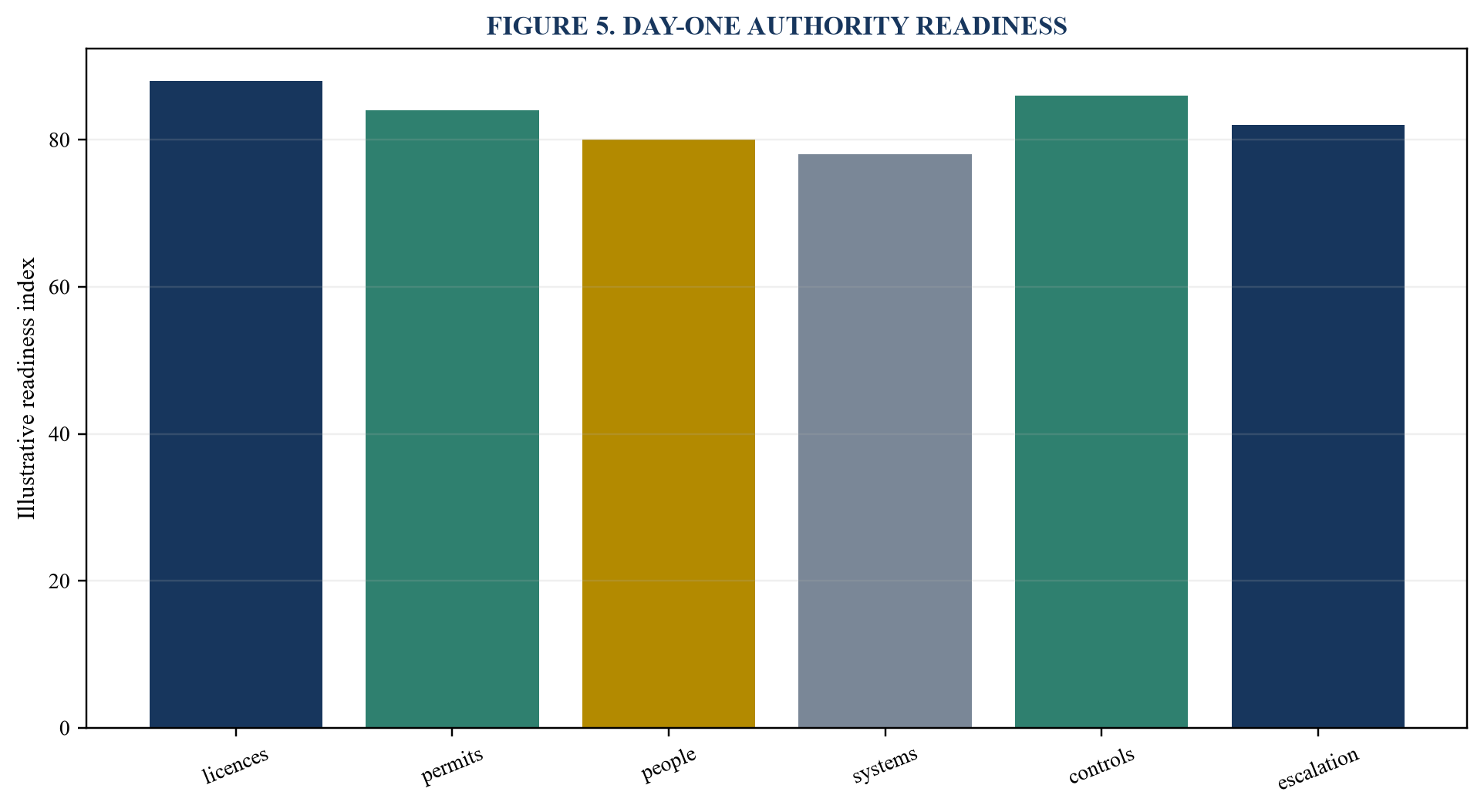
Values are illustrative readiness indices and require company-specific evidence.
References
- Competition and Markets Authority, Mergers guidance on jurisdiction and procedure, https://www.gov.uk/government/publications/mergers-guidance-on-the-cmas-jurisdiction-and-procedure
- UK Government, National Security and Investment Act guidance on acquisitions, https://www.gov.uk/guidance/national-security-and-investment-act-guidance-on-acquisitions
- UK Government, National Security and Investment Act notifiable acquisitions, https://www.gov.uk/government/publications/national-security-and-investment-act-guidance-on-notifiable-acquisitions
- Financial Conduct Authority, SUP 11 Controllers and close links, https://www.handbook.fca.org.uk/handbook/SUP/11/
- Prudential Regulation Authority, Change in control, https://www.bankofengland.co.uk/prudential-regulation/authorisations/change-in-control
- European Commission, EU merger control legislation, https://competition-policy.ec.europa.eu/mergers/legislation_en
- European Commission, Foreign Subsidies Regulation, https://single-market-economy.ec.europa.eu/single-market/public-procurement/foreign-subsidies-regulation_en
- European Central Bank, Qualifying holdings, https://www.bankingsupervision.europa.eu/activities/authorisation/html/qualifying_holdings.en.html
- European Commission, EU foreign direct investment screening, https://policy.trade.ec.europa.eu/enforcement-and-protection/investment-screening_en
- US Federal Trade Commission, HSR Rules, https://www.ftc.gov/legal-library/browse/rules/hsr-rules
- US Federal Trade Commission, Premerger Notification Program, https://www.ftc.gov/enforcement/premerger-notification-program
- US Department of Justice and Federal Trade Commission, Merger Guidelines, https://www.justice.gov/atr/2023-merger-guidelines
- Federal Communications Commission, Transactions and transfers of control, https://www.fcc.gov/licensing-databases/licensing/transactions
- Federal Energy Regulatory Commission, Mergers and Sections 201 and 203 transactions, https://www.ferc.gov/electric/general-information/mergers-and-sections-201-and-203-transactions
- US Department of the Treasury, CFIUS laws and guidance, https://home.treasury.gov/policy-issues/international/the-committee-on-foreign-investment-in-the-united-states-cfius/cfius-laws-and-guidance
- US Department of Commerce Bureau of Industry and Security, Export Administration Regulations, https://www.bis.gov/regulations/ear
- US Department of the Treasury, OFAC framework for compliance commitments, https://ofac.treasury.gov/media/16331/download?inline
- UAE Ministry of Economy and Tourism, Regulation of Competition, https://www.moet.gov.ae/en/regulation-of-competition
- UAE Legislation, Cabinet Resolution No 59 of 2026 executive regulations of the Competition Law, https://uaelegislation.gov.ae/en/legislations/4451/download
- UAE Ministry of Economy and Tourism, Cabinet Decision No 3 of 2025 competition thresholds, https://www.moet.gov.ae/documents/20121/0/Cabinet%2BDecision%2BNo.%2B%283%29%2Bof%2B2025%2BOn%2Bthe%2BRatios%2BRelated%2Bto%2Bthe%2BImplementation%2Bof%2BFederal%2BDecree-Law%2BNo.%2B%2836%29%2Bof%2B2023%2BRegulating%2BC.pdf
- Dubai Financial Services Authority, Rulebook, https://dfsaen.thomsonreuters.com/rulebook
- ADGM Financial Services Regulatory Authority, Legislation and guidance, https://www.adgm.com/operating-in-adgm/financial-services-regulatory-authority/legislation-and-guidance
- International Organization for Standardization, ISO 37301 compliance management systems, https://www.iso.org/standard/75080.html
- International Organization for Standardization, ISO 22301 business continuity management systems, https://www.iso.org/standard/75106.html
- International Organization for Standardization, ISO 31000 risk management, https://www.iso.org/iso-31000-risk-management.html
- IFRS Foundation, IFRS 3 Business Combinations, https://www.ifrs.org/issued-standards/list-of-standards/ifrs-3-business-combinations/
