

1. Define the market-entry objective
The entry team should state the customer, product, regulatory, operating and capital outcomes sought in each country. The required output is a market-entry thesis. Define the assertion, evidence, accountable owner, decision deadline and consequence of a gap [1][2].
Triangulate current law and regulator guidance with licences, contracts, operating records, customer evidence, interviews and independent checks. Record country, activity, source date and limitations because legal eligibility and commercial practice can change.
The principal risk is that partner selection can begin before the entrant has defined the problem the partner must solve. Assess effects on timing, control, cash flow, compliance, customers, localisation, valuation and exit. Compare the proposed partner route with a wholly owned, contractual or alternative-channel route on the same evidence base.
Translate the conclusion into structure, economics, milestones, information rights, remedies and monitoring. Retain the evidence and refresh it when ownership, regulation, capability, demand or the proposed activity changes.
2. Separate Gulf markets
The entry team should analyse the United Arab Emirates, Saudi Arabia, Qatar, Bahrain, Oman and Kuwait as distinct legal and commercial systems. The required output is a country-by-country entry map. Define the assertion, evidence, accountable owner, decision deadline and consequence of a gap [3][4].
Triangulate current law and regulator guidance with licences, contracts, operating records, customer evidence, interviews and independent checks. Record country, activity, source date and limitations because legal eligibility and commercial practice can change.
The principal risk is that a regional label can conceal material differences in ownership, licensing, procurement and demand. Assess effects on timing, control, cash flow, compliance, customers, localisation, valuation and exit. Compare the proposed partner route with a wholly owned, contractual or alternative-channel route on the same evidence base.
Translate the conclusion into structure, economics, milestones, information rights, remedies and monitoring. Retain the evidence and refresh it when ownership, regulation, capability, demand or the proposed activity changes.
3. Map permitted ownership
The entry team should verify whether the proposed activity permits full foreign ownership, needs approval or falls within a restricted category. The required output is an ownership eligibility schedule. Define the assertion, evidence, accountable owner, decision deadline and consequence of a gap [5][6].
Triangulate current law and regulator guidance with licences, contracts, operating records, customer evidence, interviews and independent checks. Record country, activity, source date and limitations because legal eligibility and commercial practice can change.
The principal risk is that an outdated assumption about mandatory local ownership can distort structure and economics. Assess effects on timing, control, cash flow, compliance, customers, localisation, valuation and exit. Compare the proposed partner route with a wholly owned, contractual or alternative-channel route on the same evidence base.
Translate the conclusion into structure, economics, milestones, information rights, remedies and monitoring. Retain the evidence and refresh it when ownership, regulation, capability, demand or the proposed activity changes.
4. Identify strategic and regulated activities
The entry team should test sector-specific restrictions for defence, finance, insurance, telecommunications, natural resources and other controlled fields. The required output is a regulatory perimeter memo. Define the assertion, evidence, accountable owner, decision deadline and consequence of a gap [6][7].
Triangulate current law and regulator guidance with licences, contracts, operating records, customer evidence, interviews and independent checks. Record country, activity, source date and limitations because legal eligibility and commercial practice can change.
The principal risk is that general investment rules can be displaced by specialist approvals and ownership conditions. Assess effects on timing, control, cash flow, compliance, customers, localisation, valuation and exit. Compare the proposed partner route with a wholly owned, contractual or alternative-channel route on the same evidence base.
Translate the conclusion into structure, economics, milestones, information rights, remedies and monitoring. Retain the evidence and refresh it when ownership, regulation, capability, demand or the proposed activity changes.
5. Compare establishment routes
The entry team should evaluate mainland company, free-zone entity, branch, representative office, distributor, agency, consortium and joint venture. The required output is an entry-route decision matrix. Define the assertion, evidence, accountable owner, decision deadline and consequence of a gap [5][8].
Triangulate current law and regulator guidance with licences, contracts, operating records, customer evidence, interviews and independent checks. Record country, activity, source date and limitations because legal eligibility and commercial practice can change.
The principal risk is that the easiest incorporation route can be unable to contract, hire, import or serve the target customer. Assess effects on timing, control, cash flow, compliance, customers, localisation, valuation and exit. Compare the proposed partner route with a wholly owned, contractual or alternative-channel route on the same evidence base.
Translate the conclusion into structure, economics, milestones, information rights, remedies and monitoring. Retain the evidence and refresh it when ownership, regulation, capability, demand or the proposed activity changes.
Table 1. Entry-route map
| Route | Best use | Primary test |
|---|---|---|
| wholly owned | direct control | licence eligibility |
| branch | parent execution | activity permission |
| contract | bounded capability | enforceable service |
| joint venture | combined assets | contribution evidence |
Illustrative analytical structure; verified jurisdiction and transaction evidence governs.
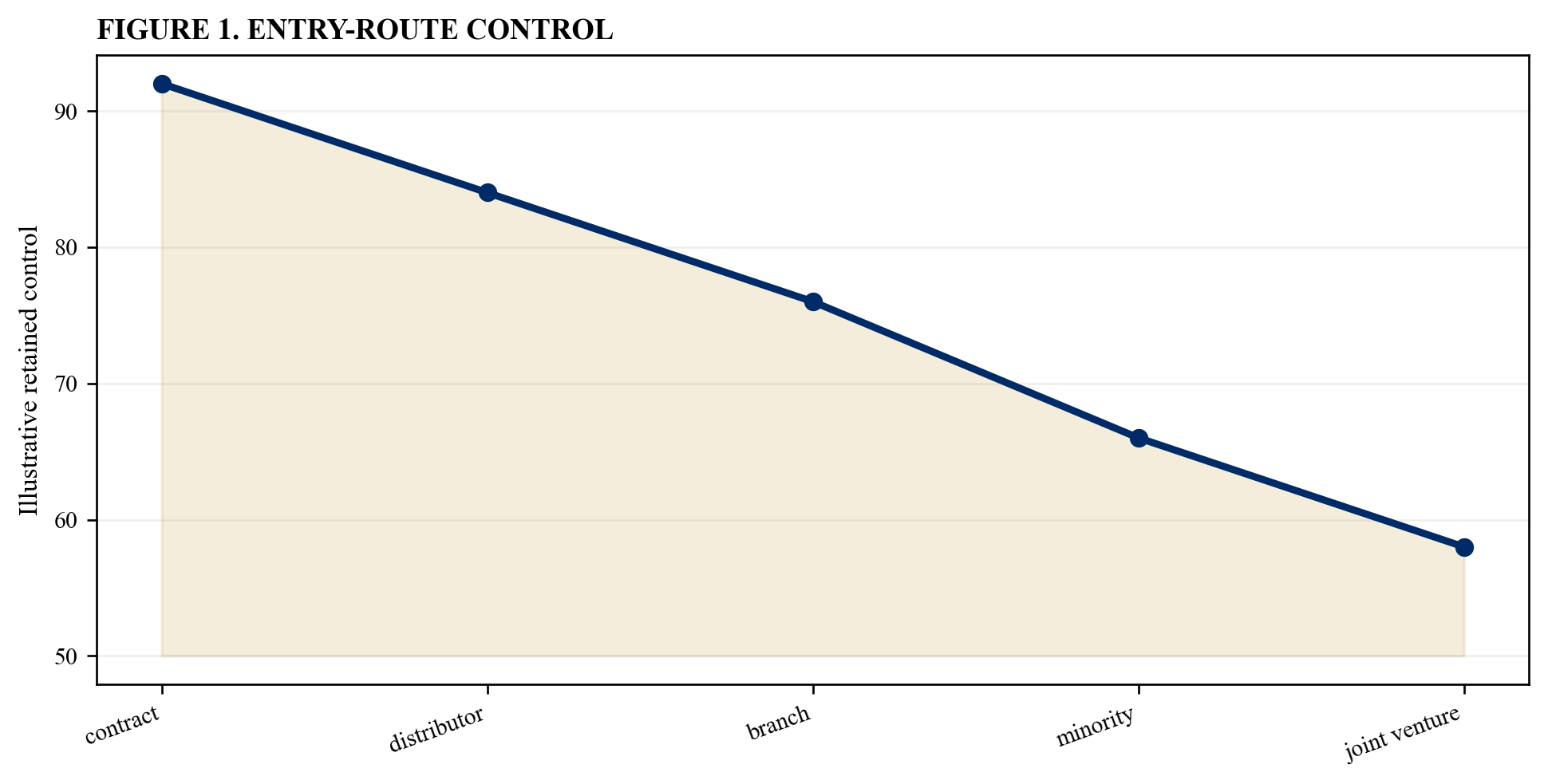
Illustrative analytical scenario; verified market evidence should replace index values.
6. Verify licences and sequencing
The entry team should map registrations, activity codes, regulator consents, premises, professional approvals and operating permits. The required output is a licence critical path. Define the assertion, evidence, accountable owner, decision deadline and consequence of a gap [7][9].
Triangulate current law and regulator guidance with licences, contracts, operating records, customer evidence, interviews and independent checks. Record country, activity, source date and limitations because legal eligibility and commercial practice can change.
The principal risk is that commercial commitments can precede the authority to perform them. Assess effects on timing, control, cash flow, compliance, customers, localisation, valuation and exit. Compare the proposed partner route with a wholly owned, contractual or alternative-channel route on the same evidence base.
Translate the conclusion into structure, economics, milestones, information rights, remedies and monitoring. Retain the evidence and refresh it when ownership, regulation, capability, demand or the proposed activity changes.
7. Test whether a partner is necessary
The entry team should distinguish legal requirement, procurement advantage, operating need, customer preference and convenience. The required output is a partner-necessity decision. Define the assertion, evidence, accountable owner, decision deadline and consequence of a gap [5][10].
Triangulate current law and regulator guidance with licences, contracts, operating records, customer evidence, interviews and independent checks. Record country, activity, source date and limitations because legal eligibility and commercial practice can change.
The principal risk is that an entrant can surrender economics or control for a benefit available through hiring or contracting. Assess effects on timing, control, cash flow, compliance, customers, localisation, valuation and exit. Compare the proposed partner route with a wholly owned, contractual or alternative-channel route on the same evidence base.
Translate the conclusion into structure, economics, milestones, information rights, remedies and monitoring. Retain the evidence and refresh it when ownership, regulation, capability, demand or the proposed activity changes.
8. Define the contribution hypothesis
The entry team should specify the access, assets, people, licences, capital, technology, supply chain or credibility expected. The required output is a contribution charter. Define the assertion, evidence, accountable owner, decision deadline and consequence of a gap [1][11].
Triangulate current law and regulator guidance with licences, contracts, operating records, customer evidence, interviews and independent checks. Record country, activity, source date and limitations because legal eligibility and commercial practice can change.
The principal risk is that the word local can substitute for a measurable operating role. Assess effects on timing, control, cash flow, compliance, customers, localisation, valuation and exit. Compare the proposed partner route with a wholly owned, contractual or alternative-channel route on the same evidence base.
Translate the conclusion into structure, economics, milestones, information rights, remedies and monitoring. Retain the evidence and refresh it when ownership, regulation, capability, demand or the proposed activity changes.
9. Verify customer access
The entry team should require named segments, lawful introductions, prior conversion evidence, decision routes and account ownership. The required output is an access evidence map. Define the assertion, evidence, accountable owner, decision deadline and consequence of a gap [12][13].
Triangulate current law and regulator guidance with licences, contracts, operating records, customer evidence, interviews and independent checks. Record country, activity, source date and limitations because legal eligibility and commercial practice can change.
The principal risk is that claimed relationships can be personal, non-exclusive, outdated or unable to convert. Assess effects on timing, control, cash flow, compliance, customers, localisation, valuation and exit. Compare the proposed partner route with a wholly owned, contractual or alternative-channel route on the same evidence base.
Translate the conclusion into structure, economics, milestones, information rights, remedies and monitoring. Retain the evidence and refresh it when ownership, regulation, capability, demand or the proposed activity changes.
Table 2. Access-evidence ladder
| Level | Evidence | Confidence |
|---|---|---|
| assertion | relationship claim | low |
| introduction | named meeting | developing |
| permission | customer consent | moderate |
| conversion | contract and cash | high |
Illustrative analytical structure; verified jurisdiction and transaction evidence governs.
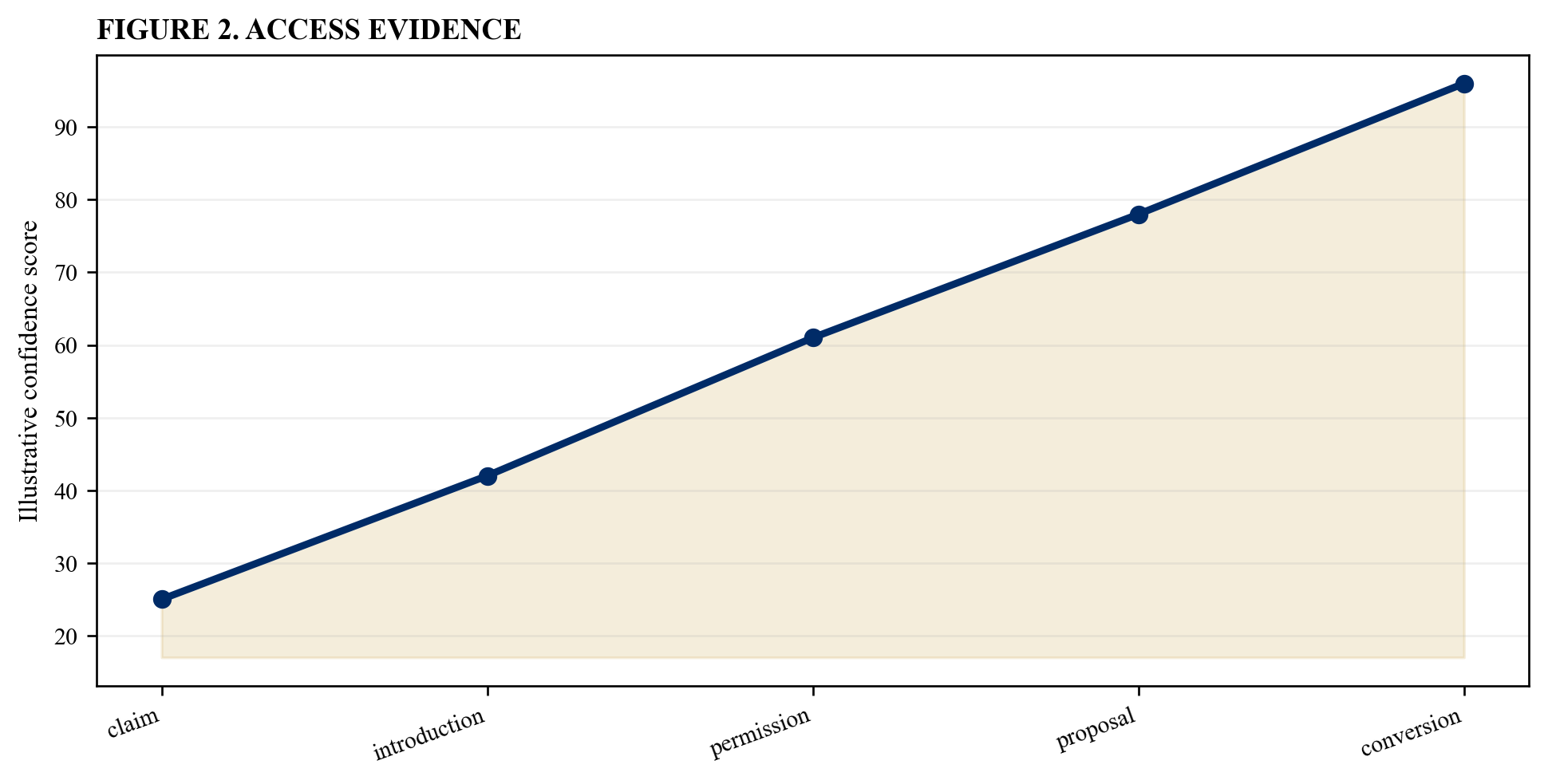
Illustrative analytical scenario; verified market evidence should replace index values.
10. Assess public-sector interfaces
The entry team should map procurement rules, tender portals, prequalification, conflicts, gifts, agents and decision transparency. The required output is a public-sector access protocol. Define the assertion, evidence, accountable owner, decision deadline and consequence of a gap [14][15].
Triangulate current law and regulator guidance with licences, contracts, operating records, customer evidence, interviews and independent checks. Record country, activity, source date and limitations because legal eligibility and commercial practice can change.
The principal risk is that informal access claims can create bribery, eligibility and reputation exposure. Assess effects on timing, control, cash flow, compliance, customers, localisation, valuation and exit. Compare the proposed partner route with a wholly owned, contractual or alternative-channel route on the same evidence base.
Translate the conclusion into structure, economics, milestones, information rights, remedies and monitoring. Retain the evidence and refresh it when ownership, regulation, capability, demand or the proposed activity changes.
11. Model local-content requirements
The entry team should quantify in-country procurement, manufacturing, employment, investment, research and technology contributions. The required output is a local-content plan. Define the assertion, evidence, accountable owner, decision deadline and consequence of a gap [16][17].
Triangulate current law and regulator guidance with licences, contracts, operating records, customer evidence, interviews and independent checks. Record country, activity, source date and limitations because legal eligibility and commercial practice can change.
The principal risk is that a partner can promise localisation without the assets or economics needed to deliver it. Assess effects on timing, control, cash flow, compliance, customers, localisation, valuation and exit. Compare the proposed partner route with a wholly owned, contractual or alternative-channel route on the same evidence base.
Translate the conclusion into structure, economics, milestones, information rights, remedies and monitoring. Retain the evidence and refresh it when ownership, regulation, capability, demand or the proposed activity changes.
12. Test procurement competitiveness
The entry team should compare price, quality, certification, delivery, localisation score and supplier-development capability. The required output is a bid-competitiveness model. Define the assertion, evidence, accountable owner, decision deadline and consequence of a gap [16][18].
Triangulate current law and regulator guidance with licences, contracts, operating records, customer evidence, interviews and independent checks. Record country, activity, source date and limitations because legal eligibility and commercial practice can change.
The principal risk is that local presence can increase fixed cost without improving tender outcomes. Assess effects on timing, control, cash flow, compliance, customers, localisation, valuation and exit. Compare the proposed partner route with a wholly owned, contractual or alternative-channel route on the same evidence base.
Translate the conclusion into structure, economics, milestones, information rights, remedies and monitoring. Retain the evidence and refresh it when ownership, regulation, capability, demand or the proposed activity changes.
13. Verify operating capability
The entry team should inspect facilities, systems, licences, equipment, processes, quality controls and continuity resources. The required output is an operating-readiness report. Define the assertion, evidence, accountable owner, decision deadline and consequence of a gap [19][20].
Triangulate current law and regulator guidance with licences, contracts, operating records, customer evidence, interviews and independent checks. Record country, activity, source date and limitations because legal eligibility and commercial practice can change.
The principal risk is that a credentialed group can lack the operating unit required for the mandate. Assess effects on timing, control, cash flow, compliance, customers, localisation, valuation and exit. Compare the proposed partner route with a wholly owned, contractual or alternative-channel route on the same evidence base.
Translate the conclusion into structure, economics, milestones, information rights, remedies and monitoring. Retain the evidence and refresh it when ownership, regulation, capability, demand or the proposed activity changes.
14. Assess talent and national-workforce capacity
The entry team should verify leadership, specialist staff, recruitment channels, training, succession and localisation obligations. The required output is a workforce capability plan. Define the assertion, evidence, accountable owner, decision deadline and consequence of a gap [21][22].
Triangulate current law and regulator guidance with licences, contracts, operating records, customer evidence, interviews and independent checks. Record country, activity, source date and limitations because legal eligibility and commercial practice can change.
The principal risk is that named personnel can be unavailable while localisation remains an unfunded promise. Assess effects on timing, control, cash flow, compliance, customers, localisation, valuation and exit. Compare the proposed partner route with a wholly owned, contractual or alternative-channel route on the same evidence base.
Translate the conclusion into structure, economics, milestones, information rights, remedies and monitoring. Retain the evidence and refresh it when ownership, regulation, capability, demand or the proposed activity changes.
15. Evaluate supply-chain depth
The entry team should map qualified suppliers, logistics, customs, inventory, service coverage and substitution options. The required output is a supply-chain evidence pack. Define the assertion, evidence, accountable owner, decision deadline and consequence of a gap [18][23].
Triangulate current law and regulator guidance with licences, contracts, operating records, customer evidence, interviews and independent checks. Record country, activity, source date and limitations because legal eligibility and commercial practice can change.
The principal risk is that an entrant can inherit concentration, delay or quality risk from a thin local network. Assess effects on timing, control, cash flow, compliance, customers, localisation, valuation and exit. Compare the proposed partner route with a wholly owned, contractual or alternative-channel route on the same evidence base.
Translate the conclusion into structure, economics, milestones, information rights, remedies and monitoring. Retain the evidence and refresh it when ownership, regulation, capability, demand or the proposed activity changes.
16. Validate technology-transfer capacity
The entry team should define contributed IP, implementation skills, data rights, training, support and localisation milestones. The required output is a technology-transfer schedule. Define the assertion, evidence, accountable owner, decision deadline and consequence of a gap [24][25].
Triangulate current law and regulator guidance with licences, contracts, operating records, customer evidence, interviews and independent checks. Record country, activity, source date and limitations because legal eligibility and commercial practice can change.
The principal risk is that technology transfer can become a slogan without rights, budget, people or acceptance tests. Assess effects on timing, control, cash flow, compliance, customers, localisation, valuation and exit. Compare the proposed partner route with a wholly owned, contractual or alternative-channel route on the same evidence base.
Translate the conclusion into structure, economics, milestones, information rights, remedies and monitoring. Retain the evidence and refresh it when ownership, regulation, capability, demand or the proposed activity changes.
17. Assess capital contribution
The entry team should verify funding source, timing, currency, downside capacity, guarantees and competing commitments. The required output is a funding-capacity certificate. Define the assertion, evidence, accountable owner, decision deadline and consequence of a gap [26][27].
Triangulate current law and regulator guidance with licences, contracts, operating records, customer evidence, interviews and independent checks. Record country, activity, source date and limitations because legal eligibility and commercial practice can change.
The principal risk is that headline wealth or group scale can overstate cash available to the venture. Assess effects on timing, control, cash flow, compliance, customers, localisation, valuation and exit. Compare the proposed partner route with a wholly owned, contractual or alternative-channel route on the same evidence base.
Translate the conclusion into structure, economics, milestones, information rights, remedies and monitoring. Retain the evidence and refresh it when ownership, regulation, capability, demand or the proposed activity changes.
18. Test integrity and ownership
The entry team should verify beneficial owners, controllers, politically exposed persons, sanctions exposure and enforcement history. The required output is an integrity and control assessment. Define the assertion, evidence, accountable owner, decision deadline and consequence of a gap [28][29].
Triangulate current law and regulator guidance with licences, contracts, operating records, customer evidence, interviews and independent checks. Record country, activity, source date and limitations because legal eligibility and commercial practice can change.
The principal risk is that reputation can obscure indirect control or compliance risk. Assess effects on timing, control, cash flow, compliance, customers, localisation, valuation and exit. Compare the proposed partner route with a wholly owned, contractual or alternative-channel route on the same evidence base.
Translate the conclusion into structure, economics, milestones, information rights, remedies and monitoring. Retain the evidence and refresh it when ownership, regulation, capability, demand or the proposed activity changes.
19. Map partner incentives
The entry team should identify financial returns, strategic learning, customer control, procurement, employment, status and exit motives. The required output is an incentive map. Define the assertion, evidence, accountable owner, decision deadline and consequence of a gap [1][30].
Triangulate current law and regulator guidance with licences, contracts, operating records, customer evidence, interviews and independent checks. Record country, activity, source date and limitations because legal eligibility and commercial practice can change.
The principal risk is that the partner can optimise adjacent benefits that reduce venture value. Assess effects on timing, control, cash flow, compliance, customers, localisation, valuation and exit. Compare the proposed partner route with a wholly owned, contractual or alternative-channel route on the same evidence base.
Translate the conclusion into structure, economics, milestones, information rights, remedies and monitoring. Retain the evidence and refresh it when ownership, regulation, capability, demand or the proposed activity changes.
20. Value contributions separately
The entry team should price cash, assets, licences, people, services, customers, data and IP using suitable evidence. The required output is a contribution valuation. Define the assertion, evidence, accountable owner, decision deadline and consequence of a gap [26][31].
Triangulate current law and regulator guidance with licences, contracts, operating records, customer evidence, interviews and independent checks. Record country, activity, source date and limitations because legal eligibility and commercial practice can change.
The principal risk is that bundled partner economics can reward unverified access indefinitely. Assess effects on timing, control, cash flow, compliance, customers, localisation, valuation and exit. Compare the proposed partner route with a wholly owned, contractual or alternative-channel route on the same evidence base.
Translate the conclusion into structure, economics, milestones, information rights, remedies and monitoring. Retain the evidence and refresh it when ownership, regulation, capability, demand or the proposed activity changes.
Table 3. Contribution scorecard
| Contribution | Evidence | Economic treatment |
|---|---|---|
| cash | funds received | capital |
| asset | title and availability | valued contribution |
| service | accepted deliverable | fee |
| access | converted revenue | performance reward |
Illustrative analytical structure; verified jurisdiction and transaction evidence governs.
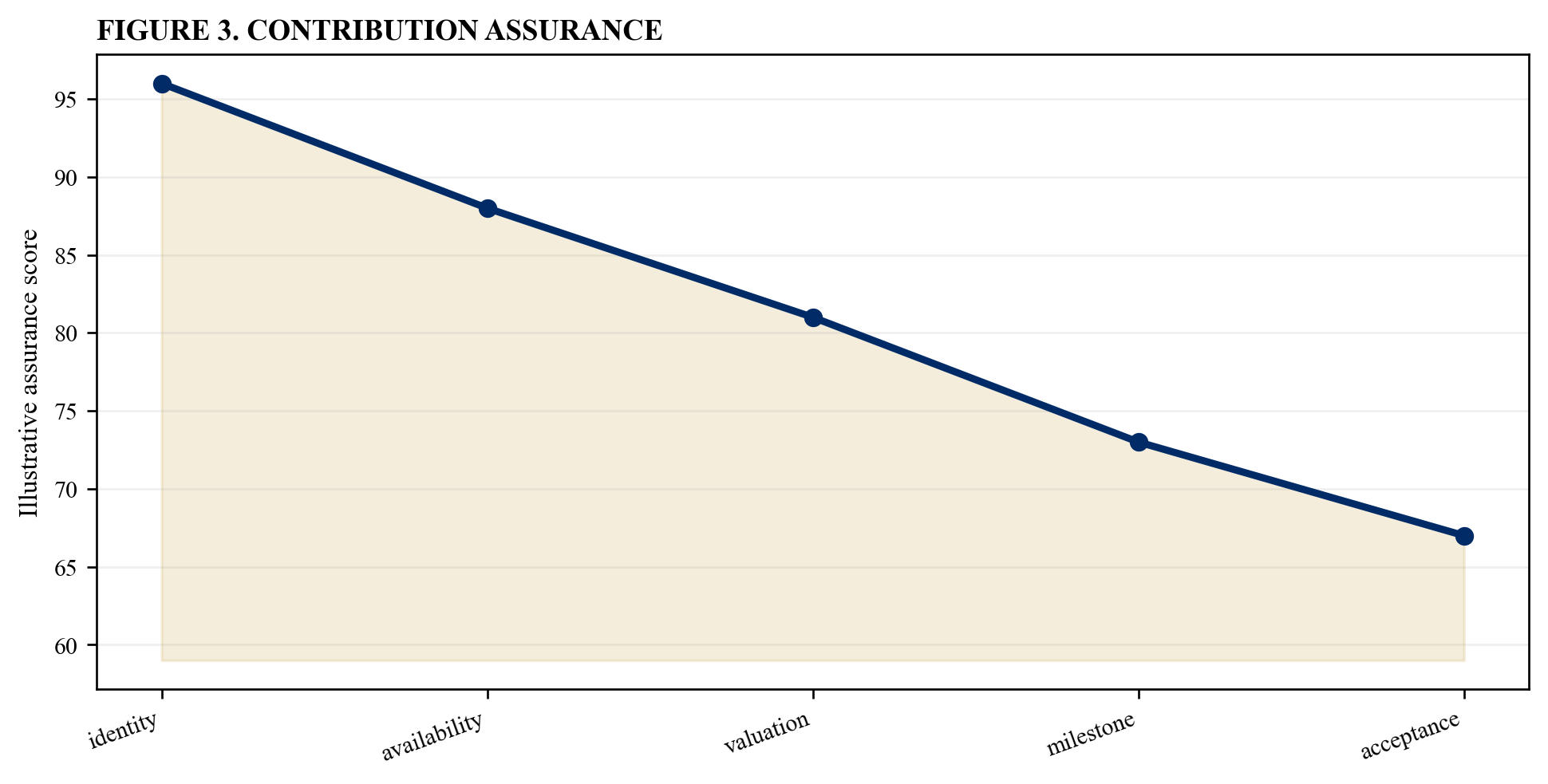
Illustrative analytical scenario; verified market evidence should replace index values.
21. Match economics to delivery
The entry team should link equity, fees, commissions, milestones and distributions to verified contribution and performance. The required output is a performance-linked economic model. Define the assertion, evidence, accountable owner, decision deadline and consequence of a gap [30][32].
Triangulate current law and regulator guidance with licences, contracts, operating records, customer evidence, interviews and independent checks. Record country, activity, source date and limitations because legal eligibility and commercial practice can change.
The principal risk is that upfront ownership can become irreversible before capability is proven. Assess effects on timing, control, cash flow, compliance, customers, localisation, valuation and exit. Compare the proposed partner route with a wholly owned, contractual or alternative-channel route on the same evidence base.
Translate the conclusion into structure, economics, milestones, information rights, remedies and monitoring. Retain the evidence and refresh it when ownership, regulation, capability, demand or the proposed activity changes.
22. Choose the minimum sufficient structure
The entry team should compare contract, distribution, managed service, consortium, minority stake and joint venture. The required output is a structure-selection memo. Define the assertion, evidence, accountable owner, decision deadline and consequence of a gap [8][33].
Triangulate current law and regulator guidance with licences, contracts, operating records, customer evidence, interviews and independent checks. Record country, activity, source date and limitations because legal eligibility and commercial practice can change.
The principal risk is that a joint venture can add governance and exit complexity to a problem solvable by contract. Assess effects on timing, control, cash flow, compliance, customers, localisation, valuation and exit. Compare the proposed partner route with a wholly owned, contractual or alternative-channel route on the same evidence base.
Translate the conclusion into structure, economics, milestones, information rights, remedies and monitoring. Retain the evidence and refresh it when ownership, regulation, capability, demand or the proposed activity changes.
23. Stage commitment
The entry team should progress from discovery to pilot, commercial scale and deeper ownership against evidence gates. The required output is a staged-entry roadmap. Define the assertion, evidence, accountable owner, decision deadline and consequence of a gap [12][20].
Triangulate current law and regulator guidance with licences, contracts, operating records, customer evidence, interviews and independent checks. Record country, activity, source date and limitations because legal eligibility and commercial practice can change.
The principal risk is that a single irreversible launch can crystallise avoidable dependency. Assess effects on timing, control, cash flow, compliance, customers, localisation, valuation and exit. Compare the proposed partner route with a wholly owned, contractual or alternative-channel route on the same evidence base.
Translate the conclusion into structure, economics, milestones, information rights, remedies and monitoring. Retain the evidence and refresh it when ownership, regulation, capability, demand or the proposed activity changes.
Table 4. Staged commitment
| Stage | Gate | Exposure |
|---|---|---|
| discovery | eligibility verified | limited |
| pilot | capability proven | bounded |
| scale | unit economics proven | controlled |
| ownership | alignment demonstrated | structural |
Illustrative analytical structure; verified jurisdiction and transaction evidence governs.
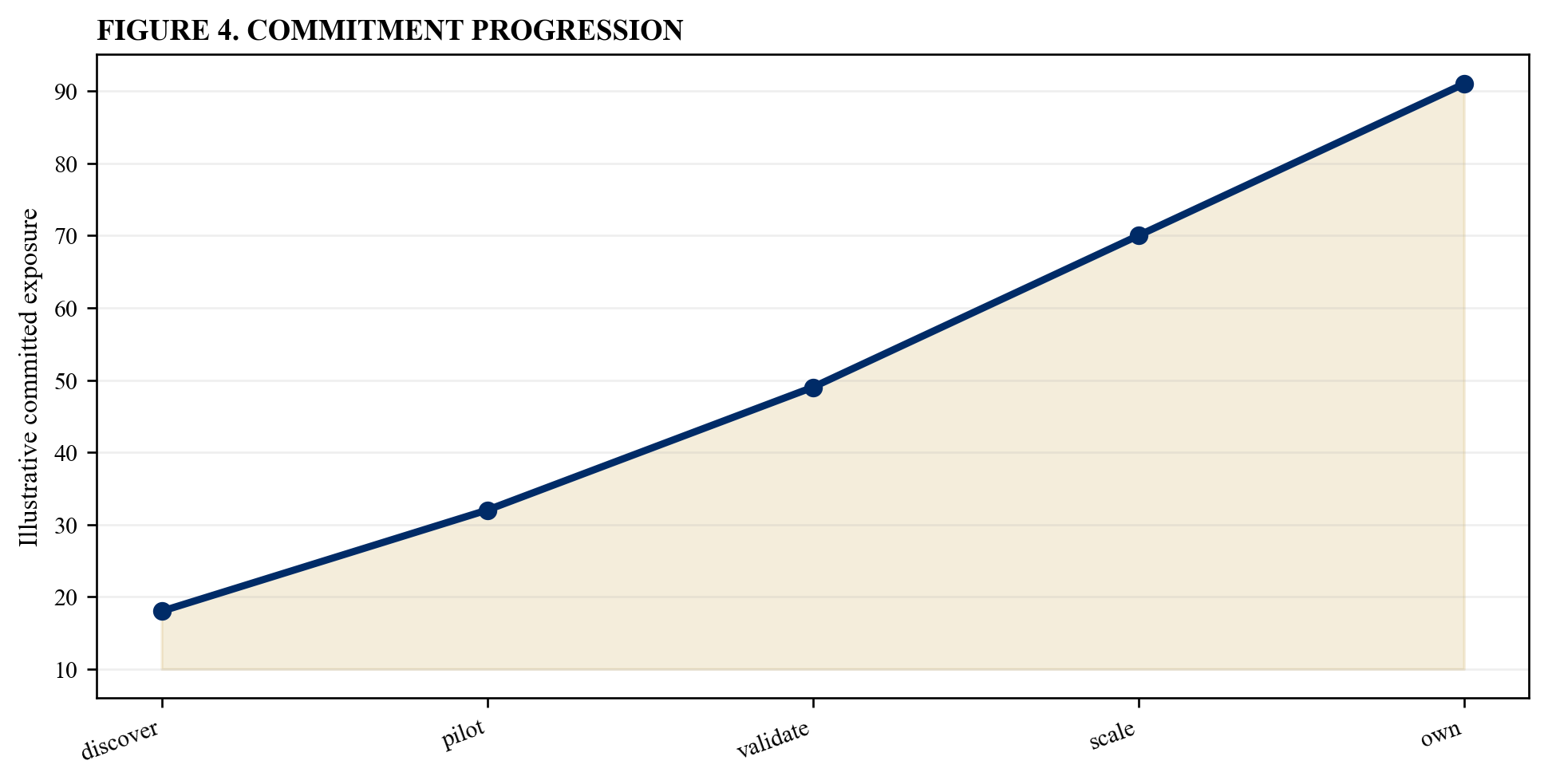
Illustrative analytical scenario; verified market evidence should replace index values.
24. Design exclusivity narrowly
The entry team should define product, customer, geography, channel, duration, milestones and carve-outs. The required output is an exclusivity schedule. Define the assertion, evidence, accountable owner, decision deadline and consequence of a gap [13][34].
Triangulate current law and regulator guidance with licences, contracts, operating records, customer evidence, interviews and independent checks. Record country, activity, source date and limitations because legal eligibility and commercial practice can change.
The principal risk is that broad exclusivity can remove alternatives while the partner underperforms. Assess effects on timing, control, cash flow, compliance, customers, localisation, valuation and exit. Compare the proposed partner route with a wholly owned, contractual or alternative-channel route on the same evidence base.
Translate the conclusion into structure, economics, milestones, information rights, remedies and monitoring. Retain the evidence and refresh it when ownership, regulation, capability, demand or the proposed activity changes.
25. Allocate customer ownership
The entry team should define lead registration, account control, pricing, contracting, collections, data and post-termination rights. The required output is a customer-governance protocol. Define the assertion, evidence, accountable owner, decision deadline and consequence of a gap [13][35].
Triangulate current law and regulator guidance with licences, contracts, operating records, customer evidence, interviews and independent checks. Record country, activity, source date and limitations because legal eligibility and commercial practice can change.
The principal risk is that disputes over relationship ownership can freeze revenue and exit. Assess effects on timing, control, cash flow, compliance, customers, localisation, valuation and exit. Compare the proposed partner route with a wholly owned, contractual or alternative-channel route on the same evidence base.
Translate the conclusion into structure, economics, milestones, information rights, remedies and monitoring. Retain the evidence and refresh it when ownership, regulation, capability, demand or the proposed activity changes.
26. Set decision rights
The entry team should allocate shareholder, board, committee and management authority with measurable thresholds. The required output is a governance and delegation matrix. Define the assertion, evidence, accountable owner, decision deadline and consequence of a gap [33][36].
Triangulate current law and regulator guidance with licences, contracts, operating records, customer evidence, interviews and independent checks. Record country, activity, source date and limitations because legal eligibility and commercial practice can change.
The principal risk is that status can translate into informal vetoes outside the documents. Assess effects on timing, control, cash flow, compliance, customers, localisation, valuation and exit. Compare the proposed partner route with a wholly owned, contractual or alternative-channel route on the same evidence base.
Translate the conclusion into structure, economics, milestones, information rights, remedies and monitoring. Retain the evidence and refresh it when ownership, regulation, capability, demand or the proposed activity changes.
27. Protect competition-sensitive information
The entry team should limit prices, customers, capacity, strategy and wage data to necessary recipients. The required output is a clean-team protocol. Define the assertion, evidence, accountable owner, decision deadline and consequence of a gap [34][37].
Triangulate current law and regulator guidance with licences, contracts, operating records, customer evidence, interviews and independent checks. Record country, activity, source date and limitations because legal eligibility and commercial practice can change.
The principal risk is that a local alliance can facilitate unlawful information exchange between competitors. Assess effects on timing, control, cash flow, compliance, customers, localisation, valuation and exit. Compare the proposed partner route with a wholly owned, contractual or alternative-channel route on the same evidence base.
Translate the conclusion into structure, economics, milestones, information rights, remedies and monitoring. Retain the evidence and refresh it when ownership, regulation, capability, demand or the proposed activity changes.
28. Control related-party transactions
The entry team should identify affiliates, require comparable pricing, manage conflicts and preserve audit evidence. The required output is a related-party policy. Define the assertion, evidence, accountable owner, decision deadline and consequence of a gap [30][32].
Triangulate current law and regulator guidance with licences, contracts, operating records, customer evidence, interviews and independent checks. Record country, activity, source date and limitations because legal eligibility and commercial practice can change.
The principal risk is that value can migrate to partner affiliates through procurement, property or services. Assess effects on timing, control, cash flow, compliance, customers, localisation, valuation and exit. Compare the proposed partner route with a wholly owned, contractual or alternative-channel route on the same evidence base.
Translate the conclusion into structure, economics, milestones, information rights, remedies and monitoring. Retain the evidence and refresh it when ownership, regulation, capability, demand or the proposed activity changes.
29. Build compliance into operations
The entry team should align anti-bribery, AML, sanctions, data, labour, safety and whistleblowing controls. The required output is an integrated compliance plan. Define the assertion, evidence, accountable owner, decision deadline and consequence of a gap [15][28].
Triangulate current law and regulator guidance with licences, contracts, operating records, customer evidence, interviews and independent checks. Record country, activity, source date and limitations because legal eligibility and commercial practice can change.
The principal risk is that global policy can fail without local ownership, training and escalation. Assess effects on timing, control, cash flow, compliance, customers, localisation, valuation and exit. Compare the proposed partner route with a wholly owned, contractual or alternative-channel route on the same evidence base.
Translate the conclusion into structure, economics, milestones, information rights, remedies and monitoring. Retain the evidence and refresh it when ownership, regulation, capability, demand or the proposed activity changes.
30. Localise contracts and disputes
The entry team should select governing law, courts or arbitration, language, service, interim relief and enforcement routes. The required output is a dispute-resolution map. Define the assertion, evidence, accountable owner, decision deadline and consequence of a gap [38][39].
Triangulate current law and regulator guidance with licences, contracts, operating records, customer evidence, interviews and independent checks. Record country, activity, source date and limitations because legal eligibility and commercial practice can change.
The principal risk is that a favourable clause can be slow or difficult to enforce against the relevant assets. Assess effects on timing, control, cash flow, compliance, customers, localisation, valuation and exit. Compare the proposed partner route with a wholly owned, contractual or alternative-channel route on the same evidence base.
Translate the conclusion into structure, economics, milestones, information rights, remedies and monitoring. Retain the evidence and refresh it when ownership, regulation, capability, demand or the proposed activity changes.
31. Protect intellectual property and data
The entry team should define ownership, licences, localisation, cyber controls, permitted use, portability and return. The required output is an IP-and-data rights schedule. Define the assertion, evidence, accountable owner, decision deadline and consequence of a gap [24][25].
Triangulate current law and regulator guidance with licences, contracts, operating records, customer evidence, interviews and independent checks. Record country, activity, source date and limitations because legal eligibility and commercial practice can change.
The principal risk is that the partner can gain strategic assets beyond the intended collaboration. Assess effects on timing, control, cash flow, compliance, customers, localisation, valuation and exit. Compare the proposed partner route with a wholly owned, contractual or alternative-channel route on the same evidence base.
Translate the conclusion into structure, economics, milestones, information rights, remedies and monitoring. Retain the evidence and refresh it when ownership, regulation, capability, demand or the proposed activity changes.
32. Plan tax and cash movement
The entry team should model corporate tax, withholding, transfer pricing, customs, permanent establishment and repatriation. The required output is a tax-and-cash bridge. Define the assertion, evidence, accountable owner, decision deadline and consequence of a gap [40][27].
Triangulate current law and regulator guidance with licences, contracts, operating records, customer evidence, interviews and independent checks. Record country, activity, source date and limitations because legal eligibility and commercial practice can change.
The principal risk is that gross economics can diverge materially from distributable cash. Assess effects on timing, control, cash flow, compliance, customers, localisation, valuation and exit. Compare the proposed partner route with a wholly owned, contractual or alternative-channel route on the same evidence base.
Translate the conclusion into structure, economics, milestones, information rights, remedies and monitoring. Retain the evidence and refresh it when ownership, regulation, capability, demand or the proposed activity changes.
33. Measure partner performance
The entry team should set leading and lagging indicators for access, conversion, delivery, local content, compliance and cash. The required output is a partner performance scorecard. Define the assertion, evidence, accountable owner, decision deadline and consequence of a gap [11][20].
Triangulate current law and regulator guidance with licences, contracts, operating records, customer evidence, interviews and independent checks. Record country, activity, source date and limitations because legal eligibility and commercial practice can change.
The principal risk is that activity measures can mask weak customer conversion or poor economics. Assess effects on timing, control, cash flow, compliance, customers, localisation, valuation and exit. Compare the proposed partner route with a wholly owned, contractual or alternative-channel route on the same evidence base.
Translate the conclusion into structure, economics, milestones, information rights, remedies and monitoring. Retain the evidence and refresh it when ownership, regulation, capability, demand or the proposed activity changes.
34. Create evidence-based remedies
The entry team should use cure plans, fee adjustment, scope reduction, suspension, step-in and termination proportionately. The required output is a remedies ladder. Define the assertion, evidence, accountable owner, decision deadline and consequence of a gap [32][36].
Triangulate current law and regulator guidance with licences, contracts, operating records, customer evidence, interviews and independent checks. Record country, activity, source date and limitations because legal eligibility and commercial practice can change.
The principal risk is that governance can identify underperformance without producing a practical response. Assess effects on timing, control, cash flow, compliance, customers, localisation, valuation and exit. Compare the proposed partner route with a wholly owned, contractual or alternative-channel route on the same evidence base.
Translate the conclusion into structure, economics, milestones, information rights, remedies and monitoring. Retain the evidence and refresh it when ownership, regulation, capability, demand or the proposed activity changes.
35. Monitor regulatory change
The entry team should assign ownership for investment, licensing, procurement, labour, tax, sanctions and sector updates. The required output is a regulatory monitoring calendar. Define the assertion, evidence, accountable owner, decision deadline and consequence of a gap [3][7].
Triangulate current law and regulator guidance with licences, contracts, operating records, customer evidence, interviews and independent checks. Record country, activity, source date and limitations because legal eligibility and commercial practice can change.
The principal risk is that a lawful structure can become non-compliant or commercially obsolete. Assess effects on timing, control, cash flow, compliance, customers, localisation, valuation and exit. Compare the proposed partner route with a wholly owned, contractual or alternative-channel route on the same evidence base.
Translate the conclusion into structure, economics, milestones, information rights, remedies and monitoring. Retain the evidence and refresh it when ownership, regulation, capability, demand or the proposed activity changes.
36. Preserve alternatives
The entry team should maintain internal capability, additional channels, suppliers and customer relationships where permitted. The required output is a dependency-control plan. Define the assertion, evidence, accountable owner, decision deadline and consequence of a gap [12][23].
Triangulate current law and regulator guidance with licences, contracts, operating records, customer evidence, interviews and independent checks. Record country, activity, source date and limitations because legal eligibility and commercial practice can change.
The principal risk is that the entrant can lose bargaining power as local knowledge concentrates in one partner. Assess effects on timing, control, cash flow, compliance, customers, localisation, valuation and exit. Compare the proposed partner route with a wholly owned, contractual or alternative-channel route on the same evidence base.
Translate the conclusion into structure, economics, milestones, information rights, remedies and monitoring. Retain the evidence and refresh it when ownership, regulation, capability, demand or the proposed activity changes.
37. Design exit portability
The entry team should secure licences, customers, data, IP, staff, inventory, records and transition support. The required output is an exit-readiness plan. Define the assertion, evidence, accountable owner, decision deadline and consequence of a gap [24][35].
Triangulate current law and regulator guidance with licences, contracts, operating records, customer evidence, interviews and independent checks. Record country, activity, source date and limitations because legal eligibility and commercial practice can change.
The principal risk is that termination can be legally available and operationally unusable. Assess effects on timing, control, cash flow, compliance, customers, localisation, valuation and exit. Compare the proposed partner route with a wholly owned, contractual or alternative-channel route on the same evidence base.
Translate the conclusion into structure, economics, milestones, information rights, remedies and monitoring. Retain the evidence and refresh it when ownership, regulation, capability, demand or the proposed activity changes.
38. Test the downside case
The entry team should model delayed licensing, failed tenders, missed localisation, funding default and partner conflict. The required output is a downside scenario model. Define the assertion, evidence, accountable owner, decision deadline and consequence of a gap [20][26].
Triangulate current law and regulator guidance with licences, contracts, operating records, customer evidence, interviews and independent checks. Record country, activity, source date and limitations because legal eligibility and commercial practice can change.
The principal risk is that base-case enthusiasm can hide cash burn and stranded commitments. Assess effects on timing, control, cash flow, compliance, customers, localisation, valuation and exit. Compare the proposed partner route with a wholly owned, contractual or alternative-channel route on the same evidence base.
Translate the conclusion into structure, economics, milestones, information rights, remedies and monitoring. Retain the evidence and refresh it when ownership, regulation, capability, demand or the proposed activity changes.
39. Approve country by country
The entry team should require an authorised decision on structure, partner, economics, conditions and residual risk for each market. The required output is a country approval memorandum. Define the assertion, evidence, accountable owner, decision deadline and consequence of a gap [2][3].
Triangulate current law and regulator guidance with licences, contracts, operating records, customer evidence, interviews and independent checks. Record country, activity, source date and limitations because legal eligibility and commercial practice can change.
The principal risk is that regional approval can bypass the evidence needed for a specific jurisdiction. Assess effects on timing, control, cash flow, compliance, customers, localisation, valuation and exit. Compare the proposed partner route with a wholly owned, contractual or alternative-channel route on the same evidence base.
Translate the conclusion into structure, economics, milestones, information rights, remedies and monitoring. Retain the evidence and refresh it when ownership, regulation, capability, demand or the proposed activity changes.
40. Issue the market-entry certificate
The entry team should reconcile ownership, licences, evidence, valuation, economics, governance, compliance, milestones and exit. The required output is an auditable market-entry certificate. Define the assertion, evidence, accountable owner, decision deadline and consequence of a gap [1][5].
Triangulate current law and regulator guidance with licences, contracts, operating records, customer evidence, interviews and independent checks. Record country, activity, source date and limitations because legal eligibility and commercial practice can change.
The principal risk is that the rationale can disappear while partner rights and dependencies persist. Assess effects on timing, control, cash flow, compliance, customers, localisation, valuation and exit. Compare the proposed partner route with a wholly owned, contractual or alternative-channel route on the same evidence base.
Translate the conclusion into structure, economics, milestones, information rights, remedies and monitoring. Retain the evidence and refresh it when ownership, regulation, capability, demand or the proposed activity changes.
Table 5. Market-entry certificate
| Conclusion | Evidence | Owner |
|---|---|---|
| entry route | licence map | legal |
| partner capability | test results | operations |
| economics | valuation model | finance |
| residual risk | approval record | board |
Illustrative analytical structure; verified jurisdiction and transaction evidence governs.
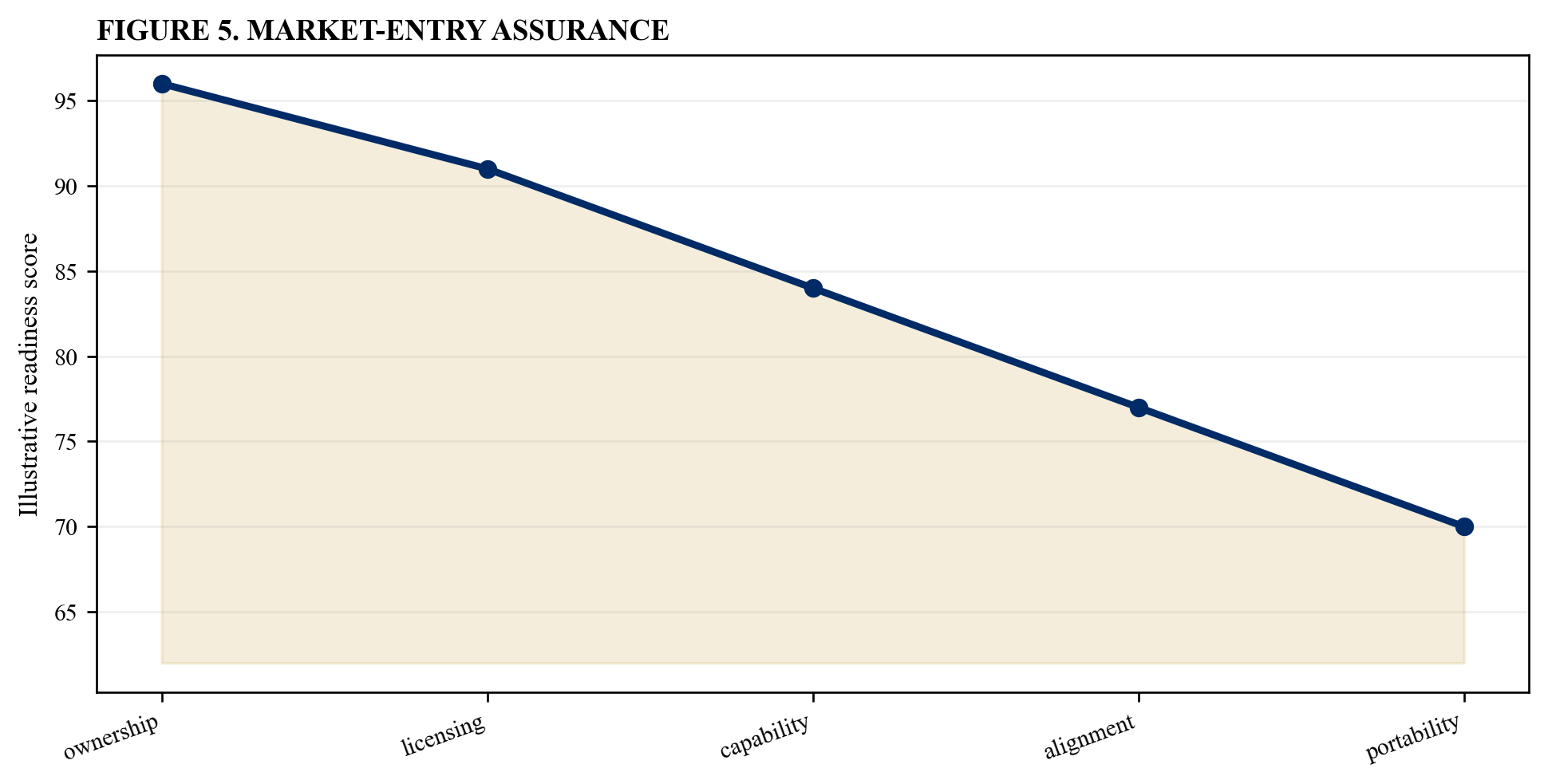
Illustrative analytical scenario; verified market evidence should replace index values.
References
- OECD, G20/OECD Principles of Corporate Governance 2023, https://www.oecd.org/en/publications/g20-oecd-principles-of-corporate-governance-2023_ed750b30-en.html
- World Bank, Business Ready, https://www.worldbank.org/en/businessready
- Gulf Cooperation Council, Economic Agreement between the GCC States, https://www.gcc-sg.org/en-us/CooperationAndAchievements/Achievements/EconomicCooperation/TheEconomicAgreement/Pages/default.aspx
- International Monetary Fund, Gulf Cooperation Council Country Reports, https://www.imf.org/en/Countries/ResRep/GCC-Region
- UAE Ministry of Economy, 100 Percent Company Ownership, https://www.moec.gov.ae/en/-/100-company-ownership
- UAE Ministry of Economy, Strategic Impact Activities, https://www.moec.gov.ae/en/promising-sectors
- UAE Ministry of Economy, Investment Frequently Asked Questions, https://www.moec.gov.ae/en/investment-faqs
- Abu Dhabi Global Market, Setting up, https://www.adgm.com/setting-up
- Dubai Department of Economy and Tourism, Invest in Dubai, https://invest.dubai.ae/
- UAE Ministry of Economy, Commercial Agencies Legislation, https://www.moec.gov.ae/en/commercial-agencies
- International Finance Corporation, Corporate Governance Methodology, https://www.ifc.org/en/what-we-do/sector-expertise/corporate-governance/cg-methodology-tools
- OECD, Policy Framework for Investment, https://www.oecd.org/en/publications/policy-framework-for-investment-2015-edition_9789264208667-en.html
- International Chamber of Commerce, Model Distributorship Contract, https://iccwbo.org/business-solutions/model-contracts-clauses/
- World Trade Organization, Agreement on Government Procurement, https://www.wto.org/english/tratop_e/gproc_e/gp_gpa_e.htm
- UK Ministry of Justice, Bribery Act 2010 Guidance, https://www.gov.uk/government/publications/bribery-act-2010-guidance
- UAE Ministry of Industry and Advanced Technology, National In-Country Value Program, https://moiat.gov.ae/en/programs/icv
- UAE Ministry of Industry and Advanced Technology, ICV Certification, https://www.moiat.gov.ae/en/services/issuing-an-icv-certification
- QatarEnergy, Tawteen Social and Economic Development, https://www.qatarenergy.qa/en/Sustainability/Pages/SocialandEconomicDevelopment.aspx
- International Organization for Standardization, ISO 9001 Quality Management, https://www.iso.org/iso-9001-quality-management.html
- International Organization for Standardization, ISO 31000 Risk Management, https://www.iso.org/iso-31000-risk-management.html
- UAE Ministry of Human Resources and Emiratisation, Emiratisation, https://www.mohre.gov.ae/en/our-services/emiratisation.aspx
- Saudi Ministry of Human Resources and Social Development, Labour Market Policies, https://www.hrsd.gov.sa/en/knowledge-centre/decisions-and-regulations
- International Organization for Standardization, ISO 22301 Business Continuity, https://www.iso.org/standard/75106.html
- World Intellectual Property Organization, IP Due Diligence Readiness, https://www.wipo.int/en/web/ip-business-moments/ip-due-diligence
- National Institute of Standards and Technology, Cybersecurity Framework 2.0, https://www.nist.gov/cyberframework
- International Valuation Standards Council, IVS Standards, https://ivsc.org/standards/
- International Monetary Fund, Annual Report on Exchange Arrangements and Exchange Restrictions, https://www.imf.org/en/Publications/Annual-Report-on-Exchange-Arrangements-and-Exchange-Restrictions
- Financial Action Task Force, Guidance on Beneficial Ownership of Legal Persons, https://www.fatf-gafi.org/en/publications/Fatfrecommendations/Guidance-Beneficial-Ownership-Legal-Persons.html
- United Nations Security Council, Consolidated Sanctions List, https://main.un.org/securitycouncil/en/content/un-sc-consolidated-list
- IFRS Foundation, IAS 24 Related Party Disclosures, https://www.ifrs.org/issued-standards/list-of-standards/ias-24-related-party-disclosures/
- World Intellectual Property Organization, Valuing Intellectual Property Assets, https://www.wipo.int/en/web/business/ip-valuation
- OECD, Transfer Pricing Guidelines 2022, https://www.oecd.org/en/publications/oecd-transfer-pricing-guidelines-for-multinational-enterprises-and-tax-administrations-2022_0e655865-en.html
- IFRS Foundation, IFRS 11 Joint Arrangements, https://www.ifrs.org/issued-standards/list-of-standards/ifrs-11-joint-arrangements/
- UK Competition and Markets Authority, Collaborating with Other Businesses, https://www.gov.uk/government/publications/collaborating-with-other-businesses
- International Chamber of Commerce, Model Commercial Agency Contract, https://iccwbo.org/business-solutions/model-contracts-clauses/
- OECD, Guidelines for Multinational Enterprises on Responsible Business Conduct, https://www.oecd.org/en/publications/oecd-guidelines-for-multinational-enterprises-on-responsible-business-conduct_81f92357-en.html
- Saudi Ministry of Investment, Updated Investment Law, https://misa.gov.sa/activities/laws-regulations-copy/
- UNCITRAL, Model Law on International Commercial Arbitration, https://uncitral.un.org/en/texts/arbitration/modellaw/commercial_arbitration
- International Chamber of Commerce, Arbitration Rules, https://iccwbo.org/dispute-resolution/dispute-resolution-services/arbitration/rules-procedure/2021-arbitration-rules/
- OECD, Model Tax Convention, https://www.oecd.org/en/topics/sub-issues/tax-treaties/oecd-model-tax-convention-on-income-and-on-capital.html
