

1. Define the management proposition
The transaction team should state the roles, target context, ownership ambition, operating thesis and claims requiring proof. The immediate output is a management-proposition memorandum with named owners, dates, source evidence, confidence, approval status and open exceptions.
The analytical objective is to determine whether the proposed team addresses the target's actual leadership requirements. Reviewers should reconcile management interviews, source documents, references, target diligence, transaction models, financing correspondence, legal terms and independent advice. Claims should state the period, baseline, decision authority, management action, observed outcome, attribution and relevance to the target.
The framework should assign responsibility across executives, investors, lenders, sellers, boards and advisers. Definitions, calculations, evidence rules, decision thresholds, conflicts, information rights and time limits should be explicit.
At each gate, decision makers should test leadership capacity, evidence quality, value-creation logic, funding compatibility, governance and downside resilience together. Material gaps remain visible until evidence is complete, advice is current, conditions are satisfied, and the management case remains credible under delay and underperformance scenarios.
2. Set the evidence standard
The transaction team should define acceptable source documents, references, calculations, attribution rules, confidence levels and approvals. The immediate output is a management evidence protocol with named owners, dates, source evidence, confidence, approval status and open exceptions.
The analytical objective is to determine which statements can enter an investment decision as verified evidence. Reviewers should reconcile management interviews, source documents, references, target diligence, transaction models, financing correspondence, legal terms and independent advice. Claims should state the period, baseline, decision authority, management action, observed outcome, attribution and relevance to the target.
The framework should assign responsibility across executives, investors, lenders, sellers, boards and advisers. Definitions, calculations, evidence rules, decision thresholds, conflicts, information rights and time limits should be explicit.
At each gate, decision makers should test leadership capacity, evidence quality, value-creation logic, funding compatibility, governance and downside resilience together. Material gaps remain visible until evidence is complete, advice is current, conditions are satisfied, and the management case remains credible under delay and underperformance scenarios.
3. Map role histories
The transaction team should record employer, position, reporting line, authority, tenure, resources, objectives and exit circumstances. The immediate output is a role-history ledger with named owners, dates, source evidence, confidence, approval status and open exceptions.
The analytical objective is to determine what each executive was accountable for in prior operating environments. Reviewers should reconcile management interviews, source documents, references, target diligence, transaction models, financing correspondence, legal terms and independent advice. Claims should state the period, baseline, decision authority, management action, observed outcome, attribution and relevance to the target.
The framework should assign responsibility across executives, investors, lenders, sellers, boards and advisers. Definitions, calculations, evidence rules, decision thresholds, conflicts, information rights and time limits should be explicit.
At each gate, decision makers should test leadership capacity, evidence quality, value-creation logic, funding compatibility, governance and downside resilience together. Material gaps remain visible until evidence is complete, advice is current, conditions are satisfied, and the management case remains credible under delay and underperformance scenarios.
4. Verify decision authority
The transaction team should distinguish decisions led, approved, influenced, implemented and observed. The immediate output is a decision-authority map with named owners, dates, source evidence, confidence, approval status and open exceptions.
The analytical objective is to determine whether claimed achievements follow from genuine responsibility. Reviewers should reconcile management interviews, source documents, references, target diligence, transaction models, financing correspondence, legal terms and independent advice. Claims should state the period, baseline, decision authority, management action, observed outcome, attribution and relevance to the target.
The framework should assign responsibility across executives, investors, lenders, sellers, boards and advisers. Definitions, calculations, evidence rules, decision thresholds, conflicts, information rights and time limits should be explicit.
At each gate, decision makers should test leadership capacity, evidence quality, value-creation logic, funding compatibility, governance and downside resilience together. Material gaps remain visible until evidence is complete, advice is current, conditions are satisfied, and the management case remains credible under delay and underperformance scenarios.
5. Reconcile operating outcomes
The transaction team should link revenue, margin, cash, service, quality, safety and people outcomes to source records. The immediate output is a outcome evidence bridge with named owners, dates, source evidence, confidence, approval status and open exceptions.
The analytical objective is to determine which results are factual, material and relevant to the acquisition case. Reviewers should reconcile management interviews, source documents, references, target diligence, transaction models, financing correspondence, legal terms and independent advice. Claims should state the period, baseline, decision authority, management action, observed outcome, attribution and relevance to the target.
The framework should assign responsibility across executives, investors, lenders, sellers, boards and advisers. Definitions, calculations, evidence rules, decision thresholds, conflicts, information rights and time limits should be explicit.
At each gate, decision makers should test leadership capacity, evidence quality, value-creation logic, funding compatibility, governance and downside resilience together. Material gaps remain visible until evidence is complete, advice is current, conditions are satisfied, and the management case remains credible under delay and underperformance scenarios.
6. Test attribution
The transaction team should separate market growth, pricing, acquisitions, inherited momentum, team action and one-off effects. The immediate output is a attribution analysis with named owners, dates, source evidence, confidence, approval status and open exceptions.
The analytical objective is to determine how much observed improvement can reasonably be connected to management action. Reviewers should reconcile management interviews, source documents, references, target diligence, transaction models, financing correspondence, legal terms and independent advice. Claims should state the period, baseline, decision authority, management action, observed outcome, attribution and relevance to the target.
The framework should assign responsibility across executives, investors, lenders, sellers, boards and advisers. Definitions, calculations, evidence rules, decision thresholds, conflicts, information rights and time limits should be explicit.
At each gate, decision makers should test leadership capacity, evidence quality, value-creation logic, funding compatibility, governance and downside resilience together. Material gaps remain visible until evidence is complete, advice is current, conditions are satisfied, and the management case remains credible under delay and underperformance scenarios.
7. Test repeatability
The transaction team should compare prior context with target scale, sector, geography, maturity, systems, ownership and constraints. The immediate output is a transferability matrix with named owners, dates, source evidence, confidence, approval status and open exceptions.
The analytical objective is to determine whether past performance can inform a target-specific forecast. Reviewers should reconcile management interviews, source documents, references, target diligence, transaction models, financing correspondence, legal terms and independent advice. Claims should state the period, baseline, decision authority, management action, observed outcome, attribution and relevance to the target.
The framework should assign responsibility across executives, investors, lenders, sellers, boards and advisers. Definitions, calculations, evidence rules, decision thresholds, conflicts, information rights and time limits should be explicit.
At each gate, decision makers should test leadership capacity, evidence quality, value-creation logic, funding compatibility, governance and downside resilience together. Material gaps remain visible until evidence is complete, advice is current, conditions are satisfied, and the management case remains credible under delay and underperformance scenarios.
8. Validate references
The transaction team should select independent stakeholders, structure questions, preserve consent and reconcile inconsistencies. The immediate output is a reference evidence file with named owners, dates, source evidence, confidence, approval status and open exceptions.
The analytical objective is to determine whether third-party accounts corroborate conduct, judgement and outcomes. Reviewers should reconcile management interviews, source documents, references, target diligence, transaction models, financing correspondence, legal terms and independent advice. Claims should state the period, baseline, decision authority, management action, observed outcome, attribution and relevance to the target.
The framework should assign responsibility across executives, investors, lenders, sellers, boards and advisers. Definitions, calculations, evidence rules, decision thresholds, conflicts, information rights and time limits should be explicit.
At each gate, decision makers should test leadership capacity, evidence quality, value-creation logic, funding compatibility, governance and downside resilience together. Material gaps remain visible until evidence is complete, advice is current, conditions are satisfied, and the management case remains credible under delay and underperformance scenarios.
Table 1. Management-evidence architecture
| Claim layer | Required evidence | Decision use |
|---|---|---|
| role | authority and tenure | accountability |
| action | decision record | attribution |
| outcome | reconciled KPI | performance |
| relevance | target comparison | repeatability |
Illustrative evidence fields; source records and authorised review govern.
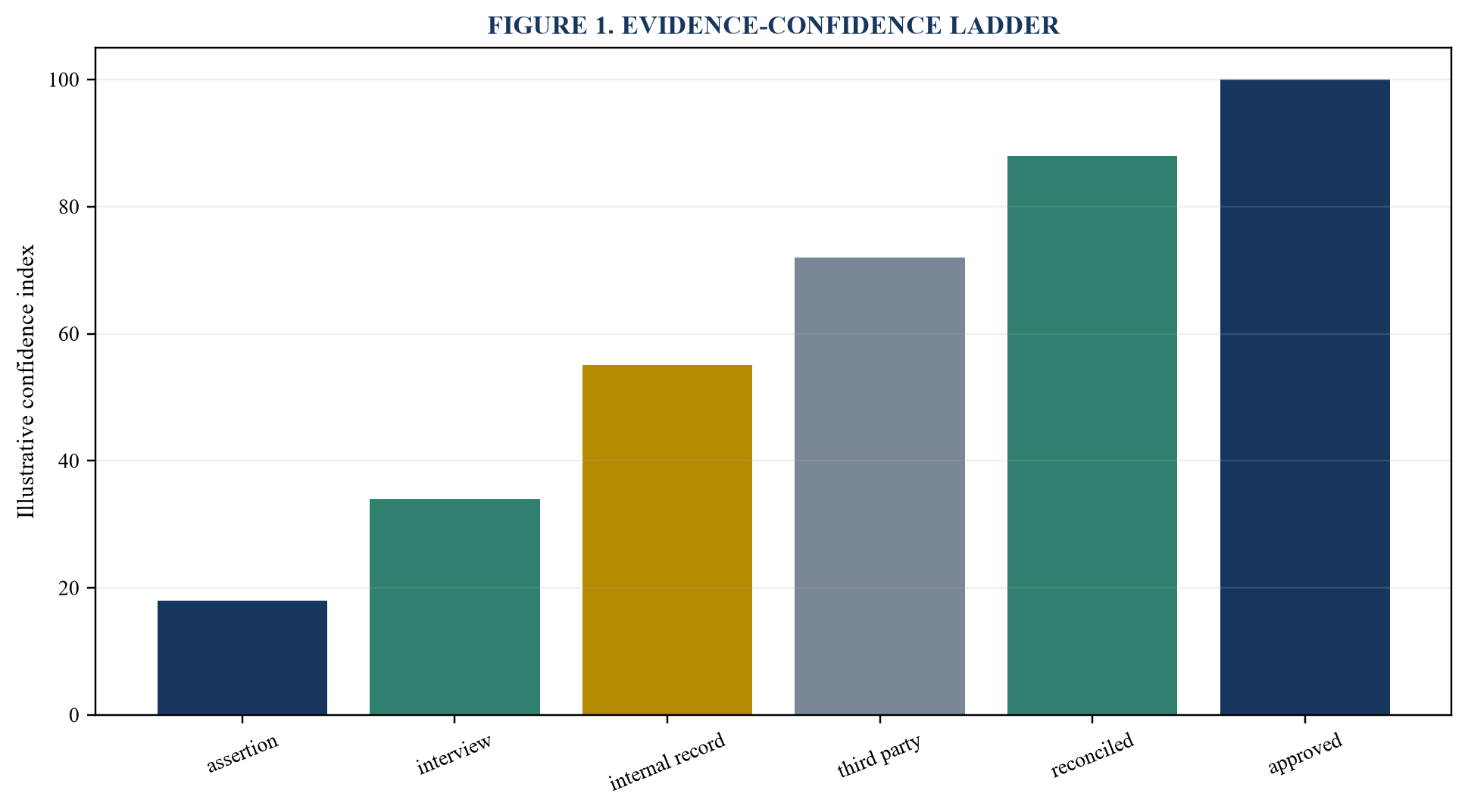
Values are illustrative readiness indices and require company-specific evidence.
9. Assess conduct and judgement
The transaction team should review compliance, disputes, failures, escalation, stakeholder treatment and lessons learned. The immediate output is a conduct and judgement record with named owners, dates, source evidence, confidence, approval status and open exceptions.
The analytical objective is to determine how leaders behaved when incentives, evidence and outcomes conflicted. Reviewers should reconcile management interviews, source documents, references, target diligence, transaction models, financing correspondence, legal terms and independent advice. Claims should state the period, baseline, decision authority, management action, observed outcome, attribution and relevance to the target.
The framework should assign responsibility across executives, investors, lenders, sellers, boards and advisers. Definitions, calculations, evidence rules, decision thresholds, conflicts, information rights and time limits should be explicit.
At each gate, decision makers should test leadership capacity, evidence quality, value-creation logic, funding compatibility, governance and downside resilience together. Material gaps remain visible until evidence is complete, advice is current, conditions are satisfied, and the management case remains credible under delay and underperformance scenarios.
10. Map the target leadership requirement
The transaction team should derive required capabilities from strategy, diligence, regulation, financing and operating risk. The immediate output is a target leadership blueprint with named owners, dates, source evidence, confidence, approval status and open exceptions.
The analytical objective is to determine what the acquired business needs from Day One through stabilisation. Reviewers should reconcile management interviews, source documents, references, target diligence, transaction models, financing correspondence, legal terms and independent advice. Claims should state the period, baseline, decision authority, management action, observed outcome, attribution and relevance to the target.
The framework should assign responsibility across executives, investors, lenders, sellers, boards and advisers. Definitions, calculations, evidence rules, decision thresholds, conflicts, information rights and time limits should be explicit.
At each gate, decision makers should test leadership capacity, evidence quality, value-creation logic, funding compatibility, governance and downside resilience together. Material gaps remain visible until evidence is complete, advice is current, conditions are satisfied, and the management case remains credible under delay and underperformance scenarios.
11. Build the capability matrix
The transaction team should score commercial, operations, finance, technology, cyber, people, legal, regulatory and M&A competence. The immediate output is a capability coverage matrix with named owners, dates, source evidence, confidence, approval status and open exceptions.
The analytical objective is to determine where leadership is strong, duplicated, missing or dependent on recruitment. Reviewers should reconcile management interviews, source documents, references, target diligence, transaction models, financing correspondence, legal terms and independent advice. Claims should state the period, baseline, decision authority, management action, observed outcome, attribution and relevance to the target.
The framework should assign responsibility across executives, investors, lenders, sellers, boards and advisers. Definitions, calculations, evidence rules, decision thresholds, conflicts, information rights and time limits should be explicit.
At each gate, decision makers should test leadership capacity, evidence quality, value-creation logic, funding compatibility, governance and downside resilience together. Material gaps remain visible until evidence is complete, advice is current, conditions are satisfied, and the management case remains credible under delay and underperformance scenarios.
12. Define roles and decision rights
The transaction team should allocate chief executive, finance, operations, commercial, technology and functional accountabilities. The immediate output is a leadership RACI with named owners, dates, source evidence, confidence, approval status and open exceptions.
The analytical objective is to determine whether authority is complete and avoids overlap or decision gaps. Reviewers should reconcile management interviews, source documents, references, target diligence, transaction models, financing correspondence, legal terms and independent advice. Claims should state the period, baseline, decision authority, management action, observed outcome, attribution and relevance to the target.
The framework should assign responsibility across executives, investors, lenders, sellers, boards and advisers. Definitions, calculations, evidence rules, decision thresholds, conflicts, information rights and time limits should be explicit.
At each gate, decision makers should test leadership capacity, evidence quality, value-creation logic, funding compatibility, governance and downside resilience together. Material gaps remain visible until evidence is complete, advice is current, conditions are satisfied, and the management case remains credible under delay and underperformance scenarios.
13. Assess team dynamics
The transaction team should test prior collaboration, conflict resolution, communication, trust, challenge and collective decisions. The immediate output is a team-dynamics assessment with named owners, dates, source evidence, confidence, approval status and open exceptions.
The analytical objective is to determine whether the group can operate coherently under transaction pressure. Reviewers should reconcile management interviews, source documents, references, target diligence, transaction models, financing correspondence, legal terms and independent advice. Claims should state the period, baseline, decision authority, management action, observed outcome, attribution and relevance to the target.
The framework should assign responsibility across executives, investors, lenders, sellers, boards and advisers. Definitions, calculations, evidence rules, decision thresholds, conflicts, information rights and time limits should be explicit.
At each gate, decision makers should test leadership capacity, evidence quality, value-creation logic, funding compatibility, governance and downside resilience together. Material gaps remain visible until evidence is complete, advice is current, conditions are satisfied, and the management case remains credible under delay and underperformance scenarios.
14. Quantify key-person risk
The transaction team should map unique knowledge, customer relationships, licences, approvals, systems and succession coverage. The immediate output is a key-person dependency map with named owners, dates, source evidence, confidence, approval status and open exceptions.
The analytical objective is to determine which departures could impair completion, financing or value creation. Reviewers should reconcile management interviews, source documents, references, target diligence, transaction models, financing correspondence, legal terms and independent advice. Claims should state the period, baseline, decision authority, management action, observed outcome, attribution and relevance to the target.
The framework should assign responsibility across executives, investors, lenders, sellers, boards and advisers. Definitions, calculations, evidence rules, decision thresholds, conflicts, information rights and time limits should be explicit.
At each gate, decision makers should test leadership capacity, evidence quality, value-creation logic, funding compatibility, governance and downside resilience together. Material gaps remain visible until evidence is complete, advice is current, conditions are satisfied, and the management case remains credible under delay and underperformance scenarios.
15. Build the succession plan
The transaction team should identify deputies, interim coverage, recruitment, development and emergency authority. The immediate output is a succession readiness plan with named owners, dates, source evidence, confidence, approval status and open exceptions.
The analytical objective is to determine whether leadership continuity survives foreseeable loss or delay. Reviewers should reconcile management interviews, source documents, references, target diligence, transaction models, financing correspondence, legal terms and independent advice. Claims should state the period, baseline, decision authority, management action, observed outcome, attribution and relevance to the target.
The framework should assign responsibility across executives, investors, lenders, sellers, boards and advisers. Definitions, calculations, evidence rules, decision thresholds, conflicts, information rights and time limits should be explicit.
At each gate, decision makers should test leadership capacity, evidence quality, value-creation logic, funding compatibility, governance and downside resilience together. Material gaps remain visible until evidence is complete, advice is current, conditions are satisfied, and the management case remains credible under delay and underperformance scenarios.
16. Secure commitment and retention
The transaction team should verify availability, notice, restrictive covenants, compensation, rollover, incentives and personal constraints. The immediate output is a commitment evidence schedule with named owners, dates, source evidence, confidence, approval status and open exceptions.
The analytical objective is to determine whether required leaders can join, invest and remain through execution. Reviewers should reconcile management interviews, source documents, references, target diligence, transaction models, financing correspondence, legal terms and independent advice. Claims should state the period, baseline, decision authority, management action, observed outcome, attribution and relevance to the target.
The framework should assign responsibility across executives, investors, lenders, sellers, boards and advisers. Definitions, calculations, evidence rules, decision thresholds, conflicts, information rights and time limits should be explicit.
At each gate, decision makers should test leadership capacity, evidence quality, value-creation logic, funding compatibility, governance and downside resilience together. Material gaps remain visible until evidence is complete, advice is current, conditions are satisfied, and the management case remains credible under delay and underperformance scenarios.
Table 2. Leadership-depth matrix
| Capability | Primary owner | Resilience test |
|---|---|---|
| commercial | chief executive | customer loss |
| finance | finance lead | liquidity stress |
| operations | operations lead | service disruption |
| technology | technology lead | cyber incident |
Illustrative coverage; target-specific requirements control.
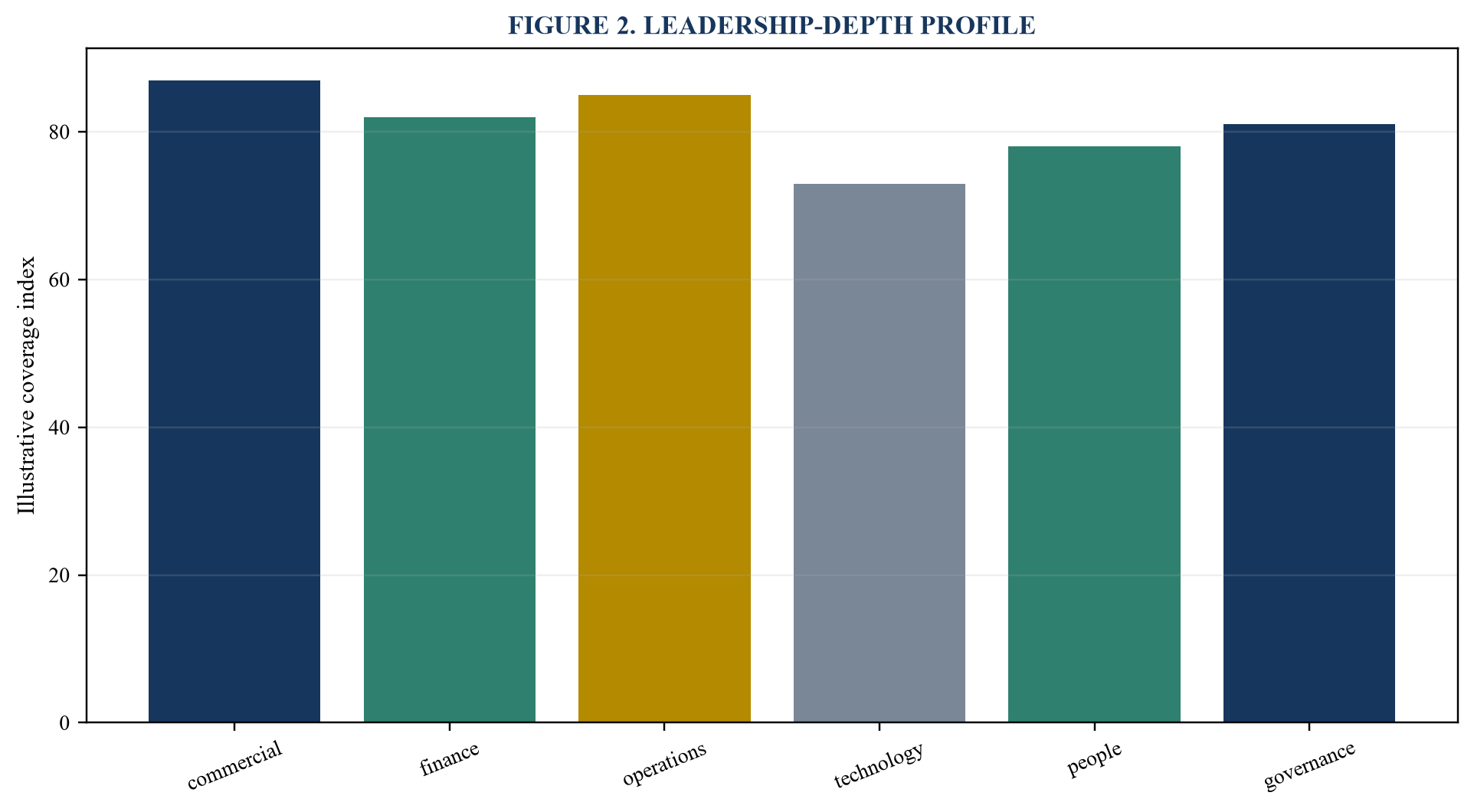
Values are illustrative readiness indices and require company-specific evidence.
17. Govern conflicts
The transaction team should disclose buyer roles, company duties, personal economics, relationships, information access and recusals. The immediate output is a conflict-control protocol with named owners, dates, source evidence, confidence, approval status and open exceptions.
The analytical objective is to determine whether the management case is developed and assessed through a fair process. Reviewers should reconcile management interviews, source documents, references, target diligence, transaction models, financing correspondence, legal terms and independent advice. Claims should state the period, baseline, decision authority, management action, observed outcome, attribution and relevance to the target.
The framework should assign responsibility across executives, investors, lenders, sellers, boards and advisers. Definitions, calculations, evidence rules, decision thresholds, conflicts, information rights and time limits should be explicit.
At each gate, decision makers should test leadership capacity, evidence quality, value-creation logic, funding compatibility, governance and downside resilience together. Material gaps remain visible until evidence is complete, advice is current, conditions are satisfied, and the management case remains credible under delay and underperformance scenarios.
18. Translate strategy into initiatives
The transaction team should convert the acquisition thesis into owned commercial, operating, capital and capability actions. The immediate output is a value-creation initiative register with named owners, dates, source evidence, confidence, approval status and open exceptions.
The analytical objective is to determine whether management has an executable route from thesis to performance. Reviewers should reconcile management interviews, source documents, references, target diligence, transaction models, financing correspondence, legal terms and independent advice. Claims should state the period, baseline, decision authority, management action, observed outcome, attribution and relevance to the target.
The framework should assign responsibility across executives, investors, lenders, sellers, boards and advisers. Definitions, calculations, evidence rules, decision thresholds, conflicts, information rights and time limits should be explicit.
At each gate, decision makers should test leadership capacity, evidence quality, value-creation logic, funding compatibility, governance and downside resilience together. Material gaps remain visible until evidence is complete, advice is current, conditions are satisfied, and the management case remains credible under delay and underperformance scenarios.
19. Set verified baselines
The transaction team should reconcile historical performance, run-rate, seasonality, accounting policy, backlog and one-off items. The immediate output is a baseline evidence pack with named owners, dates, source evidence, confidence, approval status and open exceptions.
The analytical objective is to determine where each value claim starts and how progress will be measured. Reviewers should reconcile management interviews, source documents, references, target diligence, transaction models, financing correspondence, legal terms and independent advice. Claims should state the period, baseline, decision authority, management action, observed outcome, attribution and relevance to the target.
The framework should assign responsibility across executives, investors, lenders, sellers, boards and advisers. Definitions, calculations, evidence rules, decision thresholds, conflicts, information rights and time limits should be explicit.
At each gate, decision makers should test leadership capacity, evidence quality, value-creation logic, funding compatibility, governance and downside resilience together. Material gaps remain visible until evidence is complete, advice is current, conditions are satisfied, and the management case remains credible under delay and underperformance scenarios.
20. Quantify revenue initiatives
The transaction team should model price, volume, retention, cross-sell, channels, products and geographic expansion. The immediate output is a revenue value bridge with named owners, dates, source evidence, confidence, approval status and open exceptions.
The analytical objective is to determine whether growth assumptions follow from customer and capacity evidence. Reviewers should reconcile management interviews, source documents, references, target diligence, transaction models, financing correspondence, legal terms and independent advice. Claims should state the period, baseline, decision authority, management action, observed outcome, attribution and relevance to the target.
The framework should assign responsibility across executives, investors, lenders, sellers, boards and advisers. Definitions, calculations, evidence rules, decision thresholds, conflicts, information rights and time limits should be explicit.
At each gate, decision makers should test leadership capacity, evidence quality, value-creation logic, funding compatibility, governance and downside resilience together. Material gaps remain visible until evidence is complete, advice is current, conditions are satisfied, and the management case remains credible under delay and underperformance scenarios.
21. Quantify margin initiatives
The transaction team should model procurement, labour, yield, footprint, overhead, technology and service trade-offs. The immediate output is a margin value bridge with named owners, dates, source evidence, confidence, approval status and open exceptions.
The analytical objective is to determine whether savings are achievable after implementation cost and dis-synergies. Reviewers should reconcile management interviews, source documents, references, target diligence, transaction models, financing correspondence, legal terms and independent advice. Claims should state the period, baseline, decision authority, management action, observed outcome, attribution and relevance to the target.
The framework should assign responsibility across executives, investors, lenders, sellers, boards and advisers. Definitions, calculations, evidence rules, decision thresholds, conflicts, information rights and time limits should be explicit.
At each gate, decision makers should test leadership capacity, evidence quality, value-creation logic, funding compatibility, governance and downside resilience together. Material gaps remain visible until evidence is complete, advice is current, conditions are satisfied, and the management case remains credible under delay and underperformance scenarios.
22. Quantify cash and working capital
The transaction team should model receivables, inventory, payables, capex, tax, restructuring and liquidity reserves. The immediate output is a cash-conversion bridge with named owners, dates, source evidence, confidence, approval status and open exceptions.
The analytical objective is to determine whether value creation supports debt service and operating resilience. Reviewers should reconcile management interviews, source documents, references, target diligence, transaction models, financing correspondence, legal terms and independent advice. Claims should state the period, baseline, decision authority, management action, observed outcome, attribution and relevance to the target.
The framework should assign responsibility across executives, investors, lenders, sellers, boards and advisers. Definitions, calculations, evidence rules, decision thresholds, conflicts, information rights and time limits should be explicit.
At each gate, decision makers should test leadership capacity, evidence quality, value-creation logic, funding compatibility, governance and downside resilience together. Material gaps remain visible until evidence is complete, advice is current, conditions are satisfied, and the management case remains credible under delay and underperformance scenarios.
23. Identify investment requirements
The transaction team should cost people, systems, product, capacity, compliance, integration and transformation. The immediate output is a initiative funding schedule with named owners, dates, source evidence, confidence, approval status and open exceptions.
The analytical objective is to determine how much cash and management bandwidth must precede benefits. Reviewers should reconcile management interviews, source documents, references, target diligence, transaction models, financing correspondence, legal terms and independent advice. Claims should state the period, baseline, decision authority, management action, observed outcome, attribution and relevance to the target.
The framework should assign responsibility across executives, investors, lenders, sellers, boards and advisers. Definitions, calculations, evidence rules, decision thresholds, conflicts, information rights and time limits should be explicit.
At each gate, decision makers should test leadership capacity, evidence quality, value-creation logic, funding compatibility, governance and downside resilience together. Material gaps remain visible until evidence is complete, advice is current, conditions are satisfied, and the management case remains credible under delay and underperformance scenarios.
24. Sequence dependencies
The transaction team should map prerequisites, critical path, regulatory approvals, technology releases and stakeholder decisions. The immediate output is a dependency and milestone map with named owners, dates, source evidence, confidence, approval status and open exceptions.
The analytical objective is to determine whether initiative timing is internally consistent. Reviewers should reconcile management interviews, source documents, references, target diligence, transaction models, financing correspondence, legal terms and independent advice. Claims should state the period, baseline, decision authority, management action, observed outcome, attribution and relevance to the target.
The framework should assign responsibility across executives, investors, lenders, sellers, boards and advisers. Definitions, calculations, evidence rules, decision thresholds, conflicts, information rights and time limits should be explicit.
At each gate, decision makers should test leadership capacity, evidence quality, value-creation logic, funding compatibility, governance and downside resilience together. Material gaps remain visible until evidence is complete, advice is current, conditions are satisfied, and the management case remains credible under delay and underperformance scenarios.
Table 3. Value-creation evidence ledger
| Initiative | Evidence | Measurement gate |
|---|---|---|
| pricing | customer and elasticity data | realised margin |
| procurement | supplier baseline | net savings |
| working capital | ageing and inventory | cash release |
| digital operations | process and investment case | service and cost |
Illustrative structure; verified baselines and models govern.
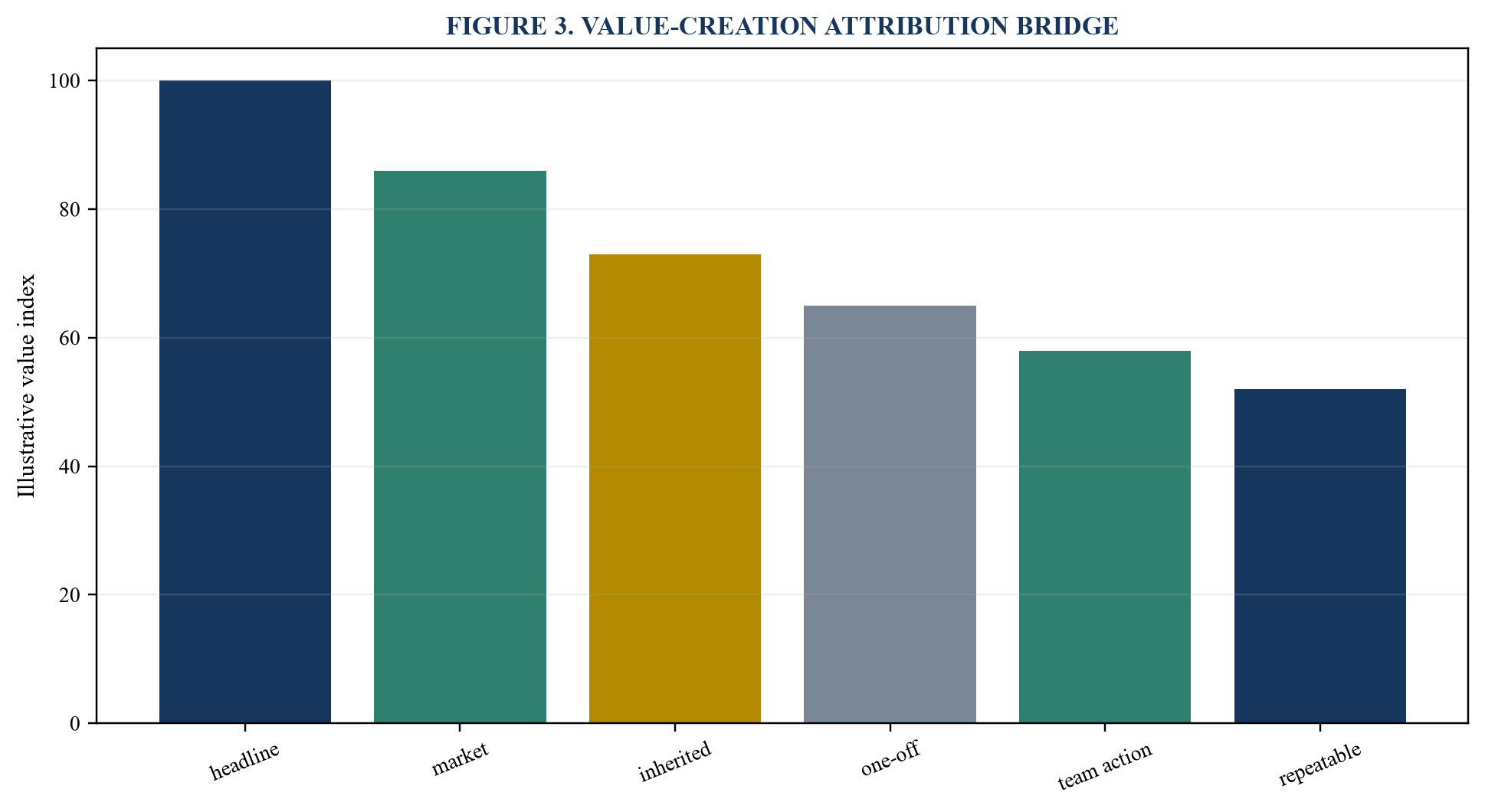
Values are illustrative readiness indices and require company-specific evidence.
25. Assign initiative ownership
The transaction team should name accountable executives, delivery teams, budgets, KPIs, evidence and escalation rights. The immediate output is a owner accountability ledger with named owners, dates, source evidence, confidence, approval status and open exceptions.
The analytical objective is to determine whether every forecast benefit has a capable and committed owner. Reviewers should reconcile management interviews, source documents, references, target diligence, transaction models, financing correspondence, legal terms and independent advice. Claims should state the period, baseline, decision authority, management action, observed outcome, attribution and relevance to the target.
The framework should assign responsibility across executives, investors, lenders, sellers, boards and advisers. Definitions, calculations, evidence rules, decision thresholds, conflicts, information rights and time limits should be explicit.
At each gate, decision makers should test leadership capacity, evidence quality, value-creation logic, funding compatibility, governance and downside resilience together. Material gaps remain visible until evidence is complete, advice is current, conditions are satisfied, and the management case remains credible under delay and underperformance scenarios.
26. Reconcile diligence findings
The transaction team should connect commercial, financial, operational, technology, people, legal and tax findings to the plan. The immediate output is a diligence-to-plan bridge with named owners, dates, source evidence, confidence, approval status and open exceptions.
The analytical objective is to determine whether the management thesis absorbs verified target risks. Reviewers should reconcile management interviews, source documents, references, target diligence, transaction models, financing correspondence, legal terms and independent advice. Claims should state the period, baseline, decision authority, management action, observed outcome, attribution and relevance to the target.
The framework should assign responsibility across executives, investors, lenders, sellers, boards and advisers. Definitions, calculations, evidence rules, decision thresholds, conflicts, information rights and time limits should be explicit.
At each gate, decision makers should test leadership capacity, evidence quality, value-creation logic, funding compatibility, governance and downside resilience together. Material gaps remain visible until evidence is complete, advice is current, conditions are satisfied, and the management case remains credible under delay and underperformance scenarios.
27. Reconcile the financing case
The transaction team should link EBITDA, cash, leverage, covenants, amortisation, interest, liquidity and downside headroom. The immediate output is a financing reconciliation with named owners, dates, source evidence, confidence, approval status and open exceptions.
The analytical objective is to determine whether the plan supports the proposed capital structure. Reviewers should reconcile management interviews, source documents, references, target diligence, transaction models, financing correspondence, legal terms and independent advice. Claims should state the period, baseline, decision authority, management action, observed outcome, attribution and relevance to the target.
The framework should assign responsibility across executives, investors, lenders, sellers, boards and advisers. Definitions, calculations, evidence rules, decision thresholds, conflicts, information rights and time limits should be explicit.
At each gate, decision makers should test leadership capacity, evidence quality, value-creation logic, funding compatibility, governance and downside resilience together. Material gaps remain visible until evidence is complete, advice is current, conditions are satisfied, and the management case remains credible under delay and underperformance scenarios.
28. Stress the first hundred days
The transaction team should test leadership transition, cash control, customer retention, talent, reporting and urgent decisions. The immediate output is a hundred-day readiness plan with named owners, dates, source evidence, confidence, approval status and open exceptions.
The analytical objective is to determine whether management can stabilise control before transformation begins. Reviewers should reconcile management interviews, source documents, references, target diligence, transaction models, financing correspondence, legal terms and independent advice. Claims should state the period, baseline, decision authority, management action, observed outcome, attribution and relevance to the target.
The framework should assign responsibility across executives, investors, lenders, sellers, boards and advisers. Definitions, calculations, evidence rules, decision thresholds, conflicts, information rights and time limits should be explicit.
At each gate, decision makers should test leadership capacity, evidence quality, value-creation logic, funding compatibility, governance and downside resilience together. Material gaps remain visible until evidence is complete, advice is current, conditions are satisfied, and the management case remains credible under delay and underperformance scenarios.
29. Stress customer and revenue loss
The transaction team should vary concentration, churn, pricing, pipeline conversion, backlog and sales capacity. The immediate output is a commercial downside case with named owners, dates, source evidence, confidence, approval status and open exceptions.
The analytical objective is to determine how quickly the investment case weakens under customer stress. Reviewers should reconcile management interviews, source documents, references, target diligence, transaction models, financing correspondence, legal terms and independent advice. Claims should state the period, baseline, decision authority, management action, observed outcome, attribution and relevance to the target.
The framework should assign responsibility across executives, investors, lenders, sellers, boards and advisers. Definitions, calculations, evidence rules, decision thresholds, conflicts, information rights and time limits should be explicit.
At each gate, decision makers should test leadership capacity, evidence quality, value-creation logic, funding compatibility, governance and downside resilience together. Material gaps remain visible until evidence is complete, advice is current, conditions are satisfied, and the management case remains credible under delay and underperformance scenarios.
30. Stress margin and inflation
The transaction team should vary input prices, wages, productivity, utilisation, implementation cost and savings delay. The immediate output is a margin downside case with named owners, dates, source evidence, confidence, approval status and open exceptions.
The analytical objective is to determine whether earnings and covenant headroom remain adequate. Reviewers should reconcile management interviews, source documents, references, target diligence, transaction models, financing correspondence, legal terms and independent advice. Claims should state the period, baseline, decision authority, management action, observed outcome, attribution and relevance to the target.
The framework should assign responsibility across executives, investors, lenders, sellers, boards and advisers. Definitions, calculations, evidence rules, decision thresholds, conflicts, information rights and time limits should be explicit.
At each gate, decision makers should test leadership capacity, evidence quality, value-creation logic, funding compatibility, governance and downside resilience together. Material gaps remain visible until evidence is complete, advice is current, conditions are satisfied, and the management case remains credible under delay and underperformance scenarios.
31. Stress working capital and liquidity
The transaction team should vary collections, inventory, supplier terms, seasonality and contingency cash. The immediate output is a liquidity downside case with named owners, dates, source evidence, confidence, approval status and open exceptions.
The analytical objective is to determine whether the business can fund operations and debt service during disruption. Reviewers should reconcile management interviews, source documents, references, target diligence, transaction models, financing correspondence, legal terms and independent advice. Claims should state the period, baseline, decision authority, management action, observed outcome, attribution and relevance to the target.
The framework should assign responsibility across executives, investors, lenders, sellers, boards and advisers. Definitions, calculations, evidence rules, decision thresholds, conflicts, information rights and time limits should be explicit.
At each gate, decision makers should test leadership capacity, evidence quality, value-creation logic, funding compatibility, governance and downside resilience together. Material gaps remain visible until evidence is complete, advice is current, conditions are satisfied, and the management case remains credible under delay and underperformance scenarios.
32. Stress leadership disruption
The transaction team should model delayed starts, unexpected departures, underperformance and failed recruitment. The immediate output is a leadership disruption case with named owners, dates, source evidence, confidence, approval status and open exceptions.
The analytical objective is to determine whether the acquisition remains operable with reduced management capacity. Reviewers should reconcile management interviews, source documents, references, target diligence, transaction models, financing correspondence, legal terms and independent advice. Claims should state the period, baseline, decision authority, management action, observed outcome, attribution and relevance to the target.
The framework should assign responsibility across executives, investors, lenders, sellers, boards and advisers. Definitions, calculations, evidence rules, decision thresholds, conflicts, information rights and time limits should be explicit.
At each gate, decision makers should test leadership capacity, evidence quality, value-creation logic, funding compatibility, governance and downside resilience together. Material gaps remain visible until evidence is complete, advice is current, conditions are satisfied, and the management case remains credible under delay and underperformance scenarios.
Table 4. Downside-control matrix
| Stress | Early evidence | Management response |
|---|---|---|
| revenue shortfall | pipeline and churn | cost and sales actions |
| margin pressure | input and labour bridge | price and productivity |
| cash strain | weekly cash forecast | liquidity controls |
| leader departure | succession coverage | interim authority |
Illustrative controls; financing and legal documents govern.
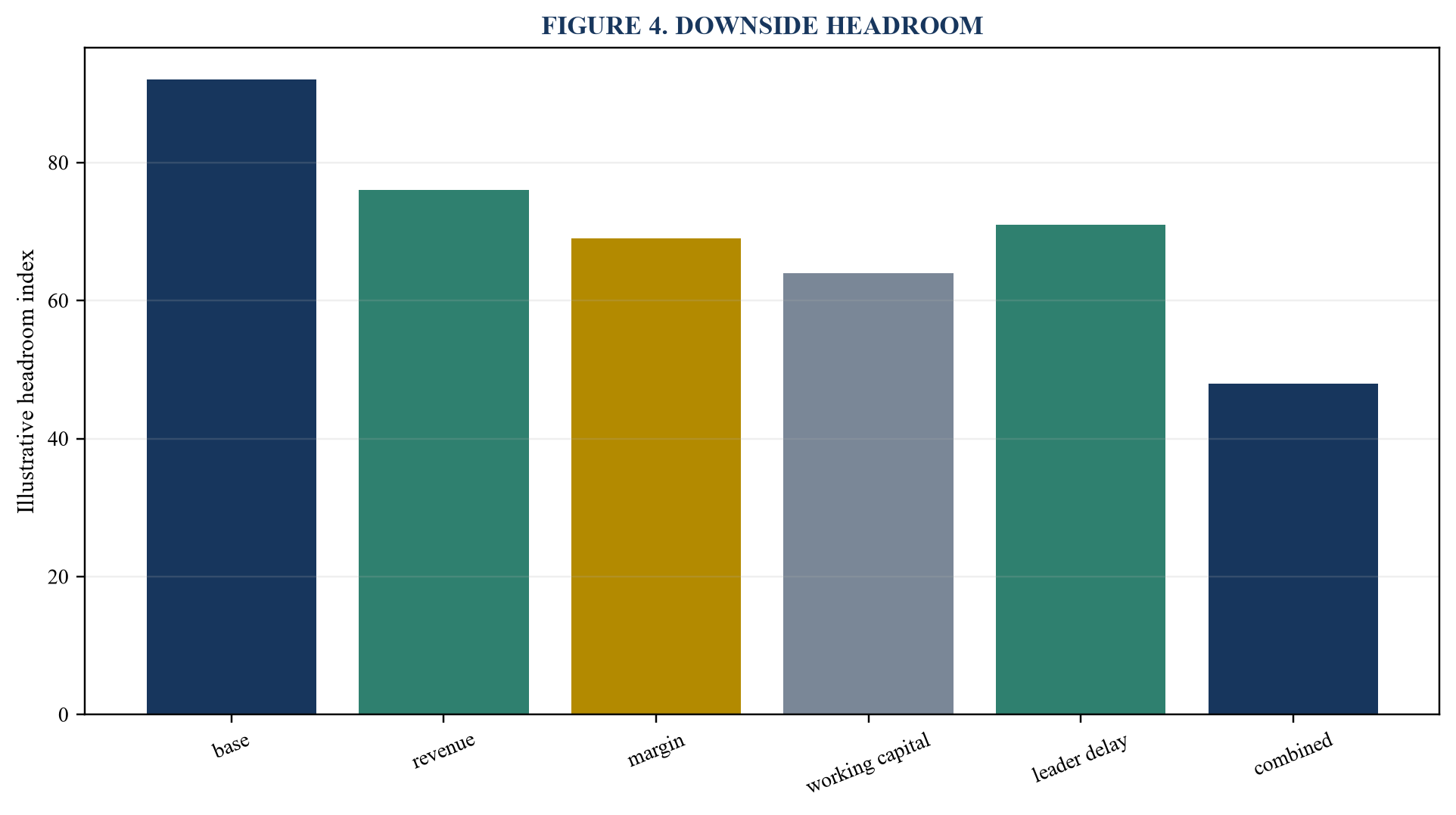
Values are illustrative readiness indices and require company-specific evidence.
33. Assess control readiness
The transaction team should evaluate financial, operational, compliance, technology, cyber and reporting controls. The immediate output is a control-readiness assessment with named owners, dates, source evidence, confidence, approval status and open exceptions.
The analytical objective is to determine whether leaders can make reliable decisions and protect value after close. Reviewers should reconcile management interviews, source documents, references, target diligence, transaction models, financing correspondence, legal terms and independent advice. Claims should state the period, baseline, decision authority, management action, observed outcome, attribution and relevance to the target.
The framework should assign responsibility across executives, investors, lenders, sellers, boards and advisers. Definitions, calculations, evidence rules, decision thresholds, conflicts, information rights and time limits should be explicit.
At each gate, decision makers should test leadership capacity, evidence quality, value-creation logic, funding compatibility, governance and downside resilience together. Material gaps remain visible until evidence is complete, advice is current, conditions are satisfied, and the management case remains credible under delay and underperformance scenarios.
34. Design board governance
The transaction team should set board composition, committees, reserved matters, delegated authority and information rights. The immediate output is a governance term map with named owners, dates, source evidence, confidence, approval status and open exceptions.
The analytical objective is to determine whether oversight supports accountable operating leadership. Reviewers should reconcile management interviews, source documents, references, target diligence, transaction models, financing correspondence, legal terms and independent advice. Claims should state the period, baseline, decision authority, management action, observed outcome, attribution and relevance to the target.
The framework should assign responsibility across executives, investors, lenders, sellers, boards and advisers. Definitions, calculations, evidence rules, decision thresholds, conflicts, information rights and time limits should be explicit.
At each gate, decision makers should test leadership capacity, evidence quality, value-creation logic, funding compatibility, governance and downside resilience together. Material gaps remain visible until evidence is complete, advice is current, conditions are satisfied, and the management case remains credible under delay and underperformance scenarios.
35. Align incentives
The transaction team should map investment, vesting, performance conditions, leaver terms, dilution, preferences and exit economics. The immediate output is a management incentive model with named owners, dates, source evidence, confidence, approval status and open exceptions.
The analytical objective is to determine whether reward follows durable value creation and acceptable conduct. Reviewers should reconcile management interviews, source documents, references, target diligence, transaction models, financing correspondence, legal terms and independent advice. Claims should state the period, baseline, decision authority, management action, observed outcome, attribution and relevance to the target.
The framework should assign responsibility across executives, investors, lenders, sellers, boards and advisers. Definitions, calculations, evidence rules, decision thresholds, conflicts, information rights and time limits should be explicit.
At each gate, decision makers should test leadership capacity, evidence quality, value-creation logic, funding compatibility, governance and downside resilience together. Material gaps remain visible until evidence is complete, advice is current, conditions are satisfied, and the management case remains credible under delay and underperformance scenarios.
36. Build the investment-committee pack
The transaction team should integrate evidence, gaps, value plan, financing, risk, governance and recommendations. The immediate output is a management case memorandum with named owners, dates, source evidence, confidence, approval status and open exceptions.
The analytical objective is to determine whether decision makers can trace every material claim and condition. Reviewers should reconcile management interviews, source documents, references, target diligence, transaction models, financing correspondence, legal terms and independent advice. Claims should state the period, baseline, decision authority, management action, observed outcome, attribution and relevance to the target.
The framework should assign responsibility across executives, investors, lenders, sellers, boards and advisers. Definitions, calculations, evidence rules, decision thresholds, conflicts, information rights and time limits should be explicit.
At each gate, decision makers should test leadership capacity, evidence quality, value-creation logic, funding compatibility, governance and downside resilience together. Material gaps remain visible until evidence is complete, advice is current, conditions are satisfied, and the management case remains credible under delay and underperformance scenarios.
37. Set conditions and reservations
The transaction team should record appointments, references, funding, diligence, contracts, approvals and remediation required before close. The immediate output is a condition precedent schedule with named owners, dates, source evidence, confidence, approval status and open exceptions.
The analytical objective is to determine which unresolved matters prevent unconditional reliance on the team. Reviewers should reconcile management interviews, source documents, references, target diligence, transaction models, financing correspondence, legal terms and independent advice. Claims should state the period, baseline, decision authority, management action, observed outcome, attribution and relevance to the target.
The framework should assign responsibility across executives, investors, lenders, sellers, boards and advisers. Definitions, calculations, evidence rules, decision thresholds, conflicts, information rights and time limits should be explicit.
At each gate, decision makers should test leadership capacity, evidence quality, value-creation logic, funding compatibility, governance and downside resilience together. Material gaps remain visible until evidence is complete, advice is current, conditions are satisfied, and the management case remains credible under delay and underperformance scenarios.
38. Build the closing evidence pack
The transaction team should assemble signed commitments, employment terms, incentive documents, authorities, plans and funding evidence. The immediate output is a management completion certificate with named owners, dates, source evidence, confidence, approval status and open exceptions.
The analytical objective is to determine whether the approved leadership model exists at completion. Reviewers should reconcile management interviews, source documents, references, target diligence, transaction models, financing correspondence, legal terms and independent advice. Claims should state the period, baseline, decision authority, management action, observed outcome, attribution and relevance to the target.
The framework should assign responsibility across executives, investors, lenders, sellers, boards and advisers. Definitions, calculations, evidence rules, decision thresholds, conflicts, information rights and time limits should be explicit.
At each gate, decision makers should test leadership capacity, evidence quality, value-creation logic, funding compatibility, governance and downside resilience together. Material gaps remain visible until evidence is complete, advice is current, conditions are satisfied, and the management case remains credible under delay and underperformance scenarios.
39. Monitor post-close delivery
The transaction team should track appointments, initiatives, cash, controls, covenants, culture, customers and exceptions. The immediate output is a management performance dashboard with named owners, dates, source evidence, confidence, approval status and open exceptions.
The analytical objective is to determine whether evidence after close supports confidence or intervention. Reviewers should reconcile management interviews, source documents, references, target diligence, transaction models, financing correspondence, legal terms and independent advice. Claims should state the period, baseline, decision authority, management action, observed outcome, attribution and relevance to the target.
The framework should assign responsibility across executives, investors, lenders, sellers, boards and advisers. Definitions, calculations, evidence rules, decision thresholds, conflicts, information rights and time limits should be explicit.
At each gate, decision makers should test leadership capacity, evidence quality, value-creation logic, funding compatibility, governance and downside resilience together. Material gaps remain visible until evidence is complete, advice is current, conditions are satisfied, and the management case remains credible under delay and underperformance scenarios.
40. Issue the management-case conclusion
The transaction team should integrate track record, attribution, leadership depth, value creation, financing and downside controls. The immediate output is a investment-committee management certificate with named owners, dates, source evidence, confidence, approval status and open exceptions.
The analytical objective is to determine whether the team merits capital, control and the proposed economics. Reviewers should reconcile management interviews, source documents, references, target diligence, transaction models, financing correspondence, legal terms and independent advice. Claims should state the period, baseline, decision authority, management action, observed outcome, attribution and relevance to the target.
The framework should assign responsibility across executives, investors, lenders, sellers, boards and advisers. Definitions, calculations, evidence rules, decision thresholds, conflicts, information rights and time limits should be explicit.
At each gate, decision makers should test leadership capacity, evidence quality, value-creation logic, funding compatibility, governance and downside resilience together. Material gaps remain visible until evidence is complete, advice is current, conditions are satisfied, and the management case remains credible under delay and underperformance scenarios.
Table 5. Management-case certificate
| Certification | Evidence owner | Status |
|---|---|---|
| track record and attribution | diligence lead | tested |
| leadership depth | board sponsor | tested |
| value and financing plan | finance lead | tested |
| downside and governance | investment committee | tested |
Illustrative investment gate; authorised decision makers determine sufficiency.
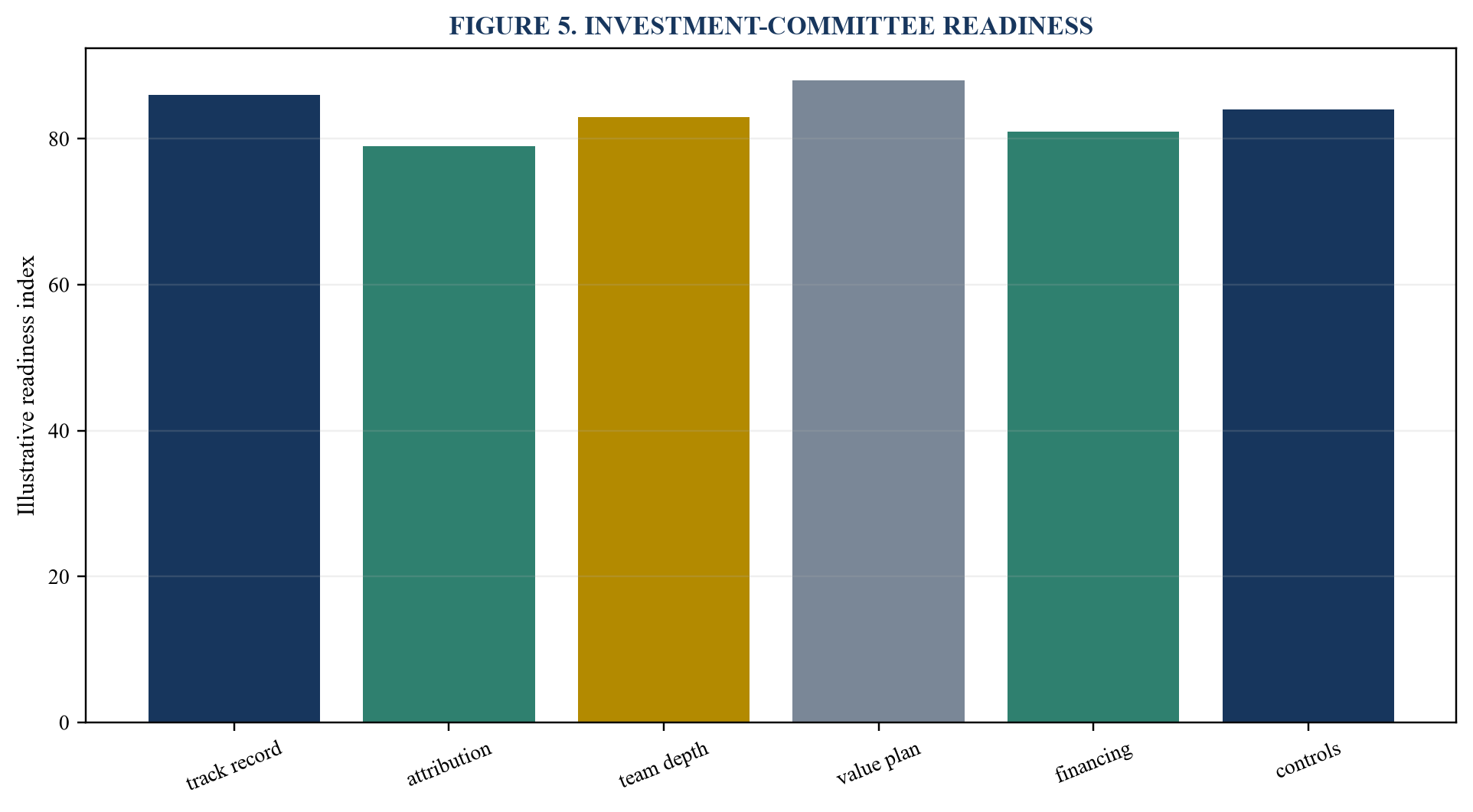
Values are illustrative readiness indices and require company-specific evidence.
References
- Stanford Graduate School of Business, 2026 Search Fund Study: Selected Observations, https://www.gsb.stanford.edu/faculty-research/case-studies/2026-search-fund-study-selected-observations
- Stanford Graduate School of Business, Search Funds Keep Offering a Proven Path to Ownership, https://www.gsb.stanford.edu/insights/search-funds-keep-offering-proven-path-ownership
- Stanford Graduate School of Business, A Primer on Search Funds, https://www.gsb.stanford.edu/faculty-research/case-studies/primer-search-funds-practical-guide-entrepreneurs-embarking-search
- IESE Business School, International Search Funds 2024, https://www.iese.edu/media/research/pdfs/ST-0658-E
- Institutional Limited Partners Association, Due Diligence Questionnaire 2.0, https://ilpa.org/wp-content/uploads/2021/11/ILPA-DDQ-2.0.pdf
- Institutional Limited Partners Association, Due Diligence Questionnaire resource library, https://ilpa.org/resources-tools/resource-library/due-diligence-questionnaire/
- Financial Reporting Council, UK Corporate Governance Code 2024, https://www.frc.org.uk/library/standards-codes-policy/corporate-governance/uk-corporate-governance-code/
- Financial Reporting Council, Corporate Governance Code Guidance, https://www.frc.org.uk/library/standards-codes-policy/corporate-governance/corporate-governance-code-guidance/
- UK Legislation, Companies Act 2006 section 172, https://www.legislation.gov.uk/ukpga/2006/46/section/172
- UK Legislation, Companies Act 2006 section 174, https://www.legislation.gov.uk/ukpga/2006/46/section/174
- UK Legislation, Companies Act 2006 section 175, https://www.legislation.gov.uk/ukpga/2006/46/section/175
- UK Legislation, Companies Act 2006 section 177, https://www.legislation.gov.uk/ukpga/2006/46/section/177
- UK Government, Being a company director, https://www.gov.uk/guidance/being-a-company-director
- UK Takeover Panel, Rule 3: independent advice, https://code.thetakeoverpanel.org.uk/tp/rules/rule-3.html
- US Small Business Administration, SBA lenders and SOP 50 10, https://www.sba.gov/sba-lenders/
- European Banking Authority, Guidelines on loan origination and monitoring, https://www.eba.europa.eu/regulation-and-policy/credit-risk/guidelines-on-loan-origination-and-monitoring
- European Central Bank, Guidance on leveraged transactions, https://www.bankingsupervision.europa.eu/ecb/pub/pdf/ssm.leveraged_transactions_guidance_201705.en.pdf
- Board of Governors of the Federal Reserve System, Interagency Guidance on Leveraged Lending, https://www.federalreserve.gov/supervisionreg/srletters/sr1303a1.pdf
- OECD, G20/OECD Principles of Corporate Governance 2023, https://www.oecd.org/corporate/principles-corporate-governance/
- IFRS Foundation, IFRS 3 Business Combinations, https://www.ifrs.org/issued-standards/list-of-standards/ifrs-3-business-combinations/
- IFRS Foundation, IAS 36 Impairment of Assets, https://www.ifrs.org/issued-standards/list-of-standards/ias-36-impairment-of-assets/
- IFRS Foundation, IFRS 9 Financial Instruments, https://www.ifrs.org/issued-standards/list-of-standards/ifrs-9-financial-instruments/
- IFRS Foundation, IFRS 2 Share-based Payment, https://www.ifrs.org/issued-standards/list-of-standards/ifrs-2-share-based-payment/
- IFRS Foundation, IAS 7 Statement of Cash Flows, https://www.ifrs.org/issued-standards/list-of-standards/ias-7-statement-of-cash-flows/
- Bank for International Settlements, Private credit and financial stability, https://www.bis.org/publ/qtrpdf/r_qt2403b.htm
- International Monetary Fund, Global Financial Stability Report April 2024, https://www.imf.org/en/Publications/GFSR/Issues/2024/04/16/global-financial-stability-report-april-2024
