

1. Frame the release decision
Define product, decision consequence, affected people, markets, devices and proposed change.
The controlled record includes scope; version; use; market; cohort; device; test; source; reviewer; decision. The immediate deliverable is an approved release charter. Preserve jurisdiction, effective date, model and system version, intended use, affected population, device and channel, test condition, data lineage, reviewer, approval and unresolved exceptions.
The principal failure occurs when a model update is treated as an ordinary software release. Reviewers should reproduce the evidence, test adverse and boundary conditions, reconcile subgroup and aggregate results and identify who may approve, remediate, restrict or withhold the release.
Release evidence should be segmented across affected cohorts, devices and markets whenever the decision consequence makes that distinction material.
The decision pack for frame the release decision should show the prior claim, tested evidence, correction, customer and commercial consequence, alternative response, owner, due date, next evidence gate and observed outcome. Material exceptions flow into release scope, monitoring, reserves, contractual protections and valuation scenarios.
2. Map the complete AI system
Trace data, model, prompts, tools, rules, interfaces, people, vendors and downstream decisions.
The controlled record includes scope; version; use; market; cohort; device; test; source; reviewer; decision. The immediate deliverable is a system and accountability map. Preserve jurisdiction, effective date, model and system version, intended use, affected population, device and channel, test condition, data lineage, reviewer, approval and unresolved exceptions.
The principal failure occurs when evaluation stops at the model boundary. Reviewers should reproduce the evidence, test adverse and boundary conditions, reconcile subgroup and aggregate results and identify who may approve, remediate, restrict or withhold the release.
A responsible release gate should connect technical evidence to customer outcomes, legal obligations, operating capacity, cash requirements and executive accountability.
The decision pack for map the complete ai system should show the prior claim, tested evidence, correction, customer and commercial consequence, alternative response, owner, due date, next evidence gate and observed outcome. Material exceptions flow into release scope, monitoring, reserves, contractual protections and valuation scenarios.
3. Classify use and consequence
Separate low-impact assistance, material recommendation and high-impact decision uses.
The controlled record includes scope; version; use; market; cohort; device; test; source; reviewer; decision. The immediate deliverable is a use-case risk classification. Preserve jurisdiction, effective date, model and system version, intended use, affected population, device and channel, test condition, data lineage, reviewer, approval and unresolved exceptions.
The principal failure occurs when one control standard is applied regardless of consequence. Reviewers should reproduce the evidence, test adverse and boundary conditions, reconcile subgroup and aggregate results and identify who may approve, remediate, restrict or withhold the release.
Teams need versioned tests, independent challenge, documented exceptions and a direct path from observed failure to remediation or release restriction.
The decision pack for classify use and consequence should show the prior claim, tested evidence, correction, customer and commercial consequence, alternative response, owner, due date, next evidence gate and observed outcome. Material exceptions flow into release scope, monitoring, reserves, contractual protections and valuation scenarios.
4. Map applicable obligations
Identify product, sector, consumer, employment, privacy, accessibility and AI requirements by market.
The controlled record includes scope; version; use; market; cohort; device; test; source; reviewer; decision. The immediate deliverable is a jurisdictional obligations matrix. Preserve jurisdiction, effective date, model and system version, intended use, affected population, device and channel, test condition, data lineage, reviewer, approval and unresolved exceptions.
The principal failure occurs when a global launch assumes one legal regime. Reviewers should reproduce the evidence, test adverse and boundary conditions, reconcile subgroup and aggregate results and identify who may approve, remediate, restrict or withhold the release.
Staged deployment and tested rollback can limit exposure while the organisation gathers monitored evidence under controlled conditions.
The decision pack for map applicable obligations should show the prior claim, tested evidence, correction, customer and commercial consequence, alternative response, owner, due date, next evidence gate and observed outcome. Material exceptions flow into release scope, monitoring, reserves, contractual protections and valuation scenarios.
5. Define the intended population
Specify users, affected people, exclusions, vulnerable groups and foreseeable indirect use.
The controlled record includes scope; version; use; market; cohort; device; test; source; reviewer; decision. The immediate deliverable is an intended-population statement. Preserve jurisdiction, effective date, model and system version, intended use, affected population, device and channel, test condition, data lineage, reviewer, approval and unresolved exceptions.
The principal failure occurs when the tested population is narrower than the deployed population. Reviewers should reproduce the evidence, test adverse and boundary conditions, reconcile subgroup and aggregate results and identify who may approve, remediate, restrict or withhold the release.
Release evidence should be segmented across affected cohorts, devices and markets whenever the decision consequence makes that distinction material.
The decision pack for define the intended population should show the prior claim, tested evidence, correction, customer and commercial consequence, alternative response, owner, due date, next evidence gate and observed outcome. Material exceptions flow into release scope, monitoring, reserves, contractual protections and valuation scenarios.
6. Define the operating domain
Bound languages, cultures, channels, environments, devices, connectivity and workflow conditions.
The controlled record includes scope; version; use; market; cohort; device; test; source; reviewer; decision. The immediate deliverable is an operating-domain specification. Preserve jurisdiction, effective date, model and system version, intended use, affected population, device and channel, test condition, data lineage, reviewer, approval and unresolved exceptions.
The principal failure occurs when a benchmark result becomes an unlimited market claim. Reviewers should reproduce the evidence, test adverse and boundary conditions, reconcile subgroup and aggregate results and identify who may approve, remediate, restrict or withhold the release.
A responsible release gate should connect technical evidence to customer outcomes, legal obligations, operating capacity, cash requirements and executive accountability.
The decision pack for define the operating domain should show the prior claim, tested evidence, correction, customer and commercial consequence, alternative response, owner, due date, next evidence gate and observed outcome. Material exceptions flow into release scope, monitoring, reserves, contractual protections and valuation scenarios.
7. Inventory protected and relevant cohorts
Identify legally protected, operationally relevant and intersectional groups with authorised advisers.
The controlled record includes scope; version; use; market; cohort; device; test; source; reviewer; decision. The immediate deliverable is a governed cohort inventory. Preserve jurisdiction, effective date, model and system version, intended use, affected population, device and channel, test condition, data lineage, reviewer, approval and unresolved exceptions.
The principal failure occurs when aggregate accuracy hides material subgroup harm. Reviewers should reproduce the evidence, test adverse and boundary conditions, reconcile subgroup and aggregate results and identify who may approve, remediate, restrict or withhold the release.
Teams need versioned tests, independent challenge, documented exceptions and a direct path from observed failure to remediation or release restriction.
The decision pack for inventory protected and relevant cohorts should show the prior claim, tested evidence, correction, customer and commercial consequence, alternative response, owner, due date, next evidence gate and observed outcome. Material exceptions flow into release scope, monitoring, reserves, contractual protections and valuation scenarios.
8. Set minimum evidence gates
Define performance, fairness, privacy, security, legal, human-oversight and rollback evidence.
The controlled record includes scope; version; use; market; cohort; device; test; source; reviewer; decision. The immediate deliverable is a release evidence standard. Preserve jurisdiction, effective date, model and system version, intended use, affected population, device and channel, test condition, data lineage, reviewer, approval and unresolved exceptions.
The principal failure occurs when release approval depends on a single quality score. Reviewers should reproduce the evidence, test adverse and boundary conditions, reconcile subgroup and aggregate results and identify who may approve, remediate, restrict or withhold the release.
Staged deployment and tested rollback can limit exposure while the organisation gathers monitored evidence under controlled conditions.
The decision pack for set minimum evidence gates should show the prior claim, tested evidence, correction, customer and commercial consequence, alternative response, owner, due date, next evidence gate and observed outcome. Material exceptions flow into release scope, monitoring, reserves, contractual protections and valuation scenarios.
Table 1. Responsible-AI release gates
| Gate | Required evidence | Decision |
|---|---|---|
| performance | segmented outcomes | pass or restrict |
| rights | privacy and fairness | approve or remediate |
| operations | oversight and support | capacity confirmed |
| recovery | rollback rehearsal | fallback ready |
Illustrative controls require use-, market-, cohort-, device-, firm- and period-specific approval.
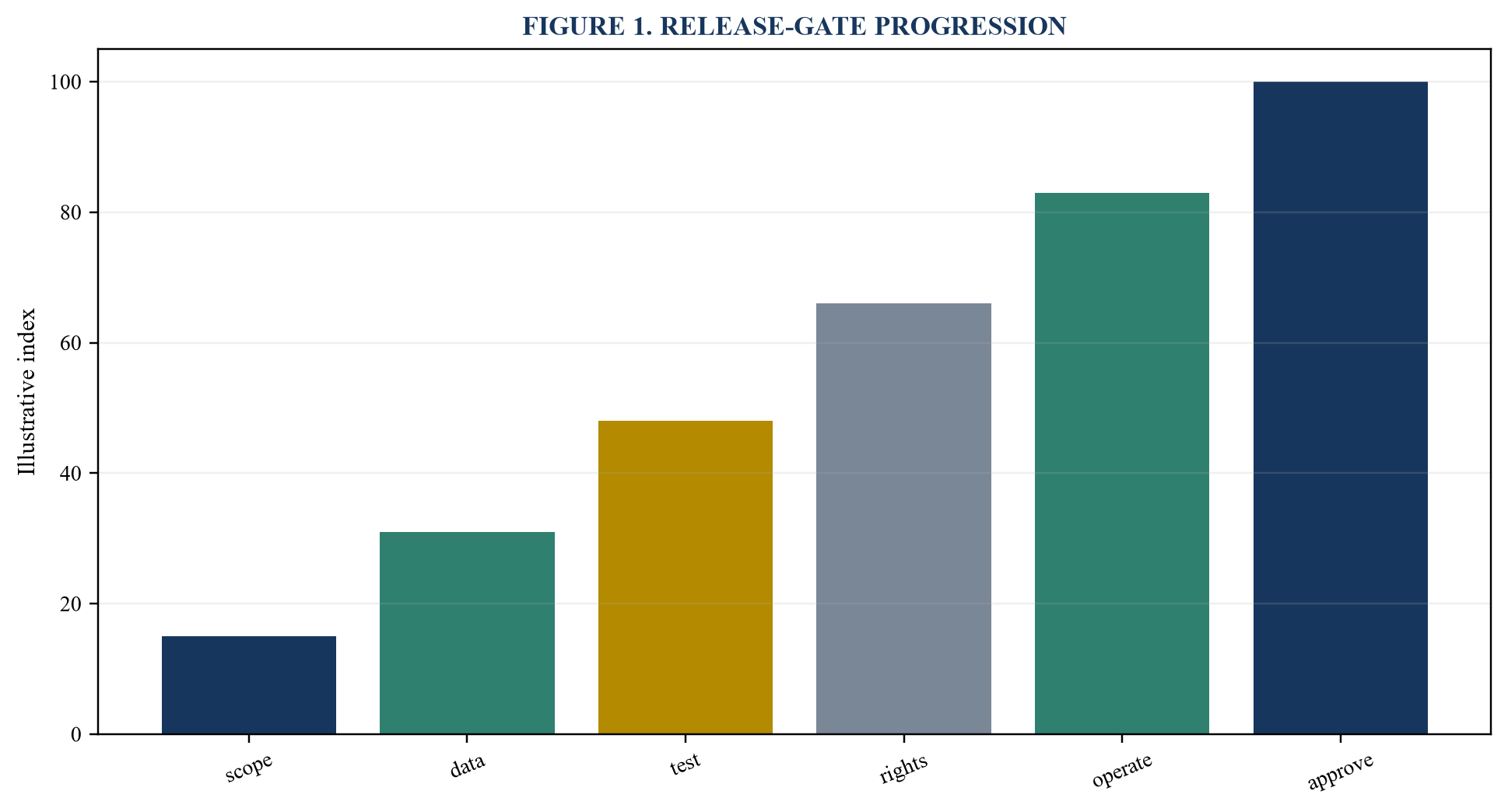
Values are illustrative indices and require replacement with approved release evidence.
9. Control data provenance
Record source, rights, consent, collection context, representativeness, lineage and transformation.
The controlled record includes scope; version; use; market; cohort; device; test; source; reviewer; decision. The immediate deliverable is a data provenance dossier. Preserve jurisdiction, effective date, model and system version, intended use, affected population, device and channel, test condition, data lineage, reviewer, approval and unresolved exceptions.
The principal failure occurs when training and test data cannot be traced to permitted use. Reviewers should reproduce the evidence, test adverse and boundary conditions, reconcile subgroup and aggregate results and identify who may approve, remediate, restrict or withhold the release.
Release evidence should be segmented across affected cohorts, devices and markets whenever the decision consequence makes that distinction material.
The decision pack for control data provenance should show the prior claim, tested evidence, correction, customer and commercial consequence, alternative response, owner, due date, next evidence gate and observed outcome. Material exceptions flow into release scope, monitoring, reserves, contractual protections and valuation scenarios.
10. Test data quality by cohort
Measure missingness, label quality, coverage, drift and proxy variables across groups.
The controlled record includes scope; version; use; market; cohort; device; test; source; reviewer; decision. The immediate deliverable is a cohort data-quality report. Preserve jurisdiction, effective date, model and system version, intended use, affected population, device and channel, test condition, data lineage, reviewer, approval and unresolved exceptions.
The principal failure occurs when overall data quality conceals systematic gaps. Reviewers should reproduce the evidence, test adverse and boundary conditions, reconcile subgroup and aggregate results and identify who may approve, remediate, restrict or withhold the release.
A responsible release gate should connect technical evidence to customer outcomes, legal obligations, operating capacity, cash requirements and executive accountability.
The decision pack for test data quality by cohort should show the prior claim, tested evidence, correction, customer and commercial consequence, alternative response, owner, due date, next evidence gate and observed outcome. Material exceptions flow into release scope, monitoring, reserves, contractual protections and valuation scenarios.
11. Separate development and release tests
Protect independent holdouts, challenge sets, red-team cases and market-specific acceptance tests.
The controlled record includes scope; version; use; market; cohort; device; test; source; reviewer; decision. The immediate deliverable is an independent evaluation design. Preserve jurisdiction, effective date, model and system version, intended use, affected population, device and channel, test condition, data lineage, reviewer, approval and unresolved exceptions.
The principal failure occurs when teams tune against the same evidence used for approval. Reviewers should reproduce the evidence, test adverse and boundary conditions, reconcile subgroup and aggregate results and identify who may approve, remediate, restrict or withhold the release.
Teams need versioned tests, independent challenge, documented exceptions and a direct path from observed failure to remediation or release restriction.
The decision pack for separate development and release tests should show the prior claim, tested evidence, correction, customer and commercial consequence, alternative response, owner, due date, next evidence gate and observed outcome. Material exceptions flow into release scope, monitoring, reserves, contractual protections and valuation scenarios.
12. Define outcome metrics
Connect technical metrics to customer, employee, safety, financial and rights outcomes.
The controlled record includes scope; version; use; market; cohort; device; test; source; reviewer; decision. The immediate deliverable is an outcome measurement map. Preserve jurisdiction, effective date, model and system version, intended use, affected population, device and channel, test condition, data lineage, reviewer, approval and unresolved exceptions.
The principal failure occurs when proxy metrics replace the decision consequence. Reviewers should reproduce the evidence, test adverse and boundary conditions, reconcile subgroup and aggregate results and identify who may approve, remediate, restrict or withhold the release.
Staged deployment and tested rollback can limit exposure while the organisation gathers monitored evidence under controlled conditions.
The decision pack for define outcome metrics should show the prior claim, tested evidence, correction, customer and commercial consequence, alternative response, owner, due date, next evidence gate and observed outcome. Material exceptions flow into release scope, monitoring, reserves, contractual protections and valuation scenarios.
13. Measure performance dispersion
Report error, calibration, abstention and failure-to-acquire by cohort and intersection.
The controlled record includes scope; version; use; market; cohort; device; test; source; reviewer; decision. The immediate deliverable is a segmented performance report. Preserve jurisdiction, effective date, model and system version, intended use, affected population, device and channel, test condition, data lineage, reviewer, approval and unresolved exceptions.
The principal failure occurs when the mean result masks the weakest deployment segment. Reviewers should reproduce the evidence, test adverse and boundary conditions, reconcile subgroup and aggregate results and identify who may approve, remediate, restrict or withhold the release.
Release evidence should be segmented across affected cohorts, devices and markets whenever the decision consequence makes that distinction material.
The decision pack for measure performance dispersion should show the prior claim, tested evidence, correction, customer and commercial consequence, alternative response, owner, due date, next evidence gate and observed outcome. Material exceptions flow into release scope, monitoring, reserves, contractual protections and valuation scenarios.
14. Test threshold consequences
Model approvals, denials, escalations, false positives and false negatives under candidate thresholds.
The controlled record includes scope; version; use; market; cohort; device; test; source; reviewer; decision. The immediate deliverable is a threshold impact model. Preserve jurisdiction, effective date, model and system version, intended use, affected population, device and channel, test condition, data lineage, reviewer, approval and unresolved exceptions.
The principal failure occurs when one threshold is adopted without consequence analysis. Reviewers should reproduce the evidence, test adverse and boundary conditions, reconcile subgroup and aggregate results and identify who may approve, remediate, restrict or withhold the release.
A responsible release gate should connect technical evidence to customer outcomes, legal obligations, operating capacity, cash requirements and executive accountability.
The decision pack for test threshold consequences should show the prior claim, tested evidence, correction, customer and commercial consequence, alternative response, owner, due date, next evidence gate and observed outcome. Material exceptions flow into release scope, monitoring, reserves, contractual protections and valuation scenarios.
15. Test devices and capture conditions
Cover hardware, operating systems, browsers, sensors, bandwidth, lighting, audio and accessibility settings.
The controlled record includes scope; version; use; market; cohort; device; test; source; reviewer; decision. The immediate deliverable is a device and condition matrix. Preserve jurisdiction, effective date, model and system version, intended use, affected population, device and channel, test condition, data lineage, reviewer, approval and unresolved exceptions.
The principal failure occurs when lab-grade devices overstate field performance. Reviewers should reproduce the evidence, test adverse and boundary conditions, reconcile subgroup and aggregate results and identify who may approve, remediate, restrict or withhold the release.
Teams need versioned tests, independent challenge, documented exceptions and a direct path from observed failure to remediation or release restriction.
The decision pack for test devices and capture conditions should show the prior claim, tested evidence, correction, customer and commercial consequence, alternative response, owner, due date, next evidence gate and observed outcome. Material exceptions flow into release scope, monitoring, reserves, contractual protections and valuation scenarios.
16. Test languages and cultural context
Evaluate dialect, code-switching, translation, names, conventions and locally sensitive content.
The controlled record includes scope; version; use; market; cohort; device; test; source; reviewer; decision. The immediate deliverable is a language and culture report. Preserve jurisdiction, effective date, model and system version, intended use, affected population, device and channel, test condition, data lineage, reviewer, approval and unresolved exceptions.
The principal failure occurs when English-first evaluation is extrapolated across markets. Reviewers should reproduce the evidence, test adverse and boundary conditions, reconcile subgroup and aggregate results and identify who may approve, remediate, restrict or withhold the release.
Staged deployment and tested rollback can limit exposure while the organisation gathers monitored evidence under controlled conditions.
The decision pack for test languages and cultural context should show the prior claim, tested evidence, correction, customer and commercial consequence, alternative response, owner, due date, next evidence gate and observed outcome. Material exceptions flow into release scope, monitoring, reserves, contractual protections and valuation scenarios.
Table 2. Cohort and market matrix
| Dimension | Test focus | Evidence |
|---|---|---|
| demographic | error dispersion | cohort metrics |
| language | meaning and dialect | local evaluation |
| device | capture and access | field matrix |
| market | rules and disclosure | local sign-off |
Illustrative controls require use-, market-, cohort-, device-, firm- and period-specific approval.
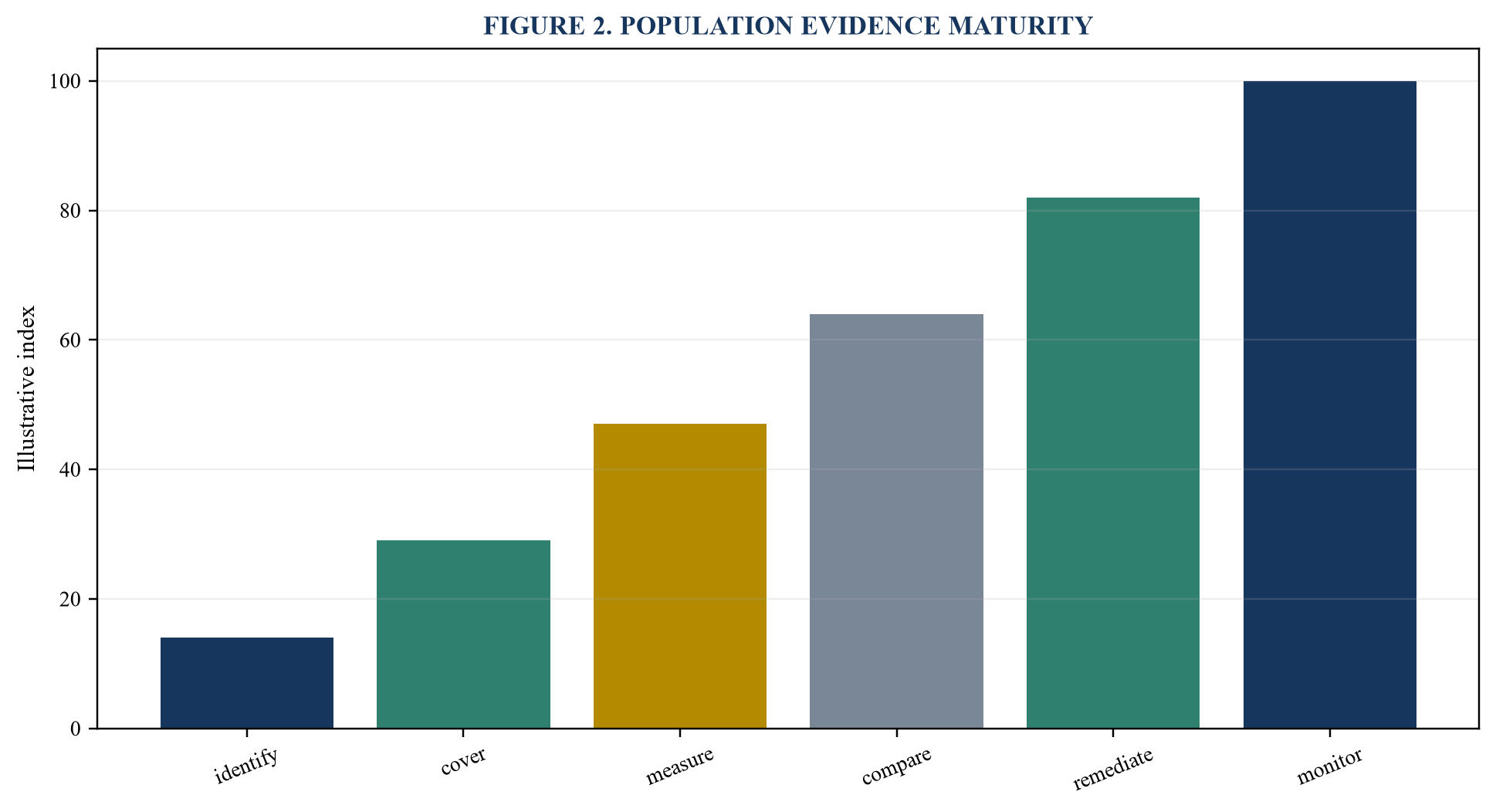
Values are illustrative indices and require replacement with approved release evidence.
17. Test accessibility
Evaluate assistive technologies, alternative inputs, comprehension and disability-related failure modes.
The controlled record includes scope; version; use; market; cohort; device; test; source; reviewer; decision. The immediate deliverable is an accessibility assurance pack. Preserve jurisdiction, effective date, model and system version, intended use, affected population, device and channel, test condition, data lineage, reviewer, approval and unresolved exceptions.
The principal failure occurs when standard interfaces exclude affected users. Reviewers should reproduce the evidence, test adverse and boundary conditions, reconcile subgroup and aggregate results and identify who may approve, remediate, restrict or withhold the release.
Release evidence should be segmented across affected cohorts, devices and markets whenever the decision consequence makes that distinction material.
The decision pack for test accessibility should show the prior claim, tested evidence, correction, customer and commercial consequence, alternative response, owner, due date, next evidence gate and observed outcome. Material exceptions flow into release scope, monitoring, reserves, contractual protections and valuation scenarios.
18. Assess privacy and data minimisation
Map lawful purpose, necessity, retention, access, transfers, sensitive data and user rights.
The controlled record includes scope; version; use; market; cohort; device; test; source; reviewer; decision. The immediate deliverable is a privacy impact dossier. Preserve jurisdiction, effective date, model and system version, intended use, affected population, device and channel, test condition, data lineage, reviewer, approval and unresolved exceptions.
The principal failure occurs when additional data is collected without a release-specific need. Reviewers should reproduce the evidence, test adverse and boundary conditions, reconcile subgroup and aggregate results and identify who may approve, remediate, restrict or withhold the release.
A responsible release gate should connect technical evidence to customer outcomes, legal obligations, operating capacity, cash requirements and executive accountability.
The decision pack for assess privacy and data minimisation should show the prior claim, tested evidence, correction, customer and commercial consequence, alternative response, owner, due date, next evidence gate and observed outcome. Material exceptions flow into release scope, monitoring, reserves, contractual protections and valuation scenarios.
19. Assess explainability and disclosure
Define explanations, notices, contestability, opt-outs and support for each decision context.
The controlled record includes scope; version; use; market; cohort; device; test; source; reviewer; decision. The immediate deliverable is an explanation and disclosure specification. Preserve jurisdiction, effective date, model and system version, intended use, affected population, device and channel, test condition, data lineage, reviewer, approval and unresolved exceptions.
The principal failure occurs when generic disclosures fail high-impact users. Reviewers should reproduce the evidence, test adverse and boundary conditions, reconcile subgroup and aggregate results and identify who may approve, remediate, restrict or withhold the release.
Teams need versioned tests, independent challenge, documented exceptions and a direct path from observed failure to remediation or release restriction.
The decision pack for assess explainability and disclosure should show the prior claim, tested evidence, correction, customer and commercial consequence, alternative response, owner, due date, next evidence gate and observed outcome. Material exceptions flow into release scope, monitoring, reserves, contractual protections and valuation scenarios.
20. Design meaningful human oversight
Set reviewer authority, competence, workload, escalation, override and accountability.
The controlled record includes scope; version; use; market; cohort; device; test; source; reviewer; decision. The immediate deliverable is a human-oversight operating model. Preserve jurisdiction, effective date, model and system version, intended use, affected population, device and channel, test condition, data lineage, reviewer, approval and unresolved exceptions.
The principal failure occurs when a human is nominally present without practical control. Reviewers should reproduce the evidence, test adverse and boundary conditions, reconcile subgroup and aggregate results and identify who may approve, remediate, restrict or withhold the release.
Staged deployment and tested rollback can limit exposure while the organisation gathers monitored evidence under controlled conditions.
The decision pack for design meaningful human oversight should show the prior claim, tested evidence, correction, customer and commercial consequence, alternative response, owner, due date, next evidence gate and observed outcome. Material exceptions flow into release scope, monitoring, reserves, contractual protections and valuation scenarios.
21. Test automation bias and reviewer behaviour
Measure reliance, disagreement, escalation, fatigue and override quality.
The controlled record includes scope; version; use; market; cohort; device; test; source; reviewer; decision. The immediate deliverable is a reviewer-behaviour study. Preserve jurisdiction, effective date, model and system version, intended use, affected population, device and channel, test condition, data lineage, reviewer, approval and unresolved exceptions.
The principal failure occurs when human review is assumed to neutralise model errors. Reviewers should reproduce the evidence, test adverse and boundary conditions, reconcile subgroup and aggregate results and identify who may approve, remediate, restrict or withhold the release.
Release evidence should be segmented across affected cohorts, devices and markets whenever the decision consequence makes that distinction material.
The decision pack for test automation bias and reviewer behaviour should show the prior claim, tested evidence, correction, customer and commercial consequence, alternative response, owner, due date, next evidence gate and observed outcome. Material exceptions flow into release scope, monitoring, reserves, contractual protections and valuation scenarios.
22. Test robustness and misuse
Evaluate perturbations, prompt attacks, out-of-domain inputs, adversarial use and foreseeable abuse.
The controlled record includes scope; version; use; market; cohort; device; test; source; reviewer; decision. The immediate deliverable is a robustness and misuse report. Preserve jurisdiction, effective date, model and system version, intended use, affected population, device and channel, test condition, data lineage, reviewer, approval and unresolved exceptions.
The principal failure occurs when clean tests exclude hostile or unusual conditions. Reviewers should reproduce the evidence, test adverse and boundary conditions, reconcile subgroup and aggregate results and identify who may approve, remediate, restrict or withhold the release.
A responsible release gate should connect technical evidence to customer outcomes, legal obligations, operating capacity, cash requirements and executive accountability.
The decision pack for test robustness and misuse should show the prior claim, tested evidence, correction, customer and commercial consequence, alternative response, owner, due date, next evidence gate and observed outcome. Material exceptions flow into release scope, monitoring, reserves, contractual protections and valuation scenarios.
23. Review cybersecurity
Assess access, secrets, supply chain, model extraction, data leakage, monitoring and incident response.
The controlled record includes scope; version; use; market; cohort; device; test; source; reviewer; decision. The immediate deliverable is a cybersecurity release assessment. Preserve jurisdiction, effective date, model and system version, intended use, affected population, device and channel, test condition, data lineage, reviewer, approval and unresolved exceptions.
The principal failure occurs when release expands the attack surface without accountable controls. Reviewers should reproduce the evidence, test adverse and boundary conditions, reconcile subgroup and aggregate results and identify who may approve, remediate, restrict or withhold the release.
Teams need versioned tests, independent challenge, documented exceptions and a direct path from observed failure to remediation or release restriction.
The decision pack for review cybersecurity should show the prior claim, tested evidence, correction, customer and commercial consequence, alternative response, owner, due date, next evidence gate and observed outcome. Material exceptions flow into release scope, monitoring, reserves, contractual protections and valuation scenarios.
24. Control third-party models and tools
Record vendor versions, terms, locations, dependencies, service levels, evaluations and exit paths.
The controlled record includes scope; version; use; market; cohort; device; test; source; reviewer; decision. The immediate deliverable is a third-party assurance dossier. Preserve jurisdiction, effective date, model and system version, intended use, affected population, device and channel, test condition, data lineage, reviewer, approval and unresolved exceptions.
The principal failure occurs when vendor changes bypass internal release governance. Reviewers should reproduce the evidence, test adverse and boundary conditions, reconcile subgroup and aggregate results and identify who may approve, remediate, restrict or withhold the release.
Staged deployment and tested rollback can limit exposure while the organisation gathers monitored evidence under controlled conditions.
The decision pack for control third-party models and tools should show the prior claim, tested evidence, correction, customer and commercial consequence, alternative response, owner, due date, next evidence gate and observed outcome. Material exceptions flow into release scope, monitoring, reserves, contractual protections and valuation scenarios.
Table 3. Third-party control record
| Dependency | Control question | Release evidence |
|---|---|---|
| model | version and limits | evaluated build |
| data | rights and provenance | approved lineage |
| tool | permissions and failure | bounded access |
| vendor | change and exit | contracted control |
Illustrative controls require use-, market-, cohort-, device-, firm- and period-specific approval.
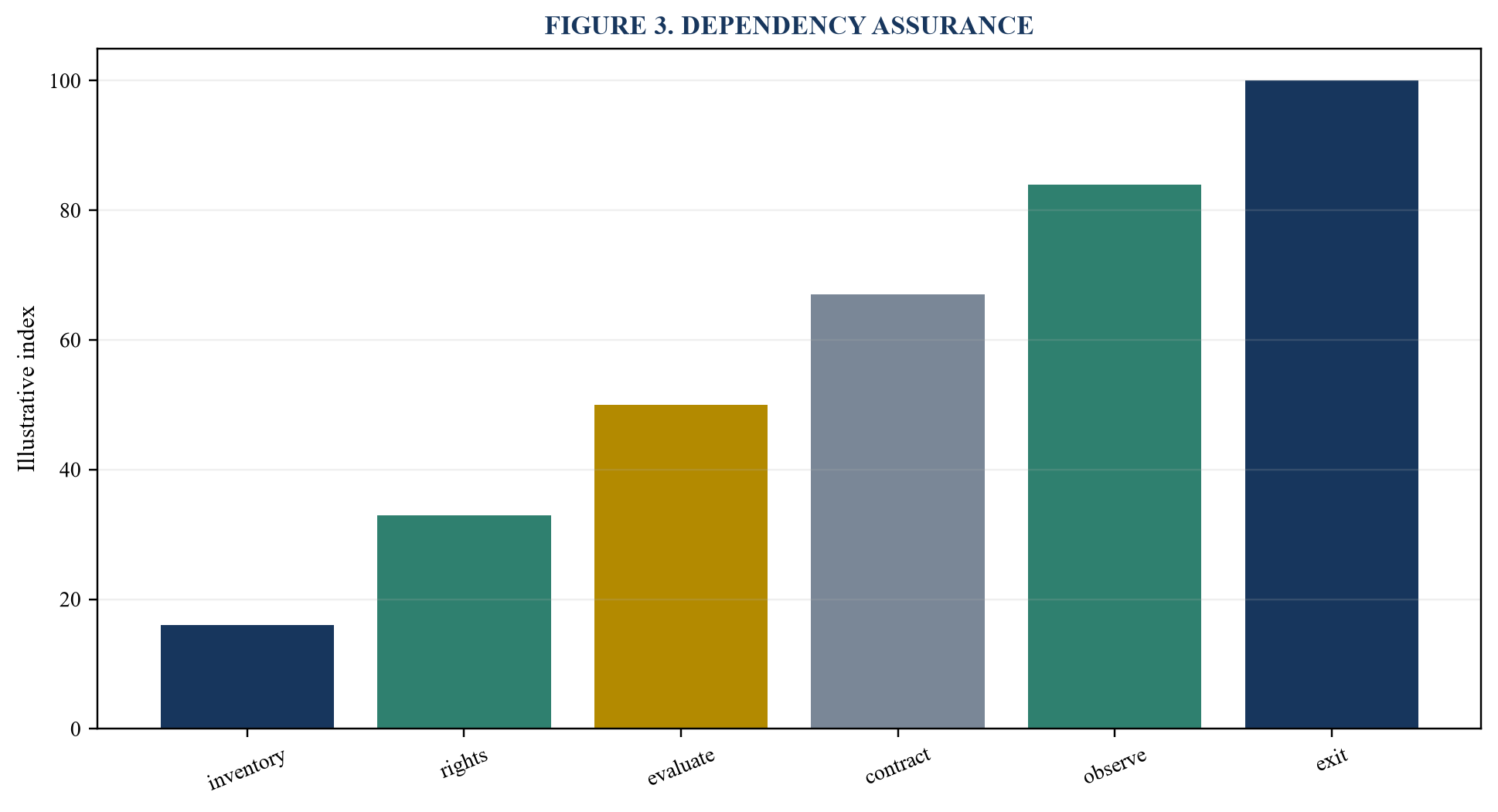
Values are illustrative indices and require replacement with approved release evidence.
25. Control intellectual property
Review training rights, inputs, outputs, licences, confidential information and provenance.
The controlled record includes scope; version; use; market; cohort; device; test; source; reviewer; decision. The immediate deliverable is an IP and content-risk schedule. Preserve jurisdiction, effective date, model and system version, intended use, affected population, device and channel, test condition, data lineage, reviewer, approval and unresolved exceptions.
The principal failure occurs when the release creates unpriced rights exposure. Reviewers should reproduce the evidence, test adverse and boundary conditions, reconcile subgroup and aggregate results and identify who may approve, remediate, restrict or withhold the release.
Release evidence should be segmented across affected cohorts, devices and markets whenever the decision consequence makes that distinction material.
The decision pack for control intellectual property should show the prior claim, tested evidence, correction, customer and commercial consequence, alternative response, owner, due date, next evidence gate and observed outcome. Material exceptions flow into release scope, monitoring, reserves, contractual protections and valuation scenarios.
26. Test market-specific rules
Run jurisdiction, sector and customer acceptance checks against the exact product configuration.
The controlled record includes scope; version; use; market; cohort; device; test; source; reviewer; decision. The immediate deliverable is a market release checklist. Preserve jurisdiction, effective date, model and system version, intended use, affected population, device and channel, test condition, data lineage, reviewer, approval and unresolved exceptions.
The principal failure occurs when a central policy is mistaken for local approval. Reviewers should reproduce the evidence, test adverse and boundary conditions, reconcile subgroup and aggregate results and identify who may approve, remediate, restrict or withhold the release.
A responsible release gate should connect technical evidence to customer outcomes, legal obligations, operating capacity, cash requirements and executive accountability.
The decision pack for test market-specific rules should show the prior claim, tested evidence, correction, customer and commercial consequence, alternative response, owner, due date, next evidence gate and observed outcome. Material exceptions flow into release scope, monitoring, reserves, contractual protections and valuation scenarios.
27. Define release configuration
Freeze model, data, prompts, policies, tools, thresholds, devices and infrastructure.
The controlled record includes scope; version; use; market; cohort; device; test; source; reviewer; decision. The immediate deliverable is a signed configuration baseline. Preserve jurisdiction, effective date, model and system version, intended use, affected population, device and channel, test condition, data lineage, reviewer, approval and unresolved exceptions.
The principal failure occurs when the tested system differs from the deployed system. Reviewers should reproduce the evidence, test adverse and boundary conditions, reconcile subgroup and aggregate results and identify who may approve, remediate, restrict or withhold the release.
Teams need versioned tests, independent challenge, documented exceptions and a direct path from observed failure to remediation or release restriction.
The decision pack for define release configuration should show the prior claim, tested evidence, correction, customer and commercial consequence, alternative response, owner, due date, next evidence gate and observed outcome. Material exceptions flow into release scope, monitoring, reserves, contractual protections and valuation scenarios.
28. Require traceable documentation
Link requirements, risks, tests, exceptions, approvals and evidence to the release.
The controlled record includes scope; version; use; market; cohort; device; test; source; reviewer; decision. The immediate deliverable is a release technical file. Preserve jurisdiction, effective date, model and system version, intended use, affected population, device and channel, test condition, data lineage, reviewer, approval and unresolved exceptions.
The principal failure occurs when decision records cannot be reconstructed. Reviewers should reproduce the evidence, test adverse and boundary conditions, reconcile subgroup and aggregate results and identify who may approve, remediate, restrict or withhold the release.
Staged deployment and tested rollback can limit exposure while the organisation gathers monitored evidence under controlled conditions.
The decision pack for require traceable documentation should show the prior claim, tested evidence, correction, customer and commercial consequence, alternative response, owner, due date, next evidence gate and observed outcome. Material exceptions flow into release scope, monitoring, reserves, contractual protections and valuation scenarios.
29. Score unresolved exceptions
Classify severity, exposure, detectability, reversibility, owner, deadline and residual risk.
The controlled record includes scope; version; use; market; cohort; device; test; source; reviewer; decision. The immediate deliverable is an exception register. Preserve jurisdiction, effective date, model and system version, intended use, affected population, device and channel, test condition, data lineage, reviewer, approval and unresolved exceptions.
The principal failure occurs when open issues disappear inside narrative approval. Reviewers should reproduce the evidence, test adverse and boundary conditions, reconcile subgroup and aggregate results and identify who may approve, remediate, restrict or withhold the release.
Release evidence should be segmented across affected cohorts, devices and markets whenever the decision consequence makes that distinction material.
The decision pack for score unresolved exceptions should show the prior claim, tested evidence, correction, customer and commercial consequence, alternative response, owner, due date, next evidence gate and observed outcome. Material exceptions flow into release scope, monitoring, reserves, contractual protections and valuation scenarios.
30. Quantify commercial consequences
Translate failure modes into remediation cost, service capacity, churn, claims and market access.
The controlled record includes scope; version; use; market; cohort; device; test; source; reviewer; decision. The immediate deliverable is a commercial consequence model. Preserve jurisdiction, effective date, model and system version, intended use, affected population, device and channel, test condition, data lineage, reviewer, approval and unresolved exceptions.
The principal failure occurs when responsible-AI controls remain disconnected from value. Reviewers should reproduce the evidence, test adverse and boundary conditions, reconcile subgroup and aggregate results and identify who may approve, remediate, restrict or withhold the release.
A responsible release gate should connect technical evidence to customer outcomes, legal obligations, operating capacity, cash requirements and executive accountability.
The decision pack for quantify commercial consequences should show the prior claim, tested evidence, correction, customer and commercial consequence, alternative response, owner, due date, next evidence gate and observed outcome. Material exceptions flow into release scope, monitoring, reserves, contractual protections and valuation scenarios.
31. Set remediation and reserves
Cost data work, retesting, human review, customer support, legal work and rollback.
The controlled record includes scope; version; use; market; cohort; device; test; source; reviewer; decision. The immediate deliverable is a funded remediation plan. Preserve jurisdiction, effective date, model and system version, intended use, affected population, device and channel, test condition, data lineage, reviewer, approval and unresolved exceptions.
The principal failure occurs when approval omits the cash required to close evidence gaps. Reviewers should reproduce the evidence, test adverse and boundary conditions, reconcile subgroup and aggregate results and identify who may approve, remediate, restrict or withhold the release.
Teams need versioned tests, independent challenge, documented exceptions and a direct path from observed failure to remediation or release restriction.
The decision pack for set remediation and reserves should show the prior claim, tested evidence, correction, customer and commercial consequence, alternative response, owner, due date, next evidence gate and observed outcome. Material exceptions flow into release scope, monitoring, reserves, contractual protections and valuation scenarios.
32. Design staged market release
Sequence internal, limited, monitored and scaled availability by evidence maturity.
The controlled record includes scope; version; use; market; cohort; device; test; source; reviewer; decision. The immediate deliverable is a staged deployment plan. Preserve jurisdiction, effective date, model and system version, intended use, affected population, device and channel, test condition, data lineage, reviewer, approval and unresolved exceptions.
The principal failure occurs when global scale precedes operational learning. Reviewers should reproduce the evidence, test adverse and boundary conditions, reconcile subgroup and aggregate results and identify who may approve, remediate, restrict or withhold the release.
Staged deployment and tested rollback can limit exposure while the organisation gathers monitored evidence under controlled conditions.
The decision pack for design staged market release should show the prior claim, tested evidence, correction, customer and commercial consequence, alternative response, owner, due date, next evidence gate and observed outcome. Material exceptions flow into release scope, monitoring, reserves, contractual protections and valuation scenarios.
Table 4. Staged release design
| Stage | Exposure | Completion evidence |
|---|---|---|
| internal | staff and test data | failure modes mapped |
| limited | bounded users | monitoring proven |
| market | defined population | local approval |
| scale | expanded exposure | stable outcomes |
Illustrative controls require use-, market-, cohort-, device-, firm- and period-specific approval.
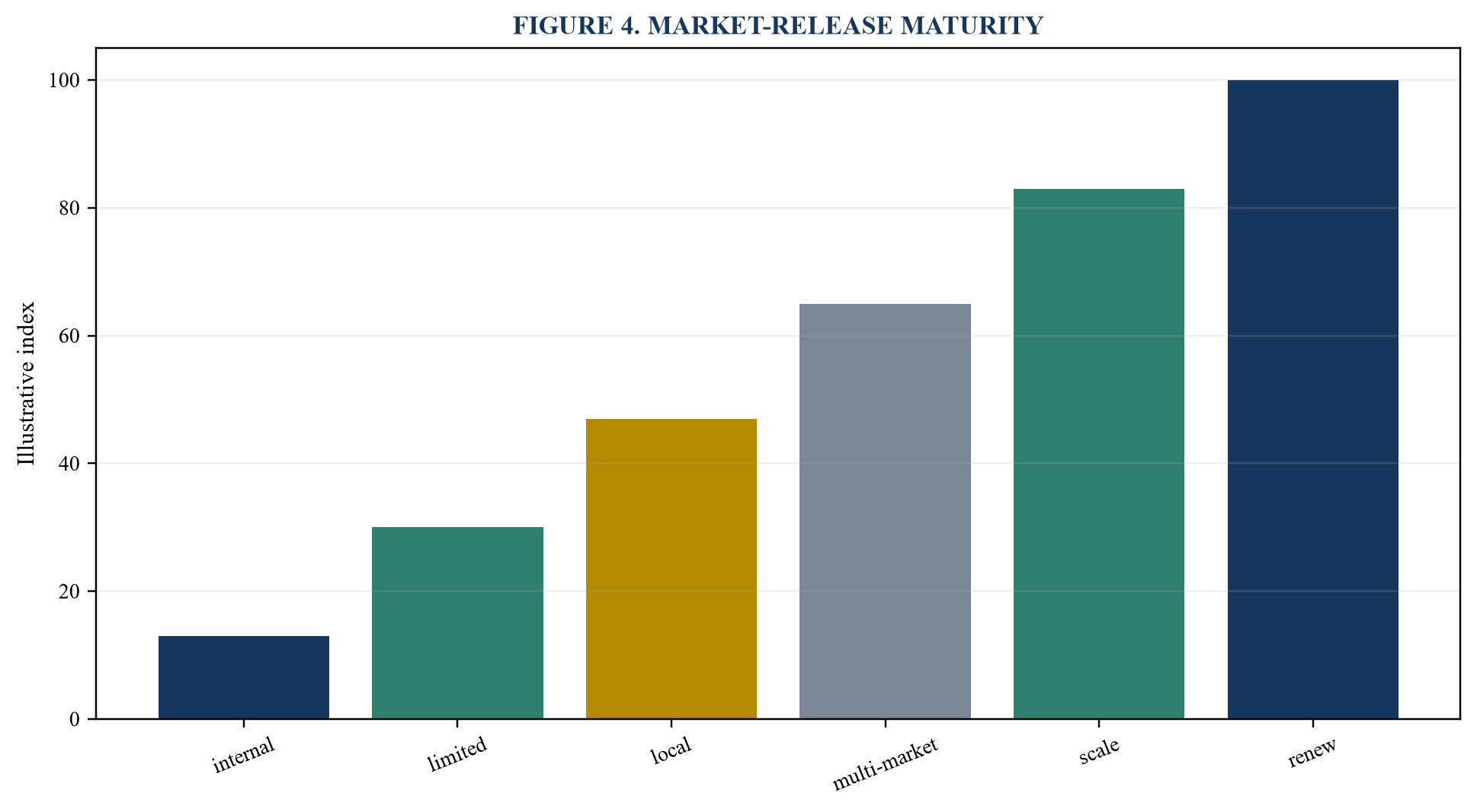
Values are illustrative indices and require replacement with approved release evidence.
33. Define acceptance criteria
Set pass, conditional-pass and stop thresholds with accountable signatories.
The controlled record includes scope; version; use; market; cohort; device; test; source; reviewer; decision. The immediate deliverable is a release acceptance schedule. Preserve jurisdiction, effective date, model and system version, intended use, affected population, device and channel, test condition, data lineage, reviewer, approval and unresolved exceptions.
The principal failure occurs when the committee approves without measurable completion criteria. Reviewers should reproduce the evidence, test adverse and boundary conditions, reconcile subgroup and aggregate results and identify who may approve, remediate, restrict or withhold the release.
Release evidence should be segmented across affected cohorts, devices and markets whenever the decision consequence makes that distinction material.
The decision pack for define acceptance criteria should show the prior claim, tested evidence, correction, customer and commercial consequence, alternative response, owner, due date, next evidence gate and observed outcome. Material exceptions flow into release scope, monitoring, reserves, contractual protections and valuation scenarios.
34. Test rollback and safe fallback
Rehearse disablement, prior-version recovery, manual process, customer communication and data repair.
The controlled record includes scope; version; use; market; cohort; device; test; source; reviewer; decision. The immediate deliverable is a tested rollback plan. Preserve jurisdiction, effective date, model and system version, intended use, affected population, device and channel, test condition, data lineage, reviewer, approval and unresolved exceptions.
The principal failure occurs when rollback exists only as a written intention. Reviewers should reproduce the evidence, test adverse and boundary conditions, reconcile subgroup and aggregate results and identify who may approve, remediate, restrict or withhold the release.
A responsible release gate should connect technical evidence to customer outcomes, legal obligations, operating capacity, cash requirements and executive accountability.
The decision pack for test rollback and safe fallback should show the prior claim, tested evidence, correction, customer and commercial consequence, alternative response, owner, due date, next evidence gate and observed outcome. Material exceptions flow into release scope, monitoring, reserves, contractual protections and valuation scenarios.
35. Plan monitoring by cohort
Track drift, errors, complaints, overrides, incidents and outcomes across groups and devices.
The controlled record includes scope; version; use; market; cohort; device; test; source; reviewer; decision. The immediate deliverable is a segmented monitoring design. Preserve jurisdiction, effective date, model and system version, intended use, affected population, device and channel, test condition, data lineage, reviewer, approval and unresolved exceptions.
The principal failure occurs when post-release averages conceal emerging harm. Reviewers should reproduce the evidence, test adverse and boundary conditions, reconcile subgroup and aggregate results and identify who may approve, remediate, restrict or withhold the release.
Teams need versioned tests, independent challenge, documented exceptions and a direct path from observed failure to remediation or release restriction.
The decision pack for plan monitoring by cohort should show the prior claim, tested evidence, correction, customer and commercial consequence, alternative response, owner, due date, next evidence gate and observed outcome. Material exceptions flow into release scope, monitoring, reserves, contractual protections and valuation scenarios.
36. Define incident triggers
Set thresholds for investigation, suspension, notification, remediation and regulator engagement.
The controlled record includes scope; version; use; market; cohort; device; test; source; reviewer; decision. The immediate deliverable is an AI incident playbook. Preserve jurisdiction, effective date, model and system version, intended use, affected population, device and channel, test condition, data lineage, reviewer, approval and unresolved exceptions.
The principal failure occurs when material events wait for the next review cycle. Reviewers should reproduce the evidence, test adverse and boundary conditions, reconcile subgroup and aggregate results and identify who may approve, remediate, restrict or withhold the release.
Staged deployment and tested rollback can limit exposure while the organisation gathers monitored evidence under controlled conditions.
The decision pack for define incident triggers should show the prior claim, tested evidence, correction, customer and commercial consequence, alternative response, owner, due date, next evidence gate and observed outcome. Material exceptions flow into release scope, monitoring, reserves, contractual protections and valuation scenarios.
37. Govern model and policy change
Require impact analysis and regression evidence for data, model, prompt, tool and threshold changes.
The controlled record includes scope; version; use; market; cohort; device; test; source; reviewer; decision. The immediate deliverable is a change-control protocol. Preserve jurisdiction, effective date, model and system version, intended use, affected population, device and channel, test condition, data lineage, reviewer, approval and unresolved exceptions.
The principal failure occurs when continuous updates invalidate the approved evidence. Reviewers should reproduce the evidence, test adverse and boundary conditions, reconcile subgroup and aggregate results and identify who may approve, remediate, restrict or withhold the release.
Release evidence should be segmented across affected cohorts, devices and markets whenever the decision consequence makes that distinction material.
The decision pack for govern model and policy change should show the prior claim, tested evidence, correction, customer and commercial consequence, alternative response, owner, due date, next evidence gate and observed outcome. Material exceptions flow into release scope, monitoring, reserves, contractual protections and valuation scenarios.
38. Structure the release committee
Assign product, risk, legal, privacy, security, accessibility, market and executive decision rights.
The controlled record includes scope; version; use; market; cohort; device; test; source; reviewer; decision. The immediate deliverable is a committee mandate and RACI. Preserve jurisdiction, effective date, model and system version, intended use, affected population, device and channel, test condition, data lineage, reviewer, approval and unresolved exceptions.
The principal failure occurs when approval responsibility is diffuse. Reviewers should reproduce the evidence, test adverse and boundary conditions, reconcile subgroup and aggregate results and identify who may approve, remediate, restrict or withhold the release.
A responsible release gate should connect technical evidence to customer outcomes, legal obligations, operating capacity, cash requirements and executive accountability.
The decision pack for structure the release committee should show the prior claim, tested evidence, correction, customer and commercial consequence, alternative response, owner, due date, next evidence gate and observed outcome. Material exceptions flow into release scope, monitoring, reserves, contractual protections and valuation scenarios.
39. Connect gates to capital and valuation
Link market access, operating cost, remediation, growth milestones and downside scenarios.
The controlled record includes scope; version; use; market; cohort; device; test; source; reviewer; decision. The immediate deliverable is a risk-adjusted value bridge. Preserve jurisdiction, effective date, model and system version, intended use, affected population, device and channel, test condition, data lineage, reviewer, approval and unresolved exceptions.
The principal failure occurs when release risk remains absent from financing and valuation. Reviewers should reproduce the evidence, test adverse and boundary conditions, reconcile subgroup and aggregate results and identify who may approve, remediate, restrict or withhold the release.
Teams need versioned tests, independent challenge, documented exceptions and a direct path from observed failure to remediation or release restriction.
The decision pack for connect gates to capital and valuation should show the prior claim, tested evidence, correction, customer and commercial consequence, alternative response, owner, due date, next evidence gate and observed outcome. Material exceptions flow into release scope, monitoring, reserves, contractual protections and valuation scenarios.
40. Close through accountable gates
Require evidenced completion, funded exceptions, signed approval, monitoring and rollback readiness.
The controlled record includes scope; version; use; market; cohort; device; test; source; reviewer; decision. The immediate deliverable is an accountable release decision. Preserve jurisdiction, effective date, model and system version, intended use, affected population, device and channel, test condition, data lineage, reviewer, approval and unresolved exceptions.
The principal failure occurs when commercial deadlines override unresolved high-consequence risks. Reviewers should reproduce the evidence, test adverse and boundary conditions, reconcile subgroup and aggregate results and identify who may approve, remediate, restrict or withhold the release.
Staged deployment and tested rollback can limit exposure while the organisation gathers monitored evidence under controlled conditions.
The decision pack for close through accountable gates should show the prior claim, tested evidence, correction, customer and commercial consequence, alternative response, owner, due date, next evidence gate and observed outcome. Material exceptions flow into release scope, monitoring, reserves, contractual protections and valuation scenarios.
Table 5. Accountable close gates
| Gate | Owner evidence | Close condition |
|---|---|---|
| product | intended use | scope bounded |
| assurance | independent tests | criteria met |
| operations | monitoring and support | capacity funded |
| executive | exceptions and rollback | decision signed |
Illustrative controls require use-, market-, cohort-, device-, firm- and period-specific approval.
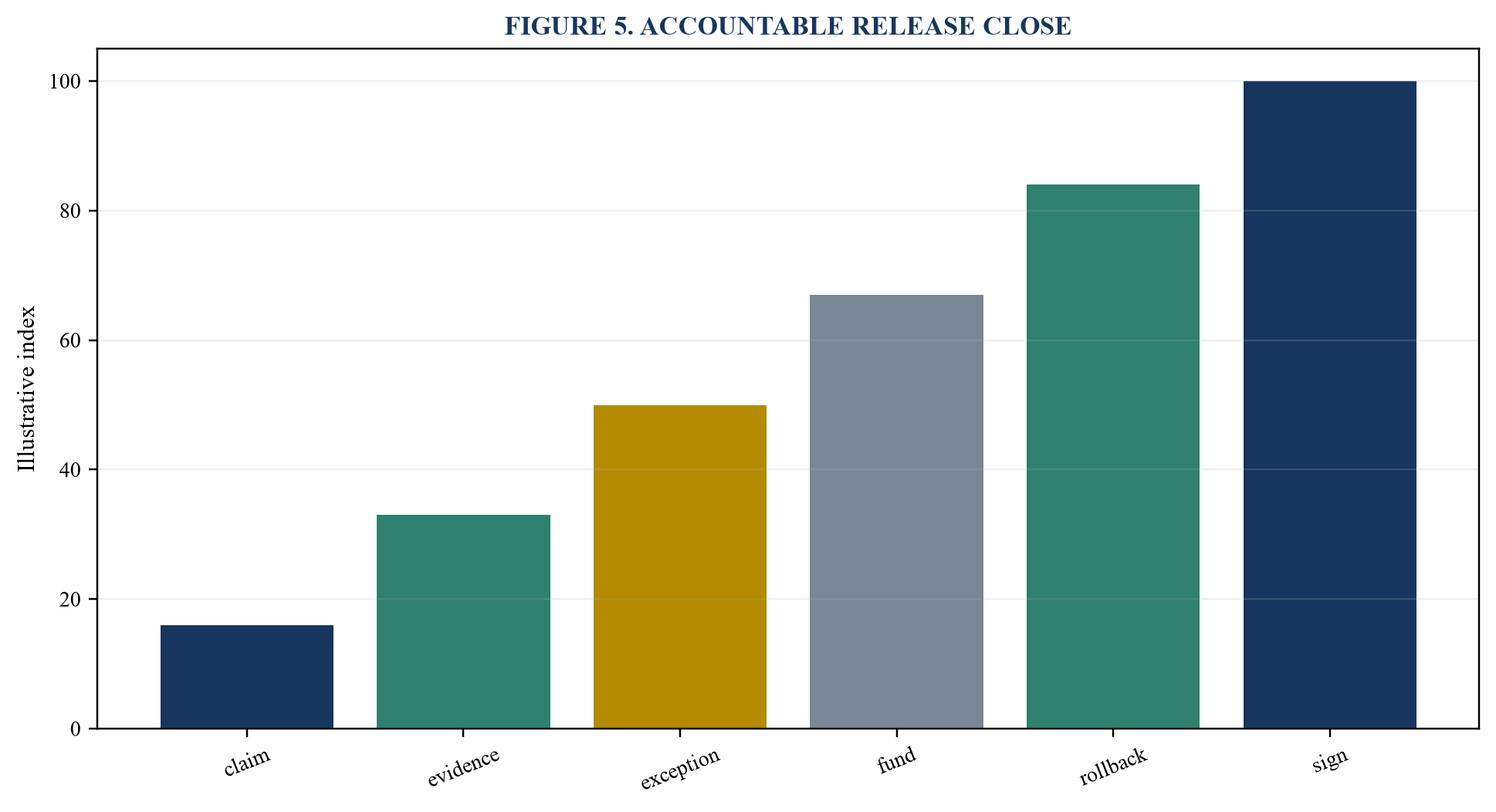
Values are illustrative indices and require replacement with approved release evidence.
References
- European Union, Regulation 2024/1689 Artificial Intelligence Act, https://eur-lex.europa.eu/eli/reg/2024/1689/oj
- European Commission, General-Purpose AI Obligations under the AI Act, https://digital-strategy.ec.europa.eu/en/factpages/general-purpose-ai-obligations-under-ai-act
- European Commission, General-Purpose AI Code of Practice, https://digital-strategy.ec.europa.eu/en/policies/contents-code-gpai
- European Commission, Guidelines for Providers of General-Purpose AI Models, https://digital-strategy.ec.europa.eu/en/policies/guidelines-gpai-providers
- Central Bank of the UAE, Guidance Note on Consumer Protection and Responsible Adoption and Use of AI and ML, https://rulebook.centralbank.ae/en/rulebook/guidance-note-consumer-protection-and-responsible-adoption-and-use-artificial-intelligence
- Central Bank of the UAE, Guidelines for Financial Institutions Adopting Enabling Technologies, https://rulebook.centralbank.ae/sites/default/files/en_net_file_store/CBUAE_EN_2413_VER1.pdf
- National Institute of Standards and Technology, AI Risk Management Framework, https://www.nist.gov/itl/ai-risk-management-framework
- National Institute of Standards and Technology, AI RMF Playbook, https://www.nist.gov/itl/ai-risk-management-framework/nist-ai-rmf-playbook
- National Institute of Standards and Technology, Generative AI Profile NIST AI 600-1, https://nvlpubs.nist.gov/nistpubs/ai/NIST.AI.600-1.pdf
- National Institute of Standards and Technology, AI Resource Center, https://airc.nist.gov/
- National Institute of Standards and Technology, TEVV-Athlon Framework for Evaluating AI Systems, https://www.nist.gov/artificial-intelligence/ai-research/tevv-athlon-framework-evaluating-ai-systems
- International Organization for Standardization, ISO IEC 42001 AI Management Systems, https://www.iso.org/standard/81230.html
- International Organization for Standardization, ISO IEC 23894 AI Risk Management, https://www.iso.org/standard/77304.html
- International Organization for Standardization, ISO IEC 25059 Quality Model for AI Systems, https://www.iso.org/standard/80655.html
- International Organization for Standardization, ISO IEC 24027 Bias in AI Systems and AI Aided Decision Making, https://www.iso.org/standard/77607.html
- International Organization for Standardization, ISO IEC 24029-1 Robustness of Neural Networks, https://www.iso.org/standard/77609.html
- International Organization for Standardization, ISO IEC 5259-2 Data Quality Measures, https://www.iso.org/standard/81860.html
- United Kingdom Information Commissioner's Office, Guidance on AI and Data Protection, https://ico.org.uk/for-organisations/uk-gdpr-guidance-and-resources/artificial-intelligence/guidance-on-ai-and-data-protection/
- United Kingdom Equality and Human Rights Commission, Artificial Intelligence and Public Services, https://www.equalityhumanrights.com/equality/equality-act-2010/artificial-intelligence-and-public-services
- United States Equal Employment Opportunity Commission, Artificial Intelligence and Algorithmic Fairness Initiative, https://www.eeoc.gov/ai
- United States Federal Trade Commission, Keep Your AI Claims in Check, https://www.ftc.gov/business-guidance/blog/2023/02/keep-your-ai-claims-check
- United States Department of Justice, Guidance on Web Accessibility and the ADA, https://www.ada.gov/resources/web-guidance/
- Organisation for Economic Co-operation and Development, OECD AI Principles, https://oecd.ai/en/ai-principles
- UNESCO, Recommendation on the Ethics of Artificial Intelligence, https://www.unesco.org/en/artificial-intelligence/recommendation-ethics
- European Union Agency for Cybersecurity, Cybersecurity of AI and Standardisation, https://www.enisa.europa.eu/publications/cybersecurity-of-ai-and-standardisation
- World Wide Web Consortium, Web Content Accessibility Guidelines 2.2, https://www.w3.org/TR/WCAG22/
