

1. Define the revenue-synergy decision
Define the acquisition price, synergy target, integration commitment, financing case and board decision at the valuation date.
The controlled record should identify the synergy claim, customer, product, revenue stream, contract, pipeline stage, relationship owner, need, permission, evidence source, baseline, probability, timing, scenario, control, exception, accountable executive, deadline and approval. The immediate deliverable is a revenue-synergy scope memorandum.
The principal failure occurs when a single concentration percentage determines a universal discount. Reviewers should connect customer overlap to verified need, permissioned access, product eligibility, conversion evidence, contribution margin, delivery capacity, cash collection and transaction value; distinguish management aspiration from customer evidence; and test whether the conclusion survives delay, rejection and downside scenarios.
The decision pack should state the acquisition thesis, customer and product perimeter, standalone baseline, buyer-specific mechanism, historical evidence, customer facts, conversion logic, sensitivity, accountable action, residual uncertainty and next gate. Material exceptions should flow into the standalone forecast, synergy model, diligence room, purchase-price bridge, transaction protections, integration plan and board reporting.
2. Build the combined customer master
Resolve legal entities, parents, affiliates, governments, buying groups, channels and end users.
The controlled record should identify the synergy claim, customer, product, revenue stream, contract, pipeline stage, relationship owner, need, permission, evidence source, baseline, probability, timing, scenario, control, exception, accountable executive, deadline and approval. The immediate deliverable is a controlled customer hierarchy.
The principal failure occurs when different billing accounts are counted as independent customers. Reviewers should connect customer overlap to verified need, permissioned access, product eligibility, conversion evidence, contribution margin, delivery capacity, cash collection and transaction value; distinguish management aspiration from customer evidence; and test whether the conclusion survives delay, rejection and downside scenarios.
The decision pack should state the commercial question, measurement perimeter, historical evidence, customer-specific facts, forecast logic, sensitivity, management action, buyer implication, residual uncertainty and next gate. Material exceptions should flow into the standalone forecast, synergy model, diligence room, purchase-price bridge, transaction protections, integration plan and board reporting.
3. Reconcile customer relationship to cash
Link order, contract, delivery, acceptance, invoice, credit, collection and renewal data.
The controlled record should identify the synergy claim, customer, product, revenue stream, contract, pipeline stage, relationship owner, need, permission, evidence source, baseline, probability, timing, scenario, control, exception, accountable executive, deadline and approval. The immediate deliverable is a contract-to-cash lineage map.
The principal failure occurs when reported revenue substitutes for realised customer economics. Reviewers should connect customer overlap to verified need, permissioned access, product eligibility, conversion evidence, contribution margin, delivery capacity, cash collection and transaction value; distinguish management aspiration from customer evidence; and test whether the conclusion survives delay, rejection and downside scenarios.
The decision pack should state the commercial question, measurement perimeter, historical evidence, customer-specific facts, forecast logic, sensitivity, management action, buyer implication, residual uncertainty and next gate. Material exceptions should flow into the standalone forecast, synergy model, diligence room, purchase-price bridge, transaction protections, integration plan and board reporting.
4. Map customer and product overlap
Join buyer and target customer-product records, resolve duplicate identities and classify each overlap by existing revenue, verified need, permission and product eligibility.
The controlled record should identify the synergy claim, customer, product, revenue stream, contract, pipeline stage, relationship owner, need, permission, evidence source, baseline, probability, timing, scenario, control, exception, accountable executive, deadline and approval. The immediate deliverable is a customer-product overlap matrix.
The principal failure occurs when one annual top-customer percentage describes the whole exposure. Reviewers should connect customer overlap to verified need, permissioned access, product eligibility, conversion evidence, contribution margin, delivery capacity, cash collection and transaction value; distinguish management aspiration from customer evidence; and test whether the conclusion survives delay, rejection and downside scenarios.
The decision pack should state the commercial question, measurement perimeter, historical evidence, customer-specific facts, forecast logic, sensitivity, management action, buyer implication, residual uncertainty and next gate. Material exceptions should flow into the standalone forecast, synergy model, diligence room, purchase-price bridge, transaction protections, integration plan and board reporting.
5. Measure cross-sell contribution margin
Allocate direct delivery, support, concessions, rebates and service costs by customer.
The controlled record should identify the synergy claim, customer, product, revenue stream, contract, pipeline stage, relationship owner, need, permission, evidence source, baseline, probability, timing, scenario, control, exception, accountable executive, deadline and approval. The immediate deliverable is a cross-sell contribution-margin bridge.
The principal failure occurs when large low-margin revenue receives the same weight as high-margin revenue. Reviewers should connect customer overlap to verified need, permissioned access, product eligibility, conversion evidence, contribution margin, delivery capacity, cash collection and transaction value; distinguish management aspiration from customer evidence; and test whether the conclusion survives delay, rejection and downside scenarios.
The decision pack should state the commercial question, measurement perimeter, historical evidence, customer-specific facts, forecast logic, sensitivity, management action, buyer implication, residual uncertainty and next gate. Material exceptions should flow into the standalone forecast, synergy model, diligence room, purchase-price bridge, transaction protections, integration plan and board reporting.
6. Build the pipeline-to-cash bridge
Map invoicing, ageing, disputes, retentions, advance payments and collections.
The controlled record should identify the synergy claim, customer, product, revenue stream, contract, pipeline stage, relationship owner, need, permission, evidence source, baseline, probability, timing, scenario, control, exception, accountable executive, deadline and approval. The immediate deliverable is a pipeline-to-cash bridge.
The principal failure occurs when accrued revenue is treated as collected cash. Reviewers should connect customer overlap to verified need, permissioned access, product eligibility, conversion evidence, contribution margin, delivery capacity, cash collection and transaction value; distinguish management aspiration from customer evidence; and test whether the conclusion survives delay, rejection and downside scenarios.
The decision pack should state the commercial question, measurement perimeter, historical evidence, customer-specific facts, forecast logic, sensitivity, management action, buyer implication, residual uncertainty and next gate. Material exceptions should flow into the standalone forecast, synergy model, diligence room, purchase-price bridge, transaction protections, integration plan and board reporting.
7. Separate contracted, qualified and speculative value
Test cancellation, renewal, consumption, implementation and performance obligations.
The controlled record should identify the synergy claim, customer, product, revenue stream, contract, pipeline stage, relationship owner, need, permission, evidence source, baseline, probability, timing, scenario, control, exception, accountable executive, deadline and approval. The immediate deliverable is a contracted-revenue quality bridge.
The principal failure occurs when bookings, backlog and recurring revenue are interchangeable. Reviewers should connect customer overlap to verified need, permissioned access, product eligibility, conversion evidence, contribution margin, delivery capacity, cash collection and transaction value; distinguish management aspiration from customer evidence; and test whether the conclusion survives delay, rejection and downside scenarios.
The decision pack should state the commercial question, measurement perimeter, historical evidence, customer-specific facts, forecast logic, sensitivity, management action, buyer implication, residual uncertainty and next gate. Material exceptions should flow into the standalone forecast, synergy model, diligence room, purchase-price bridge, transaction protections, integration plan and board reporting.
8. Remove duplicate customer and value claims
Combine entities under common control, shared budgets, procurement and government influence.
The controlled record should identify the synergy claim, customer, product, revenue stream, contract, pipeline stage, relationship owner, need, permission, evidence source, baseline, probability, timing, scenario, control, exception, accountable executive, deadline and approval. The immediate deliverable is a duplicate-customer and value-claim map.
The principal failure occurs when nominally separate customers diversify the risk. Reviewers should connect customer overlap to verified need, permissioned access, product eligibility, conversion evidence, contribution margin, delivery capacity, cash collection and transaction value; distinguish management aspiration from customer evidence; and test whether the conclusion survives delay, rejection and downside scenarios.
The decision pack should state the commercial question, measurement perimeter, historical evidence, customer-specific facts, forecast logic, sensitivity, management action, buyer implication, residual uncertainty and next gate. Material exceptions should flow into the standalone forecast, synergy model, diligence room, purchase-price bridge, transaction protections, integration plan and board reporting.
Table 1. Customer-overlap evidence lenses
| Measure | Question | Decision use |
|---|---|---|
| revenue | who drives sales | scale exposure |
| gross profit | who creates margin | value exposure |
| cash | who funds liquidity | credit risk |
| backlog | who supports forecast | durability |
Illustrative analytical design; company-specific evidence and professional advice govern.
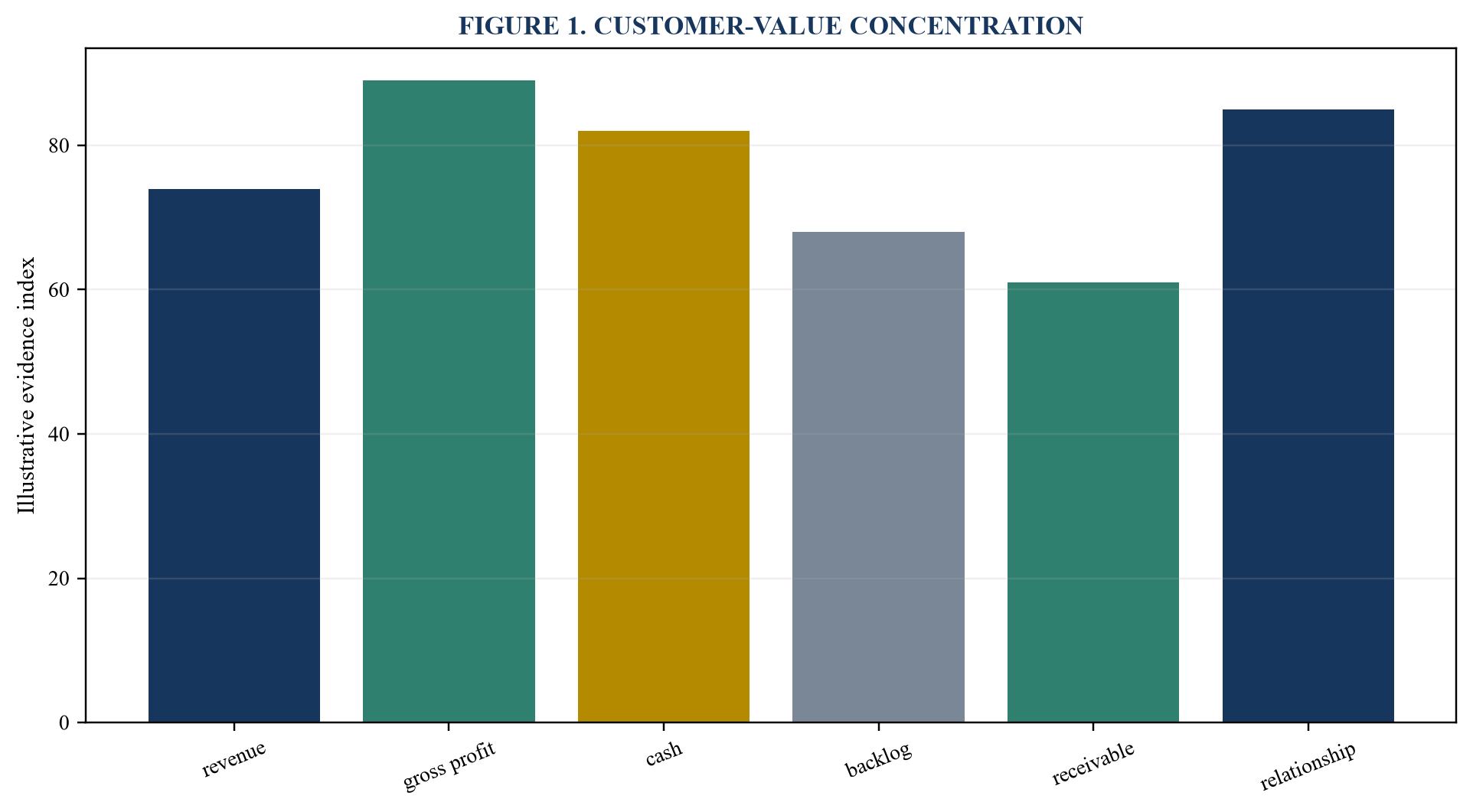
Values are illustrative evidence indices and require company-specific support.
9. Test contract and customer-permission boundaries
Extract term, renewal, termination, convenience, volume, pricing, indexation and liability clauses.
The controlled record should identify the synergy claim, customer, product, revenue stream, contract, pipeline stage, relationship owner, need, permission, evidence source, baseline, probability, timing, scenario, control, exception, accountable executive, deadline and approval. The immediate deliverable is a contractual durability scorecard.
The principal failure occurs when contract value equals enforceable minimum revenue. Reviewers should connect customer overlap to verified need, permissioned access, product eligibility, conversion evidence, contribution margin, delivery capacity, cash collection and transaction value; distinguish management aspiration from customer evidence; and test whether the conclusion survives delay, rejection and downside scenarios.
The decision pack should state the commercial question, measurement perimeter, historical evidence, customer-specific facts, forecast logic, sensitivity, management action, buyer implication, residual uncertainty and next gate. Material exceptions should flow into the standalone forecast, synergy model, diligence room, purchase-price bridge, transaction protections, integration plan and board reporting.
10. Map customer decision authority
Separate committed volume, forecast volume, framework agreements and spot orders.
The controlled record should identify the synergy claim, customer, product, revenue stream, contract, pipeline stage, relationship owner, need, permission, evidence source, baseline, probability, timing, scenario, control, exception, accountable executive, deadline and approval. The immediate deliverable is a commitment-quality register.
The principal failure occurs when preferred-supplier status creates a binding purchase obligation. Reviewers should connect customer overlap to verified need, permissioned access, product eligibility, conversion evidence, contribution margin, delivery capacity, cash collection and transaction value; distinguish management aspiration from customer evidence; and test whether the conclusion survives delay, rejection and downside scenarios.
The decision pack should state the commercial question, measurement perimeter, historical evidence, customer-specific facts, forecast logic, sensitivity, management action, buyer implication, residual uncertainty and next gate. Material exceptions should flow into the standalone forecast, synergy model, diligence room, purchase-price bridge, transaction protections, integration plan and board reporting.
11. Test existing relationship and renewal evidence
Analyse cohort survival, renewal timing, price change, downsell, product adoption and loss reasons.
The controlled record should identify the synergy claim, customer, product, revenue stream, contract, pipeline stage, relationship owner, need, permission, evidence source, baseline, probability, timing, scenario, control, exception, accountable executive, deadline and approval. The immediate deliverable is a renewal survival model.
The principal failure occurs when historical logo retention predicts future cash flow without adjustment. Reviewers should connect customer overlap to verified need, permissioned access, product eligibility, conversion evidence, contribution margin, delivery capacity, cash collection and transaction value; distinguish management aspiration from customer evidence; and test whether the conclusion survives delay, rejection and downside scenarios.
The decision pack should state the commercial question, measurement perimeter, historical evidence, customer-specific facts, forecast logic, sensitivity, management action, buyer implication, residual uncertainty and next gate. Material exceptions should flow into the standalone forecast, synergy model, diligence room, purchase-price bridge, transaction protections, integration plan and board reporting.
12. Quantify adoption and switching friction
Assess integration, data migration, certification, retraining, workflow, regulatory and operational friction.
The controlled record should identify the synergy claim, customer, product, revenue stream, contract, pipeline stage, relationship owner, need, permission, evidence source, baseline, probability, timing, scenario, control, exception, accountable executive, deadline and approval. The immediate deliverable is a switching-cost evidence matrix.
The principal failure occurs when management assertions of stickiness replace customer evidence. Reviewers should connect customer overlap to verified need, permissioned access, product eligibility, conversion evidence, contribution margin, delivery capacity, cash collection and transaction value; distinguish management aspiration from customer evidence; and test whether the conclusion survives delay, rejection and downside scenarios.
The decision pack should state the commercial question, measurement perimeter, historical evidence, customer-specific facts, forecast logic, sensitivity, management action, buyer implication, residual uncertainty and next gate. Material exceptions should flow into the standalone forecast, synergy model, diligence room, purchase-price bridge, transaction protections, integration plan and board reporting.
13. Establish product need and customer criticality
Measure downtime consequence, workflow penetration, alternatives, internal sponsor support and usage depth.
The controlled record should identify the synergy claim, customer, product, revenue stream, contract, pipeline stage, relationship owner, need, permission, evidence source, baseline, probability, timing, scenario, control, exception, accountable executive, deadline and approval. The immediate deliverable is a criticality assessment.
The principal failure occurs when mission-critical language is accepted without observable behaviour. Reviewers should connect customer overlap to verified need, permissioned access, product eligibility, conversion evidence, contribution margin, delivery capacity, cash collection and transaction value; distinguish management aspiration from customer evidence; and test whether the conclusion survives delay, rejection and downside scenarios.
The decision pack should state the commercial question, measurement perimeter, historical evidence, customer-specific facts, forecast logic, sensitivity, management action, buyer implication, residual uncertainty and next gate. Material exceptions should flow into the standalone forecast, synergy model, diligence room, purchase-price bridge, transaction protections, integration plan and board reporting.
14. Assess competitive alternatives and buyer credibility
Map qualified alternatives, insourcing, tender cycles, substitution, price gaps and switching capacity.
The controlled record should identify the synergy claim, customer, product, revenue stream, contract, pipeline stage, relationship owner, need, permission, evidence source, baseline, probability, timing, scenario, control, exception, accountable executive, deadline and approval. The immediate deliverable is a replacement-risk benchmark.
The principal failure occurs when customer dependence is analysed without the customer's outside options. Reviewers should connect customer overlap to verified need, permissioned access, product eligibility, conversion evidence, contribution margin, delivery capacity, cash collection and transaction value; distinguish management aspiration from customer evidence; and test whether the conclusion survives delay, rejection and downside scenarios.
The decision pack should state the commercial question, measurement perimeter, historical evidence, customer-specific facts, forecast logic, sensitivity, management action, buyer implication, residual uncertainty and next gate. Material exceptions should flow into the standalone forecast, synergy model, diligence room, purchase-price bridge, transaction protections, integration plan and board reporting.
15. Underwrite customer credit and collection
Assess obligor, guarantee, budget, ratings, payment history and sector stress.
The controlled record should identify the synergy claim, customer, product, revenue stream, contract, pipeline stage, relationship owner, need, permission, evidence source, baseline, probability, timing, scenario, control, exception, accountable executive, deadline and approval. The immediate deliverable is a customer credit-risk file.
The principal failure occurs when contract duration masks counterparty default and delayed payment. Reviewers should connect customer overlap to verified need, permissioned access, product eligibility, conversion evidence, contribution margin, delivery capacity, cash collection and transaction value; distinguish management aspiration from customer evidence; and test whether the conclusion survives delay, rejection and downside scenarios.
The decision pack should state the commercial question, measurement perimeter, historical evidence, customer-specific facts, forecast logic, sensitivity, management action, buyer implication, residual uncertainty and next gate. Material exceptions should flow into the standalone forecast, synergy model, diligence room, purchase-price bridge, transaction protections, integration plan and board reporting.
16. Map relationship ownership and access
Identify economic buyer, user, procurement, sponsor, implementation team and executive coverage.
The controlled record should identify the synergy claim, customer, product, revenue stream, contract, pipeline stage, relationship owner, need, permission, evidence source, baseline, probability, timing, scenario, control, exception, accountable executive, deadline and approval. The immediate deliverable is a relationship-transfer map.
The principal failure occurs when the founder's relationship transfers automatically at completion. Reviewers should connect customer overlap to verified need, permissioned access, product eligibility, conversion evidence, contribution margin, delivery capacity, cash collection and transaction value; distinguish management aspiration from customer evidence; and test whether the conclusion survives delay, rejection and downside scenarios.
The decision pack should state the commercial question, measurement perimeter, historical evidence, customer-specific facts, forecast logic, sensitivity, management action, buyer implication, residual uncertainty and next gate. Material exceptions should flow into the standalone forecast, synergy model, diligence room, purchase-price bridge, transaction protections, integration plan and board reporting.
Table 2. Contract durability
| Term | Evidence | Valuation effect |
|---|---|---|
| minimum volume | enforceable schedule | base cash flow |
| termination | notice and remedy | loss timing |
| renewal | history and rights | survival curve |
| pricing | index and reopeners | margin range |
Illustrative analytical design; company-specific evidence and professional advice govern.
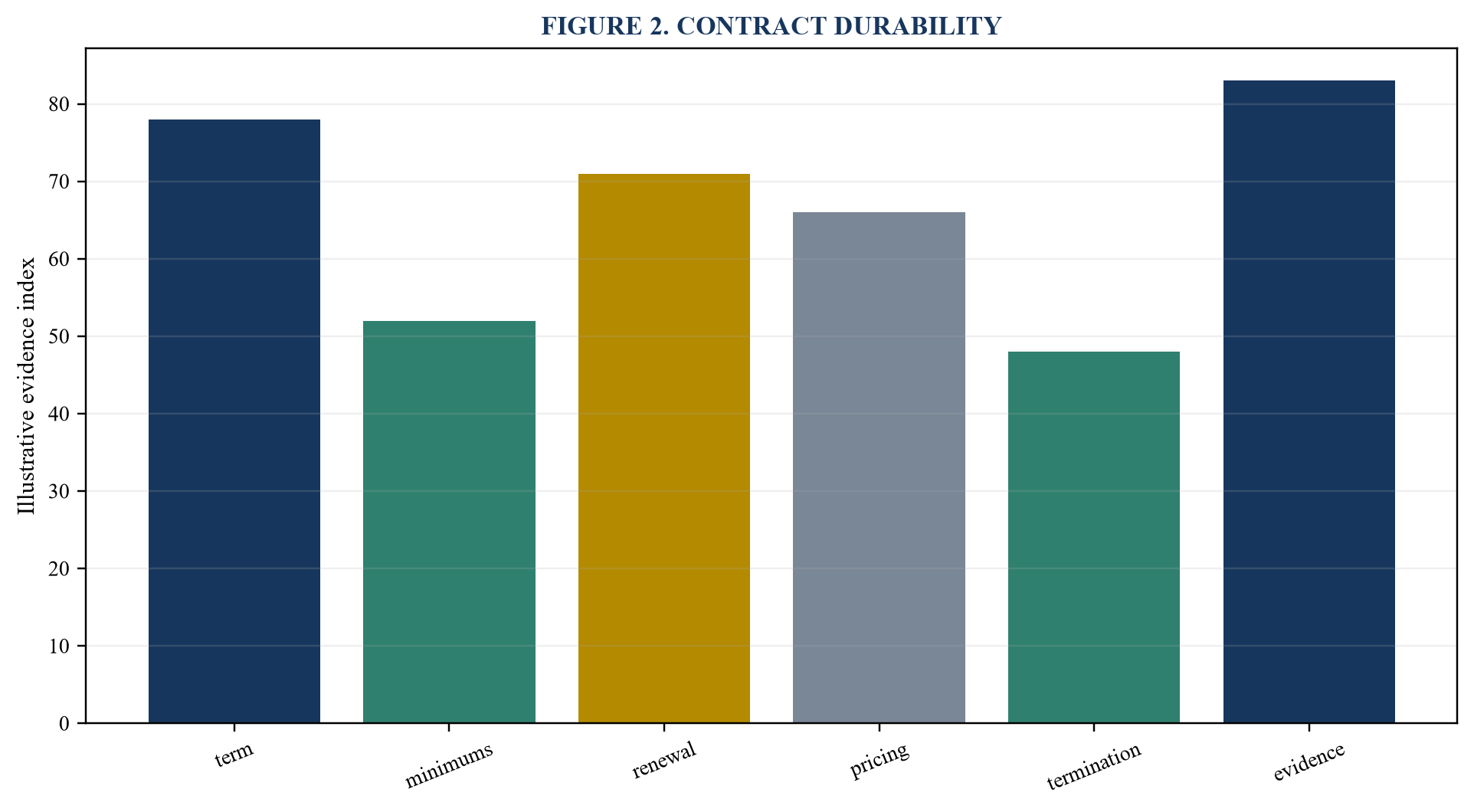
Values are illustrative evidence indices and require company-specific support.
17. Measure relationship key-person dependency
Test introductions, escalation history, account planning, incentives and handover readiness.
The controlled record should identify the synergy claim, customer, product, revenue stream, contract, pipeline stage, relationship owner, need, permission, evidence source, baseline, probability, timing, scenario, control, exception, accountable executive, deadline and approval. The immediate deliverable is a relationship continuity plan.
The principal failure occurs when seller retention is separated from customer continuity. Reviewers should connect customer overlap to verified need, permissioned access, product eligibility, conversion evidence, contribution margin, delivery capacity, cash collection and transaction value; distinguish management aspiration from customer evidence; and test whether the conclusion survives delay, rejection and downside scenarios.
The decision pack should state the commercial question, measurement perimeter, historical evidence, customer-specific facts, forecast logic, sensitivity, management action, buyer implication, residual uncertainty and next gate. Material exceptions should flow into the standalone forecast, synergy model, diligence room, purchase-price bridge, transaction protections, integration plan and board reporting.
18. Test product adjacency and cannibalisation
Link each customer to products, modules, sites, suppliers and technical dependencies.
The controlled record should identify the synergy claim, customer, product, revenue stream, contract, pipeline stage, relationship owner, need, permission, evidence source, baseline, probability, timing, scenario, control, exception, accountable executive, deadline and approval. The immediate deliverable is a product-customer dependency graph.
The principal failure occurs when customer diversification masks a shared single-product failure mode. Reviewers should connect customer overlap to verified need, permissioned access, product eligibility, conversion evidence, contribution margin, delivery capacity, cash collection and transaction value; distinguish management aspiration from customer evidence; and test whether the conclusion survives delay, rejection and downside scenarios.
The decision pack should state the commercial question, measurement perimeter, historical evidence, customer-specific facts, forecast logic, sensitivity, management action, buyer implication, residual uncertainty and next gate. Material exceptions should flow into the standalone forecast, synergy model, diligence room, purchase-price bridge, transaction protections, integration plan and board reporting.
19. Test geography, regulation and data rights
Map revenue, margin and cash to jurisdictions, licences, sanctions and public budgets.
The controlled record should identify the synergy claim, customer, product, revenue stream, contract, pipeline stage, relationship owner, need, permission, evidence source, baseline, probability, timing, scenario, control, exception, accountable executive, deadline and approval. The immediate deliverable is a geographic correlation matrix.
The principal failure occurs when different customers in one policy regime are treated as independent. Reviewers should connect customer overlap to verified need, permissioned access, product eligibility, conversion evidence, contribution margin, delivery capacity, cash collection and transaction value; distinguish management aspiration from customer evidence; and test whether the conclusion survives delay, rejection and downside scenarios.
The decision pack should state the commercial question, measurement perimeter, historical evidence, customer-specific facts, forecast logic, sensitivity, management action, buyer implication, residual uncertainty and next gate. Material exceptions should flow into the standalone forecast, synergy model, diligence room, purchase-price bridge, transaction protections, integration plan and board reporting.
20. Analyse channel conflict
Separate direct, reseller, marketplace, prime-contractor and distributor economics.
The controlled record should identify the synergy claim, customer, product, revenue stream, contract, pipeline stage, relationship owner, need, permission, evidence source, baseline, probability, timing, scenario, control, exception, accountable executive, deadline and approval. The immediate deliverable is a channel-control bridge.
The principal failure occurs when end-customer diversity masks dependence on one route to market. Reviewers should connect customer overlap to verified need, permissioned access, product eligibility, conversion evidence, contribution margin, delivery capacity, cash collection and transaction value; distinguish management aspiration from customer evidence; and test whether the conclusion survives delay, rejection and downside scenarios.
The decision pack should state the commercial question, measurement perimeter, historical evidence, customer-specific facts, forecast logic, sensitivity, management action, buyer implication, residual uncertainty and next gate. Material exceptions should flow into the standalone forecast, synergy model, diligence room, purchase-price bridge, transaction protections, integration plan and board reporting.
21. Test dependency and correlation
Model common owners, sectors, budgets, platforms, suppliers, renewal dates and shock drivers.
The controlled record should identify the synergy claim, customer, product, revenue stream, contract, pipeline stage, relationship owner, need, permission, evidence source, baseline, probability, timing, scenario, control, exception, accountable executive, deadline and approval. The immediate deliverable is a common-dependency and correlated-conversion model.
The principal failure occurs when customer-loss probabilities are assumed independent. Reviewers should connect customer overlap to verified need, permissioned access, product eligibility, conversion evidence, contribution margin, delivery capacity, cash collection and transaction value; distinguish management aspiration from customer evidence; and test whether the conclusion survives delay, rejection and downside scenarios.
The decision pack should state the commercial question, measurement perimeter, historical evidence, customer-specific facts, forecast logic, sensitivity, management action, buyer implication, residual uncertainty and next gate. Material exceptions should flow into the standalone forecast, synergy model, diligence room, purchase-price bridge, transaction protections, integration plan and board reporting.
22. Build customer-conversion scenarios
Model permissioned contact, qualified need, proposal, negotiation, signed order, delivery, acceptance, invoice and collection under base, delay, rejection and downside cases.
The controlled record should identify the synergy claim, customer, product, revenue stream, contract, pipeline stage, relationship owner, need, permission, evidence source, baseline, probability, timing, scenario, control, exception, accountable executive, deadline and approval. The immediate deliverable is a customer-conversion scenario tree.
The principal failure occurs when risk is represented by an arbitrary percentage discount. Reviewers should connect customer overlap to verified need, permissioned access, product eligibility, conversion evidence, contribution margin, delivery capacity, cash collection and transaction value; distinguish management aspiration from customer evidence; and test whether the conclusion survives delay, rejection and downside scenarios.
The decision pack should state the commercial question, measurement perimeter, historical evidence, customer-specific facts, forecast logic, sensitivity, management action, buyer implication, residual uncertainty and next gate. Material exceptions should flow into the standalone forecast, synergy model, diligence room, purchase-price bridge, transaction protections, integration plan and board reporting.
23. Estimate cost-to-win and implementation economics
Forecast sales capacity, win rate, ramp, implementation, margin and working capital for replacement revenue.
The controlled record should identify the synergy claim, customer, product, revenue stream, contract, pipeline stage, relationship owner, need, permission, evidence source, baseline, probability, timing, scenario, control, exception, accountable executive, deadline and approval. The immediate deliverable is a cost-to-win, implementation-capacity and timing model.
The principal failure occurs when lost revenue is replaced instantly at historical margin. Reviewers should connect customer overlap to verified need, permissioned access, product eligibility, conversion evidence, contribution margin, delivery capacity, cash collection and transaction value; distinguish management aspiration from customer evidence; and test whether the conclusion survives delay, rejection and downside scenarios.
The decision pack should state the commercial question, measurement perimeter, historical evidence, customer-specific facts, forecast logic, sensitivity, management action, buyer implication, residual uncertainty and next gate. Material exceptions should flow into the standalone forecast, synergy model, diligence room, purchase-price bridge, transaction protections, integration plan and board reporting.
24. Model contribution margin after cross-sell
Separate incremental price, volume and gross profit from selling cost, implementation, support, service capacity, cannibalisation, working capital and shared overhead.
The controlled record should identify the synergy claim, customer, product, revenue stream, contract, pipeline stage, relationship owner, need, permission, evidence source, baseline, probability, timing, scenario, control, exception, accountable executive, deadline and approval. The immediate deliverable is an incremental contribution-margin bridge.
The principal failure occurs when revenue loss converts mechanically into equal EBITDA loss. Reviewers should connect customer overlap to verified need, permissioned access, product eligibility, conversion evidence, contribution margin, delivery capacity, cash collection and transaction value; distinguish management aspiration from customer evidence; and test whether the conclusion survives delay, rejection and downside scenarios.
The decision pack should state the commercial question, measurement perimeter, historical evidence, customer-specific facts, forecast logic, sensitivity, management action, buyer implication, residual uncertainty and next gate. Material exceptions should flow into the standalone forecast, synergy model, diligence room, purchase-price bridge, transaction protections, integration plan and board reporting.
Table 3. Customer-conversion and cash mechanics
| Driver | Evidence | Cash-flow response |
|---|---|---|
| downsell | usage trend | lower recurring revenue |
| full loss | termination right | replacement delay |
| price reset | benchmark and tender | margin compression |
| credit event | ageing and rating | collection shortfall |
Illustrative analytical design; company-specific evidence and professional advice govern.
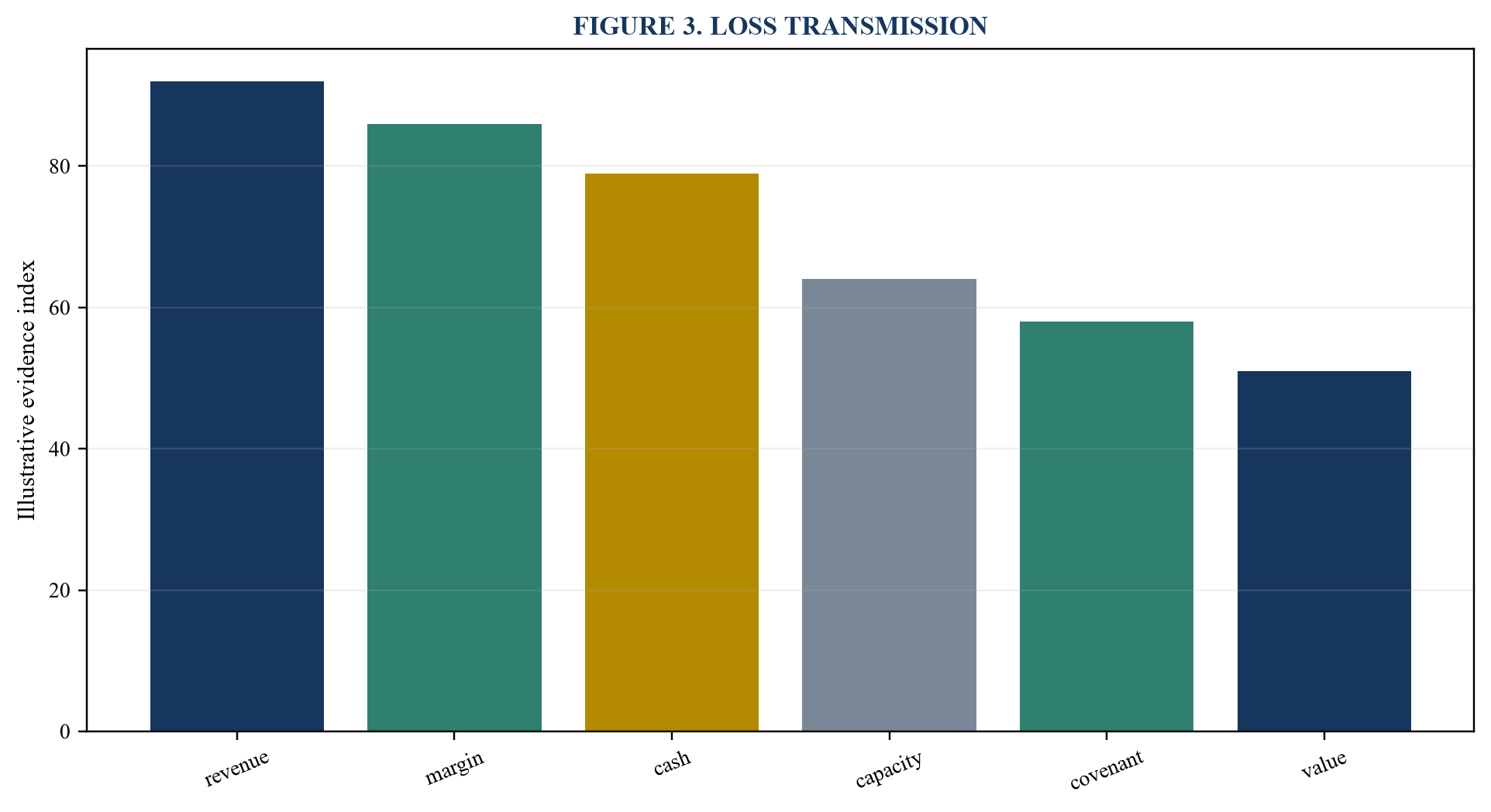
Values are illustrative evidence indices and require company-specific support.
25. Model delivery and working-capital effects
Forecast receivables, contract assets, deferred revenue, inventory, mobilisation and supplier terms.
The controlled record should identify the synergy claim, customer, product, revenue stream, contract, pipeline stage, relationship owner, need, permission, evidence source, baseline, probability, timing, scenario, control, exception, accountable executive, deadline and approval. The immediate deliverable is a working-capital stress schedule.
The principal failure occurs when customer loss affects profit without changing cash conversion. Reviewers should connect customer overlap to verified need, permissioned access, product eligibility, conversion evidence, contribution margin, delivery capacity, cash collection and transaction value; distinguish management aspiration from customer evidence; and test whether the conclusion survives delay, rejection and downside scenarios.
The decision pack should state the commercial question, measurement perimeter, historical evidence, customer-specific facts, forecast logic, sensitivity, management action, buyer implication, residual uncertainty and next gate. Material exceptions should flow into the standalone forecast, synergy model, diligence room, purchase-price bridge, transaction protections, integration plan and board reporting.
26. Model financing-case effects
Link revenue-synergy timing and downside to leverage, coverage, liquidity, debt-service and refinancing assumptions.
The controlled record should identify the synergy claim, customer, product, revenue stream, contract, pipeline stage, relationship owner, need, permission, evidence source, baseline, probability, timing, scenario, control, exception, accountable executive, deadline and approval. The immediate deliverable is a financing-case synergy sensitivity.
The principal failure occurs when enterprise-value downside ignores financing acceleration. Reviewers should connect customer overlap to verified need, permissioned access, product eligibility, conversion evidence, contribution margin, delivery capacity, cash collection and transaction value; distinguish management aspiration from customer evidence; and test whether the conclusion survives delay, rejection and downside scenarios.
The decision pack should state the commercial question, measurement perimeter, historical evidence, customer-specific facts, forecast logic, sensitivity, management action, buyer implication, residual uncertainty and next gate. Material exceptions should flow into the standalone forecast, synergy model, diligence room, purchase-price bridge, transaction protections, integration plan and board reporting.
27. Calibrate pipeline probabilities by evidence
Combine contractual rights, cohort evidence, customer health, sector outlook and management actions.
The controlled record should identify the synergy claim, customer, product, revenue stream, contract, pipeline stage, relationship owner, need, permission, evidence source, baseline, probability, timing, scenario, control, exception, accountable executive, deadline and approval. The immediate deliverable is a probability calibration record.
The principal failure occurs when probabilities are selected to produce a preferred valuation. Reviewers should connect customer overlap to verified need, permissioned access, product eligibility, conversion evidence, contribution margin, delivery capacity, cash collection and transaction value; distinguish management aspiration from customer evidence; and test whether the conclusion survives delay, rejection and downside scenarios.
The decision pack should state the commercial question, measurement perimeter, historical evidence, customer-specific facts, forecast logic, sensitivity, management action, buyer implication, residual uncertainty and next gate. Material exceptions should flow into the standalone forecast, synergy model, diligence room, purchase-price bridge, transaction protections, integration plan and board reporting.
28. Run cohort conversion and confidence-decay analysis
Separate tenure, product, geography, size and acquisition cohorts while controlling for censoring.
The controlled record should identify the synergy claim, customer, product, revenue stream, contract, pipeline stage, relationship owner, need, permission, evidence source, baseline, probability, timing, scenario, control, exception, accountable executive, deadline and approval. The immediate deliverable is a pipeline cohort and confidence-decay dashboard.
The principal failure occurs when aggregate retention hides weakening recent cohorts. Reviewers should connect customer overlap to verified need, permissioned access, product eligibility, conversion evidence, contribution margin, delivery capacity, cash collection and transaction value; distinguish management aspiration from customer evidence; and test whether the conclusion survives delay, rejection and downside scenarios.
The decision pack should state the commercial question, measurement perimeter, historical evidence, customer-specific facts, forecast logic, sensitivity, management action, buyer implication, residual uncertainty and next gate. Material exceptions should flow into the standalone forecast, synergy model, diligence room, purchase-price bridge, transaction protections, integration plan and board reporting.
29. Run a scenario-weighted synergy valuation
Translate each customer outcome into revenue, margin, cash, capex and terminal effects.
The controlled record should identify the synergy claim, customer, product, revenue stream, contract, pipeline stage, relationship owner, need, permission, evidence source, baseline, probability, timing, scenario, control, exception, accountable executive, deadline and approval. The immediate deliverable is a scenario DCF.
The principal failure occurs when a concentration premium is added to the discount rate without cash-flow reconciliation. Reviewers should connect customer overlap to verified need, permissioned access, product eligibility, conversion evidence, contribution margin, delivery capacity, cash collection and transaction value; distinguish management aspiration from customer evidence; and test whether the conclusion survives delay, rejection and downside scenarios.
The decision pack should state the commercial question, measurement perimeter, historical evidence, customer-specific facts, forecast logic, sensitivity, management action, buyer implication, residual uncertainty and next gate. Material exceptions should flow into the standalone forecast, synergy model, diligence room, purchase-price bridge, transaction protections, integration plan and board reporting.
30. Prevent probability and discount-rate duplication
Identify residual systematic and non-diversifiable risk after scenario modelling.
The controlled record should identify the synergy claim, customer, product, revenue stream, contract, pipeline stage, relationship owner, need, permission, evidence source, baseline, probability, timing, scenario, control, exception, accountable executive, deadline and approval. The immediate deliverable is a risk double-counting bridge.
The principal failure occurs when customer risk is counted in both cash flows and discount rate. Reviewers should connect customer overlap to verified need, permissioned access, product eligibility, conversion evidence, contribution margin, delivery capacity, cash collection and transaction value; distinguish management aspiration from customer evidence; and test whether the conclusion survives delay, rejection and downside scenarios.
The decision pack should state the commercial question, measurement perimeter, historical evidence, customer-specific facts, forecast logic, sensitivity, management action, buyer implication, residual uncertainty and next gate. Material exceptions should flow into the standalone forecast, synergy model, diligence room, purchase-price bridge, transaction protections, integration plan and board reporting.
31. Use comparable cross-sell evidence carefully
Normalise comparable-company and transaction evidence for margin, contract and concentration quality.
The controlled record should identify the synergy claim, customer, product, revenue stream, contract, pipeline stage, relationship owner, need, permission, evidence source, baseline, probability, timing, scenario, control, exception, accountable executive, deadline and approval. The immediate deliverable is a synergy-adjusted market approach.
The principal failure occurs when peer multiples apply despite different exposure structures. Reviewers should connect customer overlap to verified need, permissioned access, product eligibility, conversion evidence, contribution margin, delivery capacity, cash collection and transaction value; distinguish management aspiration from customer evidence; and test whether the conclusion survives delay, rejection and downside scenarios.
The decision pack should state the commercial question, measurement perimeter, historical evidence, customer-specific facts, forecast logic, sensitivity, management action, buyer implication, residual uncertainty and next gate. Material exceptions should flow into the standalone forecast, synergy model, diligence room, purchase-price bridge, transaction protections, integration plan and board reporting.
32. Separate customer-relationship value from synergy
Reconcile attrition, revenue, margin, contributory charges and useful life where relevant.
The controlled record should identify the synergy claim, customer, product, revenue stream, contract, pipeline stage, relationship owner, need, permission, evidence source, baseline, probability, timing, scenario, control, exception, accountable executive, deadline and approval. The immediate deliverable is a customer-relationship valuation.
The principal failure occurs when relationship asset value is inferred from acquisition goodwill. Reviewers should connect customer overlap to verified need, permissioned access, product eligibility, conversion evidence, contribution margin, delivery capacity, cash collection and transaction value; distinguish management aspiration from customer evidence; and test whether the conclusion survives delay, rejection and downside scenarios.
The decision pack should state the commercial question, measurement perimeter, historical evidence, customer-specific facts, forecast logic, sensitivity, management action, buyer implication, residual uncertainty and next gate. Material exceptions should flow into the standalone forecast, synergy model, diligence room, purchase-price bridge, transaction protections, integration plan and board reporting.
Table 4. Valuation methods
| Approach | Primary input | Control |
|---|---|---|
| scenario DCF | customer outcomes | probability calibration |
| market | normalised peers | exposure adjustment |
| relationship | attrition and margin | contributory charges |
| buyer value | specific synergies | separate bridge |
Illustrative analytical design; company-specific evidence and professional advice govern.
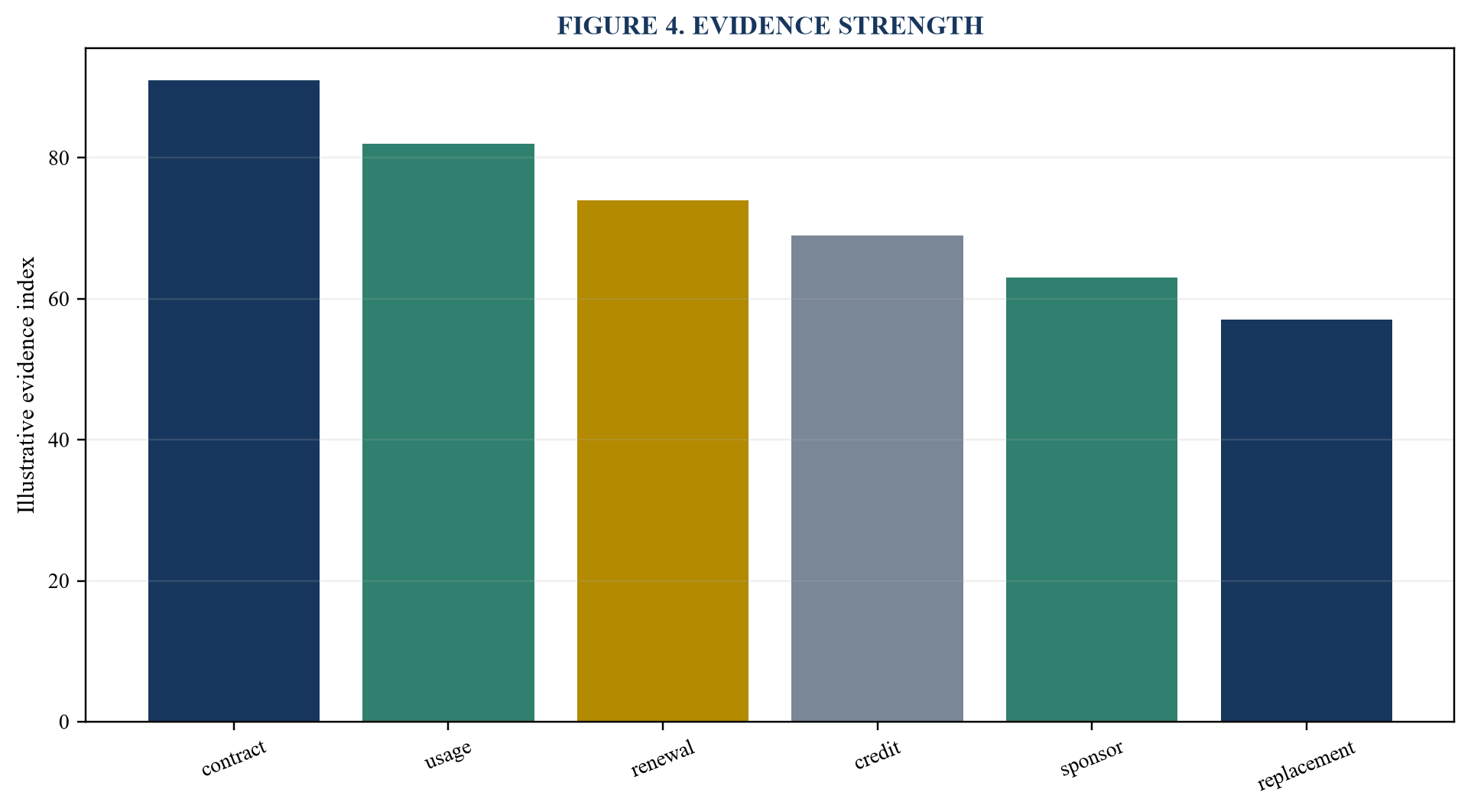
Values are illustrative evidence indices and require company-specific support.
33. Isolate buyer-specific revenue synergy
Model cross-sell, bundled offering, channel strength, credit support and portfolio concentration.
The controlled record should identify the synergy claim, customer, product, revenue stream, contract, pipeline stage, relationship owner, need, permission, evidence source, baseline, probability, timing, scenario, control, exception, accountable executive, deadline and approval. The immediate deliverable is a standalone-to-buyer value bridge.
The principal failure occurs when strategic value is presented as market-participant value. Reviewers should connect customer overlap to verified need, permissioned access, product eligibility, conversion evidence, contribution margin, delivery capacity, cash collection and transaction value; distinguish management aspiration from customer evidence; and test whether the conclusion survives delay, rejection and downside scenarios.
The decision pack should state the commercial question, measurement perimeter, historical evidence, customer-specific facts, forecast logic, sensitivity, management action, buyer implication, residual uncertainty and next gate. Material exceptions should flow into the standalone forecast, synergy model, diligence room, purchase-price bridge, transaction protections, integration plan and board reporting.
34. Design confirmatory customer diligence
Use consented interviews, contract confirmation, usage data, references and post-close restrictions.
The controlled record should identify the synergy claim, customer, product, revenue stream, contract, pipeline stage, relationship owner, need, permission, evidence source, baseline, probability, timing, scenario, control, exception, accountable executive, deadline and approval. The immediate deliverable is a customer evidence protocol.
The principal failure occurs when a management-selected customer call validates the whole base. Reviewers should connect customer overlap to verified need, permissioned access, product eligibility, conversion evidence, contribution margin, delivery capacity, cash collection and transaction value; distinguish management aspiration from customer evidence; and test whether the conclusion survives delay, rejection and downside scenarios.
The decision pack should state the commercial question, measurement perimeter, historical evidence, customer-specific facts, forecast logic, sensitivity, management action, buyer implication, residual uncertainty and next gate. Material exceptions should flow into the standalone forecast, synergy model, diligence room, purchase-price bridge, transaction protections, integration plan and board reporting.
35. Protect confidentiality, data and competition
Control clean teams, customer contact, pricing data, privacy and antitrust-sensitive information.
The controlled record should identify the synergy claim, customer, product, revenue stream, contract, pipeline stage, relationship owner, need, permission, evidence source, baseline, probability, timing, scenario, control, exception, accountable executive, deadline and approval. The immediate deliverable is a customer-data access protocol.
The principal failure occurs when diligence access overrides contractual and regulatory limits. Reviewers should connect customer overlap to verified need, permissioned access, product eligibility, conversion evidence, contribution margin, delivery capacity, cash collection and transaction value; distinguish management aspiration from customer evidence; and test whether the conclusion survives delay, rejection and downside scenarios.
The decision pack should state the commercial question, measurement perimeter, historical evidence, customer-specific facts, forecast logic, sensitivity, management action, buyer implication, residual uncertainty and next gate. Material exceptions should flow into the standalone forecast, synergy model, diligence room, purchase-price bridge, transaction protections, integration plan and board reporting.
36. Align transaction structure with revenue evidence
Align price, earnout, escrow, indemnity, rollover, retention and closing conditions to specific risks.
The controlled record should identify the synergy claim, customer, product, revenue stream, contract, pipeline stage, relationship owner, need, permission, evidence source, baseline, probability, timing, scenario, control, exception, accountable executive, deadline and approval. The immediate deliverable is a revenue-evidence risk-allocation term sheet.
The principal failure occurs when a generic warranty covers customer-value uncertainty. Reviewers should connect customer overlap to verified need, permissioned access, product eligibility, conversion evidence, contribution margin, delivery capacity, cash collection and transaction value; distinguish management aspiration from customer evidence; and test whether the conclusion survives delay, rejection and downside scenarios.
The decision pack should state the commercial question, measurement perimeter, historical evidence, customer-specific facts, forecast logic, sensitivity, management action, buyer implication, residual uncertainty and next gate. Material exceptions should flow into the standalone forecast, synergy model, diligence room, purchase-price bridge, transaction protections, integration plan and board reporting.
37. Plan the first hundred days of revenue conversion
Sequence sponsor transfer, service continuity, pricing decisions, renewal saves and cross-sell.
The controlled record should identify the synergy claim, customer, product, revenue stream, contract, pipeline stage, relationship owner, need, permission, evidence source, baseline, probability, timing, scenario, control, exception, accountable executive, deadline and approval. The immediate deliverable is a first-hundred-day revenue-conversion programme.
The principal failure occurs when integration begins after key renewal and relationship windows pass. Reviewers should connect customer overlap to verified need, permissioned access, product eligibility, conversion evidence, contribution margin, delivery capacity, cash collection and transaction value; distinguish management aspiration from customer evidence; and test whether the conclusion survives delay, rejection and downside scenarios.
The decision pack should state the commercial question, measurement perimeter, historical evidence, customer-specific facts, forecast logic, sensitivity, management action, buyer implication, residual uncertainty and next gate. Material exceptions should flow into the standalone forecast, synergy model, diligence room, purchase-price bridge, transaction protections, integration plan and board reporting.
38. Monitor leading and realised indicators
Track usage, tickets, delivery, NPS, sponsor change, tender activity, invoices and collections.
The controlled record should identify the synergy claim, customer, product, revenue stream, contract, pipeline stage, relationship owner, need, permission, evidence source, baseline, probability, timing, scenario, control, exception, accountable executive, deadline and approval. The immediate deliverable is a revenue-synergy leading-indicator dashboard.
The principal failure occurs when lagging revenue reveals risk only after value has eroded. Reviewers should connect customer overlap to verified need, permissioned access, product eligibility, conversion evidence, contribution margin, delivery capacity, cash collection and transaction value; distinguish management aspiration from customer evidence; and test whether the conclusion survives delay, rejection and downside scenarios.
The decision pack should state the commercial question, measurement perimeter, historical evidence, customer-specific facts, forecast logic, sensitivity, management action, buyer implication, residual uncertainty and next gate. Material exceptions should flow into the standalone forecast, synergy model, diligence room, purchase-price bridge, transaction protections, integration plan and board reporting.
39. Build the revenue-synergy record
Archive customer hierarchy, contracts, datasets, model versions, assumptions, interviews and approvals.
The controlled record should identify the synergy claim, customer, product, revenue stream, contract, pipeline stage, relationship owner, need, permission, evidence source, baseline, probability, timing, scenario, control, exception, accountable executive, deadline and approval. The immediate deliverable is a controlled revenue-synergy evidence file.
The principal failure occurs when the concentration adjustment cannot be reproduced. Reviewers should connect customer overlap to verified need, permissioned access, product eligibility, conversion evidence, contribution margin, delivery capacity, cash collection and transaction value; distinguish management aspiration from customer evidence; and test whether the conclusion survives delay, rejection and downside scenarios.
The decision pack should state the commercial question, measurement perimeter, historical evidence, customer-specific facts, forecast logic, sensitivity, management action, buyer implication, residual uncertainty and next gate. Material exceptions should flow into the standalone forecast, synergy model, diligence room, purchase-price bridge, transaction protections, integration plan and board reporting.
40. Close the value case through evidence gates
Require reconciled exposure, durable contracts, calibrated loss cases, continuity actions and approved value ranges.
The controlled record should identify the synergy claim, customer, product, revenue stream, contract, pipeline stage, relationship owner, need, permission, evidence source, baseline, probability, timing, scenario, control, exception, accountable executive, deadline and approval. The immediate deliverable is a synergy-adjusted close certificate.
The principal failure occurs when transaction momentum overrides unresolved customer dependence. Reviewers should connect customer overlap to verified need, permissioned access, product eligibility, conversion evidence, contribution margin, delivery capacity, cash collection and transaction value; distinguish management aspiration from customer evidence; and test whether the conclusion survives delay, rejection and downside scenarios.
The decision pack should state the commercial question, measurement perimeter, historical evidence, customer-specific facts, forecast logic, sensitivity, management action, buyer implication, residual uncertainty and next gate. Material exceptions should flow into the standalone forecast, synergy model, diligence room, purchase-price bridge, transaction protections, integration plan and board reporting.
Table 5. Closing gates
| Gate | Minimum evidence | Owner |
|---|---|---|
| exposure | customer hierarchy | finance |
| durability | contract register | legal |
| continuity | relationship plan | commercial |
| value | approved scenarios | board |
Illustrative analytical design; company-specific evidence and professional advice govern.
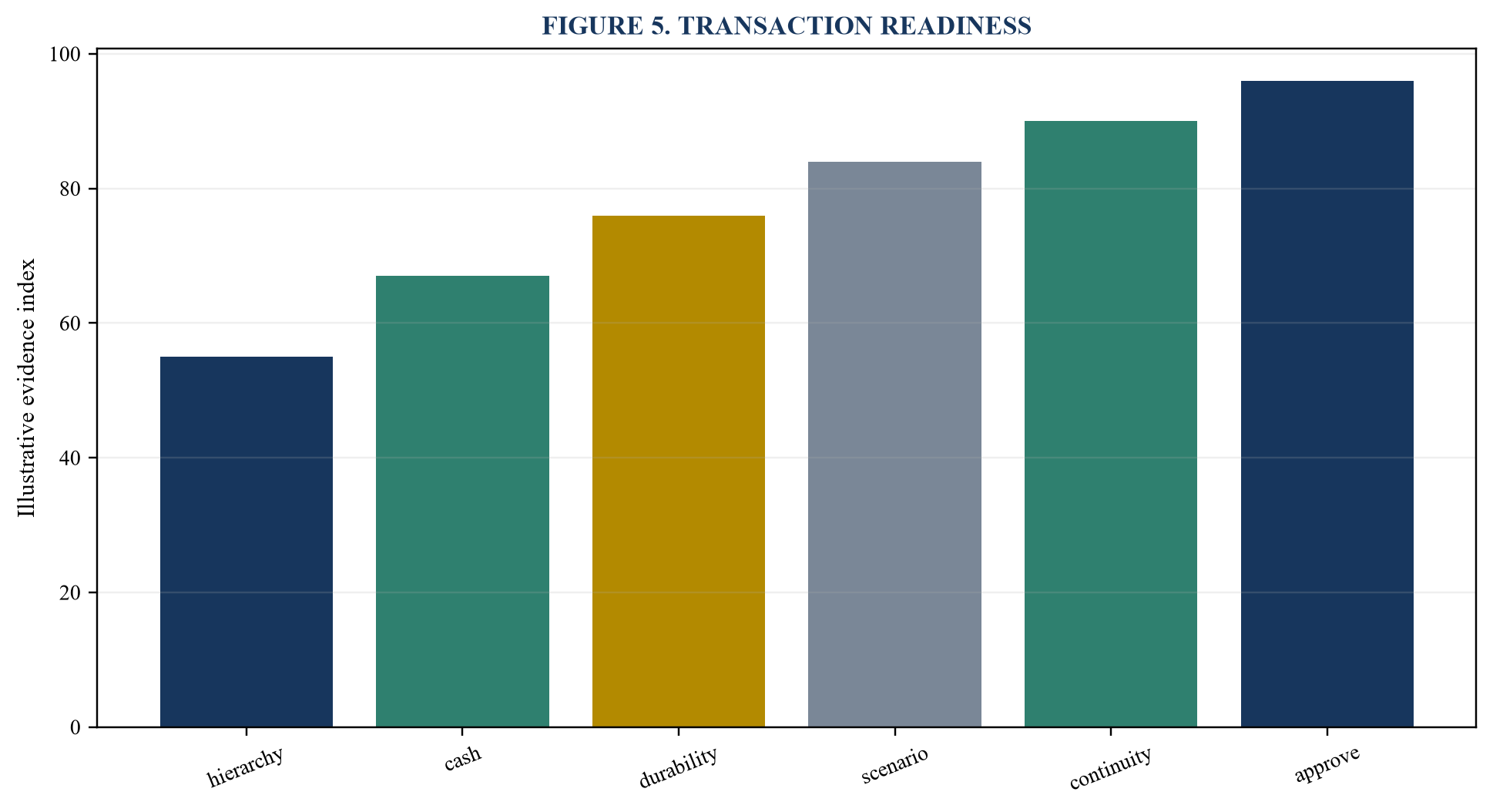
Values are illustrative evidence indices and require company-specific support.
References
- IFRS Foundation, IFRS 8 Operating Segments, https://www.ifrs.org/issued-standards/list-of-standards/ifrs-8-operating-segments/
- IFRS Foundation, IFRS 8 major customer disclosure extract, https://www.ifrs.org/content/dam/ifrs/meetings/2007/november/iasb/amendments-to-ias-24-related-party-disclosures/ap5b-definition.pdf
- IFRS Foundation, IFRS 15 Revenue from Contracts with Customers, https://www.ifrs.org/issued-standards/list-of-standards/ifrs-15-revenue-from-contracts-with-customers/
- IFRS Foundation, IFRS 9 Financial Instruments, https://www.ifrs.org/issued-standards/list-of-standards/ifrs-9-financial-instruments/
- IFRS Foundation, IFRS 13 Fair Value Measurement, https://www.ifrs.org/issued-standards/list-of-standards/ifrs-13-fair-value-measurement/
- IFRS Foundation, IAS 36 Impairment of Assets, https://www.ifrs.org/issued-standards/list-of-standards/ias-36-impairment-of-assets/
- International Valuation Standards Council, International Valuation Standards, https://ivsc.org/standards/
- Financial Accounting Standards Board, Segment Reporting Topic 280 resources, https://www.fasb.org/page/PageContent?pageId=/projects/recentlycompleted/segment-reporting.html
- Financial Accounting Standards Board, Risks and Uncertainties Topic 275 resources, https://asc.fasb.org/topic&trid=2128394
- US Securities and Exchange Commission, Regulation S-K, https://www.ecfr.gov/current/title-17/chapter-II/part-229
- US Securities and Exchange Commission, 2025 customer concentration disclosure, https://www.sec.gov/Archives/edgar/data/1883814/000110465926047758/slnd-20251231xars.pdf
- US Securities and Exchange Commission, 2026 revenue and receivable concentration schedule, https://www.sec.gov/Archives/edgar/data/872912/000162828026031751/R38.htm
- US Securities and Exchange Commission, customer and product concentration disclosure, https://www.sec.gov/Archives/edgar/data/100591/000110465926035216/R84.htm
- US Securities and Exchange Commission, client concentration annual report, https://www.sec.gov/Archives/edgar/data/0001803599/000180359926000066/cnxc2026annualreport.pdf
- Public Company Accounting Oversight Board, AS 2501 Auditing Accounting Estimates, https://pcaobus.org/oversight/standards/auditing-standards/details/AS2501
- Federal Trade Commission, Exclusive Supply or Purchase Agreements, https://www.ftc.gov/advice-guidance/competition-guidance/guide-antitrust-laws/single-firm-conduct/exclusive-supply-or-purchase-agreements
- Federal Trade Commission, Loyalty discounts and network effects, https://www.ftc.gov/enforcement/competition-matters/2026/02/how-loyalty-discounts-between-firms-harm-competition-when-there-are-network-effects-ftc-v-surescripts
- Federal Trade Commission, Switching Costs and Equilibrium Prices, https://www.ftc.gov/system/files/attachments/bureau-economics-seminar-series-calendar-archive/130314equlibriumcostpaper.pdf
- Federal Trade Commission, Long-term contracts and efficiency in LNG, https://www.ftc.gov/system/files/ftc_gov/pdf/zahur.pdf
- US Department of Justice and Federal Trade Commission, 2023 Merger Guidelines, https://www.justice.gov/atr/2023-merger-guidelines
- European Commission, Guidelines on Vertical Restraints, https://competition-policy.ec.europa.eu/antitrust-and-cartels/legislation/vertical-restraints_en
- UK Competition and Markets Authority, Merger Assessment Guidelines, https://www.gov.uk/government/publications/merger-assessment-guidelines
- Committee of Sponsoring Organizations of the Treadway Commission, Enterprise Risk Management, https://www.coso.org/enterprise-risk-management
- International Organization for Standardization, ISO 31000 Risk Management, https://www.iso.org/iso-31000-risk-management.html
- Office of the Comptroller of the Currency, Concentrations of Credit, https://www.occ.treas.gov/publications-and-resources/publications/comptrollers-handbook/files/concentrations-of-credit/index-concentrations-of-credit.html
- National Institute of Standards and Technology, Cybersecurity Supply Chain Risk Management Practices, https://csrc.nist.gov/pubs/sp/800/161/r1/final
