

1. Define the economic handover
Frame the peg as the operating capital delivered with the business, distinct from debt, cash and enterprise value.
The transaction team should reconcile transaction perimeter, operating cycle, price terms, debt definitions and closing mechanism. Each conclusion records the accountable owner, source, measurement date, evidence, account treatment, cash consequence, control and unresolved exception. The immediate output is a working-capital mandate.
Normal working capital must be proved through reconciled ledgers, operational drivers and bank evidence. Reviewers test seasonality, cut-off, recurrence, manipulation and cash timing against native records and observed performance. The transaction perimeter, accounting policies, price mechanism and applicable law control each conclusion.
Material gaps require an owner, corrective action, validation test, advice and decision date. Consequences flow through the peg, purchase-price adjustment, closing liquidity, debt capacity and dispute exposure. Residual risk remains visible until the history is reconciled, protections are executable and the authorised decision-makers approve the next gate.
2. Set the transaction perimeter
Map the legal entities, businesses, sites and accounts included in the sale and the timing of any perimeter change.
The transaction team should reconcile structure, ledgers, carve-outs, acquisitions, disposals and SPA perimeter. Each conclusion records the accountable owner, source, measurement date, evidence, account treatment, cash consequence, control and unresolved exception. The immediate output is a perimeter schedule.
Normal working capital must be proved through reconciled ledgers, operational drivers and bank evidence. Reviewers test seasonality, cut-off, recurrence, manipulation and cash timing against native records and observed performance. The transaction perimeter, accounting policies, price mechanism and applicable law control each conclusion.
Material gaps require an owner, corrective action, validation test, advice and decision date. Consequences flow through the peg, purchase-price adjustment, closing liquidity, debt capacity and dispute exposure. Residual risk remains visible until the history is reconciled, protections are executable and the authorised decision-makers approve the next gate.
3. Define working capital
Specify each included and excluded account and prevent overlap with cash, debt and debt-like items.
The transaction team should reconcile balance sheet, account mapping, policies, debt schedule and draft SPA. Each conclusion records the accountable owner, source, measurement date, evidence, account treatment, cash consequence, control and unresolved exception. The immediate output is a working-capital definition.
Normal working capital must be proved through reconciled ledgers, operational drivers and bank evidence. Reviewers test seasonality, cut-off, recurrence, manipulation and cash timing against native records and observed performance. The transaction perimeter, accounting policies, price mechanism and applicable law control each conclusion.
Material gaps require an owner, corrective action, validation test, advice and decision date. Consequences flow through the peg, purchase-price adjustment, closing liquidity, debt capacity and dispute exposure. Residual risk remains visible until the history is reconciled, protections are executable and the authorised decision-makers approve the next gate.
4. Create the account map
Map every general-ledger account to included working capital, exclusion, cash or debt-like treatment.
The transaction team should reconcile chart of accounts, trial balances, consolidations and definitions. Each conclusion records the accountable owner, source, measurement date, evidence, account treatment, cash consequence, control and unresolved exception. The immediate output is an account-by-account mapping.
Normal working capital must be proved through reconciled ledgers, operational drivers and bank evidence. Reviewers test seasonality, cut-off, recurrence, manipulation and cash timing against native records and observed performance. The transaction perimeter, accounting policies, price mechanism and applicable law control each conclusion.
Material gaps require an owner, corrective action, validation test, advice and decision date. Consequences flow through the peg, purchase-price adjustment, closing liquidity, debt capacity and dispute exposure. Residual risk remains visible until the history is reconciled, protections are executable and the authorised decision-makers approve the next gate.
5. Rebuild monthly history
Produce a consistent monthly series across the full seasonal cycle and reconcile it to reported financial statements.
The transaction team should reconcile monthly trial balances, consolidations, audit adjustments and filings. Each conclusion records the accountable owner, source, measurement date, evidence, account treatment, cash consequence, control and unresolved exception. The immediate output is a reconciled monthly history.
Normal working capital must be proved through reconciled ledgers, operational drivers and bank evidence. Reviewers test seasonality, cut-off, recurrence, manipulation and cash timing against native records and observed performance. The transaction perimeter, accounting policies, price mechanism and applicable law control each conclusion.
Material gaps require an owner, corrective action, validation test, advice and decision date. Consequences flow through the peg, purchase-price adjustment, closing liquidity, debt capacity and dispute exposure. Residual risk remains visible until the history is reconciled, protections are executable and the authorised decision-makers approve the next gate.
6. Test data consistency
Identify coding changes, ERP migrations, acquisitions, policy changes and manual journals that break comparability.
The transaction team should reconcile systems, account mappings, journals, policies and management explanations. Each conclusion records the accountable owner, source, measurement date, evidence, account treatment, cash consequence, control and unresolved exception. The immediate output is a comparability register.
Normal working capital must be proved through reconciled ledgers, operational drivers and bank evidence. Reviewers test seasonality, cut-off, recurrence, manipulation and cash timing against native records and observed performance. The transaction perimeter, accounting policies, price mechanism and applicable law control each conclusion.
Material gaps require an owner, corrective action, validation test, advice and decision date. Consequences flow through the peg, purchase-price adjustment, closing liquidity, debt capacity and dispute exposure. Residual risk remains visible until the history is reconciled, protections are executable and the authorised decision-makers approve the next gate.
7. Map the operating cycle
Connect procurement, production, inventory, sales, billing, collection and supplier payment to cash timing.
The transaction team should reconcile process maps, contracts, operational data, ledgers and bank records. Each conclusion records the accountable owner, source, measurement date, evidence, account treatment, cash consequence, control and unresolved exception. The immediate output is an operating-cycle map.
Normal working capital must be proved through reconciled ledgers, operational drivers and bank evidence. Reviewers test seasonality, cut-off, recurrence, manipulation and cash timing against native records and observed performance. The transaction perimeter, accounting policies, price mechanism and applicable law control each conclusion.
Material gaps require an owner, corrective action, validation test, advice and decision date. Consequences flow through the peg, purchase-price adjustment, closing liquidity, debt capacity and dispute exposure. Residual risk remains visible until the history is reconciled, protections are executable and the authorised decision-makers approve the next gate.
8. Identify seasonal drivers
Separate calendar, weather, holiday, commodity, tender, construction, tourism and customer-budget effects.
The transaction team should reconcile monthly volumes, prices, orders, capacity, external calendars and history. Each conclusion records the accountable owner, source, measurement date, evidence, account treatment, cash consequence, control and unresolved exception. The immediate output is a seasonality driver map.
Normal working capital must be proved through reconciled ledgers, operational drivers and bank evidence. Reviewers test seasonality, cut-off, recurrence, manipulation and cash timing against native records and observed performance. The transaction perimeter, accounting policies, price mechanism and applicable law control each conclusion.
Material gaps require an owner, corrective action, validation test, advice and decision date. Consequences flow through the peg, purchase-price adjustment, closing liquidity, debt capacity and dispute exposure. Residual risk remains visible until the history is reconciled, protections are executable and the authorised decision-makers approve the next gate.
Table 1. Working-capital perimeter
| Category | Typical treatment | Control |
|---|---|---|
| receivables | included subject to quality | ageing and cash |
| inventory | included subject to condition | counts and valuation |
| payables | included subject to completeness | supplier statements |
| debt-like | excluded from peg | equity bridge |
Illustrative programme design; company-specific facts and authorised advice govern.
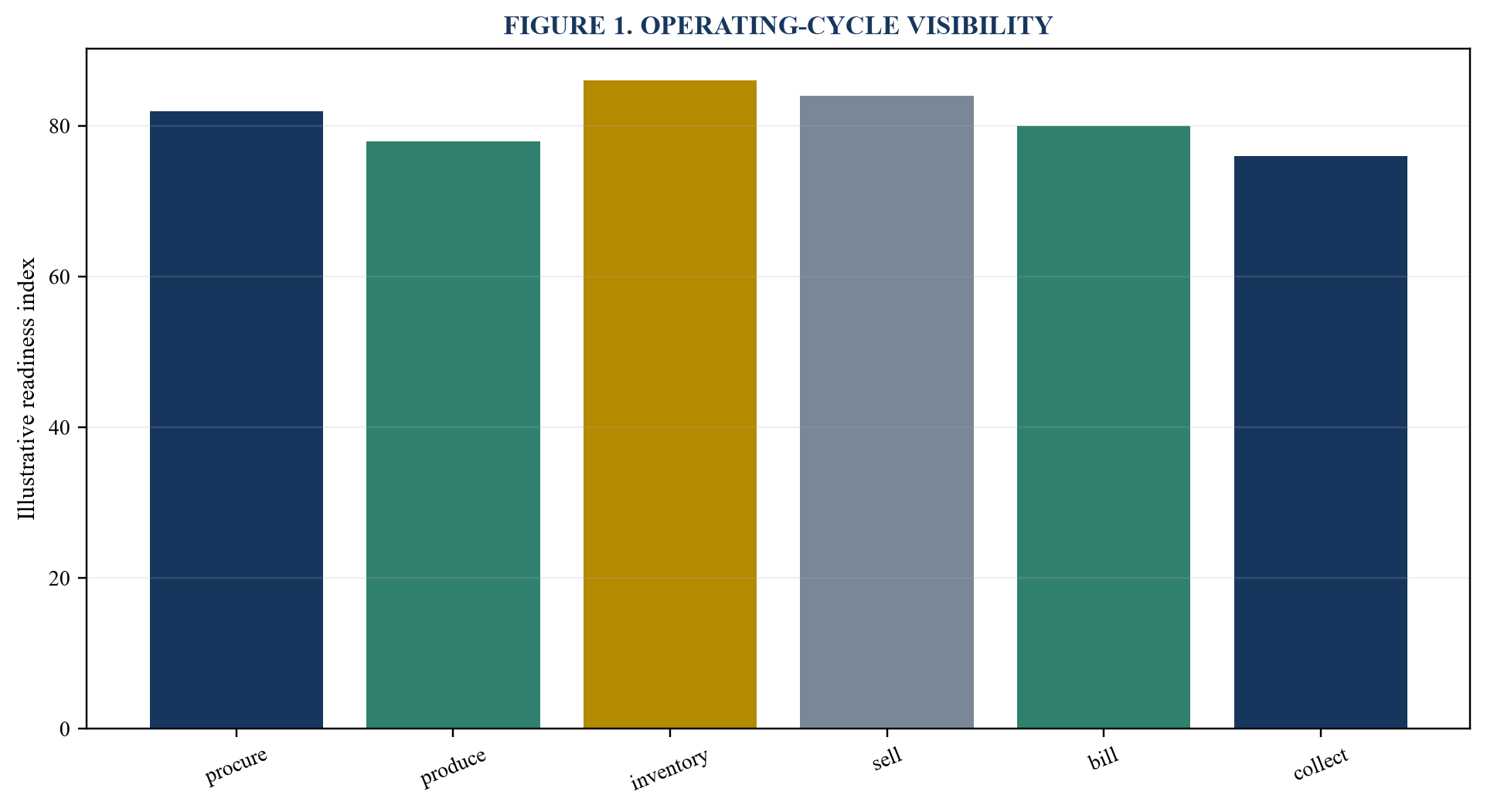
Values are illustrative readiness indices and require company-specific evidence.
9. Quantify intra-month movement
Measure peaks and troughs hidden by month-end balances, especially around payroll, tax, supplier and collection dates.
The transaction team should reconcile daily bank data, subledgers, payment runs, collections and cut-off. Each conclusion records the accountable owner, source, measurement date, evidence, account treatment, cash consequence, control and unresolved exception. The immediate output is an intra-month liquidity profile.
Normal working capital must be proved through reconciled ledgers, operational drivers and bank evidence. Reviewers test seasonality, cut-off, recurrence, manipulation and cash timing against native records and observed performance. The transaction perimeter, accounting policies, price mechanism and applicable law control each conclusion.
Material gaps require an owner, corrective action, validation test, advice and decision date. Consequences flow through the peg, purchase-price adjustment, closing liquidity, debt capacity and dispute exposure. Residual risk remains visible until the history is reconciled, protections are executable and the authorised decision-makers approve the next gate.
10. Segment receivables
Analyse ageing, disputes, retentions, rebates, expected credit losses and collection by customer cohort.
The transaction team should reconcile receivables ledger, contracts, cash receipts, credit notes and disputes. Each conclusion records the accountable owner, source, measurement date, evidence, account treatment, cash consequence, control and unresolved exception. The immediate output is a receivables-quality schedule.
Normal working capital must be proved through reconciled ledgers, operational drivers and bank evidence. Reviewers test seasonality, cut-off, recurrence, manipulation and cash timing against native records and observed performance. The transaction perimeter, accounting policies, price mechanism and applicable law control each conclusion.
Material gaps require an owner, corrective action, validation test, advice and decision date. Consequences flow through the peg, purchase-price adjustment, closing liquidity, debt capacity and dispute exposure. Residual risk remains visible until the history is reconciled, protections are executable and the authorised decision-makers approve the next gate.
11. Test unbilled revenue
Reconcile accrued or contract assets to performance obligations, certification, invoicing and collection.
The transaction team should reconcile contracts, project records, approvals, billing and accounting policy. Each conclusion records the accountable owner, source, measurement date, evidence, account treatment, cash consequence, control and unresolved exception. The immediate output is an unbilled-revenue test.
Normal working capital must be proved through reconciled ledgers, operational drivers and bank evidence. Reviewers test seasonality, cut-off, recurrence, manipulation and cash timing against native records and observed performance. The transaction perimeter, accounting policies, price mechanism and applicable law control each conclusion.
Material gaps require an owner, corrective action, validation test, advice and decision date. Consequences flow through the peg, purchase-price adjustment, closing liquidity, debt capacity and dispute exposure. Residual risk remains visible until the history is reconciled, protections are executable and the authorised decision-makers approve the next gate.
12. Segment inventory
Separate raw material, work in progress, finished goods, consignment, spare parts, slow-moving and obsolete stock.
The transaction team should reconcile inventory ledger, counts, costing, sales, usage and provisioning. Each conclusion records the accountable owner, source, measurement date, evidence, account treatment, cash consequence, control and unresolved exception. The immediate output is an inventory-quality schedule.
Normal working capital must be proved through reconciled ledgers, operational drivers and bank evidence. Reviewers test seasonality, cut-off, recurrence, manipulation and cash timing against native records and observed performance. The transaction perimeter, accounting policies, price mechanism and applicable law control each conclusion.
Material gaps require an owner, corrective action, validation test, advice and decision date. Consequences flow through the peg, purchase-price adjustment, closing liquidity, debt capacity and dispute exposure. Residual risk remains visible until the history is reconciled, protections are executable and the authorised decision-makers approve the next gate.
13. Test inventory cut-off
Trace goods received and dispatched around period end to title, control, receipts and invoices.
The transaction team should reconcile shipping, warehouse, purchase, sales and invoice records. Each conclusion records the accountable owner, source, measurement date, evidence, account treatment, cash consequence, control and unresolved exception. The immediate output is an inventory cut-off test.
Normal working capital must be proved through reconciled ledgers, operational drivers and bank evidence. Reviewers test seasonality, cut-off, recurrence, manipulation and cash timing against native records and observed performance. The transaction perimeter, accounting policies, price mechanism and applicable law control each conclusion.
Material gaps require an owner, corrective action, validation test, advice and decision date. Consequences flow through the peg, purchase-price adjustment, closing liquidity, debt capacity and dispute exposure. Residual risk remains visible until the history is reconciled, protections are executable and the authorised decision-makers approve the next gate.
14. Segment payables
Analyse ageing, terms, disputed balances, supply concentration and payment behaviour by supplier cohort.
The transaction team should reconcile payables ledger, contracts, purchase orders, payments and disputes. Each conclusion records the accountable owner, source, measurement date, evidence, account treatment, cash consequence, control and unresolved exception. The immediate output is a payables-quality schedule.
Normal working capital must be proved through reconciled ledgers, operational drivers and bank evidence. Reviewers test seasonality, cut-off, recurrence, manipulation and cash timing against native records and observed performance. The transaction perimeter, accounting policies, price mechanism and applicable law control each conclusion.
Material gaps require an owner, corrective action, validation test, advice and decision date. Consequences flow through the peg, purchase-price adjustment, closing liquidity, debt capacity and dispute exposure. Residual risk remains visible until the history is reconciled, protections are executable and the authorised decision-makers approve the next gate.
15. Rebuild accruals
Test completeness and recurrence of payroll, bonuses, rebates, utilities, freight, professional costs and other accruals.
The transaction team should reconcile ledgers, invoices, contracts, payroll, estimates and post-close payments. Each conclusion records the accountable owner, source, measurement date, evidence, account treatment, cash consequence, control and unresolved exception. The immediate output is an accrual completeness test.
Normal working capital must be proved through reconciled ledgers, operational drivers and bank evidence. Reviewers test seasonality, cut-off, recurrence, manipulation and cash timing against native records and observed performance. The transaction perimeter, accounting policies, price mechanism and applicable law control each conclusion.
Material gaps require an owner, corrective action, validation test, advice and decision date. Consequences flow through the peg, purchase-price adjustment, closing liquidity, debt capacity and dispute exposure. Residual risk remains visible until the history is reconciled, protections are executable and the authorised decision-makers approve the next gate.
16. Map deferred revenue
Identify customer funding embedded in the cycle and the delivery obligations that accompany it.
The transaction team should reconcile contracts, billings, cash receipts, performance obligations and forecasts. Each conclusion records the accountable owner, source, measurement date, evidence, account treatment, cash consequence, control and unresolved exception. The immediate output is a deferred-revenue schedule.
Normal working capital must be proved through reconciled ledgers, operational drivers and bank evidence. Reviewers test seasonality, cut-off, recurrence, manipulation and cash timing against native records and observed performance. The transaction perimeter, accounting policies, price mechanism and applicable law control each conclusion.
Material gaps require an owner, corrective action, validation test, advice and decision date. Consequences flow through the peg, purchase-price adjustment, closing liquidity, debt capacity and dispute exposure. Residual risk remains visible until the history is reconciled, protections are executable and the authorised decision-makers approve the next gate.
Table 2. Seasonal evidence architecture
| Evidence | Frequency | Decision use |
|---|---|---|
| trial balance | monthly | historic series |
| subledgers | daily or monthly | quality |
| bank data | daily | cash timing |
| operations | transaction level | driver validation |
Illustrative programme design; company-specific facts and authorised advice govern.
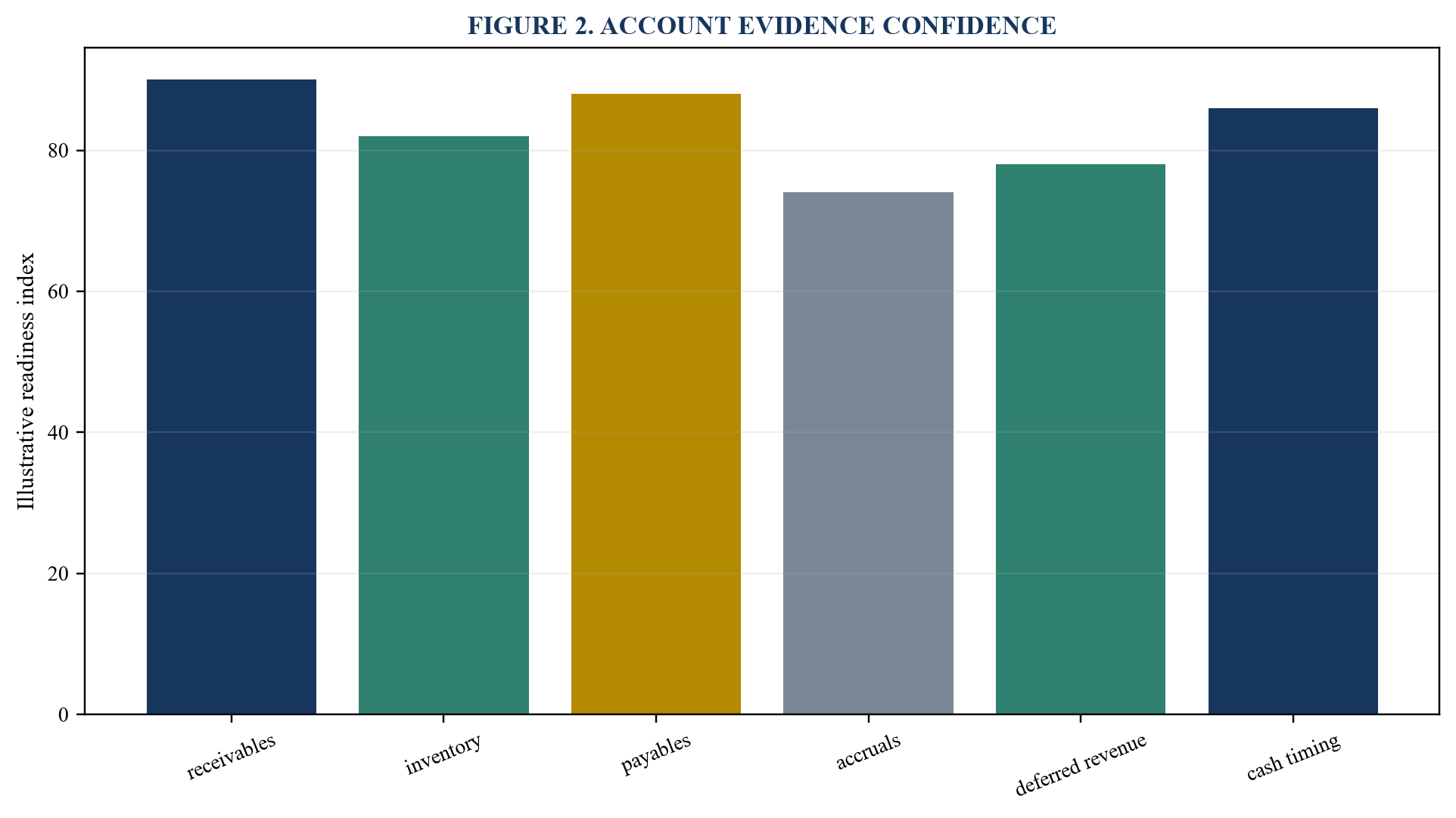
Values are illustrative readiness indices and require company-specific evidence.
17. Separate normal from exceptional periods
Classify strikes, shutdowns, shortages, acquisitions, one-off projects and crisis effects before calculating a range.
The transaction team should reconcile monthly history, events, operational data, journals and management records. Each conclusion records the accountable owner, source, measurement date, evidence, account treatment, cash consequence, control and unresolved exception. The immediate output is an exception-adjustment register.
Normal working capital must be proved through reconciled ledgers, operational drivers and bank evidence. Reviewers test seasonality, cut-off, recurrence, manipulation and cash timing against native records and observed performance. The transaction perimeter, accounting policies, price mechanism and applicable law control each conclusion.
Material gaps require an owner, corrective action, validation test, advice and decision date. Consequences flow through the peg, purchase-price adjustment, closing liquidity, debt capacity and dispute exposure. Residual risk remains visible until the history is reconciled, protections are executable and the authorised decision-makers approve the next gate.
18. Normalise growth effects
Distinguish structural investment required by changed revenue scale or mix from temporary seasonal movement.
The transaction team should reconcile growth history, forecasts, turnover ratios, capacity and contract terms. Each conclusion records the accountable owner, source, measurement date, evidence, account treatment, cash consequence, control and unresolved exception. The immediate output is a growth-normalised series.
Normal working capital must be proved through reconciled ledgers, operational drivers and bank evidence. Reviewers test seasonality, cut-off, recurrence, manipulation and cash timing against native records and observed performance. The transaction perimeter, accounting policies, price mechanism and applicable law control each conclusion.
Material gaps require an owner, corrective action, validation test, advice and decision date. Consequences flow through the peg, purchase-price adjustment, closing liquidity, debt capacity and dispute exposure. Residual risk remains visible until the history is reconciled, protections are executable and the authorised decision-makers approve the next gate.
19. Normalise commercial terms
Adjust for durable changes in customer and supplier terms that alter the operating capital requirement.
The transaction team should reconcile contracts, negotiations, invoices, payment history and market evidence. Each conclusion records the accountable owner, source, measurement date, evidence, account treatment, cash consequence, control and unresolved exception. The immediate output is a terms-change bridge.
Normal working capital must be proved through reconciled ledgers, operational drivers and bank evidence. Reviewers test seasonality, cut-off, recurrence, manipulation and cash timing against native records and observed performance. The transaction perimeter, accounting policies, price mechanism and applicable law control each conclusion.
Material gaps require an owner, corrective action, validation test, advice and decision date. Consequences flow through the peg, purchase-price adjustment, closing liquidity, debt capacity and dispute exposure. Residual risk remains visible until the history is reconciled, protections are executable and the authorised decision-makers approve the next gate.
20. Normalise pricing and inflation
Separate nominal balance growth from volume, mix, commodity and currency effects.
The transaction team should reconcile prices, volumes, procurement, FX, inflation and turnover metrics. Each conclusion records the accountable owner, source, measurement date, evidence, account treatment, cash consequence, control and unresolved exception. The immediate output is a price-volume working-capital bridge.
Normal working capital must be proved through reconciled ledgers, operational drivers and bank evidence. Reviewers test seasonality, cut-off, recurrence, manipulation and cash timing against native records and observed performance. The transaction perimeter, accounting policies, price mechanism and applicable law control each conclusion.
Material gaps require an owner, corrective action, validation test, advice and decision date. Consequences flow through the peg, purchase-price adjustment, closing liquidity, debt capacity and dispute exposure. Residual risk remains visible until the history is reconciled, protections are executable and the authorised decision-makers approve the next gate.
21. Select the measurement window
Choose months, years and weighting that capture the current business model and full seasonal cycle.
The transaction team should reconcile reconciled history, structural changes, forecasts and transaction timing. Each conclusion records the accountable owner, source, measurement date, evidence, account treatment, cash consequence, control and unresolved exception. The immediate output is a measurement-window decision.
Normal working capital must be proved through reconciled ledgers, operational drivers and bank evidence. Reviewers test seasonality, cut-off, recurrence, manipulation and cash timing against native records and observed performance. The transaction perimeter, accounting policies, price mechanism and applicable law control each conclusion.
Material gaps require an owner, corrective action, validation test, advice and decision date. Consequences flow through the peg, purchase-price adjustment, closing liquidity, debt capacity and dispute exposure. Residual risk remains visible until the history is reconciled, protections are executable and the authorised decision-makers approve the next gate.
22. Compare peg methods
Test average, median, month-specific, trailing, forecast-linked and regression approaches on common evidence.
The transaction team should reconcile monthly series, seasonality drivers, closing date and sensitivities. Each conclusion records the accountable owner, source, measurement date, evidence, account treatment, cash consequence, control and unresolved exception. The immediate output is a peg-method comparison.
Normal working capital must be proved through reconciled ledgers, operational drivers and bank evidence. Reviewers test seasonality, cut-off, recurrence, manipulation and cash timing against native records and observed performance. The transaction perimeter, accounting policies, price mechanism and applicable law control each conclusion.
Material gaps require an owner, corrective action, validation test, advice and decision date. Consequences flow through the peg, purchase-price adjustment, closing liquidity, debt capacity and dispute exposure. Residual risk remains visible until the history is reconciled, protections are executable and the authorised decision-makers approve the next gate.
23. Calculate a month-specific peg
Estimate the normal balance for the intended closing month using comparable historic periods and current drivers.
The transaction team should reconcile monthly history, closing date, terms, prices, volumes and forecast. Each conclusion records the accountable owner, source, measurement date, evidence, account treatment, cash consequence, control and unresolved exception. The immediate output is a month-specific peg.
Normal working capital must be proved through reconciled ledgers, operational drivers and bank evidence. Reviewers test seasonality, cut-off, recurrence, manipulation and cash timing against native records and observed performance. The transaction perimeter, accounting policies, price mechanism and applicable law control each conclusion.
Material gaps require an owner, corrective action, validation test, advice and decision date. Consequences flow through the peg, purchase-price adjustment, closing liquidity, debt capacity and dispute exposure. Residual risk remains visible until the history is reconciled, protections are executable and the authorised decision-makers approve the next gate.
24. Build the corridor
Define a supportable range around the central peg to reflect variability and measurement uncertainty.
The transaction team should reconcile historic distribution, forecast error, event adjustments and risk appetite. Each conclusion records the accountable owner, source, measurement date, evidence, account treatment, cash consequence, control and unresolved exception. The immediate output is a working-capital corridor.
Normal working capital must be proved through reconciled ledgers, operational drivers and bank evidence. Reviewers test seasonality, cut-off, recurrence, manipulation and cash timing against native records and observed performance. The transaction perimeter, accounting policies, price mechanism and applicable law control each conclusion.
Material gaps require an owner, corrective action, validation test, advice and decision date. Consequences flow through the peg, purchase-price adjustment, closing liquidity, debt capacity and dispute exposure. Residual risk remains visible until the history is reconciled, protections are executable and the authorised decision-makers approve the next gate.
Table 3. Peg-method comparison
| Method | Best use | Principal risk |
|---|---|---|
| average | stable full cycle | structural change |
| median | outlier resistance | skew ignored |
| month-specific | strong seasonality | small sample |
| forecast-linked | changed model | forecast bias |
Illustrative programme design; company-specific facts and authorised advice govern.
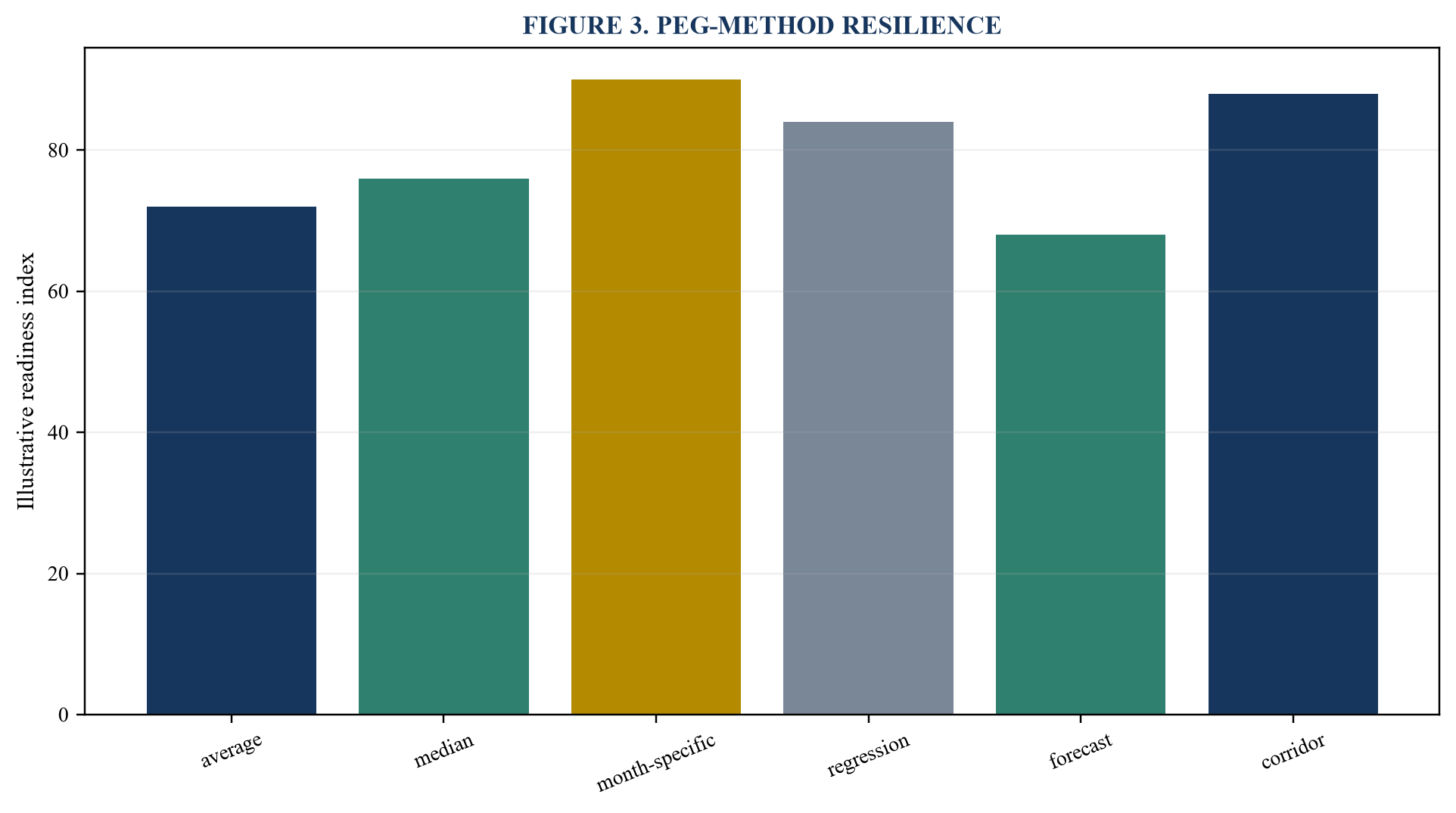
Values are illustrative readiness indices and require company-specific evidence.
25. Test closing-date arbitrage
Model whether changing completion by days or weeks transfers predictable seasonal funding between buyer and seller.
The transaction team should reconcile daily profile, invoicing, collections, payments, inventory and closing calendar. Each conclusion records the accountable owner, source, measurement date, evidence, account treatment, cash consequence, control and unresolved exception. The immediate output is a closing-date arbitrage test.
Normal working capital must be proved through reconciled ledgers, operational drivers and bank evidence. Reviewers test seasonality, cut-off, recurrence, manipulation and cash timing against native records and observed performance. The transaction perimeter, accounting policies, price mechanism and applicable law control each conclusion.
Material gaps require an owner, corrective action, validation test, advice and decision date. Consequences flow through the peg, purchase-price adjustment, closing liquidity, debt capacity and dispute exposure. Residual risk remains visible until the history is reconciled, protections are executable and the authorised decision-makers approve the next gate.
26. Detect accelerated collections
Identify discounts, unusual pressure, factoring, related-party receipts and future-period cash pulled forward.
The transaction team should reconcile bank receipts, receivables, credit notes, correspondence and facilities. Each conclusion records the accountable owner, source, measurement date, evidence, account treatment, cash consequence, control and unresolved exception. The immediate output is a collection acceleration test.
Normal working capital must be proved through reconciled ledgers, operational drivers and bank evidence. Reviewers test seasonality, cut-off, recurrence, manipulation and cash timing against native records and observed performance. The transaction perimeter, accounting policies, price mechanism and applicable law control each conclusion.
Material gaps require an owner, corrective action, validation test, advice and decision date. Consequences flow through the peg, purchase-price adjustment, closing liquidity, debt capacity and dispute exposure. Residual risk remains visible until the history is reconciled, protections are executable and the authorised decision-makers approve the next gate.
27. Detect delayed payments
Identify stretched suppliers, paused payment runs, disputed invoices and overdue statutory liabilities.
The transaction team should reconcile payables, bank payments, supplier statements, tax and correspondence. Each conclusion records the accountable owner, source, measurement date, evidence, account treatment, cash consequence, control and unresolved exception. The immediate output is a payment deferral test.
Normal working capital must be proved through reconciled ledgers, operational drivers and bank evidence. Reviewers test seasonality, cut-off, recurrence, manipulation and cash timing against native records and observed performance. The transaction perimeter, accounting policies, price mechanism and applicable law control each conclusion.
Material gaps require an owner, corrective action, validation test, advice and decision date. Consequences flow through the peg, purchase-price adjustment, closing liquidity, debt capacity and dispute exposure. Residual risk remains visible until the history is reconciled, protections are executable and the authorised decision-makers approve the next gate.
28. Detect inventory depletion
Identify reduced purchases, stockouts, deferred maintenance spares and unsustainable fulfilment before closing.
The transaction team should reconcile inventory, orders, service levels, purchases, forecasts and asset data. Each conclusion records the accountable owner, source, measurement date, evidence, account treatment, cash consequence, control and unresolved exception. The immediate output is an inventory depletion test.
Normal working capital must be proved through reconciled ledgers, operational drivers and bank evidence. Reviewers test seasonality, cut-off, recurrence, manipulation and cash timing against native records and observed performance. The transaction perimeter, accounting policies, price mechanism and applicable law control each conclusion.
Material gaps require an owner, corrective action, validation test, advice and decision date. Consequences flow through the peg, purchase-price adjustment, closing liquidity, debt capacity and dispute exposure. Residual risk remains visible until the history is reconciled, protections are executable and the authorised decision-makers approve the next gate.
29. Test leakage interaction
Prevent dividends, management charges, transaction costs and value extraction from bypassing locked-box or completion protections.
The transaction team should reconcile cash, related parties, board approvals, definitions and leakage covenants. Each conclusion records the accountable owner, source, measurement date, evidence, account treatment, cash consequence, control and unresolved exception. The immediate output is a leakage interaction map.
Normal working capital must be proved through reconciled ledgers, operational drivers and bank evidence. Reviewers test seasonality, cut-off, recurrence, manipulation and cash timing against native records and observed performance. The transaction perimeter, accounting policies, price mechanism and applicable law control each conclusion.
Material gaps require an owner, corrective action, validation test, advice and decision date. Consequences flow through the peg, purchase-price adjustment, closing liquidity, debt capacity and dispute exposure. Residual risk remains visible until the history is reconciled, protections are executable and the authorised decision-makers approve the next gate.
30. Design completion accounts
Set policies, hierarchy, evidence, timetable, access, review, expert determination and payment mechanics.
The transaction team should reconcile draft SPA, accounting policies, data availability and adviser input. Each conclusion records the accountable owner, source, measurement date, evidence, account treatment, cash consequence, control and unresolved exception. The immediate output is a completion-accounts protocol.
Normal working capital must be proved through reconciled ledgers, operational drivers and bank evidence. Reviewers test seasonality, cut-off, recurrence, manipulation and cash timing against native records and observed performance. The transaction perimeter, accounting policies, price mechanism and applicable law control each conclusion.
Material gaps require an owner, corrective action, validation test, advice and decision date. Consequences flow through the peg, purchase-price adjustment, closing liquidity, debt capacity and dispute exposure. Residual risk remains visible until the history is reconciled, protections are executable and the authorised decision-makers approve the next gate.
31. Design locked-box protections
Set the reference date, permitted leakage, covenants, interest and remedies when price uses historic accounts.
The transaction team should reconcile locked-box accounts, leakage definitions, conduct rules and security. Each conclusion records the accountable owner, source, measurement date, evidence, account treatment, cash consequence, control and unresolved exception. The immediate output is a locked-box working-capital framework.
Normal working capital must be proved through reconciled ledgers, operational drivers and bank evidence. Reviewers test seasonality, cut-off, recurrence, manipulation and cash timing against native records and observed performance. The transaction perimeter, accounting policies, price mechanism and applicable law control each conclusion.
Material gaps require an owner, corrective action, validation test, advice and decision date. Consequences flow through the peg, purchase-price adjustment, closing liquidity, debt capacity and dispute exposure. Residual risk remains visible until the history is reconciled, protections are executable and the authorised decision-makers approve the next gate.
32. Prevent double counting
Reconcile working-capital adjustments with debt, cash, provisions, tax, capex and enterprise-to-equity bridge items.
The transaction team should reconcile definitions, account map, debt schedule, tax and price bridge. Each conclusion records the accountable owner, source, measurement date, evidence, account treatment, cash consequence, control and unresolved exception. The immediate output is a double-counting control.
Normal working capital must be proved through reconciled ledgers, operational drivers and bank evidence. Reviewers test seasonality, cut-off, recurrence, manipulation and cash timing against native records and observed performance. The transaction perimeter, accounting policies, price mechanism and applicable law control each conclusion.
Material gaps require an owner, corrective action, validation test, advice and decision date. Consequences flow through the peg, purchase-price adjustment, closing liquidity, debt capacity and dispute exposure. Residual risk remains visible until the history is reconciled, protections are executable and the authorised decision-makers approve the next gate.
Table 4. Manipulation-to-remedy map
| Signal | Economic effect | Protection |
|---|---|---|
| fast collections | cash pulled forward | normalisation |
| slow payments | liability deferred | target adjustment |
| low inventory | future funding need | condition or price |
| missing accrual | understated obligation | debt-like treatment |
Illustrative programme design; company-specific facts and authorised advice govern.
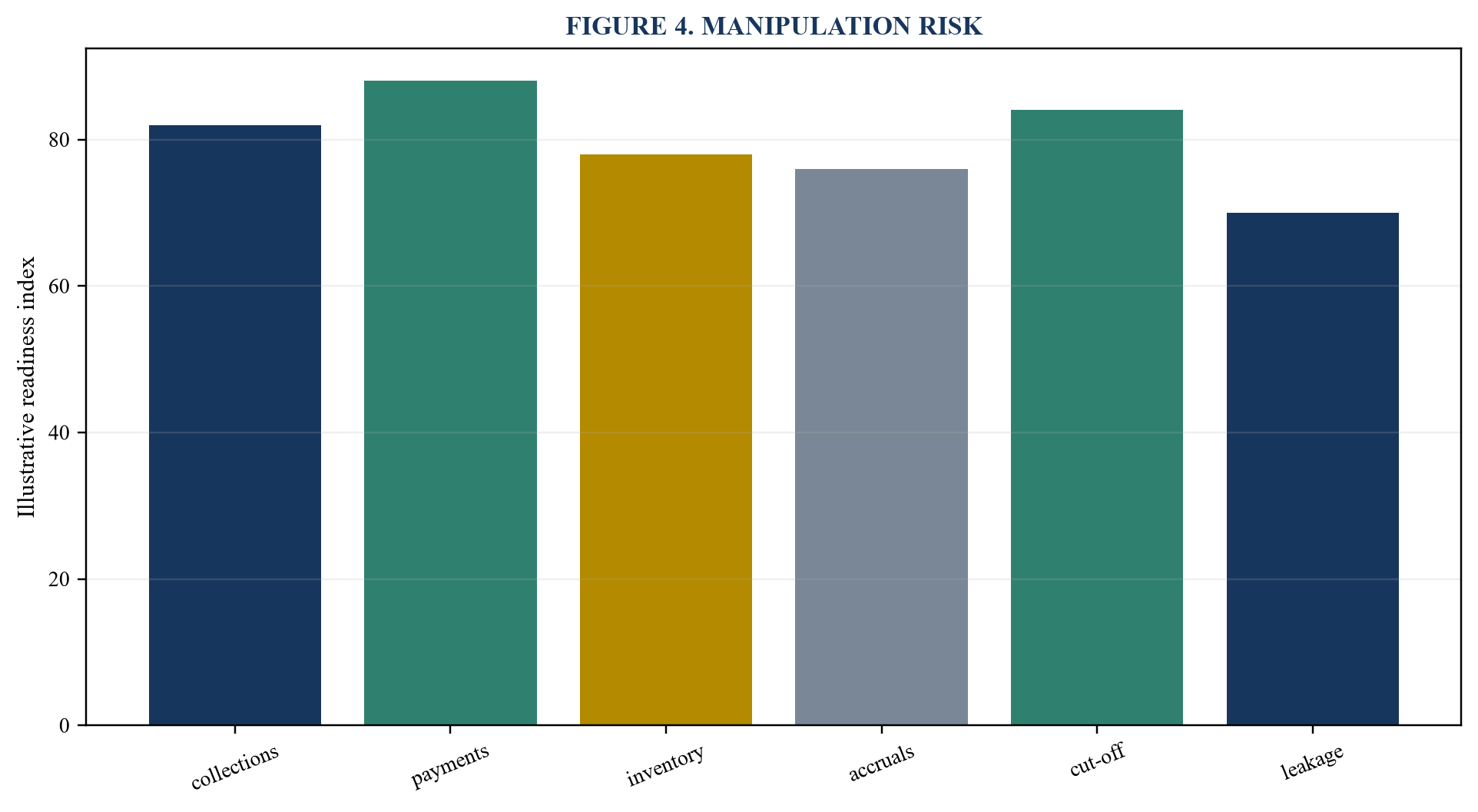
Values are illustrative readiness indices and require company-specific evidence.
33. Calibrate materiality
Set de minimis, thresholds and aggregation without allowing systematic small errors to escape.
The transaction team should reconcile transaction value, volatility, account risks, controls and negotiation. Each conclusion records the accountable owner, source, measurement date, evidence, account treatment, cash consequence, control and unresolved exception. The immediate output is a materiality schedule.
Normal working capital must be proved through reconciled ledgers, operational drivers and bank evidence. Reviewers test seasonality, cut-off, recurrence, manipulation and cash timing against native records and observed performance. The transaction perimeter, accounting policies, price mechanism and applicable law control each conclusion.
Material gaps require an owner, corrective action, validation test, advice and decision date. Consequences flow through the peg, purchase-price adjustment, closing liquidity, debt capacity and dispute exposure. Residual risk remains visible until the history is reconciled, protections are executable and the authorised decision-makers approve the next gate.
34. Prepare the closing estimate
Create an auditable seller estimate and buyer review process before funds move.
The transaction team should reconcile latest ledgers, forecast, account map, policies, evidence and approvals. Each conclusion records the accountable owner, source, measurement date, evidence, account treatment, cash consequence, control and unresolved exception. The immediate output is a pre-close estimate.
Normal working capital must be proved through reconciled ledgers, operational drivers and bank evidence. Reviewers test seasonality, cut-off, recurrence, manipulation and cash timing against native records and observed performance. The transaction perimeter, accounting policies, price mechanism and applicable law control each conclusion.
Material gaps require an owner, corrective action, validation test, advice and decision date. Consequences flow through the peg, purchase-price adjustment, closing liquidity, debt capacity and dispute exposure. Residual risk remains visible until the history is reconciled, protections are executable and the authorised decision-makers approve the next gate.
35. Model funding at close
Fund the purchase price, actual working-capital deficit, fees, tax, seasonal needs and minimum liquidity.
The transaction team should reconcile sources and uses, peg model, facilities, cash forecast and reserves. Each conclusion records the accountable owner, source, measurement date, evidence, account treatment, cash consequence, control and unresolved exception. The immediate output is a closing funding plan.
Normal working capital must be proved through reconciled ledgers, operational drivers and bank evidence. Reviewers test seasonality, cut-off, recurrence, manipulation and cash timing against native records and observed performance. The transaction perimeter, accounting policies, price mechanism and applicable law control each conclusion.
Material gaps require an owner, corrective action, validation test, advice and decision date. Consequences flow through the peg, purchase-price adjustment, closing liquidity, debt capacity and dispute exposure. Residual risk remains visible until the history is reconciled, protections are executable and the authorised decision-makers approve the next gate.
36. Plan the first hundred days
Protect collections, supplier continuity, inventory availability, payroll, tax and covenant headroom after completion.
The transaction team should reconcile cash forecast, operational plan, authorities, systems and integration. Each conclusion records the accountable owner, source, measurement date, evidence, account treatment, cash consequence, control and unresolved exception. The immediate output is a post-close cash plan.
Normal working capital must be proved through reconciled ledgers, operational drivers and bank evidence. Reviewers test seasonality, cut-off, recurrence, manipulation and cash timing against native records and observed performance. The transaction perimeter, accounting policies, price mechanism and applicable law control each conclusion.
Material gaps require an owner, corrective action, validation test, advice and decision date. Consequences flow through the peg, purchase-price adjustment, closing liquidity, debt capacity and dispute exposure. Residual risk remains visible until the history is reconciled, protections are executable and the authorised decision-makers approve the next gate.
37. Create dispute controls
Prioritise account mapping, policy hierarchy, evidence access, expert scope and settlement timelines.
The transaction team should reconcile SPA, schedules, data room, accounting advice and escalation. Each conclusion records the accountable owner, source, measurement date, evidence, account treatment, cash consequence, control and unresolved exception. The immediate output is a dispute-prevention matrix.
Normal working capital must be proved through reconciled ledgers, operational drivers and bank evidence. Reviewers test seasonality, cut-off, recurrence, manipulation and cash timing against native records and observed performance. The transaction perimeter, accounting policies, price mechanism and applicable law control each conclusion.
Material gaps require an owner, corrective action, validation test, advice and decision date. Consequences flow through the peg, purchase-price adjustment, closing liquidity, debt capacity and dispute exposure. Residual risk remains visible until the history is reconciled, protections are executable and the authorised decision-makers approve the next gate.
38. Stress the peg
Test customer loss, inventory build, supplier tightening, project delay, price shock and closing-date movement.
The transaction team should reconcile scenario model, operating cycle, forecast and liquidity facilities. Each conclusion records the accountable owner, source, measurement date, evidence, account treatment, cash consequence, control and unresolved exception. The immediate output is a peg stress test.
Normal working capital must be proved through reconciled ledgers, operational drivers and bank evidence. Reviewers test seasonality, cut-off, recurrence, manipulation and cash timing against native records and observed performance. The transaction perimeter, accounting policies, price mechanism and applicable law control each conclusion.
Material gaps require an owner, corrective action, validation test, advice and decision date. Consequences flow through the peg, purchase-price adjustment, closing liquidity, debt capacity and dispute exposure. Residual risk remains visible until the history is reconciled, protections are executable and the authorised decision-makers approve the next gate.
39. Set the approval gate
Require explicit conclusions on definition, data quality, seasonality, manipulation, method, corridor and funding.
The transaction team should reconcile all reconciliations, models, protections, advice and approvals. Each conclusion records the accountable owner, source, measurement date, evidence, account treatment, cash consequence, control and unresolved exception. The immediate output is a working-capital decision paper.
Normal working capital must be proved through reconciled ledgers, operational drivers and bank evidence. Reviewers test seasonality, cut-off, recurrence, manipulation and cash timing against native records and observed performance. The transaction perimeter, accounting policies, price mechanism and applicable law control each conclusion.
Material gaps require an owner, corrective action, validation test, advice and decision date. Consequences flow through the peg, purchase-price adjustment, closing liquidity, debt capacity and dispute exposure. Residual risk remains visible until the history is reconciled, protections are executable and the authorised decision-makers approve the next gate.
40. Issue the peg conclusion
State the recommended peg or mechanism, evidence range, sensitivities, protections and post-close controls.
The transaction team should reconcile verified history, operating data, models, SPA drafting and advice. Each conclusion records the accountable owner, source, measurement date, evidence, account treatment, cash consequence, control and unresolved exception. The immediate output is a working-capital peg certificate.
Normal working capital must be proved through reconciled ledgers, operational drivers and bank evidence. Reviewers test seasonality, cut-off, recurrence, manipulation and cash timing against native records and observed performance. The transaction perimeter, accounting policies, price mechanism and applicable law control each conclusion.
Material gaps require an owner, corrective action, validation test, advice and decision date. Consequences flow through the peg, purchase-price adjustment, closing liquidity, debt capacity and dispute exposure. Residual risk remains visible until the history is reconciled, protections are executable and the authorised decision-makers approve the next gate.
Table 5. Peg decision certificate
| Dimension | Required conclusion | Evidence |
|---|---|---|
| definition | accounts mapped | account schedule |
| seasonality | cycle captured | monthly history |
| method | range supportable | model and sensitivities |
| execution | mechanism operable | SPA and funding plan |
Illustrative programme design; company-specific facts and authorised advice govern.
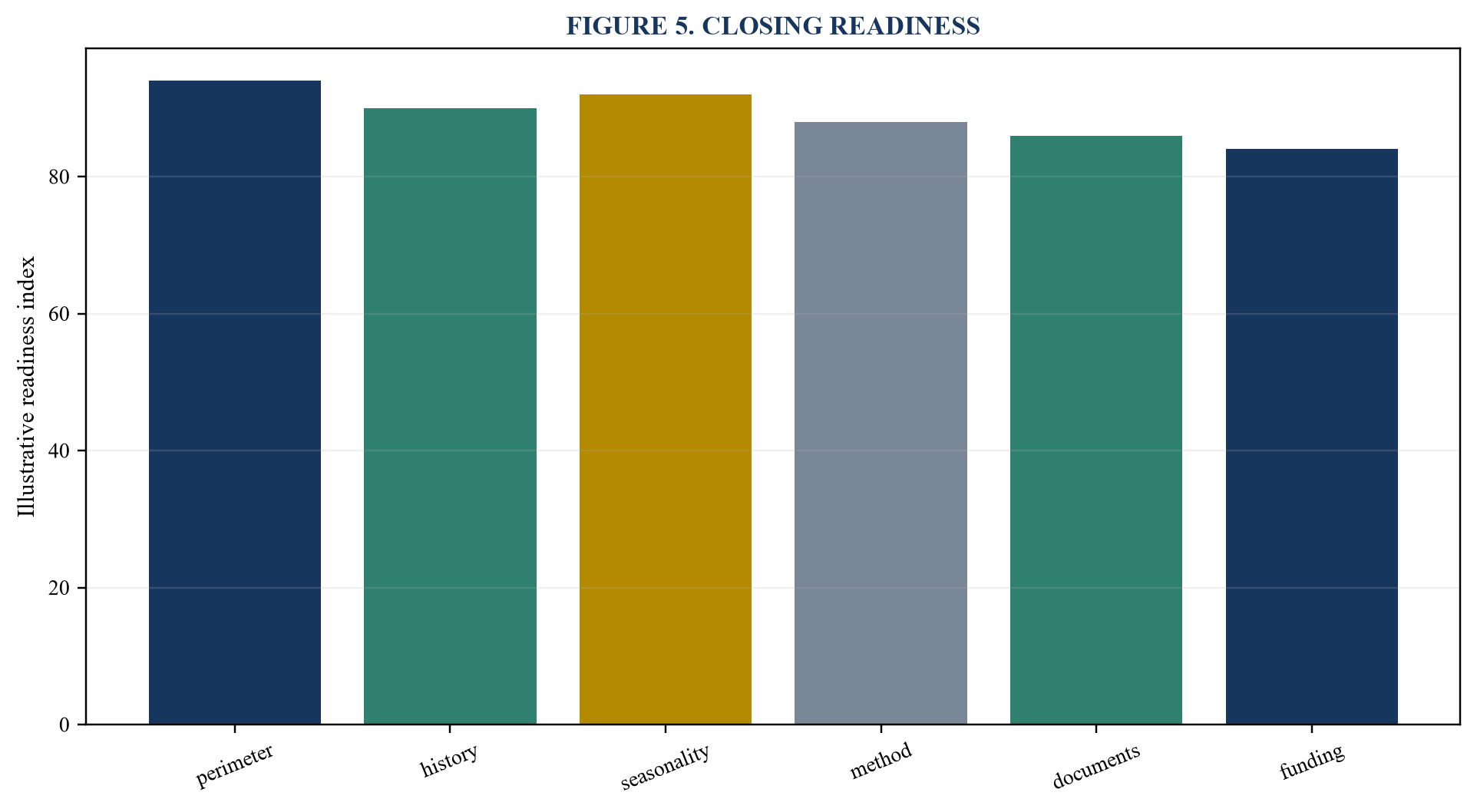
Values are illustrative readiness indices and require company-specific evidence.
References
- IFRS Foundation, IAS 1 Presentation of Financial Statements, https://www.ifrs.org/issued-standards/list-of-standards/ias-1-presentation-of-financial-statements/
- IFRS Foundation, IAS 2 Inventories, https://www.ifrs.org/issued-standards/list-of-standards/ias-2-inventories/
- IFRS Foundation, IAS 7 Statement of Cash Flows, https://www.ifrs.org/issued-standards/list-of-standards/ias-7-statement-of-cash-flows/
- IFRS Foundation, IAS 8 Accounting Policies Changes in Accounting Estimates and Errors, https://www.ifrs.org/issued-standards/list-of-standards/ias-8-accounting-policies-changes-in-accounting-estimates-and-errors/
- IFRS Foundation, IAS 10 Events after the Reporting Period, https://www.ifrs.org/issued-standards/list-of-standards/ias-10-events-after-the-reporting-period/
- IFRS Foundation, IAS 21 The Effects of Changes in Foreign Exchange Rates, https://www.ifrs.org/issued-standards/list-of-standards/ias-21-the-effects-of-changes-in-foreign-exchange-rates/
- IFRS Foundation, IAS 34 Interim Financial Reporting, https://www.ifrs.org/issued-standards/list-of-standards/ias-34-interim-financial-reporting/
- IFRS Foundation, IAS 37 Provisions Contingent Liabilities and Contingent Assets, https://www.ifrs.org/issued-standards/list-of-standards/ias-37-provisions-contingent-liabilities-and-contingent-assets/
- IFRS Foundation, IFRS 9 Financial Instruments, https://www.ifrs.org/issued-standards/list-of-standards/ifrs-9-financial-instruments/
- IFRS Foundation, IFRS 15 Revenue from Contracts with Customers, https://www.ifrs.org/issued-standards/list-of-standards/ifrs-15-revenue-from-contracts-with-customers/
- IFRS Foundation, IFRS 16 Leases, https://www.ifrs.org/issued-standards/list-of-standards/ifrs-16-leases/
- IFRS Foundation, IFRS 18 Presentation and Disclosure in Financial Statements, https://www.ifrs.org/issued-standards/list-of-standards/ifrs-18-presentation-and-disclosure-in-financial-statements/
- International Auditing and Assurance Standards Board, ISA 500 Audit Evidence, https://www.iaasb.org/publications/international-standard-auditing-isa-500-audit-evidence
- International Auditing and Assurance Standards Board, ISA 501 Audit Evidence Specific Considerations, https://www.iaasb.org/publications/international-standard-auditing-isa-501-audit-evidence-specific-considerations-selected-items
- International Auditing and Assurance Standards Board, ISA 505 External Confirmations, https://www.iaasb.org/publications/international-standard-auditing-isa-505-external-confirmations
- International Auditing and Assurance Standards Board, ISA 520 Analytical Procedures, https://www.iaasb.org/publications/international-standard-auditing-isa-520-analytical-procedures
- International Auditing and Assurance Standards Board, ISA 530 Audit Sampling, https://www.iaasb.org/publications/international-standard-auditing-isa-530-audit-sampling
- International Auditing and Assurance Standards Board, ISA 540 Accounting Estimates, https://www.iaasb.org/publications/international-standard-auditing-isa-540-revised-auditing-accounting-estimates-and-related-disclosures
- International Valuation Standards Council, International Valuation Standards, https://www.ivsc.org/standards/
- International Valuation Standards Council, IVS 200 Businesses and Business Interests, https://training.ivsc.org/valuing-businesses-ivs-200/
- OECD, G20 OECD Principles of Corporate Governance 2023, https://doi.org/10.1787/ed750b30-en
- International Organization for Standardization, ISO 31000 Risk Management Guidelines, https://www.iso.org/iso-31000-risk-management.html
- United Kingdom Financial Reporting Council, Guidance on Risk Management Internal Control and Related Financial and Business Reporting, https://www.frc.org.uk/library/standards-codes-policy/corporate-governance/guidance-on-risk-management-internal-control-and-related-financial-and-business-reporting/
- US Securities and Exchange Commission, Financial Reporting Manual, https://www.sec.gov/corpfin/cf-manual
- European Banking Authority, Guidelines on Loan Origination and Monitoring, https://www.eba.europa.eu/regulation-and-policy/credit-risk/guidelines-loan-origination-and-monitoring
- Bank for International Settlements, Principles for the Management of Credit Risk, https://www.bis.org/publ/bcbs75.htm
