

1. Set the board mandate
The transaction leadership team should define the strategic outcomes, governance boundary, timetable and accountable decision-makers for combined-company appointments. The required output is a board-approved leadership selection mandate. Each conclusion should identify the future-role requirement, the relevant candidate or team evidence, the comparison period, the evaluator, the source and the confidence attached to the result [1][2].
Translate the requirement into a controlled decision record. Specify purpose, outcomes, authority, interfaces, capability weights, conduct, evidence, conflicts, approvals, timing and transition. Reconcile board, committee, executive, human-resources, legal, compliance and integration views.
The principal risk is that appointment decisions can drift into private negotiation without a common standard. Quantify coverage, confidence, decision latency, succession, replacement time, retention cost and value exposure across base, adverse and mitigated cases.
Retain the role charter, evidence, candidate response, scoring, calibration, contrary evidence, conflicts, reviews, decision and conditions. Refresh after material changes to strategy, structure, performance, conduct, availability, approval status or timing; assign exceptions owners and deadlines.
2. Separate role design from incumbent choice
The transaction leadership team should complete the future role architecture before candidate names enter the formal comparison. The required output is a name-blind role-design record. Each conclusion should identify the future-role requirement, the relevant candidate or team evidence, the comparison period, the evaluator, the source and the confidence attached to the result [1][3].
Translate the requirement into a controlled decision record. Specify purpose, outcomes, authority, interfaces, capability weights, conduct, evidence, conflicts, approvals, timing and transition. Reconcile board, committee, executive, human-resources, legal, compliance and integration views.
The principal risk is that titles and personalities can preserve legacy structures that do not serve the combined strategy. Quantify coverage, confidence, decision latency, succession, replacement time, retention cost and value exposure across base, adverse and mitigated cases.
Retain the role charter, evidence, candidate response, scoring, calibration, contrary evidence, conflicts, reviews, decision and conditions. Refresh after material changes to strategy, structure, performance, conduct, availability, approval status or timing; assign exceptions owners and deadlines.
3. Translate the acquisition thesis
The transaction leadership team should convert revenue, customer, capability, control, integration and capital-allocation assumptions into leadership requirements. The required output is a strategy-to-leadership requirements map. Each conclusion should identify the future-role requirement, the relevant candidate or team evidence, the comparison period, the evaluator, the source and the confidence attached to the result [2][4].
Translate the requirement into a controlled decision record. Specify purpose, outcomes, authority, interfaces, capability weights, conduct, evidence, conflicts, approvals, timing and transition. Reconcile board, committee, executive, human-resources, legal, compliance and integration views.
The principal risk is that the selected team can be credible in legacy roles yet unprepared for the value-creation thesis. Quantify coverage, confidence, decision latency, succession, replacement time, retention cost and value exposure across base, adverse and mitigated cases.
Retain the role charter, evidence, candidate response, scoring, calibration, contrary evidence, conflicts, reviews, decision and conditions. Refresh after material changes to strategy, structure, performance, conduct, availability, approval status or timing; assign exceptions owners and deadlines.
4. Map the target operating model
The transaction leadership team should identify business units, functions, regulated entities, committees, shared services, geographies and critical interfaces. The required output is a leadership operating-model map. Each conclusion should identify the future-role requirement, the relevant candidate or team evidence, the comparison period, the evaluator, the source and the confidence attached to the result [1][5].
Translate the requirement into a controlled decision record. Specify purpose, outcomes, authority, interfaces, capability weights, conduct, evidence, conflicts, approvals, timing and transition. Reconcile board, committee, executive, human-resources, legal, compliance and integration views.
The principal risk is that unclear structural dependencies can create overlapping authority and uncovered decisions. Quantify coverage, confidence, decision latency, succession, replacement time, retention cost and value exposure across base, adverse and mitigated cases.
Retain the role charter, evidence, candidate response, scoring, calibration, contrary evidence, conflicts, reviews, decision and conditions. Refresh after material changes to strategy, structure, performance, conduct, availability, approval status or timing; assign exceptions owners and deadlines.
5. Build the role-to-value chain
The transaction leadership team should connect each role's mandate, decisions, capabilities, behaviours, outcomes and transaction value. The required output is a testable role-to-value logic. Each conclusion should identify the future-role requirement, the relevant candidate or team evidence, the comparison period, the evaluator, the source and the confidence attached to the result [2][6].
Translate the requirement into a controlled decision record. Specify purpose, outcomes, authority, interfaces, capability weights, conduct, evidence, conflicts, approvals, timing and transition. Reconcile board, committee, executive, human-resources, legal, compliance and integration views.
The principal risk is that role importance can be asserted through hierarchy rather than evidenced contribution. Quantify coverage, confidence, decision latency, succession, replacement time, retention cost and value exposure across base, adverse and mitigated cases.
Retain the role charter, evidence, candidate response, scoring, calibration, contrary evidence, conflicts, reviews, decision and conditions. Refresh after material changes to strategy, structure, performance, conduct, availability, approval status or timing; assign exceptions owners and deadlines.
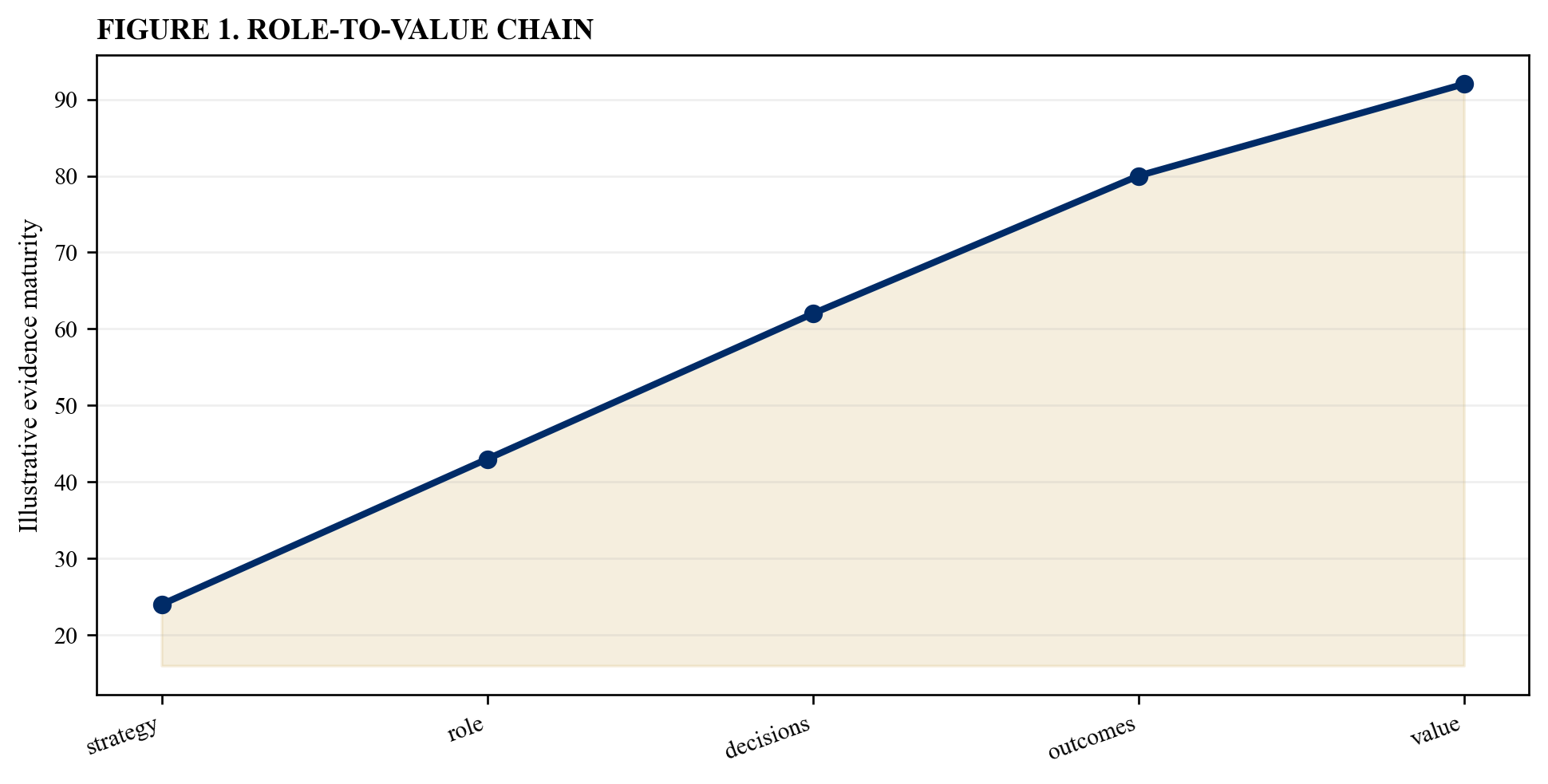
Illustrative analytical scenario; verified company and transaction evidence should replace index values.
6. Design selection governance
The transaction leadership team should specify board, nomination committee, chief executive, human resources, legal and independent-assessor responsibilities. The required output is a selection governance charter. Each conclusion should identify the future-role requirement, the relevant candidate or team evidence, the comparison period, the evaluator, the source and the confidence attached to the result [1][2].
Translate the requirement into a controlled decision record. Specify purpose, outcomes, authority, interfaces, capability weights, conduct, evidence, conflicts, approvals, timing and transition. Reconcile board, committee, executive, human-resources, legal, compliance and integration views.
The principal risk is that decision rights can remain ambiguous when senior stakeholders have competing interests. Quantify coverage, confidence, decision latency, succession, replacement time, retention cost and value exposure across base, adverse and mitigated cases.
Retain the role charter, evidence, candidate response, scoring, calibration, contrary evidence, conflicts, reviews, decision and conditions. Refresh after material changes to strategy, structure, performance, conduct, availability, approval status or timing; assign exceptions owners and deadlines.
7. Control conflicts of interest
The transaction leadership team should record personal interests, recusals, reporting relationships, deal incentives and adviser dependencies. The required output is a conflicts and recusal register. Each conclusion should identify the future-role requirement, the relevant candidate or team evidence, the comparison period, the evaluator, the source and the confidence attached to the result [1][7].
Translate the requirement into a controlled decision record. Specify purpose, outcomes, authority, interfaces, capability weights, conduct, evidence, conflicts, approvals, timing and transition. Reconcile board, committee, executive, human-resources, legal, compliance and integration views.
The principal risk is that decision-makers can shape roles or evidence to favour preferred candidates. Quantify coverage, confidence, decision latency, succession, replacement time, retention cost and value exposure across base, adverse and mitigated cases.
Retain the role charter, evidence, candidate response, scoring, calibration, contrary evidence, conflicts, reviews, decision and conditions. Refresh after material changes to strategy, structure, performance, conduct, availability, approval status or timing; assign exceptions owners and deadlines.
8. Create future-facing role charters
The transaction leadership team should define purpose, outcomes, reserved decisions, interfaces, capabilities, conduct expectations and first-year priorities. The required output is a role charter for every material appointment. Each conclusion should identify the future-role requirement, the relevant candidate or team evidence, the comparison period, the evaluator, the source and the confidence attached to the result [1][8].
Translate the requirement into a controlled decision record. Specify purpose, outcomes, authority, interfaces, capability weights, conduct, evidence, conflicts, approvals, timing and transition. Reconcile board, committee, executive, human-resources, legal, compliance and integration views.
The principal risk is that legacy job descriptions can anchor assessment to yesterday's organisation. Quantify coverage, confidence, decision latency, succession, replacement time, retention cost and value exposure across base, adverse and mitigated cases.
Retain the role charter, evidence, candidate response, scoring, calibration, contrary evidence, conflicts, reviews, decision and conditions. Refresh after material changes to strategy, structure, performance, conduct, availability, approval status or timing; assign exceptions owners and deadlines.
Table 1. Future-facing role charter
| Element | Board question | Evidence |
|---|---|---|
| purpose | why role exists | strategy map |
| outcomes | what must change | scorecard |
| authority | which decisions | delegations |
| interfaces | where dependencies sit | operating model |
Illustrative structure; verified transaction evidence and specialist review govern.
9. Specify decision rights
The transaction leadership team should reconcile board reservations, delegations, committee mandates, regulated accountability and executive authority. The required output is a decision-rights matrix. Each conclusion should identify the future-role requirement, the relevant candidate or team evidence, the comparison period, the evaluator, the source and the confidence attached to the result [1][5].
Translate the requirement into a controlled decision record. Specify purpose, outcomes, authority, interfaces, capability weights, conduct, evidence, conflicts, approvals, timing and transition. Reconcile board, committee, executive, human-resources, legal, compliance and integration views.
The principal risk is that apparent co-leadership can conceal vetoes, gaps and slow escalation. Quantify coverage, confidence, decision latency, succession, replacement time, retention cost and value exposure across base, adverse and mitigated cases.
Retain the role charter, evidence, candidate response, scoring, calibration, contrary evidence, conflicts, reviews, decision and conditions. Refresh after material changes to strategy, structure, performance, conduct, availability, approval status or timing; assign exceptions owners and deadlines.
10. Define measurable success
The transaction leadership team should set customer, financial, integration, risk, people and execution outcomes with timing and evidence sources. The required output is a role outcome scorecard. Each conclusion should identify the future-role requirement, the relevant candidate or team evidence, the comparison period, the evaluator, the source and the confidence attached to the result [2][9].
Translate the requirement into a controlled decision record. Specify purpose, outcomes, authority, interfaces, capability weights, conduct, evidence, conflicts, approvals, timing and transition. Reconcile board, committee, executive, human-resources, legal, compliance and integration views.
The principal risk is that general leadership attributes can replace measurable delivery obligations. Quantify coverage, confidence, decision latency, succession, replacement time, retention cost and value exposure across base, adverse and mitigated cases.
Retain the role charter, evidence, candidate response, scoring, calibration, contrary evidence, conflicts, reviews, decision and conditions. Refresh after material changes to strategy, structure, performance, conduct, availability, approval status or timing; assign exceptions owners and deadlines.
11. Create the capability taxonomy
The transaction leadership team should define strategic, commercial, operational, financial, technical, regulatory, people and integration capabilities by role. The required output is a weighted capability architecture. Each conclusion should identify the future-role requirement, the relevant candidate or team evidence, the comparison period, the evaluator, the source and the confidence attached to the result [8][10].
Translate the requirement into a controlled decision record. Specify purpose, outcomes, authority, interfaces, capability weights, conduct, evidence, conflicts, approvals, timing and transition. Reconcile board, committee, executive, human-resources, legal, compliance and integration views.
The principal risk is that generic competency models can miss capabilities specific to the transaction thesis. Quantify coverage, confidence, decision latency, succession, replacement time, retention cost and value exposure across base, adverse and mitigated cases.
Retain the role charter, evidence, candidate response, scoring, calibration, contrary evidence, conflicts, reviews, decision and conditions. Refresh after material changes to strategy, structure, performance, conduct, availability, approval status or timing; assign exceptions owners and deadlines.
12. Assemble verified performance evidence
The transaction leadership team should collect comparable outcomes, decisions, forecasts, controls, conduct records and stakeholder evidence across candidates. The required output is a candidate evidence dossier. Each conclusion should identify the future-role requirement, the relevant candidate or team evidence, the comparison period, the evaluator, the source and the confidence attached to the result [9][11].
Translate the requirement into a controlled decision record. Specify purpose, outcomes, authority, interfaces, capability weights, conduct, evidence, conflicts, approvals, timing and transition. Reconcile board, committee, executive, human-resources, legal, compliance and integration views.
The principal risk is that reputation, advocacy or recent visibility can outweigh sustained results. Quantify coverage, confidence, decision latency, succession, replacement time, retention cost and value exposure across base, adverse and mitigated cases.
Retain the role charter, evidence, candidate response, scoring, calibration, contrary evidence, conflicts, reviews, decision and conditions. Refresh after material changes to strategy, structure, performance, conduct, availability, approval status or timing; assign exceptions owners and deadlines.
13. Assess strategy execution
The transaction leadership team should test whether each candidate has converted strategic choices into resources, operating changes and measured results. The required output is a strategy-execution assessment. Each conclusion should identify the future-role requirement, the relevant candidate or team evidence, the comparison period, the evaluator, the source and the confidence attached to the result [2][12].
Translate the requirement into a controlled decision record. Specify purpose, outcomes, authority, interfaces, capability weights, conduct, evidence, conflicts, approvals, timing and transition. Reconcile board, committee, executive, human-resources, legal, compliance and integration views.
The principal risk is that presentation fluency can be mistaken for delivery capability. Quantify coverage, confidence, decision latency, succession, replacement time, retention cost and value exposure across base, adverse and mitigated cases.
Retain the role charter, evidence, candidate response, scoring, calibration, contrary evidence, conflicts, reviews, decision and conditions. Refresh after material changes to strategy, structure, performance, conduct, availability, approval status or timing; assign exceptions owners and deadlines.
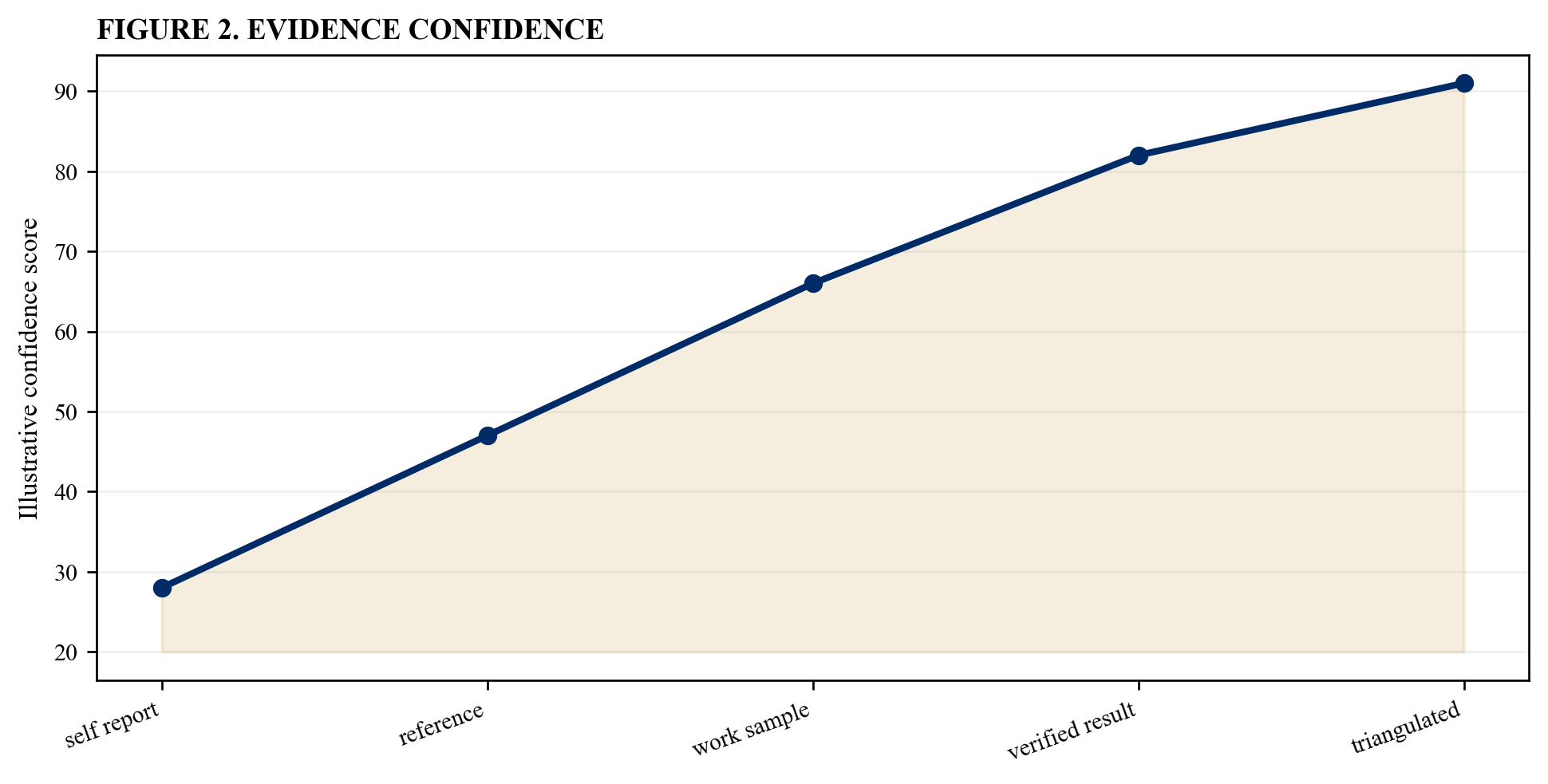
Illustrative analytical scenario; verified company and transaction evidence should replace index values.
14. Assess functional and sector depth
The transaction leadership team should evaluate the knowledge required to lead the combined scope, including technology, customers, economics and regulation. The required output is a role-specific depth assessment. Each conclusion should identify the future-role requirement, the relevant candidate or team evidence, the comparison period, the evaluator, the source and the confidence attached to the result [8][13].
Translate the requirement into a controlled decision record. Specify purpose, outcomes, authority, interfaces, capability weights, conduct, evidence, conflicts, approvals, timing and transition. Reconcile board, committee, executive, human-resources, legal, compliance and integration views.
The principal risk is that broad leadership experience can conceal material technical gaps. Quantify coverage, confidence, decision latency, succession, replacement time, retention cost and value exposure across base, adverse and mitigated cases.
Retain the role charter, evidence, candidate response, scoring, calibration, contrary evidence, conflicts, reviews, decision and conditions. Refresh after material changes to strategy, structure, performance, conduct, availability, approval status or timing; assign exceptions owners and deadlines.
15. Assess regulated accountability
The transaction leadership team should map senior-management functions, prescribed responsibilities, fitness, propriety and approval dependencies. The required output is a regulated-role suitability file. Each conclusion should identify the future-role requirement, the relevant candidate or team evidence, the comparison period, the evaluator, the source and the confidence attached to the result [14][15].
Translate the requirement into a controlled decision record. Specify purpose, outcomes, authority, interfaces, capability weights, conduct, evidence, conflicts, approvals, timing and transition. Reconcile board, committee, executive, human-resources, legal, compliance and integration views.
The principal risk is that a commercially attractive appointment can fail an approval or accountability test. Quantify coverage, confidence, decision latency, succession, replacement time, retention cost and value exposure across base, adverse and mitigated cases.
Retain the role charter, evidence, candidate response, scoring, calibration, contrary evidence, conflicts, reviews, decision and conditions. Refresh after material changes to strategy, structure, performance, conduct, availability, approval status or timing; assign exceptions owners and deadlines.
16. Assess risk and control credibility
The transaction leadership team should review escalation, override, audit, compliance, remediation and consequence-management evidence. The required output is a risk-leadership assessment. Each conclusion should identify the future-role requirement, the relevant candidate or team evidence, the comparison period, the evaluator, the source and the confidence attached to the result [16][17].
Translate the requirement into a controlled decision record. Specify purpose, outcomes, authority, interfaces, capability weights, conduct, evidence, conflicts, approvals, timing and transition. Reconcile board, committee, executive, human-resources, legal, compliance and integration views.
The principal risk is that strong growth results can obscure weak control behaviour or unresolved findings. Quantify coverage, confidence, decision latency, succession, replacement time, retention cost and value exposure across base, adverse and mitigated cases.
Retain the role charter, evidence, candidate response, scoring, calibration, contrary evidence, conflicts, reviews, decision and conditions. Refresh after material changes to strategy, structure, performance, conduct, availability, approval status or timing; assign exceptions owners and deadlines.
Table 2. Capability and credibility matrix
| Dimension | Evidence | Control |
|---|---|---|
| strategy | delivered outcomes | common window |
| function | role-specific work | expert review |
| risk | events and remediation | source checks |
| credibility | stakeholder evidence | triangulation |
Illustrative structure; verified transaction evidence and specialist review govern.
17. Assess customer credibility
The transaction leadership team should examine customer outcomes, service recovery, conduct, trust and material relationship dependencies. The required output is a customer-credibility assessment. Each conclusion should identify the future-role requirement, the relevant candidate or team evidence, the comparison period, the evaluator, the source and the confidence attached to the result [18][19].
Translate the requirement into a controlled decision record. Specify purpose, outcomes, authority, interfaces, capability weights, conduct, evidence, conflicts, approvals, timing and transition. Reconcile board, committee, executive, human-resources, legal, compliance and integration views.
The principal risk is that internal status can overstate external confidence and relationship portability. Quantify coverage, confidence, decision latency, succession, replacement time, retention cost and value exposure across base, adverse and mitigated cases.
Retain the role charter, evidence, candidate response, scoring, calibration, contrary evidence, conflicts, reviews, decision and conditions. Refresh after material changes to strategy, structure, performance, conduct, availability, approval status or timing; assign exceptions owners and deadlines.
18. Assess workforce credibility
The transaction leadership team should test engagement, retention, succession, inclusion, manager quality and delivery through change. The required output is a workforce-credibility assessment. Each conclusion should identify the future-role requirement, the relevant candidate or team evidence, the comparison period, the evaluator, the source and the confidence attached to the result [10][20].
Translate the requirement into a controlled decision record. Specify purpose, outcomes, authority, interfaces, capability weights, conduct, evidence, conflicts, approvals, timing and transition. Reconcile board, committee, executive, human-resources, legal, compliance and integration views.
The principal risk is that popularity can be confused with the capacity to make difficult and fair decisions. Quantify coverage, confidence, decision latency, succession, replacement time, retention cost and value exposure across base, adverse and mitigated cases.
Retain the role charter, evidence, candidate response, scoring, calibration, contrary evidence, conflicts, reviews, decision and conditions. Refresh after material changes to strategy, structure, performance, conduct, availability, approval status or timing; assign exceptions owners and deadlines.
19. Assess investor and board credibility
The transaction leadership team should evaluate forecast reliability, candour, capital allocation, governance and response to challenge. The required output is a governance-credibility assessment. Each conclusion should identify the future-role requirement, the relevant candidate or team evidence, the comparison period, the evaluator, the source and the confidence attached to the result [1][21].
Translate the requirement into a controlled decision record. Specify purpose, outcomes, authority, interfaces, capability weights, conduct, evidence, conflicts, approvals, timing and transition. Reconcile board, committee, executive, human-resources, legal, compliance and integration views.
The principal risk is that confidence built on selective reporting can weaken after combined-company scrutiny. Quantify coverage, confidence, decision latency, succession, replacement time, retention cost and value exposure across base, adverse and mitigated cases.
Retain the role charter, evidence, candidate response, scoring, calibration, contrary evidence, conflicts, reviews, decision and conditions. Refresh after material changes to strategy, structure, performance, conduct, availability, approval status or timing; assign exceptions owners and deadlines.
20. Assess integration leadership
The transaction leadership team should test dependency management, prioritisation, ambiguity, pace, communication and benefits accountability. The required output is an integration-readiness assessment. Each conclusion should identify the future-role requirement, the relevant candidate or team evidence, the comparison period, the evaluator, the source and the confidence attached to the result [4][22].
Translate the requirement into a controlled decision record. Specify purpose, outcomes, authority, interfaces, capability weights, conduct, evidence, conflicts, approvals, timing and transition. Reconcile board, committee, executive, human-resources, legal, compliance and integration views.
The principal risk is that legacy operating success can fail to predict performance during simultaneous disruption. Quantify coverage, confidence, decision latency, succession, replacement time, retention cost and value exposure across base, adverse and mitigated cases.
Retain the role charter, evidence, candidate response, scoring, calibration, contrary evidence, conflicts, reviews, decision and conditions. Refresh after material changes to strategy, structure, performance, conduct, availability, approval status or timing; assign exceptions owners and deadlines.
21. Assess learning agility
The transaction leadership team should examine how candidates seek contrary evidence, update decisions, build new capability and adapt across contexts. The required output is a learning-agility record. Each conclusion should identify the future-role requirement, the relevant candidate or team evidence, the comparison period, the evaluator, the source and the confidence attached to the result [8][23].
Translate the requirement into a controlled decision record. Specify purpose, outcomes, authority, interfaces, capability weights, conduct, evidence, conflicts, approvals, timing and transition. Reconcile board, committee, executive, human-resources, legal, compliance and integration views.
The principal risk is that past scale or prestige can be overweighted when the future role changes materially. Quantify coverage, confidence, decision latency, succession, replacement time, retention cost and value exposure across base, adverse and mitigated cases.
Retain the role charter, evidence, candidate response, scoring, calibration, contrary evidence, conflicts, reviews, decision and conditions. Refresh after material changes to strategy, structure, performance, conduct, availability, approval status or timing; assign exceptions owners and deadlines.
22. Test team complementarity
The transaction leadership team should model collective coverage, constructive challenge, trust, cognitive variety, decision speed and interface risk. The required output is a combined-team complementarity map. Each conclusion should identify the future-role requirement, the relevant candidate or team evidence, the comparison period, the evaluator, the source and the confidence attached to the result [1][2].
Translate the requirement into a controlled decision record. Specify purpose, outcomes, authority, interfaces, capability weights, conduct, evidence, conflicts, approvals, timing and transition. Reconcile board, committee, executive, human-resources, legal, compliance and integration views.
The principal risk is that selecting the highest individual scores can still create an unbalanced executive team. Quantify coverage, confidence, decision latency, succession, replacement time, retention cost and value exposure across base, adverse and mitigated cases.
Retain the role charter, evidence, candidate response, scoring, calibration, contrary evidence, conflicts, reviews, decision and conditions. Refresh after material changes to strategy, structure, performance, conduct, availability, approval status or timing; assign exceptions owners and deadlines.
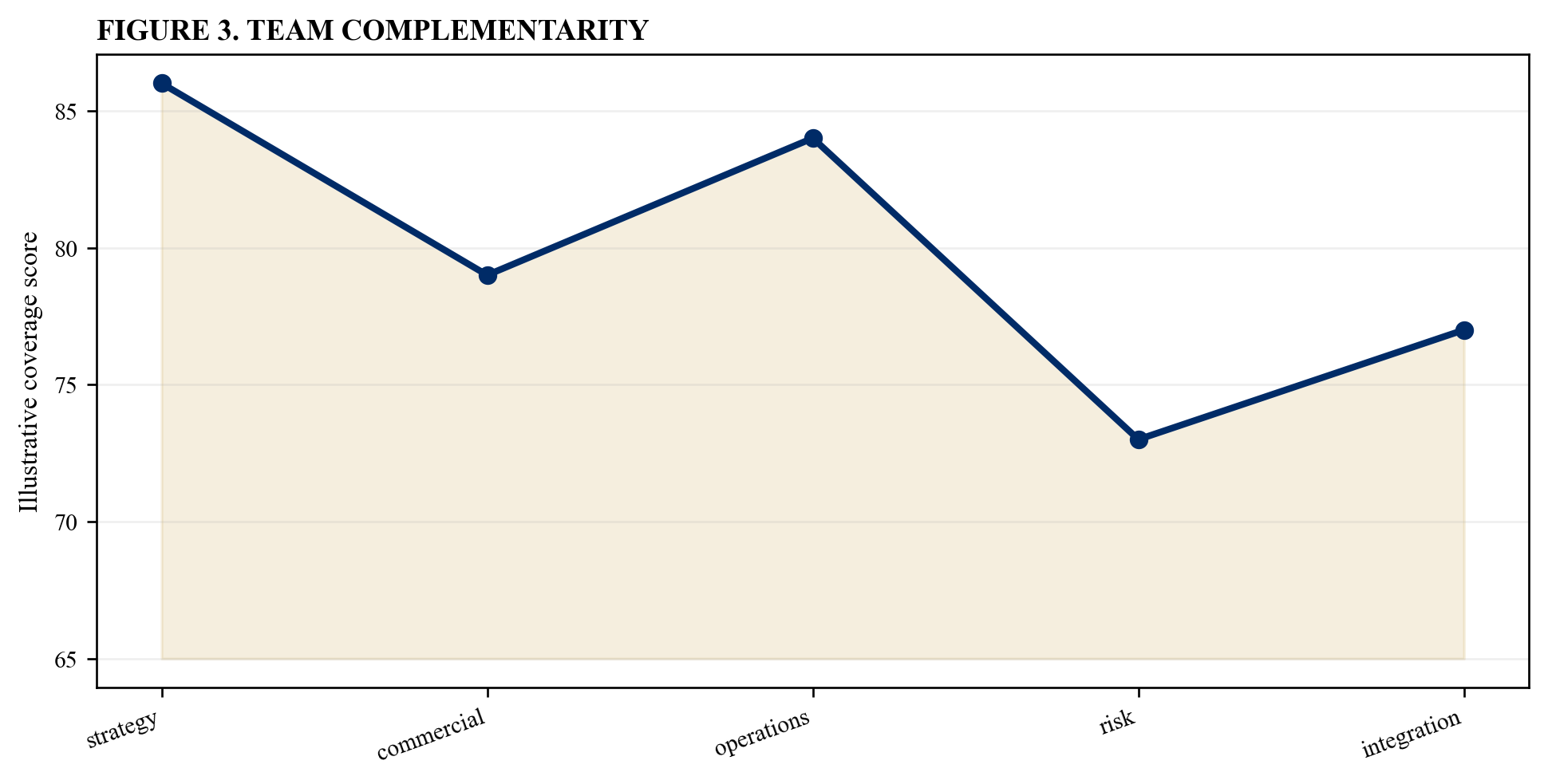
Illustrative analytical scenario; verified company and transaction evidence should replace index values.
23. Map succession and bench strength
The transaction leadership team should identify ready-now, ready-later and external options for every critical role with development actions. The required output is a succession coverage map. Each conclusion should identify the future-role requirement, the relevant candidate or team evidence, the comparison period, the evaluator, the source and the confidence attached to the result [1][10].
Translate the requirement into a controlled decision record. Specify purpose, outcomes, authority, interfaces, capability weights, conduct, evidence, conflicts, approvals, timing and transition. Reconcile board, committee, executive, human-resources, legal, compliance and integration views.
The principal risk is that appointment choices can consume the only successor or leave key roles exposed. Quantify coverage, confidence, decision latency, succession, replacement time, retention cost and value exposure across base, adverse and mitigated cases.
Retain the role charter, evidence, candidate response, scoring, calibration, contrary evidence, conflicts, reviews, decision and conditions. Refresh after material changes to strategy, structure, performance, conduct, availability, approval status or timing; assign exceptions owners and deadlines.
24. Quantify key-person concentration
The transaction leadership team should connect individuals to revenue, customers, licences, technical knowledge, controls, financing and transformation dependencies. The required output is a critical-person risk matrix. Each conclusion should identify the future-role requirement, the relevant candidate or team evidence, the comparison period, the evaluator, the source and the confidence attached to the result [9][24].
Translate the requirement into a controlled decision record. Specify purpose, outcomes, authority, interfaces, capability weights, conduct, evidence, conflicts, approvals, timing and transition. Reconcile board, committee, executive, human-resources, legal, compliance and integration views.
The principal risk is that personal dependency can remain hidden inside team-level performance. Quantify coverage, confidence, decision latency, succession, replacement time, retention cost and value exposure across base, adverse and mitigated cases.
Retain the role charter, evidence, candidate response, scoring, calibration, contrary evidence, conflicts, reviews, decision and conditions. Refresh after material changes to strategy, structure, performance, conduct, availability, approval status or timing; assign exceptions owners and deadlines.
Table 3. Succession and criticality matrix
| Role | Dependency | Coverage |
|---|---|---|
| commercial | key customers | successor plus handover |
| technical | scarce knowledge | document plus deputy |
| regulated | approval and duty | interim authority |
| integration | programme decisions | named alternate |
Illustrative structure; verified transaction evidence and specialist review govern.
25. Calibrate independent assessment
The transaction leadership team should define where structured interviews, work samples, references, psychometrics or external assessors add reliable evidence. The required output is an assessment-method protocol. Each conclusion should identify the future-role requirement, the relevant candidate or team evidence, the comparison period, the evaluator, the source and the confidence attached to the result [8][25].
Translate the requirement into a controlled decision record. Specify purpose, outcomes, authority, interfaces, capability weights, conduct, evidence, conflicts, approvals, timing and transition. Reconcile board, committee, executive, human-resources, legal, compliance and integration views.
The principal risk is that assessment tools can create false precision or measure traits unrelated to role outcomes. Quantify coverage, confidence, decision latency, succession, replacement time, retention cost and value exposure across base, adverse and mitigated cases.
Retain the role charter, evidence, candidate response, scoring, calibration, contrary evidence, conflicts, reviews, decision and conditions. Refresh after material changes to strategy, structure, performance, conduct, availability, approval status or timing; assign exceptions owners and deadlines.
26. Control bias and fairness
The transaction leadership team should standardise evidence, scoring, challenge and documentation while testing adverse impact and reasonable adjustments. The required output is a fair-selection control file. Each conclusion should identify the future-role requirement, the relevant candidate or team evidence, the comparison period, the evaluator, the source and the confidence attached to the result [25][26].
Translate the requirement into a controlled decision record. Specify purpose, outcomes, authority, interfaces, capability weights, conduct, evidence, conflicts, approvals, timing and transition. Reconcile board, committee, executive, human-resources, legal, compliance and integration views.
The principal risk is that informal sponsorship and inconsistent evidence can create unlawful or value-destructive outcomes. Quantify coverage, confidence, decision latency, succession, replacement time, retention cost and value exposure across base, adverse and mitigated cases.
Retain the role charter, evidence, candidate response, scoring, calibration, contrary evidence, conflicts, reviews, decision and conditions. Refresh after material changes to strategy, structure, performance, conduct, availability, approval status or timing; assign exceptions owners and deadlines.
27. Protect candidate and workforce data
The transaction leadership team should apply lawful purpose, minimisation, access restriction, accuracy, retention and cross-border controls. The required output is a leadership-data protocol. Each conclusion should identify the future-role requirement, the relevant candidate or team evidence, the comparison period, the evaluator, the source and the confidence attached to the result [26][27].
Translate the requirement into a controlled decision record. Specify purpose, outcomes, authority, interfaces, capability weights, conduct, evidence, conflicts, approvals, timing and transition. Reconcile board, committee, executive, human-resources, legal, compliance and integration views.
The principal risk is that sensitive assessment material can be over-collected, leaked or reused beyond its purpose. Quantify coverage, confidence, decision latency, succession, replacement time, retention cost and value exposure across base, adverse and mitigated cases.
Retain the role charter, evidence, candidate response, scoring, calibration, contrary evidence, conflicts, reviews, decision and conditions. Refresh after material changes to strategy, structure, performance, conduct, availability, approval status or timing; assign exceptions owners and deadlines.
28. Score evidence confidence
The transaction leadership team should distinguish verified outcomes, corroborated observations, self-report, forecast and missing evidence. The required output is an evidence-confidence overlay. Each conclusion should identify the future-role requirement, the relevant candidate or team evidence, the comparison period, the evaluator, the source and the confidence attached to the result [9][11].
Translate the requirement into a controlled decision record. Specify purpose, outcomes, authority, interfaces, capability weights, conduct, evidence, conflicts, approvals, timing and transition. Reconcile board, committee, executive, human-resources, legal, compliance and integration views.
The principal risk is that a precise score can conceal weak sources and incomparable candidate histories. Quantify coverage, confidence, decision latency, succession, replacement time, retention cost and value exposure across base, adverse and mitigated cases.
Retain the role charter, evidence, candidate response, scoring, calibration, contrary evidence, conflicts, reviews, decision and conditions. Refresh after material changes to strategy, structure, performance, conduct, availability, approval status or timing; assign exceptions owners and deadlines.
29. Design the retention architecture
The transaction leadership team should identify the capabilities and relationships that require continuity through close and integration. The required output is a value-linked retention plan. Each conclusion should identify the future-role requirement, the relevant candidate or team evidence, the comparison period, the evaluator, the source and the confidence attached to the result [10][28].
Translate the requirement into a controlled decision record. Specify purpose, outcomes, authority, interfaces, capability weights, conduct, evidence, conflicts, approvals, timing and transition. Reconcile board, committee, executive, human-resources, legal, compliance and integration views.
The principal risk is that broad retention spending can reward title preservation without protecting value. Quantify coverage, confidence, decision latency, succession, replacement time, retention cost and value exposure across base, adverse and mitigated cases.
Retain the role charter, evidence, candidate response, scoring, calibration, contrary evidence, conflicts, reviews, decision and conditions. Refresh after material changes to strategy, structure, performance, conduct, availability, approval status or timing; assign exceptions owners and deadlines.
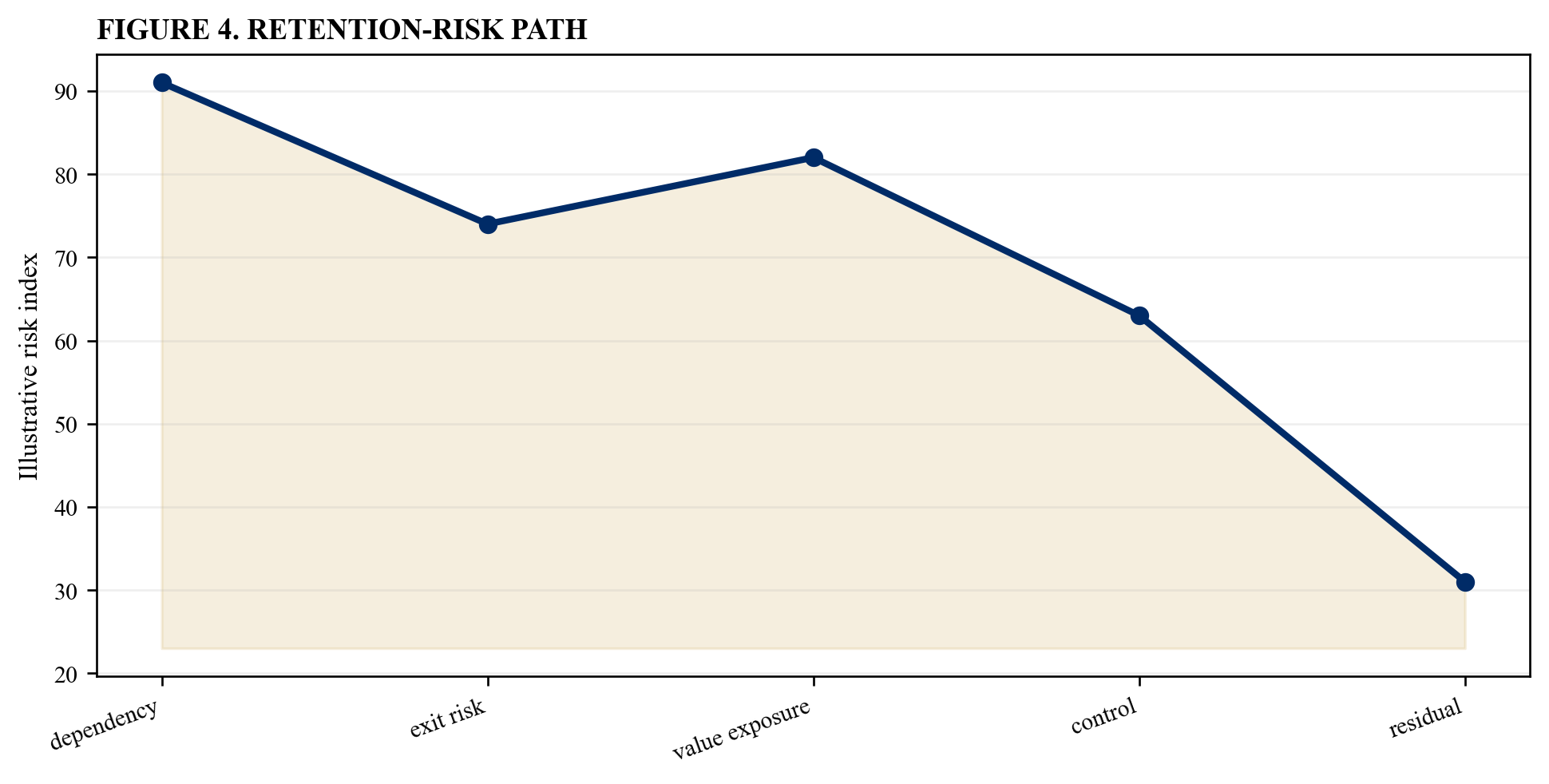
Illustrative analytical scenario; verified company and transaction evidence should replace index values.
30. Separate retention from selection
The transaction leadership team should evaluate continuity risk independently from permanent-role suitability and document temporary solutions. The required output is a retention-selection boundary. Each conclusion should identify the future-role requirement, the relevant candidate or team evidence, the comparison period, the evaluator, the source and the confidence attached to the result [1][28].
Translate the requirement into a controlled decision record. Specify purpose, outcomes, authority, interfaces, capability weights, conduct, evidence, conflicts, approvals, timing and transition. Reconcile board, committee, executive, human-resources, legal, compliance and integration views.
The principal risk is that retention urgency can convert a temporary dependency into a permanent appointment. Quantify coverage, confidence, decision latency, succession, replacement time, retention cost and value exposure across base, adverse and mitigated cases.
Retain the role charter, evidence, candidate response, scoring, calibration, contrary evidence, conflicts, reviews, decision and conditions. Refresh after material changes to strategy, structure, performance, conduct, availability, approval status or timing; assign exceptions owners and deadlines.
31. Set vesting and milestones
The transaction leadership team should align time, close, transition, knowledge-transfer, customer, control and integration conditions with enforceable terms. The required output is a milestone-based retention schedule. Each conclusion should identify the future-role requirement, the relevant candidate or team evidence, the comparison period, the evaluator, the source and the confidence attached to the result [28][29].
Translate the requirement into a controlled decision record. Specify purpose, outcomes, authority, interfaces, capability weights, conduct, evidence, conflicts, approvals, timing and transition. Reconcile board, committee, executive, human-resources, legal, compliance and integration views.
The principal risk is that purely time-based awards can pay despite failed handover or value loss. Quantify coverage, confidence, decision latency, succession, replacement time, retention cost and value exposure across base, adverse and mitigated cases.
Retain the role charter, evidence, candidate response, scoring, calibration, contrary evidence, conflicts, reviews, decision and conditions. Refresh after material changes to strategy, structure, performance, conduct, availability, approval status or timing; assign exceptions owners and deadlines.
32. Quantify retention economics
The transaction leadership team should compare award cost with replacement, delay, customer loss, control failure and integration-value scenarios. The required output is a retention investment case. Each conclusion should identify the future-role requirement, the relevant candidate or team evidence, the comparison period, the evaluator, the source and the confidence attached to the result [9][28].
Translate the requirement into a controlled decision record. Specify purpose, outcomes, authority, interfaces, capability weights, conduct, evidence, conflicts, approvals, timing and transition. Reconcile board, committee, executive, human-resources, legal, compliance and integration views.
The principal risk is that large awards can be approved without a quantified dependency or downside case. Quantify coverage, confidence, decision latency, succession, replacement time, retention cost and value exposure across base, adverse and mitigated cases.
Retain the role charter, evidence, candidate response, scoring, calibration, contrary evidence, conflicts, reviews, decision and conditions. Refresh after material changes to strategy, structure, performance, conduct, availability, approval status or timing; assign exceptions owners and deadlines.
Table 4. Retention architecture
| Value at risk | Instrument | Condition |
|---|---|---|
| customer continuity | cash award | handover milestone |
| scarce capability | deferred award | service and transfer |
| integration delivery | milestone award | verified outcome |
| long-term value | equity award | vesting and performance |
Illustrative structure; verified transaction evidence and specialist review govern.
33. Manage leaders who are not selected
The transaction leadership team should plan dignity, confidentiality, legal process, transition, knowledge transfer and stakeholder communication. The required output is a non-selection transition plan. Each conclusion should identify the future-role requirement, the relevant candidate or team evidence, the comparison period, the evaluator, the source and the confidence attached to the result [26][30].
Translate the requirement into a controlled decision record. Specify purpose, outcomes, authority, interfaces, capability weights, conduct, evidence, conflicts, approvals, timing and transition. Reconcile board, committee, executive, human-resources, legal, compliance and integration views.
The principal risk is that poor treatment can trigger avoidable attrition, disputes and loss of trust. Quantify coverage, confidence, decision latency, succession, replacement time, retention cost and value exposure across base, adverse and mitigated cases.
Retain the role charter, evidence, candidate response, scoring, calibration, contrary evidence, conflicts, reviews, decision and conditions. Refresh after material changes to strategy, structure, performance, conduct, availability, approval status or timing; assign exceptions owners and deadlines.
34. Sequence appointment decisions
The transaction leadership team should prioritise roles by dependency, approval, external search, consultation and Day-One timing. The required output is an appointment critical path. Each conclusion should identify the future-role requirement, the relevant candidate or team evidence, the comparison period, the evaluator, the source and the confidence attached to the result [1][14].
Translate the requirement into a controlled decision record. Specify purpose, outcomes, authority, interfaces, capability weights, conduct, evidence, conflicts, approvals, timing and transition. Reconcile board, committee, executive, human-resources, legal, compliance and integration views.
The principal risk is that late upstream decisions can block organisation design and cascade uncertainty. Quantify coverage, confidence, decision latency, succession, replacement time, retention cost and value exposure across base, adverse and mitigated cases.
Retain the role charter, evidence, candidate response, scoring, calibration, contrary evidence, conflicts, reviews, decision and conditions. Refresh after material changes to strategy, structure, performance, conduct, availability, approval status or timing; assign exceptions owners and deadlines.
35. Build Day-One leadership coverage
The transaction leadership team should assign permanent, interim and delegated accountability for every material decision and regulated obligation. The required output is a Day-One coverage map. Each conclusion should identify the future-role requirement, the relevant candidate or team evidence, the comparison period, the evaluator, the source and the confidence attached to the result [14][15].
Translate the requirement into a controlled decision record. Specify purpose, outcomes, authority, interfaces, capability weights, conduct, evidence, conflicts, approvals, timing and transition. Reconcile board, committee, executive, human-resources, legal, compliance and integration views.
The principal risk is that vacancies and ambiguous interim mandates can stop decisions immediately after close. Quantify coverage, confidence, decision latency, succession, replacement time, retention cost and value exposure across base, adverse and mitigated cases.
Retain the role charter, evidence, candidate response, scoring, calibration, contrary evidence, conflicts, reviews, decision and conditions. Refresh after material changes to strategy, structure, performance, conduct, availability, approval status or timing; assign exceptions owners and deadlines.
36. Stress the attrition case
The transaction leadership team should model voluntary exits, non-selection departures, competitor hiring and failed retention across critical roles. The required output is a leadership continuity stress case. Each conclusion should identify the future-role requirement, the relevant candidate or team evidence, the comparison period, the evaluator, the source and the confidence attached to the result [10][24].
Translate the requirement into a controlled decision record. Specify purpose, outcomes, authority, interfaces, capability weights, conduct, evidence, conflicts, approvals, timing and transition. Reconcile board, committee, executive, human-resources, legal, compliance and integration views.
The principal risk is that correlated departures can overwhelm succession and implementation capacity. Quantify coverage, confidence, decision latency, succession, replacement time, retention cost and value exposure across base, adverse and mitigated cases.
Retain the role charter, evidence, candidate response, scoring, calibration, contrary evidence, conflicts, reviews, decision and conditions. Refresh after material changes to strategy, structure, performance, conduct, availability, approval status or timing; assign exceptions owners and deadlines.
37. Stress the decision-speed case
The transaction leadership team should model layers, spans, forums, interfaces and escalation under proposed leadership alternatives. The required output is a decision-latency scenario. Each conclusion should identify the future-role requirement, the relevant candidate or team evidence, the comparison period, the evaluator, the source and the confidence attached to the result [1][5].
Translate the requirement into a controlled decision record. Specify purpose, outcomes, authority, interfaces, capability weights, conduct, evidence, conflicts, approvals, timing and transition. Reconcile board, committee, executive, human-resources, legal, compliance and integration views.
The principal risk is that a prestigious team structure can increase handoffs and delay value-critical decisions. Quantify coverage, confidence, decision latency, succession, replacement time, retention cost and value exposure across base, adverse and mitigated cases.
Retain the role charter, evidence, candidate response, scoring, calibration, contrary evidence, conflicts, reviews, decision and conditions. Refresh after material changes to strategy, structure, performance, conduct, availability, approval status or timing; assign exceptions owners and deadlines.
38. Set escalation triggers
The transaction leadership team should define evidence, approval, vacancy, conduct, customer, attrition and appointment-delay thresholds. The required output is a board escalation protocol. Each conclusion should identify the future-role requirement, the relevant candidate or team evidence, the comparison period, the evaluator, the source and the confidence attached to the result [1][16].
Translate the requirement into a controlled decision record. Specify purpose, outcomes, authority, interfaces, capability weights, conduct, evidence, conflicts, approvals, timing and transition. Reconcile board, committee, executive, human-resources, legal, compliance and integration views.
The principal risk is that material exceptions can remain inside the selection team until options narrow. Quantify coverage, confidence, decision latency, succession, replacement time, retention cost and value exposure across base, adverse and mitigated cases.
Retain the role charter, evidence, candidate response, scoring, calibration, contrary evidence, conflicts, reviews, decision and conditions. Refresh after material changes to strategy, structure, performance, conduct, availability, approval status or timing; assign exceptions owners and deadlines.
39. Control disclosure and communication
The transaction leadership team should coordinate market, employee, regulator, customer and candidate communications with documented approval. The required output is a leadership communications control. Each conclusion should identify the future-role requirement, the relevant candidate or team evidence, the comparison period, the evaluator, the source and the confidence attached to the result [21][29].
Translate the requirement into a controlled decision record. Specify purpose, outcomes, authority, interfaces, capability weights, conduct, evidence, conflicts, approvals, timing and transition. Reconcile board, committee, executive, human-resources, legal, compliance and integration views.
The principal risk is that premature or inconsistent messages can create disclosure, trust and retention failures. Quantify coverage, confidence, decision latency, succession, replacement time, retention cost and value exposure across base, adverse and mitigated cases.
Retain the role charter, evidence, candidate response, scoring, calibration, contrary evidence, conflicts, reviews, decision and conditions. Refresh after material changes to strategy, structure, performance, conduct, availability, approval status or timing; assign exceptions owners and deadlines.
40. Issue the leadership selection certificate
The transaction leadership team should approve appointments, evidence confidence, conditions, conflicts, retention, succession, transition and open risks. The required output is a retained board decision record. Each conclusion should identify the future-role requirement, the relevant candidate or team evidence, the comparison period, the evaluator, the source and the confidence attached to the result [1][2].
Translate the requirement into a controlled decision record. Specify purpose, outcomes, authority, interfaces, capability weights, conduct, evidence, conflicts, approvals, timing and transition. Reconcile board, committee, executive, human-resources, legal, compliance and integration views.
The principal risk is that the combined team can be announced without a complete evidence and accountability trail. Quantify coverage, confidence, decision latency, succession, replacement time, retention cost and value exposure across base, adverse and mitigated cases.
Retain the role charter, evidence, candidate response, scoring, calibration, contrary evidence, conflicts, reviews, decision and conditions. Refresh after material changes to strategy, structure, performance, conduct, availability, approval status or timing; assign exceptions owners and deadlines.
Table 5. Leadership selection certificate
| Conclusion | Required record | Approval test |
|---|---|---|
| role | charter and rights | future model aligned |
| candidate | evidence dossier | confidence stated |
| team | complementarity map | coverage tested |
| transition | retention and succession | Day One covered |
Illustrative structure; verified transaction evidence and specialist review govern.
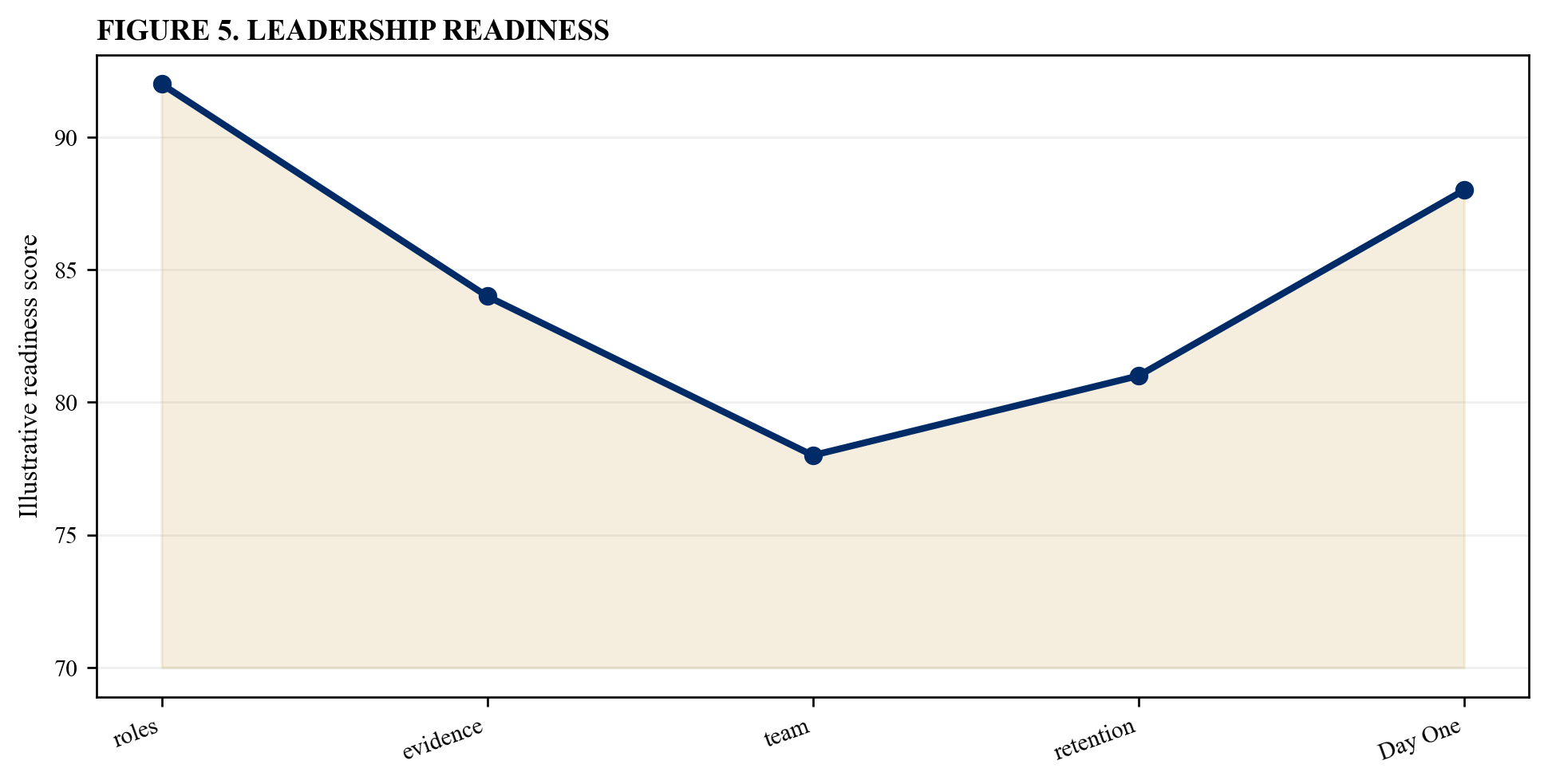
Illustrative analytical scenario; verified company and transaction evidence should replace index values.
References
- UK Financial Reporting Council, UK Corporate Governance Code 2024, https://www.frc.org.uk/library/standards-codes-policy/corporate-governance/uk-corporate-governance-code/
- OECD, G20 OECD Principles of Corporate Governance 2023, board responsibilities and succession, https://www.oecd.org/en/publications/g20-oecd-principles-of-corporate-governance-2023_ed750b30-en/full-report/component-8.html
- UK Financial Reporting Council, Corporate Governance Code Guidance, appointments and succession, https://www.frc.org.uk/library/standards-codes-policy/corporate-governance/corporate-governance-code-guidance/
- IFRS Foundation, IFRS 3 Business Combinations, https://www.ifrs.org/issued-standards/list-of-standards/ifrs-3-business-combinations/
- UK Financial Conduct Authority, SYSC 26 Senior Managers Regime: Overall and local responsibility, https://handbook.fca.org.uk/handbook/SYSC/26/
- US Securities and Exchange Commission, Regulation S-K Item 101 human capital resources, https://www.ecfr.gov/current/title-17/chapter-II/part-229/section-229.101
- UK Companies Act 2006, directors' duties and declaration of interests, https://www.legislation.gov.uk/ukpga/2006/46/contents
- International Organization for Standardization, ISO 30409:2016 Human resource management: Workforce planning, https://www.iso.org/standard/64149.html
- US Government Accountability Office, Assessing Data Reliability, https://www.gao.gov/products/gao-20-283g
- International Organization for Standardization, ISO 30414:2025 Human capital reporting and disclosure, https://www.iso.org/standard/30414.html
- UK Financial Reporting Council, Guidance on Audit Committees, evidence and challenge, https://www.frc.org.uk/library/standards-codes-policy/corporate-governance/guidance-on-audit-committees/
- UK Financial Reporting Council, Guidance on Board Effectiveness, https://www.frc.org.uk/library/standards-codes-policy/corporate-governance/guidance-on-board-effectiveness/
- UK Financial Conduct Authority, Fit and Proper test for Employees and Senior Personnel, https://handbook.fca.org.uk/handbook/FIT/
- UK Financial Conduct Authority, Senior Managers Regime, https://www.fca.org.uk/firms/senior-managers-certification-regime
- UK Financial Conduct Authority, Statements of Responsibilities and management responsibilities maps, https://www.fca.org.uk/firms/senior-managers-certification-regime/statement-responsibilities
- US Department of Justice, Evaluation of Corporate Compliance Programs, https://www.justice.gov/criminal/criminal-fraud/page/file/937501/dl
- Committee of Sponsoring Organizations of the Treadway Commission, Enterprise Risk Management, https://www.coso.org/enterprise-risk-management
- UK Financial Conduct Authority, Consumer Duty governance and culture, https://handbook.fca.org.uk/handbook/PRIN/2A/8.html
- International Organization for Standardization, ISO 10004 customer satisfaction monitoring and measurement, https://www.iso.org/standard/71580.html
- International Labour Organization, Discrimination Employment and Occupation Convention C111, https://normlex.ilo.org/dyn/nrmlx_en/f?p=NORMLEXPUB:12100:0::NO::P12100_ILO_CODE:C111
- US Securities and Exchange Commission, Regulation S-K Item 402 executive compensation, https://www.ecfr.gov/current/title-17/chapter-II/part-229/section-229.402
- US Securities and Exchange Commission, merger integration and management risk disclosure example, https://www.sec.gov/Archives/edgar/data/1286139/000119312526170358/d72934dars.pdf
- OECD, Skills for Jobs database and methodology, https://www.oecdskillsforjobsdatabase.org/
- US Securities and Exchange Commission, key-person and retention risk disclosure example, https://www.sec.gov/Archives/edgar/data/1570585/000119312525076843/d852452dars.pdf
- US Equal Employment Opportunity Commission, Artificial Intelligence and Algorithmic Fairness Initiative, https://www.eeoc.gov/ai
- UK Equality Act 2010, https://www.legislation.gov.uk/ukpga/2010/15/contents
