

1. Define the branch-liquidity mandate
Protect enterprise continuity while giving family branches fair and executable routes to different levels of cash.
The succession team should reconcile family objectives, ownership records, governing documents, cash needs, strategy, financing and law. Each conclusion records the accountable body, source, timing, candidate or owner, evidence, dependency, control and unresolved exception. The immediate output is a branch-liquidity charter.
Management continuity must be proved through operating outcomes while ownership choices remain explicit. Reviewers test capability, authority, relationships, stakeholder confidence and downside response against native records and observed performance. Company strategy, role requirements, family objectives and governing law control every conclusion.
Material gaps require an owner, corrective action, test, advice and decision date. Consequences should flow through leadership capacity, customer delivery, cash, financing, value, control, fairness and transaction timing. Residual risk remains visible until authority is operable, stakeholders are protected and the relevant governing bodies approve the next gate.
2. Separate enterprise cash from family wealth
Prevent personal liquidity demands from becoming uncontrolled operating-company withdrawals.
The succession team should reconcile accounts, budgets, distributions, shareholder loans, benefits, tax and related-party records. Each conclusion records the accountable body, source, timing, candidate or owner, evidence, dependency, control and unresolved exception. The immediate output is an enterprise-family cash boundary.
Management continuity must be proved through operating outcomes while ownership choices remain explicit. Reviewers test capability, authority, relationships, stakeholder confidence and downside response against native records and observed performance. Company strategy, role requirements, family objectives and governing law control every conclusion.
Material gaps require an owner, corrective action, test, advice and decision date. Consequences should flow through leadership capacity, customer delivery, cash, financing, value, control, fairness and transaction timing. Residual risk remains visible until authority is operable, stakeholders are protected and the relevant governing bodies approve the next gate.
3. Map sibling branches and beneficial interests
Identify direct and indirect owners, trusts, foundations, estates, nominees, minors and contingent interests.
The succession team should reconcile registers, constitutional documents, beneficial ownership, estate plans and family records. Each conclusion records the accountable body, source, timing, candidate or owner, evidence, dependency, control and unresolved exception. The immediate output is a verified branch ownership map.
Management continuity must be proved through operating outcomes while ownership choices remain explicit. Reviewers test capability, authority, relationships, stakeholder confidence and downside response against native records and observed performance. Company strategy, role requirements, family objectives and governing law control every conclusion.
Material gaps require an owner, corrective action, test, advice and decision date. Consequences should flow through leadership capacity, customer delivery, cash, financing, value, control, fairness and transaction timing. Residual risk remains visible until authority is operable, stakeholders are protected and the relevant governing bodies approve the next gate.
4. Measure liquidity needs without judging motives
Record amount, timing, certainty, purpose, flexibility and recurrence for each participating branch.
The succession team should reconcile confidential requests, cash-flow evidence, obligations, adviser input and family interviews. Each conclusion records the accountable body, source, timing, candidate or owner, evidence, dependency, control and unresolved exception. The immediate output is a branch liquidity-needs schedule.
Management continuity must be proved through operating outcomes while ownership choices remain explicit. Reviewers test capability, authority, relationships, stakeholder confidence and downside response against native records and observed performance. Company strategy, role requirements, family objectives and governing law control every conclusion.
Material gaps require an owner, corrective action, test, advice and decision date. Consequences should flow through leadership capacity, customer delivery, cash, financing, value, control, fairness and transaction timing. Residual risk remains visible until authority is operable, stakeholders are protected and the relevant governing bodies approve the next gate.
5. Define settlement principles
Approve fairness, continuity, voluntariness, confidentiality, affordability and equal-treatment standards before negotiating price.
The succession team should reconcile family constitution, shareholder mandate, company purpose, duties and independent advice. Each conclusion records the accountable body, source, timing, candidate or owner, evidence, dependency, control and unresolved exception. The immediate output is a settlement principles statement.
Management continuity must be proved through operating outcomes while ownership choices remain explicit. Reviewers test capability, authority, relationships, stakeholder confidence and downside response against native records and observed performance. Company strategy, role requirements, family objectives and governing law control every conclusion.
Material gaps require an owner, corrective action, test, advice and decision date. Consequences should flow through leadership capacity, customer delivery, cash, financing, value, control, fairness and transaction timing. Residual risk remains visible until authority is operable, stakeholders are protected and the relevant governing bodies approve the next gate.
6. Allocate decision rights
Separate shareholder, board, family council, trustee, lender and management authority for each decision.
The succession team should reconcile law, articles, agreements, trust instruments, delegations and committee terms. Each conclusion records the accountable body, source, timing, candidate or owner, evidence, dependency, control and unresolved exception. The immediate output is a liquidity-decision RACI.
Management continuity must be proved through operating outcomes while ownership choices remain explicit. Reviewers test capability, authority, relationships, stakeholder confidence and downside response against native records and observed performance. Company strategy, role requirements, family objectives and governing law control every conclusion.
Material gaps require an owner, corrective action, test, advice and decision date. Consequences should flow through leadership capacity, customer delivery, cash, financing, value, control, fairness and transaction timing. Residual risk remains visible until authority is operable, stakeholders are protected and the relevant governing bodies approve the next gate.
7. Reconcile governing documents
Test whether articles, shareholder agreements, family arrangements and estate instruments produce one executable outcome.
The succession team should reconcile document register, amendments, reserved matters, transfer rules and legal opinions. Each conclusion records the accountable body, source, timing, candidate or owner, evidence, dependency, control and unresolved exception. The immediate output is a governing-document consistency report.
Management continuity must be proved through operating outcomes while ownership choices remain explicit. Reviewers test capability, authority, relationships, stakeholder confidence and downside response against native records and observed performance. Company strategy, role requirements, family objectives and governing law control every conclusion.
Material gaps require an owner, corrective action, test, advice and decision date. Consequences should flow through leadership capacity, customer delivery, cash, financing, value, control, fairness and transaction timing. Residual risk remains visible until authority is operable, stakeholders are protected and the relevant governing bodies approve the next gate.
8. Design transfer restrictions
Specify permitted transferees, pre-emption, rights of first offer, rights of first refusal and third-party conditions.
The succession team should reconcile articles, agreements, family policy, valuation rules and governing law. Each conclusion records the accountable body, source, timing, candidate or owner, evidence, dependency, control and unresolved exception. The immediate output is a controlled transfer pathway.
Management continuity must be proved through operating outcomes while ownership choices remain explicit. Reviewers test capability, authority, relationships, stakeholder confidence and downside response against native records and observed performance. Company strategy, role requirements, family objectives and governing law control every conclusion.
Material gaps require an owner, corrective action, test, advice and decision date. Consequences should flow through leadership capacity, customer delivery, cash, financing, value, control, fairness and transaction timing. Residual risk remains visible until authority is operable, stakeholders are protected and the relevant governing bodies approve the next gate.
Table 1. Branch liquidity architecture
| Layer | Core decision | Control |
|---|---|---|
| needs | amount and timing | confidential evidence |
| value | rights-specific price | independent valuation |
| funding | affordable source | downside capacity |
| governance | authority and fairness | recorded approval |
Illustrative programme design; company-specific facts and authorised advice govern.
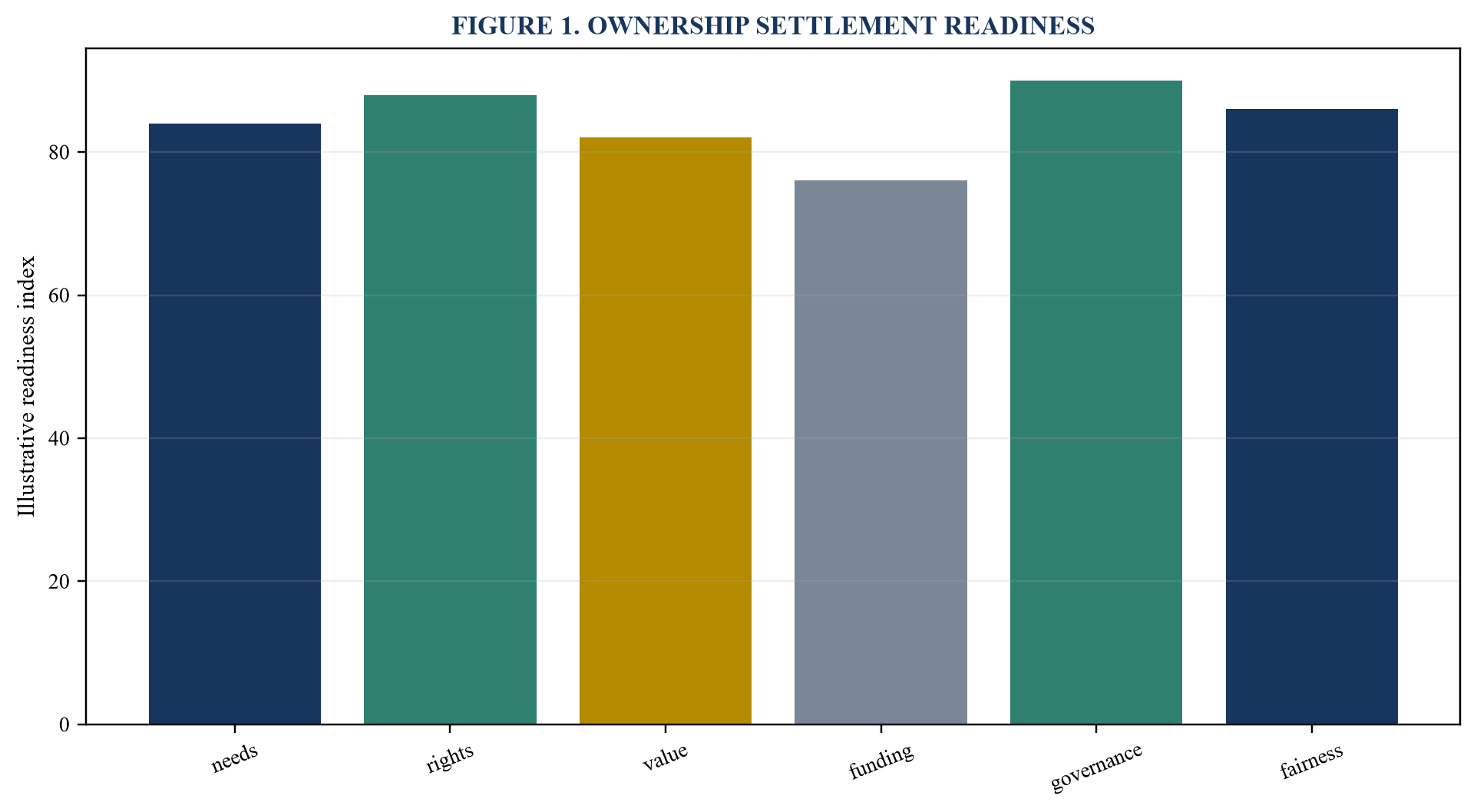
Values are illustrative readiness indices and require company-specific evidence.
9. Establish the valuation basis
Define the subject interest, rights, measurement date, standard of value, assumptions and permitted adjustments.
The succession team should reconcile ownership rights, accounts, forecasts, market evidence, purpose and valuation standards. Each conclusion records the accountable body, source, timing, candidate or owner, evidence, dependency, control and unresolved exception. The immediate output is a valuation instruction.
Management continuity must be proved through operating outcomes while ownership choices remain explicit. Reviewers test capability, authority, relationships, stakeholder confidence and downside response against native records and observed performance. Company strategy, role requirements, family objectives and governing law control every conclusion.
Material gaps require an owner, corrective action, test, advice and decision date. Consequences should flow through leadership capacity, customer delivery, cash, financing, value, control, fairness and transaction timing. Residual risk remains visible until authority is operable, stakeholders are protected and the relevant governing bodies approve the next gate.
10. Build decision-grade information
Normalise earnings, cash, debt, working capital, assets, liabilities and related-party positions before pricing.
The succession team should reconcile audited accounts, management data, contracts, forecasts, tax and diligence evidence. Each conclusion records the accountable body, source, timing, candidate or owner, evidence, dependency, control and unresolved exception. The immediate output is a settlement information pack.
Management continuity must be proved through operating outcomes while ownership choices remain explicit. Reviewers test capability, authority, relationships, stakeholder confidence and downside response against native records and observed performance. Company strategy, role requirements, family objectives and governing law control every conclusion.
Material gaps require an owner, corrective action, test, advice and decision date. Consequences should flow through leadership capacity, customer delivery, cash, financing, value, control, fairness and transaction timing. Residual risk remains visible until authority is operable, stakeholders are protected and the relevant governing bodies approve the next gate.
11. Value rights rather than percentages
Assess voting, dividend, transfer, information, control and exit rights attached to each interest.
The succession team should reconcile class rights, agreements, distributions, control evidence and market data. Each conclusion records the accountable body, source, timing, candidate or owner, evidence, dependency, control and unresolved exception. The immediate output is a rights-specific valuation analysis.
Management continuity must be proved through operating outcomes while ownership choices remain explicit. Reviewers test capability, authority, relationships, stakeholder confidence and downside response against native records and observed performance. Company strategy, role requirements, family objectives and governing law control every conclusion.
Material gaps require an owner, corrective action, test, advice and decision date. Consequences should flow through leadership capacity, customer delivery, cash, financing, value, control, fairness and transaction timing. Residual risk remains visible until authority is operable, stakeholders are protected and the relevant governing bodies approve the next gate.
12. Set valuation cadence and challenge
Choose periodic, event-driven or transaction-date valuation with independent review and dispute routes.
The succession team should reconcile policy, prior valuations, triggers, adviser terms and challenge procedures. Each conclusion records the accountable body, source, timing, candidate or owner, evidence, dependency, control and unresolved exception. The immediate output is a repeatable valuation calendar.
Management continuity must be proved through operating outcomes while ownership choices remain explicit. Reviewers test capability, authority, relationships, stakeholder confidence and downside response against native records and observed performance. Company strategy, role requirements, family objectives and governing law control every conclusion.
Material gaps require an owner, corrective action, test, advice and decision date. Consequences should flow through leadership capacity, customer delivery, cash, financing, value, control, fairness and transaction timing. Residual risk remains visible until authority is operable, stakeholders are protected and the relevant governing bodies approve the next gate.
13. Determine affordable liquidity capacity
Measure cash available after operations, capex, working capital, tax, debt service and resilience reserves.
The succession team should reconcile cash-flow forecast, downside cases, covenants, investment plan and risk appetite. Each conclusion records the accountable body, source, timing, candidate or owner, evidence, dependency, control and unresolved exception. The immediate output is an enterprise liquidity envelope.
Management continuity must be proved through operating outcomes while ownership choices remain explicit. Reviewers test capability, authority, relationships, stakeholder confidence and downside response against native records and observed performance. Company strategy, role requirements, family objectives and governing law control every conclusion.
Material gaps require an owner, corrective action, test, advice and decision date. Consequences should flow through leadership capacity, customer delivery, cash, financing, value, control, fairness and transaction timing. Residual risk remains visible until authority is operable, stakeholders are protected and the relevant governing bodies approve the next gate.
14. Design the dividend baseline
Set a transparent distribution policy linked to sustainable cash generation and investment requirements.
The succession team should reconcile accounts, forecast, capex, leverage, reserves, tax and shareholder expectations. Each conclusion records the accountable body, source, timing, candidate or owner, evidence, dependency, control and unresolved exception. The immediate output is a governed dividend policy.
Management continuity must be proved through operating outcomes while ownership choices remain explicit. Reviewers test capability, authority, relationships, stakeholder confidence and downside response against native records and observed performance. Company strategy, role requirements, family objectives and governing law control every conclusion.
Material gaps require an owner, corrective action, test, advice and decision date. Consequences should flow through leadership capacity, customer delivery, cash, financing, value, control, fairness and transaction timing. Residual risk remains visible until authority is operable, stakeholders are protected and the relevant governing bodies approve the next gate.
15. Create a liquidity reserve
Build a ring-fenced or policy-based reserve without weakening operating resilience or creditor protection.
The succession team should reconcile treasury policy, forecast, legal capital rules, facilities and downside tests. Each conclusion records the accountable body, source, timing, candidate or owner, evidence, dependency, control and unresolved exception. The immediate output is a family liquidity reserve framework.
Management continuity must be proved through operating outcomes while ownership choices remain explicit. Reviewers test capability, authority, relationships, stakeholder confidence and downside response against native records and observed performance. Company strategy, role requirements, family objectives and governing law control every conclusion.
Material gaps require an owner, corrective action, test, advice and decision date. Consequences should flow through leadership capacity, customer delivery, cash, financing, value, control, fairness and transaction timing. Residual risk remains visible until authority is operable, stakeholders are protected and the relevant governing bodies approve the next gate.
16. Structure company redemption
Test lawful buyback or redemption mechanics, distributable resources, approvals, valuation and ownership effects.
The succession team should reconcile company law, articles, capital, cash, tax, accounting and board evidence. Each conclusion records the accountable body, source, timing, candidate or owner, evidence, dependency, control and unresolved exception. The immediate output is a company-redemption term sheet.
Management continuity must be proved through operating outcomes while ownership choices remain explicit. Reviewers test capability, authority, relationships, stakeholder confidence and downside response against native records and observed performance. Company strategy, role requirements, family objectives and governing law control every conclusion.
Material gaps require an owner, corrective action, test, advice and decision date. Consequences should flow through leadership capacity, customer delivery, cash, financing, value, control, fairness and transaction timing. Residual risk remains visible until authority is operable, stakeholders are protected and the relevant governing bodies approve the next gate.
Table 2. Settlement route screen
| Route | Primary benefit | Principal constraint |
|---|---|---|
| dividend | equal access | limited differentiation |
| redemption | direct exit | capital and cash tests |
| family transfer | control retained | buyer capacity |
| external capital | new funding | rights and dilution |
Illustrative programme design; company-specific facts and authorised advice govern.
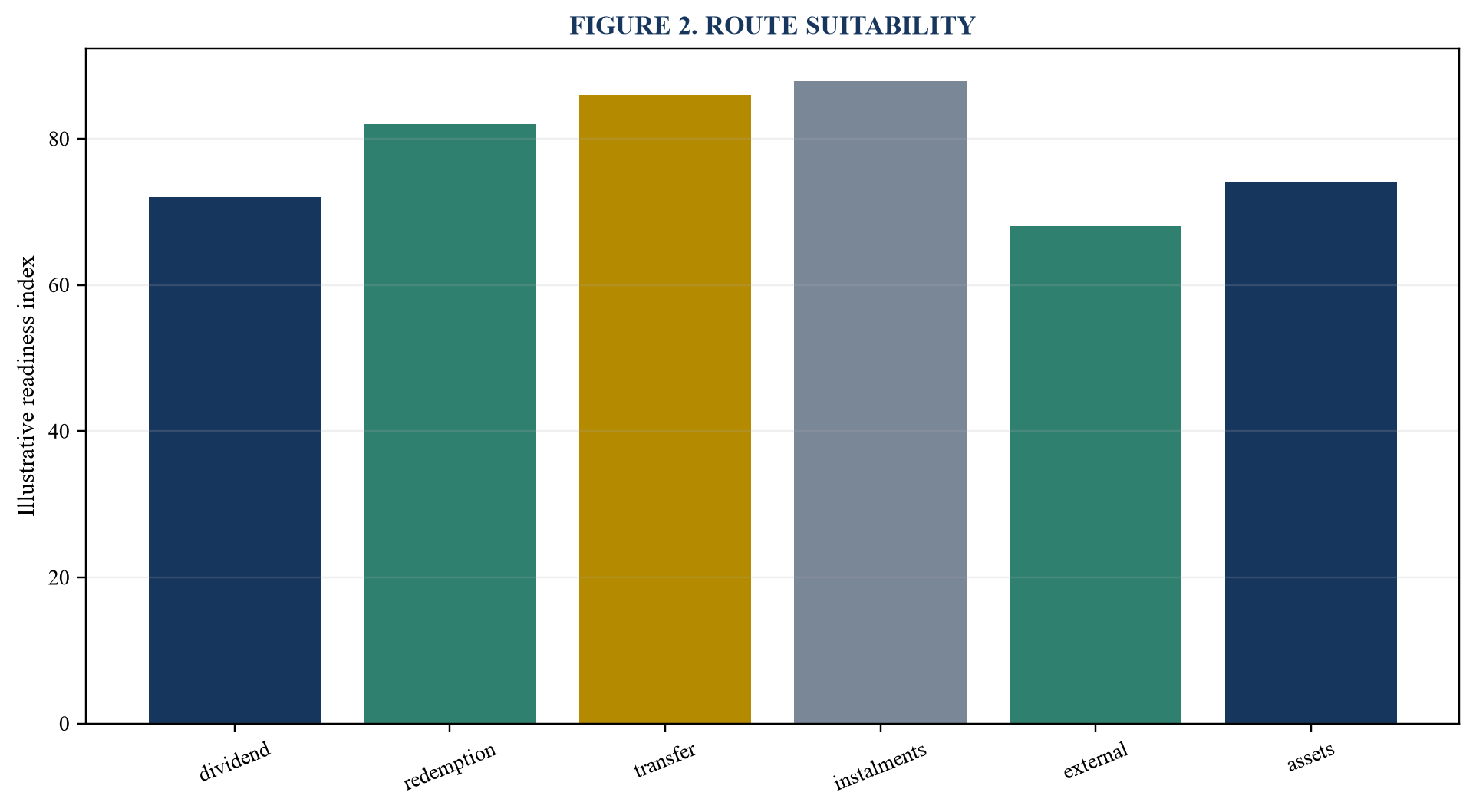
Values are illustrative readiness indices and require company-specific evidence.
17. Structure a phased buyout
Spread price and funding across instalments with security, conditions, interest and default remedies.
The succession team should reconcile valuation, cash capacity, seller needs, covenants, security and legal advice. Each conclusion records the accountable body, source, timing, candidate or owner, evidence, dependency, control and unresolved exception. The immediate output is a staged branch buyout schedule.
Management continuity must be proved through operating outcomes while ownership choices remain explicit. Reviewers test capability, authority, relationships, stakeholder confidence and downside response against native records and observed performance. Company strategy, role requirements, family objectives and governing law control every conclusion.
Material gaps require an owner, corrective action, test, advice and decision date. Consequences should flow through leadership capacity, customer delivery, cash, financing, value, control, fairness and transaction timing. Residual risk remains visible until authority is operable, stakeholders are protected and the relevant governing bodies approve the next gate.
18. Enable intra-family transfers
Match liquidity-seeking sellers with patient family buyers through transparent allocation and funding rules.
The succession team should reconcile buyer appetite, wealth capacity, transfer rights, valuation and conflict controls. Each conclusion records the accountable body, source, timing, candidate or owner, evidence, dependency, control and unresolved exception. The immediate output is an intra-family transfer process.
Management continuity must be proved through operating outcomes while ownership choices remain explicit. Reviewers test capability, authority, relationships, stakeholder confidence and downside response against native records and observed performance. Company strategy, role requirements, family objectives and governing law control every conclusion.
Material gaps require an owner, corrective action, test, advice and decision date. Consequences should flow through leadership capacity, customer delivery, cash, financing, value, control, fairness and transaction timing. Residual risk remains visible until authority is operable, stakeholders are protected and the relevant governing bodies approve the next gate.
19. Create a family liquidity pool
Aggregate voluntary capital from family members or vehicles to acquire offered interests consistently.
The succession team should reconcile investor commitments, governance, conflicts, economics, tax and regulation. Each conclusion records the accountable body, source, timing, candidate or owner, evidence, dependency, control and unresolved exception. The immediate output is a governed family liquidity vehicle.
Management continuity must be proved through operating outcomes while ownership choices remain explicit. Reviewers test capability, authority, relationships, stakeholder confidence and downside response against native records and observed performance. Company strategy, role requirements, family objectives and governing law control every conclusion.
Material gaps require an owner, corrective action, test, advice and decision date. Consequences should flow through leadership capacity, customer delivery, cash, financing, value, control, fairness and transaction timing. Residual risk remains visible until authority is operable, stakeholders are protected and the relevant governing bodies approve the next gate.
20. Assess holding-company finance
Test whether debt above operating assets can fund settlement while preserving cash flow and covenant headroom.
The succession team should reconcile structure, dividends, security, leverage, tax, lender terms and downside cases. Each conclusion records the accountable body, source, timing, candidate or owner, evidence, dependency, control and unresolved exception. The immediate output is a holdco financing case.
Management continuity must be proved through operating outcomes while ownership choices remain explicit. Reviewers test capability, authority, relationships, stakeholder confidence and downside response against native records and observed performance. Company strategy, role requirements, family objectives and governing law control every conclusion.
Material gaps require an owner, corrective action, test, advice and decision date. Consequences should flow through leadership capacity, customer delivery, cash, financing, value, control, fairness and transaction timing. Residual risk remains visible until authority is operable, stakeholders are protected and the relevant governing bodies approve the next gate.
21. Assess operating-company refinancing
Limit any refinancing contribution to sustainable business purpose, lawful distributions and resilient debt capacity.
The succession team should reconcile facilities, cash flows, security, covenants, capital rules and board duties. Each conclusion records the accountable body, source, timing, candidate or owner, evidence, dependency, control and unresolved exception. The immediate output is an opco funding boundary.
Management continuity must be proved through operating outcomes while ownership choices remain explicit. Reviewers test capability, authority, relationships, stakeholder confidence and downside response against native records and observed performance. Company strategy, role requirements, family objectives and governing law control every conclusion.
Material gaps require an owner, corrective action, test, advice and decision date. Consequences should flow through leadership capacity, customer delivery, cash, financing, value, control, fairness and transaction timing. Residual risk remains visible until authority is operable, stakeholders are protected and the relevant governing bodies approve the next gate.
22. Evaluate external minority capital
Compare permanent or structured third-party capital with governance, economics, information and future-exit consequences.
The succession team should reconcile investor appetite, rights, valuation, diligence, regulation and family mandate. Each conclusion records the accountable body, source, timing, candidate or owner, evidence, dependency, control and unresolved exception. The immediate output is an external-capital options paper.
Management continuity must be proved through operating outcomes while ownership choices remain explicit. Reviewers test capability, authority, relationships, stakeholder confidence and downside response against native records and observed performance. Company strategy, role requirements, family objectives and governing law control every conclusion.
Material gaps require an owner, corrective action, test, advice and decision date. Consequences should flow through leadership capacity, customer delivery, cash, financing, value, control, fairness and transaction timing. Residual risk remains visible until authority is operable, stakeholders are protected and the relevant governing bodies approve the next gate.
23. Evaluate asset monetisation
Identify non-core assets that can be sold or financed without damaging strategy, operations or stakeholder confidence.
The succession team should reconcile asset register, strategic use, valuation, tax, consents and transaction evidence. Each conclusion records the accountable body, source, timing, candidate or owner, evidence, dependency, control and unresolved exception. The immediate output is an asset-monetisation screen.
Management continuity must be proved through operating outcomes while ownership choices remain explicit. Reviewers test capability, authority, relationships, stakeholder confidence and downside response against native records and observed performance. Company strategy, role requirements, family objectives and governing law control every conclusion.
Material gaps require an owner, corrective action, test, advice and decision date. Consequences should flow through leadership capacity, customer delivery, cash, financing, value, control, fairness and transaction timing. Residual risk remains visible until authority is operable, stakeholders are protected and the relevant governing bodies approve the next gate.
24. Use insurance and contingent funding selectively
Assess whether insured events or contingent facilities address defined liquidity risks rather than routine withdrawals.
The succession team should reconcile policies, coverage, exclusions, premiums, facilities, triggers and legal advice. Each conclusion records the accountable body, source, timing, candidate or owner, evidence, dependency, control and unresolved exception. The immediate output is a contingent-liquidity map.
Management continuity must be proved through operating outcomes while ownership choices remain explicit. Reviewers test capability, authority, relationships, stakeholder confidence and downside response against native records and observed performance. Company strategy, role requirements, family objectives and governing law control every conclusion.
Material gaps require an owner, corrective action, test, advice and decision date. Consequences should flow through leadership capacity, customer delivery, cash, financing, value, control, fairness and transaction timing. Residual risk remains visible until authority is operable, stakeholders are protected and the relevant governing bodies approve the next gate.
Table 3. Equalisation choices
| Concept | Meaning | Evidence |
|---|---|---|
| equal percentage | same ownership share | register |
| equal value | same economic value | valuation |
| equal cash | same distribution | funds flow |
| equal opportunity | same access rules | policy record |
Illustrative programme design; company-specific facts and authorised advice govern.
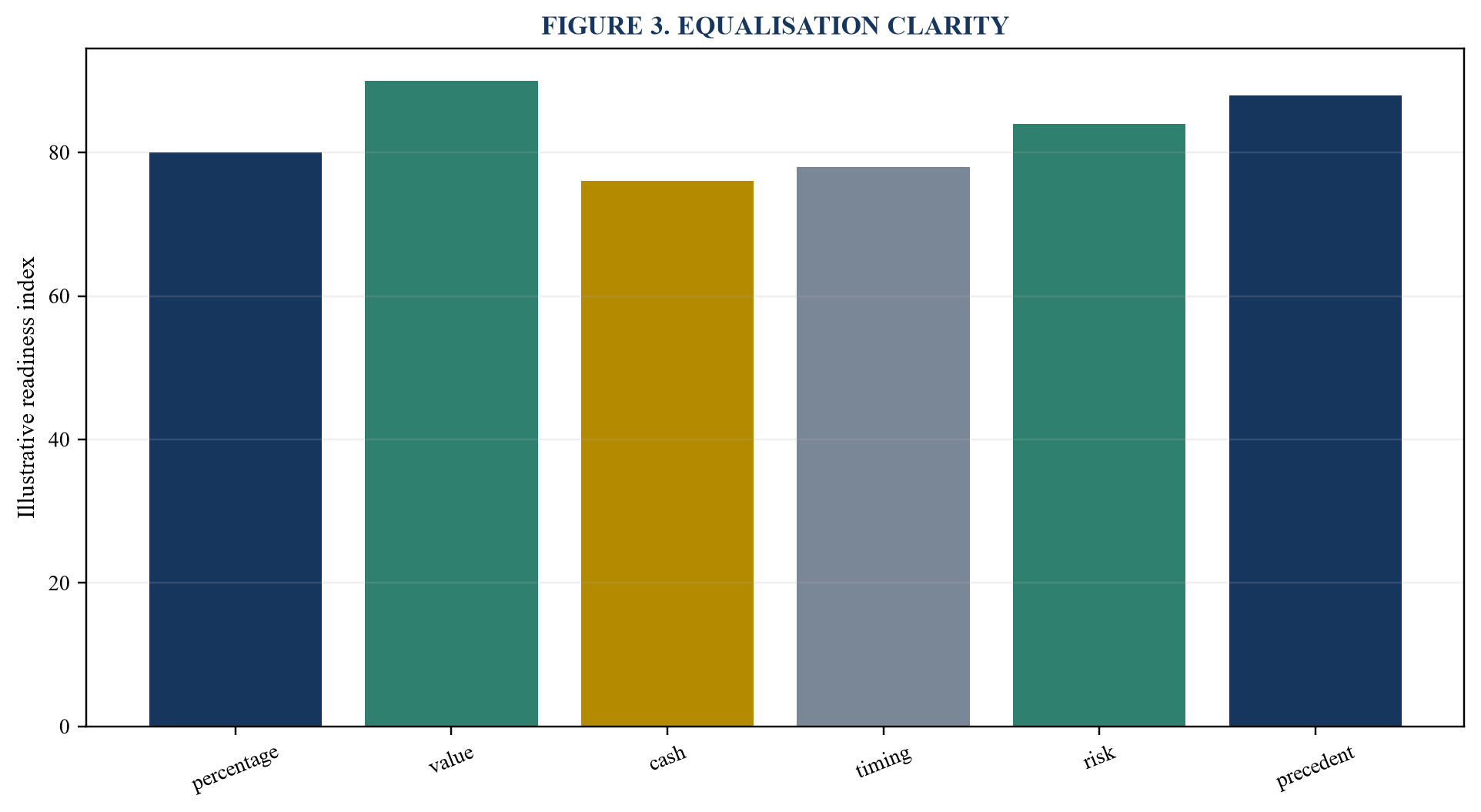
Values are illustrative readiness indices and require company-specific evidence.
25. Design equalisation mechanisms
Distinguish equal value, equal percentage, equal cash and equal opportunity across branches and generations.
The succession team should reconcile ownership history, prior benefits, rights, family mandate, valuation and tax. Each conclusion records the accountable body, source, timing, candidate or owner, evidence, dependency, control and unresolved exception. The immediate output is an equalisation methodology.
Management continuity must be proved through operating outcomes while ownership choices remain explicit. Reviewers test capability, authority, relationships, stakeholder confidence and downside response against native records and observed performance. Company strategy, role requirements, family objectives and governing law control every conclusion.
Material gaps require an owner, corrective action, test, advice and decision date. Consequences should flow through leadership capacity, customer delivery, cash, financing, value, control, fairness and transaction timing. Residual risk remains visible until authority is operable, stakeholders are protected and the relevant governing bodies approve the next gate.
26. Create a transparent queue
Prioritise voluntary offers using published timing, size, hardship, rotation or pro-rata rules.
The succession team should reconcile requests, policy, funding envelope, conflicts and prior allocations. Each conclusion records the accountable body, source, timing, candidate or owner, evidence, dependency, control and unresolved exception. The immediate output is a branch liquidity queue.
Management continuity must be proved through operating outcomes while ownership choices remain explicit. Reviewers test capability, authority, relationships, stakeholder confidence and downside response against native records and observed performance. Company strategy, role requirements, family objectives and governing law control every conclusion.
Material gaps require an owner, corrective action, test, advice and decision date. Consequences should flow through leadership capacity, customer delivery, cash, financing, value, control, fairness and transaction timing. Residual risk remains visible until authority is operable, stakeholders are protected and the relevant governing bodies approve the next gate.
27. Set transaction caps and pacing
Limit annual outflows, concentration and leverage while allowing unused capacity to roll under defined rules.
The succession team should reconcile cash capacity, risk appetite, ownership targets, pipeline and covenants. Each conclusion records the accountable body, source, timing, candidate or owner, evidence, dependency, control and unresolved exception. The immediate output is a paced settlement programme.
Management continuity must be proved through operating outcomes while ownership choices remain explicit. Reviewers test capability, authority, relationships, stakeholder confidence and downside response against native records and observed performance. Company strategy, role requirements, family objectives and governing law control every conclusion.
Material gaps require an owner, corrective action, test, advice and decision date. Consequences should flow through leadership capacity, customer delivery, cash, financing, value, control, fairness and transaction timing. Residual risk remains visible until authority is operable, stakeholders are protected and the relevant governing bodies approve the next gate.
28. Govern hardship exceptions
Define evidence, confidentiality, independent review, caps and precedent treatment for urgent needs.
The succession team should reconcile policy, request evidence, conflicts, affordability and decision records. Each conclusion records the accountable body, source, timing, candidate or owner, evidence, dependency, control and unresolved exception. The immediate output is a hardship exception protocol.
Management continuity must be proved through operating outcomes while ownership choices remain explicit. Reviewers test capability, authority, relationships, stakeholder confidence and downside response against native records and observed performance. Company strategy, role requirements, family objectives and governing law control every conclusion.
Material gaps require an owner, corrective action, test, advice and decision date. Consequences should flow through leadership capacity, customer delivery, cash, financing, value, control, fairness and transaction timing. Residual risk remains visible until authority is operable, stakeholders are protected and the relevant governing bodies approve the next gate.
29. Design security and seller protections
Match deferred consideration with guarantees, escrow, pledges, covenants or subordination appropriate to risk.
The succession team should reconcile payment schedule, credit analysis, asset availability, law and lender consent. Each conclusion records the accountable body, source, timing, candidate or owner, evidence, dependency, control and unresolved exception. The immediate output is a seller-protection package.
Management continuity must be proved through operating outcomes while ownership choices remain explicit. Reviewers test capability, authority, relationships, stakeholder confidence and downside response against native records and observed performance. Company strategy, role requirements, family objectives and governing law control every conclusion.
Material gaps require an owner, corrective action, test, advice and decision date. Consequences should flow through leadership capacity, customer delivery, cash, financing, value, control, fairness and transaction timing. Residual risk remains visible until authority is operable, stakeholders are protected and the relevant governing bodies approve the next gate.
30. Protect creditors and covenants
Test capital maintenance, solvency, distributions, change of control, security and restricted-payment provisions.
The succession team should reconcile law, facilities, forecasts, certificates, consents and adviser analysis. Each conclusion records the accountable body, source, timing, candidate or owner, evidence, dependency, control and unresolved exception. The immediate output is a creditor-protection certificate.
Management continuity must be proved through operating outcomes while ownership choices remain explicit. Reviewers test capability, authority, relationships, stakeholder confidence and downside response against native records and observed performance. Company strategy, role requirements, family objectives and governing law control every conclusion.
Material gaps require an owner, corrective action, test, advice and decision date. Consequences should flow through leadership capacity, customer delivery, cash, financing, value, control, fairness and transaction timing. Residual risk remains visible until authority is operable, stakeholders are protected and the relevant governing bodies approve the next gate.
31. Model tax and legal execution
Map entity, owner, residency, instrument, timing, withholding, gains, duties and reporting consequences.
The succession team should reconcile facts, structure, tax records, governing law and qualified advice. Each conclusion records the accountable body, source, timing, candidate or owner, evidence, dependency, control and unresolved exception. The immediate output is a jurisdiction-specific execution map.
Management continuity must be proved through operating outcomes while ownership choices remain explicit. Reviewers test capability, authority, relationships, stakeholder confidence and downside response against native records and observed performance. Company strategy, role requirements, family objectives and governing law control every conclusion.
Material gaps require an owner, corrective action, test, advice and decision date. Consequences should flow through leadership capacity, customer delivery, cash, financing, value, control, fairness and transaction timing. Residual risk remains visible until authority is operable, stakeholders are protected and the relevant governing bodies approve the next gate.
32. Control conflicts and related parties
Disclose interests, recuse affected decision-makers, benchmark terms and document company purpose.
The succession team should reconcile interest register, IAS 24 analysis, market evidence, minutes and approvals. Each conclusion records the accountable body, source, timing, candidate or owner, evidence, dependency, control and unresolved exception. The immediate output is a related-party settlement protocol.
Management continuity must be proved through operating outcomes while ownership choices remain explicit. Reviewers test capability, authority, relationships, stakeholder confidence and downside response against native records and observed performance. Company strategy, role requirements, family objectives and governing law control every conclusion.
Material gaps require an owner, corrective action, test, advice and decision date. Consequences should flow through leadership capacity, customer delivery, cash, financing, value, control, fairness and transaction timing. Residual risk remains visible until authority is operable, stakeholders are protected and the relevant governing bodies approve the next gate.
Table 4. Funding control matrix
| Risk | Required test | Stop signal |
|---|---|---|
| cash drain | downside liquidity | operating shortfall |
| excess leverage | covenant headroom | forecast breach |
| unfair price | independent challenge | unsupported adjustment |
| conflict | recusal and review | interested control |
Illustrative programme design; company-specific facts and authorised advice govern.
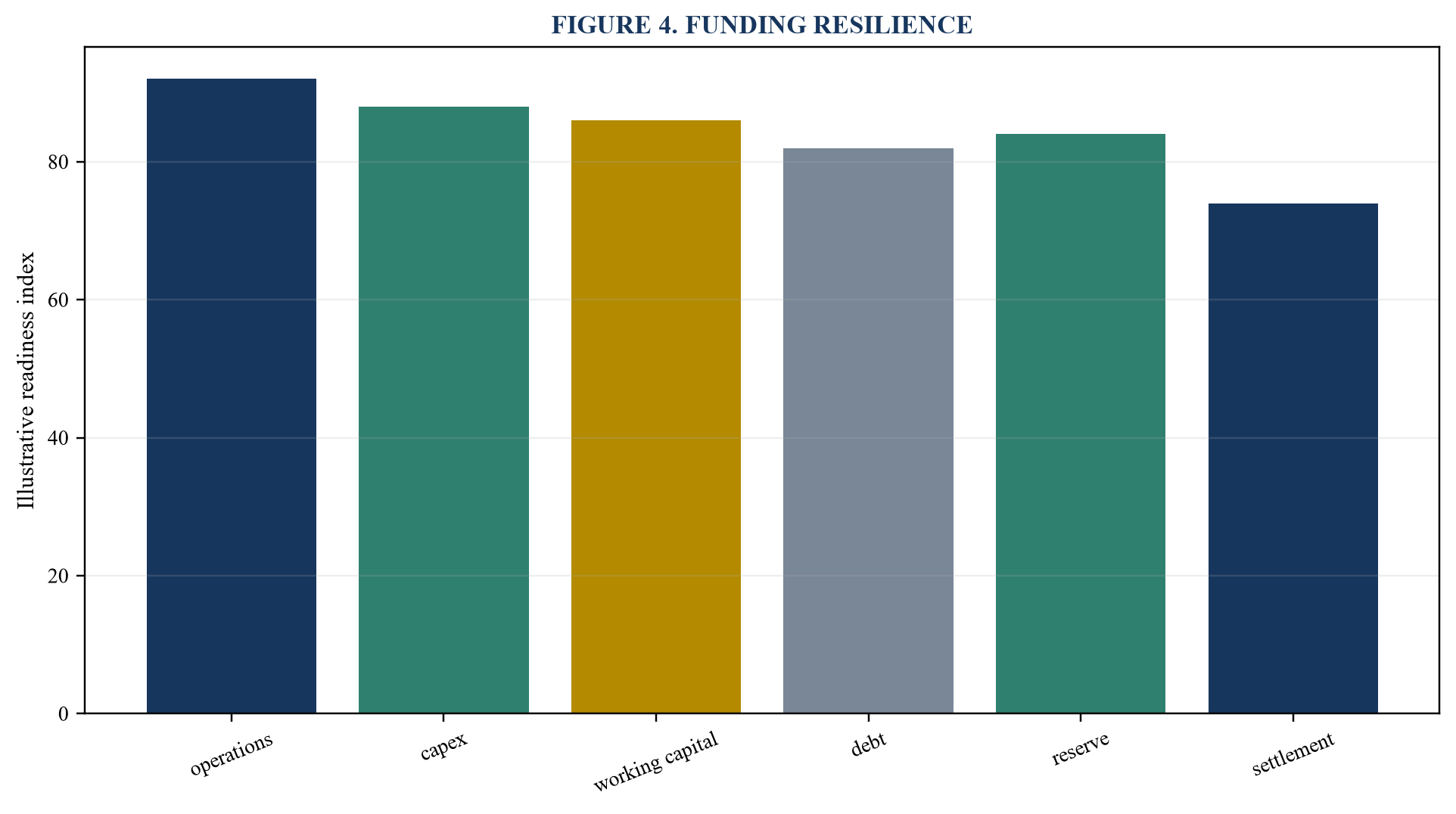
Values are illustrative readiness indices and require company-specific evidence.
33. Test fairness across branches
Compare price, timing, access, information, funding support, risk and precedent on a consistent basis.
The succession team should reconcile term sheets, valuations, allocations, requests, decisions and independent review. Each conclusion records the accountable body, source, timing, candidate or owner, evidence, dependency, control and unresolved exception. The immediate output is a branch-fairness dashboard.
Management continuity must be proved through operating outcomes while ownership choices remain explicit. Reviewers test capability, authority, relationships, stakeholder confidence and downside response against native records and observed performance. Company strategy, role requirements, family objectives and governing law control every conclusion.
Material gaps require an owner, corrective action, test, advice and decision date. Consequences should flow through leadership capacity, customer delivery, cash, financing, value, control, fairness and transaction timing. Residual risk remains visible until authority is operable, stakeholders are protected and the relevant governing bodies approve the next gate.
34. Plan communications and confidentiality
Provide equal decision information while protecting personal circumstances, negotiations and market-sensitive data.
The succession team should reconcile stakeholder map, data rules, notices, family forums and issue log. Each conclusion records the accountable body, source, timing, candidate or owner, evidence, dependency, control and unresolved exception. The immediate output is a controlled communication plan.
Management continuity must be proved through operating outcomes while ownership choices remain explicit. Reviewers test capability, authority, relationships, stakeholder confidence and downside response against native records and observed performance. Company strategy, role requirements, family objectives and governing law control every conclusion.
Material gaps require an owner, corrective action, test, advice and decision date. Consequences should flow through leadership capacity, customer delivery, cash, financing, value, control, fairness and transaction timing. Residual risk remains visible until authority is operable, stakeholders are protected and the relevant governing bodies approve the next gate.
35. Create dispute-resolution routes
Sequence negotiation, independent valuation, mediation, arbitration and court or tribunal routes as applicable.
The succession team should reconcile governing documents, valuation policy, law, adviser input and escalation terms. Each conclusion records the accountable body, source, timing, candidate or owner, evidence, dependency, control and unresolved exception. The immediate output is a settlement dispute pathway.
Management continuity must be proved through operating outcomes while ownership choices remain explicit. Reviewers test capability, authority, relationships, stakeholder confidence and downside response against native records and observed performance. Company strategy, role requirements, family objectives and governing law control every conclusion.
Material gaps require an owner, corrective action, test, advice and decision date. Consequences should flow through leadership capacity, customer delivery, cash, financing, value, control, fairness and transaction timing. Residual risk remains visible until authority is operable, stakeholders are protected and the relevant governing bodies approve the next gate.
36. Run settlement stress tests
Model weak trading, covenant pressure, valuation decline, multiple sellers, death, divorce and delayed funding.
The succession team should reconcile integrated model, ownership map, legal triggers, financing and scenarios. Each conclusion records the accountable body, source, timing, candidate or owner, evidence, dependency, control and unresolved exception. The immediate output is a branch-liquidity stress test.
Management continuity must be proved through operating outcomes while ownership choices remain explicit. Reviewers test capability, authority, relationships, stakeholder confidence and downside response against native records and observed performance. Company strategy, role requirements, family objectives and governing law control every conclusion.
Material gaps require an owner, corrective action, test, advice and decision date. Consequences should flow through leadership capacity, customer delivery, cash, financing, value, control, fairness and transaction timing. Residual risk remains visible until authority is operable, stakeholders are protected and the relevant governing bodies approve the next gate.
37. Execute through gated workstreams
Coordinate documents, valuation, funding, approvals, tax, consents, closing and post-close ownership records.
The succession team should reconcile critical path, responsibilities, conditions, funds flow and completion documents. Each conclusion records the accountable body, source, timing, candidate or owner, evidence, dependency, control and unresolved exception. The immediate output is an executable settlement plan.
Management continuity must be proved through operating outcomes while ownership choices remain explicit. Reviewers test capability, authority, relationships, stakeholder confidence and downside response against native records and observed performance. Company strategy, role requirements, family objectives and governing law control every conclusion.
Material gaps require an owner, corrective action, test, advice and decision date. Consequences should flow through leadership capacity, customer delivery, cash, financing, value, control, fairness and transaction timing. Residual risk remains visible until authority is operable, stakeholders are protected and the relevant governing bodies approve the next gate.
38. Monitor outcomes and precedents
Track cash resilience, ownership concentration, payments, disputes, exceptions and stakeholder confidence.
The succession team should reconcile management reports, registers, covenants, transaction records and family feedback. Each conclusion records the accountable body, source, timing, candidate or owner, evidence, dependency, control and unresolved exception. The immediate output is a post-settlement dashboard.
Management continuity must be proved through operating outcomes while ownership choices remain explicit. Reviewers test capability, authority, relationships, stakeholder confidence and downside response against native records and observed performance. Company strategy, role requirements, family objectives and governing law control every conclusion.
Material gaps require an owner, corrective action, test, advice and decision date. Consequences should flow through leadership capacity, customer delivery, cash, financing, value, control, fairness and transaction timing. Residual risk remains visible until authority is operable, stakeholders are protected and the relevant governing bodies approve the next gate.
39. Refresh capacity and rules periodically
Update valuation, cash capacity, needs, ownership, law, tax and family objectives on an approved cycle.
The succession team should reconcile annual review, event triggers, adviser updates, audit findings and decisions. Each conclusion records the accountable body, source, timing, candidate or owner, evidence, dependency, control and unresolved exception. The immediate output is a refreshed liquidity policy.
Management continuity must be proved through operating outcomes while ownership choices remain explicit. Reviewers test capability, authority, relationships, stakeholder confidence and downside response against native records and observed performance. Company strategy, role requirements, family objectives and governing law control every conclusion.
Material gaps require an owner, corrective action, test, advice and decision date. Consequences should flow through leadership capacity, customer delivery, cash, financing, value, control, fairness and transaction timing. Residual risk remains visible until authority is operable, stakeholders are protected and the relevant governing bodies approve the next gate.
40. Issue the durable ownership conclusion
Present needs, rights, value, funding, fairness, risks, approvals and implementation sequence for decision.
The succession team should reconcile ownership map, valuation, model, options, stress tests, advice and consents. Each conclusion records the accountable body, source, timing, candidate or owner, evidence, dependency, control and unresolved exception. The immediate output is a board-and-family ownership settlement paper.
Management continuity must be proved through operating outcomes while ownership choices remain explicit. Reviewers test capability, authority, relationships, stakeholder confidence and downside response against native records and observed performance. Company strategy, role requirements, family objectives and governing law control every conclusion.
Material gaps require an owner, corrective action, test, advice and decision date. Consequences should flow through leadership capacity, customer delivery, cash, financing, value, control, fairness and transaction timing. Residual risk remains visible until authority is operable, stakeholders are protected and the relevant governing bodies approve the next gate.
Table 5. Durable settlement certificate
| Dimension | Required conclusion | Decision use |
|---|---|---|
| fair | rules consistently applied | approval |
| affordable | enterprise remains resilient | sizing |
| executable | documents and funding ready | closing |
| durable | future requests governed | continuity |
Illustrative programme design; company-specific facts and authorised advice govern.
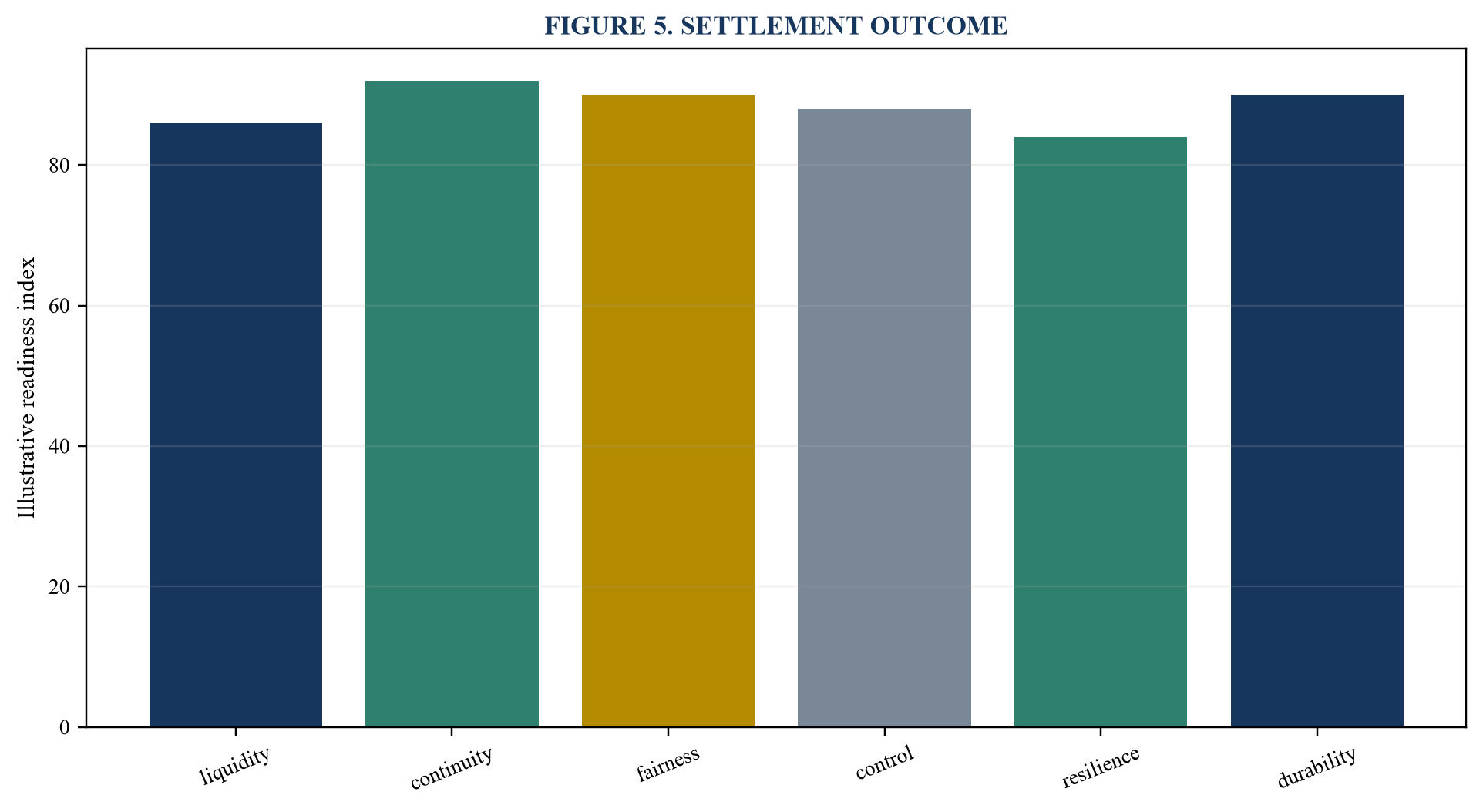
Values are illustrative readiness indices and require company-specific evidence.
References
- International Finance Corporation, Family Business Governance Handbook, https://www.ifc.org/en/insights-reports/2011/ifc-family-business-governance-handbook
- International Finance Corporation, Family Business Governance, https://www.ifc.org/en/what-we-do/sector-expertise/corporate-governance/family-business-governance
- International Finance Corporation, Corporate Governance FAQs for the Middle East and North Africa, https://www.ifc.org/en/insights-reports/2016/corporate-governance-faqs
- International Finance Corporation, SME Governance Guidebook, https://www.ifc.org/en/insights-reports/2010/sme-governance-guidebook
- OECD, G20/OECD Principles of Corporate Governance 2023, https://doi.org/10.1787/ed750b30-en
- OECD, Rights and Equitable Treatment of Shareholders, https://www.oecd.org/en/publications/g20-oecd-principles-of-corporate-governance-2023_ed750b30-en/full-report/component-5.html
- OECD, Disclosure and Transparency, https://www.oecd.org/en/publications/g20-oecd-principles-of-corporate-governance-2023_ed750b30-en/full-report/component-7.html
- OECD, Related Party Transactions: Flexibility and Proportionality in Corporate Governance, https://www.oecd.org/en/publications/flexibility-and-proportionality-in-corporate-governance_9789264307490-en.html
- United Arab Emirates, Federal Decree-Law No. 37 of 2022 Concerning Family Businesses, https://uaelegislation.gov.ae/en/legislations/1608
- UAE Ministry of Economy and Tourism, Companies Legislation, https://www.moet.gov.ae/en/companies-legislations
- Dubai International Financial Centre, Family Arrangements Regulations 2023, https://assets.difc.com/v1/media/edge/images/dubaiintern0078-difcexperie96c5-production-3253/media/project/difcexperiences/difc/difcwebsite/documents/familydocs/family_arrangements_regulations_updated_april23.pdf
- Dubai International Financial Centre, Family Businesses, https://www.difc.com/business/establish-a-business/family-businesses
- Financial Reporting Council, Wates Corporate Governance Principles for Large Private Companies, https://www.frc.org.uk/library/standards-codes-policy/corporate-governance/the-wates-corporate-governance-principles-for-large-private-companies/
- IFRS Foundation, IFRS 13 Fair Value Measurement, https://www.ifrs.org/issued-standards/list-of-standards/ifrs-13-fair-value-measurement/
- IFRS Foundation, Educational Material on Fair Value Measurement of Unquoted Equity Instruments, https://www.ifrs.org/content/dam/ifrs/supporting-implementation/ifrs-13/education-ifrs-13-eng.pdf
- IFRS Foundation, IAS 24 Related Party Disclosures, https://www.ifrs.org/issued-standards/list-of-standards/ias-24-related-party-disclosures/
- IFRS Foundation, IFRIC 17 Distributions of Non-cash Assets to Owners, https://www.ifrs.org/issued-standards/list-of-standards/ifric-17-distributions-of-non-cash-assets-to-owners/
- IFRS Foundation, IFRS 9 Financial Instruments, https://www.ifrs.org/issued-standards/list-of-standards/ifrs-9-financial-instruments/
- IFRS Foundation, IFRS 7 Financial Instruments Disclosures, https://www.ifrs.org/issued-standards/list-of-standards/ifrs-7-financial-instruments-disclosures/
- UK Government, Companies Act 2006 Part 18 Acquisition by Limited Company of Own Shares, https://www.legislation.gov.uk/ukpga/2006/46/part/18
- UK Government, Companies Act 2006 Part 17 A Company's Share Capital, https://www.legislation.gov.uk/ukpga/2006/46/part/17
- UK Government, Companies Act 2006 section 172, https://www.legislation.gov.uk/ukpga/2006/46/section/172
- International Valuation Standards Council, International Valuation Standards, https://www.ivsc.org/standards/
- International Organization for Standardization, ISO 31000 Risk Management Guidelines, https://www.iso.org/iso-31000-risk-management.html
- International Organization for Standardization, ISO 22301 Business Continuity Management Systems, https://www.iso.org/standard/75106.html
- International Auditing and Assurance Standards Board, ISA 500 Audit Evidence, https://www.iaasb.org/publications/international-standard-auditing-isa-500-audit-evidence
