

1. Set the board's communication mandate
The transaction team should define confidence objectives, legal boundaries, accountabilities, decision rights, evidence standards and escalation thresholds for the signing-to-close period. The required output is a board-approved transaction communication mandate. Record the stakeholder decision, verified fact, uncertainty, legal boundary, channel, owner, evidence, approval and confidence [1][2].
Translate the conclusion into a controlled communication. Specify audience, purpose, message, certainty, timing, sender, channel, filing or consultation need, feedback route, exception and next update. Reconcile the relevant legal and functional views.
The principal risk is that communications can become reactive before ownership, disclosure and conduct boundaries are agreed. Quantify revenue at risk, critical roles, stakeholder actions, service effects, disclosure exposure, delay, remediation cost and residual risk across base, adverse and remediated cases.
Retain source facts, drafts, approvals, filings, delivery evidence, questions, feedback, commitments, exceptions and advice. Refresh after material changes; assign owners and deadlines.
2. Map the closing pathway
The transaction team should record approvals, filings, shareholder actions, financing, remedies, long-stop dates, dependencies and plausible timing ranges. The required output is a condition and timing map. Record the stakeholder decision, verified fact, uncertainty, legal boundary, channel, owner, evidence, approval and confidence [3][4].
Translate the conclusion into a controlled communication. Specify audience, purpose, message, certainty, timing, sender, channel, filing or consultation need, feedback route, exception and next update. Reconcile the relevant legal and functional views.
The principal risk is that stakeholders can receive a date that management cannot control. Quantify revenue at risk, critical roles, stakeholder actions, service effects, disclosure exposure, delay, remediation cost and residual risk across base, adverse and remediated cases.
Retain source facts, drafts, approvals, filings, delivery evidence, questions, feedback, commitments, exceptions and advice. Refresh after material changes; assign owners and deadlines.
3. Separate the two businesses
The transaction team should state how each party will continue to compete, decide and operate independently until lawful closing. The required output is a hold-separate communication standard. Record the stakeholder decision, verified fact, uncertainty, legal boundary, channel, owner, evidence, approval and confidence [1][5].
Translate the conclusion into a controlled communication. Specify audience, purpose, message, certainty, timing, sender, channel, filing or consultation need, feedback route, exception and next update. Reconcile the relevant legal and functional views.
The principal risk is that language or joint activity can imply premature control. Quantify revenue at risk, critical roles, stakeholder actions, service effects, disclosure exposure, delay, remediation cost and residual risk across base, adverse and remediated cases.
Retain source facts, drafts, approvals, filings, delivery evidence, questions, feedback, commitments, exceptions and advice. Refresh after material changes; assign owners and deadlines.
4. Map stakeholder decisions
The transaction team should identify what customers, employees, suppliers, investors, regulators and partners may decide during the waiting period. The required output is a stakeholder decision map. Record the stakeholder decision, verified fact, uncertainty, legal boundary, channel, owner, evidence, approval and confidence [6][7].
Translate the conclusion into a controlled communication. Specify audience, purpose, message, certainty, timing, sender, channel, filing or consultation need, feedback route, exception and next update. Reconcile the relevant legal and functional views.
The principal risk is that one generic announcement can miss the decisions that determine value leakage. Quantify revenue at risk, critical roles, stakeholder actions, service effects, disclosure exposure, delay, remediation cost and residual risk across base, adverse and remediated cases.
Retain source facts, drafts, approvals, filings, delivery evidence, questions, feedback, commitments, exceptions and advice. Refresh after material changes; assign owners and deadlines.
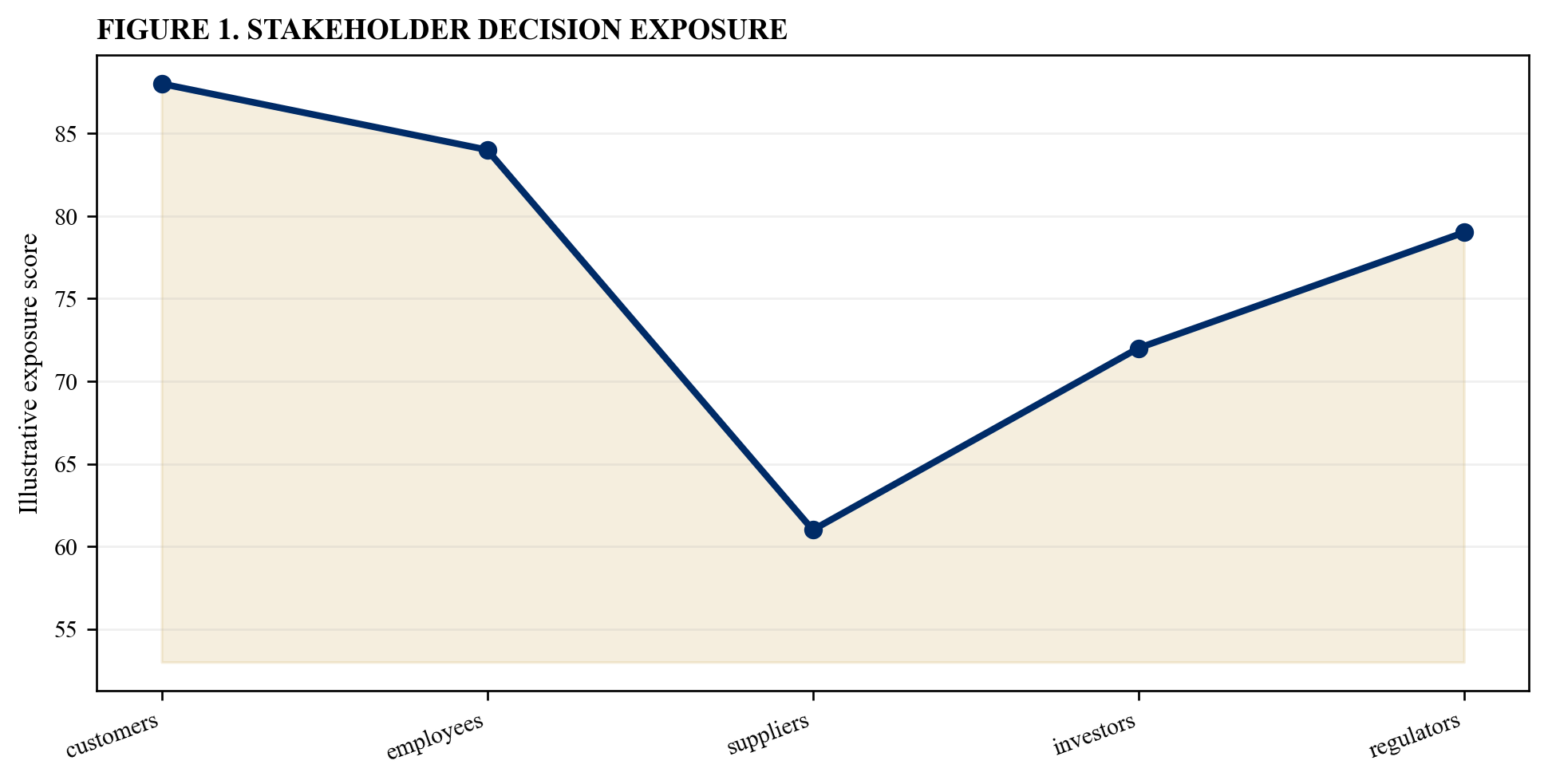
Illustrative analytical scenario; verified transaction evidence should replace index values.
5. Segment by consequence and influence
The transaction team should rank stakeholders by revenue, service, talent, supply, capital, regulatory and reputational consequence. The required output is a prioritised stakeholder register. Record the stakeholder decision, verified fact, uncertainty, legal boundary, channel, owner, evidence, approval and confidence [6][8].
Translate the conclusion into a controlled communication. Specify audience, purpose, message, certainty, timing, sender, channel, filing or consultation need, feedback route, exception and next update. Reconcile the relevant legal and functional views.
The principal risk is that volume of contacts can displace attention from a few value-critical relationships. Quantify revenue at risk, critical roles, stakeholder actions, service effects, disclosure exposure, delay, remediation cost and residual risk across base, adverse and remediated cases.
Retain source facts, drafts, approvals, filings, delivery evidence, questions, feedback, commitments, exceptions and advice. Refresh after material changes; assign owners and deadlines.
6. Build the certainty ladder
The transaction team should classify each statement as verified fact, current intention, conditional plan, scenario, aspiration or unavailable answer. The required output is an approved certainty taxonomy. Record the stakeholder decision, verified fact, uncertainty, legal boundary, channel, owner, evidence, approval and confidence [2][9].
Translate the conclusion into a controlled communication. Specify audience, purpose, message, certainty, timing, sender, channel, filing or consultation need, feedback route, exception and next update. Reconcile the relevant legal and functional views.
The principal risk is that aspiration can be repeated as an unconditional commitment. Quantify revenue at risk, critical roles, stakeholder actions, service effects, disclosure exposure, delay, remediation cost and residual risk across base, adverse and remediated cases.
Retain source facts, drafts, approvals, filings, delivery evidence, questions, feedback, commitments, exceptions and advice. Refresh after material changes; assign owners and deadlines.
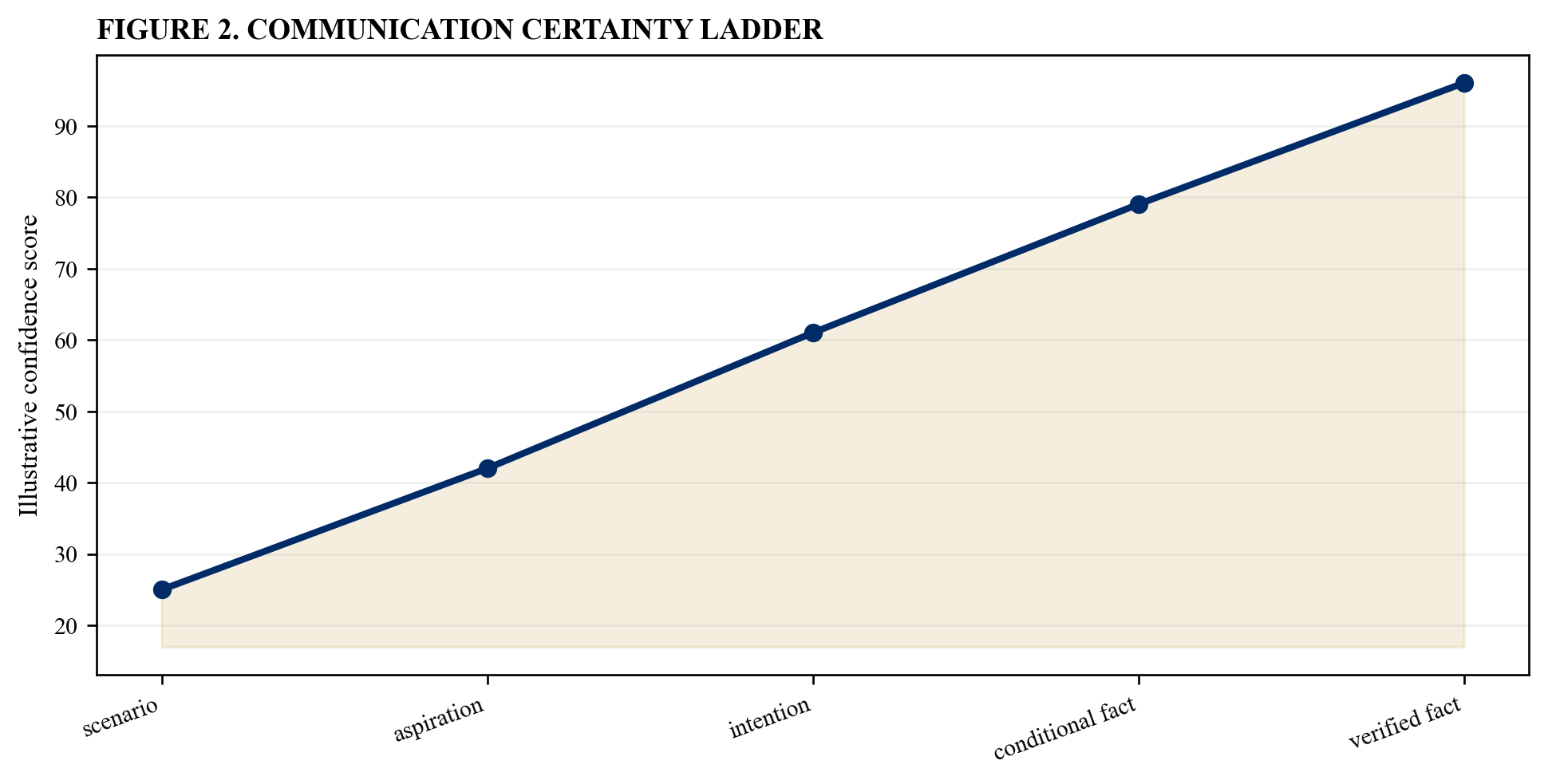
Illustrative analytical scenario; verified transaction evidence should replace index values.
7. Create the message architecture
The transaction team should connect transaction rationale, current operating position, stakeholder consequence, permitted action, uncertainty and next update. The required output is a controlled message house. Record the stakeholder decision, verified fact, uncertainty, legal boundary, channel, owner, evidence, approval and confidence [6][10].
Translate the conclusion into a controlled communication. Specify audience, purpose, message, certainty, timing, sender, channel, filing or consultation need, feedback route, exception and next update. Reconcile the relevant legal and functional views.
The principal risk is that different channels can create contradictory explanations. Quantify revenue at risk, critical roles, stakeholder actions, service effects, disclosure exposure, delay, remediation cost and residual risk across base, adverse and remediated cases.
Retain source facts, drafts, approvals, filings, delivery evidence, questions, feedback, commitments, exceptions and advice. Refresh after material changes; assign owners and deadlines.
8. Control announcement sequencing
The transaction team should coordinate board approval, regulatory filings, exchange obligations, employee processes, customer outreach and media release. The required output is an announcement runbook. Record the stakeholder decision, verified fact, uncertainty, legal boundary, channel, owner, evidence, approval and confidence [9][11].
Translate the conclusion into a controlled communication. Specify audience, purpose, message, certainty, timing, sender, channel, filing or consultation need, feedback route, exception and next update. Reconcile the relevant legal and functional views.
The principal risk is that selective or premature disclosure can damage trust and compliance. Quantify revenue at risk, critical roles, stakeholder actions, service effects, disclosure exposure, delay, remediation cost and residual risk across base, adverse and remediated cases.
Retain source facts, drafts, approvals, filings, delivery evidence, questions, feedback, commitments, exceptions and advice. Refresh after material changes; assign owners and deadlines.
Table 1. Announcement control matrix
| Message | Evidence | Release test |
|---|---|---|
| transaction status | signed terms and conditions | accurate |
| timing | approved range | conditional |
| operations | current authority | independent |
| stakeholder impact | verified action | deliverable |
Illustrative structure; verified transaction evidence and specialist review govern.
9. Govern securities communications
The transaction team should identify solicitation, filing, legend, forward-looking statement and fair-disclosure requirements. The required output is a securities communication control file. Record the stakeholder decision, verified fact, uncertainty, legal boundary, channel, owner, evidence, approval and confidence [9][12].
Translate the conclusion into a controlled communication. Specify audience, purpose, message, certainty, timing, sender, channel, filing or consultation need, feedback route, exception and next update. Reconcile the relevant legal and functional views.
The principal risk is that written or social communications can trigger filing or liability obligations. Quantify revenue at risk, critical roles, stakeholder actions, service effects, disclosure exposure, delay, remediation cost and residual risk across base, adverse and remediated cases.
Retain source facts, drafts, approvals, filings, delivery evidence, questions, feedback, commitments, exceptions and advice. Refresh after material changes; assign owners and deadlines.
10. Control material non-public information
The transaction team should define insiders, confidentiality, need-to-know access, pre-clearance and public-disclosure responses. The required output is an MNPI protocol. Record the stakeholder decision, verified fact, uncertainty, legal boundary, channel, owner, evidence, approval and confidence [13][14].
Translate the conclusion into a controlled communication. Specify audience, purpose, message, certainty, timing, sender, channel, filing or consultation need, feedback route, exception and next update. Reconcile the relevant legal and functional views.
The principal risk is that private stakeholder reassurance can disclose material information. Quantify revenue at risk, critical roles, stakeholder actions, service effects, disclosure exposure, delay, remediation cost and residual risk across base, adverse and remediated cases.
Retain source facts, drafts, approvals, filings, delivery evidence, questions, feedback, commitments, exceptions and advice. Refresh after material changes; assign owners and deadlines.
11. Set competition guardrails
The transaction team should prevent coordination on price, customers, wages, capacity, strategy and other competitive variables. The required output is a pre-close conduct protocol. Record the stakeholder decision, verified fact, uncertainty, legal boundary, channel, owner, evidence, approval and confidence [1][5].
Translate the conclusion into a controlled communication. Specify audience, purpose, message, certainty, timing, sender, channel, filing or consultation need, feedback route, exception and next update. Reconcile the relevant legal and functional views.
The principal risk is that a well-intended joint message can influence competitive conduct. Quantify revenue at risk, critical roles, stakeholder actions, service effects, disclosure exposure, delay, remediation cost and residual risk across base, adverse and remediated cases.
Retain source facts, drafts, approvals, filings, delivery evidence, questions, feedback, commitments, exceptions and advice. Refresh after material changes; assign owners and deadlines.
12. Govern information exchange
The transaction team should use clean-team, necessity, minimisation, access, output and deletion controls where information is required. The required output is an information-access record. Record the stakeholder decision, verified fact, uncertainty, legal boundary, channel, owner, evidence, approval and confidence [1][15].
Translate the conclusion into a controlled communication. Specify audience, purpose, message, certainty, timing, sender, channel, filing or consultation need, feedback route, exception and next update. Reconcile the relevant legal and functional views.
The principal risk is that communication preparation can expose sensitive commercial information. Quantify revenue at risk, critical roles, stakeholder actions, service effects, disclosure exposure, delay, remediation cost and residual risk across base, adverse and remediated cases.
Retain source facts, drafts, approvals, filings, delivery evidence, questions, feedback, commitments, exceptions and advice. Refresh after material changes; assign owners and deadlines.
13. Design customer communication
The transaction team should answer continuity, contracts, service, support, pricing, product and account-team questions within approved facts. The required output is a customer assurance playbook. Record the stakeholder decision, verified fact, uncertainty, legal boundary, channel, owner, evidence, approval and confidence [6][16].
Translate the conclusion into a controlled communication. Specify audience, purpose, message, certainty, timing, sender, channel, filing or consultation need, feedback route, exception and next update. Reconcile the relevant legal and functional views.
The principal risk is that customers can interpret silence or vague optimism as service risk. Quantify revenue at risk, critical roles, stakeholder actions, service effects, disclosure exposure, delay, remediation cost and residual risk across base, adverse and remediated cases.
Retain source facts, drafts, approvals, filings, delivery evidence, questions, feedback, commitments, exceptions and advice. Refresh after material changes; assign owners and deadlines.
14. Protect renewals and pipeline
The transaction team should identify decisions due before closing and assign independent-company actions, evidence and escalation. The required output is a revenue-at-risk communication plan. Record the stakeholder decision, verified fact, uncertainty, legal boundary, channel, owner, evidence, approval and confidence [6][17].
Translate the conclusion into a controlled communication. Specify audience, purpose, message, certainty, timing, sender, channel, filing or consultation need, feedback route, exception and next update. Reconcile the relevant legal and functional views.
The principal risk is that uncertainty can delay renewals or create avoidable concessions. Quantify revenue at risk, critical roles, stakeholder actions, service effects, disclosure exposure, delay, remediation cost and residual risk across base, adverse and remediated cases.
Retain source facts, drafts, approvals, filings, delivery evidence, questions, feedback, commitments, exceptions and advice. Refresh after material changes; assign owners and deadlines.
15. Control customer commitments
The transaction team should record every promise about service, product, pricing, people, data and integration with authority and expiry. The required output is a commitment ledger. Record the stakeholder decision, verified fact, uncertainty, legal boundary, channel, owner, evidence, approval and confidence [16][18].
Translate the conclusion into a controlled communication. Specify audience, purpose, message, certainty, timing, sender, channel, filing or consultation need, feedback route, exception and next update. Reconcile the relevant legal and functional views.
The principal risk is that relationship teams can create obligations the future owner cannot deliver. Quantify revenue at risk, critical roles, stakeholder actions, service effects, disclosure exposure, delay, remediation cost and residual risk across base, adverse and remediated cases.
Retain source facts, drafts, approvals, filings, delivery evidence, questions, feedback, commitments, exceptions and advice. Refresh after material changes; assign owners and deadlines.
16. Design employee communication
The transaction team should address role, reporting, location, compensation, benefits, selection, consultation, timing and support with disciplined uncertainty. The required output is an employee communication pathway. Record the stakeholder decision, verified fact, uncertainty, legal boundary, channel, owner, evidence, approval and confidence [7][19].
Translate the conclusion into a controlled communication. Specify audience, purpose, message, certainty, timing, sender, channel, filing or consultation need, feedback route, exception and next update. Reconcile the relevant legal and functional views.
The principal risk is that blanket reassurance can become misleading as integration choices evolve. Quantify revenue at risk, critical roles, stakeholder actions, service effects, disclosure exposure, delay, remediation cost and residual risk across base, adverse and remediated cases.
Retain source facts, drafts, approvals, filings, delivery evidence, questions, feedback, commitments, exceptions and advice. Refresh after material changes; assign owners and deadlines.
17. Respect information and consultation duties
The transaction team should map works councils, unions, representatives, statutory processes, agreements and local timing. The required output is an employee-process calendar. Record the stakeholder decision, verified fact, uncertainty, legal boundary, channel, owner, evidence, approval and confidence [19][20].
Translate the conclusion into a controlled communication. Specify audience, purpose, message, certainty, timing, sender, channel, filing or consultation need, feedback route, exception and next update. Reconcile the relevant legal and functional views.
The principal risk is that communications can bypass or prejudice mandatory processes. Quantify revenue at risk, critical roles, stakeholder actions, service effects, disclosure exposure, delay, remediation cost and residual risk across base, adverse and remediated cases.
Retain source facts, drafts, approvals, filings, delivery evidence, questions, feedback, commitments, exceptions and advice. Refresh after material changes; assign owners and deadlines.
Table 2. Employee-process matrix
| Audience | Required process | Control |
|---|---|---|
| employees | timely information | approved facts |
| representatives | consultation pathway | local advice |
| critical roles | retention and succession | documented authority |
| managers | script and escalation | trained |
Illustrative structure; verified transaction evidence and specialist review govern.
18. Protect critical talent
The transaction team should combine lawful retention measures, manager contact, career facts, listening and succession. The required output is a critical-talent confidence plan. Record the stakeholder decision, verified fact, uncertainty, legal boundary, channel, owner, evidence, approval and confidence [7][21].
Translate the conclusion into a controlled communication. Specify audience, purpose, message, certainty, timing, sender, channel, filing or consultation need, feedback route, exception and next update. Reconcile the relevant legal and functional views.
The principal risk is that rumour and delayed answers can accelerate preventable departures. Quantify revenue at risk, critical roles, stakeholder actions, service effects, disclosure exposure, delay, remediation cost and residual risk across base, adverse and remediated cases.
Retain source facts, drafts, approvals, filings, delivery evidence, questions, feedback, commitments, exceptions and advice. Refresh after material changes; assign owners and deadlines.
19. Equip line managers
The transaction team should provide approved scripts, question routing, disclosure limits, conduct guidance and feedback channels. The required output is a manager communication kit. Record the stakeholder decision, verified fact, uncertainty, legal boundary, channel, owner, evidence, approval and confidence [7][10].
Translate the conclusion into a controlled communication. Specify audience, purpose, message, certainty, timing, sender, channel, filing or consultation need, feedback route, exception and next update. Reconcile the relevant legal and functional views.
The principal risk is that untrained managers can improvise inconsistent promises. Quantify revenue at risk, critical roles, stakeholder actions, service effects, disclosure exposure, delay, remediation cost and residual risk across base, adverse and remediated cases.
Retain source facts, drafts, approvals, filings, delivery evidence, questions, feedback, commitments, exceptions and advice. Refresh after material changes; assign owners and deadlines.
20. Design supplier communication
The transaction team should address contract continuity, orders, forecasts, payment, access and change control within current authority. The required output is a supplier assurance plan. Record the stakeholder decision, verified fact, uncertainty, legal boundary, channel, owner, evidence, approval and confidence [8][18].
Translate the conclusion into a controlled communication. Specify audience, purpose, message, certainty, timing, sender, channel, filing or consultation need, feedback route, exception and next update. Reconcile the relevant legal and functional views.
The principal risk is that suppliers can tighten credit or reduce capacity during uncertainty. Quantify revenue at risk, critical roles, stakeholder actions, service effects, disclosure exposure, delay, remediation cost and residual risk across base, adverse and remediated cases.
Retain source facts, drafts, approvals, filings, delivery evidence, questions, feedback, commitments, exceptions and advice. Refresh after material changes; assign owners and deadlines.
21. Coordinate regulator communications
The transaction team should maintain accurate, timely and consistent submissions, responses and stakeholder statements. The required output is a regulatory communication ledger. Record the stakeholder decision, verified fact, uncertainty, legal boundary, channel, owner, evidence, approval and confidence [3][4].
Translate the conclusion into a controlled communication. Specify audience, purpose, message, certainty, timing, sender, channel, filing or consultation need, feedback route, exception and next update. Reconcile the relevant legal and functional views.
The principal risk is that public messaging can conflict with the evidence supplied to authorities. Quantify revenue at risk, critical roles, stakeholder actions, service effects, disclosure exposure, delay, remediation cost and residual risk across base, adverse and remediated cases.
Retain source facts, drafts, approvals, filings, delivery evidence, questions, feedback, commitments, exceptions and advice. Refresh after material changes; assign owners and deadlines.
22. Manage shareholder communications
The transaction team should connect transaction terms, process, risks, governance and required actions to filed materials. The required output is a shareholder communication calendar. Record the stakeholder decision, verified fact, uncertainty, legal boundary, channel, owner, evidence, approval and confidence [9][12].
Translate the conclusion into a controlled communication. Specify audience, purpose, message, certainty, timing, sender, channel, filing or consultation need, feedback route, exception and next update. Reconcile the relevant legal and functional views.
The principal risk is that promotional language can outrun the formal disclosure record. Quantify revenue at risk, critical roles, stakeholder actions, service effects, disclosure exposure, delay, remediation cost and residual risk across base, adverse and remediated cases.
Retain source facts, drafts, approvals, filings, delivery evidence, questions, feedback, commitments, exceptions and advice. Refresh after material changes; assign owners and deadlines.
23. Prepare media engagement
The transaction team should set spokespeople, approved facts, bridging responses, monitoring and correction protocols. The required output is a media response playbook. Record the stakeholder decision, verified fact, uncertainty, legal boundary, channel, owner, evidence, approval and confidence [10][14].
Translate the conclusion into a controlled communication. Specify audience, purpose, message, certainty, timing, sender, channel, filing or consultation need, feedback route, exception and next update. Reconcile the relevant legal and functional views.
The principal risk is that speculation can become the market's working narrative. Quantify revenue at risk, critical roles, stakeholder actions, service effects, disclosure exposure, delay, remediation cost and residual risk across base, adverse and remediated cases.
Retain source facts, drafts, approvals, filings, delivery evidence, questions, feedback, commitments, exceptions and advice. Refresh after material changes; assign owners and deadlines.
24. Govern social media
The transaction team should pre-clear transaction content, train participants, monitor republication and preserve required records. The required output is a social communication protocol. Record the stakeholder decision, verified fact, uncertainty, legal boundary, channel, owner, evidence, approval and confidence [9][22].
Translate the conclusion into a controlled communication. Specify audience, purpose, message, certainty, timing, sender, channel, filing or consultation need, feedback route, exception and next update. Reconcile the relevant legal and functional views.
The principal risk is that informal posts can carry the same legal and reputational consequences as formal releases. Quantify revenue at risk, critical roles, stakeholder actions, service effects, disclosure exposure, delay, remediation cost and residual risk across base, adverse and remediated cases.
Retain source facts, drafts, approvals, filings, delivery evidence, questions, feedback, commitments, exceptions and advice. Refresh after material changes; assign owners and deadlines.
25. Build question-and-answer control
The transaction team should maintain one evidence-backed answer bank with versioning, ownership, expiry and escalation. The required output is a governed Q&A library. Record the stakeholder decision, verified fact, uncertainty, legal boundary, channel, owner, evidence, approval and confidence [6][10].
Translate the conclusion into a controlled communication. Specify audience, purpose, message, certainty, timing, sender, channel, filing or consultation need, feedback route, exception and next update. Reconcile the relevant legal and functional views.
The principal risk is that obsolete answers can continue circulating after conditions change. Quantify revenue at risk, critical roles, stakeholder actions, service effects, disclosure exposure, delay, remediation cost and residual risk across base, adverse and remediated cases.
Retain source facts, drafts, approvals, filings, delivery evidence, questions, feedback, commitments, exceptions and advice. Refresh after material changes; assign owners and deadlines.
26. Select channels by decision
The transaction team should match filings, meetings, email, manager briefings, town halls, calls and web updates to stakeholder need and risk. The required output is a channel decision matrix. Record the stakeholder decision, verified fact, uncertainty, legal boundary, channel, owner, evidence, approval and confidence [6][23].
Translate the conclusion into a controlled communication. Specify audience, purpose, message, certainty, timing, sender, channel, filing or consultation need, feedback route, exception and next update. Reconcile the relevant legal and functional views.
The principal risk is that high-reach channels can sacrifice context or confidentiality. Quantify revenue at risk, critical roles, stakeholder actions, service effects, disclosure exposure, delay, remediation cost and residual risk across base, adverse and remediated cases.
Retain source facts, drafts, approvals, filings, delivery evidence, questions, feedback, commitments, exceptions and advice. Refresh after material changes; assign owners and deadlines.
Table 3. Channel decision matrix
| Channel | Best use | Primary risk |
|---|---|---|
| filing | regulated disclosure | technical accuracy |
| town hall | context and questions | overstatement |
| direct call | critical relationship | selective disclosure |
| social media | public reach | republication |
Illustrative structure; verified transaction evidence and specialist review govern.
27. Set a credible cadence
The transaction team should schedule updates around milestones and information needs, including explicit no-change updates where useful. The required output is a milestone-based communication calendar. Record the stakeholder decision, verified fact, uncertainty, legal boundary, channel, owner, evidence, approval and confidence [6][7].
Translate the conclusion into a controlled communication. Specify audience, purpose, message, certainty, timing, sender, channel, filing or consultation need, feedback route, exception and next update. Reconcile the relevant legal and functional views.
The principal risk is that silence can be interpreted as deterioration while excessive messaging creates fatigue. Quantify revenue at risk, critical roles, stakeholder actions, service effects, disclosure exposure, delay, remediation cost and residual risk across base, adverse and remediated cases.
Retain source facts, drafts, approvals, filings, delivery evidence, questions, feedback, commitments, exceptions and advice. Refresh after material changes; assign owners and deadlines.
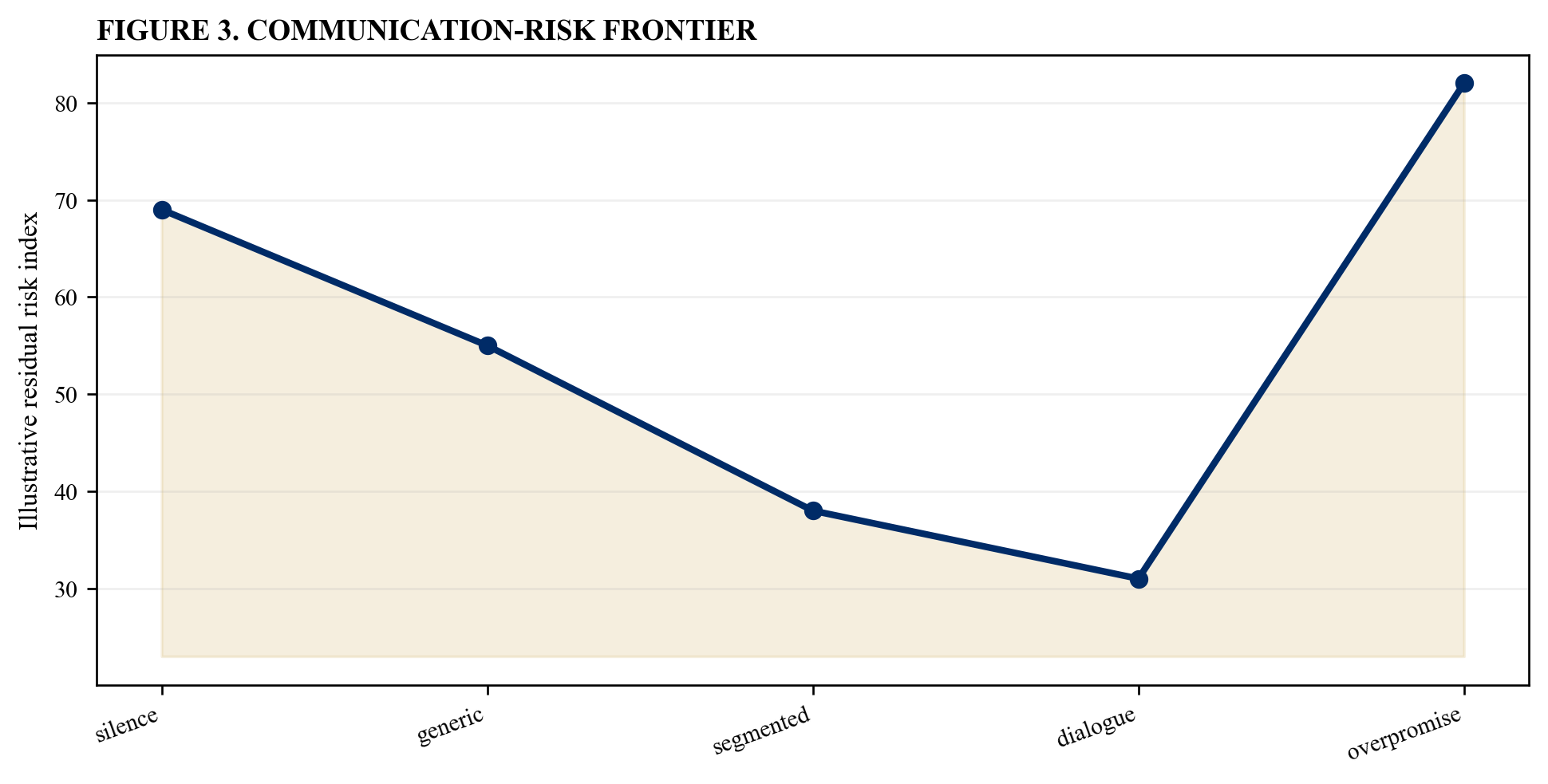
Illustrative analytical scenario; verified transaction evidence should replace index values.
28. Control localisation and accessibility
The transaction team should verify translation, cultural meaning, legal requirements, disability access and local delivery. The required output is a localised release file. Record the stakeholder decision, verified fact, uncertainty, legal boundary, channel, owner, evidence, approval and confidence [19][23].
Translate the conclusion into a controlled communication. Specify audience, purpose, message, certainty, timing, sender, channel, filing or consultation need, feedback route, exception and next update. Reconcile the relevant legal and functional views.
The principal risk is that literal translation can change certainty or omit required information. Quantify revenue at risk, critical roles, stakeholder actions, service effects, disclosure exposure, delay, remediation cost and residual risk across base, adverse and remediated cases.
Retain source facts, drafts, approvals, filings, delivery evidence, questions, feedback, commitments, exceptions and advice. Refresh after material changes; assign owners and deadlines.
29. Monitor customer drift
The transaction team should track renewal, churn, usage, complaints, escalation, concessions and competitor references by cohort. The required output is a customer confidence dashboard. Record the stakeholder decision, verified fact, uncertainty, legal boundary, channel, owner, evidence, approval and confidence [6][17].
Translate the conclusion into a controlled communication. Specify audience, purpose, message, certainty, timing, sender, channel, filing or consultation need, feedback route, exception and next update. Reconcile the relevant legal and functional views.
The principal risk is that aggregate revenue can conceal deterioration in exposed accounts. Quantify revenue at risk, critical roles, stakeholder actions, service effects, disclosure exposure, delay, remediation cost and residual risk across base, adverse and remediated cases.
Retain source facts, drafts, approvals, filings, delivery evidence, questions, feedback, commitments, exceptions and advice. Refresh after material changes; assign owners and deadlines.
30. Monitor employee drift
The transaction team should track regretted exits, offers, absence, engagement, questions, critical-role coverage and time-to-fill. The required output is a workforce confidence dashboard. Record the stakeholder decision, verified fact, uncertainty, legal boundary, channel, owner, evidence, approval and confidence [7][21].
Translate the conclusion into a controlled communication. Specify audience, purpose, message, certainty, timing, sender, channel, filing or consultation need, feedback route, exception and next update. Reconcile the relevant legal and functional views.
The principal risk is that lagging turnover can reveal risk after replacement options narrow. Quantify revenue at risk, critical roles, stakeholder actions, service effects, disclosure exposure, delay, remediation cost and residual risk across base, adverse and remediated cases.
Retain source facts, drafts, approvals, filings, delivery evidence, questions, feedback, commitments, exceptions and advice. Refresh after material changes; assign owners and deadlines.
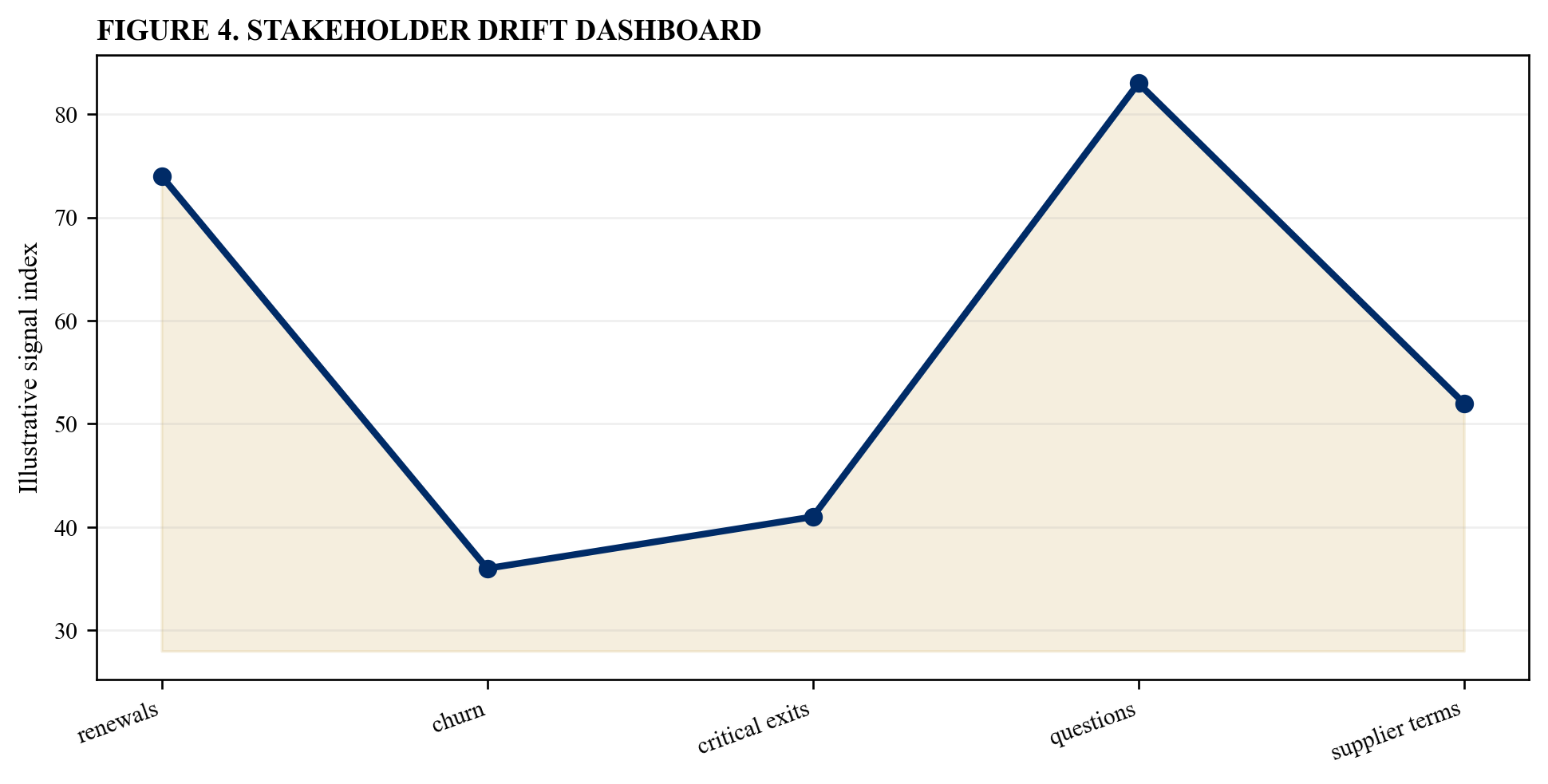
Illustrative analytical scenario; verified transaction evidence should replace index values.
31. Listen systematically
The transaction team should capture themes from customers, employees, suppliers, regulators and market channels without collecting excess personal data. The required output is a stakeholder signal register. Record the stakeholder decision, verified fact, uncertainty, legal boundary, channel, owner, evidence, approval and confidence [24][25].
Translate the conclusion into a controlled communication. Specify audience, purpose, message, certainty, timing, sender, channel, filing or consultation need, feedback route, exception and next update. Reconcile the relevant legal and functional views.
The principal risk is that anecdote can drive message changes without representative evidence. Quantify revenue at risk, critical roles, stakeholder actions, service effects, disclosure exposure, delay, remediation cost and residual risk across base, adverse and remediated cases.
Retain source facts, drafts, approvals, filings, delivery evidence, questions, feedback, commitments, exceptions and advice. Refresh after material changes; assign owners and deadlines.
32. Test message comprehension
The transaction team should verify what recipients understood, believed and plan to do rather than relying on distribution statistics. The required output is a comprehension and action test. Record the stakeholder decision, verified fact, uncertainty, legal boundary, channel, owner, evidence, approval and confidence [6][23].
Translate the conclusion into a controlled communication. Specify audience, purpose, message, certainty, timing, sender, channel, filing or consultation need, feedback route, exception and next update. Reconcile the relevant legal and functional views.
The principal risk is that delivery evidence can be mistaken for confidence. Quantify revenue at risk, critical roles, stakeholder actions, service effects, disclosure exposure, delay, remediation cost and residual risk across base, adverse and remediated cases.
Retain source facts, drafts, approvals, filings, delivery evidence, questions, feedback, commitments, exceptions and advice. Refresh after material changes; assign owners and deadlines.
33. Prepare for timetable extensions
The transaction team should pre-approve facts, uncertainties, stakeholder actions and escalation for delay beyond expected milestones. The required output is an extension communication scenario. Record the stakeholder decision, verified fact, uncertainty, legal boundary, channel, owner, evidence, approval and confidence [3][4].
Translate the conclusion into a controlled communication. Specify audience, purpose, message, certainty, timing, sender, channel, filing or consultation need, feedback route, exception and next update. Reconcile the relevant legal and functional views.
The principal risk is that a missed expected date can amplify speculation and attrition. Quantify revenue at risk, critical roles, stakeholder actions, service effects, disclosure exposure, delay, remediation cost and residual risk across base, adverse and remediated cases.
Retain source facts, drafts, approvals, filings, delivery evidence, questions, feedback, commitments, exceptions and advice. Refresh after material changes; assign owners and deadlines.
Table 4. Delay-scenario gate
| Trigger | Required evidence | Response |
|---|---|---|
| milestone slips | verified status | update |
| customer drift | account evidence | targeted assurance |
| critical exit | role impact | retention or succession |
| rumour | materiality review | correct or monitor |
Illustrative structure; verified transaction evidence and specialist review govern.
34. Prepare for remedies and perimeter change
The transaction team should model communications for divestment, behavioural commitments, partial clearance and changed integration scope. The required output is a remedies communication plan. Record the stakeholder decision, verified fact, uncertainty, legal boundary, channel, owner, evidence, approval and confidence [3][26].
Translate the conclusion into a controlled communication. Specify audience, purpose, message, certainty, timing, sender, channel, filing or consultation need, feedback route, exception and next update. Reconcile the relevant legal and functional views.
The principal risk is that stakeholders can be promised a perimeter regulators later alter. Quantify revenue at risk, critical roles, stakeholder actions, service effects, disclosure exposure, delay, remediation cost and residual risk across base, adverse and remediated cases.
Retain source facts, drafts, approvals, filings, delivery evidence, questions, feedback, commitments, exceptions and advice. Refresh after material changes; assign owners and deadlines.
35. Prepare for termination
The transaction team should set decision rights, disclosure, customer, employee, supplier and records actions if the transaction ends. The required output is a termination communication plan. Record the stakeholder decision, verified fact, uncertainty, legal boundary, channel, owner, evidence, approval and confidence [2][9].
Translate the conclusion into a controlled communication. Specify audience, purpose, message, certainty, timing, sender, channel, filing or consultation need, feedback route, exception and next update. Reconcile the relevant legal and functional views.
The principal risk is that all messaging can assume completion despite a conditional agreement. Quantify revenue at risk, critical roles, stakeholder actions, service effects, disclosure exposure, delay, remediation cost and residual risk across base, adverse and remediated cases.
Retain source facts, drafts, approvals, filings, delivery evidence, questions, feedback, commitments, exceptions and advice. Refresh after material changes; assign owners and deadlines.
36. Respond to leaks and rumours
The transaction team should verify facts, convene authorised decision-makers, assess disclosure duties and issue proportionate corrections. The required output is a leak-response protocol. Record the stakeholder decision, verified fact, uncertainty, legal boundary, channel, owner, evidence, approval and confidence [13][14].
Translate the conclusion into a controlled communication. Specify audience, purpose, message, certainty, timing, sender, channel, filing or consultation need, feedback route, exception and next update. Reconcile the relevant legal and functional views.
The principal risk is that speed pressure can produce inaccurate or selectively disclosed statements. Quantify revenue at risk, critical roles, stakeholder actions, service effects, disclosure exposure, delay, remediation cost and residual risk across base, adverse and remediated cases.
Retain source facts, drafts, approvals, filings, delivery evidence, questions, feedback, commitments, exceptions and advice. Refresh after material changes; assign owners and deadlines.
37. Train spokespeople and advisers
The transaction team should exercise difficult questions, certainty language, legal boundaries, escalation and record retention. The required output is an evidence-backed rehearsal record. Record the stakeholder decision, verified fact, uncertainty, legal boundary, channel, owner, evidence, approval and confidence [10][22].
Translate the conclusion into a controlled communication. Specify audience, purpose, message, certainty, timing, sender, channel, filing or consultation need, feedback route, exception and next update. Reconcile the relevant legal and functional views.
The principal risk is that senior credibility can be damaged by one improvised answer. Quantify revenue at risk, critical roles, stakeholder actions, service effects, disclosure exposure, delay, remediation cost and residual risk across base, adverse and remediated cases.
Retain source facts, drafts, approvals, filings, delivery evidence, questions, feedback, commitments, exceptions and advice. Refresh after material changes; assign owners and deadlines.
38. Set escalation triggers
The transaction team should define thresholds for customer loss, critical exits, supplier tightening, misinformation, legal exceptions and timetable change. The required output is a board communication escalation protocol. Record the stakeholder decision, verified fact, uncertainty, legal boundary, channel, owner, evidence, approval and confidence [6][7].
Translate the conclusion into a controlled communication. Specify audience, purpose, message, certainty, timing, sender, channel, filing or consultation need, feedback route, exception and next update. Reconcile the relevant legal and functional views.
The principal risk is that material drift can remain dispersed across functions. Quantify revenue at risk, critical roles, stakeholder actions, service effects, disclosure exposure, delay, remediation cost and residual risk across base, adverse and remediated cases.
Retain source facts, drafts, approvals, filings, delivery evidence, questions, feedback, commitments, exceptions and advice. Refresh after material changes; assign owners and deadlines.
39. Reconcile commitments before close
The transaction team should review every external and internal promise against transaction terms, integration decisions, authority and delivery owner. The required output is a pre-close commitment reconciliation. Record the stakeholder decision, verified fact, uncertainty, legal boundary, channel, owner, evidence, approval and confidence [16][18].
Translate the conclusion into a controlled communication. Specify audience, purpose, message, certainty, timing, sender, channel, filing or consultation need, feedback route, exception and next update. Reconcile the relevant legal and functional views.
The principal risk is that unowned promises can enter Day One as hidden liabilities. Quantify revenue at risk, critical roles, stakeholder actions, service effects, disclosure exposure, delay, remediation cost and residual risk across base, adverse and remediated cases.
Retain source facts, drafts, approvals, filings, delivery evidence, questions, feedback, commitments, exceptions and advice. Refresh after material changes; assign owners and deadlines.
40. Issue the communications certificate
The transaction team should approve messages, filings, delivery evidence, feedback, drift indicators, commitments, exceptions and residual risk. The required output is a retained closing-ready communication certificate. Record the stakeholder decision, verified fact, uncertainty, legal boundary, channel, owner, evidence, approval and confidence [1][2].
Translate the conclusion into a controlled communication. Specify audience, purpose, message, certainty, timing, sender, channel, filing or consultation need, feedback route, exception and next update. Reconcile the relevant legal and functional views.
The principal risk is that a campaign can be declared complete without proving comprehension, compliance or continuity. Quantify revenue at risk, critical roles, stakeholder actions, service effects, disclosure exposure, delay, remediation cost and residual risk across base, adverse and remediated cases.
Retain source facts, drafts, approvals, filings, delivery evidence, questions, feedback, commitments, exceptions and advice. Refresh after material changes; assign owners and deadlines.
Table 5. Communications certificate
| Conclusion | Record | Approval test |
|---|---|---|
| accuracy | message and source | verified |
| compliance | review and filing | complete |
| confidence | feedback and drift | within tolerance |
| commitments | owner and deadline | deliverable |
Illustrative structure; verified transaction evidence and specialist review govern.
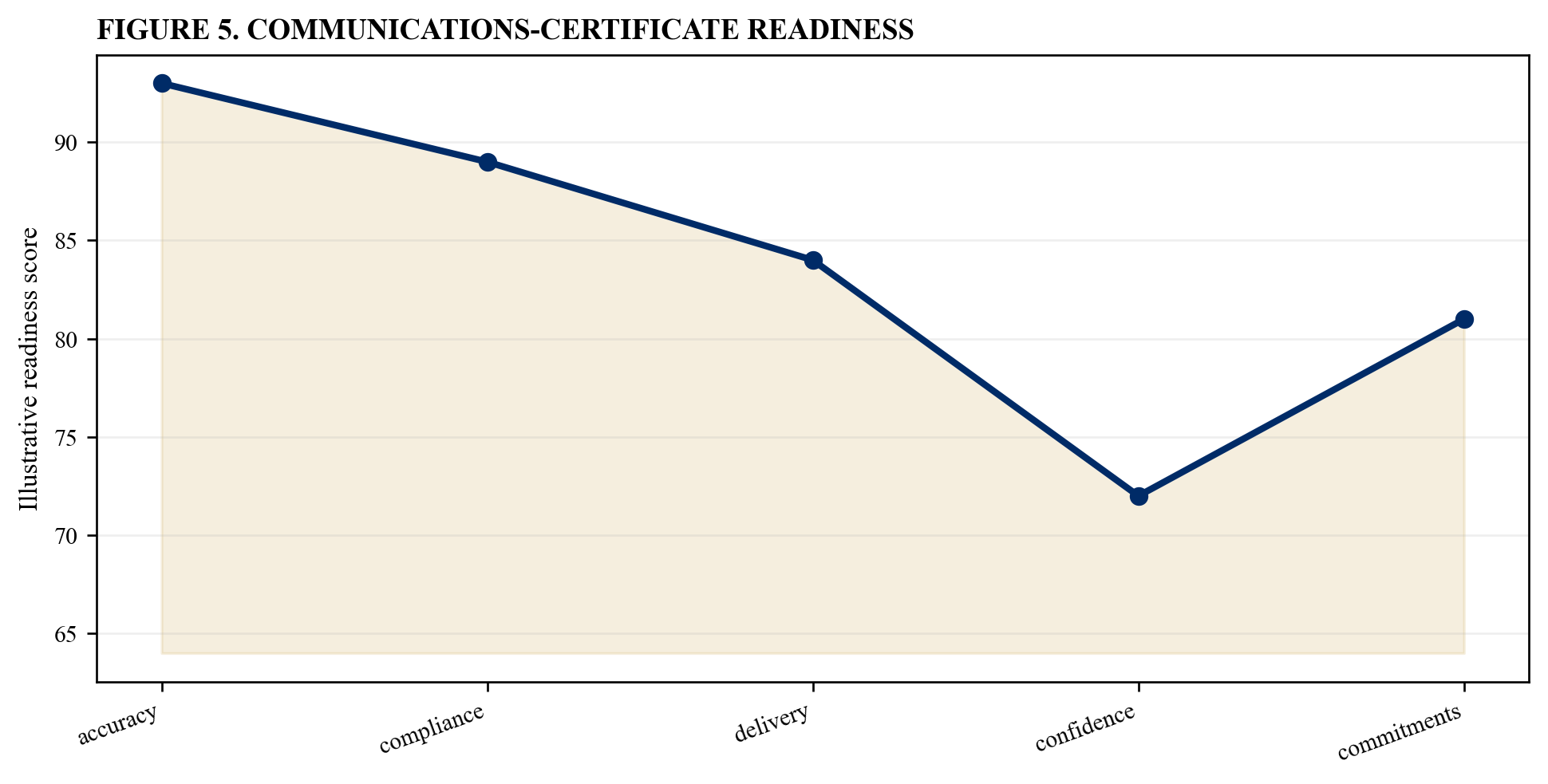
Illustrative analytical scenario; verified transaction evidence should replace index values.
References
- UK Competition and Markets Authority, Interim Measures in Merger Investigations CMA108, https://www.gov.uk/government/publications/interim-measures-and-derogations-guidance-and-templates
- US Department of Justice and Federal Trade Commission, 2023 Merger Guidelines, https://www.justice.gov/atr/merger-guidelines/overview
- European Commission, EU Merger Control Procedures, https://competition-policy.ec.europa.eu/mergers/procedures_en
- US Federal Trade Commission, Premerger Notification and the Merger Review Process, https://www.ftc.gov/advice-guidance/competition-guidance/guide-antitrust-laws/mergers/premerger-notification-merger-review-process
- UK Competition and Markets Authority, Interim Measures Summary for Businesses, https://www.gov.uk/government/publications/interim-measures-and-derogations-guidance-and-templates
- UK Financial Reporting Council, Guidance on the Strategic Report, https://www.frc.org.uk/library/standards-codes-policy/accounting-and-reporting/guidance-on-the-strategic-report/
- US Securities and Exchange Commission, Regulation S-K Item 101 Human Capital Resources, https://www.ecfr.gov/current/title-17/chapter-II/part-229/section-229.101
- UK Cabinet Office, UK Government Resilience Framework, https://www.gov.uk/government/publications/the-uk-government-resilience-framework
- US Securities and Exchange Commission, Regulation of Takeovers and Security Holder Communications, https://www.sec.gov/rules-regulations/1999/10/regulation-takeovers-security-holder-communications
- UK Government Communication Service, Modern Communications Operating Model, https://gcs.civilservice.gov.uk/publications/modern-communications-operating-model/
- UK Financial Conduct Authority, Disclosure Guidance and Transparency Rules, https://www.handbook.fca.org.uk/handbook/DTR/
- US Securities and Exchange Commission, Proxy Rules and Schedules 14A and 14C Interpretations, https://www.sec.gov/rules-regulations/staff-guidance/corporation-finance-interpretations/proxy-rules-schedules-14a14c
- US Securities and Exchange Commission, Regulation FD, https://www.sec.gov/rules-regulations/staff-guidance/corporation-finance-interpretations/proxy-disclosure-enhancements-transition-reg-fd
- UK Financial Conduct Authority, UK Market Abuse Regulation, https://www.handbook.fca.org.uk/handbook/MAR/
- UK Competition and Markets Authority, Tell the CMA About Your Merger, https://www.gov.uk/guidance/tell-the-cma-about-your-merger
- UK Competition and Markets Authority, Consumer Protection from Unfair Trading Regulations Guidance, https://www.gov.uk/government/publications/consumer-protection-from-unfair-trading-regulations-traders
- International Financial Reporting Standards Foundation, IFRS 15 Revenue from Contracts with Customers, https://www.ifrs.org/issued-standards/list-of-standards/ifrs-15-revenue-from-contracts-with-customers/
- International Financial Reporting Standards Foundation, IFRS 3 Business Combinations, https://www.ifrs.org/issued-standards/list-of-standards/ifrs-3-business-combinations/
- European Union, Directive 2002/14/EC on Informing and Consulting Employees, https://eur-lex.europa.eu/eli/dir/2002/14/oj
- European Union, Directive 2009/38/EC on European Works Councils, https://eur-lex.europa.eu/eli/dir/2009/38/oj
- US Department of Labor, Worker Adjustment and Retraining Notification Act Guidance, https://www.dol.gov/agencies/eta/layoffs/warn
- US Securities and Exchange Commission, Social Media and the Federal Securities Laws, https://www.sec.gov/newsroom/press-releases/2013-2013-51htm
- UK Government Communication Service, Accessible Communications Guidance, https://gcs.civilservice.gov.uk/guidance/marketing/delivering-government-campaigns/accessible-communications/
- European Union, General Data Protection Regulation, https://eur-lex.europa.eu/eli/reg/2016/679/oj
- UK Information Commissioner's Office, Data Minimisation, https://ico.org.uk/for-organisations/uk-gdpr-guidance-and-resources/data-protection-principles/a-guide-to-the-data-protection-principles/the-principles/data-minimisation/
- UK Competition and Markets Authority, Merger Remedies CMA87, https://www.gov.uk/government/publications/merger-remedies-cma87
