

1. Define the tax-cleanup objective
Set the intended exit perimeter, timetable, buyer profile and tax certainty required for a defensible process.
The controlled record should identify the entity, jurisdiction, tax type, period, transaction, filing position, legal basis, source evidence, amount, deadline, owner, remediation action and approval. The immediate deliverable is a board-approved tax-cleanup charter.
The principal failure occurs when tax work begins only after the first buyer request. Reviewers should distinguish filed from paid, booked from legally due, known exposure from uncertain treatment, and management expectation from authorised advice. They should trace the issue through cash, earnings, net debt, working capital, deferred tax, forecasts, transaction structure, warranties, indemnities, escrow, insurance and valuation, then test the conclusion under audit, challenge and timing scenarios.
The decision pack for define the tax-cleanup objective should state the governing facts, jurisdiction-specific rule, information source, historical treatment, calculation, range, probability, cash timing, dependency, remediation owner, external-advice status, buyer implication, residual uncertainty and next gate. Material exceptions should flow into the tax fact book, quality-of-earnings work, diligence room, sale-process narrative, pricing bridge, disclosure process, transaction documents and board reporting.
2. Freeze the legal-entity perimeter
Reconcile companies, branches, partnerships, permanent establishments, disregarded entities and ownership history.
The controlled record should identify the entity, jurisdiction, tax type, period, transaction, filing position, legal basis, source evidence, amount, deadline, owner, remediation action and approval. The immediate deliverable is a legal-entity and tax-residence map.
The principal failure occurs when the consolidation chart proves the taxable perimeter. Reviewers should distinguish filed from paid, booked from legally due, known exposure from uncertain treatment, and management expectation from authorised advice. They should trace the issue through cash, earnings, net debt, working capital, deferred tax, forecasts, transaction structure, warranties, indemnities, escrow, insurance and valuation, then test the conclusion under audit, challenge and timing scenarios.
The decision pack for freeze the legal-entity perimeter should state the governing facts, jurisdiction-specific rule, information source, historical treatment, calculation, range, probability, cash timing, dependency, remediation owner, external-advice status, buyer implication, residual uncertainty and next gate. Material exceptions should flow into the tax fact book, quality-of-earnings work, diligence room, sale-process narrative, pricing bridge, disclosure process, transaction documents and board reporting.
3. Build the tax-type register
Map corporate income tax, VAT or GST, payroll, withholding, customs, property, stamp, transfer and sector levies.
The controlled record should identify the entity, jurisdiction, tax type, period, transaction, filing position, legal basis, source evidence, amount, deadline, owner, remediation action and approval. The immediate deliverable is an entity-by-tax-by-period register.
The principal failure occurs when one corporate-tax review captures all transaction exposure. Reviewers should distinguish filed from paid, booked from legally due, known exposure from uncertain treatment, and management expectation from authorised advice. They should trace the issue through cash, earnings, net debt, working capital, deferred tax, forecasts, transaction structure, warranties, indemnities, escrow, insurance and valuation, then test the conclusion under audit, challenge and timing scenarios.
The decision pack for build the tax-type register should state the governing facts, jurisdiction-specific rule, information source, historical treatment, calculation, range, probability, cash timing, dependency, remediation owner, external-advice status, buyer implication, residual uncertainty and next gate. Material exceptions should flow into the tax fact book, quality-of-earnings work, diligence room, sale-process narrative, pricing bridge, disclosure process, transaction documents and board reporting.
4. Control source evidence
Index returns, computations, assessments, payments, elections, rulings, correspondence, contracts and ledgers.
The controlled record should identify the entity, jurisdiction, tax type, period, transaction, filing position, legal basis, source evidence, amount, deadline, owner, remediation action and approval. The immediate deliverable is a tax evidence register.
The principal failure occurs when a populated data room establishes evidence completeness. Reviewers should distinguish filed from paid, booked from legally due, known exposure from uncertain treatment, and management expectation from authorised advice. They should trace the issue through cash, earnings, net debt, working capital, deferred tax, forecasts, transaction structure, warranties, indemnities, escrow, insurance and valuation, then test the conclusion under audit, challenge and timing scenarios.
The decision pack for control source evidence should state the governing facts, jurisdiction-specific rule, information source, historical treatment, calculation, range, probability, cash timing, dependency, remediation owner, external-advice status, buyer implication, residual uncertainty and next gate. Material exceptions should flow into the tax fact book, quality-of-earnings work, diligence room, sale-process narrative, pricing bridge, disclosure process, transaction documents and board reporting.
5. Reconcile filings to the ledger
Bridge taxable profit, current tax, deferred tax, provisions, payments and statutory accounts.
The controlled record should identify the entity, jurisdiction, tax type, period, transaction, filing position, legal basis, source evidence, amount, deadline, owner, remediation action and approval. The immediate deliverable is a filing-to-ledger reconciliation.
The principal failure occurs when filed returns automatically agree to financial reporting. Reviewers should distinguish filed from paid, booked from legally due, known exposure from uncertain treatment, and management expectation from authorised advice. They should trace the issue through cash, earnings, net debt, working capital, deferred tax, forecasts, transaction structure, warranties, indemnities, escrow, insurance and valuation, then test the conclusion under audit, challenge and timing scenarios.
The decision pack for reconcile filings to the ledger should state the governing facts, jurisdiction-specific rule, information source, historical treatment, calculation, range, probability, cash timing, dependency, remediation owner, external-advice status, buyer implication, residual uncertainty and next gate. Material exceptions should flow into the tax fact book, quality-of-earnings work, diligence room, sale-process narrative, pricing bridge, disclosure process, transaction documents and board reporting.
6. Reconcile payments and balances
Trace liabilities, refunds, offsets, instalments, interest, penalties and bank settlement.
The controlled record should identify the entity, jurisdiction, tax type, period, transaction, filing position, legal basis, source evidence, amount, deadline, owner, remediation action and approval. The immediate deliverable is a tax-payment and balance roll-forward.
The principal failure occurs when a nil ledger balance proves taxes were discharged. Reviewers should distinguish filed from paid, booked from legally due, known exposure from uncertain treatment, and management expectation from authorised advice. They should trace the issue through cash, earnings, net debt, working capital, deferred tax, forecasts, transaction structure, warranties, indemnities, escrow, insurance and valuation, then test the conclusion under audit, challenge and timing scenarios.
The decision pack for reconcile payments and balances should state the governing facts, jurisdiction-specific rule, information source, historical treatment, calculation, range, probability, cash timing, dependency, remediation owner, external-advice status, buyer implication, residual uncertainty and next gate. Material exceptions should flow into the tax fact book, quality-of-earnings work, diligence room, sale-process narrative, pricing bridge, disclosure process, transaction documents and board reporting.
7. Map filing and payment compliance
Test registration, return, information-reporting and payment deadlines across every jurisdiction.
The controlled record should identify the entity, jurisdiction, tax type, period, transaction, filing position, legal basis, source evidence, amount, deadline, owner, remediation action and approval. The immediate deliverable is a compliance exception calendar.
The principal failure occurs when management's compliance calendar captures missed obligations. Reviewers should distinguish filed from paid, booked from legally due, known exposure from uncertain treatment, and management expectation from authorised advice. They should trace the issue through cash, earnings, net debt, working capital, deferred tax, forecasts, transaction structure, warranties, indemnities, escrow, insurance and valuation, then test the conclusion under audit, challenge and timing scenarios.
The decision pack for map filing and payment compliance should state the governing facts, jurisdiction-specific rule, information source, historical treatment, calculation, range, probability, cash timing, dependency, remediation owner, external-advice status, buyer implication, residual uncertainty and next gate. Material exceptions should flow into the tax fact book, quality-of-earnings work, diligence room, sale-process narrative, pricing bridge, disclosure process, transaction documents and board reporting.
8. Govern the cleanup programme
Set issue taxonomy, evidence threshold, owners, advisers, approvals, dependencies and buyer-response control.
The controlled record should identify the entity, jurisdiction, tax type, period, transaction, filing position, legal basis, source evidence, amount, deadline, owner, remediation action and approval. The immediate deliverable is a governed remediation office.
The principal failure occurs when tax issues can be remediated through an uncontrolled spreadsheet. Reviewers should distinguish filed from paid, booked from legally due, known exposure from uncertain treatment, and management expectation from authorised advice. They should trace the issue through cash, earnings, net debt, working capital, deferred tax, forecasts, transaction structure, warranties, indemnities, escrow, insurance and valuation, then test the conclusion under audit, challenge and timing scenarios.
The decision pack for govern the cleanup programme should state the governing facts, jurisdiction-specific rule, information source, historical treatment, calculation, range, probability, cash timing, dependency, remediation owner, external-advice status, buyer implication, residual uncertainty and next gate. Material exceptions should flow into the tax fact book, quality-of-earnings work, diligence room, sale-process narrative, pricing bridge, disclosure process, transaction documents and board reporting.
Table 1. Tax evidence control
| Layer | Required evidence | Control |
|---|---|---|
| entity | registrations and residence | perimeter owner |
| filing | return and computation | version approval |
| payment | assessment and bank | settlement match |
| position | law and advice | challenge log |
Illustrative analytical design; entity-specific facts, applicable law and authorised tax advice govern.
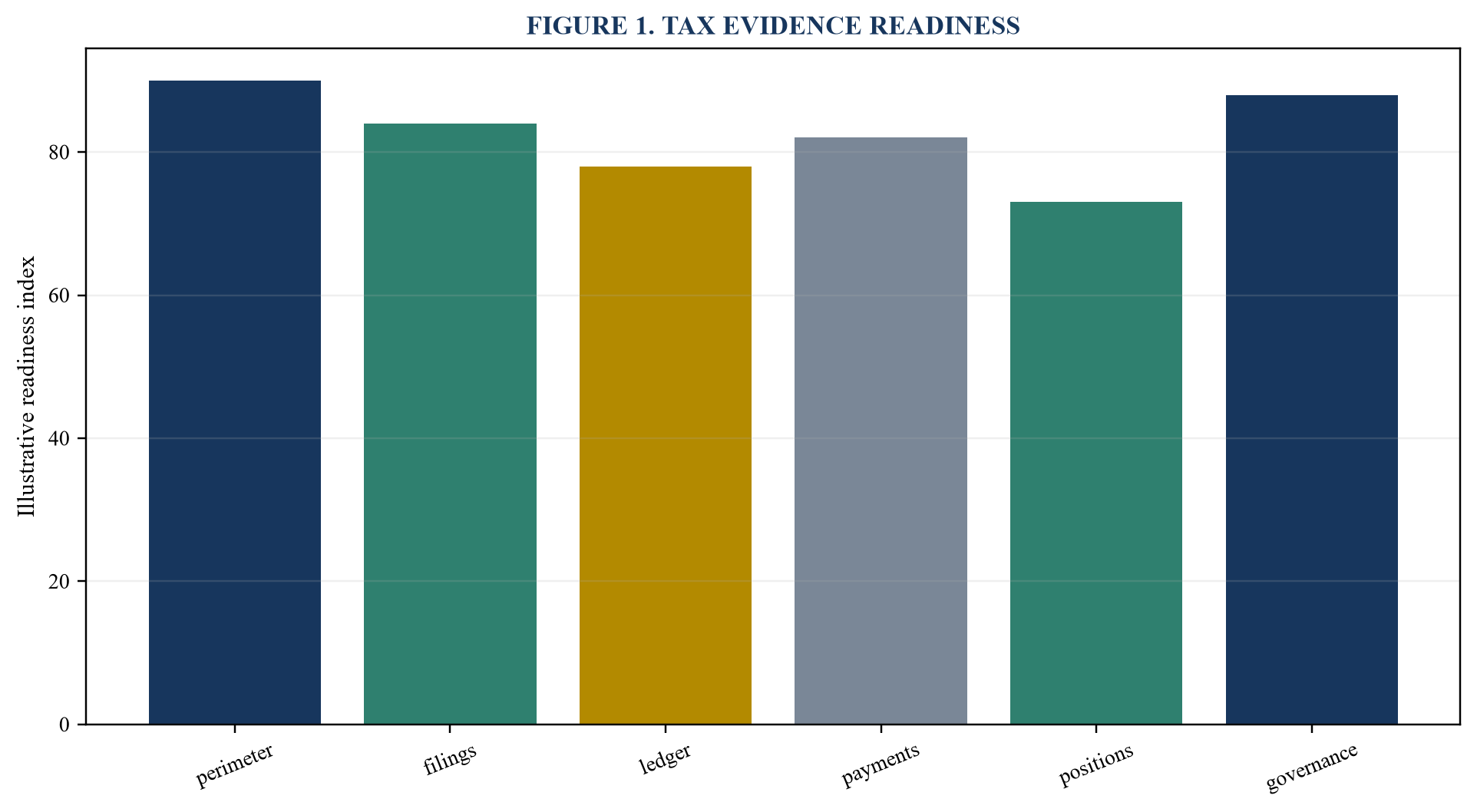
Values are illustrative readiness indices and require company-specific evidence.
9. Assess uncertain tax positions
Apply applicable recognition and measurement requirements to treatments exposed to authority challenge.
The controlled record should identify the entity, jurisdiction, tax type, period, transaction, filing position, legal basis, source evidence, amount, deadline, owner, remediation action and approval. The immediate deliverable is an uncertain-position register.
The principal failure occurs when the booked provision equals the transaction exposure. Reviewers should distinguish filed from paid, booked from legally due, known exposure from uncertain treatment, and management expectation from authorised advice. They should trace the issue through cash, earnings, net debt, working capital, deferred tax, forecasts, transaction structure, warranties, indemnities, escrow, insurance and valuation, then test the conclusion under audit, challenge and timing scenarios.
The decision pack for assess uncertain tax positions should state the governing facts, jurisdiction-specific rule, information source, historical treatment, calculation, range, probability, cash timing, dependency, remediation owner, external-advice status, buyer implication, residual uncertainty and next gate. Material exceptions should flow into the tax fact book, quality-of-earnings work, diligence room, sale-process narrative, pricing bridge, disclosure process, transaction documents and board reporting.
10. Test limitation periods
Determine open years, extensions, waivers, discovery rules, loss periods and record-retention needs.
The controlled record should identify the entity, jurisdiction, tax type, period, transaction, filing position, legal basis, source evidence, amount, deadline, owner, remediation action and approval. The immediate deliverable is an open-period map.
The principal failure occurs when old periods are automatically closed. Reviewers should distinguish filed from paid, booked from legally due, known exposure from uncertain treatment, and management expectation from authorised advice. They should trace the issue through cash, earnings, net debt, working capital, deferred tax, forecasts, transaction structure, warranties, indemnities, escrow, insurance and valuation, then test the conclusion under audit, challenge and timing scenarios.
The decision pack for test limitation periods should state the governing facts, jurisdiction-specific rule, information source, historical treatment, calculation, range, probability, cash timing, dependency, remediation owner, external-advice status, buyer implication, residual uncertainty and next gate. Material exceptions should flow into the tax fact book, quality-of-earnings work, diligence room, sale-process narrative, pricing bridge, disclosure process, transaction documents and board reporting.
11. Review audits and disputes
Map enquiries, information requests, assessments, objections, appeals, settlements and payment status.
The controlled record should identify the entity, jurisdiction, tax type, period, transaction, filing position, legal basis, source evidence, amount, deadline, owner, remediation action and approval. The immediate deliverable is an audit-and-dispute dossier.
The principal failure occurs when absence of a formal assessment means no buyer concern. Reviewers should distinguish filed from paid, booked from legally due, known exposure from uncertain treatment, and management expectation from authorised advice. They should trace the issue through cash, earnings, net debt, working capital, deferred tax, forecasts, transaction structure, warranties, indemnities, escrow, insurance and valuation, then test the conclusion under audit, challenge and timing scenarios.
The decision pack for review audits and disputes should state the governing facts, jurisdiction-specific rule, information source, historical treatment, calculation, range, probability, cash timing, dependency, remediation owner, external-advice status, buyer implication, residual uncertainty and next gate. Material exceptions should flow into the tax fact book, quality-of-earnings work, diligence room, sale-process narrative, pricing bridge, disclosure process, transaction documents and board reporting.
12. Rebuild the effective tax rate
Explain current, deferred, permanent, temporary, jurisdictional and one-off drivers.
The controlled record should identify the entity, jurisdiction, tax type, period, transaction, filing position, legal basis, source evidence, amount, deadline, owner, remediation action and approval. The immediate deliverable is an effective-tax-rate bridge.
The principal failure occurs when the statutory rate predicts sustainable cash tax. Reviewers should distinguish filed from paid, booked from legally due, known exposure from uncertain treatment, and management expectation from authorised advice. They should trace the issue through cash, earnings, net debt, working capital, deferred tax, forecasts, transaction structure, warranties, indemnities, escrow, insurance and valuation, then test the conclusion under audit, challenge and timing scenarios.
The decision pack for rebuild the effective tax rate should state the governing facts, jurisdiction-specific rule, information source, historical treatment, calculation, range, probability, cash timing, dependency, remediation owner, external-advice status, buyer implication, residual uncertainty and next gate. Material exceptions should flow into the tax fact book, quality-of-earnings work, diligence room, sale-process narrative, pricing bridge, disclosure process, transaction documents and board reporting.
13. Test deferred tax
Validate bases, temporary differences, losses, credits, rates, recognition and recoverability.
The controlled record should identify the entity, jurisdiction, tax type, period, transaction, filing position, legal basis, source evidence, amount, deadline, owner, remediation action and approval. The immediate deliverable is a deferred-tax proof pack.
The principal failure occurs when deferred-tax accounting has no relevance to deal economics. Reviewers should distinguish filed from paid, booked from legally due, known exposure from uncertain treatment, and management expectation from authorised advice. They should trace the issue through cash, earnings, net debt, working capital, deferred tax, forecasts, transaction structure, warranties, indemnities, escrow, insurance and valuation, then test the conclusion under audit, challenge and timing scenarios.
The decision pack for test deferred tax should state the governing facts, jurisdiction-specific rule, information source, historical treatment, calculation, range, probability, cash timing, dependency, remediation owner, external-advice status, buyer implication, residual uncertainty and next gate. Material exceptions should flow into the tax fact book, quality-of-earnings work, diligence room, sale-process narrative, pricing bridge, disclosure process, transaction documents and board reporting.
14. Validate losses and credits
Prove legal ownership, availability, expiry, continuity, utilisation forecasts and restrictions.
The controlled record should identify the entity, jurisdiction, tax type, period, transaction, filing position, legal basis, source evidence, amount, deadline, owner, remediation action and approval. The immediate deliverable is a tax-attribute utilisation model.
The principal failure occurs when headline losses are fully transferable to a buyer. Reviewers should distinguish filed from paid, booked from legally due, known exposure from uncertain treatment, and management expectation from authorised advice. They should trace the issue through cash, earnings, net debt, working capital, deferred tax, forecasts, transaction structure, warranties, indemnities, escrow, insurance and valuation, then test the conclusion under audit, challenge and timing scenarios.
The decision pack for validate losses and credits should state the governing facts, jurisdiction-specific rule, information source, historical treatment, calculation, range, probability, cash timing, dependency, remediation owner, external-advice status, buyer implication, residual uncertainty and next gate. Material exceptions should flow into the tax fact book, quality-of-earnings work, diligence room, sale-process narrative, pricing bridge, disclosure process, transaction documents and board reporting.
15. Review ownership-change constraints
Test whether past or proposed changes restrict losses, credits, interest or other attributes.
The controlled record should identify the entity, jurisdiction, tax type, period, transaction, filing position, legal basis, source evidence, amount, deadline, owner, remediation action and approval. The immediate deliverable is an ownership-change sensitivity.
The principal failure occurs when tax attributes survive any transaction structure. Reviewers should distinguish filed from paid, booked from legally due, known exposure from uncertain treatment, and management expectation from authorised advice. They should trace the issue through cash, earnings, net debt, working capital, deferred tax, forecasts, transaction structure, warranties, indemnities, escrow, insurance and valuation, then test the conclusion under audit, challenge and timing scenarios.
The decision pack for review ownership-change constraints should state the governing facts, jurisdiction-specific rule, information source, historical treatment, calculation, range, probability, cash timing, dependency, remediation owner, external-advice status, buyer implication, residual uncertainty and next gate. Material exceptions should flow into the tax fact book, quality-of-earnings work, diligence room, sale-process narrative, pricing bridge, disclosure process, transaction documents and board reporting.
16. Assess Pillar Two and minimum tax
Map scope, constituent entities, safe harbours, elections, data, top-up tax and filing readiness.
The controlled record should identify the entity, jurisdiction, tax type, period, transaction, filing position, legal basis, source evidence, amount, deadline, owner, remediation action and approval. The immediate deliverable is a global-minimum-tax readiness assessment.
The principal failure occurs when consolidated accounting tax rates establish minimum-tax compliance. Reviewers should distinguish filed from paid, booked from legally due, known exposure from uncertain treatment, and management expectation from authorised advice. They should trace the issue through cash, earnings, net debt, working capital, deferred tax, forecasts, transaction structure, warranties, indemnities, escrow, insurance and valuation, then test the conclusion under audit, challenge and timing scenarios.
The decision pack for assess pillar two and minimum tax should state the governing facts, jurisdiction-specific rule, information source, historical treatment, calculation, range, probability, cash timing, dependency, remediation owner, external-advice status, buyer implication, residual uncertainty and next gate. Material exceptions should flow into the tax fact book, quality-of-earnings work, diligence room, sale-process narrative, pricing bridge, disclosure process, transaction documents and board reporting.
Table 2. Exposure measurement
| Component | Measurement basis | Transaction use |
|---|---|---|
| principal | tax under alternative treatment | price or indemnity |
| interest | statutory rate and timing | cash range |
| penalty | conduct and disclosure | downside case |
| defence | process and adviser cost | execution reserve |
Illustrative analytical design; entity-specific facts, applicable law and authorised tax advice govern.
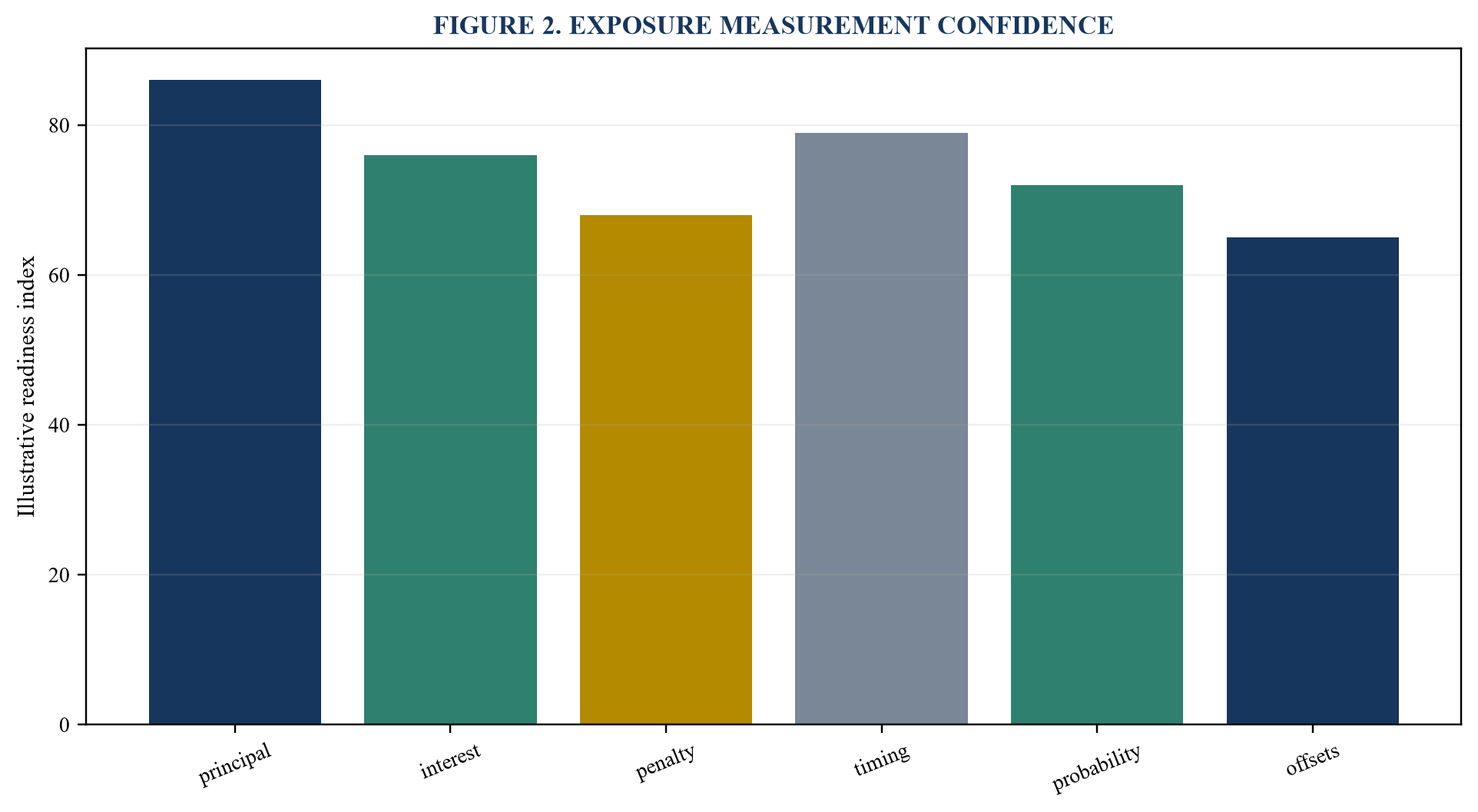
Values are illustrative readiness indices and require company-specific evidence.
17. Test transfer-pricing governance
Reconcile related parties, controlled transactions, methods, policies, outcomes and adjustments.
The controlled record should identify the entity, jurisdiction, tax type, period, transaction, filing position, legal basis, source evidence, amount, deadline, owner, remediation action and approval. The immediate deliverable is a transfer-pricing risk map.
The principal failure occurs when master and local files prove arm's-length implementation. Reviewers should distinguish filed from paid, booked from legally due, known exposure from uncertain treatment, and management expectation from authorised advice. They should trace the issue through cash, earnings, net debt, working capital, deferred tax, forecasts, transaction structure, warranties, indemnities, escrow, insurance and valuation, then test the conclusion under audit, challenge and timing scenarios.
The decision pack for test transfer-pricing governance should state the governing facts, jurisdiction-specific rule, information source, historical treatment, calculation, range, probability, cash timing, dependency, remediation owner, external-advice status, buyer implication, residual uncertainty and next gate. Material exceptions should flow into the tax fact book, quality-of-earnings work, diligence room, sale-process narrative, pricing bridge, disclosure process, transaction documents and board reporting.
18. Trace intercompany agreements
Match legal terms, conduct, invoices, balances, settlements, functions, assets and risks.
The controlled record should identify the entity, jurisdiction, tax type, period, transaction, filing position, legal basis, source evidence, amount, deadline, owner, remediation action and approval. The immediate deliverable is an intercompany conduct bridge.
The principal failure occurs when signed agreements prove actual related-party behaviour. Reviewers should distinguish filed from paid, booked from legally due, known exposure from uncertain treatment, and management expectation from authorised advice. They should trace the issue through cash, earnings, net debt, working capital, deferred tax, forecasts, transaction structure, warranties, indemnities, escrow, insurance and valuation, then test the conclusion under audit, challenge and timing scenarios.
The decision pack for trace intercompany agreements should state the governing facts, jurisdiction-specific rule, information source, historical treatment, calculation, range, probability, cash timing, dependency, remediation owner, external-advice status, buyer implication, residual uncertainty and next gate. Material exceptions should flow into the tax fact book, quality-of-earnings work, diligence room, sale-process narrative, pricing bridge, disclosure process, transaction documents and board reporting.
19. Review permanent establishments
Test people, premises, agents, projects, services, remote work and profit attribution.
The controlled record should identify the entity, jurisdiction, tax type, period, transaction, filing position, legal basis, source evidence, amount, deadline, owner, remediation action and approval. The immediate deliverable is a permanent-establishment map.
The principal failure occurs when legal incorporation determines every taxable presence. Reviewers should distinguish filed from paid, booked from legally due, known exposure from uncertain treatment, and management expectation from authorised advice. They should trace the issue through cash, earnings, net debt, working capital, deferred tax, forecasts, transaction structure, warranties, indemnities, escrow, insurance and valuation, then test the conclusion under audit, challenge and timing scenarios.
The decision pack for review permanent establishments should state the governing facts, jurisdiction-specific rule, information source, historical treatment, calculation, range, probability, cash timing, dependency, remediation owner, external-advice status, buyer implication, residual uncertainty and next gate. Material exceptions should flow into the tax fact book, quality-of-earnings work, diligence room, sale-process narrative, pricing bridge, disclosure process, transaction documents and board reporting.
20. Test withholding taxes
Map payment character, source, recipient, treaty claim, beneficial ownership, forms and remittance.
The controlled record should identify the entity, jurisdiction, tax type, period, transaction, filing position, legal basis, source evidence, amount, deadline, owner, remediation action and approval. The immediate deliverable is a withholding-tax matrix.
The principal failure occurs when a contractual gross-up resolves all withholding exposure. Reviewers should distinguish filed from paid, booked from legally due, known exposure from uncertain treatment, and management expectation from authorised advice. They should trace the issue through cash, earnings, net debt, working capital, deferred tax, forecasts, transaction structure, warranties, indemnities, escrow, insurance and valuation, then test the conclusion under audit, challenge and timing scenarios.
The decision pack for test withholding taxes should state the governing facts, jurisdiction-specific rule, information source, historical treatment, calculation, range, probability, cash timing, dependency, remediation owner, external-advice status, buyer implication, residual uncertainty and next gate. Material exceptions should flow into the tax fact book, quality-of-earnings work, diligence room, sale-process narrative, pricing bridge, disclosure process, transaction documents and board reporting.
21. Validate treaty positions
Prove residence, beneficial ownership, purpose, entitlement, limitation provisions and documentation.
The controlled record should identify the entity, jurisdiction, tax type, period, transaction, filing position, legal basis, source evidence, amount, deadline, owner, remediation action and approval. The immediate deliverable is a treaty-entitlement file.
The principal failure occurs when a tax residence certificate alone secures treaty relief. Reviewers should distinguish filed from paid, booked from legally due, known exposure from uncertain treatment, and management expectation from authorised advice. They should trace the issue through cash, earnings, net debt, working capital, deferred tax, forecasts, transaction structure, warranties, indemnities, escrow, insurance and valuation, then test the conclusion under audit, challenge and timing scenarios.
The decision pack for validate treaty positions should state the governing facts, jurisdiction-specific rule, information source, historical treatment, calculation, range, probability, cash timing, dependency, remediation owner, external-advice status, buyer implication, residual uncertainty and next gate. Material exceptions should flow into the tax fact book, quality-of-earnings work, diligence room, sale-process narrative, pricing bridge, disclosure process, transaction documents and board reporting.
22. Review indirect taxes
Reconcile supplies, place, rate, exemptions, input recovery, invoicing, returns and payments.
The controlled record should identify the entity, jurisdiction, tax type, period, transaction, filing position, legal basis, source evidence, amount, deadline, owner, remediation action and approval. The immediate deliverable is an indirect-tax transaction map.
The principal failure occurs when revenue reconciliation proves VAT or GST compliance. Reviewers should distinguish filed from paid, booked from legally due, known exposure from uncertain treatment, and management expectation from authorised advice. They should trace the issue through cash, earnings, net debt, working capital, deferred tax, forecasts, transaction structure, warranties, indemnities, escrow, insurance and valuation, then test the conclusion under audit, challenge and timing scenarios.
The decision pack for review indirect taxes should state the governing facts, jurisdiction-specific rule, information source, historical treatment, calculation, range, probability, cash timing, dependency, remediation owner, external-advice status, buyer implication, residual uncertainty and next gate. Material exceptions should flow into the tax fact book, quality-of-earnings work, diligence room, sale-process narrative, pricing bridge, disclosure process, transaction documents and board reporting.
23. Test payroll and employment taxes
Review employees, contractors, equity awards, benefits, mobility, shadow payroll and permanent establishments.
The controlled record should identify the entity, jurisdiction, tax type, period, transaction, filing position, legal basis, source evidence, amount, deadline, owner, remediation action and approval. The immediate deliverable is an employment-tax exposure register.
The principal failure occurs when payroll provider processing transfers tax responsibility. Reviewers should distinguish filed from paid, booked from legally due, known exposure from uncertain treatment, and management expectation from authorised advice. They should trace the issue through cash, earnings, net debt, working capital, deferred tax, forecasts, transaction structure, warranties, indemnities, escrow, insurance and valuation, then test the conclusion under audit, challenge and timing scenarios.
The decision pack for test payroll and employment taxes should state the governing facts, jurisdiction-specific rule, information source, historical treatment, calculation, range, probability, cash timing, dependency, remediation owner, external-advice status, buyer implication, residual uncertainty and next gate. Material exceptions should flow into the tax fact book, quality-of-earnings work, diligence room, sale-process narrative, pricing bridge, disclosure process, transaction documents and board reporting.
24. Review customs and trade taxes
Trace classification, origin, valuation, reliefs, licences, brokers and import records.
The controlled record should identify the entity, jurisdiction, tax type, period, transaction, filing position, legal basis, source evidence, amount, deadline, owner, remediation action and approval. The immediate deliverable is a customs compliance map.
The principal failure occurs when broker declarations eliminate principal liability. Reviewers should distinguish filed from paid, booked from legally due, known exposure from uncertain treatment, and management expectation from authorised advice. They should trace the issue through cash, earnings, net debt, working capital, deferred tax, forecasts, transaction structure, warranties, indemnities, escrow, insurance and valuation, then test the conclusion under audit, challenge and timing scenarios.
The decision pack for review customs and trade taxes should state the governing facts, jurisdiction-specific rule, information source, historical treatment, calculation, range, probability, cash timing, dependency, remediation owner, external-advice status, buyer implication, residual uncertainty and next gate. Material exceptions should flow into the tax fact book, quality-of-earnings work, diligence room, sale-process narrative, pricing bridge, disclosure process, transaction documents and board reporting.
Table 3. Cross-border tax proof
| Issue | Evidence | Failure signal |
|---|---|---|
| transfer pricing | policy and actual outcome | year-end-only true-up |
| treaty | residence and entitlement | certificate alone |
| withholding | character and remittance | unreconciled gross-up |
| presence | people and activity | legal-form assumption |
Illustrative analytical design; entity-specific facts, applicable law and authorised tax advice govern.
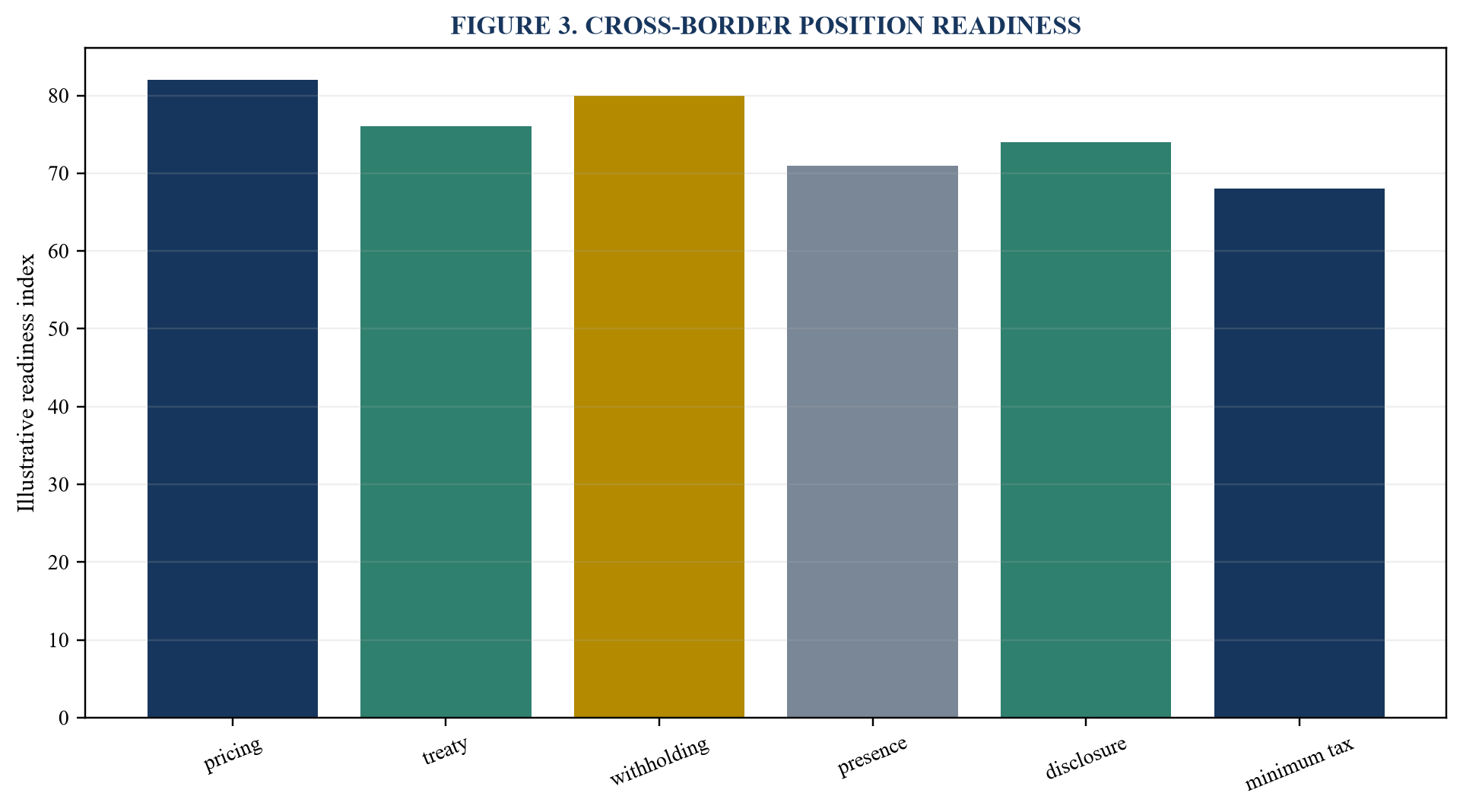
Values are illustrative readiness indices and require company-specific evidence.
25. Review property and transaction taxes
Map real estate, leases, securities, reorganisations and asset transfers for stamp and similar charges.
The controlled record should identify the entity, jurisdiction, tax type, period, transaction, filing position, legal basis, source evidence, amount, deadline, owner, remediation action and approval. The immediate deliverable is a property-and-transfer-tax register.
The principal failure occurs when book value determines transaction-tax exposure. Reviewers should distinguish filed from paid, booked from legally due, known exposure from uncertain treatment, and management expectation from authorised advice. They should trace the issue through cash, earnings, net debt, working capital, deferred tax, forecasts, transaction structure, warranties, indemnities, escrow, insurance and valuation, then test the conclusion under audit, challenge and timing scenarios.
The decision pack for review property and transaction taxes should state the governing facts, jurisdiction-specific rule, information source, historical treatment, calculation, range, probability, cash timing, dependency, remediation owner, external-advice status, buyer implication, residual uncertainty and next gate. Material exceptions should flow into the tax fact book, quality-of-earnings work, diligence room, sale-process narrative, pricing bridge, disclosure process, transaction documents and board reporting.
26. Test interest deductibility
Rebuild debt, guarantees, purpose, related parties, EBITDA limits, carryforwards and anti-avoidance rules.
The controlled record should identify the entity, jurisdiction, tax type, period, transaction, filing position, legal basis, source evidence, amount, deadline, owner, remediation action and approval. The immediate deliverable is an interest-capacity model.
The principal failure occurs when accounting interest is fully tax deductible. Reviewers should distinguish filed from paid, booked from legally due, known exposure from uncertain treatment, and management expectation from authorised advice. They should trace the issue through cash, earnings, net debt, working capital, deferred tax, forecasts, transaction structure, warranties, indemnities, escrow, insurance and valuation, then test the conclusion under audit, challenge and timing scenarios.
The decision pack for test interest deductibility should state the governing facts, jurisdiction-specific rule, information source, historical treatment, calculation, range, probability, cash timing, dependency, remediation owner, external-advice status, buyer implication, residual uncertainty and next gate. Material exceptions should flow into the tax fact book, quality-of-earnings work, diligence room, sale-process narrative, pricing bridge, disclosure process, transaction documents and board reporting.
27. Review hybrid and anti-avoidance rules
Identify mismatches, controlled foreign companies, diverted profits, general anti-abuse and purpose tests.
The controlled record should identify the entity, jurisdiction, tax type, period, transaction, filing position, legal basis, source evidence, amount, deadline, owner, remediation action and approval. The immediate deliverable is an anti-avoidance issue tree.
The principal failure occurs when legal form determines tax outcome. Reviewers should distinguish filed from paid, booked from legally due, known exposure from uncertain treatment, and management expectation from authorised advice. They should trace the issue through cash, earnings, net debt, working capital, deferred tax, forecasts, transaction structure, warranties, indemnities, escrow, insurance and valuation, then test the conclusion under audit, challenge and timing scenarios.
The decision pack for review hybrid and anti-avoidance rules should state the governing facts, jurisdiction-specific rule, information source, historical treatment, calculation, range, probability, cash timing, dependency, remediation owner, external-advice status, buyer implication, residual uncertainty and next gate. Material exceptions should flow into the tax fact book, quality-of-earnings work, diligence room, sale-process narrative, pricing bridge, disclosure process, transaction documents and board reporting.
28. Assess mandatory disclosures
Test reportable arrangements, hallmarks, intermediaries, deadlines, filings and evidence.
The controlled record should identify the entity, jurisdiction, tax type, period, transaction, filing position, legal basis, source evidence, amount, deadline, owner, remediation action and approval. The immediate deliverable is a disclosure-obligation register.
The principal failure occurs when external advisers always carry disclosure responsibility. Reviewers should distinguish filed from paid, booked from legally due, known exposure from uncertain treatment, and management expectation from authorised advice. They should trace the issue through cash, earnings, net debt, working capital, deferred tax, forecasts, transaction structure, warranties, indemnities, escrow, insurance and valuation, then test the conclusion under audit, challenge and timing scenarios.
The decision pack for assess mandatory disclosures should state the governing facts, jurisdiction-specific rule, information source, historical treatment, calculation, range, probability, cash timing, dependency, remediation owner, external-advice status, buyer implication, residual uncertainty and next gate. Material exceptions should flow into the tax fact book, quality-of-earnings work, diligence room, sale-process narrative, pricing bridge, disclosure process, transaction documents and board reporting.
29. Validate elections and claims
Inventory elections, claims, revocations, consents, deadlines and evidence of valid submission.
The controlled record should identify the entity, jurisdiction, tax type, period, transaction, filing position, legal basis, source evidence, amount, deadline, owner, remediation action and approval. The immediate deliverable is an elections-and-claims calendar.
The principal failure occurs when management intent preserves an expired election. Reviewers should distinguish filed from paid, booked from legally due, known exposure from uncertain treatment, and management expectation from authorised advice. They should trace the issue through cash, earnings, net debt, working capital, deferred tax, forecasts, transaction structure, warranties, indemnities, escrow, insurance and valuation, then test the conclusion under audit, challenge and timing scenarios.
The decision pack for validate elections and claims should state the governing facts, jurisdiction-specific rule, information source, historical treatment, calculation, range, probability, cash timing, dependency, remediation owner, external-advice status, buyer implication, residual uncertainty and next gate. Material exceptions should flow into the tax fact book, quality-of-earnings work, diligence room, sale-process narrative, pricing bridge, disclosure process, transaction documents and board reporting.
30. Assess clearances and rulings
Identify transaction steps requiring or benefiting from advance confirmation and complete facts.
The controlled record should identify the entity, jurisdiction, tax type, period, transaction, filing position, legal basis, source evidence, amount, deadline, owner, remediation action and approval. The immediate deliverable is a clearance decision log.
The principal failure occurs when a clearance remains valid when material facts change. Reviewers should distinguish filed from paid, booked from legally due, known exposure from uncertain treatment, and management expectation from authorised advice. They should trace the issue through cash, earnings, net debt, working capital, deferred tax, forecasts, transaction structure, warranties, indemnities, escrow, insurance and valuation, then test the conclusion under audit, challenge and timing scenarios.
The decision pack for assess clearances and rulings should state the governing facts, jurisdiction-specific rule, information source, historical treatment, calculation, range, probability, cash timing, dependency, remediation owner, external-advice status, buyer implication, residual uncertainty and next gate. Material exceptions should flow into the tax fact book, quality-of-earnings work, diligence room, sale-process narrative, pricing bridge, disclosure process, transaction documents and board reporting.
31. Review historic reorganisations
Trace legal steps, consideration, valuations, elections, relief conditions and post-transaction compliance.
The controlled record should identify the entity, jurisdiction, tax type, period, transaction, filing position, legal basis, source evidence, amount, deadline, owner, remediation action and approval. The immediate deliverable is a reorganisation evidence pack.
The principal failure occurs when a tax-neutral label proves relief was secured. Reviewers should distinguish filed from paid, booked from legally due, known exposure from uncertain treatment, and management expectation from authorised advice. They should trace the issue through cash, earnings, net debt, working capital, deferred tax, forecasts, transaction structure, warranties, indemnities, escrow, insurance and valuation, then test the conclusion under audit, challenge and timing scenarios.
The decision pack for review historic reorganisations should state the governing facts, jurisdiction-specific rule, information source, historical treatment, calculation, range, probability, cash timing, dependency, remediation owner, external-advice status, buyer implication, residual uncertainty and next gate. Material exceptions should flow into the tax fact book, quality-of-earnings work, diligence room, sale-process narrative, pricing bridge, disclosure process, transaction documents and board reporting.
32. Test acquisition tax history
Review purchase accounting, basis, elections, earn-outs, contingent payments and inherited attributes.
The controlled record should identify the entity, jurisdiction, tax type, period, transaction, filing position, legal basis, source evidence, amount, deadline, owner, remediation action and approval. The immediate deliverable is an acquisition-tax lineage.
The principal failure occurs when historic acquisition files have no bearing on a new exit. Reviewers should distinguish filed from paid, booked from legally due, known exposure from uncertain treatment, and management expectation from authorised advice. They should trace the issue through cash, earnings, net debt, working capital, deferred tax, forecasts, transaction structure, warranties, indemnities, escrow, insurance and valuation, then test the conclusion under audit, challenge and timing scenarios.
The decision pack for test acquisition tax history should state the governing facts, jurisdiction-specific rule, information source, historical treatment, calculation, range, probability, cash timing, dependency, remediation owner, external-advice status, buyer implication, residual uncertainty and next gate. Material exceptions should flow into the tax fact book, quality-of-earnings work, diligence room, sale-process narrative, pricing bridge, disclosure process, transaction documents and board reporting.
Table 4. Exit-structure comparison
| Route | Core tax question | Evidence gate |
|---|---|---|
| share sale | seller gain and attributes | ownership history |
| asset sale | basis and allocation | asset register |
| carve-out | perimeter and transfers | step plan |
| reorganisation | relief and purpose | clearance and compliance |
Illustrative analytical design; entity-specific facts, applicable law and authorised tax advice govern.
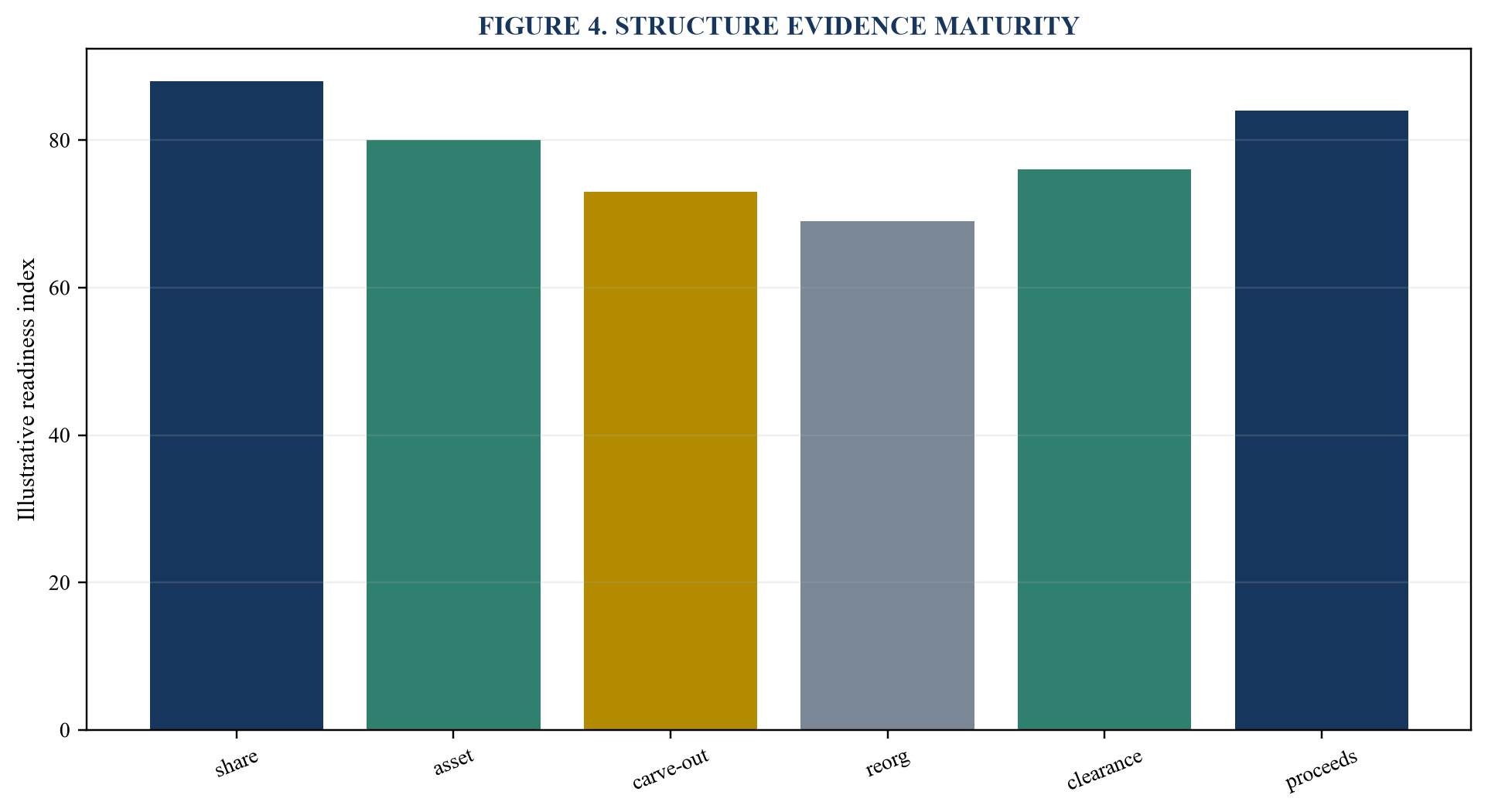
Values are illustrative readiness indices and require company-specific evidence.
33. Model exit structure alternatives
Compare share, asset, carve-out, pre-sale reorganisation and distribution pathways.
The controlled record should identify the entity, jurisdiction, tax type, period, transaction, filing position, legal basis, source evidence, amount, deadline, owner, remediation action and approval. The immediate deliverable is an after-tax proceeds model.
The principal failure occurs when headline tax rate selects the optimal legal route. Reviewers should distinguish filed from paid, booked from legally due, known exposure from uncertain treatment, and management expectation from authorised advice. They should trace the issue through cash, earnings, net debt, working capital, deferred tax, forecasts, transaction structure, warranties, indemnities, escrow, insurance and valuation, then test the conclusion under audit, challenge and timing scenarios.
The decision pack for model exit structure alternatives should state the governing facts, jurisdiction-specific rule, information source, historical treatment, calculation, range, probability, cash timing, dependency, remediation owner, external-advice status, buyer implication, residual uncertainty and next gate. Material exceptions should flow into the tax fact book, quality-of-earnings work, diligence room, sale-process narrative, pricing bridge, disclosure process, transaction documents and board reporting.
34. Prepare the tax fact book
Present perimeter, compliance, attributes, positions, disputes, reconciliations and remediation coherently.
The controlled record should identify the entity, jurisdiction, tax type, period, transaction, filing position, legal basis, source evidence, amount, deadline, owner, remediation action and approval. The immediate deliverable is a buyer-ready tax fact book.
The principal failure occurs when raw tax documents allow buyers to form the correct conclusion. Reviewers should distinguish filed from paid, booked from legally due, known exposure from uncertain treatment, and management expectation from authorised advice. They should trace the issue through cash, earnings, net debt, working capital, deferred tax, forecasts, transaction structure, warranties, indemnities, escrow, insurance and valuation, then test the conclusion under audit, challenge and timing scenarios.
The decision pack for prepare the tax fact book should state the governing facts, jurisdiction-specific rule, information source, historical treatment, calculation, range, probability, cash timing, dependency, remediation owner, external-advice status, buyer implication, residual uncertainty and next gate. Material exceptions should flow into the tax fact book, quality-of-earnings work, diligence room, sale-process narrative, pricing bridge, disclosure process, transaction documents and board reporting.
35. Quantify exposures consistently
Separate principal, interest, penalties, defence cost, timing, probability, offsets and insurance.
The controlled record should identify the entity, jurisdiction, tax type, period, transaction, filing position, legal basis, source evidence, amount, deadline, owner, remediation action and approval. The immediate deliverable is a probability-weighted exposure model.
The principal failure occurs when the accounting provision defines the maximum downside. Reviewers should distinguish filed from paid, booked from legally due, known exposure from uncertain treatment, and management expectation from authorised advice. They should trace the issue through cash, earnings, net debt, working capital, deferred tax, forecasts, transaction structure, warranties, indemnities, escrow, insurance and valuation, then test the conclusion under audit, challenge and timing scenarios.
The decision pack for quantify exposures consistently should state the governing facts, jurisdiction-specific rule, information source, historical treatment, calculation, range, probability, cash timing, dependency, remediation owner, external-advice status, buyer implication, residual uncertainty and next gate. Material exceptions should flow into the tax fact book, quality-of-earnings work, diligence room, sale-process narrative, pricing bridge, disclosure process, transaction documents and board reporting.
36. Prioritise remediation
Rank corrections, disclosures, payments, elections, rulings, documentation and control fixes by value and critical path.
The controlled record should identify the entity, jurisdiction, tax type, period, transaction, filing position, legal basis, source evidence, amount, deadline, owner, remediation action and approval. The immediate deliverable is a value-and-urgency remediation matrix.
The principal failure occurs when every issue should be solved before market launch. Reviewers should distinguish filed from paid, booked from legally due, known exposure from uncertain treatment, and management expectation from authorised advice. They should trace the issue through cash, earnings, net debt, working capital, deferred tax, forecasts, transaction structure, warranties, indemnities, escrow, insurance and valuation, then test the conclusion under audit, challenge and timing scenarios.
The decision pack for prioritise remediation should state the governing facts, jurisdiction-specific rule, information source, historical treatment, calculation, range, probability, cash timing, dependency, remediation owner, external-advice status, buyer implication, residual uncertainty and next gate. Material exceptions should flow into the tax fact book, quality-of-earnings work, diligence room, sale-process narrative, pricing bridge, disclosure process, transaction documents and board reporting.
37. Design buyer disclosures
Connect representations, warranties, disclosure schedules and diligence answers to controlled evidence.
The controlled record should identify the entity, jurisdiction, tax type, period, transaction, filing position, legal basis, source evidence, amount, deadline, owner, remediation action and approval. The immediate deliverable is a tax disclosure architecture.
The principal failure occurs when broad disclosure language cures weak tax facts. Reviewers should distinguish filed from paid, booked from legally due, known exposure from uncertain treatment, and management expectation from authorised advice. They should trace the issue through cash, earnings, net debt, working capital, deferred tax, forecasts, transaction structure, warranties, indemnities, escrow, insurance and valuation, then test the conclusion under audit, challenge and timing scenarios.
The decision pack for design buyer disclosures should state the governing facts, jurisdiction-specific rule, information source, historical treatment, calculation, range, probability, cash timing, dependency, remediation owner, external-advice status, buyer implication, residual uncertainty and next gate. Material exceptions should flow into the tax fact book, quality-of-earnings work, diligence room, sale-process narrative, pricing bridge, disclosure process, transaction documents and board reporting.
38. Map transaction protections
Assess specific indemnities, general warranties, caps, baskets, escrow, retention, insurance and covenants.
The controlled record should identify the entity, jurisdiction, tax type, period, transaction, filing position, legal basis, source evidence, amount, deadline, owner, remediation action and approval. The immediate deliverable is a protection-options matrix.
The principal failure occurs when insurance automatically substitutes for seller remediation. Reviewers should distinguish filed from paid, booked from legally due, known exposure from uncertain treatment, and management expectation from authorised advice. They should trace the issue through cash, earnings, net debt, working capital, deferred tax, forecasts, transaction structure, warranties, indemnities, escrow, insurance and valuation, then test the conclusion under audit, challenge and timing scenarios.
The decision pack for map transaction protections should state the governing facts, jurisdiction-specific rule, information source, historical treatment, calculation, range, probability, cash timing, dependency, remediation owner, external-advice status, buyer implication, residual uncertainty and next gate. Material exceptions should flow into the tax fact book, quality-of-earnings work, diligence room, sale-process narrative, pricing bridge, disclosure process, transaction documents and board reporting.
39. Connect tax risk to valuation
Translate sustainable cash tax, attributes, leakage, exposures and timing into forecast and price implications.
The controlled record should identify the entity, jurisdiction, tax type, period, transaction, filing position, legal basis, source evidence, amount, deadline, owner, remediation action and approval. The immediate deliverable is a tax-to-value bridge.
The principal failure occurs when buyers price only assessed cash liabilities. Reviewers should distinguish filed from paid, booked from legally due, known exposure from uncertain treatment, and management expectation from authorised advice. They should trace the issue through cash, earnings, net debt, working capital, deferred tax, forecasts, transaction structure, warranties, indemnities, escrow, insurance and valuation, then test the conclusion under audit, challenge and timing scenarios.
The decision pack for connect tax risk to valuation should state the governing facts, jurisdiction-specific rule, information source, historical treatment, calculation, range, probability, cash timing, dependency, remediation owner, external-advice status, buyer implication, residual uncertainty and next gate. Material exceptions should flow into the tax fact book, quality-of-earnings work, diligence room, sale-process narrative, pricing bridge, disclosure process, transaction documents and board reporting.
40. Govern buyer challenge
Control questions, responses, evidence, adviser review, concessions, new facts and transaction consequences.
The controlled record should identify the entity, jurisdiction, tax type, period, transaction, filing position, legal basis, source evidence, amount, deadline, owner, remediation action and approval. The immediate deliverable is a buyer tax challenge register.
The principal failure occurs when fast answers are more valuable than controlled answers. Reviewers should distinguish filed from paid, booked from legally due, known exposure from uncertain treatment, and management expectation from authorised advice. They should trace the issue through cash, earnings, net debt, working capital, deferred tax, forecasts, transaction structure, warranties, indemnities, escrow, insurance and valuation, then test the conclusion under audit, challenge and timing scenarios.
The decision pack for govern buyer challenge should state the governing facts, jurisdiction-specific rule, information source, historical treatment, calculation, range, probability, cash timing, dependency, remediation owner, external-advice status, buyer implication, residual uncertainty and next gate. Material exceptions should flow into the tax fact book, quality-of-earnings work, diligence room, sale-process narrative, pricing bridge, disclosure process, transaction documents and board reporting.
Table 5. Buyer-ready tax certificate
| Gate | Evidence | Decision use |
|---|---|---|
| complete | entity-tax-period register | population |
| reconciled | filing-ledger-cash bridge | reliability |
| remediated | closed actions and receipts | certainty |
| residual | quantified exposure and advice | protection |
Illustrative analytical design; entity-specific facts, applicable law and authorised tax advice govern.
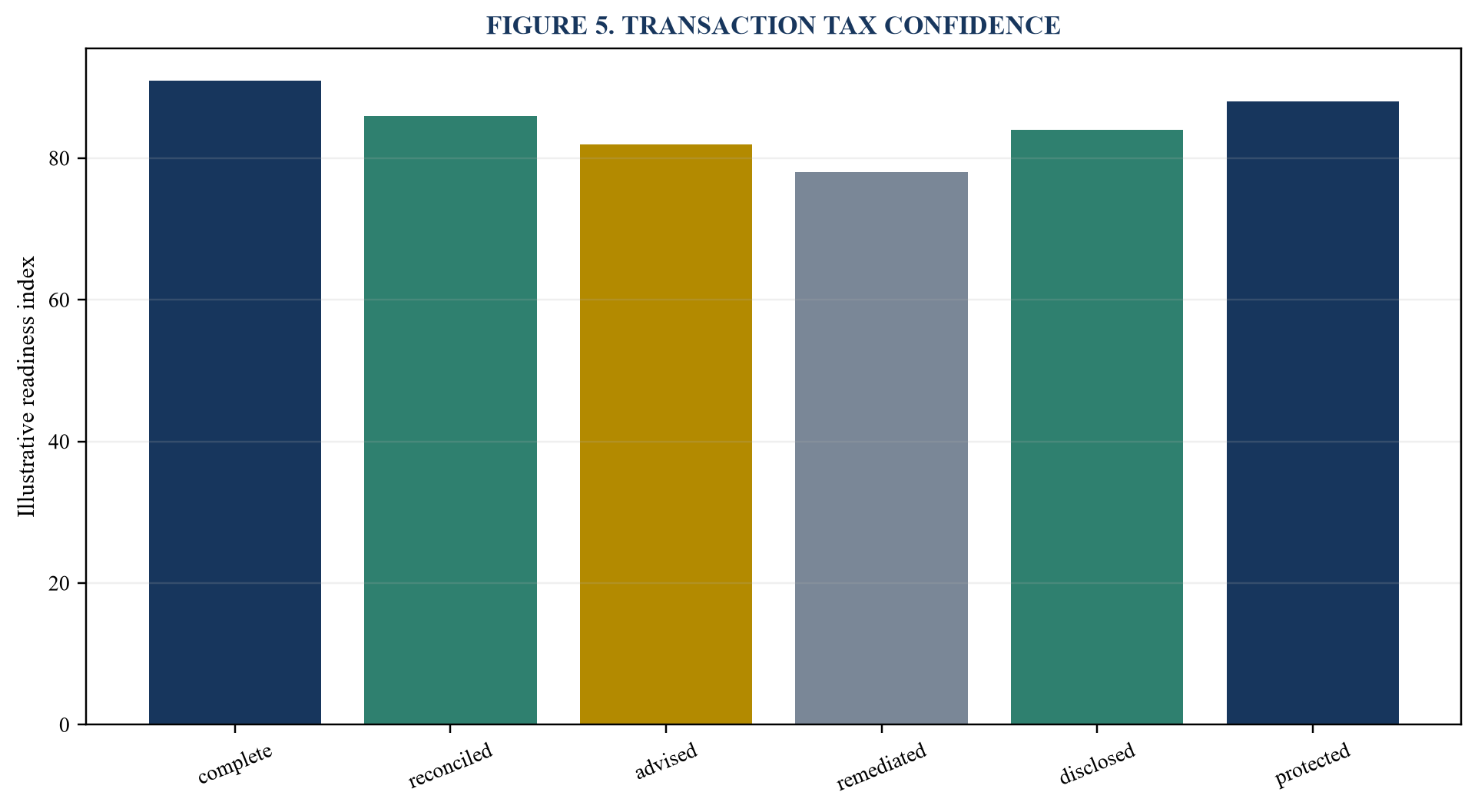
Values are illustrative readiness indices and require company-specific evidence.
References
- IFRS Foundation, IAS 12 Income Taxes, https://www.ifrs.org/issued-standards/list-of-standards/ias-12-income-taxes/
- IFRS Foundation, IFRIC 23 Uncertainty over Income Tax Treatments, https://www.ifrs.org/issued-standards/list-of-standards/ifric-23-uncertainty-over-income-tax-treatments/
- IFRS Foundation, IAS 1 Presentation of Financial Statements, https://www.ifrs.org/issued-standards/list-of-standards/ias-1-presentation-of-financial-statements/
- IFRS Foundation, IAS 8 Accounting Policies, Changes in Accounting Estimates and Errors, https://www.ifrs.org/issued-standards/list-of-standards/ias-8-accounting-policies-changes-in-accounting-estimates-and-errors/
- IFRS Foundation, IFRS 3 Business Combinations, https://www.ifrs.org/issued-standards/list-of-standards/ifrs-3-business-combinations/
- OECD, Transfer Pricing Guidelines for Multinational Enterprises and Tax Administrations, https://www.oecd.org/en/publications/oecd-transfer-pricing-guidelines-for-multinational-enterprises-and-tax-administrations-2022_0e655865-en.html
- OECD, Transfer Pricing Documentation and Country-by-Country Reporting Action 13, https://www.oecd.org/en/publications/transfer-pricing-documentation-and-country-by-country-reporting-action-13-2015-final-report_9789264241480-en.html
- OECD, Global Anti-Base Erosion Model Rules Pillar Two, https://www.oecd.org/en/topics/sub-issues/global-minimum-tax/global-anti-base-erosion-model-rules-pillar-two.html
- OECD, Model Tax Convention on Income and on Capital, https://www.oecd.org/en/publications/model-tax-convention-on-income-and-on-capital-condensed-version-2017_mtc_cond-2017-en.html
- OECD, BEPS Action 7 Preventing the Artificial Avoidance of Permanent Establishment Status, https://www.oecd.org/en/publications/preventing-the-artificial-avoidance-of-permanent-establishment-status-action-7-2015-final-report_9789264241220-en.html
- OECD, BEPS Action 4 Limiting Base Erosion Involving Interest Deductions, https://www.oecd.org/en/publications/limiting-base-erosion-involving-interest-deductions-and-other-financial-payments-action-4-2016-update_9789264268333-en.html
- OECD, BEPS Action 2 Neutralising the Effects of Hybrid Mismatch Arrangements, https://www.oecd.org/en/publications/neutralising-the-effects-of-hybrid-mismatch-arrangements-action-2-2015-final-report_9789264241138-en.html
- OECD, BEPS Action 12 Mandatory Disclosure Rules, https://www.oecd.org/en/publications/mandatory-disclosure-rules-action-12-2015-final-report_9789264241442-en.html
- European Commission, DAC6 Cross-Border Tax Arrangements, https://taxation-customs.ec.europa.eu/taxation/tax-transparency-cooperation/administrative-co-operation-and-mutual-assistance/directive-administrative-cooperation-dac/dac6_en
- European Commission, Anti-Tax Avoidance Directive, https://taxation-customs.ec.europa.eu/taxation-1/company-taxation/anti-tax-avoidance-directive_en
- UAE Federal Tax Authority, Corporate Tax Guides and References, https://tax.gov.ae/en/taxes/corporate.tax/corporate.tax.guides.references.aspx
- UAE Federal Tax Authority, Transfer Pricing Guide, https://tax.gov.ae/en/content/transfer.pricing.guide.ctgtp1.aspx
- UK HM Revenue and Customs, Seeking Clearance or Approval for a Transaction, https://www.gov.uk/guidance/seeking-clearance-or-approval-for-a-transaction
- UK HM Revenue and Customs, International Manual, https://www.gov.uk/hmrc-internal-manuals/international-manual
- UK HM Revenue and Customs, Company Taxation Manual, https://www.gov.uk/hmrc-internal-manuals/company-taxation-manual
- US Internal Revenue Service, Instructions for Form 8594, https://www.irs.gov/instructions/i8594
- US Internal Revenue Service, Instructions for Form 8023, https://www.irs.gov/instructions/i8023
- US Internal Revenue Service, Uncertain Tax Position Statement Schedule UTP, https://www.irs.gov/forms-pubs/about-schedule-utp-form-1120
- Financial Accounting Standards Board, Accounting Standards Codification Topic 740 Income Taxes, https://asc.fasb.org/topic&trid=2128689
- PCAOB, AS 2505 Inquiry of a Client's Lawyer Concerning Litigation, Claims, and Assessments, https://pcaobus.org/oversight/standards/auditing-standards/details/AS2505
- International Valuation Standards Council, International Valuation Standards, https://ivsc.org/standards/
