

1. Define the acquisition question
Translate the investment thesis into testable claims about capability, defensibility, cost, safety and control.
The AI diligence team should reconcile investment case, product roadmap, commercial model, architecture and risk appetite. Each conclusion records the accountable owner, source, system version, use case, evidence, financial consequence, control and unresolved exception. The immediate output is an AI diligence mandate.
AI capability and operability must be proved through reconciled technical, commercial and control evidence. Reviewers test performance, provenance, rights, security, cost, human oversight and downside response against native records and observed behaviour. System versions, use cases, transaction perimeter, contractual rights and applicable law control each conclusion.
Material gaps require an owner, corrective action, validation test, budget, advice and decision date. Consequences flow through product continuity, revenue, margin, cash, capital needs, valuation, compliance and transaction protection. Residual risk remains visible until evidence is reconciled, remedies are executable and authorised decision-makers approve the next gate.
2. Map the AI system perimeter
Identify models, applications, agents, data pipelines, infrastructure, interfaces and human decision points.
The AI diligence team should reconcile architecture diagrams, repositories, inventories, deployment records and contracts. Each conclusion records the accountable owner, source, system version, use case, evidence, financial consequence, control and unresolved exception. The immediate output is an AI system map.
AI capability and operability must be proved through reconciled technical, commercial and control evidence. Reviewers test performance, provenance, rights, security, cost, human oversight and downside response against native records and observed behaviour. System versions, use cases, transaction perimeter, contractual rights and applicable law control each conclusion.
Material gaps require an owner, corrective action, validation test, budget, advice and decision date. Consequences flow through product continuity, revenue, margin, cash, capital needs, valuation, compliance and transaction protection. Residual risk remains visible until evidence is reconciled, remedies are executable and authorised decision-makers approve the next gate.
3. Reconcile product claims
Tie marketed features and demonstrations to production behaviour, customer use and contractual commitments.
The AI diligence team should reconcile product collateral, demos, telemetry, contracts, support records and customer evidence. Each conclusion records the accountable owner, source, system version, use case, evidence, financial consequence, control and unresolved exception. The immediate output is a claims-to-evidence register.
AI capability and operability must be proved through reconciled technical, commercial and control evidence. Reviewers test performance, provenance, rights, security, cost, human oversight and downside response against native records and observed behaviour. System versions, use cases, transaction perimeter, contractual rights and applicable law control each conclusion.
Material gaps require an owner, corrective action, validation test, budget, advice and decision date. Consequences flow through product continuity, revenue, margin, cash, capital needs, valuation, compliance and transaction protection. Residual risk remains visible until evidence is reconciled, remedies are executable and authorised decision-makers approve the next gate.
4. Classify roles and obligations
Determine provider, deployer, importer, distributor and downstream responsibilities by jurisdiction and use case.
The AI diligence team should reconcile legal-entity map, product flows, customer terms, regulatory analysis and policies. Each conclusion records the accountable owner, source, system version, use case, evidence, financial consequence, control and unresolved exception. The immediate output is an obligations matrix.
AI capability and operability must be proved through reconciled technical, commercial and control evidence. Reviewers test performance, provenance, rights, security, cost, human oversight and downside response against native records and observed behaviour. System versions, use cases, transaction perimeter, contractual rights and applicable law control each conclusion.
Material gaps require an owner, corrective action, validation test, budget, advice and decision date. Consequences flow through product continuity, revenue, margin, cash, capital needs, valuation, compliance and transaction protection. Residual risk remains visible until evidence is reconciled, remedies are executable and authorised decision-makers approve the next gate.
5. Build the model inventory
Record foundation, fine-tuned, classical and third-party models, versions, owners, purposes and deployment status.
The AI diligence team should reconcile model registry, repositories, endpoints, bills of materials and change logs. Each conclusion records the accountable owner, source, system version, use case, evidence, financial consequence, control and unresolved exception. The immediate output is a governed model register.
AI capability and operability must be proved through reconciled technical, commercial and control evidence. Reviewers test performance, provenance, rights, security, cost, human oversight and downside response against native records and observed behaviour. System versions, use cases, transaction perimeter, contractual rights and applicable law control each conclusion.
Material gaps require an owner, corrective action, validation test, budget, advice and decision date. Consequences flow through product continuity, revenue, margin, cash, capital needs, valuation, compliance and transaction protection. Residual risk remains visible until evidence is reconciled, remedies are executable and authorised decision-makers approve the next gate.
6. Establish model provenance
Trace weights, training method, licences, source lineage, modifications and approval history.
The AI diligence team should reconcile licences, model cards, commits, training records, vendor terms and attestations. Each conclusion records the accountable owner, source, system version, use case, evidence, financial consequence, control and unresolved exception. The immediate output is a model-provenance chain.
AI capability and operability must be proved through reconciled technical, commercial and control evidence. Reviewers test performance, provenance, rights, security, cost, human oversight and downside response against native records and observed behaviour. System versions, use cases, transaction perimeter, contractual rights and applicable law control each conclusion.
Material gaps require an owner, corrective action, validation test, budget, advice and decision date. Consequences flow through product continuity, revenue, margin, cash, capital needs, valuation, compliance and transaction protection. Residual risk remains visible until evidence is reconciled, remedies are executable and authorised decision-makers approve the next gate.
7. Test model performance
Reproduce material accuracy, reliability, latency, calibration and task-specific evaluation claims.
The AI diligence team should reconcile evaluation suites, test sets, production telemetry, baselines and release gates. Each conclusion records the accountable owner, source, system version, use case, evidence, financial consequence, control and unresolved exception. The immediate output is a reproducible performance dossier.
AI capability and operability must be proved through reconciled technical, commercial and control evidence. Reviewers test performance, provenance, rights, security, cost, human oversight and downside response against native records and observed behaviour. System versions, use cases, transaction perimeter, contractual rights and applicable law control each conclusion.
Material gaps require an owner, corrective action, validation test, budget, advice and decision date. Consequences flow through product continuity, revenue, margin, cash, capital needs, valuation, compliance and transaction protection. Residual risk remains visible until evidence is reconciled, remedies are executable and authorised decision-makers approve the next gate.
8. Test robustness and failure modes
Probe distribution shift, adversarial inputs, hallucination, prompt injection, tool misuse and unsafe outputs.
The AI diligence team should reconcile red-team results, incident logs, adversarial tests, safeguards and monitoring. Each conclusion records the accountable owner, source, system version, use case, evidence, financial consequence, control and unresolved exception. The immediate output is a model-risk assessment.
AI capability and operability must be proved through reconciled technical, commercial and control evidence. Reviewers test performance, provenance, rights, security, cost, human oversight and downside response against native records and observed behaviour. System versions, use cases, transaction perimeter, contractual rights and applicable law control each conclusion.
Material gaps require an owner, corrective action, validation test, budget, advice and decision date. Consequences flow through product continuity, revenue, margin, cash, capital needs, valuation, compliance and transaction protection. Residual risk remains visible until evidence is reconciled, remedies are executable and authorised decision-makers approve the next gate.
Table 1. AI system perimeter
| Layer | Primary evidence | Core risk |
|---|---|---|
| model | registry and provenance | unowned capability |
| data | lineage and rights | unlawful or weak inputs |
| compute | contracts and telemetry | cost and concentration |
| workflow | permissions and review | unsafe execution |
Illustrative programme design; company-specific facts and authorised advice govern.
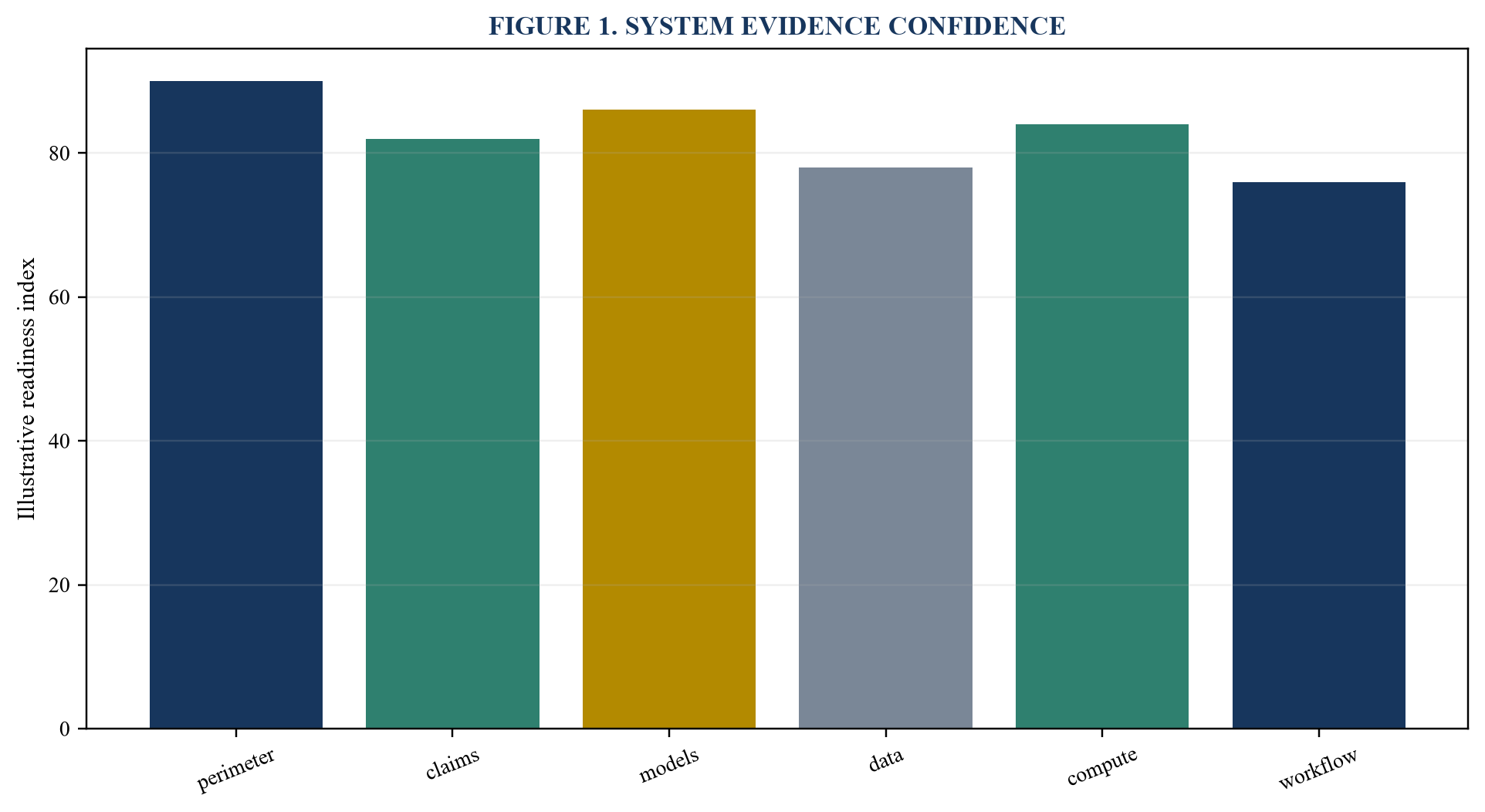
Values are illustrative readiness indices and require company-specific evidence.
9. Map the data estate
Identify training, fine-tuning, retrieval, inference, feedback and evaluation datasets and their owners.
The AI diligence team should reconcile data catalogues, lineage, schemas, access logs, contracts and repositories. Each conclusion records the accountable owner, source, system version, use case, evidence, financial consequence, control and unresolved exception. The immediate output is an AI data map.
AI capability and operability must be proved through reconciled technical, commercial and control evidence. Reviewers test performance, provenance, rights, security, cost, human oversight and downside response against native records and observed behaviour. System versions, use cases, transaction perimeter, contractual rights and applicable law control each conclusion.
Material gaps require an owner, corrective action, validation test, budget, advice and decision date. Consequences flow through product continuity, revenue, margin, cash, capital needs, valuation, compliance and transaction protection. Residual risk remains visible until evidence is reconciled, remedies are executable and authorised decision-makers approve the next gate.
10. Verify data rights
Test collection basis, consent, contractual permission, copyright position, retention and geographic restrictions.
The AI diligence team should reconcile licences, privacy notices, consents, customer terms, DPIAs and legal advice. Each conclusion records the accountable owner, source, system version, use case, evidence, financial consequence, control and unresolved exception. The immediate output is a data-rights schedule.
AI capability and operability must be proved through reconciled technical, commercial and control evidence. Reviewers test performance, provenance, rights, security, cost, human oversight and downside response against native records and observed behaviour. System versions, use cases, transaction perimeter, contractual rights and applicable law control each conclusion.
Material gaps require an owner, corrective action, validation test, budget, advice and decision date. Consequences flow through product continuity, revenue, margin, cash, capital needs, valuation, compliance and transaction protection. Residual risk remains visible until evidence is reconciled, remedies are executable and authorised decision-makers approve the next gate.
11. Measure data quality
Assess completeness, representativeness, labelling, contamination, drift, leakage and bias.
The AI diligence team should reconcile dataset statistics, labelling protocols, quality tests, benchmarks and exceptions. Each conclusion records the accountable owner, source, system version, use case, evidence, financial consequence, control and unresolved exception. The immediate output is a data-quality report.
AI capability and operability must be proved through reconciled technical, commercial and control evidence. Reviewers test performance, provenance, rights, security, cost, human oversight and downside response against native records and observed behaviour. System versions, use cases, transaction perimeter, contractual rights and applicable law control each conclusion.
Material gaps require an owner, corrective action, validation test, budget, advice and decision date. Consequences flow through product continuity, revenue, margin, cash, capital needs, valuation, compliance and transaction protection. Residual risk remains visible until evidence is reconciled, remedies are executable and authorised decision-makers approve the next gate.
12. Control personal and sensitive data
Trace minimisation, purpose limitation, access, deletion, rights handling and automated-decision safeguards.
The AI diligence team should reconcile records of processing, DPIAs, access controls, deletion tests and request logs. Each conclusion records the accountable owner, source, system version, use case, evidence, financial consequence, control and unresolved exception. The immediate output is a privacy-control matrix.
AI capability and operability must be proved through reconciled technical, commercial and control evidence. Reviewers test performance, provenance, rights, security, cost, human oversight and downside response against native records and observed behaviour. System versions, use cases, transaction perimeter, contractual rights and applicable law control each conclusion.
Material gaps require an owner, corrective action, validation test, budget, advice and decision date. Consequences flow through product continuity, revenue, margin, cash, capital needs, valuation, compliance and transaction protection. Residual risk remains visible until evidence is reconciled, remedies are executable and authorised decision-makers approve the next gate.
13. Map compute dependencies
Quantify accelerators, cloud services, regions, capacity reservations, networking, storage and portability.
The AI diligence team should reconcile cloud bills, contracts, capacity plans, utilisation data and architecture. Each conclusion records the accountable owner, source, system version, use case, evidence, financial consequence, control and unresolved exception. The immediate output is a compute-dependency map.
AI capability and operability must be proved through reconciled technical, commercial and control evidence. Reviewers test performance, provenance, rights, security, cost, human oversight and downside response against native records and observed behaviour. System versions, use cases, transaction perimeter, contractual rights and applicable law control each conclusion.
Material gaps require an owner, corrective action, validation test, budget, advice and decision date. Consequences flow through product continuity, revenue, margin, cash, capital needs, valuation, compliance and transaction protection. Residual risk remains visible until evidence is reconciled, remedies are executable and authorised decision-makers approve the next gate.
14. Rebuild unit economics
Calculate training, fine-tuning, inference, retrieval, observability and human-review cost by product and customer.
The AI diligence team should reconcile usage telemetry, vendor invoices, price books, workload data and allocation rules. Each conclusion records the accountable owner, source, system version, use case, evidence, financial consequence, control and unresolved exception. The immediate output is an AI cost-to-serve model.
AI capability and operability must be proved through reconciled technical, commercial and control evidence. Reviewers test performance, provenance, rights, security, cost, human oversight and downside response against native records and observed behaviour. System versions, use cases, transaction perimeter, contractual rights and applicable law control each conclusion.
Material gaps require an owner, corrective action, validation test, budget, advice and decision date. Consequences flow through product continuity, revenue, margin, cash, capital needs, valuation, compliance and transaction protection. Residual risk remains visible until evidence is reconciled, remedies are executable and authorised decision-makers approve the next gate.
15. Stress compute availability
Model accelerator scarcity, regional failure, vendor limits, price changes, egress and migration constraints.
The AI diligence team should reconcile capacity contracts, quotas, resilience tests, price scenarios and exit plans. Each conclusion records the accountable owner, source, system version, use case, evidence, financial consequence, control and unresolved exception. The immediate output is a compute-resilience stress test.
AI capability and operability must be proved through reconciled technical, commercial and control evidence. Reviewers test performance, provenance, rights, security, cost, human oversight and downside response against native records and observed behaviour. System versions, use cases, transaction perimeter, contractual rights and applicable law control each conclusion.
Material gaps require an owner, corrective action, validation test, budget, advice and decision date. Consequences flow through product continuity, revenue, margin, cash, capital needs, valuation, compliance and transaction protection. Residual risk remains visible until evidence is reconciled, remedies are executable and authorised decision-makers approve the next gate.
16. Test software supply chain
Inventory code, packages, containers, APIs, models and data dependencies with licences and vulnerabilities.
The AI diligence team should reconcile SBOMs, model bills of materials, scans, repositories and vendor registers. Each conclusion records the accountable owner, source, system version, use case, evidence, financial consequence, control and unresolved exception. The immediate output is an AI supply-chain dossier.
AI capability and operability must be proved through reconciled technical, commercial and control evidence. Reviewers test performance, provenance, rights, security, cost, human oversight and downside response against native records and observed behaviour. System versions, use cases, transaction perimeter, contractual rights and applicable law control each conclusion.
Material gaps require an owner, corrective action, validation test, budget, advice and decision date. Consequences flow through product continuity, revenue, margin, cash, capital needs, valuation, compliance and transaction protection. Residual risk remains visible until evidence is reconciled, remedies are executable and authorised decision-makers approve the next gate.
Table 2. Model and data tests
| Dimension | Required test | Decision use |
|---|---|---|
| performance | reproducible evaluation | product claims |
| robustness | adversarial and shift testing | downside |
| rights | licence and purpose review | operability |
| quality | drift and leakage tests | reliability |
Illustrative programme design; company-specific facts and authorised advice govern.
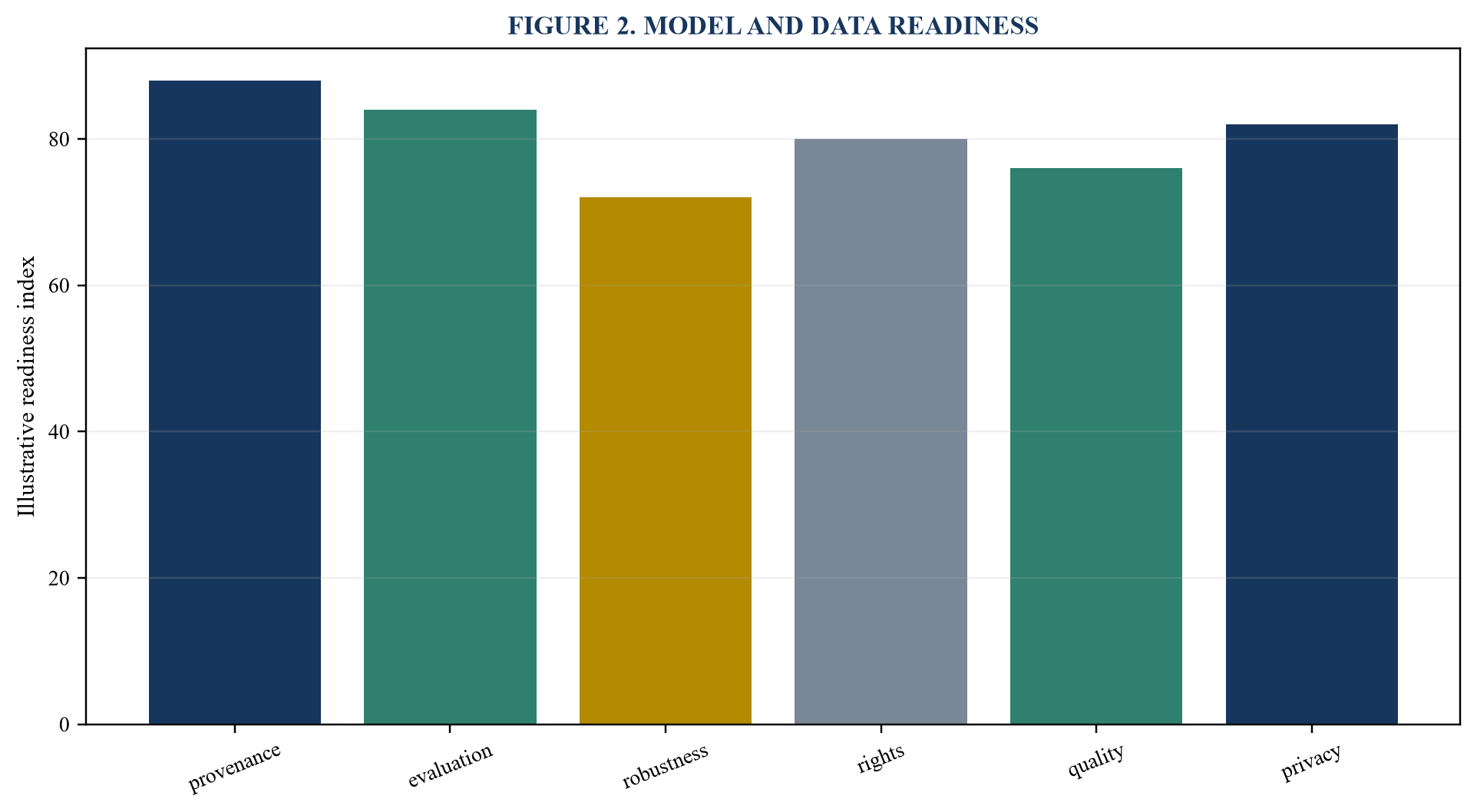
Values are illustrative readiness indices and require company-specific evidence.
17. Test identity and access
Review privileged access, service accounts, model endpoints, agent permissions, secrets and segregation.
The AI diligence team should reconcile IAM configuration, access reviews, key vaults, logs and penetration tests. Each conclusion records the accountable owner, source, system version, use case, evidence, financial consequence, control and unresolved exception. The immediate output is an AI access-control assessment.
AI capability and operability must be proved through reconciled technical, commercial and control evidence. Reviewers test performance, provenance, rights, security, cost, human oversight and downside response against native records and observed behaviour. System versions, use cases, transaction perimeter, contractual rights and applicable law control each conclusion.
Material gaps require an owner, corrective action, validation test, budget, advice and decision date. Consequences flow through product continuity, revenue, margin, cash, capital needs, valuation, compliance and transaction protection. Residual risk remains visible until evidence is reconciled, remedies are executable and authorised decision-makers approve the next gate.
18. Test application security
Probe prompt injection, insecure output handling, data exfiltration, excessive agency and denial of service.
The AI diligence team should reconcile threat models, secure design reviews, tests, incidents and compensating controls. Each conclusion records the accountable owner, source, system version, use case, evidence, financial consequence, control and unresolved exception. The immediate output is an AI application-security report.
AI capability and operability must be proved through reconciled technical, commercial and control evidence. Reviewers test performance, provenance, rights, security, cost, human oversight and downside response against native records and observed behaviour. System versions, use cases, transaction perimeter, contractual rights and applicable law control each conclusion.
Material gaps require an owner, corrective action, validation test, budget, advice and decision date. Consequences flow through product continuity, revenue, margin, cash, capital needs, valuation, compliance and transaction protection. Residual risk remains visible until evidence is reconciled, remedies are executable and authorised decision-makers approve the next gate.
19. Test infrastructure security
Assess cloud configuration, network boundaries, encryption, backups, resilience and incident response.
The AI diligence team should reconcile cloud posture, architecture, key management, recovery tests and playbooks. Each conclusion records the accountable owner, source, system version, use case, evidence, financial consequence, control and unresolved exception. The immediate output is an infrastructure-control report.
AI capability and operability must be proved through reconciled technical, commercial and control evidence. Reviewers test performance, provenance, rights, security, cost, human oversight and downside response against native records and observed behaviour. System versions, use cases, transaction perimeter, contractual rights and applicable law control each conclusion.
Material gaps require an owner, corrective action, validation test, budget, advice and decision date. Consequences flow through product continuity, revenue, margin, cash, capital needs, valuation, compliance and transaction protection. Residual risk remains visible until evidence is reconciled, remedies are executable and authorised decision-makers approve the next gate.
20. Review agentic workflows
Trace tool calls, permissions, memory, escalation, transaction limits and kill switches.
The AI diligence team should reconcile agent specifications, tool inventories, traces, approval rules and failure tests. Each conclusion records the accountable owner, source, system version, use case, evidence, financial consequence, control and unresolved exception. The immediate output is an agent-control map.
AI capability and operability must be proved through reconciled technical, commercial and control evidence. Reviewers test performance, provenance, rights, security, cost, human oversight and downside response against native records and observed behaviour. System versions, use cases, transaction perimeter, contractual rights and applicable law control each conclusion.
Material gaps require an owner, corrective action, validation test, budget, advice and decision date. Consequences flow through product continuity, revenue, margin, cash, capital needs, valuation, compliance and transaction protection. Residual risk remains visible until evidence is reconciled, remedies are executable and authorised decision-makers approve the next gate.
21. Assess human review
Determine where judgement, override, appeal, escalation and accountable approval are necessary and effective.
The AI diligence team should reconcile workflow maps, sampling, reviewer training, overrides, appeals and outcomes. Each conclusion records the accountable owner, source, system version, use case, evidence, financial consequence, control and unresolved exception. The immediate output is a human-oversight assessment.
AI capability and operability must be proved through reconciled technical, commercial and control evidence. Reviewers test performance, provenance, rights, security, cost, human oversight and downside response against native records and observed behaviour. System versions, use cases, transaction perimeter, contractual rights and applicable law control each conclusion.
Material gaps require an owner, corrective action, validation test, budget, advice and decision date. Consequences flow through product continuity, revenue, margin, cash, capital needs, valuation, compliance and transaction protection. Residual risk remains visible until evidence is reconciled, remedies are executable and authorised decision-makers approve the next gate.
22. Test monitoring and observability
Verify logging, drift detection, safety metrics, alerts, lineage, retention and investigation capability.
The AI diligence team should reconcile telemetry, dashboards, alerts, log samples, incident tickets and runbooks. Each conclusion records the accountable owner, source, system version, use case, evidence, financial consequence, control and unresolved exception. The immediate output is an AI observability dossier.
AI capability and operability must be proved through reconciled technical, commercial and control evidence. Reviewers test performance, provenance, rights, security, cost, human oversight and downside response against native records and observed behaviour. System versions, use cases, transaction perimeter, contractual rights and applicable law control each conclusion.
Material gaps require an owner, corrective action, validation test, budget, advice and decision date. Consequences flow through product continuity, revenue, margin, cash, capital needs, valuation, compliance and transaction protection. Residual risk remains visible until evidence is reconciled, remedies are executable and authorised decision-makers approve the next gate.
23. Reconstruct the incident record
Identify model, data, security, privacy, safety and availability events and management response.
The AI diligence team should reconcile incident registers, customer notices, root-cause analyses, remediation and claims. Each conclusion records the accountable owner, source, system version, use case, evidence, financial consequence, control and unresolved exception. The immediate output is an AI incident history.
AI capability and operability must be proved through reconciled technical, commercial and control evidence. Reviewers test performance, provenance, rights, security, cost, human oversight and downside response against native records and observed behaviour. System versions, use cases, transaction perimeter, contractual rights and applicable law control each conclusion.
Material gaps require an owner, corrective action, validation test, budget, advice and decision date. Consequences flow through product continuity, revenue, margin, cash, capital needs, valuation, compliance and transaction protection. Residual risk remains visible until evidence is reconciled, remedies are executable and authorised decision-makers approve the next gate.
24. Assess governance
Test ownership, risk classification, policies, committees, release authority and independent challenge.
The AI diligence team should reconcile governance charters, policies, minutes, risk registers and approvals. Each conclusion records the accountable owner, source, system version, use case, evidence, financial consequence, control and unresolved exception. The immediate output is an AI governance assessment.
AI capability and operability must be proved through reconciled technical, commercial and control evidence. Reviewers test performance, provenance, rights, security, cost, human oversight and downside response against native records and observed behaviour. System versions, use cases, transaction perimeter, contractual rights and applicable law control each conclusion.
Material gaps require an owner, corrective action, validation test, budget, advice and decision date. Consequences flow through product continuity, revenue, margin, cash, capital needs, valuation, compliance and transaction protection. Residual risk remains visible until evidence is reconciled, remedies are executable and authorised decision-makers approve the next gate.
Table 3. Control architecture
| Control | Evidence | Failure signal |
|---|---|---|
| identity | privileged-access review | orphaned credentials |
| security | threat tests | exfiltration path |
| oversight | override samples | rubber-stamp review |
| incidents | closed-loop remediation | repeat event |
Illustrative programme design; company-specific facts and authorised advice govern.
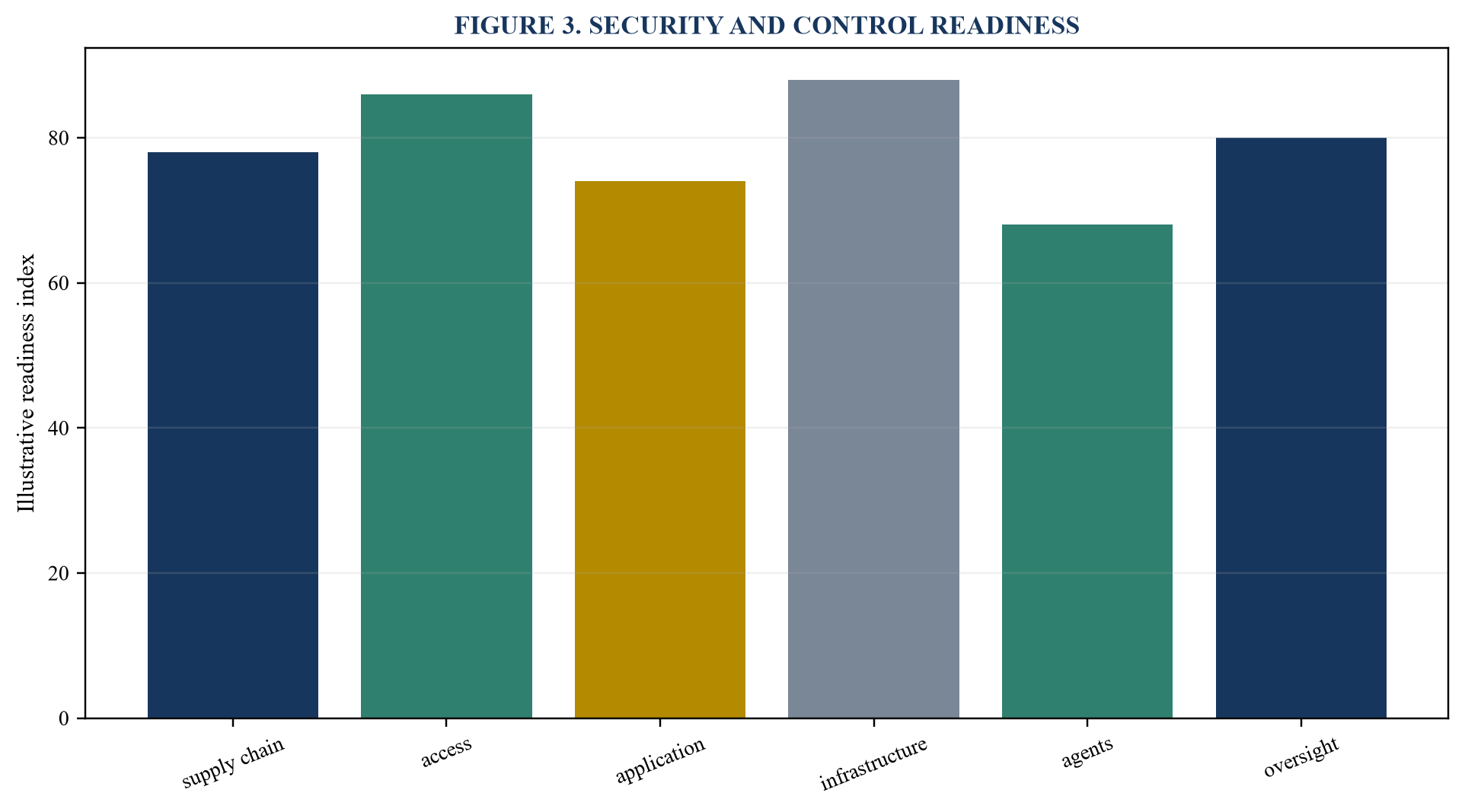
Values are illustrative readiness indices and require company-specific evidence.
25. Review testing governance
Evaluate independence, test coverage, benchmark relevance, version control and acceptance thresholds.
The AI diligence team should reconcile test plans, evaluation protocols, sign-offs, exceptions and release evidence. Each conclusion records the accountable owner, source, system version, use case, evidence, financial consequence, control and unresolved exception. The immediate output is a testing-control framework.
AI capability and operability must be proved through reconciled technical, commercial and control evidence. Reviewers test performance, provenance, rights, security, cost, human oversight and downside response against native records and observed behaviour. System versions, use cases, transaction perimeter, contractual rights and applicable law control each conclusion.
Material gaps require an owner, corrective action, validation test, budget, advice and decision date. Consequences flow through product continuity, revenue, margin, cash, capital needs, valuation, compliance and transaction protection. Residual risk remains visible until evidence is reconciled, remedies are executable and authorised decision-makers approve the next gate.
26. Map regulatory exposure
Assess current and scheduled obligations across product, sector and geography.
The AI diligence team should reconcile regulatory inventory, classifications, legal analysis, technical files and roadmaps. Each conclusion records the accountable owner, source, system version, use case, evidence, financial consequence, control and unresolved exception. The immediate output is a regulatory exposure map.
AI capability and operability must be proved through reconciled technical, commercial and control evidence. Reviewers test performance, provenance, rights, security, cost, human oversight and downside response against native records and observed behaviour. System versions, use cases, transaction perimeter, contractual rights and applicable law control each conclusion.
Material gaps require an owner, corrective action, validation test, budget, advice and decision date. Consequences flow through product continuity, revenue, margin, cash, capital needs, valuation, compliance and transaction protection. Residual risk remains visible until evidence is reconciled, remedies are executable and authorised decision-makers approve the next gate.
27. Review transparency controls
Test notices, disclosures, content provenance, synthetic-media labelling and customer documentation.
The AI diligence team should reconcile user interfaces, model cards, content credentials, terms and audit samples. Each conclusion records the accountable owner, source, system version, use case, evidence, financial consequence, control and unresolved exception. The immediate output is a transparency-control report.
AI capability and operability must be proved through reconciled technical, commercial and control evidence. Reviewers test performance, provenance, rights, security, cost, human oversight and downside response against native records and observed behaviour. System versions, use cases, transaction perimeter, contractual rights and applicable law control each conclusion.
Material gaps require an owner, corrective action, validation test, budget, advice and decision date. Consequences flow through product continuity, revenue, margin, cash, capital needs, valuation, compliance and transaction protection. Residual risk remains visible until evidence is reconciled, remedies are executable and authorised decision-makers approve the next gate.
28. Assess intellectual property
Test ownership and licence rights in code, models, data, inventions, brands and generated outputs.
The AI diligence team should reconcile employment terms, assignments, licences, patents, claims and disputes. Each conclusion records the accountable owner, source, system version, use case, evidence, financial consequence, control and unresolved exception. The immediate output is an AI intellectual-property schedule.
AI capability and operability must be proved through reconciled technical, commercial and control evidence. Reviewers test performance, provenance, rights, security, cost, human oversight and downside response against native records and observed behaviour. System versions, use cases, transaction perimeter, contractual rights and applicable law control each conclusion.
Material gaps require an owner, corrective action, validation test, budget, advice and decision date. Consequences flow through product continuity, revenue, margin, cash, capital needs, valuation, compliance and transaction protection. Residual risk remains visible until evidence is reconciled, remedies are executable and authorised decision-makers approve the next gate.
29. Assess third-party concentration
Measure dependence on foundation models, clouds, data vendors, open-source maintainers and key contractors.
The AI diligence team should reconcile vendor register, spend, contracts, architecture, substitution tests and exit plans. Each conclusion records the accountable owner, source, system version, use case, evidence, financial consequence, control and unresolved exception. The immediate output is a vendor-concentration analysis.
AI capability and operability must be proved through reconciled technical, commercial and control evidence. Reviewers test performance, provenance, rights, security, cost, human oversight and downside response against native records and observed behaviour. System versions, use cases, transaction perimeter, contractual rights and applicable law control each conclusion.
Material gaps require an owner, corrective action, validation test, budget, advice and decision date. Consequences flow through product continuity, revenue, margin, cash, capital needs, valuation, compliance and transaction protection. Residual risk remains visible until evidence is reconciled, remedies are executable and authorised decision-makers approve the next gate.
30. Test customer dependency and change rights
Map model substitutions, performance promises, data uses, audit rights, indemnities and termination triggers.
The AI diligence team should reconcile customer contracts, amendments, security schedules, correspondence and claims. Each conclusion records the accountable owner, source, system version, use case, evidence, financial consequence, control and unresolved exception. The immediate output is an AI contract-risk matrix.
AI capability and operability must be proved through reconciled technical, commercial and control evidence. Reviewers test performance, provenance, rights, security, cost, human oversight and downside response against native records and observed behaviour. System versions, use cases, transaction perimeter, contractual rights and applicable law control each conclusion.
Material gaps require an owner, corrective action, validation test, budget, advice and decision date. Consequences flow through product continuity, revenue, margin, cash, capital needs, valuation, compliance and transaction protection. Residual risk remains visible until evidence is reconciled, remedies are executable and authorised decision-makers approve the next gate.
31. Assess technical team dependency
Identify critical knowledge, key-person concentration, documentation gaps and retention risk.
The AI diligence team should reconcile organisation charts, repositories, ownership maps, interviews and succession plans. Each conclusion records the accountable owner, source, system version, use case, evidence, financial consequence, control and unresolved exception. The immediate output is a technical-capability map.
AI capability and operability must be proved through reconciled technical, commercial and control evidence. Reviewers test performance, provenance, rights, security, cost, human oversight and downside response against native records and observed behaviour. System versions, use cases, transaction perimeter, contractual rights and applicable law control each conclusion.
Material gaps require an owner, corrective action, validation test, budget, advice and decision date. Consequences flow through product continuity, revenue, margin, cash, capital needs, valuation, compliance and transaction protection. Residual risk remains visible until evidence is reconciled, remedies are executable and authorised decision-makers approve the next gate.
32. Review development velocity
Reconcile roadmap delivery, release frequency, defect escape, rework and platform debt.
The AI diligence team should reconcile roadmaps, commits, releases, tickets, incidents and engineering metrics. Each conclusion records the accountable owner, source, system version, use case, evidence, financial consequence, control and unresolved exception. The immediate output is a delivery-capability analysis.
AI capability and operability must be proved through reconciled technical, commercial and control evidence. Reviewers test performance, provenance, rights, security, cost, human oversight and downside response against native records and observed behaviour. System versions, use cases, transaction perimeter, contractual rights and applicable law control each conclusion.
Material gaps require an owner, corrective action, validation test, budget, advice and decision date. Consequences flow through product continuity, revenue, margin, cash, capital needs, valuation, compliance and transaction protection. Residual risk remains visible until evidence is reconciled, remedies are executable and authorised decision-makers approve the next gate.
Table 4. Defensibility tests
| Claim | Diligence question | Evidence |
|---|---|---|
| proprietary model | what is owned | weights and rights |
| unique data | can it be used | lineage and licences |
| cost advantage | does it persist | unit economics |
| workflow moat | what would switching require | customer evidence |
Illustrative programme design; company-specific facts and authorised advice govern.
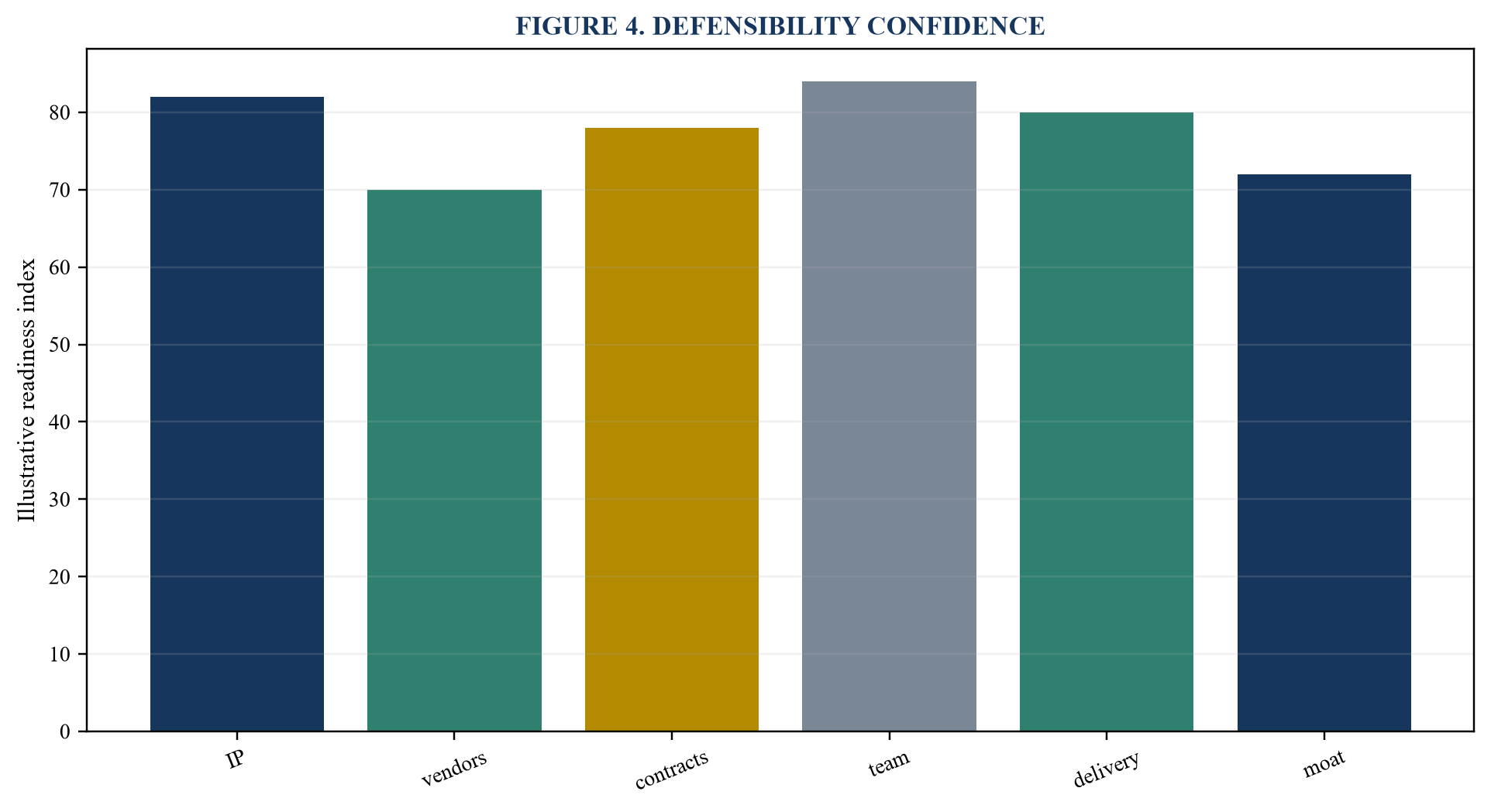
Values are illustrative readiness indices and require company-specific evidence.
33. Separate durable assets from rented capability
Distinguish proprietary data, workflow integration, evaluation, distribution and know-how from replaceable APIs.
The AI diligence team should reconcile architecture, contracts, customer evidence, benchmarks and switching tests. Each conclusion records the accountable owner, source, system version, use case, evidence, financial consequence, control and unresolved exception. The immediate output is a defensibility bridge.
AI capability and operability must be proved through reconciled technical, commercial and control evidence. Reviewers test performance, provenance, rights, security, cost, human oversight and downside response against native records and observed behaviour. System versions, use cases, transaction perimeter, contractual rights and applicable law control each conclusion.
Material gaps require an owner, corrective action, validation test, budget, advice and decision date. Consequences flow through product continuity, revenue, margin, cash, capital needs, valuation, compliance and transaction protection. Residual risk remains visible until evidence is reconciled, remedies are executable and authorised decision-makers approve the next gate.
34. Quantify remediation cost
Cost mandatory fixes, documentation, security uplift, data remediation, re-platforming and governance.
The AI diligence team should reconcile gap register, estimates, vendor quotes, resourcing plans and dependencies. Each conclusion records the accountable owner, source, system version, use case, evidence, financial consequence, control and unresolved exception. The immediate output is an AI remediation budget.
AI capability and operability must be proved through reconciled technical, commercial and control evidence. Reviewers test performance, provenance, rights, security, cost, human oversight and downside response against native records and observed behaviour. System versions, use cases, transaction perimeter, contractual rights and applicable law control each conclusion.
Material gaps require an owner, corrective action, validation test, budget, advice and decision date. Consequences flow through product continuity, revenue, margin, cash, capital needs, valuation, compliance and transaction protection. Residual risk remains visible until evidence is reconciled, remedies are executable and authorised decision-makers approve the next gate.
35. Stress revenue and margin
Model model-price changes, compute inflation, quality degradation, outages, compliance delay and customer churn.
The AI diligence team should reconcile unit economics, contracts, pipeline, scenarios, capacity and risk findings. Each conclusion records the accountable owner, source, system version, use case, evidence, financial consequence, control and unresolved exception. The immediate output is an AI commercial stress test.
AI capability and operability must be proved through reconciled technical, commercial and control evidence. Reviewers test performance, provenance, rights, security, cost, human oversight and downside response against native records and observed behaviour. System versions, use cases, transaction perimeter, contractual rights and applicable law control each conclusion.
Material gaps require an owner, corrective action, validation test, budget, advice and decision date. Consequences flow through product continuity, revenue, margin, cash, capital needs, valuation, compliance and transaction protection. Residual risk remains visible until evidence is reconciled, remedies are executable and authorised decision-makers approve the next gate.
36. Translate findings into valuation
Adjust forecasts, margins, capital needs, terminal assumptions and multiples for technical evidence and risk.
The AI diligence team should reconcile valuation model, diligence findings, scenarios, remediation and market evidence. Each conclusion records the accountable owner, source, system version, use case, evidence, financial consequence, control and unresolved exception. The immediate output is an AI value bridge.
AI capability and operability must be proved through reconciled technical, commercial and control evidence. Reviewers test performance, provenance, rights, security, cost, human oversight and downside response against native records and observed behaviour. System versions, use cases, transaction perimeter, contractual rights and applicable law control each conclusion.
Material gaps require an owner, corrective action, validation test, budget, advice and decision date. Consequences flow through product continuity, revenue, margin, cash, capital needs, valuation, compliance and transaction protection. Residual risk remains visible until evidence is reconciled, remedies are executable and authorised decision-makers approve the next gate.
37. Design transaction protections
Allocate identified risks through price, holdback, escrow, indemnity, warranty, covenant or condition.
The AI diligence team should reconcile risk register, valuation, legal drafting, insurance and negotiation. Each conclusion records the accountable owner, source, system version, use case, evidence, financial consequence, control and unresolved exception. The immediate output is an AI protection matrix.
AI capability and operability must be proved through reconciled technical, commercial and control evidence. Reviewers test performance, provenance, rights, security, cost, human oversight and downside response against native records and observed behaviour. System versions, use cases, transaction perimeter, contractual rights and applicable law control each conclusion.
Material gaps require an owner, corrective action, validation test, budget, advice and decision date. Consequences flow through product continuity, revenue, margin, cash, capital needs, valuation, compliance and transaction protection. Residual risk remains visible until evidence is reconciled, remedies are executable and authorised decision-makers approve the next gate.
38. Design Day-One controls
Protect credentials, repositories, model endpoints, vendors, data access and incident authority at close.
The AI diligence team should reconcile access plan, TSA, integration design, approvals and response playbooks. Each conclusion records the accountable owner, source, system version, use case, evidence, financial consequence, control and unresolved exception. The immediate output is an AI Day-One control plan.
AI capability and operability must be proved through reconciled technical, commercial and control evidence. Reviewers test performance, provenance, rights, security, cost, human oversight and downside response against native records and observed behaviour. System versions, use cases, transaction perimeter, contractual rights and applicable law control each conclusion.
Material gaps require an owner, corrective action, validation test, budget, advice and decision date. Consequences flow through product continuity, revenue, margin, cash, capital needs, valuation, compliance and transaction protection. Residual risk remains visible until evidence is reconciled, remedies are executable and authorised decision-makers approve the next gate.
39. Build the one-hundred-day roadmap
Sequence evidence closure, security, governance, platform, data, people and commercial integration.
The AI diligence team should reconcile gap register, owners, budget, dependencies, milestones and board reporting. Each conclusion records the accountable owner, source, system version, use case, evidence, financial consequence, control and unresolved exception. The immediate output is an AI value-and-control roadmap.
AI capability and operability must be proved through reconciled technical, commercial and control evidence. Reviewers test performance, provenance, rights, security, cost, human oversight and downside response against native records and observed behaviour. System versions, use cases, transaction perimeter, contractual rights and applicable law control each conclusion.
Material gaps require an owner, corrective action, validation test, budget, advice and decision date. Consequences flow through product continuity, revenue, margin, cash, capital needs, valuation, compliance and transaction protection. Residual risk remains visible until evidence is reconciled, remedies are executable and authorised decision-makers approve the next gate.
40. Issue the diligence conclusion
State verified capability, dependencies, cost, compliance, downside, remedies and decision conditions.
The AI diligence team should reconcile reconciled evidence, tests, expert advice, approvals and transaction documents. Each conclusion records the accountable owner, source, system version, use case, evidence, financial consequence, control and unresolved exception. The immediate output is an AI technical diligence certificate.
AI capability and operability must be proved through reconciled technical, commercial and control evidence. Reviewers test performance, provenance, rights, security, cost, human oversight and downside response against native records and observed behaviour. System versions, use cases, transaction perimeter, contractual rights and applicable law control each conclusion.
Material gaps require an owner, corrective action, validation test, budget, advice and decision date. Consequences flow through product continuity, revenue, margin, cash, capital needs, valuation, compliance and transaction protection. Residual risk remains visible until evidence is reconciled, remedies are executable and authorised decision-makers approve the next gate.
Table 5. Acquisition decision certificate
| Dimension | Required conclusion | Evidence |
|---|---|---|
| capability | claims reproduced | controlled tests |
| operability | rights and dependencies mapped | registers and contracts |
| economics | cost and downside modelled | telemetry and scenarios |
| control | remedies funded and owned | transaction and operating plan |
Illustrative programme design; company-specific facts and authorised advice govern.
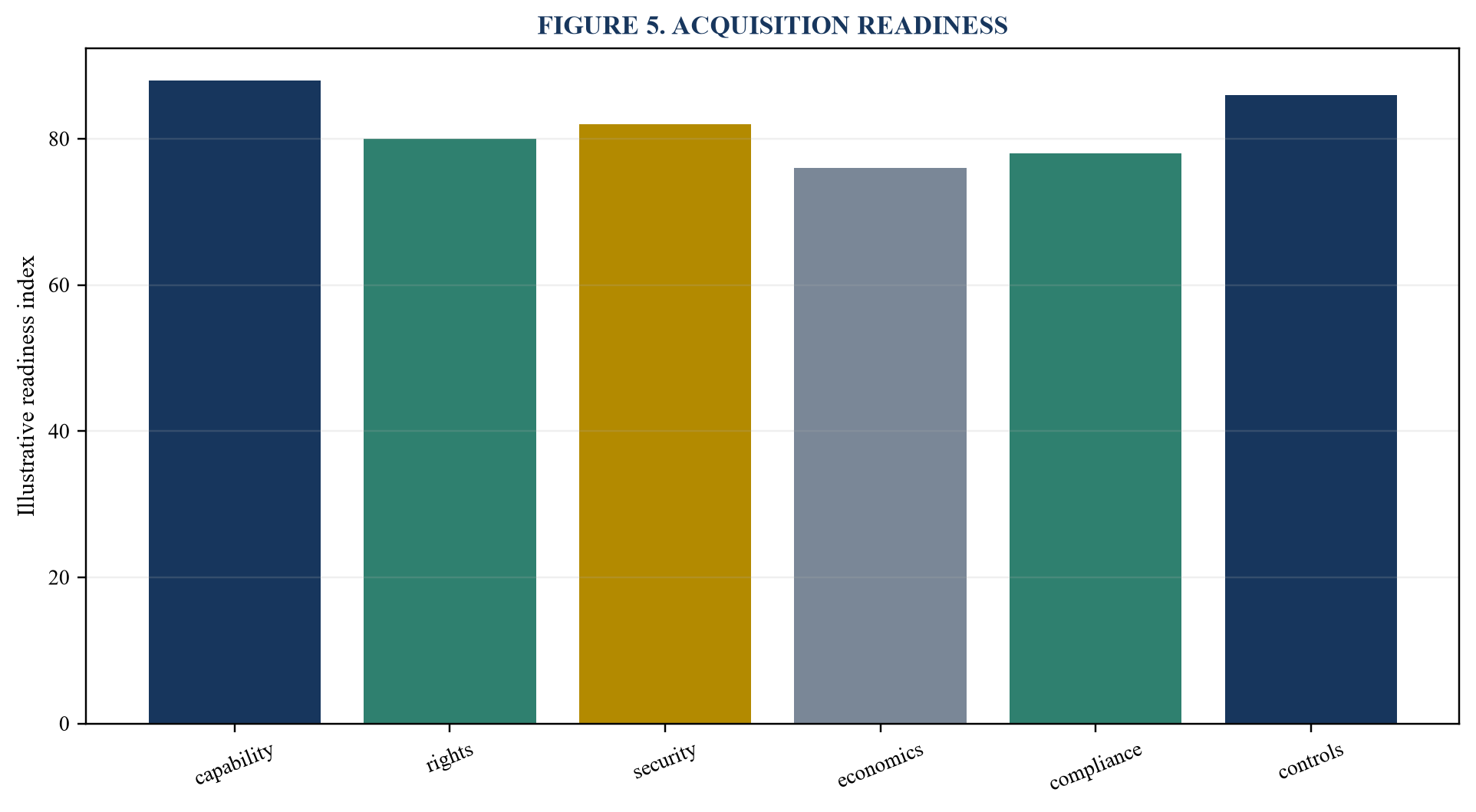
Values are illustrative readiness indices and require company-specific evidence.
References
- National Institute of Standards and Technology, AI Risk Management Framework, https://www.nist.gov/itl/ai-risk-management-framework
- National Institute of Standards and Technology, Artificial Intelligence Risk Management Framework: Generative Artificial Intelligence Profile, https://doi.org/10.6028/NIST.AI.600-1
- National Institute of Standards and Technology, AI RMF Playbook, https://www.nist.gov/itl/ai-risk-management-framework/nist-ai-rmf-playbook
- National Institute of Standards and Technology, AI Resource Center, https://airc.nist.gov/
- National Institute of Standards and Technology, Adversarial Machine Learning: A Taxonomy and Terminology of Attacks and Mitigations, https://doi.org/10.6028/NIST.AI.100-2e2023
- National Institute of Standards and Technology, Cybersecurity Framework 2.0, https://doi.org/10.6028/NIST.CSWP.29
- National Institute of Standards and Technology, Secure Software Development Framework, https://doi.org/10.6028/NIST.SP.800-218
- European Union, Regulation (EU) 2024/1689 laying down harmonised rules on artificial intelligence, https://eur-lex.europa.eu/eli/reg/2024/1689/oj
- European Commission, AI Act regulatory framework and implementation timeline, https://digital-strategy.ec.europa.eu/en/policies/regulatory-framework-ai
- European Commission, Guidelines for providers of general-purpose AI models, https://digital-strategy.ec.europa.eu/en/policies/guidelines-gpai-providers
- European Commission, General-Purpose AI Code of Practice, https://digital-strategy.ec.europa.eu/en/policies/contents-code-gpai
- European Union, General Data Protection Regulation, https://eur-lex.europa.eu/eli/reg/2016/679/oj
- United Kingdom Information Commissioner's Office, Guidance on AI and data protection, https://ico.org.uk/for-organisations/uk-gdpr-guidance-and-resources/artificial-intelligence/guidance-on-ai-and-data-protection/
- United Kingdom Information Commissioner's Office, AI and data protection risk toolkit, https://ico.org.uk/for-organisations/uk-gdpr-guidance-and-resources/artificial-intelligence/guidance-on-ai-and-data-protection/ai-and-data-protection-risk-toolkit/
- UK National Cyber Security Centre, Guidelines for secure AI system development, https://www.ncsc.gov.uk/collection/guidelines-secure-ai-system-development
- Cybersecurity and Infrastructure Security Agency, Secure by Design, https://www.cisa.gov/securebydesign
- MITRE, ATLAS Adversarial Threat Landscape for Artificial-Intelligence Systems, https://atlas.mitre.org/
- OWASP Foundation, OWASP Top 10 for Large Language Model Applications, https://owasp.org/www-project-top-10-for-large-language-model-applications/
- OECD, Recommendation of the Council on Artificial Intelligence, https://legalinstruments.oecd.org/en/instruments/OECD-LEGAL-0449
- OECD, AI Principles, https://oecd.ai/en/ai-principles
- International Organization for Standardization, ISO/IEC 42001 Artificial intelligence management systems, https://www.iso.org/standard/81230.html
- International Organization for Standardization, ISO/IEC 23894 Artificial intelligence risk management, https://www.iso.org/standard/77304.html
- IFRS Foundation, IFRS 3 Business Combinations, https://www.ifrs.org/issued-standards/list-of-standards/ifrs-3-business-combinations/
- IFRS Foundation, IAS 38 Intangible Assets, https://www.ifrs.org/issued-standards/list-of-standards/ias-38-intangible-assets/
- IFRS Foundation, IAS 36 Impairment of Assets, https://www.ifrs.org/issued-standards/list-of-standards/ias-36-impairment-of-assets/
- International Valuation Standards Council, IVS 200 Businesses and Business Interests, https://www.ivsc.org/standards/
