

1. Define the economic boundary
The venture should identify the venture, each parent, affiliates, service companies, permanent establishments and other entities that may transact with it. The required output is an economic-boundary memorandum. Record the controlled transaction, provider, recipient, commercial purpose, legal authority, accountable owner and review date [1][2].
Test contracts against conduct, records, system data and interviews. Identify each function, asset, risk and beneficiary. Preserve source dates, assumptions and limitations so that a reviewer can reproduce the conclusion.
The principal risk is that a narrow legal-entity view can miss the party that performs, benefits from or controls a transaction. Quantify the potential effect on operating profit, distributable cash, tax, covenant headroom, valuation, minority rights and the balance of value between parents. Compare the proposed charge with direct procurement, internal performance and a credible independent-party outcome.
Translate the conclusion into the service agreement, budget, invoice logic, allocation engine, tax filing, financial statements, governance approvals, audit rights and remedies. Refresh the analysis when scope, volume, ownership, regulation, systems, pricing or operating responsibility changes.
2. Map legal and operating arrangements
The venture should reconcile shareholder agreements, constitutional documents, service agreements, licences, policies and actual operating practice. The required output is an arrangement map. Record the controlled transaction, provider, recipient, commercial purpose, legal authority, accountable owner and review date [3][4].
Test contracts against conduct, records, system data and interviews. Identify each function, asset, risk and beneficiary. Preserve source dates, assumptions and limitations so that a reviewer can reproduce the conclusion.
The principal risk is that contracts can describe one allocation while people, systems and cash follow another. Quantify the potential effect on operating profit, distributable cash, tax, covenant headroom, valuation, minority rights and the balance of value between parents. Compare the proposed charge with direct procurement, internal performance and a credible independent-party outcome.
Translate the conclusion into the service agreement, budget, invoice logic, allocation engine, tax filing, financial statements, governance approvals, audit rights and remedies. Refresh the analysis when scope, volume, ownership, regulation, systems, pricing or operating responsibility changes.
3. Identify related parties and control
The venture should apply tax, accounting and governance definitions to ownership, joint control, significant influence, management and common control. The required output is a related-party register. Record the controlled transaction, provider, recipient, commercial purpose, legal authority, accountable owner and review date [5][6].
Test contracts against conduct, records, system data and interviews. Identify each function, asset, risk and beneficiary. Preserve source dates, assumptions and limitations so that a reviewer can reproduce the conclusion.
The principal risk is that a material relationship can escape review because a single definition is used for every purpose. Quantify the potential effect on operating profit, distributable cash, tax, covenant headroom, valuation, minority rights and the balance of value between parents. Compare the proposed charge with direct procurement, internal performance and a credible independent-party outcome.
Translate the conclusion into the service agreement, budget, invoice logic, allocation engine, tax filing, financial statements, governance approvals, audit rights and remedies. Refresh the analysis when scope, volume, ownership, regulation, systems, pricing or operating responsibility changes.
4. Inventory intercompany flows
The venture should capture services, goods, loans, guarantees, licences, leases, secondments, reimbursements, cash pools and non-cash support. The required output is a complete flow ledger. Record the controlled transaction, provider, recipient, commercial purpose, legal authority, accountable owner and review date [1][7].
Test contracts against conduct, records, system data and interviews. Identify each function, asset, risk and beneficiary. Preserve source dates, assumptions and limitations so that a reviewer can reproduce the conclusion.
The principal risk is that recurring leakage can hide across invoices, journals, payroll, procurement and treasury records. Quantify the potential effect on operating profit, distributable cash, tax, covenant headroom, valuation, minority rights and the balance of value between parents. Compare the proposed charge with direct procurement, internal performance and a credible independent-party outcome.
Translate the conclusion into the service agreement, budget, invoice logic, allocation engine, tax filing, financial statements, governance approvals, audit rights and remedies. Refresh the analysis when scope, volume, ownership, regulation, systems, pricing or operating responsibility changes.
Table 1. Intercompany-flow inventory
| Flow | Primary evidence | Leakage test |
|---|---|---|
| services | catalogue and acceptance | benefit |
| finance | facility and credit analysis | arm's-length spread |
| IP | rights and functions | value contribution |
| procurement | vendor and rebate data | retained benefit |
Illustrative analytical structure; verified transaction and jurisdiction evidence governs.
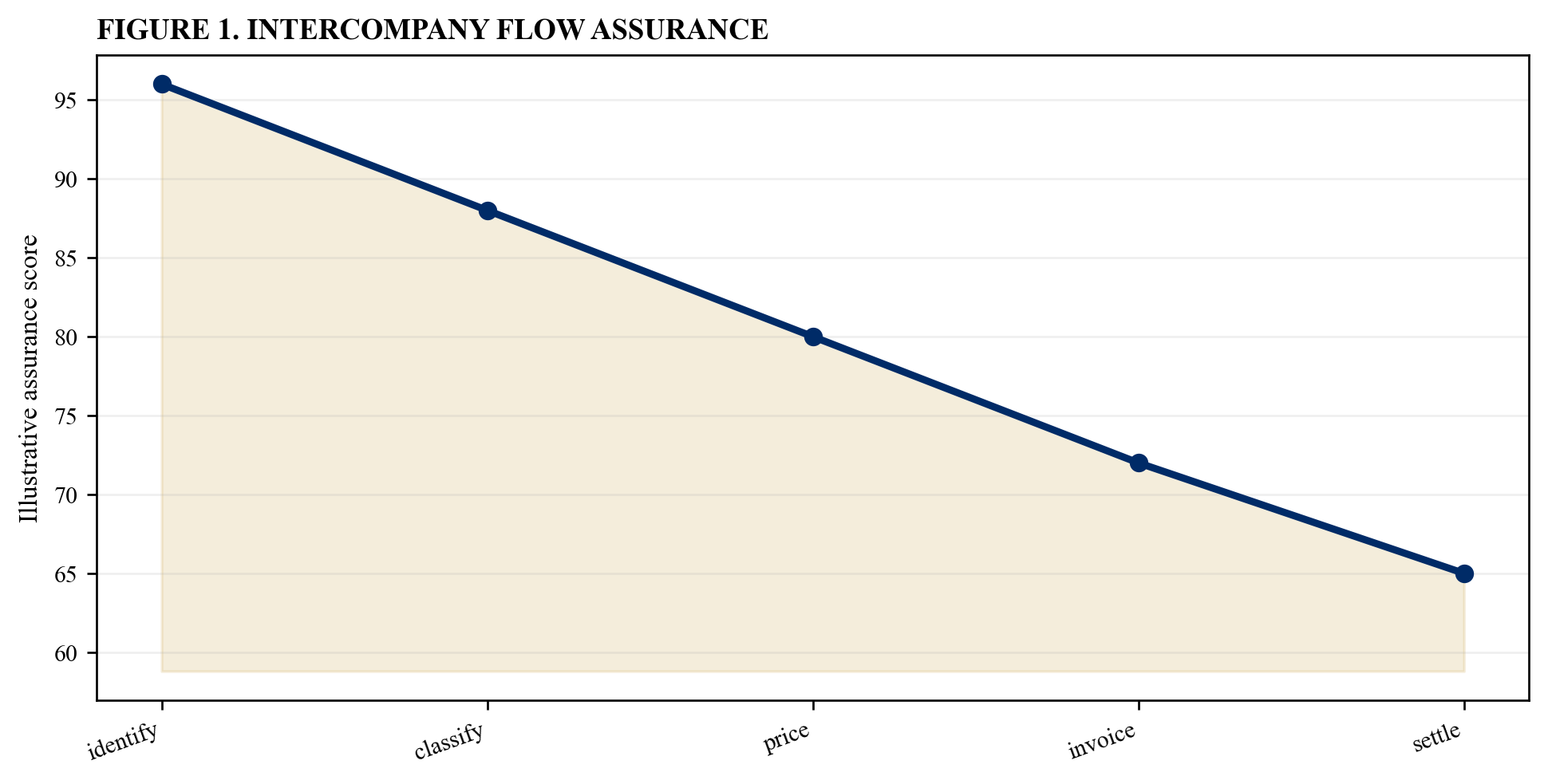
Illustrative analytical scenario; verified venture evidence should replace index values.
5. Classify shareholder activity
The venture should separate costs incurred because a parent owns or monitors its investment from services that benefit the venture. The required output is a shareholder-activity schedule. Record the controlled transaction, provider, recipient, commercial purpose, legal authority, accountable owner and review date [1][8].
Test contracts against conduct, records, system data and interviews. Identify each function, asset, risk and beneficiary. Preserve source dates, assumptions and limitations so that a reviewer can reproduce the conclusion.
The principal risk is that board oversight, investor reporting or parent consolidation work can be charged to the venture without a compensable benefit. Quantify the potential effect on operating profit, distributable cash, tax, covenant headroom, valuation, minority rights and the balance of value between parents. Compare the proposed charge with direct procurement, internal performance and a credible independent-party outcome.
Translate the conclusion into the service agreement, budget, invoice logic, allocation engine, tax filing, financial statements, governance approvals, audit rights and remedies. Refresh the analysis when scope, volume, ownership, regulation, systems, pricing or operating responsibility changes.
6. Apply the benefit test
The venture should ask whether the activity provides economic or commercial value and whether an independent enterprise would pay or perform it internally. The required output is a recipient-benefit assessment. Record the controlled transaction, provider, recipient, commercial purpose, legal authority, accountable owner and review date [1][9].
Test contracts against conduct, records, system data and interviews. Identify each function, asset, risk and beneficiary. Preserve source dates, assumptions and limitations so that a reviewer can reproduce the conclusion.
The principal risk is that an activity can be real and costly while still failing to create a chargeable benefit for the venture. Quantify the potential effect on operating profit, distributable cash, tax, covenant headroom, valuation, minority rights and the balance of value between parents. Compare the proposed charge with direct procurement, internal performance and a credible independent-party outcome.
Translate the conclusion into the service agreement, budget, invoice logic, allocation engine, tax filing, financial statements, governance approvals, audit rights and remedies. Refresh the analysis when scope, volume, ownership, regulation, systems, pricing or operating responsibility changes.
7. Remove duplicate and incidental benefits
The venture should compare each proposed service with the venture's own functions and benefits arising only from group membership. The required output is a duplication review. Record the controlled transaction, provider, recipient, commercial purpose, legal authority, accountable owner and review date [1][10].
Test contracts against conduct, records, system data and interviews. Identify each function, asset, risk and beneficiary. Preserve source dates, assumptions and limitations so that a reviewer can reproduce the conclusion.
The principal risk is that the venture can pay twice for the same capability or for an advantage that required no specific service. Quantify the potential effect on operating profit, distributable cash, tax, covenant headroom, valuation, minority rights and the balance of value between parents. Compare the proposed charge with direct procurement, internal performance and a credible independent-party outcome.
Translate the conclusion into the service agreement, budget, invoice logic, allocation engine, tax filing, financial statements, governance approvals, audit rights and remedies. Refresh the analysis when scope, volume, ownership, regulation, systems, pricing or operating responsibility changes.
8. Define the service catalogue
The venture should state scope, recipient, provider, deliverable, frequency, owner, evidence, exclusions and charging method for every service. The required output is an approved service catalogue. Record the controlled transaction, provider, recipient, commercial purpose, legal authority, accountable owner and review date [11][12].
Test contracts against conduct, records, system data and interviews. Identify each function, asset, risk and beneficiary. Preserve source dates, assumptions and limitations so that a reviewer can reproduce the conclusion.
The principal risk is that generic labels such as management support can conceal unrelated activities and inconsistent delivery. Quantify the potential effect on operating profit, distributable cash, tax, covenant headroom, valuation, minority rights and the balance of value between parents. Compare the proposed charge with direct procurement, internal performance and a credible independent-party outcome.
Translate the conclusion into the service agreement, budget, invoice logic, allocation engine, tax filing, financial statements, governance approvals, audit rights and remedies. Refresh the analysis when scope, volume, ownership, regulation, systems, pricing or operating responsibility changes.
9. Set service baselines and levels
The venture should specify opening capability, volumes, quality, response time, availability, acceptance and service credits. The required output is a service-level schedule. Record the controlled transaction, provider, recipient, commercial purpose, legal authority, accountable owner and review date [13][14].
Test contracts against conduct, records, system data and interviews. Identify each function, asset, risk and beneficiary. Preserve source dates, assumptions and limitations so that a reviewer can reproduce the conclusion.
The principal risk is that charges can rise while service quantity or quality remains unmeasured. Quantify the potential effect on operating profit, distributable cash, tax, covenant headroom, valuation, minority rights and the balance of value between parents. Compare the proposed charge with direct procurement, internal performance and a credible independent-party outcome.
Translate the conclusion into the service agreement, budget, invoice logic, allocation engine, tax filing, financial statements, governance approvals, audit rights and remedies. Refresh the analysis when scope, volume, ownership, regulation, systems, pricing or operating responsibility changes.
10. Prefer direct charging where traceable
The venture should assign identifiable people, vendors, systems and assets directly to the benefiting recipient. The required output is a direct-charge protocol. Record the controlled transaction, provider, recipient, commercial purpose, legal authority, accountable owner and review date [1][15].
Test contracts against conduct, records, system data and interviews. Identify each function, asset, risk and beneficiary. Preserve source dates, assumptions and limitations so that a reviewer can reproduce the conclusion.
The principal risk is that allocation can obscure causation where transaction-level evidence already exists. Quantify the potential effect on operating profit, distributable cash, tax, covenant headroom, valuation, minority rights and the balance of value between parents. Compare the proposed charge with direct procurement, internal performance and a credible independent-party outcome.
Translate the conclusion into the service agreement, budget, invoice logic, allocation engine, tax filing, financial statements, governance approvals, audit rights and remedies. Refresh the analysis when scope, volume, ownership, regulation, systems, pricing or operating responsibility changes.
11. Build controlled cost pools
The venture should group only homogeneous costs that share a service, benefit pattern and permissible charging method. The required output is a cost-pool register. Record the controlled transaction, provider, recipient, commercial purpose, legal authority, accountable owner and review date [1][16].
Test contracts against conduct, records, system data and interviews. Identify each function, asset, risk and beneficiary. Preserve source dates, assumptions and limitations so that a reviewer can reproduce the conclusion.
The principal risk is that mixed pools can combine pass-through expenses, shareholder work, core functions and low-value services. Quantify the potential effect on operating profit, distributable cash, tax, covenant headroom, valuation, minority rights and the balance of value between parents. Compare the proposed charge with direct procurement, internal performance and a credible independent-party outcome.
Translate the conclusion into the service agreement, budget, invoice logic, allocation engine, tax filing, financial statements, governance approvals, audit rights and remedies. Refresh the analysis when scope, volume, ownership, regulation, systems, pricing or operating responsibility changes.
12. Choose benefit-linked allocation keys
The venture should select usage, transactions, tickets, floor area, devices, headcount or another driver that follows expected benefit. The required output is an allocation-key matrix. Record the controlled transaction, provider, recipient, commercial purpose, legal authority, accountable owner and review date [1][17].
Test contracts against conduct, records, system data and interviews. Identify each function, asset, risk and beneficiary. Preserve source dates, assumptions and limitations so that a reviewer can reproduce the conclusion.
The principal risk is that revenue or headcount can be convenient while bearing little relationship to consumption. Quantify the potential effect on operating profit, distributable cash, tax, covenant headroom, valuation, minority rights and the balance of value between parents. Compare the proposed charge with direct procurement, internal performance and a credible independent-party outcome.
Translate the conclusion into the service agreement, budget, invoice logic, allocation engine, tax filing, financial statements, governance approvals, audit rights and remedies. Refresh the analysis when scope, volume, ownership, regulation, systems, pricing or operating responsibility changes.
Table 2. Allocation-key matrix
| Service | Candidate key | Validation |
|---|---|---|
| IT support | tickets or users | system log |
| HR | employees served | payroll roster |
| facilities | occupied area | lease plan |
| procurement | purchase transactions | order ledger |
Illustrative analytical structure; verified transaction and jurisdiction evidence governs.
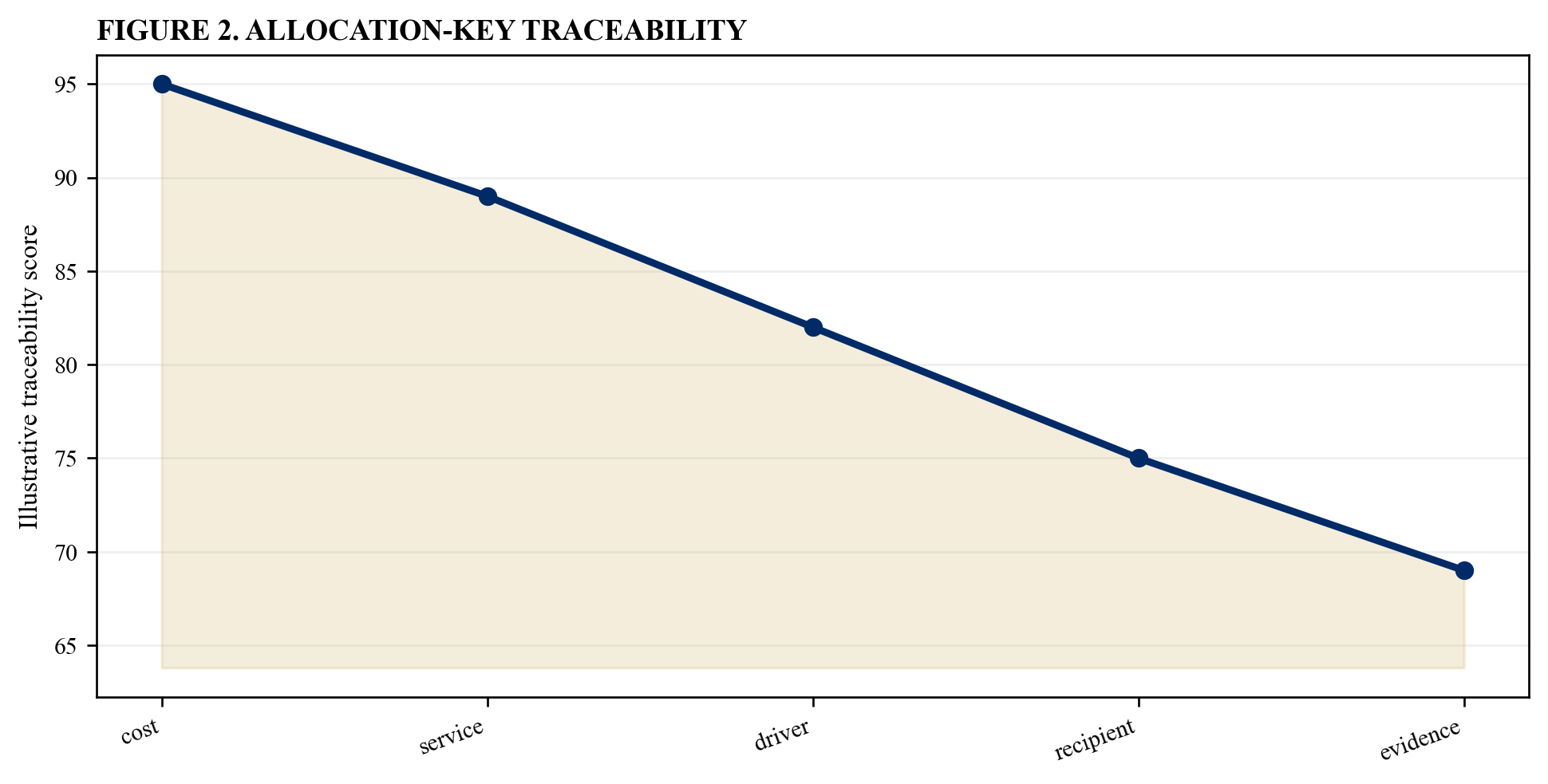
Illustrative analytical scenario; verified venture evidence should replace index values.
13. Control people-based allocations
The venture should reconcile time, role, location, payroll, productive capacity, leave and secondment terms. The required output is a personnel allocation bridge. Record the controlled transaction, provider, recipient, commercial purpose, legal authority, accountable owner and review date [18][19].
Test contracts against conduct, records, system data and interviews. Identify each function, asset, risk and beneficiary. Preserve source dates, assumptions and limitations so that a reviewer can reproduce the conclusion.
The principal risk is that nominal headcount can overcharge the venture for unavailable or unrelated capacity. Quantify the potential effect on operating profit, distributable cash, tax, covenant headroom, valuation, minority rights and the balance of value between parents. Compare the proposed charge with direct procurement, internal performance and a credible independent-party outcome.
Translate the conclusion into the service agreement, budget, invoice logic, allocation engine, tax filing, financial statements, governance approvals, audit rights and remedies. Refresh the analysis when scope, volume, ownership, regulation, systems, pricing or operating responsibility changes.
14. Control usage and transaction keys
The venture should source system-generated volumes, define units, freeze periods and reconcile exceptions. The required output is a usage evidence pack. Record the controlled transaction, provider, recipient, commercial purpose, legal authority, accountable owner and review date [13][20].
Test contracts against conduct, records, system data and interviews. Identify each function, asset, risk and beneficiary. Preserve source dates, assumptions and limitations so that a reviewer can reproduce the conclusion.
The principal risk is that manual counts can be altered or can exclude the parent's own consumption. Quantify the potential effect on operating profit, distributable cash, tax, covenant headroom, valuation, minority rights and the balance of value between parents. Compare the proposed charge with direct procurement, internal performance and a credible independent-party outcome.
Translate the conclusion into the service agreement, budget, invoice logic, allocation engine, tax filing, financial statements, governance approvals, audit rights and remedies. Refresh the analysis when scope, volume, ownership, regulation, systems, pricing or operating responsibility changes.
15. Separate pass-through costs
The venture should identify third-party items for which the provider adds no material function, asset or risk. The required output is a pass-through schedule. Record the controlled transaction, provider, recipient, commercial purpose, legal authority, accountable owner and review date [1][21].
Test contracts against conduct, records, system data and interviews. Identify each function, asset, risk and beneficiary. Preserve source dates, assumptions and limitations so that a reviewer can reproduce the conclusion.
The principal risk is that a routine mark-up on externally procured costs can reward no value-adding activity. Quantify the potential effect on operating profit, distributable cash, tax, covenant headroom, valuation, minority rights and the balance of value between parents. Compare the proposed charge with direct procurement, internal performance and a credible independent-party outcome.
Translate the conclusion into the service agreement, budget, invoice logic, allocation engine, tax filing, financial statements, governance approvals, audit rights and remedies. Refresh the analysis when scope, volume, ownership, regulation, systems, pricing or operating responsibility changes.
16. Determine the remuneration method
The venture should match cost-plus, comparable uncontrolled price, resale, transactional net margin, profit split or another method to the controlled transaction. The required output is a method-selection memorandum. Record the controlled transaction, provider, recipient, commercial purpose, legal authority, accountable owner and review date [1][22].
Test contracts against conduct, records, system data and interviews. Identify each function, asset, risk and beneficiary. Preserve source dates, assumptions and limitations so that a reviewer can reproduce the conclusion.
The principal risk is that one pricing method can be applied across economically different services and assets. Quantify the potential effect on operating profit, distributable cash, tax, covenant headroom, valuation, minority rights and the balance of value between parents. Compare the proposed charge with direct procurement, internal performance and a credible independent-party outcome.
Translate the conclusion into the service agreement, budget, invoice logic, allocation engine, tax filing, financial statements, governance approvals, audit rights and remedies. Refresh the analysis when scope, volume, ownership, regulation, systems, pricing or operating responsibility changes.
17. Benchmark arm's-length outcomes
The venture should define the tested party, search strategy, comparability adjustments, range and refresh cycle. The required output is a benchmarking file. Record the controlled transaction, provider, recipient, commercial purpose, legal authority, accountable owner and review date [1][23].
Test contracts against conduct, records, system data and interviews. Identify each function, asset, risk and beneficiary. Preserve source dates, assumptions and limitations so that a reviewer can reproduce the conclusion.
The principal risk is that a database range can appear objective while functions, assets, risks and markets remain incomparable. Quantify the potential effect on operating profit, distributable cash, tax, covenant headroom, valuation, minority rights and the balance of value between parents. Compare the proposed charge with direct procurement, internal performance and a credible independent-party outcome.
Translate the conclusion into the service agreement, budget, invoice logic, allocation engine, tax filing, financial statements, governance approvals, audit rights and remedies. Refresh the analysis when scope, volume, ownership, regulation, systems, pricing or operating responsibility changes.
18. Assess low-value-adding services
The venture should test supportive nature, exclusion criteria, local adoption and documentation before using a simplified approach. The required output is a low-value-service schedule. Record the controlled transaction, provider, recipient, commercial purpose, legal authority, accountable owner and review date [1][24].
Test contracts against conduct, records, system data and interviews. Identify each function, asset, risk and beneficiary. Preserve source dates, assumptions and limitations so that a reviewer can reproduce the conclusion.
The principal risk is that a simplified mark-up can be applied to core, risk-bearing or profit-generating activity. Quantify the potential effect on operating profit, distributable cash, tax, covenant headroom, valuation, minority rights and the balance of value between parents. Compare the proposed charge with direct procurement, internal performance and a credible independent-party outcome.
Translate the conclusion into the service agreement, budget, invoice logic, allocation engine, tax filing, financial statements, governance approvals, audit rights and remedies. Refresh the analysis when scope, volume, ownership, regulation, systems, pricing or operating responsibility changes.
Table 3. Illustrative service-charge bridge
| Component | AED million | Treatment |
|---|---|---|
| eligible cost pool | 12.0 | base |
| excluded activity | (1.5) | remove |
| pass-through cost | 3.0 | no mark-up |
| value-adding base | 10.5 | benchmark mark-up |
Illustrative analytical structure; verified transaction and jurisdiction evidence governs.
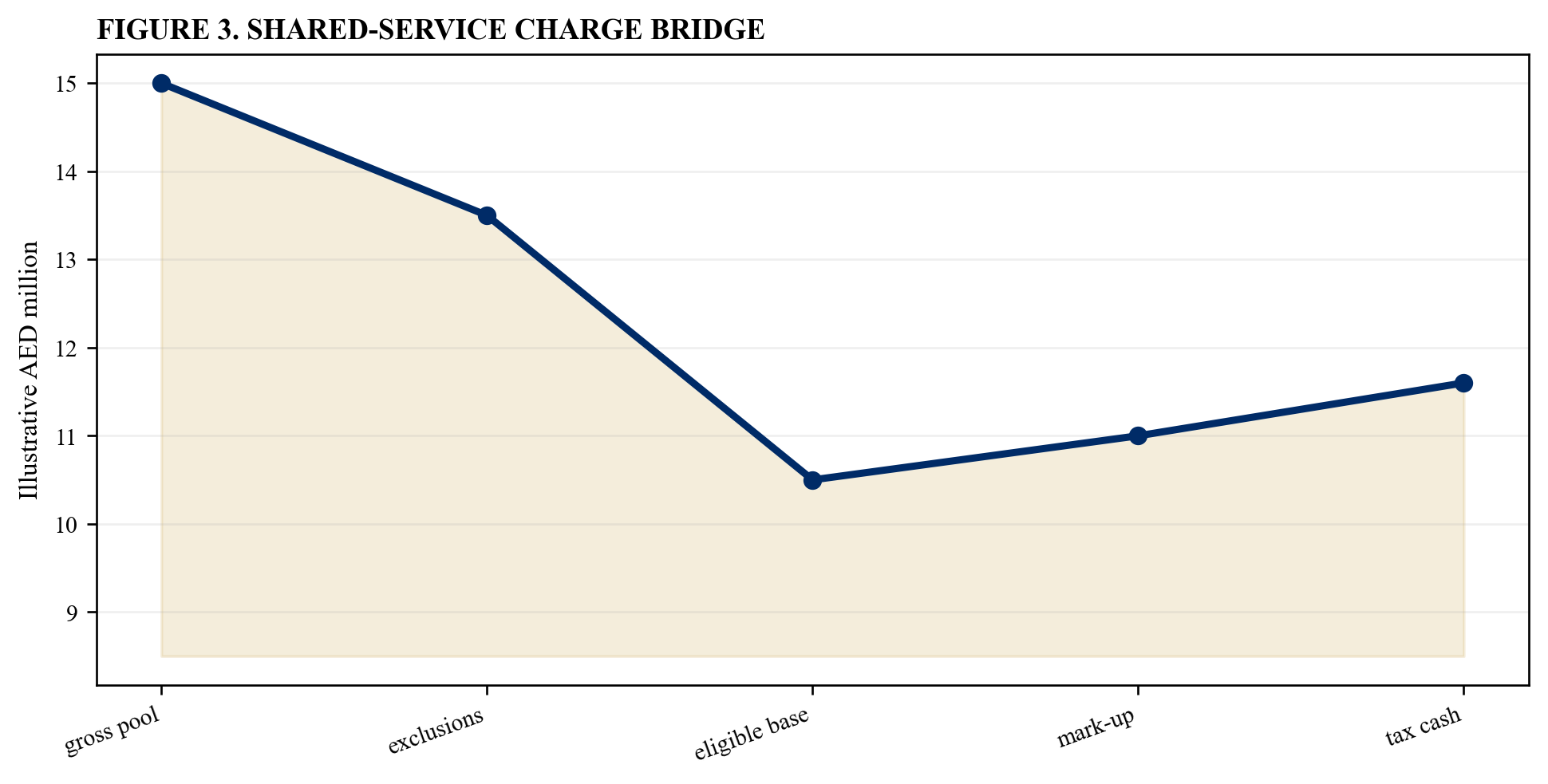
Illustrative analytical scenario; verified venture evidence should replace index values.
19. Govern management and strategy charges
The venture should separate venture-directed execution from parent stewardship, duplication and shareholder governance. The required output is a management-services evidence pack. Record the controlled transaction, provider, recipient, commercial purpose, legal authority, accountable owner and review date [8][25].
Test contracts against conduct, records, system data and interviews. Identify each function, asset, risk and beneficiary. Preserve source dates, assumptions and limitations so that a reviewer can reproduce the conclusion.
The principal risk is that senior time can be allocated by title or attendance without a specific accepted deliverable. Quantify the potential effect on operating profit, distributable cash, tax, covenant headroom, valuation, minority rights and the balance of value between parents. Compare the proposed charge with direct procurement, internal performance and a credible independent-party outcome.
Translate the conclusion into the service agreement, budget, invoice logic, allocation engine, tax filing, financial statements, governance approvals, audit rights and remedies. Refresh the analysis when scope, volume, ownership, regulation, systems, pricing or operating responsibility changes.
20. Structure secondments
The venture should define employer, supervision, duties, cost basis, mark-up, tax, immigration, liability and intellectual-property rights. The required output is a secondment protocol. Record the controlled transaction, provider, recipient, commercial purpose, legal authority, accountable owner and review date [18][26].
Test contracts against conduct, records, system data and interviews. Identify each function, asset, risk and beneficiary. Preserve source dates, assumptions and limitations so that a reviewer can reproduce the conclusion.
The principal risk is that a person can be treated inconsistently for employment, tax, accounting and operational control. Quantify the potential effect on operating profit, distributable cash, tax, covenant headroom, valuation, minority rights and the balance of value between parents. Compare the proposed charge with direct procurement, internal performance and a credible independent-party outcome.
Translate the conclusion into the service agreement, budget, invoice logic, allocation engine, tax filing, financial statements, governance approvals, audit rights and remedies. Refresh the analysis when scope, volume, ownership, regulation, systems, pricing or operating responsibility changes.
21. Control procurement and shared buying
The venture should track tendering, rebates, volume discounts, commissions, inventory, quality and savings attribution. The required output is a procurement-benefit bridge. Record the controlled transaction, provider, recipient, commercial purpose, legal authority, accountable owner and review date [27][28].
Test contracts against conduct, records, system data and interviews. Identify each function, asset, risk and beneficiary. Preserve source dates, assumptions and limitations so that a reviewer can reproduce the conclusion.
The principal risk is that a parent affiliate can retain supplier benefits or impose an undisclosed margin. Quantify the potential effect on operating profit, distributable cash, tax, covenant headroom, valuation, minority rights and the balance of value between parents. Compare the proposed charge with direct procurement, internal performance and a credible independent-party outcome.
Translate the conclusion into the service agreement, budget, invoice logic, allocation engine, tax filing, financial statements, governance approvals, audit rights and remedies. Refresh the analysis when scope, volume, ownership, regulation, systems, pricing or operating responsibility changes.
22. Control IT, cloud and data services
The venture should map licences, users, compute, storage, cybersecurity, data location, support and exit portability. The required output is a technology-service ledger. Record the controlled transaction, provider, recipient, commercial purpose, legal authority, accountable owner and review date [29][30].
Test contracts against conduct, records, system data and interviews. Identify each function, asset, risk and beneficiary. Preserve source dates, assumptions and limitations so that a reviewer can reproduce the conclusion.
The principal risk is that bundled technology charges can include stranded capacity, parent tools or inaccessible data. Quantify the potential effect on operating profit, distributable cash, tax, covenant headroom, valuation, minority rights and the balance of value between parents. Compare the proposed charge with direct procurement, internal performance and a credible independent-party outcome.
Translate the conclusion into the service agreement, budget, invoice logic, allocation engine, tax filing, financial statements, governance approvals, audit rights and remedies. Refresh the analysis when scope, volume, ownership, regulation, systems, pricing or operating responsibility changes.
23. Price intellectual property
The venture should identify legal ownership, development, enhancement, maintenance, protection and exploitation contributions. The required output is an IP and royalty analysis. Record the controlled transaction, provider, recipient, commercial purpose, legal authority, accountable owner and review date [1][31].
Test contracts against conduct, records, system data and interviews. Identify each function, asset, risk and beneficiary. Preserve source dates, assumptions and limitations so that a reviewer can reproduce the conclusion.
The principal risk is that legal title can receive returns unsupported by the functions and risks that create value. Quantify the potential effect on operating profit, distributable cash, tax, covenant headroom, valuation, minority rights and the balance of value between parents. Compare the proposed charge with direct procurement, internal performance and a credible independent-party outcome.
Translate the conclusion into the service agreement, budget, invoice logic, allocation engine, tax filing, financial statements, governance approvals, audit rights and remedies. Refresh the analysis when scope, volume, ownership, regulation, systems, pricing or operating responsibility changes.
24. Govern development contributions
The venture should define projects, budgets, expected benefits, participants, risk allocation, exploitation rights and adjustment mechanisms. The required output is a contribution-arrangement file. Record the controlled transaction, provider, recipient, commercial purpose, legal authority, accountable owner and review date [1][32].
Test contracts against conduct, records, system data and interviews. Identify each function, asset, risk and beneficiary. Preserve source dates, assumptions and limitations so that a reviewer can reproduce the conclusion.
The principal risk is that the venture can fund development while a parent controls the resulting asset and upside. Quantify the potential effect on operating profit, distributable cash, tax, covenant headroom, valuation, minority rights and the balance of value between parents. Compare the proposed charge with direct procurement, internal performance and a credible independent-party outcome.
Translate the conclusion into the service agreement, budget, invoice logic, allocation engine, tax filing, financial statements, governance approvals, audit rights and remedies. Refresh the analysis when scope, volume, ownership, regulation, systems, pricing or operating responsibility changes.
25. Price financing and guarantees
The venture should test principal, currency, tenor, credit profile, security, options, cash-pool benefit and guarantor capability. The required output is an intercompany-finance memorandum. Record the controlled transaction, provider, recipient, commercial purpose, legal authority, accountable owner and review date [1][33].
Test contracts against conduct, records, system data and interviews. Identify each function, asset, risk and beneficiary. Preserve source dates, assumptions and limitations so that a reviewer can reproduce the conclusion.
The principal risk is that a parent can extract value through interest, guarantee fees or liquidity spreads disconnected from the venture's risk. Quantify the potential effect on operating profit, distributable cash, tax, covenant headroom, valuation, minority rights and the balance of value between parents. Compare the proposed charge with direct procurement, internal performance and a credible independent-party outcome.
Translate the conclusion into the service agreement, budget, invoice logic, allocation engine, tax filing, financial statements, governance approvals, audit rights and remedies. Refresh the analysis when scope, volume, ownership, regulation, systems, pricing or operating responsibility changes.
26. Control property and facilities
The venture should verify title, space, utilisation, market rent, service charges, capital expenditure and termination rights. The required output is a property-cost schedule. Record the controlled transaction, provider, recipient, commercial purpose, legal authority, accountable owner and review date [34][35].
Test contracts against conduct, records, system data and interviews. Identify each function, asset, risk and beneficiary. Preserve source dates, assumptions and limitations so that a reviewer can reproduce the conclusion.
The principal risk is that the venture can absorb vacant space or parent-specific fit-out costs. Quantify the potential effect on operating profit, distributable cash, tax, covenant headroom, valuation, minority rights and the balance of value between parents. Compare the proposed charge with direct procurement, internal performance and a credible independent-party outcome.
Translate the conclusion into the service agreement, budget, invoice logic, allocation engine, tax filing, financial statements, governance approvals, audit rights and remedies. Refresh the analysis when scope, volume, ownership, regulation, systems, pricing or operating responsibility changes.
27. Allocate insurance and risk services
The venture should reconcile coverage, exposure, premiums, claims, captive arrangements and brokerage economics. The required output is an insurance allocation file. Record the controlled transaction, provider, recipient, commercial purpose, legal authority, accountable owner and review date [36][37].
Test contracts against conduct, records, system data and interviews. Identify each function, asset, risk and beneficiary. Preserve source dates, assumptions and limitations so that a reviewer can reproduce the conclusion.
The principal risk is that the venture can fund group cover without receiving proportionate protection or claims benefit. Quantify the potential effect on operating profit, distributable cash, tax, covenant headroom, valuation, minority rights and the balance of value between parents. Compare the proposed charge with direct procurement, internal performance and a credible independent-party outcome.
Translate the conclusion into the service agreement, budget, invoice logic, allocation engine, tax filing, financial statements, governance approvals, audit rights and remedies. Refresh the analysis when scope, volume, ownership, regulation, systems, pricing or operating responsibility changes.
28. Model VAT and indirect tax
The venture should determine place of supply, registration, invoice, recovery, grouping, reverse charge and customs treatment. The required output is an indirect-tax bridge. Record the controlled transaction, provider, recipient, commercial purpose, legal authority, accountable owner and review date [38][39].
Test contracts against conduct, records, system data and interviews. Identify each function, asset, risk and beneficiary. Preserve source dates, assumptions and limitations so that a reviewer can reproduce the conclusion.
The principal risk is that a deductible-looking service cost can create trapped tax, penalties or cash timing exposure. Quantify the potential effect on operating profit, distributable cash, tax, covenant headroom, valuation, minority rights and the balance of value between parents. Compare the proposed charge with direct procurement, internal performance and a credible independent-party outcome.
Translate the conclusion into the service agreement, budget, invoice logic, allocation engine, tax filing, financial statements, governance approvals, audit rights and remedies. Refresh the analysis when scope, volume, ownership, regulation, systems, pricing or operating responsibility changes.
29. Model withholding and treaty effects
The venture should identify payment character, domestic rate, treaty eligibility, beneficial ownership and documentation. The required output is a withholding-tax matrix. Record the controlled transaction, provider, recipient, commercial purpose, legal authority, accountable owner and review date [40][2].
Test contracts against conduct, records, system data and interviews. Identify each function, asset, risk and beneficiary. Preserve source dates, assumptions and limitations so that a reviewer can reproduce the conclusion.
The principal risk is that gross-up clauses can shift tax cost to the venture and alter negotiated economics. Quantify the potential effect on operating profit, distributable cash, tax, covenant headroom, valuation, minority rights and the balance of value between parents. Compare the proposed charge with direct procurement, internal performance and a credible independent-party outcome.
Translate the conclusion into the service agreement, budget, invoice logic, allocation engine, tax filing, financial statements, governance approvals, audit rights and remedies. Refresh the analysis when scope, volume, ownership, regulation, systems, pricing or operating responsibility changes.
30. Test permanent-establishment exposure
The venture should map people, authority, premises, duration, projects and agent activity across borders. The required output is a permanent-establishment assessment. Record the controlled transaction, provider, recipient, commercial purpose, legal authority, accountable owner and review date [2][40].
Test contracts against conduct, records, system data and interviews. Identify each function, asset, risk and beneficiary. Preserve source dates, assumptions and limitations so that a reviewer can reproduce the conclusion.
The principal risk is that shared personnel or premises can create filing and profit-attribution obligations outside the intended structure. Quantify the potential effect on operating profit, distributable cash, tax, covenant headroom, valuation, minority rights and the balance of value between parents. Compare the proposed charge with direct procurement, internal performance and a credible independent-party outcome.
Translate the conclusion into the service agreement, budget, invoice logic, allocation engine, tax filing, financial statements, governance approvals, audit rights and remedies. Refresh the analysis when scope, volume, ownership, regulation, systems, pricing or operating responsibility changes.
31. Control currency and cash movement
The venture should define invoice currency, conversion source, payment date, funding, netting, repatriation and trapped-cash assumptions. The required output is a cash-conversion schedule. Record the controlled transaction, provider, recipient, commercial purpose, legal authority, accountable owner and review date [33][40].
Test contracts against conduct, records, system data and interviews. Identify each function, asset, risk and beneficiary. Preserve source dates, assumptions and limitations so that a reviewer can reproduce the conclusion.
The principal risk is that pricing may be arm's length in accounting terms while currency and settlement choices transfer economic value. Quantify the potential effect on operating profit, distributable cash, tax, covenant headroom, valuation, minority rights and the balance of value between parents. Compare the proposed charge with direct procurement, internal performance and a credible independent-party outcome.
Translate the conclusion into the service agreement, budget, invoice logic, allocation engine, tax filing, financial statements, governance approvals, audit rights and remedies. Refresh the analysis when scope, volume, ownership, regulation, systems, pricing or operating responsibility changes.
32. Approve budgets and forecasts
The venture should connect volumes, rates, allocation keys, mark-ups, tax and cash timing to the venture plan. The required output is an annual shared-services budget. Record the controlled transaction, provider, recipient, commercial purpose, legal authority, accountable owner and review date [3][11].
Test contracts against conduct, records, system data and interviews. Identify each function, asset, risk and beneficiary. Preserve source dates, assumptions and limitations so that a reviewer can reproduce the conclusion.
The principal risk is that parents can approve a headline budget without seeing the drivers of intercompany charges. Quantify the potential effect on operating profit, distributable cash, tax, covenant headroom, valuation, minority rights and the balance of value between parents. Compare the proposed charge with direct procurement, internal performance and a credible independent-party outcome.
Translate the conclusion into the service agreement, budget, invoice logic, allocation engine, tax filing, financial statements, governance approvals, audit rights and remedies. Refresh the analysis when scope, volume, ownership, regulation, systems, pricing or operating responsibility changes.
33. Require invoice-level evidence
The venture should link each charge to agreement, service code, period, provider, recipient, cost pool, key, mark-up, tax and acceptance. The required output is an invoice evidence standard. Record the controlled transaction, provider, recipient, commercial purpose, legal authority, accountable owner and review date [12][15].
Test contracts against conduct, records, system data and interviews. Identify each function, asset, risk and beneficiary. Preserve source dates, assumptions and limitations so that a reviewer can reproduce the conclusion.
The principal risk is that journal entries and bundled invoices can prevent a recipient from testing the charge. Quantify the potential effect on operating profit, distributable cash, tax, covenant headroom, valuation, minority rights and the balance of value between parents. Compare the proposed charge with direct procurement, internal performance and a credible independent-party outcome.
Translate the conclusion into the service agreement, budget, invoice logic, allocation engine, tax filing, financial statements, governance approvals, audit rights and remedies. Refresh the analysis when scope, volume, ownership, regulation, systems, pricing or operating responsibility changes.
34. Create audit and inspection rights
The venture should grant proportionate access to records, systems, people, benchmarks, affiliates and external assurance. The required output is an audit-rights protocol. Record the controlled transaction, provider, recipient, commercial purpose, legal authority, accountable owner and review date [3][14].
Test contracts against conduct, records, system data and interviews. Identify each function, asset, risk and beneficiary. Preserve source dates, assumptions and limitations so that a reviewer can reproduce the conclusion.
The principal risk is that a venture can bear a charge while lacking the contractual evidence needed to challenge it. Quantify the potential effect on operating profit, distributable cash, tax, covenant headroom, valuation, minority rights and the balance of value between parents. Compare the proposed charge with direct procurement, internal performance and a credible independent-party outcome.
Translate the conclusion into the service agreement, budget, invoice logic, allocation engine, tax filing, financial statements, governance approvals, audit rights and remedies. Refresh the analysis when scope, volume, ownership, regulation, systems, pricing or operating responsibility changes.
35. Maintain transfer-pricing documentation
The venture should align contemporaneous local files, master files, disclosures, agreements and calculations with actual conduct. The required output is a documentation calendar. Record the controlled transaction, provider, recipient, commercial purpose, legal authority, accountable owner and review date [5][7].
Test contracts against conduct, records, system data and interviews. Identify each function, asset, risk and beneficiary. Preserve source dates, assumptions and limitations so that a reviewer can reproduce the conclusion.
The principal risk is that documents can be technically complete yet contradict operating evidence or financial statements. Quantify the potential effect on operating profit, distributable cash, tax, covenant headroom, valuation, minority rights and the balance of value between parents. Compare the proposed charge with direct procurement, internal performance and a credible independent-party outcome.
Translate the conclusion into the service agreement, budget, invoice logic, allocation engine, tax filing, financial statements, governance approvals, audit rights and remedies. Refresh the analysis when scope, volume, ownership, regulation, systems, pricing or operating responsibility changes.
36. Design dispute escalation
The venture should sequence operational review, finance validation, tax input, management escalation, expert determination and arbitration. The required output is a dispute pathway. Record the controlled transaction, provider, recipient, commercial purpose, legal authority, accountable owner and review date [3][4].
Test contracts against conduct, records, system data and interviews. Identify each function, asset, risk and beneficiary. Preserve source dates, assumptions and limitations so that a reviewer can reproduce the conclusion.
The principal risk is that a pricing disagreement can freeze essential services or become a broader shareholder conflict. Quantify the potential effect on operating profit, distributable cash, tax, covenant headroom, valuation, minority rights and the balance of value between parents. Compare the proposed charge with direct procurement, internal performance and a credible independent-party outcome.
Translate the conclusion into the service agreement, budget, invoice logic, allocation engine, tax filing, financial statements, governance approvals, audit rights and remedies. Refresh the analysis when scope, volume, ownership, regulation, systems, pricing or operating responsibility changes.
Table 4. Audit and escalation
| Trigger | First response | Escalation |
|---|---|---|
| missing evidence | hold disputed amount | finance review |
| key variance | recalculate | expert input |
| method dispute | benchmark review | expert determination |
| service failure | cure plan | reserved matter |
Illustrative analytical structure; verified transaction and jurisdiction evidence governs.
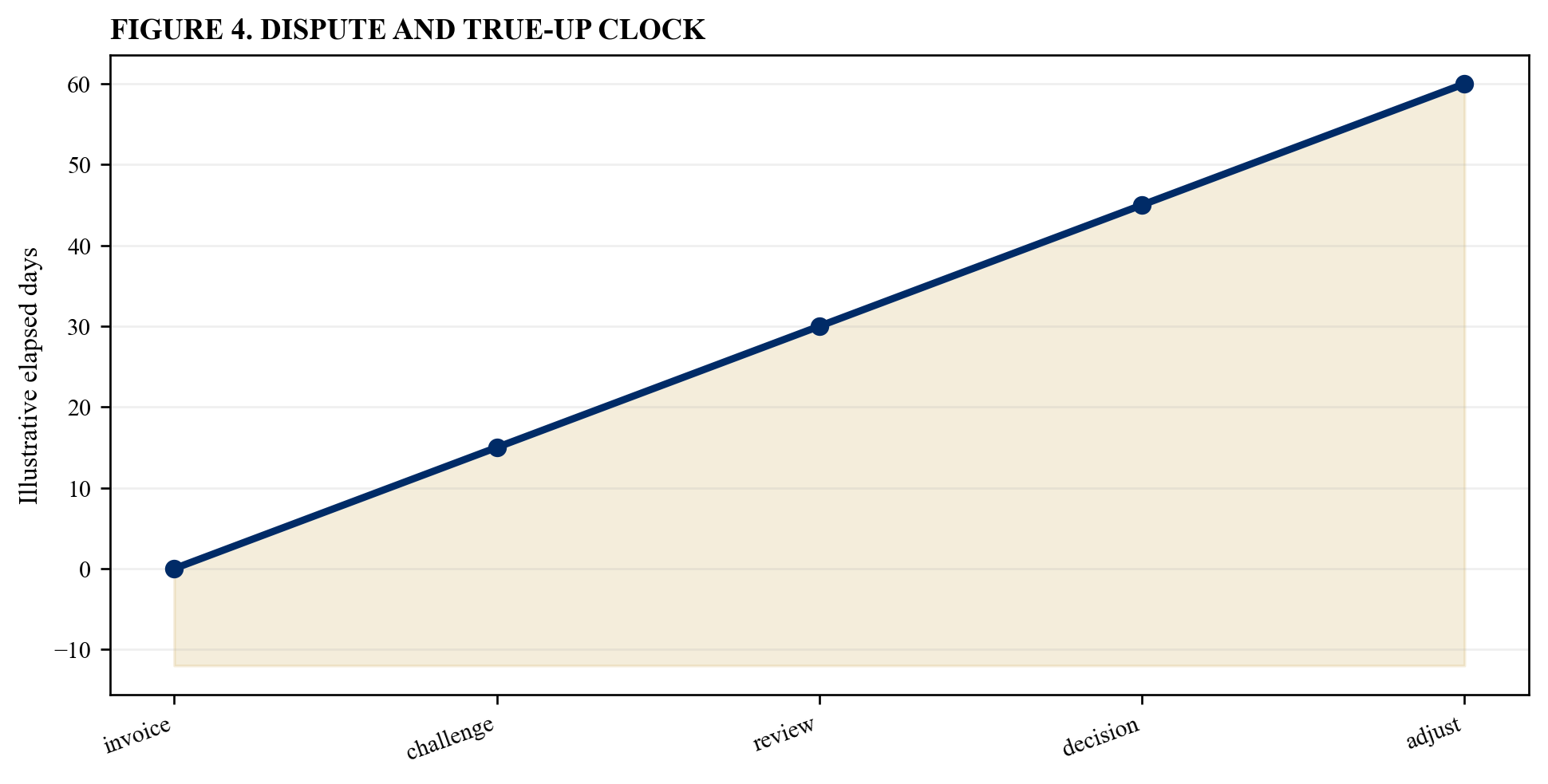
Illustrative analytical scenario; verified venture evidence should replace index values.
37. Run periodic true-ups
The venture should compare budget with actual cost, volume, benefit, allocation, benchmark and tax treatment before close. The required output is a true-up and adjustment file. Record the controlled transaction, provider, recipient, commercial purpose, legal authority, accountable owner and review date [11][13].
Test contracts against conduct, records, system data and interviews. Identify each function, asset, risk and beneficiary. Preserve source dates, assumptions and limitations so that a reviewer can reproduce the conclusion.
The principal risk is that late adjustments can surprise liquidity, covenants, dividends and statutory accounts. Quantify the potential effect on operating profit, distributable cash, tax, covenant headroom, valuation, minority rights and the balance of value between parents. Compare the proposed charge with direct procurement, internal performance and a credible independent-party outcome.
Translate the conclusion into the service agreement, budget, invoice logic, allocation engine, tax filing, financial statements, governance approvals, audit rights and remedies. Refresh the analysis when scope, volume, ownership, regulation, systems, pricing or operating responsibility changes.
38. Govern conflicts and approvals
The venture should use declarations, recusals, independent review, reserved matters and documented rationale. The required output is a conflict-controlled approval record. Record the controlled transaction, provider, recipient, commercial purpose, legal authority, accountable owner and review date [4][6].
Test contracts against conduct, records, system data and interviews. Identify each function, asset, risk and beneficiary. Preserve source dates, assumptions and limitations so that a reviewer can reproduce the conclusion.
The principal risk is that parent-appointed directors can approve charges that favour their nominating shareholder. Quantify the potential effect on operating profit, distributable cash, tax, covenant headroom, valuation, minority rights and the balance of value between parents. Compare the proposed charge with direct procurement, internal performance and a credible independent-party outcome.
Translate the conclusion into the service agreement, budget, invoice logic, allocation engine, tax filing, financial statements, governance approvals, audit rights and remedies. Refresh the analysis when scope, volume, ownership, regulation, systems, pricing or operating responsibility changes.
39. Monitor economic leakage
The venture should track charge growth, service consumption, effective mark-up, key sensitivity, tax leakage, disputes and cash conversion. The required output is an economic-leakage dashboard. Record the controlled transaction, provider, recipient, commercial purpose, legal authority, accountable owner and review date [14][17].
Test contracts against conduct, records, system data and interviews. Identify each function, asset, risk and beneficiary. Preserve source dates, assumptions and limitations so that a reviewer can reproduce the conclusion.
The principal risk is that compliant-looking transactions can cumulatively erode venture value and partner confidence. Quantify the potential effect on operating profit, distributable cash, tax, covenant headroom, valuation, minority rights and the balance of value between parents. Compare the proposed charge with direct procurement, internal performance and a credible independent-party outcome.
Translate the conclusion into the service agreement, budget, invoice logic, allocation engine, tax filing, financial statements, governance approvals, audit rights and remedies. Refresh the analysis when scope, volume, ownership, regulation, systems, pricing or operating responsibility changes.
40. Issue the economic-integrity certificate
The venture should reconcile every material flow to authority, benefit, method, evidence, tax, accounting, cash, approval and remedy. The required output is an auditable economic-integrity certificate. Record the controlled transaction, provider, recipient, commercial purpose, legal authority, accountable owner and review date [1][3].
Test contracts against conduct, records, system data and interviews. Identify each function, asset, risk and beneficiary. Preserve source dates, assumptions and limitations so that a reviewer can reproduce the conclusion.
The principal risk is that the venture can lose the decision trail while recurring related-party charges continue. Quantify the potential effect on operating profit, distributable cash, tax, covenant headroom, valuation, minority rights and the balance of value between parents. Compare the proposed charge with direct procurement, internal performance and a credible independent-party outcome.
Translate the conclusion into the service agreement, budget, invoice logic, allocation engine, tax filing, financial statements, governance approvals, audit rights and remedies. Refresh the analysis when scope, volume, ownership, regulation, systems, pricing or operating responsibility changes.
Table 5. Economic-integrity certificate
| Conclusion | Evidence | Owner |
|---|---|---|
| authority | approved agreement | company secretary |
| benefit | recipient acceptance | operations |
| pricing | method and benchmark | tax and finance |
| cash | invoice and settlement | treasury |
Illustrative analytical structure; verified transaction and jurisdiction evidence governs.
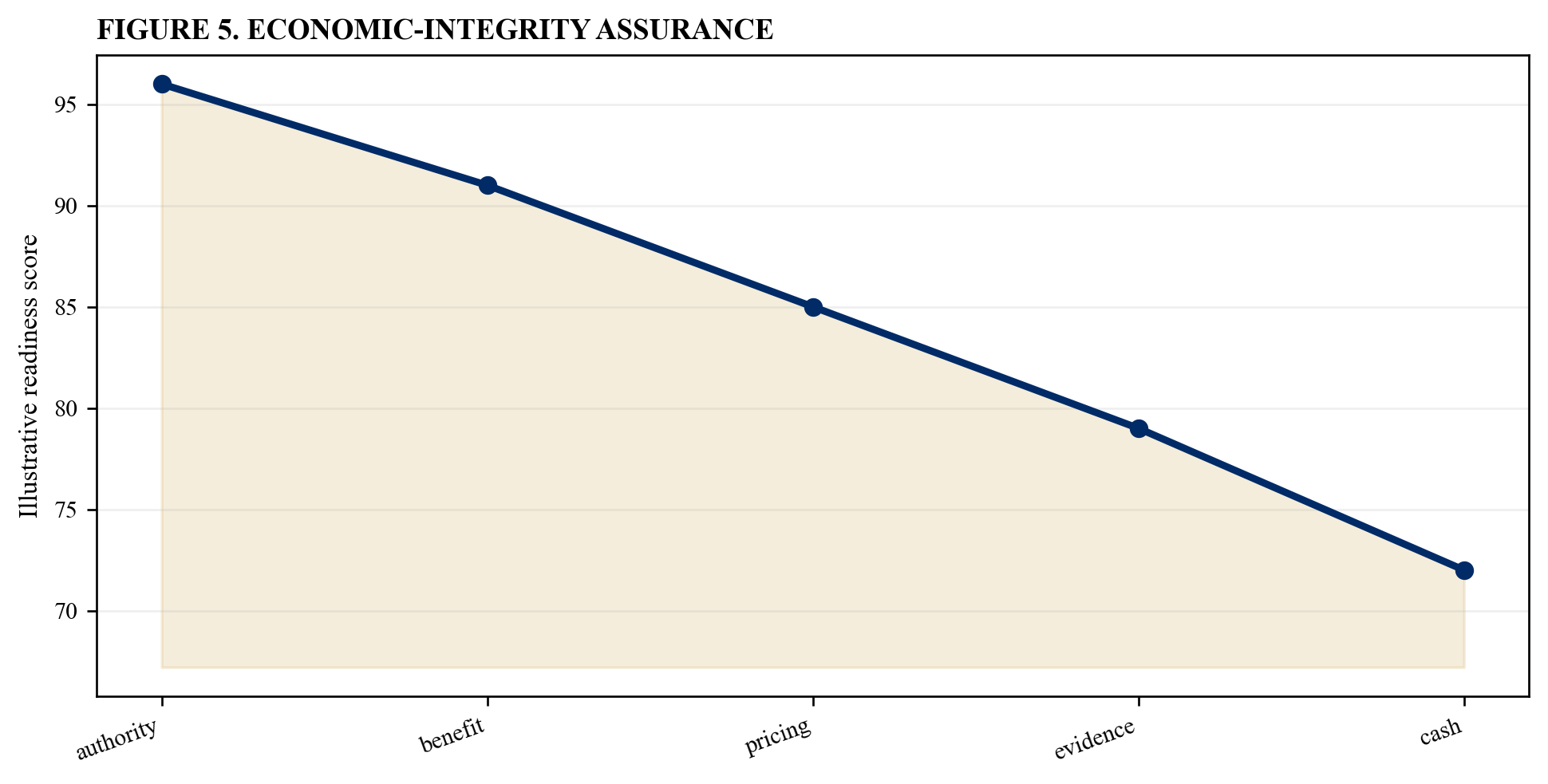
Illustrative analytical scenario; verified venture evidence should replace index values.
References
- OECD, Transfer Pricing Guidelines for Multinational Enterprises and Tax Administrations 2022, https://www.oecd.org/en/publications/oecd-transfer-pricing-guidelines-for-multinational-enterprises-and-tax-administrations-2022_0e655865-en.html
- OECD, Model Tax Convention on Income and on Capital, https://www.oecd.org/en/topics/sub-issues/tax-treaties/oecd-model-tax-convention-on-income-and-on-capital.html
- IFRS Foundation, IFRS 11 Joint Arrangements, https://www.ifrs.org/issued-standards/list-of-standards/ifrs-11-joint-arrangements/
- OECD, G20/OECD Principles of Corporate Governance 2023, https://www.oecd.org/en/publications/g20-oecd-principles-of-corporate-governance-2023_ed750b30-en.html
- UAE Federal Tax Authority, Transfer Pricing Guide CTGTP1, https://tax.gov.ae/en/search/genericcontent/transfer.pricing.guide.ctgtp1.aspx
- IFRS Foundation, IAS 24 Related Party Disclosures, https://www.ifrs.org/issued-standards/list-of-standards/ias-24-related-party-disclosures/
- OECD, Country-by-Country Reporting, https://www.oecd.org/en/topics/sub-issues/country-by-country-reporting-for-tax-purposes.html
- OECD, Intra-group Services and Shareholder Activities, https://www.oecd.org/tax/transfer-pricing/
- OECD, Revisions to Chapter VII of the Transfer Pricing Guidelines: Public Consultation Document 2026, https://www.oecd.org/en/events/public-consultations/2026/06/public-consultation-on-taxation-revisions-to-chapter-vii-of-the-oecd-transfer-pricing-guidelines.html
- United Nations, Practical Manual on Transfer Pricing for Developing Countries 2021, https://financing.desa.un.org/document/united-nations-practical-manual-transfer-pricing-developing-countries-2021
- International Organization for Standardization, ISO 31000 Risk Management, https://www.iso.org/iso-31000-risk-management.html
- International Organization for Standardization, ISO 37301 Compliance Management Systems, https://www.iso.org/standard/75080.html
- International Organization for Standardization, ISO/IEC 20000-1 Service Management, https://www.iso.org/standard/70636.html
- Institute of Internal Auditors, Global Internal Audit Standards, https://www.theiia.org/en/standards/2024-standards/global-internal-audit-standards/
- OECD, Guidance on Transfer Pricing Documentation and Country-by-Country Reporting, https://www.oecd.org/tax/beps/transfer-pricing-documentation-and-country-by-country-reporting-action-13-2015-final-report-9789264241480-en.htm
- Committee of Sponsoring Organizations, Internal Control Integrated Framework, https://www.coso.org/guidance-on-ic
- International Federation of Accountants, Evaluating and Improving Costing in Organizations, https://www.ifac.org/knowledge-gateway/professional-accountants-business-paib/publications/evaluating-and-improving-costing-organizations
- International Labour Organization, Employment Relationship Recommendation 2006, https://www.ilo.org/resource/r198-employment-relationship-recommendation-2006
- IFRS Foundation, IAS 19 Employee Benefits, https://www.ifrs.org/issued-standards/list-of-standards/ias-19-employee-benefits/
- National Institute of Standards and Technology, Guide to Computer Security Log Management, https://csrc.nist.gov/pubs/sp/800/92/final
- OECD, Base Erosion and Profit Shifting Actions, https://www.oecd.org/en/topics/policy-issues/base-erosion-and-profit-shifting-beps.html
- OECD, Transfer Pricing Methods, https://www.oecd.org/tax/transfer-pricing/
- OECD, Comparability and Transfer Pricing, https://www.oecd.org/tax/transfer-pricing/
- OECD, Low Value-Adding Intra-Group Services, https://www.oecd.org/tax/transfer-pricing/
- IFRS Foundation, IFRS 18 Presentation and Disclosure in Financial Statements, https://www.ifrs.org/issued-standards/list-of-standards/ifrs-18-presentation-and-disclosure-in-financial-statements/
- International Labour Organization, International Labour Standards, https://www.ilo.org/international-labour-standards
- OECD, Guidelines for Multinational Enterprises on Responsible Business Conduct, https://www.oecd.org/en/publications/oecd-guidelines-for-multinational-enterprises-on-responsible-business-conduct_81f92357-en.html
- World Trade Organization, Agreement on Government Procurement, https://www.wto.org/english/tratop_e/gproc_e/gp_gpa_e.htm
- National Institute of Standards and Technology, Cybersecurity Framework 2.0, https://www.nist.gov/cyberframework
- International Organization for Standardization, ISO/IEC 27001 Information Security Management, https://www.iso.org/standard/27001
- World Intellectual Property Organization, Intellectual Property Valuation, https://www.wipo.int/en/web/business/ip-valuation
- OECD, Transfer Pricing Guidance on Cost Contribution Arrangements, https://www.oecd.org/tax/transfer-pricing/
- OECD, Transfer Pricing Guidance on Financial Transactions, https://www.oecd.org/tax/beps/transfer-pricing-guidance-on-financial-transactions-inclusive-framework-on-beps-actions-4-8-10.htm
- IFRS Foundation, IFRS 16 Leases, https://www.ifrs.org/issued-standards/list-of-standards/ifrs-16-leases/
- International Valuation Standards Council, International Valuation Standards, https://ivsc.org/standards/
- International Association of Insurance Supervisors, Insurance Core Principles, https://www.iaisweb.org/activities-topics/standard-setting/audiences-and-comframe/
- IFRS Foundation, IFRS 17 Insurance Contracts, https://www.ifrs.org/issued-standards/list-of-standards/ifrs-17-insurance-contracts/
- UAE Federal Tax Authority, Value Added Tax Guides, https://tax.gov.ae/en/taxes/vat/guides.references.aspx
- Saudi Zakat, Tax and Customs Authority, VAT Guidelines, https://zatca.gov.sa/en/HelpCenter/guidelines/Pages/default.aspx
- Saudi Zakat, Tax and Customs Authority, Transfer Pricing Bylaws and Guidance, https://zatca.gov.sa/en/RulesRegulations/Taxes/Pages/transfer-pricing.aspx
