

1. Define the exit-readiness objective
Set the board's target outcome, value ambition, acceptable structures, timing range and non-negotiable constraints.
The control tower should reconcile shareholder objectives, strategic alternatives, valuation cases, liquidity needs, stakeholder duties and risk appetite. Each work item records the baseline, value or risk assertion, owner, resources, milestone, dependency, required evidence, decision authority and exception status. The immediate output is an approved exit-readiness charter.
Execution should distinguish activity from a sustained outcome. Reviewers trace results to native records, compare them with the integrated model, test whether controls work over time and confirm that management can repeat the performance without extraordinary intervention. Company-specific materiality, transaction logic and market conditions govern every conclusion.
Material gaps should be quantified and assigned an accountable owner, corrective action, evidence requirement and decision date. Consequences flow through the critical path, forecast, valuation, buyer strategy, diligence scope, disclosure and transaction protections. Residual risk remains visible until performance is proved, evidence is complete or authorised decision-makers explicitly accept a revised route or launch date.
2. Reconcile the transaction perimeter
Specify the entities, assets, liabilities, people, contracts, systems, jurisdictions and carve-outs that could enter a transaction.
The control tower should reconcile corporate records, ownership, financial statements, operating maps, licences and separation assumptions. Each work item records the baseline, value or risk assertion, owner, resources, milestone, dependency, required evidence, decision authority and exception status. The immediate output is a controlled transaction-perimeter ledger.
Execution should distinguish activity from a sustained outcome. Reviewers trace results to native records, compare them with the integrated model, test whether controls work over time and confirm that management can repeat the performance without extraordinary intervention. Company-specific materiality, transaction logic and market conditions govern every conclusion.
Material gaps should be quantified and assigned an accountable owner, corrective action, evidence requirement and decision date. Consequences flow through the critical path, forecast, valuation, buyer strategy, diligence scope, disclosure and transaction protections. Residual risk remains visible until performance is proved, evidence is complete or authorised decision-makers explicitly accept a revised route or launch date.
3. Establish the readiness baseline
Assess current value evidence, operating performance, documentation, controls, dependencies, team capacity and process maturity.
The control tower should reconcile management accounts, board packs, contracts, systems, prior diligence, risk registers and interviews. Each work item records the baseline, value or risk assertion, owner, resources, milestone, dependency, required evidence, decision authority and exception status. The immediate output is a baseline readiness diagnostic.
Execution should distinguish activity from a sustained outcome. Reviewers trace results to native records, compare them with the integrated model, test whether controls work over time and confirm that management can repeat the performance without extraordinary intervention. Company-specific materiality, transaction logic and market conditions govern every conclusion.
Material gaps should be quantified and assigned an accountable owner, corrective action, evidence requirement and decision date. Consequences flow through the critical path, forecast, valuation, buyer strategy, diligence scope, disclosure and transaction protections. Residual risk remains visible until performance is proved, evidence is complete or authorised decision-makers explicitly accept a revised route or launch date.
4. Define the buyer and market thesis
Identify likely strategic, financial and sovereign buyers, their investment logic, alternatives and probable diligence focus.
The control tower should reconcile market structure, transaction precedents, buyer portfolios, strategy, capital availability and regulatory context. Each work item records the baseline, value or risk assertion, owner, resources, milestone, dependency, required evidence, decision authority and exception status. The immediate output is a buyer-thesis and market-timing map.
Execution should distinguish activity from a sustained outcome. Reviewers trace results to native records, compare them with the integrated model, test whether controls work over time and confirm that management can repeat the performance without extraordinary intervention. Company-specific materiality, transaction logic and market conditions govern every conclusion.
Material gaps should be quantified and assigned an accountable owner, corrective action, evidence requirement and decision date. Consequences flow through the critical path, forecast, valuation, buyer strategy, diligence scope, disclosure and transaction protections. Residual risk remains visible until performance is proved, evidence is complete or authorised decision-makers explicitly accept a revised route or launch date.
5. Build the value-creation bridge
Connect operational initiatives to revenue, margin, cash, risk, capital intensity, forecast confidence and valuation outcomes.
The control tower should reconcile integrated model, initiative cases, owners, resources, milestones, dependencies and sensitivities. Each work item records the baseline, value or risk assertion, owner, resources, milestone, dependency, required evidence, decision authority and exception status. The immediate output is a governed value-creation bridge.
Execution should distinguish activity from a sustained outcome. Reviewers trace results to native records, compare them with the integrated model, test whether controls work over time and confirm that management can repeat the performance without extraordinary intervention. Company-specific materiality, transaction logic and market conditions govern every conclusion.
Material gaps should be quantified and assigned an accountable owner, corrective action, evidence requirement and decision date. Consequences flow through the critical path, forecast, valuation, buyer strategy, diligence scope, disclosure and transaction protections. Residual risk remains visible until performance is proved, evidence is complete or authorised decision-makers explicitly accept a revised route or launch date.
6. Design the twelve-month roadmap
Sequence value improvement, control remediation, evidence production, adviser work, approvals and launch preparation across monthly gates.
The control tower should reconcile baseline findings, critical path, operating calendar, audit cycle, regulatory lead times and management capacity. Each work item records the baseline, value or risk assertion, owner, resources, milestone, dependency, required evidence, decision authority and exception status. The immediate output is an integrated twelve-month readiness plan.
Execution should distinguish activity from a sustained outcome. Reviewers trace results to native records, compare them with the integrated model, test whether controls work over time and confirm that management can repeat the performance without extraordinary intervention. Company-specific materiality, transaction logic and market conditions govern every conclusion.
Material gaps should be quantified and assigned an accountable owner, corrective action, evidence requirement and decision date. Consequences flow through the critical path, forecast, valuation, buyer strategy, diligence scope, disclosure and transaction protections. Residual risk remains visible until performance is proved, evidence is complete or authorised decision-makers explicitly accept a revised route or launch date.
7. Establish board sponsorship and governance
Create accountable board ownership, committee mandates, reporting cadence, challenge, escalation and decision records.
The control tower should reconcile governance documents, reserved matters, calendars, dashboards, minutes and approval authorities. Each work item records the baseline, value or risk assertion, owner, resources, milestone, dependency, required evidence, decision authority and exception status. The immediate output is an exit-readiness governance architecture.
Execution should distinguish activity from a sustained outcome. Reviewers trace results to native records, compare them with the integrated model, test whether controls work over time and confirm that management can repeat the performance without extraordinary intervention. Company-specific materiality, transaction logic and market conditions govern every conclusion.
Material gaps should be quantified and assigned an accountable owner, corrective action, evidence requirement and decision date. Consequences flow through the critical path, forecast, valuation, buyer strategy, diligence scope, disclosure and transaction protections. Residual risk remains visible until performance is proved, evidence is complete or authorised decision-makers explicitly accept a revised route or launch date.
8. Map decision rights and workstreams
Assign accountable executives, workstream leads, advisers, reviewers and approval rights for every material deliverable.
The control tower should reconcile organisation, RACI, delegations, adviser scopes, dependencies and escalation rules. Each work item records the baseline, value or risk assertion, owner, resources, milestone, dependency, required evidence, decision authority and exception status. The immediate output is a controlled readiness responsibility map.
Execution should distinguish activity from a sustained outcome. Reviewers trace results to native records, compare them with the integrated model, test whether controls work over time and confirm that management can repeat the performance without extraordinary intervention. Company-specific materiality, transaction logic and market conditions govern every conclusion.
Material gaps should be quantified and assigned an accountable owner, corrective action, evidence requirement and decision date. Consequences flow through the critical path, forecast, valuation, buyer strategy, diligence scope, disclosure and transaction protections. Residual risk remains visible until performance is proved, evidence is complete or authorised decision-makers explicitly accept a revised route or launch date.
Table 1. Twelve-month phase architecture
| Phase | Primary objective | Board gate |
|---|---|---|
| months 1-3 | baseline and critical remediation | scope approved |
| months 4-6 | value and evidence production | trajectory proved |
| months 7-9 | diligence and process preparation | buyer-ready |
| months 10-12 | market timing and launch | go or no-go |
Illustrative programme design; company-specific facts and authorised advice govern.
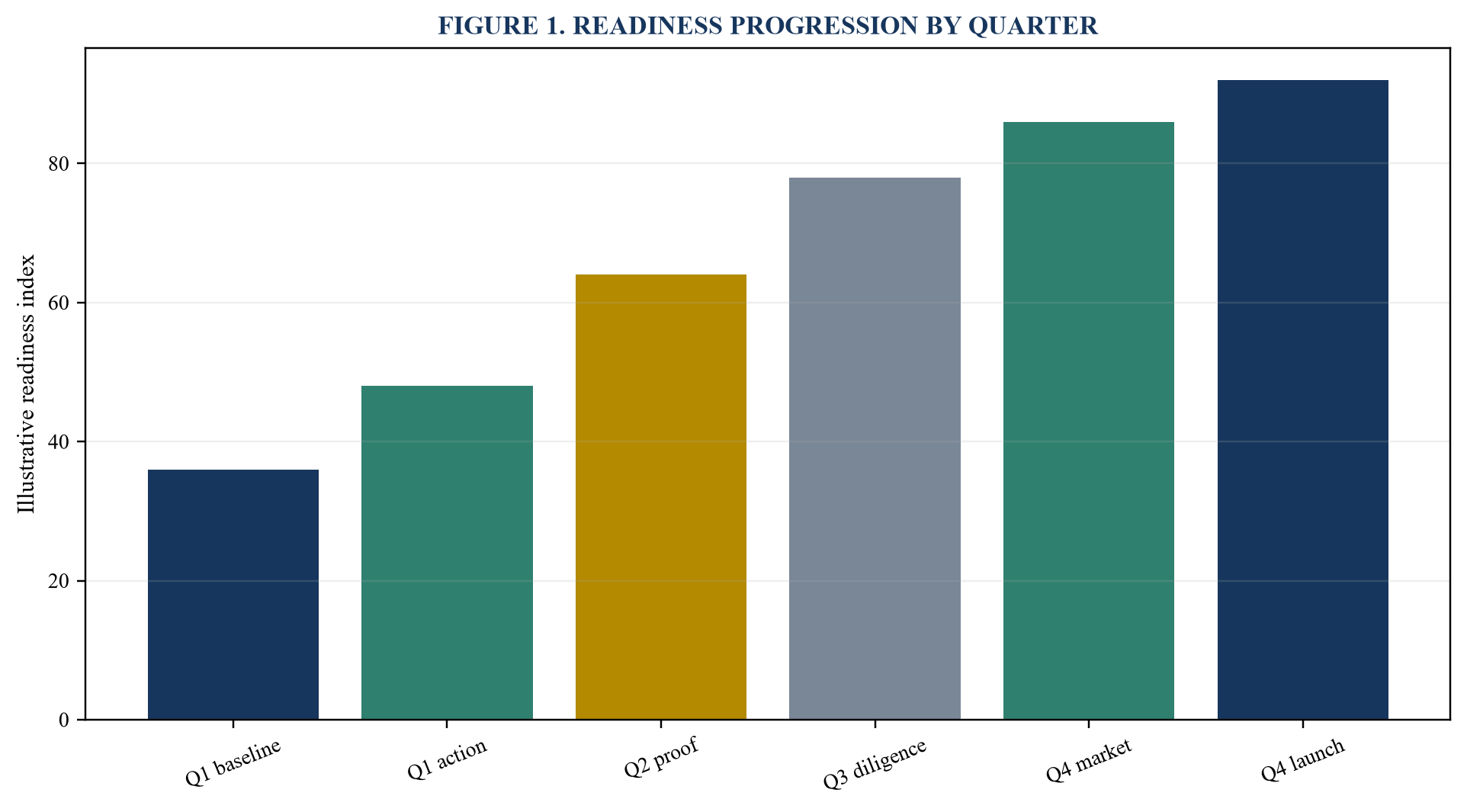
Values are illustrative readiness indices and require company-specific evidence.
9. Stabilise financial reporting
Improve close discipline, accounting policies, reconciliations, segment data, audit evidence and management-defined measures.
The control tower should reconcile trial balances, ledgers, close calendars, policies, journals, audit findings and KPI definitions. Each work item records the baseline, value or risk assertion, owner, resources, milestone, dependency, required evidence, decision authority and exception status. The immediate output is a transaction-grade financial reporting pack.
Execution should distinguish activity from a sustained outcome. Reviewers trace results to native records, compare them with the integrated model, test whether controls work over time and confirm that management can repeat the performance without extraordinary intervention. Company-specific materiality, transaction logic and market conditions govern every conclusion.
Material gaps should be quantified and assigned an accountable owner, corrective action, evidence requirement and decision date. Consequences flow through the critical path, forecast, valuation, buyer strategy, diligence scope, disclosure and transaction protections. Residual risk remains visible until performance is proved, evidence is complete or authorised decision-makers explicitly accept a revised route or launch date.
10. Build quality-of-earnings evidence
Separate recurring performance from timing, estimates, one-offs, related parties and unsupported adjustments.
The control tower should reconcile monthly accounts, transaction detail, contracts, policies, bank records and adjustment schedules. Each work item records the baseline, value or risk assertion, owner, resources, milestone, dependency, required evidence, decision authority and exception status. The immediate output is a seller-controlled earnings evidence file.
Execution should distinguish activity from a sustained outcome. Reviewers trace results to native records, compare them with the integrated model, test whether controls work over time and confirm that management can repeat the performance without extraordinary intervention. Company-specific materiality, transaction logic and market conditions govern every conclusion.
Material gaps should be quantified and assigned an accountable owner, corrective action, evidence requirement and decision date. Consequences flow through the critical path, forecast, valuation, buyer strategy, diligence scope, disclosure and transaction protections. Residual risk remains visible until performance is proved, evidence is complete or authorised decision-makers explicitly accept a revised route or launch date.
11. Rebuild the forecast from drivers
Connect growth, price, volume, mix, cost, capacity, people, capex, cash and downside assumptions to operating evidence.
The control tower should reconcile integrated model, historical variances, pipeline, contracts, operating plans and sensitivities. Each work item records the baseline, value or risk assertion, owner, resources, milestone, dependency, required evidence, decision authority and exception status. The immediate output is a buyer-testable forecast model.
Execution should distinguish activity from a sustained outcome. Reviewers trace results to native records, compare them with the integrated model, test whether controls work over time and confirm that management can repeat the performance without extraordinary intervention. Company-specific materiality, transaction logic and market conditions govern every conclusion.
Material gaps should be quantified and assigned an accountable owner, corrective action, evidence requirement and decision date. Consequences flow through the critical path, forecast, valuation, buyer strategy, diligence scope, disclosure and transaction protections. Residual risk remains visible until performance is proved, evidence is complete or authorised decision-makers explicitly accept a revised route or launch date.
12. Reduce customer concentration and fragility
Strengthen relationship ownership, retention evidence, contract visibility, collections and credible growth beyond key accounts.
The control tower should reconcile CRM, cohorts, contracts, account plans, churn, collections and customer feedback. Each work item records the baseline, value or risk assertion, owner, resources, milestone, dependency, required evidence, decision authority and exception status. The immediate output is a customer-quality improvement plan.
Execution should distinguish activity from a sustained outcome. Reviewers trace results to native records, compare them with the integrated model, test whether controls work over time and confirm that management can repeat the performance without extraordinary intervention. Company-specific materiality, transaction logic and market conditions govern every conclusion.
Material gaps should be quantified and assigned an accountable owner, corrective action, evidence requirement and decision date. Consequences flow through the critical path, forecast, valuation, buyer strategy, diligence scope, disclosure and transaction protections. Residual risk remains visible until performance is proved, evidence is complete or authorised decision-makers explicitly accept a revised route or launch date.
13. Remediate material contracts
Resolve missing, unsigned, expired, inconsistent or restrictive terms and map change-of-control, assignment and consent needs.
The control tower should reconcile contract repository, amendments, side letters, notices, disputes and obligation registers. Each work item records the baseline, value or risk assertion, owner, resources, milestone, dependency, required evidence, decision authority and exception status. The immediate output is a transaction-ready contract portfolio.
Execution should distinguish activity from a sustained outcome. Reviewers trace results to native records, compare them with the integrated model, test whether controls work over time and confirm that management can repeat the performance without extraordinary intervention. Company-specific materiality, transaction logic and market conditions govern every conclusion.
Material gaps should be quantified and assigned an accountable owner, corrective action, evidence requirement and decision date. Consequences flow through the critical path, forecast, valuation, buyer strategy, diligence scope, disclosure and transaction protections. Residual risk remains visible until performance is proved, evidence is complete or authorised decision-makers explicitly accept a revised route or launch date.
14. Strengthen the management bench
Clarify roles, recruit or develop missing capability, transfer founder relationships and align succession and incentives.
The control tower should reconcile organisation data, role charters, performance, succession, compensation and retention plans. Each work item records the baseline, value or risk assertion, owner, resources, milestone, dependency, required evidence, decision authority and exception status. The immediate output is a management-continuity programme.
Execution should distinguish activity from a sustained outcome. Reviewers trace results to native records, compare them with the integrated model, test whether controls work over time and confirm that management can repeat the performance without extraordinary intervention. Company-specific materiality, transaction logic and market conditions govern every conclusion.
Material gaps should be quantified and assigned an accountable owner, corrective action, evidence requirement and decision date. Consequences flow through the critical path, forecast, valuation, buyer strategy, diligence scope, disclosure and transaction protections. Residual risk remains visible until performance is proved, evidence is complete or authorised decision-makers explicitly accept a revised route or launch date.
15. Improve operating performance and controls
Stabilise delivery, capacity, quality, safety, procurement, maintenance, incident response and management cadence.
The control tower should reconcile operating systems, KPIs, process maps, audits, incidents, forecasts and action logs. Each work item records the baseline, value or risk assertion, owner, resources, milestone, dependency, required evidence, decision authority and exception status. The immediate output is an operating-value and control plan.
Execution should distinguish activity from a sustained outcome. Reviewers trace results to native records, compare them with the integrated model, test whether controls work over time and confirm that management can repeat the performance without extraordinary intervention. Company-specific materiality, transaction logic and market conditions govern every conclusion.
Material gaps should be quantified and assigned an accountable owner, corrective action, evidence requirement and decision date. Consequences flow through the critical path, forecast, valuation, buyer strategy, diligence scope, disclosure and transaction protections. Residual risk remains visible until performance is proved, evidence is complete or authorised decision-makers explicitly accept a revised route or launch date.
16. Prove technology and intellectual property
Establish ownership, assignment, architecture, scalability, roadmap, open-source compliance and key dependencies.
The control tower should reconcile IP records, repositories, licences, architecture, performance tests and product plans. Each work item records the baseline, value or risk assertion, owner, resources, milestone, dependency, required evidence, decision authority and exception status. The immediate output is a buyer-ready technology evidence pack.
Execution should distinguish activity from a sustained outcome. Reviewers trace results to native records, compare them with the integrated model, test whether controls work over time and confirm that management can repeat the performance without extraordinary intervention. Company-specific materiality, transaction logic and market conditions govern every conclusion.
Material gaps should be quantified and assigned an accountable owner, corrective action, evidence requirement and decision date. Consequences flow through the critical path, forecast, valuation, buyer strategy, diligence scope, disclosure and transaction protections. Residual risk remains visible until performance is proved, evidence is complete or authorised decision-makers explicitly accept a revised route or launch date.
Table 2. Value-to-evidence bridge
| Value driver | Required proof | Buyer decision |
|---|---|---|
| revenue durability | cohort and contract evidence | forecast |
| margin improvement | operating and cost record | quality of earnings |
| growth capacity | resources and milestones | investment case |
| risk reduction | tested remediation | protection |
Illustrative programme design; company-specific facts and authorised advice govern.
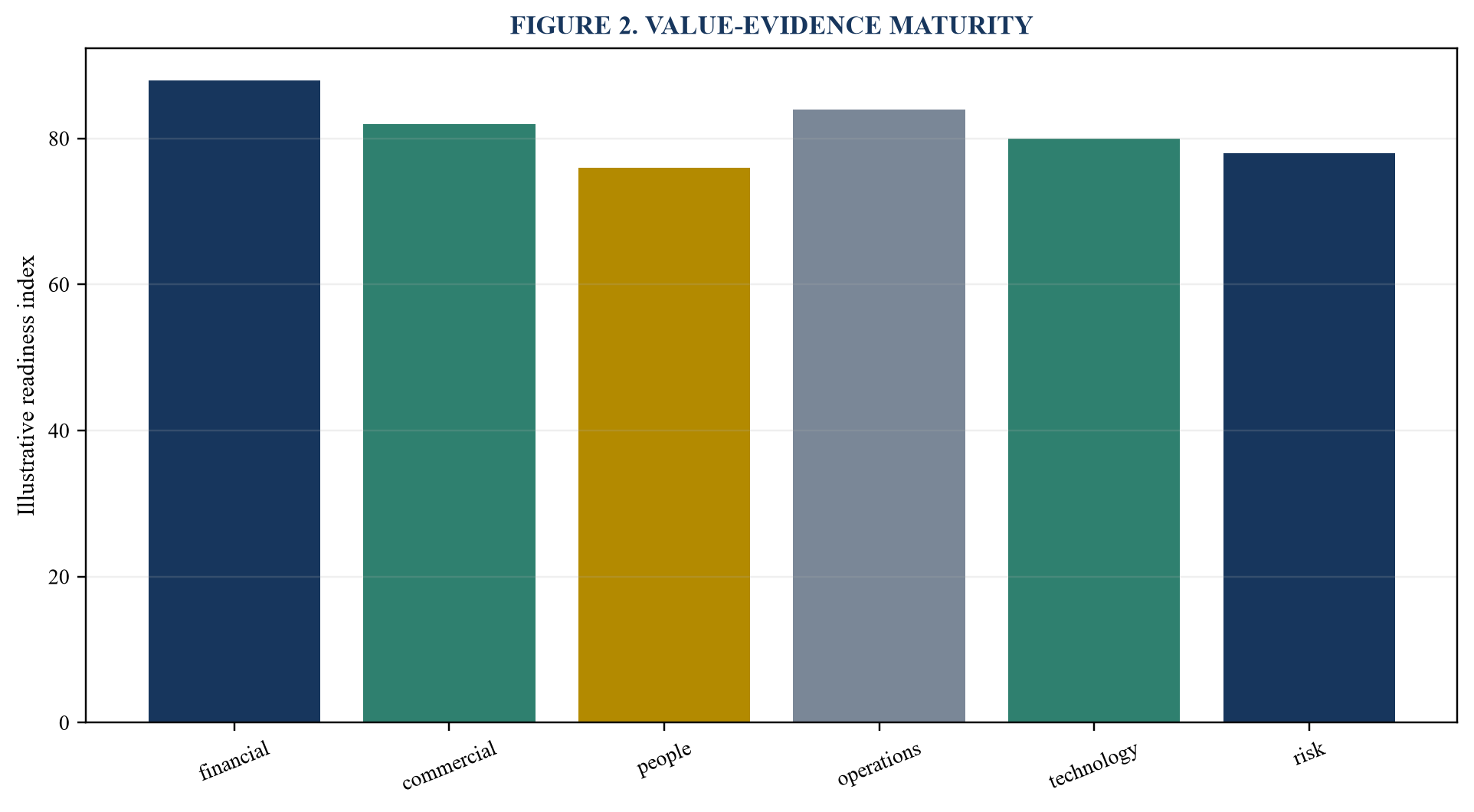
Values are illustrative readiness indices and require company-specific evidence.
17. Remediate cyber, privacy and data risk
Map assets, incidents, controls, testing, data rights, AI use, resilience and lawful transaction disclosure.
The control tower should reconcile security records, assessments, logs, privacy registers, contracts and technical tests. Each work item records the baseline, value or risk assertion, owner, resources, milestone, dependency, required evidence, decision authority and exception status. The immediate output is a cyber-and-data remediation programme.
Execution should distinguish activity from a sustained outcome. Reviewers trace results to native records, compare them with the integrated model, test whether controls work over time and confirm that management can repeat the performance without extraordinary intervention. Company-specific materiality, transaction logic and market conditions govern every conclusion.
Material gaps should be quantified and assigned an accountable owner, corrective action, evidence requirement and decision date. Consequences flow through the critical path, forecast, valuation, buyer strategy, diligence scope, disclosure and transaction protections. Residual risk remains visible until performance is proved, evidence is complete or authorised decision-makers explicitly accept a revised route or launch date.
18. Resolve regulatory permissions
Confirm licences, conditions, responsible persons, filings, inspections, change implications and approval lead times.
The control tower should reconcile licences, correspondence, filings, attestations, inspection records and legal analysis. Each work item records the baseline, value or risk assertion, owner, resources, milestone, dependency, required evidence, decision authority and exception status. The immediate output is a regulatory readiness and approvals map.
Execution should distinguish activity from a sustained outcome. Reviewers trace results to native records, compare them with the integrated model, test whether controls work over time and confirm that management can repeat the performance without extraordinary intervention. Company-specific materiality, transaction logic and market conditions govern every conclusion.
Material gaps should be quantified and assigned an accountable owner, corrective action, evidence requirement and decision date. Consequences flow through the critical path, forecast, valuation, buyer strategy, diligence scope, disclosure and transaction protections. Residual risk remains visible until performance is proved, evidence is complete or authorised decision-makers explicitly accept a revised route or launch date.
19. Clean up tax positions
Resolve registrations, filings, transfer pricing, losses, indirect taxes, disputes and transaction-structure consequences.
The control tower should reconcile returns, computations, correspondence, rulings, policies and tax ledgers. Each work item records the baseline, value or risk assertion, owner, resources, milestone, dependency, required evidence, decision authority and exception status. The immediate output is a tax-readiness remediation file.
Execution should distinguish activity from a sustained outcome. Reviewers trace results to native records, compare them with the integrated model, test whether controls work over time and confirm that management can repeat the performance without extraordinary intervention. Company-specific materiality, transaction logic and market conditions govern every conclusion.
Material gaps should be quantified and assigned an accountable owner, corrective action, evidence requirement and decision date. Consequences flow through the critical path, forecast, valuation, buyer strategy, diligence scope, disclosure and transaction protections. Residual risk remains visible until performance is proved, evidence is complete or authorised decision-makers explicitly accept a revised route or launch date.
20. Substantiate sustainability and conduct claims
Align material claims, boundaries, methods, controls, incidents, targets and funded transition actions.
The control tower should reconcile reports, metrics, source data, methodologies, audits, board records and operating plans. Each work item records the baseline, value or risk assertion, owner, resources, milestone, dependency, required evidence, decision authority and exception status. The immediate output is a diligence-ready sustainability register.
Execution should distinguish activity from a sustained outcome. Reviewers trace results to native records, compare them with the integrated model, test whether controls work over time and confirm that management can repeat the performance without extraordinary intervention. Company-specific materiality, transaction logic and market conditions govern every conclusion.
Material gaps should be quantified and assigned an accountable owner, corrective action, evidence requirement and decision date. Consequences flow through the critical path, forecast, valuation, buyer strategy, diligence scope, disclosure and transaction protections. Residual risk remains visible until performance is proved, evidence is complete or authorised decision-makers explicitly accept a revised route or launch date.
21. Reduce supply-chain and third-party risk
Address concentration, substitution, performance, sanctions, cyber, continuity and contractual weakness.
The control tower should reconcile supplier data, contracts, spend, assessments, incidents, alternatives and remediation plans. Each work item records the baseline, value or risk assertion, owner, resources, milestone, dependency, required evidence, decision authority and exception status. The immediate output is a third-party resilience programme.
Execution should distinguish activity from a sustained outcome. Reviewers trace results to native records, compare them with the integrated model, test whether controls work over time and confirm that management can repeat the performance without extraordinary intervention. Company-specific materiality, transaction logic and market conditions govern every conclusion.
Material gaps should be quantified and assigned an accountable owner, corrective action, evidence requirement and decision date. Consequences flow through the critical path, forecast, valuation, buyer strategy, diligence scope, disclosure and transaction protections. Residual risk remains visible until performance is proved, evidence is complete or authorised decision-makers explicitly accept a revised route or launch date.
22. Reconcile insurance and contingent exposure
Align policies, limits, exclusions, claims, notifications, disputes, provisions and risk-transfer gaps.
The control tower should reconcile insurance schedules, claims histories, legal registers, broker advice and accounting records. Each work item records the baseline, value or risk assertion, owner, resources, milestone, dependency, required evidence, decision authority and exception status. The immediate output is an insurance and contingencies decision file.
Execution should distinguish activity from a sustained outcome. Reviewers trace results to native records, compare them with the integrated model, test whether controls work over time and confirm that management can repeat the performance without extraordinary intervention. Company-specific materiality, transaction logic and market conditions govern every conclusion.
Material gaps should be quantified and assigned an accountable owner, corrective action, evidence requirement and decision date. Consequences flow through the critical path, forecast, valuation, buyer strategy, diligence scope, disclosure and transaction protections. Residual risk remains visible until performance is proved, evidence is complete or authorised decision-makers explicitly accept a revised route or launch date.
23. Prepare carve-out boundaries
Define assets, people, contracts, data, systems, licences, costs and stranded obligations for any separation.
The control tower should reconcile perimeter maps, allocations, shared services, dependencies, legal structures and buyer scenarios. Each work item records the baseline, value or risk assertion, owner, resources, milestone, dependency, required evidence, decision authority and exception status. The immediate output is a carve-out perimeter and cost model.
Execution should distinguish activity from a sustained outcome. Reviewers trace results to native records, compare them with the integrated model, test whether controls work over time and confirm that management can repeat the performance without extraordinary intervention. Company-specific materiality, transaction logic and market conditions govern every conclusion.
Material gaps should be quantified and assigned an accountable owner, corrective action, evidence requirement and decision date. Consequences flow through the critical path, forecast, valuation, buyer strategy, diligence scope, disclosure and transaction protections. Residual risk remains visible until performance is proved, evidence is complete or authorised decision-makers explicitly accept a revised route or launch date.
24. Design separation and transition services
Specify day-one continuity, service scope, pricing, governance, security, milestones and exit criteria.
The control tower should reconcile operating model, dependency map, service catalogue, cost base and acceptance tests. Each work item records the baseline, value or risk assertion, owner, resources, milestone, dependency, required evidence, decision authority and exception status. The immediate output is a separation and transition-service blueprint.
Execution should distinguish activity from a sustained outcome. Reviewers trace results to native records, compare them with the integrated model, test whether controls work over time and confirm that management can repeat the performance without extraordinary intervention. Company-specific materiality, transaction logic and market conditions govern every conclusion.
Material gaps should be quantified and assigned an accountable owner, corrective action, evidence requirement and decision date. Consequences flow through the critical path, forecast, valuation, buyer strategy, diligence scope, disclosure and transaction protections. Residual risk remains visible until performance is proved, evidence is complete or authorised decision-makers explicitly accept a revised route or launch date.
Table 3. Control-tower workstreams
| Workstream | Lead output | Dependency |
|---|---|---|
| financial | transaction-grade model | reporting controls |
| commercial | buyer-tested market case | customer evidence |
| legal and tax | resolved exposures | source documents |
| operations and technology | proved resilience | management capacity |
Illustrative programme design; company-specific facts and authorised advice govern.
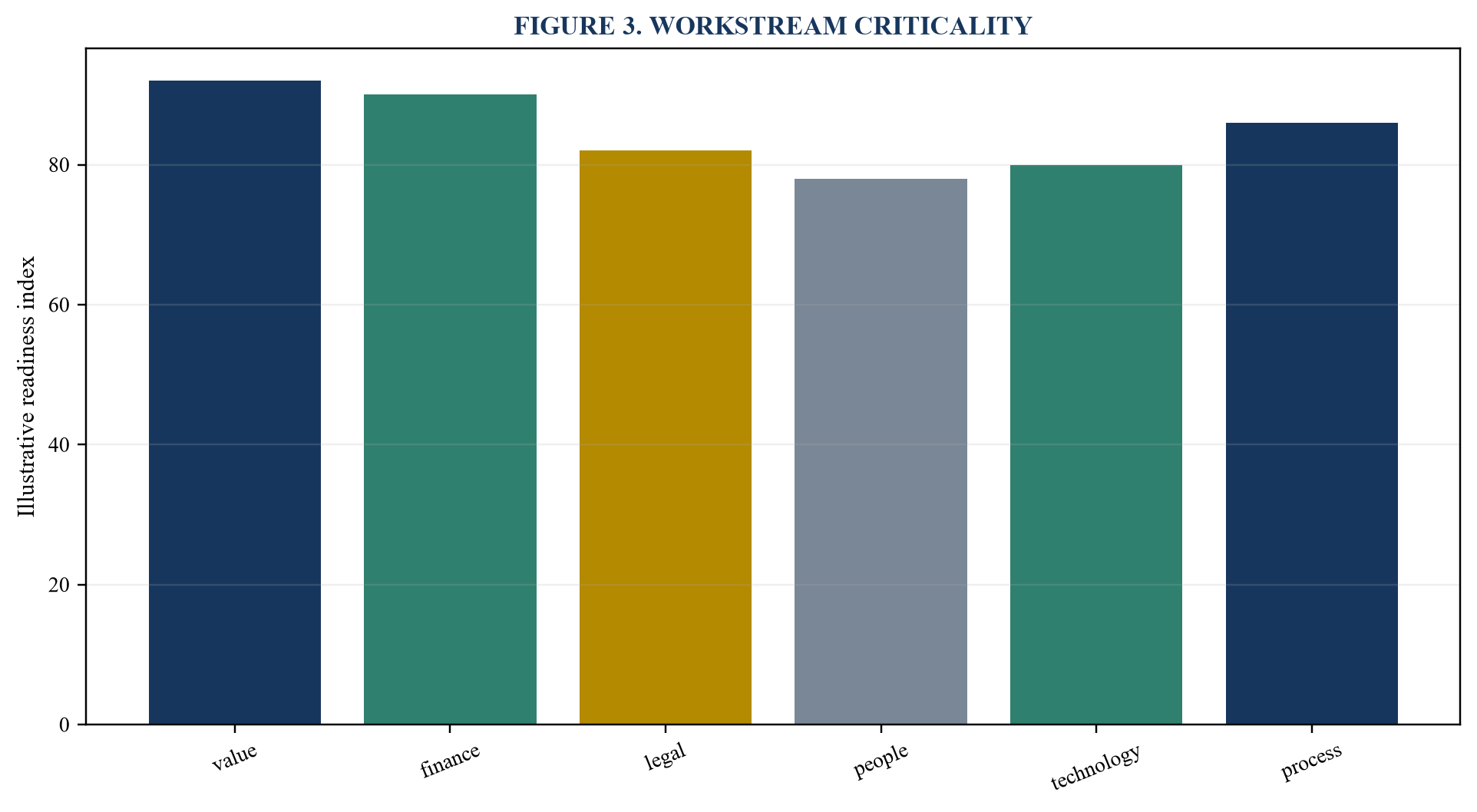
Values are illustrative readiness indices and require company-specific evidence.
25. Optimise debt, liquidity and capital structure
Address refinancing, covenant headroom, security, restricted cash, leakage, and buyer financing implications.
The control tower should reconcile facility agreements, forecasts, covenant models, security records and lender communications. Each work item records the baseline, value or risk assertion, owner, resources, milestone, dependency, required evidence, decision authority and exception status. The immediate output is a transaction capital-structure plan.
Execution should distinguish activity from a sustained outcome. Reviewers trace results to native records, compare them with the integrated model, test whether controls work over time and confirm that management can repeat the performance without extraordinary intervention. Company-specific materiality, transaction logic and market conditions govern every conclusion.
Material gaps should be quantified and assigned an accountable owner, corrective action, evidence requirement and decision date. Consequences flow through the critical path, forecast, valuation, buyer strategy, diligence scope, disclosure and transaction protections. Residual risk remains visible until performance is proved, evidence is complete or authorised decision-makers explicitly accept a revised route or launch date.
26. Build the decision-centred data room
Organise governed evidence around buyer assertions and decisions with source provenance, permissions and change control.
The control tower should reconcile request lists, source systems, document inventory, issue register and access protocol. Each work item records the baseline, value or risk assertion, owner, resources, milestone, dependency, required evidence, decision authority and exception status. The immediate output is a buyer-ready evidence room.
Execution should distinguish activity from a sustained outcome. Reviewers trace results to native records, compare them with the integrated model, test whether controls work over time and confirm that management can repeat the performance without extraordinary intervention. Company-specific materiality, transaction logic and market conditions govern every conclusion.
Material gaps should be quantified and assigned an accountable owner, corrective action, evidence requirement and decision date. Consequences flow through the critical path, forecast, valuation, buyer strategy, diligence scope, disclosure and transaction protections. Residual risk remains visible until performance is proved, evidence is complete or authorised decision-makers explicitly accept a revised route or launch date.
27. Commission vendor due diligence selectively
Define independent commercial, financial, tax, legal, technology, cyber and operational work that increases process confidence.
The control tower should reconcile buyer theses, risk profile, evidence maturity, adviser scopes, materiality and timetable. Each work item records the baseline, value or risk assertion, owner, resources, milestone, dependency, required evidence, decision authority and exception status. The immediate output is a proportionate vendor diligence plan.
Execution should distinguish activity from a sustained outcome. Reviewers trace results to native records, compare them with the integrated model, test whether controls work over time and confirm that management can repeat the performance without extraordinary intervention. Company-specific materiality, transaction logic and market conditions govern every conclusion.
Material gaps should be quantified and assigned an accountable owner, corrective action, evidence requirement and decision date. Consequences flow through the critical path, forecast, valuation, buyer strategy, diligence scope, disclosure and transaction protections. Residual risk remains visible until performance is proved, evidence is complete or authorised decision-makers explicitly accept a revised route or launch date.
28. Appoint and govern advisers
Select advisers by capability, conflicts, sector reach, execution model, fee alignment and decision rights.
The control tower should reconcile selection criteria, proposals, references, independence checks, scopes and engagement terms. Each work item records the baseline, value or risk assertion, owner, resources, milestone, dependency, required evidence, decision authority and exception status. The immediate output is an integrated adviser governance plan.
Execution should distinguish activity from a sustained outcome. Reviewers trace results to native records, compare them with the integrated model, test whether controls work over time and confirm that management can repeat the performance without extraordinary intervention. Company-specific materiality, transaction logic and market conditions govern every conclusion.
Material gaps should be quantified and assigned an accountable owner, corrective action, evidence requirement and decision date. Consequences flow through the critical path, forecast, valuation, buyer strategy, diligence scope, disclosure and transaction protections. Residual risk remains visible until performance is proved, evidence is complete or authorised decision-makers explicitly accept a revised route or launch date.
29. Build the evidence-led equity story
Connect strategy, market, differentiation, management, performance, growth and resilience claims to controlled evidence.
The control tower should reconcile board strategy, market data, operating records, financial model and claim substantiation. Each work item records the baseline, value or risk assertion, owner, resources, milestone, dependency, required evidence, decision authority and exception status. The immediate output is a buyer-testable equity story.
Execution should distinguish activity from a sustained outcome. Reviewers trace results to native records, compare them with the integrated model, test whether controls work over time and confirm that management can repeat the performance without extraordinary intervention. Company-specific materiality, transaction logic and market conditions govern every conclusion.
Material gaps should be quantified and assigned an accountable owner, corrective action, evidence requirement and decision date. Consequences flow through the critical path, forecast, valuation, buyer strategy, diligence scope, disclosure and transaction protections. Residual risk remains visible until performance is proved, evidence is complete or authorised decision-makers explicitly accept a revised route or launch date.
30. Prepare management for diligence
Develop presentation ownership, evidence use, question discipline, consistency, candour and escalation under pressure.
The control tower should reconcile management materials, rehearsals, decision cases, Q&A bank and source evidence. Each work item records the baseline, value or risk assertion, owner, resources, milestone, dependency, required evidence, decision authority and exception status. The immediate output is a management diligence readiness pack.
Execution should distinguish activity from a sustained outcome. Reviewers trace results to native records, compare them with the integrated model, test whether controls work over time and confirm that management can repeat the performance without extraordinary intervention. Company-specific materiality, transaction logic and market conditions govern every conclusion.
Material gaps should be quantified and assigned an accountable owner, corrective action, evidence requirement and decision date. Consequences flow through the critical path, forecast, valuation, buyer strategy, diligence scope, disclosure and transaction protections. Residual risk remains visible until performance is proved, evidence is complete or authorised decision-makers explicitly accept a revised route or launch date.
31. Build and qualify the buyer universe
Segment buyers by strategic fit, capital, appetite, decision path, regulatory feasibility, financing and execution credibility.
The control tower should reconcile market intelligence, ownership, prior deals, portfolio logic, funding and relationship evidence. Each work item records the baseline, value or risk assertion, owner, resources, milestone, dependency, required evidence, decision authority and exception status. The immediate output is a qualified buyer-priority map.
Execution should distinguish activity from a sustained outcome. Reviewers trace results to native records, compare them with the integrated model, test whether controls work over time and confirm that management can repeat the performance without extraordinary intervention. Company-specific materiality, transaction logic and market conditions govern every conclusion.
Material gaps should be quantified and assigned an accountable owner, corrective action, evidence requirement and decision date. Consequences flow through the critical path, forecast, valuation, buyer strategy, diligence scope, disclosure and transaction protections. Residual risk remains visible until performance is proved, evidence is complete or authorised decision-makers explicitly accept a revised route or launch date.
32. Design the transaction process
Choose launch timing, phases, materials, access, management interaction, bids, exclusivity and negotiation rules.
The control tower should reconcile buyer universe, readiness evidence, competitive tension, confidentiality and decision milestones. Each work item records the baseline, value or risk assertion, owner, resources, milestone, dependency, required evidence, decision authority and exception status. The immediate output is a controlled sale-process design.
Execution should distinguish activity from a sustained outcome. Reviewers trace results to native records, compare them with the integrated model, test whether controls work over time and confirm that management can repeat the performance without extraordinary intervention. Company-specific materiality, transaction logic and market conditions govern every conclusion.
Material gaps should be quantified and assigned an accountable owner, corrective action, evidence requirement and decision date. Consequences flow through the critical path, forecast, valuation, buyer strategy, diligence scope, disclosure and transaction protections. Residual risk remains visible until performance is proved, evidence is complete or authorised decision-makers explicitly accept a revised route or launch date.
Table 4. Launch gate matrix
| Gate | Required evidence | No-go signal |
|---|---|---|
| value | initiatives reconciled to model | unsupported uplift |
| evidence | material claims traceable | critical gaps |
| people | bench and capacity tested | founder bottleneck |
| market | qualified buyer appetite | weak timing |
Illustrative programme design; company-specific facts and authorised advice govern.
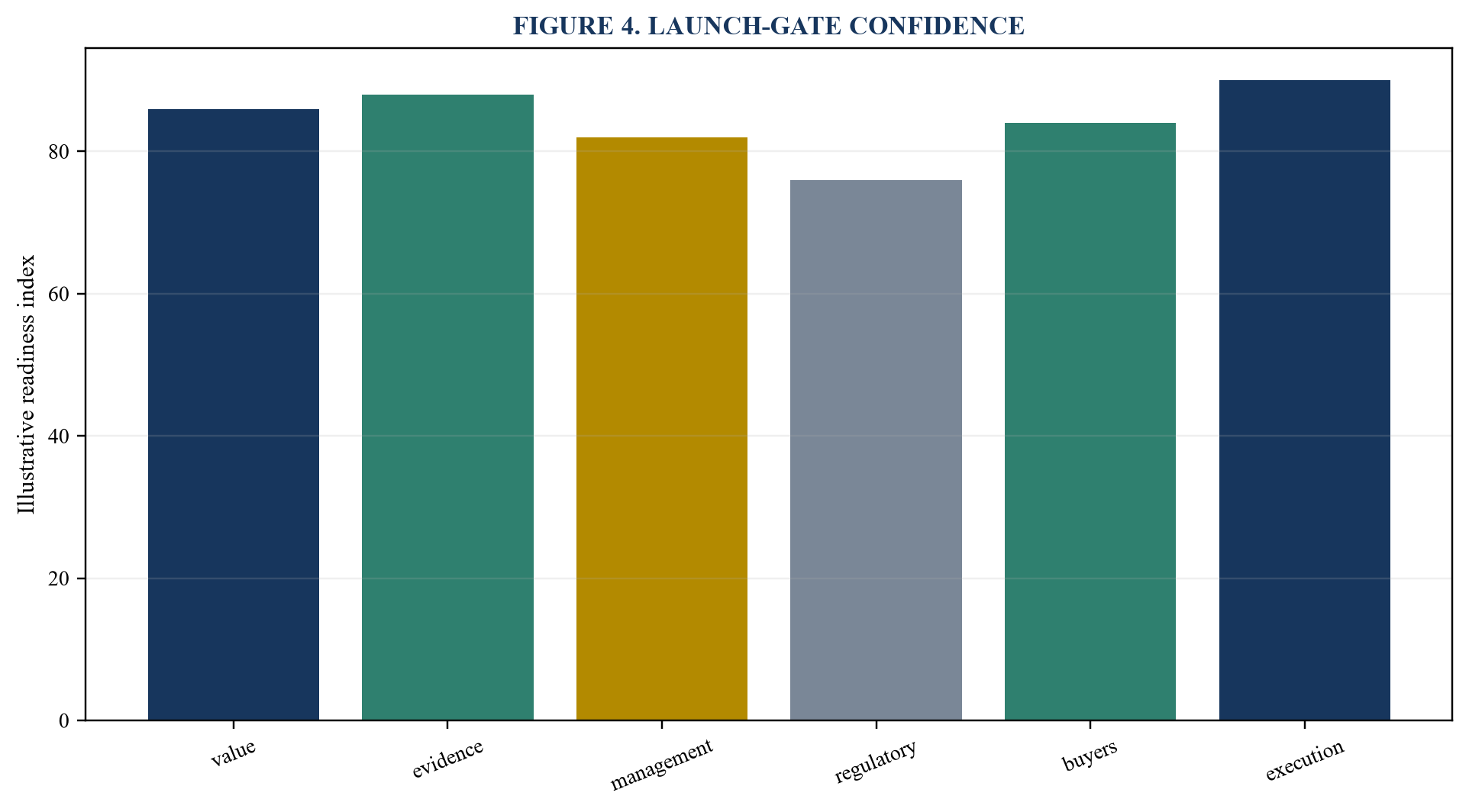
Values are illustrative readiness indices and require company-specific evidence.
33. Prepare merger-control and foreign-investment analysis
Map jurisdictions, thresholds, theories of harm, information needs, remedies, national-security issues and lead times.
The control tower should reconcile market data, internal documents, transaction structure, counsel analysis and regulator guidance. Each work item records the baseline, value or risk assertion, owner, resources, milestone, dependency, required evidence, decision authority and exception status. The immediate output is a regulatory critical-path plan.
Execution should distinguish activity from a sustained outcome. Reviewers trace results to native records, compare them with the integrated model, test whether controls work over time and confirm that management can repeat the performance without extraordinary intervention. Company-specific materiality, transaction logic and market conditions govern every conclusion.
Material gaps should be quantified and assigned an accountable owner, corrective action, evidence requirement and decision date. Consequences flow through the critical path, forecast, valuation, buyer strategy, diligence scope, disclosure and transaction protections. Residual risk remains visible until performance is proved, evidence is complete or authorised decision-makers explicitly accept a revised route or launch date.
34. Draft disclosure and risk allocation
Prepare accurate disclosure, conditions, covenants, indemnities, escrow, earn-outs and completion mechanics from known risks.
The control tower should reconcile issue register, evidence, quantification, legal analysis and negotiation strategy. Each work item records the baseline, value or risk assertion, owner, resources, milestone, dependency, required evidence, decision authority and exception status. The immediate output is a transaction-protection options paper.
Execution should distinguish activity from a sustained outcome. Reviewers trace results to native records, compare them with the integrated model, test whether controls work over time and confirm that management can repeat the performance without extraordinary intervention. Company-specific materiality, transaction logic and market conditions govern every conclusion.
Material gaps should be quantified and assigned an accountable owner, corrective action, evidence requirement and decision date. Consequences flow through the critical path, forecast, valuation, buyer strategy, diligence scope, disclosure and transaction protections. Residual risk remains visible until performance is proved, evidence is complete or authorised decision-makers explicitly accept a revised route or launch date.
35. Prove remediation effectiveness
Retest corrected controls, data, contracts, roles and operating outcomes through sustained evidence rather than completion claims.
The control tower should reconcile closure packs, native records, test samples, dashboards, audit trails and accountable sign-off. Each work item records the baseline, value or risk assertion, owner, resources, milestone, dependency, required evidence, decision authority and exception status. The immediate output is a remediation-effectiveness register.
Execution should distinguish activity from a sustained outcome. Reviewers trace results to native records, compare them with the integrated model, test whether controls work over time and confirm that management can repeat the performance without extraordinary intervention. Company-specific materiality, transaction logic and market conditions govern every conclusion.
Material gaps should be quantified and assigned an accountable owner, corrective action, evidence requirement and decision date. Consequences flow through the critical path, forecast, valuation, buyer strategy, diligence scope, disclosure and transaction protections. Residual risk remains visible until performance is proved, evidence is complete or authorised decision-makers explicitly accept a revised route or launch date.
36. Operate the monthly control-tower cadence
Review value initiatives, evidence, risks, adviser deliverables, dependencies, decisions and launch gates each month.
The control tower should reconcile integrated dashboard, critical path, issue log, budgets, approvals and meeting records. Each work item records the baseline, value or risk assertion, owner, resources, milestone, dependency, required evidence, decision authority and exception status. The immediate output is a monthly board control-tower pack.
Execution should distinguish activity from a sustained outcome. Reviewers trace results to native records, compare them with the integrated model, test whether controls work over time and confirm that management can repeat the performance without extraordinary intervention. Company-specific materiality, transaction logic and market conditions govern every conclusion.
Material gaps should be quantified and assigned an accountable owner, corrective action, evidence requirement and decision date. Consequences flow through the critical path, forecast, valuation, buyer strategy, diligence scope, disclosure and transaction protections. Residual risk remains visible until performance is proved, evidence is complete or authorised decision-makers explicitly accept a revised route or launch date.
37. Manage readiness risks and dependencies
Identify schedule, capacity, performance, disclosure, regulatory, people and market risks with triggers and contingencies.
The control tower should reconcile risk register, dependency network, scenarios, early-warning indicators and action plans. Each work item records the baseline, value or risk assertion, owner, resources, milestone, dependency, required evidence, decision authority and exception status. The immediate output is an exit-readiness risk-control matrix.
Execution should distinguish activity from a sustained outcome. Reviewers trace results to native records, compare them with the integrated model, test whether controls work over time and confirm that management can repeat the performance without extraordinary intervention. Company-specific materiality, transaction logic and market conditions govern every conclusion.
Material gaps should be quantified and assigned an accountable owner, corrective action, evidence requirement and decision date. Consequences flow through the critical path, forecast, valuation, buyer strategy, diligence scope, disclosure and transaction protections. Residual risk remains visible until performance is proved, evidence is complete or authorised decision-makers explicitly accept a revised route or launch date.
38. Run buyer and process simulations
Test representative diligence, model, management, regulatory, negotiation and closing demands before market launch.
The control tower should reconcile mock requests, models, interviews, clean-team tests, timetable exercises and observed outcomes. Each work item records the baseline, value or risk assertion, owner, resources, milestone, dependency, required evidence, decision authority and exception status. The immediate output is a full-process readiness test report.
Execution should distinguish activity from a sustained outcome. Reviewers trace results to native records, compare them with the integrated model, test whether controls work over time and confirm that management can repeat the performance without extraordinary intervention. Company-specific materiality, transaction logic and market conditions govern every conclusion.
Material gaps should be quantified and assigned an accountable owner, corrective action, evidence requirement and decision date. Consequences flow through the critical path, forecast, valuation, buyer strategy, diligence scope, disclosure and transaction protections. Residual risk remains visible until performance is proved, evidence is complete or authorised decision-makers explicitly accept a revised route or launch date.
39. Set launch and no-go gates
Define objective evidence for value, reporting, management, documentation, regulation, buyer interest and execution capacity.
The control tower should reconcile gate criteria, exceptions, residual risks, approvals, market evidence and contingency plans. Each work item records the baseline, value or risk assertion, owner, resources, milestone, dependency, required evidence, decision authority and exception status. The immediate output is a board launch-readiness certificate.
Execution should distinguish activity from a sustained outcome. Reviewers trace results to native records, compare them with the integrated model, test whether controls work over time and confirm that management can repeat the performance without extraordinary intervention. Company-specific materiality, transaction logic and market conditions govern every conclusion.
Material gaps should be quantified and assigned an accountable owner, corrective action, evidence requirement and decision date. Consequences flow through the critical path, forecast, valuation, buyer strategy, diligence scope, disclosure and transaction protections. Residual risk remains visible until performance is proved, evidence is complete or authorised decision-makers explicitly accept a revised route or launch date.
40. Issue the twelve-month readiness conclusion
Present value delivered, evidence produced, open risks, buyer strategy, timing options and authorised launch recommendation.
The control tower should reconcile baseline, roadmap, dashboard, test results, adviser outputs, decisions and limitations. Each work item records the baseline, value or risk assertion, owner, resources, milestone, dependency, required evidence, decision authority and exception status. The immediate output is a board-ready exit-readiness report.
Execution should distinguish activity from a sustained outcome. Reviewers trace results to native records, compare them with the integrated model, test whether controls work over time and confirm that management can repeat the performance without extraordinary intervention. Company-specific materiality, transaction logic and market conditions govern every conclusion.
Material gaps should be quantified and assigned an accountable owner, corrective action, evidence requirement and decision date. Consequences flow through the critical path, forecast, valuation, buyer strategy, diligence scope, disclosure and transaction protections. Residual risk remains visible until performance is proved, evidence is complete or authorised decision-makers explicitly accept a revised route or launch date.
Table 5. Readiness certificate
| Dimension | Required proof | Decision use |
|---|---|---|
| valuable | sustained operating outcomes | valuation |
| credible | source-linked evidence | buyer confidence |
| executable | team, advisers and process ready | timing |
| controlled | risks and exceptions governed | launch authority |
Illustrative programme design; company-specific facts and authorised advice govern.
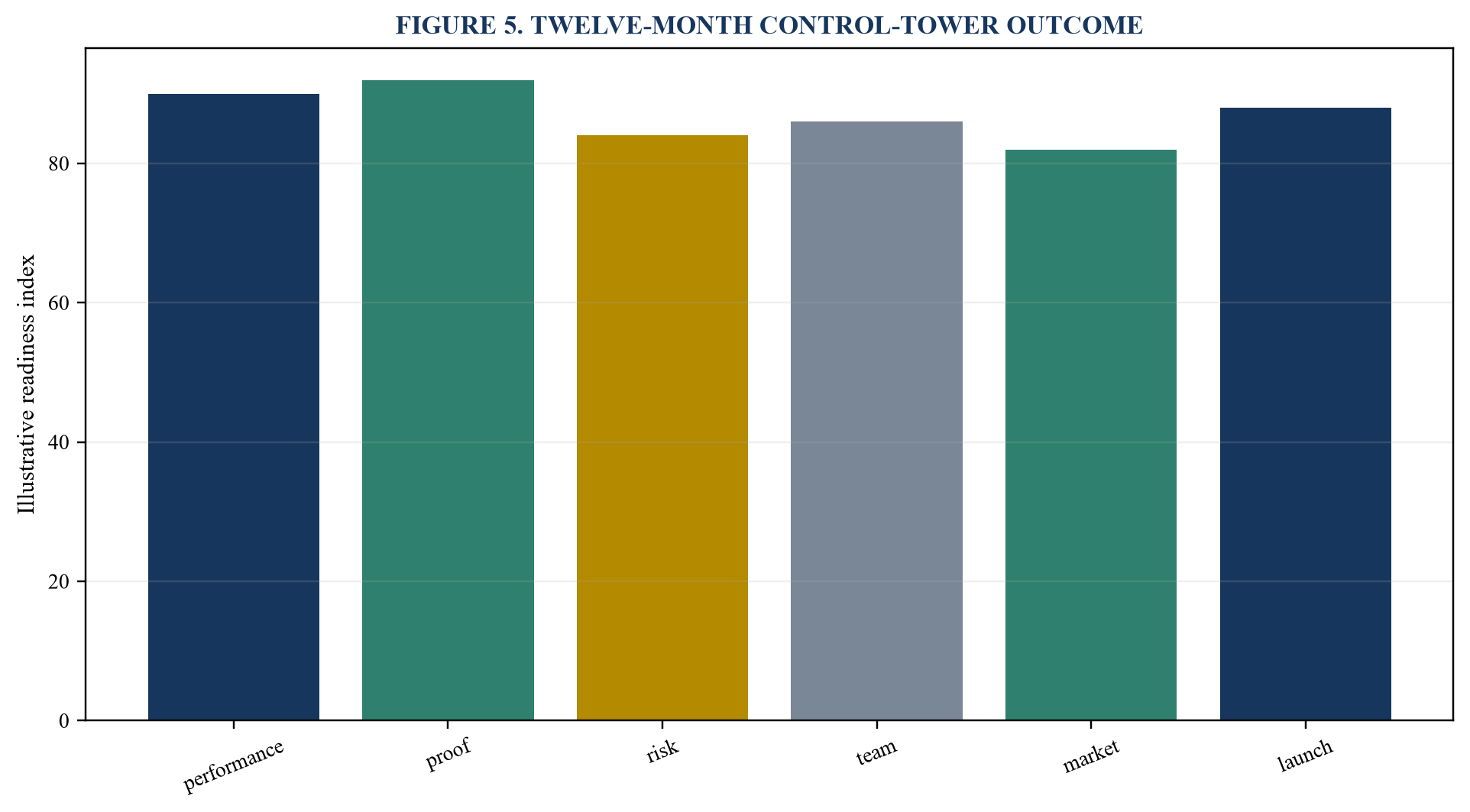
Values are illustrative readiness indices and require company-specific evidence.
References
- Financial Reporting Council, UK Corporate Governance Code 2024, https://www.frc.org.uk/library/standards-codes-policy/corporate-governance/uk-corporate-governance-code/
- Information Commissioner's Office, Due diligence when sharing data following mergers and acquisitions, https://ico.org.uk/for-organisations/uk-gdpr-guidance-and-resources/data-sharing/data-sharing-a-code-of-practice/due-diligence/
- US Department of Justice, Evaluation of Corporate Compliance Programs, September 2024, https://www.justice.gov/criminal/criminal-fraud/page/file/937501
- IFRS Foundation, IFRS 18 Presentation and Disclosure in Financial Statements, https://www.ifrs.org/issued-standards/list-of-standards/ifrs-18-presentation-and-disclosure-in-financial-statements/
- IFRS Foundation, IFRS 15 Revenue from Contracts with Customers, https://www.ifrs.org/issued-standards/list-of-standards/ifrs-15-revenue-from-contracts-with-customers/
- IFRS Foundation, IAS 7 Statement of Cash Flows, https://www.ifrs.org/issued-standards/list-of-standards/ias-7-statement-of-cash-flows/
- IFRS Foundation, IAS 24 Related Party Disclosures, https://www.ifrs.org/issued-standards/list-of-standards/ias-24-related-party-disclosures/
- IFRS Foundation, IAS 36 Impairment of Assets, https://www.ifrs.org/issued-standards/list-of-standards/ias-36-impairment-of-assets/
- IFRS Foundation, IAS 37 Provisions Contingent Liabilities and Contingent Assets, https://www.ifrs.org/issued-standards/list-of-standards/ias-37-provisions-contingent-liabilities-and-contingent-assets/
- US Securities and Exchange Commission, Regulation S-K, https://www.sec.gov/rules-regulations/staff-guidance/corporation-finance-interpretations/regulation-s-k
- US Securities and Exchange Commission, Cybersecurity Risk Management Strategy Governance and Incident Disclosure, https://www.sec.gov/rules-regulations/2023/07/s7-09-22
- Public Company Accounting Oversight Board, AS 1105 Audit Evidence, https://pcaobus.org/oversight/standards/auditing-standards/details/AS1105
- National Institute of Standards and Technology, Cybersecurity Framework 2.0, https://doi.org/10.6028/NIST.CSWP.29
- National Institute of Standards and Technology, AI Risk Management Framework, https://www.nist.gov/itl/ai-risk-management-framework
- International Organization for Standardization, ISO IEC 27001 Information Security Management Systems, https://www.iso.org/isoiec-27001-information-security.html
- International Organization for Standardization, ISO 31000 Risk Management Guidelines, https://www.iso.org/standard/65694.html
- COSO, Internal Control Integrated Framework, https://www.coso.org/guidance-on-ic
- UK Government, Data Protection Act 2018, https://www.legislation.gov.uk/ukpga/2018/12/contents
- European Union, General Data Protection Regulation, https://eur-lex.europa.eu/eli/reg/2016/679/oj
- UK Government, Companies Act 2006 section 172, https://www.legislation.gov.uk/ukpga/2006/46/section/172
- UK Government, Bribery Act 2010, https://www.legislation.gov.uk/ukpga/2010/23/contents
- US Department of Justice and US Securities and Exchange Commission, A Resource Guide to the US Foreign Corrupt Practices Act, https://www.justice.gov/criminal/criminal-fraud/file/1292051/dl
- UK Competition and Markets Authority, Merger Assessment Guidelines, updated June 2026, https://www.gov.uk/government/publications/merger-assessment-guidelines/merger-assessment-guidelines-html-version
- US Federal Trade Commission, HSR Notification Forms Instructions and Guidance, https://www.ftc.gov/enforcement/premerger-notification-program/hsr-notification-forms-instructions-guidance
- UK Takeover Panel, The Takeover Code, https://www.thetakeoverpanel.org.uk/the-code/download-code
- International Auditing and Assurance Standards Board, ISA 500 Audit Evidence, https://www.iaasb.org/publications/international-standard-auditing-isa-500-audit-evidence
