

1. Define the funding gap
The transaction team should reconcile purchase price, costs, liquidity, senior facilities, management cash and external equity. The immediate output is a controlled sources-and-uses bridge with named owners, dates, source evidence, approval status and open exceptions.
The analytical objective is to determine whether vendor finance fills a real and affordable residual requirement. Reviewers should reconcile board materials, transaction documents, lender terms, management forecasts, cash records, security evidence, legal analysis and independent advice.
The framework should assign responsibility across the seller, management buyers, equity investors, senior lenders, legal counsel, tax advisers, accountants, valuation specialists and security agents. Definitions, calculation rules, information rights, decision thresholds, cure periods and record retention should be explicit. Any departure needs a stated reason, decision owner, impact analysis, mitigating control and deadline.
At each gate, decision makers should test affordability, liquidity, ranking, recoverability, incentives, operating flexibility and execution risk together. Material gaps remain visible until evidence is complete, advice is current, exceptions are resolved or accepted by the authorised body, and the repayment case can withstand credible downside scenarios.
2. Separate price from financing
The transaction team should distinguish enterprise value, equity value, deferred payment, contingent price and creditor economics. The immediate output is a controlled price-and-finance bridge with named owners, dates, source evidence, approval status and open exceptions.
The analytical objective is to determine whether headline consideration embeds a financing concession or contingent value. Reviewers should reconcile board materials, transaction documents, lender terms, management forecasts, cash records, security evidence, legal analysis and independent advice.
The framework should assign responsibility across the seller, management buyers, equity investors, senior lenders, legal counsel, tax advisers, accountants, valuation specialists and security agents. Definitions, calculation rules, information rights, decision thresholds, cure periods and record retention should be explicit. Any departure needs a stated reason, decision owner, impact analysis, mitigating control and deadline.
At each gate, decision makers should test affordability, liquidity, ranking, recoverability, incentives, operating flexibility and execution risk together. Material gaps remain visible until evidence is complete, advice is current, exceptions are resolved or accepted by the authorised body, and the repayment case can withstand credible downside scenarios.
3. Establish the borrower perimeter
The transaction team should identify acquisition vehicles, operating companies, guarantors and structural subordination. The immediate output is a controlled obligor map with named owners, dates, source evidence, approval status and open exceptions.
The analytical objective is to determine which cash flows and assets can lawfully support repayment and enforcement. Reviewers should reconcile board materials, transaction documents, lender terms, management forecasts, cash records, security evidence, legal analysis and independent advice.
The framework should assign responsibility across the seller, management buyers, equity investors, senior lenders, legal counsel, tax advisers, accountants, valuation specialists and security agents. Definitions, calculation rules, information rights, decision thresholds, cure periods and record retention should be explicit. Any departure needs a stated reason, decision owner, impact analysis, mitigating control and deadline.
At each gate, decision makers should test affordability, liquidity, ranking, recoverability, incentives, operating flexibility and execution risk together. Material gaps remain visible until evidence is complete, advice is current, exceptions are resolved or accepted by the authorised body, and the repayment case can withstand credible downside scenarios.
4. Test management equity
The transaction team should verify personal cash, rollover, external equity and future funding commitments. The immediate output is a controlled equity-evidence schedule with named owners, dates, source evidence, approval status and open exceptions.
The analytical objective is to determine whether owners have credible capital at risk before seller exposure is accepted. Reviewers should reconcile board materials, transaction documents, lender terms, management forecasts, cash records, security evidence, legal analysis and independent advice.
The framework should assign responsibility across the seller, management buyers, equity investors, senior lenders, legal counsel, tax advisers, accountants, valuation specialists and security agents. Definitions, calculation rules, information rights, decision thresholds, cure periods and record retention should be explicit. Any departure needs a stated reason, decision owner, impact analysis, mitigating control and deadline.
At each gate, decision makers should test affordability, liquidity, ranking, recoverability, incentives, operating flexibility and execution risk together. Material gaps remain visible until evidence is complete, advice is current, exceptions are resolved or accepted by the authorised body, and the repayment case can withstand credible downside scenarios.
5. Size senior debt capacity
The transaction team should model leverage, debt service, amortisation, covenant headroom and lender conditions. The immediate output is a controlled senior-capacity certificate with named owners, dates, source evidence, approval status and open exceptions.
The analytical objective is to determine whether the buyout remains financeable across credible downside cases. Reviewers should reconcile board materials, transaction documents, lender terms, management forecasts, cash records, security evidence, legal analysis and independent advice.
The framework should assign responsibility across the seller, management buyers, equity investors, senior lenders, legal counsel, tax advisers, accountants, valuation specialists and security agents. Definitions, calculation rules, information rights, decision thresholds, cure periods and record retention should be explicit. Any departure needs a stated reason, decision owner, impact analysis, mitigating control and deadline.
At each gate, decision makers should test affordability, liquidity, ranking, recoverability, incentives, operating flexibility and execution risk together. Material gaps remain visible until evidence is complete, advice is current, exceptions are resolved or accepted by the authorised body, and the repayment case can withstand credible downside scenarios.
6. Set minimum operating liquidity
The transaction team should forecast weekly receipts, payments, working capital, capex, tax and contingency needs. The immediate output is a controlled minimum-cash policy with named owners, dates, source evidence, approval status and open exceptions.
The analytical objective is to determine whether seller-note payments would impair ordinary-course resilience. Reviewers should reconcile board materials, transaction documents, lender terms, management forecasts, cash records, security evidence, legal analysis and independent advice.
The framework should assign responsibility across the seller, management buyers, equity investors, senior lenders, legal counsel, tax advisers, accountants, valuation specialists and security agents. Definitions, calculation rules, information rights, decision thresholds, cure periods and record retention should be explicit. Any departure needs a stated reason, decision owner, impact analysis, mitigating control and deadline.
At each gate, decision makers should test affordability, liquidity, ranking, recoverability, incentives, operating flexibility and execution risk together. Material gaps remain visible until evidence is complete, advice is current, exceptions are resolved or accepted by the authorised body, and the repayment case can withstand credible downside scenarios.
7. Choose the vendor-finance instrument
The transaction team should compare loan notes, deferred consideration, earn-outs, preference instruments and hybrids. The immediate output is a controlled instrument decision matrix with named owners, dates, source evidence, approval status and open exceptions.
The analytical objective is to determine whether contractual form matches the intended risk, return, tax and control profile. Reviewers should reconcile board materials, transaction documents, lender terms, management forecasts, cash records, security evidence, legal analysis and independent advice.
The framework should assign responsibility across the seller, management buyers, equity investors, senior lenders, legal counsel, tax advisers, accountants, valuation specialists and security agents. Definitions, calculation rules, information rights, decision thresholds, cure periods and record retention should be explicit. Any departure needs a stated reason, decision owner, impact analysis, mitigating control and deadline.
At each gate, decision makers should test affordability, liquidity, ranking, recoverability, incentives, operating flexibility and execution risk together. Material gaps remain visible until evidence is complete, advice is current, exceptions are resolved or accepted by the authorised body, and the repayment case can withstand credible downside scenarios.
8. Measure face and economic value
The transaction team should discount contractual cash flows at a market-consistent yield and expose financing concessions. The immediate output is a controlled fair-value bridge with named owners, dates, source evidence, approval status and open exceptions.
The analytical objective is to determine how much present economic value the seller actually receives at completion. Reviewers should reconcile board materials, transaction documents, lender terms, management forecasts, cash records, security evidence, legal analysis and independent advice.
The framework should assign responsibility across the seller, management buyers, equity investors, senior lenders, legal counsel, tax advisers, accountants, valuation specialists and security agents. Definitions, calculation rules, information rights, decision thresholds, cure periods and record retention should be explicit. Any departure needs a stated reason, decision owner, impact analysis, mitigating control and deadline.
At each gate, decision makers should test affordability, liquidity, ranking, recoverability, incentives, operating flexibility and execution risk together. Material gaps remain visible until evidence is complete, advice is current, exceptions are resolved or accepted by the authorised body, and the repayment case can withstand credible downside scenarios.
Table 1. Sources-and-uses architecture
| Funding layer | Primary evidence | Decision use |
|---|---|---|
| senior debt | commitments and covenants | capacity |
| management equity | verified funds | alignment |
| external equity | subscription terms | ownership |
| vendor finance | note and intercreditor terms | residual gap |
Illustrative structure; transaction-specific facts and authorised advice govern.
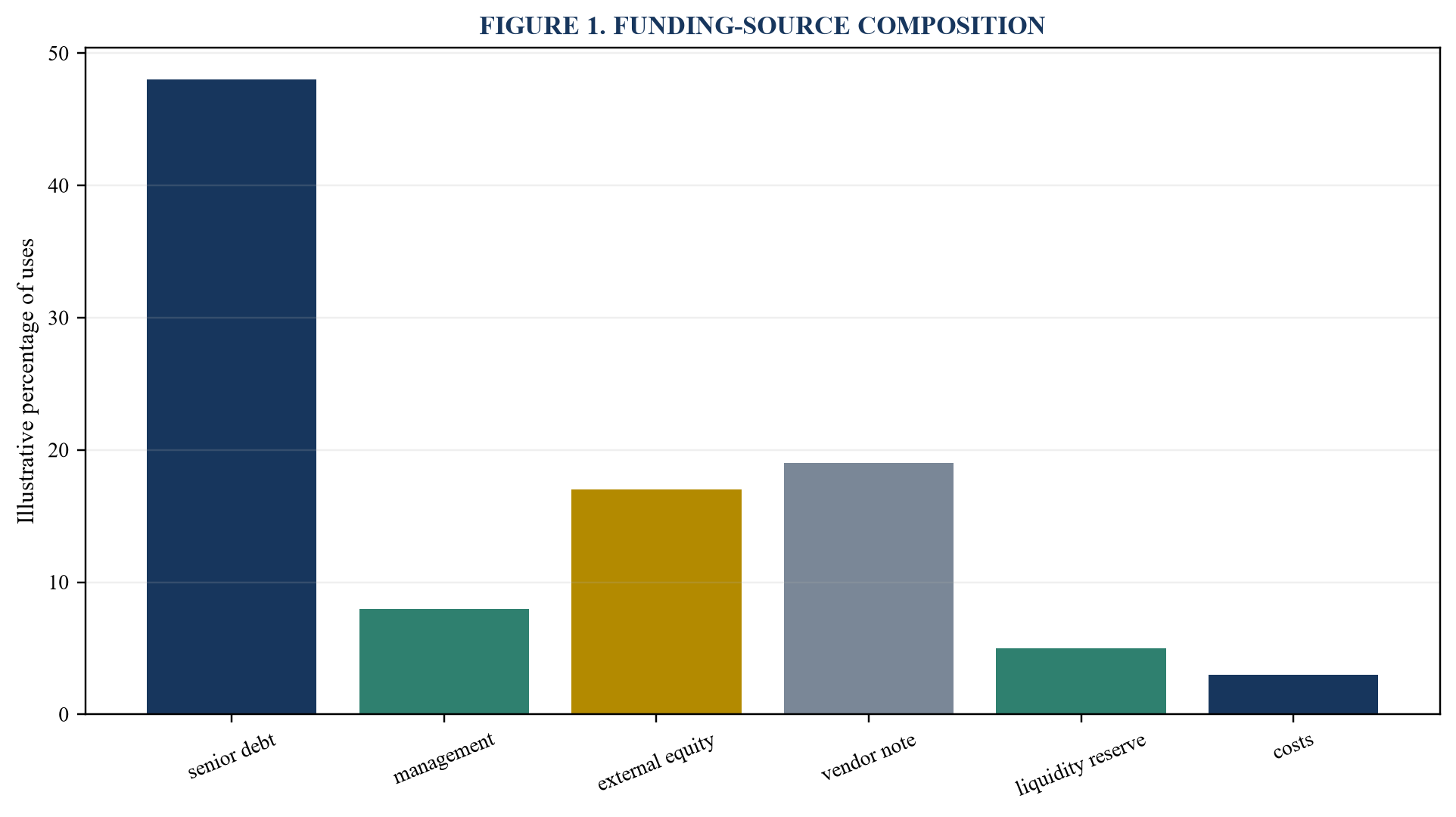
Values are illustrative readiness indices and require company-specific evidence.
9. Set cash and PIK pricing
The transaction team should allocate cash interest, payment-in-kind interest, fees, discount and step-ups. The immediate output is a controlled yield architecture with named owners, dates, source evidence, approval status and open exceptions.
The analytical objective is to determine whether pricing compensates risk without exhausting operating cash. Reviewers should reconcile board materials, transaction documents, lender terms, management forecasts, cash records, security evidence, legal analysis and independent advice.
The framework should assign responsibility across the seller, management buyers, equity investors, senior lenders, legal counsel, tax advisers, accountants, valuation specialists and security agents. Definitions, calculation rules, information rights, decision thresholds, cure periods and record retention should be explicit. Any departure needs a stated reason, decision owner, impact analysis, mitigating control and deadline.
At each gate, decision makers should test affordability, liquidity, ranking, recoverability, incentives, operating flexibility and execution risk together. Material gaps remain visible until evidence is complete, advice is current, exceptions are resolved or accepted by the authorised body, and the repayment case can withstand credible downside scenarios.
10. Design amortisation and maturity
The transaction team should compare scheduled amortisation, bullets, sculpted payments and refinancing milestones. The immediate output is a controlled repayment profile with named owners, dates, source evidence, approval status and open exceptions.
The analytical objective is to determine whether debt service follows forecast cash generation and realistic refinancing capacity. Reviewers should reconcile board materials, transaction documents, lender terms, management forecasts, cash records, security evidence, legal analysis and independent advice.
The framework should assign responsibility across the seller, management buyers, equity investors, senior lenders, legal counsel, tax advisers, accountants, valuation specialists and security agents. Definitions, calculation rules, information rights, decision thresholds, cure periods and record retention should be explicit. Any departure needs a stated reason, decision owner, impact analysis, mitigating control and deadline.
At each gate, decision makers should test affordability, liquidity, ranking, recoverability, incentives, operating flexibility and execution risk together. Material gaps remain visible until evidence is complete, advice is current, exceptions are resolved or accepted by the authorised body, and the repayment case can withstand credible downside scenarios.
11. Build the integrated cash model
The transaction team should connect operating performance, working capital, capex, tax and all financing flows. The immediate output is a controlled repayment-capacity model with named owners, dates, source evidence, approval status and open exceptions.
The analytical objective is to determine whether the seller note can be repaid without circular or unsupported assumptions. Reviewers should reconcile board materials, transaction documents, lender terms, management forecasts, cash records, security evidence, legal analysis and independent advice.
The framework should assign responsibility across the seller, management buyers, equity investors, senior lenders, legal counsel, tax advisers, accountants, valuation specialists and security agents. Definitions, calculation rules, information rights, decision thresholds, cure periods and record retention should be explicit. Any departure needs a stated reason, decision owner, impact analysis, mitigating control and deadline.
At each gate, decision makers should test affordability, liquidity, ranking, recoverability, incentives, operating flexibility and execution risk together. Material gaps remain visible until evidence is complete, advice is current, exceptions are resolved or accepted by the authorised body, and the repayment case can withstand credible downside scenarios.
12. Define cash available for debt service
The transaction team should set permitted deductions, reserves, leakage controls and distribution priorities. The immediate output is a controlled cash-waterfall definition with named owners, dates, source evidence, approval status and open exceptions.
The analytical objective is to determine which verified cash can fund interest, amortisation and sweeps. Reviewers should reconcile board materials, transaction documents, lender terms, management forecasts, cash records, security evidence, legal analysis and independent advice.
The framework should assign responsibility across the seller, management buyers, equity investors, senior lenders, legal counsel, tax advisers, accountants, valuation specialists and security agents. Definitions, calculation rules, information rights, decision thresholds, cure periods and record retention should be explicit. Any departure needs a stated reason, decision owner, impact analysis, mitigating control and deadline.
At each gate, decision makers should test affordability, liquidity, ranking, recoverability, incentives, operating flexibility and execution risk together. Material gaps remain visible until evidence is complete, advice is current, exceptions are resolved or accepted by the authorised body, and the repayment case can withstand credible downside scenarios.
13. Stress earnings and margin
The transaction team should vary revenue, price, volume, input cost, payroll and operational disruption. The immediate output is a controlled operating downside matrix with named owners, dates, source evidence, approval status and open exceptions.
The analytical objective is to determine how quickly debt capacity erodes when performance falls below plan. Reviewers should reconcile board materials, transaction documents, lender terms, management forecasts, cash records, security evidence, legal analysis and independent advice.
The framework should assign responsibility across the seller, management buyers, equity investors, senior lenders, legal counsel, tax advisers, accountants, valuation specialists and security agents. Definitions, calculation rules, information rights, decision thresholds, cure periods and record retention should be explicit. Any departure needs a stated reason, decision owner, impact analysis, mitigating control and deadline.
At each gate, decision makers should test affordability, liquidity, ranking, recoverability, incentives, operating flexibility and execution risk together. Material gaps remain visible until evidence is complete, advice is current, exceptions are resolved or accepted by the authorised body, and the repayment case can withstand credible downside scenarios.
14. Stress working capital
The transaction team should vary collections, inventory, supplier terms, seasonality and concentration. The immediate output is a controlled liquidity sensitivity with named owners, dates, source evidence, approval status and open exceptions.
The analytical objective is to determine whether payment timing creates a cash shortfall despite accounting profit. Reviewers should reconcile board materials, transaction documents, lender terms, management forecasts, cash records, security evidence, legal analysis and independent advice.
The framework should assign responsibility across the seller, management buyers, equity investors, senior lenders, legal counsel, tax advisers, accountants, valuation specialists and security agents. Definitions, calculation rules, information rights, decision thresholds, cure periods and record retention should be explicit. Any departure needs a stated reason, decision owner, impact analysis, mitigating control and deadline.
At each gate, decision makers should test affordability, liquidity, ranking, recoverability, incentives, operating flexibility and execution risk together. Material gaps remain visible until evidence is complete, advice is current, exceptions are resolved or accepted by the authorised body, and the repayment case can withstand credible downside scenarios.
15. Stress capital expenditure and tax
The transaction team should separate maintenance, growth, compliance and one-off investment from tax payments. The immediate output is a controlled reinvestment case with named owners, dates, source evidence, approval status and open exceptions.
The analytical objective is to determine whether necessary investment and tax can be funded before seller-note service. Reviewers should reconcile board materials, transaction documents, lender terms, management forecasts, cash records, security evidence, legal analysis and independent advice.
The framework should assign responsibility across the seller, management buyers, equity investors, senior lenders, legal counsel, tax advisers, accountants, valuation specialists and security agents. Definitions, calculation rules, information rights, decision thresholds, cure periods and record retention should be explicit. Any departure needs a stated reason, decision owner, impact analysis, mitigating control and deadline.
At each gate, decision makers should test affordability, liquidity, ranking, recoverability, incentives, operating flexibility and execution risk together. Material gaps remain visible until evidence is complete, advice is current, exceptions are resolved or accepted by the authorised body, and the repayment case can withstand credible downside scenarios.
16. Quantify refinancing dependence
The transaction team should test market access, leverage, pricing, maturity walls and lender appetite. The immediate output is a controlled refinancing dependency register with named owners, dates, source evidence, approval status and open exceptions.
The analytical objective is to determine whether repayment relies on uncertain future debt rather than operating cash. Reviewers should reconcile board materials, transaction documents, lender terms, management forecasts, cash records, security evidence, legal analysis and independent advice.
The framework should assign responsibility across the seller, management buyers, equity investors, senior lenders, legal counsel, tax advisers, accountants, valuation specialists and security agents. Definitions, calculation rules, information rights, decision thresholds, cure periods and record retention should be explicit. Any departure needs a stated reason, decision owner, impact analysis, mitigating control and deadline.
At each gate, decision makers should test affordability, liquidity, ranking, recoverability, incentives, operating flexibility and execution risk together. Material gaps remain visible until evidence is complete, advice is current, exceptions are resolved or accepted by the authorised body, and the repayment case can withstand credible downside scenarios.
Table 2. Seller-note term architecture
| Term | Evidence | Risk controlled |
|---|---|---|
| pricing | cash and PIK yield | return |
| maturity | amortisation schedule | refinancing |
| ranking | intercreditor agreement | priority |
| security | perfected collateral | recovery |
Illustrative fields; negotiated documents control.
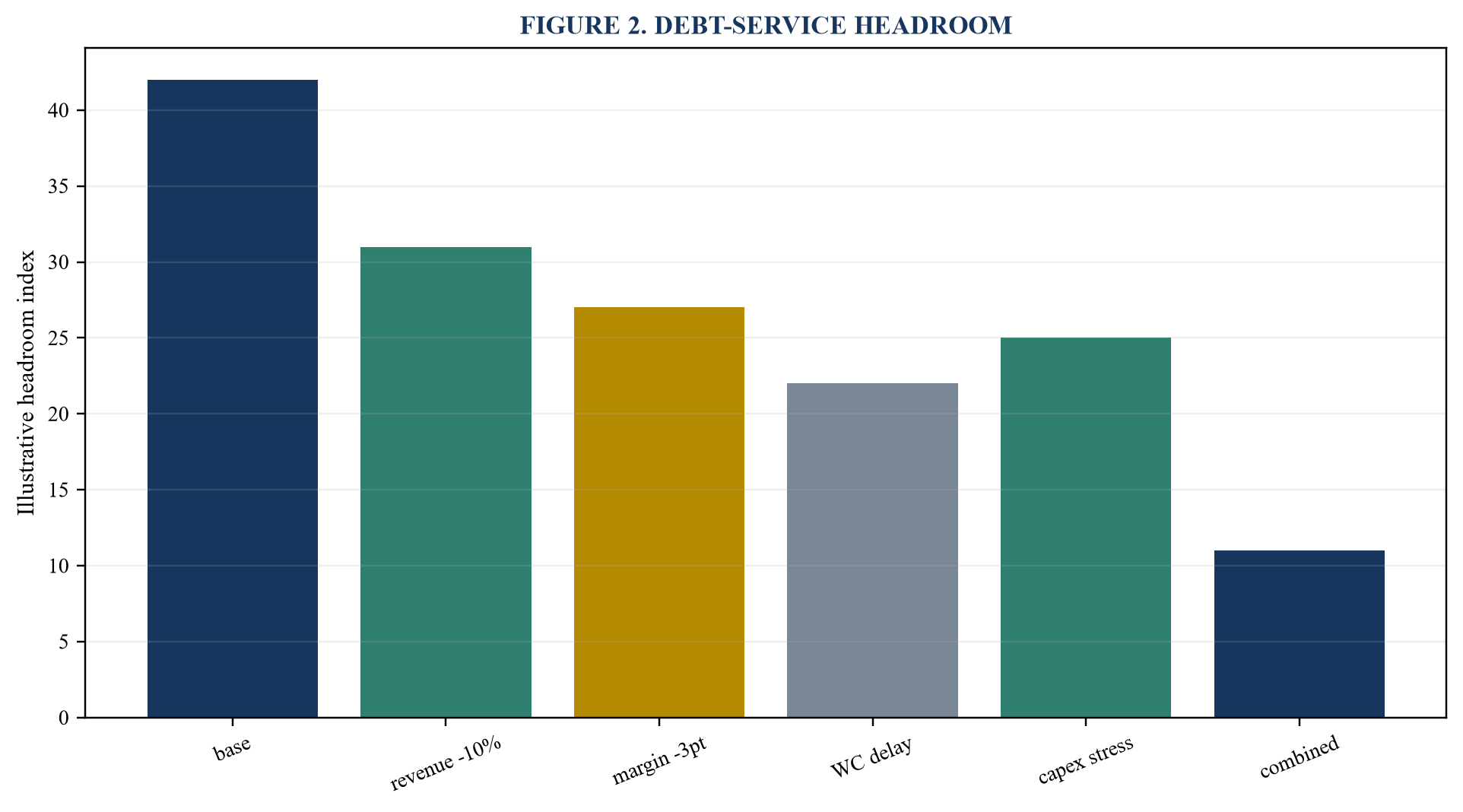
Values are illustrative readiness indices and require company-specific evidence.
17. Choose security and guarantees
The transaction team should map shares, assets, receivables, accounts, insurance and guarantee capacity. The immediate output is a controlled security package with named owners, dates, source evidence, approval status and open exceptions.
The analytical objective is to determine whether collateral is valuable, available, perfected and enforceable. Reviewers should reconcile board materials, transaction documents, lender terms, management forecasts, cash records, security evidence, legal analysis and independent advice.
The framework should assign responsibility across the seller, management buyers, equity investors, senior lenders, legal counsel, tax advisers, accountants, valuation specialists and security agents. Definitions, calculation rules, information rights, decision thresholds, cure periods and record retention should be explicit. Any departure needs a stated reason, decision owner, impact analysis, mitigating control and deadline.
At each gate, decision makers should test affordability, liquidity, ranking, recoverability, incentives, operating flexibility and execution risk together. Material gaps remain visible until evidence is complete, advice is current, exceptions are resolved or accepted by the authorised body, and the repayment case can withstand credible downside scenarios.
18. Establish ranking
The transaction team should define structural, contractual and payment subordination across every creditor. The immediate output is a controlled ranking memorandum with named owners, dates, source evidence, approval status and open exceptions.
The analytical objective is to determine where the seller sits in insolvency, enforcement and ordinary payment waterfalls. Reviewers should reconcile board materials, transaction documents, lender terms, management forecasts, cash records, security evidence, legal analysis and independent advice.
The framework should assign responsibility across the seller, management buyers, equity investors, senior lenders, legal counsel, tax advisers, accountants, valuation specialists and security agents. Definitions, calculation rules, information rights, decision thresholds, cure periods and record retention should be explicit. Any departure needs a stated reason, decision owner, impact analysis, mitigating control and deadline.
At each gate, decision makers should test affordability, liquidity, ranking, recoverability, incentives, operating flexibility and execution risk together. Material gaps remain visible until evidence is complete, advice is current, exceptions are resolved or accepted by the authorised body, and the repayment case can withstand credible downside scenarios.
19. Negotiate intercreditor terms
The transaction team should set turnover, standstill, payment blockage, voting, enforcement and release mechanics. The immediate output is a controlled intercreditor term map with named owners, dates, source evidence, approval status and open exceptions.
The analytical objective is to determine whether senior and seller remedies interact predictably under stress. Reviewers should reconcile board materials, transaction documents, lender terms, management forecasts, cash records, security evidence, legal analysis and independent advice.
The framework should assign responsibility across the seller, management buyers, equity investors, senior lenders, legal counsel, tax advisers, accountants, valuation specialists and security agents. Definitions, calculation rules, information rights, decision thresholds, cure periods and record retention should be explicit. Any departure needs a stated reason, decision owner, impact analysis, mitigating control and deadline.
At each gate, decision makers should test affordability, liquidity, ranking, recoverability, incentives, operating flexibility and execution risk together. Material gaps remain visible until evidence is complete, advice is current, exceptions are resolved or accepted by the authorised body, and the repayment case can withstand credible downside scenarios.
20. Protect permitted payments
The transaction team should define scheduled interest, amortisation, cure rights and payment tests. The immediate output is a controlled permitted-payment schedule with named owners, dates, source evidence, approval status and open exceptions.
The analytical objective is to determine when cash may lawfully and contractually reach the seller. Reviewers should reconcile board materials, transaction documents, lender terms, management forecasts, cash records, security evidence, legal analysis and independent advice.
The framework should assign responsibility across the seller, management buyers, equity investors, senior lenders, legal counsel, tax advisers, accountants, valuation specialists and security agents. Definitions, calculation rules, information rights, decision thresholds, cure periods and record retention should be explicit. Any departure needs a stated reason, decision owner, impact analysis, mitigating control and deadline.
At each gate, decision makers should test affordability, liquidity, ranking, recoverability, incentives, operating flexibility and execution risk together. Material gaps remain visible until evidence is complete, advice is current, exceptions are resolved or accepted by the authorised body, and the repayment case can withstand credible downside scenarios.
21. Design the cash sweep
The transaction team should allocate excess cash after agreed liquidity, capex and senior obligations. The immediate output is a controlled sweep formula with named owners, dates, source evidence, approval status and open exceptions.
The analytical objective is to determine whether upside accelerates repayment without starving the business. Reviewers should reconcile board materials, transaction documents, lender terms, management forecasts, cash records, security evidence, legal analysis and independent advice.
The framework should assign responsibility across the seller, management buyers, equity investors, senior lenders, legal counsel, tax advisers, accountants, valuation specialists and security agents. Definitions, calculation rules, information rights, decision thresholds, cure periods and record retention should be explicit. Any departure needs a stated reason, decision owner, impact analysis, mitigating control and deadline.
At each gate, decision makers should test affordability, liquidity, ranking, recoverability, incentives, operating flexibility and execution risk together. Material gaps remain visible until evidence is complete, advice is current, exceptions are resolved or accepted by the authorised body, and the repayment case can withstand credible downside scenarios.
22. Set financial covenants
The transaction team should select leverage, interest cover, fixed-charge cover, liquidity and net-worth tests. The immediate output is a controlled covenant suite with named owners, dates, source evidence, approval status and open exceptions.
The analytical objective is to determine whether early-warning triggers reflect the seller's actual risk. Reviewers should reconcile board materials, transaction documents, lender terms, management forecasts, cash records, security evidence, legal analysis and independent advice.
The framework should assign responsibility across the seller, management buyers, equity investors, senior lenders, legal counsel, tax advisers, accountants, valuation specialists and security agents. Definitions, calculation rules, information rights, decision thresholds, cure periods and record retention should be explicit. Any departure needs a stated reason, decision owner, impact analysis, mitigating control and deadline.
At each gate, decision makers should test affordability, liquidity, ranking, recoverability, incentives, operating flexibility and execution risk together. Material gaps remain visible until evidence is complete, advice is current, exceptions are resolved or accepted by the authorised body, and the repayment case can withstand credible downside scenarios.
23. Set information rights
The transaction team should define budgets, accounts, forecasts, compliance certificates and event notices. The immediate output is a controlled creditor reporting calendar with named owners, dates, source evidence, approval status and open exceptions.
The analytical objective is to determine whether the seller receives timely decision-grade evidence after losing control. Reviewers should reconcile board materials, transaction documents, lender terms, management forecasts, cash records, security evidence, legal analysis and independent advice.
The framework should assign responsibility across the seller, management buyers, equity investors, senior lenders, legal counsel, tax advisers, accountants, valuation specialists and security agents. Definitions, calculation rules, information rights, decision thresholds, cure periods and record retention should be explicit. Any departure needs a stated reason, decision owner, impact analysis, mitigating control and deadline.
At each gate, decision makers should test affordability, liquidity, ranking, recoverability, incentives, operating flexibility and execution risk together. Material gaps remain visible until evidence is complete, advice is current, exceptions are resolved or accepted by the authorised body, and the repayment case can withstand credible downside scenarios.
24. Calibrate consent rights
The transaction team should identify debt, distributions, acquisitions, disposals, capex and related-party thresholds. The immediate output is a controlled reserved-creditor matters with named owners, dates, source evidence, approval status and open exceptions.
The analytical objective is to determine whether protections prevent value leakage without paralysing management. Reviewers should reconcile board materials, transaction documents, lender terms, management forecasts, cash records, security evidence, legal analysis and independent advice.
The framework should assign responsibility across the seller, management buyers, equity investors, senior lenders, legal counsel, tax advisers, accountants, valuation specialists and security agents. Definitions, calculation rules, information rights, decision thresholds, cure periods and record retention should be explicit. Any departure needs a stated reason, decision owner, impact analysis, mitigating control and deadline.
At each gate, decision makers should test affordability, liquidity, ranking, recoverability, incentives, operating flexibility and execution risk together. Material gaps remain visible until evidence is complete, advice is current, exceptions are resolved or accepted by the authorised body, and the repayment case can withstand credible downside scenarios.
Table 3. Repayment-capacity scorecard
| Driver | Base evidence | Downside test |
|---|---|---|
| EBITDA | customer and cost bridge | margin compression |
| working capital | ageing and seasonality | collection delay |
| capex | maintenance plan | required overspend |
| liquidity | weekly cash forecast | minimum headroom |
Illustrative scenario design; verified cash-flow evidence controls.
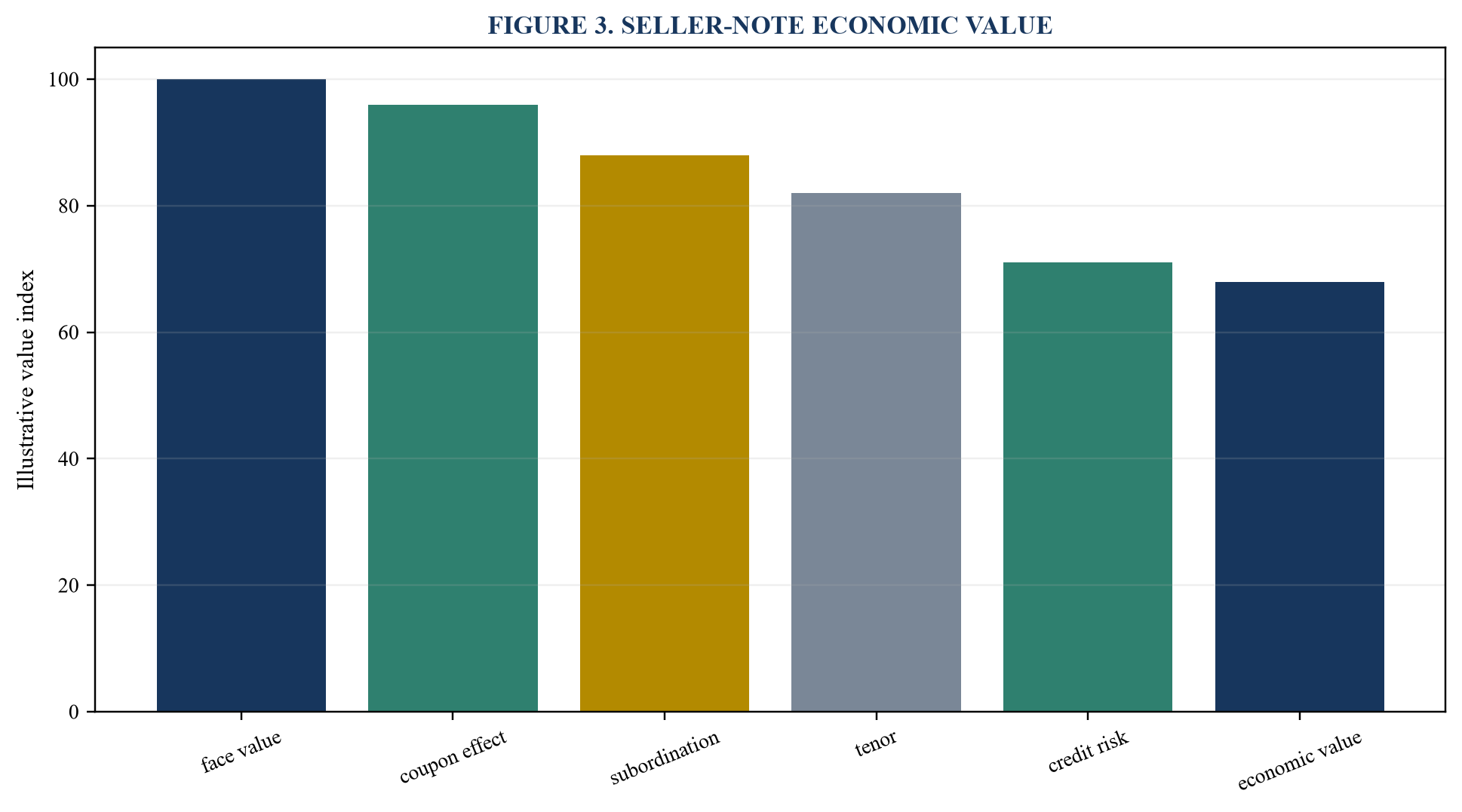
Values are illustrative readiness indices and require company-specific evidence.
25. Control leakage and distributions
The transaction team should restrict dividends, management fees, shareholder loans and non-arm's-length transfers. The immediate output is a controlled leakage covenant map with named owners, dates, source evidence, approval status and open exceptions.
The analytical objective is to determine whether value remains available to support the agreed creditor waterfall. Reviewers should reconcile board materials, transaction documents, lender terms, management forecasts, cash records, security evidence, legal analysis and independent advice.
The framework should assign responsibility across the seller, management buyers, equity investors, senior lenders, legal counsel, tax advisers, accountants, valuation specialists and security agents. Definitions, calculation rules, information rights, decision thresholds, cure periods and record retention should be explicit. Any departure needs a stated reason, decision owner, impact analysis, mitigating control and deadline.
At each gate, decision makers should test affordability, liquidity, ranking, recoverability, incentives, operating flexibility and execution risk together. Material gaps remain visible until evidence is complete, advice is current, exceptions are resolved or accepted by the authorised body, and the repayment case can withstand credible downside scenarios.
26. Govern acquisitions and disposals
The transaction team should set baskets, proceeds application, valuation evidence and consent thresholds. The immediate output is a controlled portfolio-change protocol with named owners, dates, source evidence, approval status and open exceptions.
The analytical objective is to determine whether asset changes preserve repayment capacity and collateral coverage. Reviewers should reconcile board materials, transaction documents, lender terms, management forecasts, cash records, security evidence, legal analysis and independent advice.
The framework should assign responsibility across the seller, management buyers, equity investors, senior lenders, legal counsel, tax advisers, accountants, valuation specialists and security agents. Definitions, calculation rules, information rights, decision thresholds, cure periods and record retention should be explicit. Any departure needs a stated reason, decision owner, impact analysis, mitigating control and deadline.
At each gate, decision makers should test affordability, liquidity, ranking, recoverability, incentives, operating flexibility and execution risk together. Material gaps remain visible until evidence is complete, advice is current, exceptions are resolved or accepted by the authorised body, and the repayment case can withstand credible downside scenarios.
27. Design prepayment rights
The transaction team should address voluntary, mandatory, change-of-control and asset-sale prepayments. The immediate output is a controlled prepayment schedule with named owners, dates, source evidence, approval status and open exceptions.
The analytical objective is to determine whether early repayment is allowed, required and economically fair. Reviewers should reconcile board materials, transaction documents, lender terms, management forecasts, cash records, security evidence, legal analysis and independent advice.
The framework should assign responsibility across the seller, management buyers, equity investors, senior lenders, legal counsel, tax advisers, accountants, valuation specialists and security agents. Definitions, calculation rules, information rights, decision thresholds, cure periods and record retention should be explicit. Any departure needs a stated reason, decision owner, impact analysis, mitigating control and deadline.
At each gate, decision makers should test affordability, liquidity, ranking, recoverability, incentives, operating flexibility and execution risk together. Material gaps remain visible until evidence is complete, advice is current, exceptions are resolved or accepted by the authorised body, and the repayment case can withstand credible downside scenarios.
28. Control transfers and assignments
The transaction team should define permitted holders, competitor exclusions, confidentiality and participation rights. The immediate output is a controlled transfer protocol with named owners, dates, source evidence, approval status and open exceptions.
The analytical objective is to determine whether the debt can move without creating strategic or operational harm. Reviewers should reconcile board materials, transaction documents, lender terms, management forecasts, cash records, security evidence, legal analysis and independent advice.
The framework should assign responsibility across the seller, management buyers, equity investors, senior lenders, legal counsel, tax advisers, accountants, valuation specialists and security agents. Definitions, calculation rules, information rights, decision thresholds, cure periods and record retention should be explicit. Any departure needs a stated reason, decision owner, impact analysis, mitigating control and deadline.
At each gate, decision makers should test affordability, liquidity, ranking, recoverability, incentives, operating flexibility and execution risk together. Material gaps remain visible until evidence is complete, advice is current, exceptions are resolved or accepted by the authorised body, and the repayment case can withstand credible downside scenarios.
29. Define events of default
The transaction team should cover non-payment, covenant breach, misrepresentation, insolvency and cross-default. The immediate output is a controlled default taxonomy with named owners, dates, source evidence, approval status and open exceptions.
The analytical objective is to determine whether triggers are objective, material and supported by appropriate cure periods. Reviewers should reconcile board materials, transaction documents, lender terms, management forecasts, cash records, security evidence, legal analysis and independent advice.
The framework should assign responsibility across the seller, management buyers, equity investors, senior lenders, legal counsel, tax advisers, accountants, valuation specialists and security agents. Definitions, calculation rules, information rights, decision thresholds, cure periods and record retention should be explicit. Any departure needs a stated reason, decision owner, impact analysis, mitigating control and deadline.
At each gate, decision makers should test affordability, liquidity, ranking, recoverability, incentives, operating flexibility and execution risk together. Material gaps remain visible until evidence is complete, advice is current, exceptions are resolved or accepted by the authorised body, and the repayment case can withstand credible downside scenarios.
30. Sequence remedies and enforcement
The transaction team should set notices, acceleration, security enforcement, appointment rights and sale process controls. The immediate output is a controlled remedies ladder with named owners, dates, source evidence, approval status and open exceptions.
The analytical objective is to determine whether responses are proportionate and executable under governing law. Reviewers should reconcile board materials, transaction documents, lender terms, management forecasts, cash records, security evidence, legal analysis and independent advice.
The framework should assign responsibility across the seller, management buyers, equity investors, senior lenders, legal counsel, tax advisers, accountants, valuation specialists and security agents. Definitions, calculation rules, information rights, decision thresholds, cure periods and record retention should be explicit. Any departure needs a stated reason, decision owner, impact analysis, mitigating control and deadline.
At each gate, decision makers should test affordability, liquidity, ranking, recoverability, incentives, operating flexibility and execution risk together. Material gaps remain visible until evidence is complete, advice is current, exceptions are resolved or accepted by the authorised body, and the repayment case can withstand credible downside scenarios.
31. Model recovery under downside
The transaction team should apply collateral values, priority claims, costs, timing and insolvency discounts. The immediate output is a controlled recovery waterfall with named owners, dates, source evidence, approval status and open exceptions.
The analytical objective is to determine what the seller may recover when the base case fails. Reviewers should reconcile board materials, transaction documents, lender terms, management forecasts, cash records, security evidence, legal analysis and independent advice.
The framework should assign responsibility across the seller, management buyers, equity investors, senior lenders, legal counsel, tax advisers, accountants, valuation specialists and security agents. Definitions, calculation rules, information rights, decision thresholds, cure periods and record retention should be explicit. Any departure needs a stated reason, decision owner, impact analysis, mitigating control and deadline.
At each gate, decision makers should test affordability, liquidity, ranking, recoverability, incentives, operating flexibility and execution risk together. Material gaps remain visible until evidence is complete, advice is current, exceptions are resolved or accepted by the authorised body, and the repayment case can withstand credible downside scenarios.
32. Address restructuring and waivers
The transaction team should set amendment thresholds, fees, information, standstill and new-money treatment. The immediate output is a controlled restructuring protocol with named owners, dates, source evidence, approval status and open exceptions.
The analytical objective is to determine whether problems can be repaired without uncontrolled value transfer. Reviewers should reconcile board materials, transaction documents, lender terms, management forecasts, cash records, security evidence, legal analysis and independent advice.
The framework should assign responsibility across the seller, management buyers, equity investors, senior lenders, legal counsel, tax advisers, accountants, valuation specialists and security agents. Definitions, calculation rules, information rights, decision thresholds, cure periods and record retention should be explicit. Any departure needs a stated reason, decision owner, impact analysis, mitigating control and deadline.
At each gate, decision makers should test affordability, liquidity, ranking, recoverability, incentives, operating flexibility and execution risk together. Material gaps remain visible until evidence is complete, advice is current, exceptions are resolved or accepted by the authorised body, and the repayment case can withstand credible downside scenarios.
Table 4. Creditor-control matrix
| Decision | Management authority | Seller protection |
|---|---|---|
| ordinary operations | permitted | reporting |
| new debt | threshold basket | consent above limit |
| distributions | payment test | restricted leakage |
| asset disposal | permitted basket | proceeds sweep |
Illustrative controls; thresholds require transaction-specific calibration.
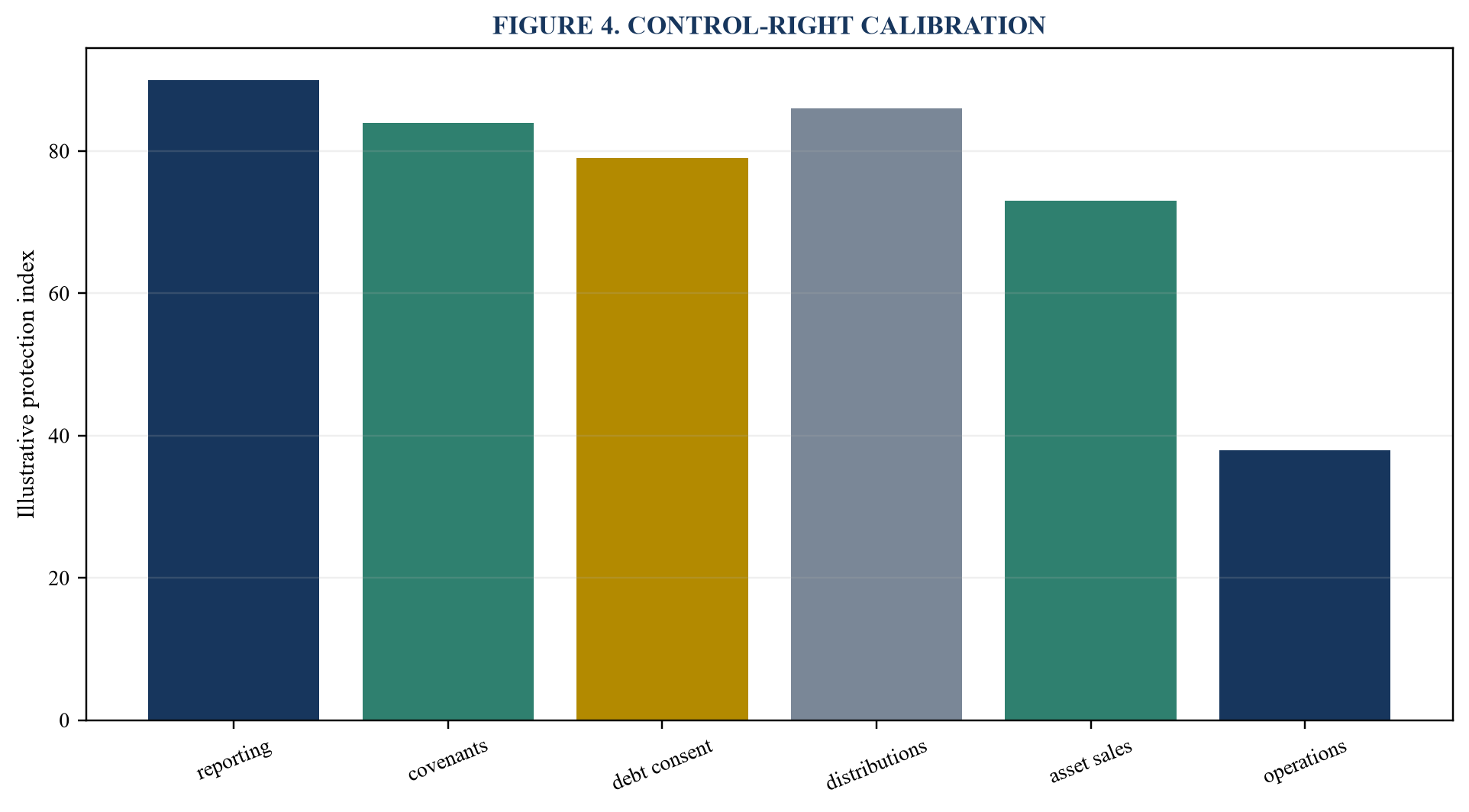
Values are illustrative readiness indices and require company-specific evidence.
33. Account for the seller note
The transaction team should classify and measure the financial asset, effective yield and expected credit losses. The immediate output is a controlled accounting memorandum with named owners, dates, source evidence, approval status and open exceptions.
The analytical objective is to determine whether reported value reflects contractual terms and credit risk. Reviewers should reconcile board materials, transaction documents, lender terms, management forecasts, cash records, security evidence, legal analysis and independent advice.
The framework should assign responsibility across the seller, management buyers, equity investors, senior lenders, legal counsel, tax advisers, accountants, valuation specialists and security agents. Definitions, calculation rules, information rights, decision thresholds, cure periods and record retention should be explicit. Any departure needs a stated reason, decision owner, impact analysis, mitigating control and deadline.
At each gate, decision makers should test affordability, liquidity, ranking, recoverability, incentives, operating flexibility and execution risk together. Material gaps remain visible until evidence is complete, advice is current, exceptions are resolved or accepted by the authorised body, and the repayment case can withstand credible downside scenarios.
34. Address buyer accounting
The transaction team should map acquisition consideration, financing, transaction costs and subsequent measurement. The immediate output is a controlled buyer accounting map with named owners, dates, source evidence, approval status and open exceptions.
The analytical objective is to determine whether the purchase-price and debt records are internally consistent. Reviewers should reconcile board materials, transaction documents, lender terms, management forecasts, cash records, security evidence, legal analysis and independent advice.
The framework should assign responsibility across the seller, management buyers, equity investors, senior lenders, legal counsel, tax advisers, accountants, valuation specialists and security agents. Definitions, calculation rules, information rights, decision thresholds, cure periods and record retention should be explicit. Any departure needs a stated reason, decision owner, impact analysis, mitigating control and deadline.
At each gate, decision makers should test affordability, liquidity, ranking, recoverability, incentives, operating flexibility and execution risk together. Material gaps remain visible until evidence is complete, advice is current, exceptions are resolved or accepted by the authorised body, and the repayment case can withstand credible downside scenarios.
35. Test tax and withholding
The transaction team should analyse interest deductibility, withholding, transfer pricing, releases and cross-border cash flows. The immediate output is a controlled tax-risk schedule with named owners, dates, source evidence, approval status and open exceptions.
The analytical objective is to determine whether projected cash payments are measured after applicable tax leakage. Reviewers should reconcile board materials, transaction documents, lender terms, management forecasts, cash records, security evidence, legal analysis and independent advice.
The framework should assign responsibility across the seller, management buyers, equity investors, senior lenders, legal counsel, tax advisers, accountants, valuation specialists and security agents. Definitions, calculation rules, information rights, decision thresholds, cure periods and record retention should be explicit. Any departure needs a stated reason, decision owner, impact analysis, mitigating control and deadline.
At each gate, decision makers should test affordability, liquidity, ranking, recoverability, incentives, operating flexibility and execution risk together. Material gaps remain visible until evidence is complete, advice is current, exceptions are resolved or accepted by the authorised body, and the repayment case can withstand credible downside scenarios.
36. Check company-law constraints
The transaction team should review authority, corporate benefit, distributions, financial assistance and solvency. The immediate output is a controlled legal-capacity certificate with named owners, dates, source evidence, approval status and open exceptions.
The analytical objective is to determine whether each obligor can validly incur and service the obligation. Reviewers should reconcile board materials, transaction documents, lender terms, management forecasts, cash records, security evidence, legal analysis and independent advice.
The framework should assign responsibility across the seller, management buyers, equity investors, senior lenders, legal counsel, tax advisers, accountants, valuation specialists and security agents. Definitions, calculation rules, information rights, decision thresholds, cure periods and record retention should be explicit. Any departure needs a stated reason, decision owner, impact analysis, mitigating control and deadline.
At each gate, decision makers should test affordability, liquidity, ranking, recoverability, incentives, operating flexibility and execution risk together. Material gaps remain visible until evidence is complete, advice is current, exceptions are resolved or accepted by the authorised body, and the repayment case can withstand credible downside scenarios.
37. Build the closing evidence pack
The transaction team should assemble executed terms, funding evidence, security, filings, opinions and funds flow. The immediate output is a controlled completion certificate with named owners, dates, source evidence, approval status and open exceptions.
The analytical objective is to determine whether the seller's creditor position exists as modelled at completion. Reviewers should reconcile board materials, transaction documents, lender terms, management forecasts, cash records, security evidence, legal analysis and independent advice.
The framework should assign responsibility across the seller, management buyers, equity investors, senior lenders, legal counsel, tax advisers, accountants, valuation specialists and security agents. Definitions, calculation rules, information rights, decision thresholds, cure periods and record retention should be explicit. Any departure needs a stated reason, decision owner, impact analysis, mitigating control and deadline.
At each gate, decision makers should test affordability, liquidity, ranking, recoverability, incentives, operating flexibility and execution risk together. Material gaps remain visible until evidence is complete, advice is current, exceptions are resolved or accepted by the authorised body, and the repayment case can withstand credible downside scenarios.
38. Monitor the first year
The transaction team should track performance, liquidity, covenants, collateral, payments and management actions. The immediate output is a controlled credit-monitoring dashboard with named owners, dates, source evidence, approval status and open exceptions.
The analytical objective is to determine whether emerging stress is identified before payment failure. Reviewers should reconcile board materials, transaction documents, lender terms, management forecasts, cash records, security evidence, legal analysis and independent advice.
The framework should assign responsibility across the seller, management buyers, equity investors, senior lenders, legal counsel, tax advisers, accountants, valuation specialists and security agents. Definitions, calculation rules, information rights, decision thresholds, cure periods and record retention should be explicit. Any departure needs a stated reason, decision owner, impact analysis, mitigating control and deadline.
At each gate, decision makers should test affordability, liquidity, ranking, recoverability, incentives, operating flexibility and execution risk together. Material gaps remain visible until evidence is complete, advice is current, exceptions are resolved or accepted by the authorised body, and the repayment case can withstand credible downside scenarios.
39. Prepare the exit and refinance path
The transaction team should define milestones, lender engagement, information and proceeds application. The immediate output is a controlled repayment roadmap with named owners, dates, source evidence, approval status and open exceptions.
The analytical objective is to determine whether the instrument has a credible route to final discharge. Reviewers should reconcile board materials, transaction documents, lender terms, management forecasts, cash records, security evidence, legal analysis and independent advice.
The framework should assign responsibility across the seller, management buyers, equity investors, senior lenders, legal counsel, tax advisers, accountants, valuation specialists and security agents. Definitions, calculation rules, information rights, decision thresholds, cure periods and record retention should be explicit. Any departure needs a stated reason, decision owner, impact analysis, mitigating control and deadline.
At each gate, decision makers should test affordability, liquidity, ranking, recoverability, incentives, operating flexibility and execution risk together. Material gaps remain visible until evidence is complete, advice is current, exceptions are resolved or accepted by the authorised body, and the repayment case can withstand credible downside scenarios.
40. Issue the vendor-finance conclusion
The transaction team should integrate value, repayment, security, ranking, governance, accounting and legal capacity. The immediate output is a controlled board-ready vendor-finance certificate with named owners, dates, source evidence, approval status and open exceptions.
The analytical objective is to determine whether affordability and seller protection are balanced on verified evidence. Reviewers should reconcile board materials, transaction documents, lender terms, management forecasts, cash records, security evidence, legal analysis and independent advice.
The framework should assign responsibility across the seller, management buyers, equity investors, senior lenders, legal counsel, tax advisers, accountants, valuation specialists and security agents. Definitions, calculation rules, information rights, decision thresholds, cure periods and record retention should be explicit. Any departure needs a stated reason, decision owner, impact analysis, mitigating control and deadline.
At each gate, decision makers should test affordability, liquidity, ranking, recoverability, incentives, operating flexibility and execution risk together. Material gaps remain visible until evidence is complete, advice is current, exceptions are resolved or accepted by the authorised body, and the repayment case can withstand credible downside scenarios.
Table 5. Vendor-finance certificate
| Certification | Evidence owner | Status |
|---|---|---|
| funding gap reconciled | financial adviser | tested |
| repayment capacity | finance lead | tested |
| priority and security | legal counsel | tested |
| downside recovery | board sponsor | tested |
Illustrative board gate; authorised advisers determine sufficiency.
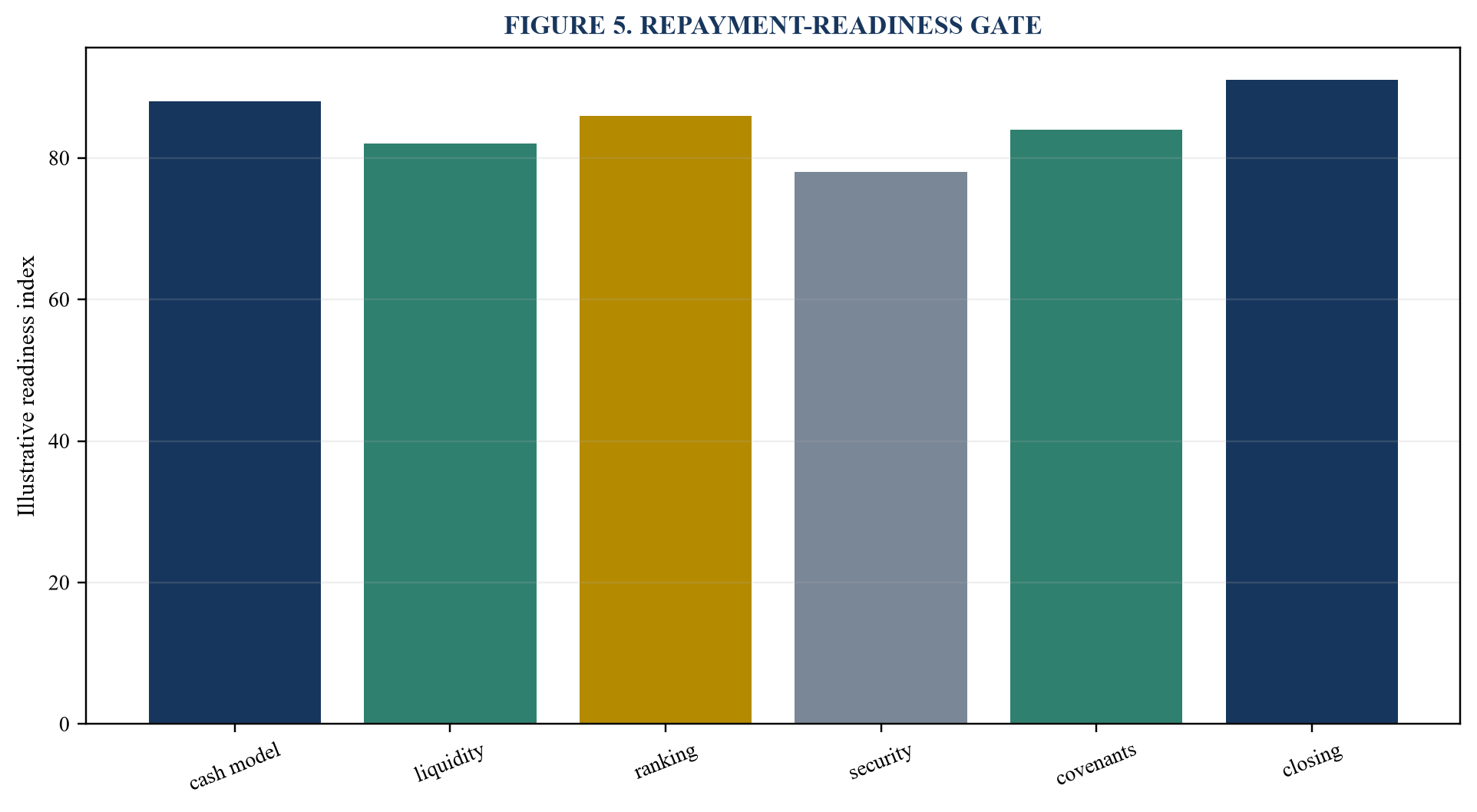
Values are illustrative readiness indices and require company-specific evidence.
References
- IFRS Foundation, IFRS 9 Financial Instruments, https://www.ifrs.org/issued-standards/list-of-standards/ifrs-9-financial-instruments/
- IFRS Foundation, IFRS 7 Financial Instruments: Disclosures, https://www.ifrs.org/issued-standards/list-of-standards/ifrs-7-financial-instruments-disclosures/
- IFRS Foundation, IAS 32 Financial Instruments: Presentation, https://www.ifrs.org/issued-standards/list-of-standards/ias-32-financial-instruments-presentation/
- IFRS Foundation, IFRS 13 Fair Value Measurement, https://www.ifrs.org/issued-standards/list-of-standards/ifrs-13-fair-value-measurement/
- IFRS Foundation, IAS 36 Impairment of Assets, https://www.ifrs.org/issued-standards/list-of-standards/ias-36-impairment-of-assets/
- IFRS Foundation, IAS 7 Statement of Cash Flows, https://www.ifrs.org/issued-standards/list-of-standards/ias-7-statement-of-cash-flows/
- IFRS Foundation, IFRS 3 Business Combinations, https://www.ifrs.org/issued-standards/list-of-standards/ifrs-3-business-combinations/
- IFRS Foundation, IAS 12 Income Taxes, https://www.ifrs.org/issued-standards/list-of-standards/ias-12-income-taxes/
- UK Legislation, Companies Act 2006, section 172, https://www.legislation.gov.uk/ukpga/2006/46/section/172
- UK Legislation, Companies Act 2006, section 175, https://www.legislation.gov.uk/ukpga/2006/46/section/175
- UK Legislation, Companies Act 2006, section 678, https://www.legislation.gov.uk/ukpga/2006/46/section/678
- UK Legislation, Companies Act 2006, section 679, https://www.legislation.gov.uk/ukpga/2006/46/section/679
- UK Government, Being a company director, https://www.gov.uk/guidance/being-a-company-director
- UK Government, Director information hub: general duties, https://www.gov.uk/guidance/director-information-hub-general-duties
- European Banking Authority, Risk Assessment Report June 2026, https://www.eba.europa.eu/publications-and-media/publications/risk-assessment-report-june-2026
- European Banking Authority, Treatment of loans for LBO financing, https://www.eba.europa.eu/single-rule-book-qa/qna/view/publicId/2019_4952
- European Banking Authority, Guidelines on loan origination and monitoring, https://www.eba.europa.eu/regulation-and-policy/credit-risk/guidelines-on-loan-origination-and-monitoring
- European Central Bank, Guidance on leveraged transactions, https://www.bankingsupervision.europa.eu/ecb/pub/pdf/ssm.leveraged_transactions_guidance_201705.en.pdf
- Bank for International Settlements, Private credit and financial stability, https://www.bis.org/publ/qtrpdf/r_qt2403b.htm
- Board of Governors of the Federal Reserve System, Interagency guidance on leveraged lending, https://www.federalreserve.gov/supervisionreg/srletters/sr1303a1.pdf
- Office of the Comptroller of the Currency, Leveraged Lending booklet, https://www.occ.treas.gov/publications-and-resources/publications/comptrollers-handbook/files/leveraged-lending/index-leveraged-lending.html
- US Securities and Exchange Commission, Financial Reporting Manual Topic 14, https://www.sec.gov/about/divisions-offices/division-corporation-finance/financial-reporting-manual/frm-topic-14
- UK Takeover Panel, Rule 3: Independent advice, https://code.thetakeoverpanel.org.uk/tp/rules/rule-3.html
- OECD, G20/OECD Principles of Corporate Governance 2023, https://www.oecd.org/corporate/principles-corporate-governance/
- International Monetary Fund, Global Financial Stability Report April 2024, https://www.imf.org/en/Publications/GFSR/Issues/2024/04/16/global-financial-stability-report-april-2024
- International Association of Insolvency Regulators, resources, https://www.insolvencyreg.org/
