

1. Define meeting-intelligence scope and authority
Set the fund, jurisdictions, meeting types, permitted capture, users, decision rights and commercial outcomes before processing begins.
The controlled record includes fund; jurisdiction; meeting class; purpose; authority; owner; approval; outcome. The immediate deliverable is a signed scope and decision-rights matrix.
The principal failure occurs when recording and recommendation begin without a defined purpose or accountable authority. Review should reconstruct the evidence available at the meeting date, the applicable vehicle and recipient context, unresolved limitations and the authority of the person approving any external action.
AI can reduce search, comparison and drafting time when it operates over approved records. Human specialists retain authority for interpretation, claims, performance, legal questions, concessions and external communication. Every released output should remain reproducible from its sources.
For define meeting-intelligence scope and authority, management information should show opening exceptions, corrections, permissions, review time, approved actions and subsequent allocator outcomes. Each exception needs an owner, due date, closure evidence and later result so that the programme distinguishes completed workflow from decision-ready evidence.
2. Establish consent, notice and recording rules
Determine when recording or transcription is permitted and how notice, consent, objections and withdrawal are evidenced.
The controlled record includes participant; notice; consent; objection; recording; jurisdiction; date; evidence. The immediate deliverable is an approved recording and notice protocol.
The principal failure occurs when participants are captured without a valid and evidenced recording pathway. Review should reconstruct the evidence available at the meeting date, the applicable vehicle and recipient context, unresolved limitations and the authority of the person approving any external action.
The control population includes failures and silence. Withdrawn interest, unanswered questions, rejected terms, stale documents and contradictory responses reveal where the proposition or process needs repair. Excluding them produces an inflated view of readiness and conversion.
For establish consent, notice and recording rules, management information should show opening exceptions, corrections, permissions, review time, approved actions and subsequent allocator outcomes. Each exception needs an owner, due date, closure evidence and later result so that the programme distinguishes completed workflow from decision-ready evidence.
3. Identify participants, entities and roles
Resolve each attendee to the correct institution, office, investment pool and current role while preserving uncertainty.
The controlled record includes person; entity; office; pool; role; source; effective date; confidence. The immediate deliverable is a reviewed participant and entity map.
The principal failure occurs when statements attach to the wrong person, institution or decision pool. Review should reconstruct the evidence available at the meeting date, the applicable vehicle and recipient context, unresolved limitations and the authority of the person approving any external action.
A material change should trigger targeted reapproval. Team departures, new performance periods, amended terms, portfolio events, rule changes and service-provider changes can invalidate several documents at once. Dependency mapping makes that impact reviewable.
For identify participants, entities and roles, management information should show opening exceptions, corrections, permissions, review time, approved actions and subsequent allocator outcomes. Each exception needs an owner, due date, closure evidence and later result so that the programme distinguishes completed workflow from decision-ready evidence.
4. Preserve meeting provenance and point-in-time context
Retain meeting time, channel, invitation, attendees, source file, applicable fund version and surrounding relationship context.
The controlled record includes meeting; timestamp; channel; invitation; file; fund version; owner; hash. The immediate deliverable is a provenance record with point-in-time fund context.
The principal failure occurs when later reviewers cannot reconstruct which facts and permissions applied at the meeting. Review should reconstruct the evidence available at the meeting date, the applicable vehicle and recipient context, unresolved limitations and the authority of the person approving any external action.
Permission and confidentiality travel with the evidence. The system should enforce recipient, purpose, vehicle, stage and time limits at retrieval and export, then retain an audit record without exposing unrelated investor or fund information.
For preserve meeting provenance and point-in-time context, management information should show opening exceptions, corrections, permissions, review time, approved actions and subsequent allocator outcomes. Each exception needs an owner, due date, closure evidence and later result so that the programme distinguishes completed workflow from decision-ready evidence.
5. Separate transcript, note, interpretation and decision
Store verbatim records separately from human notes, model classifications, recommendations and approved actions.
The controlled record includes source class; verbatim text; note; interpretation; decision; author; time; version. The immediate deliverable is a layered evidence model separating source from judgment.
The principal failure occurs when generated interpretation is presented as though it were a verbatim participant statement. Review should reconstruct the evidence available at the meeting date, the applicable vehicle and recipient context, unresolved limitations and the authority of the person approving any external action.
Implementation should begin with a historical reconstruction. Reviewers compare approved evidence, actual questions, released answers and observed outcomes. The pilot establishes error severity, reviewer capacity, response time, cost and the decisions for which automation is acceptable.
For separate transcript, note, interpretation and decision, management information should show opening exceptions, corrections, permissions, review time, approved actions and subsequent allocator outcomes. Each exception needs an owner, due date, closure evidence and later result so that the programme distinguishes completed workflow from decision-ready evidence.
6. Build a controlled meeting evidence model
Connect meetings, participants, questions, objections, requests, evidence, permissions, actions and outcomes through typed records.
The controlled record includes node; edge; type; source; permission; confidence; owner; version. The immediate deliverable is a typed meeting evidence graph.
The principal failure occurs when questions and actions are disconnected from their source meeting and later outcome. Review should reconstruct the evidence available at the meeting date, the applicable vehicle and recipient context, unresolved limitations and the authority of the person approving any external action.
Fund placement is a sequence of evidence decisions. A manager needs a consistent proposition, current support and a record of what each recipient received. The operating design should make errors visible before dissemination and retain negative outcomes for learning.
For build a controlled meeting evidence model, management information should show opening exceptions, corrections, permissions, review time, approved actions and subsequent allocator outcomes. Each exception needs an owner, due date, closure evidence and later result so that the programme distinguishes completed workflow from decision-ready evidence.
7. Apply confidentiality and information-classification gates
Classify public, shareable, restricted, personal, privileged and deal-sensitive information before retrieval or export.
The controlled record includes record; classification; basis; owner; recipient; permission; retention; action. The immediate deliverable is an enforced information-classification policy.
The principal failure occurs when restricted information is retrieved for an unauthorised recipient or purpose. Review should reconstruct the evidence available at the meeting date, the applicable vehicle and recipient context, unresolved limitations and the authority of the person approving any external action.
Allocator diligence is contextual. The same question can require a different answer by vehicle, strategy, period, jurisdiction or recipient. Reuse therefore needs compatibility tests, source links and a named reviewer rather than a universal text block.
For apply confidentiality and information-classification gates, management information should show opening exceptions, corrections, permissions, review time, approved actions and subsequent allocator outcomes. Each exception needs an owner, due date, closure evidence and later result so that the programme distinguishes completed workflow from decision-ready evidence.
8. Govern personal data and relationship permissions
Apply purpose limitation, minimisation, accuracy, access, objection, suppression, retention and deletion to participant data.
The controlled record includes person; purpose; lawful basis; notice; access; suppression; retention; deletion. The immediate deliverable is a rights-aware participant record.
The principal failure occurs when relationship intelligence becomes an uncontrolled personal-data store. Review should reconstruct the evidence available at the meeting date, the applicable vehicle and recipient context, unresolved limitations and the authority of the person approving any external action.
Commercial usefulness depends on progression through qualified stages. Meetings, downloads and open rates are activity measures. The stronger record connects evidence readiness and resolved questions to diligence, negotiation, signed commitments, funded commitments and collected economics.
For govern personal data and relationship permissions, management information should show opening exceptions, corrections, permissions, review time, approved actions and subsequent allocator outcomes. Each exception needs an owner, due date, closure evidence and later result so that the programme distinguishes completed workflow from decision-ready evidence.
Table 1. Meeting evidence layers
| Layer | Record | Control |
|---|---|---|
| source | recording or transcript | immutable provenance |
| observation | reviewed note | speaker and timestamp |
| interpretation | question or objection class | confidence and reviewer |
| decision | approved action | owner and authority |
Illustrative classifications require vehicle-, allocator- and jurisdiction-specific approval.
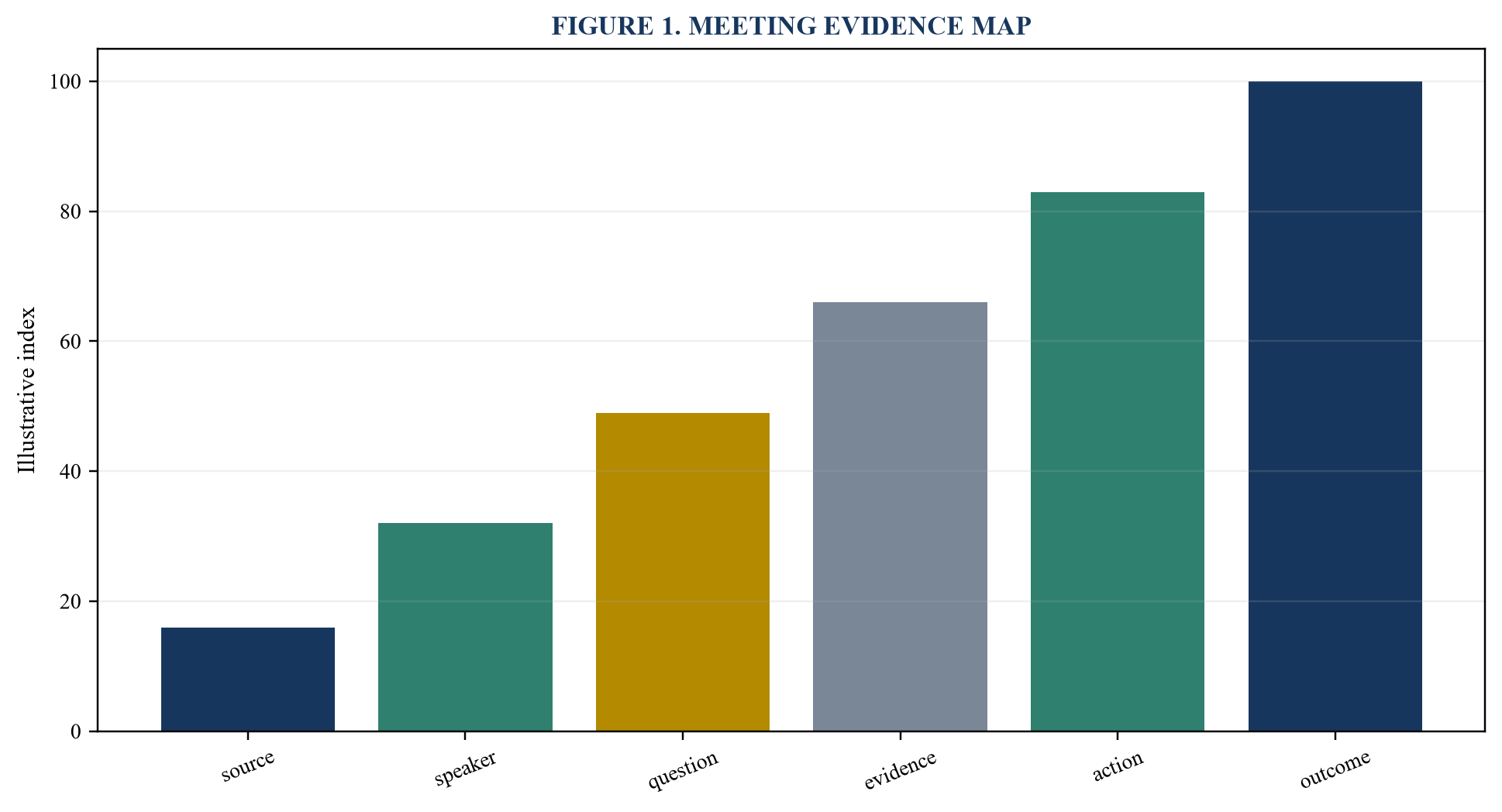
Values are illustrative indices and require replacement with approved operating evidence.
9. Resolve speakers and attribution uncertainty
Attribute statements to speakers using confidence, correction and reviewer evidence rather than unsupported certainty.
The controlled record includes speaker; segment; attribution; confidence; correction; reviewer; date; status. The immediate deliverable is a corrected speaker map with explicit uncertainty.
The principal failure occurs when low-confidence speaker assignment alters an objection or commitment. Review should reconstruct the evidence available at the meeting date, the applicable vehicle and recipient context, unresolved limitations and the authority of the person approving any external action.
AI can reduce search, comparison and drafting time when it operates over approved records. Human specialists retain authority for interpretation, claims, performance, legal questions, concessions and external communication. Every released output should remain reproducible from its sources.
For resolve speakers and attribution uncertainty, management information should show opening exceptions, corrections, permissions, review time, approved actions and subsequent allocator outcomes. Each exception needs an owner, due date, closure evidence and later result so that the programme distinguishes completed workflow from decision-ready evidence.
10. Detect transcription and language errors
Test names, figures, acronyms, technical terms, negation and translated meaning against the recording and approved records.
The controlled record includes segment; term; transcript; correction; language; reviewer; severity; approval. The immediate deliverable is a transcript exception and correction register.
The principal failure occurs when transcription reverses meaning or corrupts a material name, figure or condition. Review should reconstruct the evidence available at the meeting date, the applicable vehicle and recipient context, unresolved limitations and the authority of the person approving any external action.
The control population includes failures and silence. Withdrawn interest, unanswered questions, rejected terms, stale documents and contradictory responses reveal where the proposition or process needs repair. Excluding them produces an inflated view of readiness and conversion.
For detect transcription and language errors, management information should show opening exceptions, corrections, permissions, review time, approved actions and subsequent allocator outcomes. Each exception needs an owner, due date, closure evidence and later result so that the programme distinguishes completed workflow from decision-ready evidence.
11. Map allocator mandate and portfolio context
Link discussion to the allocator's current mandate, portfolio role, governance process and disclosed implementation constraints.
The controlled record includes allocator; mandate; portfolio; role; policy; date; source; limitation. The immediate deliverable is an allocator-context brief linked to dated sources.
The principal failure occurs when generic fund relevance is substituted for current allocator-specific context. Review should reconstruct the evidence available at the meeting date, the applicable vehicle and recipient context, unresolved limitations and the authority of the person approving any external action.
A material change should trigger targeted reapproval. Team departures, new performance periods, amended terms, portfolio events, rule changes and service-provider changes can invalidate several documents at once. Dependency mapping makes that impact reviewable.
For map allocator mandate and portfolio context, management information should show opening exceptions, corrections, permissions, review time, approved actions and subsequent allocator outcomes. Each exception needs an owner, due date, closure evidence and later result so that the programme distinguishes completed workflow from decision-ready evidence.
12. Distinguish questions, objections and hard constraints
Classify information requests, diligence tests, negotiable objections, hard constraints and rejection reasons separately.
The controlled record includes statement; class; speaker; stage; context; evidence; confidence; reviewer. The immediate deliverable is a reviewed question, objection and constraint taxonomy.
The principal failure occurs when difficult questions are treated as objections and hard constraints as negotiable. Review should reconstruct the evidence available at the meeting date, the applicable vehicle and recipient context, unresolved limitations and the authority of the person approving any external action.
Permission and confidentiality travel with the evidence. The system should enforce recipient, purpose, vehicle, stage and time limits at retrieval and export, then retain an audit record without exposing unrelated investor or fund information.
For distinguish questions, objections and hard constraints, management information should show opening exceptions, corrections, permissions, review time, approved actions and subsequent allocator outcomes. Each exception needs an owner, due date, closure evidence and later result so that the programme distinguishes completed workflow from decision-ready evidence.
13. Extract explicit evidence requests
Convert explicit document, analysis, clarification and follow-up requests into owned evidence tasks with due dates.
The controlled record includes request; wording; evidence; owner; due date; status; response; closure. The immediate deliverable is an evidence-request register with owned closure.
The principal failure occurs when explicit diligence requests disappear into narrative meeting summaries. Review should reconstruct the evidence available at the meeting date, the applicable vehicle and recipient context, unresolved limitations and the authority of the person approving any external action.
Implementation should begin with a historical reconstruction. Reviewers compare approved evidence, actual questions, released answers and observed outcomes. The pilot establishes error severity, reviewer capacity, response time, cost and the decisions for which automation is acceptable.
For extract explicit evidence requests, management information should show opening exceptions, corrections, permissions, review time, approved actions and subsequent allocator outcomes. Each exception needs an owner, due date, closure evidence and later result so that the programme distinguishes completed workflow from decision-ready evidence.
14. Capture decision process and governance timing
Record committee steps, advisers, authorities, dependencies, meeting cadence and time windows stated by participants.
The controlled record includes body; step; authority; dependency; date; condition; source; confidence. The immediate deliverable is a governance-timing map with stated conditions.
The principal failure occurs when a speculative timeline is converted into a claimed decision date. Review should reconstruct the evidence available at the meeting date, the applicable vehicle and recipient context, unresolved limitations and the authority of the person approving any external action.
Fund placement is a sequence of evidence decisions. A manager needs a consistent proposition, current support and a record of what each recipient received. The operating design should make errors visible before dissemination and retain negative outcomes for learning.
For capture decision process and governance timing, management information should show opening exceptions, corrections, permissions, review time, approved actions and subsequent allocator outcomes. Each exception needs an owner, due date, closure evidence and later result so that the programme distinguishes completed workflow from decision-ready evidence.
15. Record commitments without overstating intent
Distinguish a stated next step, willingness to review, indicative interest, internal recommendation and approved commitment.
The controlled record includes statement; class; amount; condition; authority; evidence; reviewer; status. The immediate deliverable is an intent classification with explicit limits.
The principal failure occurs when courtesy, access or interest is reported as capital commitment. Review should reconstruct the evidence available at the meeting date, the applicable vehicle and recipient context, unresolved limitations and the authority of the person approving any external action.
Allocator diligence is contextual. The same question can require a different answer by vehicle, strategy, period, jurisdiction or recipient. Reuse therefore needs compatibility tests, source links and a named reviewer rather than a universal text block.
For record commitments without overstating intent, management information should show opening exceptions, corrections, permissions, review time, approved actions and subsequent allocator outcomes. Each exception needs an owner, due date, closure evidence and later result so that the programme distinguishes completed workflow from decision-ready evidence.
16. Classify objections by source and stage
Organise objections by proposition, team, track record, terms, fit, risk, operations, timing, governance and evidence source.
The controlled record includes objection; category; speaker; meeting; stage; evidence; response; outcome. The immediate deliverable is an objection register retaining source and stage.
The principal failure occurs when individual anecdotes are generalised into universal market objections. Review should reconstruct the evidence available at the meeting date, the applicable vehicle and recipient context, unresolved limitations and the authority of the person approving any external action.
Commercial usefulness depends on progression through qualified stages. Meetings, downloads and open rates are activity measures. The stronger record connects evidence readiness and resolved questions to diligence, negotiation, signed commitments, funded commitments and collected economics.
For classify objections by source and stage, management information should show opening exceptions, corrections, permissions, review time, approved actions and subsequent allocator outcomes. Each exception needs an owner, due date, closure evidence and later result so that the programme distinguishes completed workflow from decision-ready evidence.
Table 2. Objection-to-action tree
| Signal | Test | Action |
|---|---|---|
| question | approved evidence available | answer or evidence task |
| objection | cause and materiality | targeted response |
| constraint | mandate or rule | veto or redesign |
| ambiguity | source conflict | human clarification |
Illustrative classifications require vehicle-, allocator- and jurisdiction-specific approval.
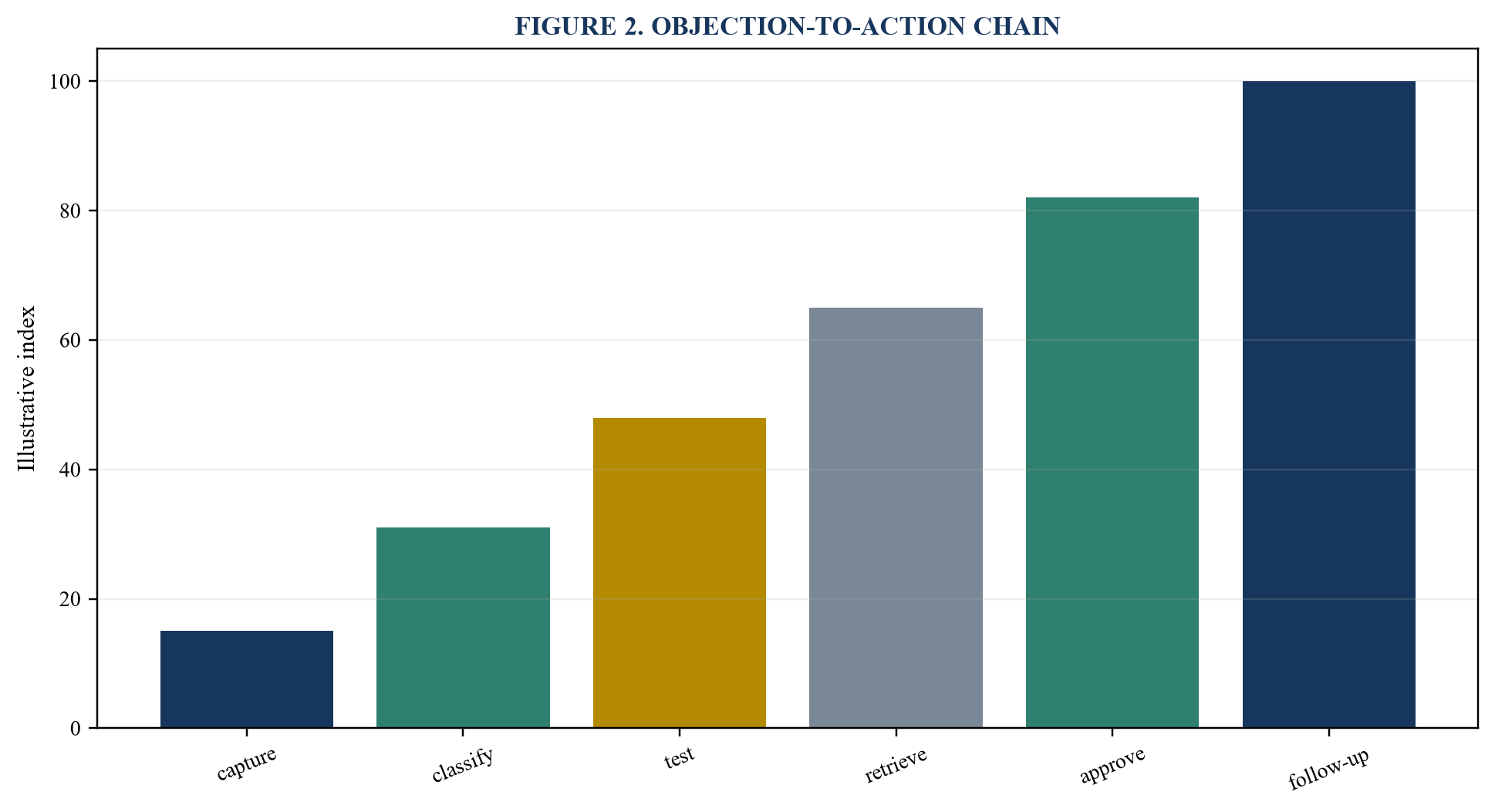
Values are illustrative indices and require replacement with approved operating evidence.
17. Connect objections to approved fund evidence
Retrieve approved documents and claim support that respond to the exact objection without expanding beyond the question.
The controlled record includes objection; query; record; citation; limitation; reviewer; response; approval. The immediate deliverable is a cited objection-response evidence pack.
The principal failure occurs when a broad marketing answer replaces the precise evidence requested. Review should reconstruct the evidence available at the meeting date, the applicable vehicle and recipient context, unresolved limitations and the authority of the person approving any external action.
AI can reduce search, comparison and drafting time when it operates over approved records. Human specialists retain authority for interpretation, claims, performance, legal questions, concessions and external communication. Every released output should remain reproducible from its sources.
For connect objections to approved fund evidence, management information should show opening exceptions, corrections, permissions, review time, approved actions and subsequent allocator outcomes. Each exception needs an owner, due date, closure evidence and later result so that the programme distinguishes completed workflow from decision-ready evidence.
18. Detect contradictory meeting signals
Surface inconsistent statements across participants, meetings, documents and dates for accountable human resolution.
The controlled record includes statement; source; date; conflict; materiality; owner; resolution; outcome. The immediate deliverable is a contradiction queue with accountable resolution.
The principal failure occurs when the system silently chooses one of several inconsistent signals. Review should reconstruct the evidence available at the meeting date, the applicable vehicle and recipient context, unresolved limitations and the authority of the person approving any external action.
The control population includes failures and silence. Withdrawn interest, unanswered questions, rejected terms, stale documents and contradictory responses reveal where the proposition or process needs repair. Excluding them produces an inflated view of readiness and conversion.
For detect contradictory meeting signals, management information should show opening exceptions, corrections, permissions, review time, approved actions and subsequent allocator outcomes. Each exception needs an owner, due date, closure evidence and later result so that the programme distinguishes completed workflow from decision-ready evidence.
19. Preserve silence, rejection and negative evidence
Retain declined meetings, unanswered follow-ups, closed programmes, rejection reasons and missing evidence in outcome cohorts.
The controlled record includes event; negative result; source; stage; reason; owner; date; consequence. The immediate deliverable is a complete outcome cohort including negative evidence.
The principal failure occurs when negative and missing outcomes are excluded from training and management reporting. Review should reconstruct the evidence available at the meeting date, the applicable vehicle and recipient context, unresolved limitations and the authority of the person approving any external action.
A material change should trigger targeted reapproval. Team departures, new performance periods, amended terms, portfolio events, rule changes and service-provider changes can invalidate several documents at once. Dependency mapping makes that impact reviewable.
For preserve silence, rejection and negative evidence, management information should show opening exceptions, corrections, permissions, review time, approved actions and subsequent allocator outcomes. Each exception needs an owner, due date, closure evidence and later result so that the programme distinguishes completed workflow from decision-ready evidence.
20. Model relationship ownership and access routes
Record introducers, advisers, internal coverage, permission, recency, conflicts and the authorised route for each relationship.
The controlled record includes party; route; owner; permission; recency; conflict; source; next action. The immediate deliverable is a permissioned relationship-ownership map.
The principal failure occurs when assumed familiarity or old employment is represented as current access. Review should reconstruct the evidence available at the meeting date, the applicable vehicle and recipient context, unresolved limitations and the authority of the person approving any external action.
Permission and confidentiality travel with the evidence. The system should enforce recipient, purpose, vehicle, stage and time limits at retrieval and export, then retain an audit record without exposing unrelated investor or fund information.
For model relationship ownership and access routes, management information should show opening exceptions, corrections, permissions, review time, approved actions and subsequent allocator outcomes. Each exception needs an owner, due date, closure evidence and later result so that the programme distinguishes completed workflow from decision-ready evidence.
21. Define next-best-action candidates
Generate a bounded set of possible follow-ups tied to evidence, relationship permission, timing and responsible owners.
The controlled record includes candidate; rationale; evidence; permission; timing; owner; confidence; rank. The immediate deliverable is a ranked and explainable action candidate set.
The principal failure occurs when the highest-ranked action lacks permission, evidence or a responsible owner. Review should reconstruct the evidence available at the meeting date, the applicable vehicle and recipient context, unresolved limitations and the authority of the person approving any external action.
Implementation should begin with a historical reconstruction. Reviewers compare approved evidence, actual questions, released answers and observed outcomes. The pilot establishes error severity, reviewer capacity, response time, cost and the decisions for which automation is acceptable.
For define next-best-action candidates, management information should show opening exceptions, corrections, permissions, review time, approved actions and subsequent allocator outcomes. Each exception needs an owner, due date, closure evidence and later result so that the programme distinguishes completed workflow from decision-ready evidence.
22. Apply eligibility and jurisdiction vetoes
Remove actions that fail recipient eligibility, vehicle status, sanctions, marketing jurisdiction or other hard requirements.
The controlled record includes action; recipient; vehicle; jurisdiction; rule; veto; evidence; reviewer. The immediate deliverable is a vetoed-action register with supporting rules.
The principal failure occurs when a persuasive action survives despite a legal or structural prohibition. Review should reconstruct the evidence available at the meeting date, the applicable vehicle and recipient context, unresolved limitations and the authority of the person approving any external action.
Fund placement is a sequence of evidence decisions. A manager needs a consistent proposition, current support and a record of what each recipient received. The operating design should make errors visible before dissemination and retain negative outcomes for learning.
For apply eligibility and jurisdiction vetoes, management information should show opening exceptions, corrections, permissions, review time, approved actions and subsequent allocator outcomes. Each exception needs an owner, due date, closure evidence and later result so that the programme distinguishes completed workflow from decision-ready evidence.
23. Apply financial-promotion controls
Classify each proposed communication and route it through applicable audience, content, disclosure and approval controls.
The controlled record includes communication; audience; channel; jurisdiction; claim; disclosure; approver; record. The immediate deliverable is a pre-release communication control record.
The principal failure occurs when meeting follow-up crosses the applicable financial-promotion perimeter. Review should reconstruct the evidence available at the meeting date, the applicable vehicle and recipient context, unresolved limitations and the authority of the person approving any external action.
Allocator diligence is contextual. The same question can require a different answer by vehicle, strategy, period, jurisdiction or recipient. Reuse therefore needs compatibility tests, source links and a named reviewer rather than a universal text block.
For apply financial-promotion controls, management information should show opening exceptions, corrections, permissions, review time, approved actions and subsequent allocator outcomes. Each exception needs an owner, due date, closure evidence and later result so that the programme distinguishes completed workflow from decision-ready evidence.
24. Ground follow-up drafts in approved claims
Draft concise follow-ups only from approved facts, meeting evidence and permitted relationship context with citations.
The controlled record includes draft; meeting source; claim; citation; limitation; permission; reviewer; version. The immediate deliverable is an approved and evidence-grounded follow-up.
The principal failure occurs when fluent copy invents facts, certainty, relationships or promises. Review should reconstruct the evidence available at the meeting date, the applicable vehicle and recipient context, unresolved limitations and the authority of the person approving any external action.
Commercial usefulness depends on progression through qualified stages. Meetings, downloads and open rates are activity measures. The stronger record connects evidence readiness and resolved questions to diligence, negotiation, signed commitments, funded commitments and collected economics.
For ground follow-up drafts in approved claims, management information should show opening exceptions, corrections, permissions, review time, approved actions and subsequent allocator outcomes. Each exception needs an owner, due date, closure evidence and later result so that the programme distinguishes completed workflow from decision-ready evidence.
Table 3. Follow-up approval workflow
| Gate | Required evidence | Decision |
|---|---|---|
| recipient | identity and eligibility | permitted audience |
| context | meeting source and permission | relevant purpose |
| content | approved claims and disclosures | substantiated draft |
| release | named approver and final copy | send and retain |
Illustrative classifications require vehicle-, allocator- and jurisdiction-specific approval.
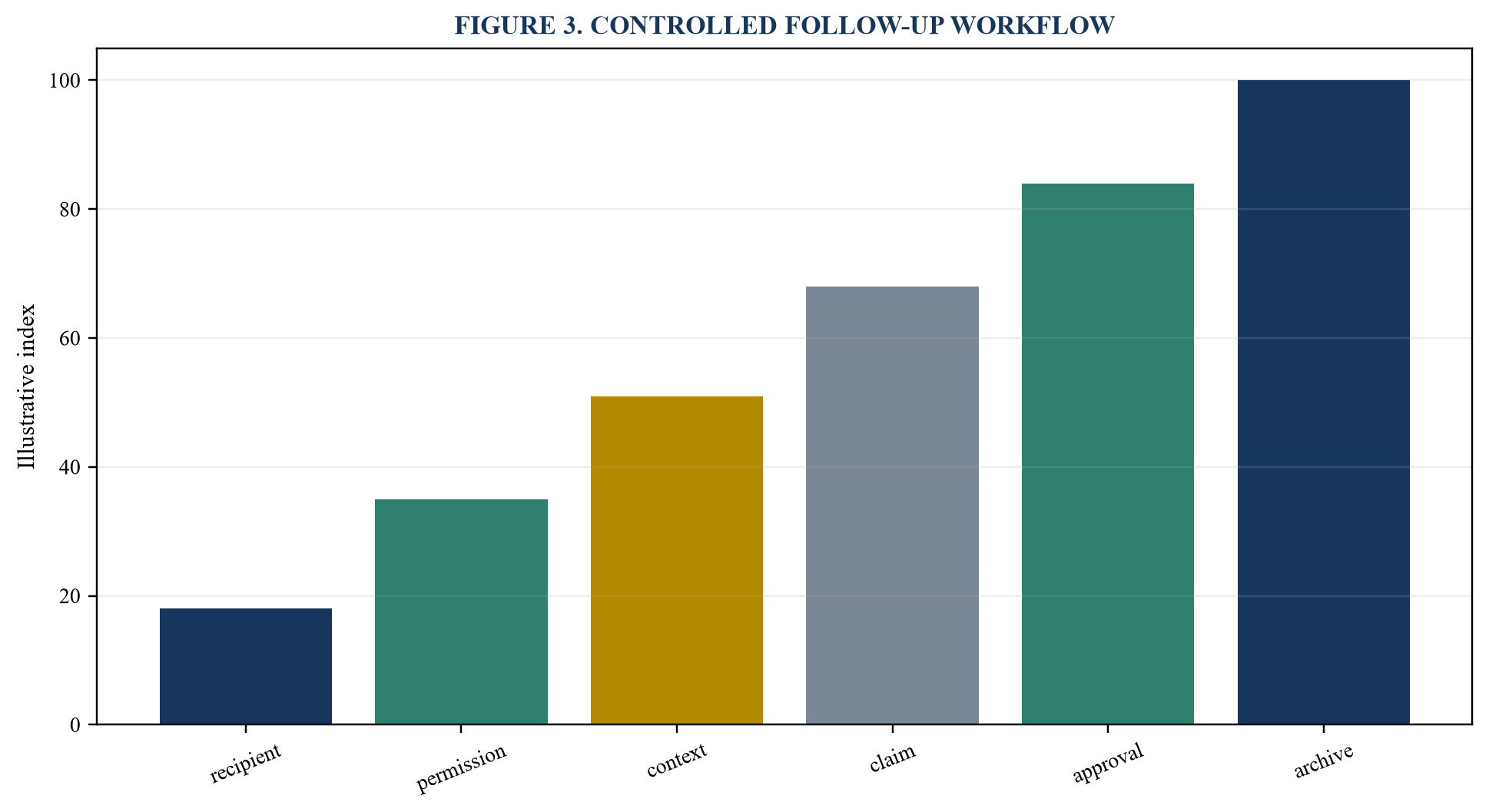
Values are illustrative indices and require replacement with approved operating evidence.
25. Govern performance and track-record responses
Reconcile performance periods, gross and net presentation, fees, attribution, comparators and required limitations.
The controlled record includes performance; method; period; fee; attribution; comparator; disclosure; approval. The immediate deliverable is a governed performance-response pack.
The principal failure occurs when performance language changes across meetings or omits material limitations. Review should reconstruct the evidence available at the meeting date, the applicable vehicle and recipient context, unresolved limitations and the authority of the person approving any external action.
AI can reduce search, comparison and drafting time when it operates over approved records. Human specialists retain authority for interpretation, claims, performance, legal questions, concessions and external communication. Every released output should remain reproducible from its sources.
For govern performance and track-record responses, management information should show opening exceptions, corrections, permissions, review time, approved actions and subsequent allocator outcomes. Each exception needs an owner, due date, closure evidence and later result so that the programme distinguishes completed workflow from decision-ready evidence.
26. Control terms and side-letter discussions
Route requested economics, governance rights, reporting, capacity and side-letter provisions through authorised decision makers.
The controlled record includes term; requestor; vehicle; impact; precedent; authority; approval; status. The immediate deliverable is a term and side-letter decision register.
The principal failure occurs when commercial concessions are implied before authority and portfolio impact are assessed. Review should reconstruct the evidence available at the meeting date, the applicable vehicle and recipient context, unresolved limitations and the authority of the person approving any external action.
The control population includes failures and silence. Withdrawn interest, unanswered questions, rejected terms, stale documents and contradictory responses reveal where the proposition or process needs repair. Excluding them produces an inflated view of readiness and conversion.
For control terms and side-letter discussions, management information should show opening exceptions, corrections, permissions, review time, approved actions and subsequent allocator outcomes. Each exception needs an owner, due date, closure evidence and later result so that the programme distinguishes completed workflow from decision-ready evidence.
27. Assign evidence and action owners
Assign every question, evidence request, objection and next action to a named accountable owner and reviewer.
The controlled record includes task; owner; reviewer; dependency; due date; status; evidence; escalation. The immediate deliverable is an action ledger with owners and escalation clocks.
The principal failure occurs when actions have no accountable owner, evidence standard or escalation path. Review should reconstruct the evidence available at the meeting date, the applicable vehicle and recipient context, unresolved limitations and the authority of the person approving any external action.
A material change should trigger targeted reapproval. Team departures, new performance periods, amended terms, portfolio events, rule changes and service-provider changes can invalidate several documents at once. Dependency mapping makes that impact reviewable.
For assign evidence and action owners, management information should show opening exceptions, corrections, permissions, review time, approved actions and subsequent allocator outcomes. Each exception needs an owner, due date, closure evidence and later result so that the programme distinguishes completed workflow from decision-ready evidence.
28. Require human verification and release approval
Give a named professional the sources, uncertainties, vetoes and authority to approve, amend or reject each output.
The controlled record includes output; source; uncertainty; veto; reviewer; decision; timestamp; outcome. The immediate deliverable is a retained human release decision.
The principal failure occurs when automation becomes the unaccountable release decision maker. Review should reconstruct the evidence available at the meeting date, the applicable vehicle and recipient context, unresolved limitations and the authority of the person approving any external action.
Permission and confidentiality travel with the evidence. The system should enforce recipient, purpose, vehicle, stage and time limits at retrieval and export, then retain an audit record without exposing unrelated investor or fund information.
For require human verification and release approval, management information should show opening exceptions, corrections, permissions, review time, approved actions and subsequent allocator outcomes. Each exception needs an owner, due date, closure evidence and later result so that the programme distinguishes completed workflow from decision-ready evidence.
29. Retain disseminated communications and approvals
Archive the final communication, recipient, channel, approval, disclosures, attachments and dissemination timestamp.
The controlled record includes communication; recipient; channel; approver; attachment; disclosure; time; copy. The immediate deliverable is a complete dissemination archive.
The principal failure occurs when the firm cannot reproduce what was sent, approved and disclosed. Review should reconstruct the evidence available at the meeting date, the applicable vehicle and recipient context, unresolved limitations and the authority of the person approving any external action.
Implementation should begin with a historical reconstruction. Reviewers compare approved evidence, actual questions, released answers and observed outcomes. The pilot establishes error severity, reviewer capacity, response time, cost and the decisions for which automation is acceptable.
For retain disseminated communications and approvals, management information should show opening exceptions, corrections, permissions, review time, approved actions and subsequent allocator outcomes. Each exception needs an owner, due date, closure evidence and later result so that the programme distinguishes completed workflow from decision-ready evidence.
30. Integrate CRM without contaminating source records
Sync approved structured fields and actions while retaining the meeting record as an immutable source and avoiding duplicate truth.
The controlled record includes source id; CRM object; field; mapping; approval; sync time; exception; owner. The immediate deliverable is a controlled source-to-CRM mapping.
The principal failure occurs when CRM summaries overwrite or distort the authoritative meeting evidence. Review should reconstruct the evidence available at the meeting date, the applicable vehicle and recipient context, unresolved limitations and the authority of the person approving any external action.
Fund placement is a sequence of evidence decisions. A manager needs a consistent proposition, current support and a record of what each recipient received. The operating design should make errors visible before dissemination and retain negative outcomes for learning.
For integrate crm without contaminating source records, management information should show opening exceptions, corrections, permissions, review time, approved actions and subsequent allocator outcomes. Each exception needs an owner, due date, closure evidence and later result so that the programme distinguishes completed workflow from decision-ready evidence.
31. Validate extraction, classification and retrieval
Back-test source attribution, question capture, objection classification, retrieval support, action relevance and omission severity.
The controlled record includes test; source; expected result; output; error; severity; reviewer; remediation. The immediate deliverable is a versioned validation report.
The principal failure occurs when demonstration accuracy is mistaken for reliable supervised performance. Review should reconstruct the evidence available at the meeting date, the applicable vehicle and recipient context, unresolved limitations and the authority of the person approving any external action.
Allocator diligence is contextual. The same question can require a different answer by vehicle, strategy, period, jurisdiction or recipient. Reuse therefore needs compatibility tests, source links and a named reviewer rather than a universal text block.
For validate extraction, classification and retrieval, management information should show opening exceptions, corrections, permissions, review time, approved actions and subsequent allocator outcomes. Each exception needs an owner, due date, closure evidence and later result so that the programme distinguishes completed workflow from decision-ready evidence.
32. Test prompt injection, leakage and cross-fund exposure
Treat recordings, transcripts, attachments and linked content as untrusted inputs that cannot change system instructions or permissions.
The controlled record includes input; source; trust class; instruction; secret; detection; action; incident. The immediate deliverable is an input-security and incident-control layer.
The principal failure occurs when malicious or accidental document text changes system behaviour or exposes another fund. Review should reconstruct the evidence available at the meeting date, the applicable vehicle and recipient context, unresolved limitations and the authority of the person approving any external action.
Commercial usefulness depends on progression through qualified stages. Meetings, downloads and open rates are activity measures. The stronger record connects evidence readiness and resolved questions to diligence, negotiation, signed commitments, funded commitments and collected economics.
For test prompt injection, leakage and cross-fund exposure, management information should show opening exceptions, corrections, permissions, review time, approved actions and subsequent allocator outcomes. Each exception needs an owner, due date, closure evidence and later result so that the programme distinguishes completed workflow from decision-ready evidence.
Table 4. Validation tests
| Test | Measure | Gate |
|---|---|---|
| capture | question and request recall | minimum completeness |
| support | citation precision | approved evidence |
| conduct | veto and disclosure accuracy | zero critical breach |
| outcome | qualified progression after cost | scale decision |
Illustrative classifications require vehicle-, allocator- and jurisdiction-specific approval.
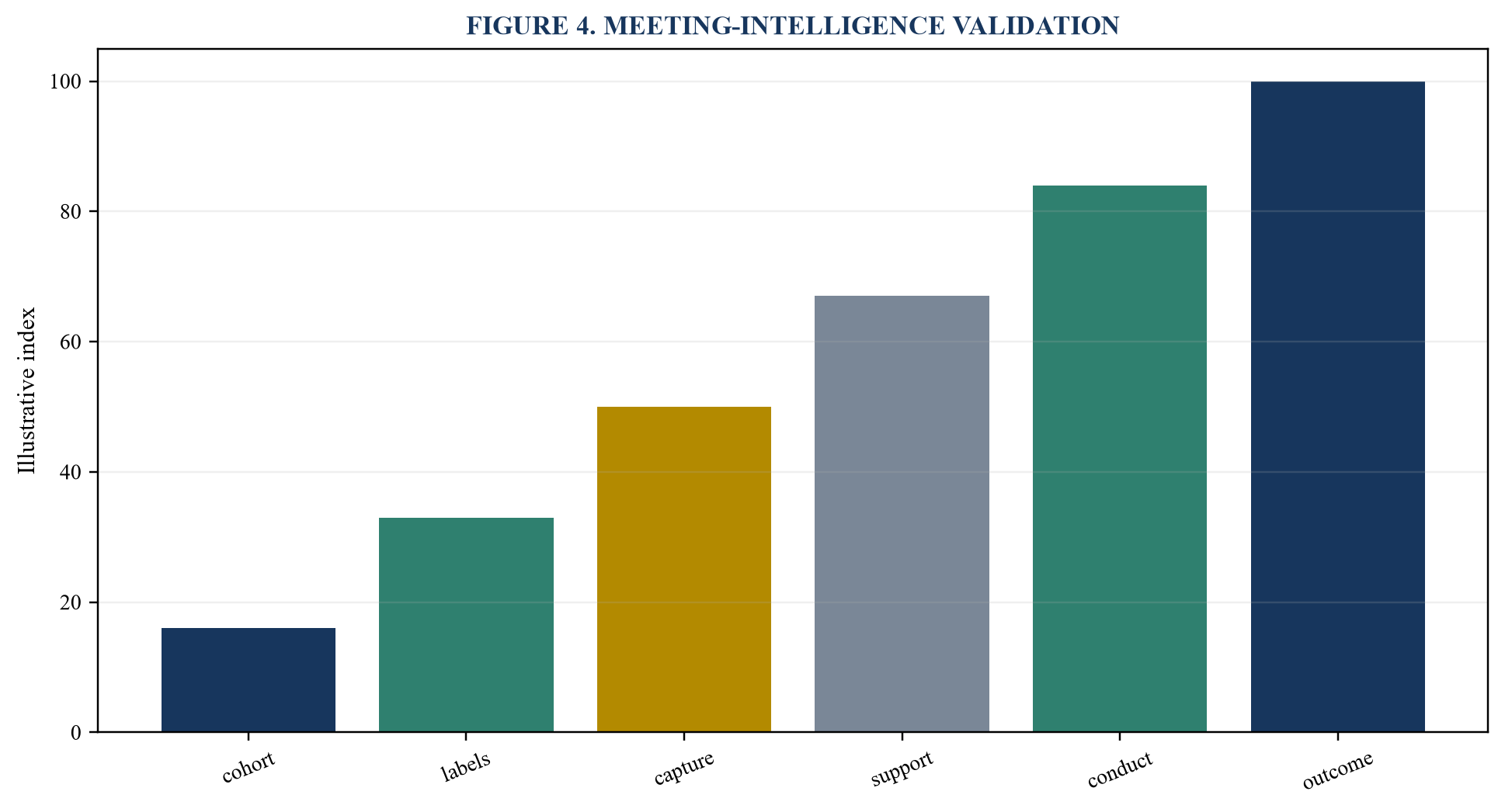
Values are illustrative indices and require replacement with approved operating evidence.
33. Test language, accent and participation bias
Measure recognition, attribution, classification and recommendation quality across languages, accents, roles and participation patterns.
The controlled record includes segment; language; accent; role; metric; error; disparity; cause; remedy. The immediate deliverable is a bias assessment with remediation actions.
The principal failure occurs when error rates burden quieter participants, languages or speaking styles unequally. Review should reconstruct the evidence available at the meeting date, the applicable vehicle and recipient context, unresolved limitations and the authority of the person approving any external action.
AI can reduce search, comparison and drafting time when it operates over approved records. Human specialists retain authority for interpretation, claims, performance, legal questions, concessions and external communication. Every released output should remain reproducible from its sources.
For test language, accent and participation bias, management information should show opening exceptions, corrections, permissions, review time, approved actions and subsequent allocator outcomes. Each exception needs an owner, due date, closure evidence and later result so that the programme distinguishes completed workflow from decision-ready evidence.
34. Calibrate action-ranking confidence
Compare ranked actions with outcomes and human decisions using point-in-time cohorts, simple rules and confidence bands.
The controlled record includes cohort; candidate; score; confidence; human decision; outcome; benchmark; error. The immediate deliverable is a calibrated ranking model with bounded use.
The principal failure occurs when a score appears precise despite weak labels, selection bias or scarce outcomes. Review should reconstruct the evidence available at the meeting date, the applicable vehicle and recipient context, unresolved limitations and the authority of the person approving any external action.
The control population includes failures and silence. Withdrawn interest, unanswered questions, rejected terms, stale documents and contradictory responses reveal where the proposition or process needs repair. Excluding them produces an inflated view of readiness and conversion.
For calibrate action-ranking confidence, management information should show opening exceptions, corrections, permissions, review time, approved actions and subsequent allocator outcomes. Each exception needs an owner, due date, closure evidence and later result so that the programme distinguishes completed workflow from decision-ready evidence.
35. Measure response and evidence readiness
Track completeness, freshness, citation support, contradictions, approval time, overdue requests and allocator acceptance.
The controlled record includes metric; population; source; threshold; owner; result; exception; action. The immediate deliverable is a balanced meeting-readiness scorecard.
The principal failure occurs when speed metrics reward incomplete, unsupported or unapproved follow-up. Review should reconstruct the evidence available at the meeting date, the applicable vehicle and recipient context, unresolved limitations and the authority of the person approving any external action.
A material change should trigger targeted reapproval. Team departures, new performance periods, amended terms, portfolio events, rule changes and service-provider changes can invalidate several documents at once. Dependency mapping makes that impact reviewable.
For measure response and evidence readiness, management information should show opening exceptions, corrections, permissions, review time, approved actions and subsequent allocator outcomes. Each exception needs an owner, due date, closure evidence and later result so that the programme distinguishes completed workflow from decision-ready evidence.
36. Measure qualified stage progression
Measure verified progression from meeting to diligence, committee review, negotiation, signed commitment and funded amount.
The controlled record includes stage; entry; exit; date; amount; owner; reason; evidence. The immediate deliverable is a qualified stage and outcome bridge.
The principal failure occurs when meeting volume and activity are reported as fundraising conversion. Review should reconstruct the evidence available at the meeting date, the applicable vehicle and recipient context, unresolved limitations and the authority of the person approving any external action.
Permission and confidentiality travel with the evidence. The system should enforce recipient, purpose, vehicle, stage and time limits at retrieval and export, then retain an audit record without exposing unrelated investor or fund information.
For measure qualified stage progression, management information should show opening exceptions, corrections, permissions, review time, approved actions and subsequent allocator outcomes. Each exception needs an owner, due date, closure evidence and later result so that the programme distinguishes completed workflow from decision-ready evidence.
37. Measure cost and collected economics
Reconcile data, technology, compliance, legal, senior-review and relationship costs with signed, funded and collected outcomes.
The controlled record includes cohort; cost; activity; commitment; fee; cash; period; attribution. The immediate deliverable is a full-cost and collected-economics analysis.
The principal failure occurs when technology activity is credited with value unrelated to signed and collected outcomes. Review should reconstruct the evidence available at the meeting date, the applicable vehicle and recipient context, unresolved limitations and the authority of the person approving any external action.
Implementation should begin with a historical reconstruction. Reviewers compare approved evidence, actual questions, released answers and observed outcomes. The pilot establishes error severity, reviewer capacity, response time, cost and the decisions for which automation is acceptable.
For measure cost and collected economics, management information should show opening exceptions, corrections, permissions, review time, approved actions and subsequent allocator outcomes. Each exception needs an owner, due date, closure evidence and later result so that the programme distinguishes completed workflow from decision-ready evidence.
38. Monitor drift, stale facts and changed permissions
Detect changes in mandates, participants, facts, terms, regulation, relationships, permissions, models and evidence availability.
The controlled record includes record; prior state; new state; date; contradiction; impact; owner; action. The immediate deliverable is a change-event workflow with targeted reapproval.
The principal failure occurs when stale facts or withdrawn permissions continue driving follow-up. Review should reconstruct the evidence available at the meeting date, the applicable vehicle and recipient context, unresolved limitations and the authority of the person approving any external action.
Fund placement is a sequence of evidence decisions. A manager needs a consistent proposition, current support and a record of what each recipient received. The operating design should make errors visible before dissemination and retain negative outcomes for learning.
For monitor drift, stale facts and changed permissions, management information should show opening exceptions, corrections, permissions, review time, approved actions and subsequent allocator outcomes. Each exception needs an owner, due date, closure evidence and later result so that the programme distinguishes completed workflow from decision-ready evidence.
39. Assure management information and accountability
Reconcile quality, conduct, security, exceptions, conversion and economics for leadership challenge and accountable decisions.
The controlled record includes metric; definition; source; reconciliation; threshold; exception; owner; decision. The immediate deliverable is an assurance pack for leadership review.
The principal failure occurs when aggregate dashboards hide severe exceptions and unresolved evidence gaps. Review should reconstruct the evidence available at the meeting date, the applicable vehicle and recipient context, unresolved limitations and the authority of the person approving any external action.
Allocator diligence is contextual. The same question can require a different answer by vehicle, strategy, period, jurisdiction or recipient. Reuse therefore needs compatibility tests, source links and a named reviewer rather than a universal text block.
For assure management information and accountability, management information should show opening exceptions, corrections, permissions, review time, approved actions and subsequent allocator outcomes. Each exception needs an owner, due date, closure evidence and later result so that the programme distinguishes completed workflow from decision-ready evidence.
40. Pilot and scale through evidence gates
Test one vehicle, jurisdiction and allocator cohort under supervision, then expand only after explicit quality and economic gates.
The controlled record includes cohort; scope; baseline; test; threshold; result; exception; gate. The immediate deliverable is an evidence-gated pilot and rollout decision.
The principal failure occurs when success in one narrow context is generalised without renewed validation. Review should reconstruct the evidence available at the meeting date, the applicable vehicle and recipient context, unresolved limitations and the authority of the person approving any external action.
Commercial usefulness depends on progression through qualified stages. Meetings, downloads and open rates are activity measures. The stronger record connects evidence readiness and resolved questions to diligence, negotiation, signed commitments, funded commitments and collected economics.
For pilot and scale through evidence gates, management information should show opening exceptions, corrections, permissions, review time, approved actions and subsequent allocator outcomes. Each exception needs an owner, due date, closure evidence and later result so that the programme distinguishes completed workflow from decision-ready evidence.
Table 5. Evidence-gated rollout
| Phase | Primary work | Gate |
|---|---|---|
| baseline | permissions and source model | approved controls |
| pilot | supervised meetings and validation | quality and conduct |
| scale | workflow, CRM and cohorts | economics and assurance |
Illustrative classifications require vehicle-, allocator- and jurisdiction-specific approval.
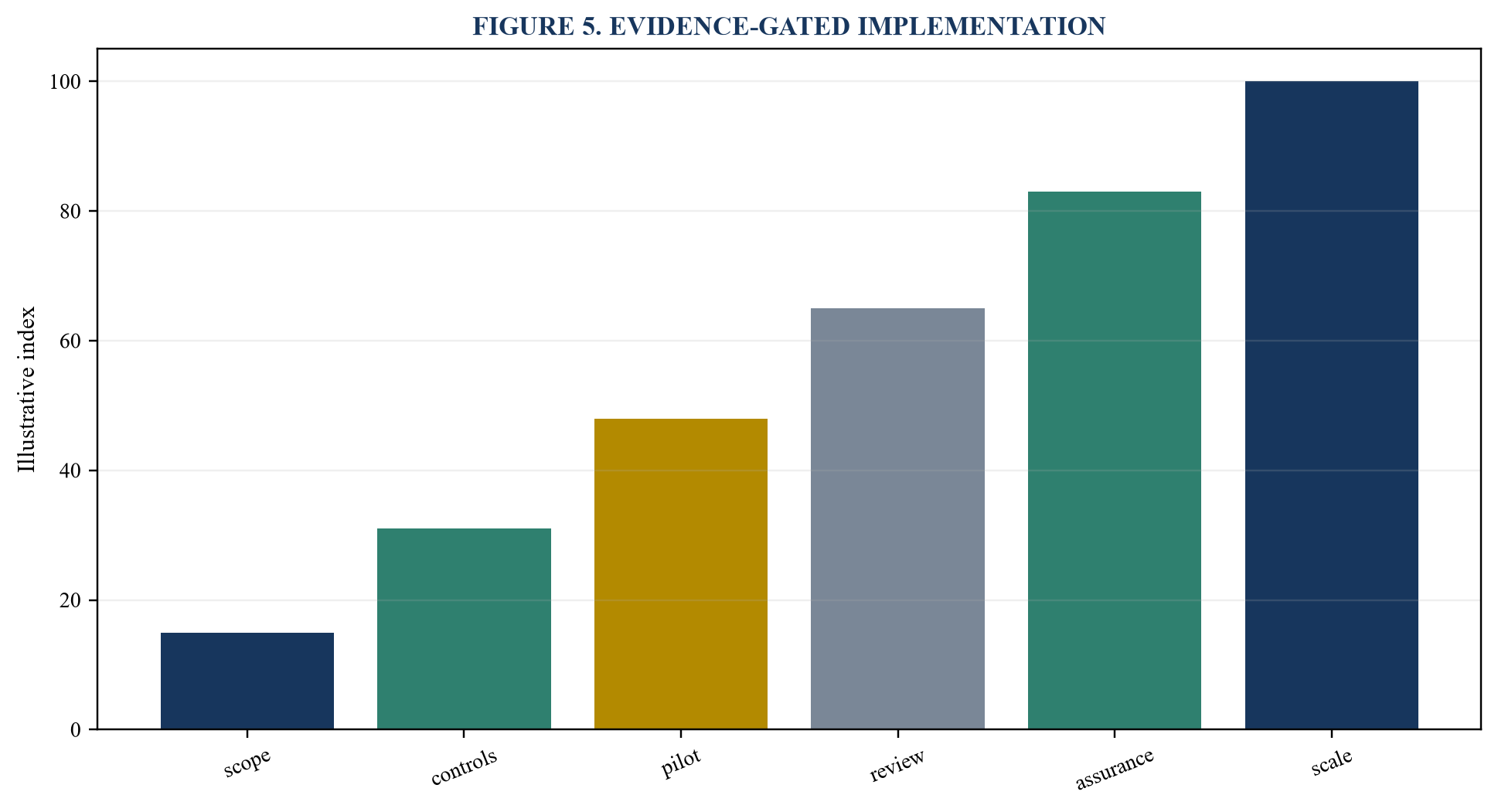
Values are illustrative indices and require replacement with approved operating evidence.
References
- Institutional Limited Partners Association, Due Diligence Questionnaire 2.0, https://ilpa.org/resources-tools/resource-library/due-diligence-questionnaire/
- Institutional Limited Partners Association, Principles 3.0, https://ilpa.org/industry-guidance/principles-best-practices/ilpa-principles/
- US Securities and Exchange Commission, Questions Advisers Should Ask While Establishing or Reviewing Compliance Programs, https://www.sec.gov/exams/adviser_compliance_questions
- US Securities and Exchange Commission, Investment Adviser Marketing, https://www.sec.gov/resources-small-businesses/small-business-compliance-guides/investment-adviser-marketing
- US Securities and Exchange Commission, Marketing Compliance Frequently Asked Questions, https://www.sec.gov/rules-regulations/staff-guidance/division-investment-management-frequently-asked-questions/marketing-compliance-frequently-asked-questions
- US Securities and Exchange Commission, Final Rule: Investment Adviser Marketing, https://www.sec.gov/files/rules/final/2020/ia-5653.pdf
- US Securities and Exchange Commission, Form ADV and Investment Advisers Act Rules, https://www.sec.gov/rules-regulations/2016/08/form-adv-investment-advisers-act-rules
- US Securities and Exchange Commission, Private Fund Adviser Overview, https://www.sec.gov/about/divisions-offices/division-investment-management/private-fund-adviser-overview
- Financial Industry Regulatory Authority, 2026 Annual Regulatory Oversight Report: GenAI, https://www.finra.org/rules-guidance/guidance/reports/2026-finra-annual-regulatory-oversight-report/gen-ai
- European Securities and Markets Authority, Fund Management and Cross-Border Distribution, https://www.esma.europa.eu/esmas-activities/investors-and-issuers/fund-management
- European Commission, Alternative Investment Fund Managers Directive, https://finance.ec.europa.eu/regulation-and-supervision/financial-services-legislation/implementing-and-delegated-acts/alternative-investment-fund-managers-directive_en
- Financial Conduct Authority, Financial Promotions and Adverts, https://www.fca.org.uk/firms/financial-promotions-adverts
- Financial Conduct Authority, FG24/1 Financial Promotions on Social Media, https://www.fca.org.uk/publications/finalised-guidance/fg24-1-finalised-guidance-financial-promotions-social-media
- Financial Conduct Authority, Artificial Intelligence Approach, https://www.fca.org.uk/firms/innovation/ai-approach
- Information Commissioner's Office, Direct Marketing Guidance, https://ico.org.uk/for-organisations/direct-marketing-and-privacy-and-electronic-communications/
- Information Commissioner's Office, Guidance on AI and Data Protection, https://ico.org.uk/for-organisations/uk-gdpr-guidance-and-resources/artificial-intelligence/
- International Organization of Securities Commissions, Artificial Intelligence in Capital Markets, https://www.iosco.org/library/pubdocs/pdf/IOSCOPD813.pdf
- International Organization of Securities Commissions, Principles for Outsourcing, https://www.iosco.org/library/pubdocs/pdf/IOSCOPD687.pdf
- National Institute of Standards and Technology, AI Risk Management Framework, https://www.nist.gov/itl/ai-risk-management-framework
- National Institute of Standards and Technology, Generative AI Profile, https://www.nist.gov/publications/artificial-intelligence-risk-management-framework-generative-artificial-intelligence
- Financial Stability Board, Financial Stability Implications of Artificial Intelligence, https://www.fsb.org/2024/11/the-financial-stability-implications-of-artificial-intelligence/
- OECD, AI Principles, https://oecd.ai/en/ai-principles
- CFA Institute, Global Investment Performance Standards, https://www.gipsstandards.org/standards/
- AIMA, Due Diligence Questionnaires, https://www.aima.org/sound-practices/due-diligence-questionnaires.html
- Invest Europe, Professional Standards, https://www.investeurope.eu/industry-standards/professional-standards/
- Principles for Responsible Investment, Reporting Framework, https://www.unpri.org/reporting-and-assessment/reporting-framework/5373.article
