

1. Define placement scope and authority
Set the vehicle, jurisdictions, recipient classes, channels, regulated activities, decision rights and commercial outcome before work begins.
The controlled record includes vehicle; strategy; jurisdiction; recipient; channel; permission; owner; approval. The immediate deliverable is a signed scope matrix with legal and compliance gates.
The principal failure occurs when research, advice, marketing and placement activities blur into an ungoverned process. Review should test the evidence available at the decision date, the applicable vehicle and recipient context, unresolved limitations, and the authority of the person approving release.
Fund placement is a sequence of evidence decisions. A manager needs a consistent proposition, current support and a record of what each recipient received. The operating design should make errors visible before dissemination and retain negative outcomes for learning.
For define placement scope and authority, management information should show opening gaps, changes, exceptions, review time, released outputs and subsequent allocator outcomes. A useful control links each exception to an owner, due date, closure evidence and later result so that the process can distinguish cosmetic completion from decision-ready evidence.
2. Create a single fund evidence library
Build a controlled repository for fund, manager, team, portfolio, performance, operations, governance and service-provider evidence.
The controlled record includes document; owner; version; effective date; approval; access; expiry; source. The immediate deliverable is an indexed evidence register with current and superseded versions.
The principal failure occurs when teams answer the same question from conflicting files. Review should test the evidence available at the decision date, the applicable vehicle and recipient context, unresolved limitations, and the authority of the person approving release.
Allocator diligence is contextual. The same question can require a different answer by vehicle, strategy, period, jurisdiction or recipient. Reuse therefore needs compatibility tests, source links and a named reviewer rather than a universal text block.
For create a single fund evidence library, management information should show opening gaps, changes, exceptions, review time, released outputs and subsequent allocator outcomes. A useful control links each exception to an owner, due date, closure evidence and later result so that the process can distinguish cosmetic completion from decision-ready evidence.
3. Map claims to substantiation
Connect every material statement in a deck, questionnaire, data room or conversation to approved supporting records.
The controlled record includes claim; source; calculation; period; disclosure; reviewer; version; use. The immediate deliverable is a claim ledger that can reproduce support on demand.
The principal failure occurs when unsupported or selectively framed claims reach prospective investors. Review should test the evidence available at the decision date, the applicable vehicle and recipient context, unresolved limitations, and the authority of the person approving release.
Commercial usefulness depends on progression through qualified stages. Meetings, downloads and open rates are activity measures. The stronger record connects evidence readiness and resolved questions to diligence, negotiation, signed commitments, funded commitments and collected economics.
For map claims to substantiation, management information should show opening gaps, changes, exceptions, review time, released outputs and subsequent allocator outcomes. A useful control links each exception to an owner, due date, closure evidence and later result so that the process can distinguish cosmetic completion from decision-ready evidence.
4. Control performance presentations
Reconcile gross, net, realised, unrealised, benchmark, attribution and hypothetical performance under the applicable presentation rules.
The controlled record includes portfolio; cash flow; fee; method; period; currency; benchmark; approval. The immediate deliverable is a governed performance pack with calculation lineage.
The principal failure occurs when different materials show incomparable or misleading performance. Review should test the evidence available at the decision date, the applicable vehicle and recipient context, unresolved limitations, and the authority of the person approving release.
AI can reduce search, comparison and drafting time when it operates over approved records. Human specialists retain authority for interpretation, claims, performance, legal questions, concessions and external communication. Every released output should remain reproducible from its sources.
For control performance presentations, management information should show opening gaps, changes, exceptions, review time, released outputs and subsequent allocator outcomes. A useful control links each exception to an owner, due date, closure evidence and later result so that the process can distinguish cosmetic completion from decision-ready evidence.
5. Resolve track-record attribution
Separate firm, team, predecessor, deal-level and portable experience with explicit roles, ownership and limitations.
The controlled record includes investment; entity; person; role; dates; attribution; evidence; disclosure. The immediate deliverable is an attribution schedule linked to source records.
The principal failure occurs when experience is presented more broadly than the evidence supports. Review should test the evidence available at the decision date, the applicable vehicle and recipient context, unresolved limitations, and the authority of the person approving release.
The control population includes failures and silence. Withdrawn interest, unanswered questions, rejected terms, stale documents and contradictory responses reveal where the proposition or process needs repair. Excluding them produces an inflated view of readiness and conversion.
For resolve track-record attribution, management information should show opening gaps, changes, exceptions, review time, released outputs and subsequent allocator outcomes. A useful control links each exception to an owner, due date, closure evidence and later result so that the process can distinguish cosmetic completion from decision-ready evidence.
6. Build the master DDQ model
Translate allocator questionnaires into a canonical question, evidence, owner and approval structure.
The controlled record includes question; taxonomy; allocator; response; evidence; owner; reviewer; date. The immediate deliverable is a reusable DDQ knowledge model with allocator-specific overlays.
The principal failure occurs when answers are copied between questionnaires without preserving context. Review should test the evidence available at the decision date, the applicable vehicle and recipient context, unresolved limitations, and the authority of the person approving release.
A material change should trigger targeted reapproval. Team departures, new performance periods, amended terms, portfolio events, rule changes and service-provider changes can invalidate several documents at once. Dependency mapping makes that impact reviewable.
For build the master ddq model, management information should show opening gaps, changes, exceptions, review time, released outputs and subsequent allocator outcomes. A useful control links each exception to an owner, due date, closure evidence and later result so that the process can distinguish cosmetic completion from decision-ready evidence.
7. Normalise questions and synonyms
Map differently worded allocator requests to stable concepts while preserving the original question and required format.
The controlled record includes original text; concept; synonym; jurisdiction; vehicle; mapping; reviewer; confidence. The immediate deliverable is a reviewed question ontology with traceable mappings.
The principal failure occurs when automation treats similar wording as identical despite material differences. Review should test the evidence available at the decision date, the applicable vehicle and recipient context, unresolved limitations, and the authority of the person approving release.
Permission and confidentiality travel with the evidence. The system should enforce recipient, purpose, vehicle, stage and time limits at retrieval and export, then retain an audit record without exposing unrelated investor or fund information.
For normalise questions and synonyms, management information should show opening gaps, changes, exceptions, review time, released outputs and subsequent allocator outcomes. A useful control links each exception to an owner, due date, closure evidence and later result so that the process can distinguish cosmetic completion from decision-ready evidence.
8. Detect DDQ gaps and contradictions
Compare requested evidence with approved records and surface missing, stale, conflicting or non-responsive answers.
The controlled record includes request; answer; source; conflict; gap; severity; owner; due date. The immediate deliverable is a prioritised remediation register with evidence-based closure.
The principal failure occurs when a polished response hides unresolved diligence weaknesses. Review should test the evidence available at the decision date, the applicable vehicle and recipient context, unresolved limitations, and the authority of the person approving release.
Implementation should begin with a historical reconstruction. Reviewers compare approved evidence, actual questions, released answers and observed outcomes. The pilot establishes error severity, reviewer capacity, response time, cost and the decisions for which automation is acceptable.
For detect ddq gaps and contradictions, management information should show opening gaps, changes, exceptions, review time, released outputs and subsequent allocator outcomes. A useful control links each exception to an owner, due date, closure evidence and later result so that the process can distinguish cosmetic completion from decision-ready evidence.
Table 1. DDQ gap severity
| Class | Evidence condition | Required action |
|---|---|---|
| complete | current and approved | release after context check |
| stale | support expired or changed | refresh and reapprove |
| conflict | approved sources disagree | resolve with accountable owner |
| missing | requested support absent | disclose gap and remediate |
Illustrative classifications require vehicle-, allocator- and jurisdiction-specific approval.
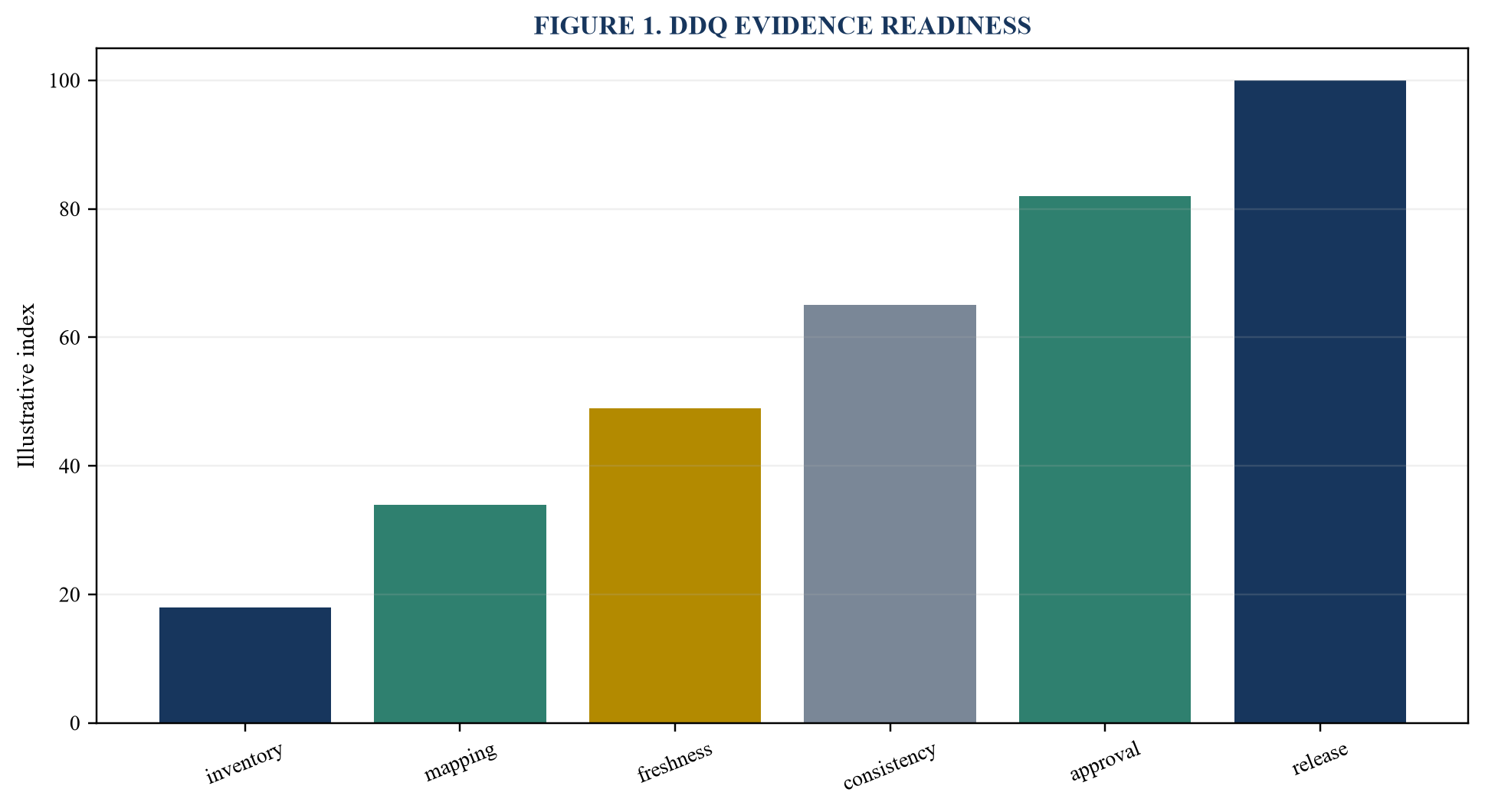
Values are illustrative indices for framework explanation and require replacement with approved operating evidence.
9. Assign response ownership
Route investment, risk, operations, legal, tax, finance, ESG, cyber and valuation questions to accountable specialists.
The controlled record includes topic; owner; delegate; reviewer; service level; dependency; status; escalation. The immediate deliverable is a responsibility matrix with escalation clocks.
The principal failure occurs when the fundraising team becomes the undocumented source of truth. Review should test the evidence available at the decision date, the applicable vehicle and recipient context, unresolved limitations, and the authority of the person approving release.
Fund placement is a sequence of evidence decisions. A manager needs a consistent proposition, current support and a record of what each recipient received. The operating design should make errors visible before dissemination and retain negative outcomes for learning.
For assign response ownership, management information should show opening gaps, changes, exceptions, review time, released outputs and subsequent allocator outcomes. A useful control links each exception to an owner, due date, closure evidence and later result so that the process can distinguish cosmetic completion from decision-ready evidence.
10. Control answer reuse
Reuse approved content only when vehicle, strategy, period, jurisdiction and question context remain compatible.
The controlled record includes answer; source vehicle; target vehicle; conditions; differences; approval; expiry; use. The immediate deliverable is a conditional reuse rule and exception log.
The principal failure occurs when old language is propagated after facts or obligations change. Review should test the evidence available at the decision date, the applicable vehicle and recipient context, unresolved limitations, and the authority of the person approving release.
Allocator diligence is contextual. The same question can require a different answer by vehicle, strategy, period, jurisdiction or recipient. Reuse therefore needs compatibility tests, source links and a named reviewer rather than a universal text block.
For control answer reuse, management information should show opening gaps, changes, exceptions, review time, released outputs and subsequent allocator outcomes. A useful control links each exception to an owner, due date, closure evidence and later result so that the process can distinguish cosmetic completion from decision-ready evidence.
11. Prepare the private-placement memorandum
Reconcile the legal offering document with commercial materials, economics, risk, governance and operating disclosures.
The controlled record includes section; term; claim; risk; cross-reference; counsel; approval; version. The immediate deliverable is a cross-document consistency matrix.
The principal failure occurs when the deck and legal documents describe different propositions. Review should test the evidence available at the decision date, the applicable vehicle and recipient context, unresolved limitations, and the authority of the person approving release.
Commercial usefulness depends on progression through qualified stages. Meetings, downloads and open rates are activity measures. The stronger record connects evidence readiness and resolved questions to diligence, negotiation, signed commitments, funded commitments and collected economics.
For prepare the private-placement memorandum, management information should show opening gaps, changes, exceptions, review time, released outputs and subsequent allocator outcomes. A useful control links each exception to an owner, due date, closure evidence and later result so that the process can distinguish cosmetic completion from decision-ready evidence.
12. Engineer the pitch deck
Present portfolio role, edge, team, process, evidence, terms and risks in a concise decision sequence.
The controlled record includes slide; claim; evidence; audience; disclosure; owner; review; version. The immediate deliverable is an allocator-ready deck with substantiation links.
The principal failure occurs when design compresses away qualifications or amplifies weak evidence. Review should test the evidence available at the decision date, the applicable vehicle and recipient context, unresolved limitations, and the authority of the person approving release.
AI can reduce search, comparison and drafting time when it operates over approved records. Human specialists retain authority for interpretation, claims, performance, legal questions, concessions and external communication. Every released output should remain reproducible from its sources.
For engineer the pitch deck, management information should show opening gaps, changes, exceptions, review time, released outputs and subsequent allocator outcomes. A useful control links each exception to an owner, due date, closure evidence and later result so that the process can distinguish cosmetic completion from decision-ready evidence.
13. Build data-room readiness
Organise legal, fund, team, track record, portfolio, operations, compliance, cyber, valuation and reporting evidence for controlled access.
The controlled record includes folder; document; owner; access; version; request; status; audit event. The immediate deliverable is a permissioned diligence index and request tracker.
The principal failure occurs when documents arrive late, conflict or expose unnecessary information. Review should test the evidence available at the decision date, the applicable vehicle and recipient context, unresolved limitations, and the authority of the person approving release.
The control population includes failures and silence. Withdrawn interest, unanswered questions, rejected terms, stale documents and contradictory responses reveal where the proposition or process needs repair. Excluding them produces an inflated view of readiness and conversion.
For build data-room readiness, management information should show opening gaps, changes, exceptions, review time, released outputs and subsequent allocator outcomes. A useful control links each exception to an owner, due date, closure evidence and later result so that the process can distinguish cosmetic completion from decision-ready evidence.
14. Govern virtual data-room access
Apply recipient, role, stage, confidentiality, download, watermark, retention and revocation controls.
The controlled record includes user; institution; role; agreement; permission; document; event; expiry. The immediate deliverable is a stage-gated access policy with immutable logs.
The principal failure occurs when sensitive records are disclosed too early or retained indefinitely. Review should test the evidence available at the decision date, the applicable vehicle and recipient context, unresolved limitations, and the authority of the person approving release.
A material change should trigger targeted reapproval. Team departures, new performance periods, amended terms, portfolio events, rule changes and service-provider changes can invalidate several documents at once. Dependency mapping makes that impact reviewable.
For govern virtual data-room access, management information should show opening gaps, changes, exceptions, review time, released outputs and subsequent allocator outcomes. A useful control links each exception to an owner, due date, closure evidence and later result so that the process can distinguish cosmetic completion from decision-ready evidence.
15. Create allocator-specific evidence packs
Select approved material for the allocator's mandate, governance process, jurisdiction and diligence priorities.
The controlled record includes allocator; mandate; question; evidence; relevance; exclusion; reviewer; date. The immediate deliverable is a sourced briefing pack with explicit selection rationale.
The principal failure occurs when personalisation creates inconsistent facts or invented familiarity. Review should test the evidence available at the decision date, the applicable vehicle and recipient context, unresolved limitations, and the authority of the person approving release.
Permission and confidentiality travel with the evidence. The system should enforce recipient, purpose, vehicle, stage and time limits at retrieval and export, then retain an audit record without exposing unrelated investor or fund information.
For create allocator-specific evidence packs, management information should show opening gaps, changes, exceptions, review time, released outputs and subsequent allocator outcomes. A useful control links each exception to an owner, due date, closure evidence and later result so that the process can distinguish cosmetic completion from decision-ready evidence.
16. Capture meetings as evidence
Record questions, objections, requests, commitments, decision process, timing and permitted next actions from human interactions.
The controlled record includes meeting; participant; question; response; objection; request; owner; next action. The immediate deliverable is a reviewed meeting record connected to the evidence library.
The principal failure occurs when informal notes cannot support follow-up or pipeline qualification. Review should test the evidence available at the decision date, the applicable vehicle and recipient context, unresolved limitations, and the authority of the person approving release.
Implementation should begin with a historical reconstruction. Reviewers compare approved evidence, actual questions, released answers and observed outcomes. The pilot establishes error severity, reviewer capacity, response time, cost and the decisions for which automation is acceptable.
For capture meetings as evidence, management information should show opening gaps, changes, exceptions, review time, released outputs and subsequent allocator outcomes. A useful control links each exception to an owner, due date, closure evidence and later result so that the process can distinguish cosmetic completion from decision-ready evidence.
Table 2. Meeting-intelligence classes
| Record | Meaning | Control |
|---|---|---|
| question | information requested | answer from approved evidence |
| objection | stated barrier | test cause and response |
| constraint | hard mandate or rule | apply veto or redesign |
| next action | agreed human step | owner, permission and date |
Illustrative classifications require vehicle-, allocator- and jurisdiction-specific approval.
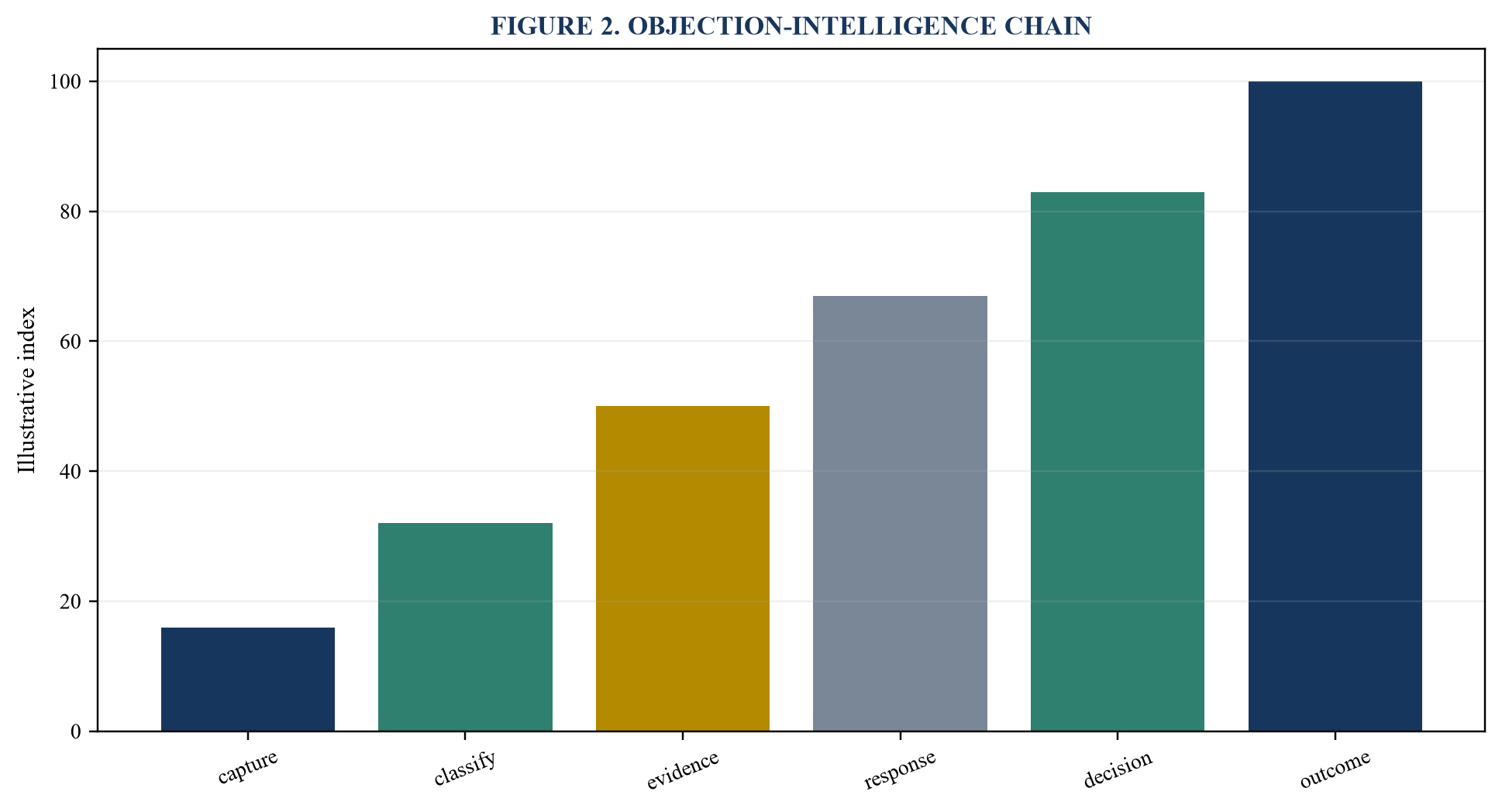
Values are illustrative indices for framework explanation and require replacement with approved operating evidence.
17. Build an objection taxonomy
Classify objections by strategy, team, track record, terms, portfolio fit, risk, operations, timing and access.
The controlled record includes objection; class; wording; allocator; stage; evidence; response; outcome. The immediate deliverable is a cohort-based objection register with source context.
The principal failure occurs when anecdotes are treated as universal market truth. Review should test the evidence available at the decision date, the applicable vehicle and recipient context, unresolved limitations, and the authority of the person approving release.
Fund placement is a sequence of evidence decisions. A manager needs a consistent proposition, current support and a record of what each recipient received. The operating design should make errors visible before dissemination and retain negative outcomes for learning.
For build an objection taxonomy, management information should show opening gaps, changes, exceptions, review time, released outputs and subsequent allocator outcomes. A useful control links each exception to an owner, due date, closure evidence and later result so that the process can distinguish cosmetic completion from decision-ready evidence.
18. Separate questions from objections
Distinguish requests for information, diligence tests, negotiation points, hard constraints and genuine rejection reasons.
The controlled record includes statement; class; context; speaker; stage; evidence; confidence; review. The immediate deliverable is a decision taxonomy that preserves uncertainty.
The principal failure occurs when every difficult question is labelled an objection and triggers defensive messaging. Review should test the evidence available at the decision date, the applicable vehicle and recipient context, unresolved limitations, and the authority of the person approving release.
Allocator diligence is contextual. The same question can require a different answer by vehicle, strategy, period, jurisdiction or recipient. Reuse therefore needs compatibility tests, source links and a named reviewer rather than a universal text block.
For separate questions from objections, management information should show opening gaps, changes, exceptions, review time, released outputs and subsequent allocator outcomes. A useful control links each exception to an owner, due date, closure evidence and later result so that the process can distinguish cosmetic completion from decision-ready evidence.
19. Draft evidence-grounded responses
Prepare concise answers that address the allocator's question, cite approved support and disclose material limitations.
The controlled record includes question; draft; citation; limitation; reviewer; approval; version; recipient. The immediate deliverable is a response workflow requiring named human approval.
The principal failure occurs when language generation invents facts, certainty or relationships. Review should test the evidence available at the decision date, the applicable vehicle and recipient context, unresolved limitations, and the authority of the person approving release.
Commercial usefulness depends on progression through qualified stages. Meetings, downloads and open rates are activity measures. The stronger record connects evidence readiness and resolved questions to diligence, negotiation, signed commitments, funded commitments and collected economics.
For draft evidence-grounded responses, management information should show opening gaps, changes, exceptions, review time, released outputs and subsequent allocator outcomes. A useful control links each exception to an owner, due date, closure evidence and later result so that the process can distinguish cosmetic completion from decision-ready evidence.
20. Control negotiation of terms
Track economic, governance, liquidity, reporting, side-letter and capacity requests against authority and equal-treatment constraints.
The controlled record includes term; requestor; rationale; impact; authority; approval; precedent; status. The immediate deliverable is a term decision register with precedent controls.
The principal failure occurs when commercial concessions are made without portfolio-wide analysis. Review should test the evidence available at the decision date, the applicable vehicle and recipient context, unresolved limitations, and the authority of the person approving release.
AI can reduce search, comparison and drafting time when it operates over approved records. Human specialists retain authority for interpretation, claims, performance, legal questions, concessions and external communication. Every released output should remain reproducible from its sources.
For control negotiation of terms, management information should show opening gaps, changes, exceptions, review time, released outputs and subsequent allocator outcomes. A useful control links each exception to an owner, due date, closure evidence and later result so that the process can distinguish cosmetic completion from decision-ready evidence.
21. Map side-letter obligations
Translate negotiated provisions into legal, operational, reporting, systems and monitoring requirements.
The controlled record includes clause; investor; obligation; trigger; owner; system; evidence; review. The immediate deliverable is an obligation register linked to delivery evidence.
The principal failure occurs when promises remain trapped in documents and fail operationally. Review should test the evidence available at the decision date, the applicable vehicle and recipient context, unresolved limitations, and the authority of the person approving release.
The control population includes failures and silence. Withdrawn interest, unanswered questions, rejected terms, stale documents and contradictory responses reveal where the proposition or process needs repair. Excluding them produces an inflated view of readiness and conversion.
For map side-letter obligations, management information should show opening gaps, changes, exceptions, review time, released outputs and subsequent allocator outcomes. A useful control links each exception to an owner, due date, closure evidence and later result so that the process can distinguish cosmetic completion from decision-ready evidence.
22. Control financial promotions
Classify each communication, recipient, channel, jurisdiction and approval route before dissemination.
The controlled record includes communication; recipient; medium; jurisdiction; status; approver; date; record. The immediate deliverable is a pre-release promotion checklist and archive.
The principal failure occurs when marketing content is sent outside its permitted perimeter. Review should test the evidence available at the decision date, the applicable vehicle and recipient context, unresolved limitations, and the authority of the person approving release.
A material change should trigger targeted reapproval. Team departures, new performance periods, amended terms, portfolio events, rule changes and service-provider changes can invalidate several documents at once. Dependency mapping makes that impact reviewable.
For control financial promotions, management information should show opening gaps, changes, exceptions, review time, released outputs and subsequent allocator outcomes. A useful control links each exception to an owner, due date, closure evidence and later result so that the process can distinguish cosmetic completion from decision-ready evidence.
23. Govern testimonials and third-party statements
Test endorsements, awards, ratings, quotes and promoter relationships for disclosure, oversight and substantiation.
The controlled record includes statement; speaker; relationship; compensation; source; disclosure; approval; expiry. The immediate deliverable is an endorsement register with required disclosures.
The principal failure occurs when borrowed credibility creates hidden conflicts or misleading implications. Review should test the evidence available at the decision date, the applicable vehicle and recipient context, unresolved limitations, and the authority of the person approving release.
Permission and confidentiality travel with the evidence. The system should enforce recipient, purpose, vehicle, stage and time limits at retrieval and export, then retain an audit record without exposing unrelated investor or fund information.
For govern testimonials and third-party statements, management information should show opening gaps, changes, exceptions, review time, released outputs and subsequent allocator outcomes. A useful control links each exception to an owner, due date, closure evidence and later result so that the process can distinguish cosmetic completion from decision-ready evidence.
24. Review sustainability claims
Connect ESG, climate and impact statements to definitions, methods, data boundaries, governance and observed evidence.
The controlled record includes claim; metric; boundary; method; source; period; limitation; reviewer. The immediate deliverable is a sustainability claim file with calculation and limitation records.
The principal failure occurs when aspirational language is presented as measured outcome. Review should test the evidence available at the decision date, the applicable vehicle and recipient context, unresolved limitations, and the authority of the person approving release.
Implementation should begin with a historical reconstruction. Reviewers compare approved evidence, actual questions, released answers and observed outcomes. The pilot establishes error severity, reviewer capacity, response time, cost and the decisions for which automation is acceptable.
For review sustainability claims, management information should show opening gaps, changes, exceptions, review time, released outputs and subsequent allocator outcomes. A useful control links each exception to an owner, due date, closure evidence and later result so that the process can distinguish cosmetic completion from decision-ready evidence.
Table 3. Communication release gate
| Layer | Evidence | Release decision |
|---|---|---|
| recipient | identity and eligibility | permitted audience |
| jurisdiction | status and approval route | lawful channel |
| claim | source and balanced disclosure | substantiated content |
| record | final version and approver | retained dissemination copy |
Illustrative classifications require vehicle-, allocator- and jurisdiction-specific approval.
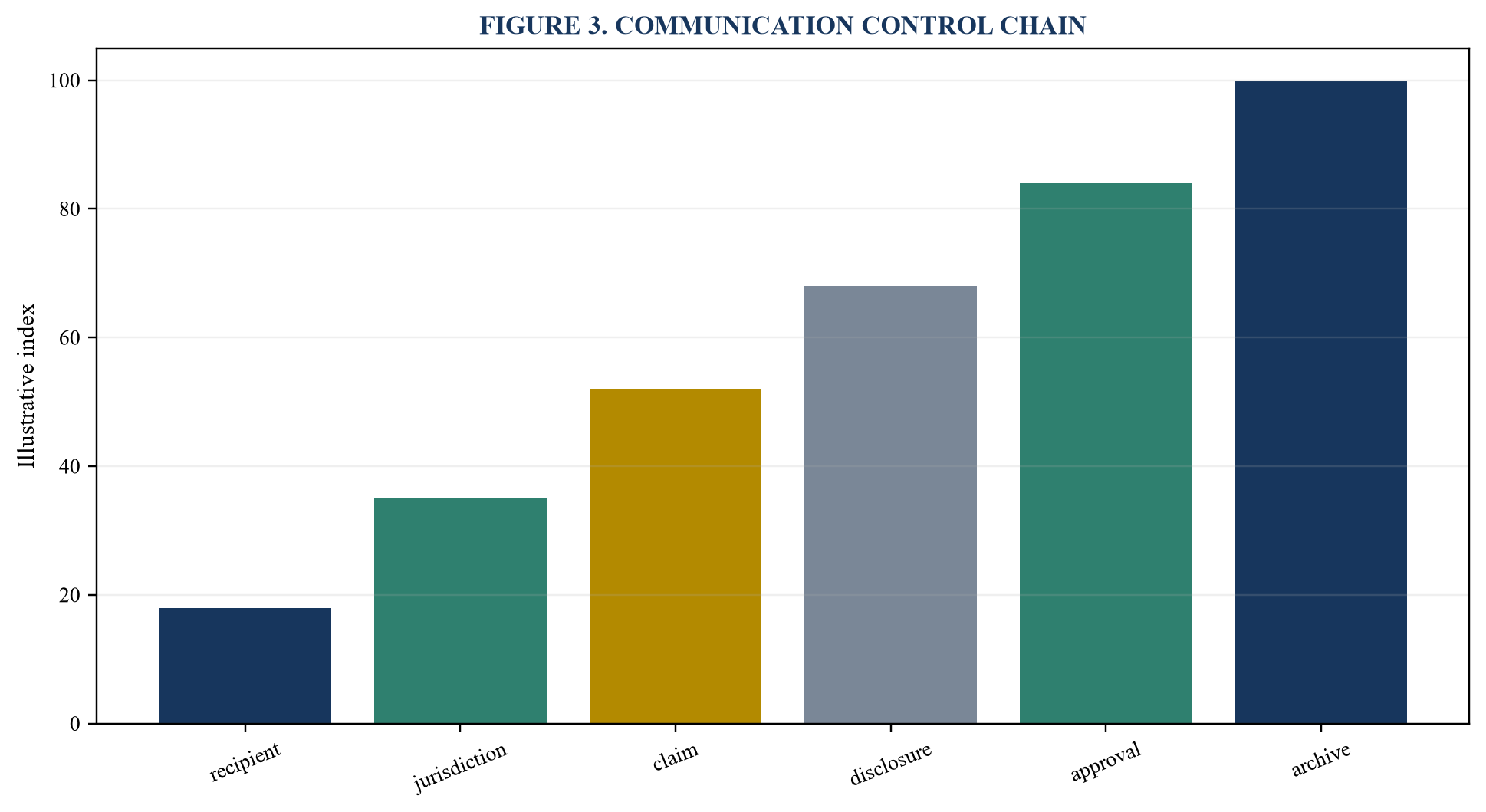
Values are illustrative indices for framework explanation and require replacement with approved operating evidence.
25. Control translations and localisation
Preserve meaning, legal qualifications, numbers and defined terms across languages and local market versions.
The controlled record includes source text; target text; language; translator; reviewer; jurisdiction; version; approval. The immediate deliverable is a bilingual approval record with term consistency checks.
The principal failure occurs when localisation changes the investment proposition or risk balance. Review should test the evidence available at the decision date, the applicable vehicle and recipient context, unresolved limitations, and the authority of the person approving release.
Fund placement is a sequence of evidence decisions. A manager needs a consistent proposition, current support and a record of what each recipient received. The operating design should make errors visible before dissemination and retain negative outcomes for learning.
For control translations and localisation, management information should show opening gaps, changes, exceptions, review time, released outputs and subsequent allocator outcomes. A useful control links each exception to an owner, due date, closure evidence and later result so that the process can distinguish cosmetic completion from decision-ready evidence.
26. Use AI for bounded retrieval
Retrieve only approved, current and permissioned records relevant to the exact question and vehicle.
The controlled record includes query; corpus; retrieved passage; citation; filter; model; reviewer; output. The immediate deliverable is a retrieval trace showing the evidence used and excluded.
The principal failure occurs when the system answers from stale, unrelated or confidential material. Review should test the evidence available at the decision date, the applicable vehicle and recipient context, unresolved limitations, and the authority of the person approving release.
Allocator diligence is contextual. The same question can require a different answer by vehicle, strategy, period, jurisdiction or recipient. Reuse therefore needs compatibility tests, source links and a named reviewer rather than a universal text block.
For use ai for bounded retrieval, management information should show opening gaps, changes, exceptions, review time, released outputs and subsequent allocator outcomes. A useful control links each exception to an owner, due date, closure evidence and later result so that the process can distinguish cosmetic completion from decision-ready evidence.
27. Use AI for draft generation
Generate draft DDQ answers, briefs and follow-ups inside approved templates with citations and uncertainty flags.
The controlled record includes prompt; context; model; output; citation; uncertainty; reviewer; decision. The immediate deliverable is a draft-only workflow with accountable release authority.
The principal failure occurs when fluent text bypasses factual, legal or commercial review. Review should test the evidence available at the decision date, the applicable vehicle and recipient context, unresolved limitations, and the authority of the person approving release.
Commercial usefulness depends on progression through qualified stages. Meetings, downloads and open rates are activity measures. The stronger record connects evidence readiness and resolved questions to diligence, negotiation, signed commitments, funded commitments and collected economics.
For use ai for draft generation, management information should show opening gaps, changes, exceptions, review time, released outputs and subsequent allocator outcomes. A useful control links each exception to an owner, due date, closure evidence and later result so that the process can distinguish cosmetic completion from decision-ready evidence.
28. Validate the copilot
Test retrieval accuracy, citation support, contradiction detection, omission, confidentiality and response quality on historical cases.
The controlled record includes test case; expected result; output; error; severity; reviewer; remediation; version. The immediate deliverable is a versioned validation pack with deployment thresholds.
The principal failure occurs when a demo result is mistaken for production reliability. Review should test the evidence available at the decision date, the applicable vehicle and recipient context, unresolved limitations, and the authority of the person approving release.
AI can reduce search, comparison and drafting time when it operates over approved records. Human specialists retain authority for interpretation, claims, performance, legal questions, concessions and external communication. Every released output should remain reproducible from its sources.
For validate the copilot, management information should show opening gaps, changes, exceptions, review time, released outputs and subsequent allocator outcomes. A useful control links each exception to an owner, due date, closure evidence and later result so that the process can distinguish cosmetic completion from decision-ready evidence.
29. Defend against prompt injection and leakage
Treat uploaded documents and external content as untrusted data and isolate instructions, secrets and cross-vehicle information.
The controlled record includes input; source; trust class; instruction; detection; action; incident; review. The immediate deliverable is an input-control layer with security testing and incident response.
The principal failure occurs when malicious or accidental content changes system behaviour or exposes records. Review should test the evidence available at the decision date, the applicable vehicle and recipient context, unresolved limitations, and the authority of the person approving release.
The control population includes failures and silence. Withdrawn interest, unanswered questions, rejected terms, stale documents and contradictory responses reveal where the proposition or process needs repair. Excluding them produces an inflated view of readiness and conversion.
For defend against prompt injection and leakage, management information should show opening gaps, changes, exceptions, review time, released outputs and subsequent allocator outcomes. A useful control links each exception to an owner, due date, closure evidence and later result so that the process can distinguish cosmetic completion from decision-ready evidence.
30. Preserve confidentiality and privilege
Separate public, investor-shareable, restricted, personal, legally privileged and deal-sensitive information.
The controlled record includes record; classification; owner; basis; recipient; permission; retention; deletion. The immediate deliverable is a classification policy enforced through retrieval and export controls.
The principal failure occurs when automation expands access beyond the original purpose. Review should test the evidence available at the decision date, the applicable vehicle and recipient context, unresolved limitations, and the authority of the person approving release.
A material change should trigger targeted reapproval. Team departures, new performance periods, amended terms, portfolio events, rule changes and service-provider changes can invalidate several documents at once. Dependency mapping makes that impact reviewable.
For preserve confidentiality and privilege, management information should show opening gaps, changes, exceptions, review time, released outputs and subsequent allocator outcomes. A useful control links each exception to an owner, due date, closure evidence and later result so that the process can distinguish cosmetic completion from decision-ready evidence.
31. Govern personal data and outreach
Apply lawful basis, minimisation, accuracy, objection, suppression, retention and channel rules to contact and meeting data.
The controlled record includes person; data; purpose; source; permission; notice; suppression; retention. The immediate deliverable is a rights-aware contact record with suppression enforcement.
The principal failure occurs when relationship data becomes an uncontrolled prospecting database. Review should test the evidence available at the decision date, the applicable vehicle and recipient context, unresolved limitations, and the authority of the person approving release.
Permission and confidentiality travel with the evidence. The system should enforce recipient, purpose, vehicle, stage and time limits at retrieval and export, then retain an audit record without exposing unrelated investor or fund information.
For govern personal data and outreach, management information should show opening gaps, changes, exceptions, review time, released outputs and subsequent allocator outcomes. A useful control links each exception to an owner, due date, closure evidence and later result so that the process can distinguish cosmetic completion from decision-ready evidence.
32. Integrate placement agents and advisers
Define evidence exchange, approvals, compensation, conflicts, territory, reporting and record ownership across external parties.
The controlled record includes party; mandate; jurisdiction; activity; compensation; conflict; evidence; approval. The immediate deliverable is a governed collaboration protocol and activity ledger.
The principal failure occurs when delegated distribution weakens accountability and auditability. Review should test the evidence available at the decision date, the applicable vehicle and recipient context, unresolved limitations, and the authority of the person approving release.
Implementation should begin with a historical reconstruction. Reviewers compare approved evidence, actual questions, released answers and observed outcomes. The pilot establishes error severity, reviewer capacity, response time, cost and the decisions for which automation is acceptable.
For integrate placement agents and advisers, management information should show opening gaps, changes, exceptions, review time, released outputs and subsequent allocator outcomes. A useful control links each exception to an owner, due date, closure evidence and later result so that the process can distinguish cosmetic completion from decision-ready evidence.
Table 4. Qualified placement stages
| Stage | Entry evidence | Exit evidence |
|---|---|---|
| approved target | fit and permitted route | authorised contact |
| engagement | verified response | documented meeting |
| diligence | formal requests | resolved evidence set |
| commitment | approved decision | executed and funded amount |
Illustrative classifications require vehicle-, allocator- and jurisdiction-specific approval.
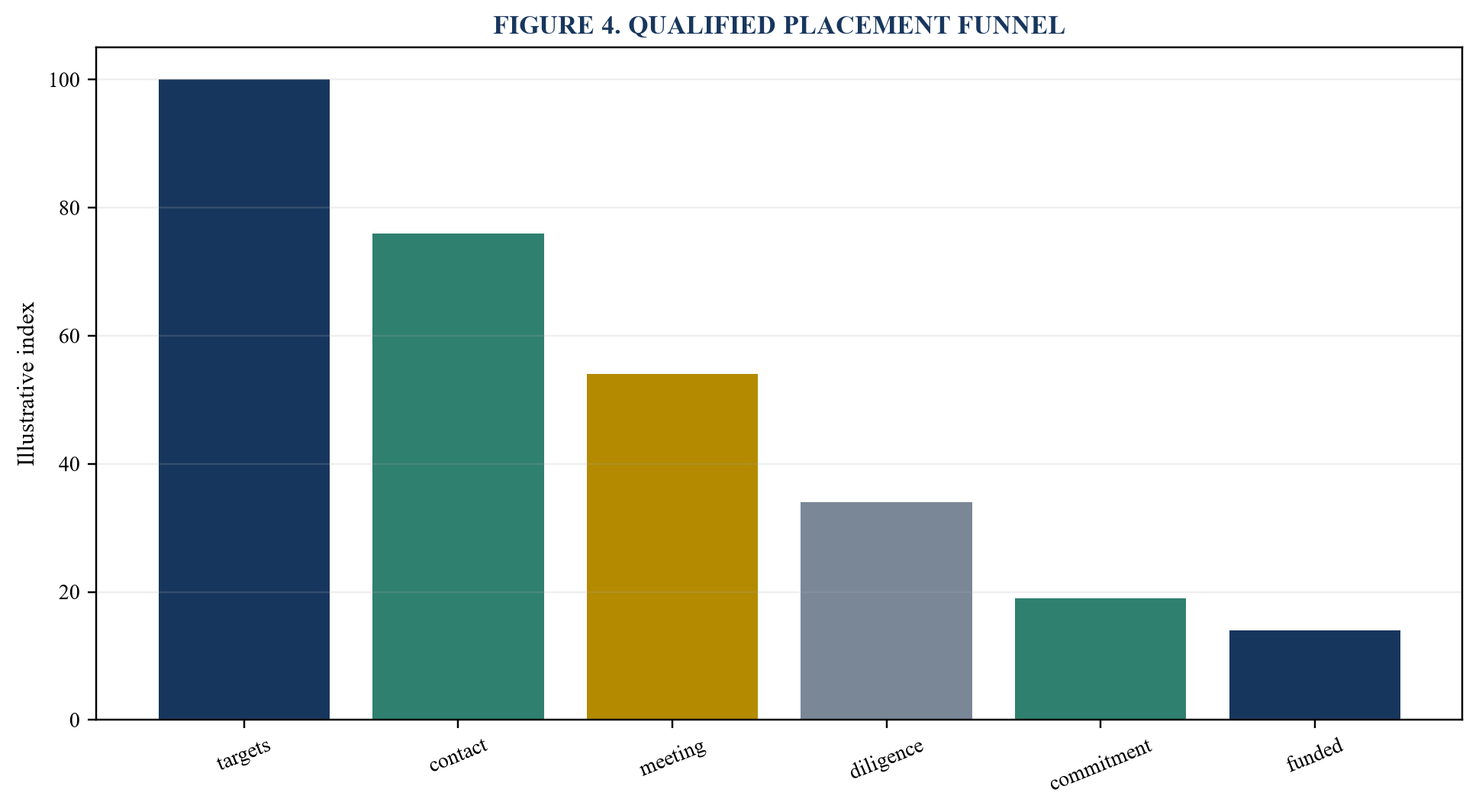
Values are illustrative indices for framework explanation and require replacement with approved operating evidence.
33. Qualify pipeline stages
Define objective entry and exit evidence for target, contact, meeting, diligence, committee, negotiation, commitment and funding.
The controlled record includes stage; entry evidence; exit evidence; owner; date; amount; reason; source. The immediate deliverable is a stage model tied to observable outcomes.
The principal failure occurs when activity volume is reported as fundraising progress. Review should test the evidence available at the decision date, the applicable vehicle and recipient context, unresolved limitations, and the authority of the person approving release.
Fund placement is a sequence of evidence decisions. A manager needs a consistent proposition, current support and a record of what each recipient received. The operating design should make errors visible before dissemination and retain negative outcomes for learning.
For qualify pipeline stages, management information should show opening gaps, changes, exceptions, review time, released outputs and subsequent allocator outcomes. A useful control links each exception to an owner, due date, closure evidence and later result so that the process can distinguish cosmetic completion from decision-ready evidence.
34. Measure objection conversion
Track whether specific evidence, product changes or timing shifts resolve objections within comparable cohorts.
The controlled record includes cohort; objection; intervention; cost; time; outcome; confidence; reviewer. The immediate deliverable is an intervention analysis with counterfactual caution.
The principal failure occurs when the team credits generic messaging for unrelated progression. Review should test the evidence available at the decision date, the applicable vehicle and recipient context, unresolved limitations, and the authority of the person approving release.
Allocator diligence is contextual. The same question can require a different answer by vehicle, strategy, period, jurisdiction or recipient. Reuse therefore needs compatibility tests, source links and a named reviewer rather than a universal text block.
For measure objection conversion, management information should show opening gaps, changes, exceptions, review time, released outputs and subsequent allocator outcomes. A useful control links each exception to an owner, due date, closure evidence and later result so that the process can distinguish cosmetic completion from decision-ready evidence.
35. Measure readiness and response quality
Assess completeness, freshness, consistency, citation support, approval time and allocator acceptance across materials.
The controlled record includes metric; definition; population; source; threshold; owner; result; action. The immediate deliverable is a balanced readiness scorecard.
The principal failure occurs when speed rewards low-quality answers and hides rework. Review should test the evidence available at the decision date, the applicable vehicle and recipient context, unresolved limitations, and the authority of the person approving release.
Commercial usefulness depends on progression through qualified stages. Meetings, downloads and open rates are activity measures. The stronger record connects evidence readiness and resolved questions to diligence, negotiation, signed commitments, funded commitments and collected economics.
For measure readiness and response quality, management information should show opening gaps, changes, exceptions, review time, released outputs and subsequent allocator outcomes. A useful control links each exception to an owner, due date, closure evidence and later result so that the process can distinguish cosmetic completion from decision-ready evidence.
36. Measure fundraising economics
Reconcile personnel, adviser, data, technology, legal, travel and diligence cost with signed commitments and collected fees.
The controlled record includes cohort; cost; commitment; close; fee; cash; period; attribution. The immediate deliverable is a cohort profit-and-cash bridge.
The principal failure occurs when engagement and meetings are mistaken for economic value. Review should test the evidence available at the decision date, the applicable vehicle and recipient context, unresolved limitations, and the authority of the person approving release.
AI can reduce search, comparison and drafting time when it operates over approved records. Human specialists retain authority for interpretation, claims, performance, legal questions, concessions and external communication. Every released output should remain reproducible from its sources.
For measure fundraising economics, management information should show opening gaps, changes, exceptions, review time, released outputs and subsequent allocator outcomes. A useful control links each exception to an owner, due date, closure evidence and later result so that the process can distinguish cosmetic completion from decision-ready evidence.
37. Monitor drift and stale content
Detect changes in terms, team, track record, portfolio, regulation, service providers, models and allocator questions.
The controlled record includes record; prior state; new state; effective date; impact; owner; action; closure. The immediate deliverable is a change-event workflow with targeted reapproval.
The principal failure occurs when approved answers remain in circulation after underlying facts change. Review should test the evidence available at the decision date, the applicable vehicle and recipient context, unresolved limitations, and the authority of the person approving release.
The control population includes failures and silence. Withdrawn interest, unanswered questions, rejected terms, stale documents and contradictory responses reveal where the proposition or process needs repair. Excluding them produces an inflated view of readiness and conversion.
For monitor drift and stale content, management information should show opening gaps, changes, exceptions, review time, released outputs and subsequent allocator outcomes. A useful control links each exception to an owner, due date, closure evidence and later result so that the process can distinguish cosmetic completion from decision-ready evidence.
38. Assure human accountability
Assign named owners for evidence, models, compliance, legal interpretation, investor communication and final release.
The controlled record includes decision; owner; authority; evidence; challenge; override; timestamp; outcome. The immediate deliverable is a decision-rights map and retained approval trail.
The principal failure occurs when the copilot becomes the unaccountable decision maker. Review should test the evidence available at the decision date, the applicable vehicle and recipient context, unresolved limitations, and the authority of the person approving release.
A material change should trigger targeted reapproval. Team departures, new performance periods, amended terms, portfolio events, rule changes and service-provider changes can invalidate several documents at once. Dependency mapping makes that impact reviewable.
For assure human accountability, management information should show opening gaps, changes, exceptions, review time, released outputs and subsequent allocator outcomes. A useful control links each exception to an owner, due date, closure evidence and later result so that the process can distinguish cosmetic completion from decision-ready evidence.
39. Pilot with a bounded cohort
Test one strategy, vehicle, jurisdiction and allocator segment using historical and live supervised work.
The controlled record includes cohort; scope; baseline; test; threshold; exception; outcome; approval. The immediate deliverable is a pilot report with explicit continuation gates.
The principal failure occurs when the operating model scales before errors and costs are understood. Review should test the evidence available at the decision date, the applicable vehicle and recipient context, unresolved limitations, and the authority of the person approving release.
Permission and confidentiality travel with the evidence. The system should enforce recipient, purpose, vehicle, stage and time limits at retrieval and export, then retain an audit record without exposing unrelated investor or fund information.
For pilot with a bounded cohort, management information should show opening gaps, changes, exceptions, review time, released outputs and subsequent allocator outcomes. A useful control links each exception to an owner, due date, closure evidence and later result so that the process can distinguish cosmetic completion from decision-ready evidence.
40. Scale through evidence gates
Expand only after factual, conduct, security, workflow and economic thresholds are met and renewed for each new context.
The controlled record includes gate; threshold; result; reviewer; exception; remediation; approval; next scope. The immediate deliverable is a governed rollout plan with stop, remediate and scale decisions.
The principal failure occurs when success in one fund or jurisdiction is generalised without validation. Review should test the evidence available at the decision date, the applicable vehicle and recipient context, unresolved limitations, and the authority of the person approving release.
Implementation should begin with a historical reconstruction. Reviewers compare approved evidence, actual questions, released answers and observed outcomes. The pilot establishes error severity, reviewer capacity, response time, cost and the decisions for which automation is acceptable.
For scale through evidence gates, management information should show opening gaps, changes, exceptions, review time, released outputs and subsequent allocator outcomes. A useful control links each exception to an owner, due date, closure evidence and later result so that the process can distinguish cosmetic completion from decision-ready evidence.
Table 5. Evidence-gated rollout
| Phase | Primary work | Gate |
|---|---|---|
| baseline | library, claims and DDQ map | evidence completeness |
| pilot | retrieval, drafting and review | quality and conduct |
| scale | workflow, integrations and cohorts | economics and assurance |
Illustrative classifications require vehicle-, allocator- and jurisdiction-specific approval.
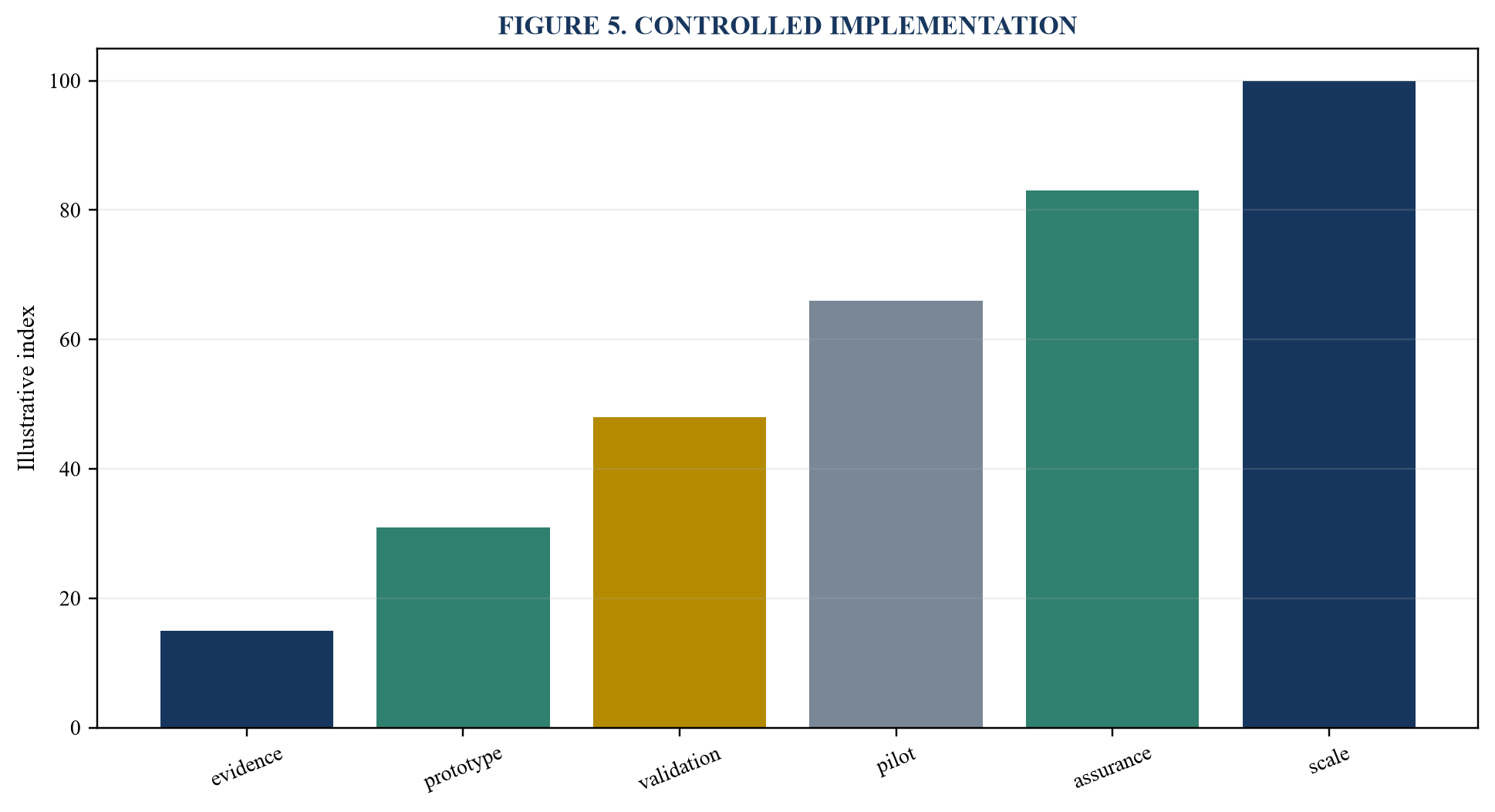
Values are illustrative indices for framework explanation and require replacement with approved operating evidence.
References
- Institutional Limited Partners Association, Due Diligence Questionnaire 2.0, https://ilpa.org/resources-tools/resource-library/due-diligence-questionnaire/
- Institutional Limited Partners Association, Principles 3.0, https://ilpa.org/industry-guidance/principles-best-practices/ilpa-principles/
- Institutional Limited Partners Association, Model Limited Partnership Agreement, https://ilpa.org/model-lpa/
- US Securities and Exchange Commission, Investment Adviser Marketing, https://www.sec.gov/resources-small-businesses/small-business-compliance-guides/investment-adviser-marketing
- US Securities and Exchange Commission, Marketing Compliance Frequently Asked Questions, https://www.sec.gov/rules-regulations/staff-guidance/division-investment-management-frequently-asked-questions/marketing-compliance-frequently-asked-questions
- US Securities and Exchange Commission, Final Rule: Investment Adviser Marketing, https://www.sec.gov/files/rules/final/2020/ia-5653.pdf
- US Securities and Exchange Commission, Form ADV and Investment Advisers Act Rules, https://www.sec.gov/rules-regulations/2016/08/form-adv-investment-advisers-act-rules
- US Securities and Exchange Commission, Private Fund Adviser Overview, https://www.sec.gov/about/divisions-offices/division-investment-management/private-fund-adviser-overview
- European Securities and Markets Authority, Guidelines on Marketing Communications, https://www.esma.europa.eu/document/guidelines-marketing-communications-under-regulation-cross-border-distribution-funds
- European Securities and Markets Authority, Fund Management and Cross-Border Distribution, https://www.esma.europa.eu/esmas-activities/investors-and-issuers/fund-management
- European Commission, Alternative Investment Fund Managers Directive, https://finance.ec.europa.eu/regulation-and-supervision/financial-services-legislation/implementing-and-delegated-acts/alternative-investment-fund-managers-directive_en
- Financial Conduct Authority, Financial Promotions and Adverts, https://www.fca.org.uk/firms/financial-promotions-adverts
- Financial Conduct Authority, FG24/1 Financial Promotions on Social Media, https://www.fca.org.uk/publications/finalised-guidance/fg24-1-finalised-guidance-financial-promotions-social-media
- Financial Conduct Authority, Artificial Intelligence Approach, https://www.fca.org.uk/firms/innovation/ai-approach
- Information Commissioner's Office, Direct Marketing Guidance, https://ico.org.uk/for-organisations/direct-marketing-and-privacy-and-electronic-communications/
- Information Commissioner's Office, Guidance on AI and Data Protection, https://ico.org.uk/for-organisations/uk-gdpr-guidance-and-resources/artificial-intelligence/
- International Organization of Securities Commissions, Artificial Intelligence in Capital Markets, https://www.iosco.org/library/pubdocs/pdf/IOSCOPD813.pdf
- International Organization of Securities Commissions, Principles for Outsourcing, https://www.iosco.org/library/pubdocs/pdf/IOSCOPD687.pdf
- National Institute of Standards and Technology, AI Risk Management Framework, https://www.nist.gov/itl/ai-risk-management-framework
- National Institute of Standards and Technology, Generative AI Profile, https://www.nist.gov/publications/artificial-intelligence-risk-management-framework-generative-artificial-intelligence
- Financial Stability Board, Financial Stability Implications of Artificial Intelligence, https://www.fsb.org/2024/11/the-financial-stability-implications-of-artificial-intelligence/
- OECD, AI Principles, https://oecd.ai/en/ai-principles
- CFA Institute, Global Investment Performance Standards, https://www.gipsstandards.org/standards/
- AIMA, Due Diligence Questionnaires, https://www.aima.org/sound-practices/due-diligence-questionnaires.html
- Invest Europe, Professional Standards, https://www.investeurope.eu/industry-standards/professional-standards/
- Principles for Responsible Investment, Reporting Framework, https://www.unpri.org/reporting-and-assessment/reporting-framework/5373.article
