

1. Inventory economic activities
The expansion sponsor and UAE advisers should list every product, service, asset, employee, customer, contract and decision performed in or from the UAE. The required output is an activity inventory. Record the accountable owner, governing law or authority, source evidence, operating assumption, acceptance criterion, approval, exception and review date [1][3].
Test the conclusion for every material activity and transaction across mainland, commercial or sector free zone, DIFC and ADGM structures. Assess customers, licensing, supervision, people, premises, tax, customs, data, banking, cost, control, scalability and exit.
The principal risk is that one entity label can obscure several differently regulated activities. Quantify its effect on revenue eligibility, launch timing, regulatory capital, tax, operating cost, customer access, compliance, group liability and strategic flexibility. Compare a single-entity footprint with a controlled multi-entity or phased alternative.
Translate the conclusion into entity documents, licence applications, tax positions, operating agreements, staffing, premises, systems, controls, evidence owners and go-live gates. Refresh it after material activity, regulatory, customer, ownership or business-model change.
2. Map customer access
The expansion sponsor and UAE advisers should separate mainland, free-zone, financial-centre, federal, emirate, consumer and overseas customers. The required output is a customer-access matrix. Record the accountable owner, governing law or authority, source evidence, operating assumption, acceptance criterion, approval, exception and review date [1][8].
Test the conclusion for every material activity and transaction across mainland, commercial or sector free zone, DIFC and ADGM structures. Assess customers, licensing, supervision, people, premises, tax, customs, data, banking, cost, control, scalability and exit.
The principal risk is that the selected location can constrain contracting or require another licensed interface. Quantify its effect on revenue eligibility, launch timing, regulatory capital, tax, operating cost, customer access, compliance, group liability and strategic flexibility. Compare a single-entity footprint with a controlled multi-entity or phased alternative.
Translate the conclusion into entity documents, licence applications, tax positions, operating agreements, staffing, premises, systems, controls, evidence owners and go-live gates. Refresh it after material activity, regulatory, customer, ownership or business-model change.
3. Map revenue and invoices
The expansion sponsor and UAE advisers should trace contracting entity, place of performance, invoice, payment, tax and delivery for each revenue stream. The required output is a revenue-flow map. Record the accountable owner, governing law or authority, source evidence, operating assumption, acceptance criterion, approval, exception and review date [20][30].
Test the conclusion for every material activity and transaction across mainland, commercial or sector free zone, DIFC and ADGM structures. Assess customers, licensing, supervision, people, premises, tax, customs, data, banking, cost, control, scalability and exit.
The principal risk is that commercial activity can occur outside the licence and tax assumptions used at incorporation. Quantify its effect on revenue eligibility, launch timing, regulatory capital, tax, operating cost, customer access, compliance, group liability and strategic flexibility. Compare a single-entity footprint with a controlled multi-entity or phased alternative.
Translate the conclusion into entity documents, licence applications, tax positions, operating agreements, staffing, premises, systems, controls, evidence owners and go-live gates. Refresh it after material activity, regulatory, customer, ownership or business-model change.
4. Define the regulatory perimeter
The expansion sponsor and UAE advisers should identify trade, professional, sector, prudential and conduct permissions for every activity. The required output is a regulatory-perimeter opinion. Record the accountable owner, governing law or authority, source evidence, operating assumption, acceptance criterion, approval, exception and review date [3][31].
Test the conclusion for every material activity and transaction across mainland, commercial or sector free zone, DIFC and ADGM structures. Assess customers, licensing, supervision, people, premises, tax, customs, data, banking, cost, control, scalability and exit.
The principal risk is that a commercial licence can be mistaken for regulatory authorisation. Quantify its effect on revenue eligibility, launch timing, regulatory capital, tax, operating cost, customer access, compliance, group liability and strategic flexibility. Compare a single-entity footprint with a controlled multi-entity or phased alternative.
Translate the conclusion into entity documents, licence applications, tax positions, operating agreements, staffing, premises, systems, controls, evidence owners and go-live gates. Refresh it after material activity, regulatory, customer, ownership or business-model change.
5. Compare legal environments
The expansion sponsor and UAE advisers should assess applicable company law, courts, insolvency, security, employment and dispute forums. The required output is a jurisdiction comparison. Record the accountable owner, governing law or authority, source evidence, operating assumption, acceptance criterion, approval, exception and review date [4][41].
Test the conclusion for every material activity and transaction across mainland, commercial or sector free zone, DIFC and ADGM structures. Assess customers, licensing, supervision, people, premises, tax, customs, data, banking, cost, control, scalability and exit.
The principal risk is that legal-system preference can be chosen without testing operating consequences. Quantify its effect on revenue eligibility, launch timing, regulatory capital, tax, operating cost, customer access, compliance, group liability and strategic flexibility. Compare a single-entity footprint with a controlled multi-entity or phased alternative.
Translate the conclusion into entity documents, licence applications, tax positions, operating agreements, staffing, premises, systems, controls, evidence owners and go-live gates. Refresh it after material activity, regulatory, customer, ownership or business-model change.
6. Test mainland fit
The expansion sponsor and UAE advisers should evaluate national customer reach, government access, premises, regulated sectors and emirate licensing. The required output is a mainland operating case. Record the accountable owner, governing law or authority, source evidence, operating assumption, acceptance criterion, approval, exception and review date [1][12].
Test the conclusion for every material activity and transaction across mainland, commercial or sector free zone, DIFC and ADGM structures. Assess customers, licensing, supervision, people, premises, tax, customs, data, banking, cost, control, scalability and exit.
The principal risk is that broad market access can be assumed without activity and sector approvals. Quantify its effect on revenue eligibility, launch timing, regulatory capital, tax, operating cost, customer access, compliance, group liability and strategic flexibility. Compare a single-entity footprint with a controlled multi-entity or phased alternative.
Translate the conclusion into entity documents, licence applications, tax positions, operating agreements, staffing, premises, systems, controls, evidence owners and go-live gates. Refresh it after material activity, regulatory, customer, ownership or business-model change.
7. Test commercial free-zone fit
The expansion sponsor and UAE advisers should match zone activities, infrastructure, community, permitted operations and external-market interfaces. The required output is a free-zone operating case. Record the accountable owner, governing law or authority, source evidence, operating assumption, acceptance criterion, approval, exception and review date [14][44].
Test the conclusion for every material activity and transaction across mainland, commercial or sector free zone, DIFC and ADGM structures. Assess customers, licensing, supervision, people, premises, tax, customs, data, banking, cost, control, scalability and exit.
The principal risk is that incorporation convenience can precede a viable customer and delivery model. Quantify its effect on revenue eligibility, launch timing, regulatory capital, tax, operating cost, customer access, compliance, group liability and strategic flexibility. Compare a single-entity footprint with a controlled multi-entity or phased alternative.
Translate the conclusion into entity documents, licence applications, tax positions, operating agreements, staffing, premises, systems, controls, evidence owners and go-live gates. Refresh it after material activity, regulatory, customer, ownership or business-model change.
8. Test financial-centre fit
The expansion sponsor and UAE advisers should assess DIFC or ADGM law, ecosystem, customer base, regulated-service perimeter and supervision. The required output is a financial-centre operating case. Record the accountable owner, governing law or authority, source evidence, operating assumption, acceptance criterion, approval, exception and review date [38][41].
Test the conclusion for every material activity and transaction across mainland, commercial or sector free zone, DIFC and ADGM structures. Assess customers, licensing, supervision, people, premises, tax, customs, data, banking, cost, control, scalability and exit.
The principal risk is that jurisdictional prestige can outweigh activity, client and regulatory fit. Quantify its effect on revenue eligibility, launch timing, regulatory capital, tax, operating cost, customer access, compliance, group liability and strategic flexibility. Compare a single-entity footprint with a controlled multi-entity or phased alternative.
Translate the conclusion into entity documents, licence applications, tax positions, operating agreements, staffing, premises, systems, controls, evidence owners and go-live gates. Refresh it after material activity, regulatory, customer, ownership or business-model change.
Table 1. Activity-perimeter map
| Question | Mainland | Free zone | Financial centre |
|---|---|---|---|
| customer reach | broad, activity-specific | boundary-dependent | jurisdiction-specific |
| company law | federal and emirate | zone regulations | DIFC or ADGM |
| financial supervision | CBUAE or SCA where relevant | sector dependent | DFSA or FSRA |
| tax | UAE corporate tax | qualifying regime possible | UAE corporate tax |
Illustrative analytical structure; current verified evidence governs.
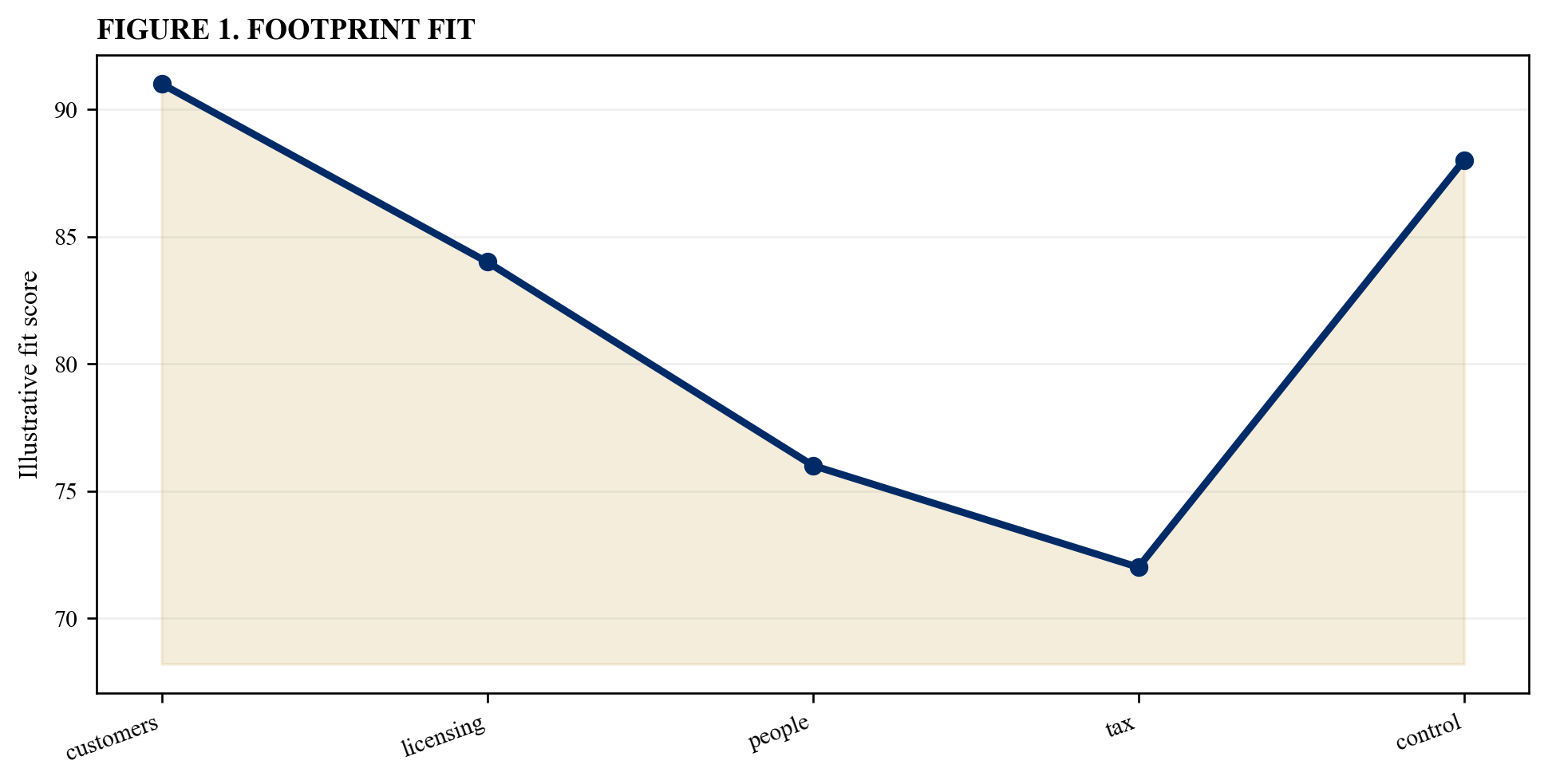
Illustrative analytical scenario; verified operating evidence should replace values.
9. Choose branch or subsidiary
The expansion sponsor and UAE advisers should compare liability, capital, governance, parent exposure, tax, licensing and exit. The required output is a legal-form memorandum. Record the accountable owner, governing law or authority, source evidence, operating assumption, acceptance criterion, approval, exception and review date [4][15].
Test the conclusion for every material activity and transaction across mainland, commercial or sector free zone, DIFC and ADGM structures. Assess customers, licensing, supervision, people, premises, tax, customs, data, banking, cost, control, scalability and exit.
The principal risk is that a branch can transfer liabilities or lack flexibility that the group did not model. Quantify its effect on revenue eligibility, launch timing, regulatory capital, tax, operating cost, customer access, compliance, group liability and strategic flexibility. Compare a single-entity footprint with a controlled multi-entity or phased alternative.
Translate the conclusion into entity documents, licence applications, tax positions, operating agreements, staffing, premises, systems, controls, evidence owners and go-live gates. Refresh it after material activity, regulatory, customer, ownership or business-model change.
10. Separate holding and operations
The expansion sponsor and UAE advisers should allocate ownership, financing, intellectual property, contracts, staff and risk among entities. The required output is a group architecture diagram. Record the accountable owner, governing law or authority, source evidence, operating assumption, acceptance criterion, approval, exception and review date [11][20].
Test the conclusion for every material activity and transaction across mainland, commercial or sector free zone, DIFC and ADGM structures. Assess customers, licensing, supervision, people, premises, tax, customs, data, banking, cost, control, scalability and exit.
The principal risk is that asset protection or governance goals can conflict with substance and operating reality. Quantify its effect on revenue eligibility, launch timing, regulatory capital, tax, operating cost, customer access, compliance, group liability and strategic flexibility. Compare a single-entity footprint with a controlled multi-entity or phased alternative.
Translate the conclusion into entity documents, licence applications, tax positions, operating agreements, staffing, premises, systems, controls, evidence owners and go-live gates. Refresh it after material activity, regulatory, customer, ownership or business-model change.
11. Confirm ownership and control
The expansion sponsor and UAE advisers should verify foreign ownership, strategic-sector restrictions, controllers and change approvals. The required output is an ownership-and-control map. Record the accountable owner, governing law or authority, source evidence, operating assumption, acceptance criterion, approval, exception and review date [12][32].
Test the conclusion for every material activity and transaction across mainland, commercial or sector free zone, DIFC and ADGM structures. Assess customers, licensing, supervision, people, premises, tax, customs, data, banking, cost, control, scalability and exit.
The principal risk is that legal ownership can diverge from permitted regulatory control. Quantify its effect on revenue eligibility, launch timing, regulatory capital, tax, operating cost, customer access, compliance, group liability and strategic flexibility. Compare a single-entity footprint with a controlled multi-entity or phased alternative.
Translate the conclusion into entity documents, licence applications, tax positions, operating agreements, staffing, premises, systems, controls, evidence owners and go-live gates. Refresh it after material activity, regulatory, customer, ownership or business-model change.
12. Sequence licences and approvals
The expansion sponsor and UAE advisers should build dependencies across registrar, emirate, zone, municipality and sector regulators. The required output is a licence critical path. Record the accountable owner, governing law or authority, source evidence, operating assumption, acceptance criterion, approval, exception and review date [3][16].
Test the conclusion for every material activity and transaction across mainland, commercial or sector free zone, DIFC and ADGM structures. Assess customers, licensing, supervision, people, premises, tax, customs, data, banking, cost, control, scalability and exit.
The principal risk is that entities can be incorporated before the permissions required to trade. Quantify its effect on revenue eligibility, launch timing, regulatory capital, tax, operating cost, customer access, compliance, group liability and strategic flexibility. Compare a single-entity footprint with a controlled multi-entity or phased alternative.
Translate the conclusion into entity documents, licence applications, tax positions, operating agreements, staffing, premises, systems, controls, evidence owners and go-live gates. Refresh it after material activity, regulatory, customer, ownership or business-model change.
13. Define geographic operating rights
The expansion sponsor and UAE advisers should state where each entity may market, contract, deliver, employ, store and sell goods. The required output is an operating-boundary schedule. Record the accountable owner, governing law or authority, source evidence, operating assumption, acceptance criterion, approval, exception and review date [14][15].
Test the conclusion for every material activity and transaction across mainland, commercial or sector free zone, DIFC and ADGM structures. Assess customers, licensing, supervision, people, premises, tax, customs, data, banking, cost, control, scalability and exit.
The principal risk is that a free-zone licence can be treated as unrestricted mainland permission. Quantify its effect on revenue eligibility, launch timing, regulatory capital, tax, operating cost, customer access, compliance, group liability and strategic flexibility. Compare a single-entity footprint with a controlled multi-entity or phased alternative.
Translate the conclusion into entity documents, licence applications, tax positions, operating agreements, staffing, premises, systems, controls, evidence owners and go-live gates. Refresh it after material activity, regulatory, customer, ownership or business-model change.
14. Govern contracting and agency
The expansion sponsor and UAE advisers should test direct contracting, distributors, agents, branches, secondees and subcontractors. The required output is a contract-channel design. Record the accountable owner, governing law or authority, source evidence, operating assumption, acceptance criterion, approval, exception and review date [7][27].
Test the conclusion for every material activity and transaction across mainland, commercial or sector free zone, DIFC and ADGM structures. Assess customers, licensing, supervision, people, premises, tax, customs, data, banking, cost, control, scalability and exit.
The principal risk is that an intermediary can create control, margin, compliance or termination exposure. Quantify its effect on revenue eligibility, launch timing, regulatory capital, tax, operating cost, customer access, compliance, group liability and strategic flexibility. Compare a single-entity footprint with a controlled multi-entity or phased alternative.
Translate the conclusion into entity documents, licence applications, tax positions, operating agreements, staffing, premises, systems, controls, evidence owners and go-live gates. Refresh it after material activity, regulatory, customer, ownership or business-model change.
15. Design workforce location
The expansion sponsor and UAE advisers should align visas, work permits, office capacity, professional approvals, management and travel. The required output is a people-footprint plan. Record the accountable owner, governing law or authority, source evidence, operating assumption, acceptance criterion, approval, exception and review date [28][29].
Test the conclusion for every material activity and transaction across mainland, commercial or sector free zone, DIFC and ADGM structures. Assess customers, licensing, supervision, people, premises, tax, customs, data, banking, cost, control, scalability and exit.
The principal risk is that staff can work from a location inconsistent with licensing, tax or supervision. Quantify its effect on revenue eligibility, launch timing, regulatory capital, tax, operating cost, customer access, compliance, group liability and strategic flexibility. Compare a single-entity footprint with a controlled multi-entity or phased alternative.
Translate the conclusion into entity documents, licence applications, tax positions, operating agreements, staffing, premises, systems, controls, evidence owners and go-live gates. Refresh it after material activity, regulatory, customer, ownership or business-model change.
16. Match premises and substance
The expansion sponsor and UAE advisers should define offices, facilities, assets, employees, expenditure and core income-generating activity. The required output is a substance evidence plan. Record the accountable owner, governing law or authority, source evidence, operating assumption, acceptance criterion, approval, exception and review date [15][16].
Test the conclusion for every material activity and transaction across mainland, commercial or sector free zone, DIFC and ADGM structures. Assess customers, licensing, supervision, people, premises, tax, customs, data, banking, cost, control, scalability and exit.
The principal risk is that a nominal address can fail operational or tax requirements. Quantify its effect on revenue eligibility, launch timing, regulatory capital, tax, operating cost, customer access, compliance, group liability and strategic flexibility. Compare a single-entity footprint with a controlled multi-entity or phased alternative.
Translate the conclusion into entity documents, licence applications, tax positions, operating agreements, staffing, premises, systems, controls, evidence owners and go-live gates. Refresh it after material activity, regulatory, customer, ownership or business-model change.
Table 2. Entity architecture
| Entity role | Core activity | Control evidence |
|---|---|---|
| holding company | ownership and capital | board and registers |
| operating company | customers and delivery | licences and contracts |
| service company | people and shared services | agreements and pricing |
| branch | parent activity | parent liability and licence |
Illustrative analytical structure; current verified evidence governs.
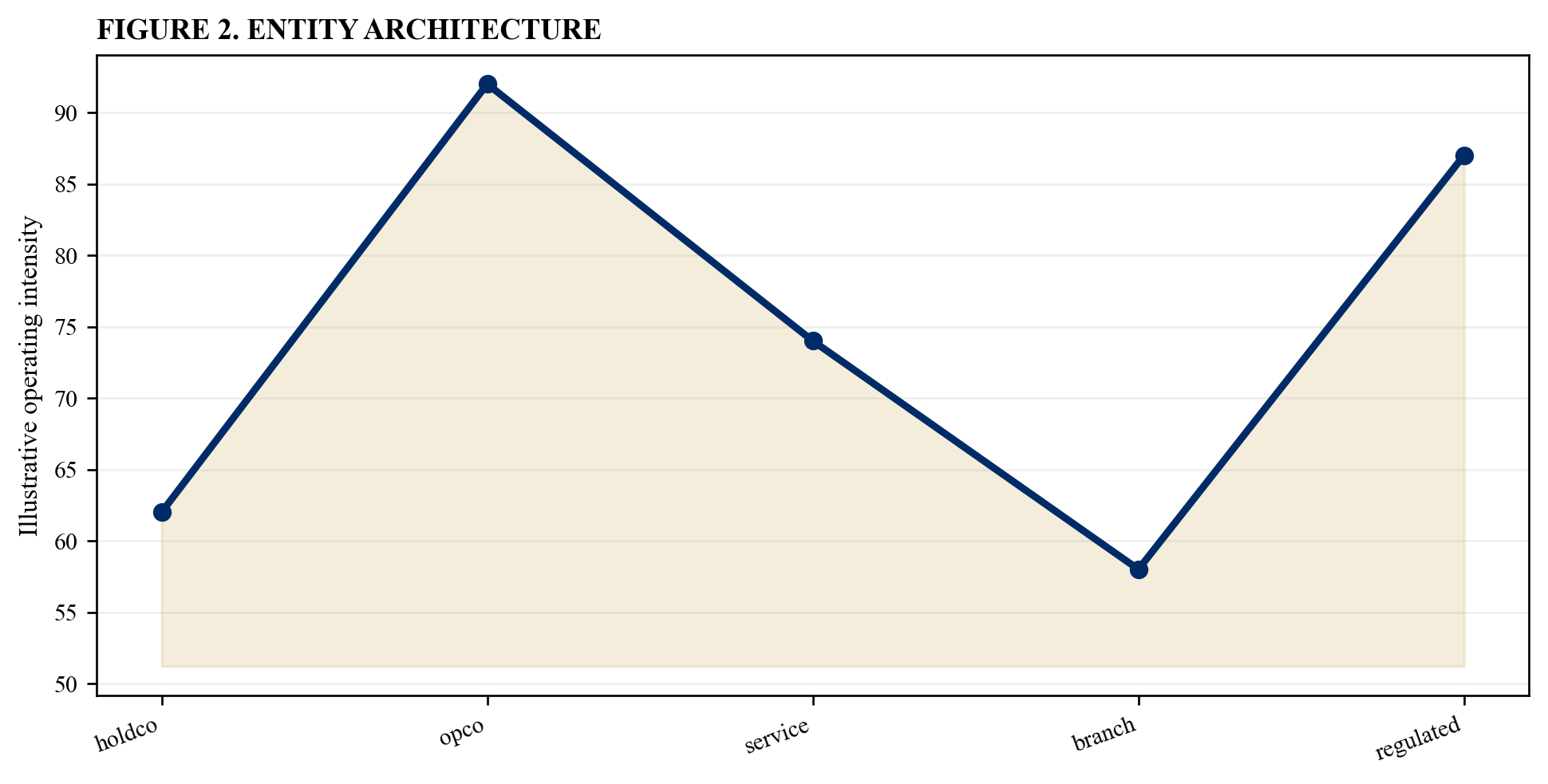
Illustrative analytical scenario; verified operating evidence should replace values.
17. Establish tax residence and nexus
The expansion sponsor and UAE advisers should map residence, effective management, permanent establishments and state-sourced income. The required output is a tax-nexus map. Record the accountable owner, governing law or authority, source evidence, operating assumption, acceptance criterion, approval, exception and review date [20][21].
Test the conclusion for every material activity and transaction across mainland, commercial or sector free zone, DIFC and ADGM structures. Assess customers, licensing, supervision, people, premises, tax, customs, data, banking, cost, control, scalability and exit.
The principal risk is that management and activity can create tax consequences outside the intended entity. Quantify its effect on revenue eligibility, launch timing, regulatory capital, tax, operating cost, customer access, compliance, group liability and strategic flexibility. Compare a single-entity footprint with a controlled multi-entity or phased alternative.
Translate the conclusion into entity documents, licence applications, tax positions, operating agreements, staffing, premises, systems, controls, evidence owners and go-live gates. Refresh it after material activity, regulatory, customer, ownership or business-model change.
18. Test qualifying free-zone status
The expansion sponsor and UAE advisers should verify qualifying income, excluded activities, de minimis, substance, elections and compliance. The required output is a qualifying-income model. Record the accountable owner, governing law or authority, source evidence, operating assumption, acceptance criterion, approval, exception and review date [15][20].
Test the conclusion for every material activity and transaction across mainland, commercial or sector free zone, DIFC and ADGM structures. Assess customers, licensing, supervision, people, premises, tax, customs, data, banking, cost, control, scalability and exit.
The principal risk is that the zero-rate proposition can be applied to income that does not qualify. Quantify its effect on revenue eligibility, launch timing, regulatory capital, tax, operating cost, customer access, compliance, group liability and strategic flexibility. Compare a single-entity footprint with a controlled multi-entity or phased alternative.
Translate the conclusion into entity documents, licence applications, tax positions, operating agreements, staffing, premises, systems, controls, evidence owners and go-live gates. Refresh it after material activity, regulatory, customer, ownership or business-model change.
19. Model VAT and designated zones
The expansion sponsor and UAE advisers should trace goods and services, registration, place of supply, imports, exports and designated-zone treatment. The required output is a VAT flow map. Record the accountable owner, governing law or authority, source evidence, operating assumption, acceptance criterion, approval, exception and review date [22][23].
Test the conclusion for every material activity and transaction across mainland, commercial or sector free zone, DIFC and ADGM structures. Assess customers, licensing, supervision, people, premises, tax, customs, data, banking, cost, control, scalability and exit.
The principal risk is that free-zone location can be assumed to remove VAT obligations. Quantify its effect on revenue eligibility, launch timing, regulatory capital, tax, operating cost, customer access, compliance, group liability and strategic flexibility. Compare a single-entity footprint with a controlled multi-entity or phased alternative.
Translate the conclusion into entity documents, licence applications, tax positions, operating agreements, staffing, premises, systems, controls, evidence owners and go-live gates. Refresh it after material activity, regulatory, customer, ownership or business-model change.
20. Apply transfer pricing
The expansion sponsor and UAE advisers should price related-party services, financing, intellectual property and goods on an arm's-length basis. The required output is an intercompany pricing policy. Record the accountable owner, governing law or authority, source evidence, operating assumption, acceptance criterion, approval, exception and review date [20][21].
Test the conclusion for every material activity and transaction across mainland, commercial or sector free zone, DIFC and ADGM structures. Assess customers, licensing, supervision, people, premises, tax, customs, data, banking, cost, control, scalability and exit.
The principal risk is that profit allocation can lack functions, assets, risks and documentation. Quantify its effect on revenue eligibility, launch timing, regulatory capital, tax, operating cost, customer access, compliance, group liability and strategic flexibility. Compare a single-entity footprint with a controlled multi-entity or phased alternative.
Translate the conclusion into entity documents, licence applications, tax positions, operating agreements, staffing, premises, systems, controls, evidence owners and go-live gates. Refresh it after material activity, regulatory, customer, ownership or business-model change.
21. Map customs and origin
The expansion sponsor and UAE advisers should govern importer of record, warehouse, duty, origin, free-zone movement and product approvals. The required output is a customs architecture. Record the accountable owner, governing law or authority, source evidence, operating assumption, acceptance criterion, approval, exception and review date [22][23].
Test the conclusion for every material activity and transaction across mainland, commercial or sector free zone, DIFC and ADGM structures. Assess customers, licensing, supervision, people, premises, tax, customs, data, banking, cost, control, scalability and exit.
The principal risk is that goods can move through entities that lack the right registration or economic model. Quantify its effect on revenue eligibility, launch timing, regulatory capital, tax, operating cost, customer access, compliance, group liability and strategic flexibility. Compare a single-entity footprint with a controlled multi-entity or phased alternative.
Translate the conclusion into entity documents, licence applications, tax positions, operating agreements, staffing, premises, systems, controls, evidence owners and go-live gates. Refresh it after material activity, regulatory, customer, ownership or business-model change.
22. Control beneficial ownership and AML
The expansion sponsor and UAE advisers should maintain controller, UBO, sanctions, source-of-funds and reporting evidence. The required output is an ownership transparency file. Record the accountable owner, governing law or authority, source evidence, operating assumption, acceptance criterion, approval, exception and review date [26][27].
Test the conclusion for every material activity and transaction across mainland, commercial or sector free zone, DIFC and ADGM structures. Assess customers, licensing, supervision, people, premises, tax, customs, data, banking, cost, control, scalability and exit.
The principal risk is that registrar, bank and regulator records can become inconsistent. Quantify its effect on revenue eligibility, launch timing, regulatory capital, tax, operating cost, customer access, compliance, group liability and strategic flexibility. Compare a single-entity footprint with a controlled multi-entity or phased alternative.
Translate the conclusion into entity documents, licence applications, tax positions, operating agreements, staffing, premises, systems, controls, evidence owners and go-live gates. Refresh it after material activity, regulatory, customer, ownership or business-model change.
23. Govern data location and access
The expansion sponsor and UAE advisers should map privacy law, financial-centre rules, transfers, cybersecurity, processors and records. The required output is a data-governance architecture. Record the accountable owner, governing law or authority, source evidence, operating assumption, acceptance criterion, approval, exception and review date [24][25].
Test the conclusion for every material activity and transaction across mainland, commercial or sector free zone, DIFC and ADGM structures. Assess customers, licensing, supervision, people, premises, tax, customs, data, banking, cost, control, scalability and exit.
The principal risk is that group data flows can cross legal and supervisory boundaries without controls. Quantify its effect on revenue eligibility, launch timing, regulatory capital, tax, operating cost, customer access, compliance, group liability and strategic flexibility. Compare a single-entity footprint with a controlled multi-entity or phased alternative.
Translate the conclusion into entity documents, licence applications, tax positions, operating agreements, staffing, premises, systems, controls, evidence owners and go-live gates. Refresh it after material activity, regulatory, customer, ownership or business-model change.
24. Choose dispute and enforcement routes
The expansion sponsor and UAE advisers should align governing law, courts, arbitration, security and judgment enforcement with contracts and assets. The required output is a dispute-resolution map. Record the accountable owner, governing law or authority, source evidence, operating assumption, acceptance criterion, approval, exception and review date [4][11].
Test the conclusion for every material activity and transaction across mainland, commercial or sector free zone, DIFC and ADGM structures. Assess customers, licensing, supervision, people, premises, tax, customs, data, banking, cost, control, scalability and exit.
The principal risk is that forum clauses can be selected without a practical enforcement path. Quantify its effect on revenue eligibility, launch timing, regulatory capital, tax, operating cost, customer access, compliance, group liability and strategic flexibility. Compare a single-entity footprint with a controlled multi-entity or phased alternative.
Translate the conclusion into entity documents, licence applications, tax positions, operating agreements, staffing, premises, systems, controls, evidence owners and go-live gates. Refresh it after material activity, regulatory, customer, ownership or business-model change.
Table 3. Tax-and-substance tests
| Test | Evidence | Failure response |
|---|---|---|
| qualifying income | transaction classification | reprice or restructure |
| substance | people assets expenditure | build capability |
| permanent establishment | activity and authority map | recognise and comply |
| transfer pricing | functions assets risks | document arm length |
Illustrative analytical structure; current verified evidence governs.
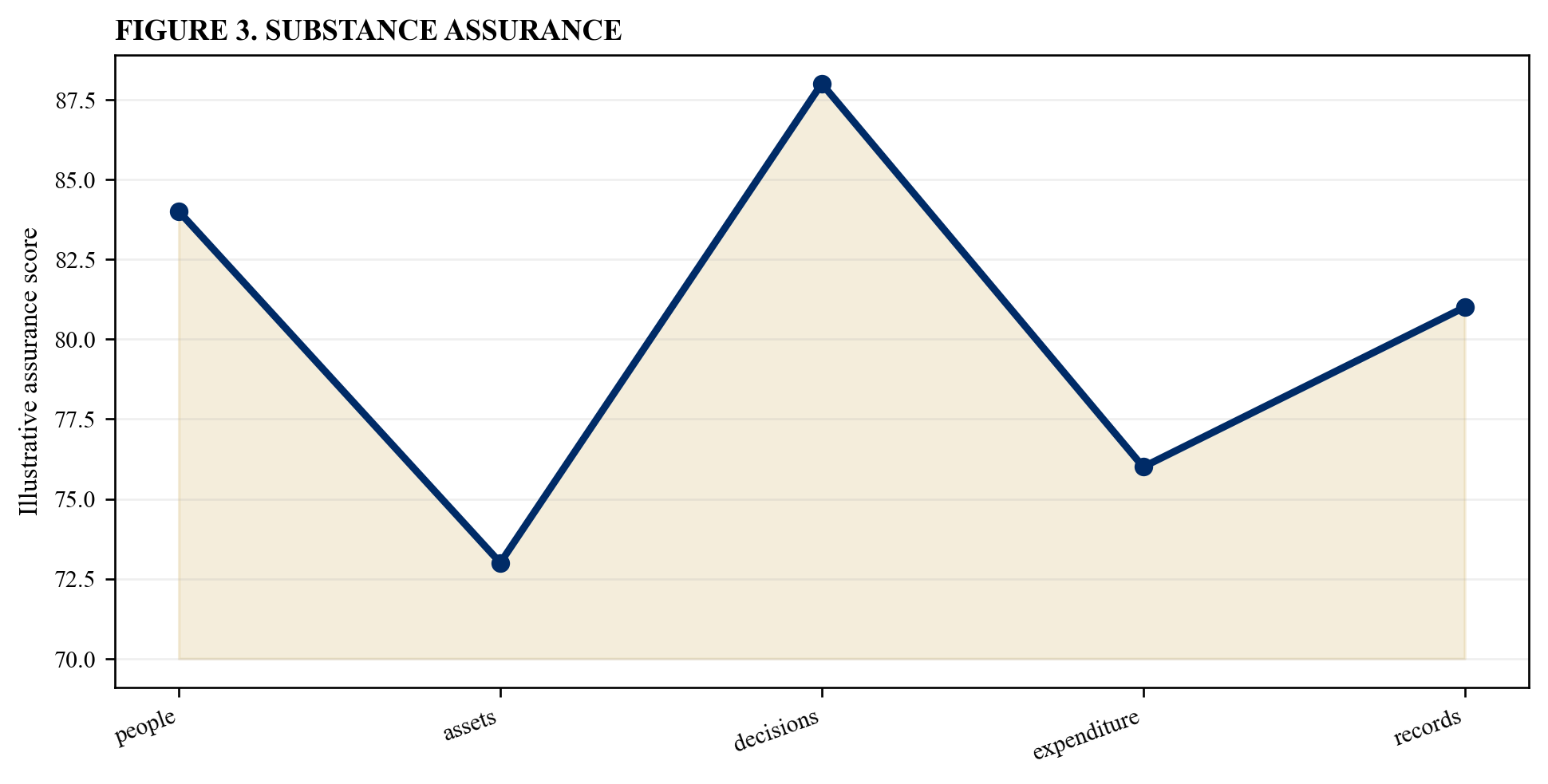
Illustrative analytical scenario; verified operating evidence should replace values.
25. Design a DIFC financial-services entity
The expansion sponsor and UAE advisers should match activities, clients, permissions, capital, governance and authorised individuals to DFSA rules. The required output is a DFSA authorisation plan. Record the accountable owner, governing law or authority, source evidence, operating assumption, acceptance criterion, approval, exception and review date [38][42].
Test the conclusion for every material activity and transaction across mainland, commercial or sector free zone, DIFC and ADGM structures. Assess customers, licensing, supervision, people, premises, tax, customs, data, banking, cost, control, scalability and exit.
The principal risk is that a financial-centre company can be formed without authority to conduct financial services. Quantify its effect on revenue eligibility, launch timing, regulatory capital, tax, operating cost, customer access, compliance, group liability and strategic flexibility. Compare a single-entity footprint with a controlled multi-entity or phased alternative.
Translate the conclusion into entity documents, licence applications, tax positions, operating agreements, staffing, premises, systems, controls, evidence owners and go-live gates. Refresh it after material activity, regulatory, customer, ownership or business-model change.
26. Design an ADGM financial-services entity
The expansion sponsor and UAE advisers should match activities, clients, permissions, capital, governance and approved persons to FSRA rules. The required output is an FSRA authorisation plan. Record the accountable owner, governing law or authority, source evidence, operating assumption, acceptance criterion, approval, exception and review date [41][30].
Test the conclusion for every material activity and transaction across mainland, commercial or sector free zone, DIFC and ADGM structures. Assess customers, licensing, supervision, people, premises, tax, customs, data, banking, cost, control, scalability and exit.
The principal risk is that group activity can exceed the authorised scope or client category. Quantify its effect on revenue eligibility, launch timing, regulatory capital, tax, operating cost, customer access, compliance, group liability and strategic flexibility. Compare a single-entity footprint with a controlled multi-entity or phased alternative.
Translate the conclusion into entity documents, licence applications, tax positions, operating agreements, staffing, premises, systems, controls, evidence owners and go-live gates. Refresh it after material activity, regulatory, customer, ownership or business-model change.
27. Coordinate mainland financial regulation
The expansion sponsor and UAE advisers should identify CBUAE and SCA activities and their interaction with financial-centre permissions. The required output is a financial-regulatory matrix. Record the accountable owner, governing law or authority, source evidence, operating assumption, acceptance criterion, approval, exception and review date [31][37].
Test the conclusion for every material activity and transaction across mainland, commercial or sector free zone, DIFC and ADGM structures. Assess customers, licensing, supervision, people, premises, tax, customs, data, banking, cost, control, scalability and exit.
The principal risk is that one regulator's permission can be assumed to cover another jurisdiction or activity. Quantify its effect on revenue eligibility, launch timing, regulatory capital, tax, operating cost, customer access, compliance, group liability and strategic flexibility. Compare a single-entity footprint with a controlled multi-entity or phased alternative.
Translate the conclusion into entity documents, licence applications, tax positions, operating agreements, staffing, premises, systems, controls, evidence owners and go-live gates. Refresh it after material activity, regulatory, customer, ownership or business-model change.
28. Structure professional services
The expansion sponsor and UAE advisers should test consultancy, audit, legal, engineering, valuation and other professional permissions and ownership. The required output is a professional-services map. Record the accountable owner, governing law or authority, source evidence, operating assumption, acceptance criterion, approval, exception and review date [3][16].
Test the conclusion for every material activity and transaction across mainland, commercial or sector free zone, DIFC and ADGM structures. Assess customers, licensing, supervision, people, premises, tax, customs, data, banking, cost, control, scalability and exit.
The principal risk is that generic consulting language can conceal a separately regulated profession. Quantify its effect on revenue eligibility, launch timing, regulatory capital, tax, operating cost, customer access, compliance, group liability and strategic flexibility. Compare a single-entity footprint with a controlled multi-entity or phased alternative.
Translate the conclusion into entity documents, licence applications, tax positions, operating agreements, staffing, premises, systems, controls, evidence owners and go-live gates. Refresh it after material activity, regulatory, customer, ownership or business-model change.
29. Structure technology and intellectual property
The expansion sponsor and UAE advisers should allocate development, licensing, cloud, data, cybersecurity, R&D and commercialisation. The required output is a technology-and-IP footprint. Record the accountable owner, governing law or authority, source evidence, operating assumption, acceptance criterion, approval, exception and review date [24][40].
Test the conclusion for every material activity and transaction across mainland, commercial or sector free zone, DIFC and ADGM structures. Assess customers, licensing, supervision, people, premises, tax, customs, data, banking, cost, control, scalability and exit.
The principal risk is that intellectual property and people can sit apart from the functions supporting income. Quantify its effect on revenue eligibility, launch timing, regulatory capital, tax, operating cost, customer access, compliance, group liability and strategic flexibility. Compare a single-entity footprint with a controlled multi-entity or phased alternative.
Translate the conclusion into entity documents, licence applications, tax positions, operating agreements, staffing, premises, systems, controls, evidence owners and go-live gates. Refresh it after material activity, regulatory, customer, ownership or business-model change.
30. Structure manufacturing and logistics
The expansion sponsor and UAE advisers should align site, industrial licence, customs, warehousing, utilities, transport and distribution. The required output is an industrial operating map. Record the accountable owner, governing law or authority, source evidence, operating assumption, acceptance criterion, approval, exception and review date [39][43].
Test the conclusion for every material activity and transaction across mainland, commercial or sector free zone, DIFC and ADGM structures. Assess customers, licensing, supervision, people, premises, tax, customs, data, banking, cost, control, scalability and exit.
The principal risk is that a trading entity can be used where production and goods movement require other permissions. Quantify its effect on revenue eligibility, launch timing, regulatory capital, tax, operating cost, customer access, compliance, group liability and strategic flexibility. Compare a single-entity footprint with a controlled multi-entity or phased alternative.
Translate the conclusion into entity documents, licence applications, tax positions, operating agreements, staffing, premises, systems, controls, evidence owners and go-live gates. Refresh it after material activity, regulatory, customer, ownership or business-model change.
31. Structure healthcare and education
The expansion sponsor and UAE advisers should map facilities, professionals, curricula, inspections, ownership and emirate approvals. The required output is a regulated-services footprint. Record the accountable owner, governing law or authority, source evidence, operating assumption, acceptance criterion, approval, exception and review date [35][45].
Test the conclusion for every material activity and transaction across mainland, commercial or sector free zone, DIFC and ADGM structures. Assess customers, licensing, supervision, people, premises, tax, customs, data, banking, cost, control, scalability and exit.
The principal risk is that a zone or company licence can be mistaken for permission to serve patients or students. Quantify its effect on revenue eligibility, launch timing, regulatory capital, tax, operating cost, customer access, compliance, group liability and strategic flexibility. Compare a single-entity footprint with a controlled multi-entity or phased alternative.
Translate the conclusion into entity documents, licence applications, tax positions, operating agreements, staffing, premises, systems, controls, evidence owners and go-live gates. Refresh it after material activity, regulatory, customer, ownership or business-model change.
32. Structure government-market access
The expansion sponsor and UAE advisers should test supplier registration, tender rules, local value, security, tax and contracting entity. The required output is a public-sector access plan. Record the accountable owner, governing law or authority, source evidence, operating assumption, acceptance criterion, approval, exception and review date [5][39].
Test the conclusion for every material activity and transaction across mainland, commercial or sector free zone, DIFC and ADGM structures. Assess customers, licensing, supervision, people, premises, tax, customs, data, banking, cost, control, scalability and exit.
The principal risk is that the chosen entity can lack eligibility or delivery evidence for public buyers. Quantify its effect on revenue eligibility, launch timing, regulatory capital, tax, operating cost, customer access, compliance, group liability and strategic flexibility. Compare a single-entity footprint with a controlled multi-entity or phased alternative.
Translate the conclusion into entity documents, licence applications, tax positions, operating agreements, staffing, premises, systems, controls, evidence owners and go-live gates. Refresh it after material activity, regulatory, customer, ownership or business-model change.
Table 4. Illustrative footprint economics
| Driver | Mainland | Free zone | Financial centre |
|---|---|---|---|
| setup cost index | 65 | 48 | 82 |
| annual compliance index | 58 | 52 | 95 |
| customer-access score | 90 | 62 | 70 |
| regulatory depth score | 72 | 54 | 96 |
Illustrative analytical structure; current verified evidence governs.
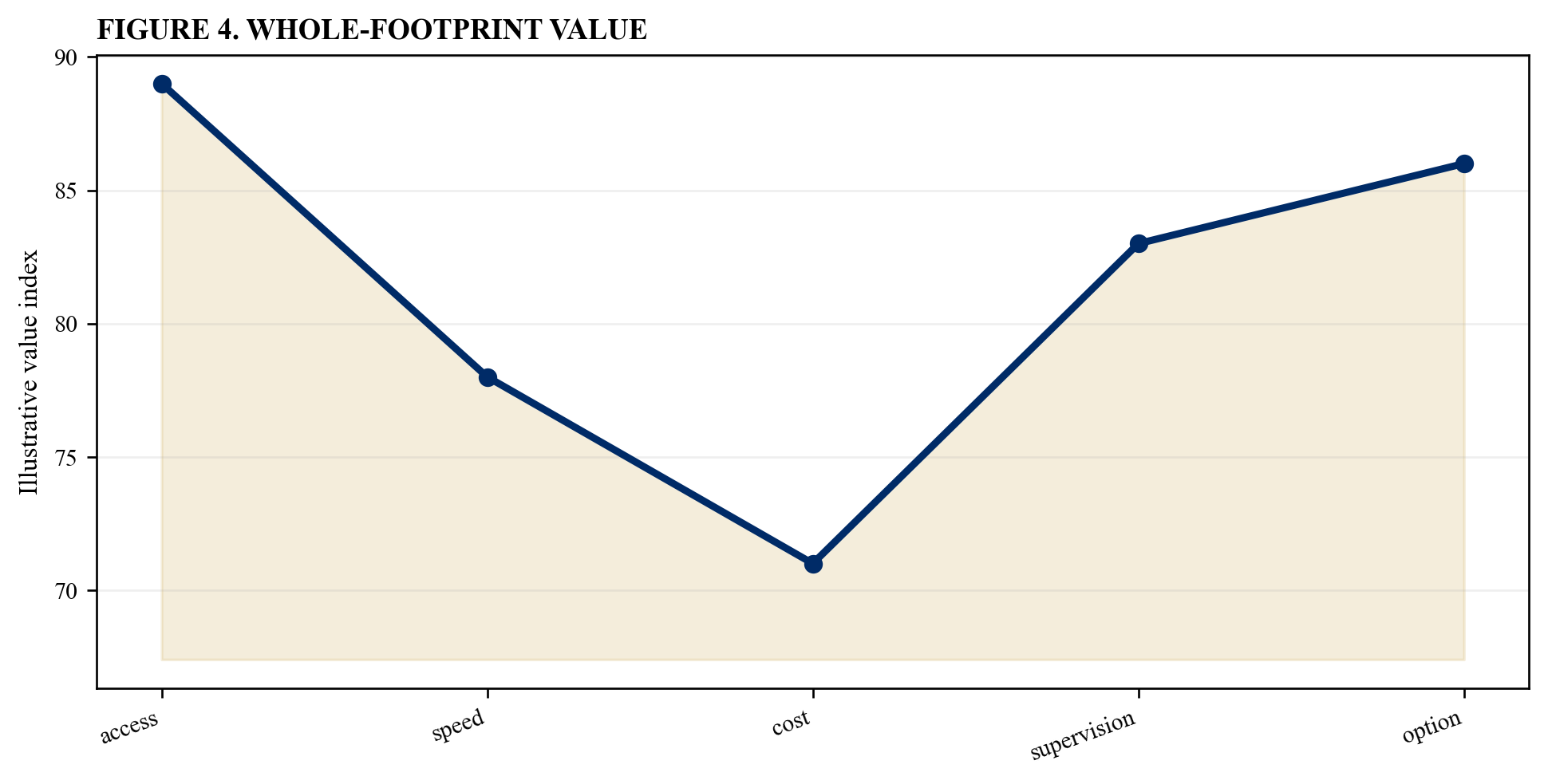
Illustrative analytical scenario; verified operating evidence should replace values.
33. Activate banking and treasury
The expansion sponsor and UAE advisers should align accounts, cash pooling, payments, foreign exchange, debt and guarantees with entity roles. The required output is a treasury operating model. Record the accountable owner, governing law or authority, source evidence, operating assumption, acceptance criterion, approval, exception and review date [26][30].
Test the conclusion for every material activity and transaction across mainland, commercial or sector free zone, DIFC and ADGM structures. Assess customers, licensing, supervision, people, premises, tax, customs, data, banking, cost, control, scalability and exit.
The principal risk is that bank onboarding and cash movement can lag the commercial launch. Quantify its effect on revenue eligibility, launch timing, regulatory capital, tax, operating cost, customer access, compliance, group liability and strategic flexibility. Compare a single-entity footprint with a controlled multi-entity or phased alternative.
Translate the conclusion into entity documents, licence applications, tax positions, operating agreements, staffing, premises, systems, controls, evidence owners and go-live gates. Refresh it after material activity, regulatory, customer, ownership or business-model change.
34. Document intercompany services
The expansion sponsor and UAE advisers should define staff, management, technology, procurement, finance and shared-service agreements. The required output is an intercompany service schedule. Record the accountable owner, governing law or authority, source evidence, operating assumption, acceptance criterion, approval, exception and review date [20][21].
Test the conclusion for every material activity and transaction across mainland, commercial or sector free zone, DIFC and ADGM structures. Assess customers, licensing, supervision, people, premises, tax, customs, data, banking, cost, control, scalability and exit.
The principal risk is that actual conduct can differ from contracts and transfer-pricing analysis. Quantify its effect on revenue eligibility, launch timing, regulatory capital, tax, operating cost, customer access, compliance, group liability and strategic flexibility. Compare a single-entity footprint with a controlled multi-entity or phased alternative.
Translate the conclusion into entity documents, licence applications, tax positions, operating agreements, staffing, premises, systems, controls, evidence owners and go-live gates. Refresh it after material activity, regulatory, customer, ownership or business-model change.
35. Model whole-footprint economics
The expansion sponsor and UAE advisers should compare formation, licences, people, premises, tax, capital, compliance, delay and duplication. The required output is a probability-weighted cost model. Record the accountable owner, governing law or authority, source evidence, operating assumption, acceptance criterion, approval, exception and review date [6][15].
Test the conclusion for every material activity and transaction across mainland, commercial or sector free zone, DIFC and ADGM structures. Assess customers, licensing, supervision, people, premises, tax, customs, data, banking, cost, control, scalability and exit.
The principal risk is that low formation cost can create higher recurring and execution cost. Quantify its effect on revenue eligibility, launch timing, regulatory capital, tax, operating cost, customer access, compliance, group liability and strategic flexibility. Compare a single-entity footprint with a controlled multi-entity or phased alternative.
Translate the conclusion into entity documents, licence applications, tax positions, operating agreements, staffing, premises, systems, controls, evidence owners and go-live gates. Refresh it after material activity, regulatory, customer, ownership or business-model change.
36. Plan phased expansion
The expansion sponsor and UAE advisers should stage representative, branch, subsidiary, regulated and operating capabilities against milestones. The required output is an expansion pathway. Record the accountable owner, governing law or authority, source evidence, operating assumption, acceptance criterion, approval, exception and review date [2][9].
Test the conclusion for every material activity and transaction across mainland, commercial or sector free zone, DIFC and ADGM structures. Assess customers, licensing, supervision, people, premises, tax, customs, data, banking, cost, control, scalability and exit.
The principal risk is that the initial structure can become permanent despite changed demand and scale. Quantify its effect on revenue eligibility, launch timing, regulatory capital, tax, operating cost, customer access, compliance, group liability and strategic flexibility. Compare a single-entity footprint with a controlled multi-entity or phased alternative.
Translate the conclusion into entity documents, licence applications, tax positions, operating agreements, staffing, premises, systems, controls, evidence owners and go-live gates. Refresh it after material activity, regulatory, customer, ownership or business-model change.
37. Test acquisition effects
The expansion sponsor and UAE advisers should assess change of control, licence transfer, inherited footprint, tax, people and integration. The required output is an acquisition footprint plan. Record the accountable owner, governing law or authority, source evidence, operating assumption, acceptance criterion, approval, exception and review date [17][32].
Test the conclusion for every material activity and transaction across mainland, commercial or sector free zone, DIFC and ADGM structures. Assess customers, licensing, supervision, people, premises, tax, customs, data, banking, cost, control, scalability and exit.
The principal risk is that an acquired entity can anchor the group to an unsuitable legacy structure. Quantify its effect on revenue eligibility, launch timing, regulatory capital, tax, operating cost, customer access, compliance, group liability and strategic flexibility. Compare a single-entity footprint with a controlled multi-entity or phased alternative.
Translate the conclusion into entity documents, licence applications, tax positions, operating agreements, staffing, premises, systems, controls, evidence owners and go-live gates. Refresh it after material activity, regulatory, customer, ownership or business-model change.
38. Establish governance and accountability
The expansion sponsor and UAE advisers should assign boards, managers, regulated officers, signatories, control functions and evidence owners. The required output is a governance responsibility map. Record the accountable owner, governing law or authority, source evidence, operating assumption, acceptance criterion, approval, exception and review date [11][27].
Test the conclusion for every material activity and transaction across mainland, commercial or sector free zone, DIFC and ADGM structures. Assess customers, licensing, supervision, people, premises, tax, customs, data, banking, cost, control, scalability and exit.
The principal risk is that cross-entity decisions can fall between nominal accountabilities. Quantify its effect on revenue eligibility, launch timing, regulatory capital, tax, operating cost, customer access, compliance, group liability and strategic flexibility. Compare a single-entity footprint with a controlled multi-entity or phased alternative.
Translate the conclusion into entity documents, licence applications, tax positions, operating agreements, staffing, premises, systems, controls, evidence owners and go-live gates. Refresh it after material activity, regulatory, customer, ownership or business-model change.
39. Execute the implementation roadmap
The expansion sponsor and UAE advisers should sequence incorporation, approvals, banking, people, premises, contracts, systems and go-live tests. The required output is a controlled mobilisation plan. Record the accountable owner, governing law or authority, source evidence, operating assumption, acceptance criterion, approval, exception and review date [6][28].
Test the conclusion for every material activity and transaction across mainland, commercial or sector free zone, DIFC and ADGM structures. Assess customers, licensing, supervision, people, premises, tax, customs, data, banking, cost, control, scalability and exit.
The principal risk is that commercial commitments can precede operating readiness. Quantify its effect on revenue eligibility, launch timing, regulatory capital, tax, operating cost, customer access, compliance, group liability and strategic flexibility. Compare a single-entity footprint with a controlled multi-entity or phased alternative.
Translate the conclusion into entity documents, licence applications, tax positions, operating agreements, staffing, premises, systems, controls, evidence owners and go-live gates. Refresh it after material activity, regulatory, customer, ownership or business-model change.
40. Issue the operating-footprint certificate
The expansion sponsor and UAE advisers should reconcile activities, customers, entities, licences, people, tax, supervision, controls and economics. The required output is an auditable footprint certificate. Record the accountable owner, governing law or authority, source evidence, operating assumption, acceptance criterion, approval, exception and review date [1][20].
Test the conclusion for every material activity and transaction across mainland, commercial or sector free zone, DIFC and ADGM structures. Assess customers, licensing, supervision, people, premises, tax, customs, data, banking, cost, control, scalability and exit.
The principal risk is that board approval can rest on disconnected incorporation, tax and regulatory advice. Quantify its effect on revenue eligibility, launch timing, regulatory capital, tax, operating cost, customer access, compliance, group liability and strategic flexibility. Compare a single-entity footprint with a controlled multi-entity or phased alternative.
Translate the conclusion into entity documents, licence applications, tax positions, operating agreements, staffing, premises, systems, controls, evidence owners and go-live gates. Refresh it after material activity, regulatory, customer, ownership or business-model change.
Table 5. Footprint certificate
| Domain | Evidence | Owner |
|---|---|---|
| activities | perimeter inventory | business lead |
| entities and licences | architecture and approvals | legal lead |
| tax and substance | models and operating proof | tax lead |
| mobilisation | gates and acceptance tests | country lead |
Illustrative analytical structure; current verified evidence governs.
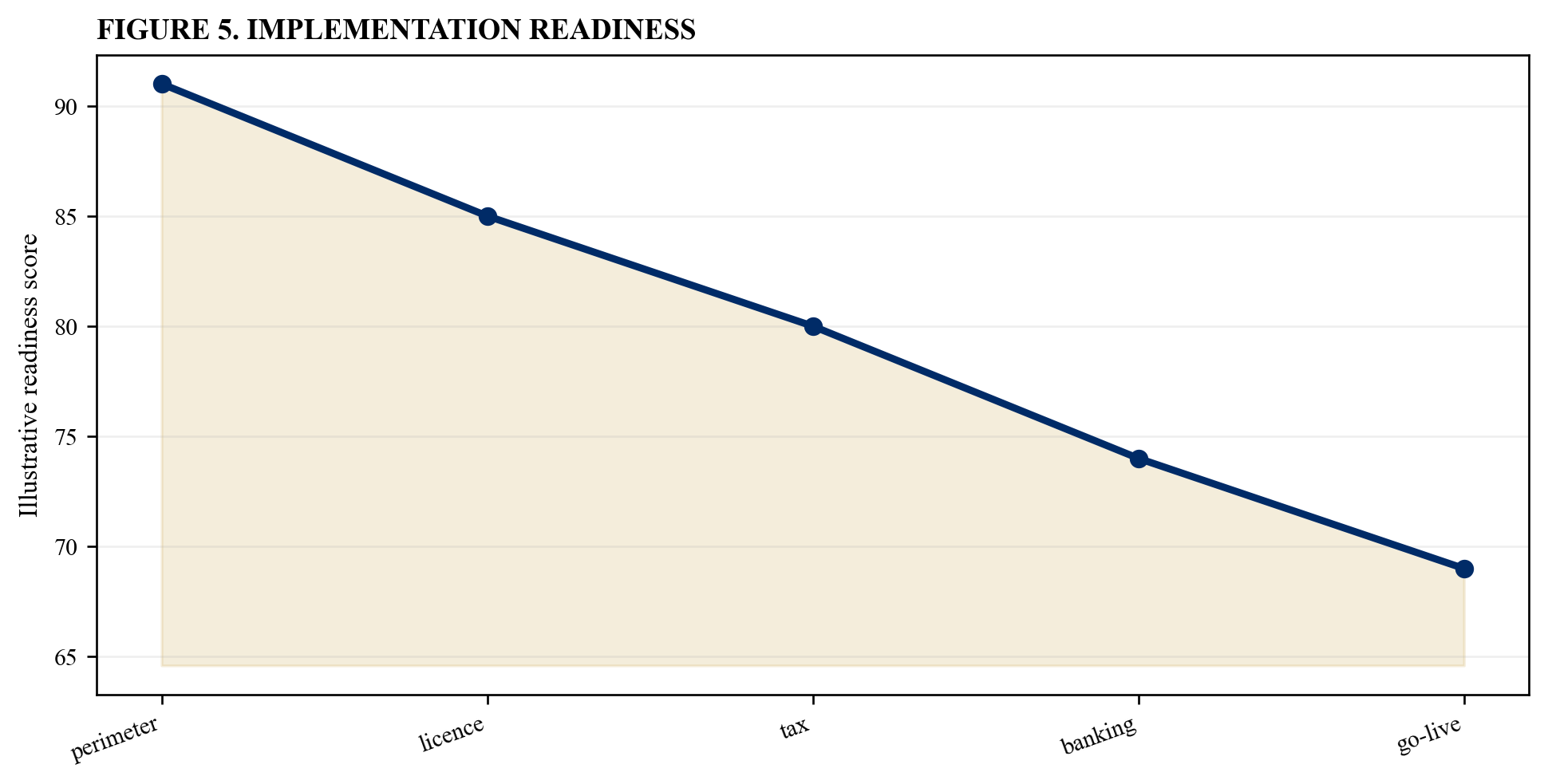
Illustrative analytical scenario; verified operating evidence should replace values.
References
- UAE Government, Foreign Direct Investment, https://u.ae/en/information-and-services/finance-and-investment/foreign-direct-investment
- Ministry of Investment, Invest in the UAE, https://www.investuae.gov.ae/
- UAE Government, Starting a Business on the Mainland, https://u.ae/en/information-and-services/business/doing-business-on-the-mainland/steps-to-start-a-business-on-the-mainland
- Ministry of Economy and Tourism, Commercial Companies and Business Legislation, https://www.moet.gov.ae/en/laws
- Abu Dhabi Investment Office, Investor Support and Opportunities, https://www.investinabudhabi.gov.ae/
- World Bank, Foreign Direct Investment and Global Value Chains, https://www.worldbank.org/en/topic/investment-climate
- OECD, Guidelines for Multinational Enterprises on Responsible Business Conduct, https://mneguidelines.oecd.org/
- UAE Government, Due Diligence and Business Regulation Resources, https://u.ae/en/information-and-services/business
- Invest in Dubai, Business Setup and Licensing, https://invest.dubai.ae/
- OECD, Strategic Alliances and Joint Ventures, https://www.oecd.org/corporate/
- IFC, Corporate Governance Methodology, https://www.ifc.org/en/what-we-do/sector-expertise/corporate-governance
- UAE Government, Full Foreign Ownership of Commercial Companies, https://u.ae/en/information-and-services/business/doing-business-on-the-mainland/full-foreign-ownership-of-commercial-companies
- Ministry of Economy and Tourism, Federal Decree-Law No. 32 of 2021 on Commercial Companies, https://www.moet.gov.ae/en/laws
- UAE Government, Doing Business in Free Zones, https://u.ae/en/information-and-services/business/doing-business-in-free-zones
- Federal Tax Authority, Free Zone Persons Corporate Tax Guide, https://tax.gov.ae/Datafolder/Files/Guides/CT/Free%20Zone%20Persons%20-%2020%2005%202024%20final%20for%20GCD.pdf
- UAE Government, Business Licensing and Economic Activities, https://u.ae/en/information-and-services/business
- Ministry of Economy and Tourism, Competition Law, https://www.moet.gov.ae/en/laws
- UAE Cabinet, Decision No. 3 of 2025 on Economic Concentration Thresholds, https://www.moet.gov.ae/documents/20121/0/Cabinet%2BDecision%2BNo.%2B%283%29%2Bof%2B2025%2BOn%2Bthe%2BThresholds%2BRelated%2Bto%2Bthe%2BImplementation%2Bof%2BFederal%2BDecree-Law%2BNo.%2B%2836%29%2Bof%2B2023%2BRegulati.pdf/0f228724-8dd5-9b9c-0ed8-0b94d5ae0873
- UAE Government, Strategic Impact Activities and Ownership, https://u.ae/en/information-and-services/business/doing-business-on-the-mainland/full-foreign-ownership-of-commercial-companies
- Federal Tax Authority, Corporate Tax FAQs, https://tax.gov.ae/en/taxes/corporate.tax/faqs.aspx
- Federal Tax Authority, Non-Resident Persons Corporate Tax Guide, https://tax.gov.ae/en/media.centre/news/federal.tax.authority.issues.guide.for.nonresident.persons.for.corporate.tax.purposes.who.derive.statesourced.income.in.the.uae.aspx
- UAE Government, UAE Imports and Exports Guide, https://u.ae/en/information-and-services/business/uae-imports-and-exports-guide
- Federal Customs Authority, Customs Services and Legislation, https://www.customs.gov.ae/
- UAE Data Office, Federal Personal Data Protection Law, https://u.ae/en/about-the-uae/digital-uae/data/data-protection-laws
- UAE Government, Cybersecurity and Digital Regulation, https://u.ae/en/about-the-uae/digital-uae
- UAE Government, Anti-Money Laundering Regulation, https://u.ae/en/information-and-services/justice-safety-and-the-law/anti-money-laundering
- Ministry of Economy and Tourism, Ultimate Beneficial Owner Procedures, https://www.moet.gov.ae/en/ultimate-beneficial-owner-procedures
- Ministry of Human Resources and Emiratisation, Labour Market Services, https://www.mohre.gov.ae/
- Federal Authority for Identity Citizenship Customs and Port Security, Work and Residency Services, https://audience.gov.ae/en/
- Central Bank of the UAE, Payment Systems and Banking Services, https://www.centralbank.ae/en/
- Central Bank of the UAE, Licensing, https://www.centralbank.ae/en/licensing/
- Central Bank of the UAE, Chapter Two Licensing Rulebook, https://rulebook.centralbank.ae/en/rulebook/chapter-two-licensing-0
- TDRA, Issue Licences to Provide Telecommunication Services, https://tdra.gov.ae/en/Services/issue-licences-to-provide-telecommunication-services
- TDRA, Telecommunications Licensing Framework, https://tdra.gov.ae/en/About/tdra-sectors/telecommunication/departments/regulatory-affairs-department/licensing
- Ministry of Health and Prevention, Initial Approval for Health Facility Licensing, https://mohap.gov.ae/en/w/initial-approval-for-licensing-re-licensing-health-facility
- Ministry of Health and Prevention, Issue a Health Facility License, https://mohap.gov.ae/en/w/issue-a-health-facility-license
- Securities and Commodities Authority, Financial Activities and Licence Categories, https://www.sca.gov.ae/assets/c0caf754/rulebook4en.aspx
- Dubai Financial Services Authority, Authorisation, https://www.dfsa.ae/what-we-do/authorisation
- Ministry of Industry and Advanced Technology, Industrial Services, https://moiat.gov.ae/en/services
- UAE Government, Make it in the Emirates, https://u.ae/en/information-and-services/business/make-it-in-the-emirates
- Financial Services Regulatory Authority, Authorisation and Regulatory Framework, https://www.adgm.com/operating-in-adgm/financial-services-regulatory-authority
- Dubai Department of Economy and Tourism, Business and Licensing Services, https://www.dubaidet.gov.ae/en/services
- Khalifa Economic Zones Abu Dhabi, Industrial and Logistics Investment, https://www.kezadgroup.com/
- Jebel Ali Free Zone, Business Setup and Operating Services, https://www.jafza.ae/
- Ministry of Education, Education Licensing and Services, https://www.moe.gov.ae/En/EServices/Pages/default.aspx
