

1. Define the refinancing decision
The authority and project company should state the public outcome, sponsor incentive and value-for-money objective. The required output is a refinancing decision charter. Record the accountable owner, contractual authority, source evidence, calculation rule, approval, exception and review date [1][2].
Test the conclusion against lifecycle value for money, sponsor incentive, financing efficiency, service continuity, risk transfer, fiscal affordability, termination exposure and execution certainty. Preserve the original model, executed financing documents and a controlled audit trail.
The principal risk is that a narrow focus on cheaper debt can conceal transferred risk or higher public exposure. Quantify the effect on debt service, equity cash flow, authority payments, user charges, reserves, covenants, termination compensation, tax, accounting and downside resilience. Compare the proposed case with the existing financing and credible market alternatives.
Translate the conclusion into consent conditions, model controls, gain allocation, payment mechanics, closing deliverables and post-close monitoring. Refresh it for final executed terms and every material change.
2. Map the contractual perimeter
The authority and project company should identify debt, hedging, reserve, equity and permitted-change provisions within the definition. The required output is a contractual scope memorandum. Record the accountable owner, contractual authority, source evidence, calculation rule, approval, exception and review date [1][3].
Test the conclusion against lifecycle value for money, sponsor incentive, financing efficiency, service continuity, risk transfer, fiscal affordability, termination exposure and execution certainty. Preserve the original model, executed financing documents and a controlled audit trail.
The principal risk is that an economically material change can fall outside an incomplete definition. Quantify the effect on debt service, equity cash flow, authority payments, user charges, reserves, covenants, termination compensation, tax, accounting and downside resilience. Compare the proposed case with the existing financing and credible market alternatives.
Translate the conclusion into consent conditions, model controls, gain allocation, payment mechanics, closing deliverables and post-close monitoring. Refresh it for final executed terms and every material change.
3. Establish the consent standard
The authority and project company should set information, timing, reasonableness, conditions and refusal rights. The required output is a consent protocol. Record the accountable owner, contractual authority, source evidence, calculation rule, approval, exception and review date [1][4].
Test the conclusion against lifecycle value for money, sponsor incentive, financing efficiency, service continuity, risk transfer, fiscal affordability, termination exposure and execution certainty. Preserve the original model, executed financing documents and a controlled audit trail.
The principal risk is that uncertain approval can destroy executable market terms or weaken authority control. Quantify the effect on debt service, equity cash flow, authority payments, user charges, reserves, covenants, termination compensation, tax, accounting and downside resilience. Compare the proposed case with the existing financing and credible market alternatives.
Translate the conclusion into consent conditions, model controls, gain allocation, payment mechanics, closing deliverables and post-close monitoring. Refresh it for final executed terms and every material change.
4. Reconstruct the base case
The authority and project company should lock the pre-refinancing model, financing documents, forecasts and actual performance. The required output is an approved base-case model. Record the accountable owner, contractual authority, source evidence, calculation rule, approval, exception and review date [5][6].
Test the conclusion against lifecycle value for money, sponsor incentive, financing efficiency, service continuity, risk transfer, fiscal affordability, termination exposure and execution certainty. Preserve the original model, executed financing documents and a controlled audit trail.
The principal risk is that an editable or stale baseline can manufacture or suppress apparent gain. Quantify the effect on debt service, equity cash flow, authority payments, user charges, reserves, covenants, termination compensation, tax, accounting and downside resilience. Compare the proposed case with the existing financing and credible market alternatives.
Translate the conclusion into consent conditions, model controls, gain allocation, payment mechanics, closing deliverables and post-close monitoring. Refresh it for final executed terms and every material change.
5. Define the counterfactual
The authority and project company should separate the agreed contractual baseline from speculative alternative financing. The required output is a counterfactual policy. Record the accountable owner, contractual authority, source evidence, calculation rule, approval, exception and review date [5][7].
Test the conclusion against lifecycle value for money, sponsor incentive, financing efficiency, service continuity, risk transfer, fiscal affordability, termination exposure and execution certainty. Preserve the original model, executed financing documents and a controlled audit trail.
The principal risk is that parties can dispute value using incompatible assumptions about what would otherwise occur. Quantify the effect on debt service, equity cash flow, authority payments, user charges, reserves, covenants, termination compensation, tax, accounting and downside resilience. Compare the proposed case with the existing financing and credible market alternatives.
Translate the conclusion into consent conditions, model controls, gain allocation, payment mechanics, closing deliverables and post-close monitoring. Refresh it for final executed terms and every material change.
6. Classify the refinancing event
The authority and project company should distinguish margin reset, lender replacement, tenor extension, releveraging, reserve release and hedge change. The required output is an event classification. Record the accountable owner, contractual authority, source evidence, calculation rule, approval, exception and review date [1][8].
Test the conclusion against lifecycle value for money, sponsor incentive, financing efficiency, service continuity, risk transfer, fiscal affordability, termination exposure and execution certainty. Preserve the original model, executed financing documents and a controlled audit trail.
The principal risk is that different transactions can create value and risk through different channels. Quantify the effect on debt service, equity cash flow, authority payments, user charges, reserves, covenants, termination compensation, tax, accounting and downside resilience. Compare the proposed case with the existing financing and credible market alternatives.
Translate the conclusion into consent conditions, model controls, gain allocation, payment mechanics, closing deliverables and post-close monitoring. Refresh it for final executed terms and every material change.
7. Trace the source of value
The authority and project company should attribute gain to construction completion, operating performance, public action and market movement. The required output is a value-source bridge. Record the accountable owner, contractual authority, source evidence, calculation rule, approval, exception and review date [2][9].
Test the conclusion against lifecycle value for money, sponsor incentive, financing efficiency, service continuity, risk transfer, fiscal affordability, termination exposure and execution certainty. Preserve the original model, executed financing documents and a controlled audit trail.
The principal risk is that one sharing rate can misprice contributions and weaken future effort. Quantify the effect on debt service, equity cash flow, authority payments, user charges, reserves, covenants, termination compensation, tax, accounting and downside resilience. Compare the proposed case with the existing financing and credible market alternatives.
Translate the conclusion into consent conditions, model controls, gain allocation, payment mechanics, closing deliverables and post-close monitoring. Refresh it for final executed terms and every material change.
8. Screen excluded transactions
The authority and project company should test waivers, technical amendments, rescue finance, mandatory changes and de minimis events. The required output is an exclusion schedule. Record the accountable owner, contractual authority, source evidence, calculation rule, approval, exception and review date [1][10].
Test the conclusion against lifecycle value for money, sponsor incentive, financing efficiency, service continuity, risk transfer, fiscal affordability, termination exposure and execution certainty. Preserve the original model, executed financing documents and a controlled audit trail.
The principal risk is that routine or protective actions can trigger disproportionate cost and delay. Quantify the effect on debt service, equity cash flow, authority payments, user charges, reserves, covenants, termination compensation, tax, accounting and downside resilience. Compare the proposed case with the existing financing and credible market alternatives.
Translate the conclusion into consent conditions, model controls, gain allocation, payment mechanics, closing deliverables and post-close monitoring. Refresh it for final executed terms and every material change.
Table 1. Refinancing event classification
| Event | Primary value channel | Principal control |
|---|---|---|
| margin reset | lower interest cost | market evidence |
| tenor extension | liquidity and amortisation | tail-risk test |
| releveraging | early distributions | leverage ceiling |
| reserve release | cash acceleration | reserve sufficiency |
Illustrative analytical structure; verified contract and financing evidence govern.
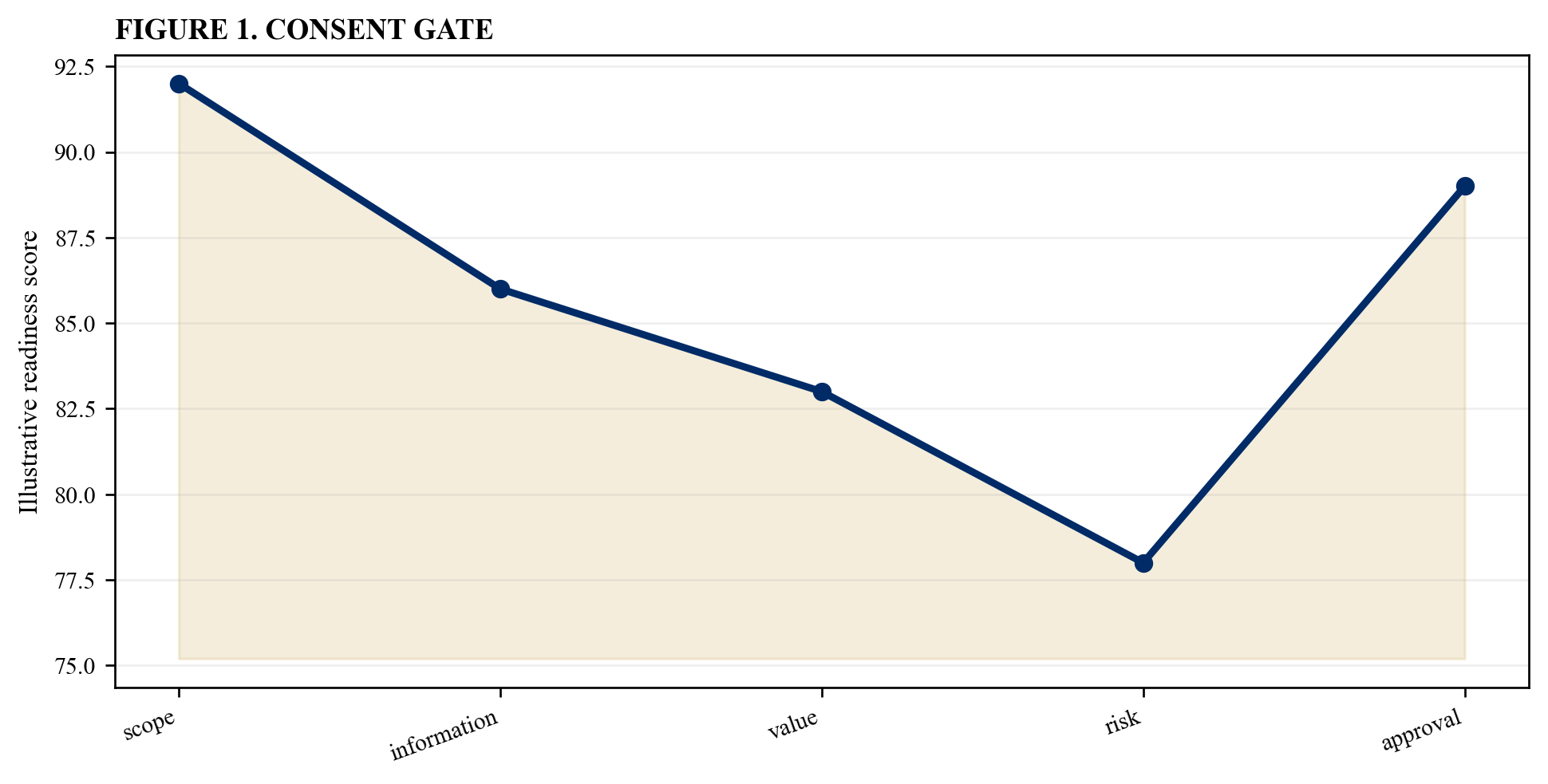
Illustrative analytical scenario; verified project evidence should replace values.
9. Build the debt economics
The authority and project company should model principal, margin, base rate, fees, amortisation, tenor and cash sweep. The required output is a debt-value bridge. Record the accountable owner, contractual authority, source evidence, calculation rule, approval, exception and review date [11][12].
Test the conclusion against lifecycle value for money, sponsor incentive, financing efficiency, service continuity, risk transfer, fiscal affordability, termination exposure and execution certainty. Preserve the original model, executed financing documents and a controlled audit trail.
The principal risk is that headline margin reduction can be offset by fees, slower amortisation or larger principal. Quantify the effect on debt service, equity cash flow, authority payments, user charges, reserves, covenants, termination compensation, tax, accounting and downside resilience. Compare the proposed case with the existing financing and credible market alternatives.
Translate the conclusion into consent conditions, model controls, gain allocation, payment mechanics, closing deliverables and post-close monitoring. Refresh it for final executed terms and every material change.
10. Value hedge changes
The authority and project company should measure termination cost, replacement pricing, breakage, basis and counterparty exposure. The required output is a hedge-value schedule. Record the accountable owner, contractual authority, source evidence, calculation rule, approval, exception and review date [13][14].
Test the conclusion against lifecycle value for money, sponsor incentive, financing efficiency, service continuity, risk transfer, fiscal affordability, termination exposure and execution certainty. Preserve the original model, executed financing documents and a controlled audit trail.
The principal risk is that apparent savings can depend on crystallising or relocating derivatives risk. Quantify the effect on debt service, equity cash flow, authority payments, user charges, reserves, covenants, termination compensation, tax, accounting and downside resilience. Compare the proposed case with the existing financing and credible market alternatives.
Translate the conclusion into consent conditions, model controls, gain allocation, payment mechanics, closing deliverables and post-close monitoring. Refresh it for final executed terms and every material change.
11. Assess reserve releases
The authority and project company should test debt-service, lifecycle, maintenance and handback reserves against remaining risk. The required output is a reserve sufficiency review. Record the accountable owner, contractual authority, source evidence, calculation rule, approval, exception and review date [15][16].
Test the conclusion against lifecycle value for money, sponsor incentive, financing efficiency, service continuity, risk transfer, fiscal affordability, termination exposure and execution certainty. Preserve the original model, executed financing documents and a controlled audit trail.
The principal risk is that cash extraction can weaken liquidity needed for future service obligations. Quantify the effect on debt service, equity cash flow, authority payments, user charges, reserves, covenants, termination compensation, tax, accounting and downside resilience. Compare the proposed case with the existing financing and credible market alternatives.
Translate the conclusion into consent conditions, model controls, gain allocation, payment mechanics, closing deliverables and post-close monitoring. Refresh it for final executed terms and every material change.
12. Test leverage and distributions
The authority and project company should measure additional debt, dividends, shareholder loans and future debt capacity. The required output is a leverage-and-distribution bridge. Record the accountable owner, contractual authority, source evidence, calculation rule, approval, exception and review date [3][17].
Test the conclusion against lifecycle value for money, sponsor incentive, financing efficiency, service continuity, risk transfer, fiscal affordability, termination exposure and execution certainty. Preserve the original model, executed financing documents and a controlled audit trail.
The principal risk is that releveraging can accelerate equity value while increasing project fragility. Quantify the effect on debt service, equity cash flow, authority payments, user charges, reserves, covenants, termination compensation, tax, accounting and downside resilience. Compare the proposed case with the existing financing and credible market alternatives.
Translate the conclusion into consent conditions, model controls, gain allocation, payment mechanics, closing deliverables and post-close monitoring. Refresh it for final executed terms and every material change.
13. Measure equity return effects
The authority and project company should calculate pre- and post-refinancing cash flows, timing and equity IRR consistently. The required output is an equity-return reconciliation. Record the accountable owner, contractual authority, source evidence, calculation rule, approval, exception and review date [5][18].
Test the conclusion against lifecycle value for money, sponsor incentive, financing efficiency, service continuity, risk transfer, fiscal affordability, termination exposure and execution certainty. Preserve the original model, executed financing documents and a controlled audit trail.
The principal risk is that IRR can overstate value when early distributions shift risk into later years. Quantify the effect on debt service, equity cash flow, authority payments, user charges, reserves, covenants, termination compensation, tax, accounting and downside resilience. Compare the proposed case with the existing financing and credible market alternatives.
Translate the conclusion into consent conditions, model controls, gain allocation, payment mechanics, closing deliverables and post-close monitoring. Refresh it for final executed terms and every material change.
14. Define the gain metric
The authority and project company should choose net present value, nominal cash, equity IRR uplift or a controlled combination. The required output is a gain measurement policy. Record the accountable owner, contractual authority, source evidence, calculation rule, approval, exception and review date [1][5].
Test the conclusion against lifecycle value for money, sponsor incentive, financing efficiency, service continuity, risk transfer, fiscal affordability, termination exposure and execution certainty. Preserve the original model, executed financing documents and a controlled audit trail.
The principal risk is that a single metric can misrepresent timing, scale or risk. Quantify the effect on debt service, equity cash flow, authority payments, user charges, reserves, covenants, termination compensation, tax, accounting and downside resilience. Compare the proposed case with the existing financing and credible market alternatives.
Translate the conclusion into consent conditions, model controls, gain allocation, payment mechanics, closing deliverables and post-close monitoring. Refresh it for final executed terms and every material change.
15. Set the discount rate
The authority and project company should align discounting with the contract, payment method, timing and risk of receipt. The required output is a discount-rate memorandum. Record the accountable owner, contractual authority, source evidence, calculation rule, approval, exception and review date [5][19].
Test the conclusion against lifecycle value for money, sponsor incentive, financing efficiency, service continuity, risk transfer, fiscal affordability, termination exposure and execution certainty. Preserve the original model, executed financing documents and a controlled audit trail.
The principal risk is that small rate choices can materially change the measured public share. Quantify the effect on debt service, equity cash flow, authority payments, user charges, reserves, covenants, termination compensation, tax, accounting and downside resilience. Compare the proposed case with the existing financing and credible market alternatives.
Translate the conclusion into consent conditions, model controls, gain allocation, payment mechanics, closing deliverables and post-close monitoring. Refresh it for final executed terms and every material change.
16. Capture transaction costs
The authority and project company should include lender, advisor, hedge, consent, tax, reserve and implementation costs. The required output is a verified cost ledger. Record the accountable owner, contractual authority, source evidence, calculation rule, approval, exception and review date [5][20].
Test the conclusion against lifecycle value for money, sponsor incentive, financing efficiency, service continuity, risk transfer, fiscal affordability, termination exposure and execution certainty. Preserve the original model, executed financing documents and a controlled audit trail.
The principal risk is that gross savings can be presented as distributable gain. Quantify the effect on debt service, equity cash flow, authority payments, user charges, reserves, covenants, termination compensation, tax, accounting and downside resilience. Compare the proposed case with the existing financing and credible market alternatives.
Translate the conclusion into consent conditions, model controls, gain allocation, payment mechanics, closing deliverables and post-close monitoring. Refresh it for final executed terms and every material change.
Table 2. Illustrative gain bridge
| Component | Illustrative value | Treatment |
|---|---|---|
| debt savings | 42 | include |
| hedge and fees | -11 | deduct |
| reserve value | 8 | include subject to risk |
| tax and execution | -5 | deduct |
Illustrative analytical structure; verified contract and financing evidence govern.
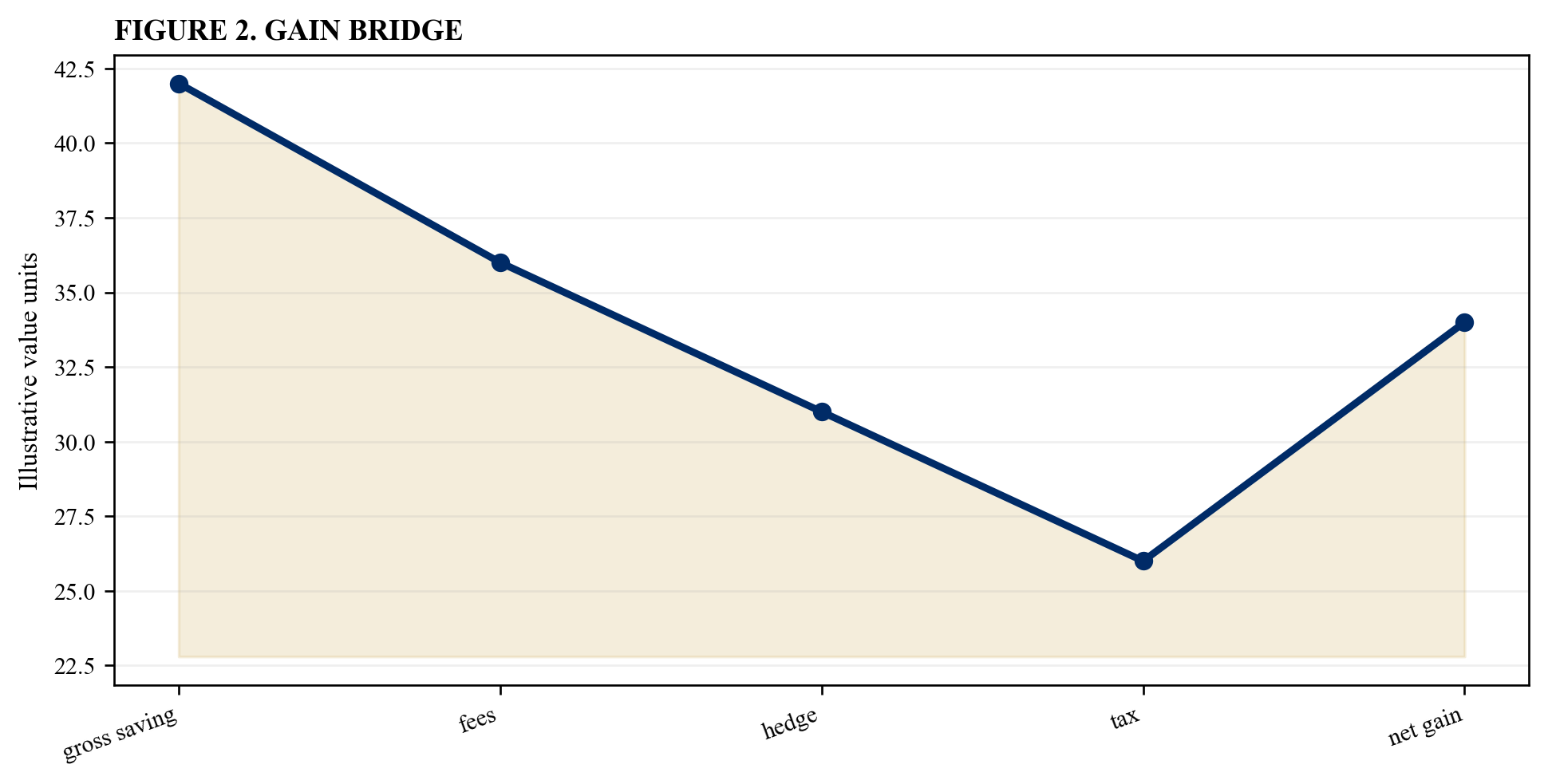
Illustrative analytical scenario; verified project evidence should replace values.
17. Prevent double counting
The authority and project company should reconcile overlapping debt, hedge, tax, reserve and equity effects once. The required output is a gain-calculation control sheet. Record the accountable owner, contractual authority, source evidence, calculation rule, approval, exception and review date [5][21].
Test the conclusion against lifecycle value for money, sponsor incentive, financing efficiency, service continuity, risk transfer, fiscal affordability, termination exposure and execution certainty. Preserve the original model, executed financing documents and a controlled audit trail.
The principal risk is that one economic benefit can enter several model lines. Quantify the effect on debt service, equity cash flow, authority payments, user charges, reserves, covenants, termination compensation, tax, accounting and downside resilience. Compare the proposed case with the existing financing and credible market alternatives.
Translate the conclusion into consent conditions, model controls, gain allocation, payment mechanics, closing deliverables and post-close monitoring. Refresh it for final executed terms and every material change.
18. Test tax consequences
The authority and project company should analyse deductibility, withholding, transaction tax, deferred tax and distribution form. The required output is a tax impact memorandum. Record the accountable owner, contractual authority, source evidence, calculation rule, approval, exception and review date [22][23].
Test the conclusion against lifecycle value for money, sponsor incentive, financing efficiency, service continuity, risk transfer, fiscal affordability, termination exposure and execution certainty. Preserve the original model, executed financing documents and a controlled audit trail.
The principal risk is that the gross allocation can diverge from cash retained by each party. Quantify the effect on debt service, equity cash flow, authority payments, user charges, reserves, covenants, termination compensation, tax, accounting and downside resilience. Compare the proposed case with the existing financing and credible market alternatives.
Translate the conclusion into consent conditions, model controls, gain allocation, payment mechanics, closing deliverables and post-close monitoring. Refresh it for final executed terms and every material change.
19. Apply accounting treatment
The authority and project company should assess modification versus extinguishment, fees, effective interest and disclosures. The required output is an accounting position paper. Record the accountable owner, contractual authority, source evidence, calculation rule, approval, exception and review date [24][25].
Test the conclusion against lifecycle value for money, sponsor incentive, financing efficiency, service continuity, risk transfer, fiscal affordability, termination exposure and execution certainty. Preserve the original model, executed financing documents and a controlled audit trail.
The principal risk is that reported earnings can diverge from contractual gain and cash value. Quantify the effect on debt service, equity cash flow, authority payments, user charges, reserves, covenants, termination compensation, tax, accounting and downside resilience. Compare the proposed case with the existing financing and credible market alternatives.
Translate the conclusion into consent conditions, model controls, gain allocation, payment mechanics, closing deliverables and post-close monitoring. Refresh it for final executed terms and every material change.
20. Run lender competition
The authority and project company should obtain credible market evidence on price, tenor, covenants and execution certainty. The required output is a lender-market test. Record the accountable owner, contractual authority, source evidence, calculation rule, approval, exception and review date [2][26].
Test the conclusion against lifecycle value for money, sponsor incentive, financing efficiency, service continuity, risk transfer, fiscal affordability, termination exposure and execution certainty. Preserve the original model, executed financing documents and a controlled audit trail.
The principal risk is that bilateral convenience can leave material value untested. Quantify the effect on debt service, equity cash flow, authority payments, user charges, reserves, covenants, termination compensation, tax, accounting and downside resilience. Compare the proposed case with the existing financing and credible market alternatives.
Translate the conclusion into consent conditions, model controls, gain allocation, payment mechanics, closing deliverables and post-close monitoring. Refresh it for final executed terms and every material change.
21. Compare financing routes
The authority and project company should test bank debt, bonds, institutional loans, private credit and blended structures. The required output is a financing-options matrix. Record the accountable owner, contractual authority, source evidence, calculation rule, approval, exception and review date [27][28].
Test the conclusion against lifecycle value for money, sponsor incentive, financing efficiency, service continuity, risk transfer, fiscal affordability, termination exposure and execution certainty. Preserve the original model, executed financing documents and a controlled audit trail.
The principal risk is that the cheapest quoted route may have weaker certainty or restrictive controls. Quantify the effect on debt service, equity cash flow, authority payments, user charges, reserves, covenants, termination compensation, tax, accounting and downside resilience. Compare the proposed case with the existing financing and credible market alternatives.
Translate the conclusion into consent conditions, model controls, gain allocation, payment mechanics, closing deliverables and post-close monitoring. Refresh it for final executed terms and every material change.
22. Test execution certainty
The authority and project company should assess conditions, documentation, approvals, ratings, syndication and market flex. The required output is an execution-risk assessment. Record the accountable owner, contractual authority, source evidence, calculation rule, approval, exception and review date [29][30].
Test the conclusion against lifecycle value for money, sponsor incentive, financing efficiency, service continuity, risk transfer, fiscal affordability, termination exposure and execution certainty. Preserve the original model, executed financing documents and a controlled audit trail.
The principal risk is that a theoretical gain can disappear before financial close. Quantify the effect on debt service, equity cash flow, authority payments, user charges, reserves, covenants, termination compensation, tax, accounting and downside resilience. Compare the proposed case with the existing financing and credible market alternatives.
Translate the conclusion into consent conditions, model controls, gain allocation, payment mechanics, closing deliverables and post-close monitoring. Refresh it for final executed terms and every material change.
23. Preserve service performance
The authority and project company should confirm that payment mechanics, maintenance, capex and operational incentives remain intact. The required output is a service-continuity opinion. Record the accountable owner, contractual authority, source evidence, calculation rule, approval, exception and review date [4][15].
Test the conclusion against lifecycle value for money, sponsor incentive, financing efficiency, service continuity, risk transfer, fiscal affordability, termination exposure and execution certainty. Preserve the original model, executed financing documents and a controlled audit trail.
The principal risk is that financial extraction can impair lifecycle delivery. Quantify the effect on debt service, equity cash flow, authority payments, user charges, reserves, covenants, termination compensation, tax, accounting and downside resilience. Compare the proposed case with the existing financing and credible market alternatives.
Translate the conclusion into consent conditions, model controls, gain allocation, payment mechanics, closing deliverables and post-close monitoring. Refresh it for final executed terms and every material change.
24. Protect termination economics
The authority and project company should recalculate authority liabilities, break costs and debt balances under termination scenarios. The required output is a termination-compensation bridge. Record the accountable owner, contractual authority, source evidence, calculation rule, approval, exception and review date [1][31].
Test the conclusion against lifecycle value for money, sponsor incentive, financing efficiency, service continuity, risk transfer, fiscal affordability, termination exposure and execution certainty. Preserve the original model, executed financing documents and a controlled audit trail.
The principal risk is that refinancing can increase the public payment due after project failure. Quantify the effect on debt service, equity cash flow, authority payments, user charges, reserves, covenants, termination compensation, tax, accounting and downside resilience. Compare the proposed case with the existing financing and credible market alternatives.
Translate the conclusion into consent conditions, model controls, gain allocation, payment mechanics, closing deliverables and post-close monitoring. Refresh it for final executed terms and every material change.
Table 3. Termination and control test
| Dimension | Evidence | Decision |
|---|---|---|
| debt balance | old/new profiles | limit exposure |
| break costs | hedge schedules | allocate clearly |
| lender control | intercreditor terms | preserve remedies |
| service resilience | reserve and covenant tests | protect delivery |
Illustrative analytical structure; verified contract and financing evidence govern.
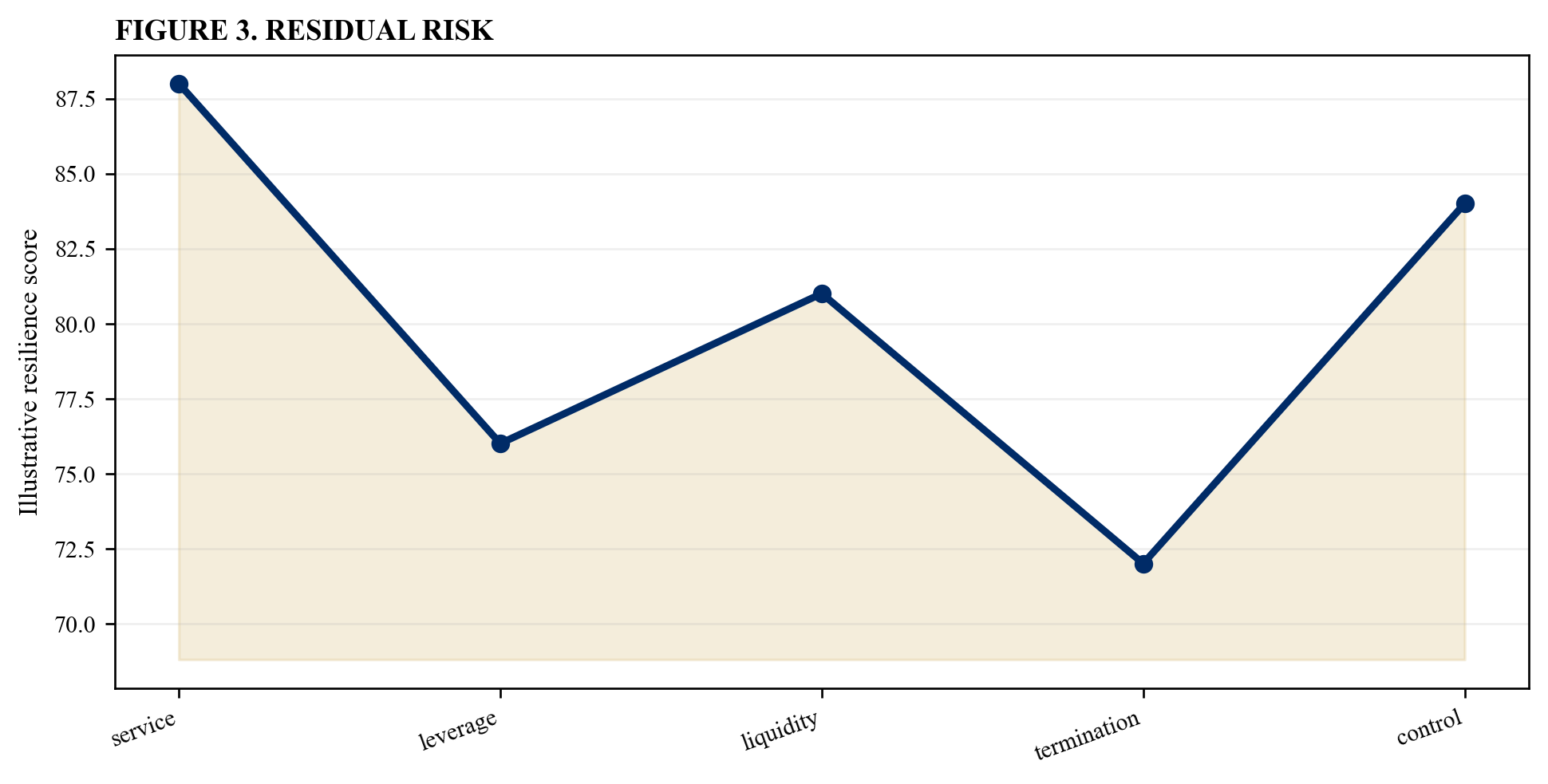
Illustrative analytical scenario; verified project evidence should replace values.
25. Review lender control
The authority and project company should compare voting, waivers, step-in, cure, enforcement and distribution locks. The required output is a lender-control matrix. Record the accountable owner, contractual authority, source evidence, calculation rule, approval, exception and review date [32][33].
Test the conclusion against lifecycle value for money, sponsor incentive, financing efficiency, service continuity, risk transfer, fiscal affordability, termination exposure and execution certainty. Preserve the original model, executed financing documents and a controlled audit trail.
The principal risk is that cheaper debt can grant stronger controls that constrain public remedies. Quantify the effect on debt service, equity cash flow, authority payments, user charges, reserves, covenants, termination compensation, tax, accounting and downside resilience. Compare the proposed case with the existing financing and credible market alternatives.
Translate the conclusion into consent conditions, model controls, gain allocation, payment mechanics, closing deliverables and post-close monitoring. Refresh it for final executed terms and every material change.
26. Reassess risk transfer
The authority and project company should test construction residue, operating, demand, availability, inflation and refinancing risks. The required output is a residual-risk-transfer review. Record the accountable owner, contractual authority, source evidence, calculation rule, approval, exception and review date [4][34].
Test the conclusion against lifecycle value for money, sponsor incentive, financing efficiency, service continuity, risk transfer, fiscal affordability, termination exposure and execution certainty. Preserve the original model, executed financing documents and a controlled audit trail.
The principal risk is that contract economics can drift toward the public sector without visible amendment. Quantify the effect on debt service, equity cash flow, authority payments, user charges, reserves, covenants, termination compensation, tax, accounting and downside resilience. Compare the proposed case with the existing financing and credible market alternatives.
Translate the conclusion into consent conditions, model controls, gain allocation, payment mechanics, closing deliverables and post-close monitoring. Refresh it for final executed terms and every material change.
27. Stress the refinanced case
The authority and project company should model rates, revenue, deductions, cost inflation, capex, covenant and termination shocks. The required output is a downside resilience model. Record the accountable owner, contractual authority, source evidence, calculation rule, approval, exception and review date [6][35].
Test the conclusion against lifecycle value for money, sponsor incentive, financing efficiency, service continuity, risk transfer, fiscal affordability, termination exposure and execution certainty. Preserve the original model, executed financing documents and a controlled audit trail.
The principal risk is that base-case savings can coexist with weaker tail resilience. Quantify the effect on debt service, equity cash flow, authority payments, user charges, reserves, covenants, termination compensation, tax, accounting and downside resilience. Compare the proposed case with the existing financing and credible market alternatives.
Translate the conclusion into consent conditions, model controls, gain allocation, payment mechanics, closing deliverables and post-close monitoring. Refresh it for final executed terms and every material change.
28. Choose the sharing rule
The authority and project company should apply the contractual percentage, tiers or source-based allocation. The required output is a gain-sharing schedule. Record the accountable owner, contractual authority, source evidence, calculation rule, approval, exception and review date [1][3].
Test the conclusion against lifecycle value for money, sponsor incentive, financing efficiency, service continuity, risk transfer, fiscal affordability, termination exposure and execution certainty. Preserve the original model, executed financing documents and a controlled audit trail.
The principal risk is that an arbitrary split can appear unfair or discourage value creation. Quantify the effect on debt service, equity cash flow, authority payments, user charges, reserves, covenants, termination compensation, tax, accounting and downside resilience. Compare the proposed case with the existing financing and credible market alternatives.
Translate the conclusion into consent conditions, model controls, gain allocation, payment mechanics, closing deliverables and post-close monitoring. Refresh it for final executed terms and every material change.
29. Calibrate sponsor incentive
The authority and project company should retain sufficient expected value for origination, negotiation and execution effort. The required output is an incentive assessment. Record the accountable owner, contractual authority, source evidence, calculation rule, approval, exception and review date [2][9].
Test the conclusion against lifecycle value for money, sponsor incentive, financing efficiency, service continuity, risk transfer, fiscal affordability, termination exposure and execution certainty. Preserve the original model, executed financing documents and a controlled audit trail.
The principal risk is that full extraction can suppress beneficial refinancing proposals. Quantify the effect on debt service, equity cash flow, authority payments, user charges, reserves, covenants, termination compensation, tax, accounting and downside resilience. Compare the proposed case with the existing financing and credible market alternatives.
Translate the conclusion into consent conditions, model controls, gain allocation, payment mechanics, closing deliverables and post-close monitoring. Refresh it for final executed terms and every material change.
30. Choose the public payment form
The authority and project company should compare lump sum, reduced service payment, periodic share and service enhancement. The required output is a payment-method recommendation. Record the accountable owner, contractual authority, source evidence, calculation rule, approval, exception and review date [1][22].
Test the conclusion against lifecycle value for money, sponsor incentive, financing efficiency, service continuity, risk transfer, fiscal affordability, termination exposure and execution certainty. Preserve the original model, executed financing documents and a controlled audit trail.
The principal risk is that the selected form can create liquidity, credit or budget mismatch. Quantify the effect on debt service, equity cash flow, authority payments, user charges, reserves, covenants, termination compensation, tax, accounting and downside resilience. Compare the proposed case with the existing financing and credible market alternatives.
Translate the conclusion into consent conditions, model controls, gain allocation, payment mechanics, closing deliverables and post-close monitoring. Refresh it for final executed terms and every material change.
31. Match payment to realised value
The authority and project company should link authority receipts to actual proceeds, savings or agreed projected benefit. The required output is a payment timing schedule. Record the accountable owner, contractual authority, source evidence, calculation rule, approval, exception and review date [1][5].
Test the conclusion against lifecycle value for money, sponsor incentive, financing efficiency, service continuity, risk transfer, fiscal affordability, termination exposure and execution certainty. Preserve the original model, executed financing documents and a controlled audit trail.
The principal risk is that the public party can receive too early, too late or against value never realised. Quantify the effect on debt service, equity cash flow, authority payments, user charges, reserves, covenants, termination compensation, tax, accounting and downside resilience. Compare the proposed case with the existing financing and credible market alternatives.
Translate the conclusion into consent conditions, model controls, gain allocation, payment mechanics, closing deliverables and post-close monitoring. Refresh it for final executed terms and every material change.
32. Govern affordability and budget
The authority and project company should map receipts, payment reductions, accounting and fiscal reporting. The required output is a fiscal treatment note. Record the accountable owner, contractual authority, source evidence, calculation rule, approval, exception and review date [36][37].
Test the conclusion against lifecycle value for money, sponsor incentive, financing efficiency, service continuity, risk transfer, fiscal affordability, termination exposure and execution certainty. Preserve the original model, executed financing documents and a controlled audit trail.
The principal risk is that gain recognition can obscure continuing liabilities or distort budgets. Quantify the effect on debt service, equity cash flow, authority payments, user charges, reserves, covenants, termination compensation, tax, accounting and downside resilience. Compare the proposed case with the existing financing and credible market alternatives.
Translate the conclusion into consent conditions, model controls, gain allocation, payment mechanics, closing deliverables and post-close monitoring. Refresh it for final executed terms and every material change.
Table 4. Illustrative sharing options
| Mechanism | Authority value | Incentive effect |
|---|---|---|
| equal share | balanced | strong |
| staged share | higher on larger gain | moderate |
| source based | tracks contribution | strong if clear |
| payment reduction | lifecycle value | depends on credit |
Illustrative analytical structure; verified contract and financing evidence govern.
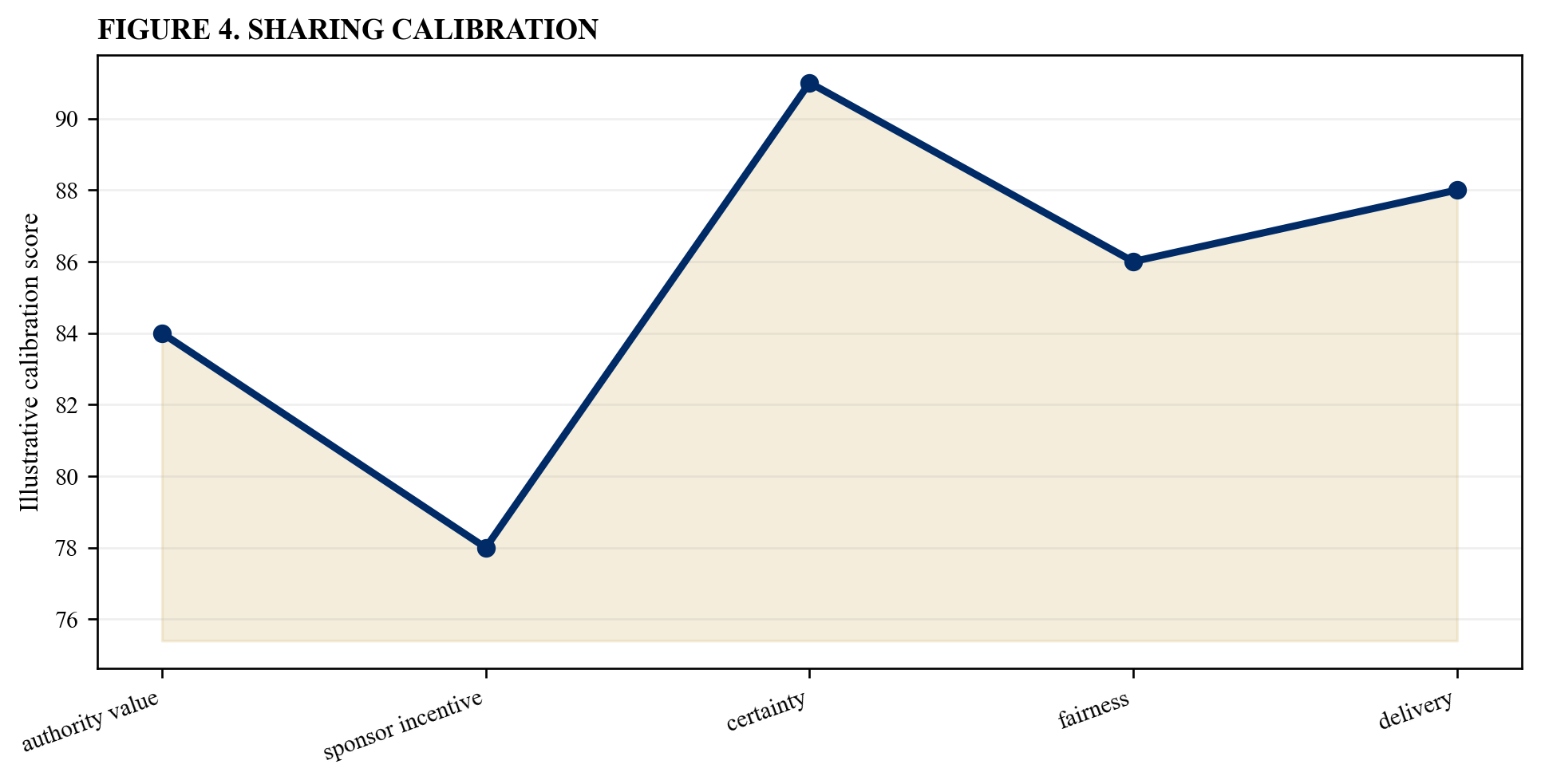
Illustrative analytical scenario; verified project evidence should replace values.
33. Obtain independent review
The authority and project company should appoint legal, financial, tax, model and technical assurance with clear scope. The required output is an assurance report. Record the accountable owner, contractual authority, source evidence, calculation rule, approval, exception and review date [5][38].
Test the conclusion against lifecycle value for money, sponsor incentive, financing efficiency, service continuity, risk transfer, fiscal affordability, termination exposure and execution certainty. Preserve the original model, executed financing documents and a controlled audit trail.
The principal risk is that party models can embed unchecked assumptions and conflicts. Quantify the effect on debt service, equity cash flow, authority payments, user charges, reserves, covenants, termination compensation, tax, accounting and downside resilience. Compare the proposed case with the existing financing and credible market alternatives.
Translate the conclusion into consent conditions, model controls, gain allocation, payment mechanics, closing deliverables and post-close monitoring. Refresh it for final executed terms and every material change.
34. Negotiate without reopening the deal
The authority and project company should limit consent negotiations to refinancing effects and approved conditions. The required output is a negotiation boundary. Record the accountable owner, contractual authority, source evidence, calculation rule, approval, exception and review date [1][39].
Test the conclusion against lifecycle value for money, sponsor incentive, financing efficiency, service continuity, risk transfer, fiscal affordability, termination exposure and execution certainty. Preserve the original model, executed financing documents and a controlled audit trail.
The principal risk is that refinancing can become a route to renegotiate unrelated risk allocation. Quantify the effect on debt service, equity cash flow, authority payments, user charges, reserves, covenants, termination compensation, tax, accounting and downside resilience. Compare the proposed case with the existing financing and credible market alternatives.
Translate the conclusion into consent conditions, model controls, gain allocation, payment mechanics, closing deliverables and post-close monitoring. Refresh it for final executed terms and every material change.
35. Document authority conditions
The authority and project company should translate service, leverage, reserves, covenants, payment and disclosure safeguards into consent. The required output is a conditional consent letter. Record the accountable owner, contractual authority, source evidence, calculation rule, approval, exception and review date [1][32].
Test the conclusion against lifecycle value for money, sponsor incentive, financing efficiency, service continuity, risk transfer, fiscal affordability, termination exposure and execution certainty. Preserve the original model, executed financing documents and a controlled audit trail.
The principal risk is that verbal expectations can disappear from closing documents. Quantify the effect on debt service, equity cash flow, authority payments, user charges, reserves, covenants, termination compensation, tax, accounting and downside resilience. Compare the proposed case with the existing financing and credible market alternatives.
Translate the conclusion into consent conditions, model controls, gain allocation, payment mechanics, closing deliverables and post-close monitoring. Refresh it for final executed terms and every material change.
36. Close against verified documents
The authority and project company should reconcile final facility, hedge, security, intercreditor and distribution documents to approval. The required output is a closing confirmation. Record the accountable owner, contractual authority, source evidence, calculation rule, approval, exception and review date [5][33].
Test the conclusion against lifecycle value for money, sponsor incentive, financing efficiency, service continuity, risk transfer, fiscal affordability, termination exposure and execution certainty. Preserve the original model, executed financing documents and a controlled audit trail.
The principal risk is that executed terms can differ from the model approved by the authority. Quantify the effect on debt service, equity cash flow, authority payments, user charges, reserves, covenants, termination compensation, tax, accounting and downside resilience. Compare the proposed case with the existing financing and credible market alternatives.
Translate the conclusion into consent conditions, model controls, gain allocation, payment mechanics, closing deliverables and post-close monitoring. Refresh it for final executed terms and every material change.
37. Calculate the final true-up
The authority and project company should replace estimates with final rates, fees, proceeds, dates and executed terms. The required output is a final gain statement. Record the accountable owner, contractual authority, source evidence, calculation rule, approval, exception and review date [5][20].
Test the conclusion against lifecycle value for money, sponsor incentive, financing efficiency, service continuity, risk transfer, fiscal affordability, termination exposure and execution certainty. Preserve the original model, executed financing documents and a controlled audit trail.
The principal risk is that pre-close calculations can overstate or understate the public share. Quantify the effect on debt service, equity cash flow, authority payments, user charges, reserves, covenants, termination compensation, tax, accounting and downside resilience. Compare the proposed case with the existing financing and credible market alternatives.
Translate the conclusion into consent conditions, model controls, gain allocation, payment mechanics, closing deliverables and post-close monitoring. Refresh it for final executed terms and every material change.
38. Monitor post-close compliance
The authority and project company should track payments, covenants, reserves, service, ownership and future financing changes. The required output is a refinancing monitoring dashboard. Record the accountable owner, contractual authority, source evidence, calculation rule, approval, exception and review date [4][40].
Test the conclusion against lifecycle value for money, sponsor incentive, financing efficiency, service continuity, risk transfer, fiscal affordability, termination exposure and execution certainty. Preserve the original model, executed financing documents and a controlled audit trail.
The principal risk is that value or risk can migrate after consent and payment. Quantify the effect on debt service, equity cash flow, authority payments, user charges, reserves, covenants, termination compensation, tax, accounting and downside resilience. Compare the proposed case with the existing financing and credible market alternatives.
Translate the conclusion into consent conditions, model controls, gain allocation, payment mechanics, closing deliverables and post-close monitoring. Refresh it for final executed terms and every material change.
39. Disclose the outcome
The authority and project company should publish an appropriate rationale, value allocation and safeguards subject to lawful redaction. The required output is a refinancing disclosure. Record the accountable owner, contractual authority, source evidence, calculation rule, approval, exception and review date [37][40].
Test the conclusion against lifecycle value for money, sponsor incentive, financing efficiency, service continuity, risk transfer, fiscal affordability, termination exposure and execution certainty. Preserve the original model, executed financing documents and a controlled audit trail.
The principal risk is that opacity can undermine public confidence in legitimate private returns. Quantify the effect on debt service, equity cash flow, authority payments, user charges, reserves, covenants, termination compensation, tax, accounting and downside resilience. Compare the proposed case with the existing financing and credible market alternatives.
Translate the conclusion into consent conditions, model controls, gain allocation, payment mechanics, closing deliverables and post-close monitoring. Refresh it for final executed terms and every material change.
40. Issue the refinancing certificate
The authority and project company should reconcile scope, consent, gain, sharing, payment, risk, documents and monitoring. The required output is an auditable refinancing certificate. Record the accountable owner, contractual authority, source evidence, calculation rule, approval, exception and review date [1][5].
Test the conclusion against lifecycle value for money, sponsor incentive, financing efficiency, service continuity, risk transfer, fiscal affordability, termination exposure and execution certainty. Preserve the original model, executed financing documents and a controlled audit trail.
The principal risk is that approval can rest on disconnected analyses with inconsistent conclusions. Quantify the effect on debt service, equity cash flow, authority payments, user charges, reserves, covenants, termination compensation, tax, accounting and downside resilience. Compare the proposed case with the existing financing and credible market alternatives.
Translate the conclusion into consent conditions, model controls, gain allocation, payment mechanics, closing deliverables and post-close monitoring. Refresh it for final executed terms and every material change.
Table 5. Refinancing certificate
| Decision | Evidence | Owner |
|---|---|---|
| consent | contract and conditions | authority |
| gain | locked model and true-up | financial adviser |
| risk | termination and resilience | contract manager |
| payment | executed value allocation | finance function |
Illustrative analytical structure; verified contract and financing evidence govern.
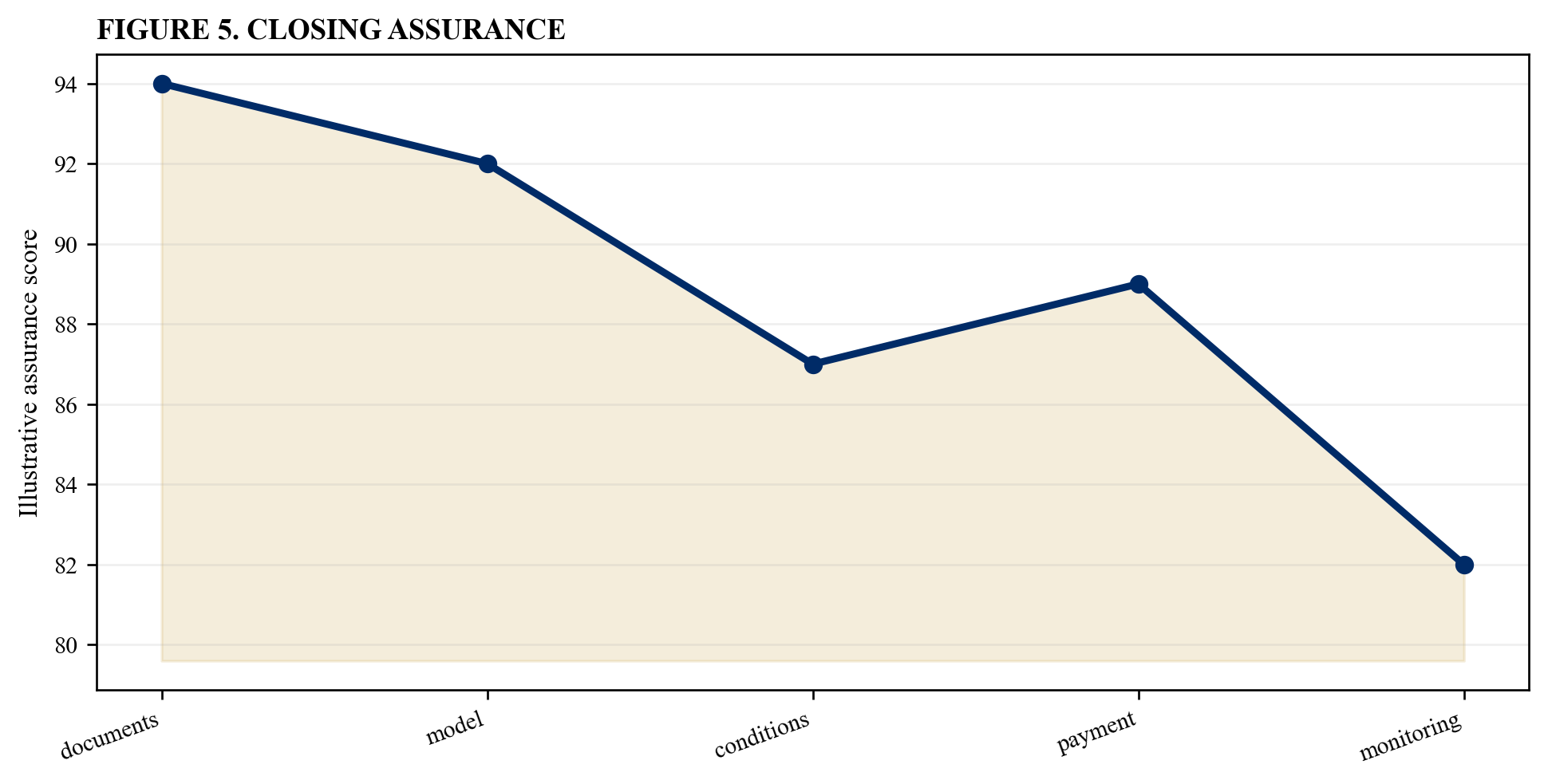
Illustrative analytical scenario; verified project evidence should replace values.
References
- World Bank Group, Guidance on PPP Contractual Provisions: Refinancing, https://ppp.worldbank.org/sites/default/files/2024-07/Guidance_%20PPP_Contractual_Provisions_EN_2017.pdf
- World Bank PPP Resource Center, Considerations for Government, https://ppp.worldbank.org/considerations-government
- World Bank Group, Recommended PPP Contractual Provisions, https://ppp.worldbank.org/sites/default/files/2024-09/world_bank_group_report_on_recommended_ppp_contractual_provisions.pdf
- NISTA, PFI Foundations for Contract Managers, https://www.gov.uk/government/publications/pfi-foundations-for-contract-managers/nista-contract-management-guidance-pfi-foundations
- World Bank PPP Resource Center, Calculation of the Authority's Share of a Refinancing Gain, https://ppp.worldbank.org/library/guidance-note-calculation-authority-s-share-refinancing-gain
- World Bank Group, PPP Reference Guide Version 3, https://ppp.worldbank.org/sites/default/files/2024-08/PPP%20Reference%20Guide%20Version%203.pdf
- EPEC, Guide to Guidance, https://www.eib.org/epec/g2g/index.htm
- World Bank PPP Resource Center, How PPPs Are Financed, https://ppp.worldbank.org/financing
- OECD, Recommendation on the Governance of Infrastructure, https://legalinstruments.oecd.org/en/instruments/OECD-LEGAL-0460
- World Bank PPP Resource Center, Refinancing Gains Overview, https://ppp.worldbank.org/sites/default/files/2025-04/chapter-1-ppp-introduction-and-overview.pdf
- World Bank PPP Resource Center, Finance Structures for PPP, https://ppp.worldbank.org/finance-structures-ppp
- World Bank PPP Resource Center, Debt Finance, https://ppp.worldbank.org/financing
- IFRS Foundation, IFRS 9 Financial Instruments, https://www.ifrs.org/issued-standards/list-of-standards/ifrs-9-financial-instruments/
- World Bank PPP Resource Center, Hedging Agreements, https://ppp.worldbank.org/financing
- World Bank PPP Resource Center, Performance Security, https://ppp.worldbank.org/security-documents
- World Bank PPP Resource Center, Managing PPP Contracts, https://ppp.worldbank.org/managing-ppp-contracts
- World Bank PPP Resource Center, Risk Allocation, https://ppp.worldbank.org/risk-allocation
- HM Treasury, Standardisation of PF2 Contracts, https://www.gov.uk/government/publications/standardisation-of-pf2-contracts
- UK Government, The Green Book, https://www.gov.uk/government/publications/the-green-book-appraisal-and-evaluation-in-central-government
- World Bank PPP Resource Center, PPP Financial Models, https://ppp.worldbank.org/financing
- Government of Canada, PPP Project Finance Guidance, https://www.infrastructure.gc.ca/plan/ppp-p3-eng.html
- HMRC, PFI Refinancing Gains, https://www.gov.uk/hmrc-internal-manuals/business-income-manual/bim64370
- HMRC, PFI Refinancing Gains: Interest, https://www.gov.uk/hmrc-internal-manuals/business-income-manual/bim64371
- IFRS Foundation, IFRS 9 Derecognition and Modification, https://www.ifrs.org/issued-standards/list-of-standards/ifrs-9-financial-instruments/
- IFRS Foundation, IAS 12 Income Taxes, https://www.ifrs.org/issued-standards/list-of-standards/ias-12-income-taxes/
- World Bank, Guidance on Procuring Infrastructure PPPs, https://ppp.worldbank.org/managing-bid-process
- EPEC, Capital Markets in PPP Financing, https://www.eib.org/epec/
- World Bank PPP Resource Center, Project Bonds and Institutional Finance, https://ppp.worldbank.org/financing
- ICMA, Green Bond Principles, https://www.icmagroup.org/sustainable-finance/the-principles-guidelines-and-handbooks/green-bond-principles-gbp/
- Bank of England, SONIA Interest Rate Benchmark, https://www.bankofengland.co.uk/markets/sonia-benchmark
- World Bank PPP Resource Center, Termination Provisions, https://ppp.worldbank.org/renegotiation-government-step-rights-termination-and-dispute-resolution
- World Bank PPP Resource Center, Direct Agreements and Step-in Rights, https://ppp.worldbank.org/intercreditor-arrangements
- World Bank PPP Resource Center, Intercreditor Arrangements, https://ppp.worldbank.org/intercreditor-arrangements
- IMF, Public Investment Management Assessment, https://infrastructuregovern.imf.org/content/PIMA/Home/PimaTool.html
- IMF, Public-Private Partnerships Fiscal Risk Assessment Model, https://infrastructuregovern.imf.org/content/PIMA/Home/P-FRAM.html
- IMF, Government Finance Statistics Manual, https://www.imf.org/external/Pubs/FT/GFS/Manual/2014/gfsfinal.pdf
- World Bank PPP Resource Center, Disclosure of PPP Information, https://ppp.worldbank.org/disclosure-ppp-project-and-program-information
- International Federation of Accountants, International Standard on Assurance Engagements 3000, https://www.iaasb.org/publications/international-standard-assurance-engagements-isae-3000-revised-assurance-engagements-other-audits-or-reviews
- World Bank PPP Resource Center, Adjustments in Exceptional Situations, https://ppp.worldbank.org/adjustments-exceptional-situations
- OECD, Integrity Framework for Public Investment, https://www.oecd.org/gov/infrastructure-governance/
